


Diving Medical Examinations & Treatment
Recreational & Sport Diver Medical Examinations
Commercial Diver Medical Examinations (Periodic Assessments)
Pre-Entry Medical Examinations for Commercial Diving School Applicants
Eustachian Tube Balloon Dilation for Ear Pain and Pressure Equalisation Problems
Commercial and Recreational Diving Medical Examinations
Medical Examinations for Divers
Commercial Divers
Commercial diving is a physically demanding profession that requires a high level of fitness and good overall health. Charlottenlund Private Hospital offers medical examinations performed by diving physicians approved by the Danish Maritime Authority. All of our diving physicians are experienced divers themselves and have a thorough understanding of the physical and medical requirements for safe recreational and professional diving.
Commercial divers must hold a valid Medical Certificate of Fitness to Dive for the type of diving work they perform. This certificate must be renewed every year by undergoing a medical examination and being declared fit to dive.
In Denmark, diving medical examinations may only be carried out by specially authorised diving physicians appointed by the Danish Maritime Authority.
Specialist Bjørn Arenkiel is responsible for diving medicine at Charlottenlund Private Hospital. He has many years of experience conducting diving medical examinations and treating divers in the hyperbaric chamber at Rigshospitalet, where he works as a Consultant in Hyperbaric Medicine.
Recreational Divers
Although recreational diving is not a profession, it places significant demands on both physical fitness and overall health. Diving exposes the body to changes in pressure, cold temperatures, and physical exertion, making it essential that recreational divers are medically fit to dive safely.
In Denmark, diving medical examinations may only be performed by specially authorised diving physicians appointed by the Danish Maritime Authority. While annual medical examinations are primarily required for commercial divers, recreational divers are also encouraged to undergo regular health assessments, particularly if they dive frequently, undertake deep dives, or have a chronic medical condition.
At Charlottenlund Private Hospital, diving medical examinations are performed by authorised diving physicians with extensive knowledge of diving medicine. As experienced divers themselves, our physicians have a practical understanding of the challenges and risks associated with safe diving, both recreationally and professionally.
Specialist Bjørn Arenkiel leads our diving medicine service and has extensive experience in assessing divers. He also works as a Consultant in Hyperbaric Medicine at Rigshospitalet, where he treats divers with decompression sickness and other diving-related conditions. This expertise is equally valuable for recreational divers, as expert medical assessment and advice can help prevent injuries and ensure a safe and enjoyable diving experience.
For recreational divers, safe diving is not only about having the right equipment and skills—it is also about ensuring that your body is fit for the demands of the underwater environment. Regular medical assessments and advice from an experienced diving physician are an important investment in both your safety and your enjoyment of diving.
Eustachian Tube Balloon Dilation
Do You Experience Ear Pain When Diving?
Many divers experience ear pain during descent as the air in the middle ear is compressed and pressure builds against the eardrum. In most cases, divers know to ascend slightly and try to equalise the pressure again. However, for some people, pressure equalisation is not possible, making it necessary to abort the dive.
For commercial divers, this can affect their ability to work and, in some cases, may even force them to end their diving career. For others, difficulties equalising pressure prevent them from obtaining a diving certification, meaning they are unable to pursue their dream of exploring the underwater world.
At Charlottenlund Private Hospital, our Medical Director and ENT specialist, Jacob Fisker—who is also an active diver—offers Eustachian tube balloon dilation for carefully selected patients with persistent pressure equalisation difficulties.
The procedure is always performed under general anaesthesia, and our team has extensive experience with this advanced treatment.
Eustachian tube balloon dilation is available as a self-funded procedure or through private health insurance.
Read more about the procedure here or read Felicia's and Marie's stories here.
Patient testimonial from Felicia:
"Earlier this year, I had surgery with you after narrow eustachian tubes had prevented me from boarding a plane for 7 years due to severe discomfort and problems with pressure equalization. Today I had my ears tested on a flight. The surgery made a much bigger difference than I dared to hope for and now I don't have to feel discomfort in my body when I think about traveling around the world. So a heartfelt thank you to you🌺 it will have a great positive impact on my life."
Commercial Diving Medical Examinations
Commercial divers are required to hold a valid Medical Certificate of Fitness to Dive, confirming that they have successfully completed a diving medical examination.
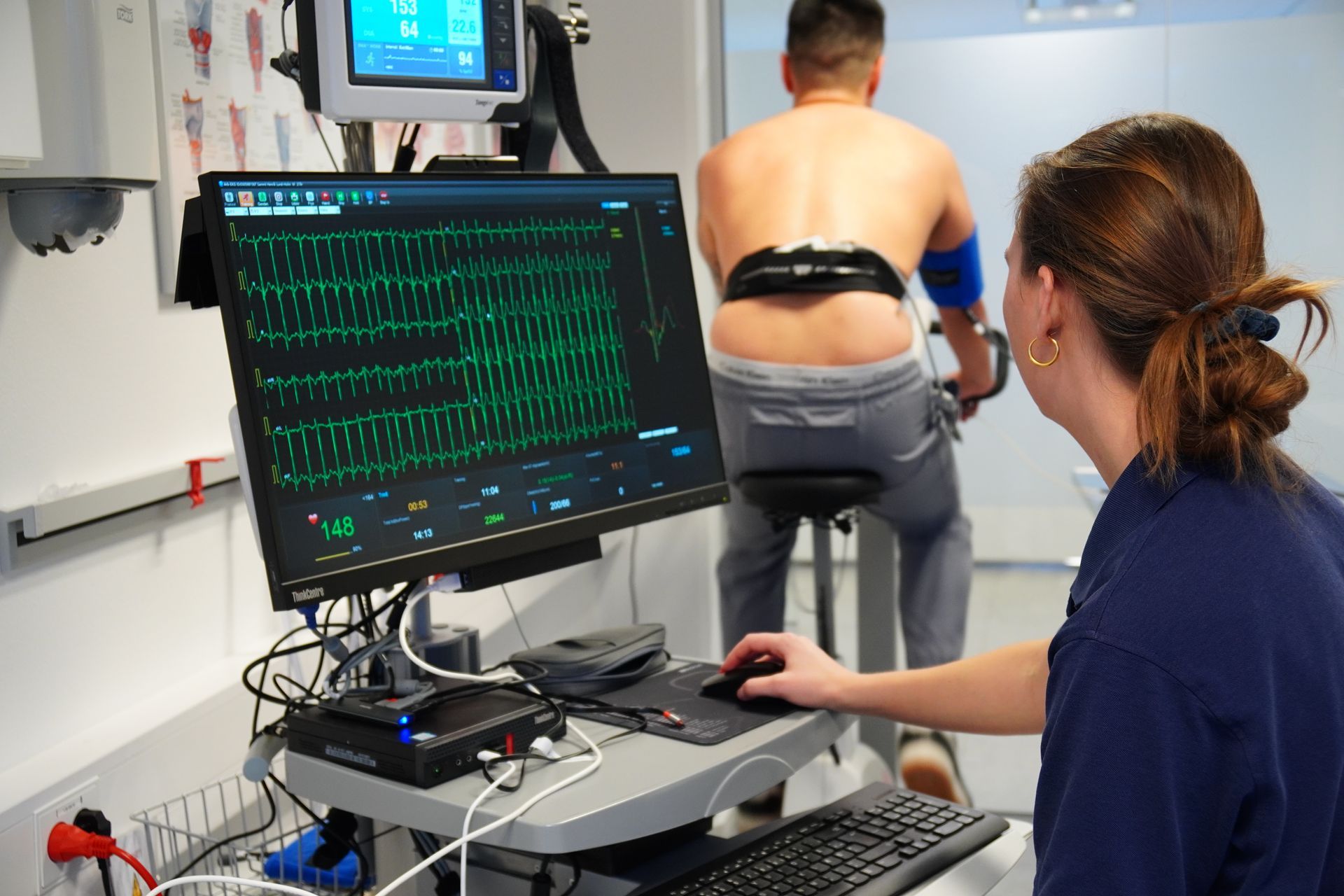
During the examination, the diving physician assesses the diver's physical and mental fitness to ensure they are medically fit for commercial diving.
A comprehensive diving medical examination ("major examination") must be completed every five years. Once a diver reaches the age of 50, the comprehensive examination must be repeated every two years instead of every five years.
In the intervening years, commercial divers are required to undergo an annual periodic medical examination ("minor examination").
If the examination identifies any indication of a medical condition, all relevant findings will be investigated further.
The examination is carried out in accordance with the official guidelines issued for diving physicians appointed by the Danish Maritime Authority. These guidelines include a list of specific medical conditions that may result in a diver being declared fit, fit with restrictions, or unfit for commercial diving.
Following the examination, the physician records the result in the diver's medical certificate.
Fees
- Annual Periodic Medical Examination (Minor): DKK 2,000
- Comprehensive Medical Examination (Major): DKK 3,000
Please note: From the age of 50, the comprehensive medical examination must be completed every two years instead of every five years.
Medical Examination for Commercial Diving School Applicants
Applicants to commercial diving school are required to undergo a comprehensive diving medical examination before they can be admitted to training.
This examination is required only once and includes a thorough assessment of the heart and lungs, as well as vision and hearing tests.
Medical Fitness Requirements
Divers must be in good health, physically fit, and have the stamina required for professional diving.
Any congenital or acquired abnormality, active or latent disease, acute or chronic illness, or any condition resulting from injury, trauma, or surgery that may impair a diver's ability to dive safely may result in the applicant being declared unfit for diving.
The examining diving physician will pay particular attention to medical conditions that may affect fitness to dive. If necessary, further investigations will be arranged to clarify any underlying condition.
As a general rule, chronic organic diseases and medical conditions are considered disqualifying for professional diving. Chronic inflammatory diseases are also regarded as contraindications, as active inflammatory processes are believed to increase the risk of decompression sickness. However, experienced commercial divers may, in certain cases, be permitted to dive during periods when their disease is inactive, provided they comply fully with medical follow-up and treatment.
Fee
- Commercial Diving School Applicant Medical Examination: DKK 4,000
Recreational Diving Medical Examination
In recreational diving, you may be required to provide a medical certificate of fitness to dive before you are allowed to participate in diving activities.
In Denmark, there is no legal requirement for recreational divers to undergo a medical examination. However, the requirement depends on the diving organization you belong to or with which you are completing your training.
For example, if you are training through CMAS, a valid medical certificate is always required. You can download the required medical form here.
PADI only requires a medical certificate if you answer "Yes" to one or more questions on the Diver Medical Participant Questionnaire. You can download the PADI medical form here.
In addition, many dive centres around the world require a valid medical certificate before allowing divers to participate in diving activities. In most cases, the same certificate can be used.
Fee
Recreational Diving Medical Examination: DKK 1,500