


Cat and Dog Allergies
Assessment and treatment of allergies to cats, dogs and other furry animals by ear, nose and throat (ENT) specialists – for children and adults.
Cat and dog allergies (animal allergies or pet dander allergies) are allergic reactions to proteins released from animals' skin, saliva and urine – not to the fur itself. Typical symptoms include sneezing, a runny or blocked nose, itchy eyes and, in some cases, coughing or asthma. At Charlottenlund Private Hospital, cat and dog allergies are assessed by ENT specialists using a skin prick test or blood test during a single visit. Both children and adults can be examined – in Charlottenlund and at the hospital's clinics across Denmark. Treatment includes medication, advice on reducing exposure to the animal and, for severe symptoms, allergy immunotherapy with injections for cat or dog allergies.
What are cat and dog allergies?
In people with cat or dog allergies, the immune system reacts to specific proteins produced by the animal. These proteins are lightweight, remain airborne for long periods and settle on furniture, carpets and clothing. This means symptoms can occur even without touching the animal – and may persist long after the animal has left the home.
In an American study of 15 homes where cats had been removed, it took 20–24 weeks for allergen levels in 8 of the homes to fall to levels found in homes without cats (Wood et al., J Allergy Clin Immunol, 1989).
Along with pollen and house dust mites, cat and dog allergies are among the most common causes of allergic rhinitis. Allergies to airborne substances have also become increasingly common among Danish adults.
Is it the fur that causes the allergy?
No. The main cat allergen is produced primarily in the sebaceous glands of the skin and is also found in saliva. When a cat grooms itself, the allergen spreads onto its fur, and hair and skin flakes distribute it throughout the home. More than 80% of people with cat allergies have antibodies against this particular protein (Bonnet et al., Allergy Asthma Clin Immunol, 2018).
Similarly, dog allergens are found in skin flakes, saliva and urine. Dogs and cats with short fur or no fur therefore also produce allergens.

When should you get tested for pet allergy?
It is a good idea to get tested if you suspect you are allergic to an animal you live with or spend time with often – or before getting a cat or dog if you have had symptoms in the past.
- Your nose or eyes react when you are in a home with a cat or dog
- Symptoms are present all the time after a pet comes into the home
- You develop a cough or wheezing around animals
- You are considering getting a cat or dog and have had allergies before
- Over-the-counter medication is not enough
How can you find out whether you are allergic to cats or dogs?
The examination begins with a discussion about when your symptoms occur and whether there are animals at home, at work or in your family's homes. The specialist also examines your nose, as nasal congestion can have causes other than allergies.
During a skin prick test, a drop of each allergen is placed on the forearm, and the skin is gently pricked. Antihistamine tablets must be stopped for three days before the test.
At Charlottenlund Private Hospital, the skin prick test includes cat, dog and horse allergens, as well as birch, grass, mugwort, two types of house dust mites and two types of mould. The reaction is assessed after 15–20 minutes.
A blood test (IgE) can replace or supplement the skin prick test and is included in the allergy assessment.
The blood test initially screens for 11 common airborne allergens simultaneously: cat, dog, horse, birch, grass, mugwort, olive, plantain, two types of house dust mites and one type of mould.
If the screening result is positive, further analysis identifies which specific allergens trigger a reaction. Results are available within a few days.
A positive test result indicates that the body is sensitised to the animal, but the result is always assessed alongside the patient's symptoms.
Many people are also allergic to pollen or house dust mites, which is why all these allergens are tested at the same time.
Read more about allergy testing and skin prick tests.
How common are cat and dog allergies?
Symptoms triggered by furry animals are common and have become more frequent.
In the Copenhagen Allergy Study, randomly selected Copenhagen residents aged 15–41 completed the same questionnaire in 1989 and 1998.
The proportion reporting an itchy or blocked nose or sneezing around furry animals increased from 10.2% to 14.4%, while the proportion experiencing shortness of breath around furry animals increased from 5.4% to 7.6% (Linneberg et al., Respiratory Medicine, 2001).
Why can you have symptoms in a home without pets?
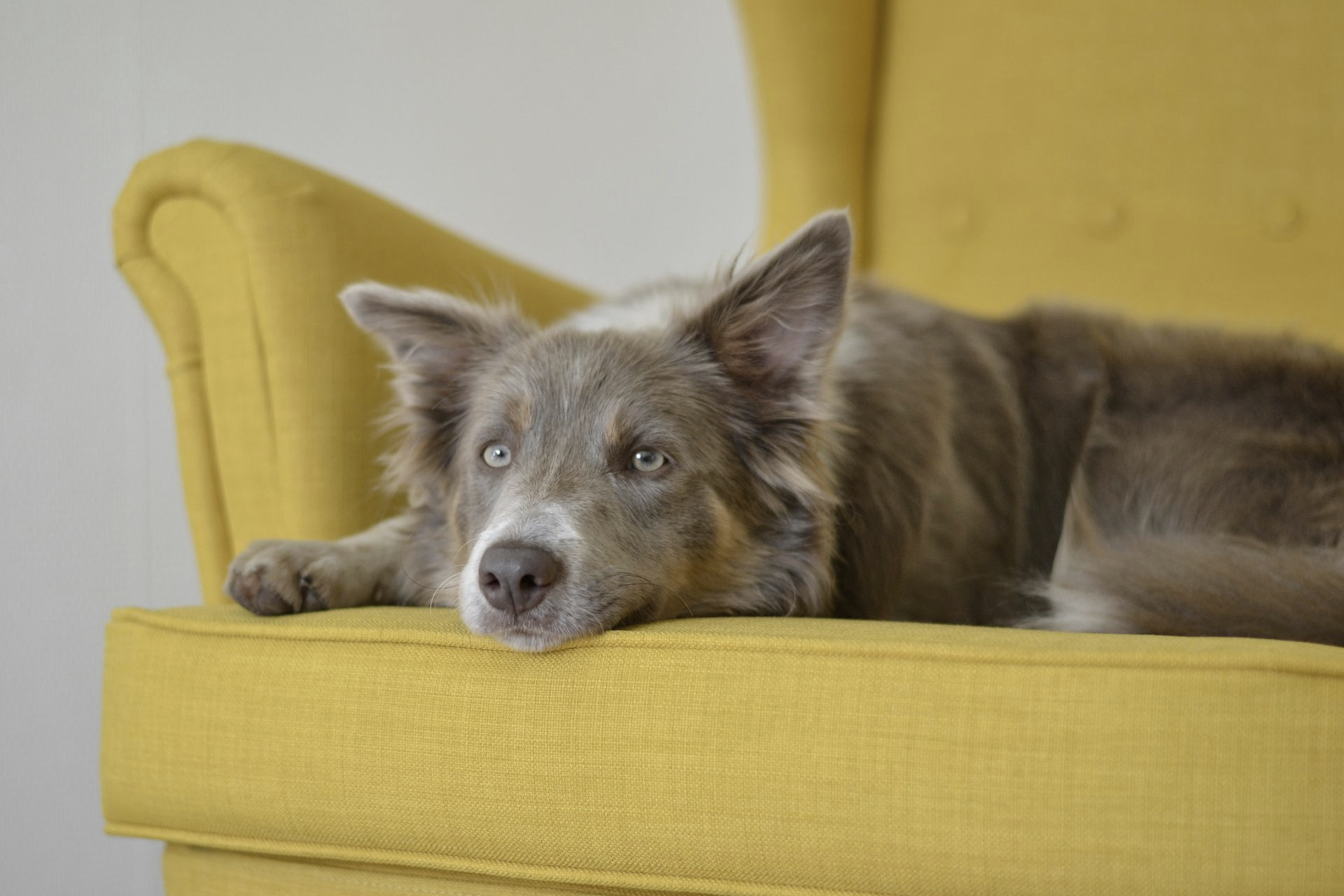
Allergens are carried on clothing and in bags, so they can also be found in places where there has never been an animal. In a US study, cat allergen was found in the dust in 38 of 40 homes without cats, at levels that could cause symptoms in people with cat allergy (Bollinger et al., J Allergy Clin Immunol 1996). This explains why some people react in classrooms, at the office or in the car.
Can cat and dog allergies be treated?
Yes. Symptoms can be managed with medication and less contact with the animal, and for severe symptoms, allergen immunotherapy injections for cat or dog allergy may be considered. Allergy tablets are available only for pollen and house dust mites – not for animals. The specialist will start and adjust your medication – even if you already use over-the-counter medicines. If you have symptoms most of the time, a nasal corticosteroid spray is essential, according to the Danish Health Authority’s Rational Pharmacotherapy. If you are visiting someone who has a cat or dog, you can take the medication in advance.
Allergy immunotherapy injections are offered in Charlottenlund to adults and children aged five and over.
Treatment begins with an injection under the skin of the upper arm every week for approximately 15 weeks, with the dose gradually increased.
After this initial phase, injections are given every 4–8 weeks for at least three years.
After each injection, patients must remain at the hospital for at least 30 minutes so medical staff can respond if an allergic reaction occurs. Each appointment therefore takes approximately 45 minutes.
Treatment effectiveness is assessed after approximately one year on the maintenance dose. If the treatment has not helped, it is discontinued.
A Danish review article on allergic rhinoconjunctivitis explains that immunotherapy for cat and dog allergies is only administered by injection and only in selected cases.
Treatment is therefore reserved for patients who continue to experience severe symptoms despite medication and who do not have the animal in their own home. For those living with the animal, treatment is rarely sufficiently effective because of continuous daily allergen exposure.
Allergy immunotherapy injections are also available through the public healthcare system with a referral from your GP. Treatment may be provided free of charge at a public hospital or by a specialist contracted with the public healthcare system, where patients pay for the medication themselves. Waiting times may apply.
At Charlottenlund Private Hospital, patients pay for both the medication and appointments with the nurse.
See prices and compare the available options under Allergy Immunotherapy.
The medication is purchased from a pharmacy and stored at the hospital. It is eligible for reimbursement, and for an adult who does not purchase other reimbursable medication, the annual cost is approximately DKK 2,400–3,000 after reimbursement (2026).
Appointment fees are listed in the price list.
Adults who also experience coughing or wheezing are assessed for asthma by their GP, while children are assessed by the hospital's paediatric department.
How are children assessed for cat or dog allergy?
Children are assessed by ear, nose and throat specialists in the same way as adults, with a consultation, examination of the nose and a skin prick test or blood test. In children, pet allergy is often associated with asthma and eczema. If your child has a cough or wheezing, they will be assessed for asthma by the hospital’s paediatrician – read about asthma in children. Itching and eczema are assessed by a dermatologist; see childhood eczema. Children aged 5 and over with severe cat or dog allergy can have allergen immunotherapy injections – from an ENT specialist or the hospital’s paediatrician, depending on where the child was assessed.

Are there hypoallergenic cats and dogs?
No, no breeds are allergy-free. Breeds that shed little or have curly coats are often called hypoallergenic, but research does not support this. A Dutch study of 196 so-called hypoallergenic dogs – including Labradoodles and Poodles – found more dog allergen in their coats than in ordinary dogs, and no difference in airborne allergen levels in their homes (Vredegoor et al., J Allergy Clin Immunol 2012).
Sex can play a role. Male cats produce more of the main cat allergen than female cats, and neutered males produce less than unneutered males (Bonnet et al., 2018). Some people with dog allergy react only to a protein produced in the prostate of male dogs. In a Danish study, 5 of 7 children with this type of allergy reacted to a male dog in an eye challenge test, but only 1 of 7 reacted to a female dog (Schoos et al., J Allergy Clin Immunol Pract 2020). The study was small, so an animal cannot be labelled hypoallergenic for an individual in advance.
Can you keep a cat or dog even if you are allergic?
It depends on how severe the symptoms are. Some people manage well with their pet and medication, while others find the symptoms become too much – especially if they also have asthma. Good habits can reduce the amount of allergen, but cannot remove it. Washing the cat only helps temporarily, because the amount of allergen on its fur returns to previous levels after about two days (Bonnet et al., 2018). As a rule, allergen immunotherapy is not a solution if you keep the pet, because you are then exposed to the allergens every day.
Referral and payment
Many health insurance policies may cover assessment by an ENT specialist, but insurers typically require a GP referral and prior approval. Allergen immunotherapy is typically not covered by insurance. No referral is needed if you are paying for your own treatment. Prices are listed in the price list. Cat and dog allergy is assessed by ENT specialists in Charlottenlund and at the hospital’s clinics in several locations across Denmark; allergen immunotherapy is only available in Charlottenlund. allergen immunotherapy is only available at the hospital in Charlottenlund.
Frequently asked questions
What are the symptoms of cat allergies?
Typically, sneezing, a runny or blocked nose, and red, itchy eyes shortly after contact with a cat or spending time in a room where a cat has been. Some people develop a cough, wheezing or hives where the cat has licked or scratched them.
Can cat or dog allergies be cured?
Allergies do not necessarily go away on their own, but symptoms can be relieved with medication and by limiting contact with the animal. For severe symptoms, allergy immunotherapy with injections for cat or dog allergies may be an option—for adults and children aged 5 and over, at Charlottenlund Privathospital, at a hospital, or through a specialist with a public healthcare agreement.
Are there hypoallergenic cats and dogs?
No, no breeds are allergy-free. Research has not shown lower levels of airborne allergens in homes with so-called hypoallergenic dogs. Male cats produce more allergen than female cats, and some people with dog allergy react only to male dogs.
Can you keep a cat if you are allergic?
It depends on how severe the symptoms are. Some people live with the animal and medication, while others find the symptoms become too much – especially if they have asthma. Keep the animal out of the bedroom and wash fabrics frequently.
How are cat and dog allergies diagnosed?
With a skin prick test on the forearm, read after 15–20 minutes, or a blood test, which is included in the assessment. Both tests cover cat, dog and horse, as well as pollen, house dust mites and mould.
Why can you experience symptoms even when there are no animals in the house?
Allergens are carried on clothing and settle on furniture. They can be found in homes without pets, in schools and in cars, and can remain in a home for several months after the animal has moved away.
Is there a vaccine for cat allergies?
Yes. Allergen immunotherapy injections for cat and dog allergy are available at Charlottenlund Privathospital and – with a referral – at a hospital or from a specialist with a public contract. Treatment starts with one injection a week for about 15 weeks, followed by one injection every 4–8 weeks for at least three years. After each injection, you stay at the hospital for at least 30 minutes, so each visit takes about 45 minutes.