


CPAP - treatment of sleep apnea
TREATMENT OF SLEEP APNEA WITH CPAP MACHINE
Treating sleep apnea is essential for improving overall sleep quality and significantly reducing the risk of long-term health complications. There are several different treatment approaches, depending on the severity of the sleep apnea and the individual needs of the patient.
CPAP Therapy
The most common and highly effective treatment method is the use of a CPAP (Continuous Positive Airway Pressure) machine. This device works by delivering a gentle, constant flow of pressurized air through a mask worn over the nose (or both the nose and mouth) during sleep. This positive air pressure acts as an invisible splint, keeping your airway open and preventing breathing interruptions throughout the night.
Other Treatment Options
For milder cases or patients who cannot tolerate CPAP, alternative treatment options are available:
- Lifestyle Modifications: Adjustments such as weight loss, smoking cessation, and avoiding alcohol or sedatives before bed can dramatically reduce airway collapse.
- Oral Appliances (Mandibular Advancement Devices): These custom-fit dental splints are worn during sleep to gently hold the lower jaw slightly forward, keeping the airway open.
- Positional Therapy: Devices or techniques designed to prevent you from sleeping on your back, which is when sleep apnea is often at its worst.
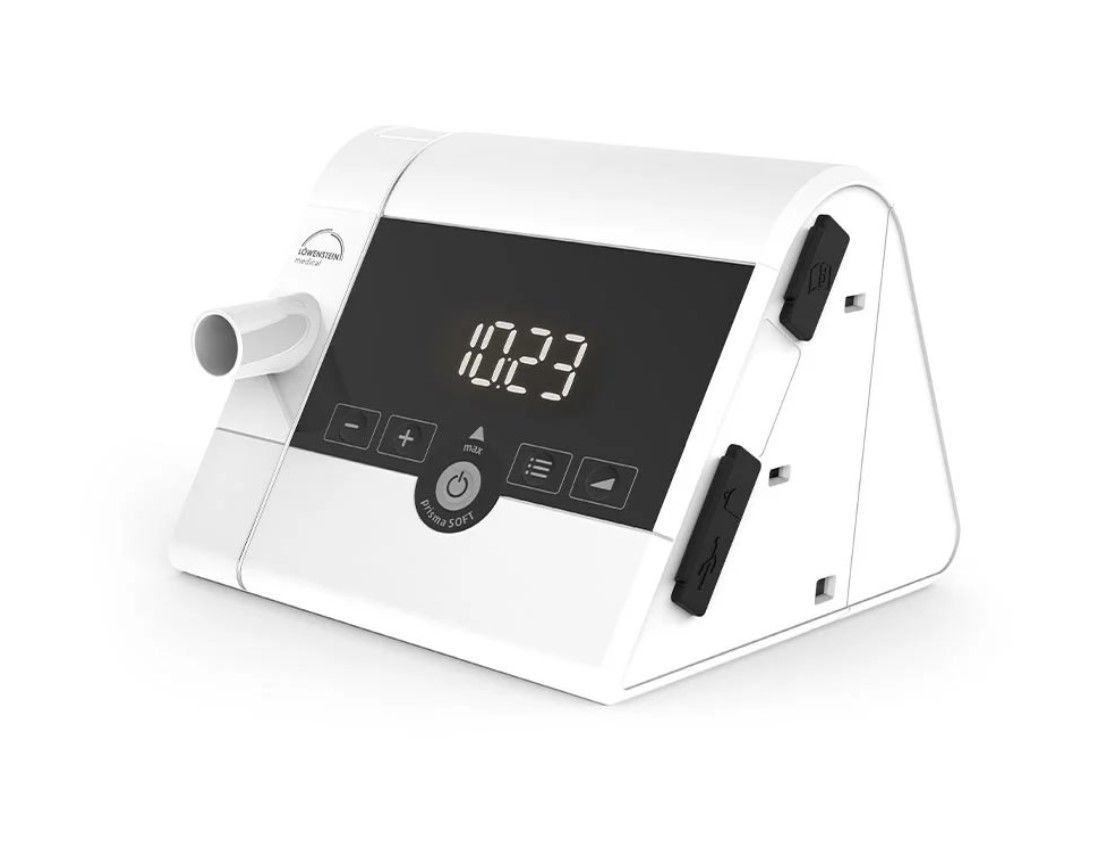
ABOUT THE CPAP MACHINE
The CPAP machine is connected to a tube that is connected to a mask that you wear over your nose or both your nose and mouth while sleeping. The mask can be shaped to cover your nose, or as a full-face mask that covers both your nose and mouth.
When you turn on the CPAP machine and put on the mask, the machine begins to deliver a continuous flow of air through the tubing and into the mask. This flow of air is constant and keeps your airways open.
How does it help with sleep apnea?
When you have sleep apnea, the soft tissue in your throat can block or narrow your airways, making it difficult to breathe normally. The CPAP machine creates a constant flow of air that keeps your airways open and prevents them from becoming blocked while you sleep. This helps prevent interruptions in breathing and ensures that you get enough oxygen into your body.
It may take some time to get used to using the CPAP machine, but it is important to be persistent. Over time, you will experience improvements in your sleep quality, reduction in snoring, and reduction in fatigue during the day.
Our staff will guide you on the correct use of the machine, how to adjust the settings and how to clean the mask and equipment regularly.
CPAP therapy is an effective and commonly used method to improve the symptoms of sleep apnea and promote better sleep quality. It is important to use the CPAP machine regularly and according to instructions to achieve the best results and enjoy the benefits of the treatment.
Frequently Asked Questions
How does CPAP work?
CPAP (Continuous Positive Airway Pressure) is a treatment that delivers continuous air pressure through a mask worn during sleep. The air pressure helps keep the upper airway open and prevents it from collapsing, which is the cause of the breathing pauses that occur in sleep apnea. This ensures that air can pass freely, improving oxygenation and sleep quality. The CPAP machine can be adjusted to deliver the necessary pressure to suit the needs of the individual patient.
Is it uncomfortable to sleep with CPAP?
Getting used to CPAP therapy can be a bit uncomfortable at first, especially if you've never used a mask at night. Many people experience a period of adjustment where they may feel trapped in the mask or have difficulty finding the right fit. However, most people report significant improvements in sleep quality once they get used to the mask. Modern CPAP machines are quiet, and many have features like humidity control, which makes it easier to sleep without a dry nose and throat. There are also different types of masks (nasal, face mask, etc.), so it's possible to find one that better suits your comfort.
How do I maintain my CPAP machine?
To ensure that your CPAP machine works optimally and remains hygienic, regular maintenance is important. The mask should be cleaned daily, and it is a good idea to use mild soap and warm water. Hoses and filters should also be cleaned regularly, and the filters should be replaced according to the manufacturer's recommendations to prevent clogging and bacterial growth. The hoses should also be replaced at regular intervals, as they can become worn or clogged. It is also important to check that the machine is working properly and that the air pressure is set correctly to ensure effective treatment. At Charlottenlund Privathospital, our sleep specialists monitor the treatment via remote access and we are automatically notified if there are any problems with the treatment. This way, you can sleep peacefully.
Fact box about obstructive sleep apnea:
Obstructive sleep apnea is a condition in which the airway becomes blocked during sleep, leading to repeated pauses in breathing. This causes disrupted sleep and symptoms such as snoring, choking sensations, and daytime fatigue. The condition is often caused by obesity, age, or anatomical factors and can increase the risk of cardiovascular disease and high blood pressure. Treatment includes lifestyle changes, CPAP therapy, or in some cases, a mouth guard or surgery.

For further information, you are welcome to visit the Danish Sleep Apnea Association.
www.soevnapnoe.dk
Opening hours
Tuesday:
Wednesday:
Thursday:
09:00 - 15:00
09:00 - 15:00
09:00 - 15:00
Phone time
Tuesday:
Wednesday:
Thursday:
08:00 - 09:00
08:00 - 09:00
08:00 - 09:00
AREAS
Ear, nose and throat
Diving medicine
Sleep
Hearing aids
Children
Information
Insurance patient
Private patient
The expanded free hospital choice
Satisfaction survey
GDPR
About us
Career
Cancel
Address
Section for Sleep
Hans Edvard Teglers Vej 9, 2nd floor.
2920 Charlottenlund
The section for Søvn is located in the middle of Jægersborg Allé and the entrance is from the parking lot behind Meny, where you can park for free for 2 hours.
Tel: 32 22 44 10cpap@charlottenlund-privathospital.dk