


Meniere's syndrome
Get the right diagnosis and the right treatment
Dizziness can be difficult to diagnose - but with the right diagnosis, you're closer to the right treatment.
Ménière's disease is a recurring and extremely unpleasant dizziness and seasickness accompanied by ear symptoms in the form of pressure in the ear, hearing loss, tinnitus and distorted sound perception. After a vertigo attack, a period of hearing loss often follows, and if there are many attacks, treatment will be initiated. The diagnosis is made by a combination of advanced examinations, all of which are carried out at Charlottenlund Private Hospital.
The treatment will either be drainage of the eardrum in the affected ear, medical treatment or, in other cases, injection of adrenocorticotropic hormone into the middle ear.
Read also about:
Loose ear stones (BPPV)
Virus on the balance nerve
Frequently Asked Questions
Ménière's disease - classic presentation
A classic Ménière's disease flare-up typically presents as a cluster of sudden symptoms. An attack is defined by:
Severe Vertigo: A sudden, intense spinning sensation that can last anywhere from 20 minutes to several hours.
Fluctuating Hearing Loss: Often affecting only one ear, this hearing loss typically impacts low-frequency sounds first and can fluctuate in severity.
Tinnitus: A persistent ringing, roaring, buzzing, or pulsating sound in the affected ear.
A Feeling of Fullness (Aural Fullness): A distinct sensation of pressure, stuffiness, or a "clogged" feeling in the ear.
Nausea and Vomiting: The severity of the vertigo frequently triggers intense nausea, vomiting, and extreme difficulty maintaining balance.
After the Attack
Once the acute vertigo subsides, it is very common to experience profound fatigue, exhaustion, and mild imbalance (unsteadiness) for several days.
Ménière's disease typically runs a fluctuating course; attacks often occur in clusters over a period of weeks or months, separated by completely symptom-free intervals (remissions) that can last for months or even years.
Possible treatments
There is no cure for Ménière's disease, but various measures can reduce symptoms and the number of attacks - often, however, the specialist and the patient have to try several treatments together before one that works for the individual patient is found.
Possible treatments will be
- Installation of drains in the middle ear.
- Medical treatment.
- Lifestyle changes.
In severe cases, treatment with injections of adrenal corticosteroid or Gentamycin may be considered, which will typically take place in public hospitals.
How can I live with the disease?
How to best live with Ménière's disease:
Ménière's disease can be challenging, but with the right strategies, you can reduce attacks and improve your quality of life:
- Reduce salt intake to minimize fluid buildup in the inner ear.
- Avoid caffeine, alcohol, and nicotine as they can worsen symptoms.
- Manage stress through relaxation techniques such as meditation or yoga.
- Get enough sleep as fatigue can trigger attacks.
- Move slowly during attacks – sit or lie down to reduce dizziness.
- Keep a diary of diet, sleep, and symptoms to identify triggers.
With these measures, you can reduce attacks and live a more stable life with Ménière's disease, which often improves slowly over the years - it is therefore not a static condition and there can often be long periods without attacks - in some cases several years.
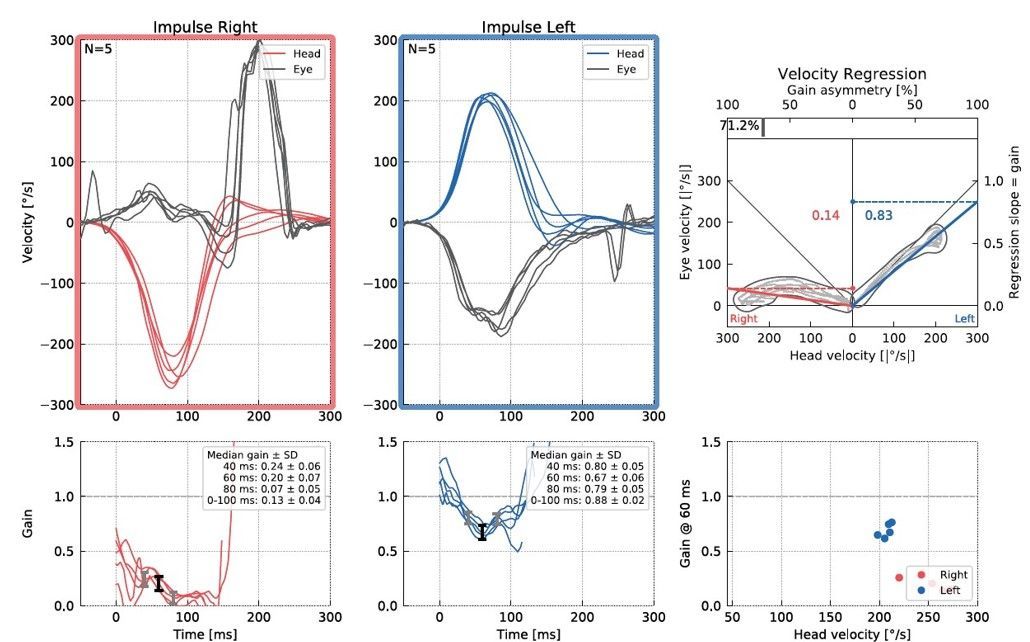
At Charlottenlund Private Hospital, all specialists are trained in using the VHIT glasses, ensuring you receive a thorough and reliable diagnosis.
Book an appointment for treatment of Ménière's disease
If you suffer from Ménière's disease and would like to be treated with us, please feel free to contact us. Our secretaries are ready to help and answer any questions you may have, as well as to find time for both a preliminary examination and surgery.