


Contact Allergy – Patch Testing and Assessment by a Dermatologist
A specialist in dermatology identifies the substance causing the skin reaction using patch testing in children and adults.
Contact allergy is an allergy in which the skin develops eczema after coming into contact with a particular substance, such as nickel, fragrance, preservatives or hair dye. The reaction typically appears 1–3 days after contact. Contact allergy is diagnosed with a patch test, where small patches containing the most common allergens are placed on the back for 2 days. At Charlottenlund Privathospital, contact allergy is assessed by Susanne Birkballe, specialist in dermatology, and patch testing takes place over 2–3 visits. Based on the results, you are advised which substances to avoid.
What is contact allergy?
With contact allergy, the immune system has learned to recognise a particular substance as foreign. The first time the skin encounters the substance, there may be no visible reaction, but the body becomes sensitised. If the skin later comes into contact with the same substance again, it reacts with itchy, red eczema, typically after 1–3 days. This delay can make it difficult to identify the cause yourself.
The eczema usually appears where the substance has touched the skin, but it can spread beyond that area. Contact allergy is usually lifelong, but the skin can become completely clear if the triggering substance is avoided.
What substances most commonly cause contact allergy?
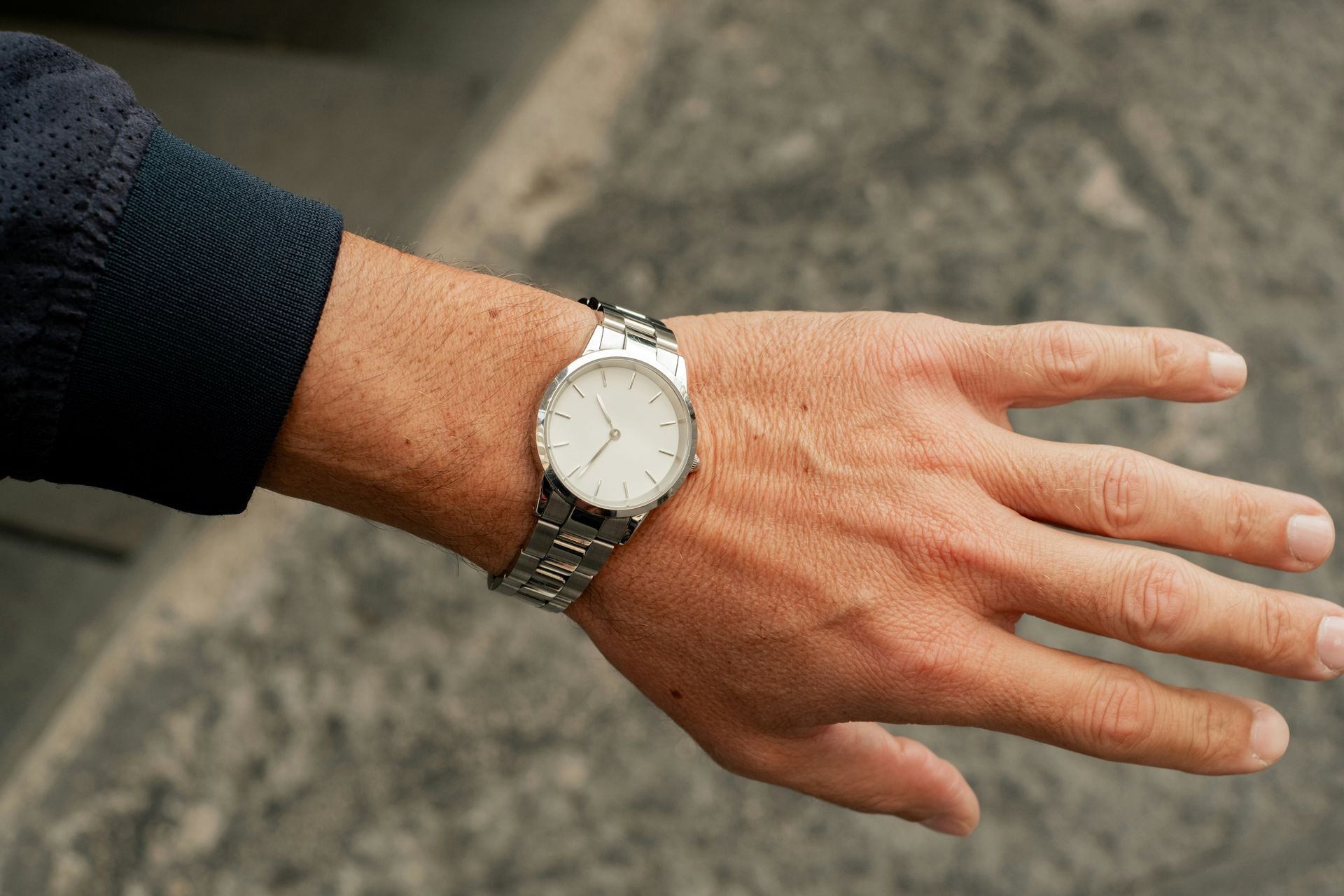
Nickel is the most common cause. In the pooled analysis, around 11% of the population had nickel allergy, which typically causes eczema under watch straps, jewellery, trouser buttons and zips.
Other common causes include fragrance ingredients, preservatives in creams, shampoos and wet wipes, cobalt, chromium in leather and cement, substances in hair dye and chemicals in rubber gloves.
Women are more likely to have contact allergy than men – 28% compared with 13% in the analysis – partly due to exposure to jewellery and cosmetics. Certain occupations also carry a higher risk, including hairdressers, healthcare workers, cleaners and construction workers, because the skin is frequently exposed to chemicals and water.
What is the difference between contact allergy and contact dermatitis?
Contact allergy is the allergy itself, while contact dermatitis is the eczema that develops on the skin.
Contact dermatitis can be caused by allergy, but even more commonly it is caused by irritation, for example from water, soap and cleaning products that damage the skin barrier. This is called irritant contact dermatitis and does not require an allergy.
The two forms can look very similar and often occur at the same time, particularly with hand eczema. Patch testing determines whether an allergy is involved and therefore whether there is a specific substance that should be avoided.

Patch test on the back. Each small chamber contains a substance that can cause contact allergy. (Stock photo)
How is a patch test performed?
Patch testing takes place over 2–3 visits. At the first appointment, the dermatologist reviews your medical history: where the eczema occurs, when it started, and which products and materials you use in everyday life and at work.
Small patches with individual chambers are then placed on the back. The chambers contain a standard series of the substances that most commonly cause contact allergy, and the patches are marked so that each substance can be identified later.
The standard series used at Charlottenlund Privathospital includes 35 substances, including metals such as nickel, chromium and cobalt, fragrances, preservatives, rubber chemicals, substances found in hair dyes, resins and adhesives, as well as certain substances used in medicines.
The patches remain on the back for 2 days. You then remove them yourself according to the dermatologist’s instructions. At the next appointment, the dermatologist checks whether the skin has reacted with redness, swelling or small blisters under any of the chambers.
Because some reactions develop later, another reading may be needed a few days afterwards.
A positive reaction may itch slightly for a few days and will disappear on its own. The test is applied and interpreted by Susanne Birkballe, specialist in dermatology.
What should you be aware of before and during the test?
The skin on the back should be healthy when the patches are applied. Sun exposure on the back and treatment with corticosteroids – both creams used on the back and corticosteroid tablets – can weaken the reaction and cause a false-negative result.
You should therefore agree with the dermatologist whether any treatment needs to be paused before the test. Antihistamines do not affect patch testing.
While the patches are in place, the back must not get wet, and strenuous physical activity that causes heavy sweating should be avoided. The patches must not be moved.
What happens after the test?
If the test is positive, the dermatologist explains which substance you react to, where it is commonly found, and whether the result corresponds to the area where the eczema occurs.
You are also told which alternative names the substance may appear under so that you can check ingredient lists on cosmetics and other products.
The most important treatment is to avoid the substance. At the same time, the eczema is treated with topical medication so that the skin can heal.
If the test is negative, the eczema may be caused by irritation or another skin condition, and the treatment plan is adjusted accordingly.
When should you be tested for contact allergy?
Patch testing is relevant if you have eczema that does not clear with treatment or repeatedly flares up, particularly on the hands, face, eyelids or around the mouth.
It is also relevant if eczema develops in connection with your work, or if you react to jewellery, cosmetics, hair dye or tattoos.
If you have atopic eczema that suddenly changes or no longer responds to your usual treatment, contact allergy may be part of the explanation. If the cause of a rash is unclear, a dermatologist can determine whether patch testing is appropriate.
Contact allergy in children
Children can also develop contact allergy. In the pooled analysis, around 16% of children and adolescents had contact allergy to at least one substance.
In children, nickel and ingredients in skincare products are common causes. The dermatologist sees children of all ages, and patch testing may form part of the assessment when a child has eczema that does not improve.
Skin prick testing – a different type of allergy test
Patch testing should not be confused with skin prick testing.
Skin prick testing detects allergies that cause symptoms within minutes, for example hives, hay fever or swelling after contact with pollen, animals or foods. Skin prick testing can be performed at the clinic.
Allergy to pollen, animals and foods is assessed in the hospital’s allergy department.
Referrals and payment
Many health insurance policies cover a dermatologist’s examination, but insurers typically require a referral from your GP and prior authorisation. No referral is needed if you are paying privately. Prices are listed in the price list. Consultations take place at the main clinic in Charlottenlund.
Frequently asked questions
How is contact allergy diagnosed?
Contact allergy is diagnosed with a patch test. Small patches containing the substances that most commonly cause contact allergy are placed on the back and left in place for 2 days. The dermatologist then checks whether the skin has reacted. The test involves 2–3 visits.
What are the most common contact allergens?
Nickel is the most common cause of contact allergy. Other common causes include fragrances, preservatives in cosmetics, chromium in leather and cement, cobalt, hair dye and chemicals in rubber gloves.
What is the difference between contact allergy and contact dermatitis?
Contact allergy is the allergy to a substance itself. Contact dermatitis is the eczema that develops when the skin is exposed to the substance. Contact dermatitis can also be caused by irritation from, for example, water and soap, without an allergy. Patch testing can distinguish between the two.
How long does a patch test take?
The patches stay on your back for 2 days, and the test is read over the following days. The process takes a few days in total and involves 2–3 visits.
What should you avoid before a patch test?
For three days before the test, do not apply steroid cream or other medicated eczema cream to the upper back, where the patches will be placed. On the day of the test, do not apply moisturiser to your back either.
Can contact allergy go away?
Contact allergy is usually lifelong. However, if you avoid the substance you are allergic to, your skin can clear completely and the eczema will go away.
What is the difference between patch testing and prick testing?
Patch testing detects contact allergies, where the reaction appears after 1–3 days. Prick testing detects allergies that cause symptoms within minutes, such as allergies to pollen, animals or food.
Can children have patch tests?
Children are only patch tested when there is strong suspicion of contact allergy, and testing takes place in a hospital department. A dermatologist can assess the eczema and refer the child if needed.