


House Dust Mite Allergy (Dust Allergy)
Examination and treatment of house dust mite allergy by ENT specialists – for children and adults.
House dust mite allergy (dust allergy) is an allergic reaction to house dust mites – tiny creatures that live in beds, duvets and carpets. It typically causes a blocked or runny nose, sneezing and itchy eyes throughout the year, often with symptoms at their worst in the morning. At Charlottenlund Privathospital, house dust mite allergy is diagnosed by ENT specialists using a skin prick test or blood test. The diagnostic assessment can be completed in a single visit. Both children and adults can be examined in Charlottenlund and at the hospital's clinics across Denmark. For patients with severe symptoms despite medication, allergen immunotherapy against house dust mites may be offered – as tablets or injections – for children from the age of five and adults.
What Is House Dust Mite Allergy?
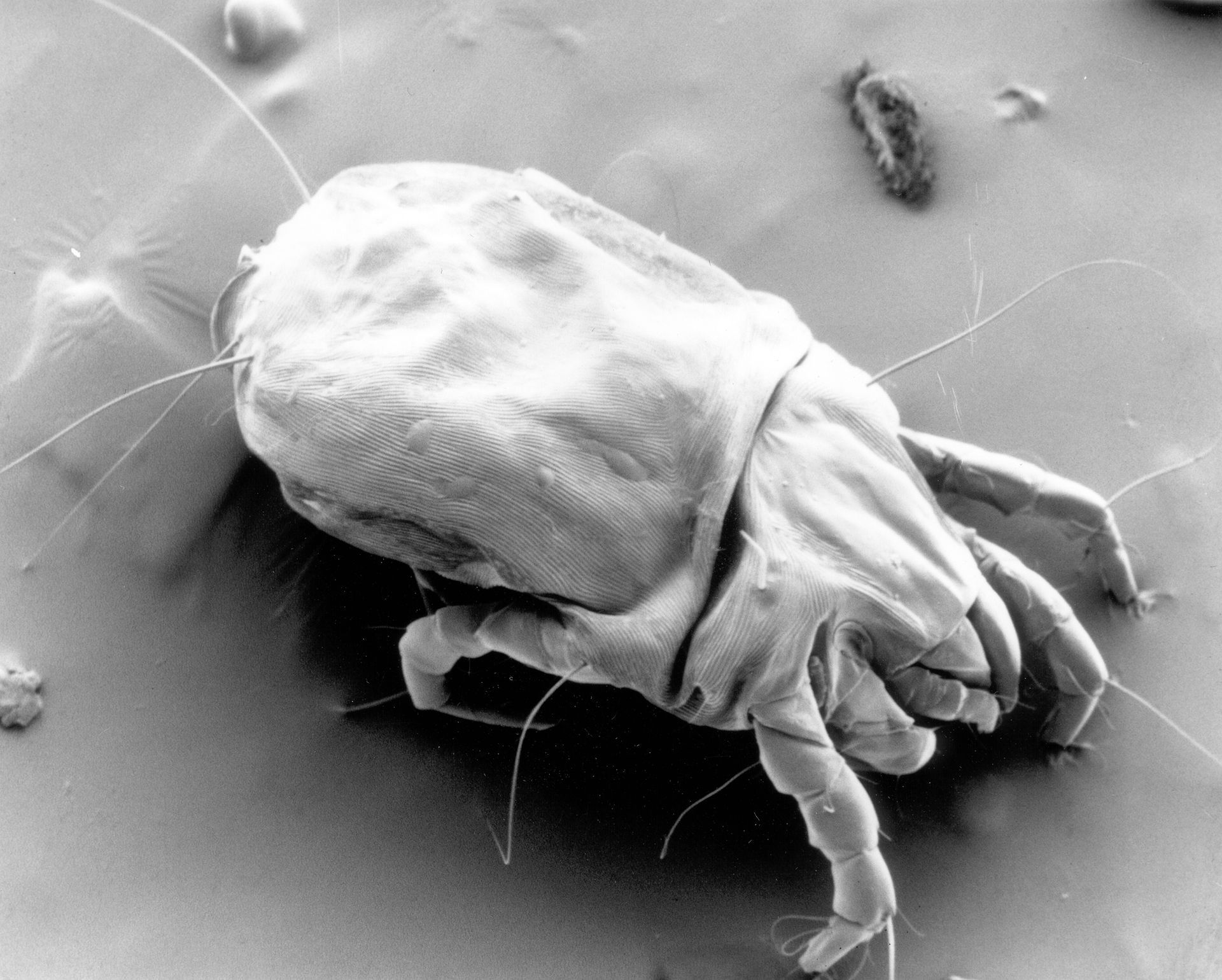
House dust mites are tiny creatures that feed on dead skin cells and thrive in warm, humid environments – particularly in beds, duvets, pillows and carpets.
In people with house dust mite allergy, the immune system reacts to substances produced by the mites, causing allergic inflammation in the mucous membranes of the nose and eyes.
Doctors refer to this as perennial allergic rhinitis because, unlike pollen allergy, the symptoms are not limited to a particular season.
House dust mites are among the most common causes of allergic rhinitis in Denmark, alongside pollen and cats.
A Danish review of allergic rhinoconjunctivitis identifies house dust mite allergy as one of the allergic conditions for which allergen immunotherapy has strong supporting evidence.
Source: Jõgi NO et al., Clinical & Experimental Allergy, 2020
Are dust allergy and dust mite allergy the same?
Usually, yes. When people say they are allergic to dust, it is usually the dust mites in the dust that their body reacts to—not the dust itself. The mites are too small to see with the naked eye, and they do not bite. Dust can also contain other allergens, such as those from animals or mould, so several allergens are tested for at the same time.

What are the symptoms of dust mite allergy?
The symptoms are similar to hay fever, but persist for most of the year and are often worst at night and on waking, after lying close to the duvet and mattress. Many describe it as a “morning nose”: the nose is blocked when they wake up and clears during the day.
When is dust mite allergy worst?
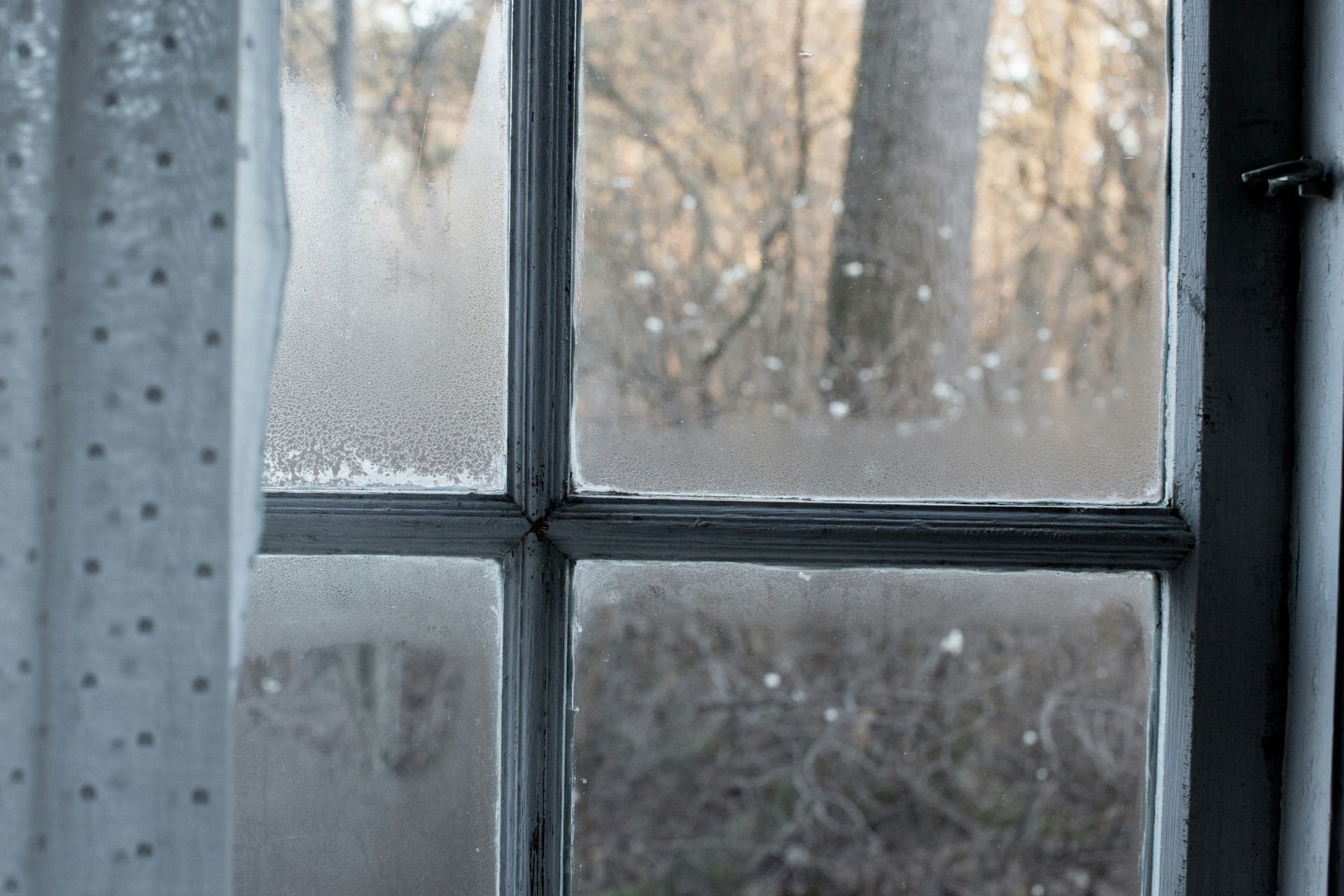
Dust mites thrive in humid indoor air, so many people notice their allergy most in autumn and early winter, when homes are closed up and the heating season begins. A Danish study of 50 apartments found that mite numbers tracked indoor humidity, and that homes with dry air in winter had few mites for the rest of the year (Korsgaard, Allergy 1983). Symptoms can therefore vary from year to year and from home to home.
How is dust mite allergy different from pollen allergy?
The main difference is timing. Pollen allergy follows the pollen season and is worst outdoors, while dust mite allergy causes symptoms indoors all year round. Many people are allergic to both.
When Should You Be Tested for House Dust Mite Allergy?
It is advisable to have an allergy assessment if your symptoms have persisted for a long time or are affecting your sleep and daily life.
- Your nose is blocked most mornings.
- Symptoms occur throughout most of the year, not just during pollen season.
- You sleep poorly and feel tired during the day.
- You experience coughing or wheezing at night.
- Over-the-counter medications do not provide enough relief.
- You are considering allergen immunotherapy.
If you experience persistent shortness of breath, contact your GP or the out-of-hours medical service. In cases of severe breathing difficulties, call 112.
How can you tell if you’re allergic to dust mites?
The assessment starts with a consultation about when and where the symptoms occur. The specialist examines the inside of the nose, since a blocked nose can also be caused by, for example, a deviated septum or enlarged turbinates.
For a skin prick test, a drop of each allergen is placed on the forearm and the skin is lightly pricked. The test at Charlottenlund Privathospital covers two types of dust mites, as well as birch, grass, mugwort, dog, cat, horse and two types of mould, and the reaction is read after 15–20 minutes. Stop taking antihistamine tablets 3 days before the test because they dampen the reaction. A blood test (IgE) can replace or supplement the skin prick test; it is taken at the hospital, the analysis is charged at the laboratory’s rate, and results are available after a few days. A positive result shows that the body is sensitised to dust mites, but the result is always interpreted in light of the symptoms. Read more about allergy testing and skin prick tests.
How is dust mite allergy treated?
Treatment is tailored to the severity of the symptoms and when they occur during the day. The specialist starts and adjusts the medication—even if you are already using over-the-counter medication. According to the Danish Health Authority’s Rational Pharmacotherapy guidance, corticosteroid nasal sprays are central to treating allergic rhinitis.
What Is Allergen Immunotherapy for House Dust Mites?
Allergen immunotherapy gradually trains the immune system to become less sensitive to house dust mites. It is the only treatment that targets the underlying allergy itself.
Treatment is given either as a daily tablet placed under the tongue or as injections under the skin – initially every week and later every 4–8 weeks – for at least three years.
In a large European trial involving 992 adults, treatment with house dust mite allergy tablets reduced nasal symptoms more effectively than placebo tablets after one year (Demoly et al., Journal of Allergy and Clinical Immunology, 2016).
European guidelines recommend at least three years of treatment.
Unlike pollen immunotherapy, treatment for house dust mite allergy is not seasonal and can be started at any time of year.
It is available for children from the age of five and adults, but treatment should not be initiated during pregnancy.
Allergen immunotherapy is available at Charlottenlund Privathospital, in the public hospital system or through specialists with public healthcare provider agreements.
Read more about the two treatment methods, prices and available options on our Allergen Immunotherapy page.
What can you do at home to reduce dust mites?
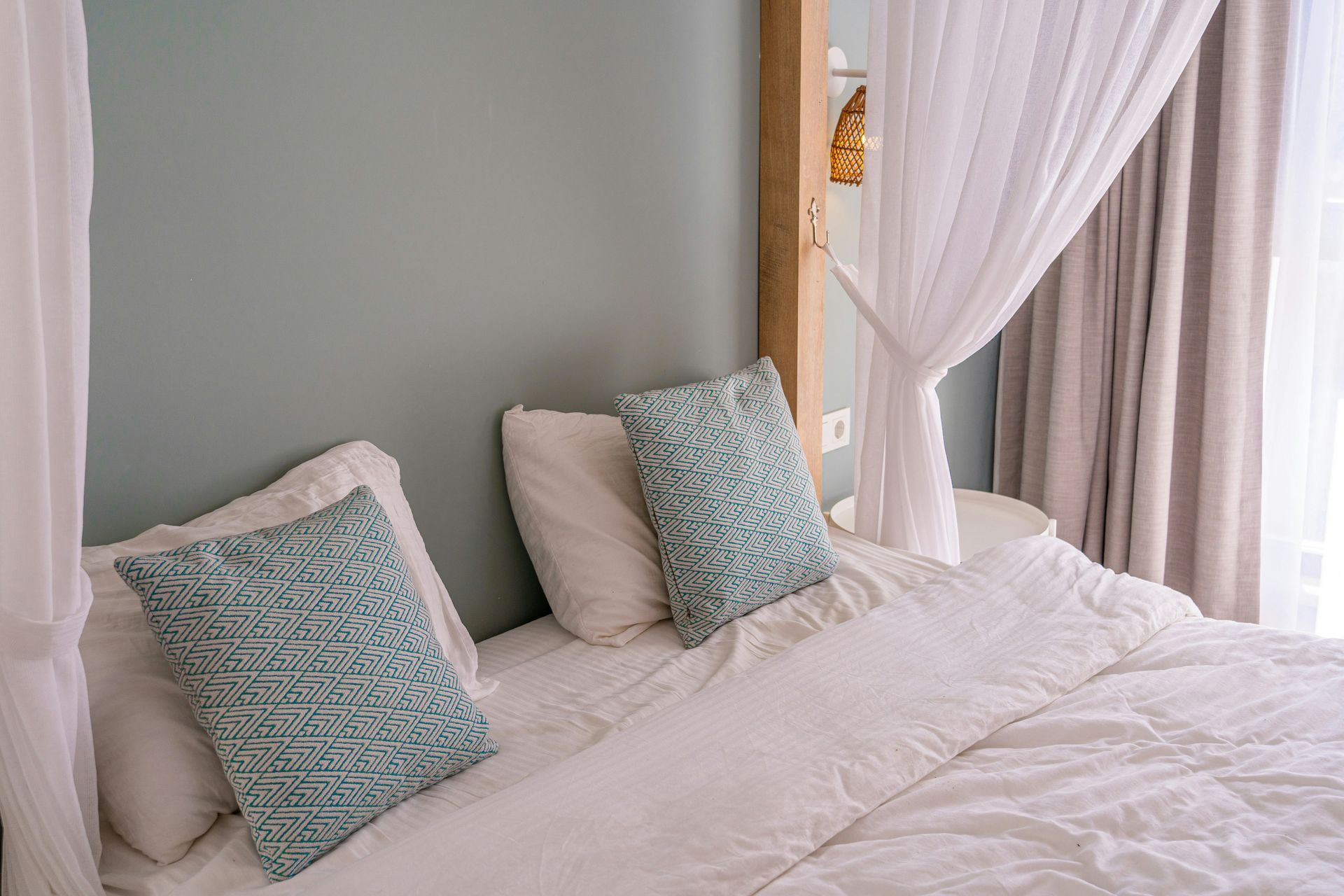
It may seem obvious to get rid of the mites, but research shows that measures in the home alone rarely relieve symptoms. A Cochrane review of 55 trials found no reliable evidence that dust mite control measures help with asthma (Gøtzsche and Johansen, 2008), and a more recent review of allergic rhinitis found that allergen-proof covers alone are unlikely to help (Sheikh et al., Cochrane 2021). Good habits can still reduce mite numbers and be used alongside treatment. Allergen-proof covers are therefore not recommended. Good habits—such as using duvets, pillows and bedding that can be washed at 60 °C—can still reduce mite numbers and be used alongside treatment.
Can dust mite allergy be cured?
The allergy does not necessarily go away on its own, but symptoms can usually be kept under control with nasal sprays and antihistamine tablets. Allergen immunotherapy—given as tablets or injections—is the only treatment that works on the allergy itself, and its effects can last after treatment has stopped. The effect is assessed after one year, and if it has not worked, treatment is stopped.
How are children with dust mite allergy assessed?
Children with dust mite allergy are assessed by ENT specialists in the same way as adults, with a consultation, examination of the nose, and a skin prick test or blood test. In children, dust mite allergy is often associated with asthma and eczema, and up to 80% of children with asthma are sensitised to allergens. The hospital’s paediatrician assesses children with asthma. Dust mite immunotherapy can be given from age 5.

Referrals and payment
Many health insurance policies cover an assessment by an ENT specialist, but insurers typically require a referral from your GP and prior approval. No referral is needed if you are paying privately. Prices are listed in the price list. Dust mite allergy is assessed by ENT specialists in Charlottenlund and at the hospital’s clinics in several locations across Denmark. You can find the specialists on the staff page.
Frequently asked questions
Are dust allergy and house dust mite allergy the same thing?
Yes, usually. When people talk about dust allergy, they are usually reacting to dust mites in the dust—not the dust itself. A skin prick test can show whether the cause is dust mites or something else.
When is house dust mite allergy worst during the year?
Many people have symptoms all year round, but they are often worst in autumn and winter, when homes are closed up and indoor air is humid. Symptoms are often worst at night and on waking.
Can you see house dust mites?
No. Dust mites are too small to see with the naked eye. They live mainly in beds, duvets, pillows and carpets, and they do not bite.
Do allergen-proof mattress and duvet covers help?
No, allergen-proof covers are not recommended because research has shown that they have little effect. Duvets, pillows and bedding that can be washed at 60 °C are recommended instead—along with treatment from a doctor.
Can you get rid of house dust mite allergy?
Allergen immunotherapy is the only treatment that works on the allergy itself. It is given as tablets or injections for at least three years, can be started at any time of year, and is available from age 5. The effect is assessed after one year.
How is dust mite allergy diagnosed?
With a skin prick test on the forearm, read after 15–20 minutes, or a blood test. Stop taking antihistamine tablets 3 days before the skin prick test, and always interpret the result in light of the symptoms.
Read Also
House dust mite allergy is often associated with other conditions affecting the nose, airways and skin.
→ Pollen Allergy (Hay Fever) → –Symptoms during pollen season → Allergy Testing and Allergen Immunotherapy – Skin prick tests, blood tests and tablet treatment → Blocked Nose – When your nose is congested most of the time → Eczema in Children – How eczema may be associated with allergies