

Management
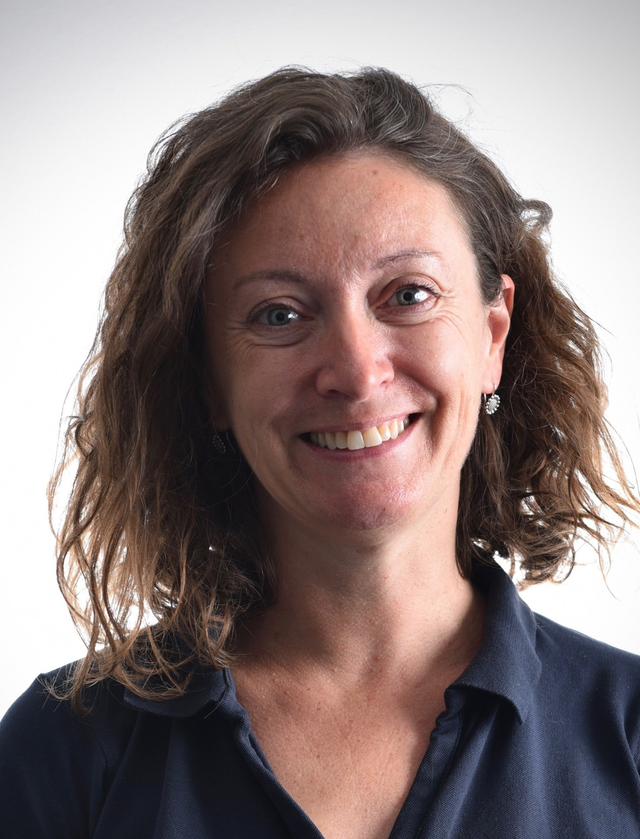
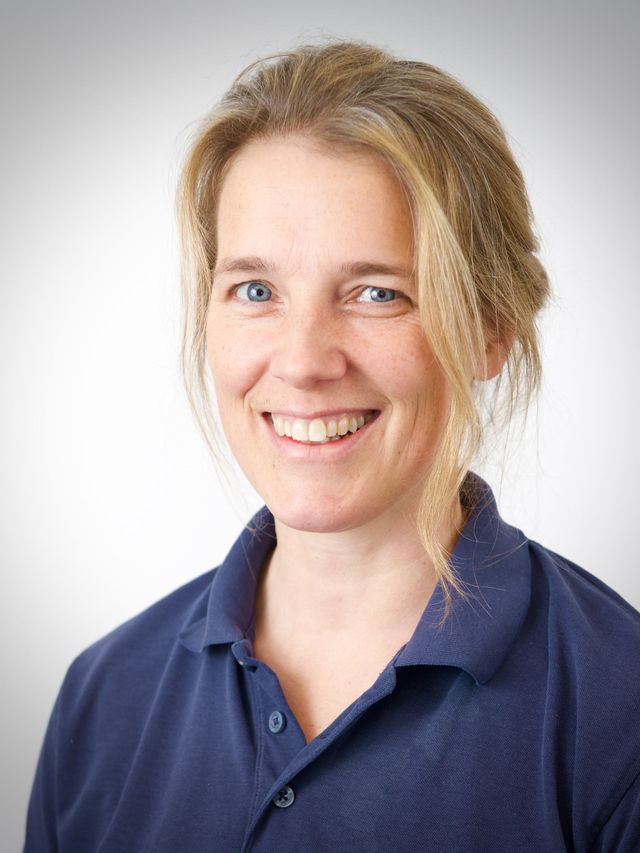
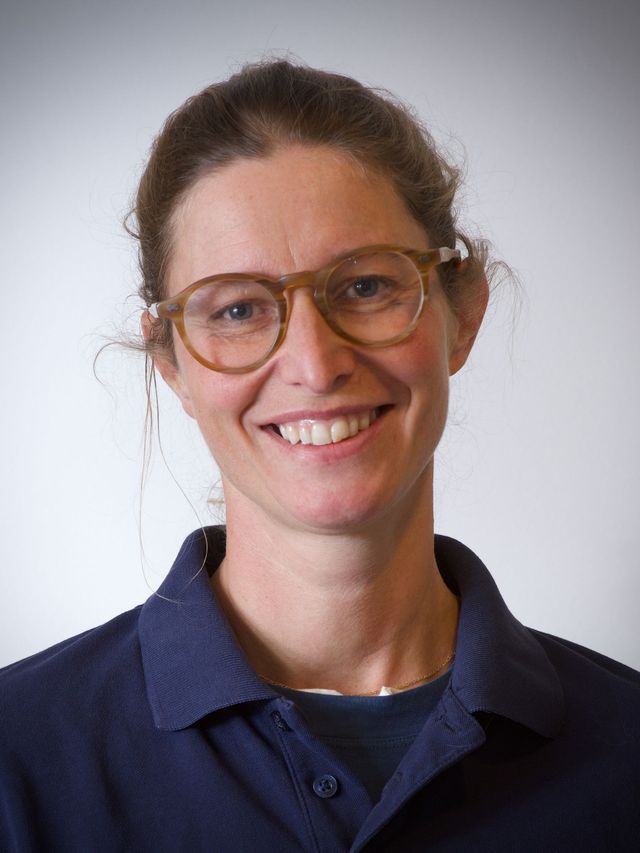
Erika Belard
Specialist physician and co-owner, CEO

When the child is not dry at night – causes, advice and treatment.
Bedwetting (nocturnal enuresis) is involuntary passing of urine during sleep in a child aged 5 or older. It is common in the first school years and is most often due to the interaction between the bladder, the brain and the hormone that reduces urine production at night not yet being fully developed. Many children become dry on their own, and there are well-tested treatments when the bedwetting starts to weigh on the child. At Charlottenlund Privathospital, children with bedwetting can be examined by a specialist in paediatrics, and a urine sample can be taken on site.
Bedwetting is involuntary passing of urine at night in a child over 5 years. Before that age it is normal not to have full control of the bladder at night. Around 10% of children in year 1 wet the bed, and the proportion falls gradually with age. Bedwetting is more common in boys.
According to Ugeskrift for Læger, about 15% of children become dry on their own each year – but less often if the child wets the bed every night. For a smaller group it continues into the later school years or the teenage years.
Most children become dry at night between the ages of 2 and 4, but there is wide variation. Bedwetting is only diagnosed when the child is 5 years or older and still regularly wets the bed. Bedwetting at 5–7 years is far from always a problem that requires treatment.
If the child still wets the bed when starting school, and it begins to affect wellbeing, self-esteem or for example sleepovers with friends, it is relevant to talk to a doctor about the options.
The main sign is involuntary passing of urine during sleep. Some children wet the bed every night, others only a few times a month. In most children, passing urine during the day is normal, but in a smaller group there is also frequent urge to pass urine, dribbling or sudden, strong urges during the day – a mixed form that matters for the choice of treatment.
Children with bedwetting often sleep very deeply and do not wake up even though the bladder is full. This is part of the condition and not a sign that the child is not trying.
Bedwetting rarely has a single cause. The most common explanation is that the body does not yet produce enough of the hormone that reduces urine production at night, so the bladder fills faster than the child can register while asleep. In other children the bladder's capacity at night is smaller than expected for their age.
Heredity plays a large role: if one or both parents had bedwetting themselves, the likelihood is considerably greater. Deep sleep makes it harder for the body to wake the child. Less often – especially in secondary bedwetting – it is linked to urinary tract infection, constipation or emotional stress. In the vast majority, bedwetting is not a sign of protest or poor wellbeing.
The paediatrician starts with a conversation about the child's passing of urine at night and during the day. It is a great help to keep a fluid and voiding chart for a short period before the visit. A urine sample is taken to rule out urinary tract infection and other conditions of the kidneys and urinary tract. Most children do not need further tests; if there is reason to rule out a physical explanation, an ultrasound scan of the kidneys and urinary tract may become relevant – the child is then referred.
In the youngest children, information and advice are often enough, because many simply need more time. Active treatment is typically considered when the child experiences the bedwetting as a problem and both child and parents are motivated – often around the age of 6–7. Two methods are well documented: a bedwetting alarm, which over weeks teaches the body to respond to a full bladder, and tablet treatment at bedtime when the bedwetting is due to high urine production at night. The tablets work from the first night, but the effect stops when treatment stops.

The most important thing is that bedwetting does not become something the child has to be ashamed of. The child does not wet the bed on purpose, and scolding or punishment does not make it better. Many children are helped by knowing that they are not the only ones – bedwetting is common in the first school years.
Practical solutions such as night pants for sleepovers and a waterproof sheet can take the pressure off everyday life while treatment works or time passes. If the bedwetting is linked to snoring and restless sleep, sleep problems in children may be relevant reading.
At Charlottenlund Privathospital, the child is examined by a specialist in paediatrics, who assesses the type and cause and makes a plan together with the family. If the child also has daytime bladder problems, the hospital's paediatric surgeon can be involved. See also the paediatrician's area.
No referral is needed for self-paying patients, and appointments can be booked online. Prices are shown in the price list.
Many health insurance policies cover an assessment by a paediatrician, but the insurers usually require a referral from the family doctor and prior approval. Most insurers send the approval directly to the hospital, and the bill is settled with the insurer. Charlottenlund Privathospital does not accept patients through the Danish public health insurance scheme.
Appointments take place in the hospital's children's unit at Hans Edvard Teglers Vej 9 in Charlottenlund – see map and addresses.
Answers to questions parents often ask about bedwetting in children.
Bedwetting is only diagnosed when the child is 5 years or older and still regularly wets the bed. It becomes relevant to seek help when it affects the child's wellbeing, or when the child wants to become dry.
Around 10% of children in year 1 wet the bed, and the proportion falls with age. About 15% of children become dry on their own each year.
Yes, heredity plays a large role. If one or both parents had bedwetting as children, the likelihood is considerably greater.
A sensor in the underwear or on the mattress that triggers an alarm at the first drops of urine. Over weeks the body learns to wake up when the bladder is full. The method requires patience but works well in the longer term.
When a child who has been dry for several months starts wetting the bed again, it may be due to, for example, a urinary tract infection, constipation or a stressful experience. It should be examined by a doctor.
In the vast majority of children, no. Bedwetting is most often developmental. In secondary bedwetting, however, stresses such as divorce or school problems can play a role.
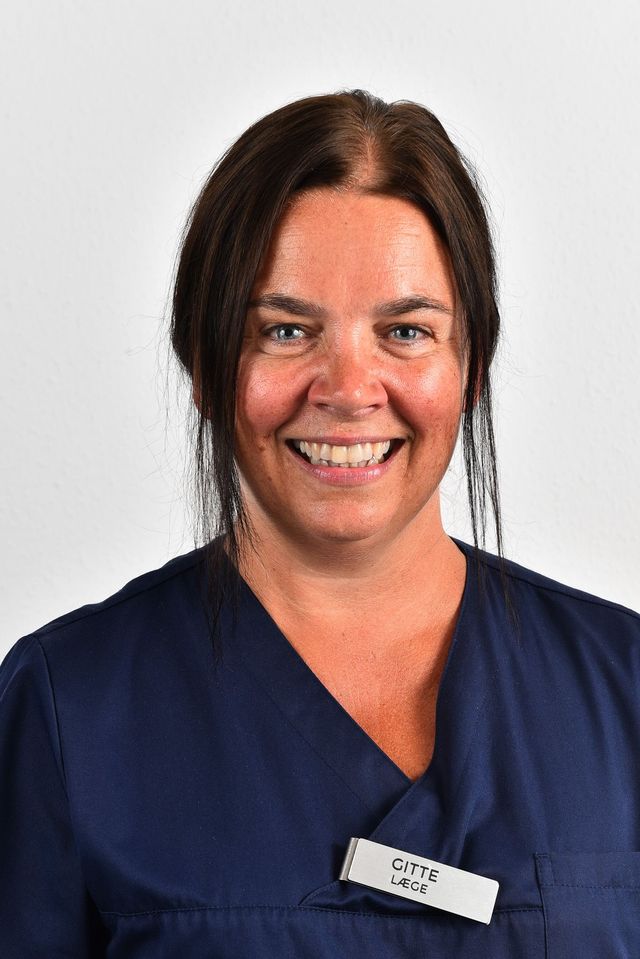
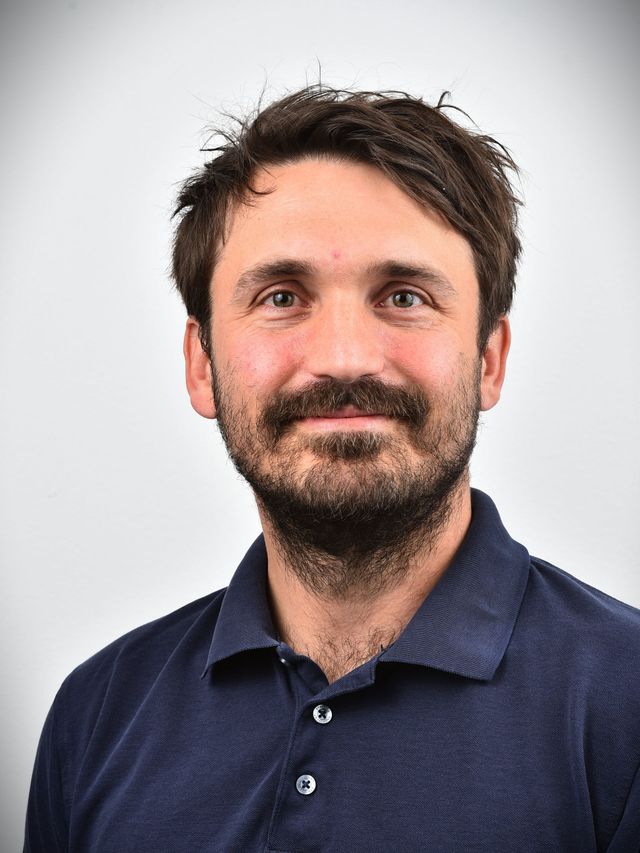
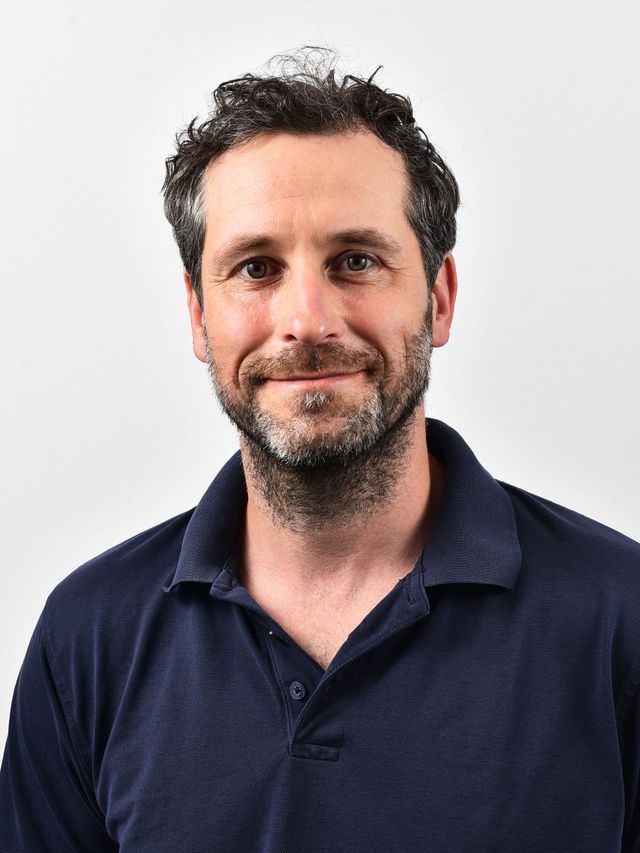
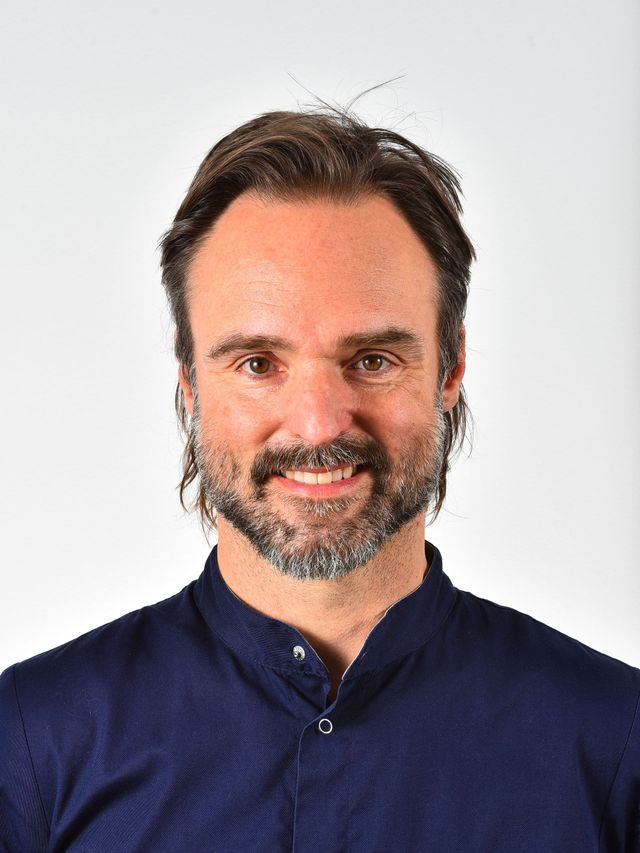
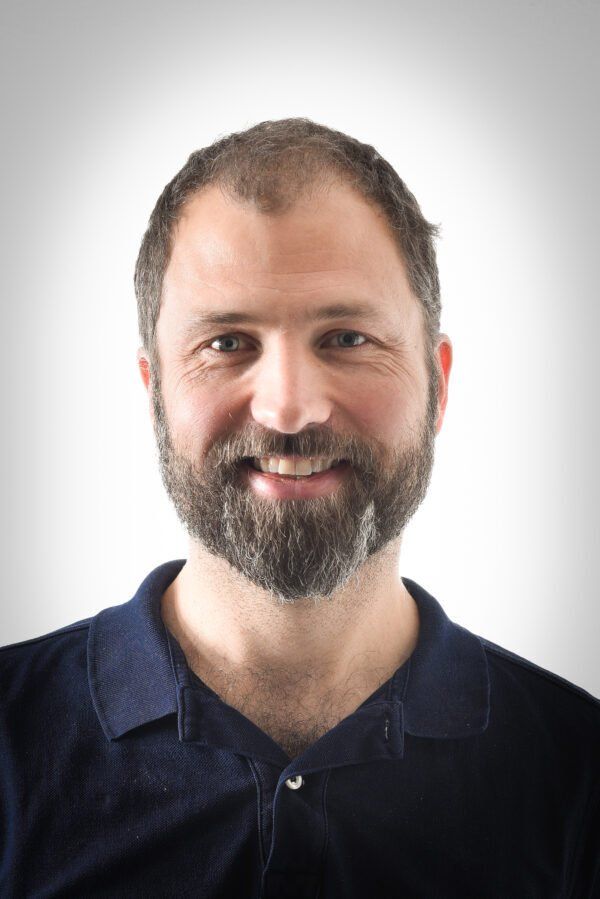
Charlottenlund Privathospital is owned and run by three specialist physicians: Erika Belard, Jacob Fisker and Teit Mantoni. Jacob Fisker is medical director. Here you will find our ear, nose and throat (ENT) specialists in Charlottenlund and at our clinics around Denmark – and in Charlottenlund also specialists in paediatric surgery, dermatology, diving medicine, gynaecology, cardiology, paediatrics, psychology and rheumatology.
Specialist physician and co-owner, CEO

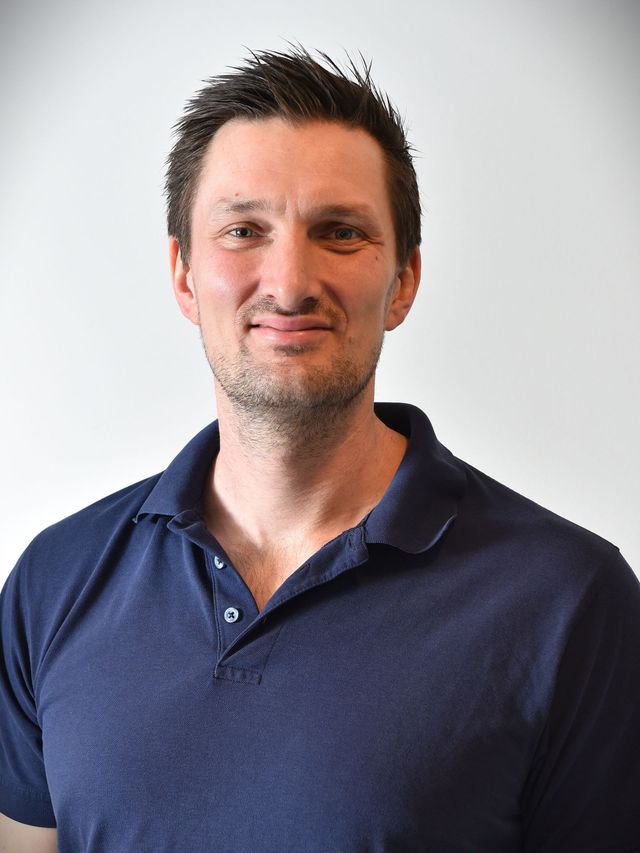
Specialist physician, co-owner and medical director

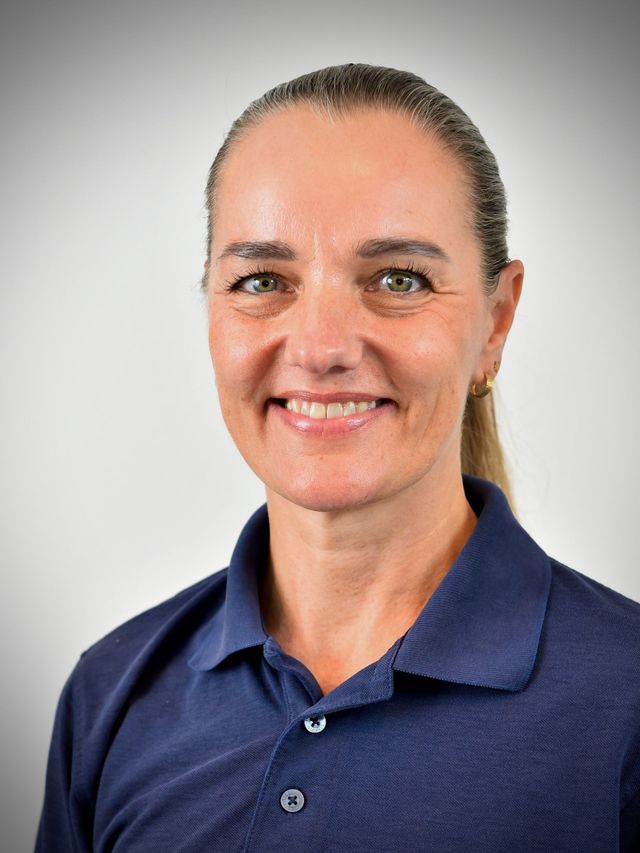
Specialist physician and co-owner






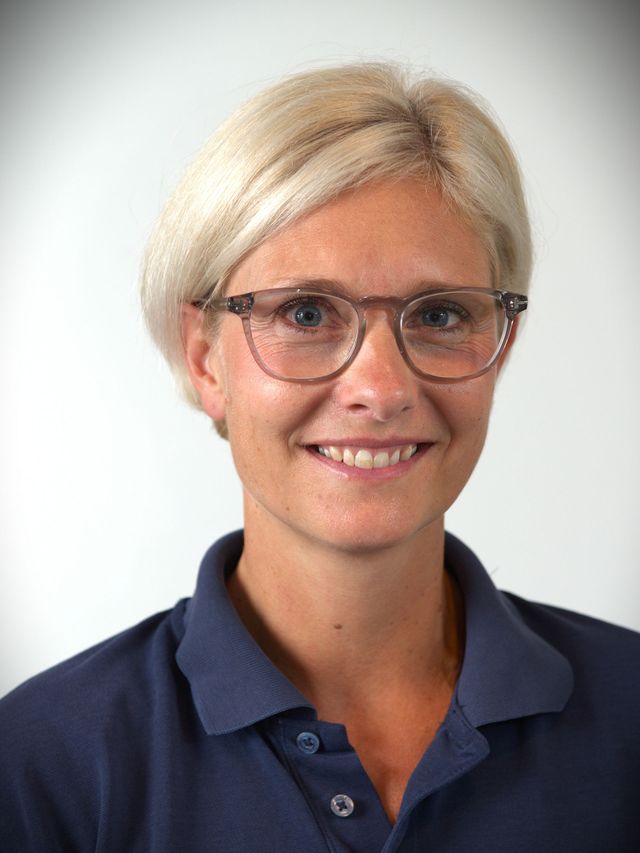
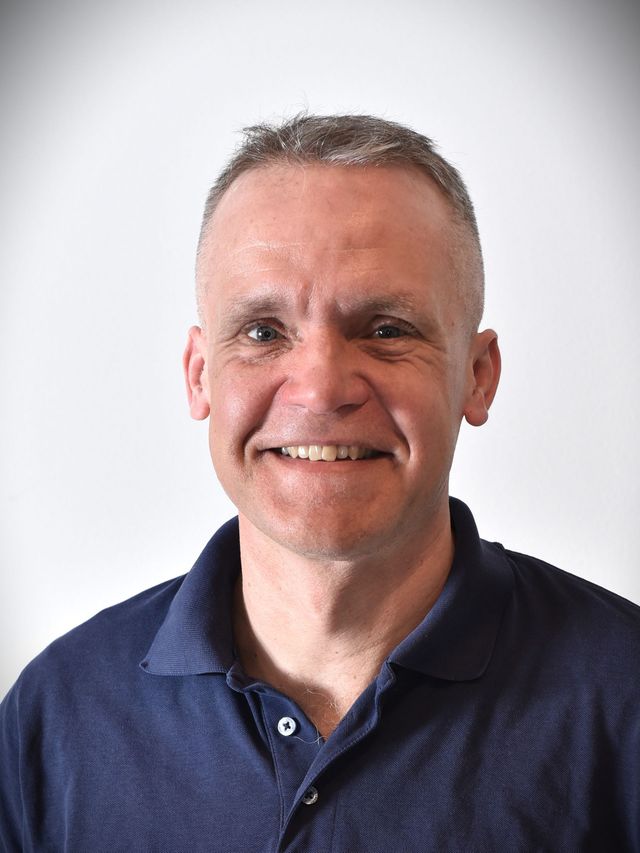
Specialist in anaesthesiology

Specialist in anaesthesiology
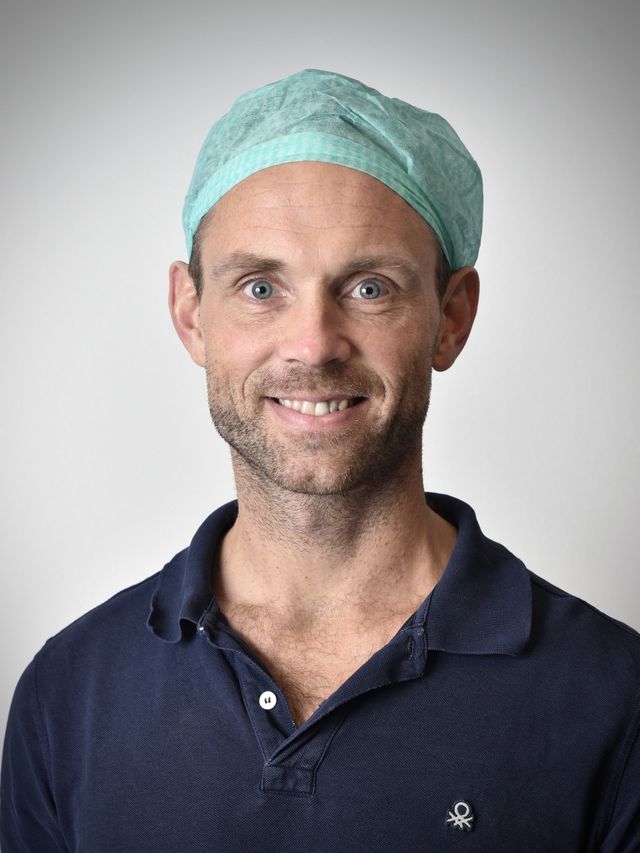
Specialist in anaesthesiology
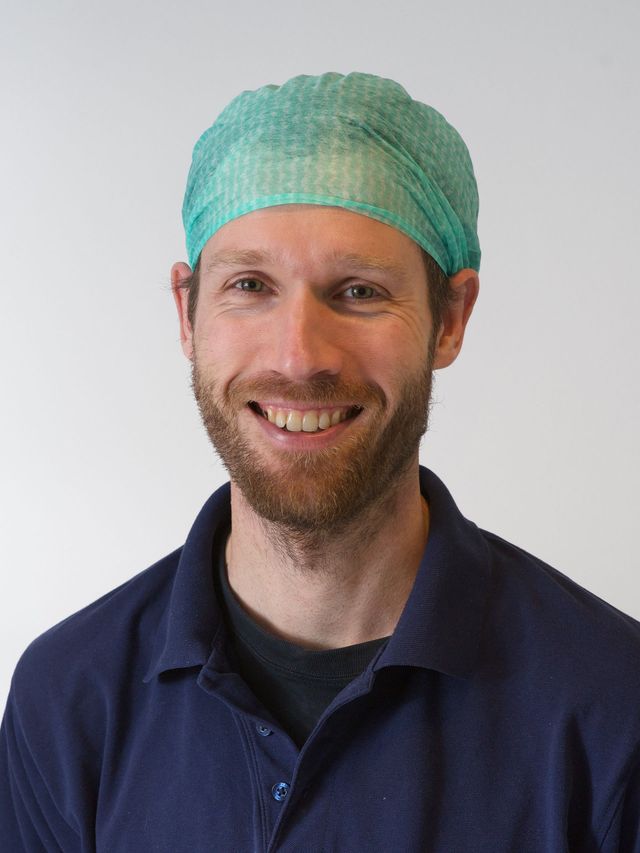
Specialist in anaesthesiology, DMSc, PhD

Specialist in anaesthesiology
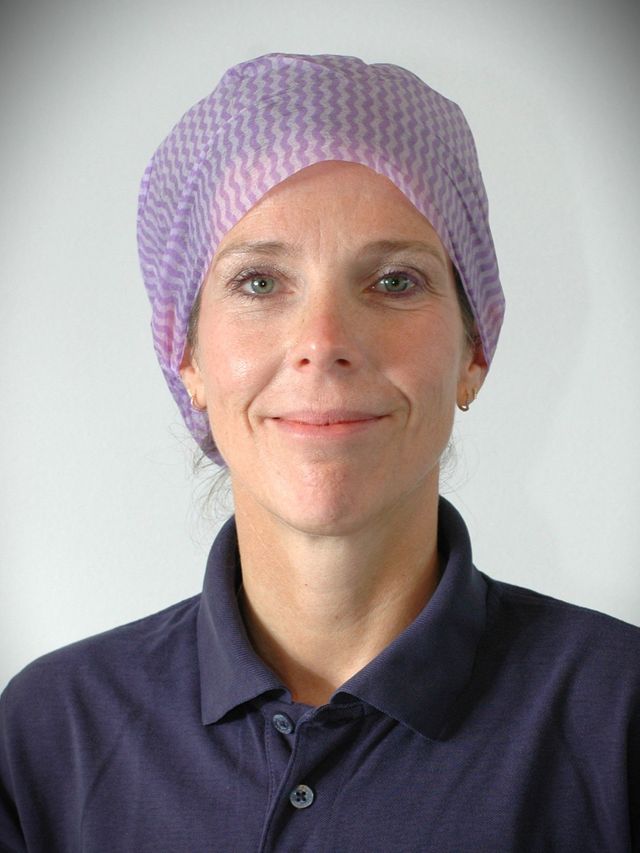
Specialist in anaesthesiology
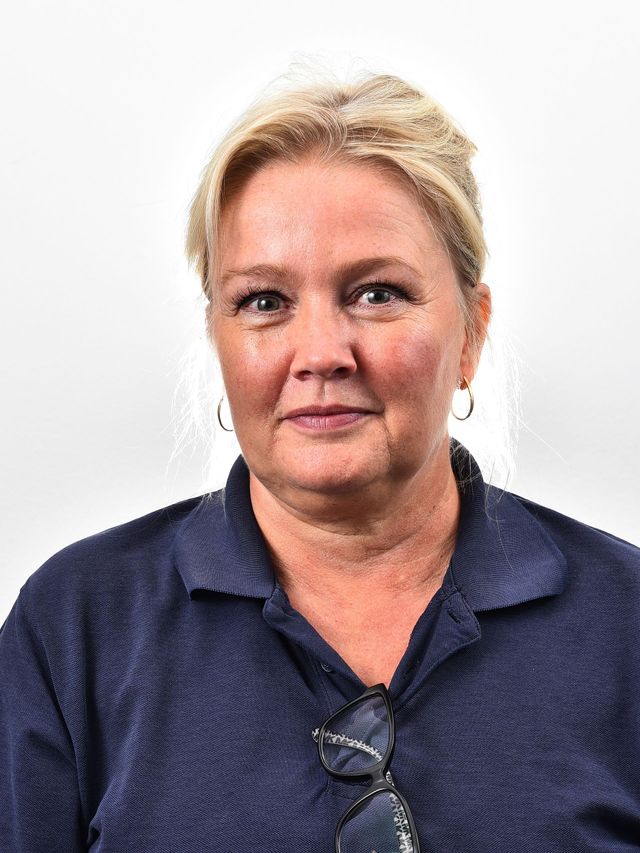
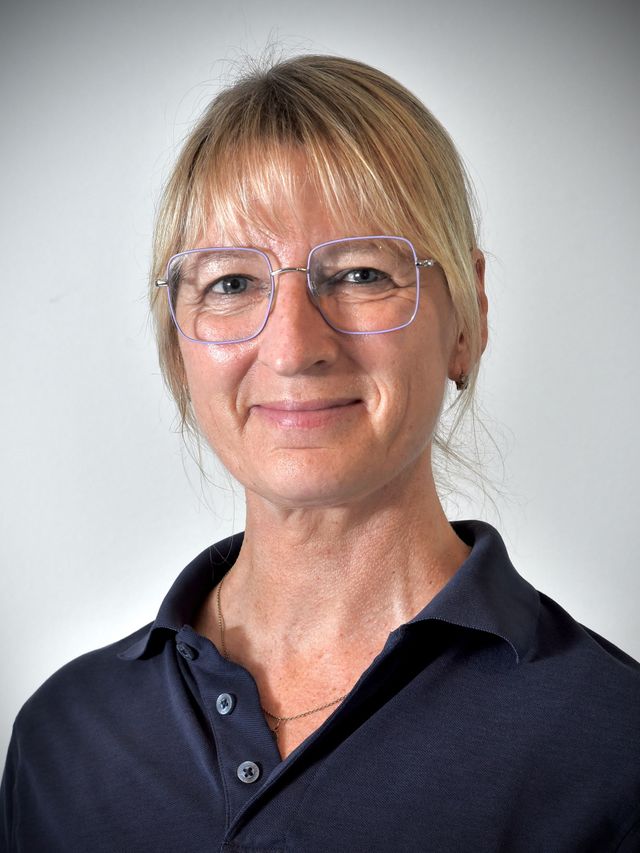
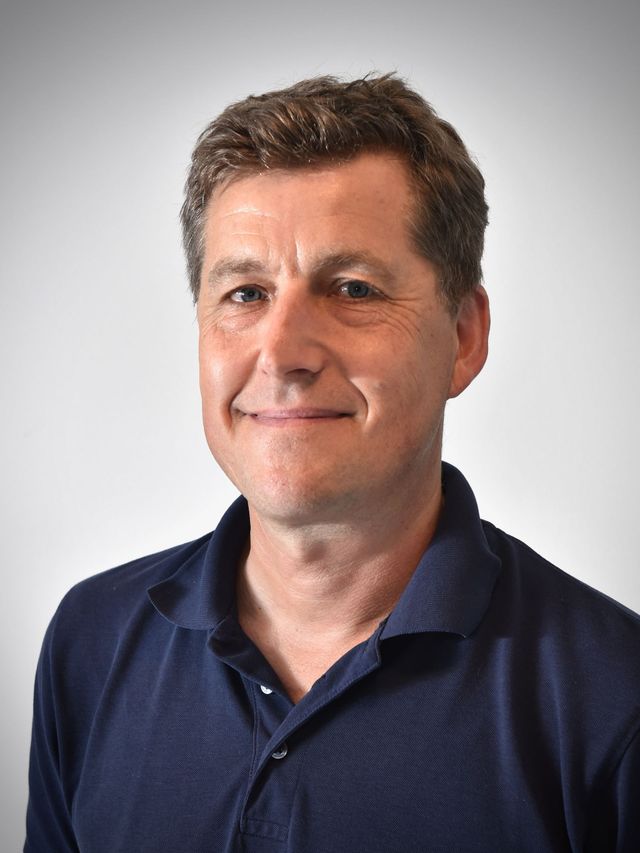
Specialist in anaesthesiology and diving medicine
Approved by the Danish Maritime Authority
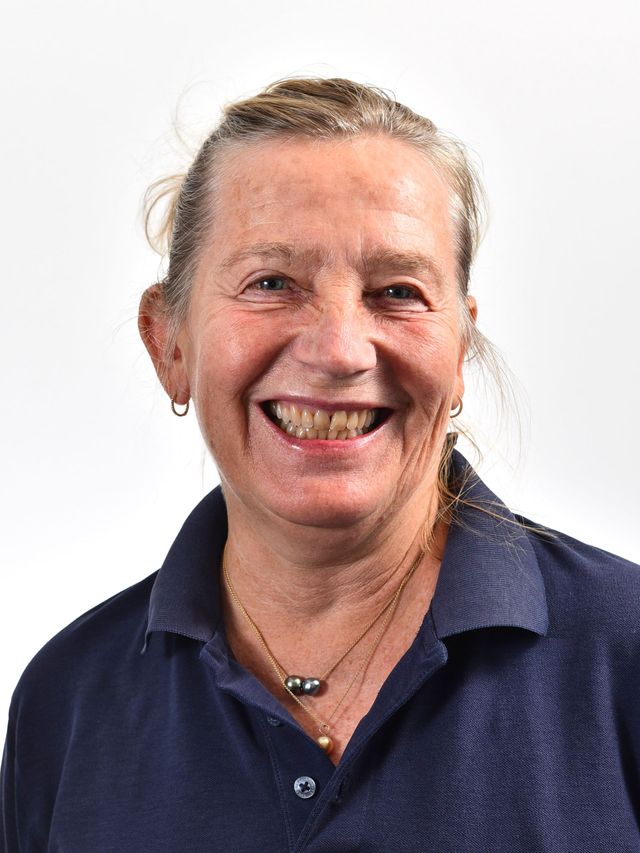
Specialist in anaesthesiology and diving medicine
Approved by the Danish Maritime Authority
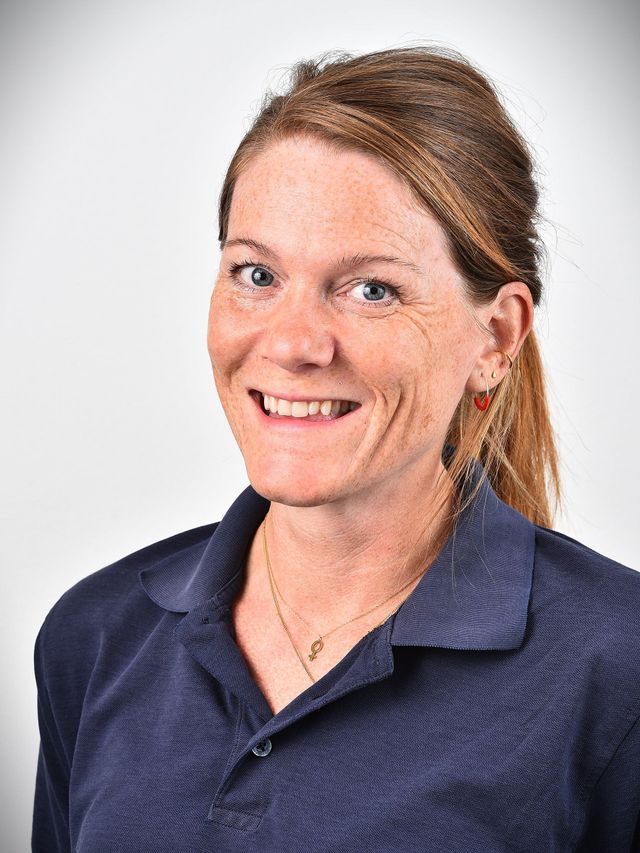
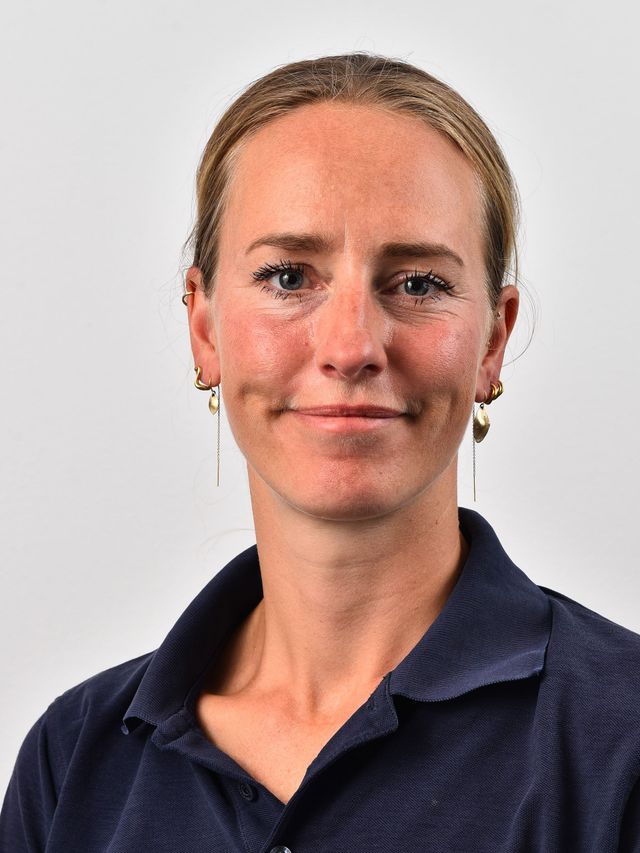


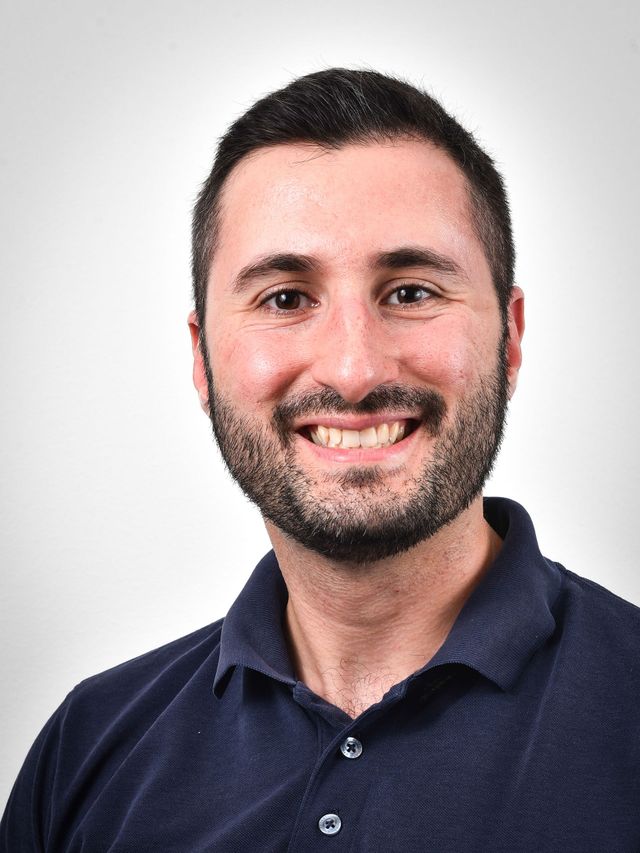


They are the people you meet first when you call or walk through the door – and the ones who look after you before and after your treatment.
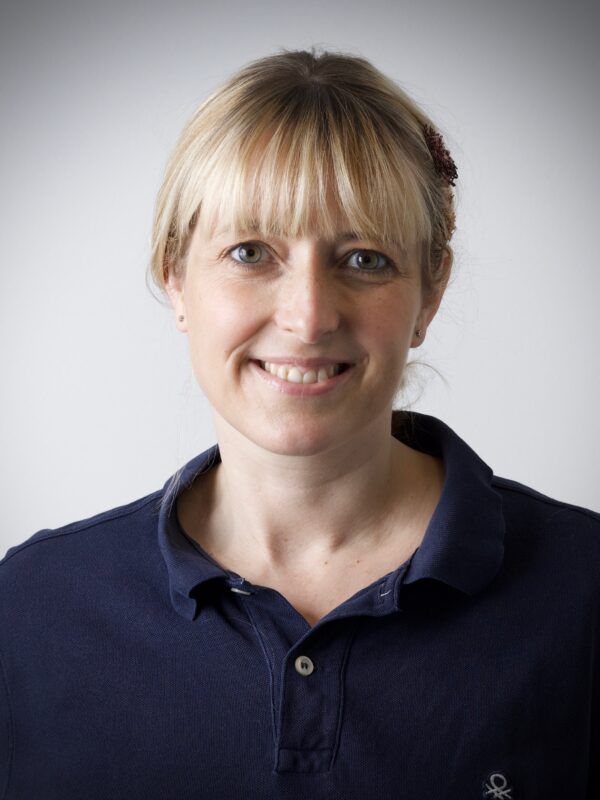
Nurse
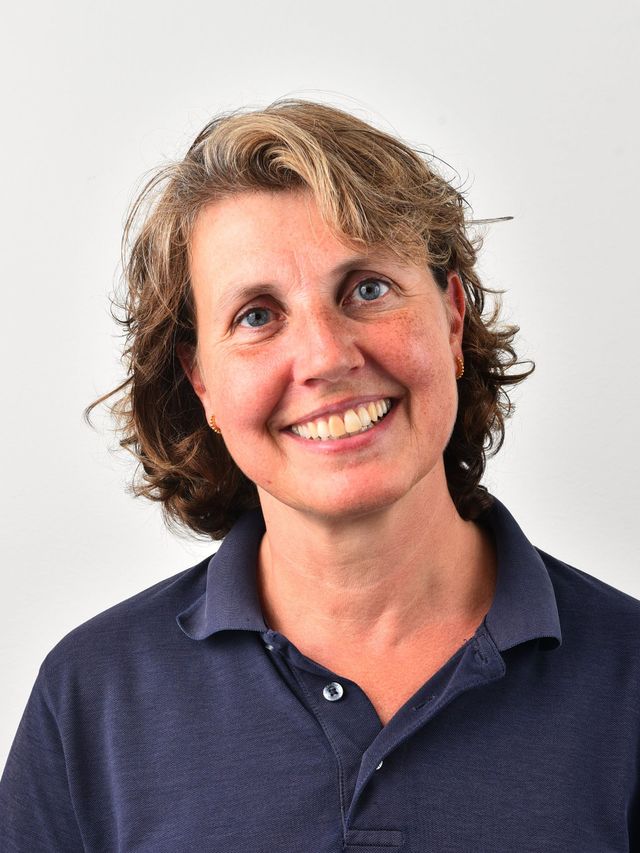
Nurse
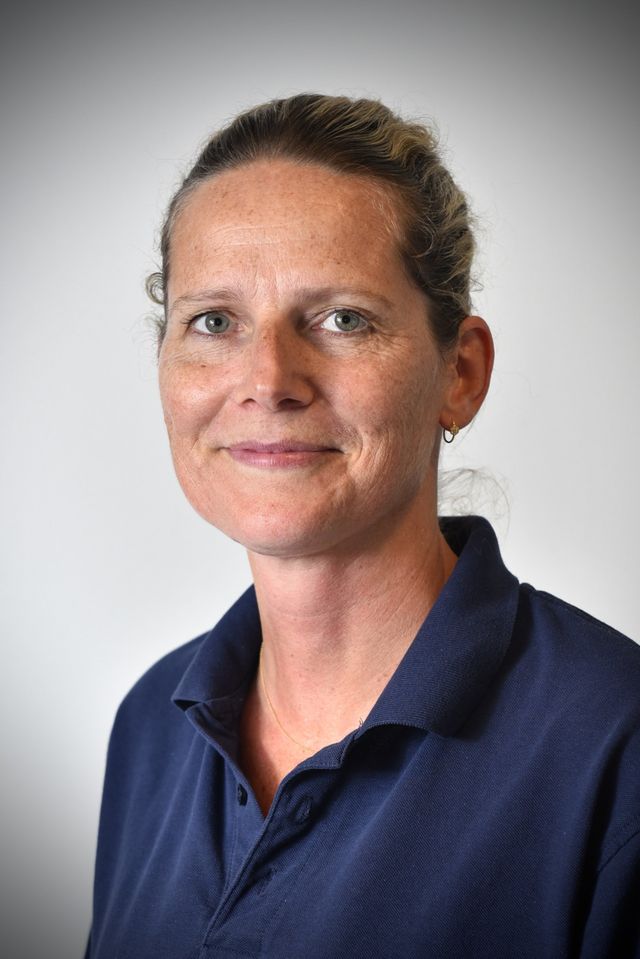
Nurse
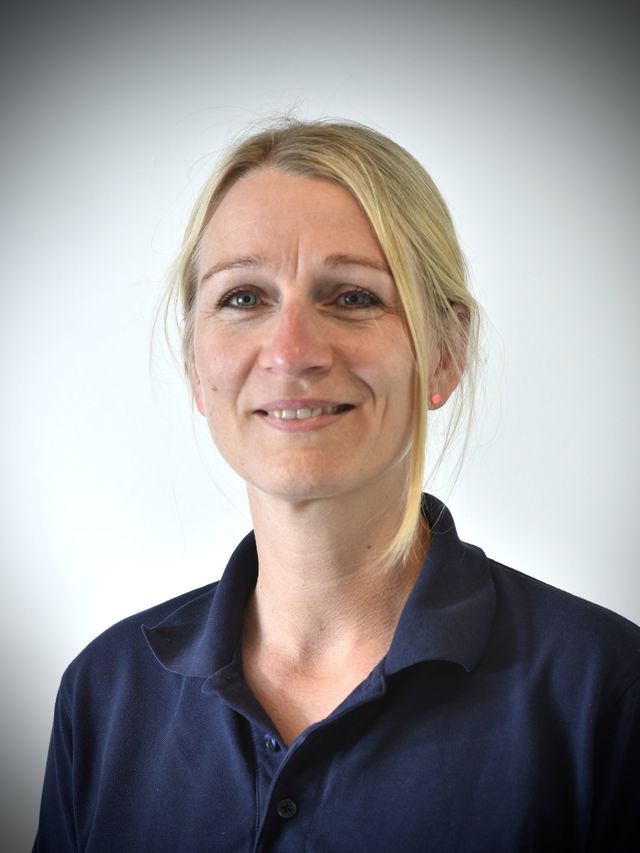
Nurse
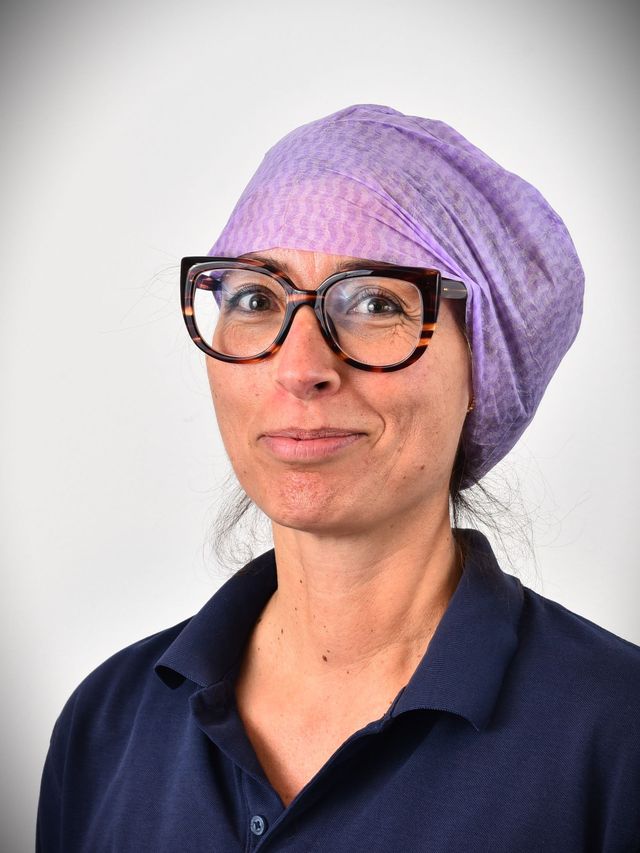
Nurse
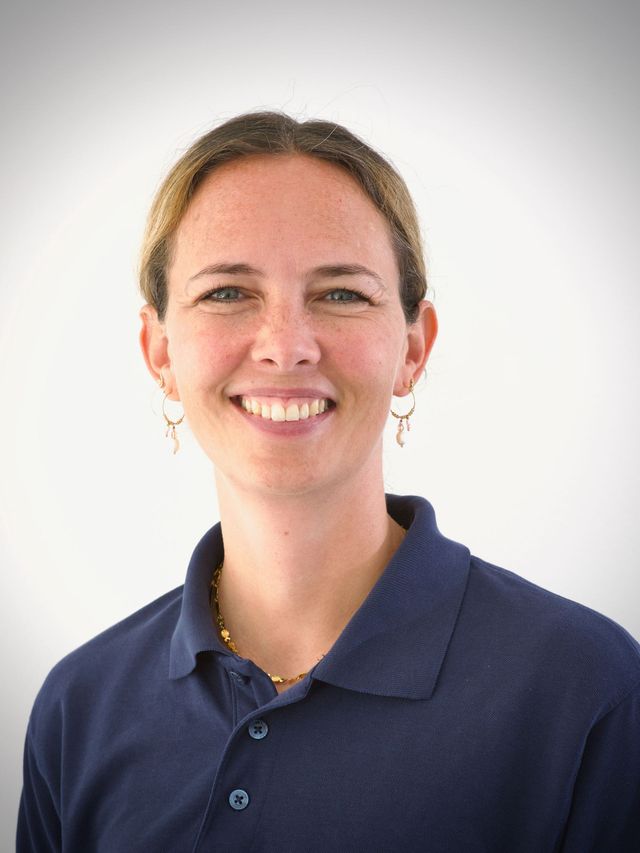
Nurse
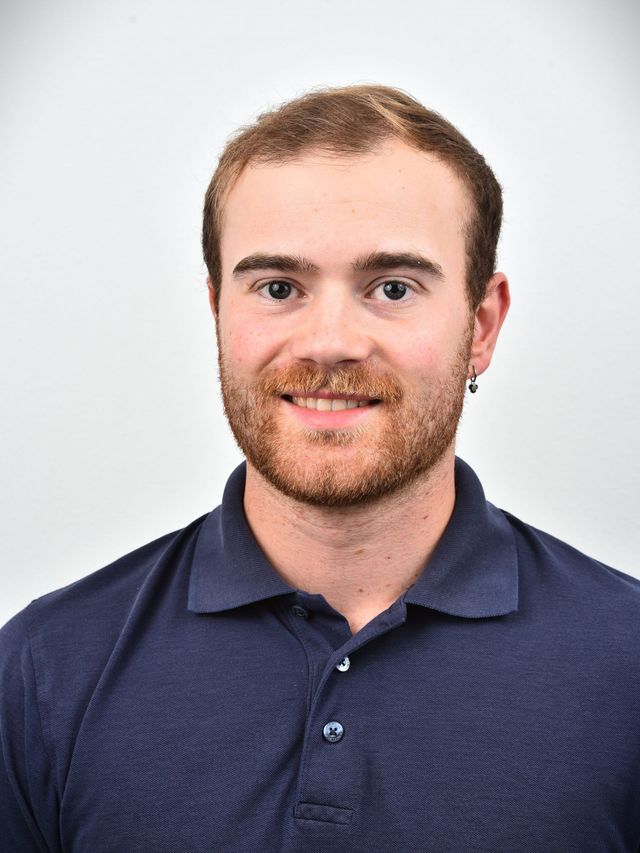
Clinical assistant
Clinical assistant
Clinical assistant
Reception and secretariat
Reception and secretariat
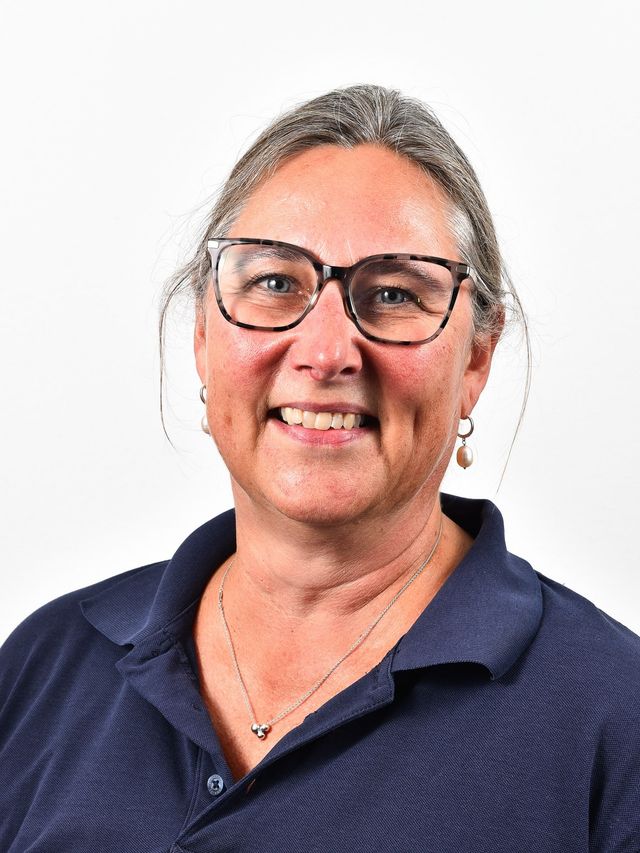
Reception and secretariat
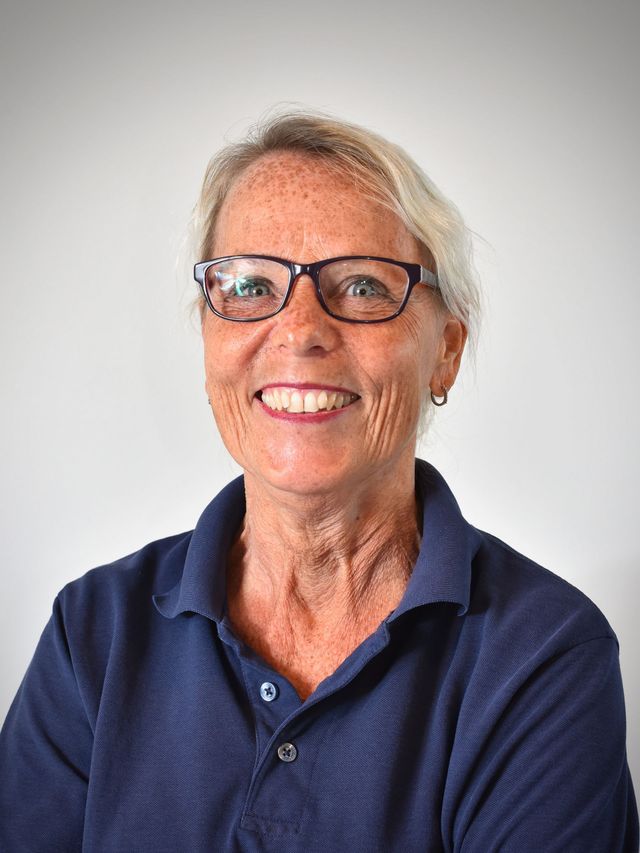
Reception and secretariat
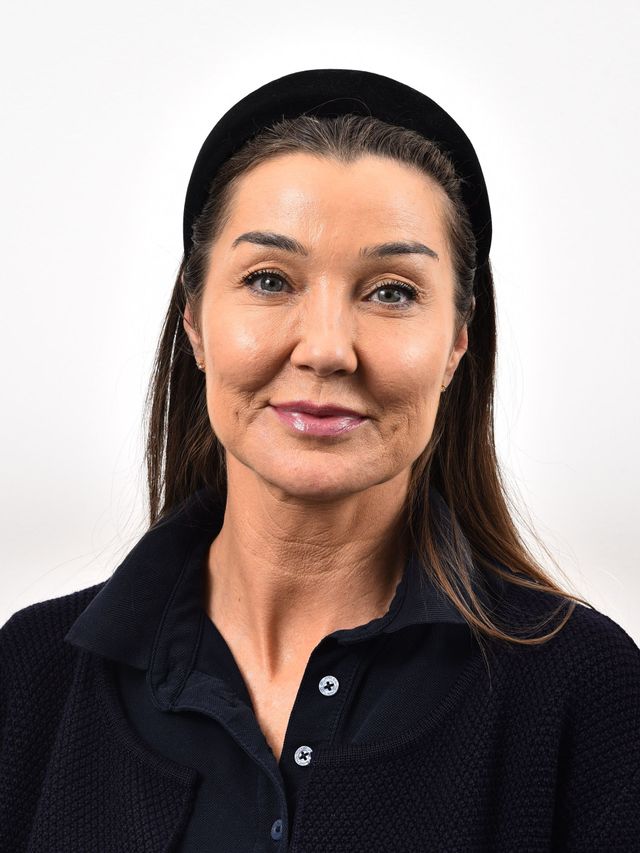
Reception and secretariat
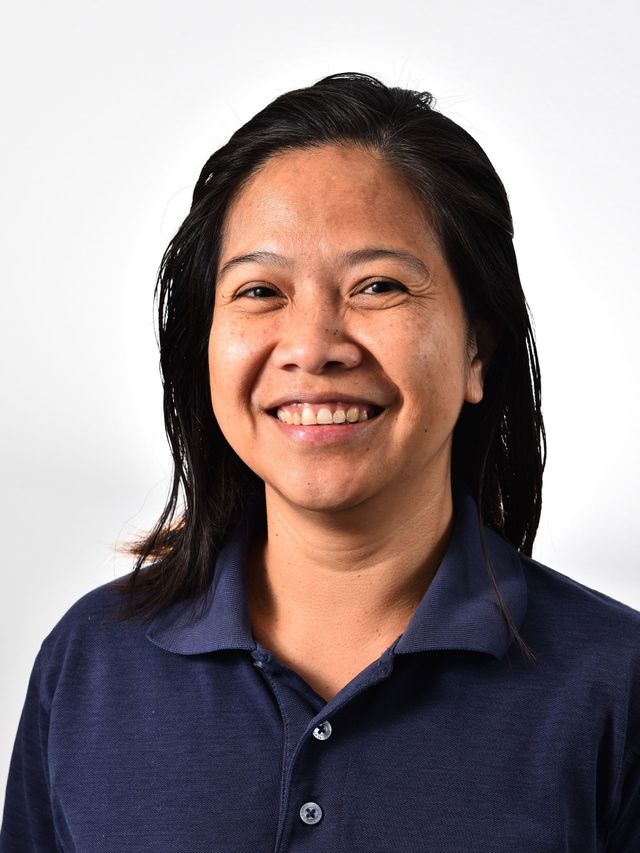
Service assistant
No one found. Try another name or choose "All".
Would you like to book an appointment with one of our specialists?
Book onlineJægersborg Allé 4
2920 Charlottenlund
CVR: 45675637
Monday–Friday, 08:00–14:00
Outside telephone hours, appointments can be booked, rescheduled and cancelled online 24/7.
Main department in Charlottenlund and ear, nose and throat departments at several locations across Denmark.