

Management
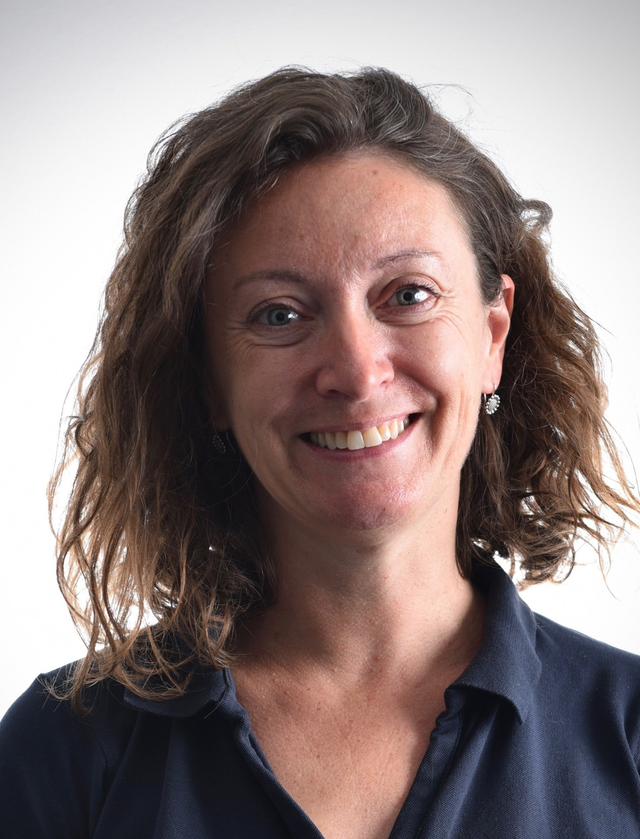
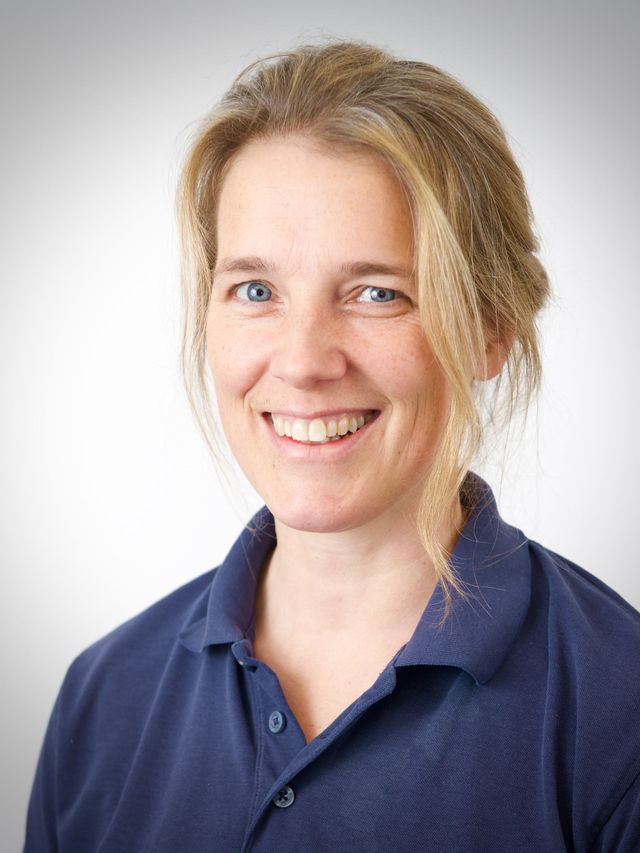
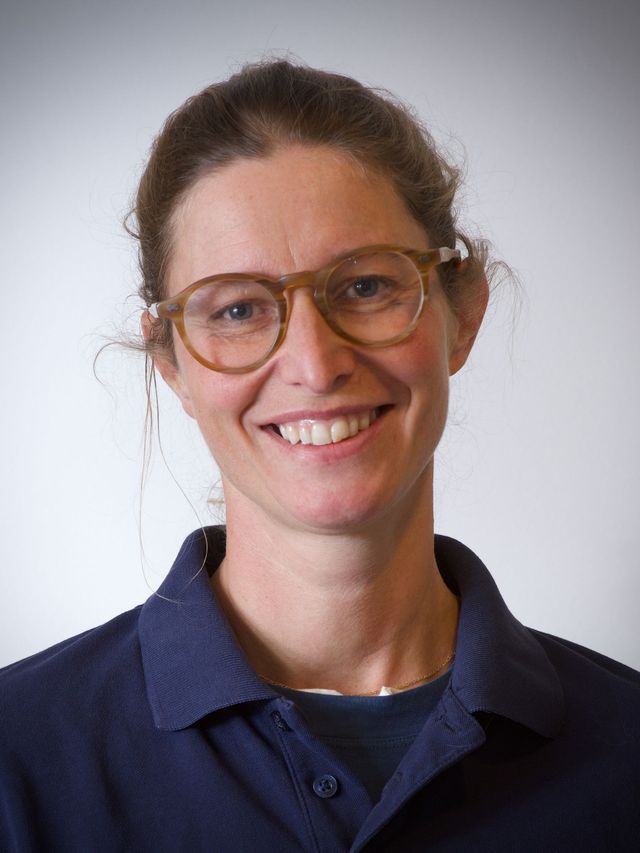
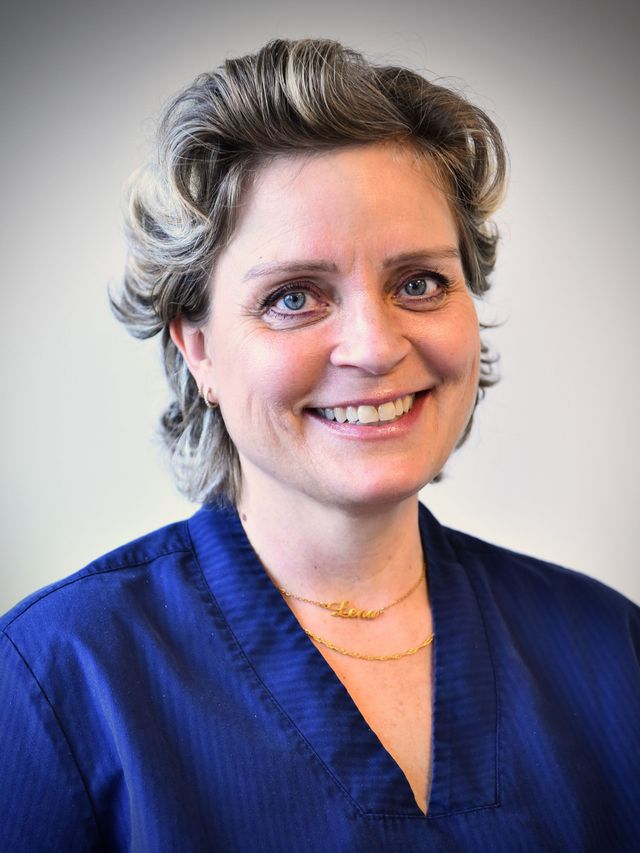
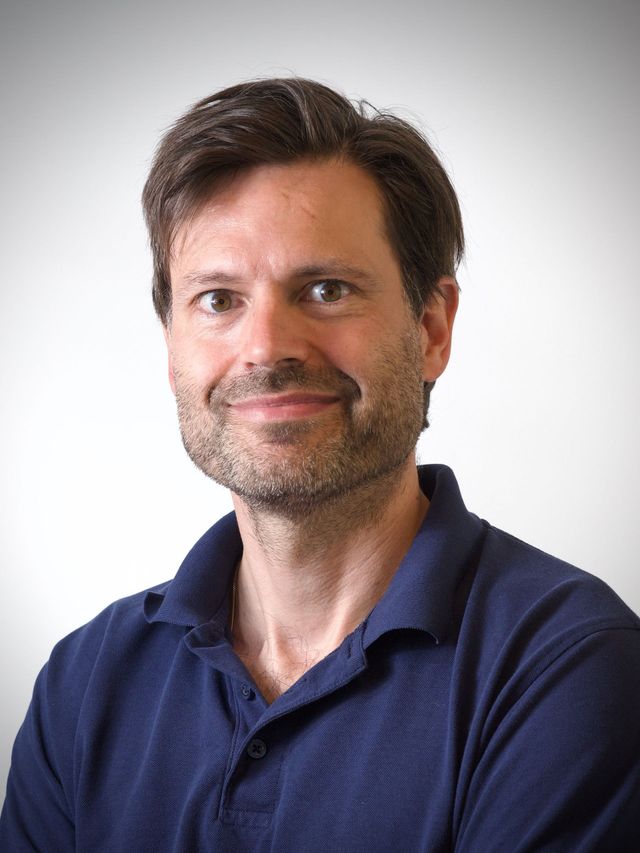
Erika Belard
Specialist physician and co-owner, CEO

Private paediatrician
Specialist in paediatrics for children and young people aged 0 to 18.
At Charlottenlund Privathospital, children from infancy up to the age of 18 can be assessed and treated by a specialist in paediatrics (paediatrician) – for example for tummy ache, constipation, reflux, colic, asthma, food allergy, headache and bedwetting. Blood, urine and stool samples, skin prick tests and lung function tests can be done on site. If the child needs another specialist, for example in ear, nose and throat, dermatology or psychology, the course of care can be arranged within the hospital. No referral is needed for self-paying patients.
Overview of the conditions the paediatrician most often assesses and treats:
Many parents are unsure when the family doctor is enough and when a specialist in paediatrics is the right next step. It is particularly relevant when symptoms keep coming back, are hard to explain or do not improve despite treatment by the family doctor – or when the parents would like a thorough assessment and a plan.
Typical examples are recurrent tummy ache, a cough that does not go away, suspected allergy or asthma, problems with sleep, growth or passing urine, and headaches that start to affect school and leisure time. In acute illness – for example a drowsy child with a high fever or breathing difficulties – the family doctor, the out-of-hours doctor or 112 should be contacted.

The first visit is based on the child's medical history and an examination adapted to the child's age. Depending on the findings, the paediatrician can take blood, urine and stool samples – for example calprotectin, which can show inflammation in the bowel, and a test for the stomach bacterium H. pylori – as well as skin prick tests and specific IgE blood tests if allergy is suspected, and lung function tests if asthma is suspected.
Ultrasound, X-ray and MRI scans are not performed in the paediatric unit. If imaging or a hospital examination is needed, the child is referred.
Asthma is the most common chronic disease in children. According to the Danish Health Authority's Rationel Farmakoterapi, almost half of all children have asthma symptoms with respiratory infections in the first years of life, but in most cases these disappear before the age of 3. Around one in ten school-age children has asthma.
Allergic diseases are also common in childhood. According to the Danish Paediatric Society, 6–8% of children develop food allergy in the first years of life, and most grow out of milk and egg allergy over time. Tummy problems such as constipation and functional abdominal pain are among the most common reasons parents see a paediatrician.
Children with allergy, for example, often also have symptoms from the nose, skin or lungs. At Charlottenlund Privathospital the child can be seen by other specialists: ear, nose and throat specialists for adenoids and tonsils, a dermatologist for childhood eczema, a paediatric surgeon for conditions such as a tight foreskin, and a psychologist for children and young people for anxiety and wellbeing problems.
The paediatrician also examines children with hay fever and allergy to house dust mites and animals, and allergy immunotherapy can be given from the age of 5. Snoring and pauses in breathing at night are described under sleep problems in children.


The child does not need to prepare in any special way. It helps if the parents have noted when the symptoms occur, what makes them better or worse and what has already been tried. For tummy problems, a diary of bowel movements and meals for a week or two can make the assessment more precise.
Previous blood test results do not need to be brought along – the hospital can look them up electronically. Young children are often best examined on a parent's lap, and older children and teenagers can have part of the conversation on their own if they wish.
Children are seen by Nilo Vahman, specialist in paediatrics. She assesses and treats children from infancy up to the age of 18 and works with the hospital's other specialists when the child needs it. Appointments take place in the hospital's children's unit at Hans Edvard Teglers Vej 9 in Charlottenlund – see map and addresses.
No referral is needed for self-paying patients, and appointments can be booked online. Prices are shown in the price list.
Many health insurance policies cover an assessment by a paediatrician, but the insurers usually require a referral from the family doctor and prior approval. Most insurers send the approval directly to the hospital, and the bill is settled with the insurer. Charlottenlund Privathospital does not accept patients through the Danish public health insurance scheme.
Answers to questions parents often ask before their child sees a paediatrician.
A paediatrician is a medical specialist in paediatrics – childhood diseases. At Charlottenlund Privathospital the paediatrician sees children from infancy up to the age of 18, for example with tummy problems, allergy, asthma, headache and bedwetting.
No referral is needed for self-paying patients, and appointments can be booked online. If a health insurance policy is to cover the visit, the insurer usually requires a referral from the family doctor and prior approval.
The paediatrician sees children from infancy up to the age of 18.
Yes. Skin prick tests and specific IgE blood tests can be done. The paediatrician assesses which test is relevant for the child and whether one or both are needed.
The child's general condition matters more than the temperature. If the child is drowsy, will not drink, has breathing difficulties or a rash that does not fade when pressed, or is under 3 months old and has a fever, the child should be seen by a doctor the same day – call the family doctor or the out-of-hours doctor, and call 112 in acute, serious illness.
Yes, within ear, nose and throat surgery and paediatric surgery – for example grommets, tonsils, adenoids and tongue-tie, as well as tight foreskin and undescended testicles.
Other sections that are often relevant for children and their parents:
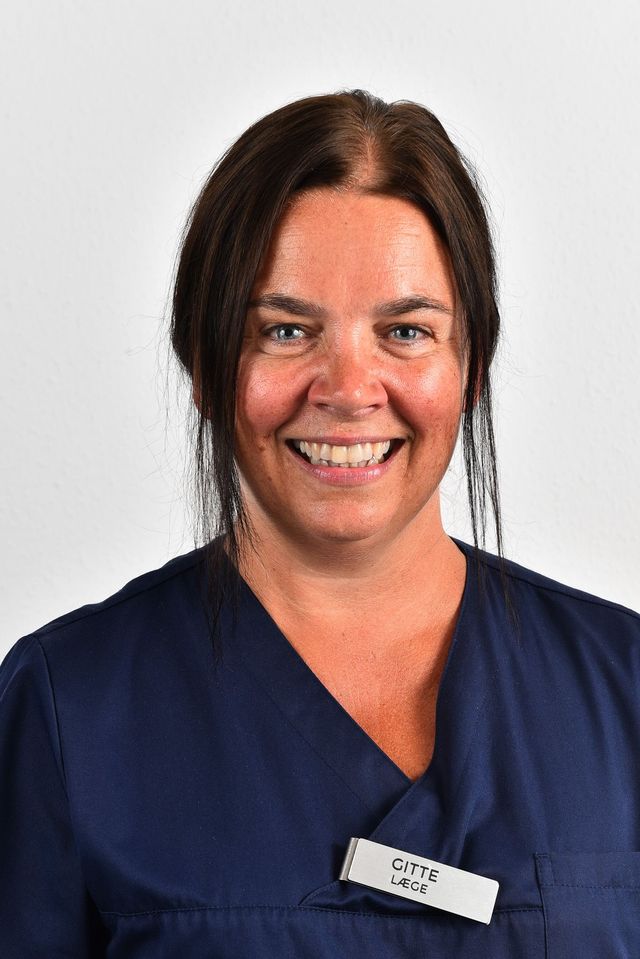
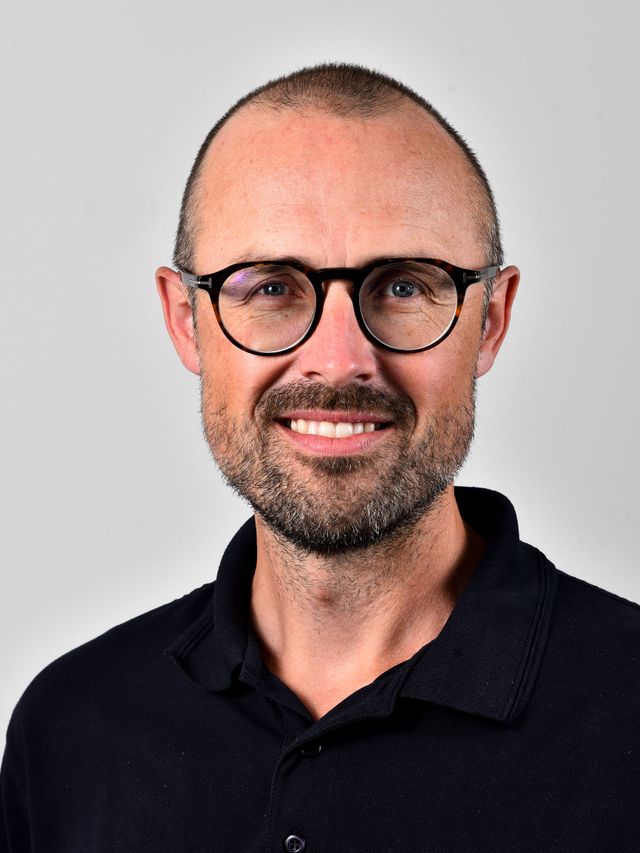
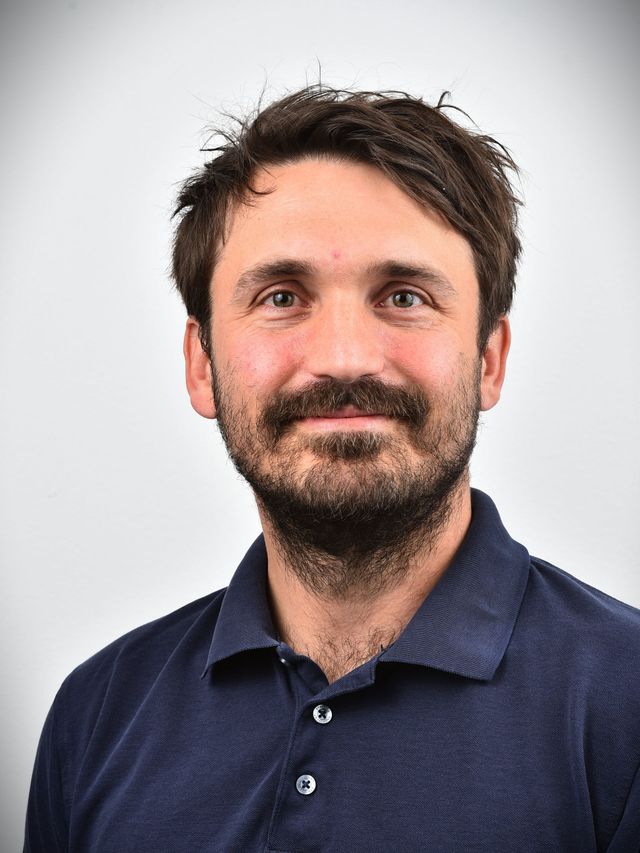
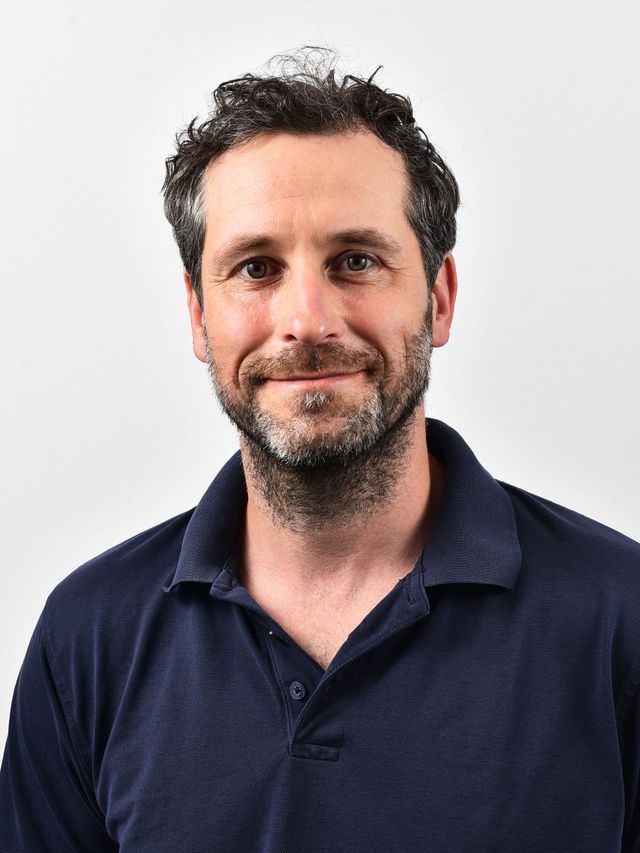
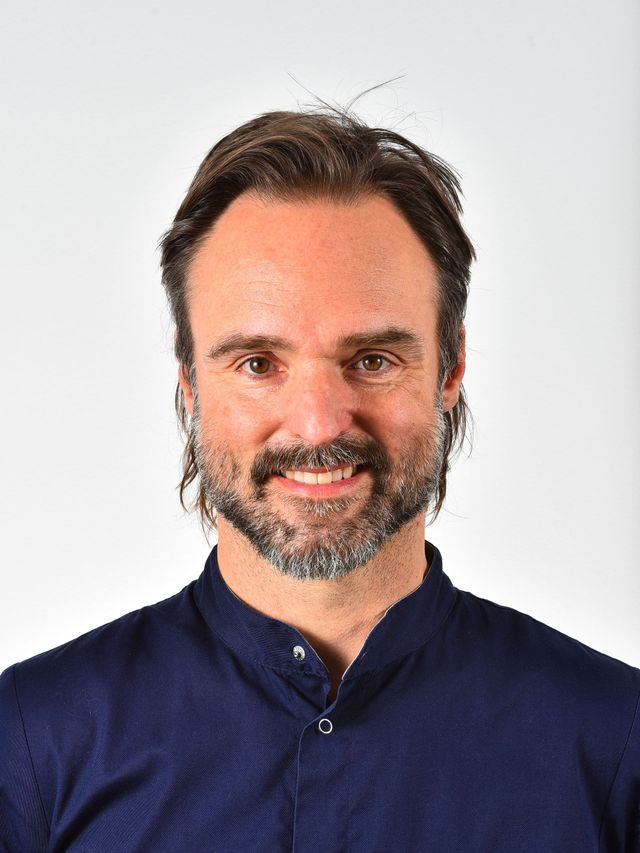
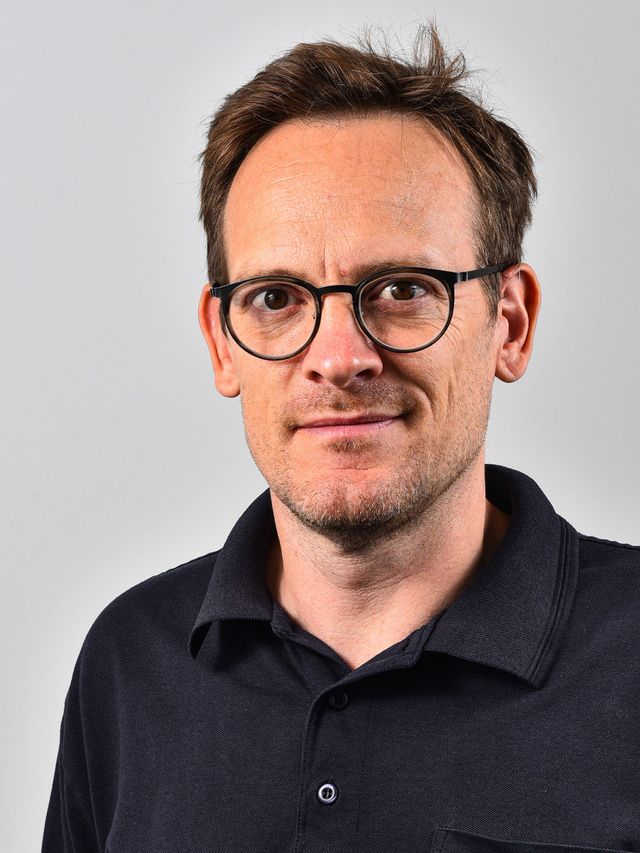
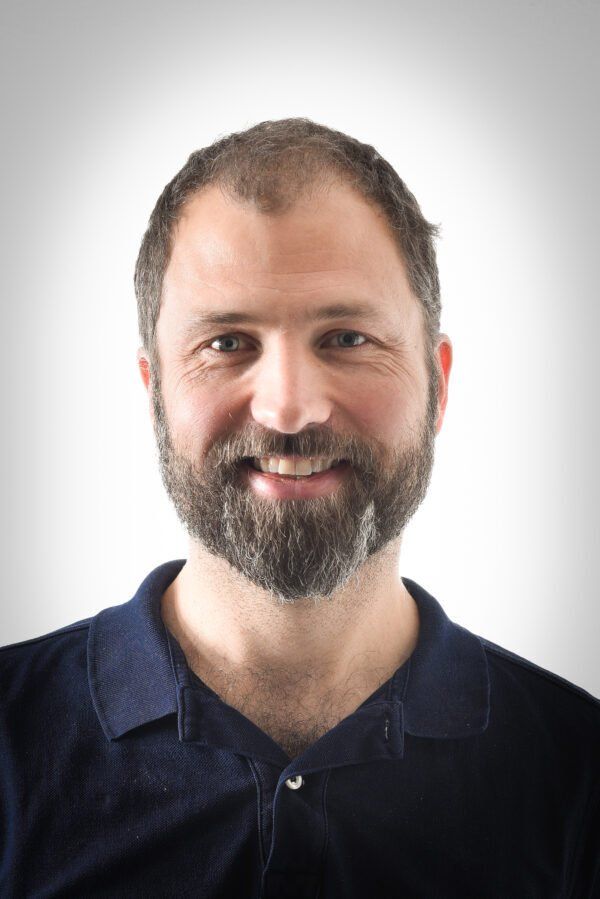
Charlottenlund Privathospital is owned and run by three specialist physicians: Erika Belard, Jacob Fisker and Teit Mantoni. Jacob Fisker is medical director. Here you will find our ear, nose and throat (ENT) specialists in Charlottenlund and at our clinics around Denmark – and in Charlottenlund also specialists in paediatric surgery, dermatology, diving medicine, gynaecology, cardiology, paediatrics, psychology and rheumatology.
Specialist physician and co-owner, CEO
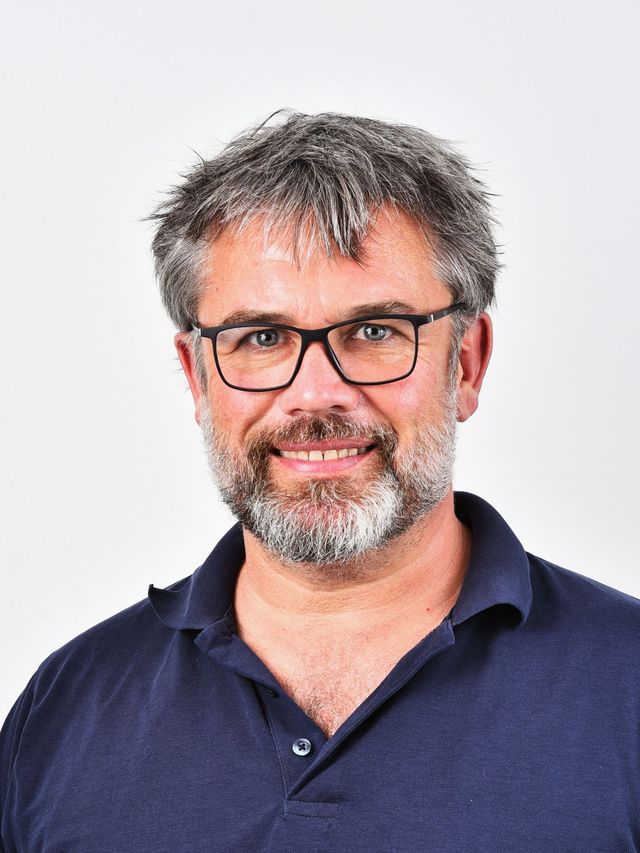
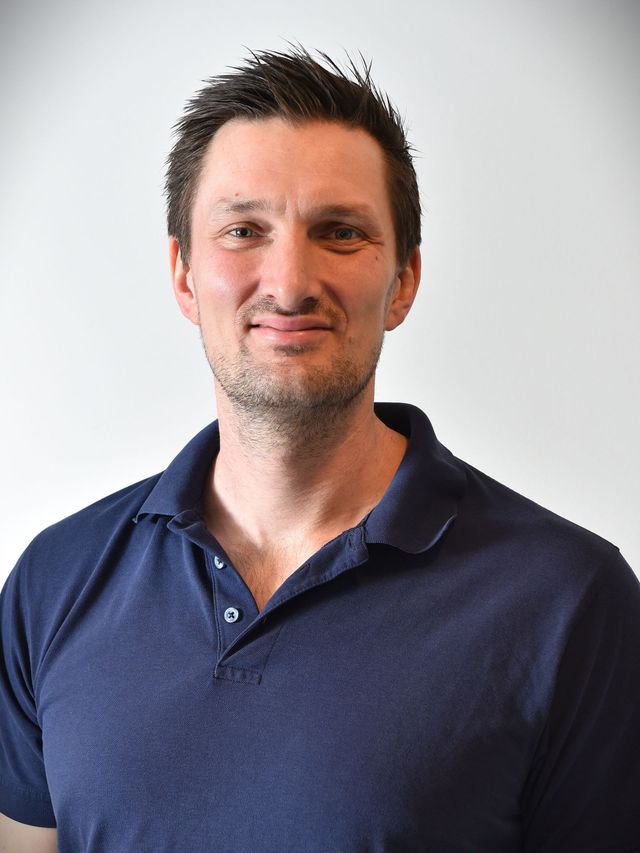
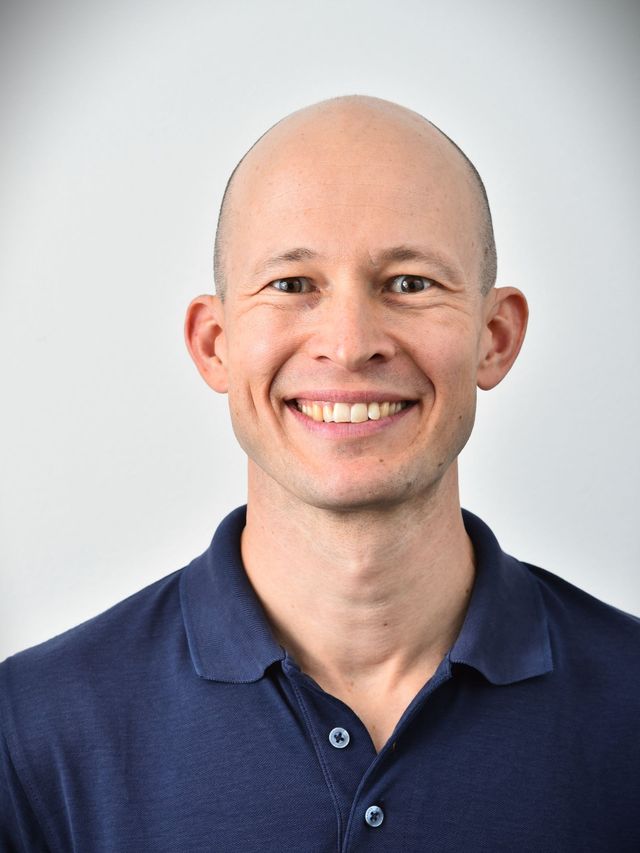
Specialist physician, co-owner and medical director
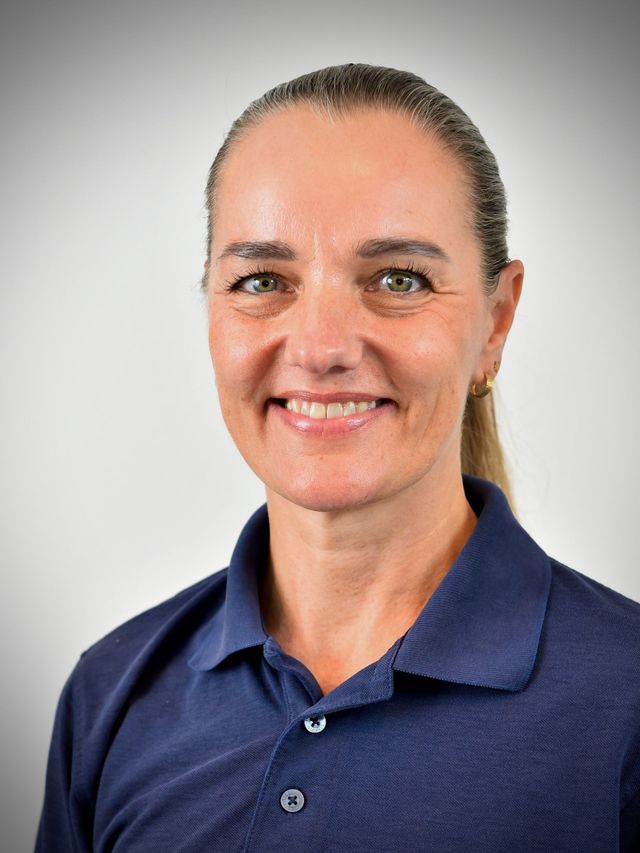
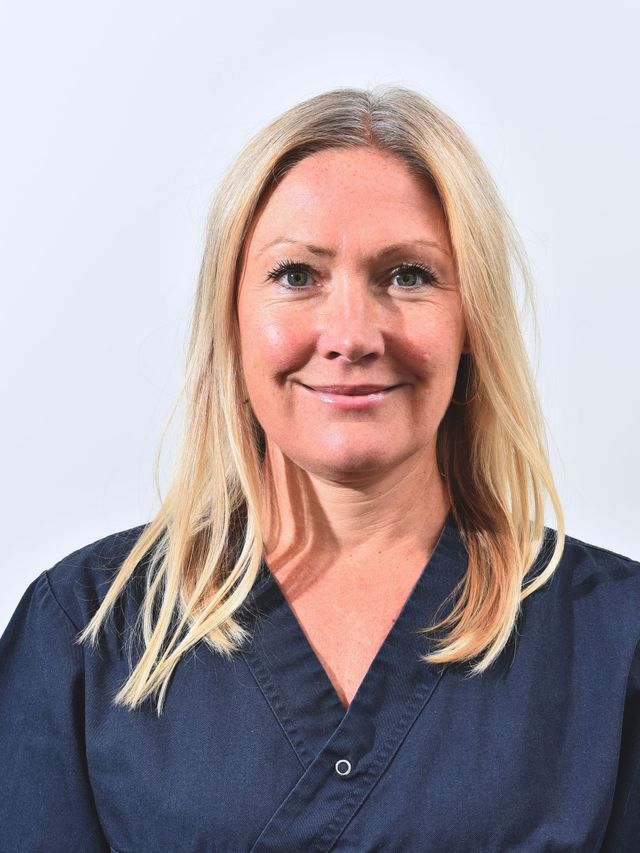
Specialist physician and co-owner
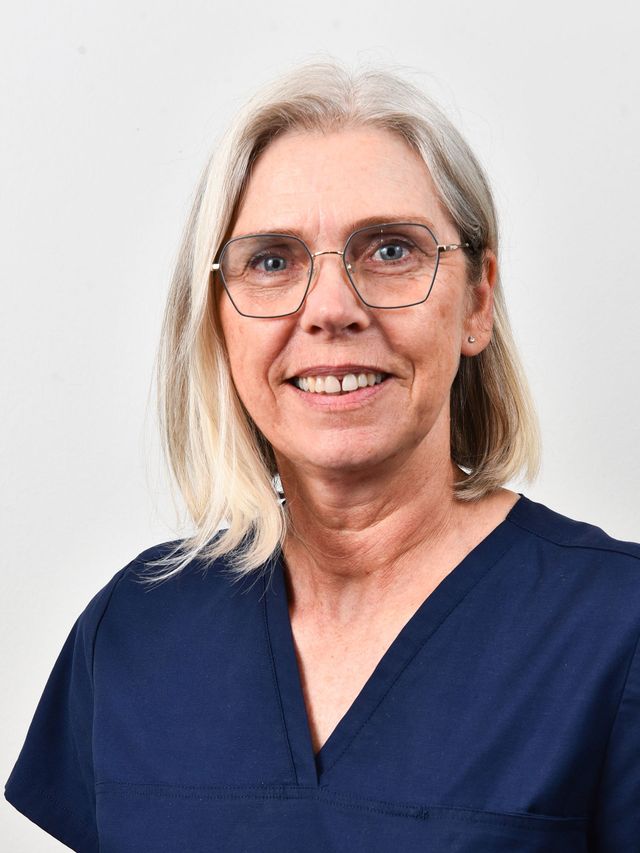
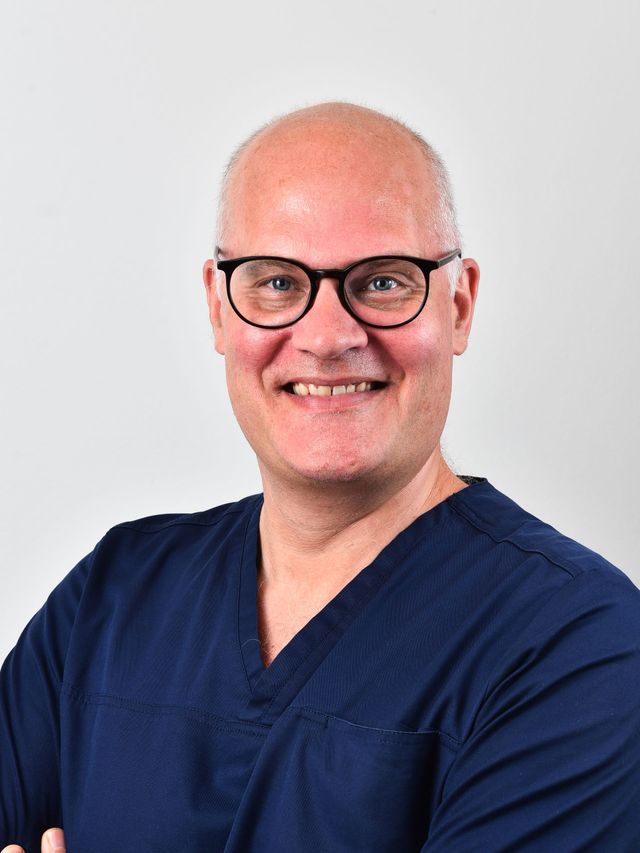
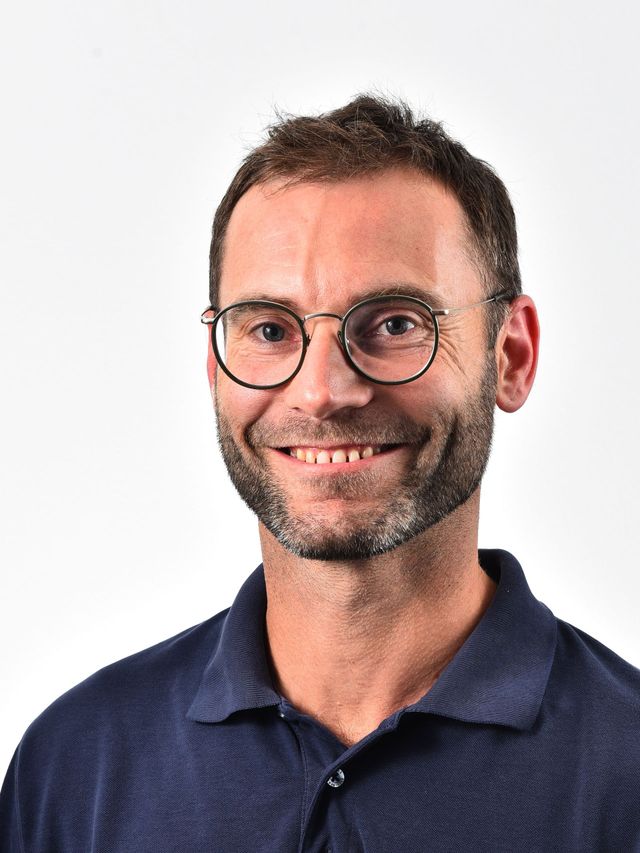
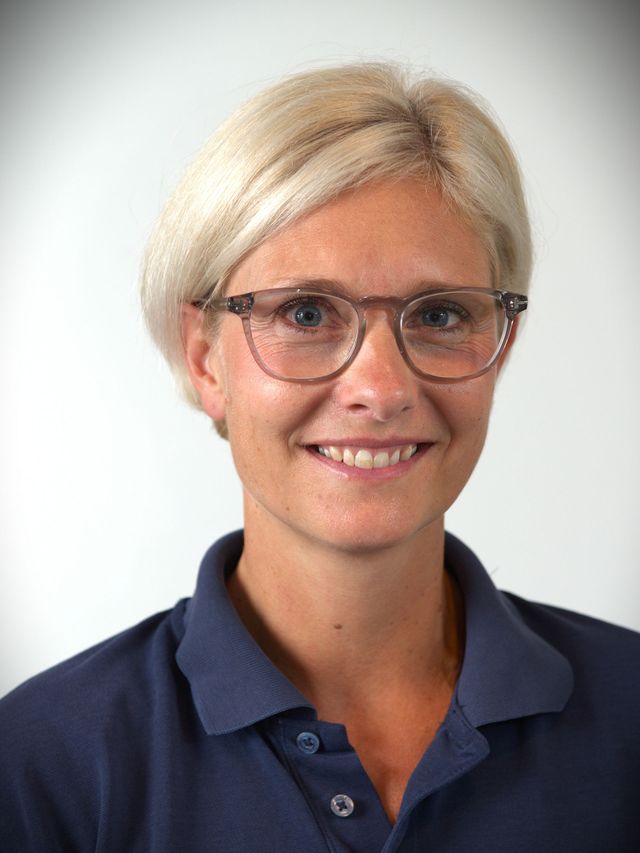
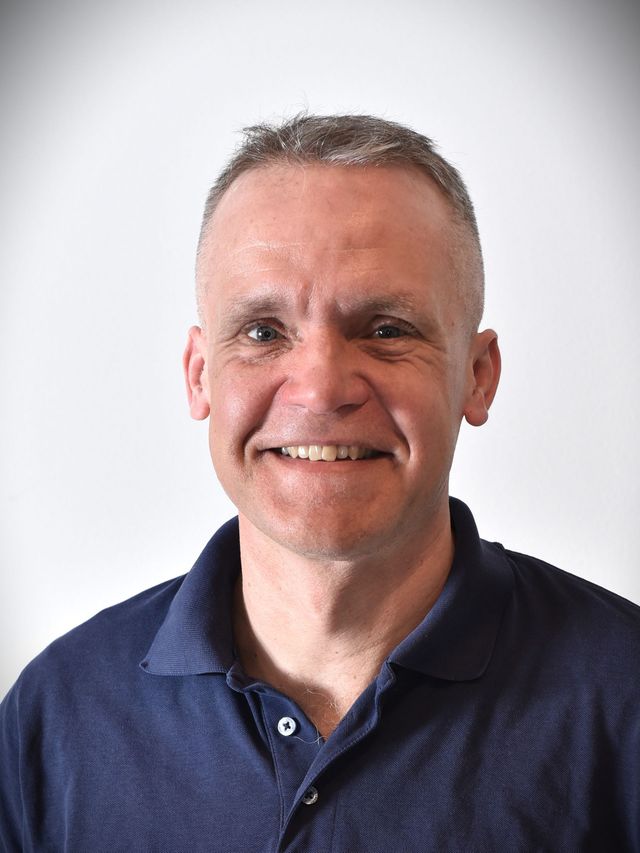
Specialist in anaesthesiology
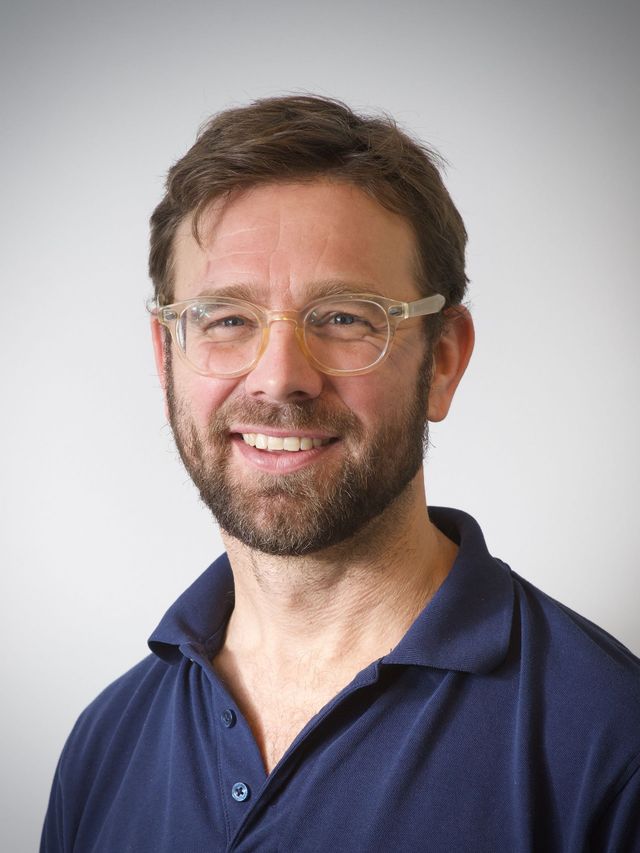
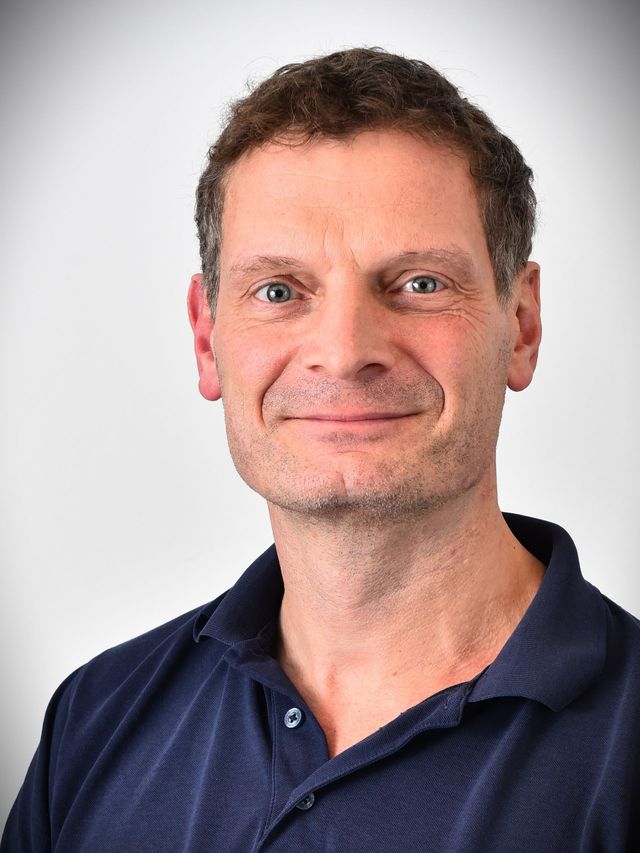
Specialist in anaesthesiology
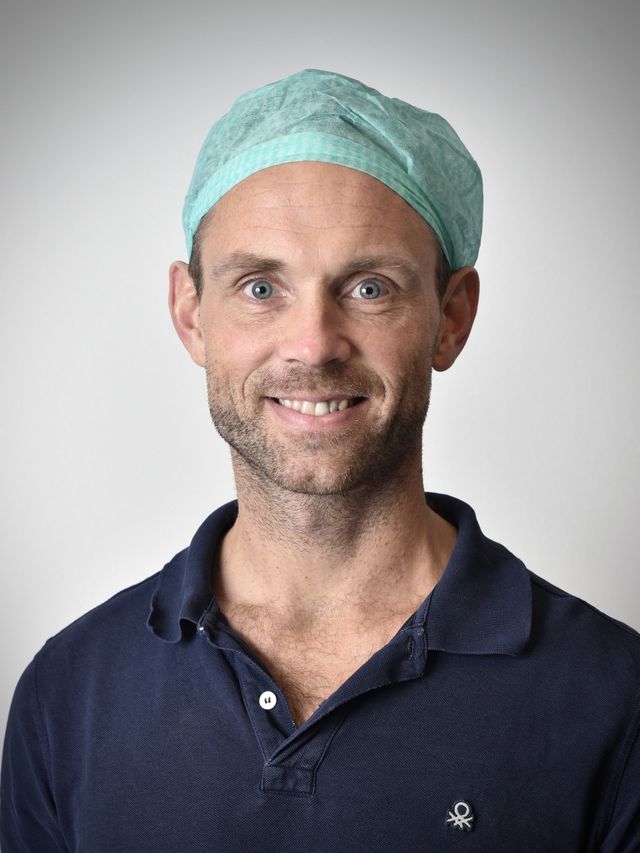
Specialist in anaesthesiology
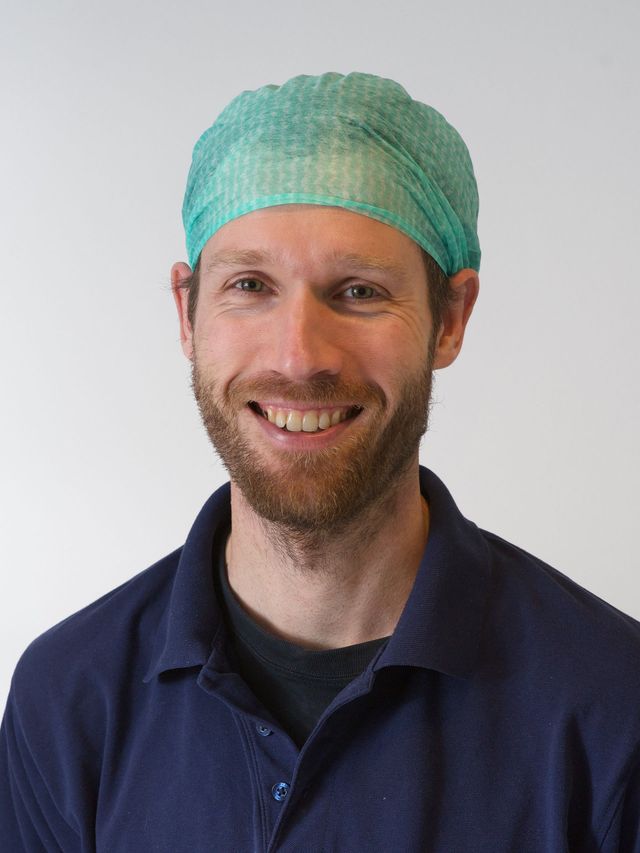
Specialist in anaesthesiology, DMSc, PhD
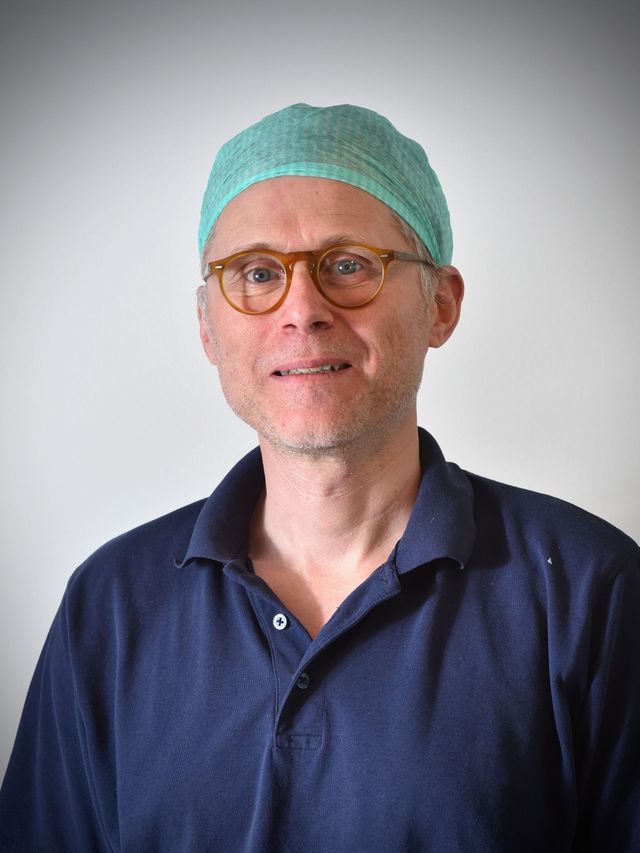
Specialist in anaesthesiology
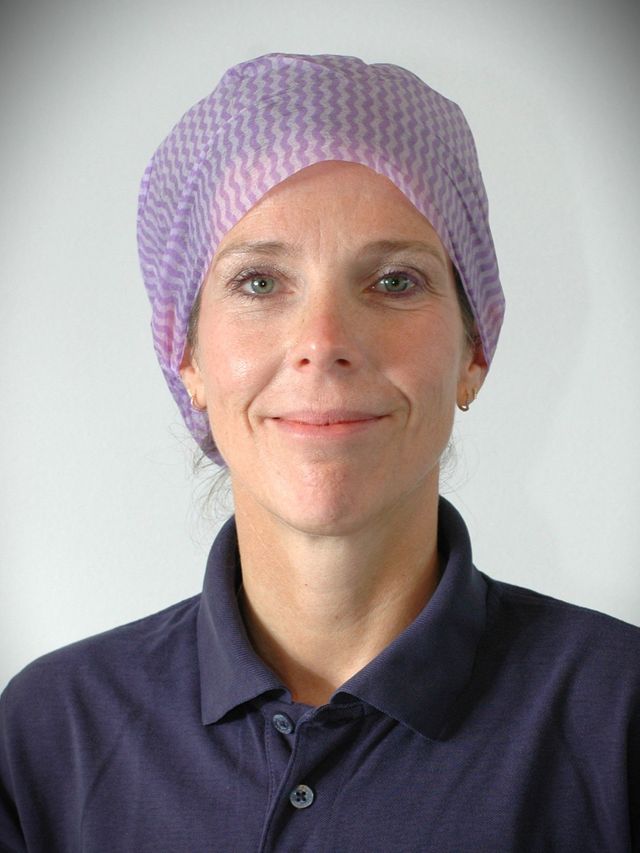
Specialist in anaesthesiology
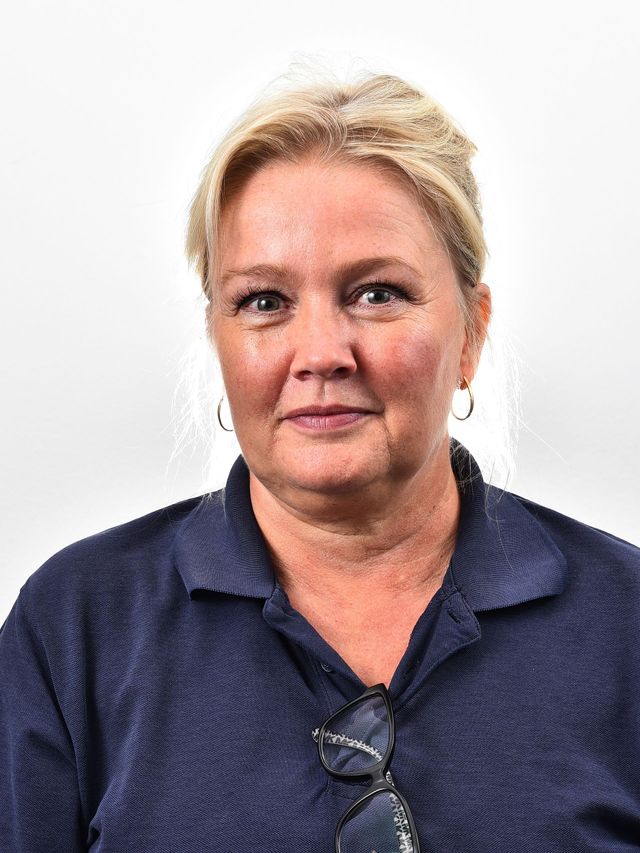
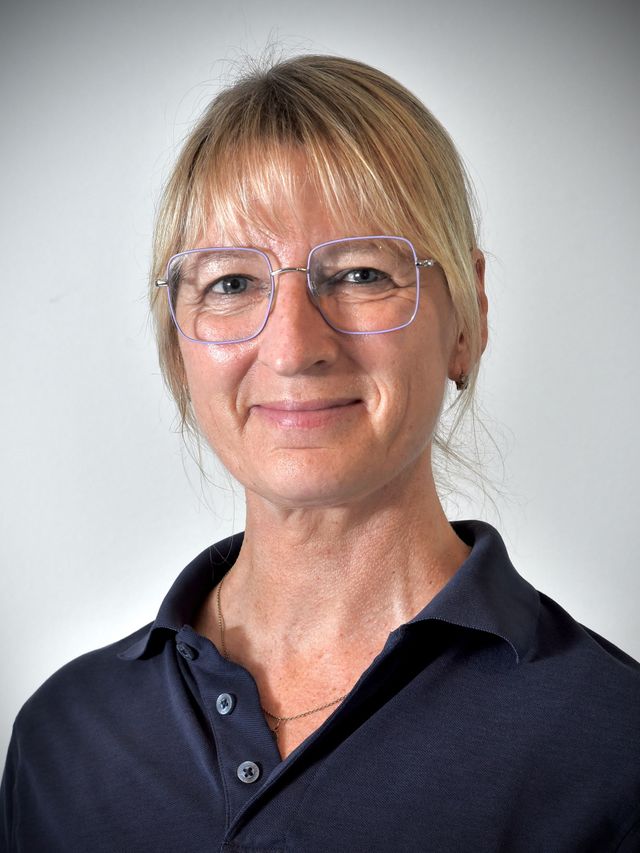
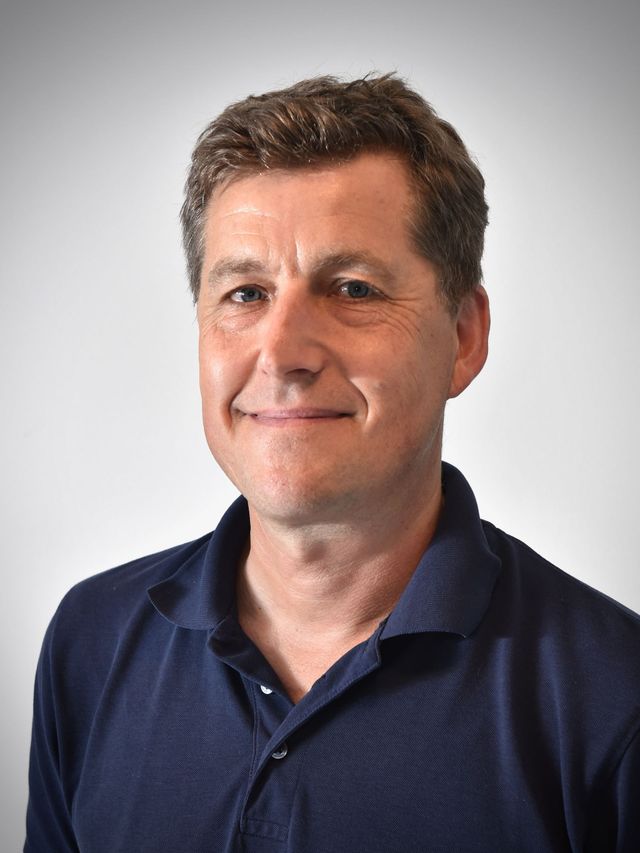
Specialist in anaesthesiology and diving medicine
Approved by the Danish Maritime Authority
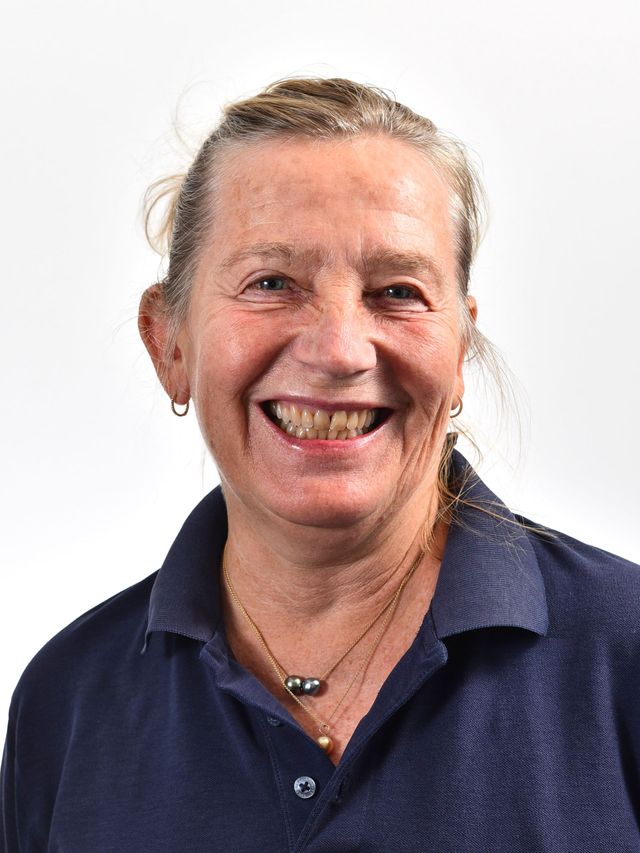
Specialist in anaesthesiology and diving medicine
Approved by the Danish Maritime Authority
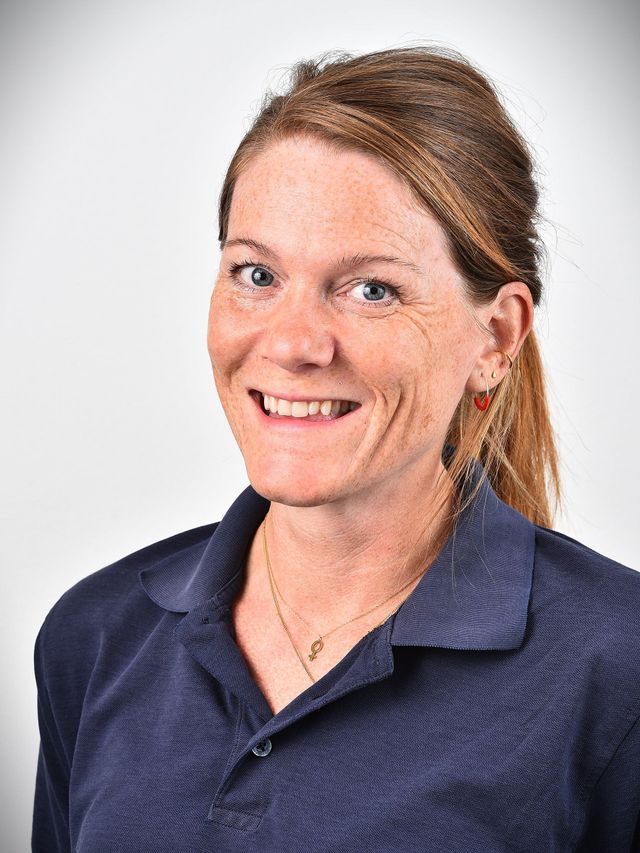
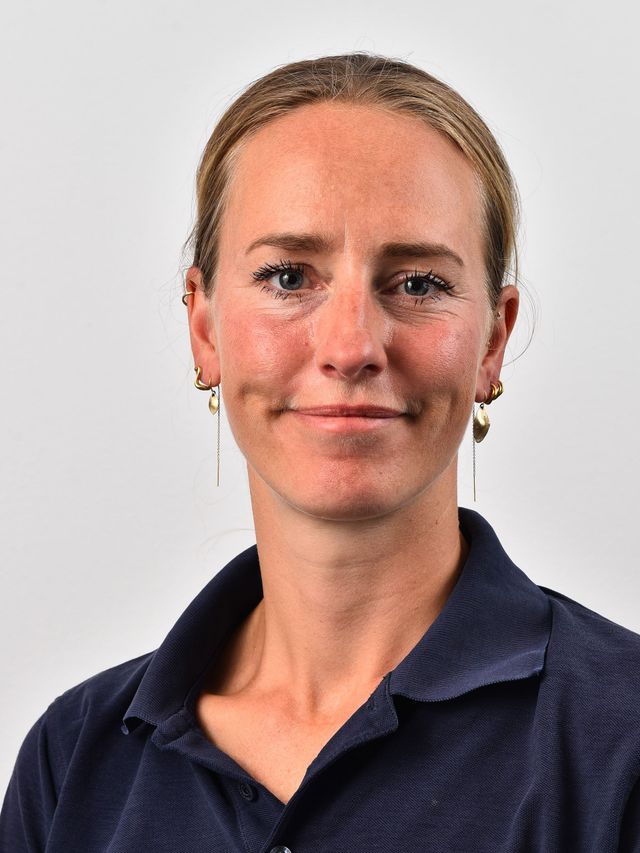

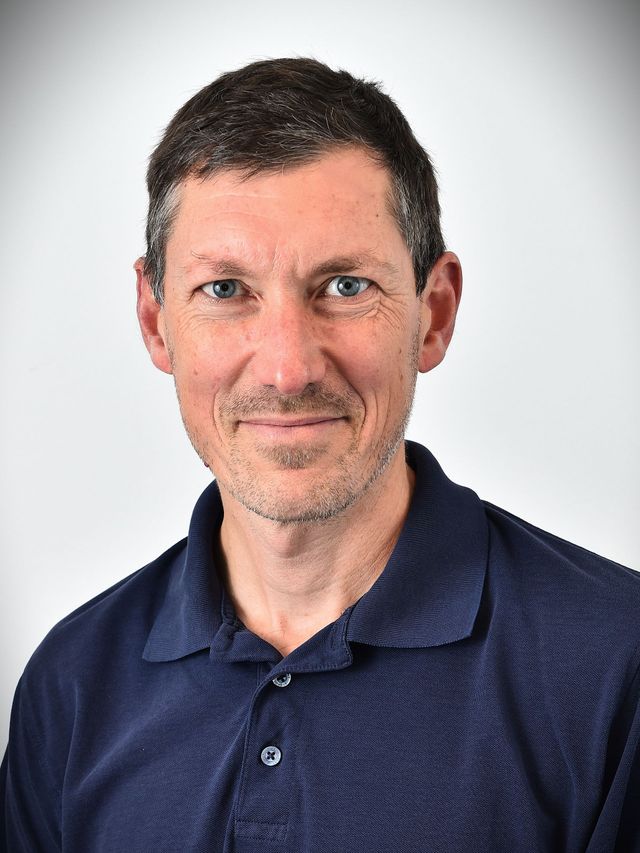
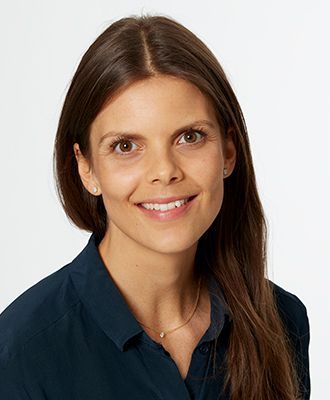
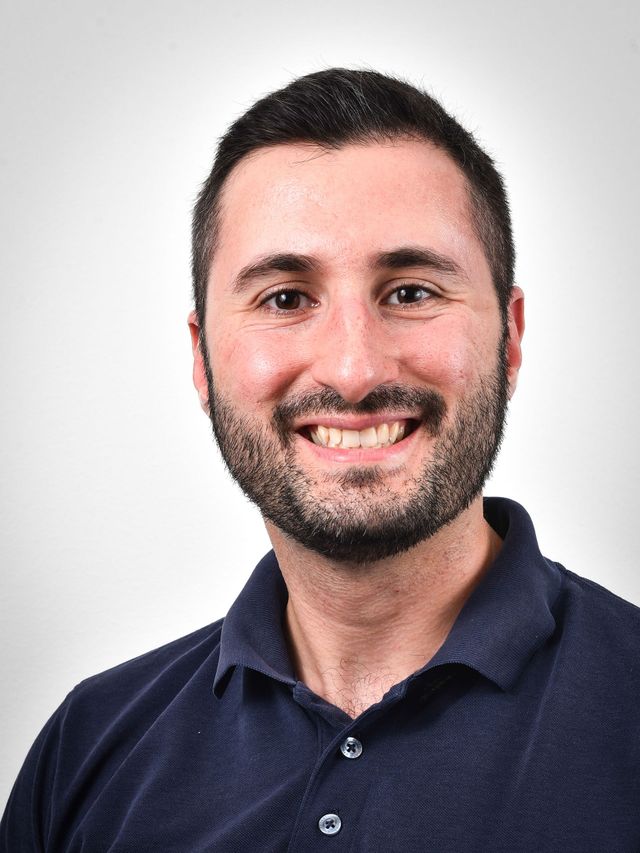
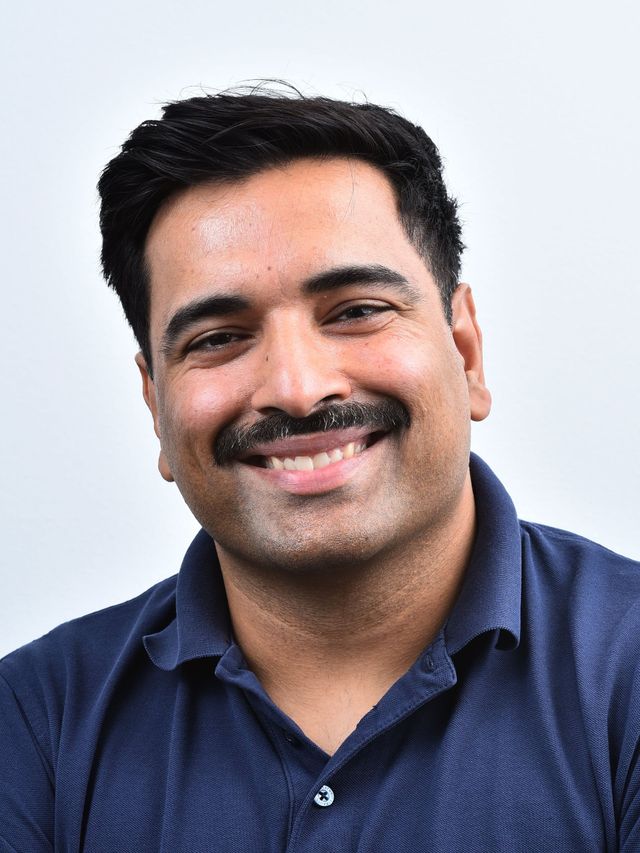
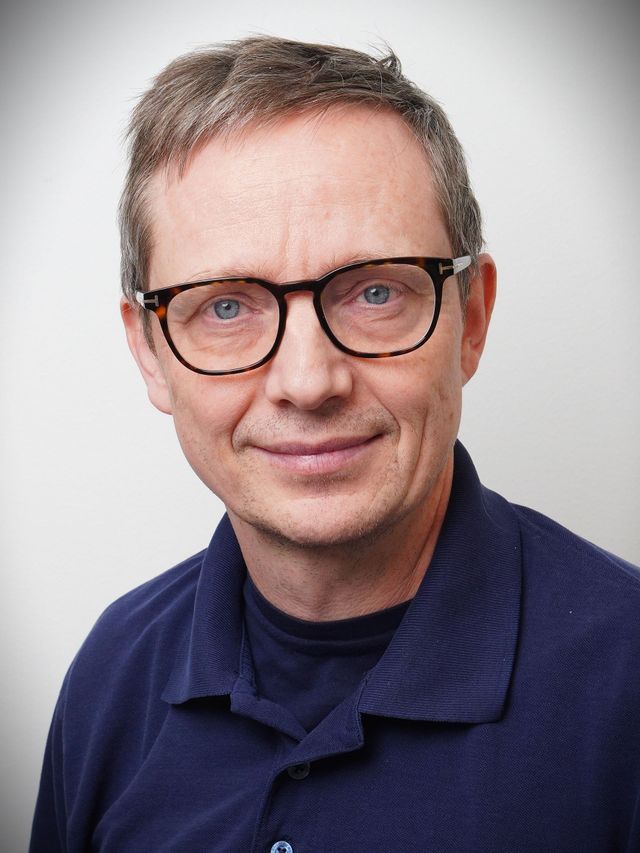
They are the people you meet first when you call or walk through the door – and the ones who look after you before and after your treatment.
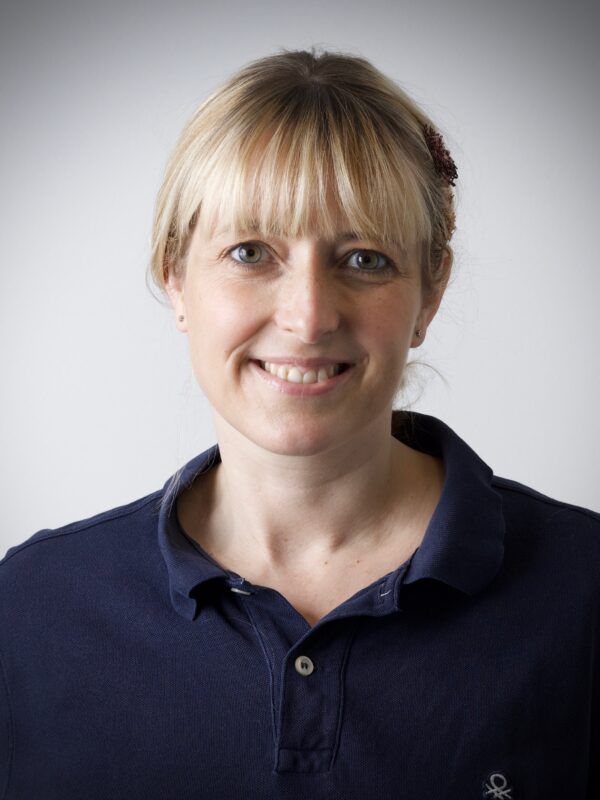
Nurse
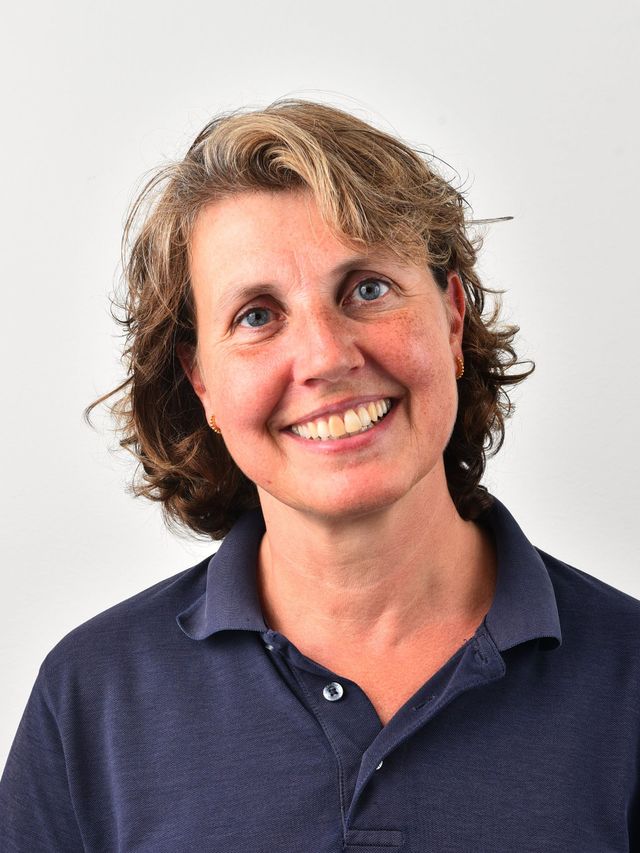
Nurse
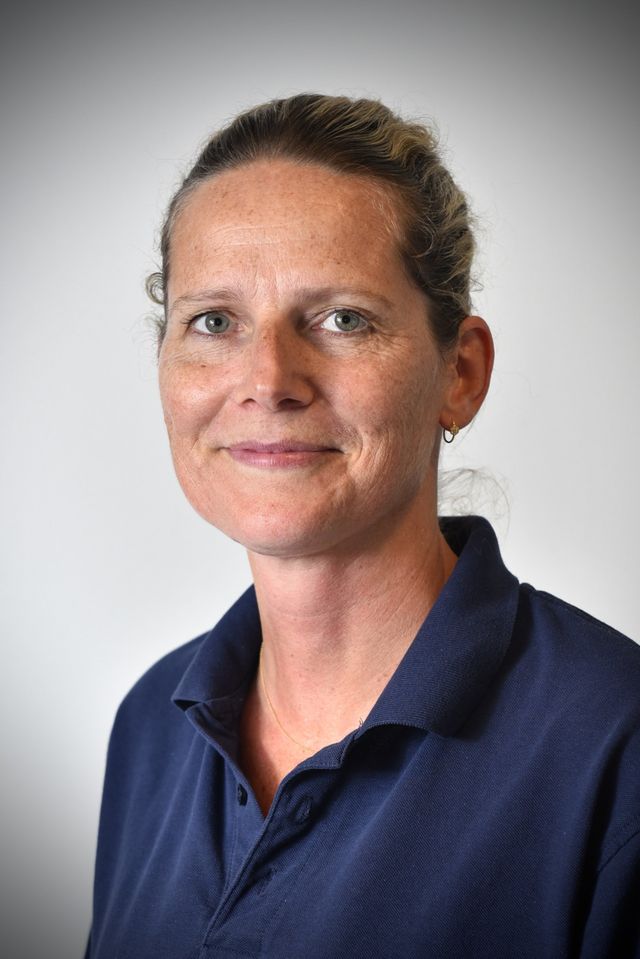
Nurse
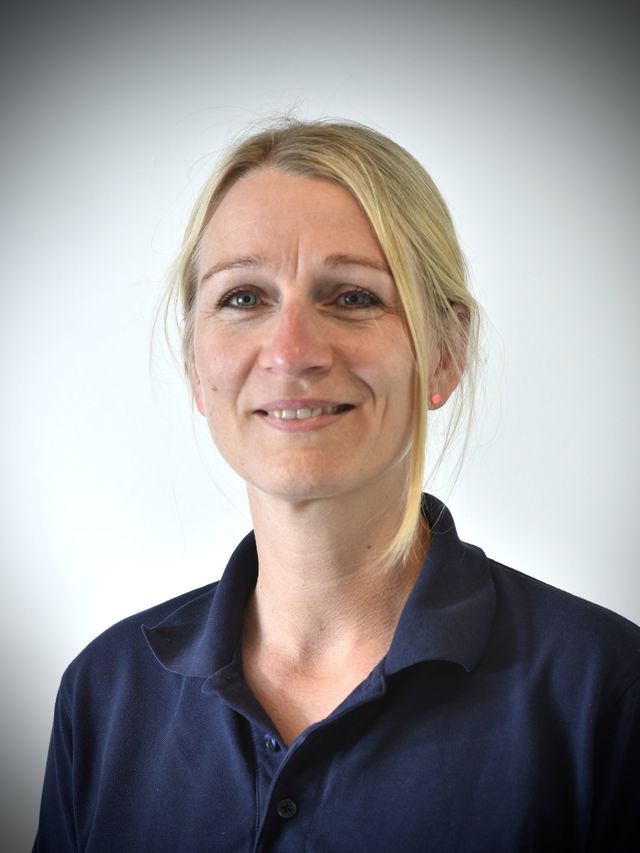
Nurse
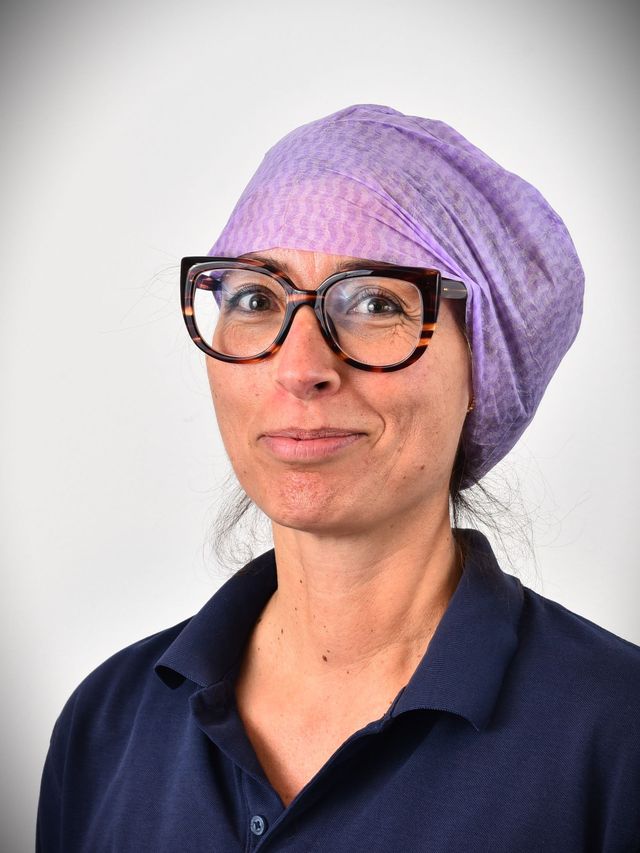
Nurse
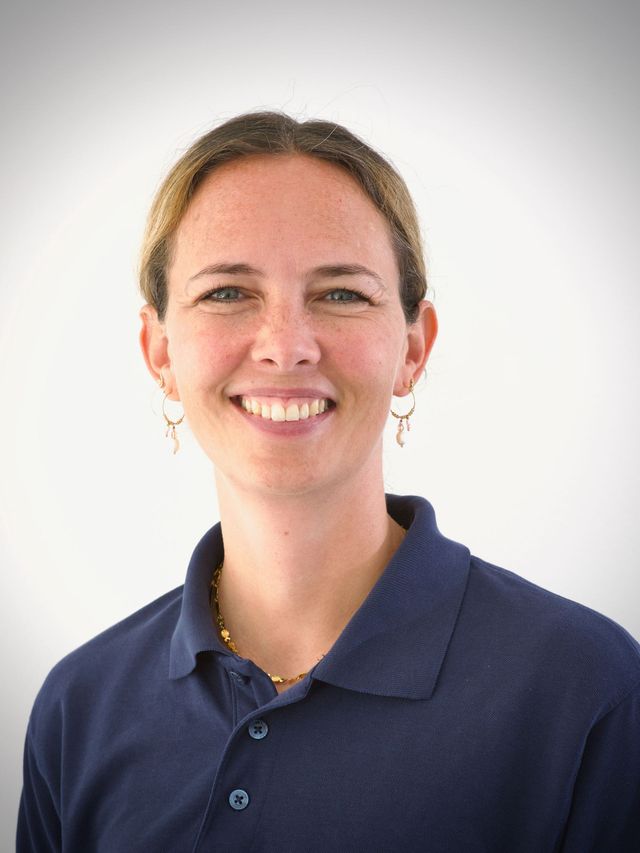
Nurse
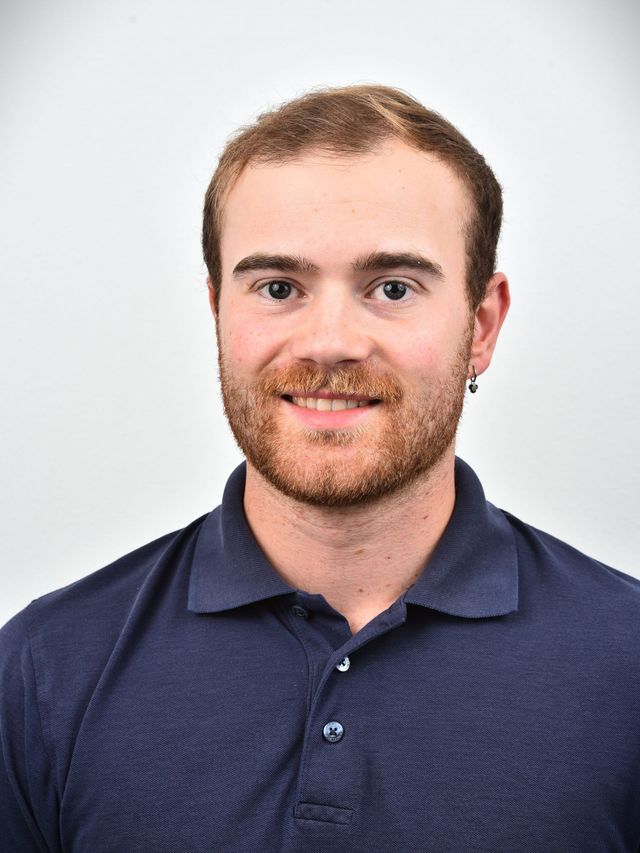
Clinical assistant
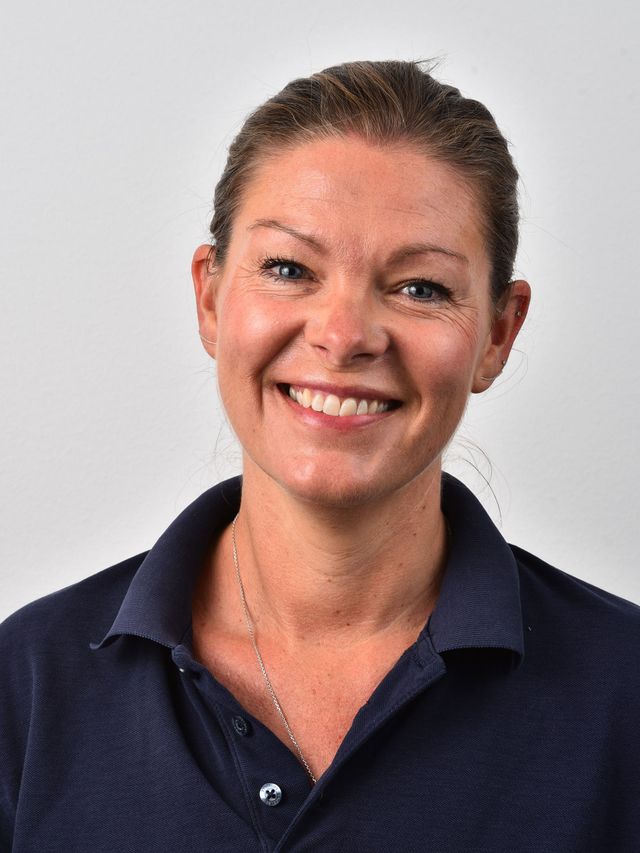
Clinical assistant
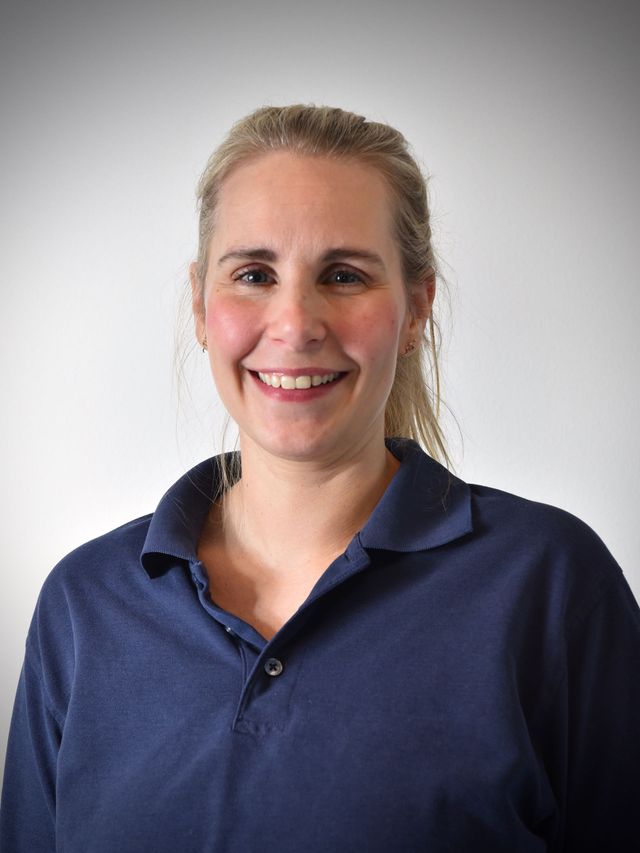
Clinical assistant
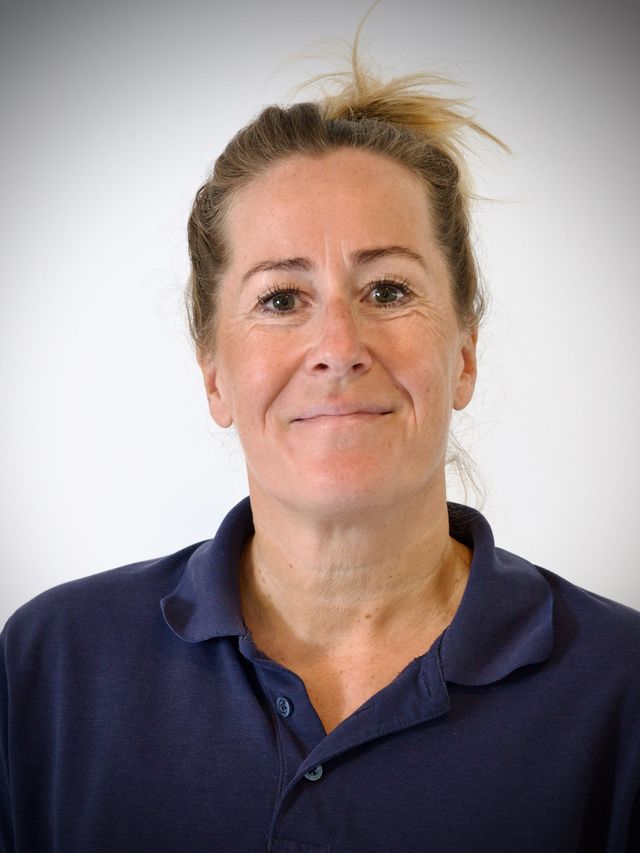
Reception and secretariat
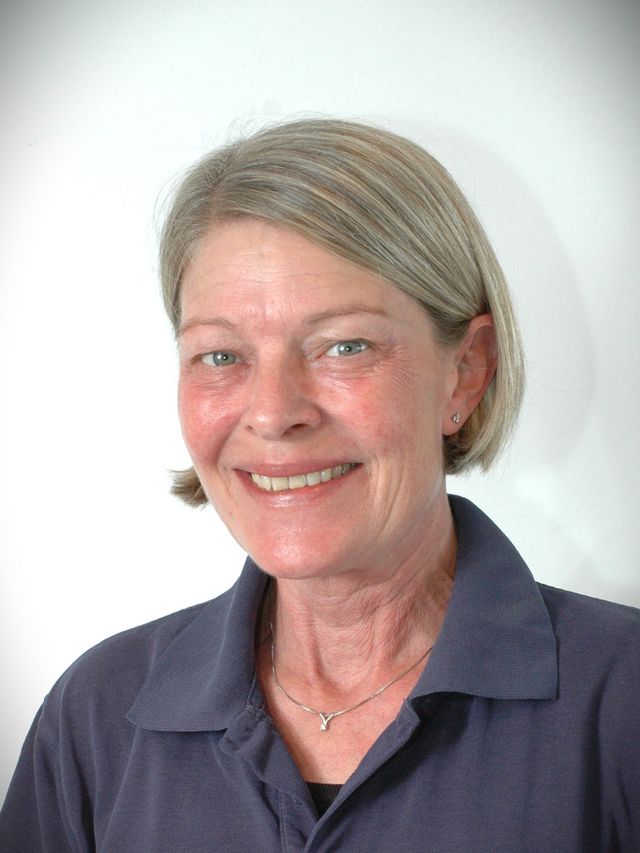
Reception and secretariat
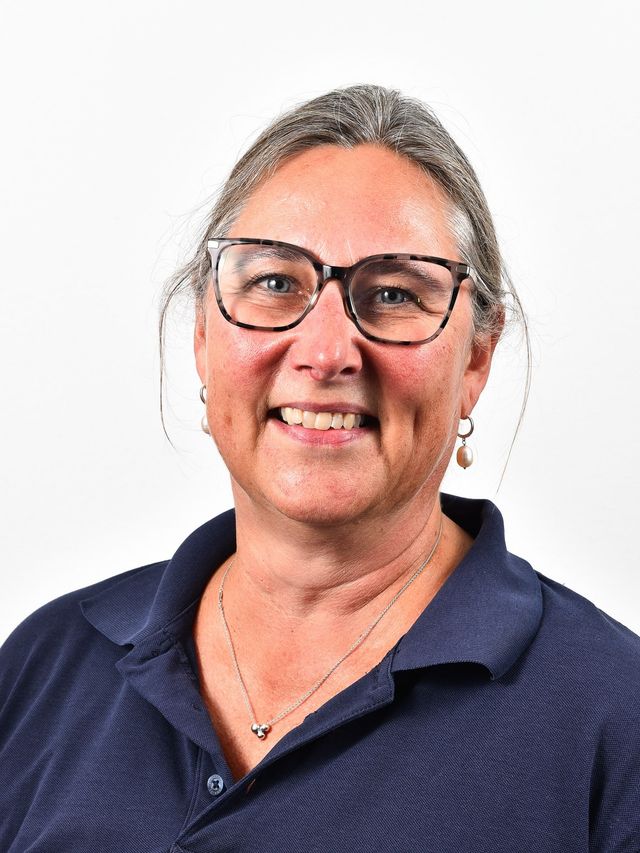
Reception and secretariat
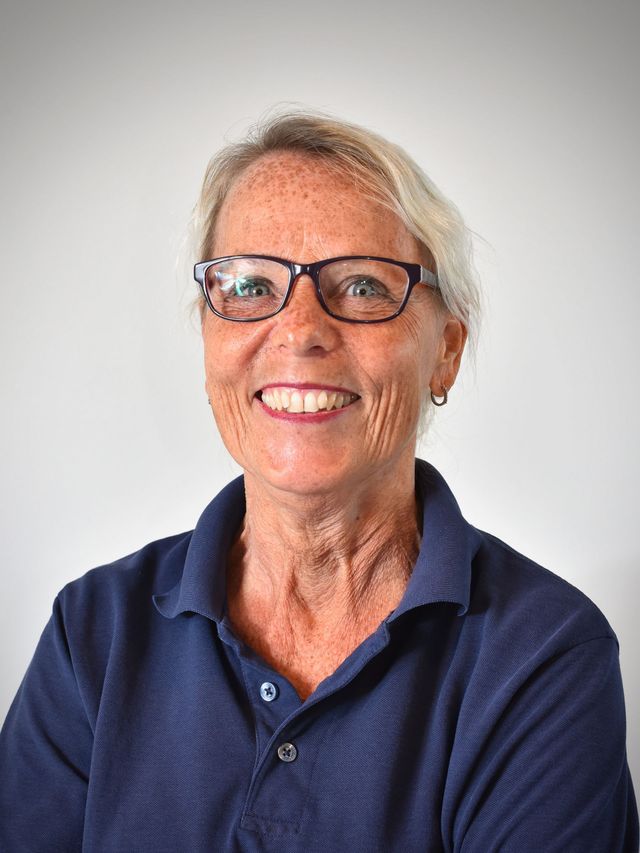
Reception and secretariat
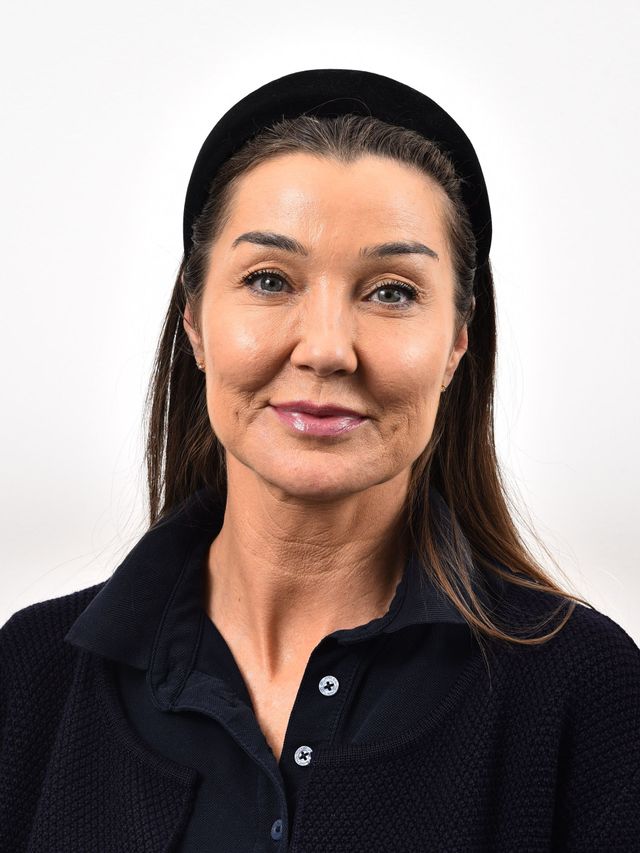
Reception and secretariat
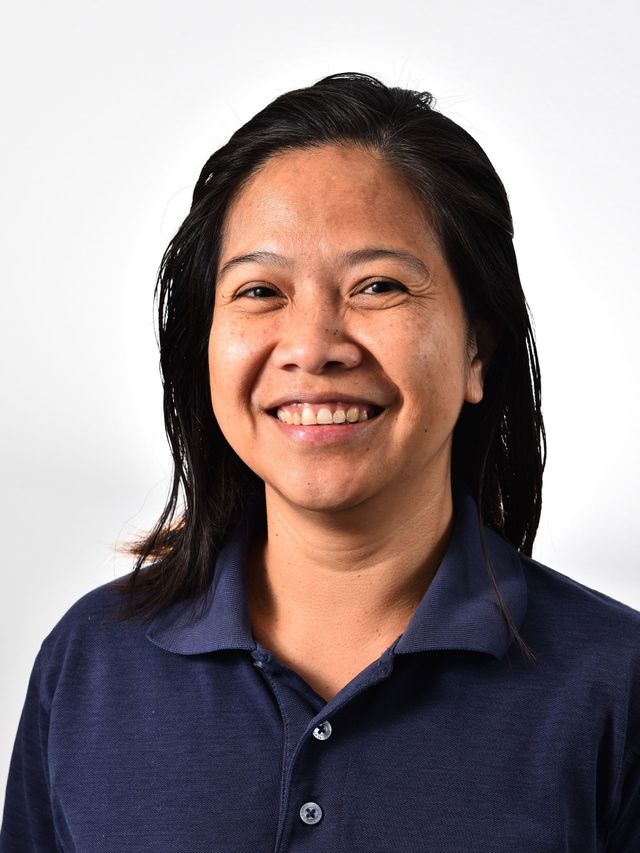
Service assistant
No one found. Try another name or choose "All".
Would you like to book an appointment with one of our specialists?
Book onlineJægersborg Allé 4
2920 Charlottenlund
CVR: 45675637
Monday–Friday, 08:00–14:00
Outside telephone hours, appointments can be booked, rescheduled and cancelled online 24/7.
Main department in Charlottenlund and ear, nose and throat departments at several locations across Denmark.