

Management
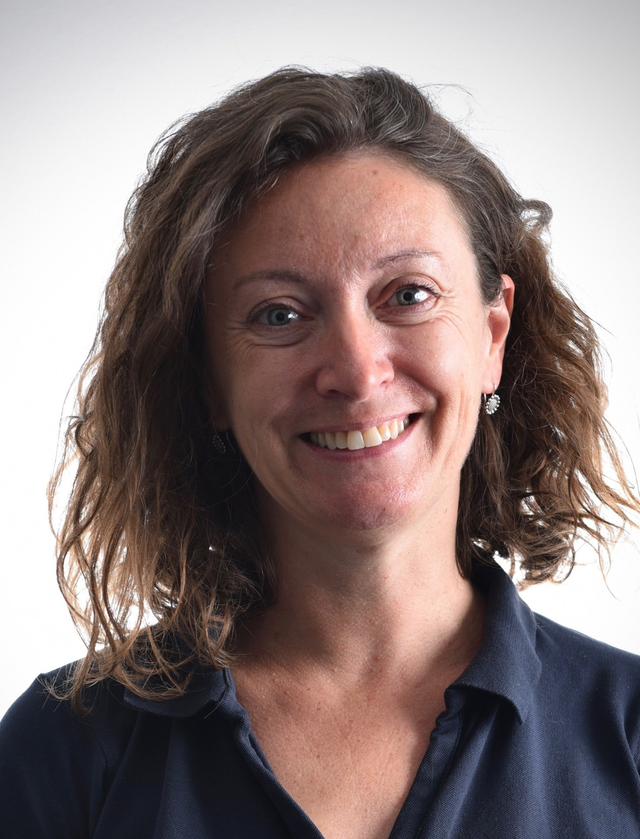
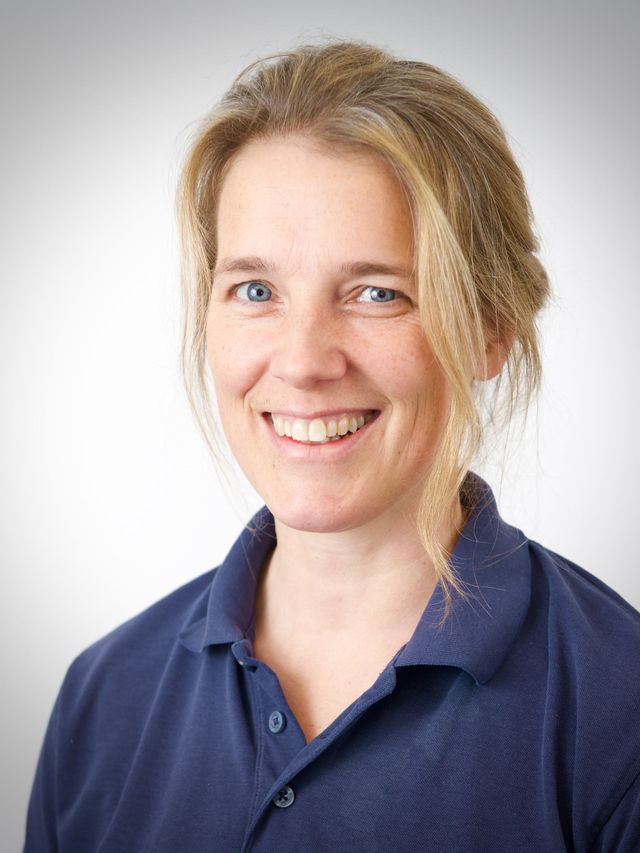
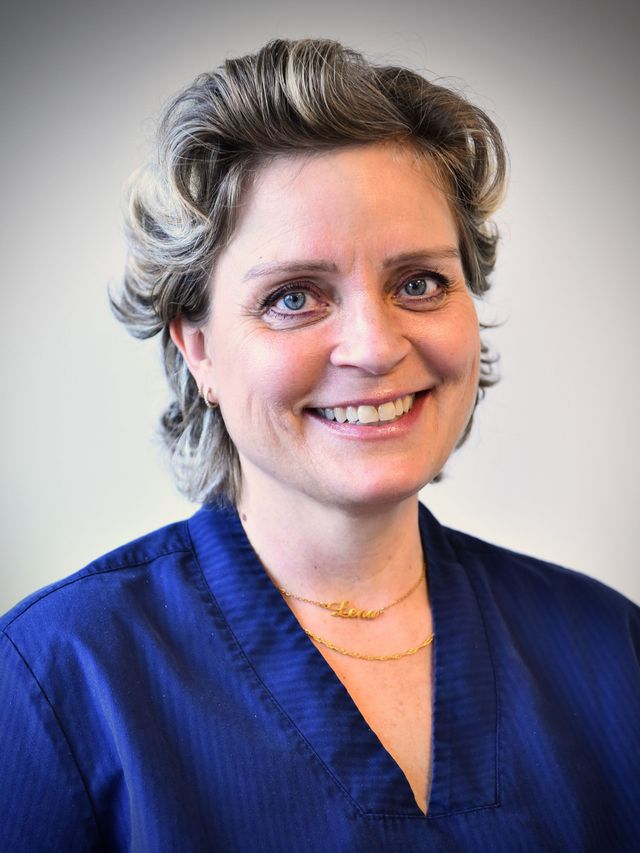
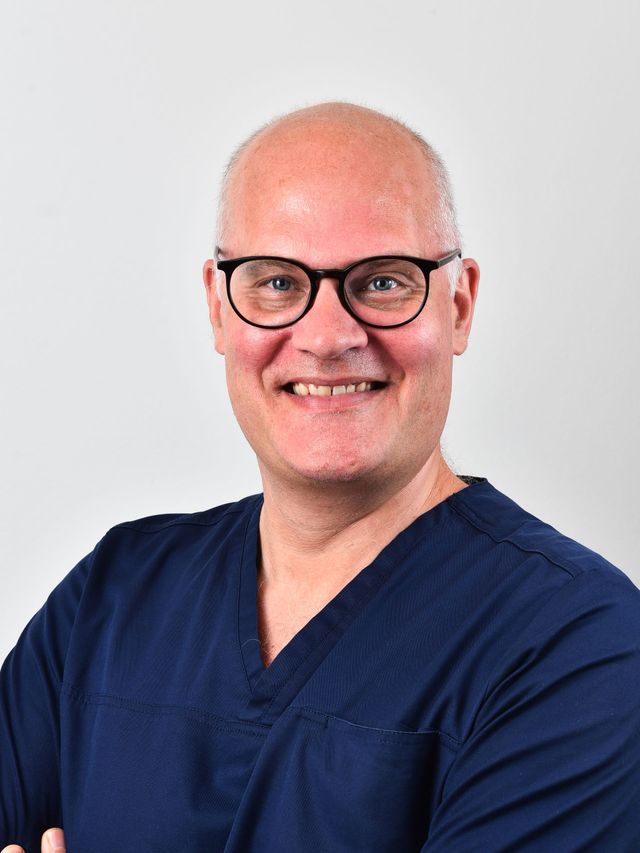
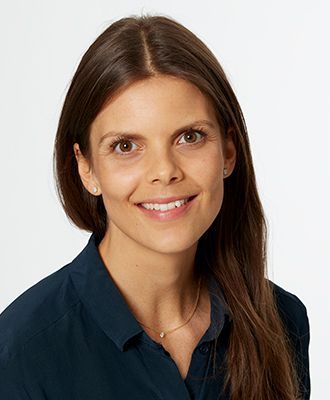
Erika Belard
Specialist physician and co-owner, CEO

Examination and surgery for children with phimosis, undescended testicle, hydrocele and bladder problems.
Paediatric surgery is the surgical examination and treatment of children and adolescents. At Charlottenlund Private Hospital, a specialist in paediatric surgery examines and treats selected conditions: phimosis (tight foreskin), undescended testicle (retentio testis), hydrocele and bladder problems. Operations are carried out as day surgery under general anaesthesia, so the child can go home the same day.
Conditions examined and treated by the paediatric surgeon:
Many conditions in young children are part of normal development and resolve on their own. This applies, for example, to a tight foreskin in younger boys and hydrocele in infants. The child should, however, be examined if a testicle cannot be felt in the scrotum, if a swelling in the scrotum grows or does not go away, or if the foreskin causes pain, infection or problems passing urine.
Bladder problems should be assessed if they continue after the age of 5–6, or if the child has daytime symptoms, pain when passing urine or repeated urinary tract infections. Night-time wetting is also treated by the hospital’s paediatricians – see bedwetting in children.
Sudden, severe pain in the scrotum – possibly with nausea or vomiting – may mean that the testicle has twisted (testicular torsion). This requires urgent examination at a hospital, because the chance of saving the testicle is greatest if surgery takes place within about 6 hours (Western Journal of Emergency Medicine 2015). Contact the out-of-hours doctor at once – 1813 in the Capital Region – or call 112.


Several of the conditions are common in the first years of life and become rarer with age. About 3% of full-term boys are born with a testicle that has not descended, but only about 1% still have it at the age of 1 (care pathway for undescended testicle, Central Denmark Region, in Danish). In a Danish study, phimosis was found in 8% of boys at around the age of 8, compared with about 1.5% of 17-year-olds (Øster 1968).
About 92% of hydroceles in infants disappear before the age of 1 (European guidelines on paediatric urology), and daytime wetting falls from 15.5% of children aged 4½ to 4.9% at 9½ (Swithinbank et al. 2010). Waiting is therefore often advised – but not always, and that is exactly what the paediatric surgeon’s examination is there to clarify in each case.
Most children benefit from having it explained in simple, honest words shortly beforehand what is going to happen. A parent can stay with the child until they are asleep, and a familiar soft toy or dummy from home can make the waiting easier, and loose, comfortable clothes and a change of clothes are practical on the day. Many children are mostly focused on it being over quickly, so it helps to talk about what happens afterwards – such as going home the same day.
Before the anaesthetic the child must fast, and the parents are given precise instructions on when the child may last eat and drink. The rules have become more relaxed – a European guideline from 2022 recommends, for example, that healthy children may drink clear fluids up to 1 hour and have breast milk up to 3 hours before anaesthesia – but the hospital’s own instructions apply.
It is important that parents do not fast together with the child out of sympathy. They should eat and drink as normal so that they are fresh and able to look after the child on the day.
The child arrives at the hospital fasting on the day of the procedure and can in most cases go home a few hours after the operation. The parents receive information about both the operation and the time afterwards.
Operations are carried out under general anaesthesia, so the child feels no pain or discomfort during the procedure. Anaesthesia is given by specialists in anaesthesiology together with nurse anaesthetists experienced in caring for and monitoring children – read more about anaesthesia. Children can have surgery from the age of 6 months. When the child wakes up, they may be restless or tearful for a short while – this is common and usually passes quickly.
Before the operation, the anaesthetist reviews the child’s health and assesses whether the anaesthetic can be given safely. Many parents ask whether anaesthesia can affect brain development. In an international randomised trial of 722 infants, there was no difference in intelligence at the age of 5 between children who had just under an hour of general anaesthesia and children who had regional anaesthesia while awake (GAS trial, The Lancet 2019).

Examinations and operations are carried out by Susanne Reinhardt, specialist in paediatric surgery, at the main department in Charlottenlund – see map and addresses.
Self-paying patients do not need a referral, and appointments can be booked online – see the price list. Children may be covered by their parents’ health insurance. The insurance company decides whether the treatment is covered and usually requires prior approval.
Answers to questions about paediatric surgery at Charlottenlund Private Hospital.
Phimosis (tight foreskin), undescended testicle (retentio testis), hydrocele and bladder problems.
If the testicle has not come down into the scrotum by the age of 6 months, the child should be examined with a view to surgery. Surgery is recommended at 6–12 months of age.
No. In younger boys a tight foreskin is normal and usually resolves on its own. Treatment is only considered if it causes pain, infection or problems passing urine.
Often. In young children hydrocele frequently disappears on its own, so surgery is usually not considered until after the age of one.
Yes. Operations are carried out under general anaesthesia, so the child feels no pain or discomfort during the procedure.
Yes, in most cases. The operations are carried out as day surgery.
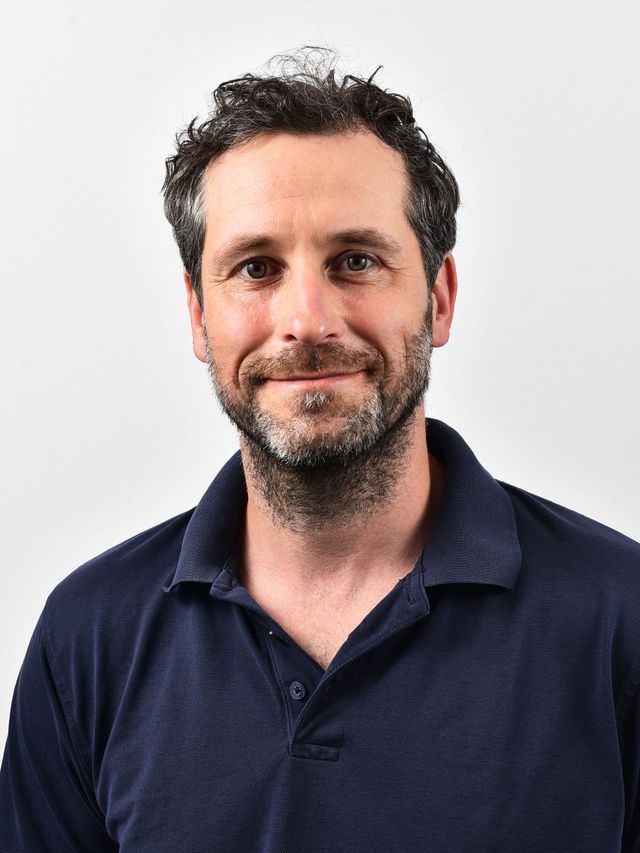
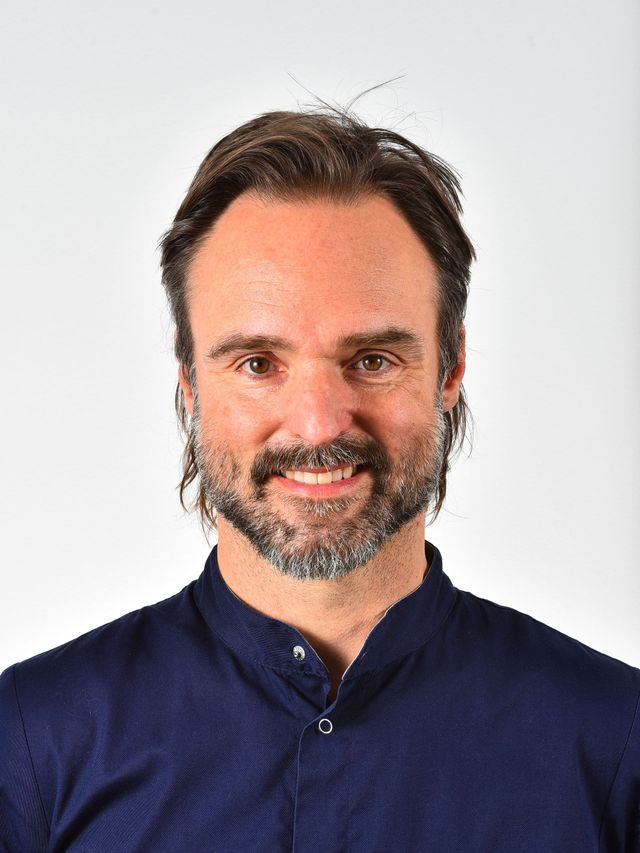
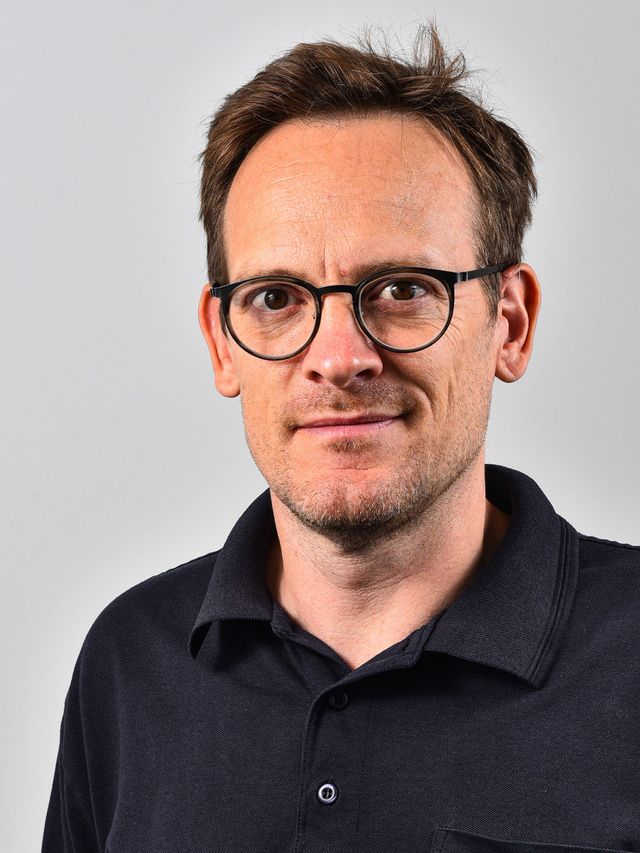
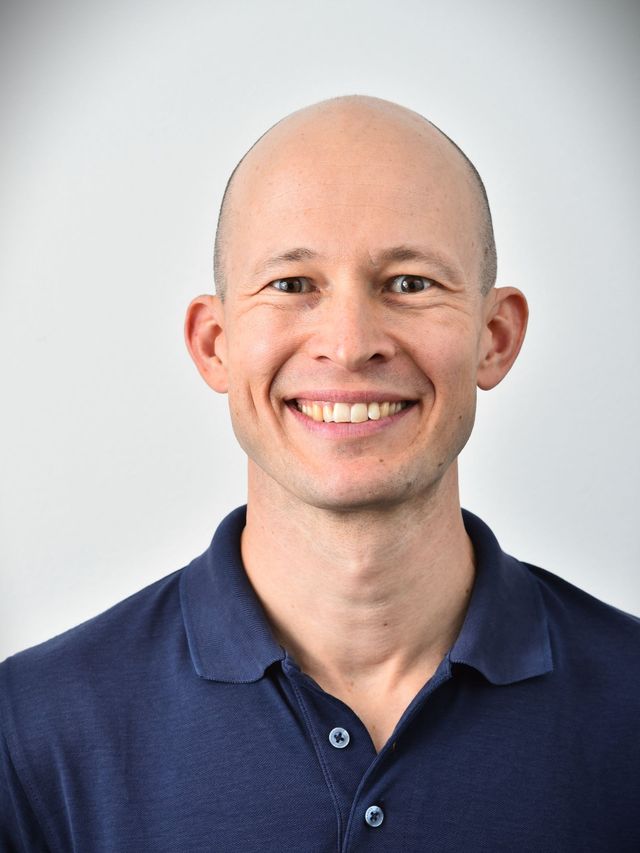
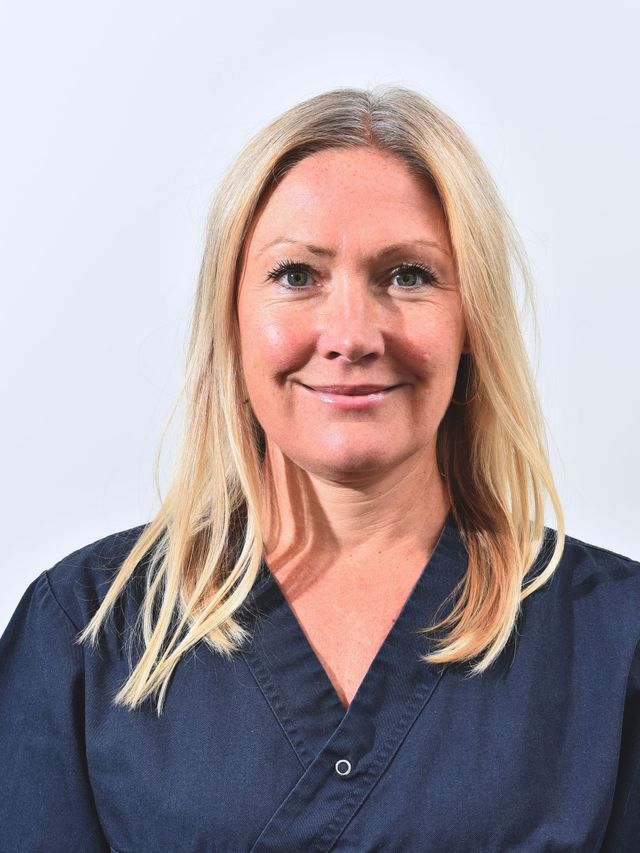
Charlottenlund Privathospital is owned and run by three specialist physicians: Erika Belard, Jacob Fisker and Teit Mantoni. Jacob Fisker is medical director. Here you will find our ear, nose and throat (ENT) specialists in Charlottenlund and at our clinics around Denmark – and in Charlottenlund also specialists in paediatric surgery, dermatology, diving medicine, gynaecology, cardiology, paediatrics, psychology and rheumatology.
Specialist physician and co-owner, CEO
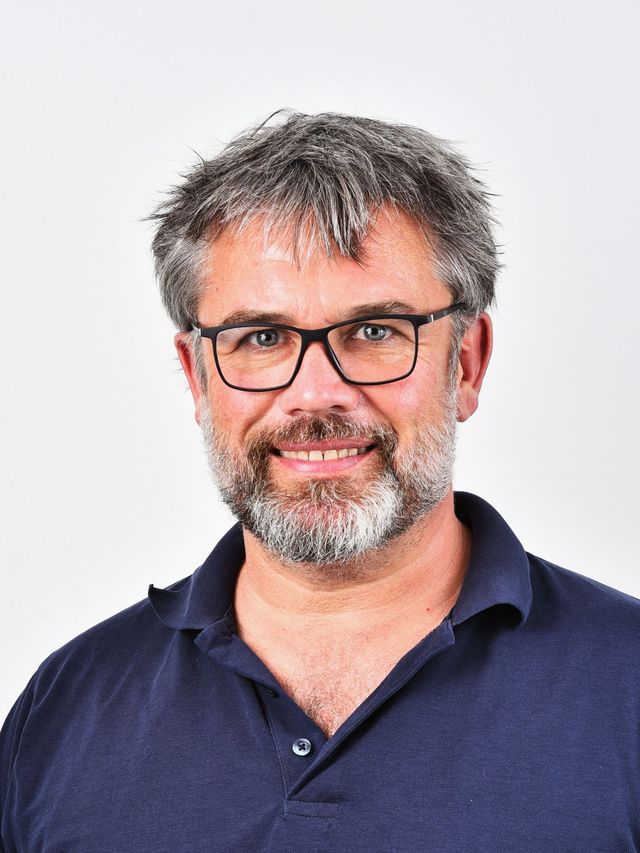
Specialist physician, co-owner and medical director
Specialist physician and co-owner
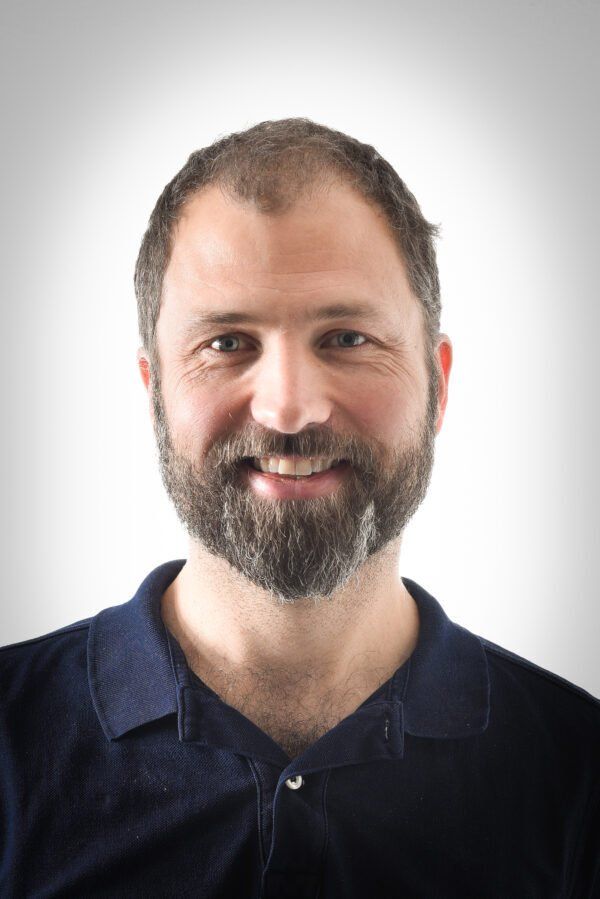
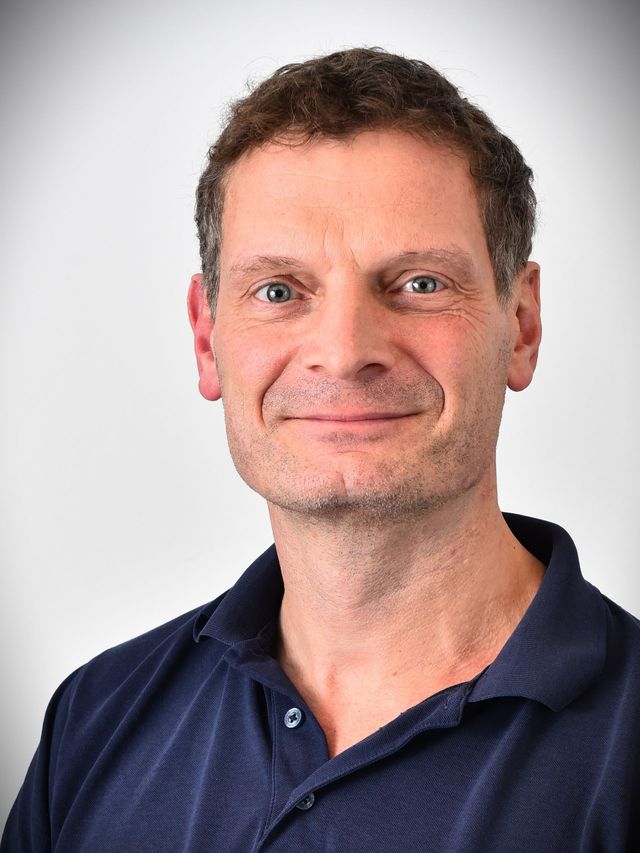
Specialist in anaesthesiology
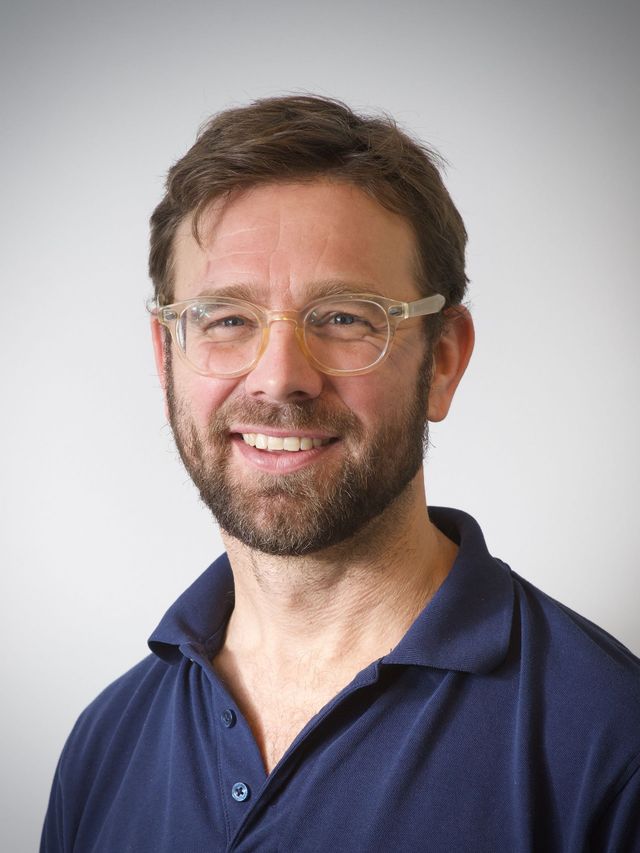
Specialist in anaesthesiology
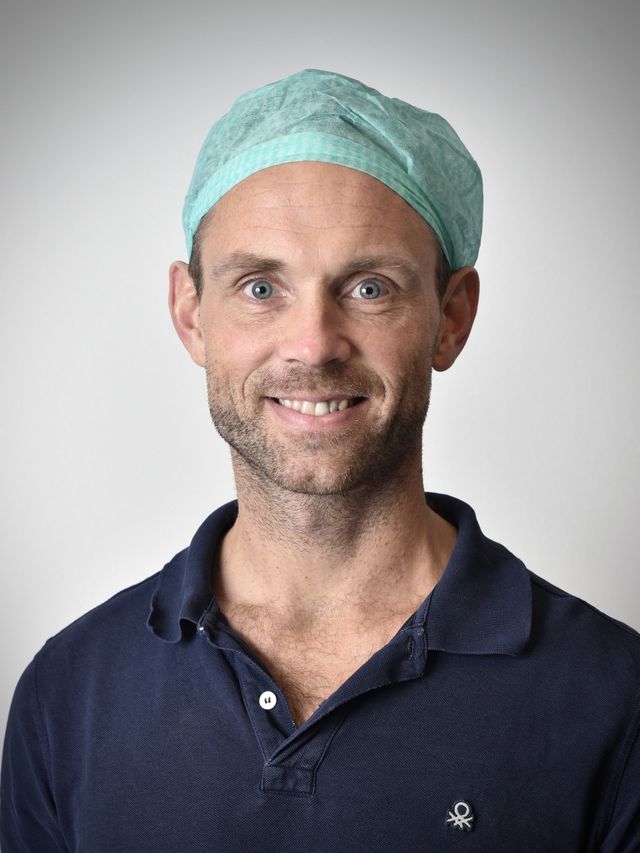
Specialist in anaesthesiology
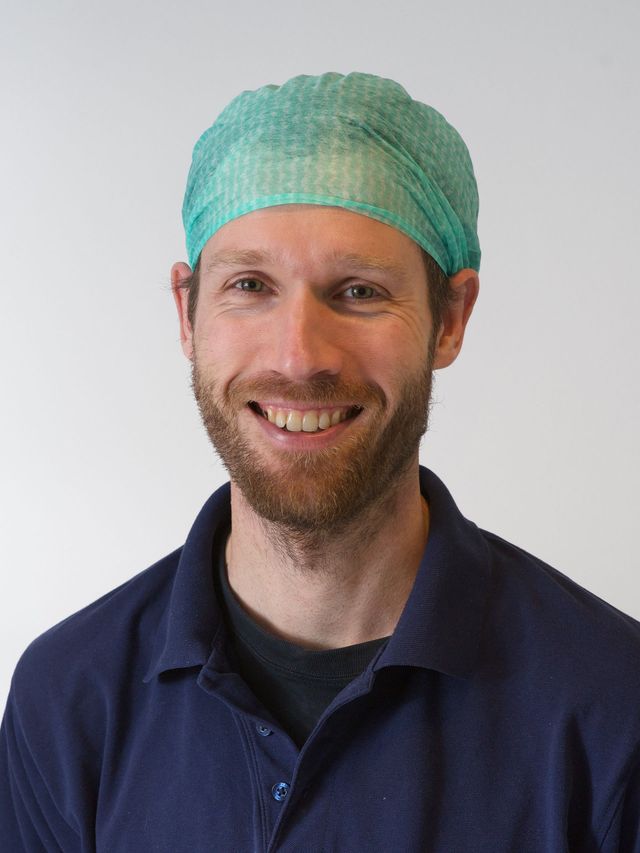
Specialist in anaesthesiology, DMSc, PhD
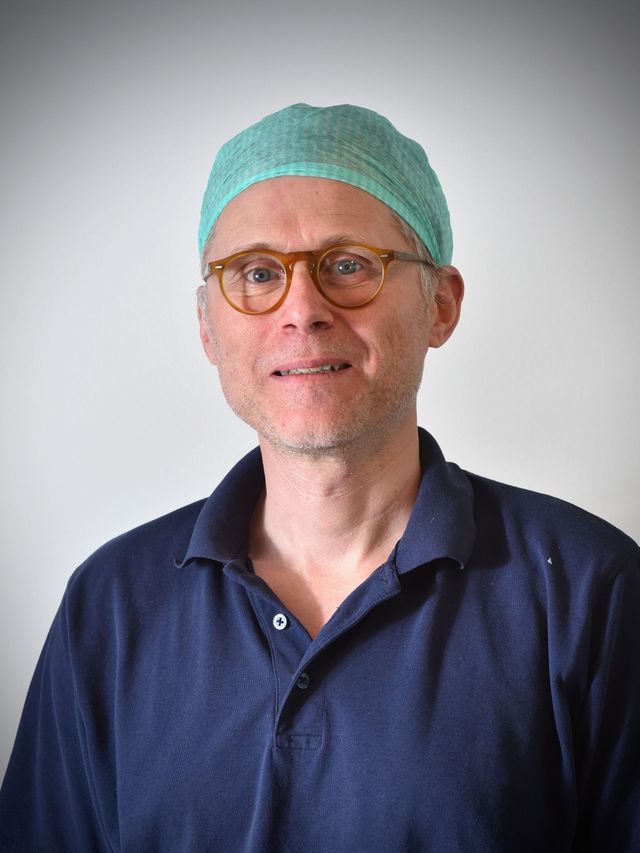
Specialist in anaesthesiology
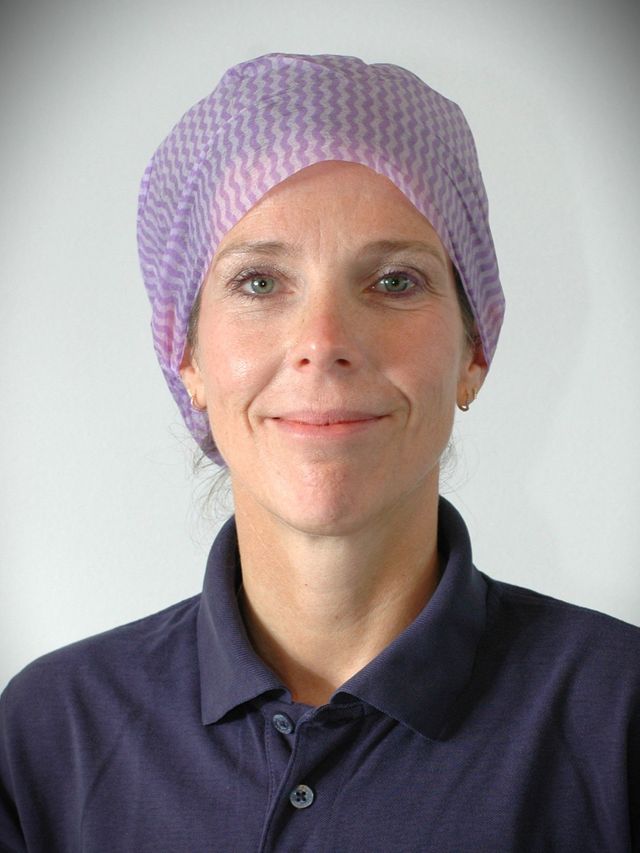
Specialist in anaesthesiology
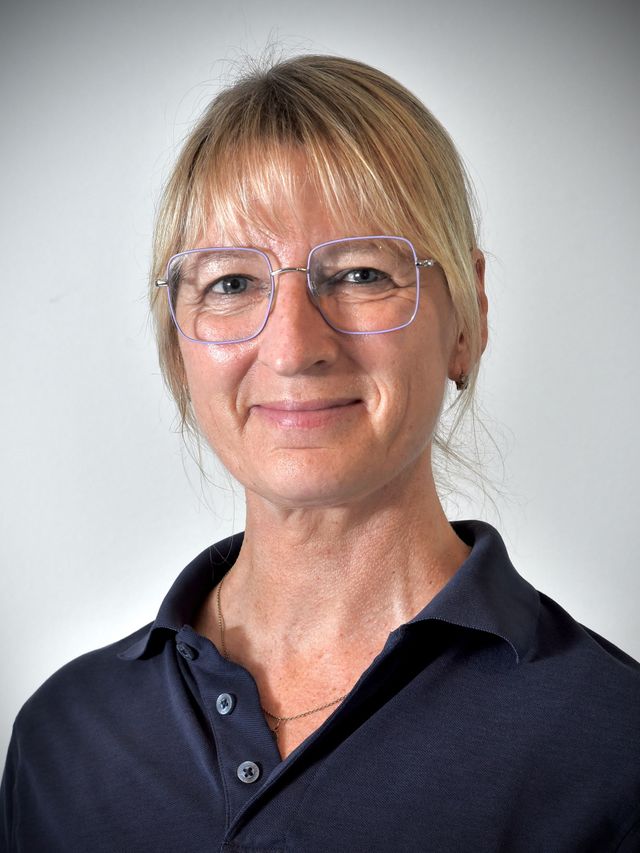
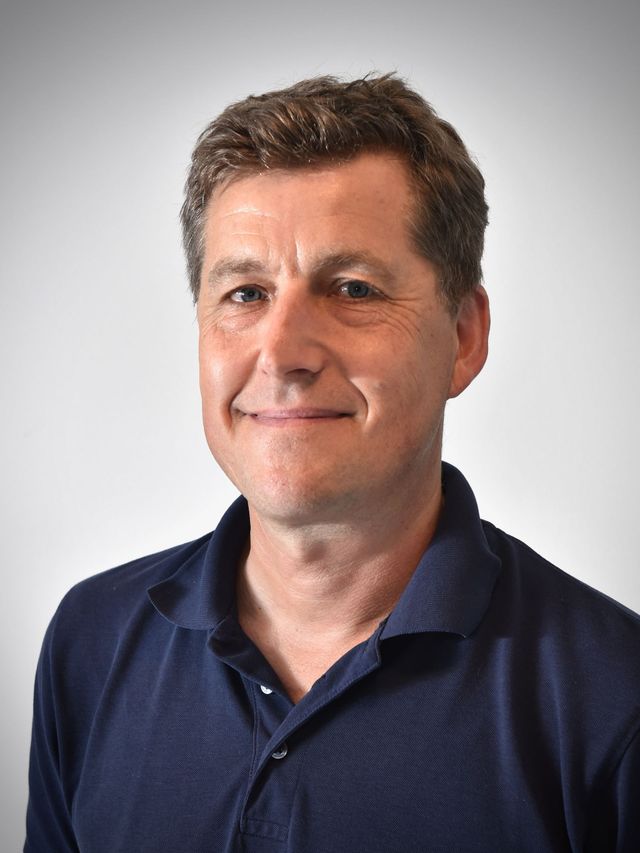
Specialist in anaesthesiology and diving medicine
Approved by the Danish Maritime Authority
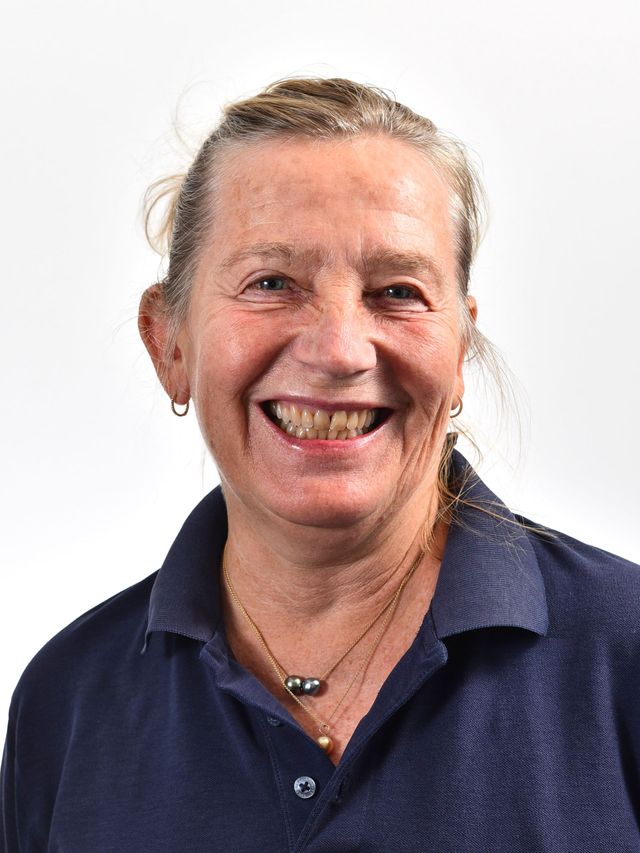
Specialist in anaesthesiology and diving medicine
Approved by the Danish Maritime Authority
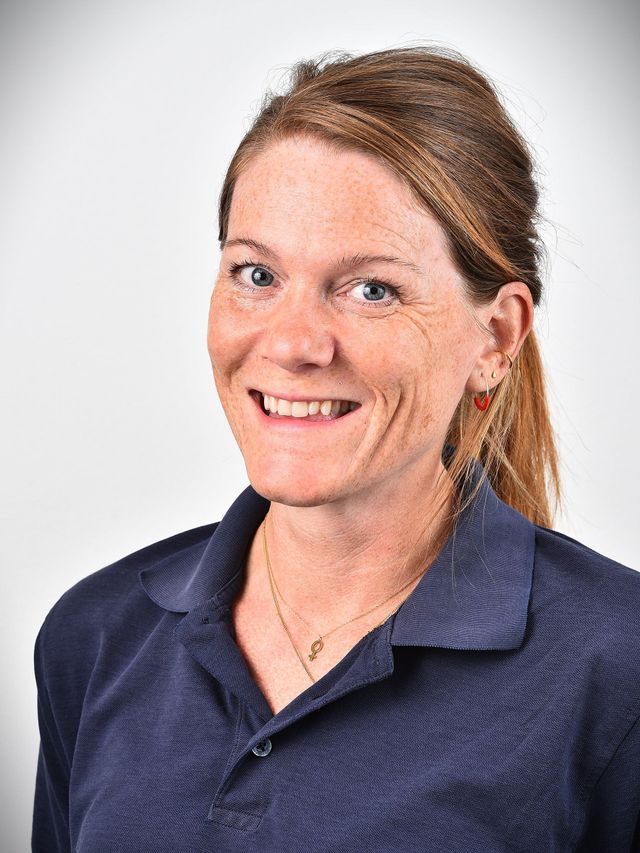
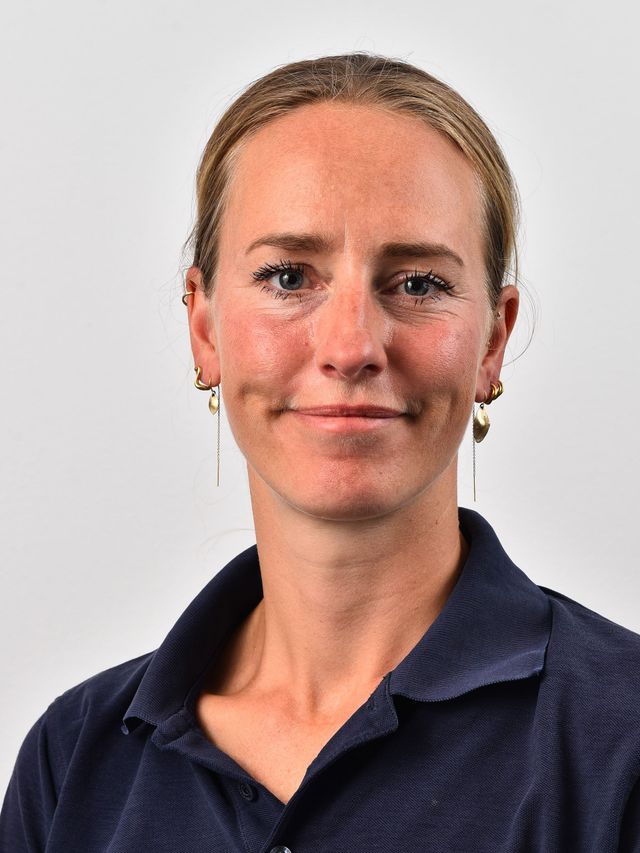

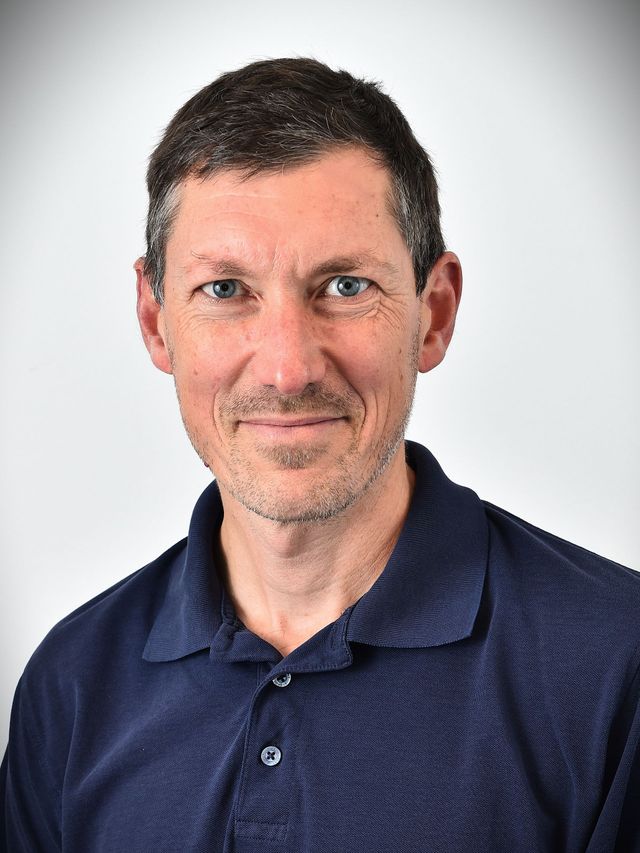
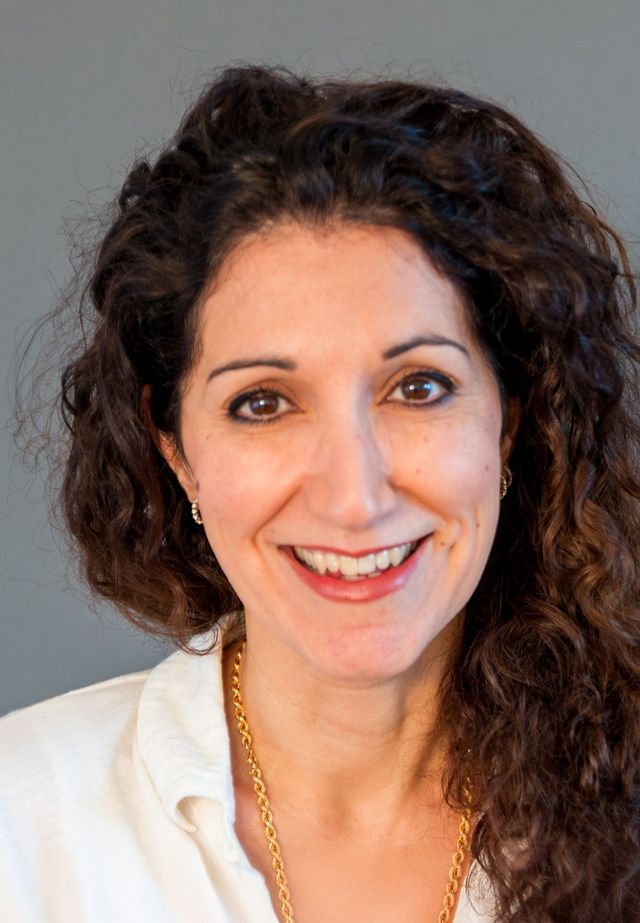
They are the people you meet first when you call or walk through the door – and the ones who look after you before and after your treatment.
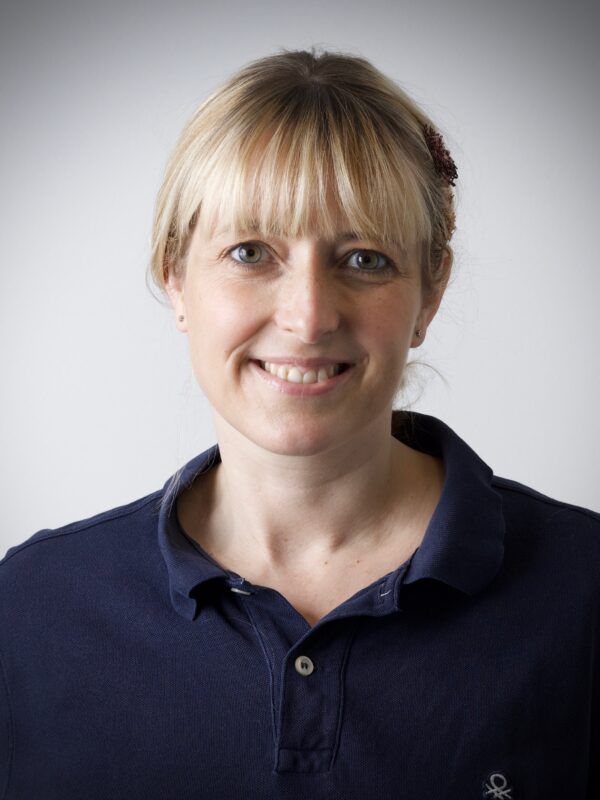
Nurse
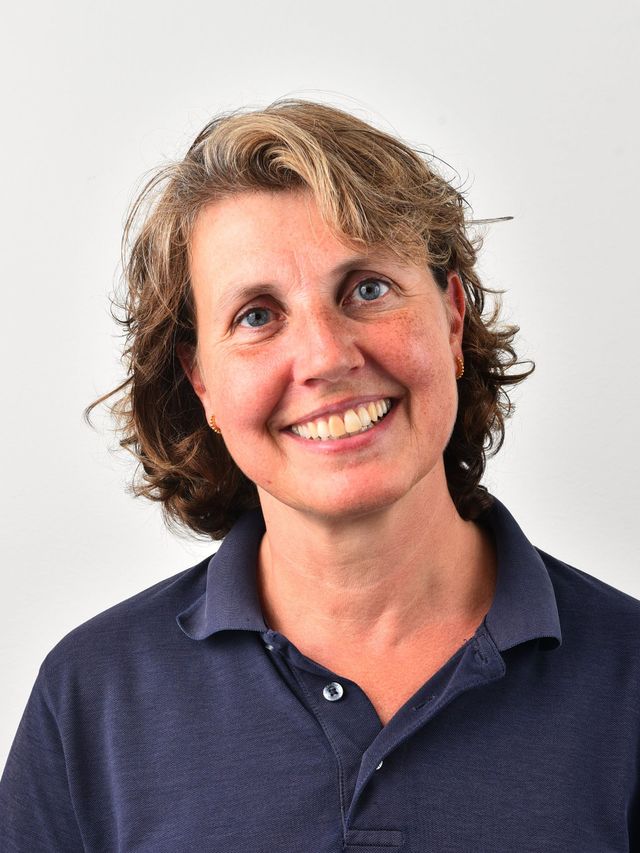
Nurse
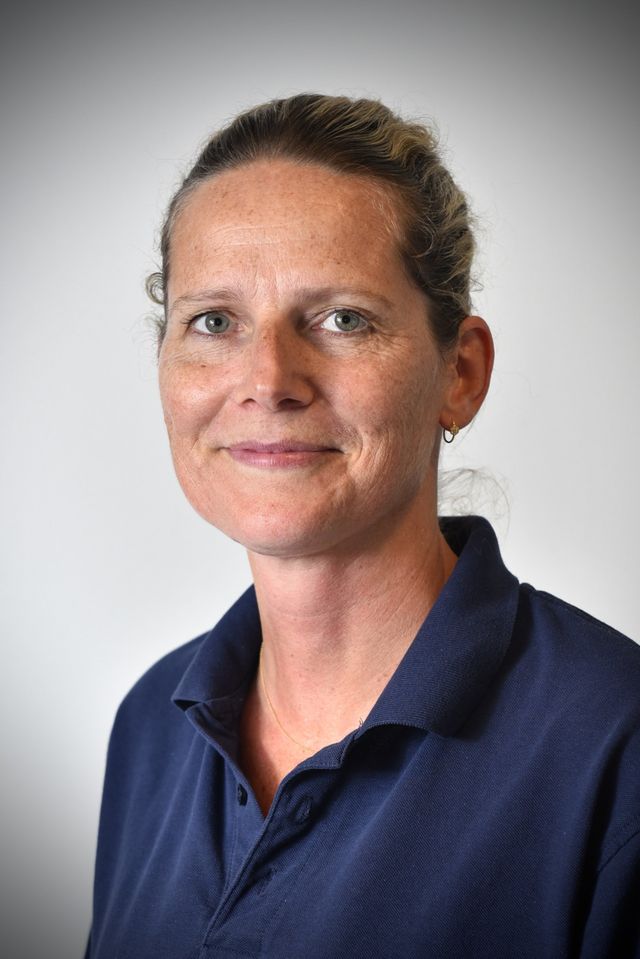
Nurse
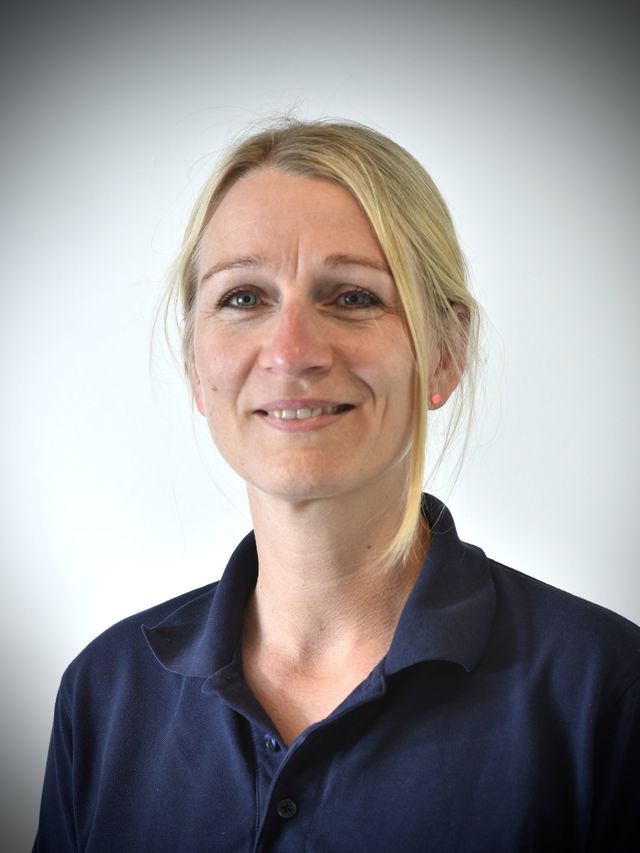
Nurse
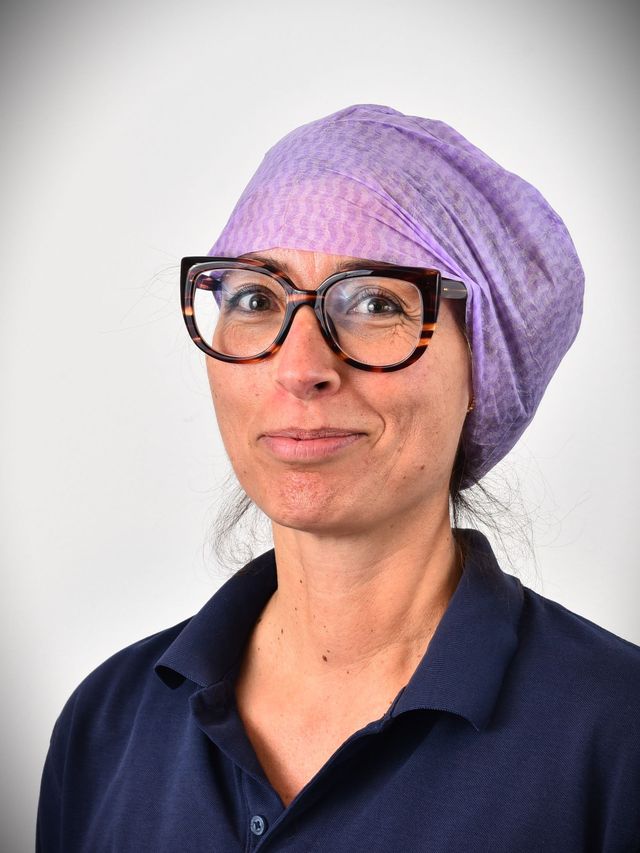
Nurse
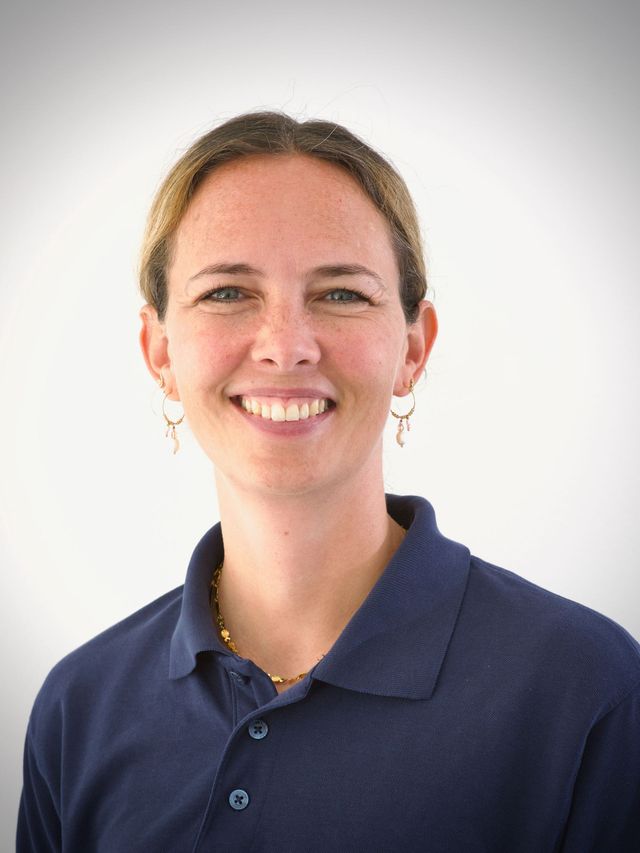
Nurse
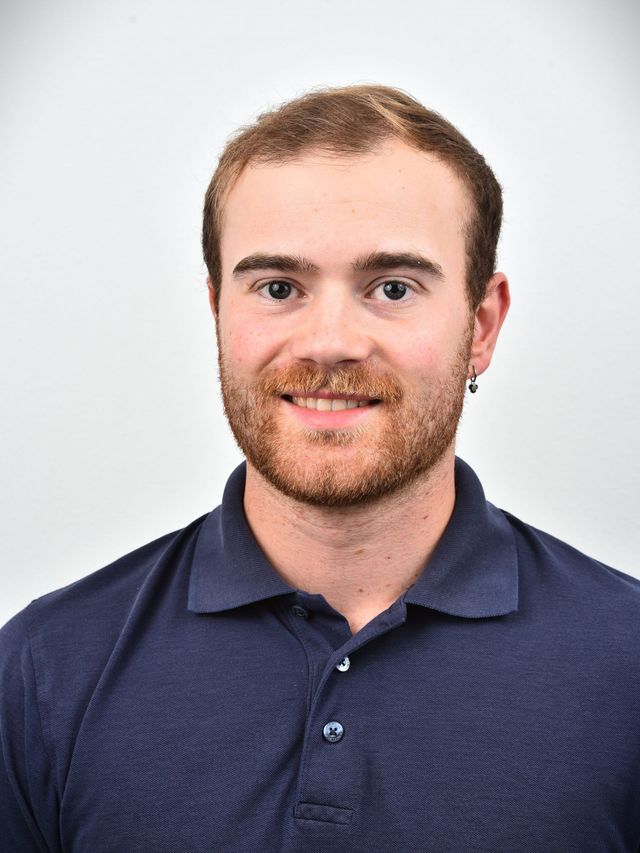
Clinical assistant
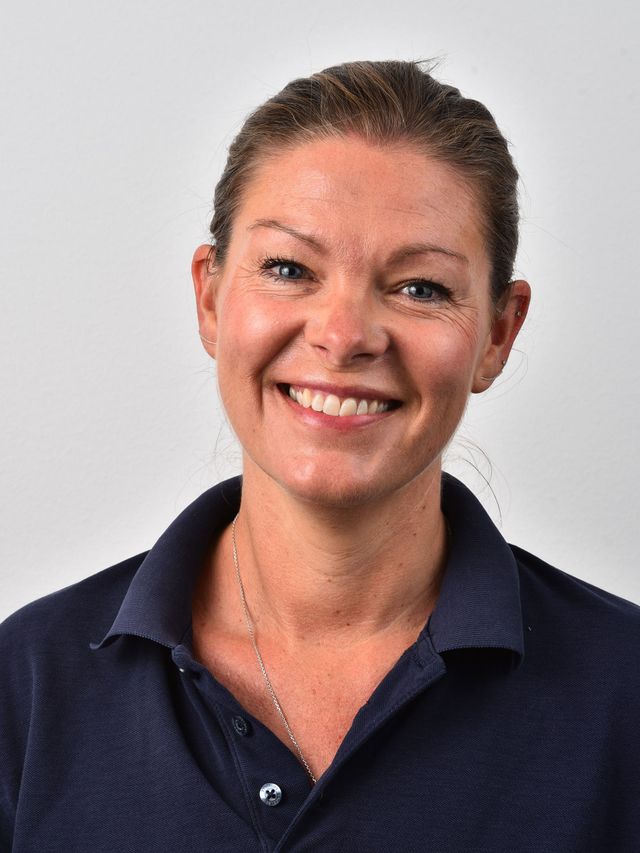
Clinical assistant
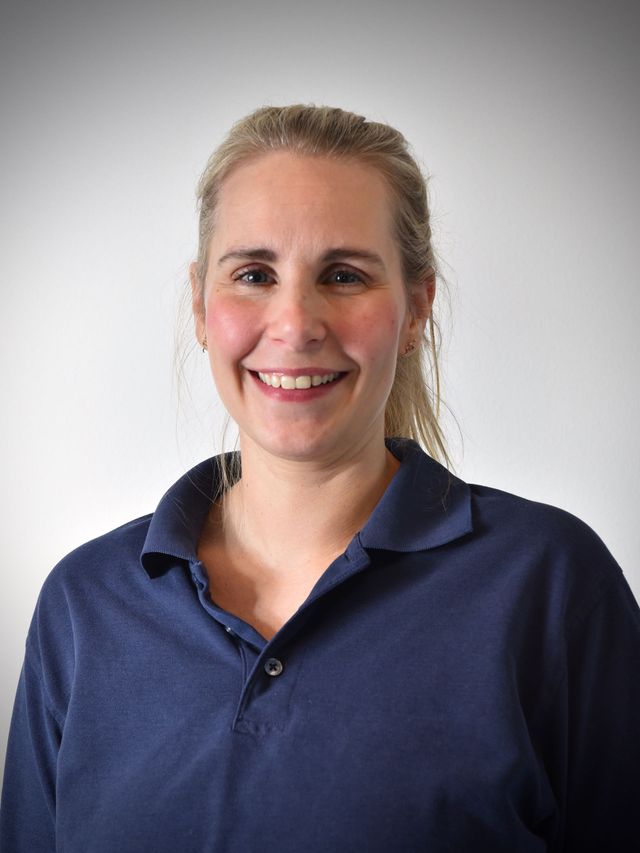
Clinical assistant
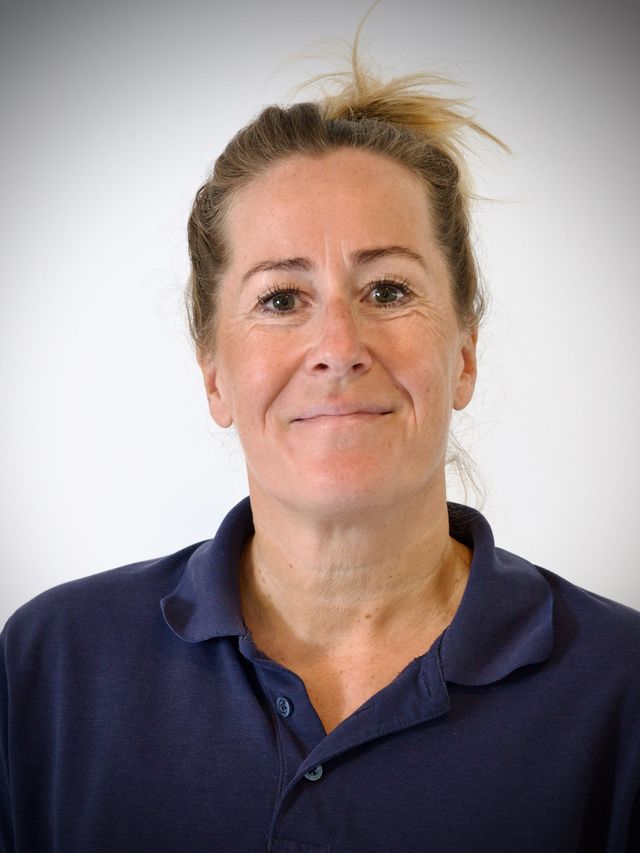
Reception and secretariat
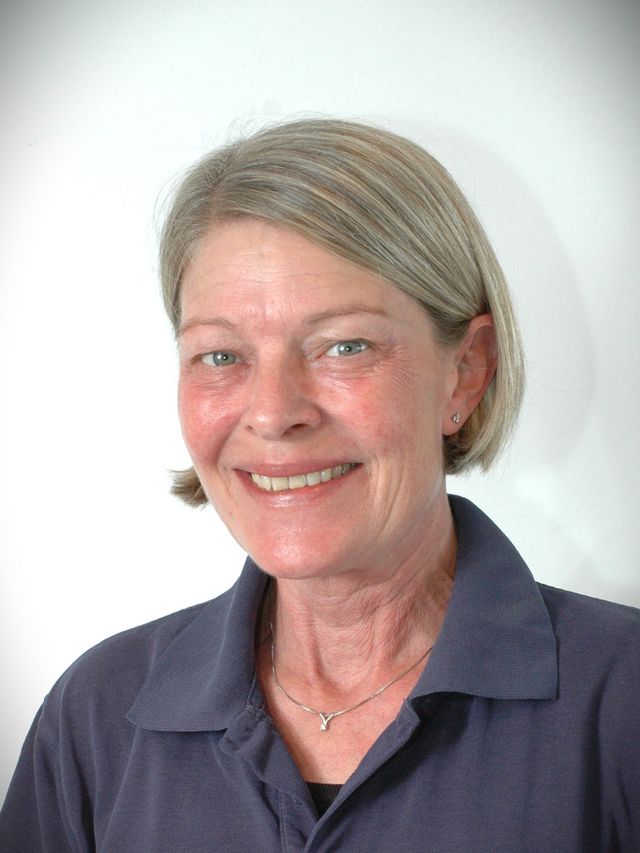
Reception and secretariat
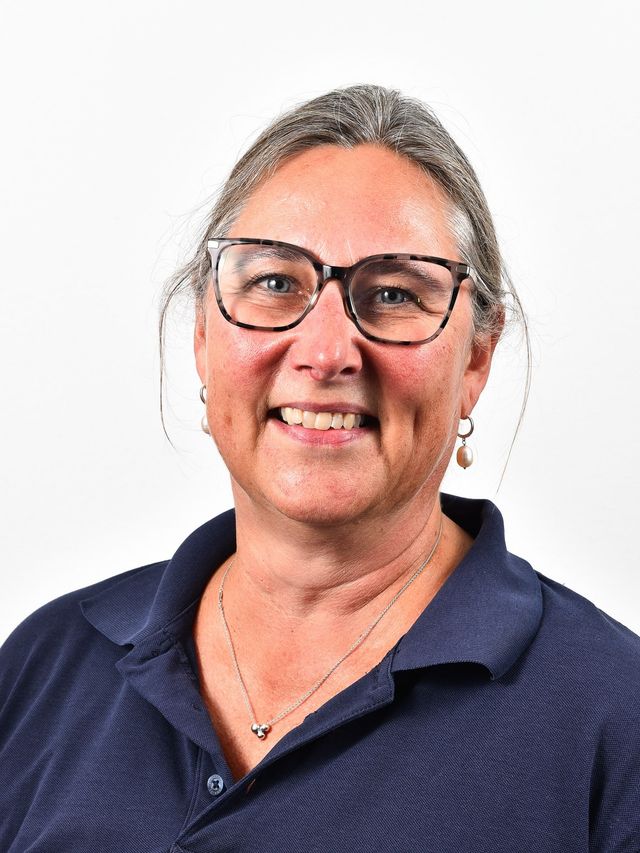
Reception and secretariat
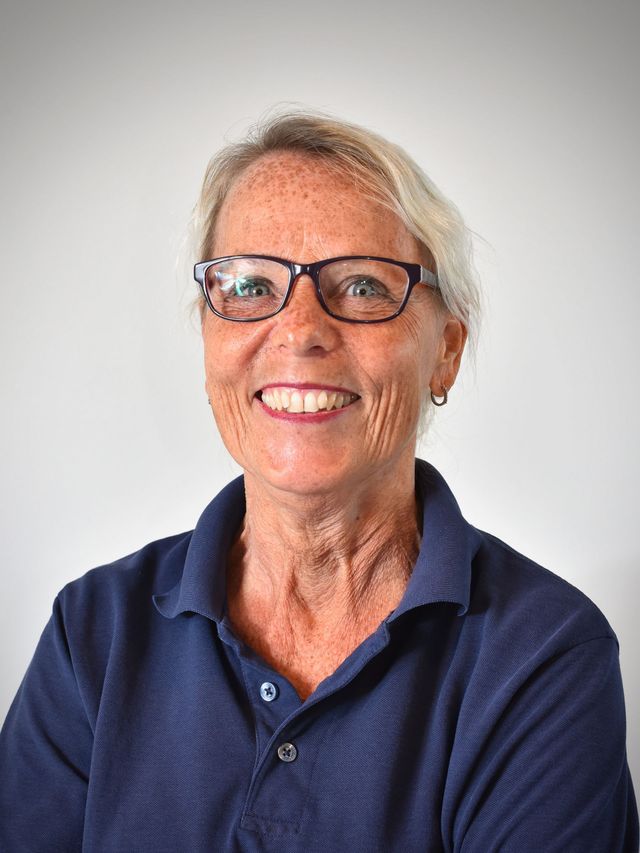
Reception and secretariat
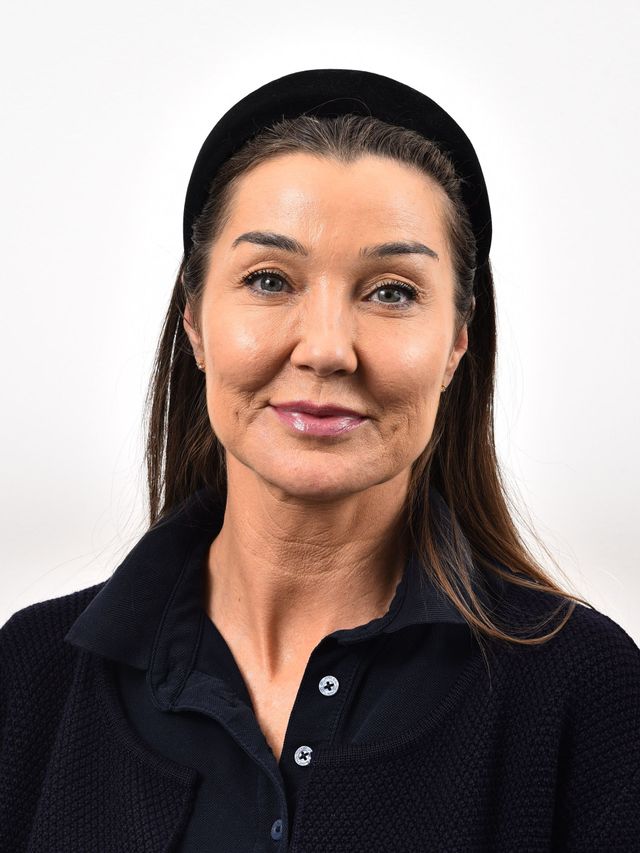
Reception and secretariat
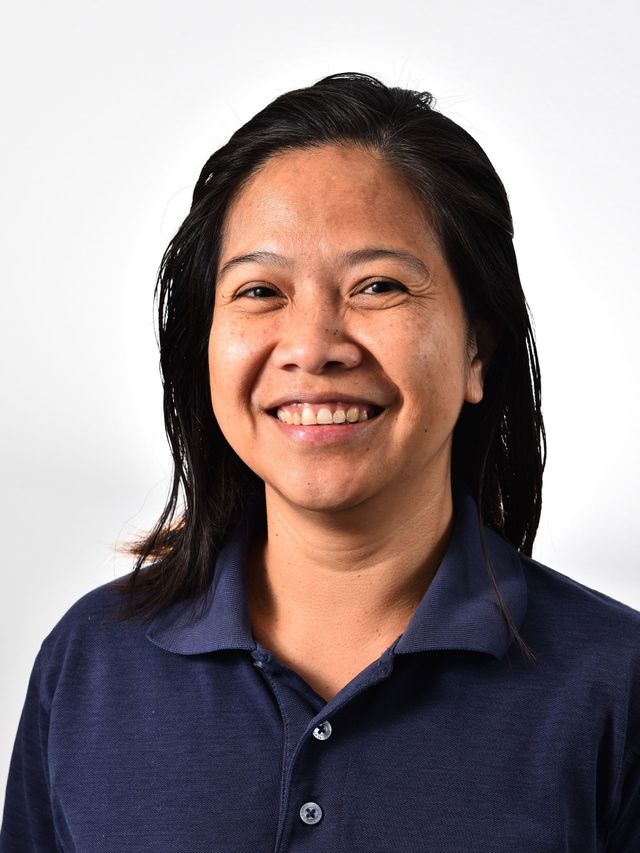
Service assistant
No one found. Try another name or choose "All".
Would you like to book an appointment with one of our specialists?
Book onlineJægersborg Allé 4
2920 Charlottenlund
CVR: 45675637
Monday–Friday, 08:00–14:00
Outside telephone hours, appointments can be booked, rescheduled and cancelled online 24/7.
Main department in Charlottenlund and ear, nose and throat departments at several locations across Denmark.