

Management
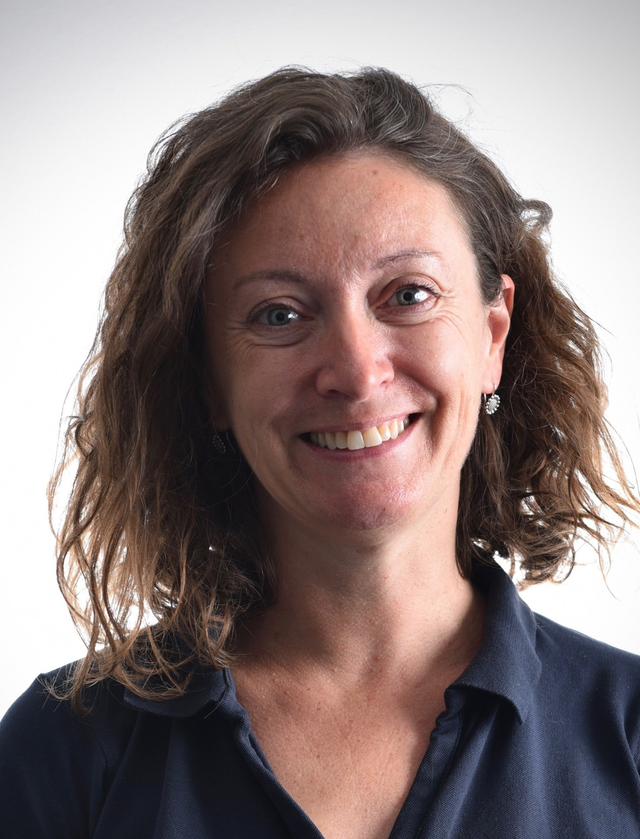
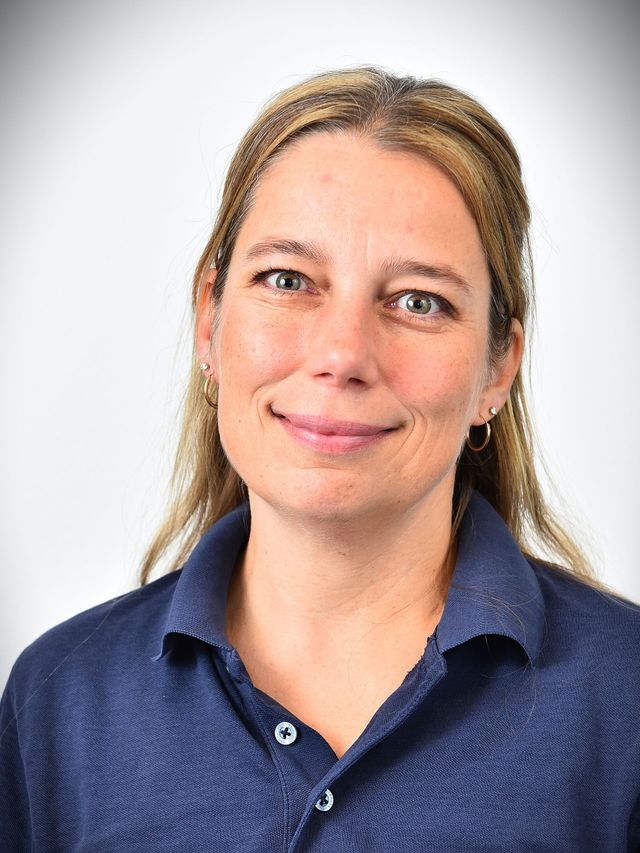
Erika Belard
Specialist physician and co-owner, CEO

Sessions, anxiety programmes and assessments for children, young people and their parents – in Charlottenlund.
At Charlottenlund Privathospital, children and young people can get help from a clinical psychologist with, for example, anxiety, worries, sadness, grief, low self-esteem, OCD and school absence. The parents are part of the course – most with younger children, and more in the background with teenagers, who can also have sessions alone. The psychologist offers individual sessions, the Cool Kids and Chilled anxiety programmes, parent consultations, WISC tests and psychological assessment when ADHD is suspected. Sessions take place in Charlottenlund, close to Hellerup, Gentofte and Copenhagen.
All children have periods when they are sad, scared or out of sorts – and most get through them with help from parents and school. It is time to seek help when the problems have lasted for several weeks and start to control everyday life: the child won't go to school, withdraws from friends, sleeps badly, eats differently, or the family has organised itself around the child's worries.
Many things can look alike. Stomach ache before school can be anxiety, while irritability and lack of motivation in a teenager can be a sign of depression. If there are new physical symptoms, your GP should see the child first so that a physical cause can be ruled out.

Children and young people with anxiety are treated with the Cool Kids and Chilled programmes, which are based on cognitive behavioural therapy – the treatment the Danish Health Authority recommends for separation anxiety, social anxiety and generalised anxiety, among others. Individual sessions are used for, for example, OCD, grief, low self-esteem and school absence.
School absence is rarely a problem in itself, but a sign of something else – anxiety, bullying, academic difficulties or sadness. The course therefore starts by finding out what is keeping the child at home. If there is doubt about the child's abilities, a WISC test can give a picture of strengths and weaknesses.
The course is planned according to the child's age and the nature of the problem. With younger children, much of the work takes place through the parents, and here parent consultations can be the whole course. Teenagers often have sessions alone, and what is shared with the parents is agreed with the young person along the way.
If ADHD or autism is suspected, the psychologist can carry out a psychological assessment, but the diagnosis itself is made by a doctor in child and adolescent psychiatry, to which the child is referred via the GP. A psychologist does not prescribe medication.
Sometimes the most helpful thing is for the parents to get guidance – without the child having to see a psychologist. Parent consultations can be used when the child is struggling, when there are many conflicts at home, in connection with divorce, or when you are unsure whether the child's reactions are normal for their age.
The sessions look at what may lie behind the child's behaviour and how you as a parent can support the child in everyday life. Parent consultations can stand alone or be part of a course with the child. With younger children who have anxiety, the parents learn the tools from Cool Kids, so they can help the child practise at home.
Yes, as a starting point. With joint custody, psychological treatment or a psychological assessment of a child is a significant decision that requires consent from both parents. If only one parent comes, it must therefore be clarified whether the other agrees.
Once the young person has turned 15, other rules apply: young people over 15 give consent to treatment themselves, but the parents still have the right to information and are, as a rule, involved.
It is far from unusual. In a register study of all children born in Denmark over twenty years, 15% had been diagnosed with a psychiatric disorder before the age of 18, and many more have periods of poor wellbeing without a diagnosis. The study also showed that ADHD was typically detected around the age of 8 in boys, but only in the late teens in girls.
For many families, it is a relief to talk to a psychologist before the problems grow big. If you are unsure, a single session with the parents can clarify whether a course is needed, and which one.
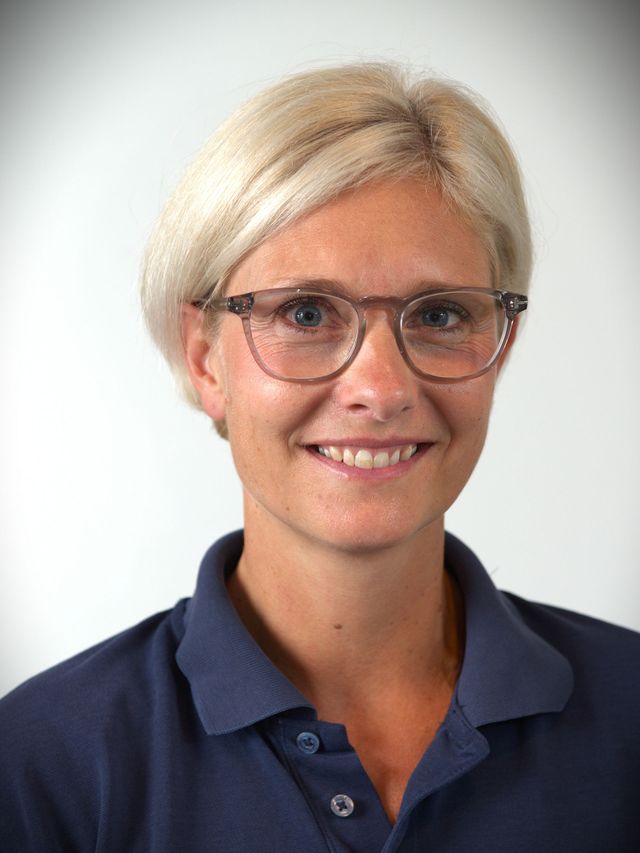
Sessions are with Sarah Østergaard Kokholm, clinical psychologist. She works with children, young people and adults, is certified as a Cool Kids therapist by the Centre for Psychological Treatment of Children and Adolescents at Aarhus University, and is certified in metacognitive therapy. She also carries out WISC tests and psychological assessments of children and young people.
Tell them briefly and honestly that you are going to talk to an adult who helps children with thoughts and feelings – and that it is not because the child has done anything wrong. With younger children, the parents usually take part in the sessions. Teenagers can help decide what they want to talk about.
Sessions with children and young people cost the same as with adults, and prices are shown in the price list. No referral is needed if you pay yourself, and you can book online.
If your child is covered by health insurance, the insurer may cover the sessions in full or in part – it depends on the individual policy and agreement. The insurer usually has to approve the treatment in advance and typically sends the approval directly to the hospital, which then settles the bill with the insurer.
Yes. Teenagers can have sessions alone, and parents are involved by agreement with the young person. Young people over 15 give consent to treatment themselves.
With younger children, the parents are an active part of the course. With teenagers, what is shared with the parents is agreed with the young person.
No. The psychologist can carry out a psychological assessment when ADHD is suspected, but the diagnosis is made by a doctor in child and adolescent psychiatry following a referral from your GP.
Sessions take place at the private hospital in Charlottenlund, close to Hellerup, Gentofte and Copenhagen.
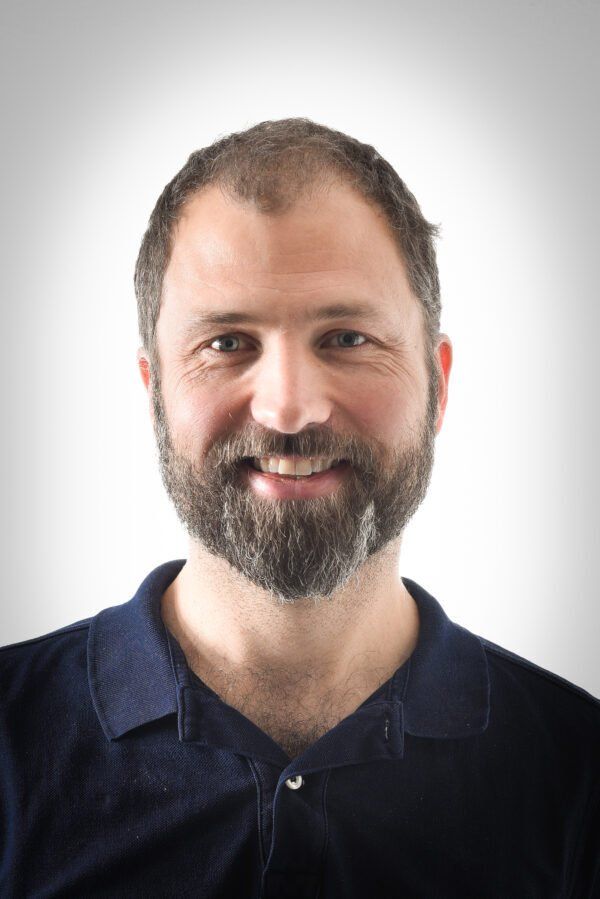
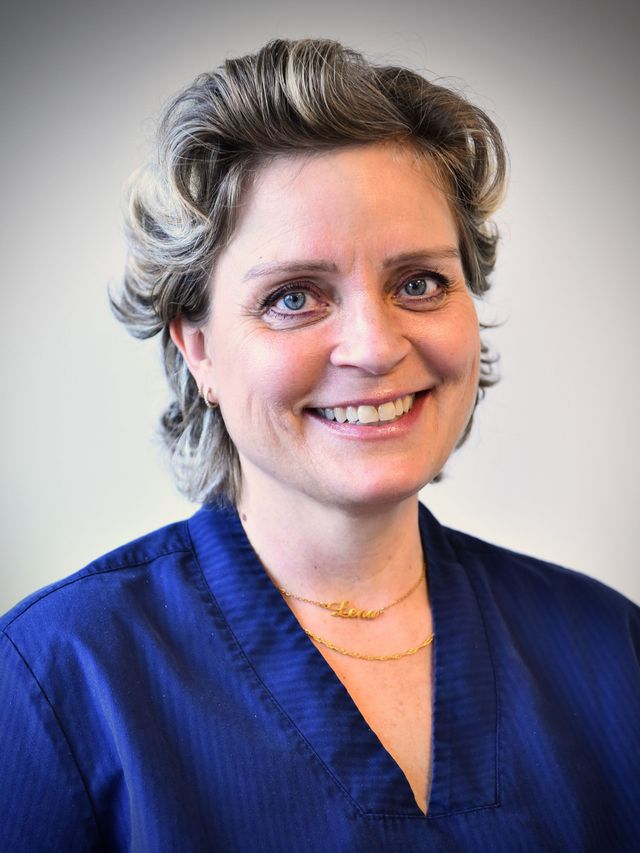
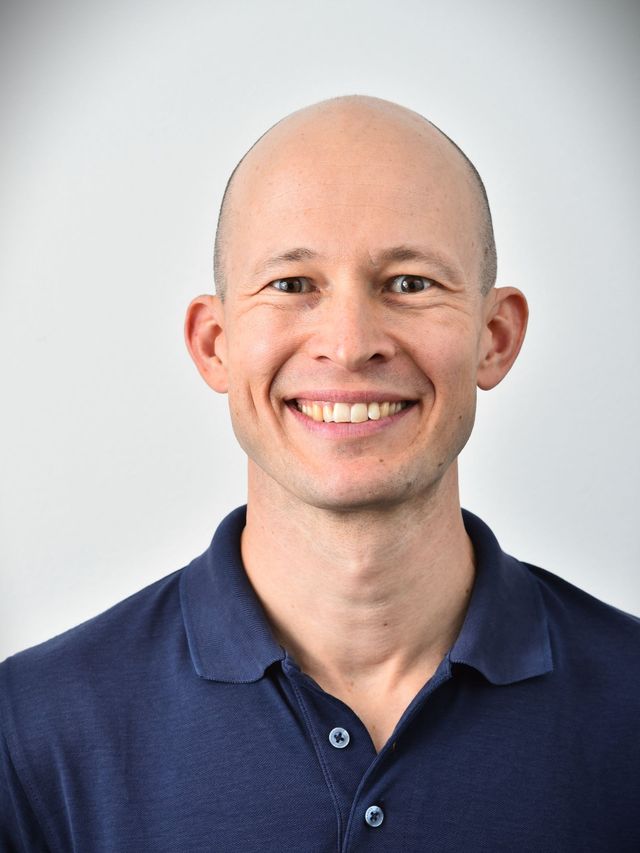
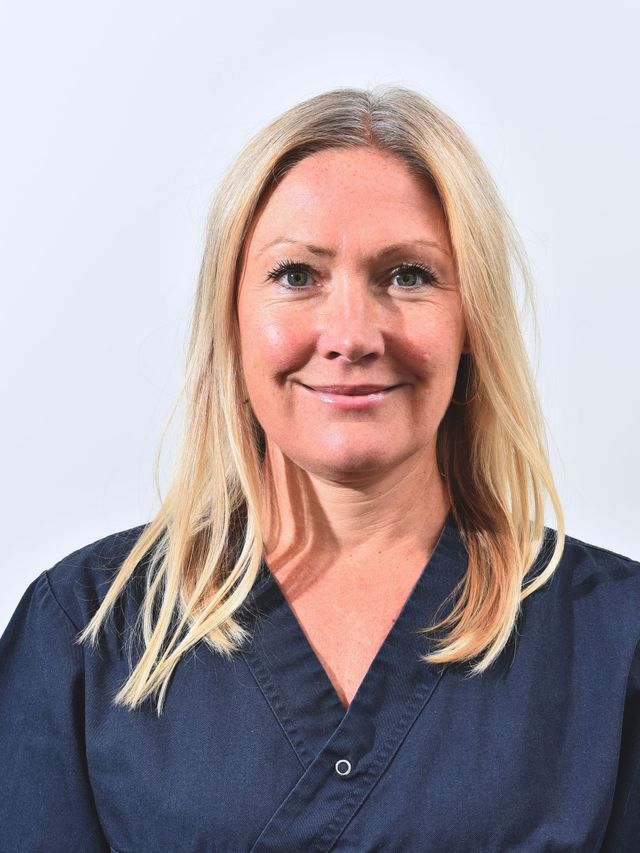
Charlottenlund Privathospital is owned and run by three specialist physicians: Erika Belard, Jacob Fisker and Teit Mantoni. Jacob Fisker is medical director. Here you will find our ear, nose and throat (ENT) specialists in Charlottenlund and at our clinics around Denmark – and in Charlottenlund also specialists in paediatric surgery, dermatology, diving medicine, gynaecology, cardiology, paediatrics, psychology and rheumatology.
Specialist physician and co-owner, CEO
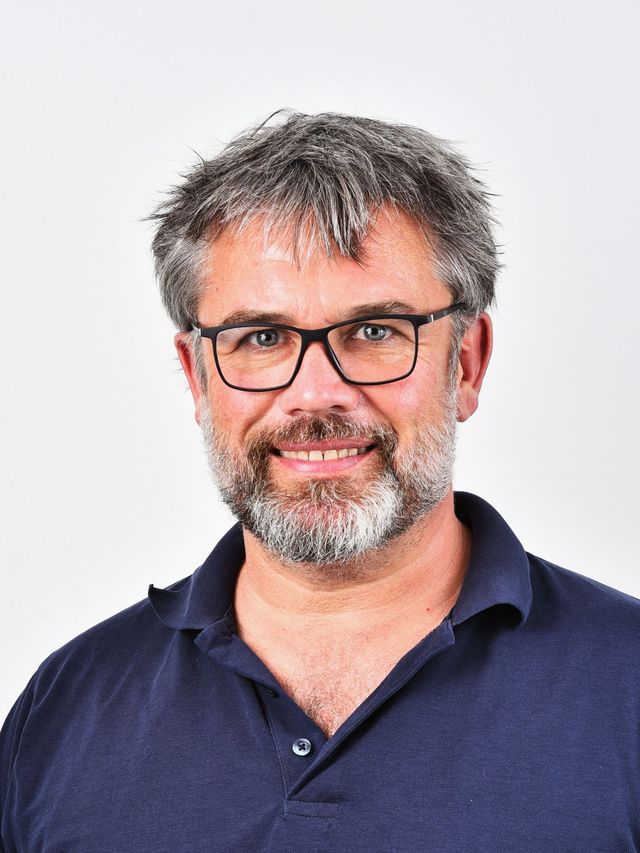
Specialist physician, co-owner and medical director
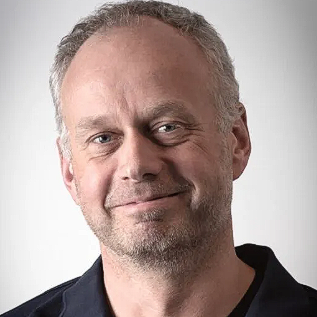
Specialist physician and co-owner
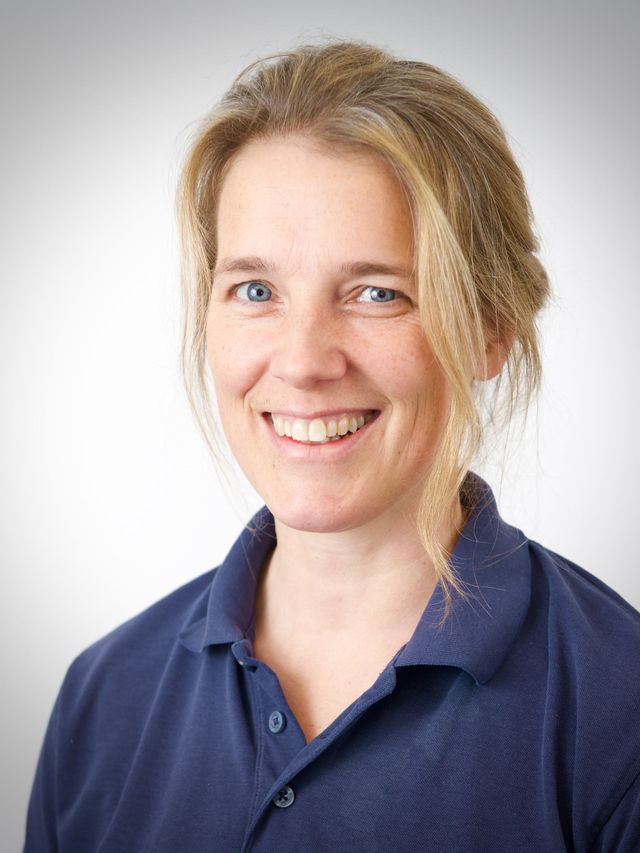
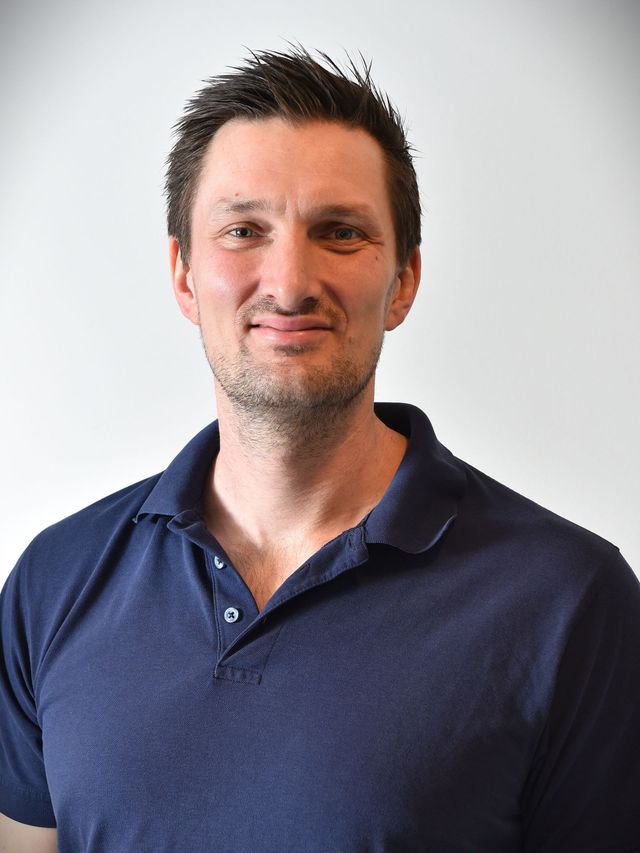
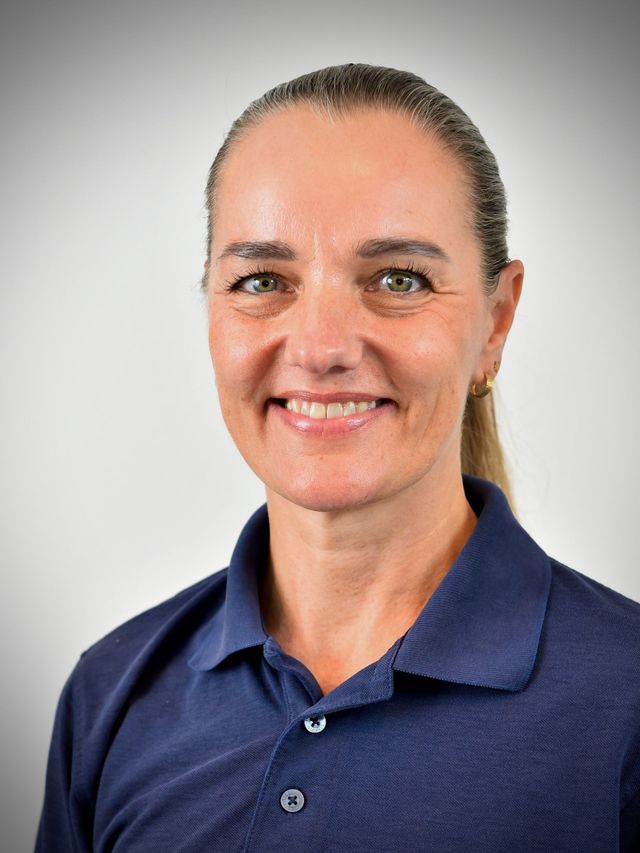
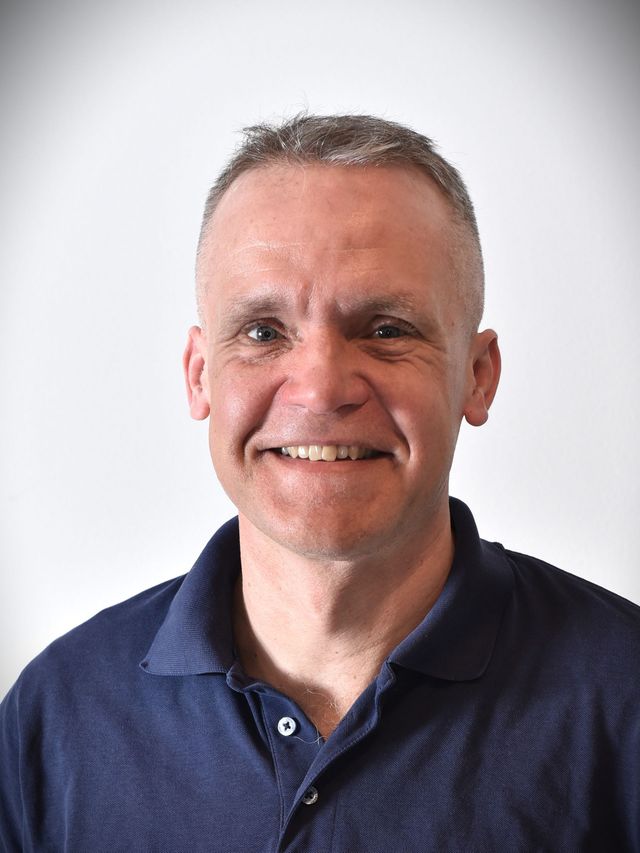
Specialist in anaesthesiology
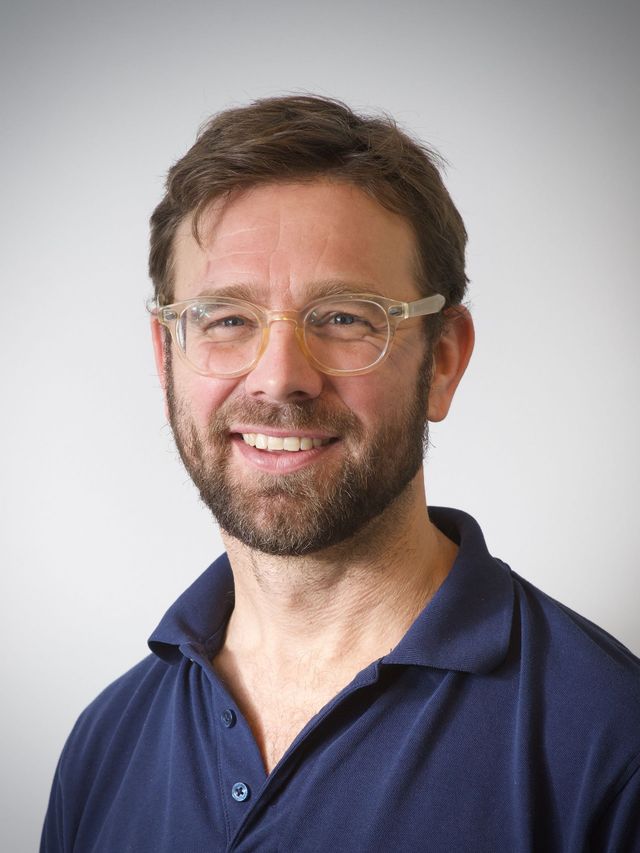
Specialist in anaesthesiology
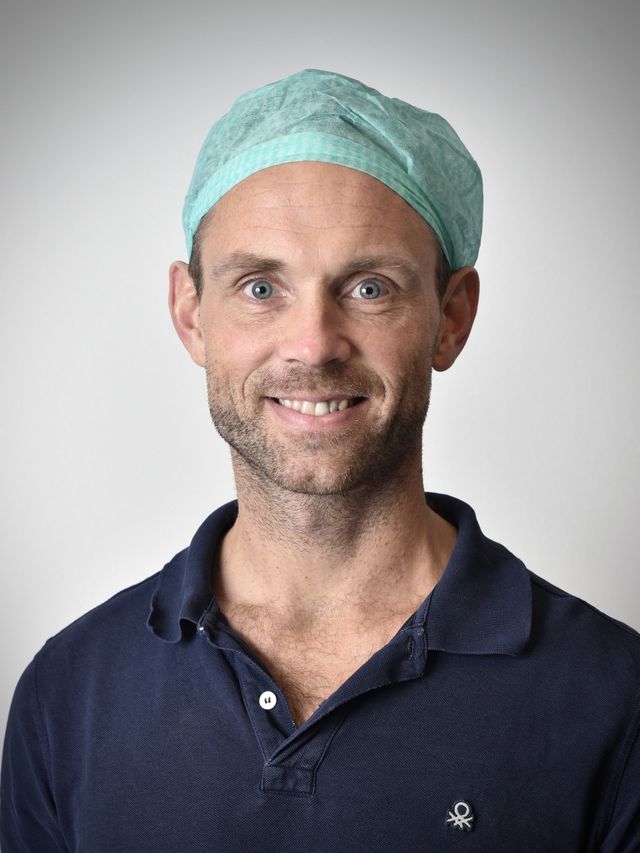
Specialist in anaesthesiology
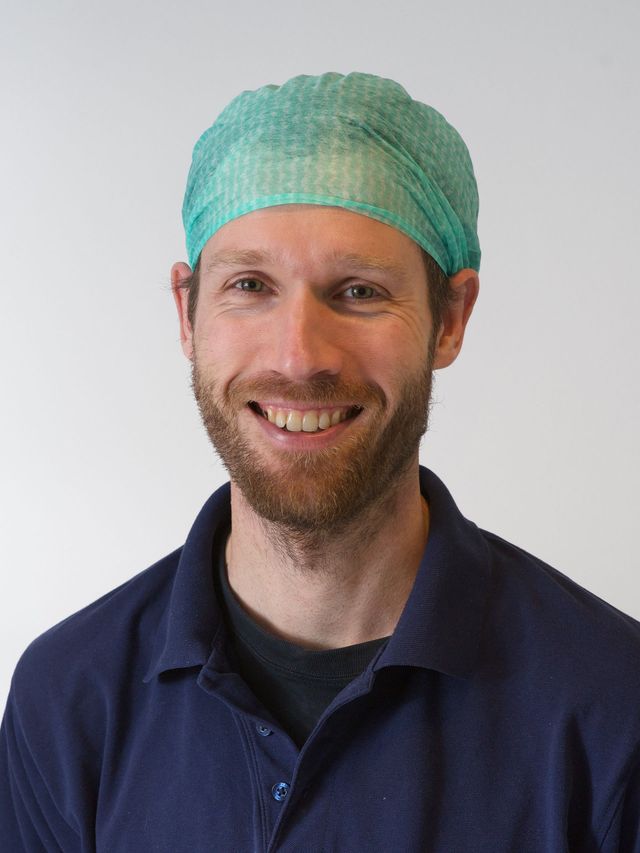
Specialist in anaesthesiology, DMSc, PhD
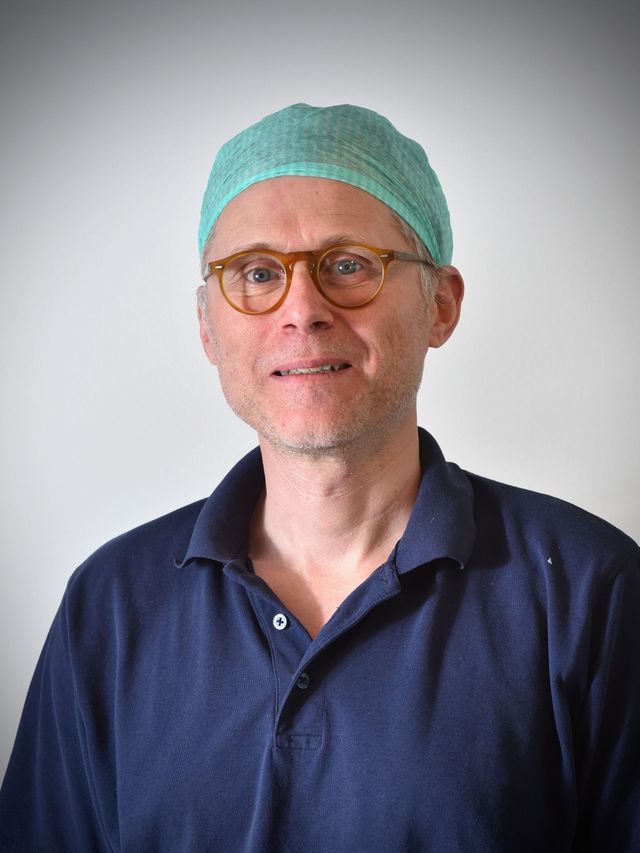
Specialist in anaesthesiology
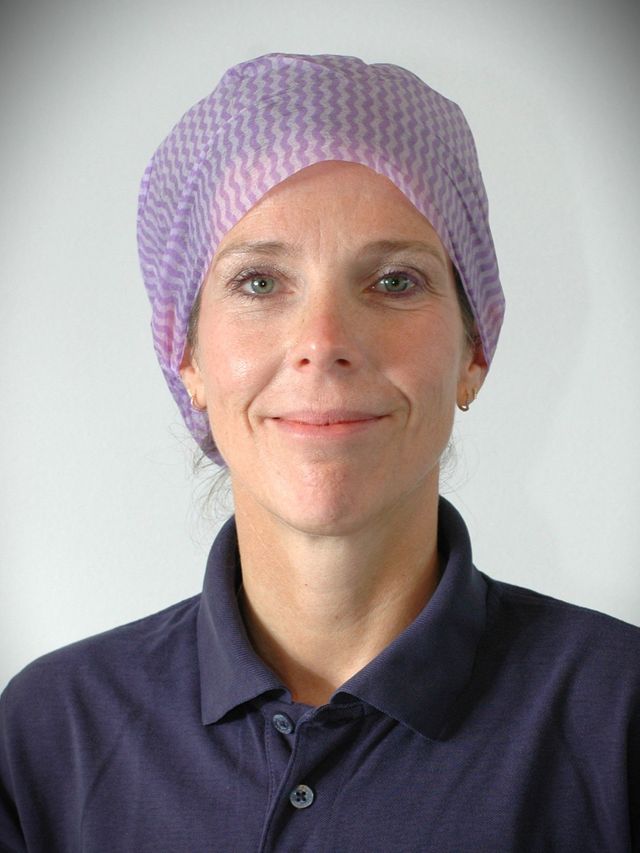
Specialist in anaesthesiology
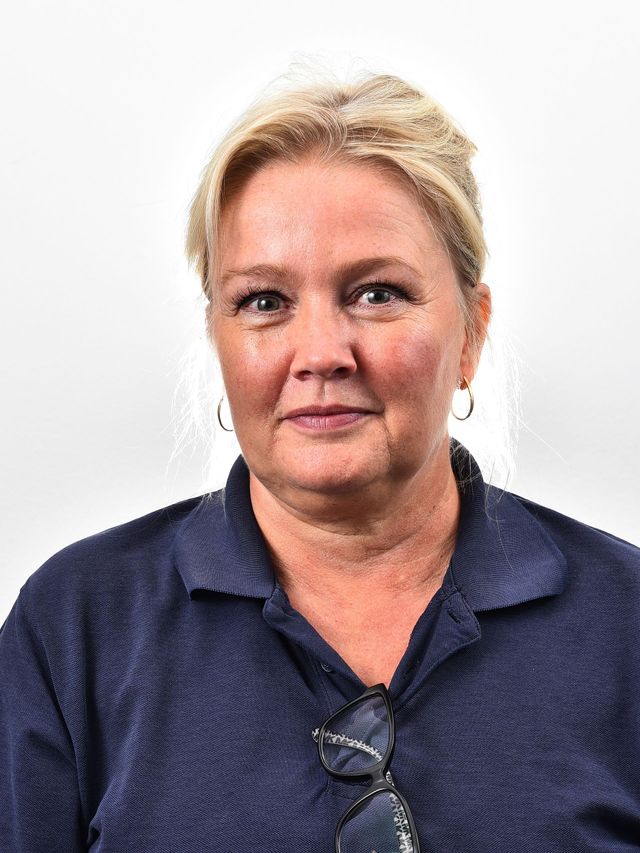
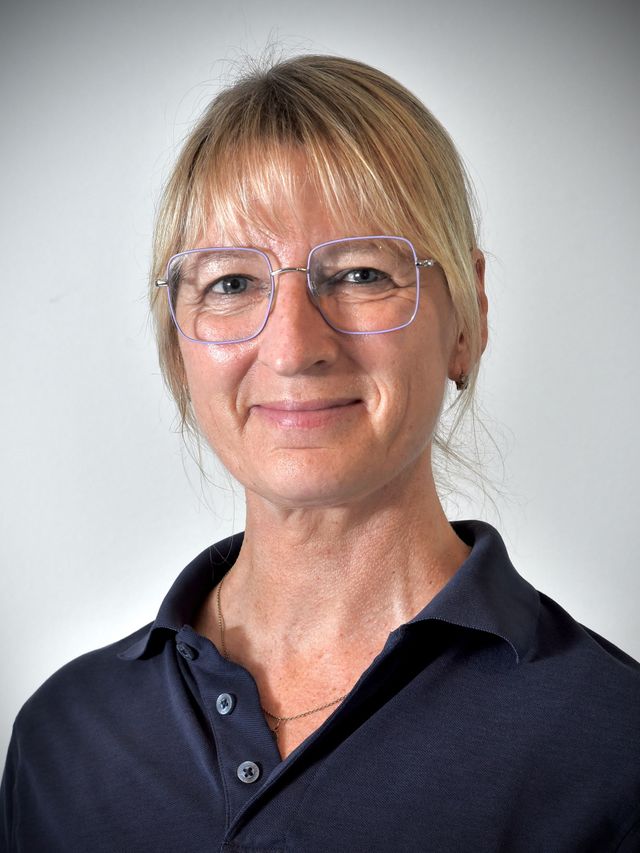
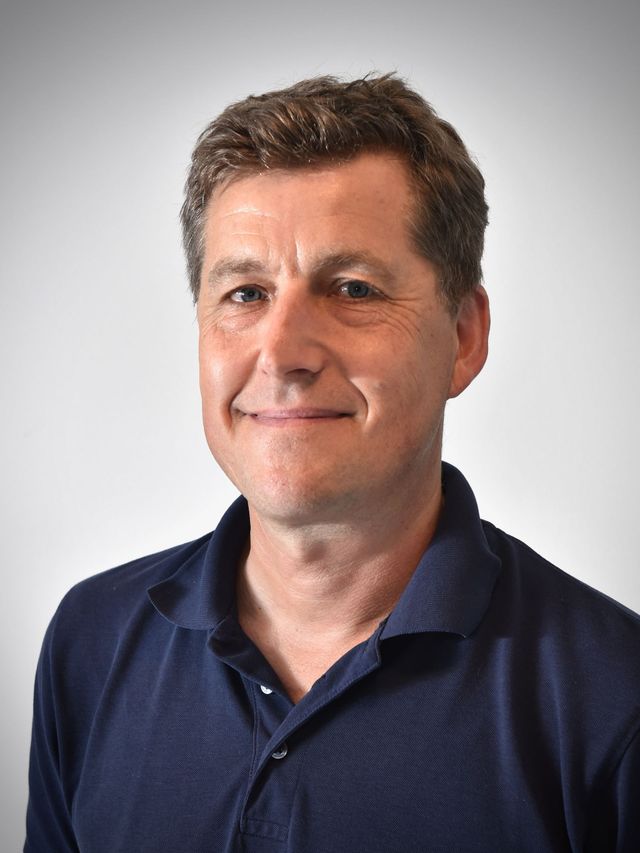
Specialist in anaesthesiology and diving medicine
Approved by the Danish Maritime Authority
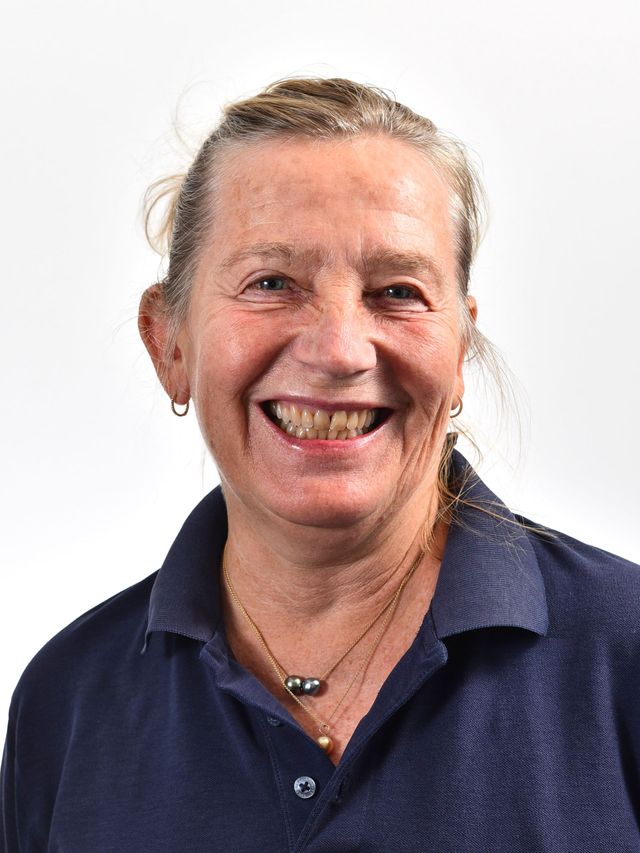
Specialist in anaesthesiology and diving medicine
Approved by the Danish Maritime Authority
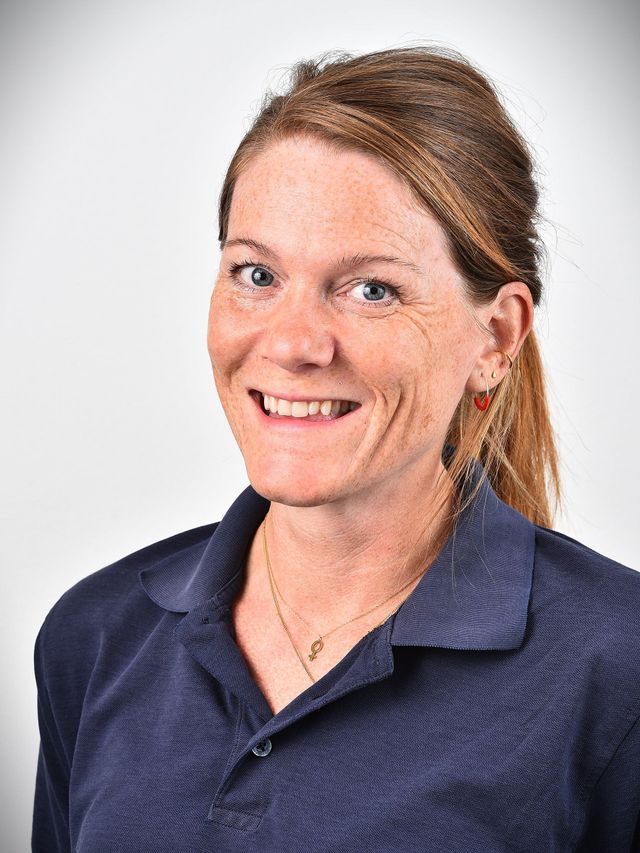
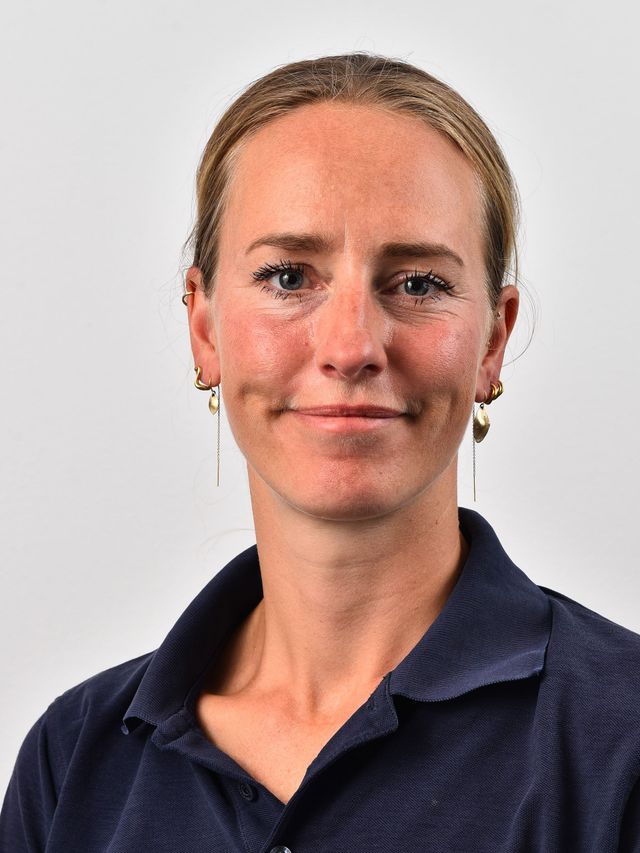

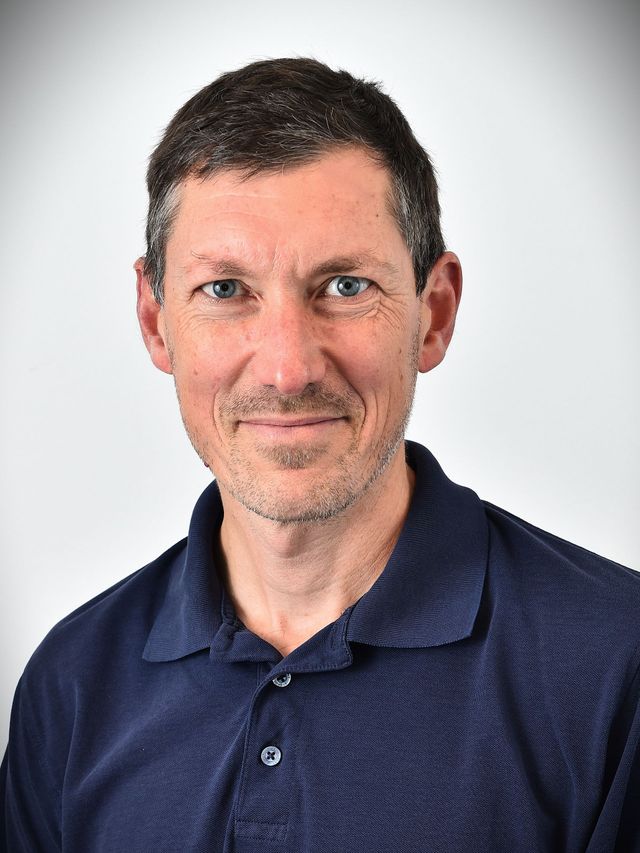
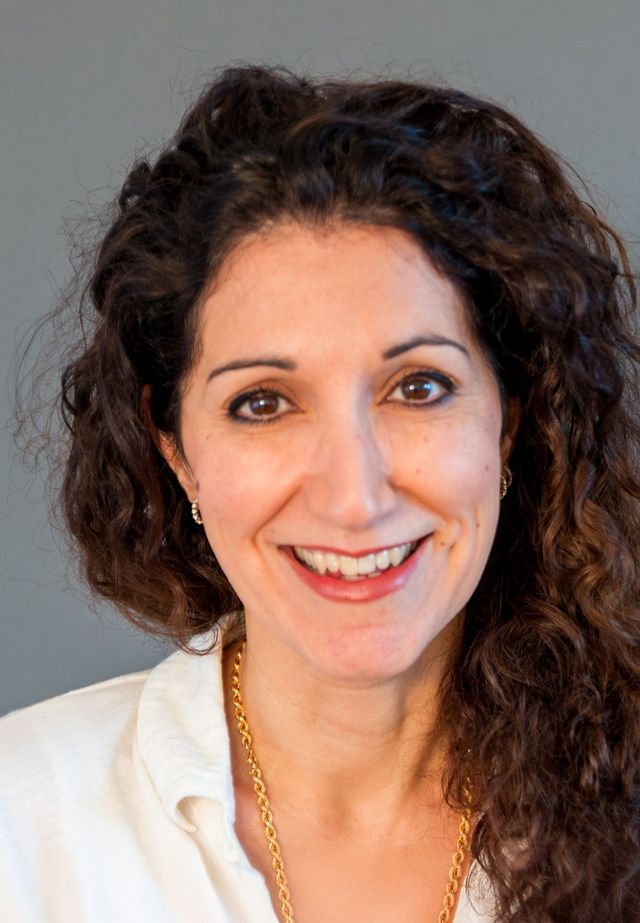
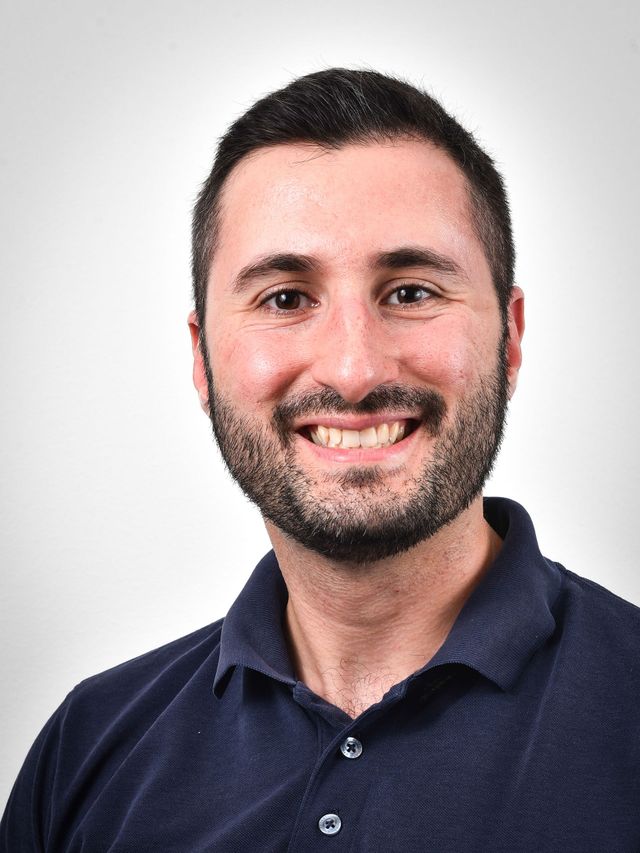
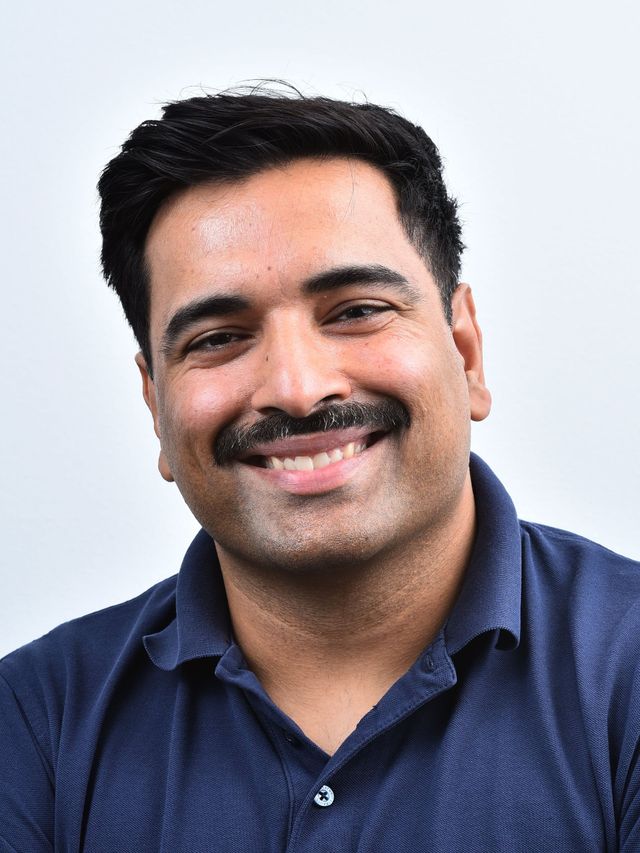
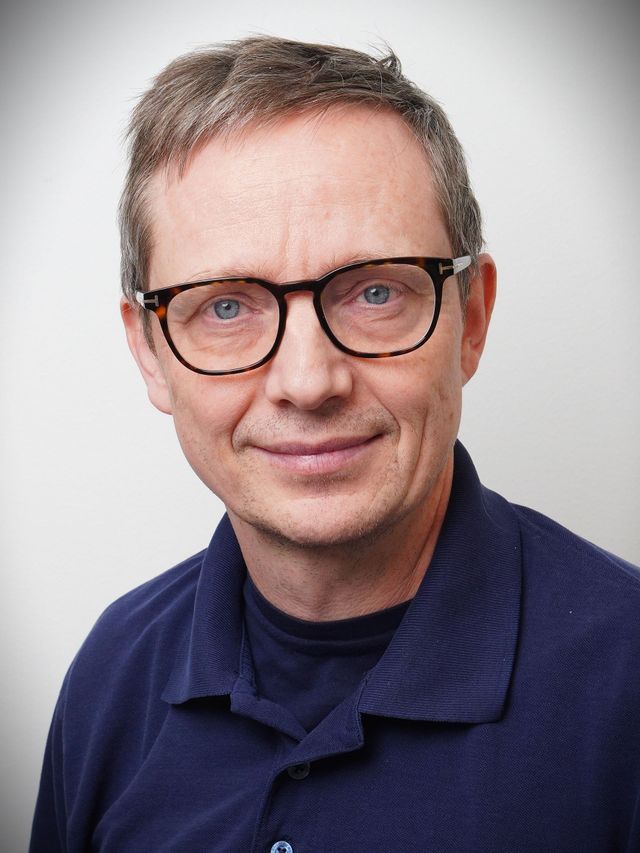
They are the people you meet first when you call or walk through the door – and the ones who look after you before and after your treatment.
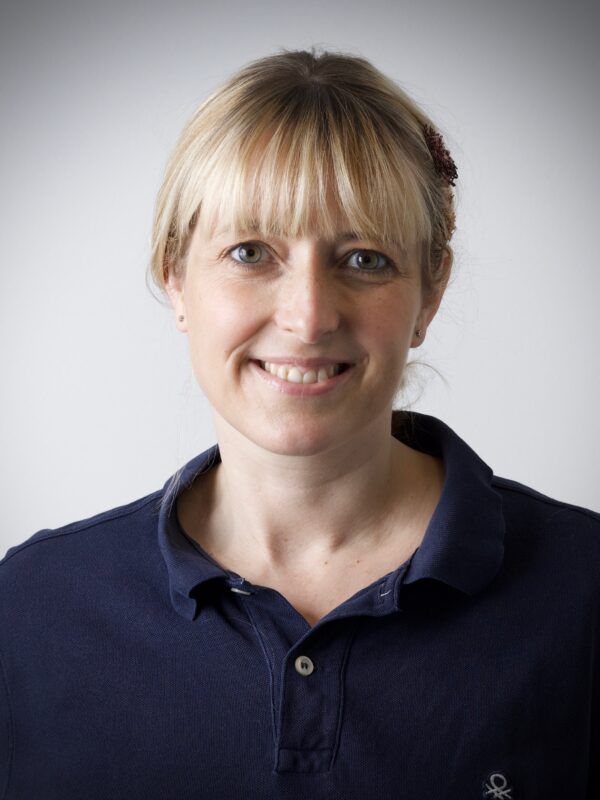
Nurse
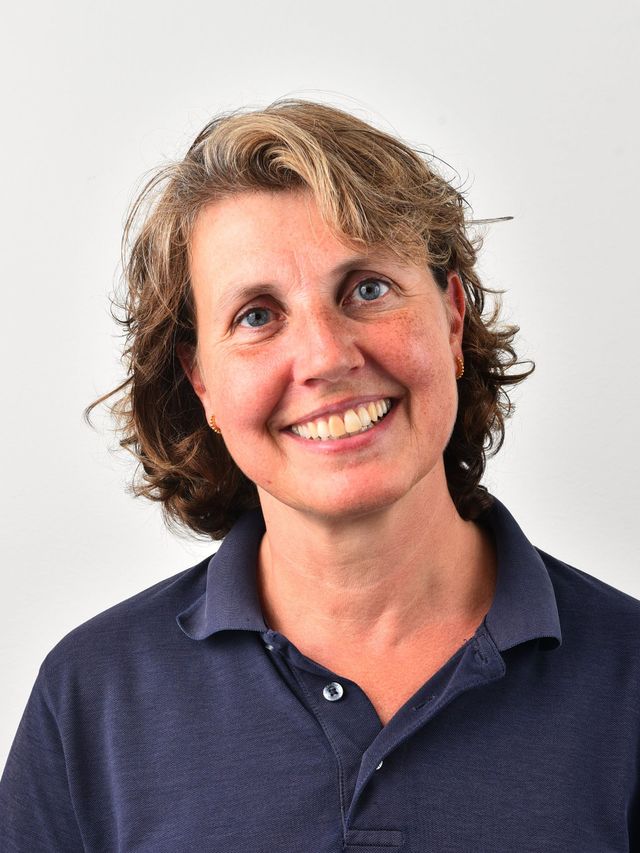
Nurse
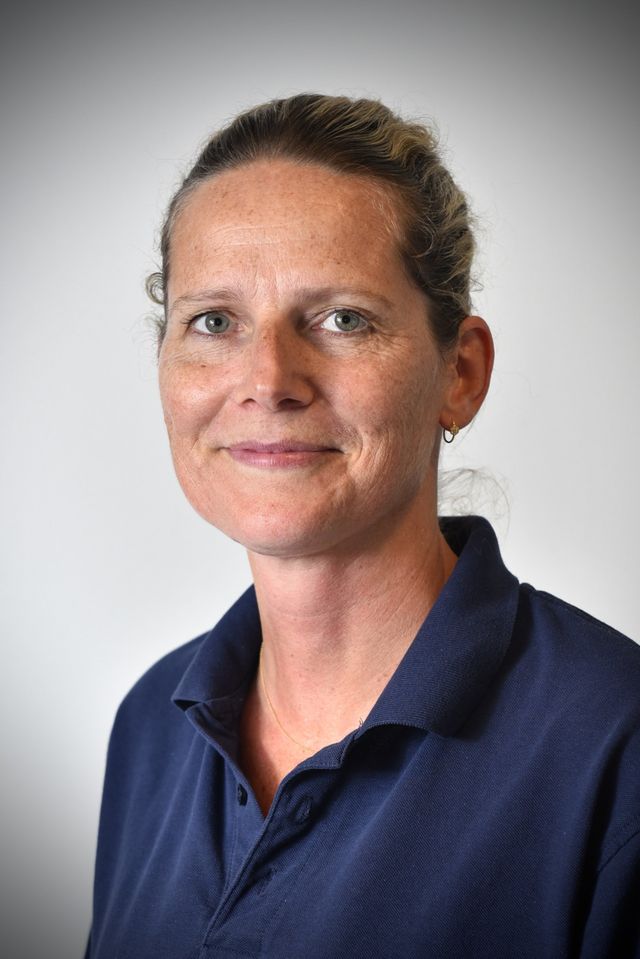
Nurse
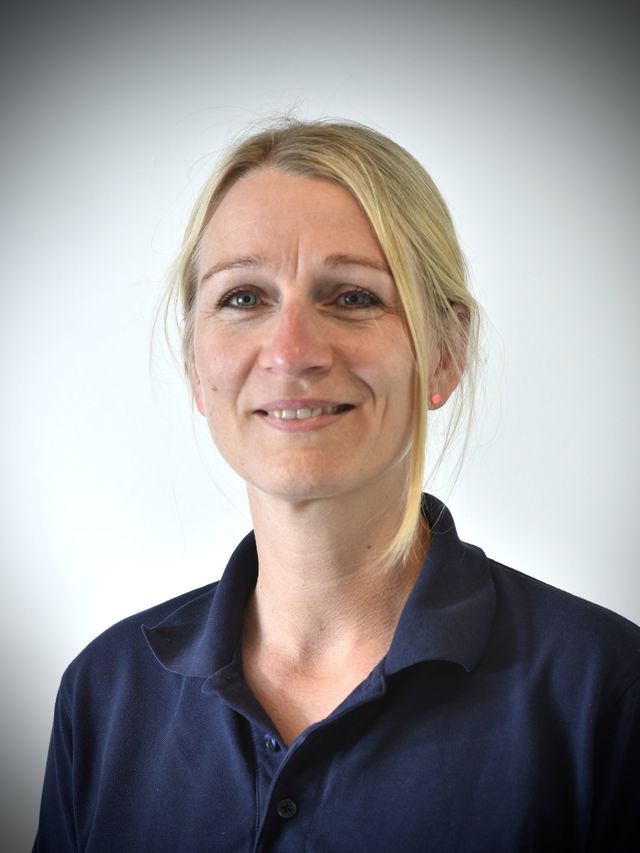
Nurse
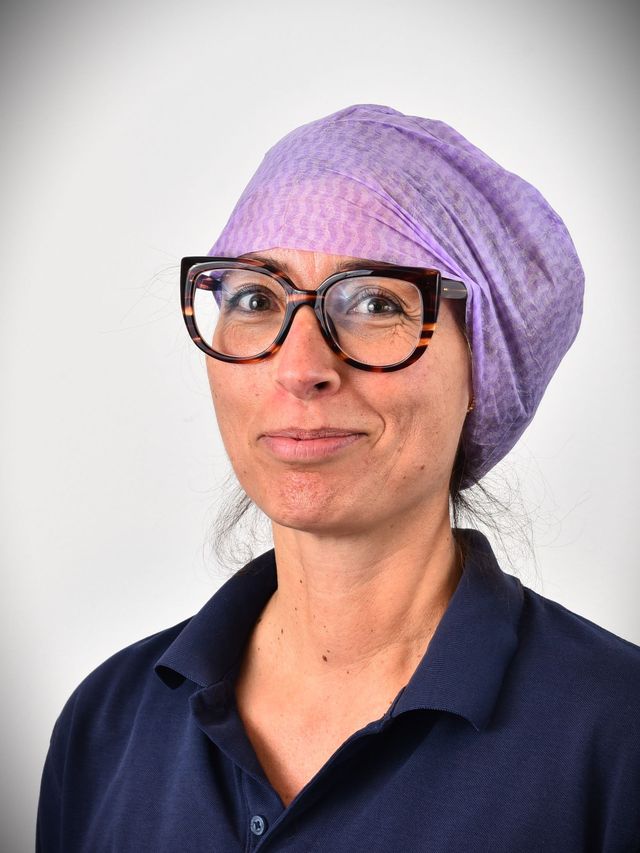
Nurse
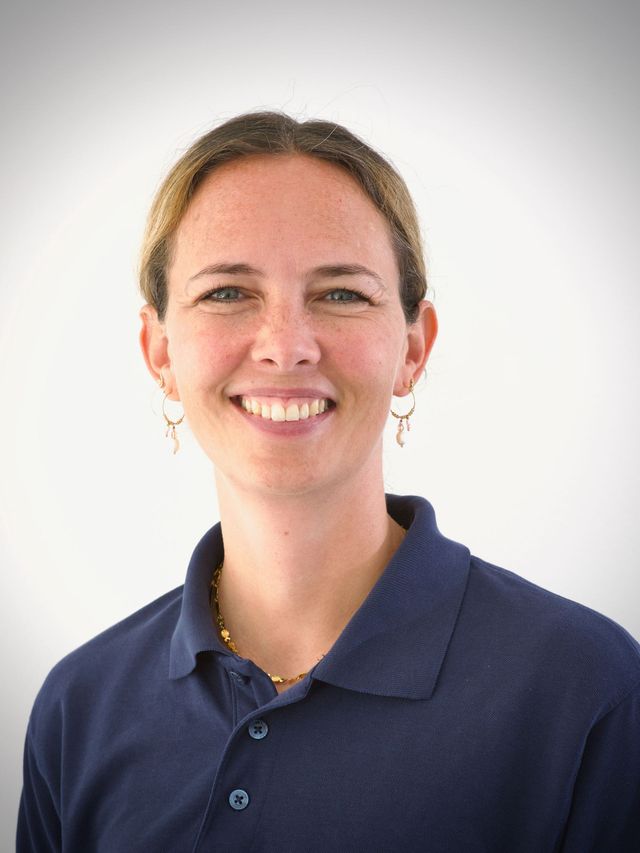
Nurse
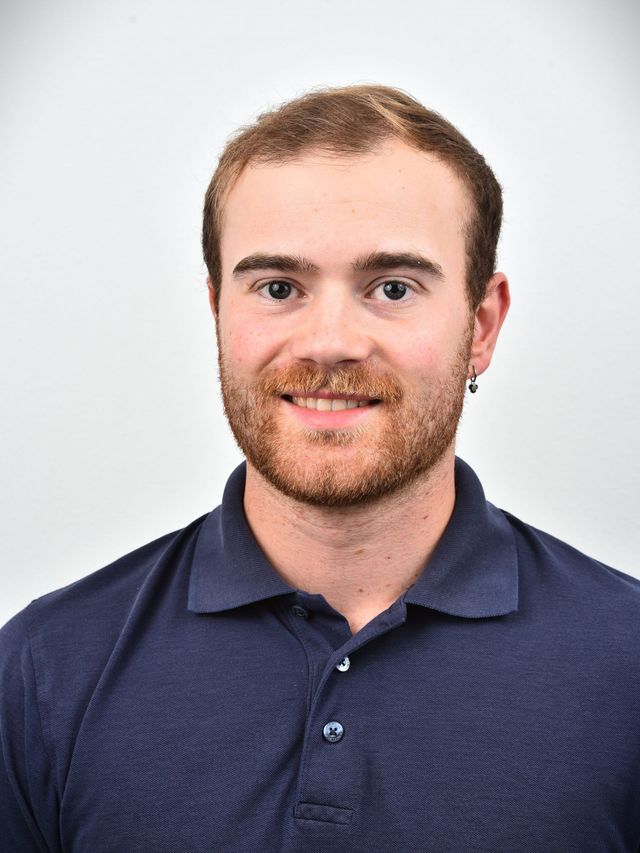
Clinical assistant
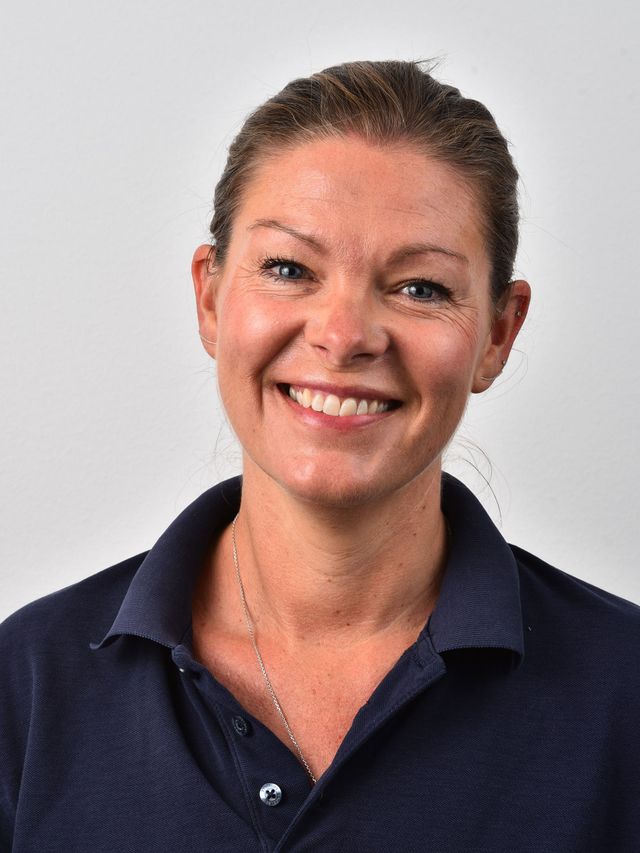
Clinical assistant
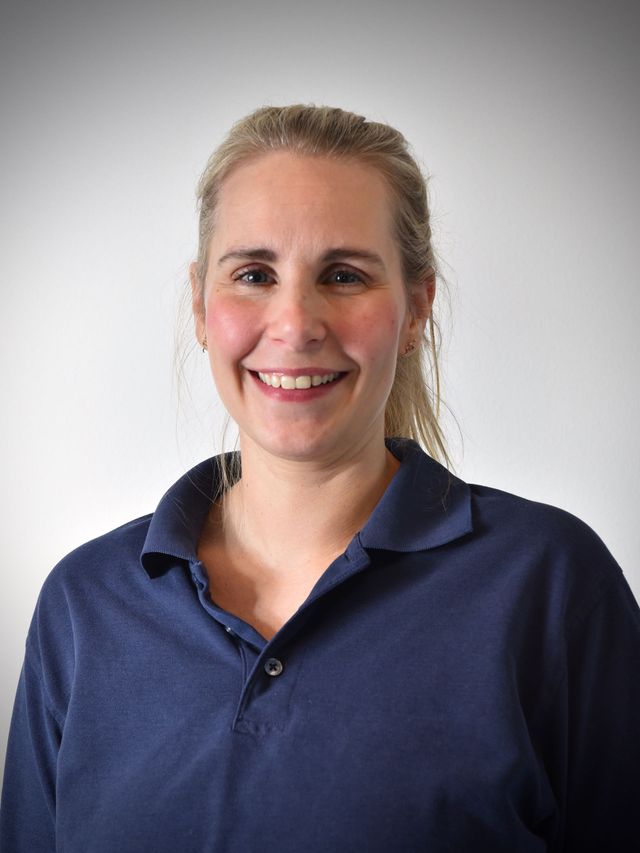
Clinical assistant
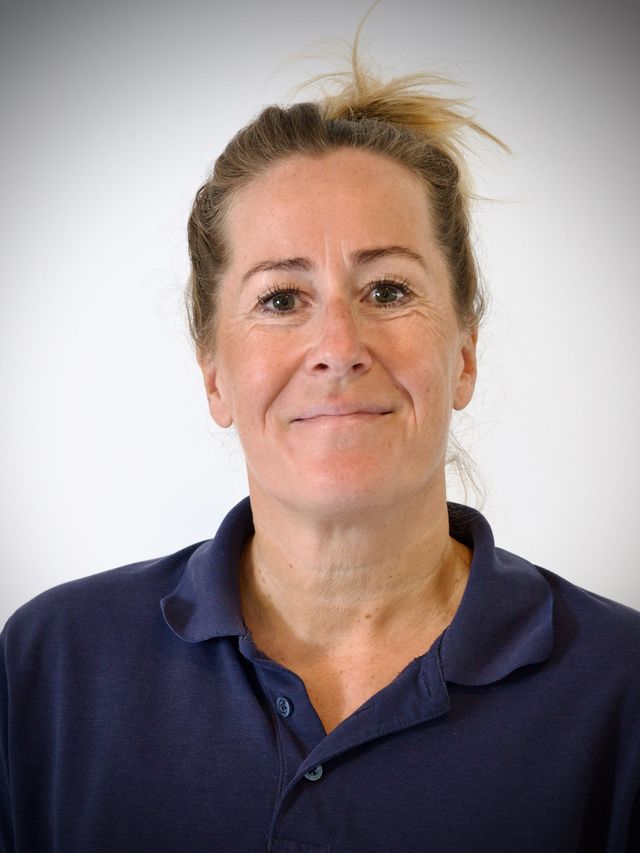
Reception and secretariat
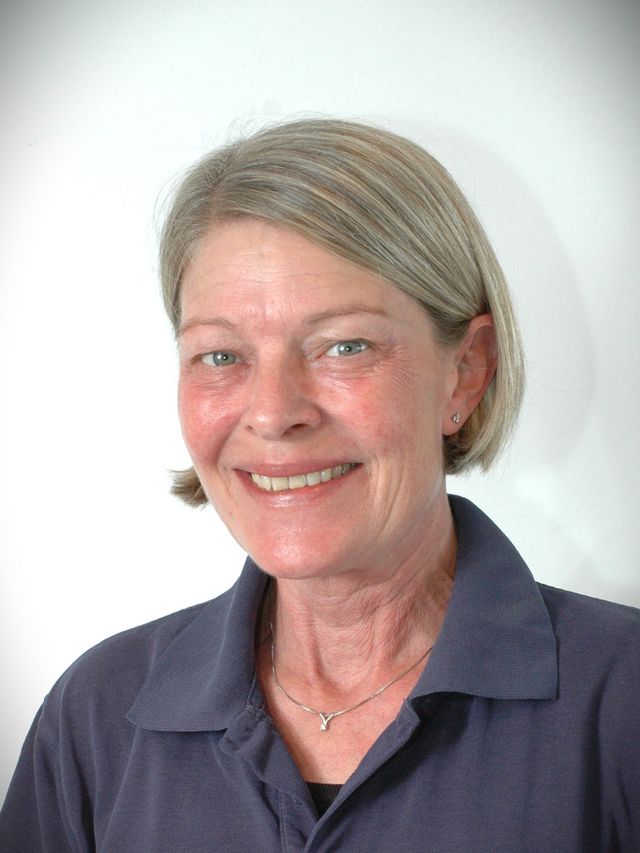
Reception and secretariat
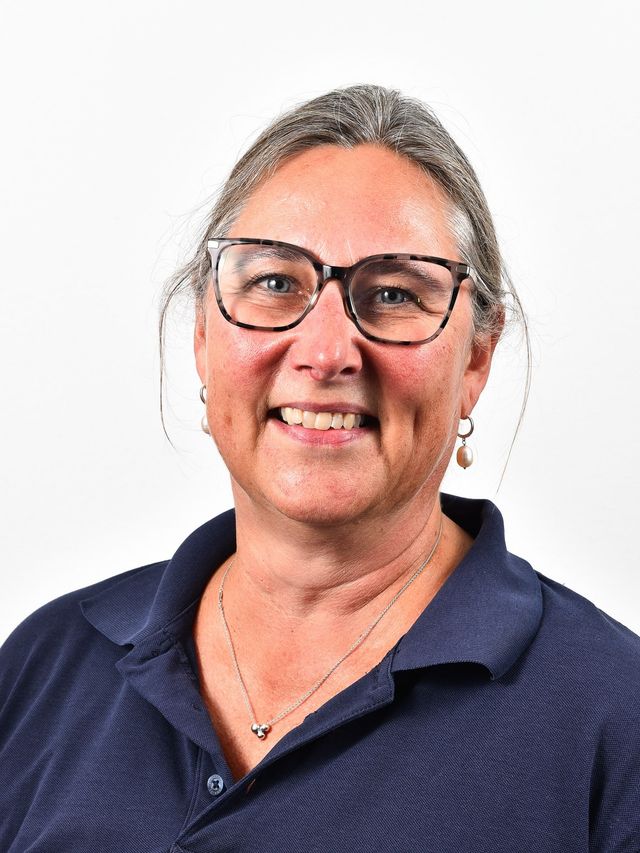
Reception and secretariat
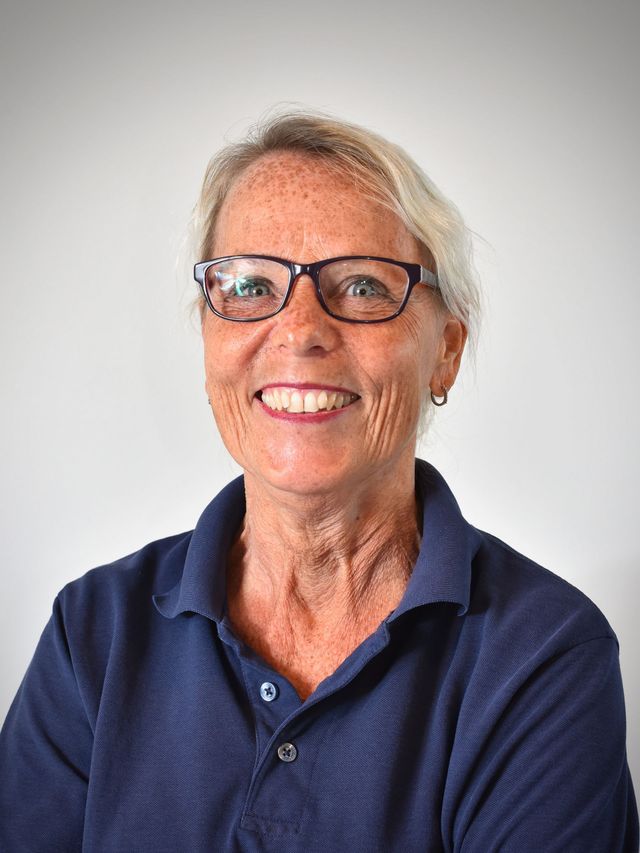
Reception and secretariat
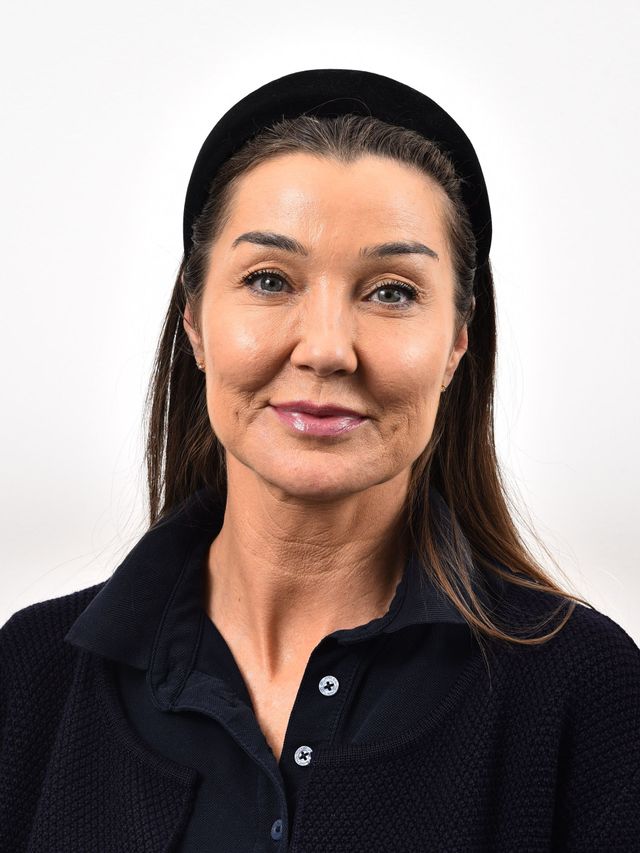
Reception and secretariat
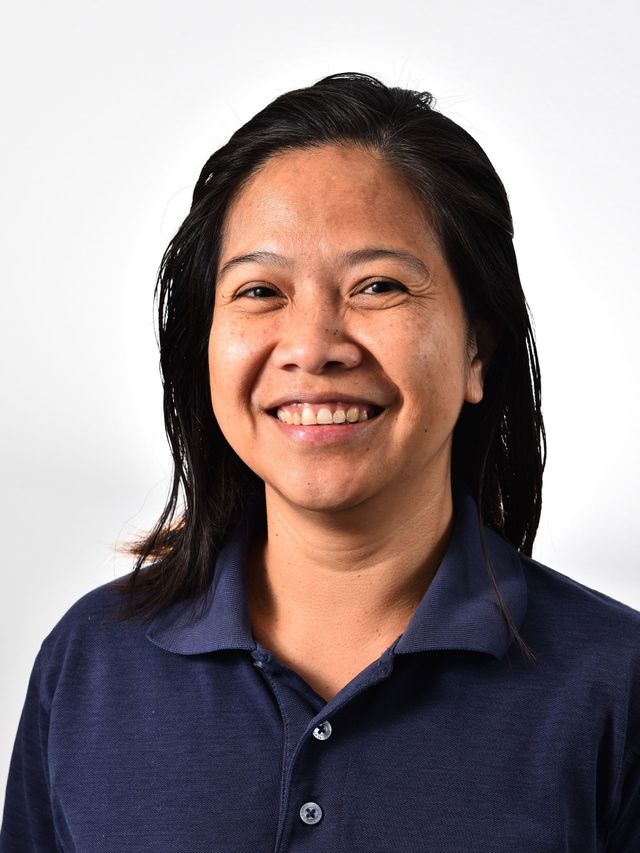
Service assistant
No one found. Try another name or choose "All".
Would you like to book an appointment with one of our specialists?
Book onlineJægersborg Allé 4
2920 Charlottenlund
CVR: 45675637
Monday–Friday, 08:00–14:00
Outside telephone hours, appointments can be booked, rescheduled and cancelled online 24/7.
Main department in Charlottenlund and ear, nose and throat departments at several locations across Denmark.