

Management
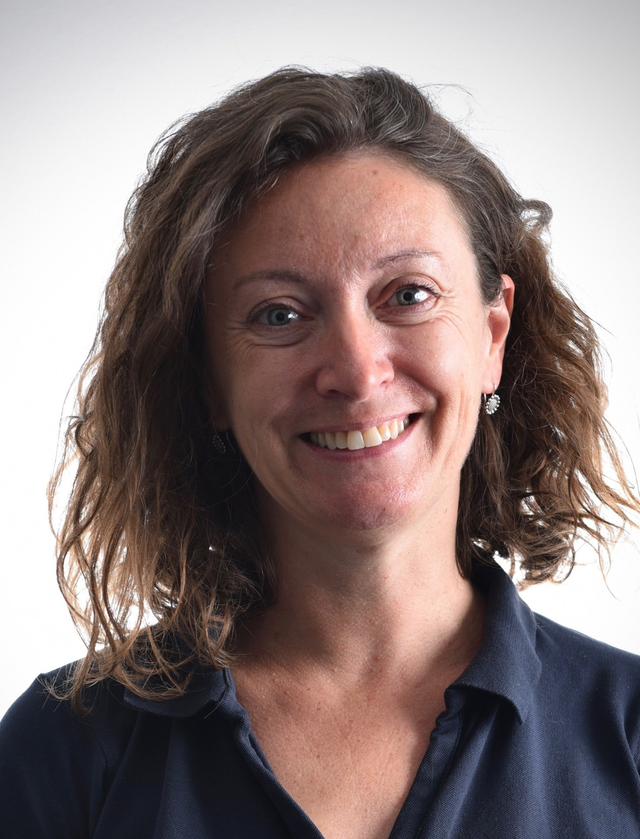
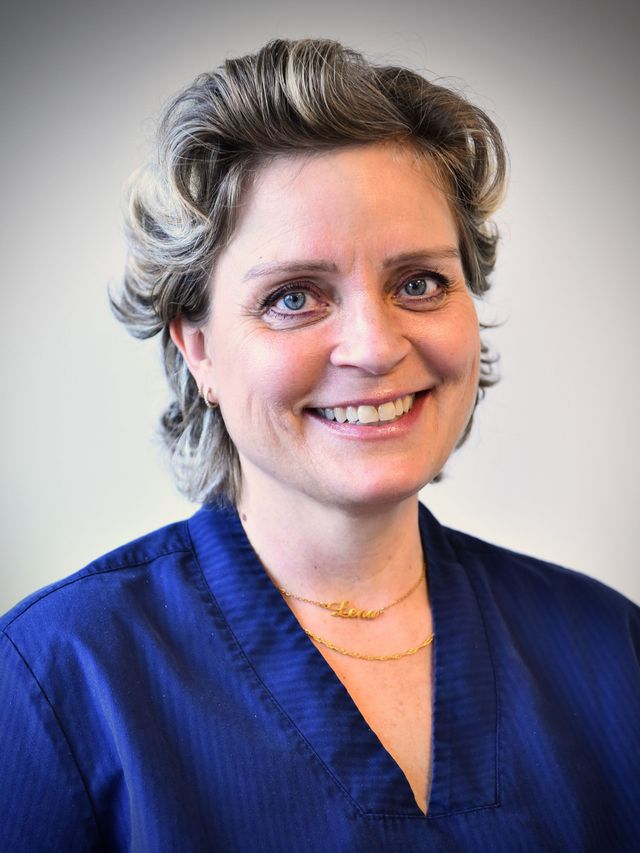
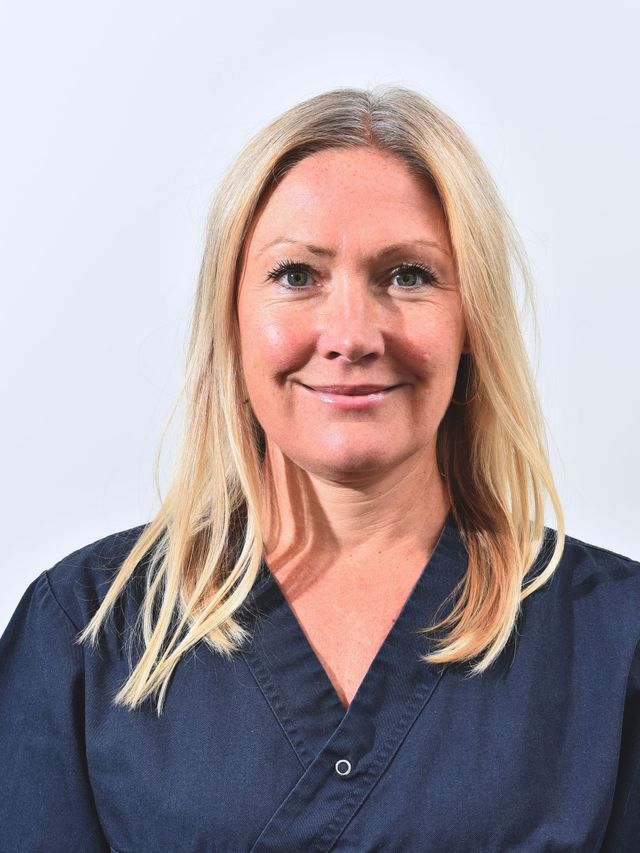
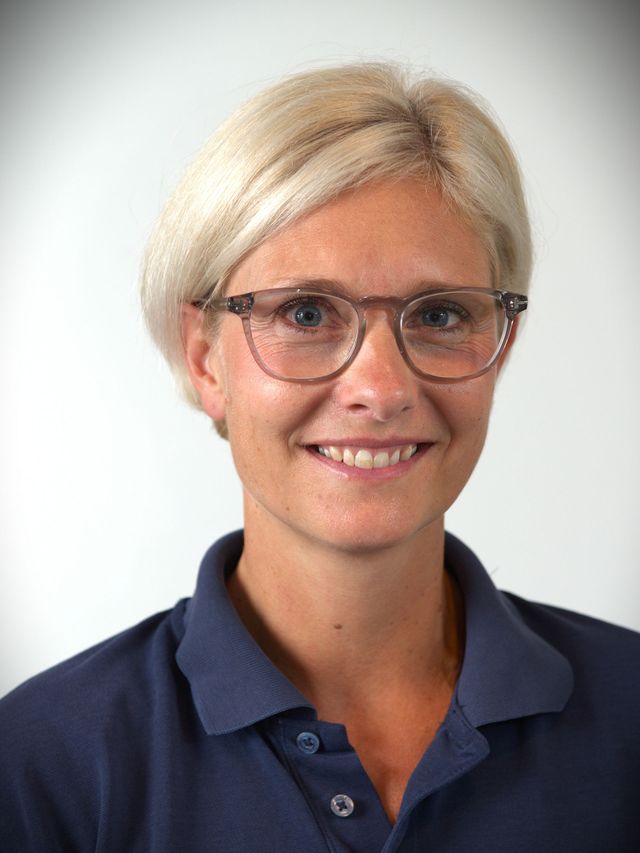
Erika Belard
Specialist physician and co-owner, CEO

Snoring, sleep apnoea and restless nights – what may lie behind them, and what can be done.
Sleep problems in children cover restless sleep, frequent waking, snoring and pauses in breathing during sleep. In children they are often due to enlarged tonsils or adenoids, but ear problems, reflux or constipation can also disturb sleep. Only a small proportion of children who snore have actual sleep apnoea, but it is important to clarify, because poor sleep over time can affect wellbeing, mood and concentration. At Charlottenlund Privathospital, children with sleep problems are examined by specialists in ear, nose and throat diseases and, if needed, together with a paediatrician.
Sleep problems show both at night and during the day. At night the child may snore, breathe through the mouth, sleep restlessly, sweat, wake up many times or have pauses in breathing. Some children under two wake up after only 30–40 minutes of sleep and find it hard to settle again.
During the day, poor sleep does not only cause tiredness – in children restlessness, irritability, mood swings and difficulty concentrating are seen just as often, and these can be mistaken for other conditions. Interrupted sleep over a long period should therefore be taken seriously.
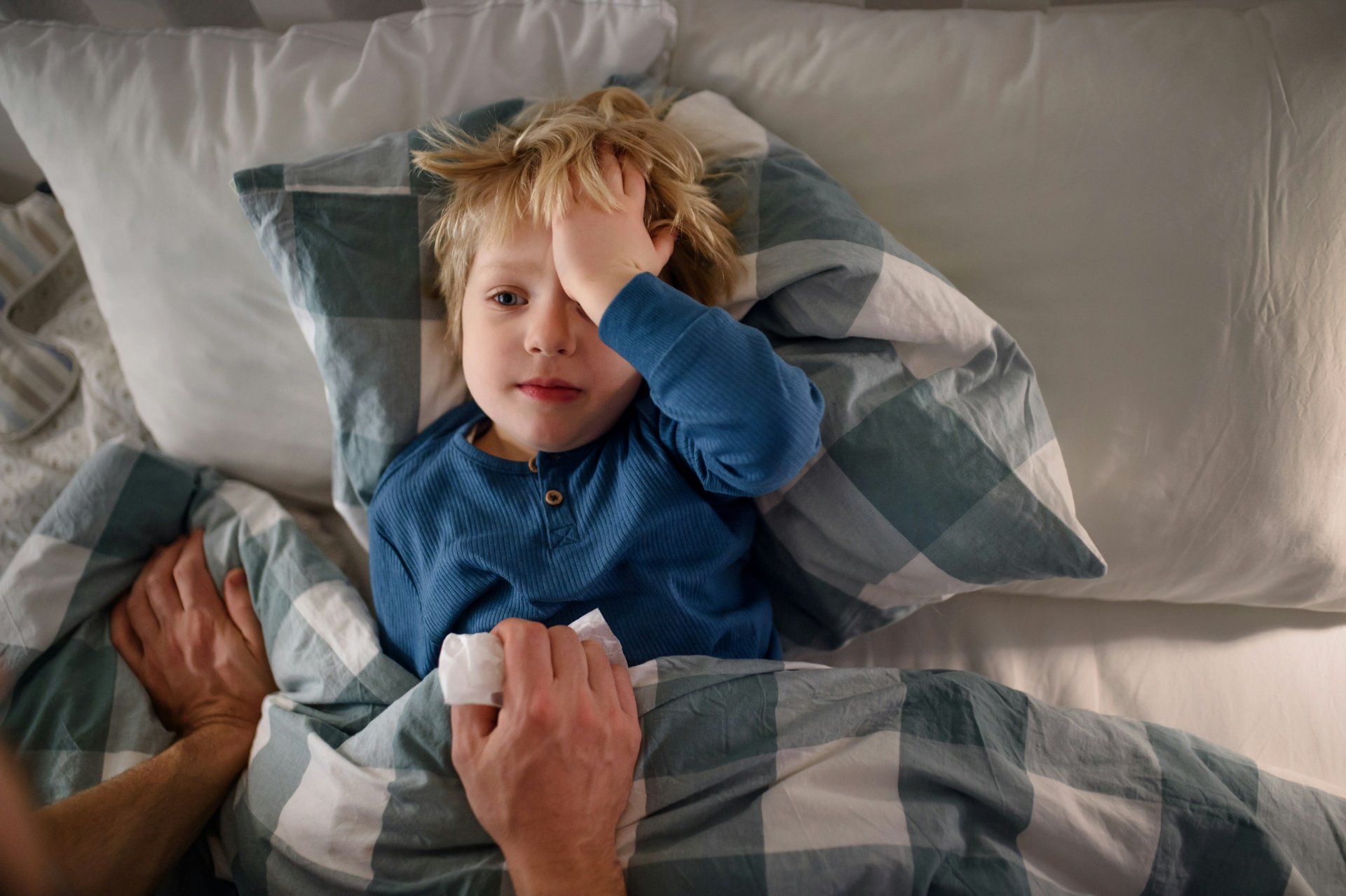
Sleep apnoea in children (obstructive sleep apnoea, OSA) is repeated pauses in breathing during sleep, because the upper airways completely or partly collapse. The child typically snores loudly, has laboured breathing and short pauses followed by gasping or waking. The most common cause is enlarged tonsils and adenoids, and the condition is most often seen at the age of 2–6.
Snoring alone is not the same as sleep apnoea, but the medical history is often not enough to tell the difference. The child should therefore be examined in case of loud snoring or pauses in breathing. Read also about sleep apnoea in adults.
Snoring occurs when air has difficulty passing through the nose and throat during sleep, so soft tissue vibrates. In children it is most often due to enlarged tonsils or adenoids, but a blocked nose from a cold and allergy can also cause snoring. Occasional snoring with a cold is harmless.
If the child snores almost every night, breathes through the mouth also during the day or has pauses in breathing, the child should be examined by an ear, nose and throat specialist.
According to the Danish national clinical guideline on tonsillectomy, enlarged tonsils and adenoids can block the airway and cause snoring, mouth breathing and sleep apnoea. Adenoids can also block the tube between the back of the nose and the middle ear and cause fluid in the middle ear and repeated ear problems.
Fluid in the middle ear or a middle ear infection can lead to frequent waking. Reflux or constipation can cause discomfort at night, and irregular bedtimes, screen time or tension in the body and neck can also play a part. If the cause is not found in the ears, nose or throat, an overall assessment is made.
The examination starts with a conversation about the child's sleep, breathing and everyday life. The specialist then examines the ears, nose and throat to assess whether there is fluid in the middle ear, enlarged tonsils or adenoids. Many sleep problems in children can be clarified by this examination.
Treatment depends on the cause. If the problems are due to enlarged tonsils or adenoids, an operation in which the tissue is removed or reduced can often bring a noticeable improvement in both sleep and breathing. In persistent fluid in the middle ear, grommets can bring relief. If the sleep problems are due to reflux, constipation or sleep habits, the effort is directed at that. Over-the-counter pain relief can help in the short term but does not remedy the cause.
Some do – especially if they are due to a passing cold. If they are due to enlarged tonsils or adenoids, they rarely disappear without treatment but can often be relieved.
Poor sleep due to blocked airways can cause tiredness, restlessness and difficulty concentrating, also in school-age children. If the sleep problems are linked to worries or anxiety, a psychologist for children and young people can be of help.
At Charlottenlund Privathospital, children with sleep problems are examined by specialists in ear, nose and throat diseases and can, if needed, be assessed together with a paediatrician. The hospital has staff in anaesthesia and recovery with experience in anaesthetising young children and anaesthetises children from 6 months of age. Examination and treatment take place as outpatient care.
No referral is needed for self-paying patients, and appointments can be booked online. Prices are shown in the price list.
Many health insurance policies cover an assessment by a specialist, but the insurers usually require a referral from the family doctor and prior approval. Most insurers send the approval directly to the hospital, and the bill is settled with the insurer. The hospital's departments are listed on the contact page.
Answers to questions parents often ask about sleep problems in children.
Sleep apnoea in children (obstructive sleep apnoea) is repeated pauses in breathing during sleep, most often due to enlarged tonsils or adenoids. The child typically snores loudly and has laboured breathing.
Loud snoring, pauses in breathing followed by gasping, mouth breathing, restless sleep, night sweats and tiredness or restlessness during the day. The symptoms are most often seen at the age of 2–6.
Occasional snoring with a cold is harmless. If the child snores almost every night, has pauses in breathing or breathes through the mouth also during the day, the child should be examined.
Frequent waking can be due to ear pain, fluid in the middle ear, snoring or sleep apnoea, reflux or constipation. An examination can clarify the cause.
Yes. Poor sleep due to blocked airways can cause tiredness, restlessness and difficulty concentrating during the day, also in school-age children.
Some do, especially with a passing cold. If they are due to enlarged tonsils or adenoids, they rarely disappear without treatment but can often be relieved.
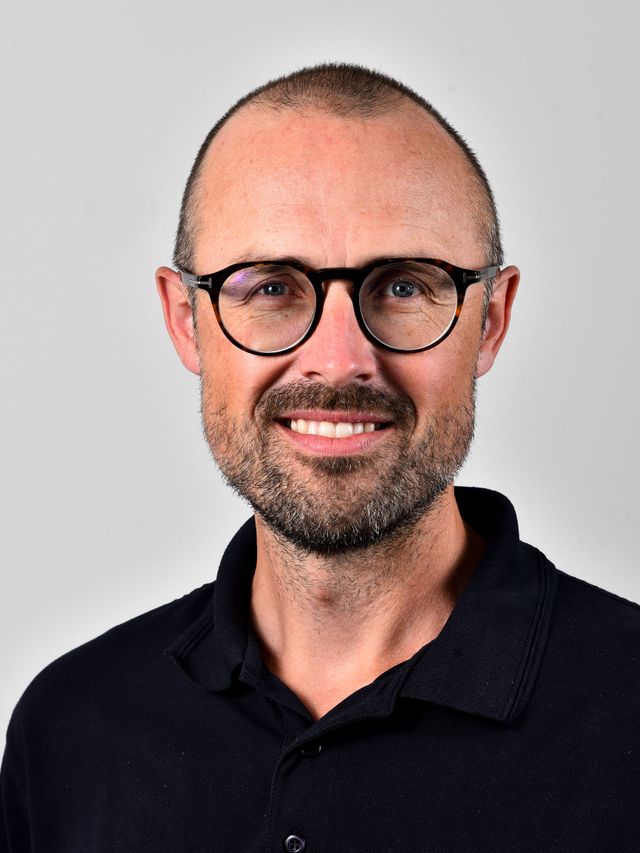
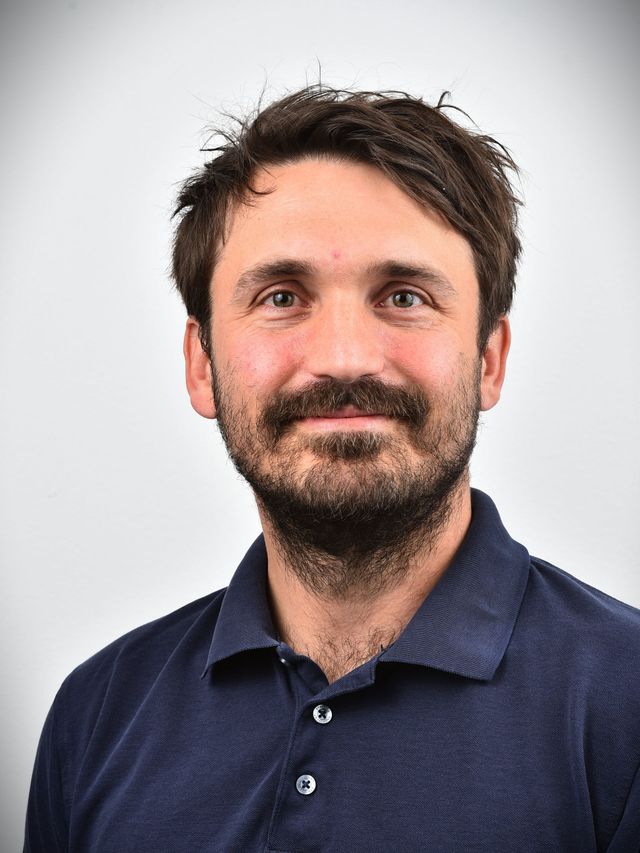
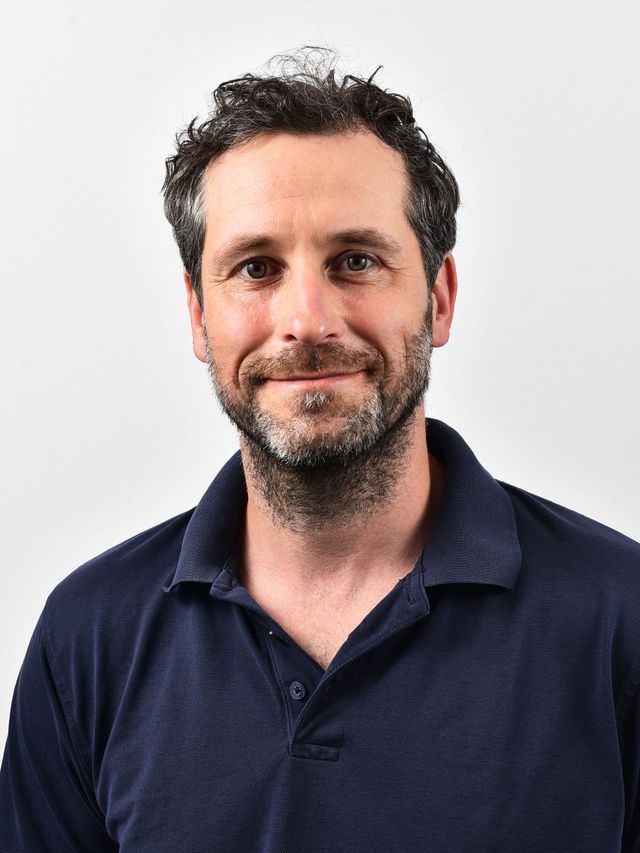
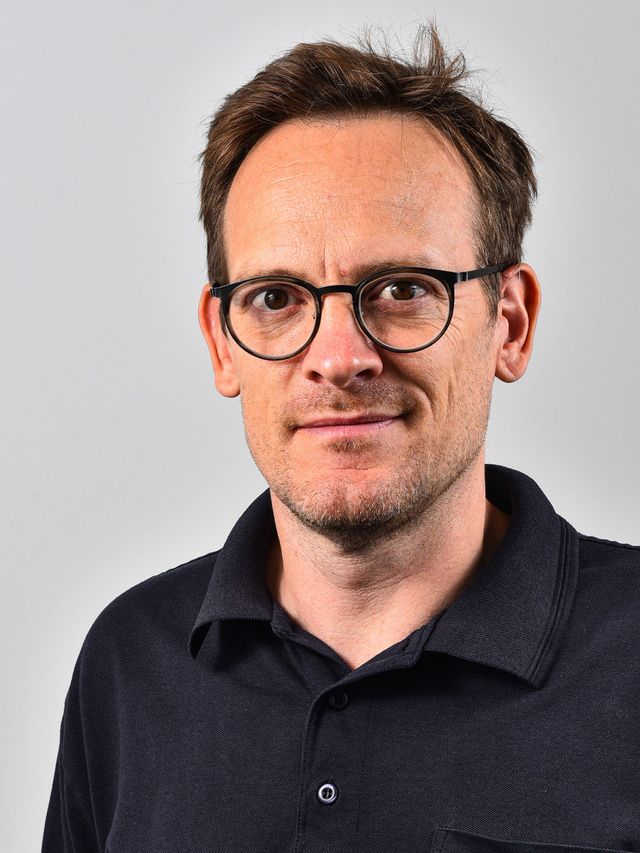
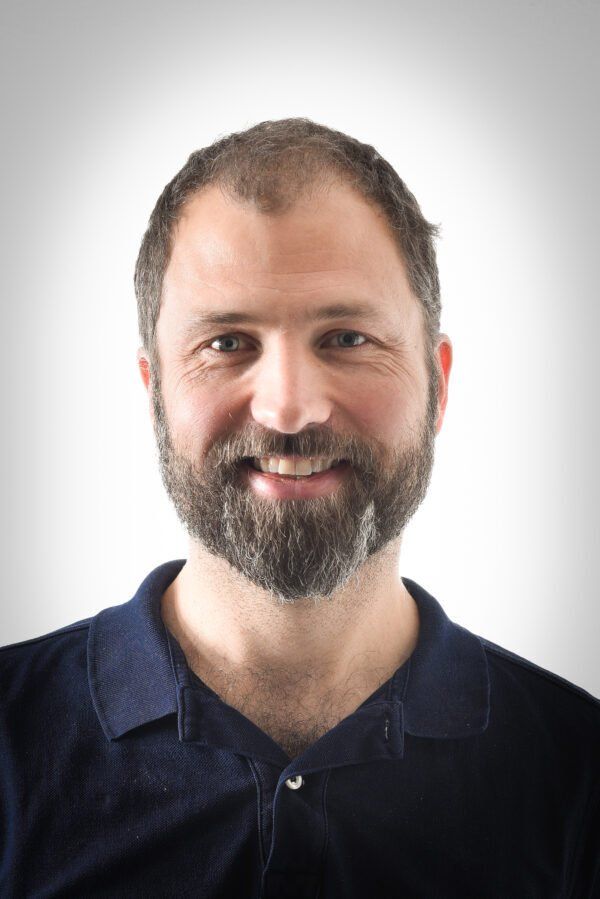
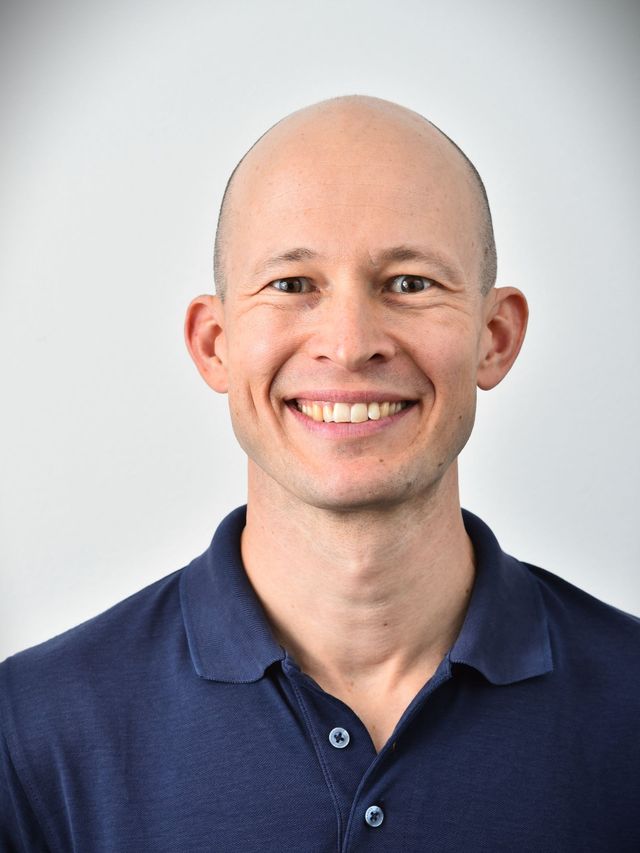
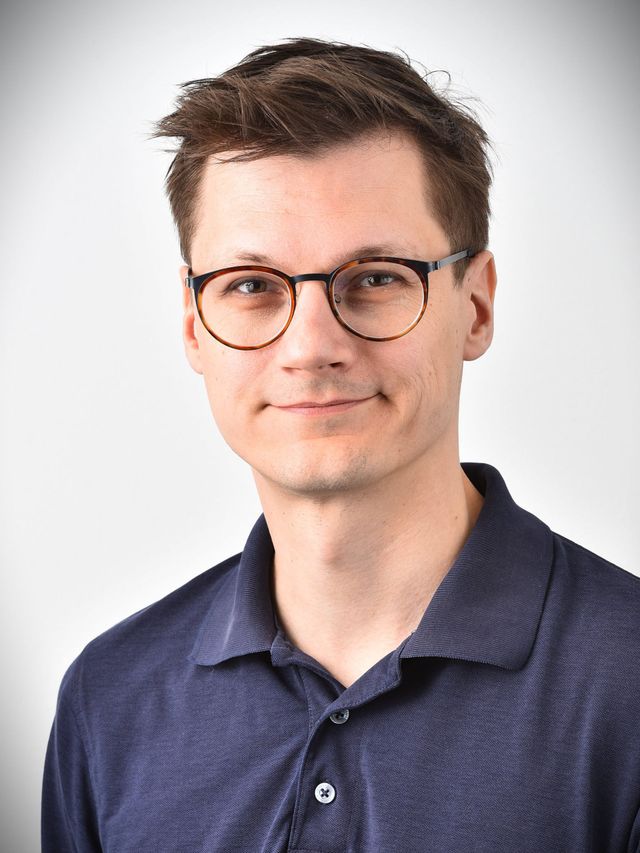
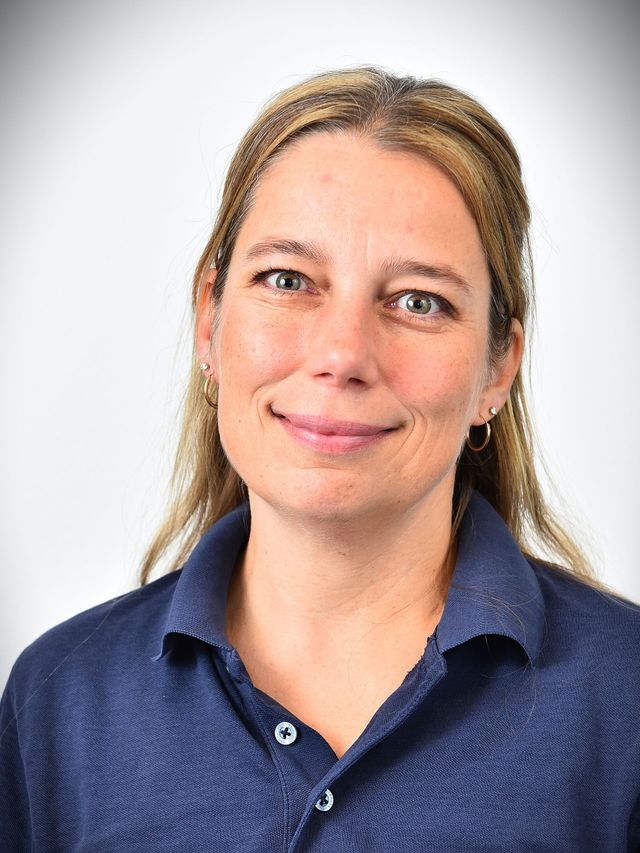
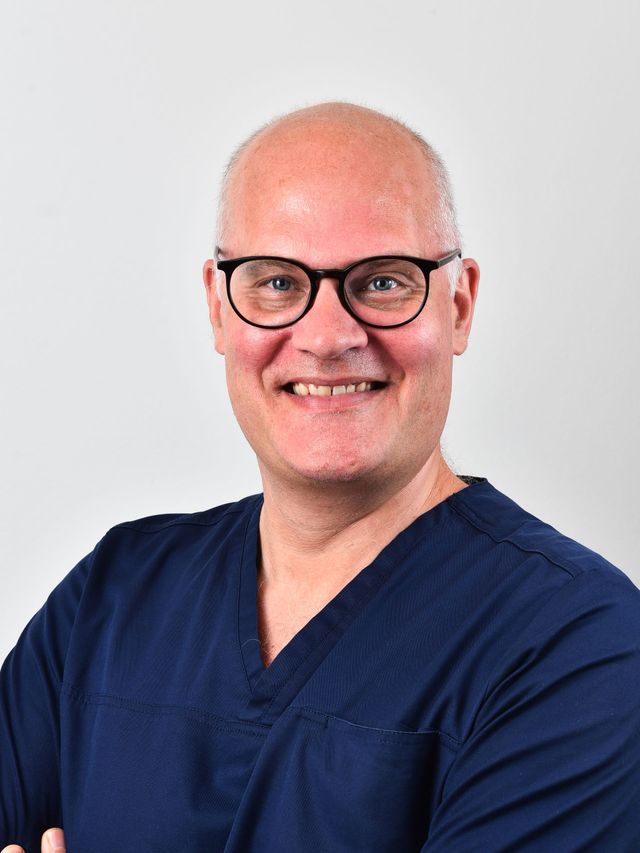
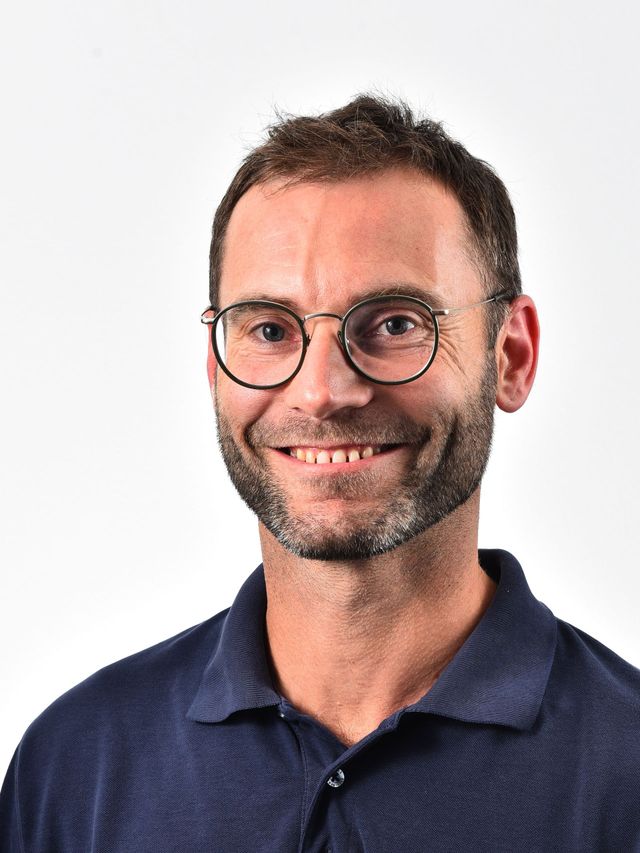
Charlottenlund Privathospital is owned and run by three specialist physicians: Erika Belard, Jacob Fisker and Teit Mantoni. Jacob Fisker is medical director. Here you will find our ear, nose and throat (ENT) specialists in Charlottenlund and at our clinics around Denmark – and in Charlottenlund also specialists in paediatric surgery, dermatology, diving medicine, gynaecology, cardiology, paediatrics, psychology and rheumatology.
Specialist physician and co-owner, CEO
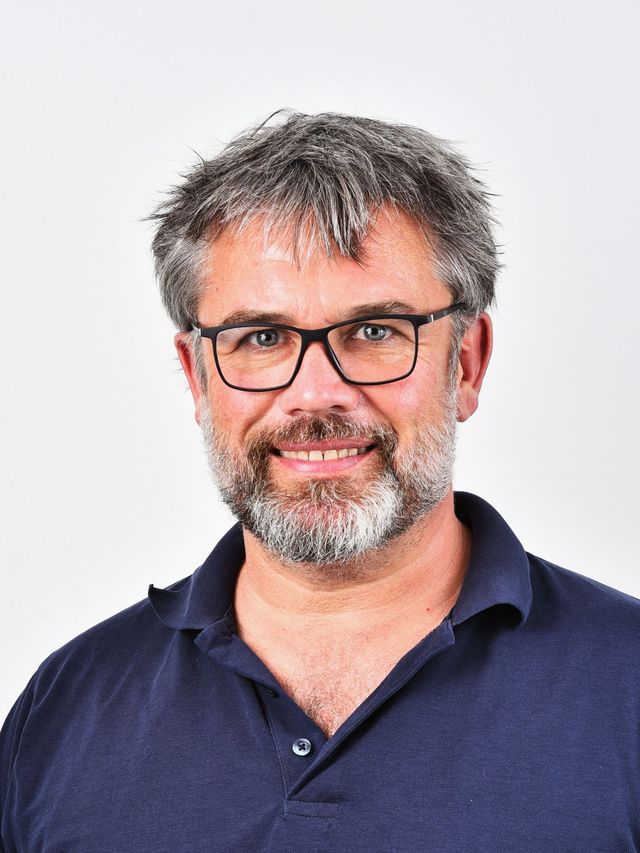
Specialist physician, co-owner and medical director
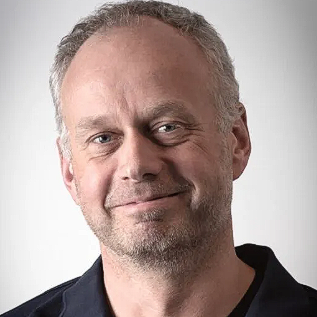
Specialist physician and co-owner
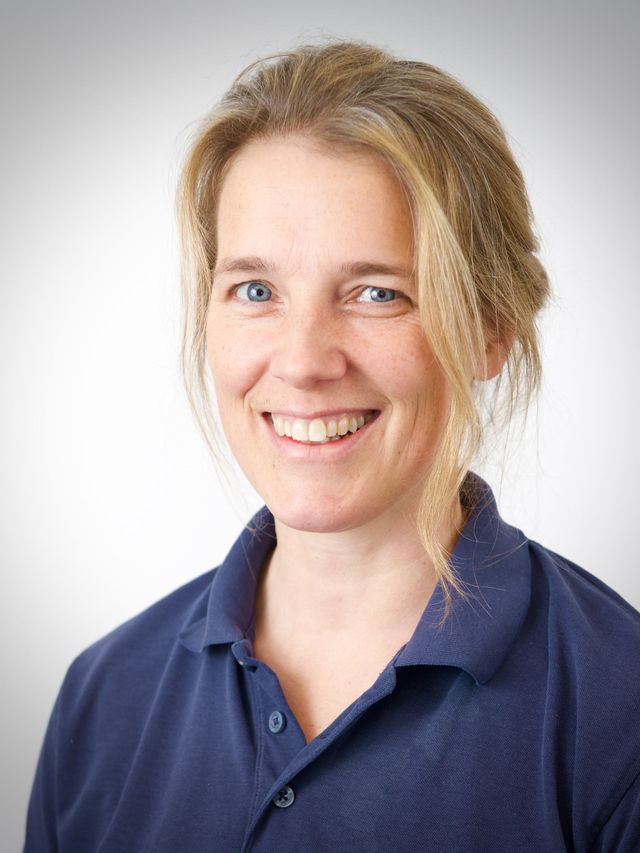
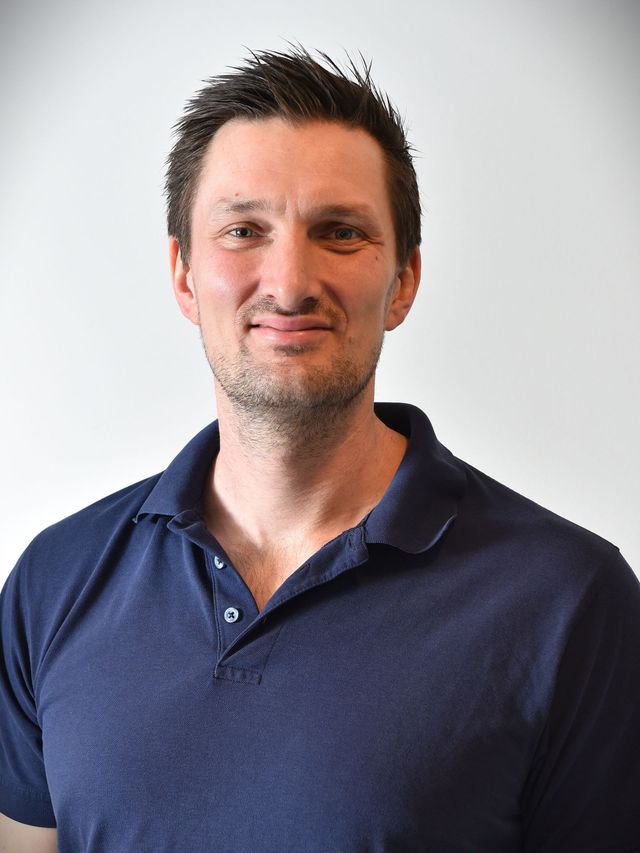
Specialist in anaesthesiology
Specialist in anaesthesiology
Specialist in anaesthesiology
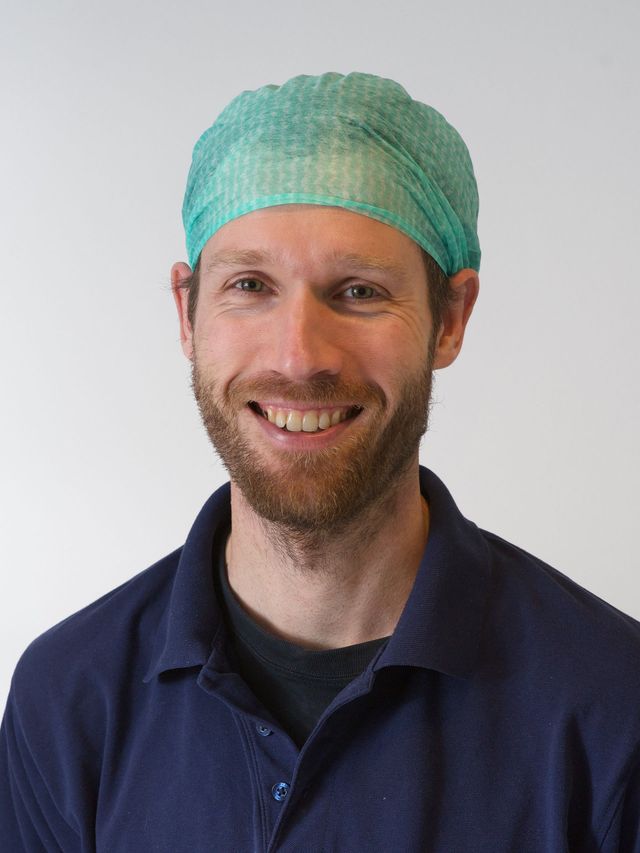
Specialist in anaesthesiology, DMSc, PhD
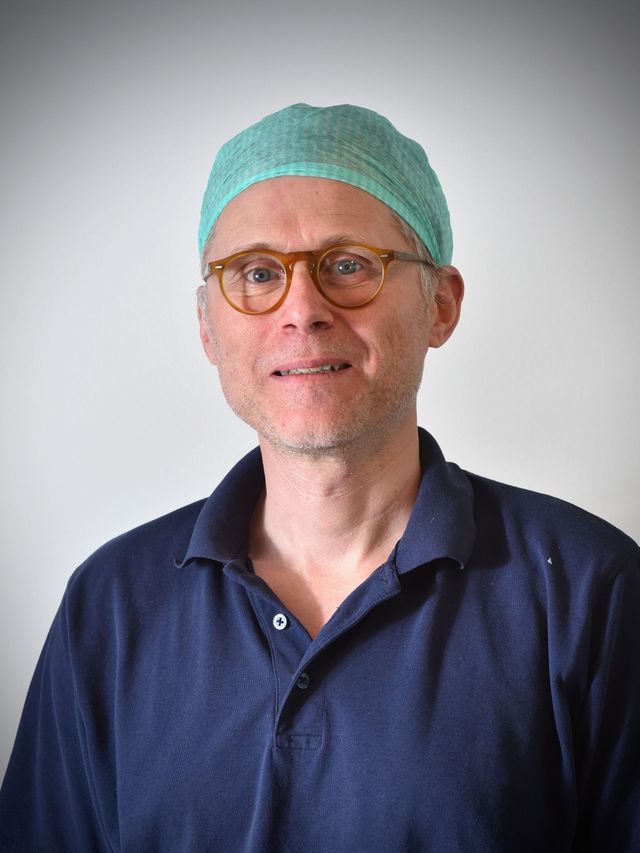
Specialist in anaesthesiology
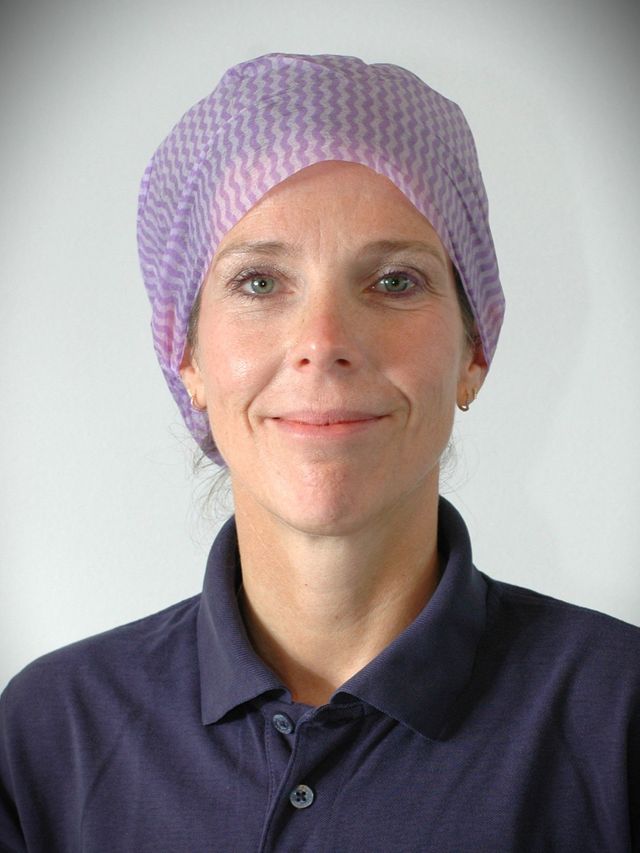
Specialist in anaesthesiology
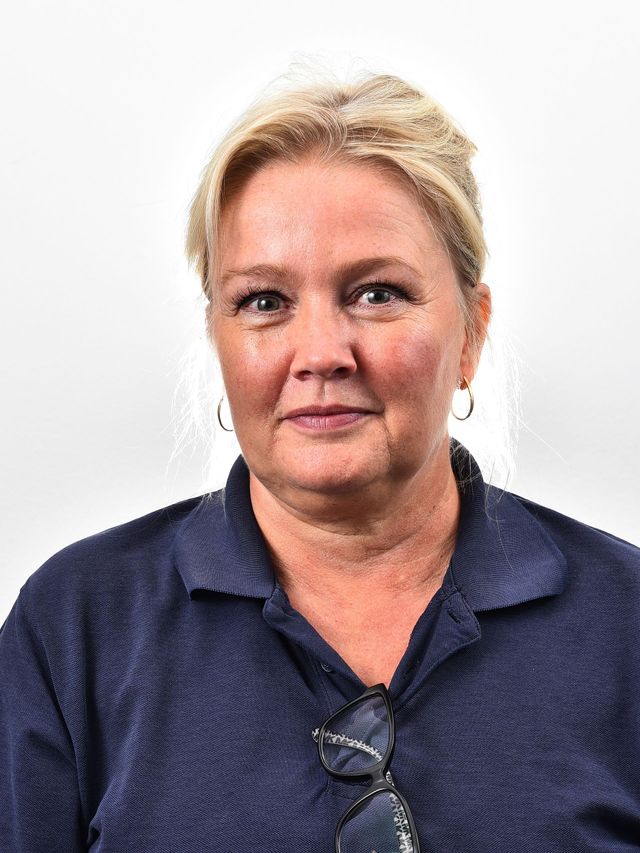
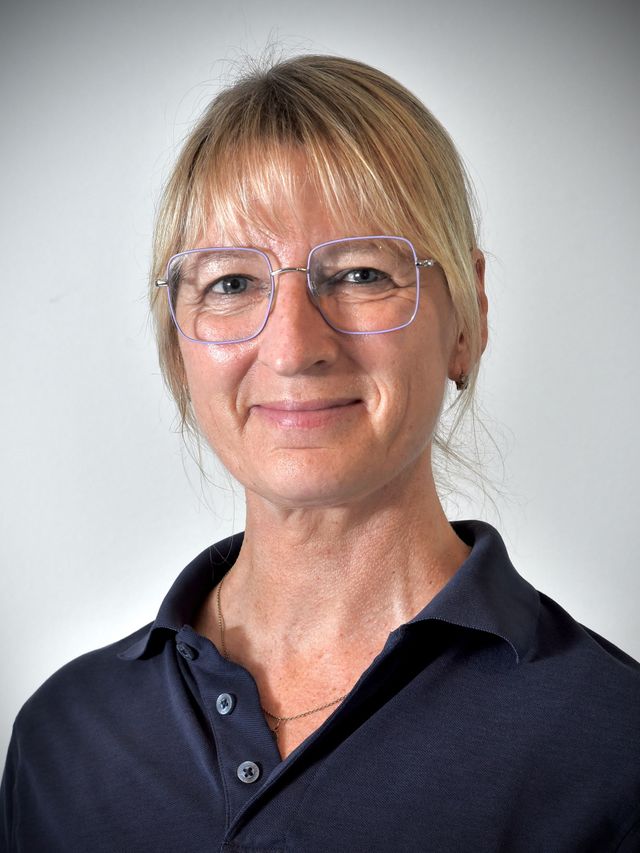
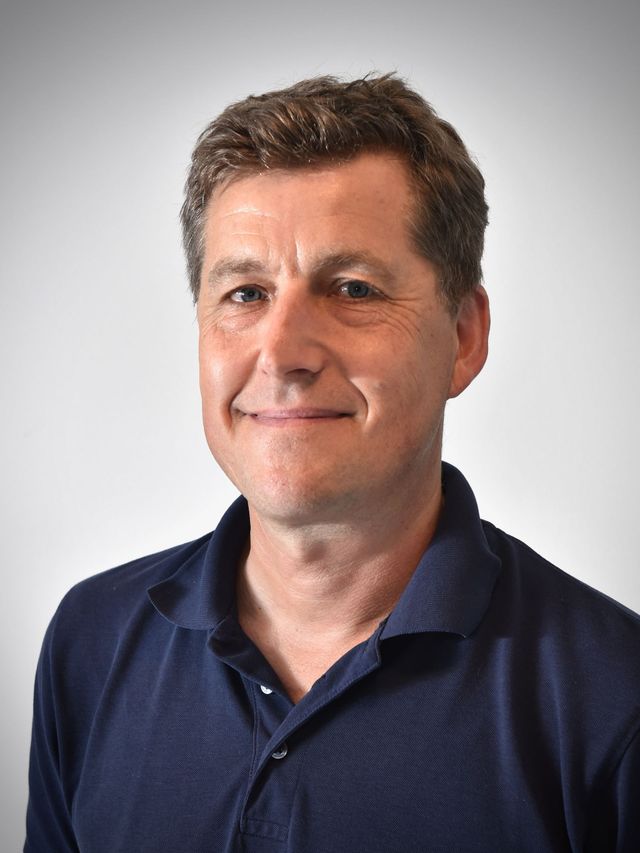
Specialist in anaesthesiology and diving medicine
Approved by the Danish Maritime Authority
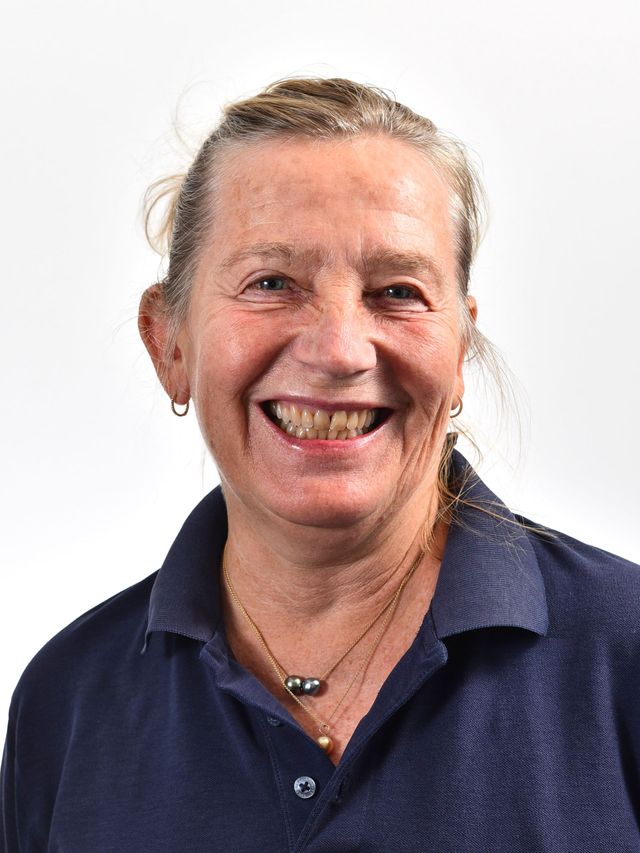
Specialist in anaesthesiology and diving medicine
Approved by the Danish Maritime Authority
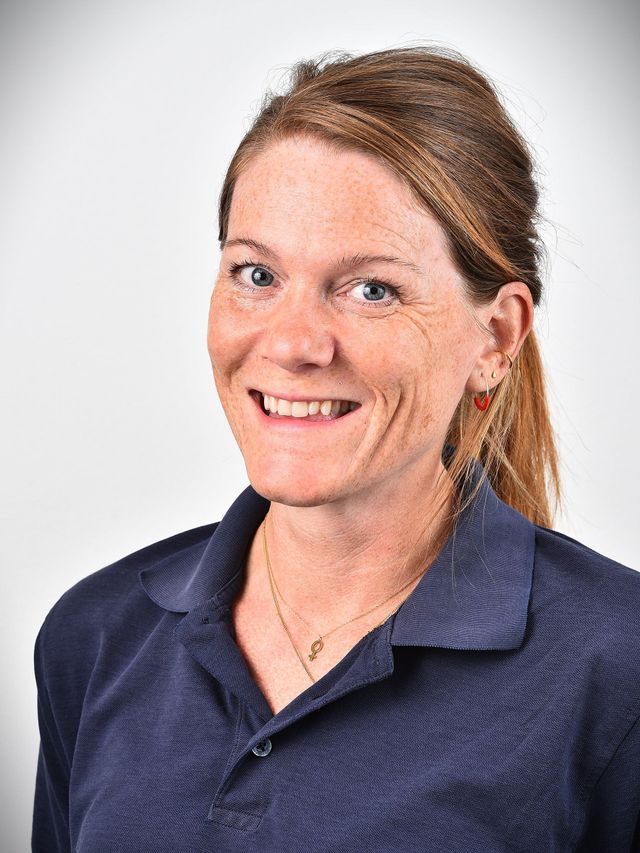
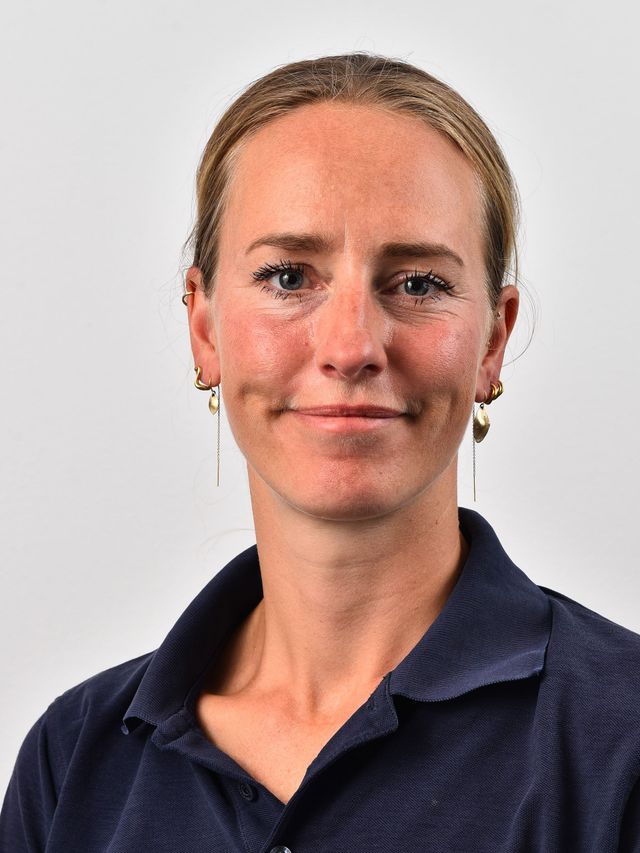

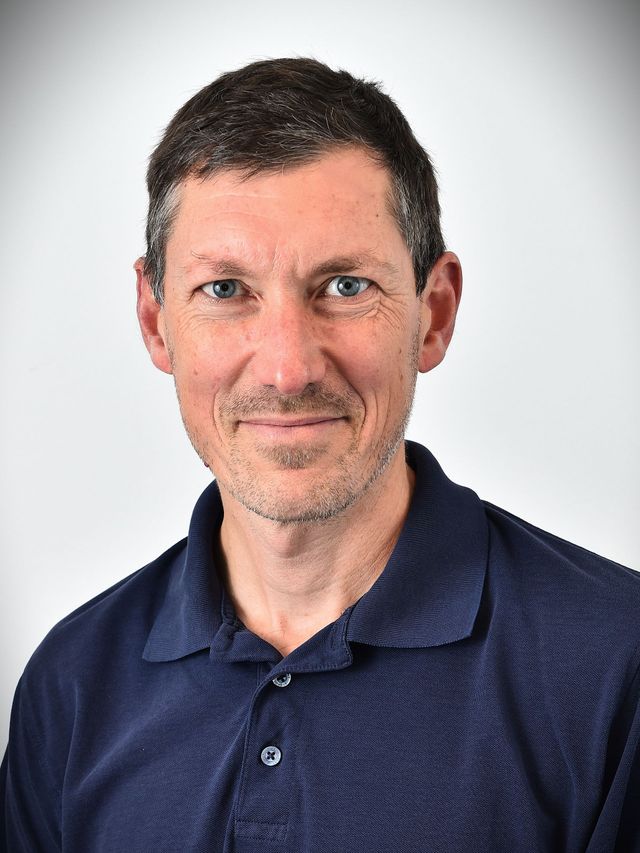
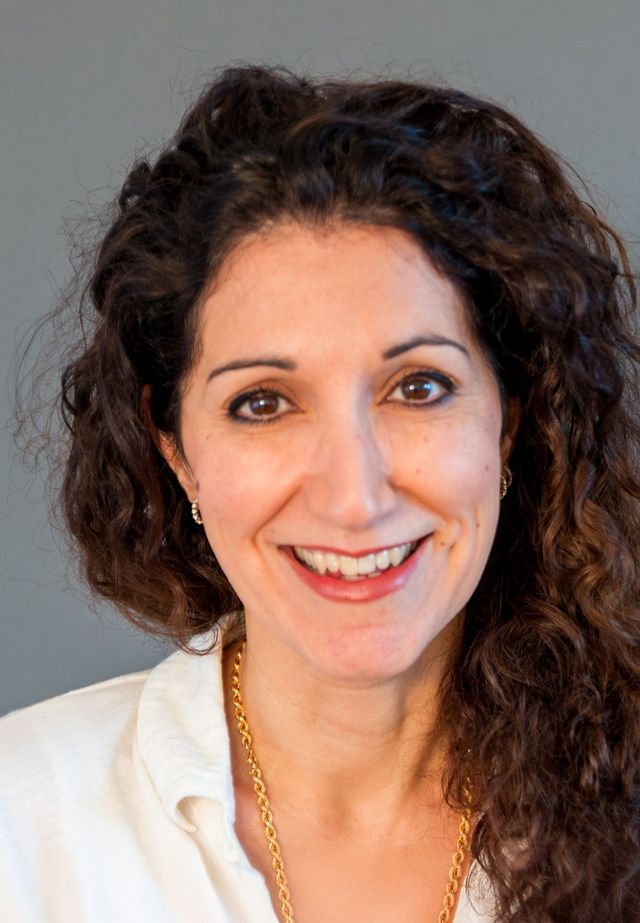
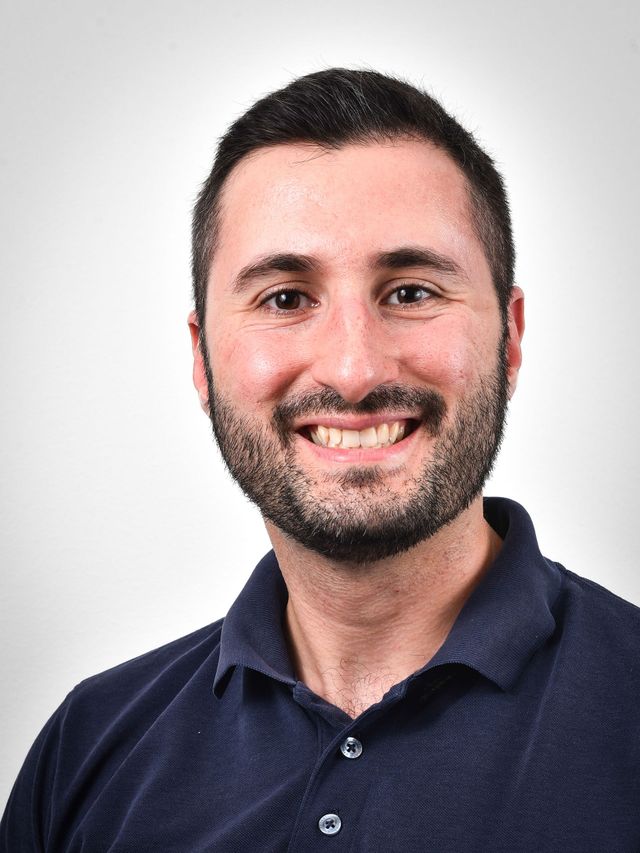

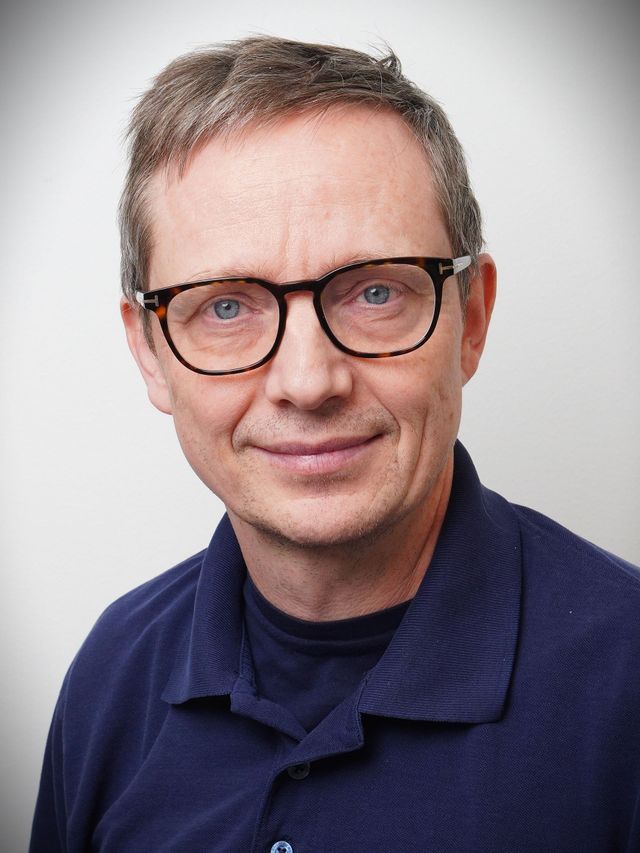
They are the people you meet first when you call or walk through the door – and the ones who look after you before and after your treatment.
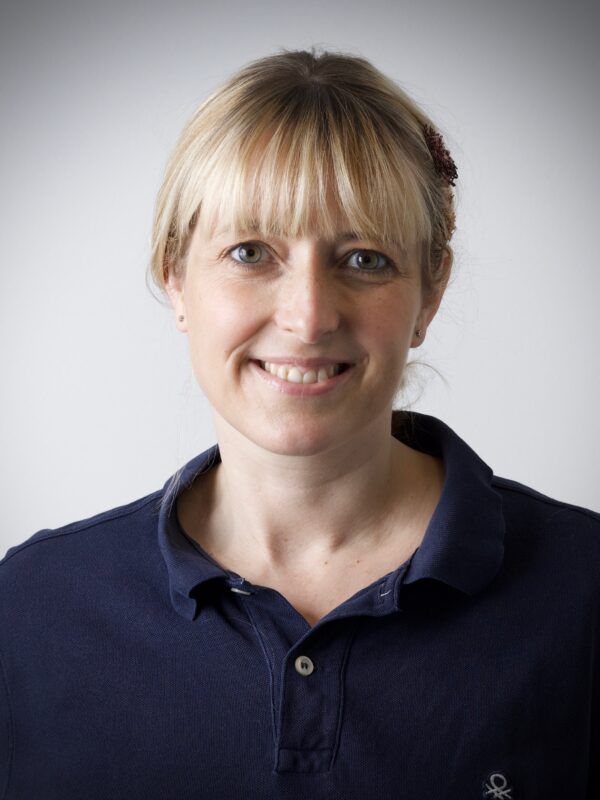
Nurse
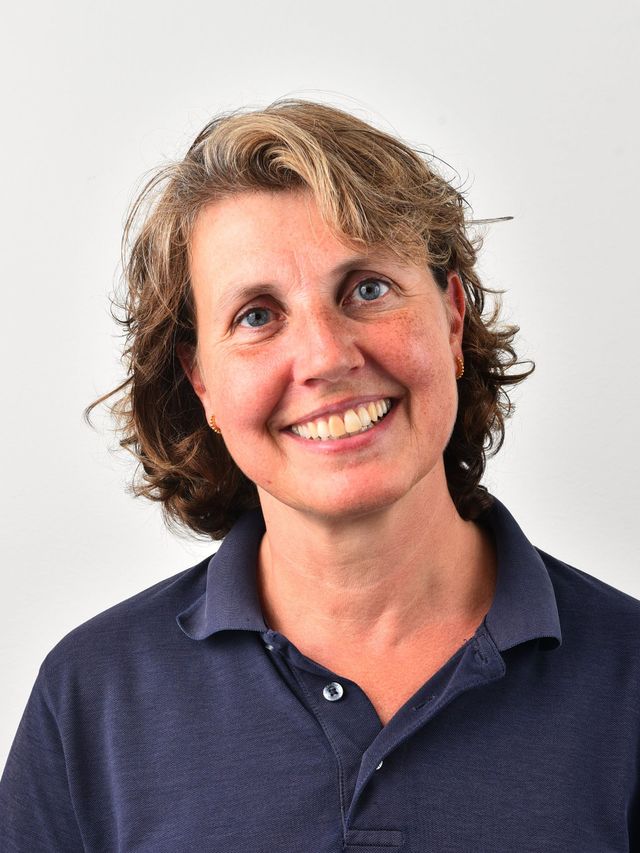
Nurse
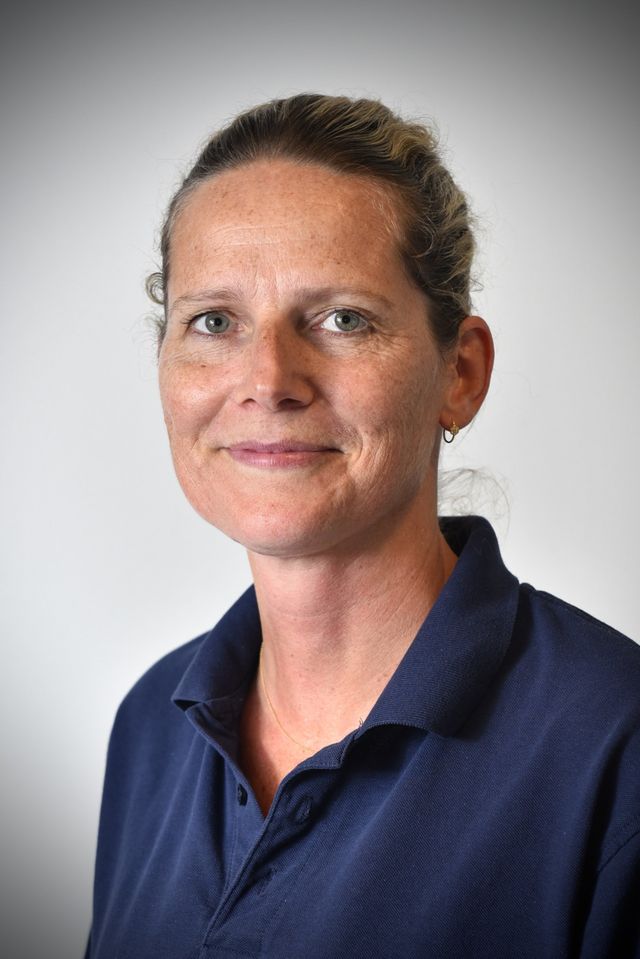
Nurse
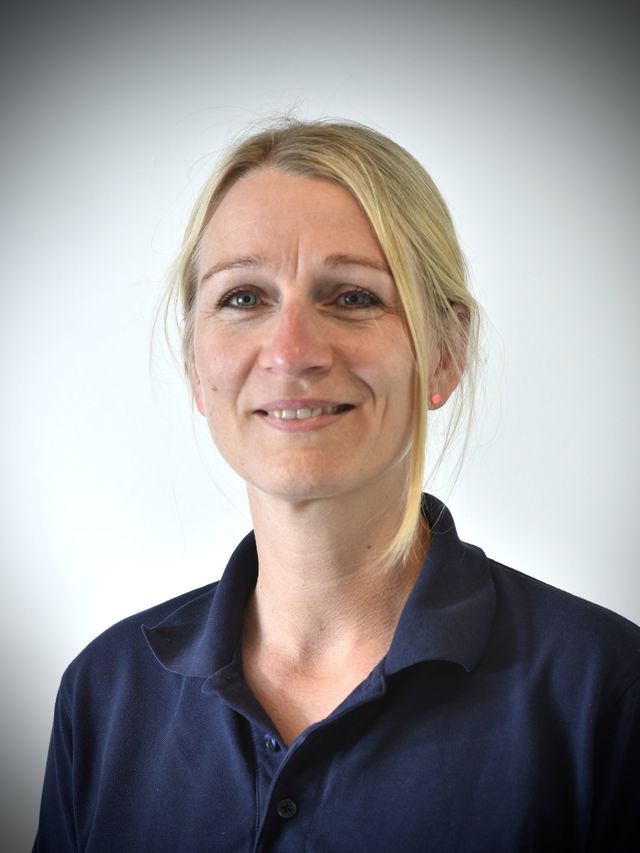
Nurse
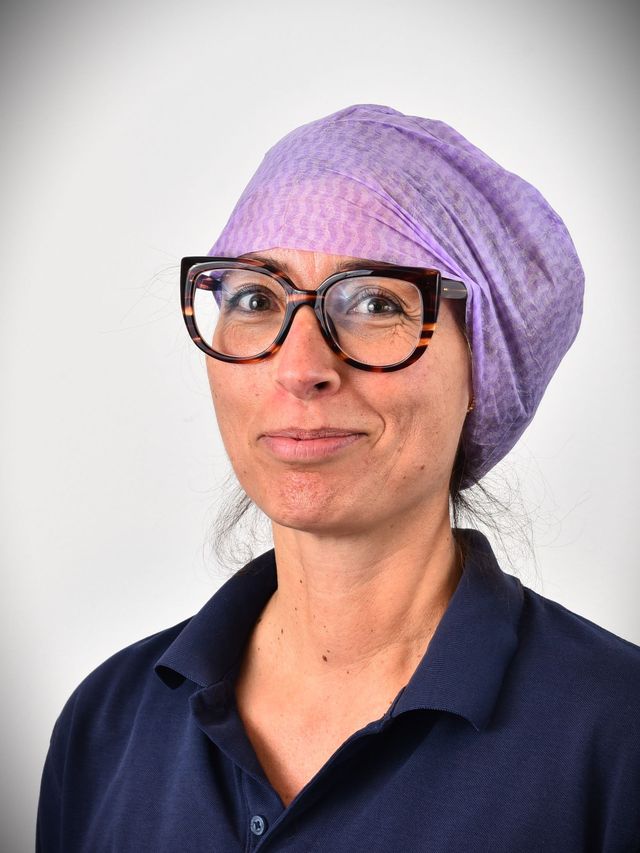
Nurse
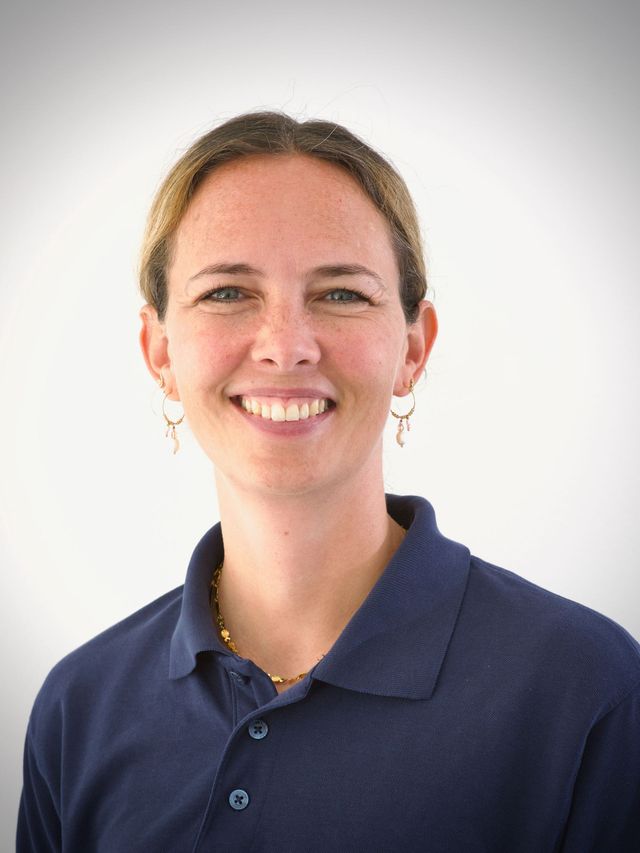
Nurse
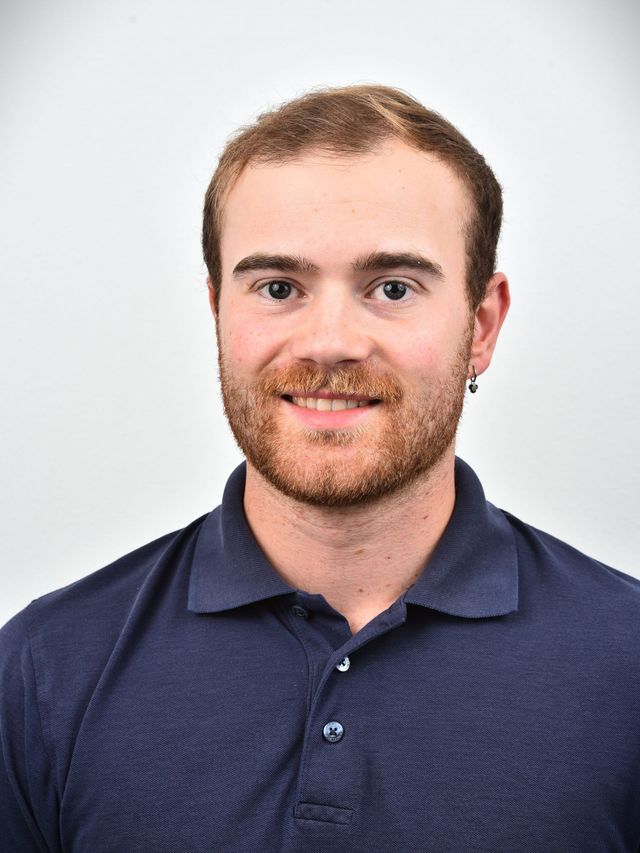
Clinical assistant
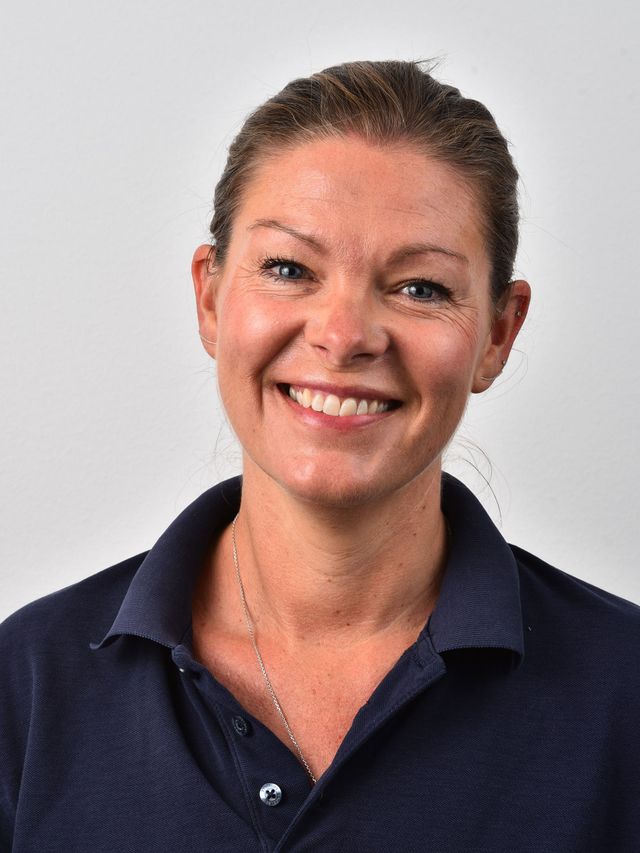
Clinical assistant
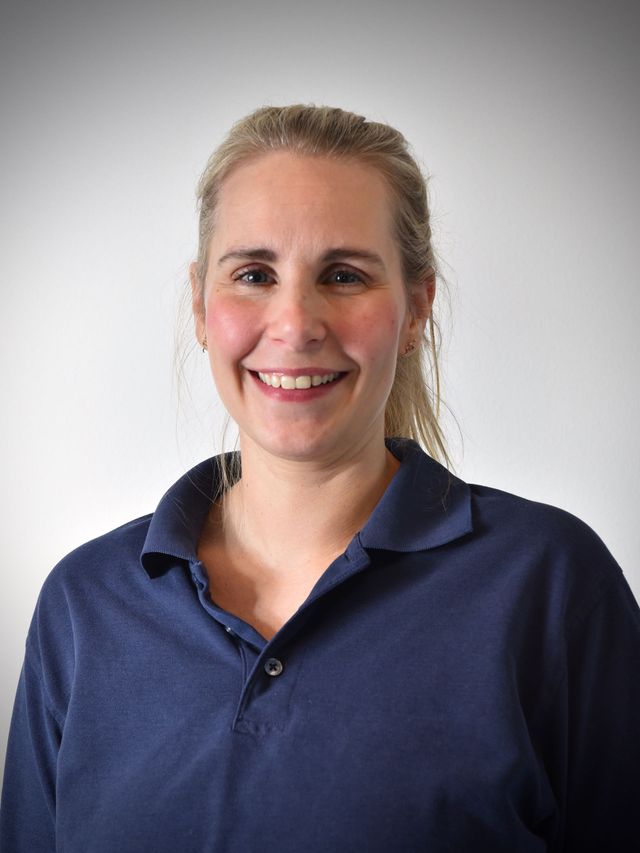
Clinical assistant
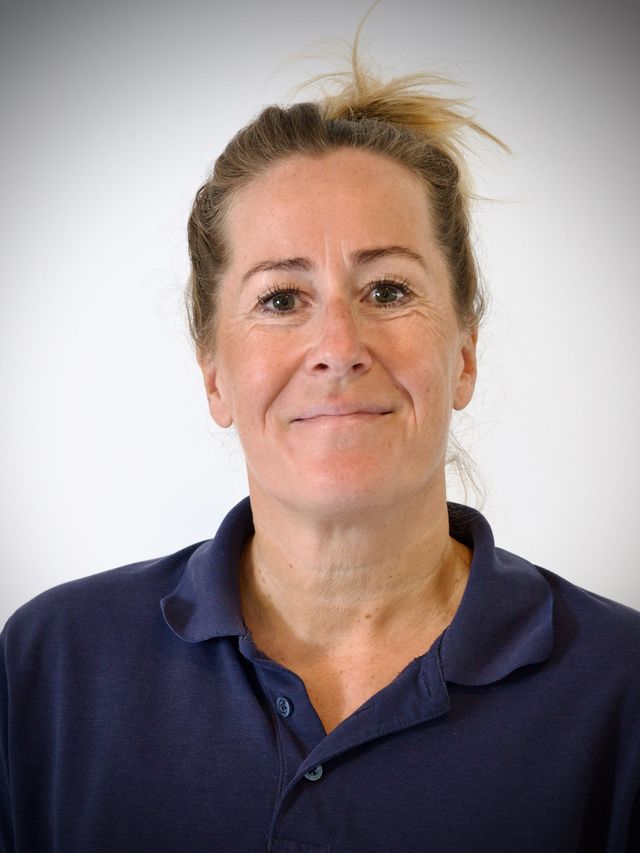
Reception and secretariat
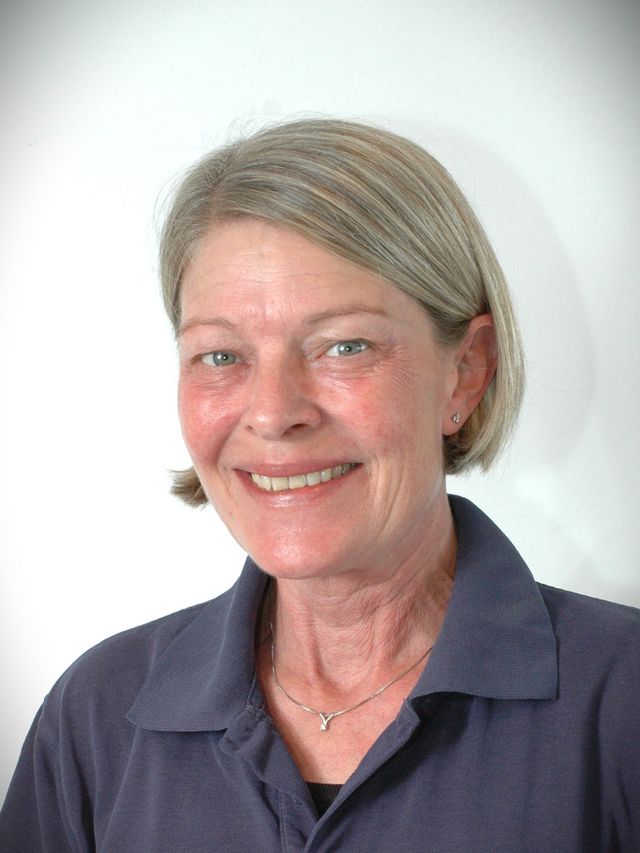
Reception and secretariat
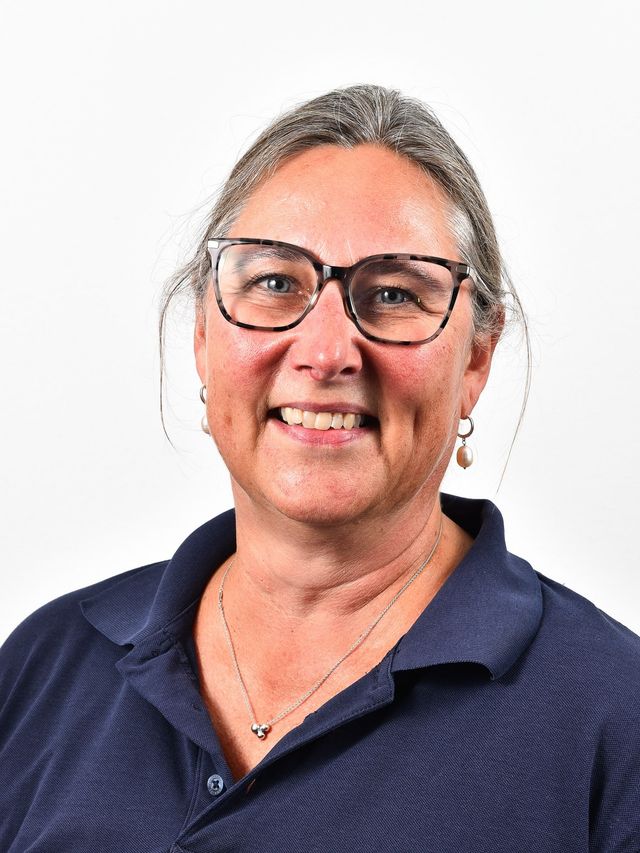
Reception and secretariat
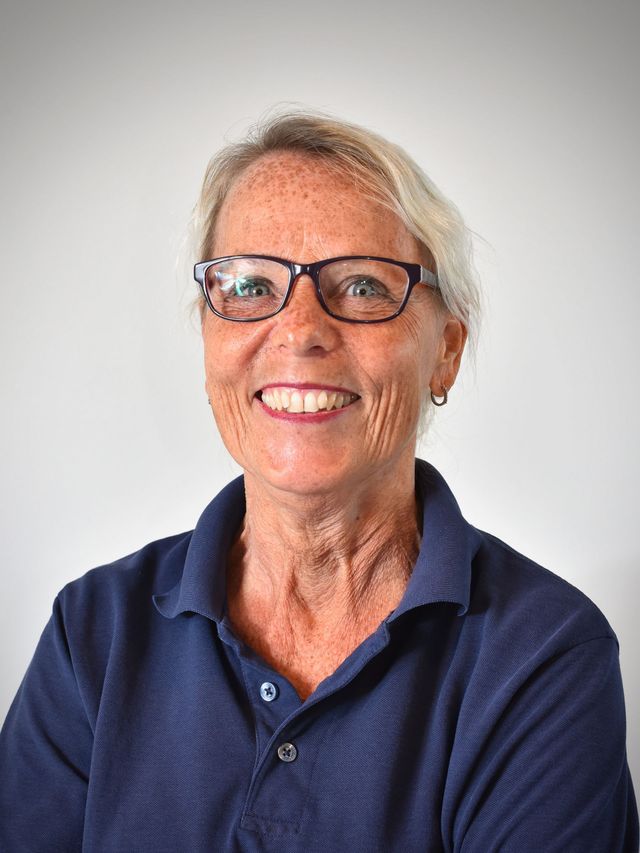
Reception and secretariat
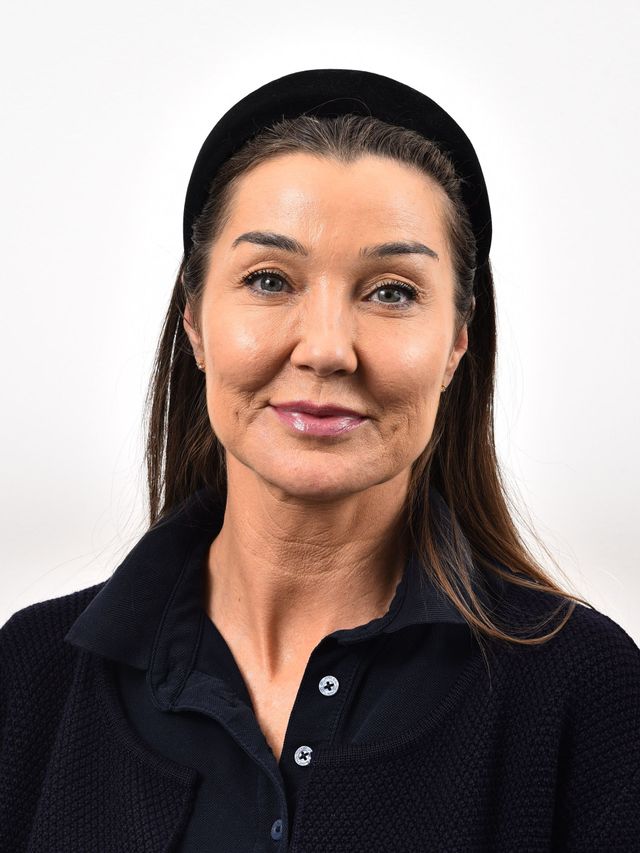
Reception and secretariat
Service assistant
No one found. Try another name or choose "All".
Would you like to book an appointment with one of our specialists?
Book onlineJægersborg Allé 4
2920 Charlottenlund
CVR: 45675637
Monday–Friday, 08:00–14:00
Outside telephone hours, appointments can be booked, rescheduled and cancelled online 24/7.
Main department in Charlottenlund and ear, nose and throat departments at several locations across Denmark.