


Nail Fungus – Examination and Treatment by a Dermatologist
A dermatologist can diagnose nail fungus and create an effective treatment plan
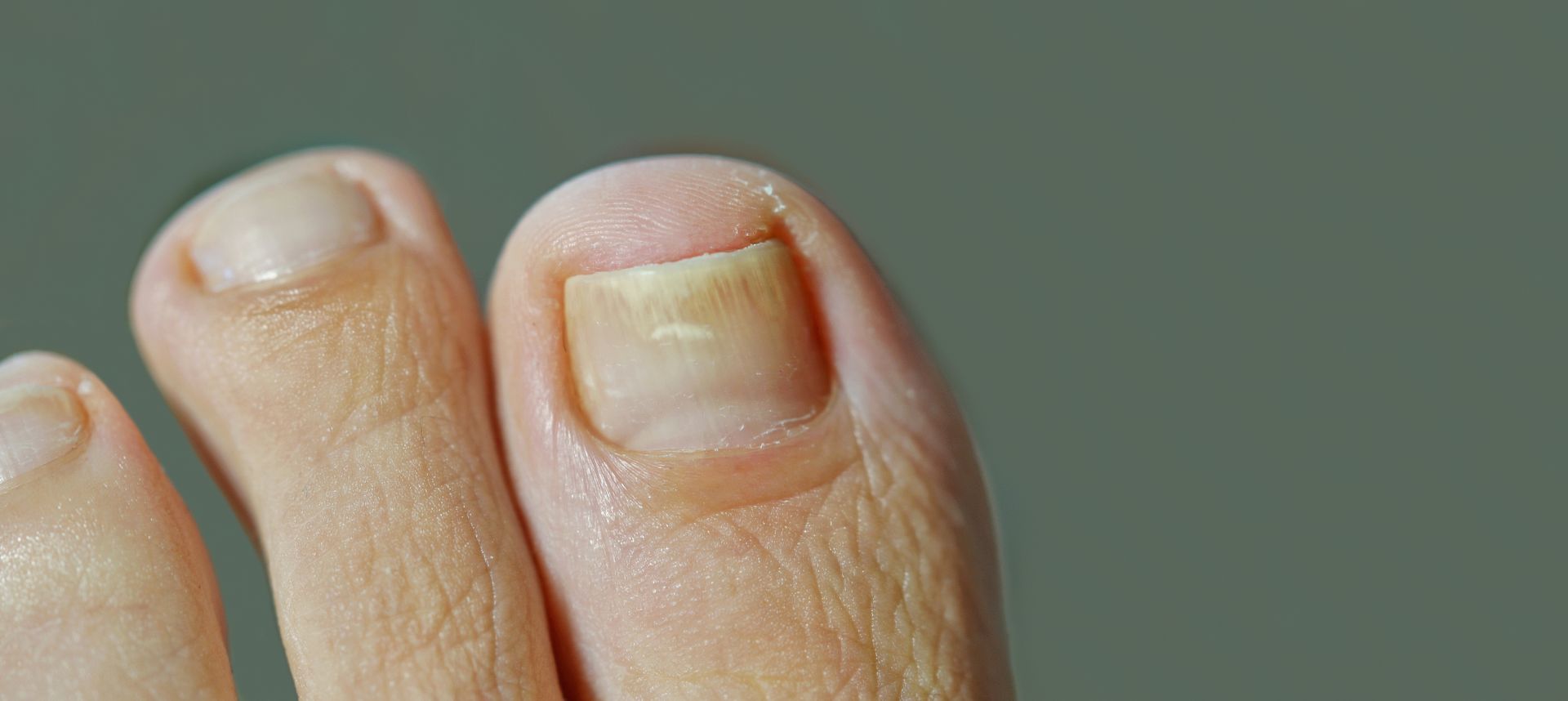
Fungal nail infection (onychomycosis) is a fungal infection of the nail that causes it to become yellow or white, thickened and crumbly – most commonly affecting the big toenail. Approximately 5% of Danes have fungal nail infections, and the condition becomes more common with age. Only around half of all nail changes are caused by fungi, so the diagnosis should be confirmed with a sample before starting oral antifungal treatment. At Charlottenlund Private Hospital, fungal nail infections are assessed by Susanne Birkballe, a specialist in dermatology, who takes a sample and develops a treatment plan.
What is nail fungus?
Nail fungus is an infection of the nail, usually caused by the same type of fungus that causes athlete’s foot. The fungus feeds on the nail’s keratin, gradually making it thicker, discoloured and brittle. Around 5% of Danes have nail fungus, and toenails are affected nine times more often than fingernails. Nail fungus can spread, but it doesn’t spread very easily.
Who gets nail fungus?
Nail fungus is most common in adults and older people, and rare in children. Warm, damp feet in tight shoes create ideal conditions for the fungus. That’s why nail fungus is more common in people who sweat a lot, play sports or walk barefoot in shared changing rooms.
Is it actually fungus?
Only around half of all nail changes are caused by fungus, and many people are treated for fungus when they don’t have it. Nail psoriasis, lichen planus, pressure from shoes, sports injuries and normal ageing can cause nails to look like they have nail fungus. That’s why the diagnosis should be confirmed with a sample before starting tablet treatment—otherwise, you risk undergoing a lengthy treatment that won’t work.
When should you see a dermatologist about nail fungus?
You should see a dermatologist if pharmacy nail lacquer hasn’t helped after several months of use, if several nails are affected, or if the fungus has reached the nail fold. You should also seek advice if your nails are painful, if you have diabetes or poor circulation in your feet, or if you’re unsure what’s causing the changes.
How does a dermatologist examine nail fungus?
The dermatologist examines your nails, feet and skin and asks what treatments you’ve already tried. To confirm the diagnosis, a small piece of nail is clipped or scraped from the boundary between the affected and healthy nail. The sample is sent for testing for fungus, and results are usually available after 2–3 weeks. If you’ve used an antifungal treatment, you may need to stop for a few weeks before the sample is taken. At Charlottenlund Privathospital, the examination is performed by Susanne Birkballe, specialist in dermatology.
How is nail fungus treated?
Treatment depends on how much of the nail is affected and how many nails are involved.
Nail lacquer:
for early nail fungus affecting no more than half of the nail and only a few nails. The lacquer is used for 6 months on fingernails and 9–12 months on toenails
Tablets:
for extensive nail fungus, or when lacquer isn’t enough. Treatment lasts 6 weeks for fingernails and 12–16 weeks for toenails, and is only started once a sample has confirmed fungus. Around 75% are cured.
What can you do yourself?
Even after successful treatment, nail fungus comes back in around one in five people within 3 years.
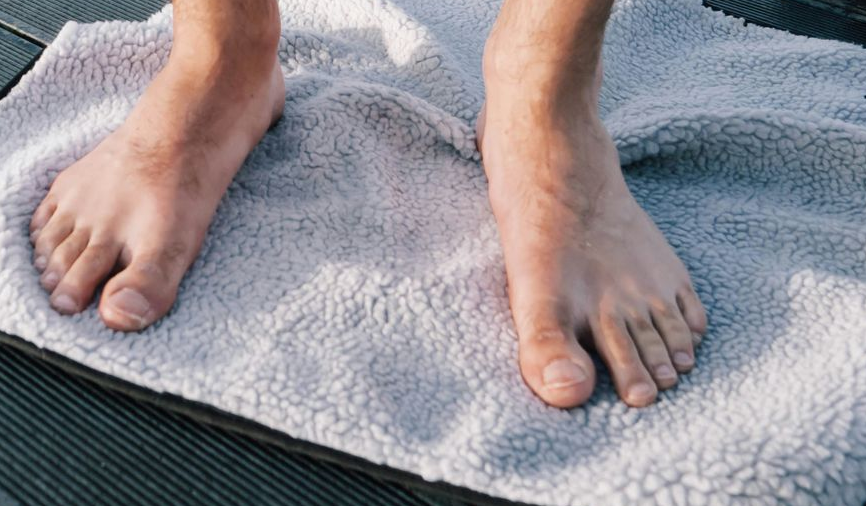
Good foot care habits reduce the risk of both athlete’s foot and nail fungus recurring.
Referrals and fees
Many health insurance plans cover a consultation with a dermatologist, but insurers typically require a referral from your GP and prior approval. No referral is needed if you’re paying for your own treatment. Prices are listed on our price list. Consultations take place at our main clinic in Charlottenlund.
Nail Fungus in Children
Nail fungus is rare in children. If a child has changes to their nails, it’s especially important to check whether it’s fungus or something else before starting treatment. The dermatologist sees children of all ages.
Frequently asked questions
Is nail fungus contagious?
Yes, but it doesn’t spread very easily. The fungus can spread via floors in changing rooms, shoes and towels, and often spreads from athlete’s foot between the toes.
Does nail fungus go away on its own?
Rarely. Without treatment, nail fungus typically spreads slowly to more of the nail and to other nails.
How long does nail fungus treatment take?
Treatment with tablets lasts 6–16 weeks and nail lacquer 6–12 months. It then takes 12–18 months for a new, healthy toenail to grow out completely.
Does pharmacy nail lacquer work against nail fungus?
Nail lacquer can work for early nail fungus affecting no more than half of the nail and only a few nails. Tablets are more effective for extensive nail fungus.
Why take a nail sample?
Only around half of all nail changes are caused by fungus. A sample confirms whether it’s fungus and what type, helping avoid a lengthy treatment that won’t work.
Can nail fungus come back?
Yes. Around one in five people get nail fungus again within 3 years. Keeping feet dry, treating athlete’s foot and wearing sandals in changing rooms reduce the risk.
Læs også om
Andre problemer med negle og fødder, som hudlægen undersøger:
→ Psoriasis – Også i neglene → Svedtendens – Svedige fødder og hænder → Vorter – Fod- og fingervorter → Hudlæge og dermatologi – Oversigt over hudsygdomme