

Management
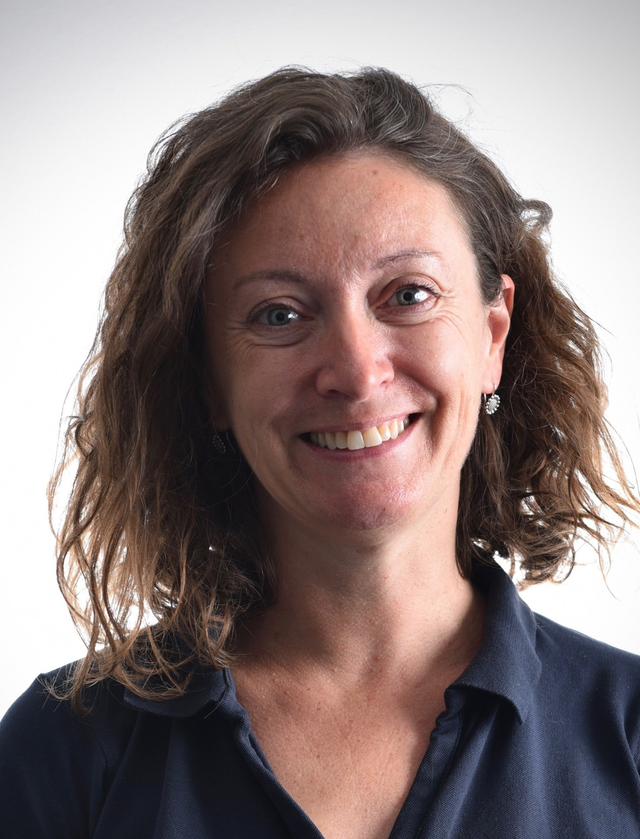
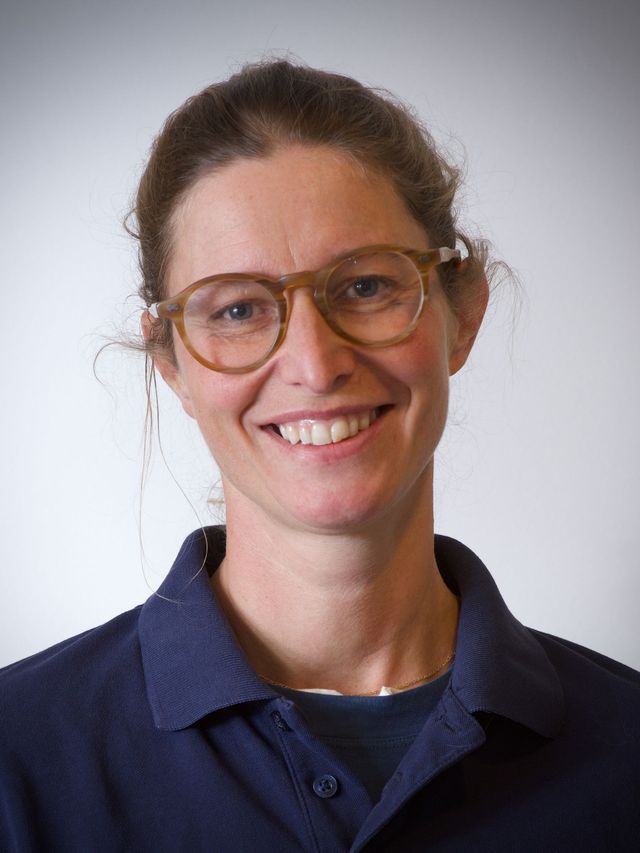
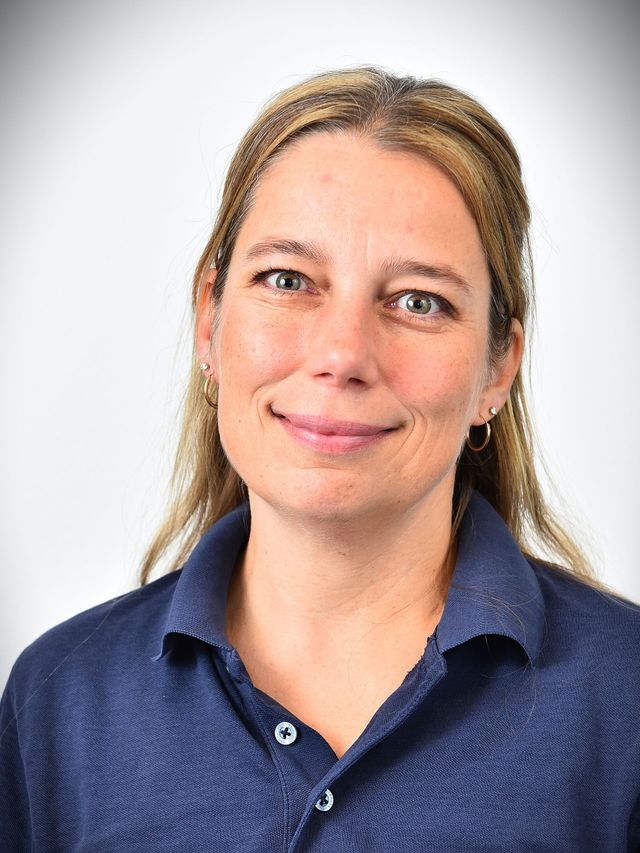
Erika Belard
Specialist physician and co-owner, CEO

Help from a psychologist with cognitive behavioural therapy for insomnia (CBT-I).
Cognitive behavioural therapy for insomnia (CBT-I) is recommended as the first choice for long-term insomnia – before sleeping pills. You can see the psychologist at Charlottenlund Privathospital as a self-paying patient without a referral or through your health insurance.
Insomnia is when, over a longer period, you find it hard to fall asleep, wake during the night or wake too early in the morning – and it affects how you feel during the day.
Everyone sleeps badly at times. We speak of chronic insomnia when the sleep problems have lasted for more than three months and occur at least three nights a week.
Acute insomnia often arises in connection with stress, illness, grief or a worry and usually passes by itself once the situation settles. In some people, though, the sleep problems persist – even after what triggered them has gone.
Then it is often habits and thoughts about sleep that keep the insomnia going: going to bed early to catch up on lost sleep, lying awake watching the clock or worrying about how the next day will go. These are exactly the patterns treatment targets.
Stress is one of the most common triggers of sleep problems. If the insomnia is linked to pressure at work or in your private life, it may also be relevant to look at the stress.
Often, several factors are involved at once. Common causes include:
If you snore loudly, have pauses in your breathing, or feel very tired despite spending many hours in bed, you may have sleep apnea. This is assessed by the hospital’s ear, nose and throat specialists.


Cognitive behavioural therapy for insomnia (CBT-I) is the treatment that the European insomnia guideline recommends as first choice for adults with chronic insomnia. Sleeping pills are only recommended for short-term use, typically no more than four weeks.
A meta-analysis of 20 randomised trials found that after CBT-I, participants on average fell asleep 19 minutes faster and were awake 26 minutes less during the night.
The course starts with a session about your sleep, your everyday life and what may lie behind the problem. Along the way you keep a sleep diary, and the plan is adjusted from week to week based on it. In the first weeks, sleep restriction can make you more tired – this is expected and eases as your sleep becomes more consolidated. Sessions can also take place online via video.
If it is mainly racing thoughts that keep you awake, treatment for racing thoughts with metacognitive therapy can be an alternative or a supplement.

If you pay yourself, no referral is needed, and you can book online. Prices are shown in the price list.
Many health insurance policies cover sessions with a psychologist in full or in part – it depends on the individual policy and agreement. The insurer usually has to approve the treatment in advance and typically sends the approval directly to the hospital, which then settles the bill with the insurer.
Charlottenlund Privathospital does not see patients under the Danish public health insurance scheme, so the subsidy available with a GP referral cannot be used here.

Answers to what many people ask when sleep is playing up.
Insomnia means that over a longer period you find it hard to fall asleep, wake during the night or wake too early, and it affects how you feel during the day.
Insomnia is called chronic when the sleep problems have lasted for more than three months and occur at least three nights a week.
Cognitive behavioural therapy for insomnia (CBT-I) is recommended as the first choice for chronic insomnia. Sleeping pills are only recommended for short-term use.
Keep fixed times for going to bed and getting up, and make sure your bedroom is calm and comfortable. If you have been lying awake for a long time, it is better to get up than to stay in bed, and you should not try to catch up on sleep with long naps or extra time in bed. Screens, caffeine, alcohol and large meals in the evening often make it harder to sleep, while relaxation and calm breathing can make it easier to settle.
Yes. Stress is one of the most common triggers of sleep problems. In some people, the insomnia continues even after the stress has eased, and then CBT-I can help.
If you pay yourself, no referral is needed, and you can book online. Many health insurance policies cover sessions with a psychologist in full or in part – it depends on the individual policy and agreement. The insurer usually has to approve the treatment in advance.
Insomnia is often linked to other things that can also be treated.
Charlottenlund Privathospital is owned and run by three specialist physicians: Erika Belard, Jacob Fisker and Teit Mantoni. Jacob Fisker is medical director. Here you will find our ear, nose and throat (ENT) specialists in Charlottenlund and at our clinics around Denmark – and in Charlottenlund also specialists in paediatric surgery, dermatology, diving medicine, gynaecology, cardiology, paediatrics, psychology and rheumatology.
Specialist physician and co-owner, CEO

Specialist physician, co-owner and medical director

Specialist physician and co-owner

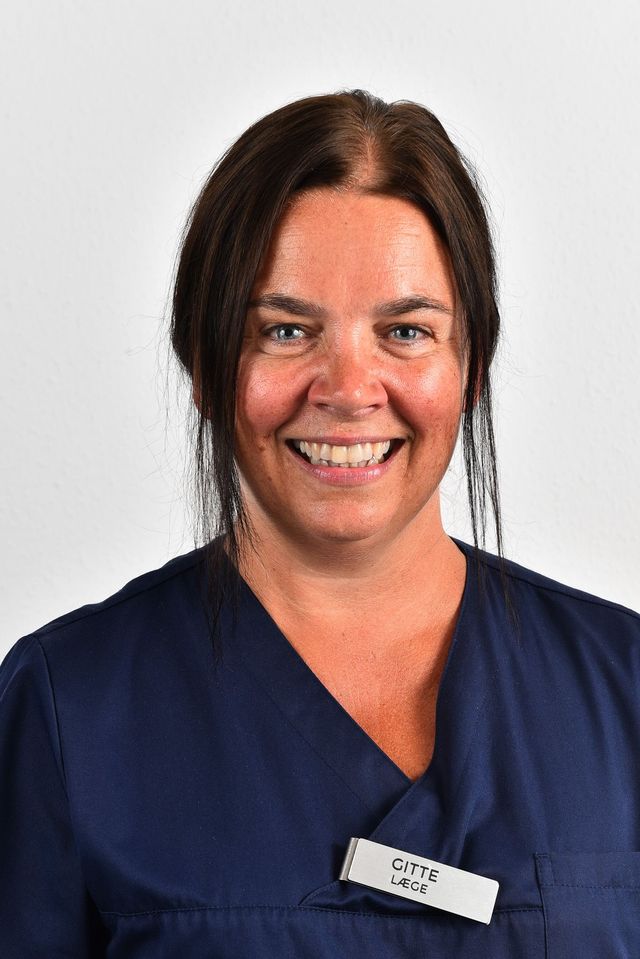






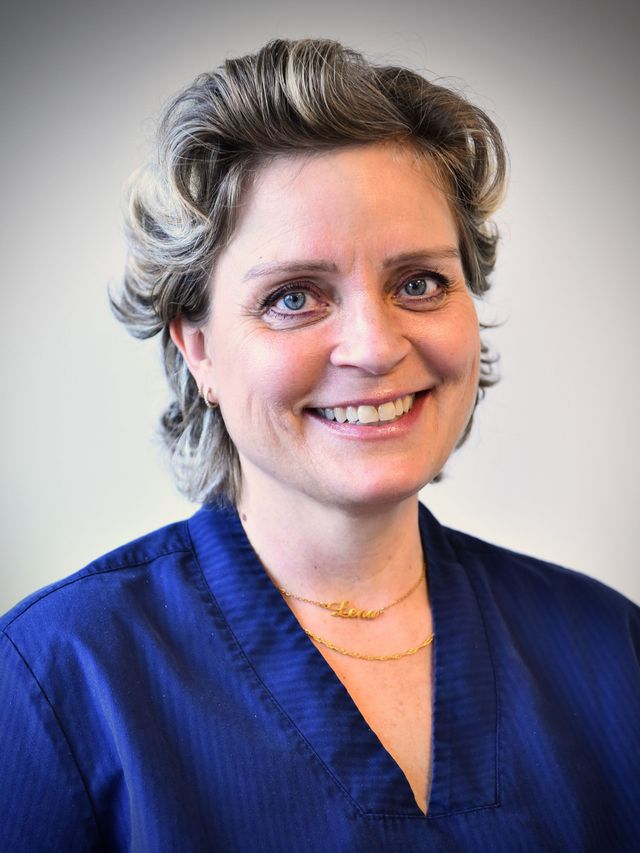

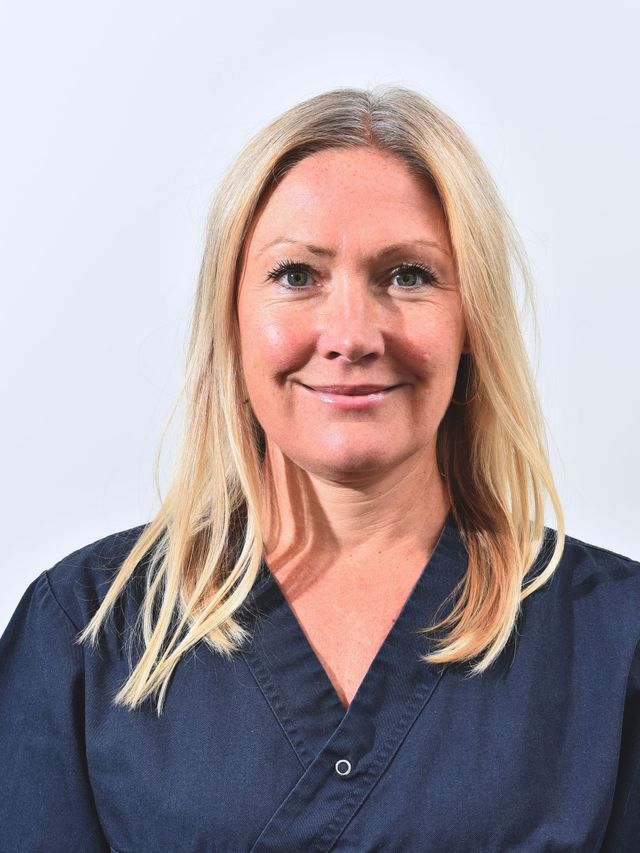






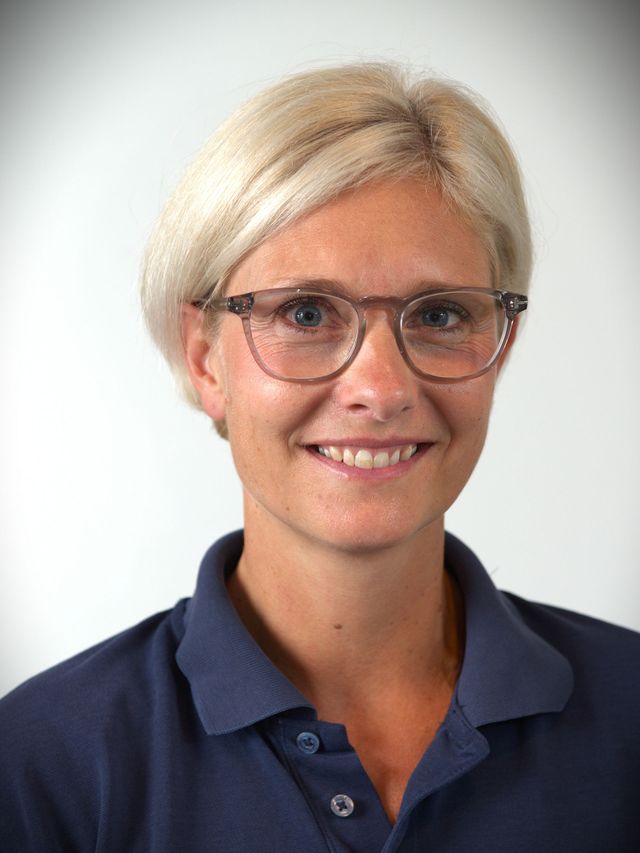

Specialist in anaesthesiology

Specialist in anaesthesiology

Specialist in anaesthesiology

Specialist in anaesthesiology, DMSc, PhD

Specialist in anaesthesiology
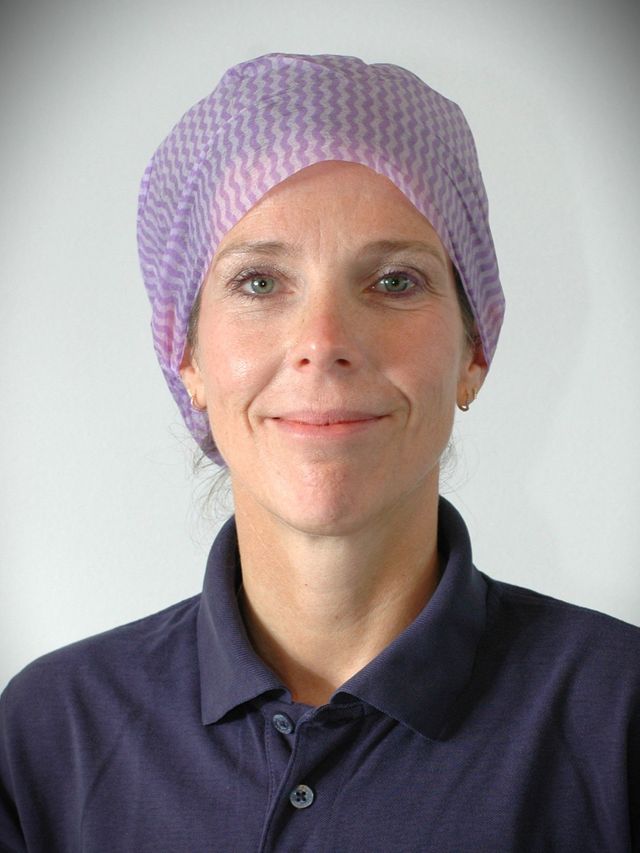
Specialist in anaesthesiology
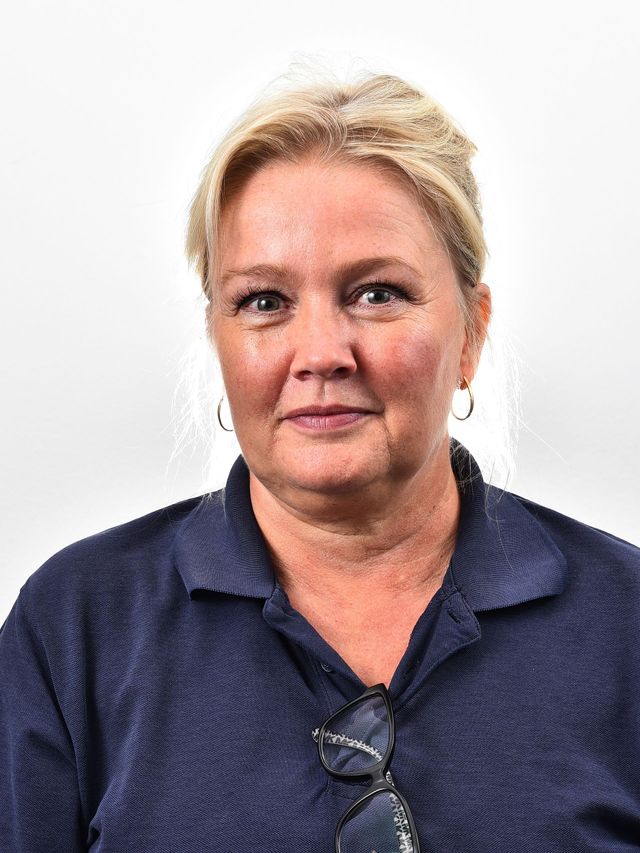
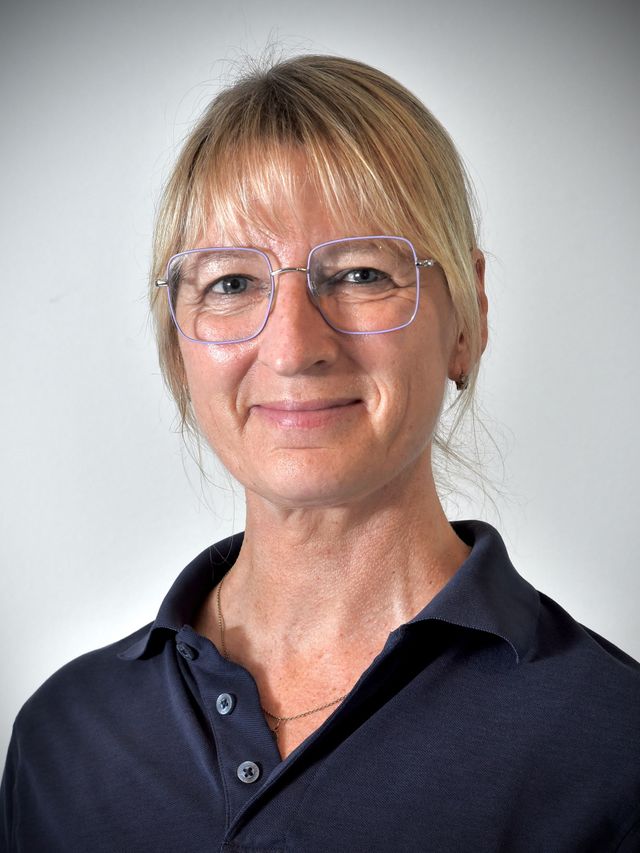

Specialist in anaesthesiology and diving medicine
Approved by the Danish Maritime Authority
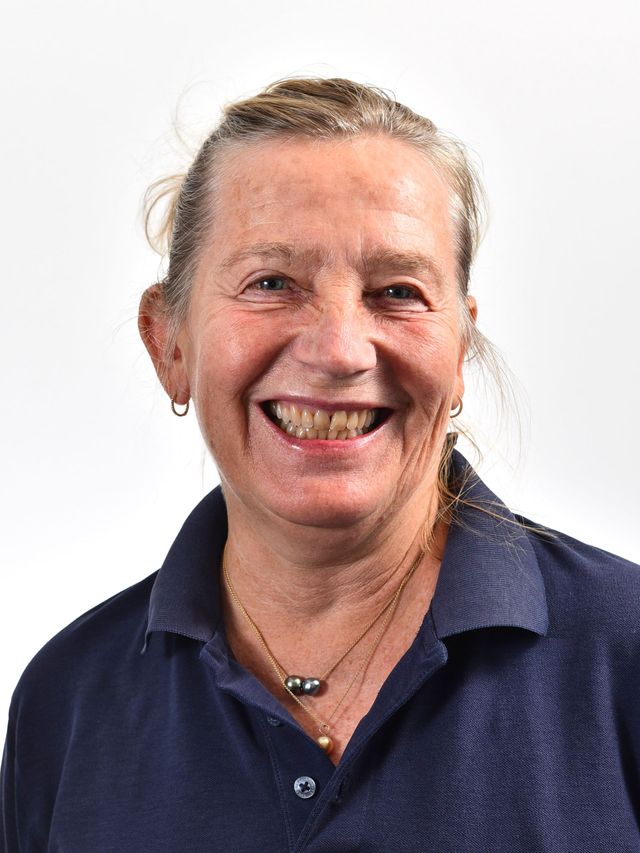
Specialist in anaesthesiology and diving medicine
Approved by the Danish Maritime Authority
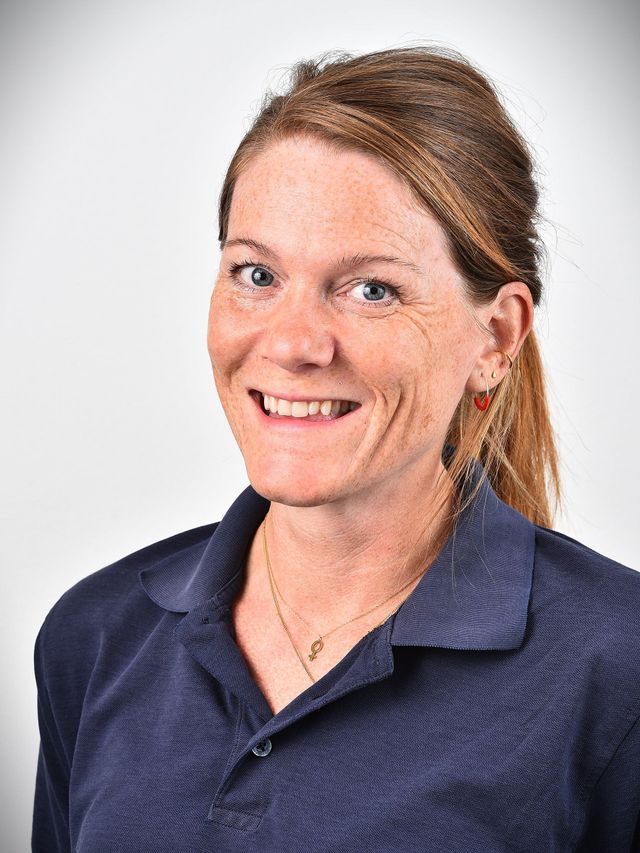
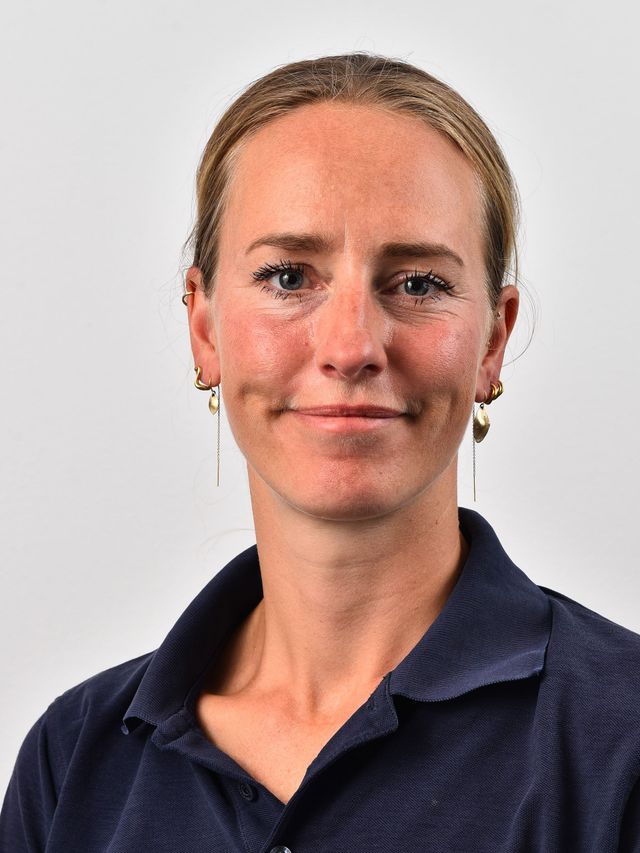






They are the people you meet first when you call or walk through the door – and the ones who look after you before and after your treatment.
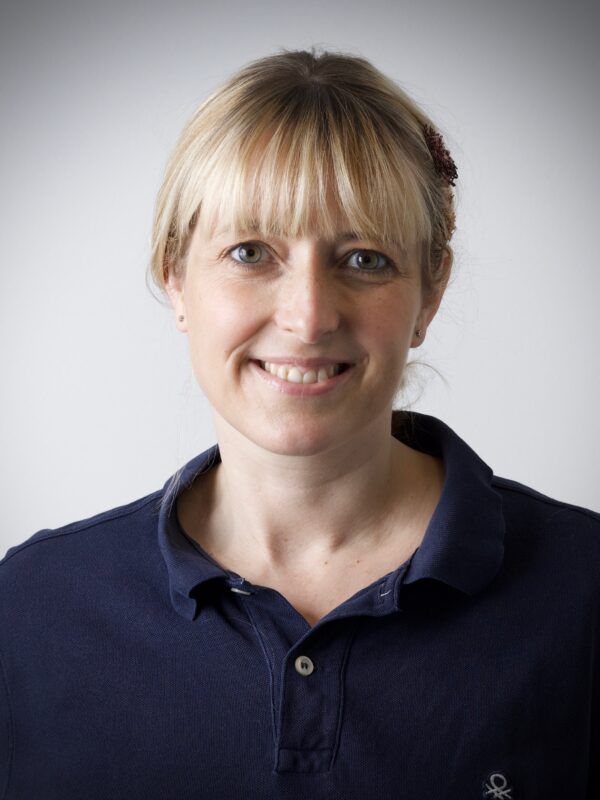
Nurse
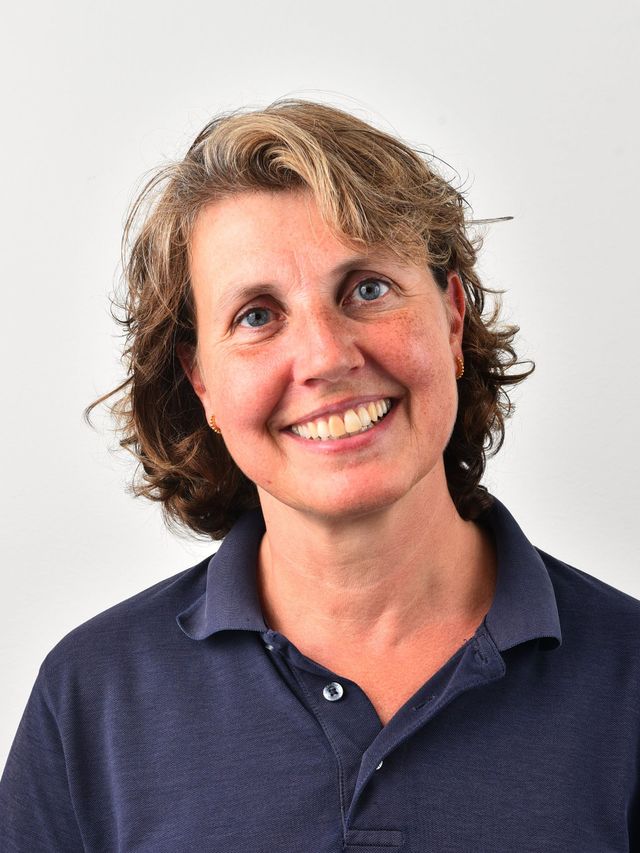
Nurse
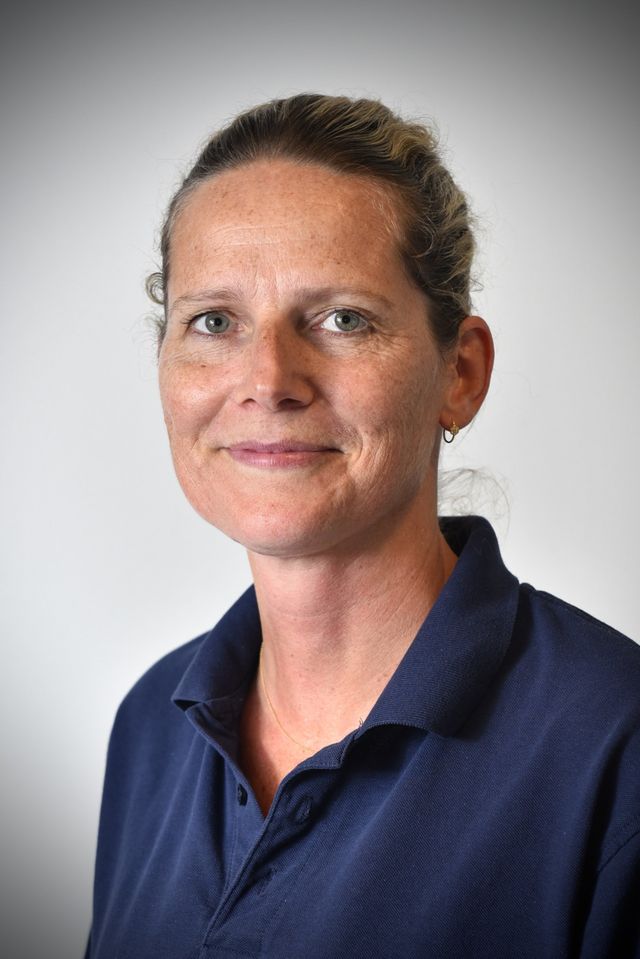
Nurse
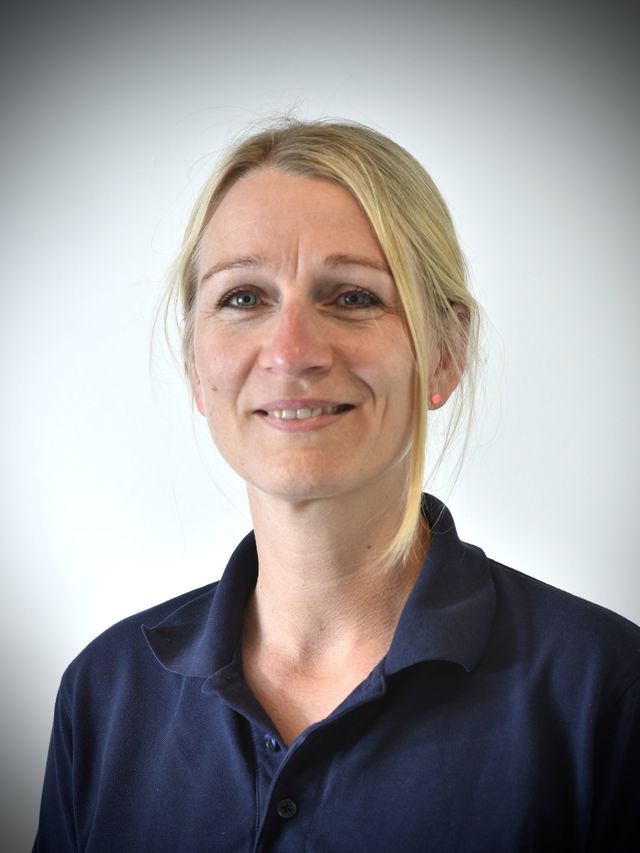
Nurse
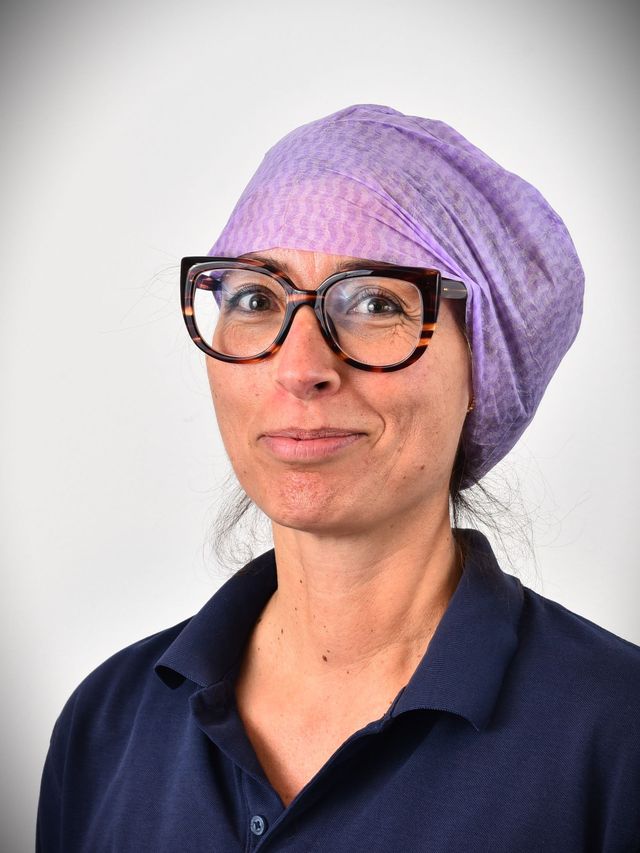
Nurse

Nurse

Clinical assistant
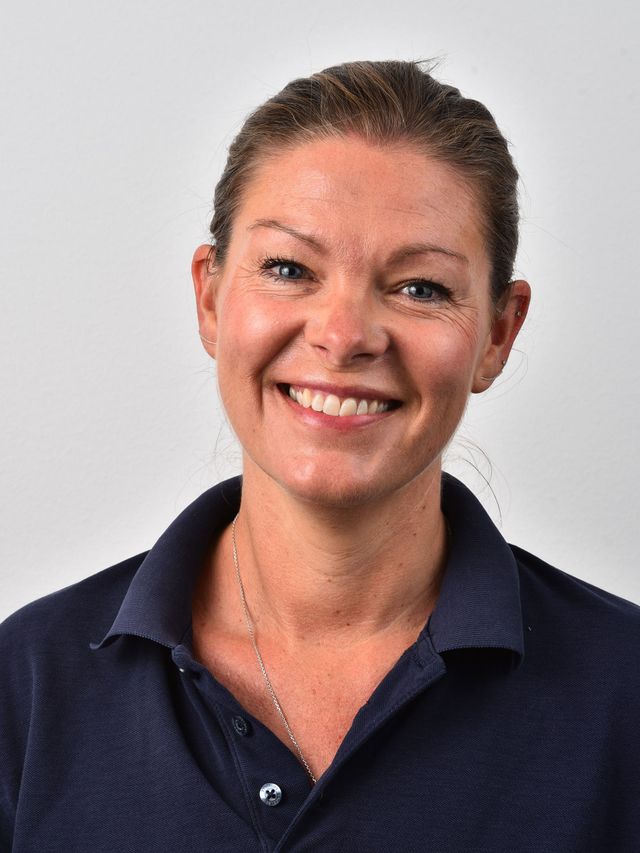
Clinical assistant
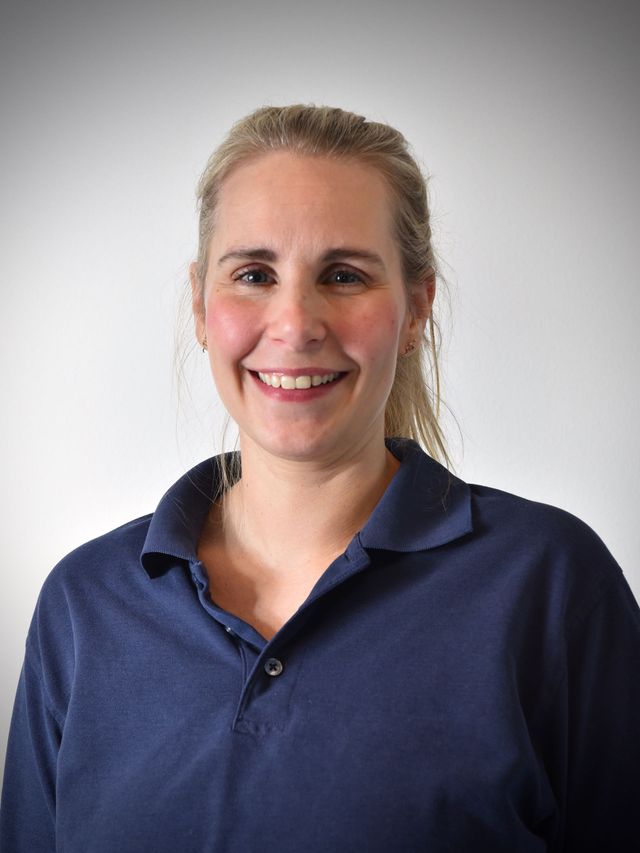
Clinical assistant
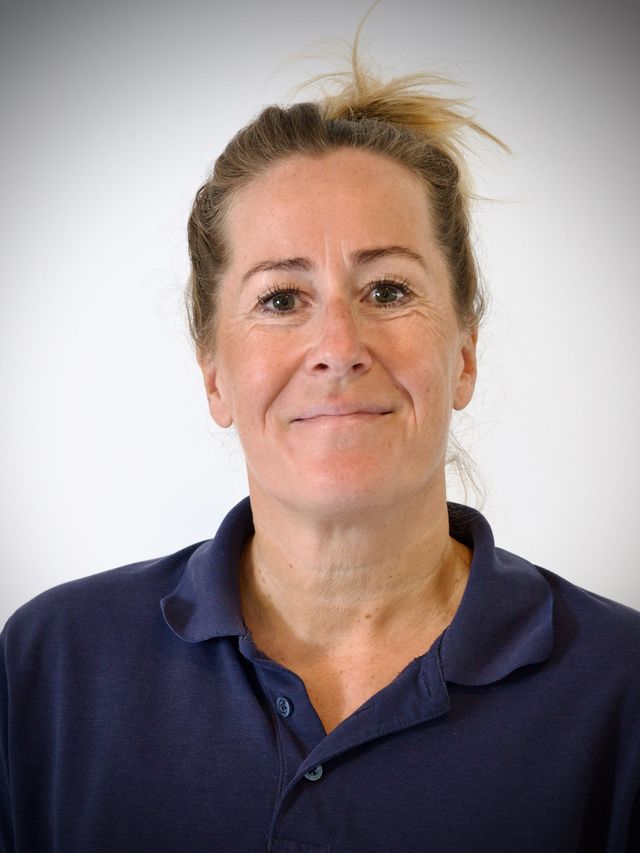
Reception and secretariat
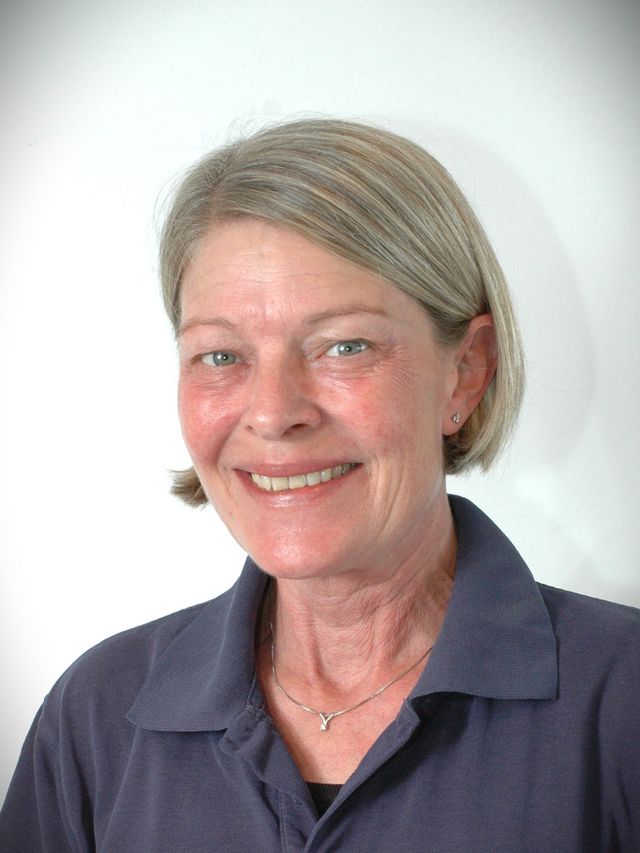
Reception and secretariat
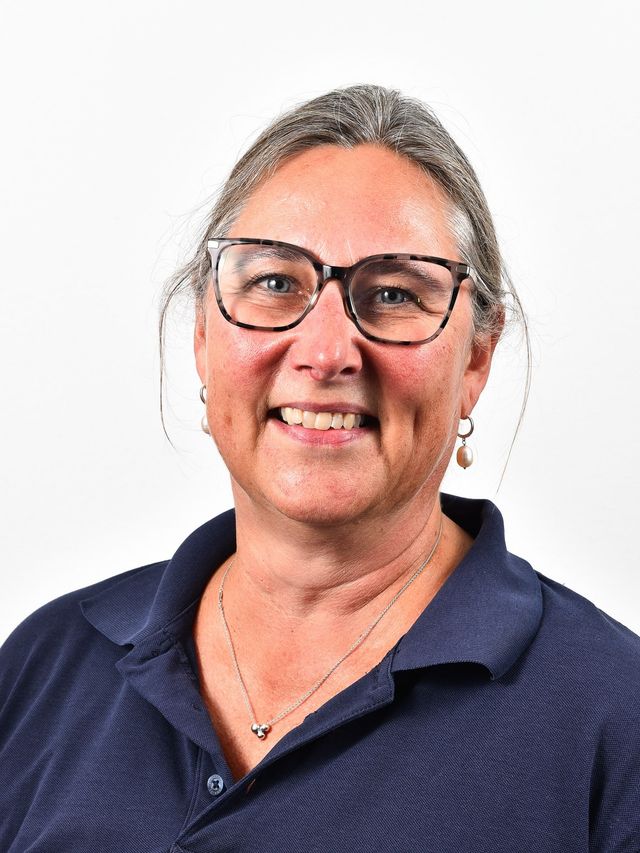
Reception and secretariat
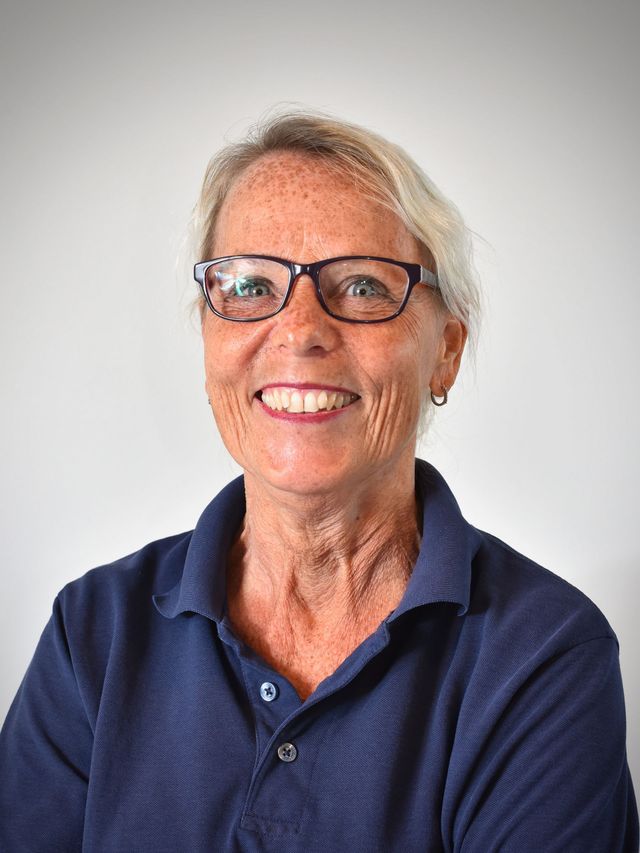
Reception and secretariat

Reception and secretariat

Service assistant
No one found. Try another name or choose "All".
Would you like to book an appointment with one of our specialists?
Book onlineJægersborg Allé 4
2920 Charlottenlund
CVR: 45675637
Monday–Friday, 08:00–14:00
Outside telephone hours, appointments can be booked, rescheduled and cancelled online 24/7.
Main department in Charlottenlund and ear, nose and throat departments at several locations across Denmark.