

Management
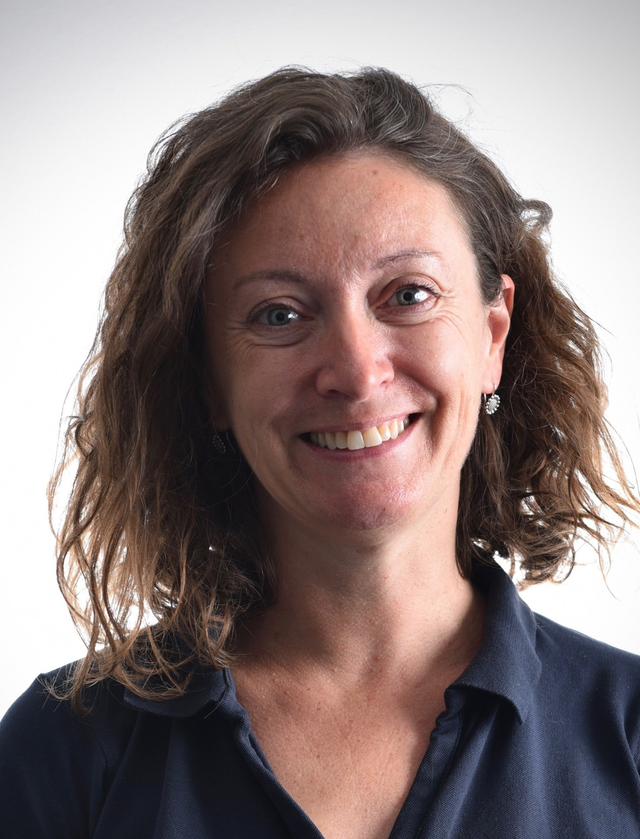
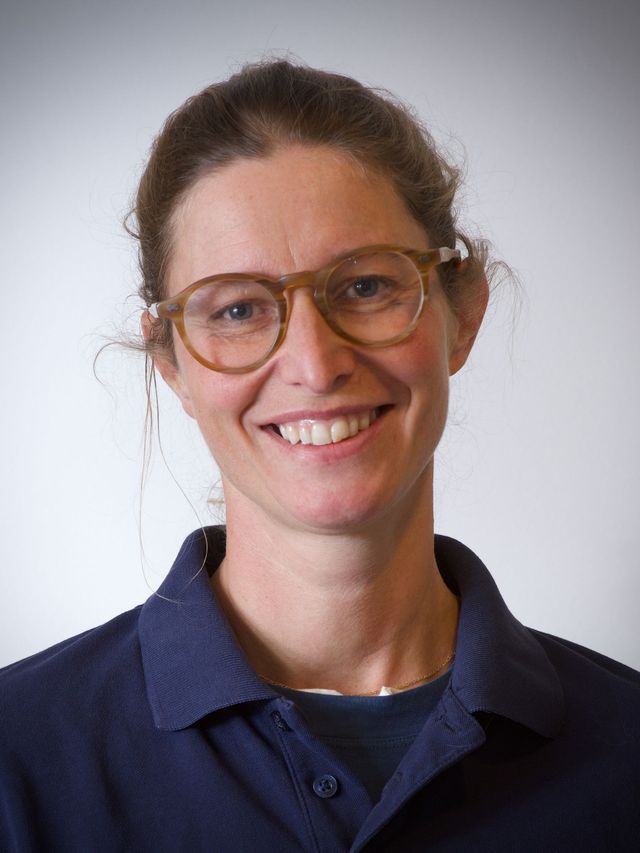
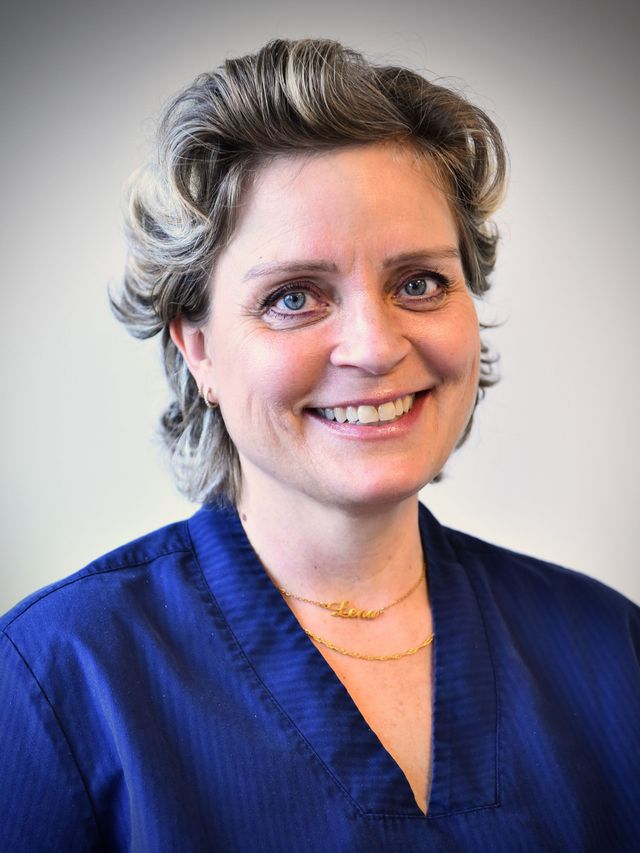
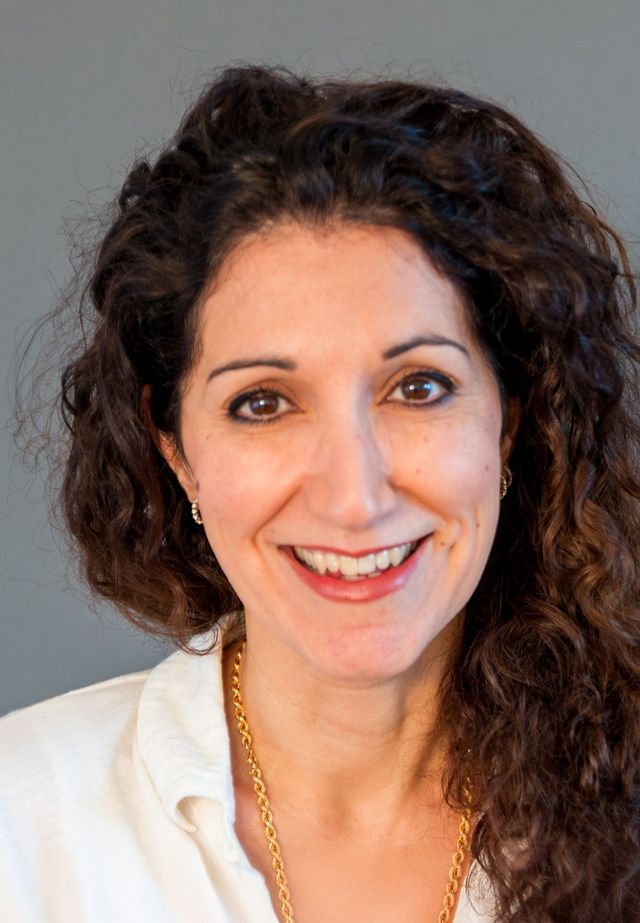
Erika Belard
Specialist physician and co-owner, CEO

Intelligence testing of children and young people with a clinical psychologist – with an initial meeting, written report and feedback.
At Charlottenlund Privathospital, children and young people aged 6 to 16 can have a WISC test (Wechsler Intelligence Scale for Children) with a clinical psychologist. The test gives an overall measure of the child's intellectual abilities and a profile across five areas: language, visual-spatial understanding, logical reasoning, working memory and speed. It is typically used when a child struggles to keep up at school, is bored or unhappy, or when high ability is in question. The assessment includes an initial meeting with the parents, testing, a written report and a feedback session, and it takes place in Charlottenlund.
WISC-V is the fifth edition of the test and is available in a Danish version from 2017 with 15 subtests. Among other things, the child explains words, builds patterns from a model, finds rules in rows of figures and remembers numbers and pictures. From the subtests, an overall measure – the full-scale IQ – and five indexes are calculated, showing where the child lies compared with children of the same age in each area.
The difference between the indexes is often more interesting than the overall number. Two children with the same full-scale IQ can have very different profiles, for example strong verbal comprehension and a slow working pace – a combination that at school can easily look like a lack of motivation.
The test takes place in person at the private hospital in Charlottenlund. The psychologist and the child sit together, each with an iPad, and the tasks are shown and scored digitally. The test itself usually takes 45–80 minutes depending on the child's age and the subtests used, with breaks along the way. It cannot be taken online, because the psychologist needs to be present and observe the child during the tasks.
Your child should be well rested and have eaten. It helps to know that there will be many kinds of tasks and that no one can solve them all. The tasks are not practised in advance, because that makes the result misleading. If your child uses glasses or a hearing aid, bring them.

Results are given relative to children of the same age, where the average is 100 and one standard deviation is 15 points. An overall result between 85 and 115 is therefore within one standard deviation of the average, and 130 or above corresponds to two standard deviations above.
A single number does not say much on its own, though. The same review of the Scandinavian version recommends caution in interpreting the profile from the test alone. The result is therefore compared with the initial meeting, the school's description and what the psychologist observes during the test. If ADHD is suspected, the test is one part of a psychological assessment – a psychologist does not make the diagnosis.

Yes – an intelligence test such as WISC is how high ability is clarified in school children, but the number is only part of the picture. From the 2024/25 school year, Danish public schools must use a national tool with checklists to look for signs of high ability in year 1. The checklists are a screening, not a test – they point to the children for whom a closer assessment may make sense.
Highly gifted children can face academic and social challenges at school, which may show as boredom, restlessness, perfectionism or anxiety. Conversely, a child with an uneven profile can be overlooked because the overall number is close to average while one area pulls down – and over time this can lead to low self-esteem. The report therefore describes both level and profile.
The assessment starts with an initial meeting with the parents about what needs to be clarified and about the child's development, schooling and wellbeing. The child is then tested, and the results are brought together in a written report describing the child's strengths and weaknesses. The report is gone through with the parents at a feedback session, and by agreement with the parents, the school can also receive feedback. All parts are included in the price.
WISC was developed for children and young people aged 6 to 16, while WAIS (Wechsler Adult Intelligence Scale) is used for older young people and adults. The two tests overlap at age 16, and the psychologist chooses the one that fits the young person's situation. Both are built the same way, with an overall measure and a number of indexes.
In adults, WAIS is often part of a neuropsychological assessment, for example when concentration and memory have changed after a period of illness, or when there are questions about the ability to work.
If the school is concerned about a child's learning or wellbeing, the child can be referred for an assessment by the municipality's educational psychology service (PPR). Municipalities are required to provide educational psychology advice when decisions about special education are made, so that route goes through the school.
Parents can start a private child psychology assessment themselves without a referral – for example when they want high ability clarified, or when the child is unhappy without struggling academically. The parents decide whether the report is shared with the school or PPR.

The assessment is carried out by Sarah Østergaard Kokholm, clinical psychologist. She works with children, young people and adults and is a certified Cool Kids therapist. If the assessment shows that anxiety or worry takes up a lot of space, the child can be offered the anxiety programmes Cool Kids and Chilled, and the parents can have parent consultations. How a course for children and young people works in general is described on the page about psychologist for children and young people.
A WISC assessment costs DKK 9,000 and covers the whole process from initial meeting to feedback. No referral is needed if you pay yourself, and other prices are shown in the price list. The assessment is not covered by the public subsidy for psychological help.
Whether health insurance covers a psychological assessment of a child depends on the insurer and on the purpose of the assessment. Insurers usually require a referral and prior approval, and most send the approval directly to the hospital.
A WISC assessment at Charlottenlund Privathospital costs DKK 9,000. The price covers the initial meeting, testing, a written report and feedback. No referral is needed if you pay yourself.
The test itself usually takes 45–80 minutes depending on the child's age and the subtests used, with breaks along the way. The initial meeting and feedback come in addition.
The average for children of the same age is 100, and one standard deviation is 15 points. A result between 85 and 115 lies within one standard deviation of the average. A single number is always interpreted together with the child's profile and everyday life.
No. The test does not give a diagnosis, but the profile can be part of a psychological assessment when ADHD is suspected – for example when working memory or speed stands out.
No. The WISC test takes place in person in Charlottenlund, where the psychologist and the child sit together, each with an iPad.
WISC is used for children and young people aged 6 to 16, and WAIS is used for older young people and adults. The two tests overlap at age 16.
The parents decide whether the report is shared with the school or the municipal educational psychology service (PPR). By agreement with the parents, the school can also receive feedback.
Online tests and checklists can point to signs of high ability, but they are not an intelligence test. A WISC test requires a psychologist who gives the tasks and observes the child along the way.
Other services for children, young people and parents.
→ Psychologist for children and young people – how a course works → ADHD assessment – psychological assessment when ADHD is suspected → Cool Kids and Chilled – anxiety programmes for children and young people → Psychology – all services for adults, children and young peopleCharlottenlund Privathospital is owned and run by three specialist physicians: Erika Belard, Jacob Fisker and Teit Mantoni. Jacob Fisker is medical director. Here you will find our ear, nose and throat (ENT) specialists in Charlottenlund and at our clinics around Denmark – and in Charlottenlund also specialists in paediatric surgery, dermatology, diving medicine, gynaecology, cardiology, paediatrics, psychology and rheumatology.
Specialist physician and co-owner, CEO
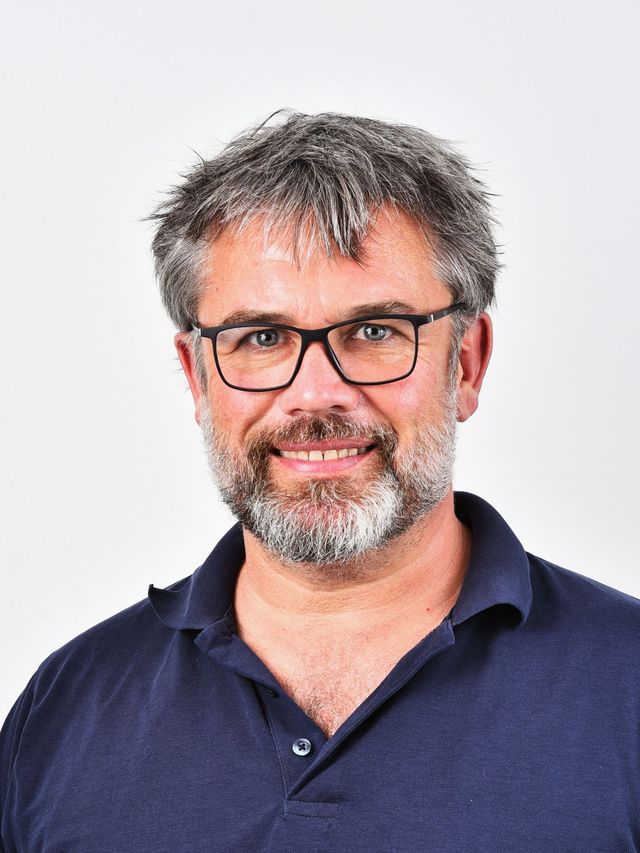
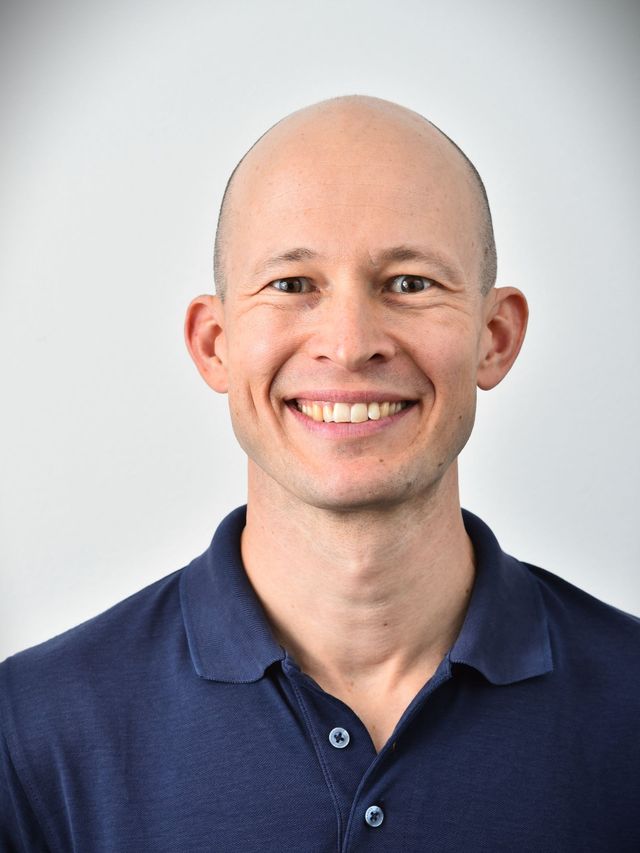
Specialist physician, co-owner and medical director
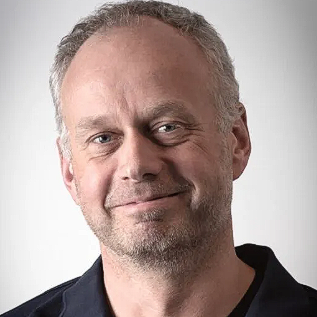
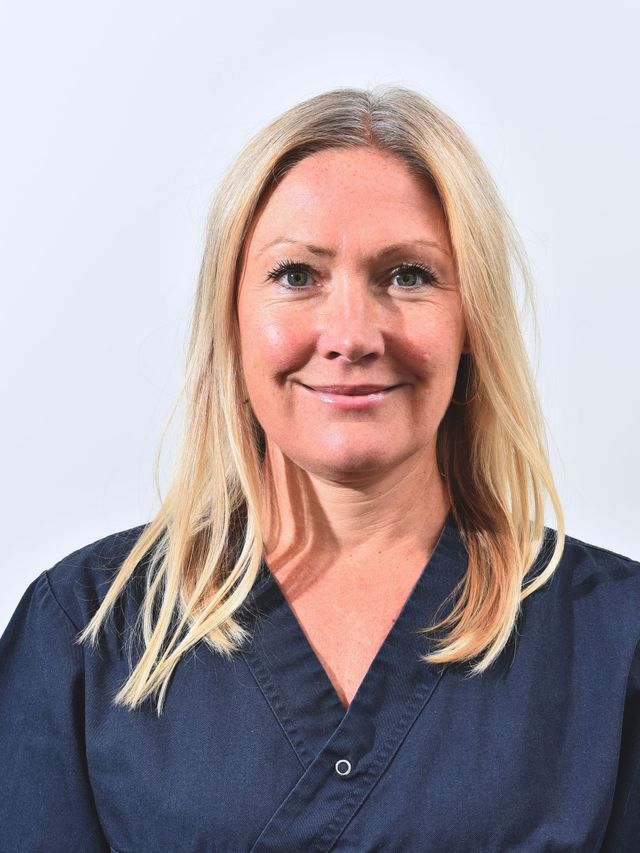
Specialist physician and co-owner
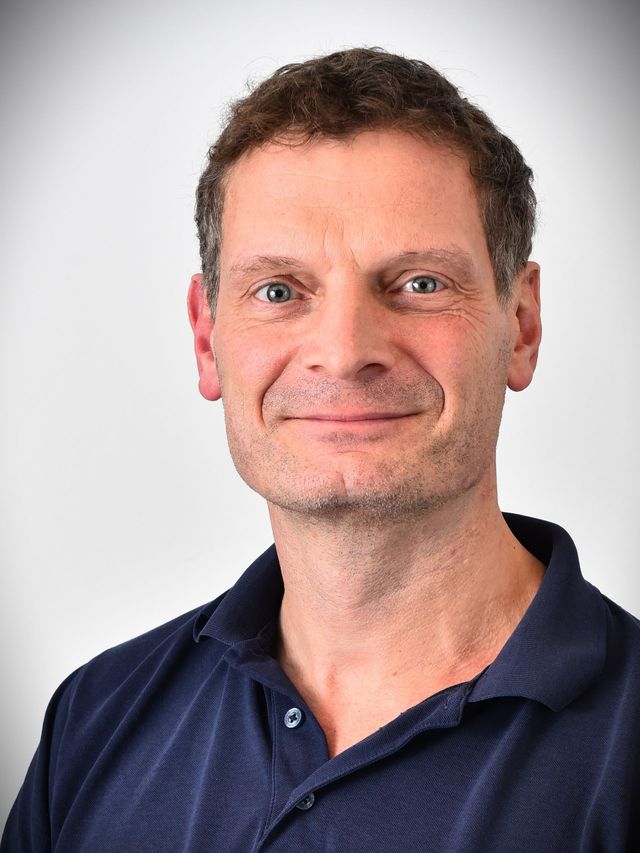
Specialist in anaesthesiology
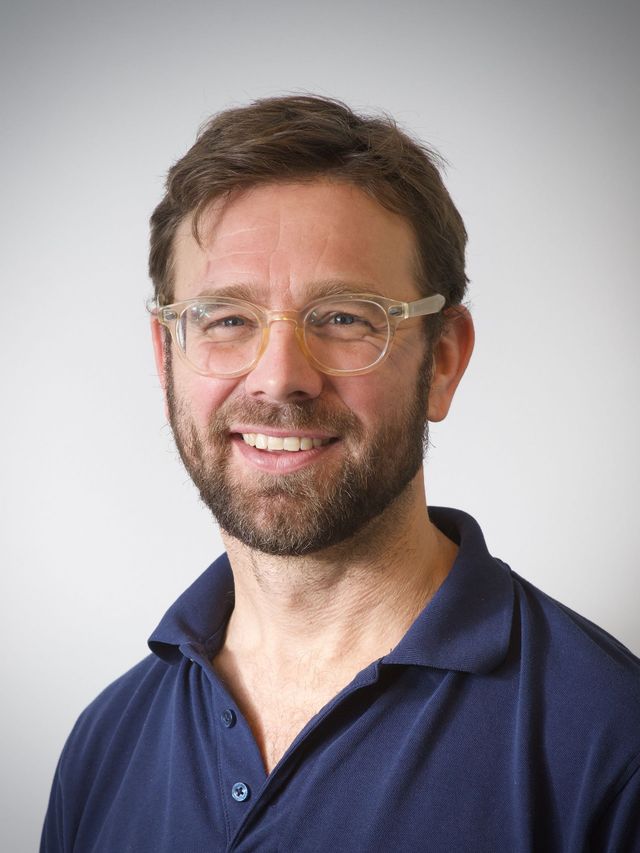
Specialist in anaesthesiology
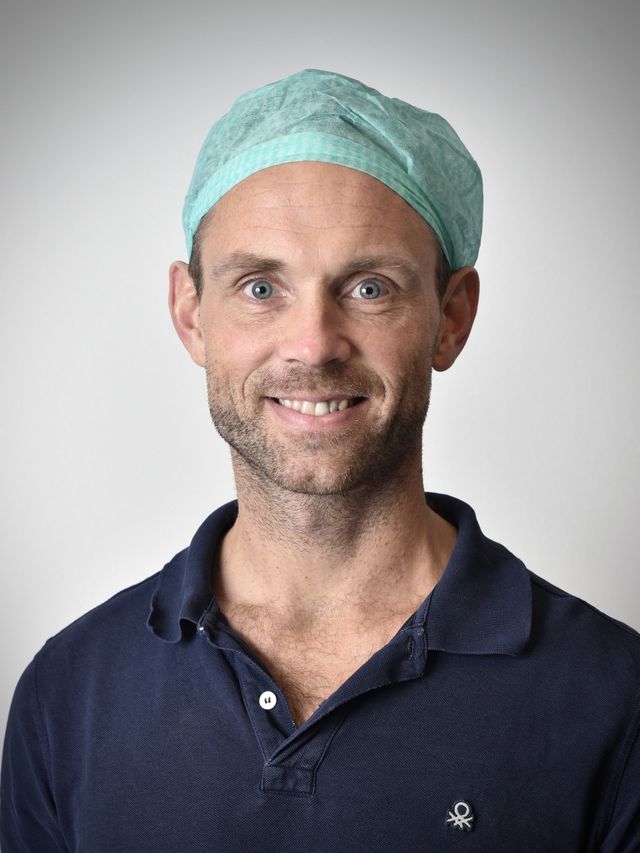
Specialist in anaesthesiology
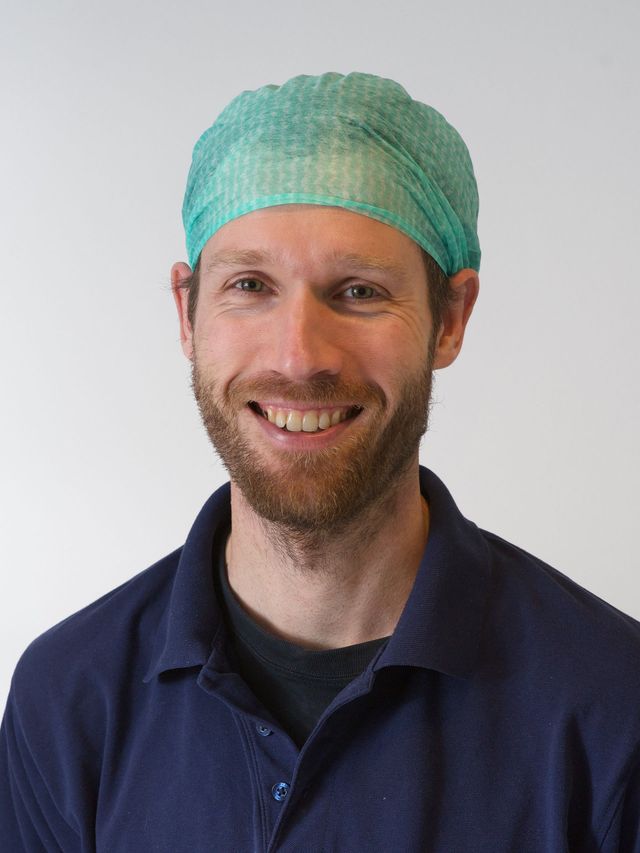
Specialist in anaesthesiology, DMSc, PhD
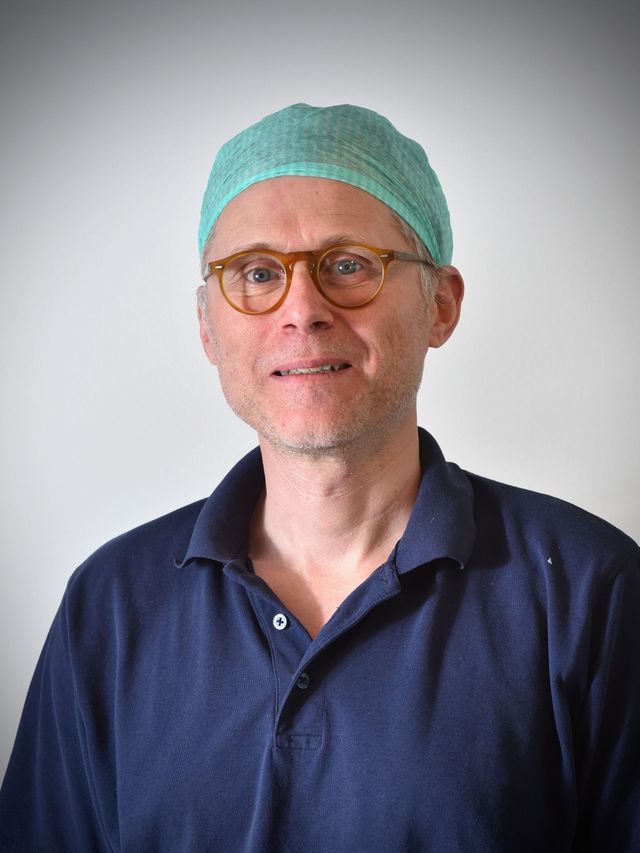
Specialist in anaesthesiology
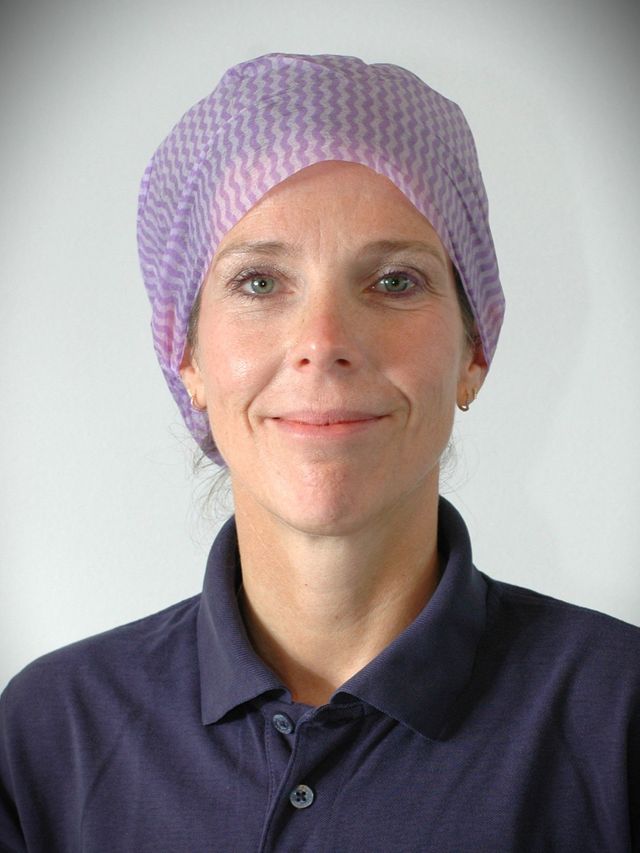
Specialist in anaesthesiology
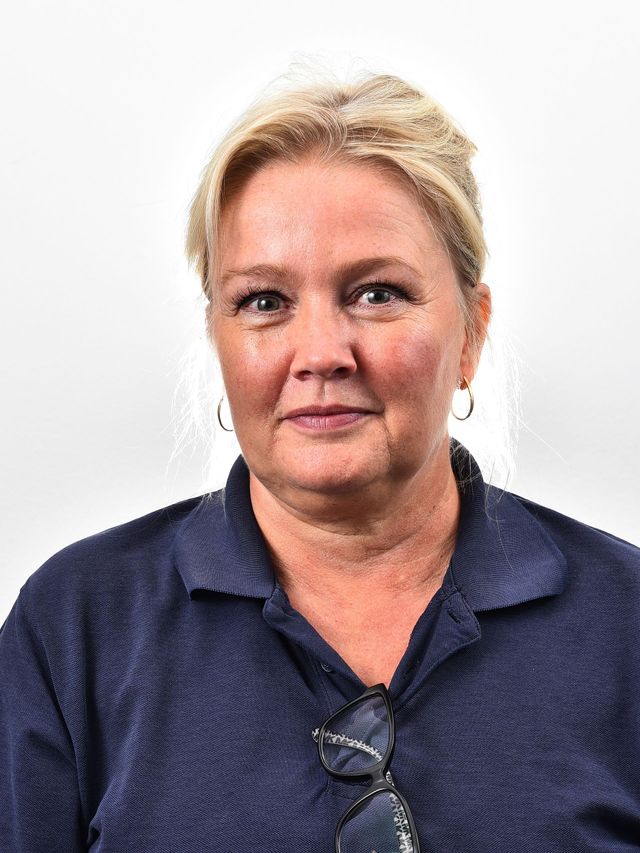
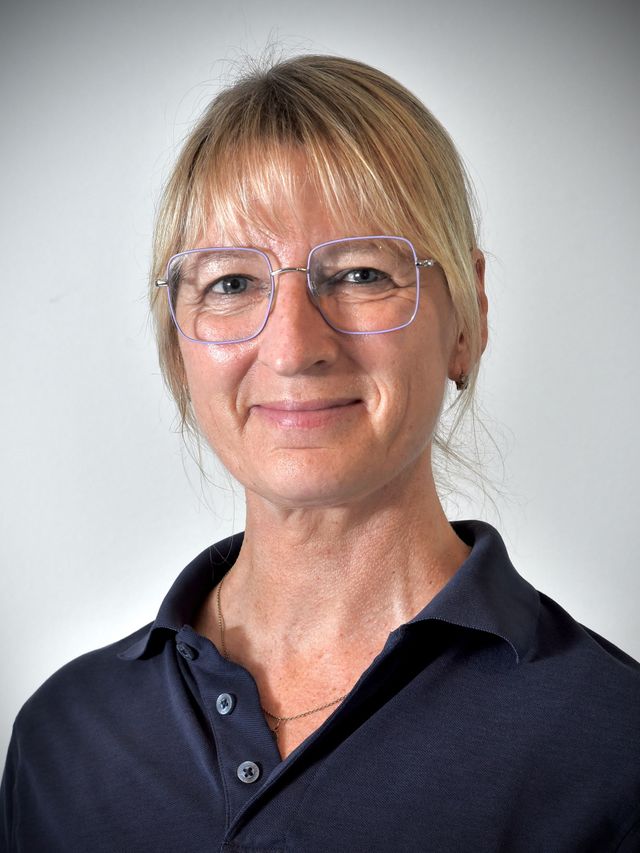
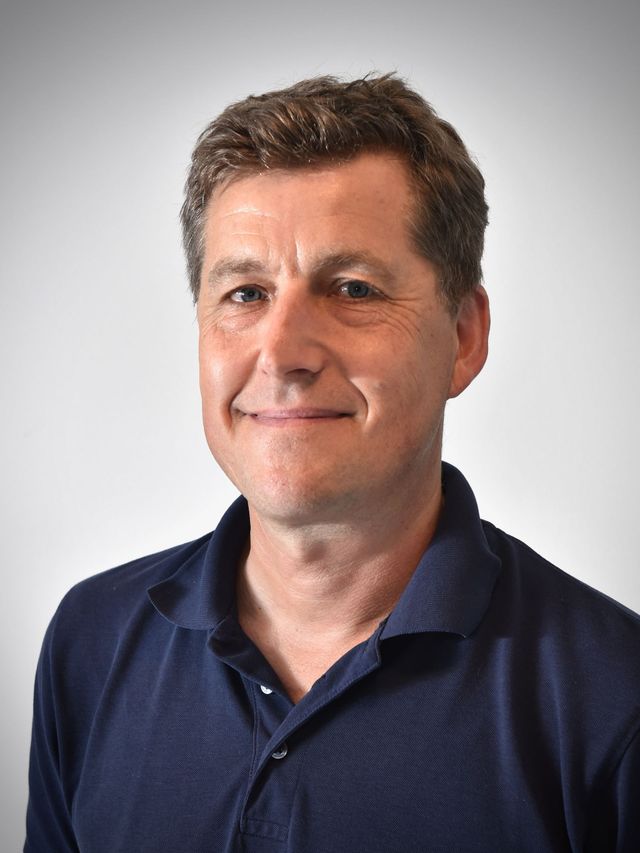
Specialist in anaesthesiology and diving medicine
Approved by the Danish Maritime Authority
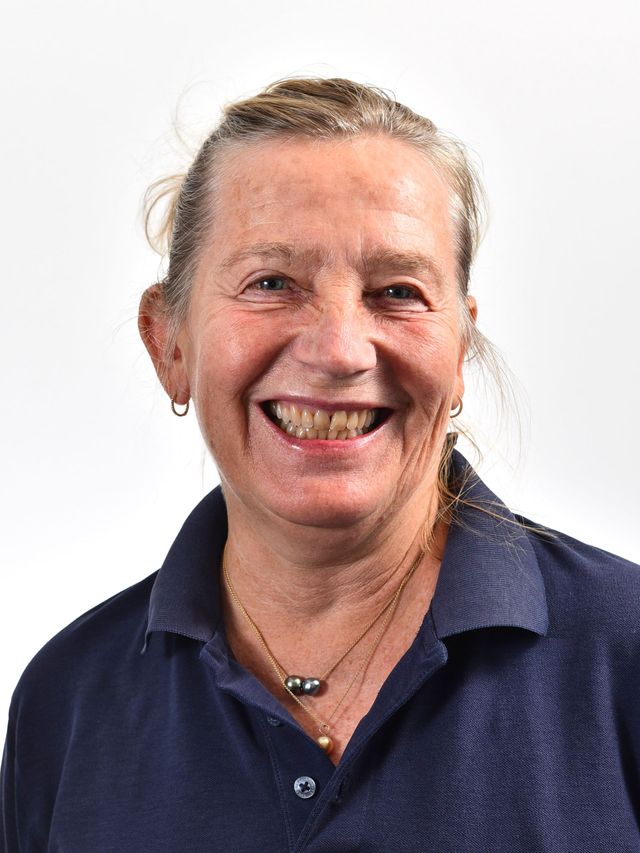
Specialist in anaesthesiology and diving medicine
Approved by the Danish Maritime Authority
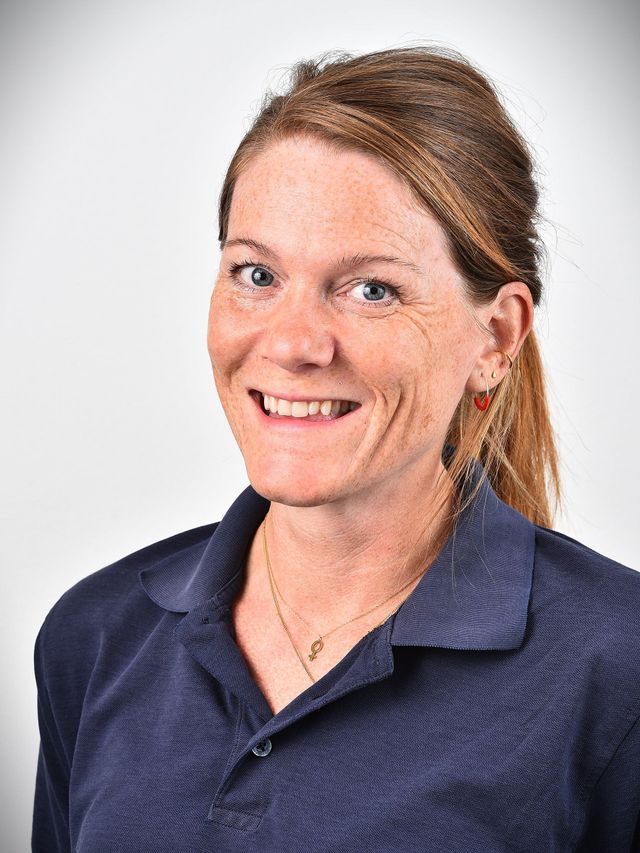
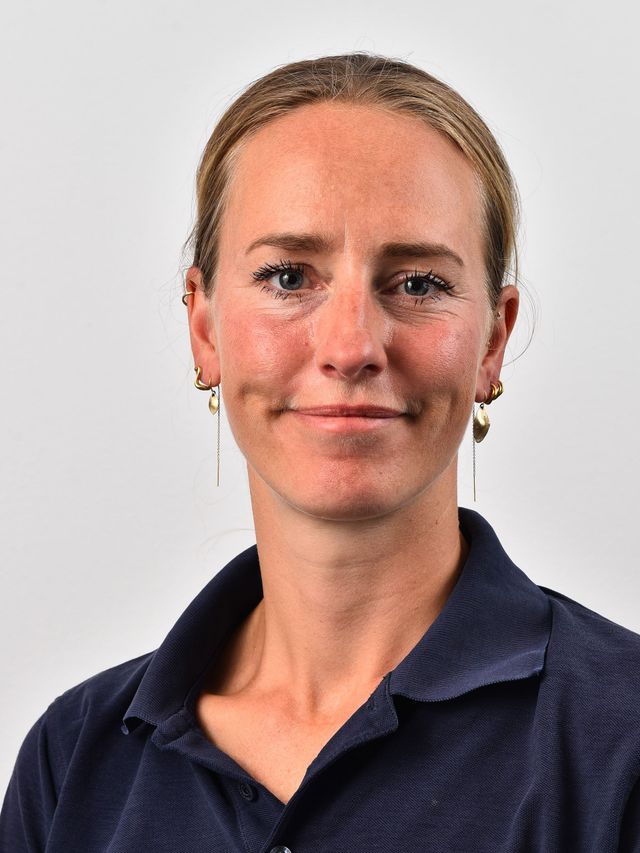

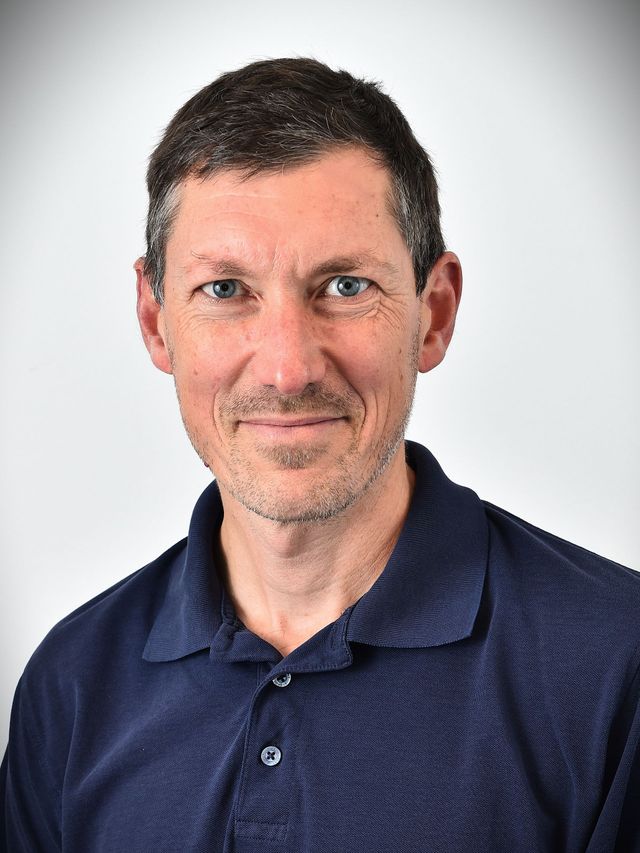

They are the people you meet first when you call or walk through the door – and the ones who look after you before and after your treatment.
Nurse
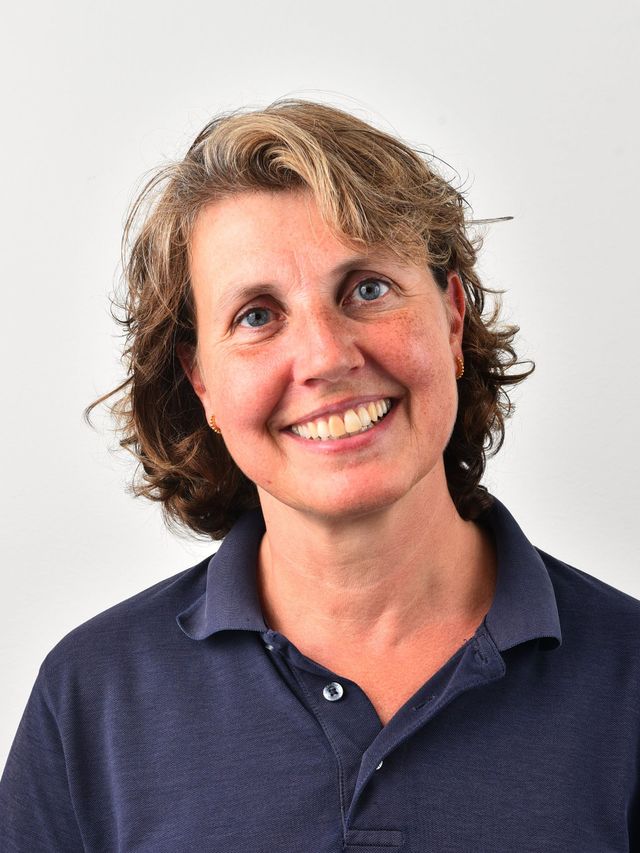
Nurse
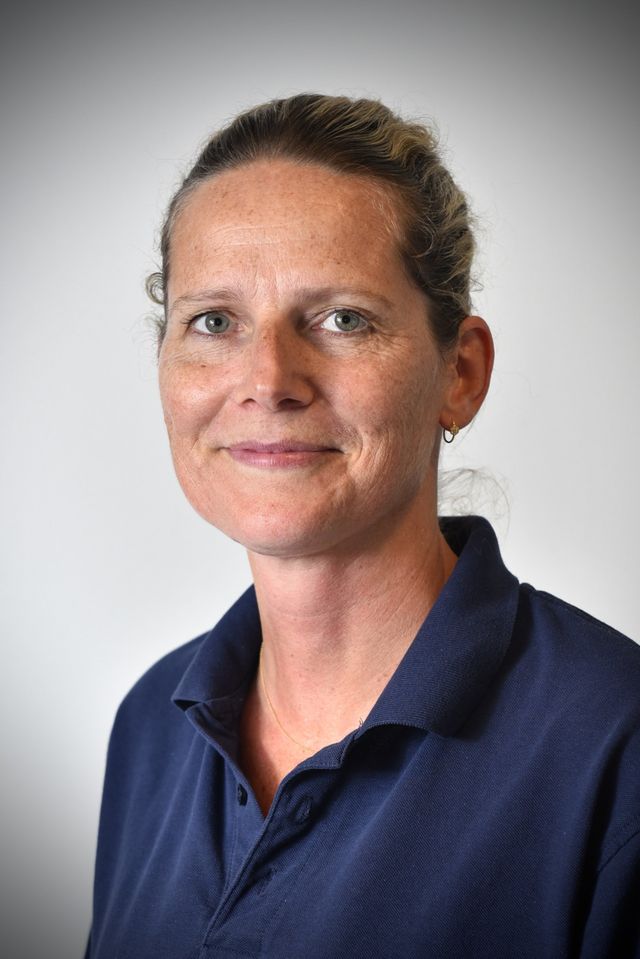
Nurse
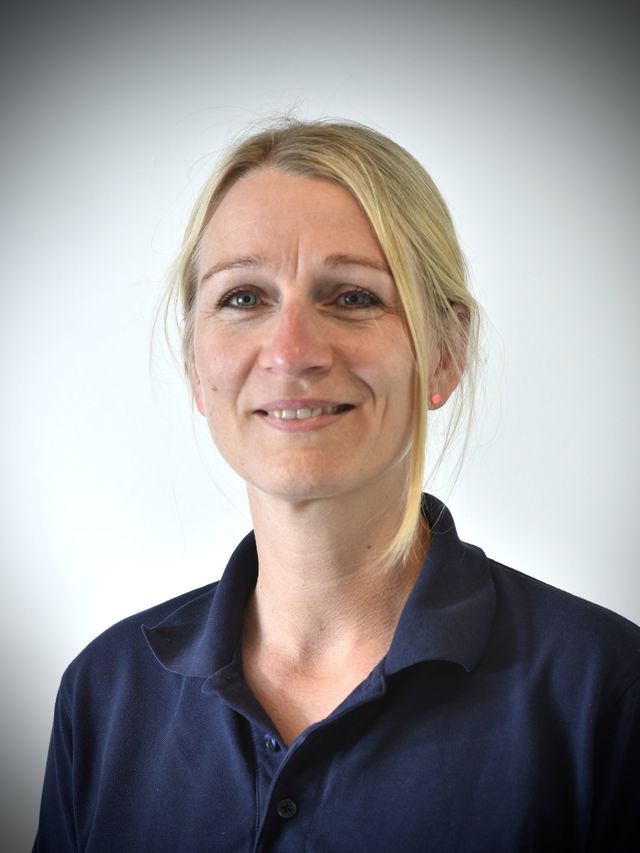
Nurse
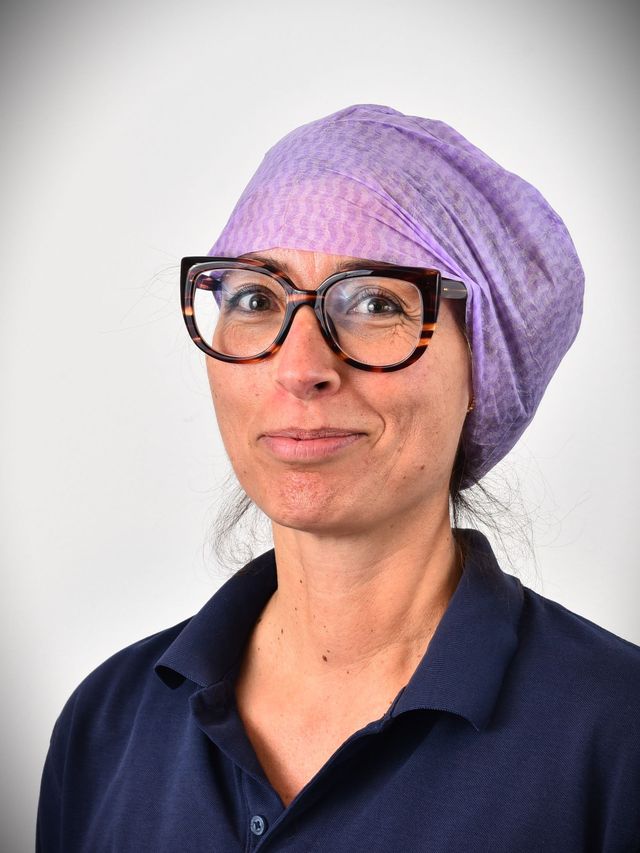
Nurse
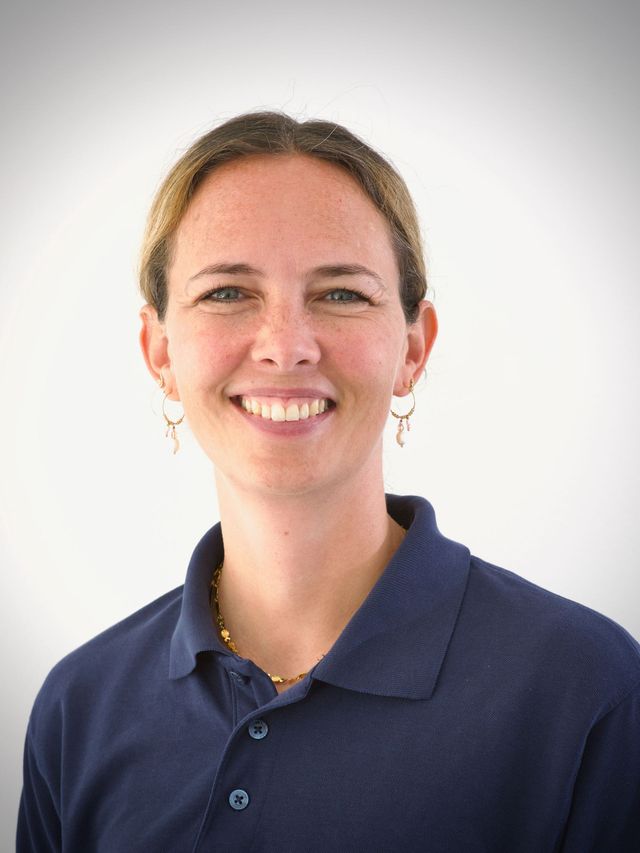
Nurse
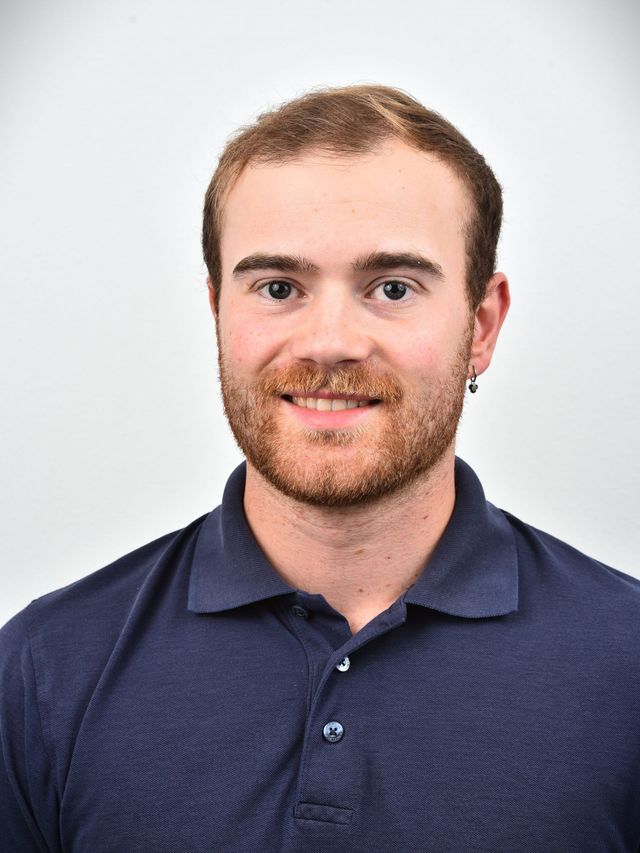
Clinical assistant
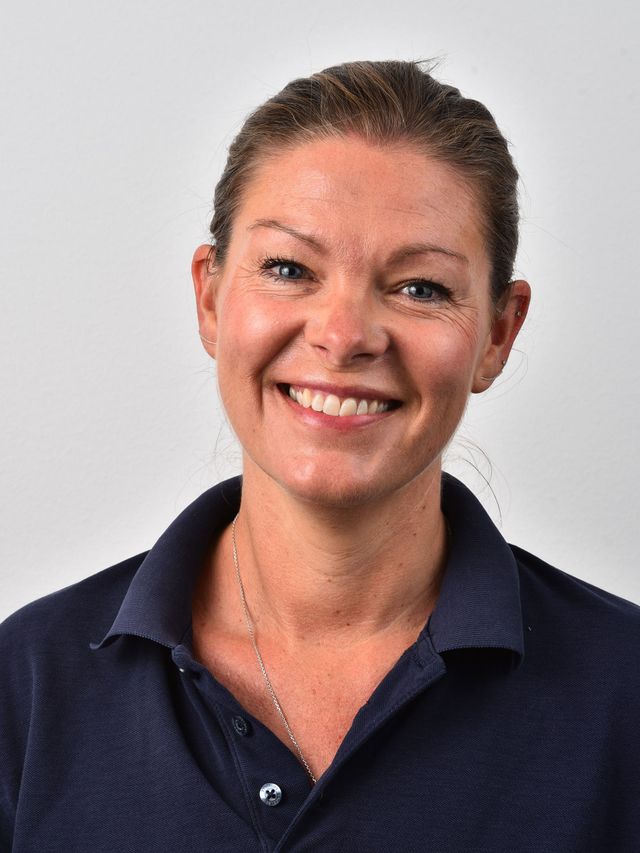
Clinical assistant
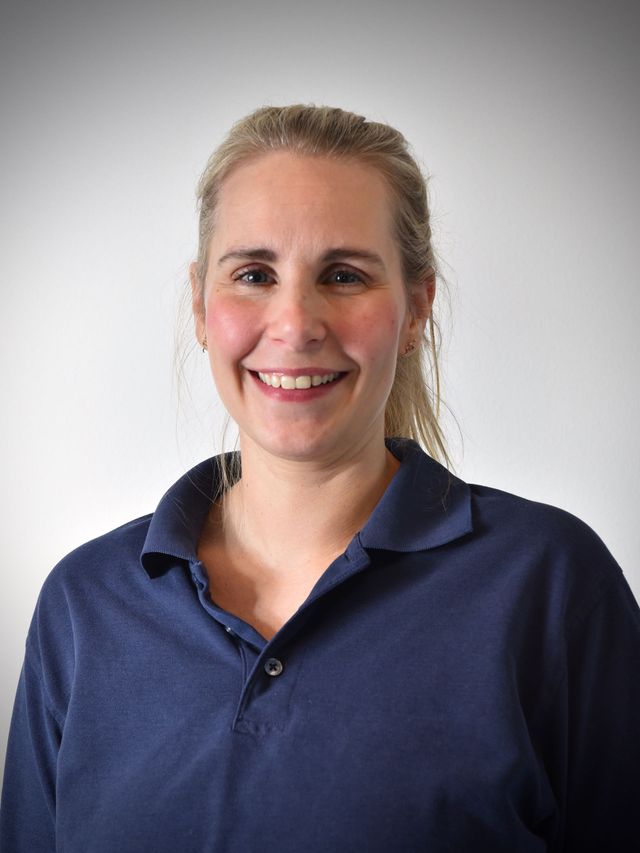
Clinical assistant
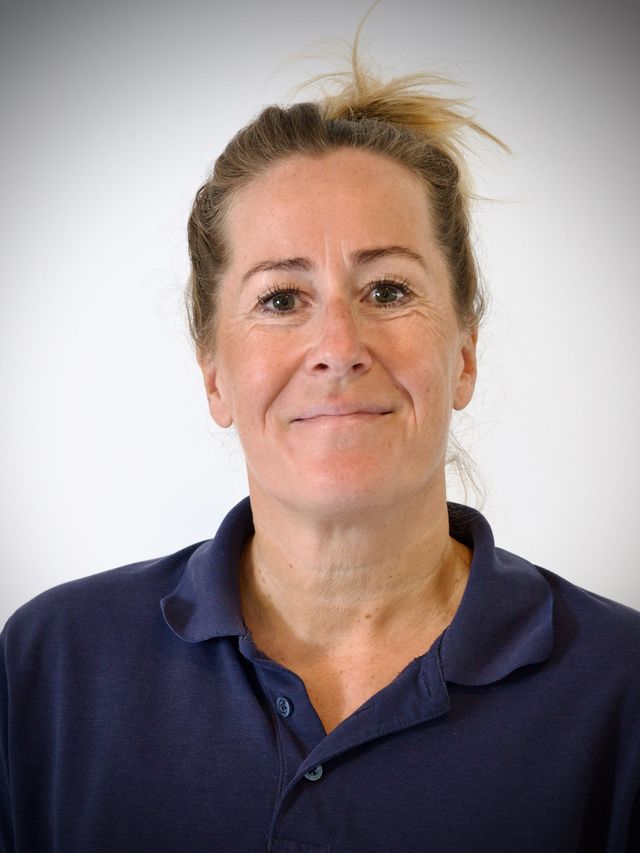
Reception and secretariat
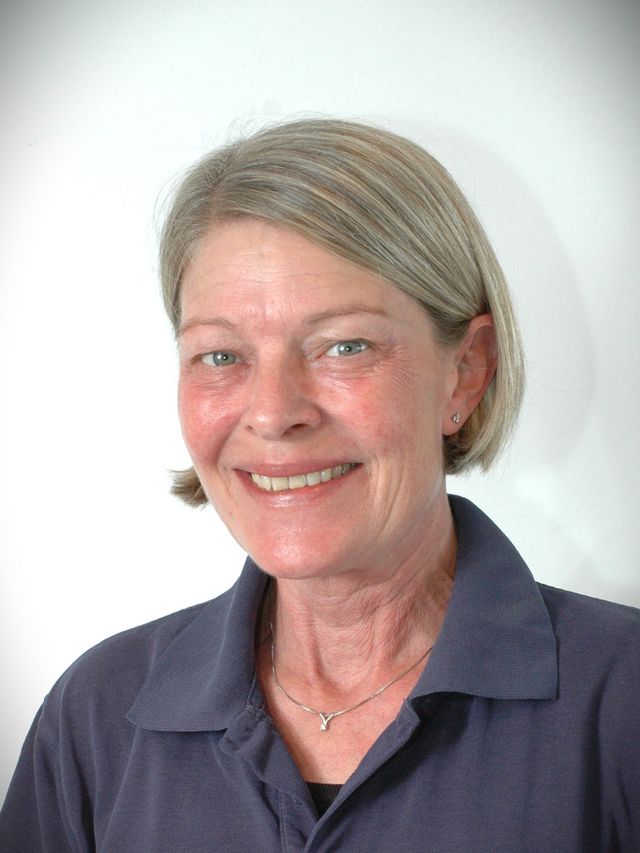
Reception and secretariat
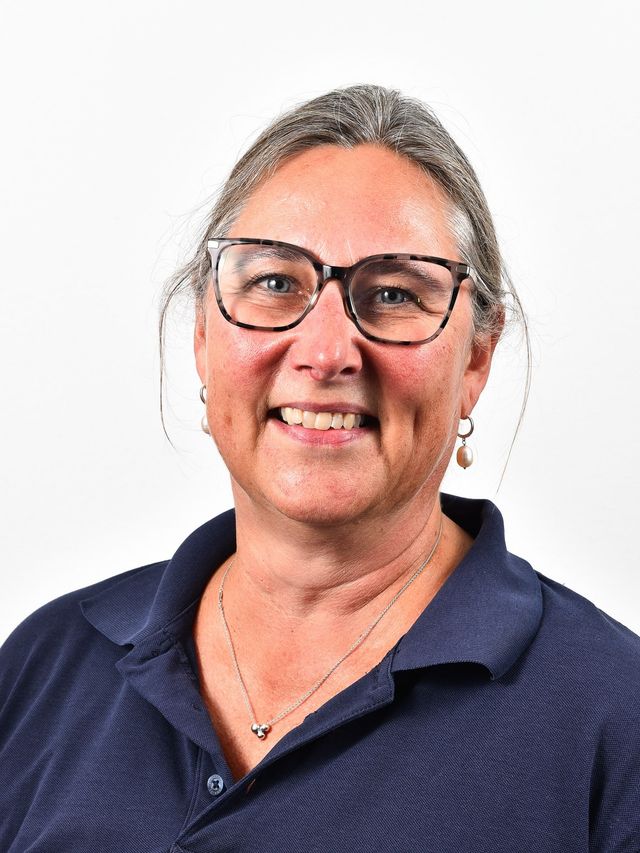
Reception and secretariat
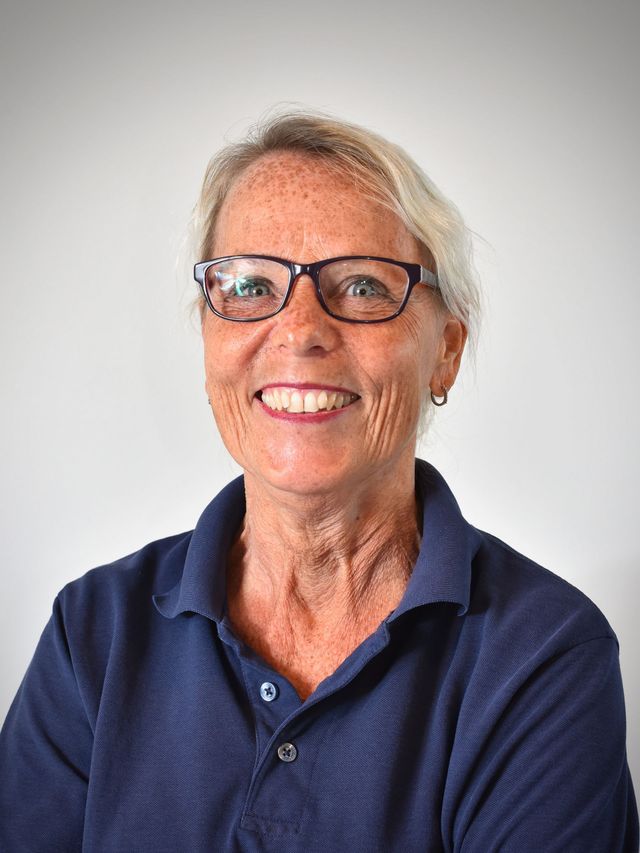
Reception and secretariat
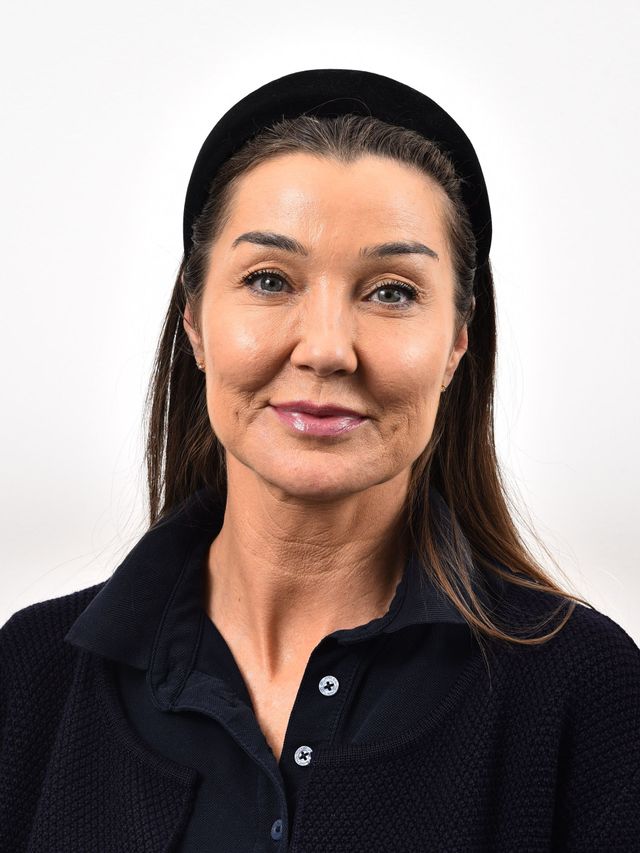
Reception and secretariat
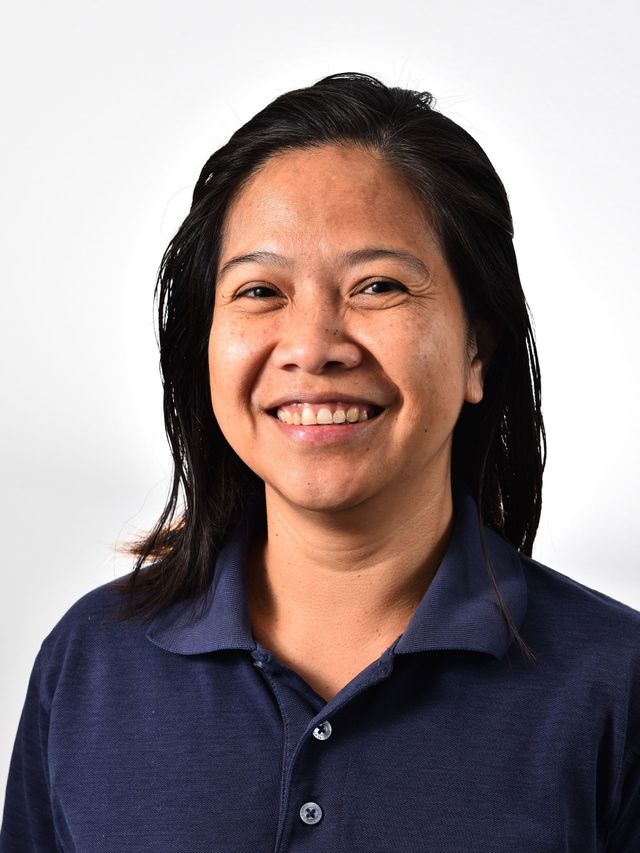
Service assistant
No one found. Try another name or choose "All".
Would you like to book an appointment with one of our specialists?
Book onlineJægersborg Allé 4
2920 Charlottenlund
CVR: 45675637
Monday–Friday, 08:00–14:00
Outside telephone hours, appointments can be booked, rescheduled and cancelled online 24/7.
Main department in Charlottenlund and ear, nose and throat departments at several locations across Denmark.