

Management
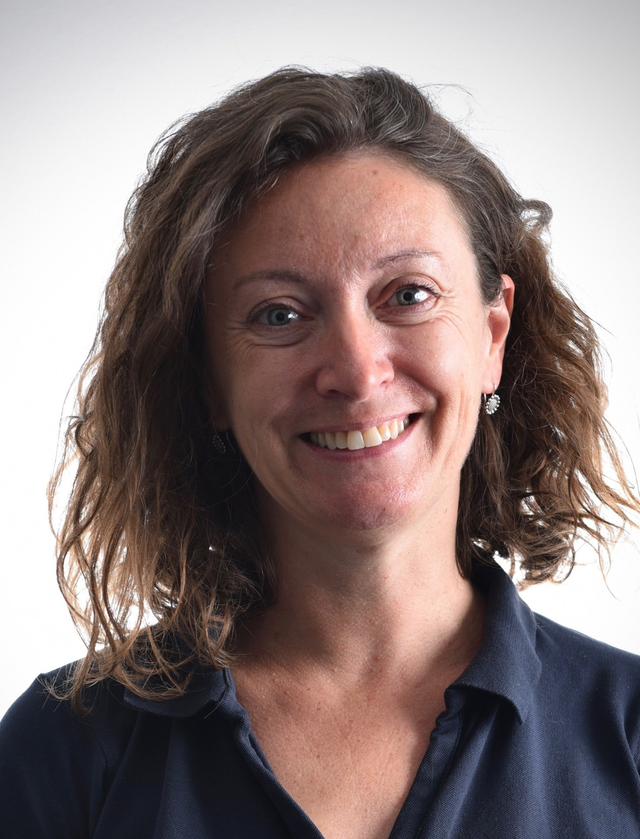
Erika Belard
Specialist physician and co-owner, CEO

When the inner critic takes up more space than everything you can do.
Low self-esteem is not a diagnosis, but a persistent negative view of yourself that can affect mood, relationships and work. It can be changed. The psychologist at Charlottenlund Privathospital works with cognitive behavioural therapy – no referral needed if you pay yourself.
Self-esteem is about how you see and value yourself as a person. With low self-esteem, you have a basic belief that you are not good enough – a belief that colours how you interpret your experiences and other people's reactions.
Low self-esteem is not a diagnosis, but it can affect mood, relationships and working life, and it can be changed. You can have high self-confidence at work and low self-esteem at the same time – and vice versa.

Low self-esteem shows itself in different ways, but many recognise:
Many adults have lived with low self-esteem for years. It can show in relationships, at work – for example as perfectionism or overworking – or as anxiety and low mood.
Self-esteem is shaped mainly while growing up – by the experiences and messages you meet in the family, at school and among friends. Criticism, bullying, high demands or the experience of not being seen can leave a basic self-doubt. Later strains such as rejection, illness or unemployment can reinforce it.
Low self-esteem is closely linked to depression and anxiety and can also play a part in eating disorders.
Cognitive behavioural therapy is the most researched treatment. A meta-analysis of treatments based on the cognitive model of low self-esteem found that they strengthen self-esteem and reduce symptoms of depression.
In the sessions, you examine your negative assumptions about yourself and how they are kept going – for example through avoidance and self-criticism. You try out new ways of acting and practise a more realistic and kinder way of seeing yourself. If self-critical rumination takes up a lot of space, metacognitive techniques can also be included.

Self-esteem develops throughout childhood and adolescence. Signs of low self-esteem in children can be that the child often says "I can't", gives up quickly, withdraws from friends or gets very upset about small setbacks.
The psychologist can talk with the child or young person and advise the parents on how they can support. Read more about our psychologist for children and young people. Where parents share custody, both must consent to treatment of children under 15.
The first session is used to understand how the low self-esteem shows itself and what you would like to change. A plan is then agreed, and the number of sessions is adjusted along the way. Sessions can take place in Charlottenlund or online via video.
If you pay yourself, no referral is needed, and you can book online. Prices are shown in the price list.
Many health insurance policies cover sessions with a psychologist in full or in part – it depends on the individual policy and agreement. The insurer usually has to approve the treatment in advance and typically sends the approval directly to the hospital, which then settles the bill with the insurer.
Charlottenlund Privathospital does not see patients under the Danish public health insurance scheme, so the subsidy available with a GP referral cannot be used here.
Sessions are with Sarah Østergaard Kokholm, clinical psychologist. She is trained in cognitive therapy, certified in metacognitive therapy (MCT-I) and a certified Cool Kids therapist, and works with adults, young people and children. Sessions take place in Charlottenlund or online via video.
Self-esteem is about how you see yourself as a person. Self-confidence is about believing you can handle specific tasks. You can have good self-confidence in one area and low self-esteem at the same time.
A harsh inner critic, self-doubt, a need for reassurance, difficulty saying no and a tendency to avoid challenges for fear of failing.
Yes. Self-esteem is not fixed. In studies, cognitive behavioural therapy has strengthened self-esteem in adults.
Yes. Low self-esteem increases the risk of depression, and depression can make it harder to see yourself kindly.
If you pay yourself, no referral is needed, and you can book online. If you have health insurance, the insurer may cover the sessions in full or in part – it depends on the individual policy and agreement. The insurer usually has to approve the treatment in advance.
It depends on how long the low self-esteem has been there and how much space it takes up. You and the psychologist assess along the way how things are going.
Low self-esteem is often linked to other difficulties.
→ Depression – Symptoms and treatment → Anxiety – When worries take over → Eating disorders – When food and body take up too much space → Cognitive behavioural therapy – The method behind the treatmentCharlottenlund Privathospital is owned and run by three specialist physicians: Erika Belard, Jacob Fisker and Teit Mantoni. Jacob Fisker is medical director. Here you will find our ear, nose and throat (ENT) specialists in Charlottenlund and at our clinics around Denmark – and in Charlottenlund also specialists in paediatric surgery, dermatology, diving medicine, gynaecology, cardiology, paediatrics, psychology and rheumatology.
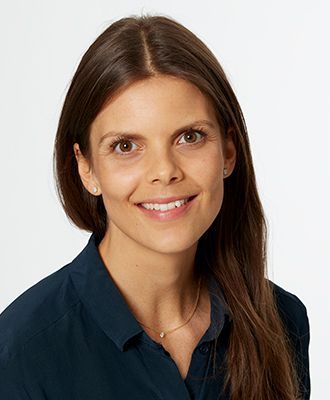
Specialist physician and co-owner, CEO
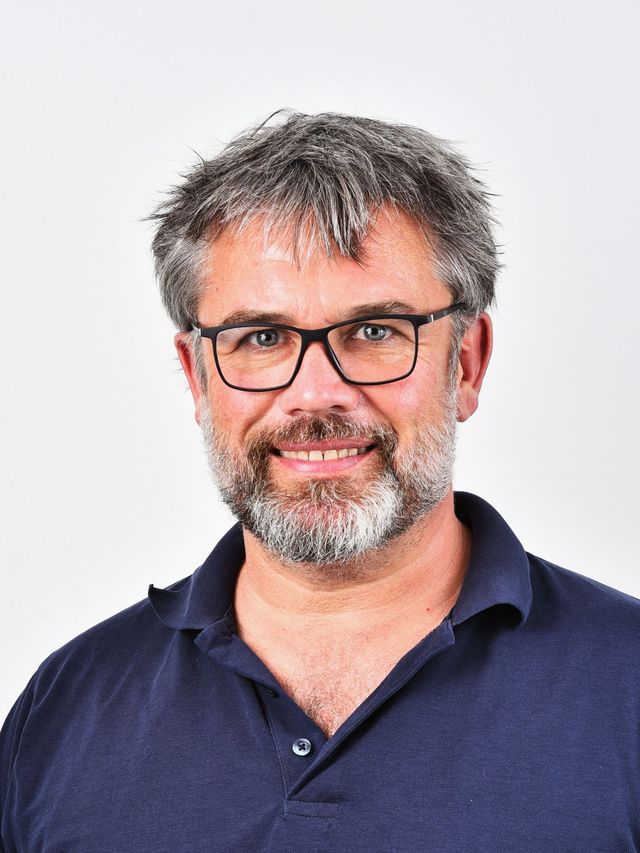
Specialist physician, co-owner and medical director
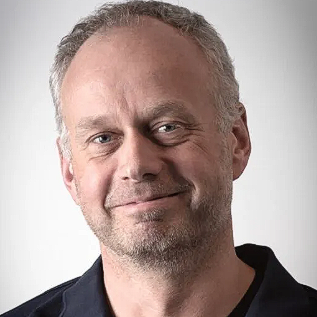
Specialist physician and co-owner
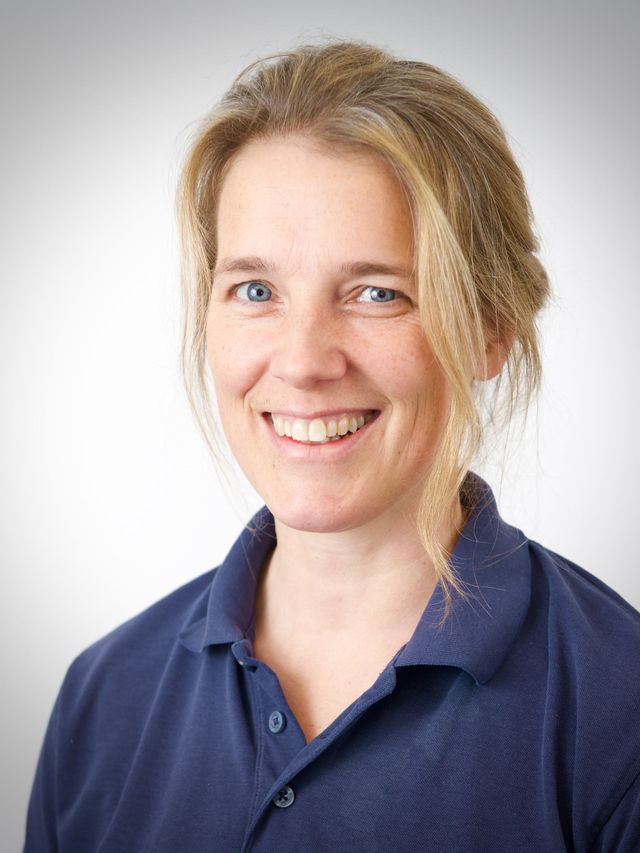
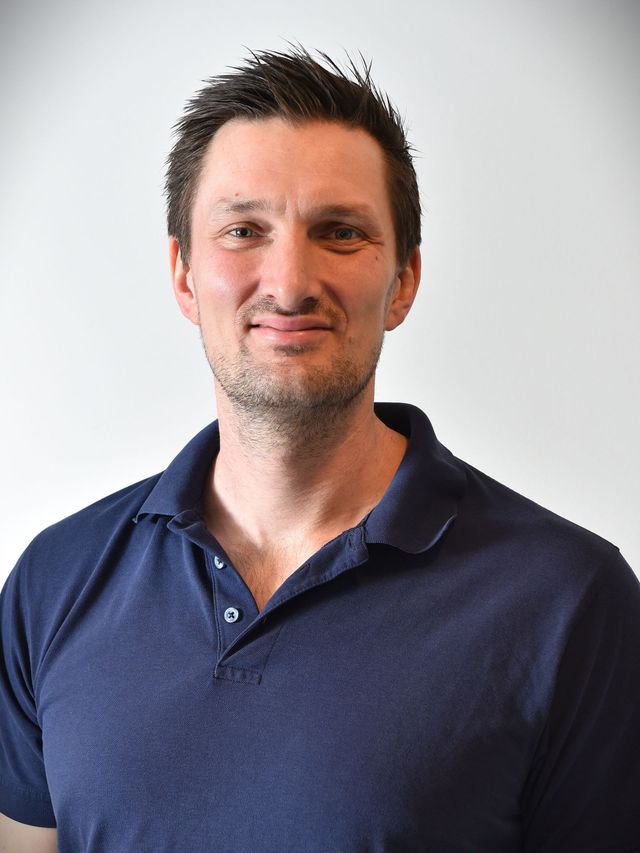
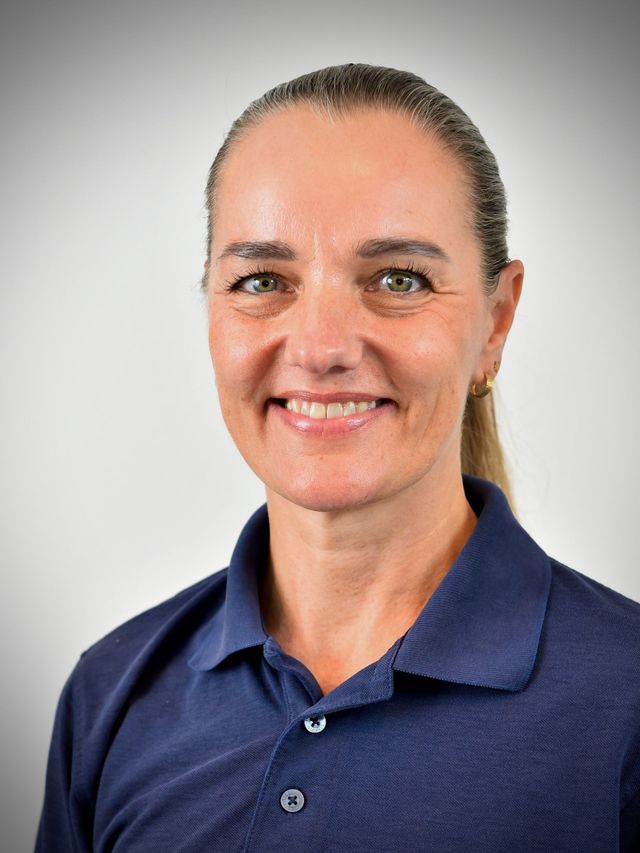
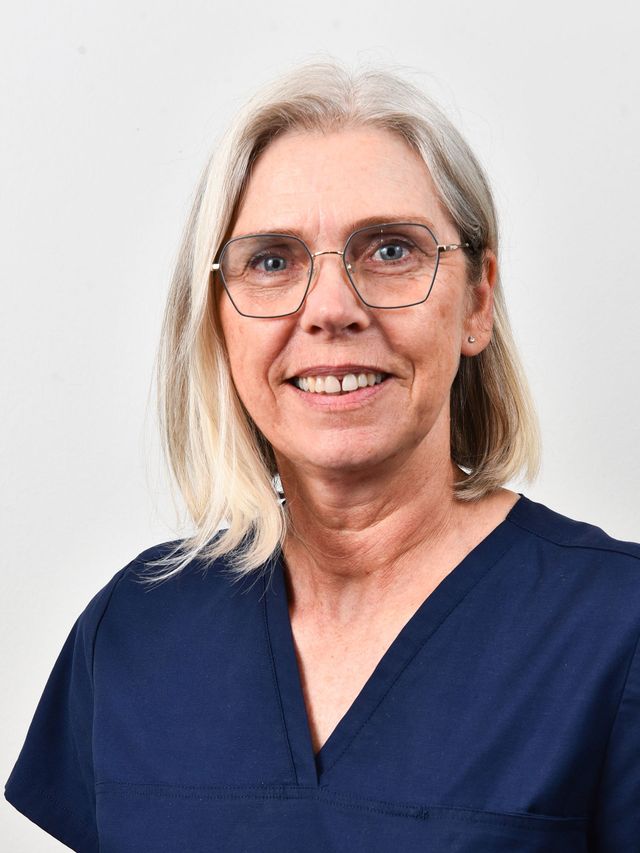
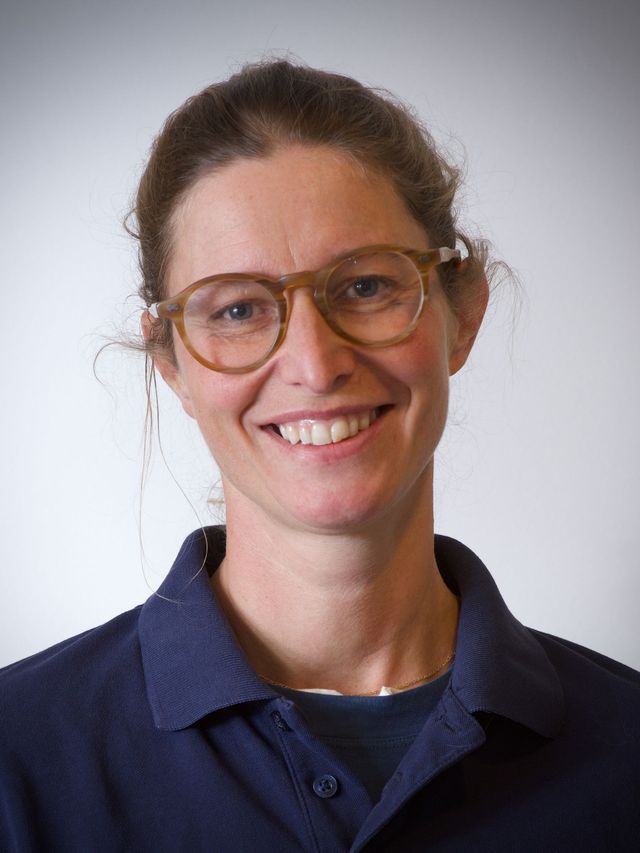
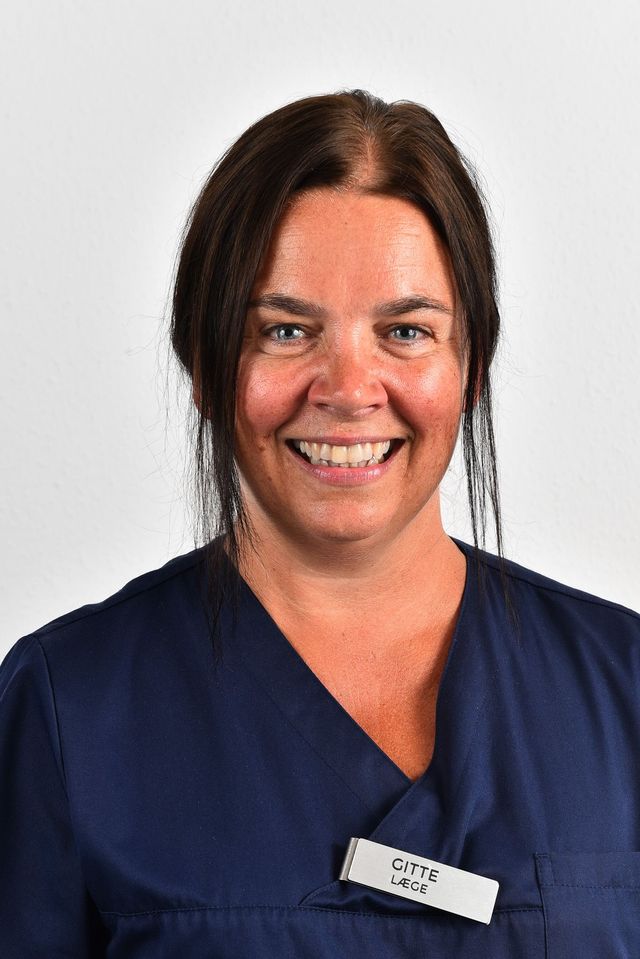
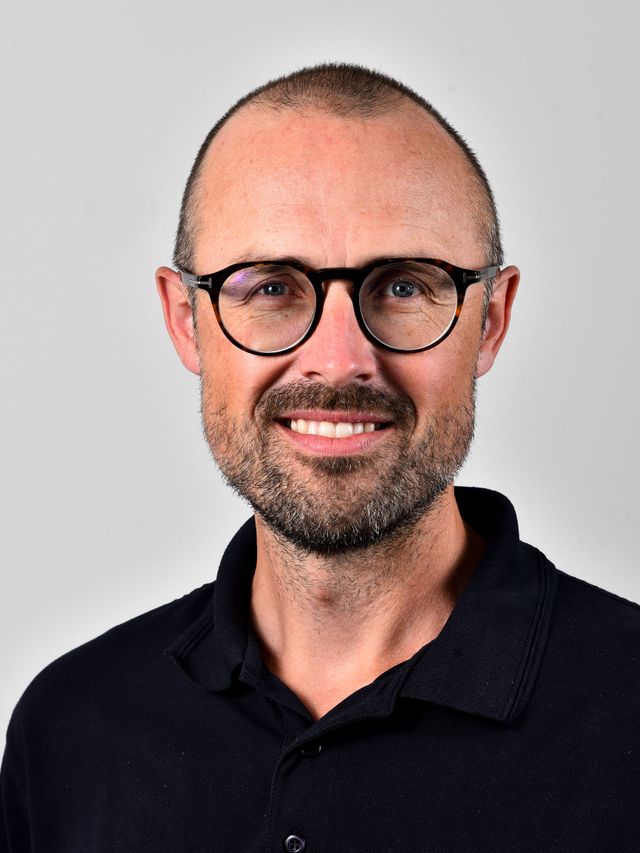
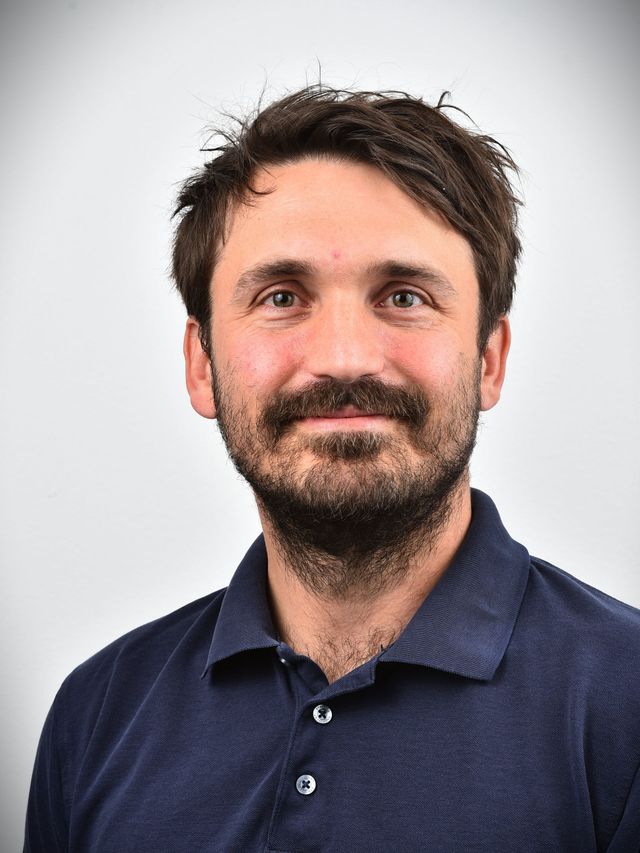
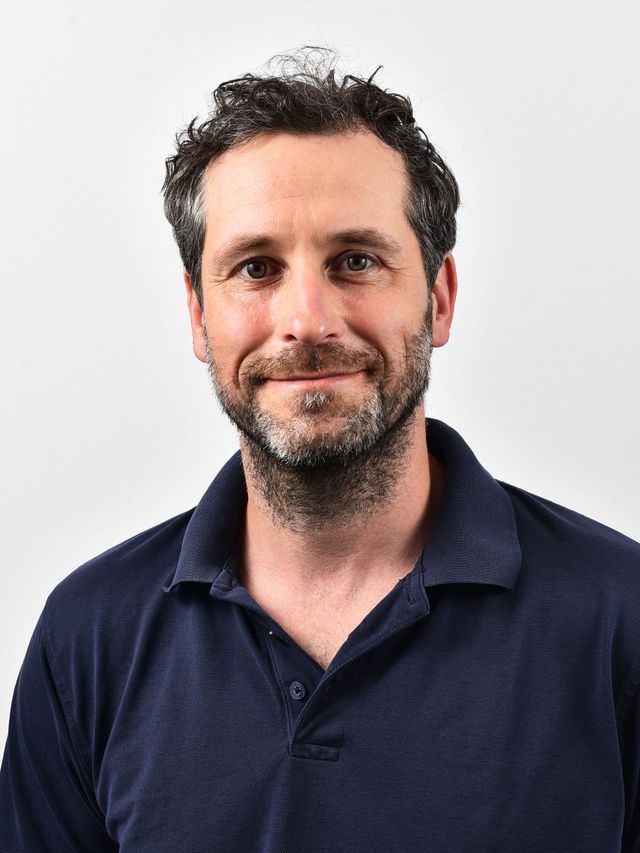
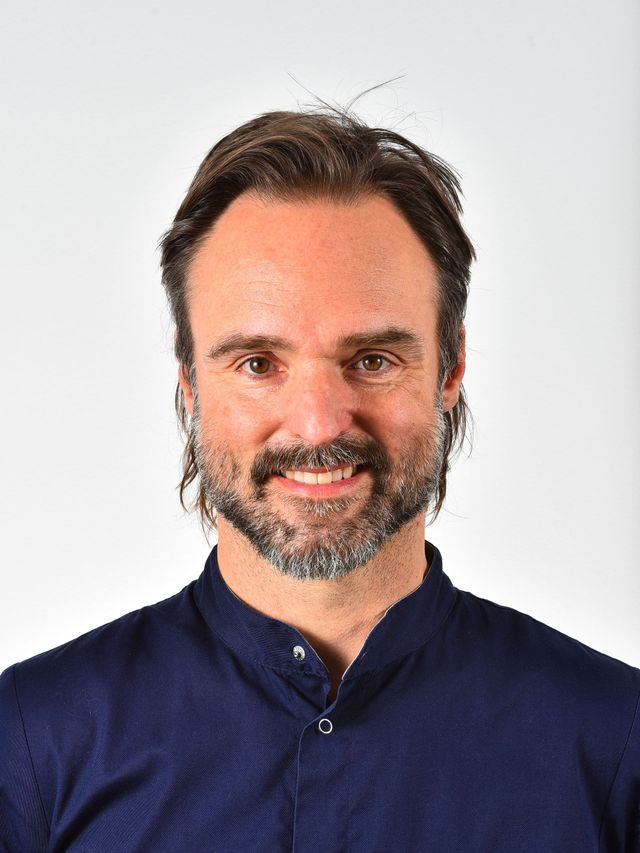
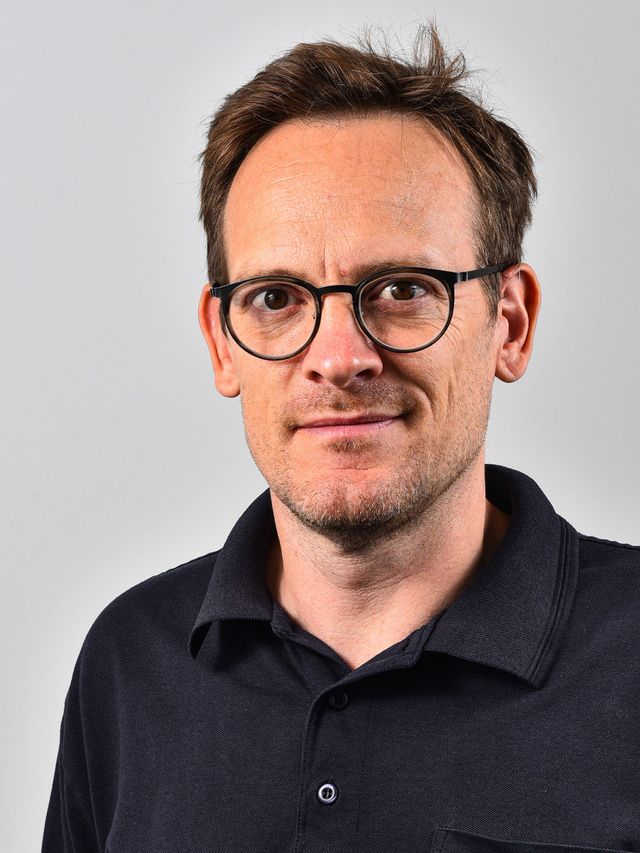
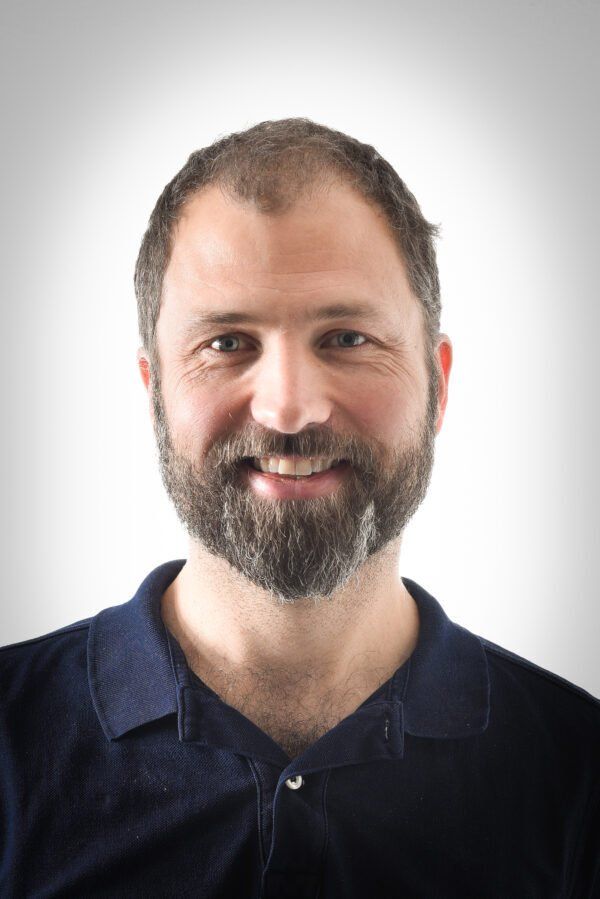
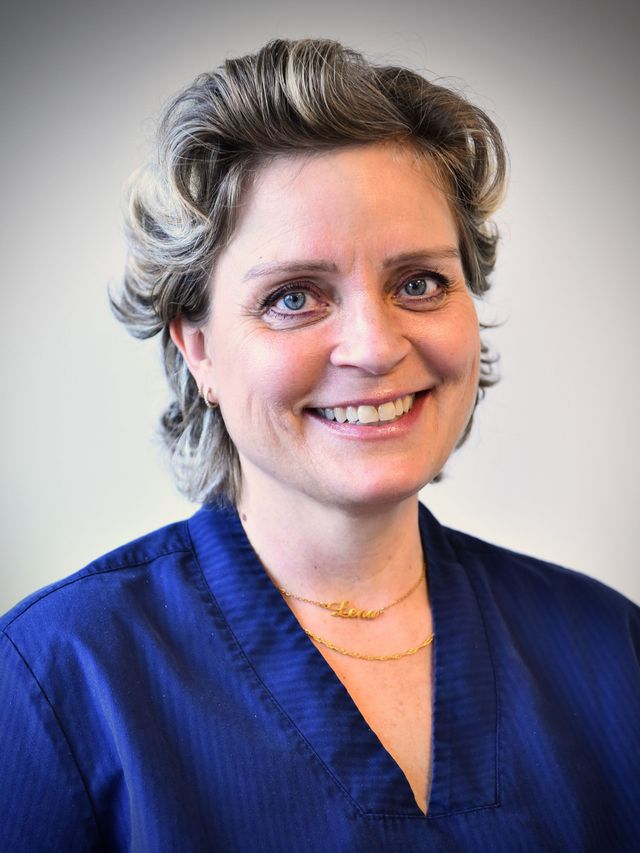
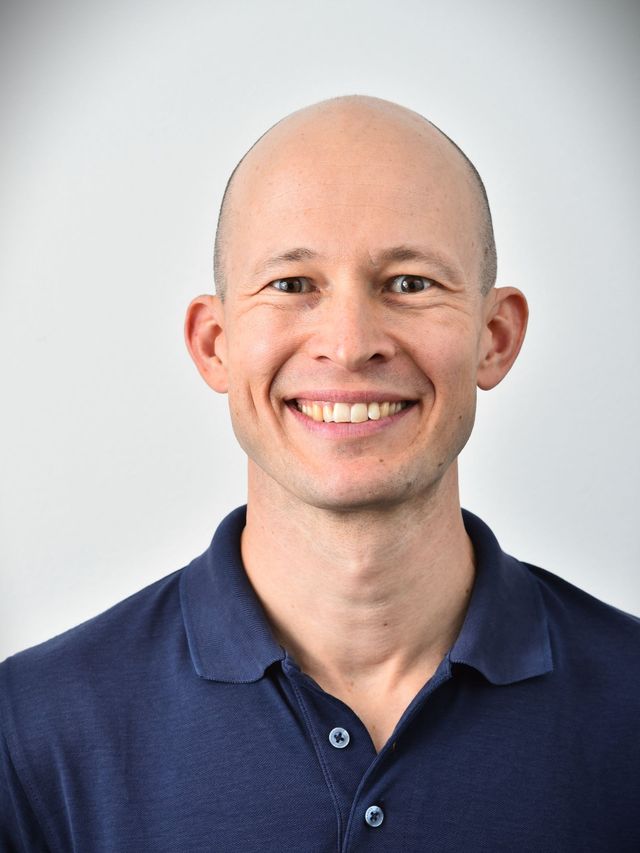
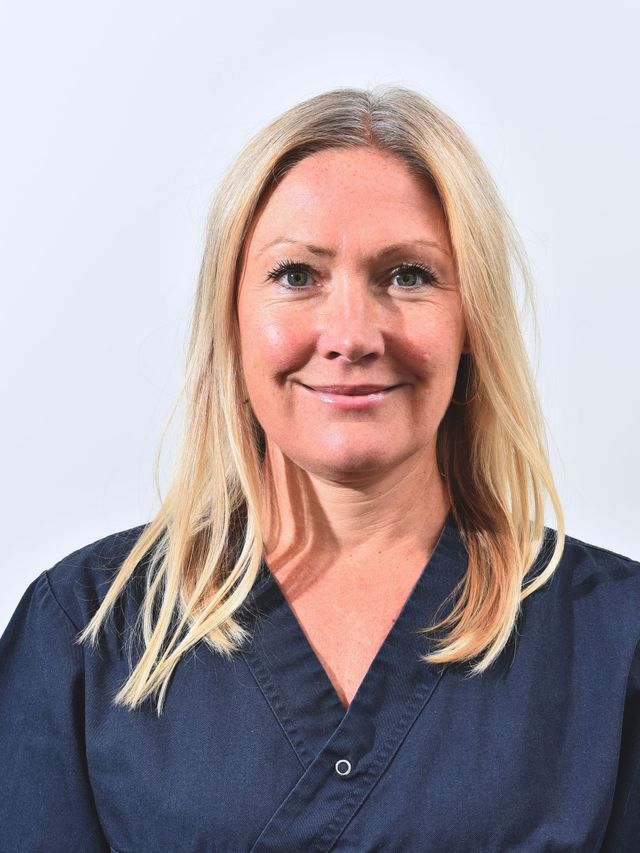
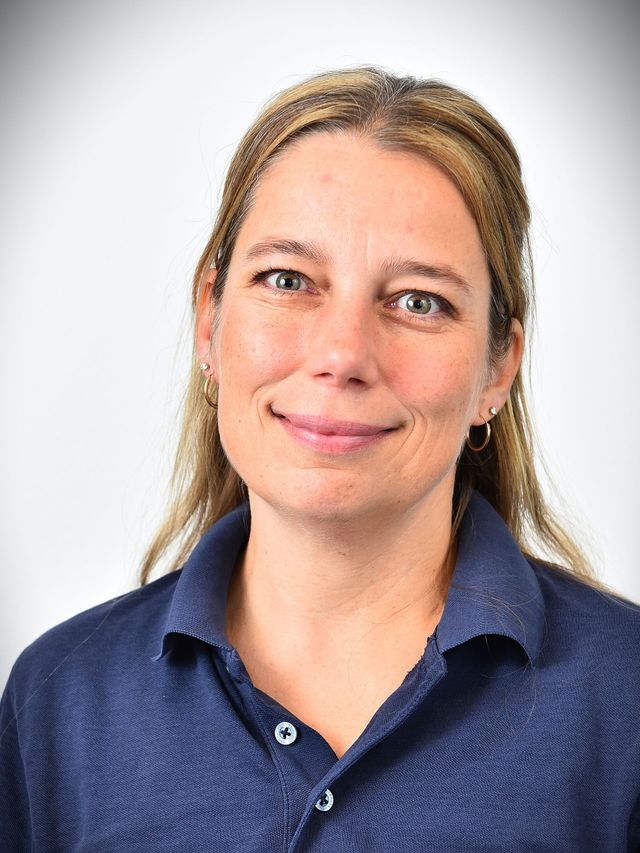
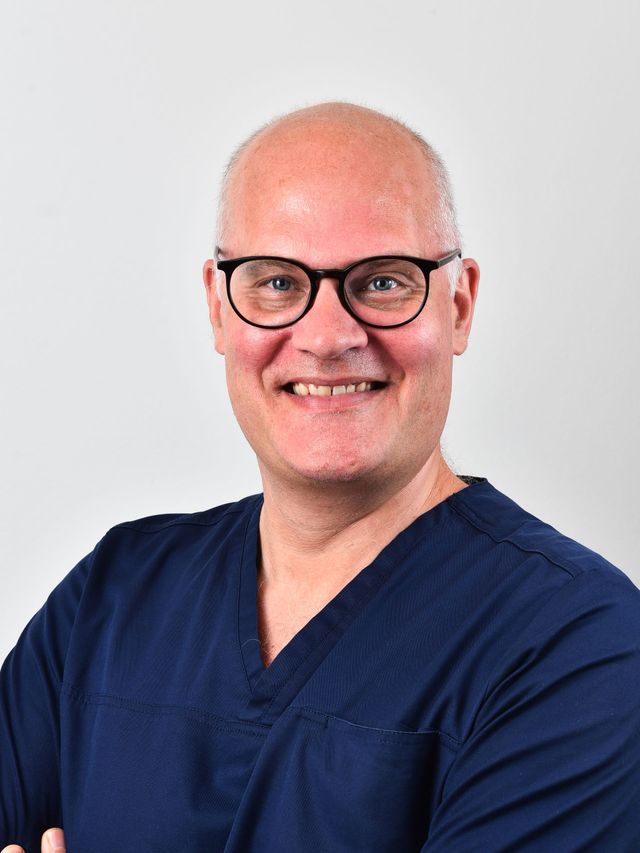
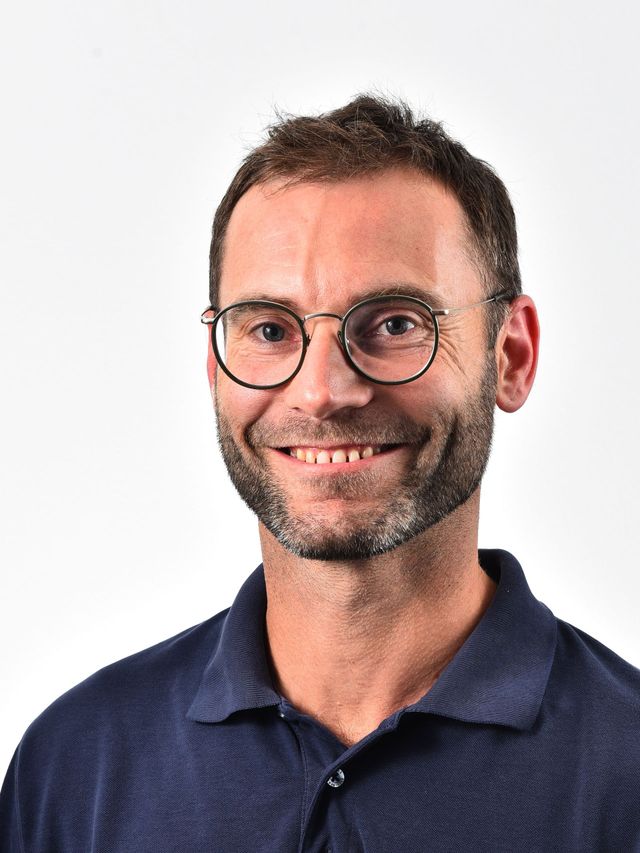
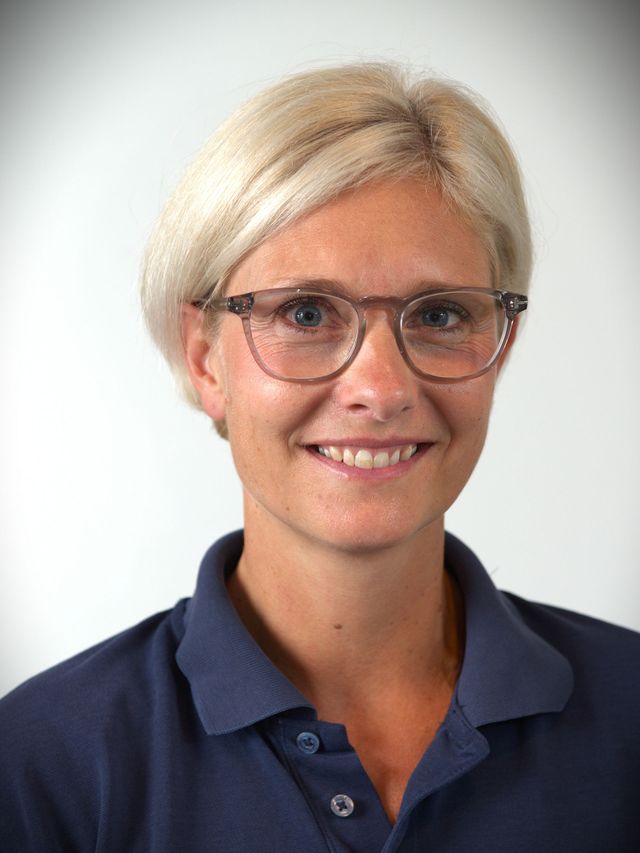
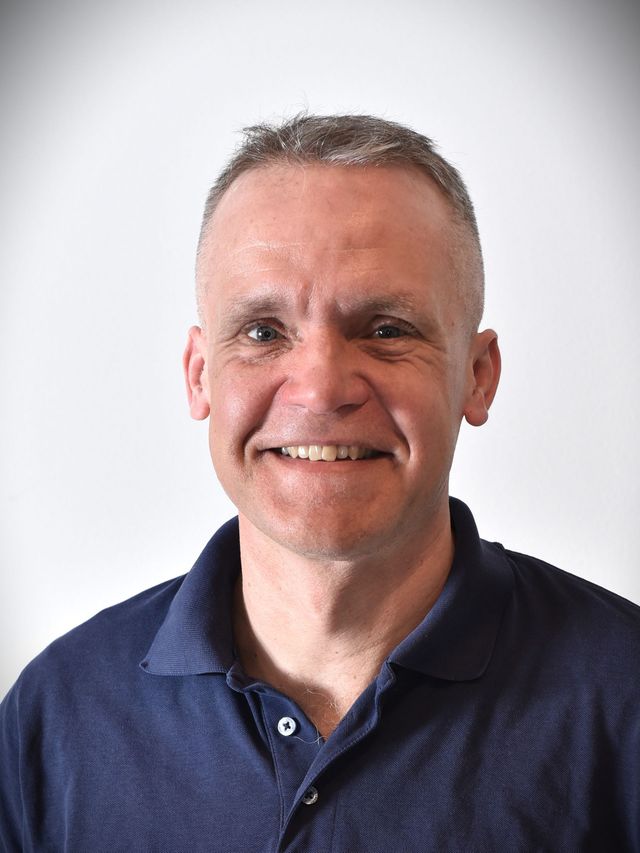
Specialist in anaesthesiology
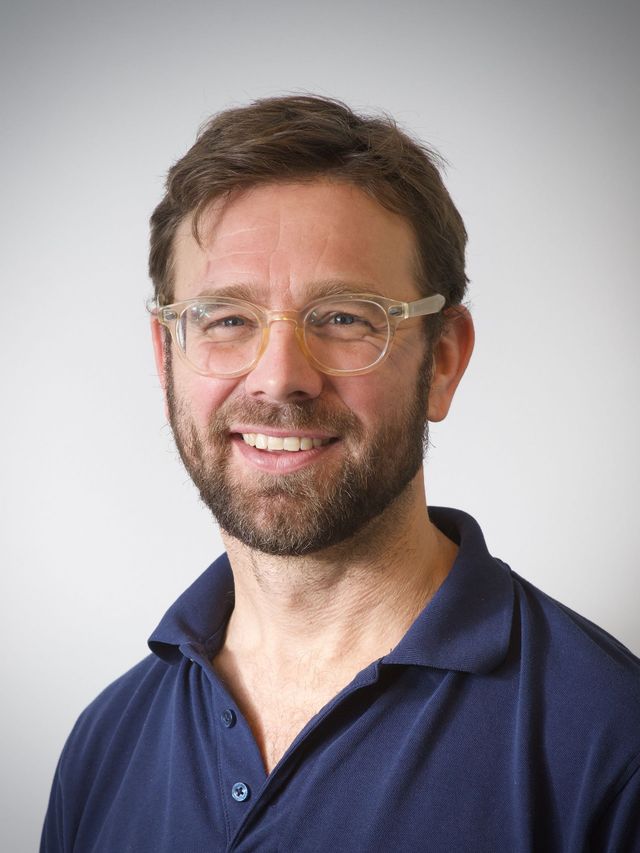
Specialist in anaesthesiology
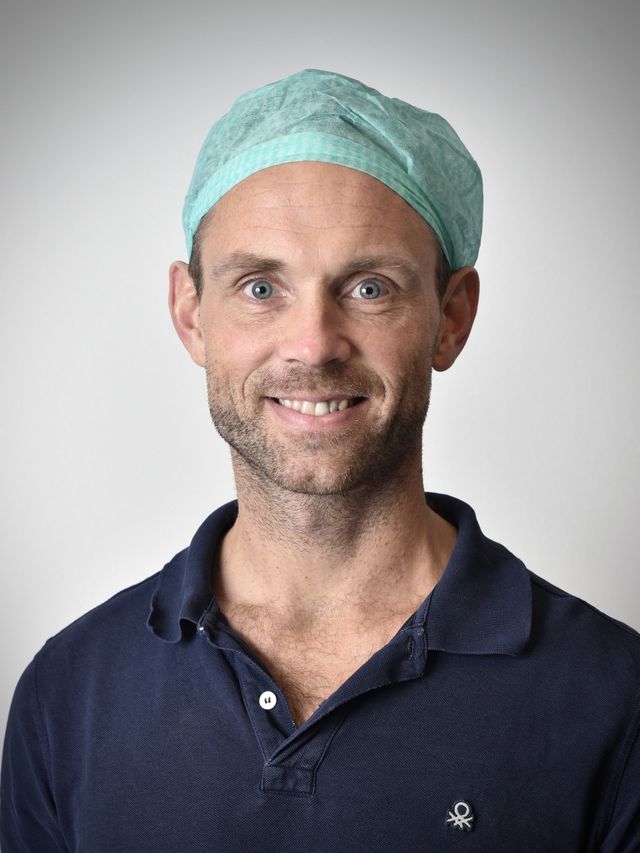
Specialist in anaesthesiology
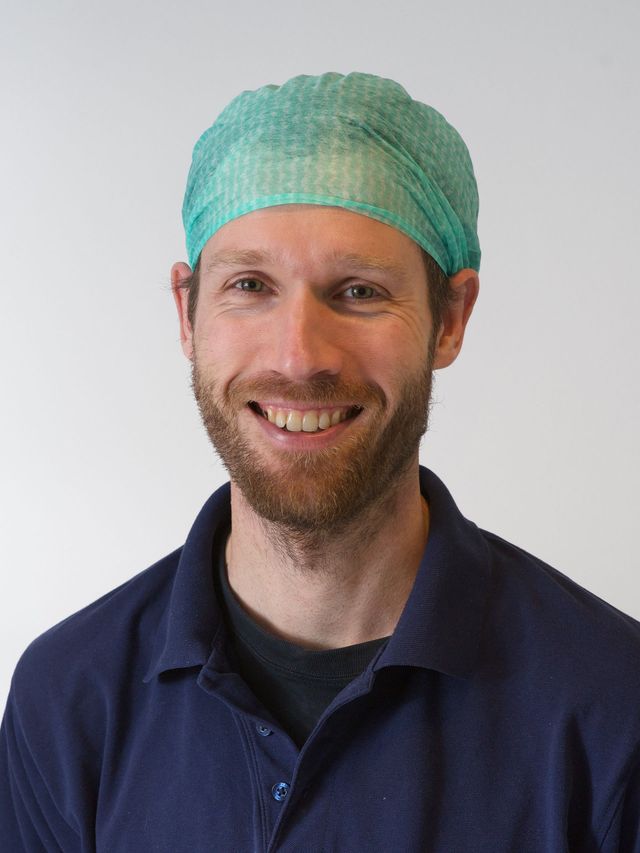
Specialist in anaesthesiology, DMSc, PhD
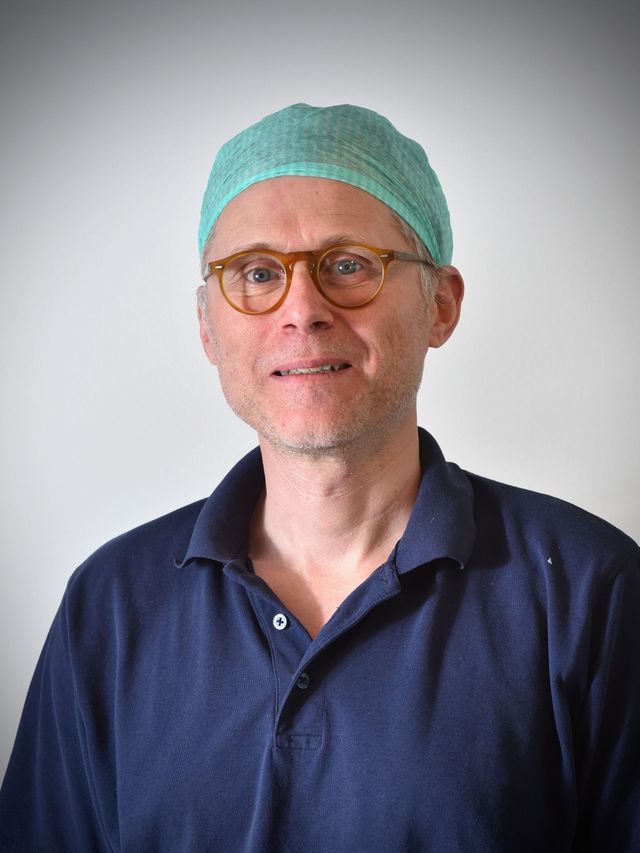
Specialist in anaesthesiology
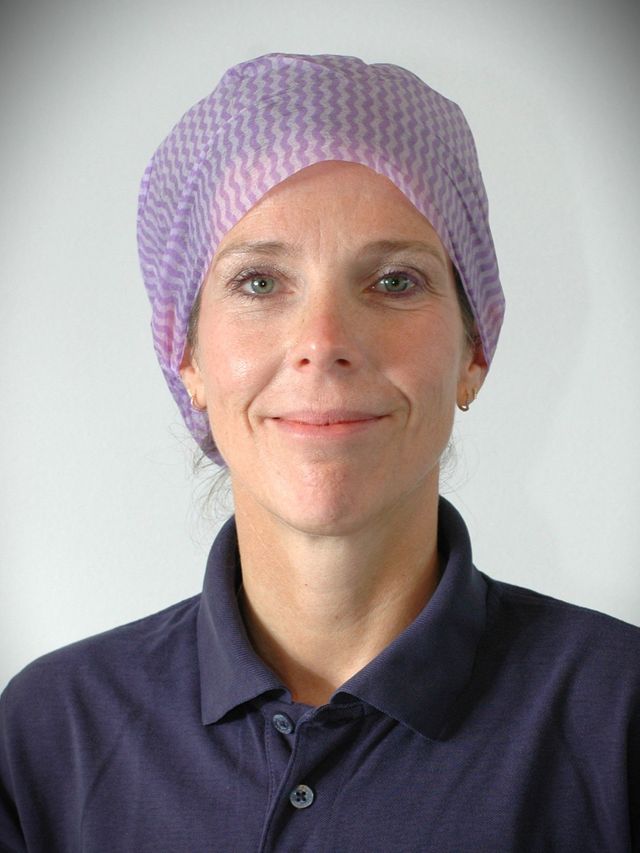
Specialist in anaesthesiology
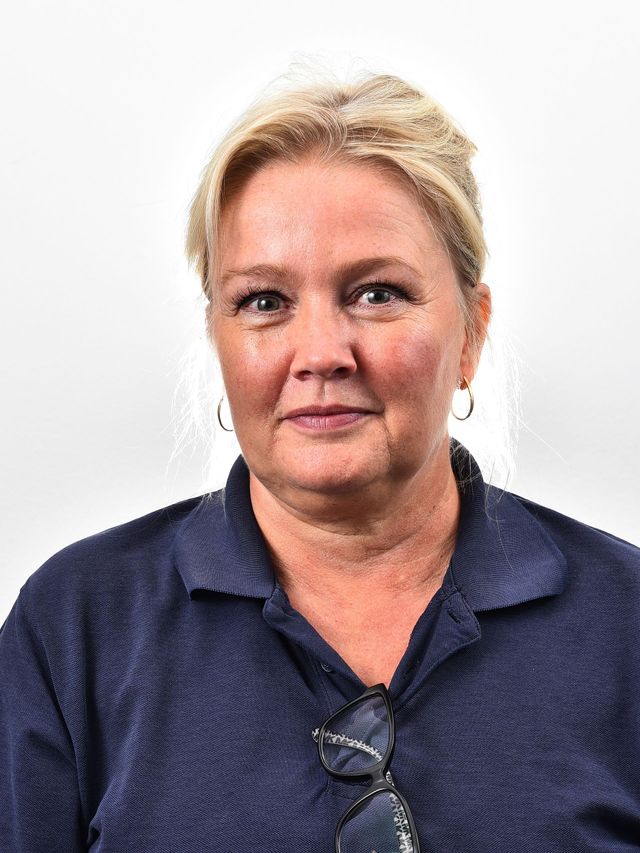
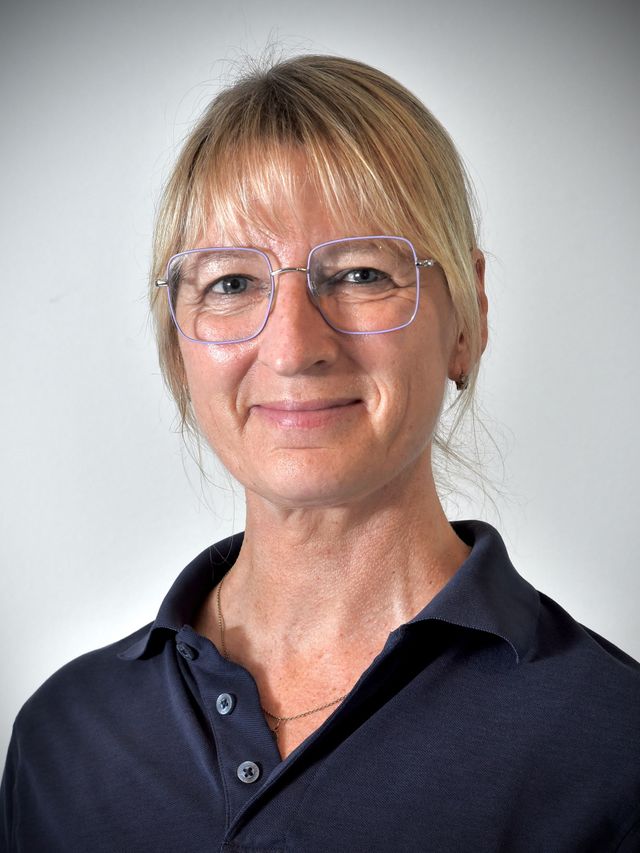
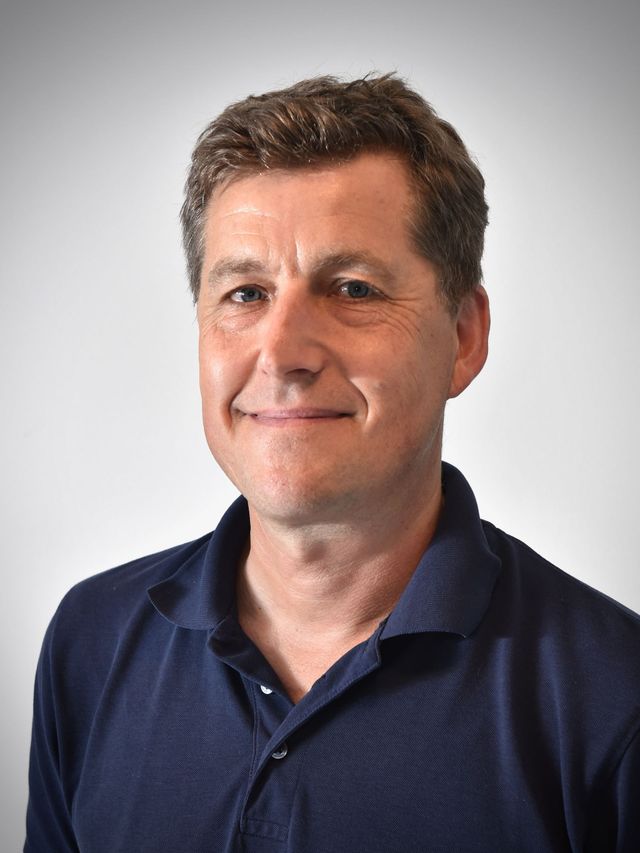
Specialist in anaesthesiology and diving medicine
Approved by the Danish Maritime Authority
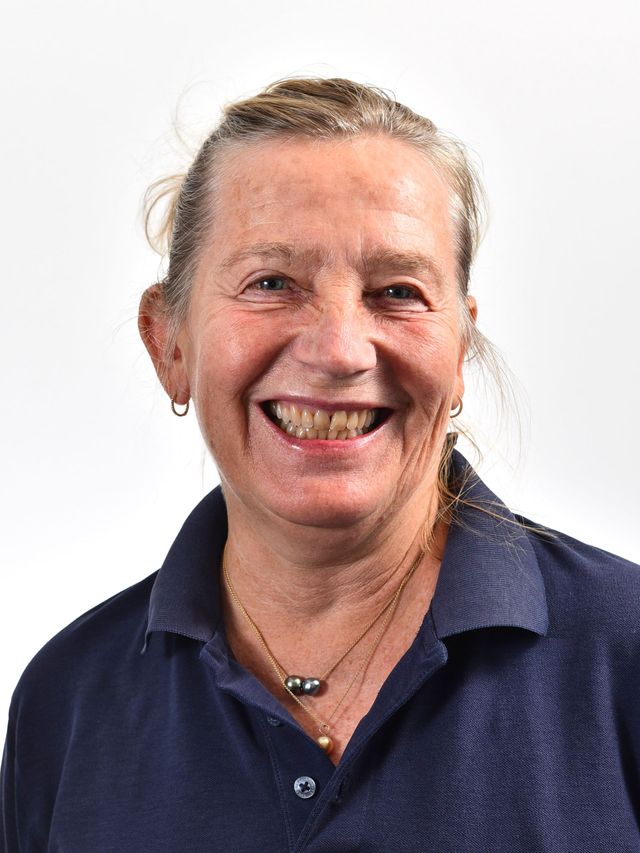
Specialist in anaesthesiology and diving medicine
Approved by the Danish Maritime Authority
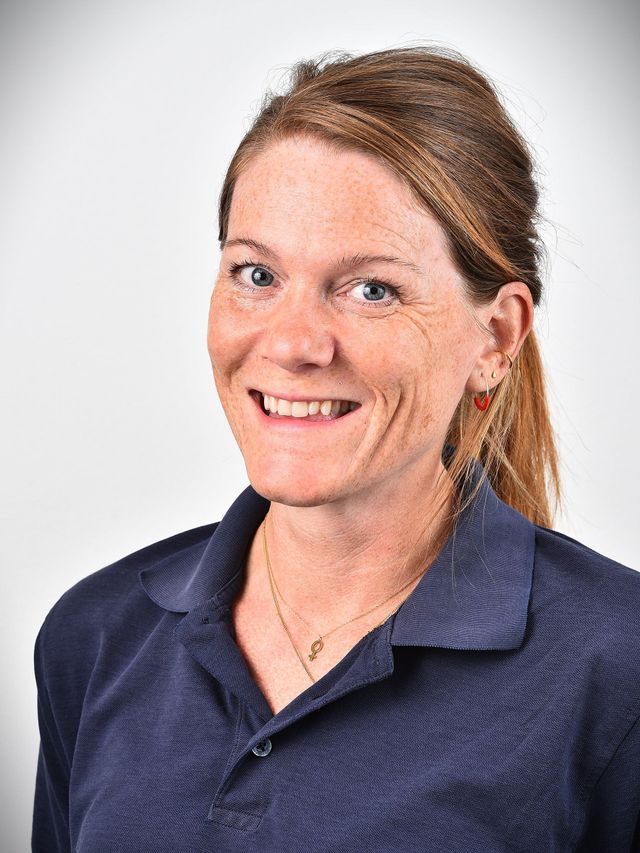
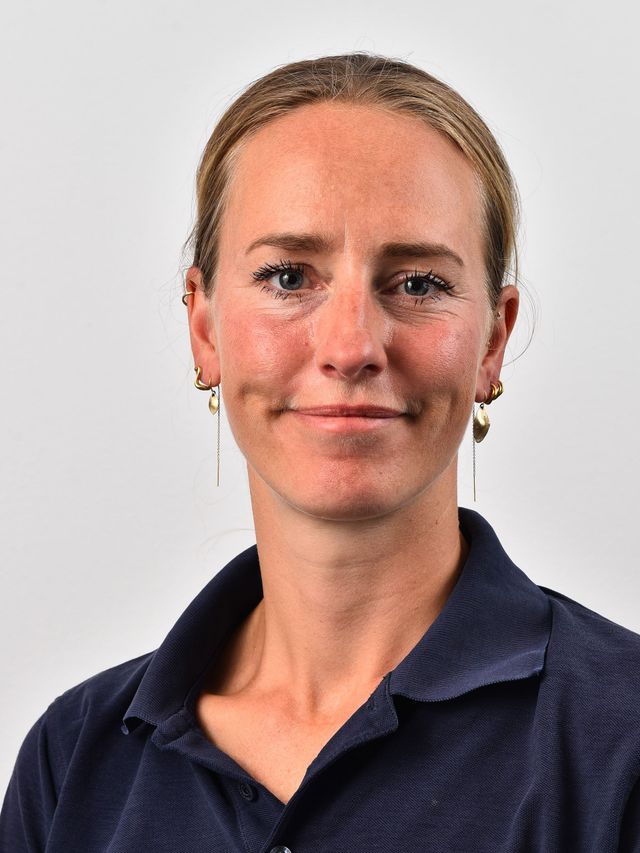

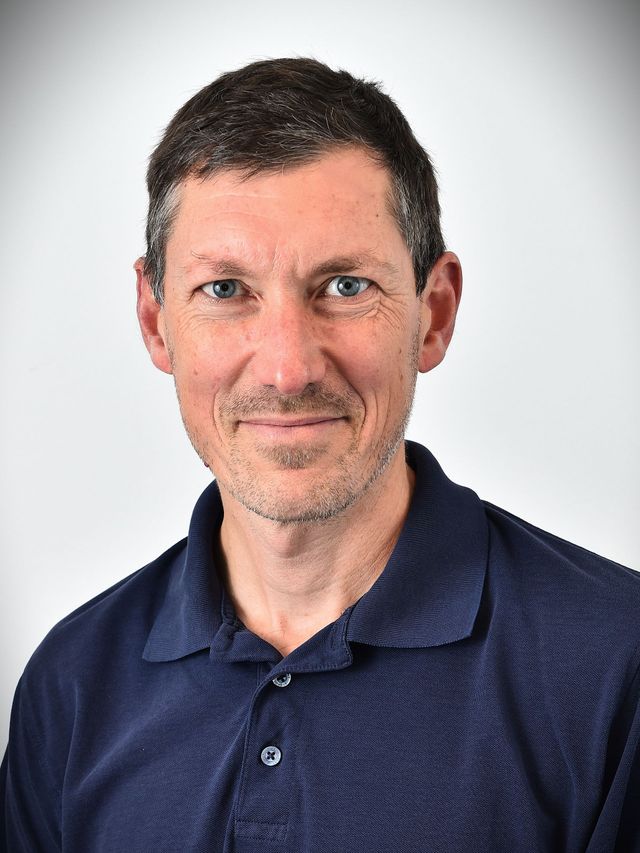
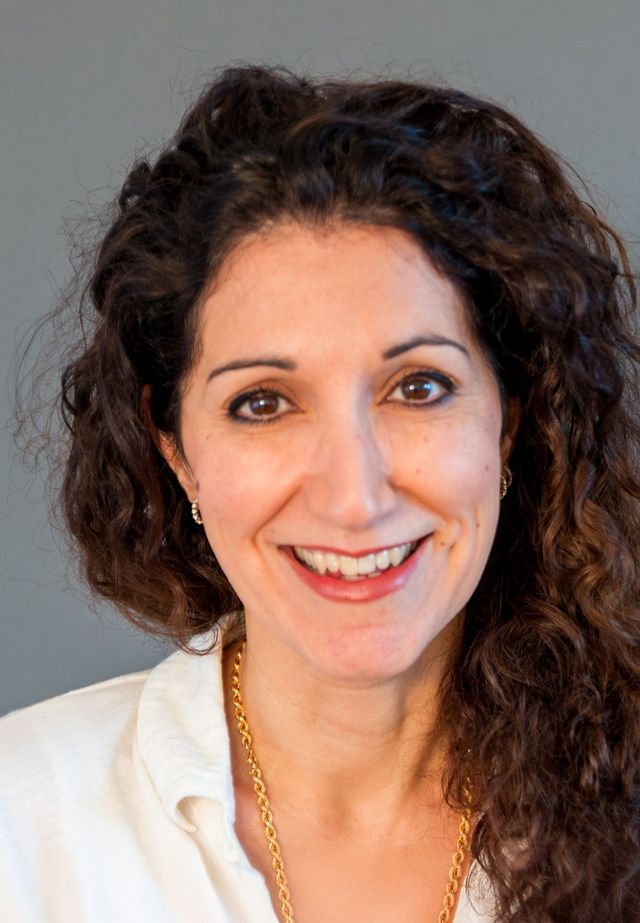
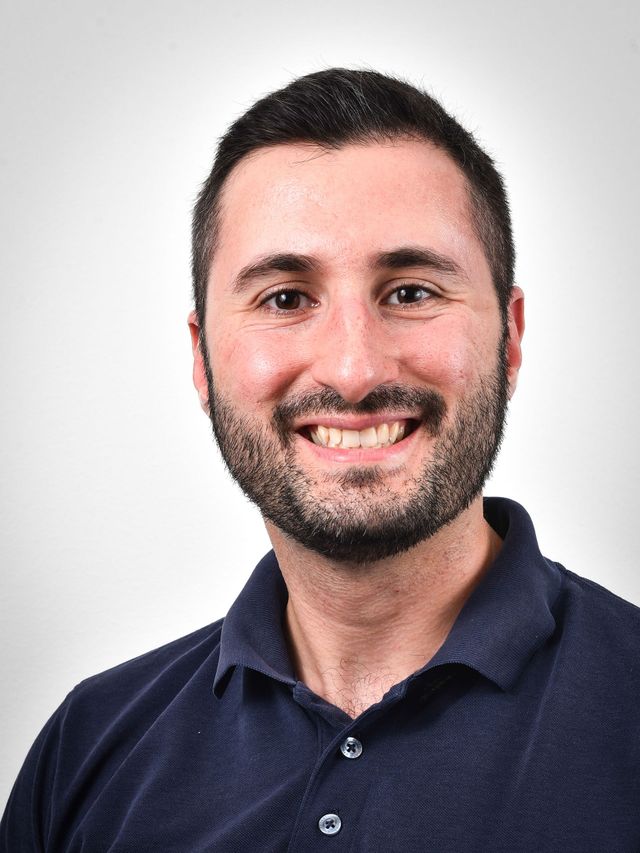

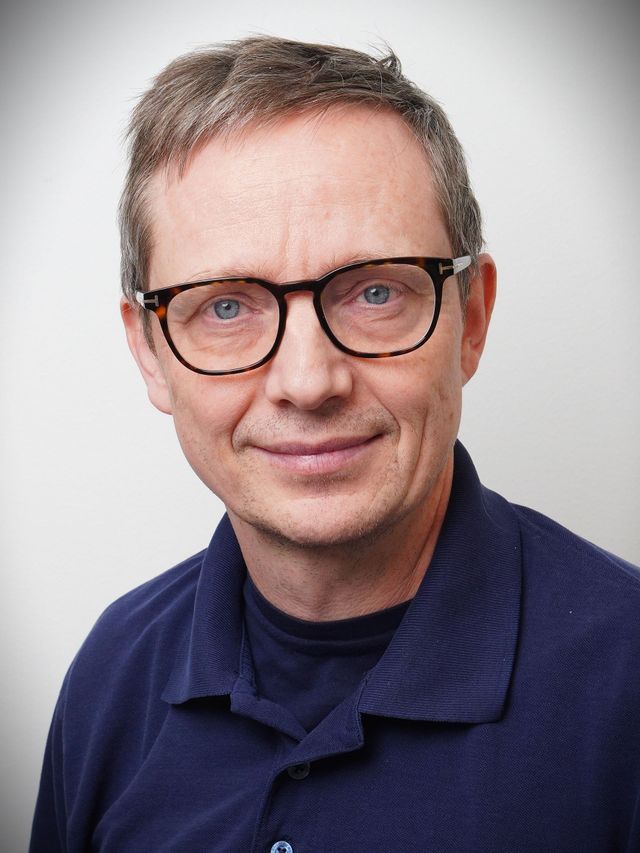
They are the people you meet first when you call or walk through the door – and the ones who look after you before and after your treatment.
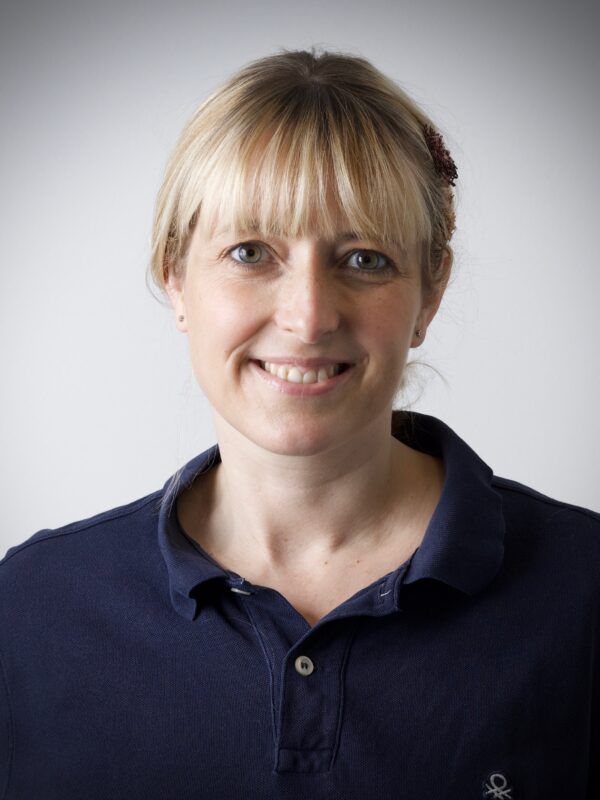
Nurse
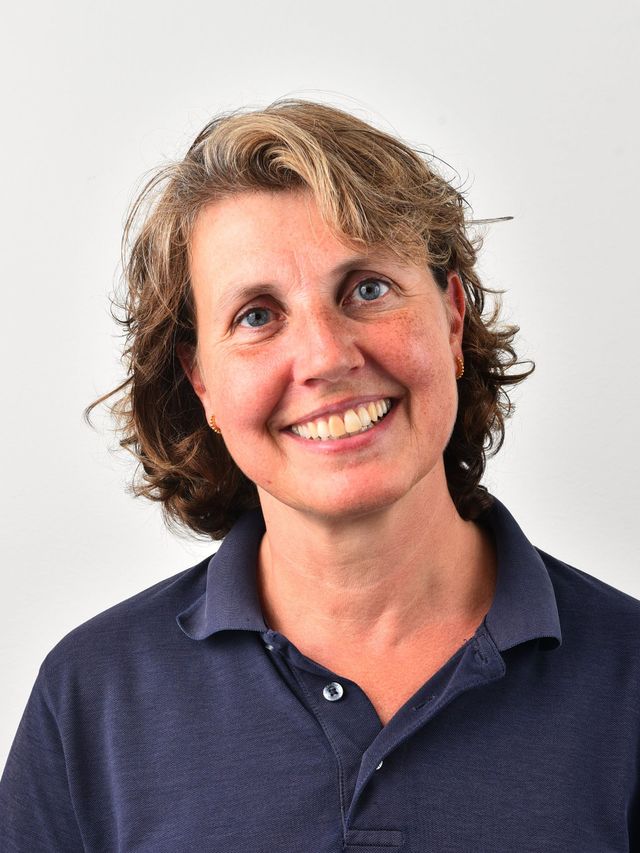
Nurse
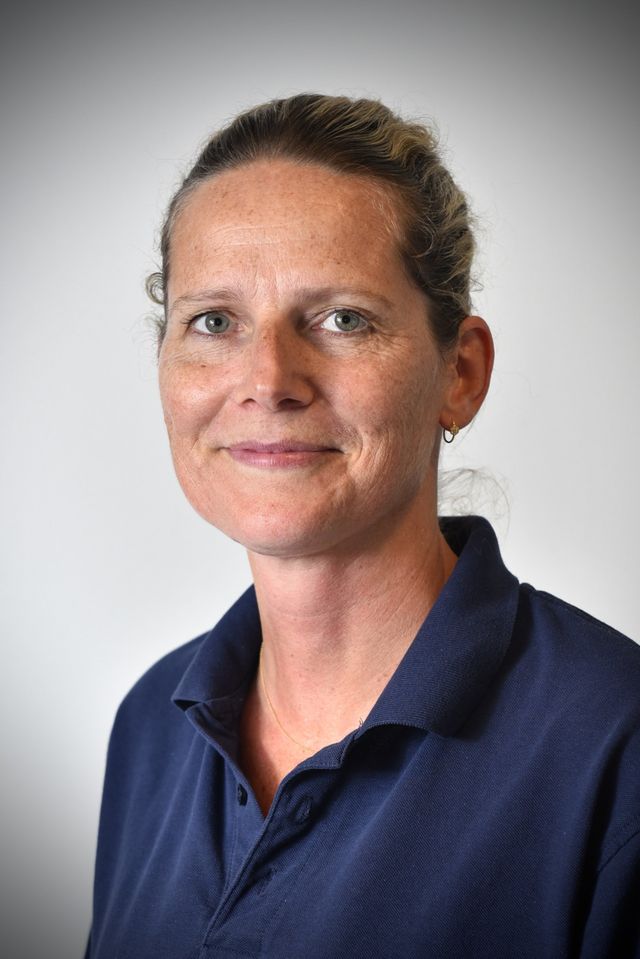
Nurse
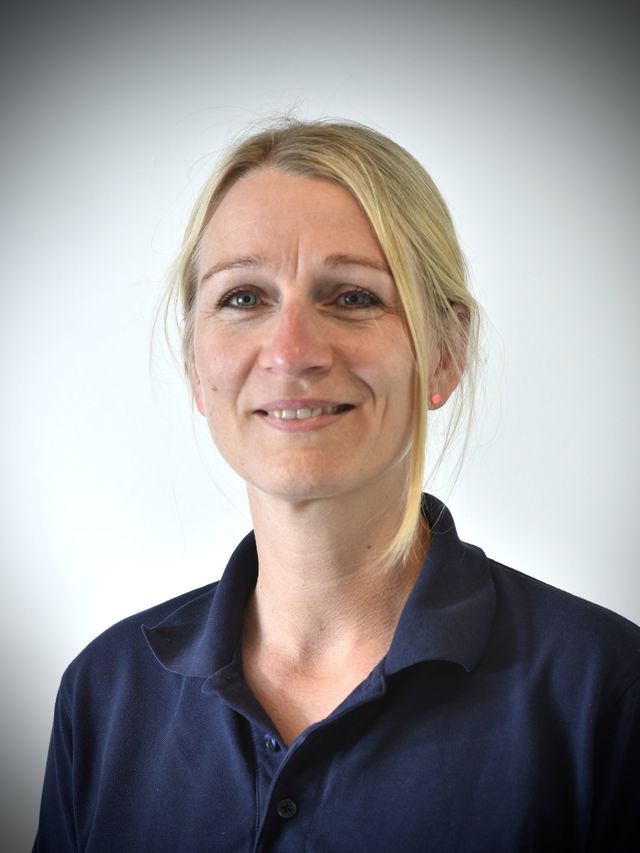
Nurse
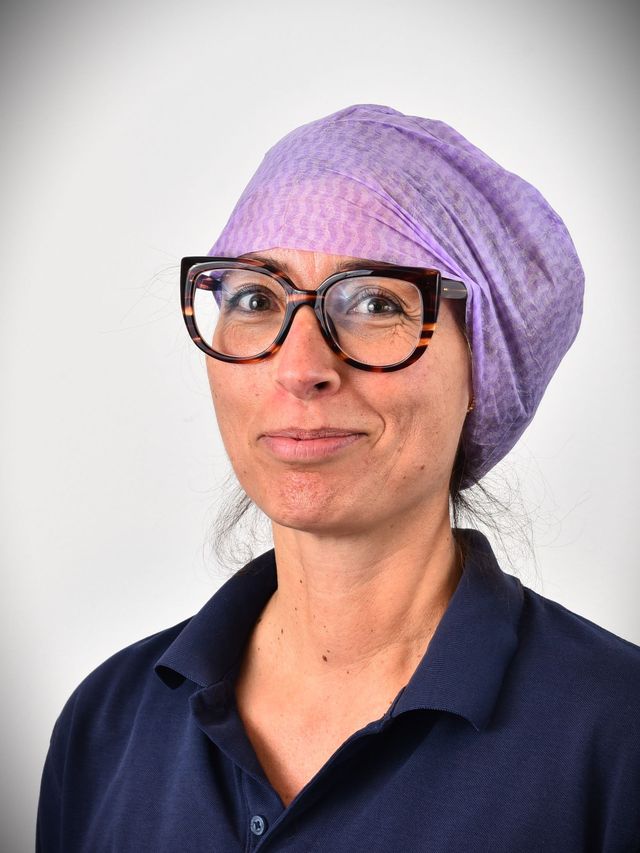
Nurse
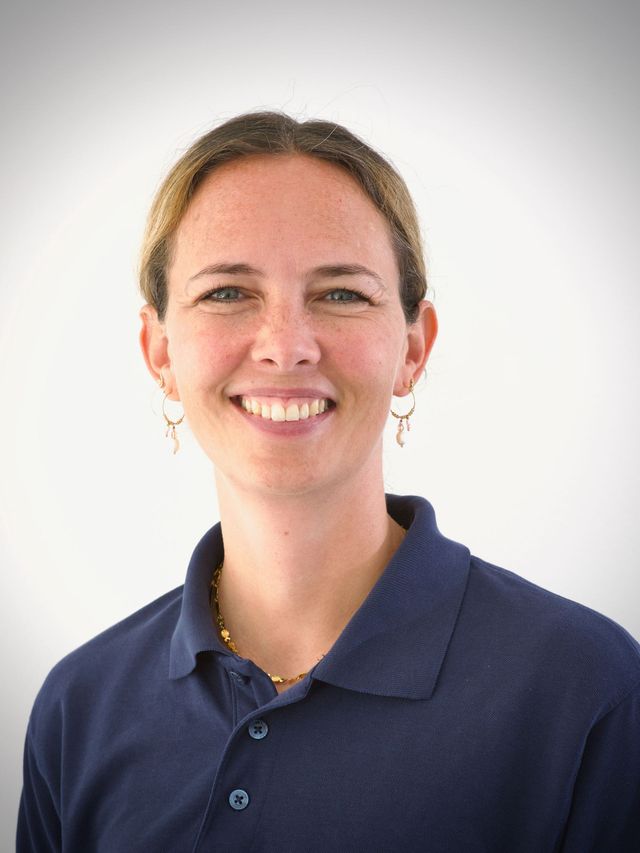
Nurse
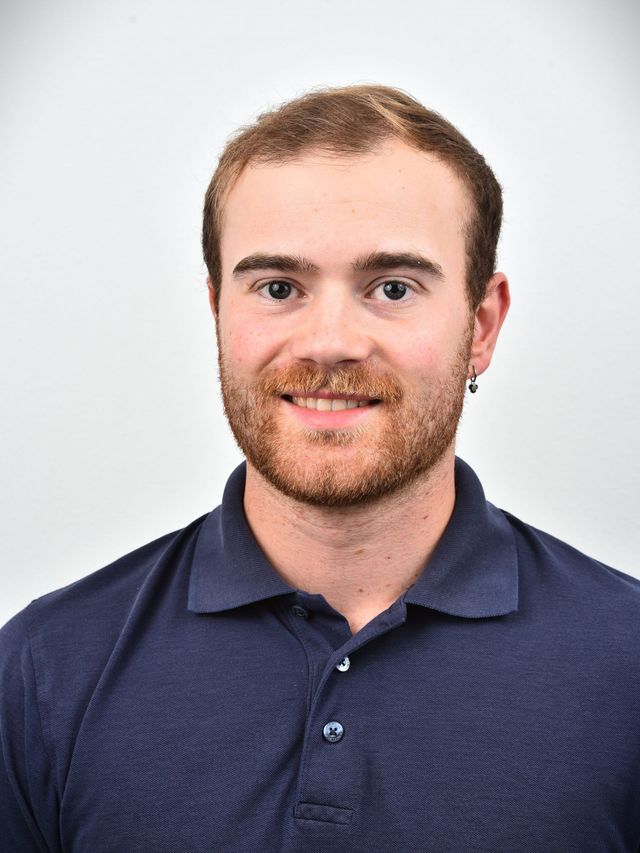
Clinical assistant
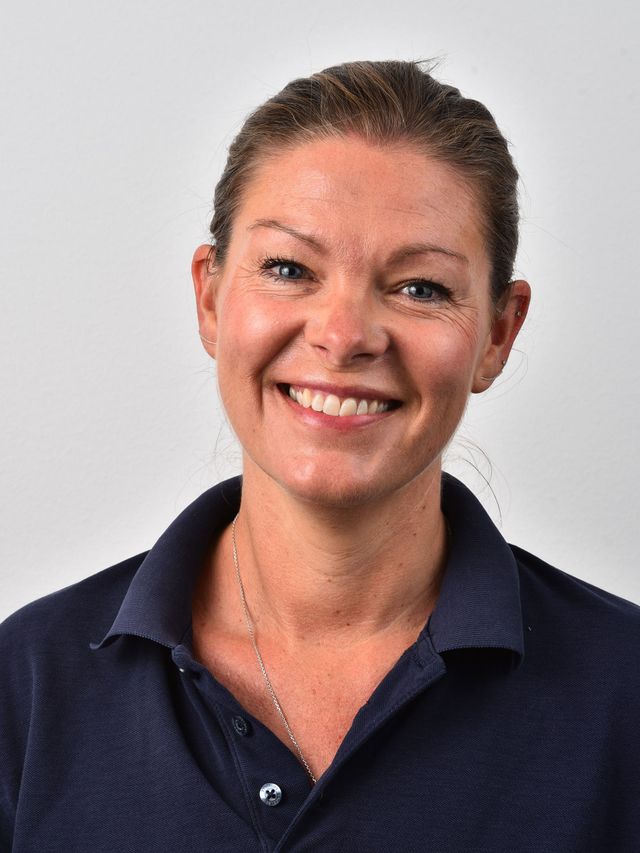
Clinical assistant
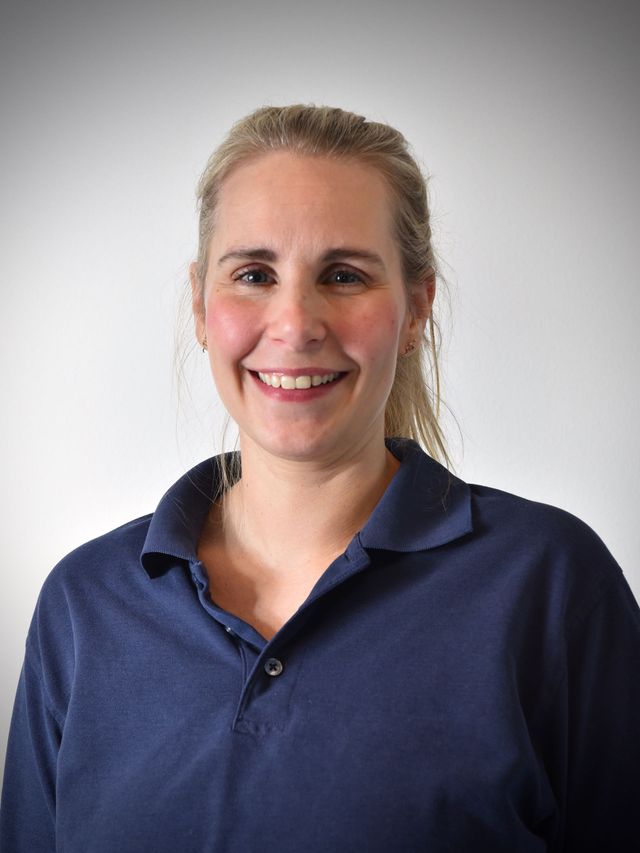
Clinical assistant
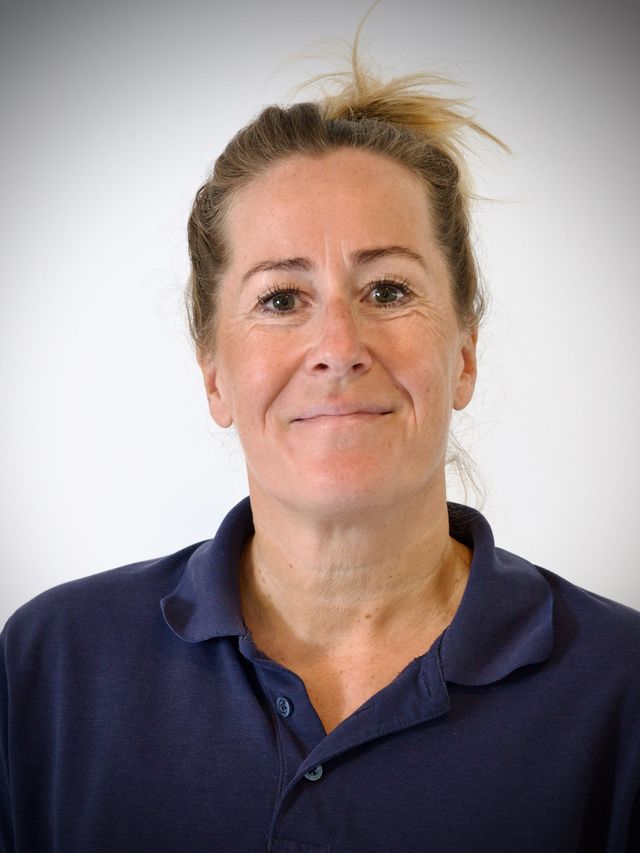
Reception and secretariat
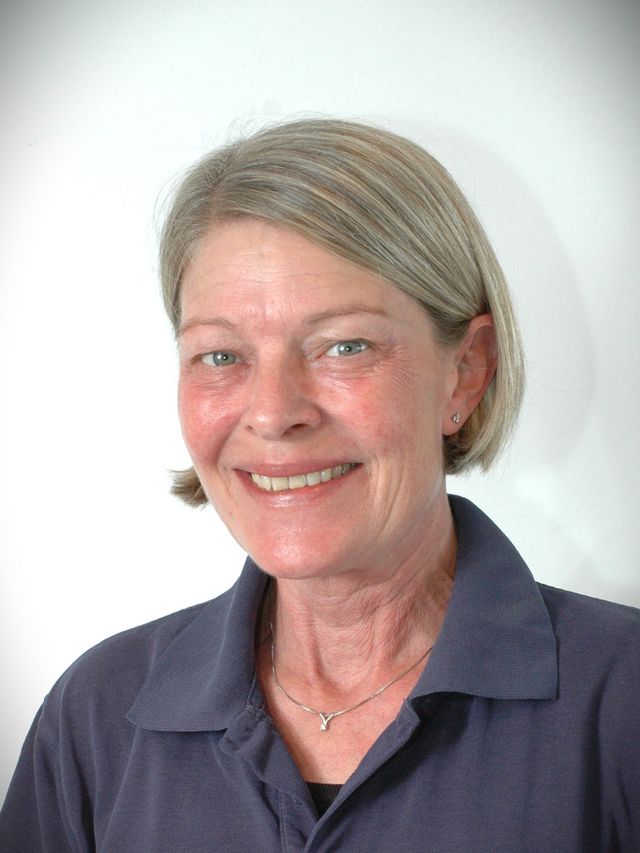
Reception and secretariat
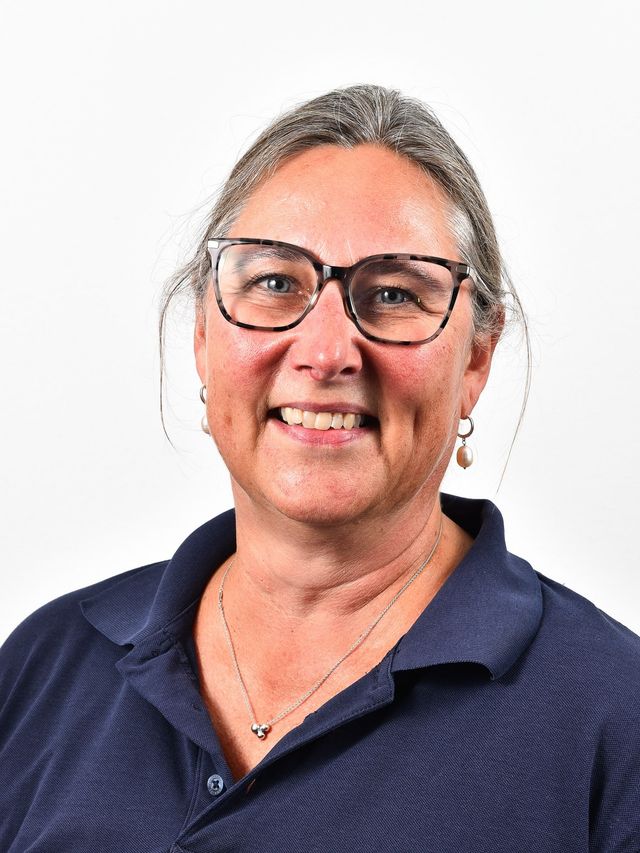
Reception and secretariat
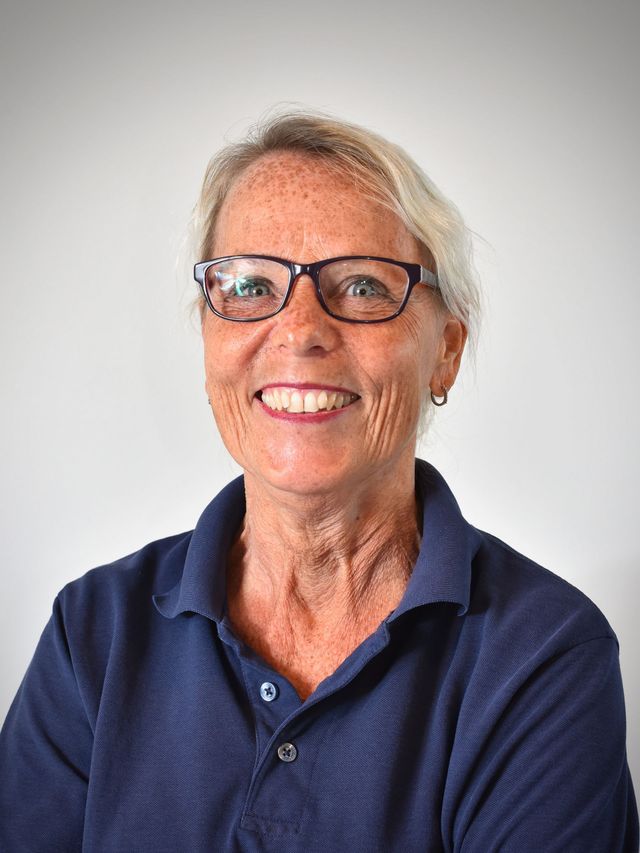
Reception and secretariat
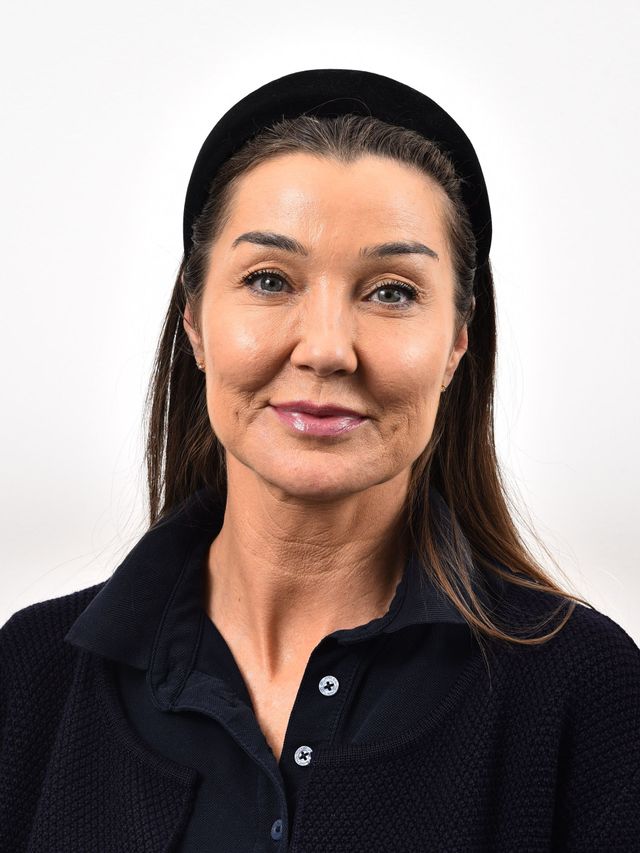
Reception and secretariat
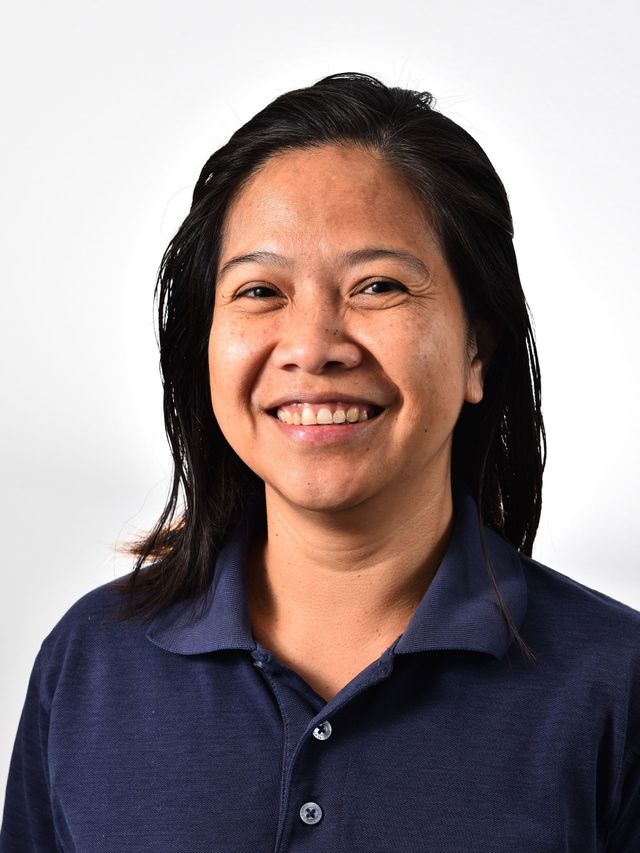
Service assistant
No one found. Try another name or choose "All".
Would you like to book an appointment with one of our specialists?
Book onlineJægersborg Allé 4
2920 Charlottenlund
CVR: 45675637
Monday–Friday, 08:00–14:00
Outside telephone hours, appointments can be booked, rescheduled and cancelled online 24/7.
Main department in Charlottenlund and ear, nose and throat departments at several locations across Denmark.