

Management
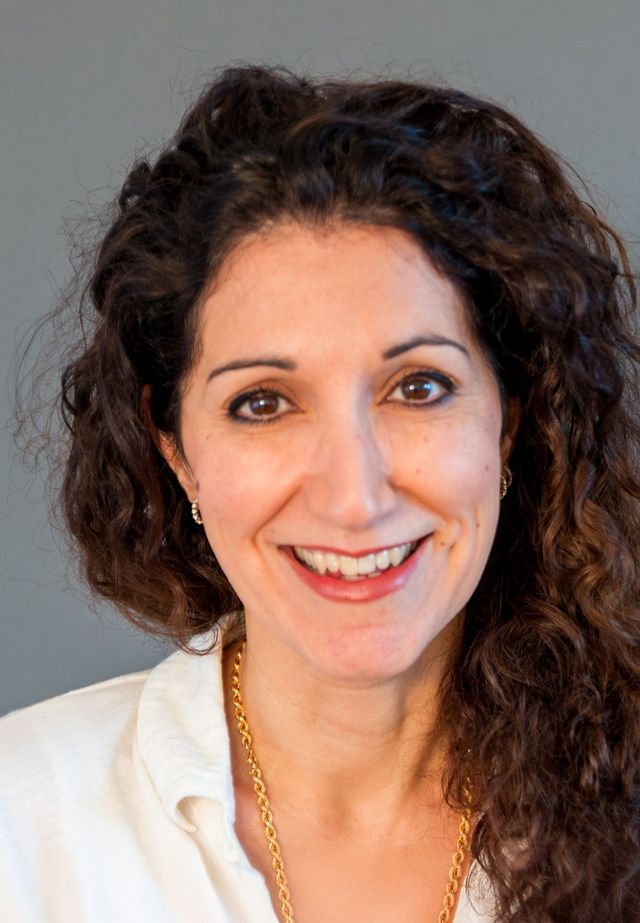
Erika Belard
Specialist physician and co-owner, CEO

Tension-type headache, migraine and warning signs – when the headache should be investigated.
Headache in children is very common, and in the vast majority it is harmless. The two most common types are tension-type headache and migraine. In some children the headache becomes recurrent and affects school, sleep and everyday life. At Charlottenlund Privathospital, children with recurrent headache can be examined by a specialist in paediatrics with a thorough conversation and a general and neurological examination.
Headache is divided into primary headache, where the headache itself is the condition, and secondary headache, where it is a symptom of something else – for example an infection, fever or a blow to the head. The two most common primary types in children are tension-type headache and migraine.
Headache is very common and becomes more frequent with age. According to Ugeskrift for Læger, more than 95% of children in Denmark experience headache during childhood, and 21–26% of school-age children have headache every week. More girls than boys have headache, and the difference becomes clearer during the teenage years.
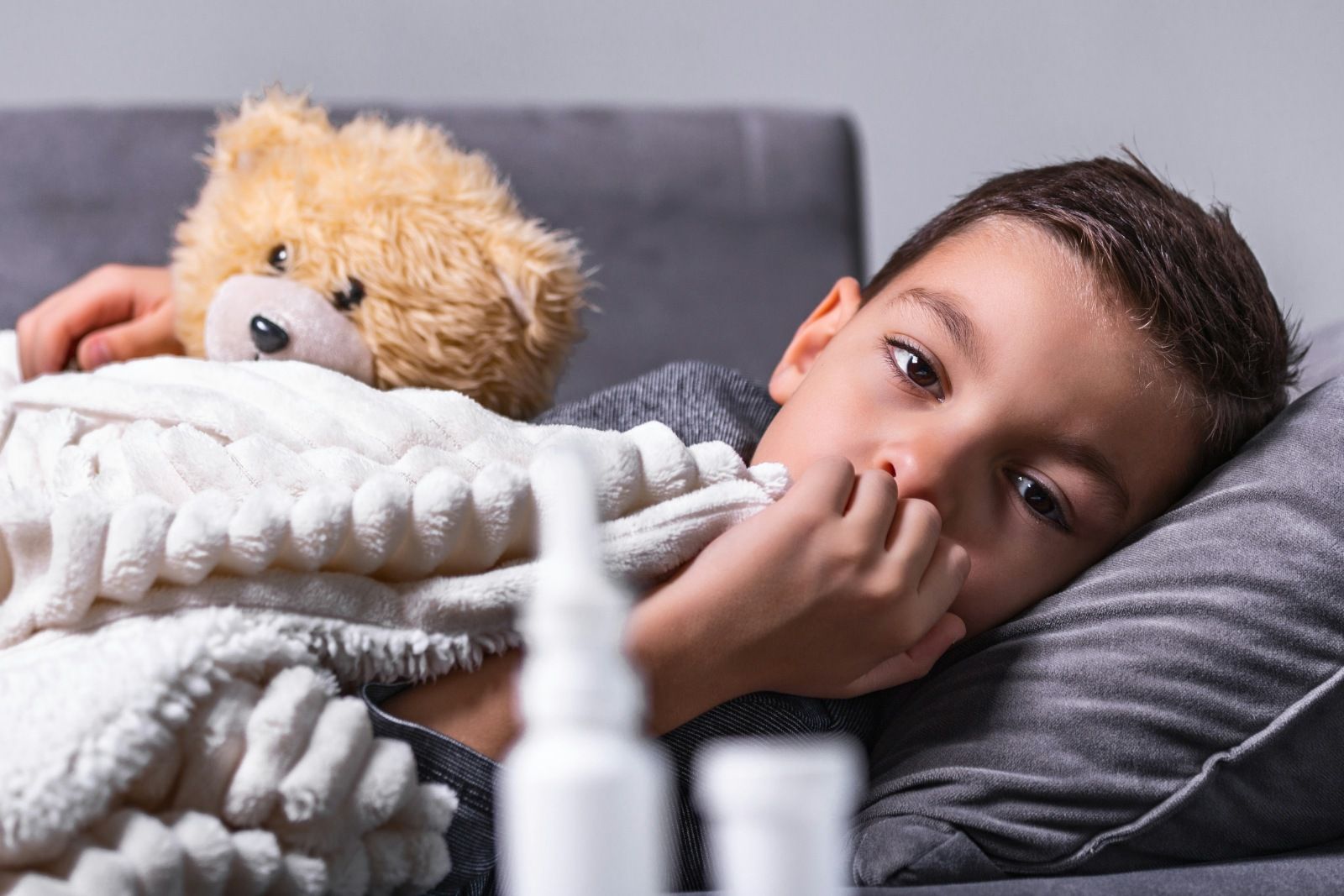
Tension-type headache causes a steady, pressing or tightening pain on both sides of the head of mild to moderate intensity. It does not get worse with physical activity, and there is usually no nausea. It can last from half an hour to several days and is the most common form in children.
Migraine is more intense, often throbbing, gets worse with activity and is often accompanied by nausea, vomiting and sensitivity to light and sound. In children, migraine is often felt on both sides of the head, and the attacks are shorter than in adults. Some children also have visual or sensory disturbances (aura). Read more about migraine in children.
It is often a combination of several factors. The most common are physical or emotional stress, lack of sleep and irregular bedtimes, hunger and irregular meals, too little to drink, a lot of screen time and sedentary postures, as well as infections and fever.
Yes. Stress related to school, tests or social situations is one of the most common triggers – especially of tension-type headache. In some children there is a clear link between demanding periods and more frequent headache, while sleep and screen time play a part at the same time. It therefore makes sense to look at the child's everyday life as a whole.
Young children can find it hard to put headache into words. Instead it may show as changed behaviour: the child becomes quiet, seeks rest, wants to lie down, sleeps a lot, holds the head or becomes irritable and out of sorts. If a young child often seems unwell in this way, a doctor should assess it.
Headache with fever is often seen with common infections such as colds and flu and disappears when the infection is over. However, fever and headache can in rare cases be a sign of a serious infection – see a doctor immediately in case of neck stiffness, a rash, marked drowsiness or a clearly unwell child.
For mild to moderate headache it often helps to rest, drink a glass of water, have something to eat and possibly lie down in a quiet room. Ordinary over-the-counter pain relief can be used when needed, but not too often or for a long period, as this in itself can make headaches more frequent. In recurrent headache it is therefore important to have the cause clarified.
The assessment starts with a thorough conversation about the character of the headache, where it is, how often and how long it lasts, and whether there is nausea, sensitivity to light or visual disturbances. A headache diary is a great help. The examination includes pulse, blood pressure and a neurological examination of vision, movements and reflexes. In the vast majority there are no abnormal findings. In atypical symptoms or warning signs, a scan may become relevant – the child is then referred.
No referral is needed for self-paying patients, and appointments can be booked online. Prices are shown in the price list.
Many health insurance policies cover an assessment by a paediatrician, but the insurers usually require a referral from the family doctor and prior approval. Most insurers send the approval directly to the hospital, and the bill is settled with the insurer. Charlottenlund Privathospital does not accept patients through the Danish public health insurance scheme.
Appointments take place in the hospital's children's unit at Hans Edvard Teglers Vej 9 in Charlottenlund – see map and addresses.
Answers to questions parents often ask about headache in children.
Tension-type headache and migraine. Tension-type headache causes a steady, pressing pain without nausea, while migraine comes in more intense attacks with nausea and sensitivity to light and sound.
Stress, lack of sleep, hunger, too little to drink, a lot of screen time and infections are the most common triggers. It is often a combination of several factors.
If the headache wakes the child at night, a sudden very severe headache, morning vomiting over several days, fever with neck stiffness, new neurological symptoms or headache in children under 5 years.
Young children often show it by becoming quiet, seeking rest, wanting to lie down, holding the head or becoming irritable and out of sorts.
Ordinary over-the-counter pain relief can be used when needed, but not too often, as frequent use in itself can make headaches more frequent.
In the vast majority of children it is not necessary. In atypical symptoms or warning signs, a scan may become relevant after a medical assessment.
Charlottenlund Privathospital is owned and run by three specialist physicians: Erika Belard, Jacob Fisker and Teit Mantoni. Jacob Fisker is medical director. Here you will find our ear, nose and throat (ENT) specialists in Charlottenlund and at our clinics around Denmark – and in Charlottenlund also specialists in paediatric surgery, dermatology, diving medicine, gynaecology, cardiology, paediatrics, psychology and rheumatology.
Specialist physician and co-owner, CEO
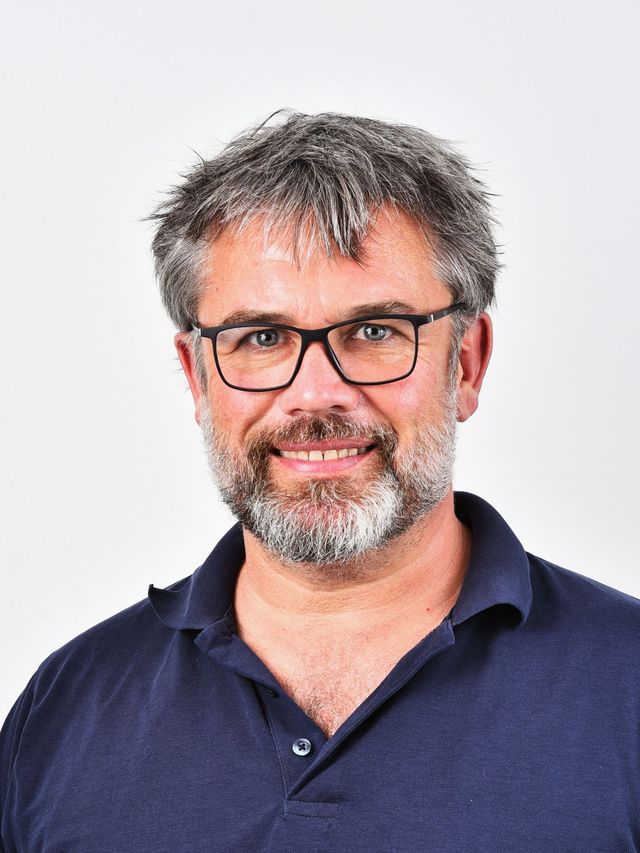
Specialist physician, co-owner and medical director
Specialist physician and co-owner
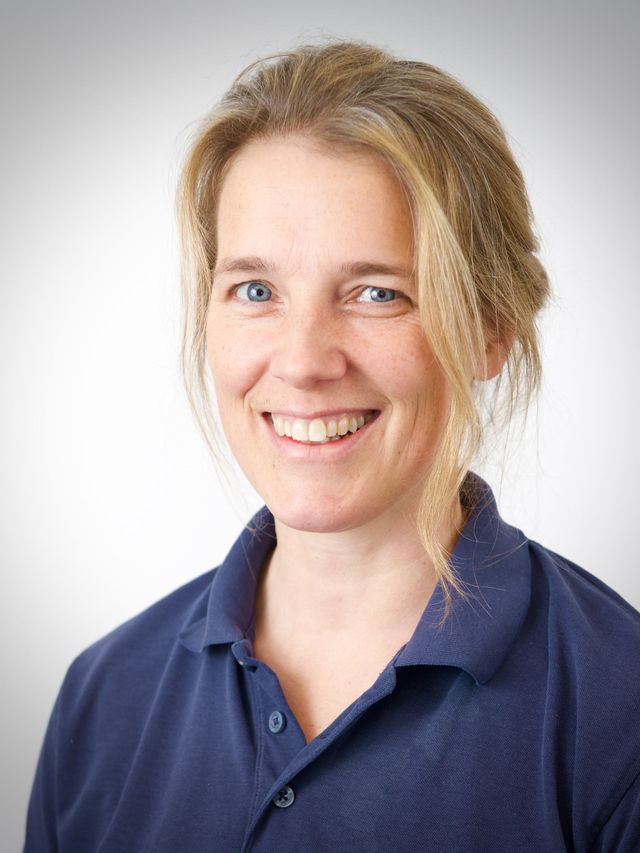
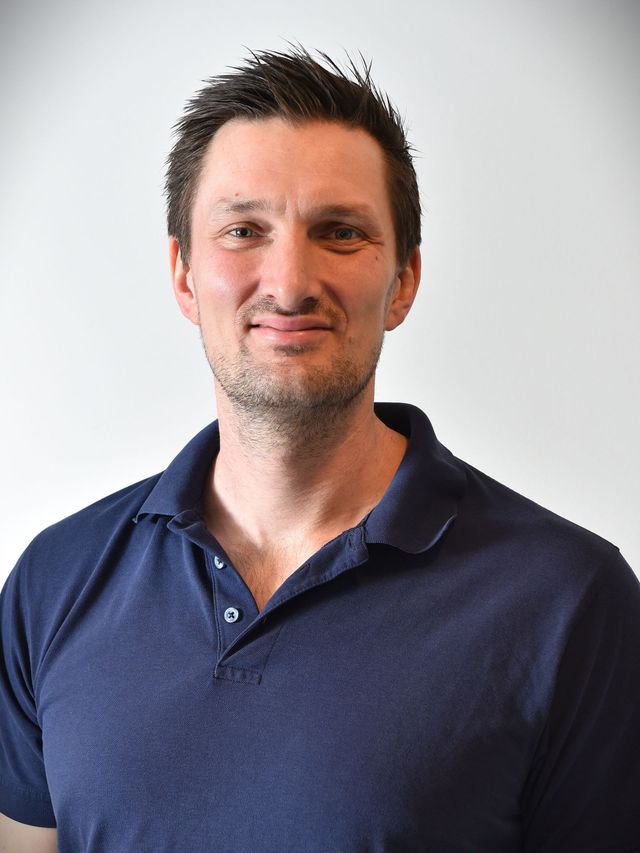
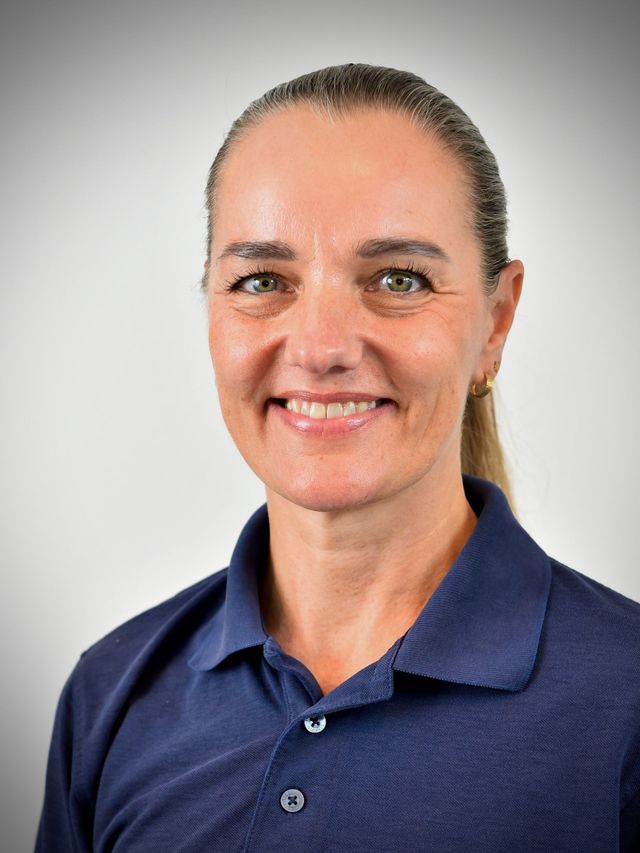
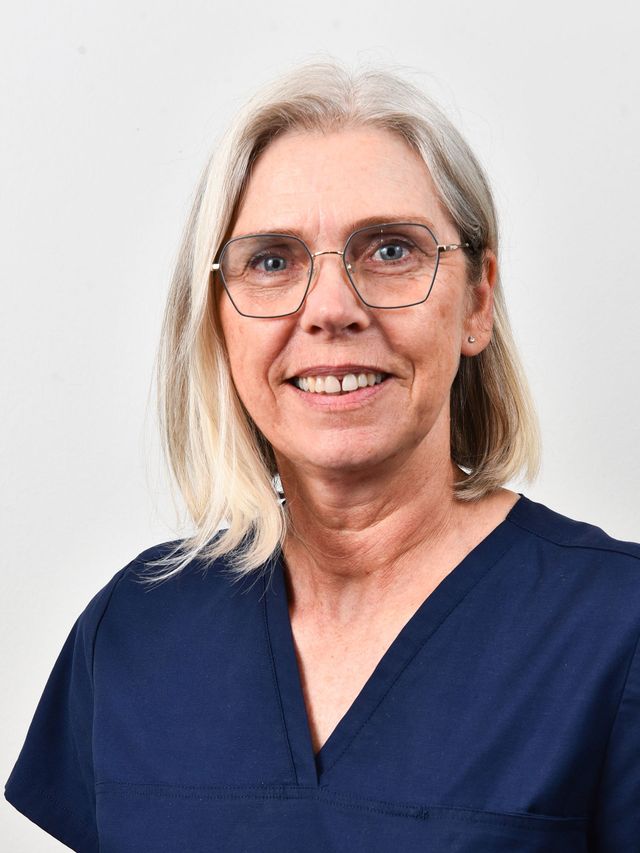
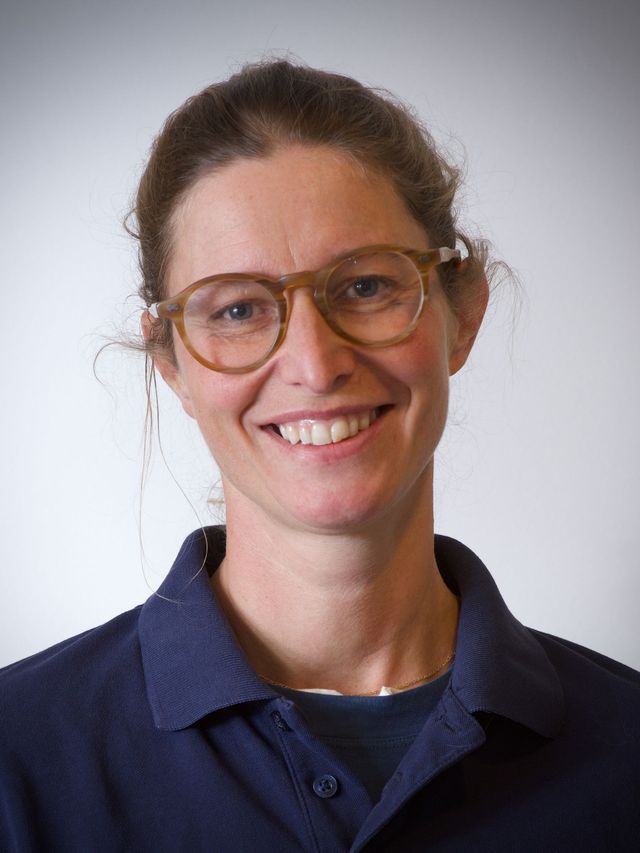
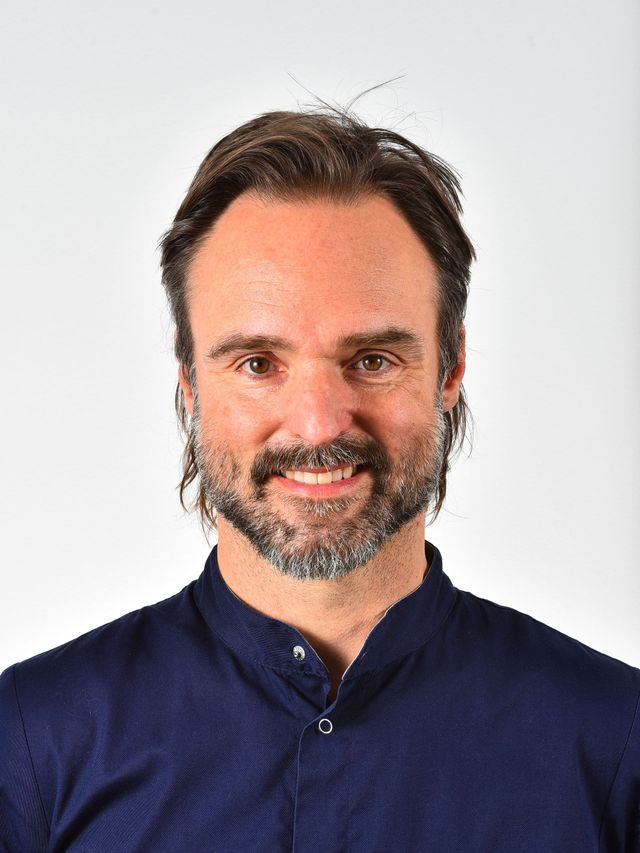
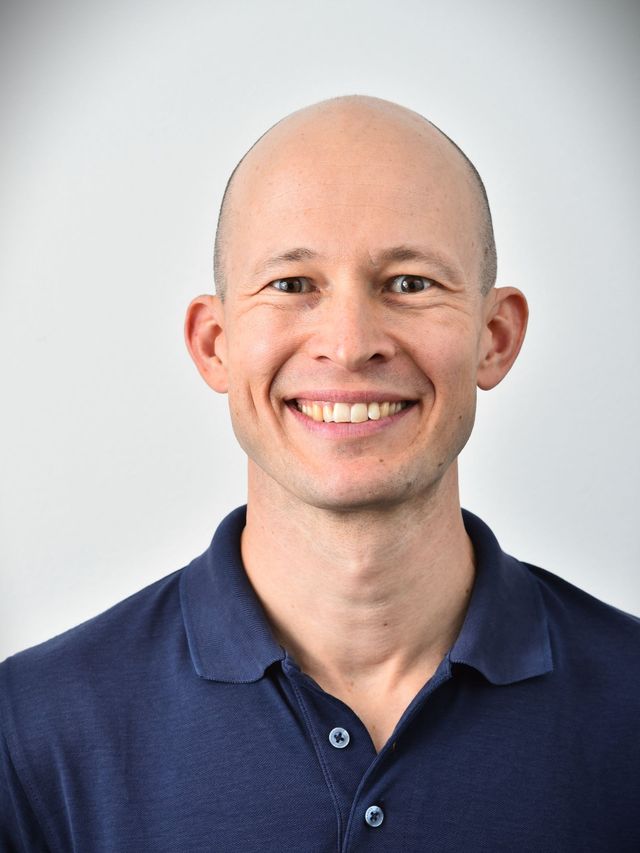
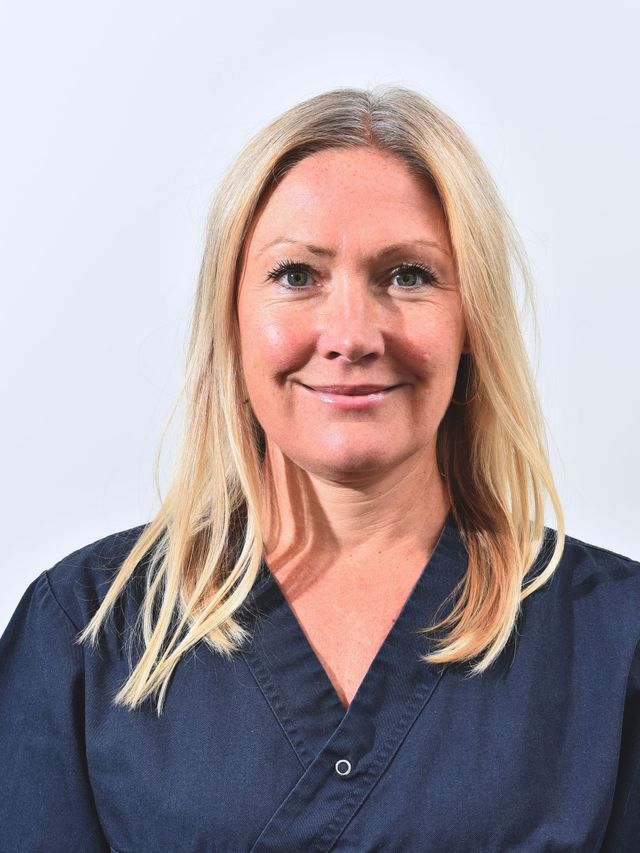
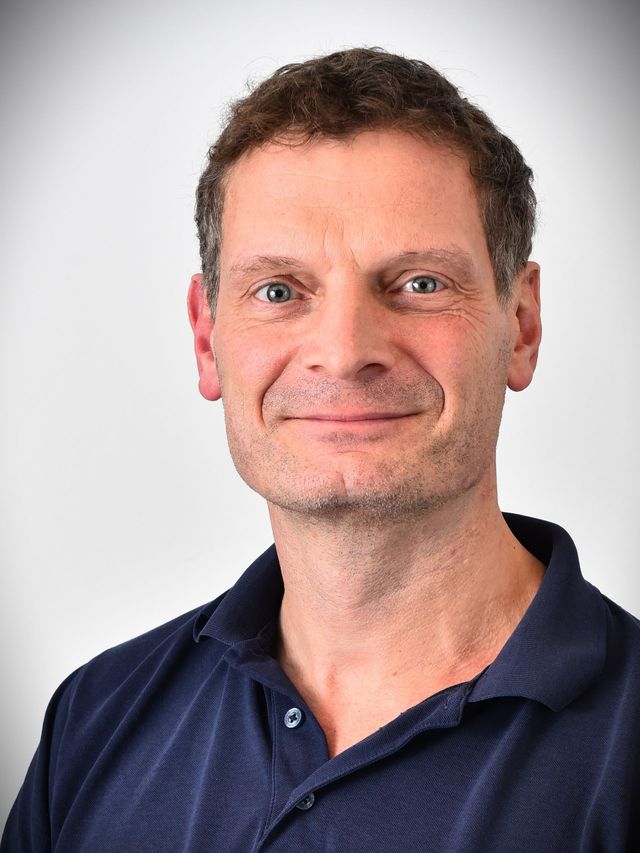
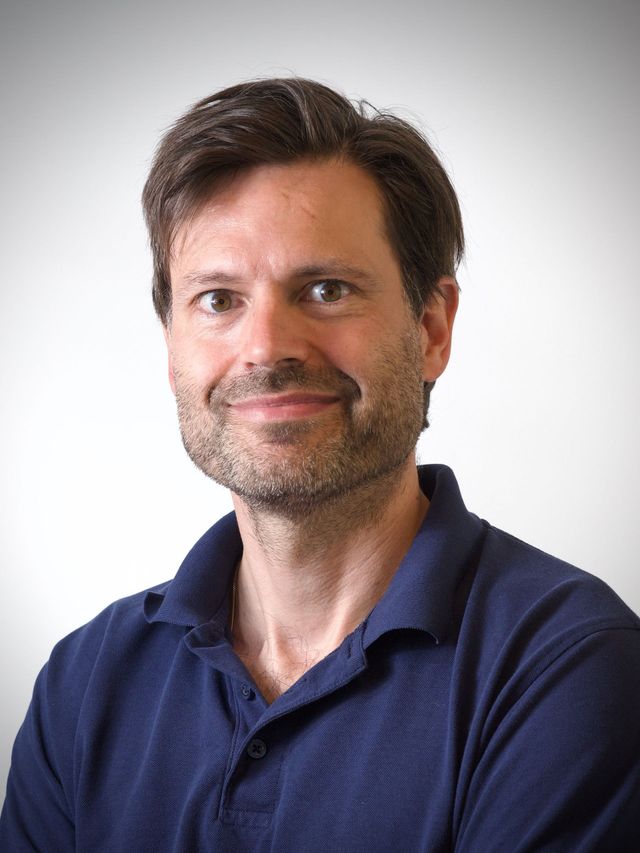
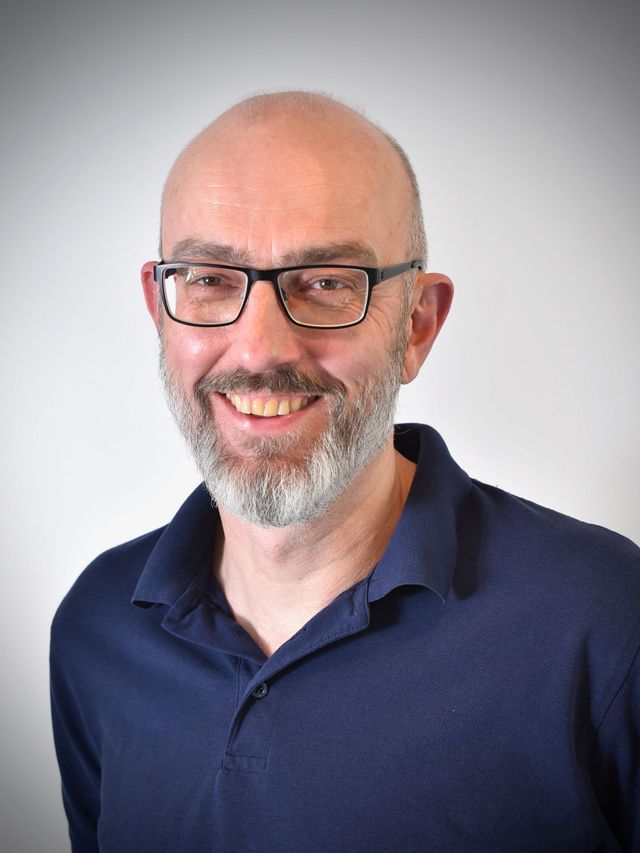
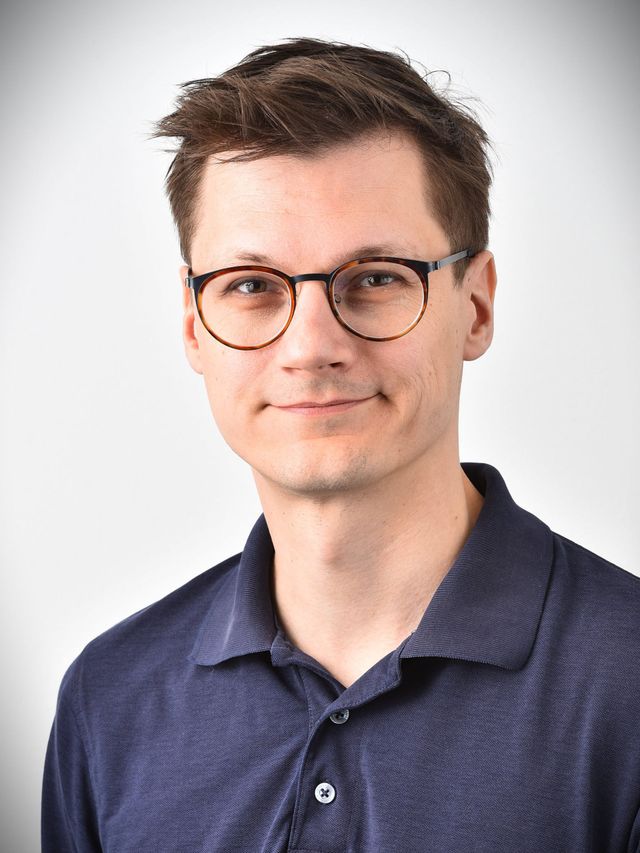
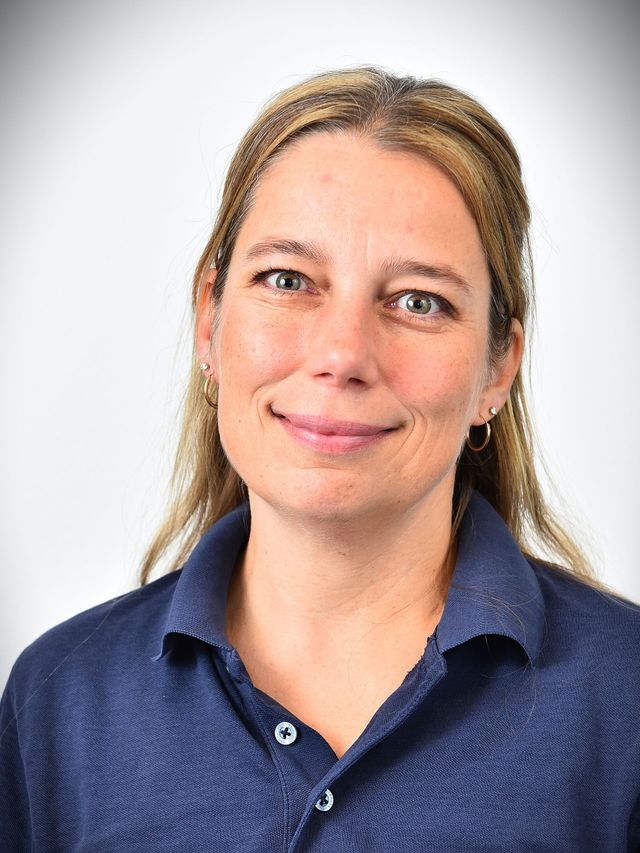
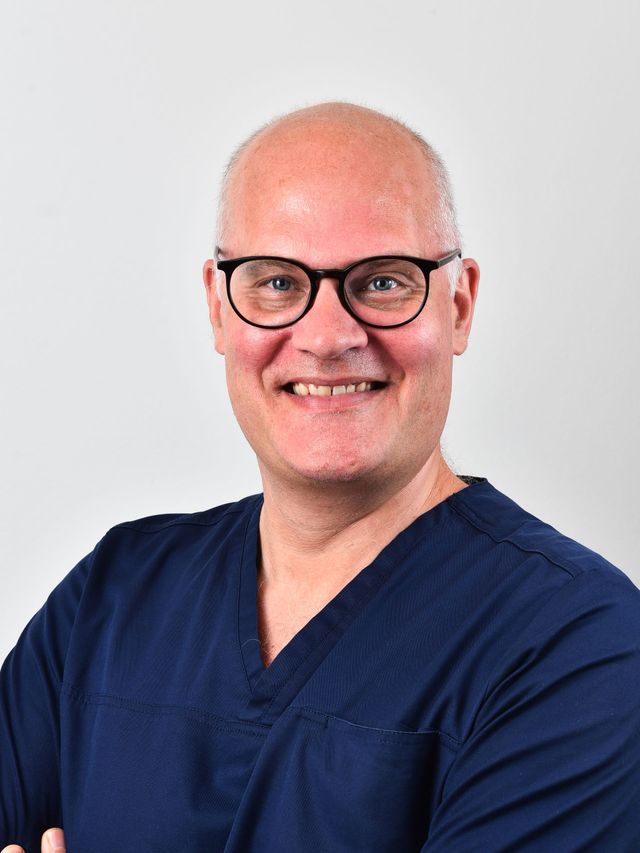
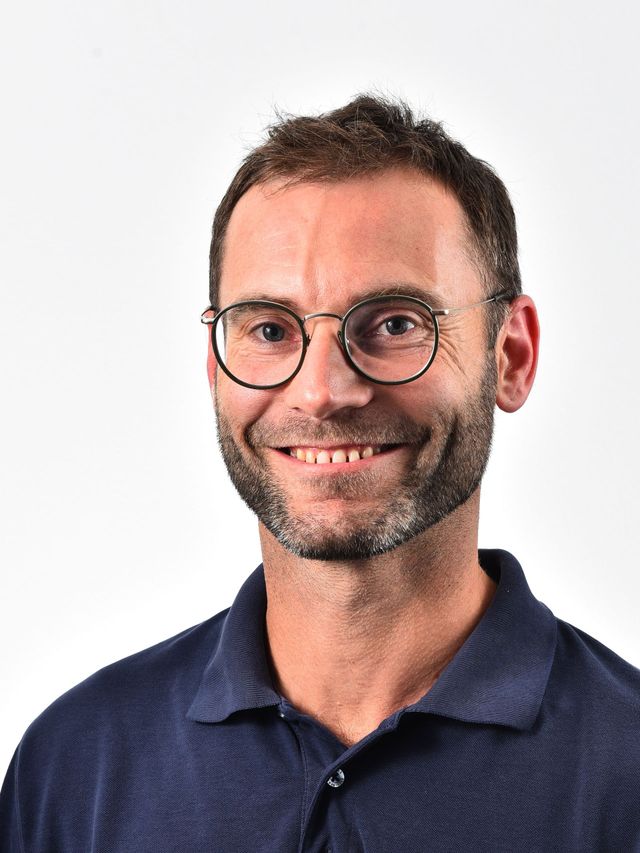
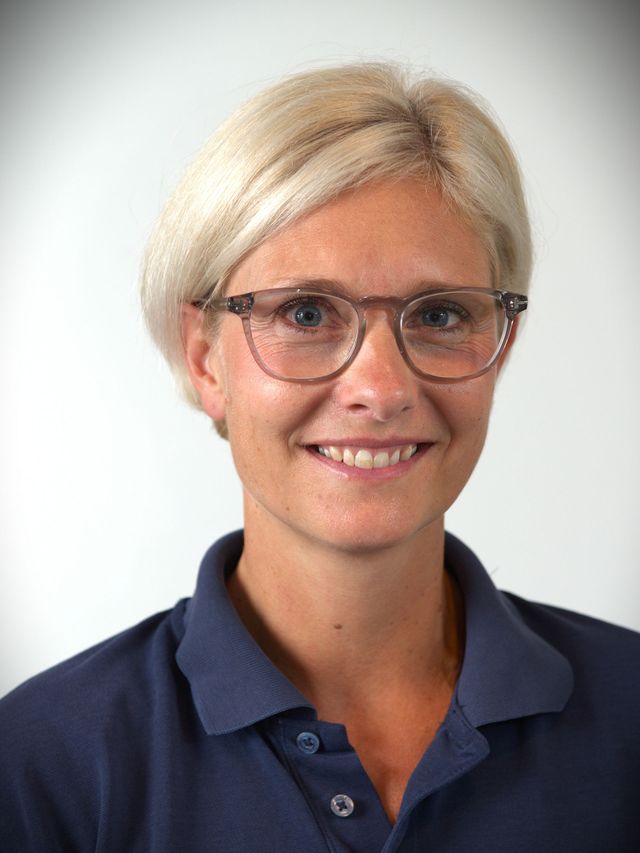
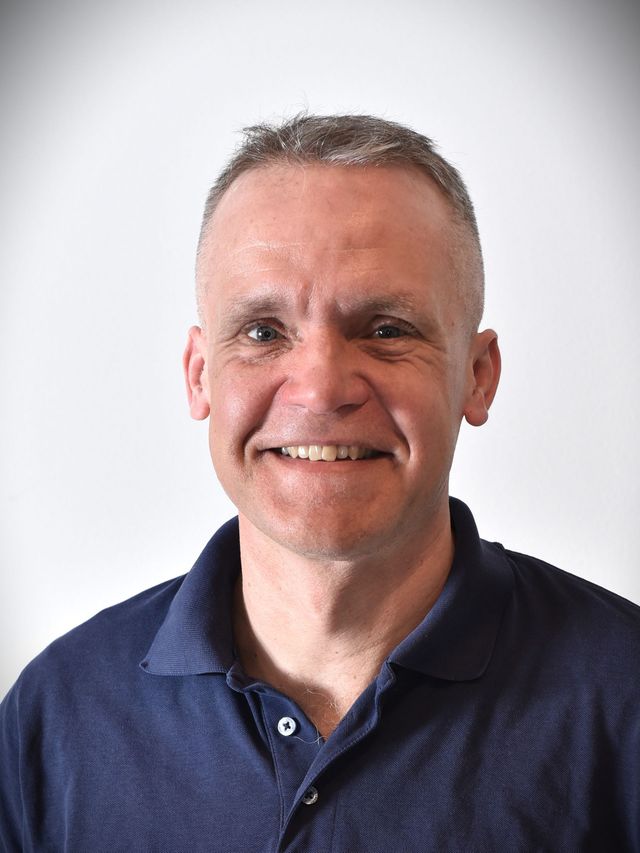
Specialist in anaesthesiology
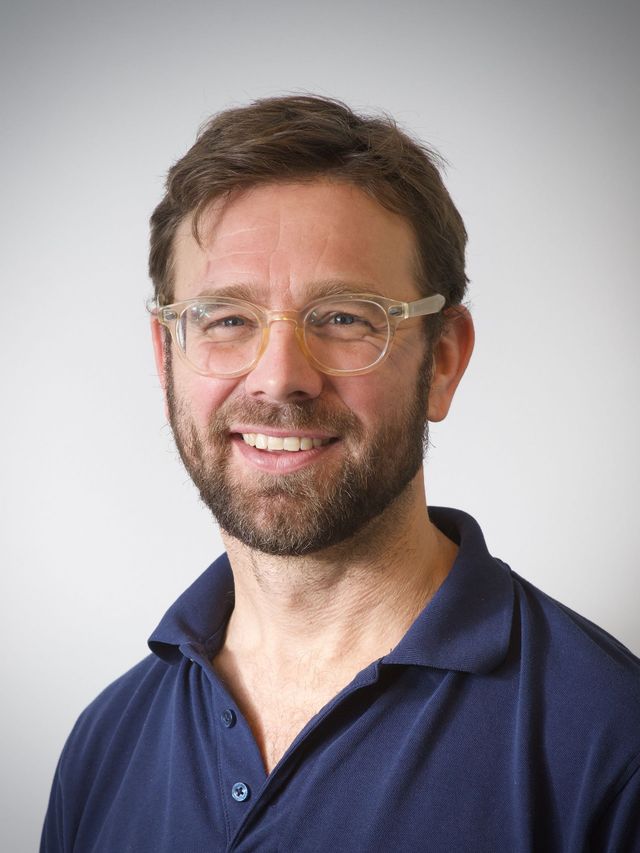
Specialist in anaesthesiology
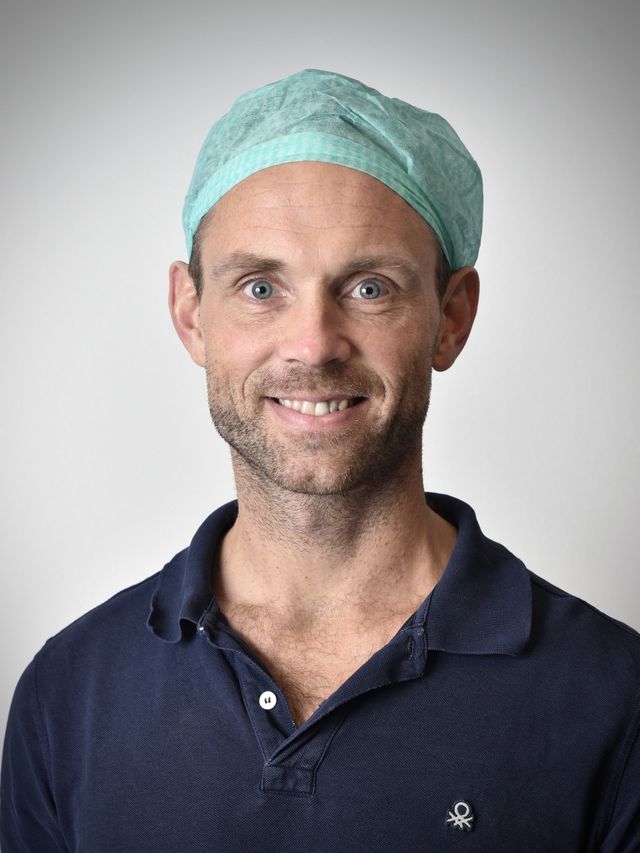
Specialist in anaesthesiology
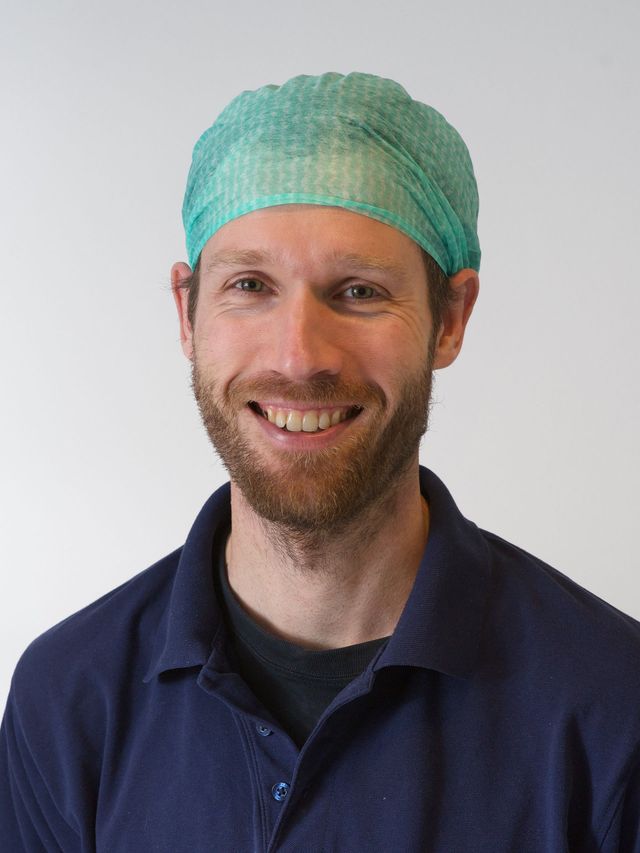
Specialist in anaesthesiology, DMSc, PhD
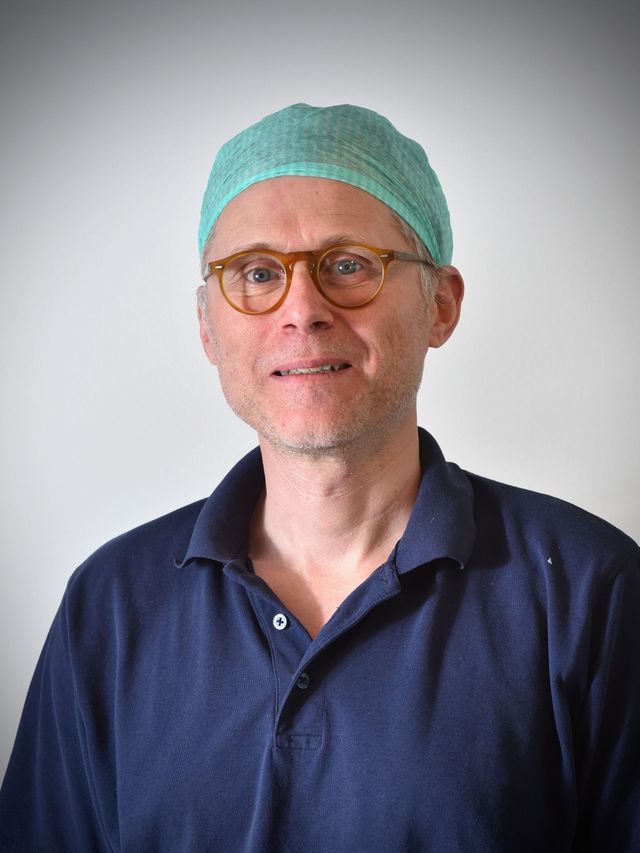
Specialist in anaesthesiology
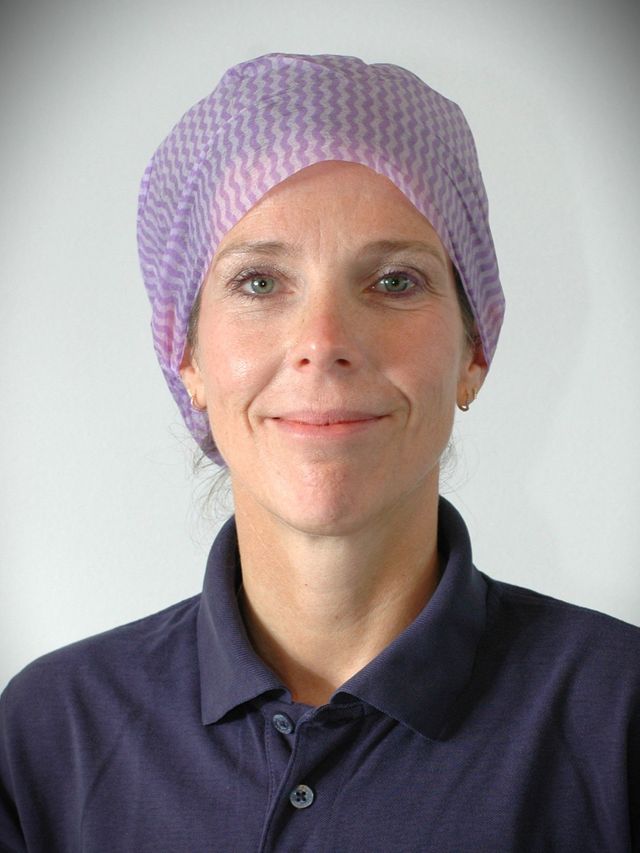
Specialist in anaesthesiology
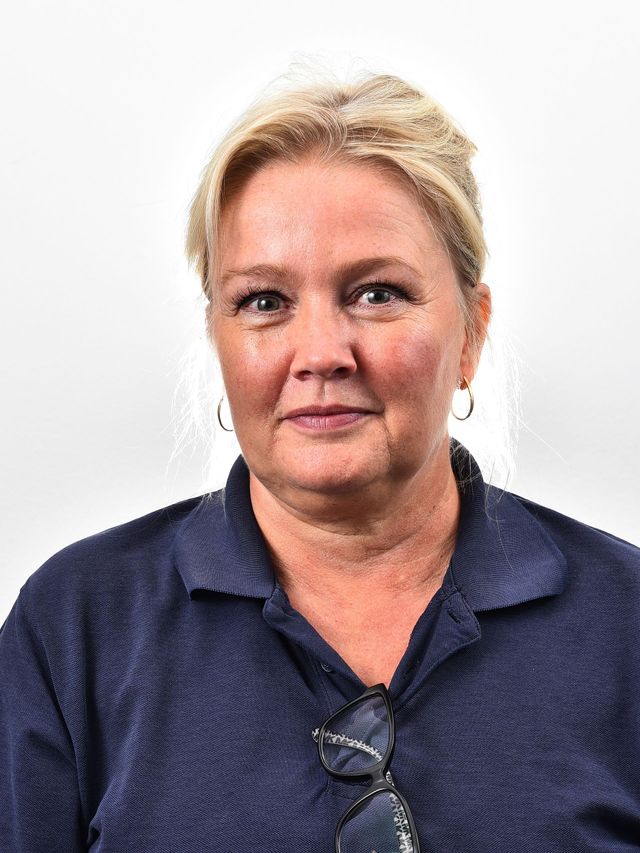
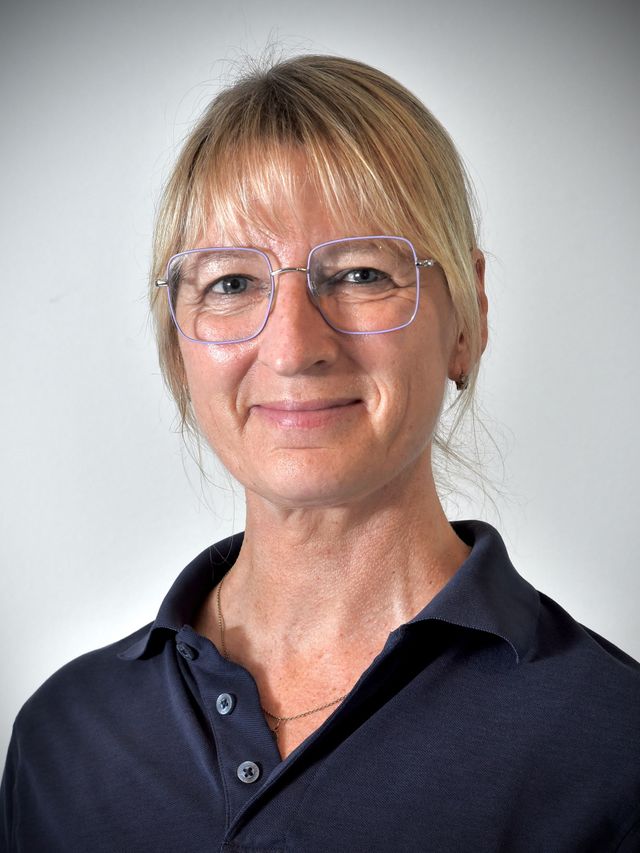
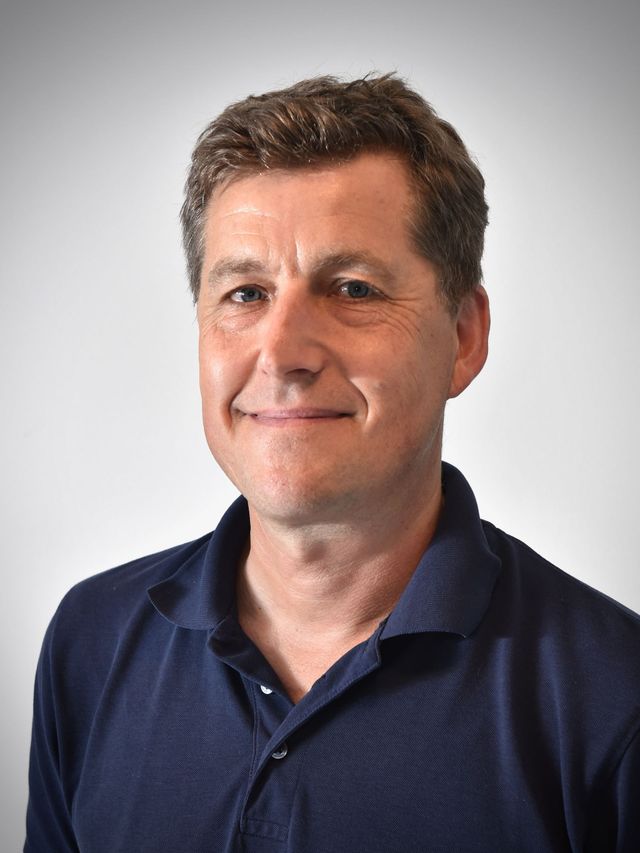
Specialist in anaesthesiology and diving medicine
Approved by the Danish Maritime Authority
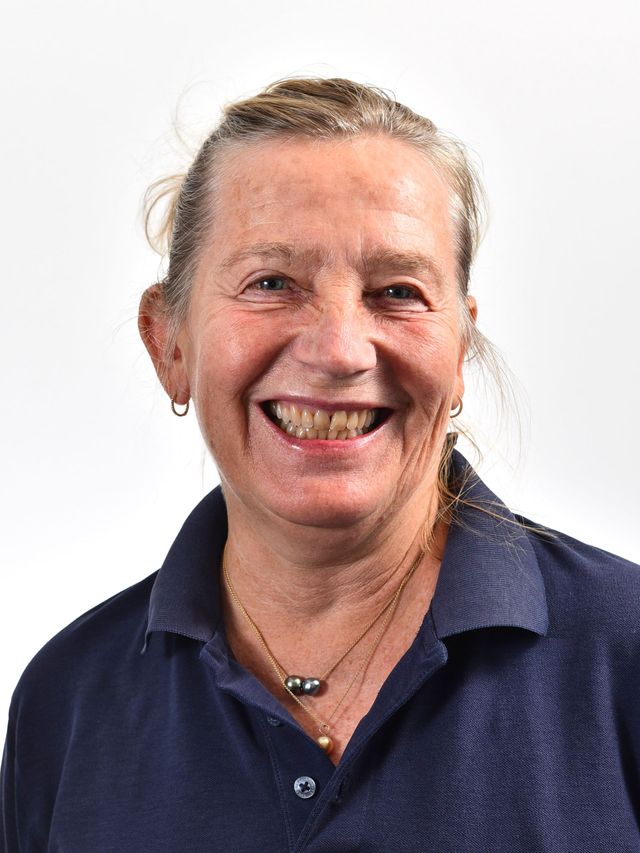
Specialist in anaesthesiology and diving medicine
Approved by the Danish Maritime Authority
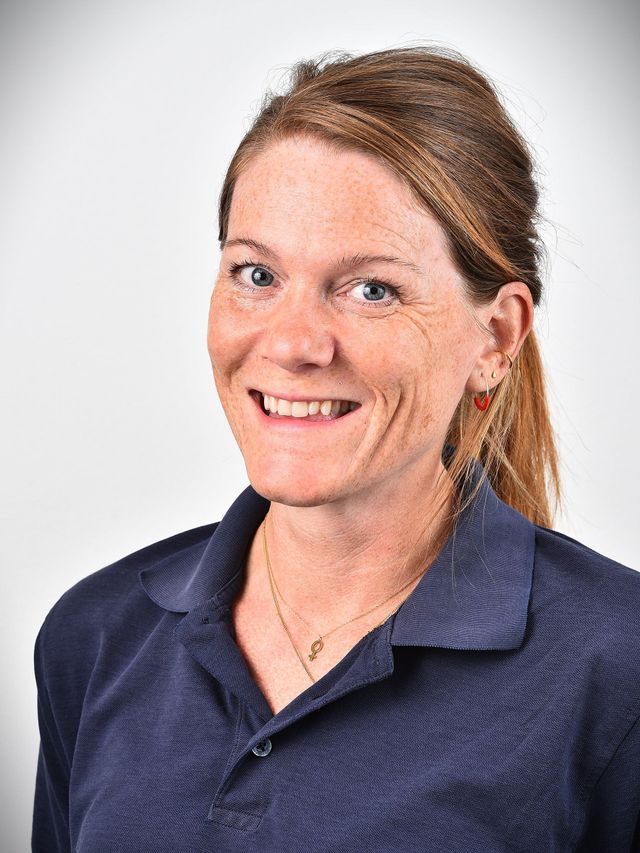
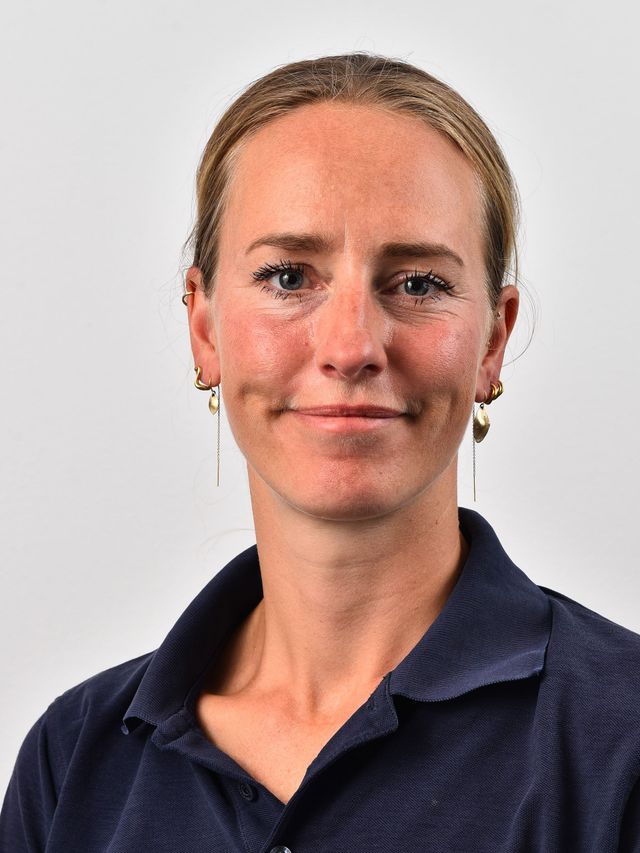

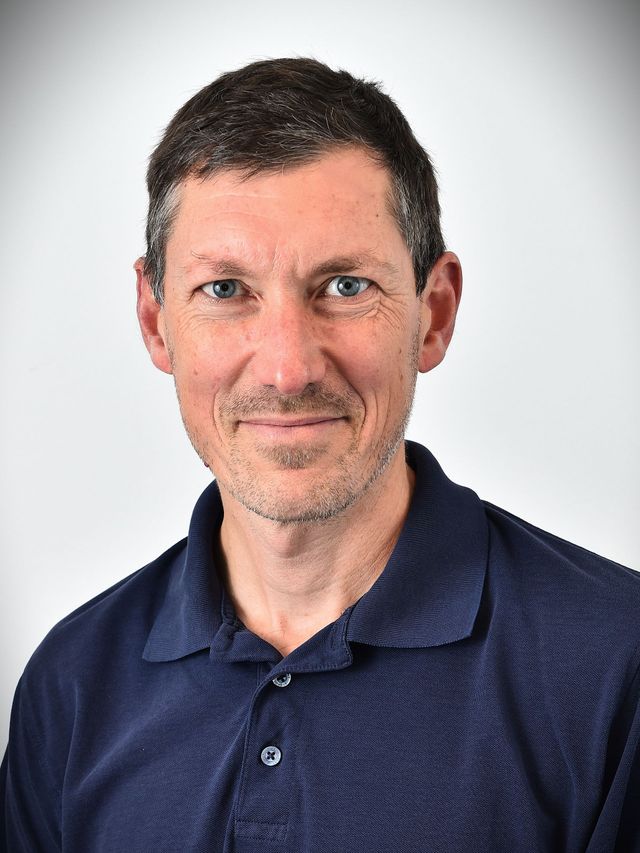
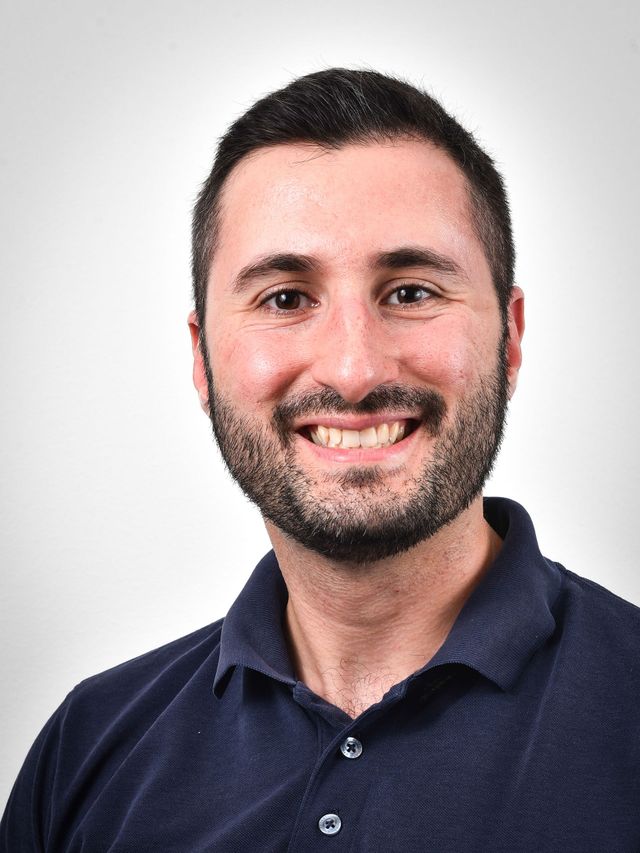
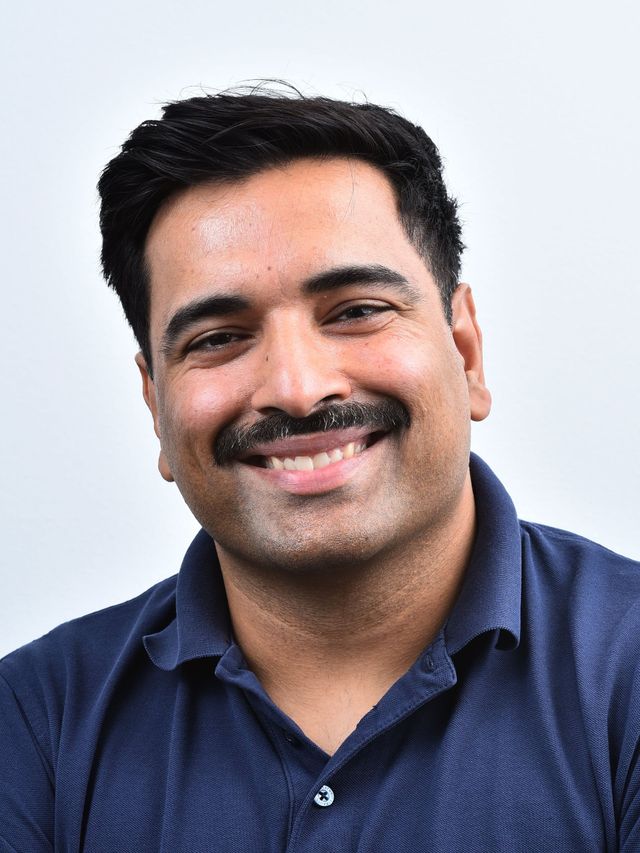
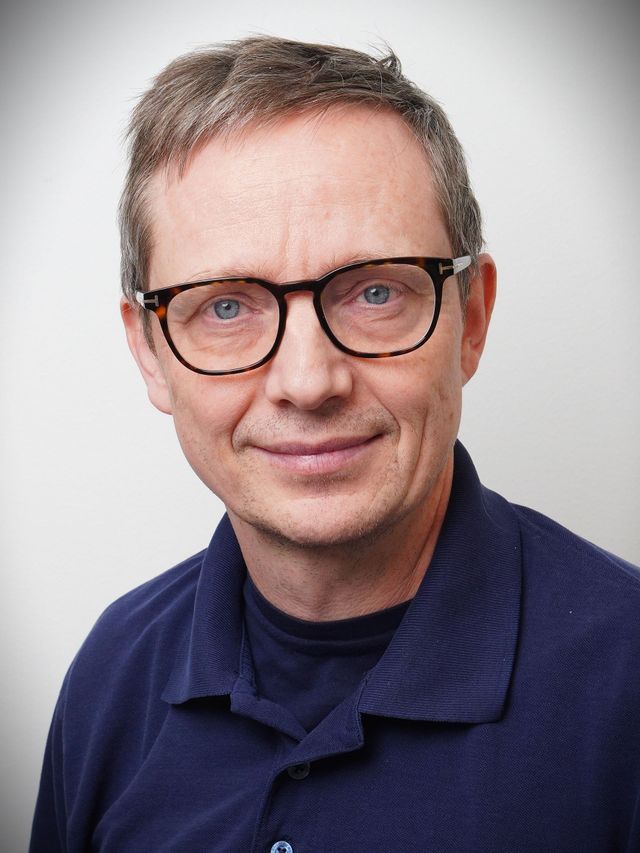
They are the people you meet first when you call or walk through the door – and the ones who look after you before and after your treatment.
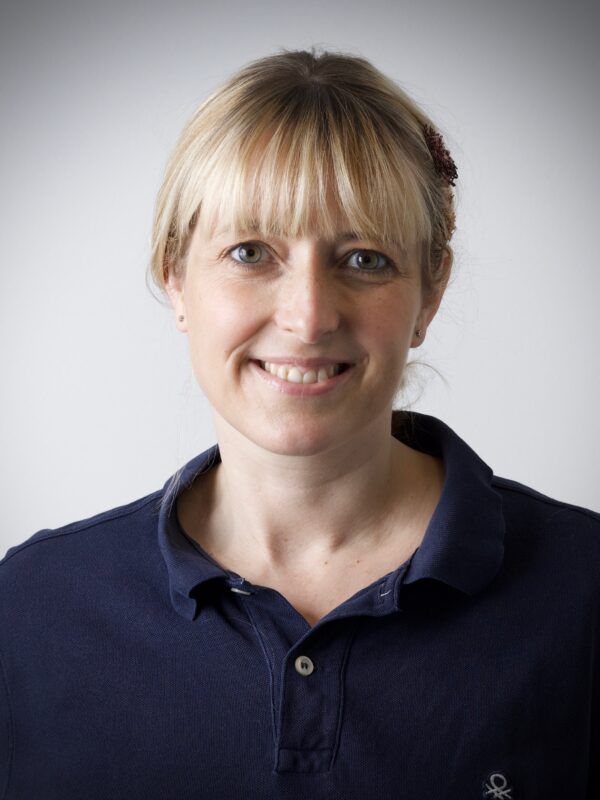
Nurse
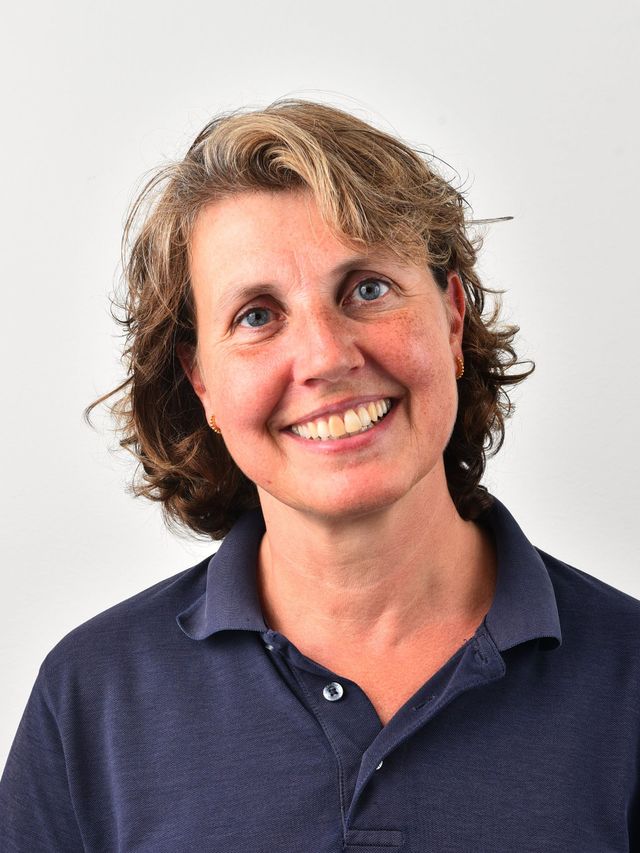
Nurse
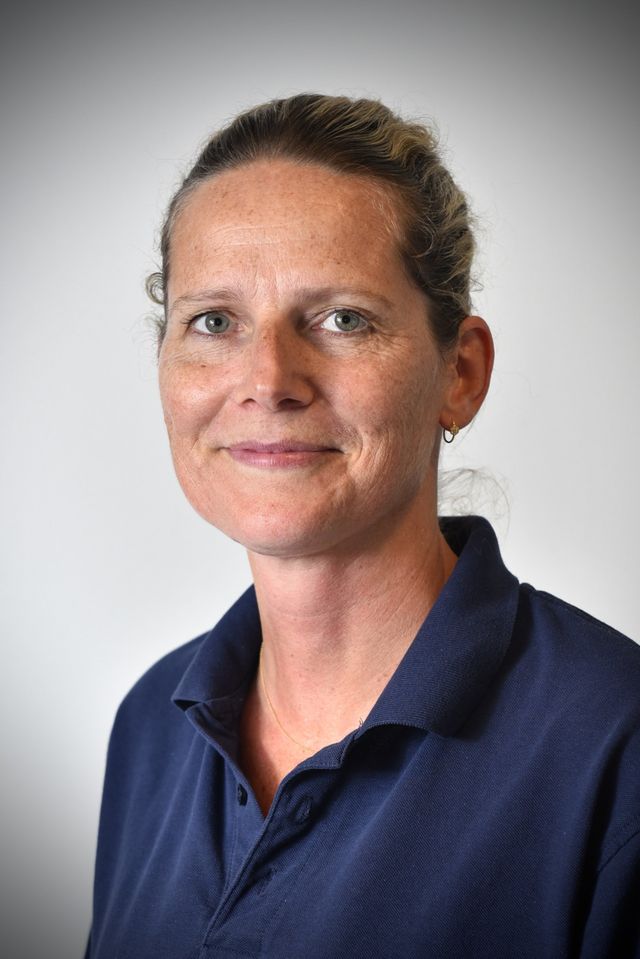
Nurse
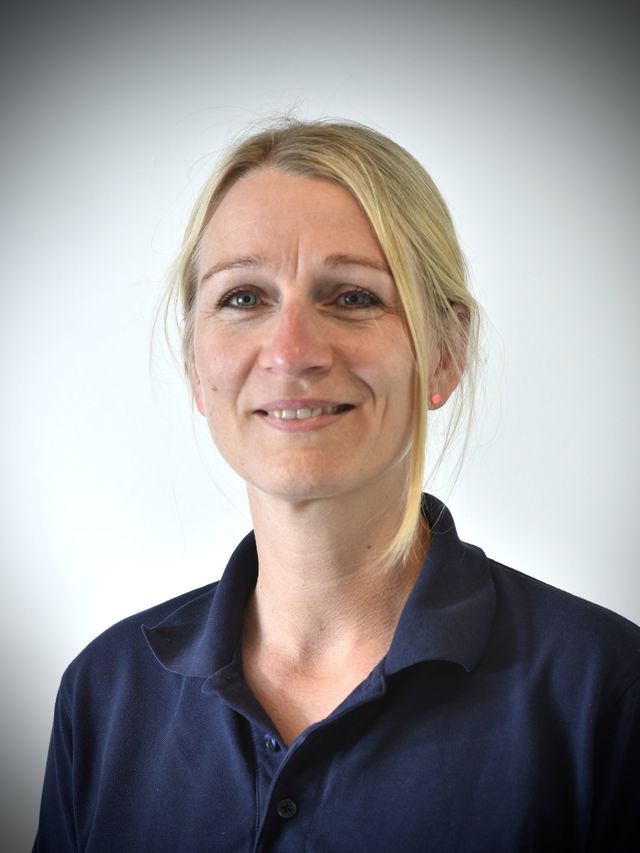
Nurse
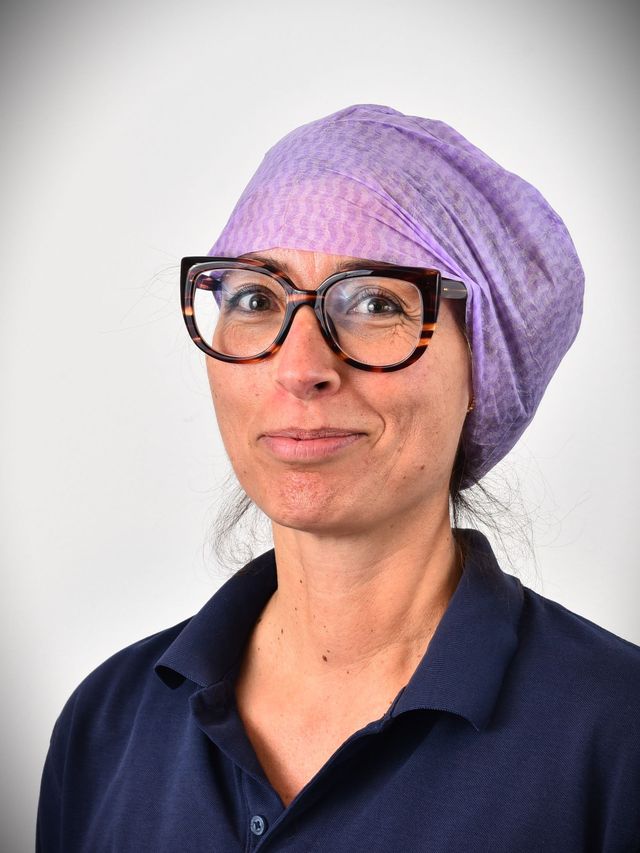
Nurse
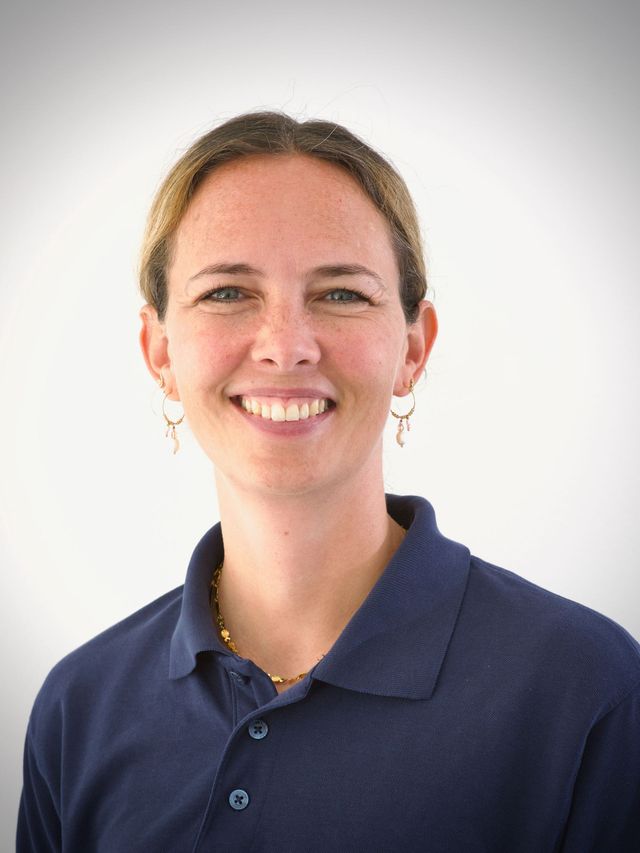
Nurse
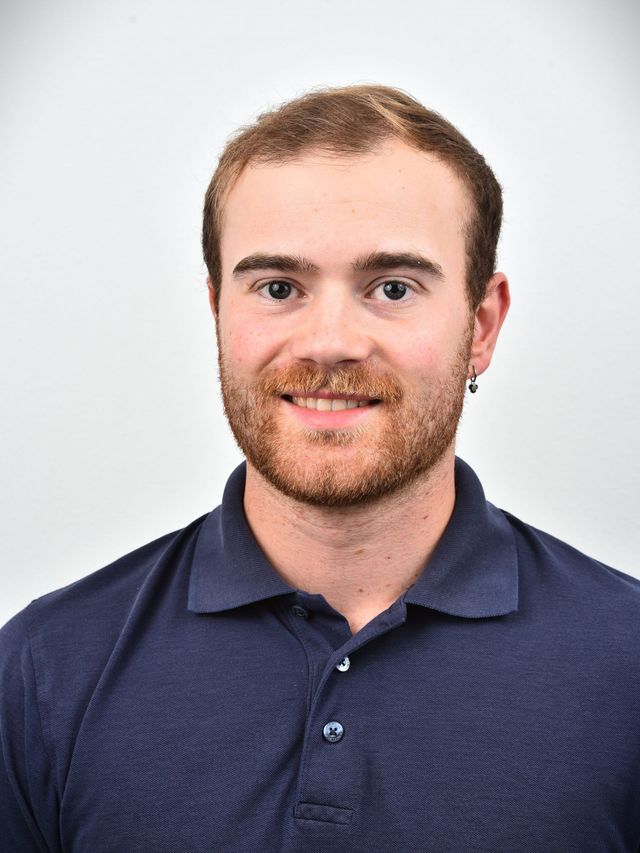
Clinical assistant
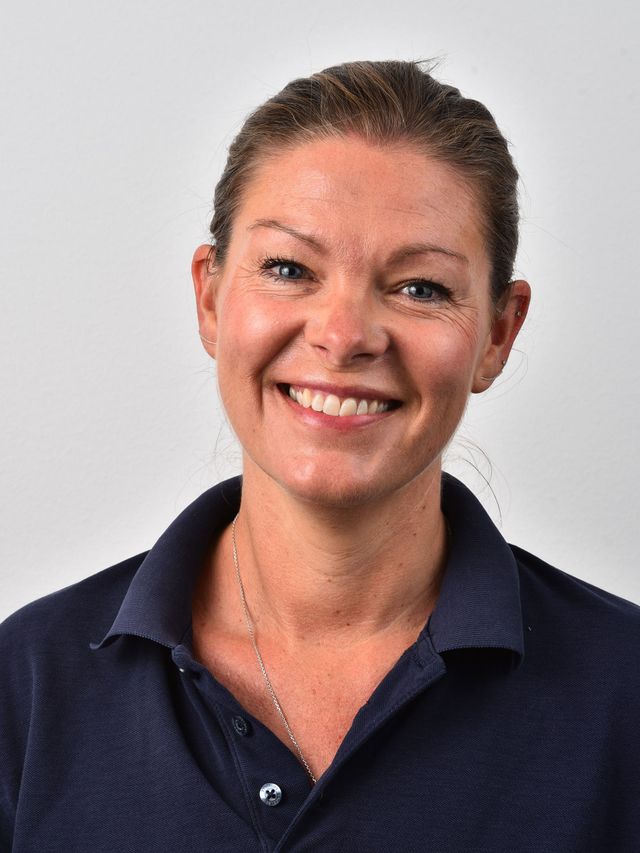
Clinical assistant
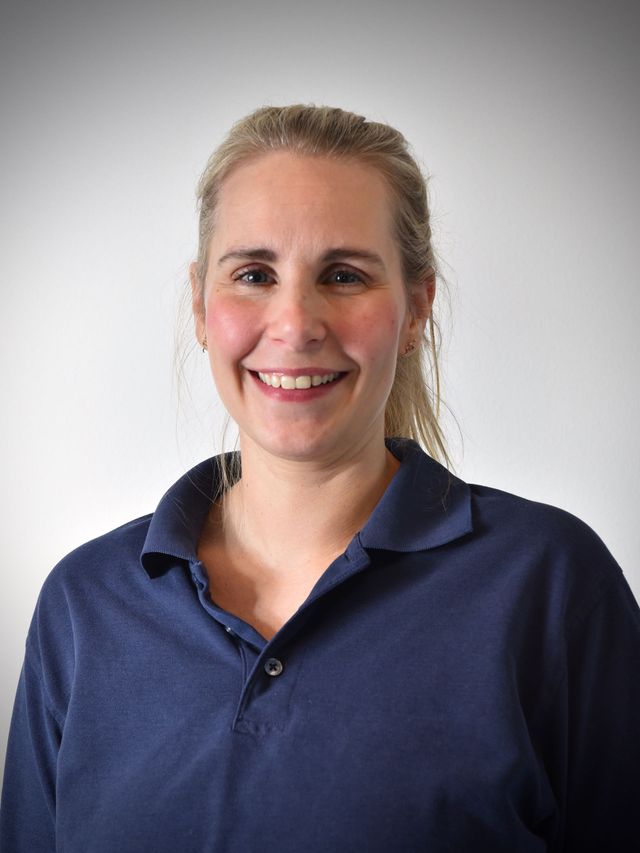
Clinical assistant
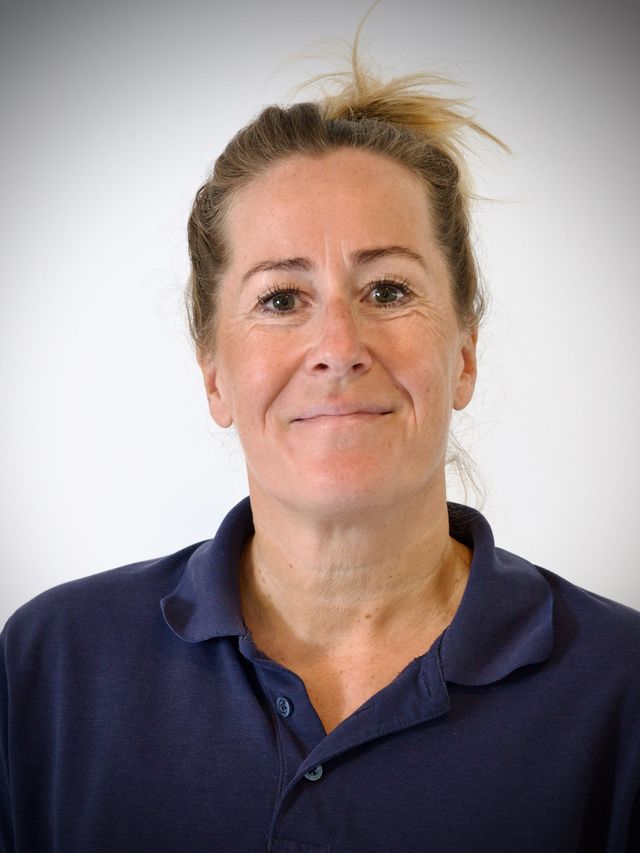
Reception and secretariat
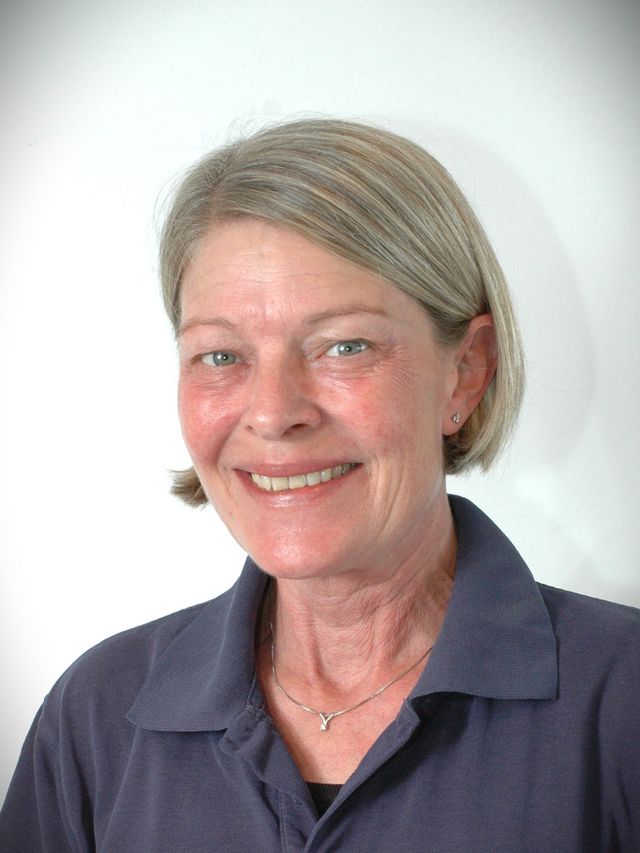
Reception and secretariat
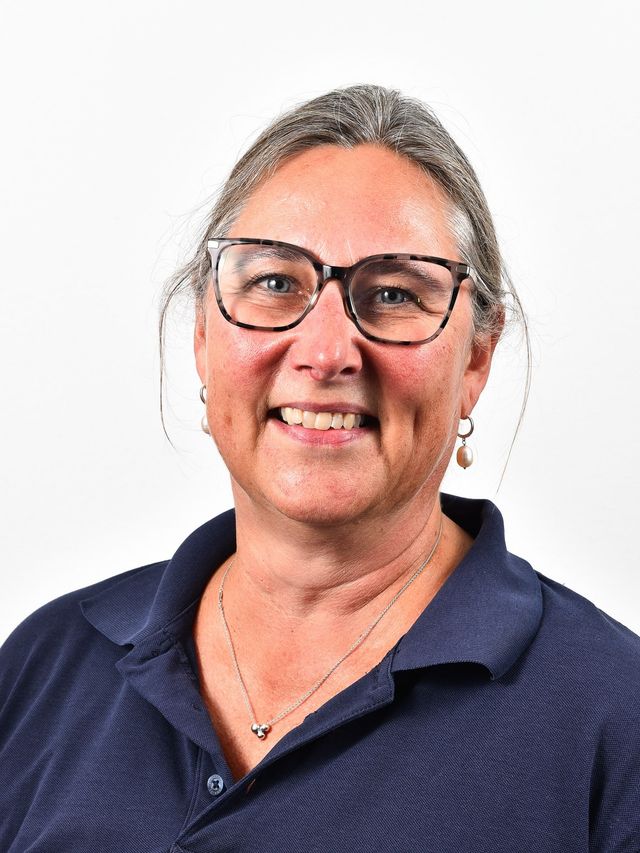
Reception and secretariat
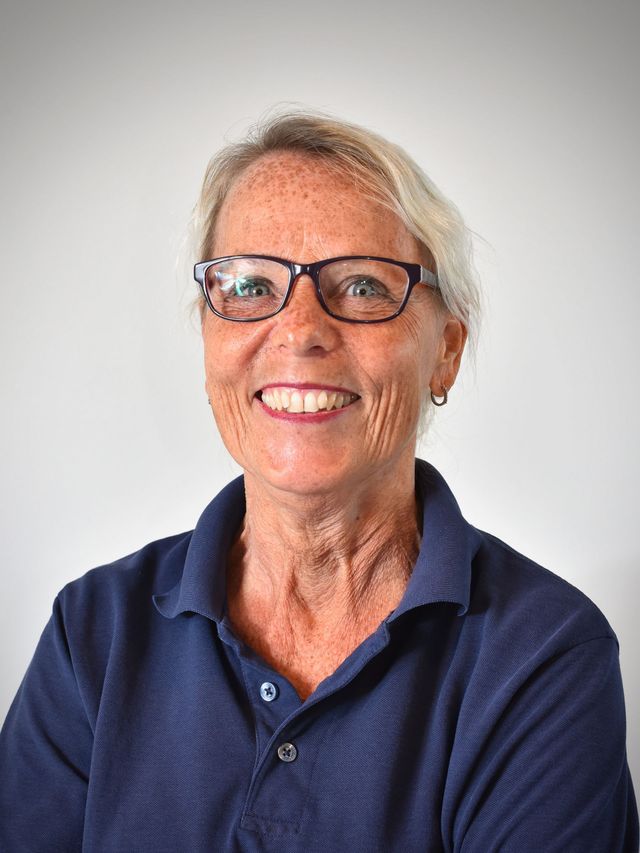
Reception and secretariat
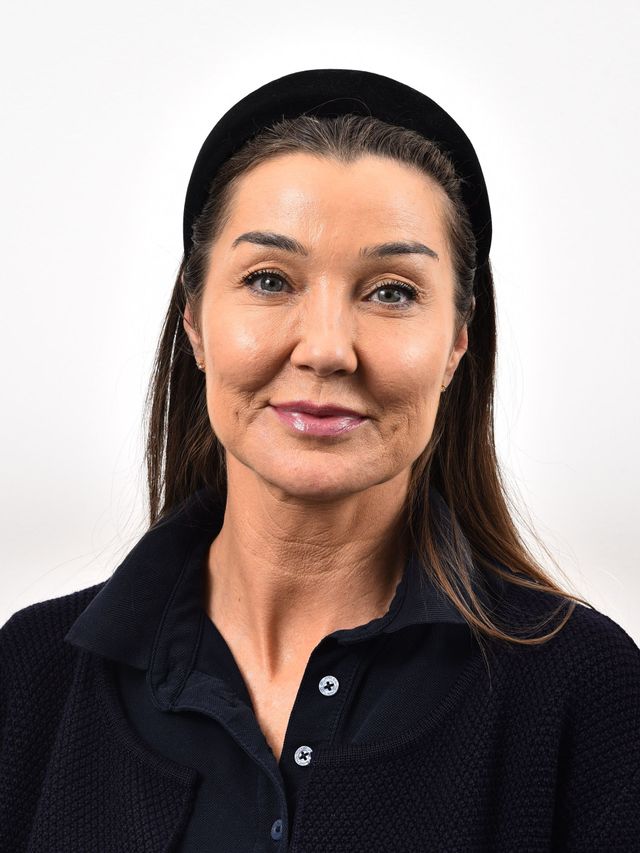
Reception and secretariat
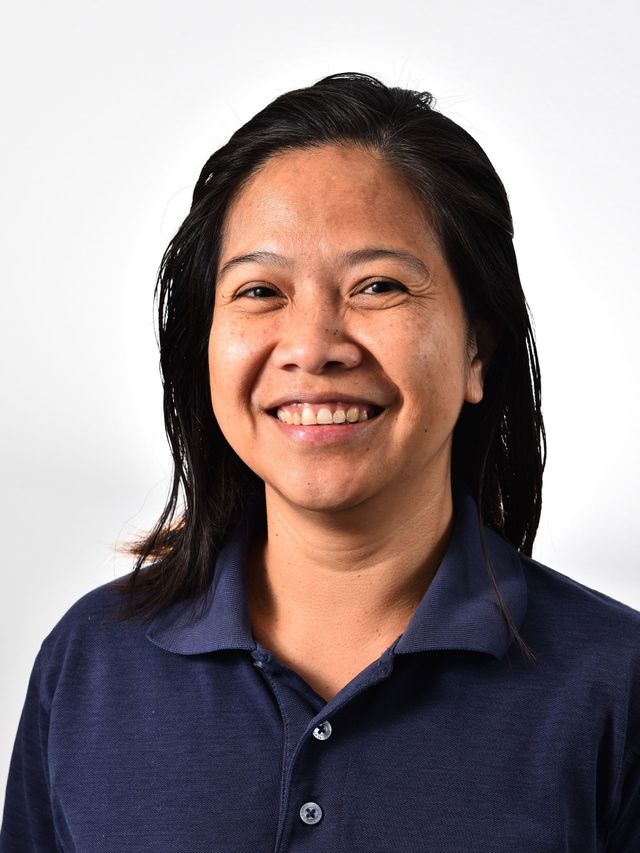
Service assistant
No one found. Try another name or choose "All".
Would you like to book an appointment with one of our specialists?
Book onlineJægersborg Allé 4
2920 Charlottenlund
CVR: 45675637
Monday–Friday, 08:00–14:00
Outside telephone hours, appointments can be booked, rescheduled and cancelled online 24/7.
Main department in Charlottenlund and ear, nose and throat departments at several locations across Denmark.