

Management
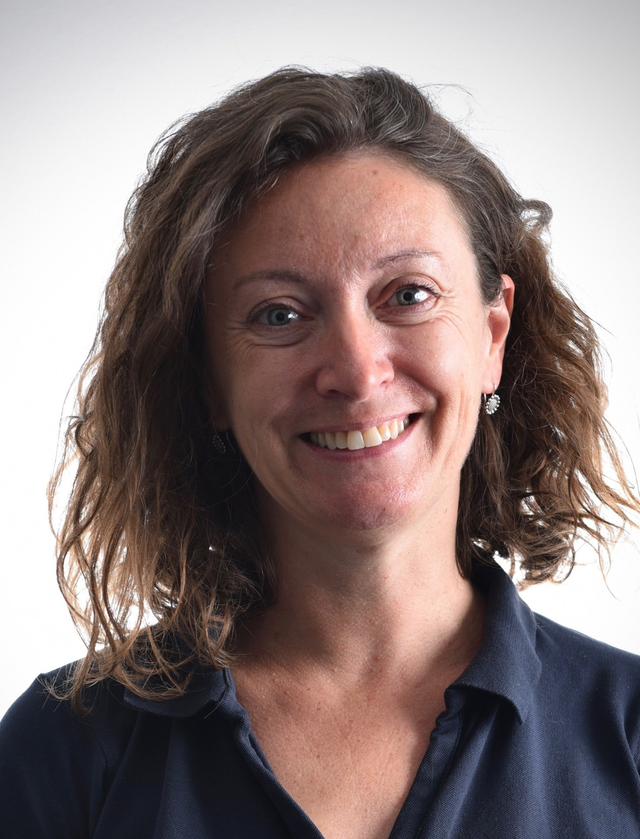
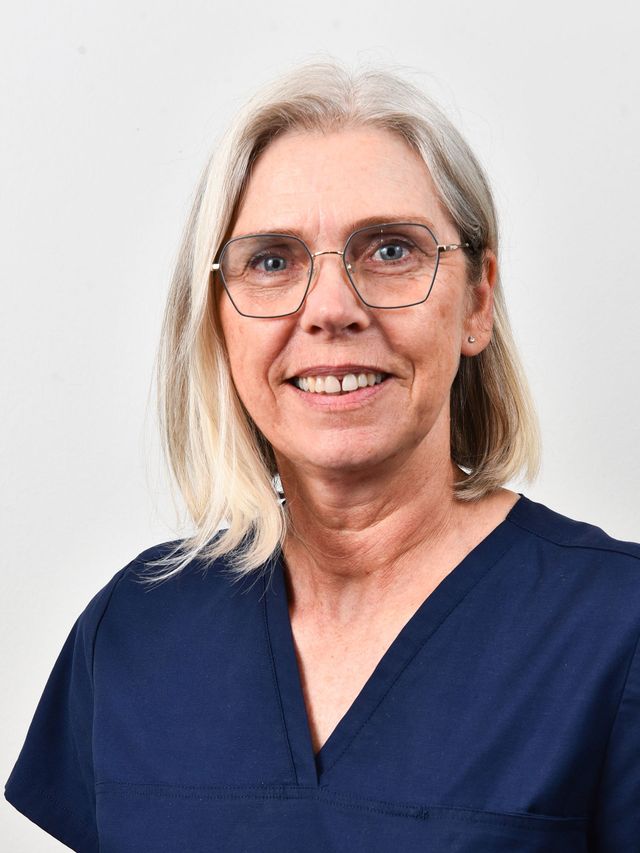
Erika Belard
Specialist physician and co-owner, CEO

Causes, signs and when tummy ache should be assessed by a paediatrician.
Tummy ache is one of the most common reasons parents take a child to the doctor. In the vast majority the cause is harmless – typically constipation, a viral infection or functional abdominal pain, where there is no physical explanation. Only a small proportion have an underlying disease. At Charlottenlund Privathospital, children with recurrent tummy ache can be examined by a specialist in paediatrics, and blood, urine and stool samples can be taken on site.
Tummy ache can show very differently depending on the child's age. Younger children find it hard to describe where it hurts and typically point to the navel, wherever the problem is in the tummy. Very young children instead draw their legs up or cry for a long time and intensely.
The pain can come suddenly and be severe, or it can recur over a longer period. Recurrent abdominal pain is defined as at least three episodes within two to three months in which the pain affects everyday life – for example school or leisure time. Some children also have nausea, bloating, changed bowel habits or quickly feel full.

Constipation is one of the most common causes – of both acute and recurrent pain. The stools become hard and difficult to pass, often in connection with changes in diet, starting school or periods when the child holds back. Acute tummy ache is also often caused by a viral infection of the gut with nausea, vomiting, diarrhoea and fever. In young children, illness elsewhere in the body, for example a middle ear infection or a bladder infection, can also cause tummy ache.
When the pain keeps coming back, the vast majority of children have functional abdominal pain. This means that there is no physical explanation, even though the pain is entirely real. Functional abdominal pain is related to how the gut and the brain communicate – the so-called gut–brain axis. Stress and worry can both trigger and intensify the pain without it being "psychological".
Functional abdominal pain covers several patterns. Some children have pain resembling tension headache – just in the tummy. Others have attacks of severe tummy ache, paleness and nausea resembling migraine (abdominal migraine), and there is often migraine in the family. In older children and teenagers the pain may be linked to changes in bowel habits, as in irritable bowel syndrome.
The pattern matters for which advice and treatment make sense, and for when there is reason to look for another explanation. See also migraine in children.
The paediatrician starts by asking about the pain: where it is, how long it has lasted, whether it comes in connection with meals or going to the toilet, and whether there are other symptoms. The tummy is then examined. For most children with typical, recurrent tummy ache without warning signs, the conversation and examination are enough to make a plan.
If needed, blood tests can be taken – for example for coeliac disease – as well as urine and stool samples such as calprotectin and a test for the stomach bacterium H. pylori on site. Ultrasound scans are not performed in the paediatric unit; if one is needed, the child is referred.

Treatment depends on the cause and is always tailored individually. If constipation is the cause, treatment typically consists of stool-softening medicines, good toilet habits and possibly changes in diet – and it can take time.
In functional abdominal pain, the most important thing is often that the child and family understand what is causing the pain and how to manage it in everyday life: the pain is taken seriously without being exaggerated or played down, and the child is helped to continue normal activities, including school. A focus on sleep, regular meals and handling stress helps many children. If poor wellbeing or anxiety plays a role, a psychologist for children and young people can be involved.

Yes. The vast majority of children with recurrent tummy ache get better over time – often within a few months. It helps when the child and parents know that the pain is harmless, and when everyday life with school, play and sleep continues as normally as possible.
A diary of pain, meals, bowel movements and sleep for a couple of weeks can reveal patterns and make the paediatrician's assessment more precise. If new symptoms appear or the pain increases, the child should be seen again.
No referral is needed for self-paying patients, and appointments can be booked online. Prices are shown in the price list.
Many health insurance policies cover an assessment by a paediatrician, but the insurers usually require a referral from the family doctor and prior approval. Most insurers send the approval directly to the hospital, and the bill is settled with the insurer. Charlottenlund Privathospital does not accept patients through the Danish public health insurance scheme.
Appointments take place in the hospital's children's unit at Hans Edvard Teglers Vej 9 in Charlottenlund – see map and addresses.

Answers to questions parents often ask about tummy ache in children.
The most common causes are constipation, viral stomach infections and functional abdominal pain, where there is no physical explanation for the pain.
Functional abdominal pain is pain that is not caused by a visible disease in the tummy but is related to how the gut and the brain communicate. The pain is real, even though no physical explanation can be found.
Yes. Stress and worry can both trigger and intensify tummy ache in children, because the gut and the brain are closely connected. This does not mean that the pain is not real.
Tummy ache is considered recurrent when the child has had at least three episodes within two to three months and the pain affects everyday life.
If there is blood in the stools, prolonged diarrhoea or vomiting, yellowing of the skin or eyes, weight loss, pain when passing urine, waking at night because of pain or new bedwetting.
Yes. Some children with constipation pass small amounts of stool daily, while the rest builds up in the bowel and causes pain.
Yes, the vast majority of children with recurrent tummy ache get better over time, often within a few months.
Charlottenlund Privathospital is owned and run by three specialist physicians: Erika Belard, Jacob Fisker and Teit Mantoni. Jacob Fisker is medical director. Here you will find our ear, nose and throat (ENT) specialists in Charlottenlund and at our clinics around Denmark – and in Charlottenlund also specialists in paediatric surgery, dermatology, diving medicine, gynaecology, cardiology, paediatrics, psychology and rheumatology.
Specialist physician and co-owner, CEO

Specialist physician, co-owner and medical director

Specialist physician and co-owner







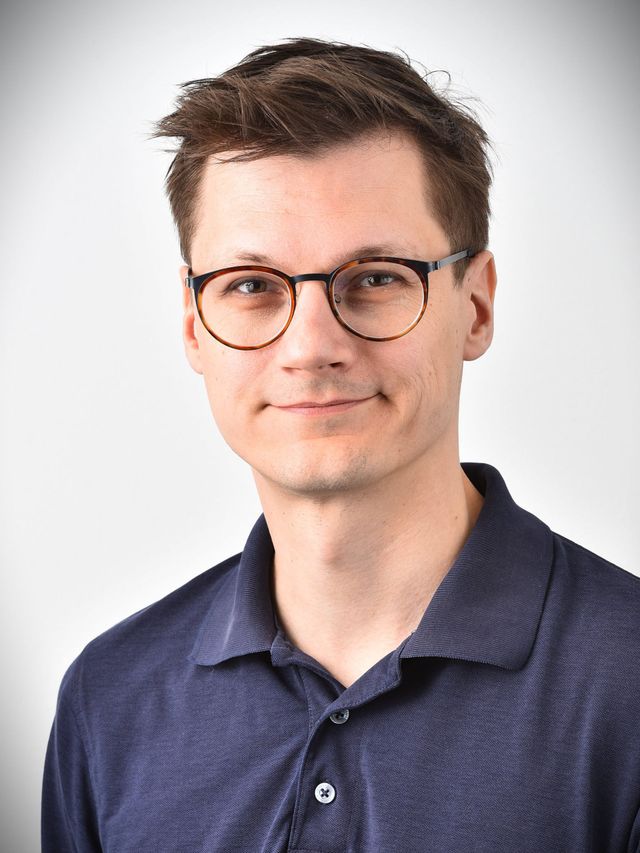
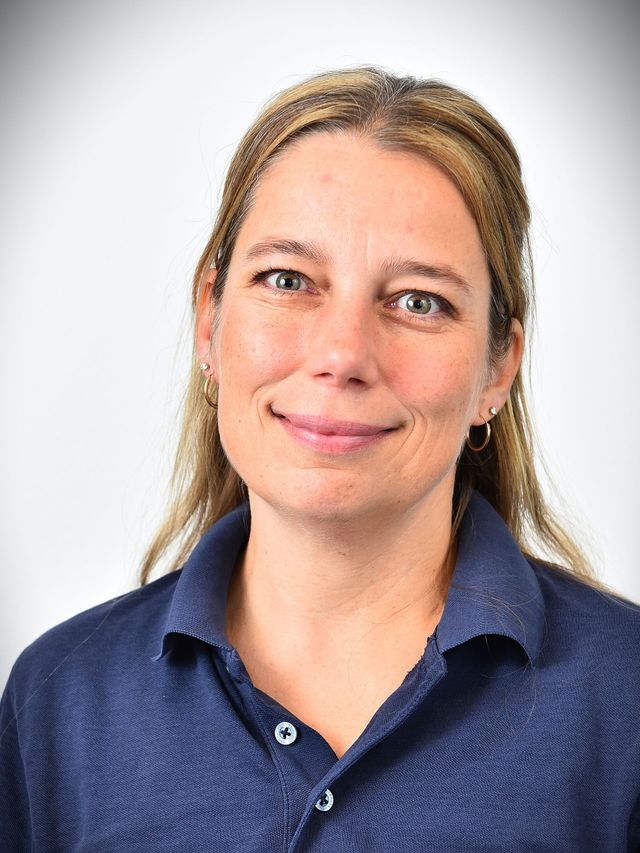

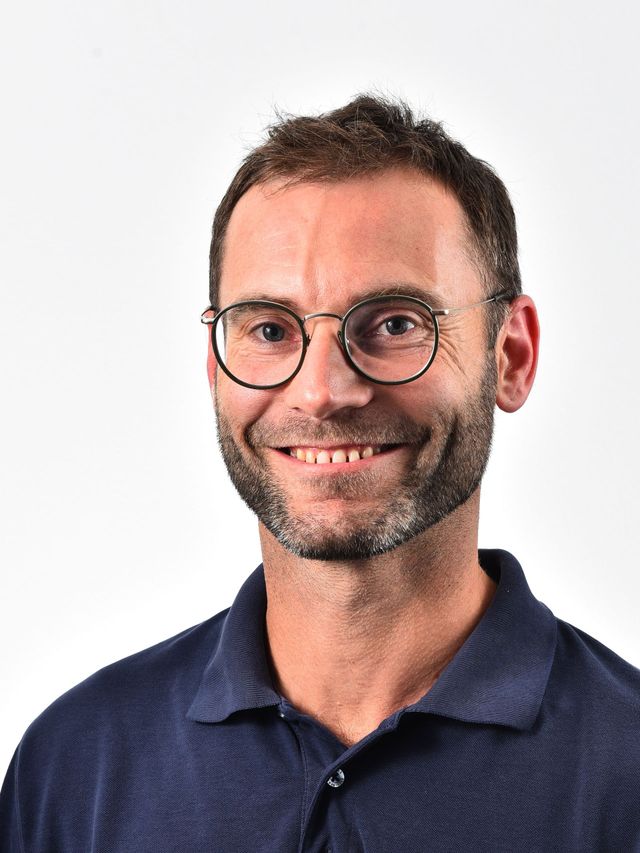
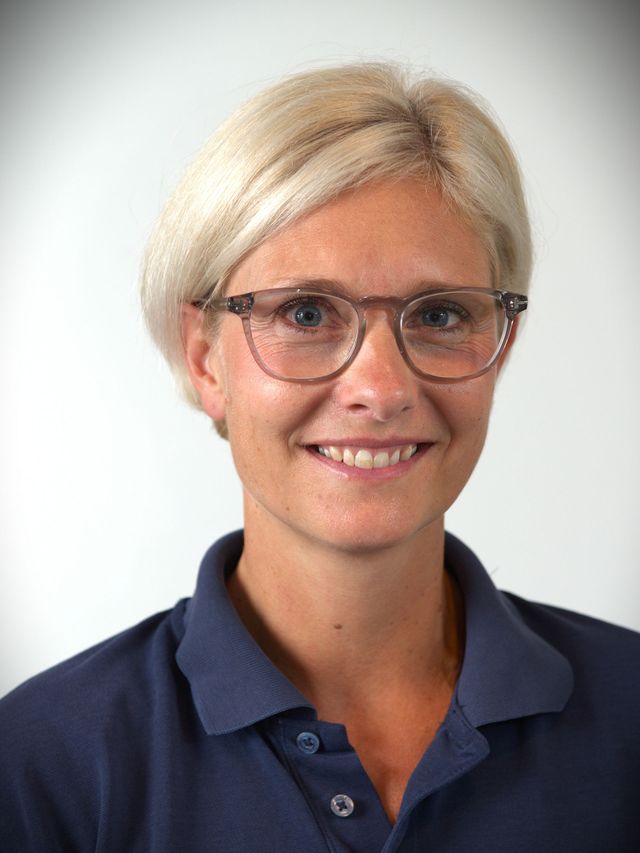
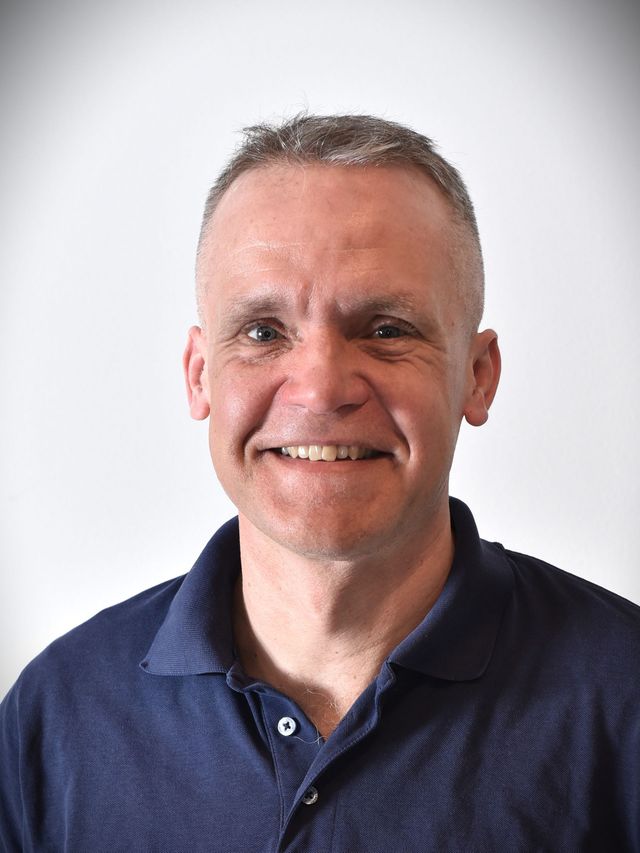
Specialist in anaesthesiology

Specialist in anaesthesiology
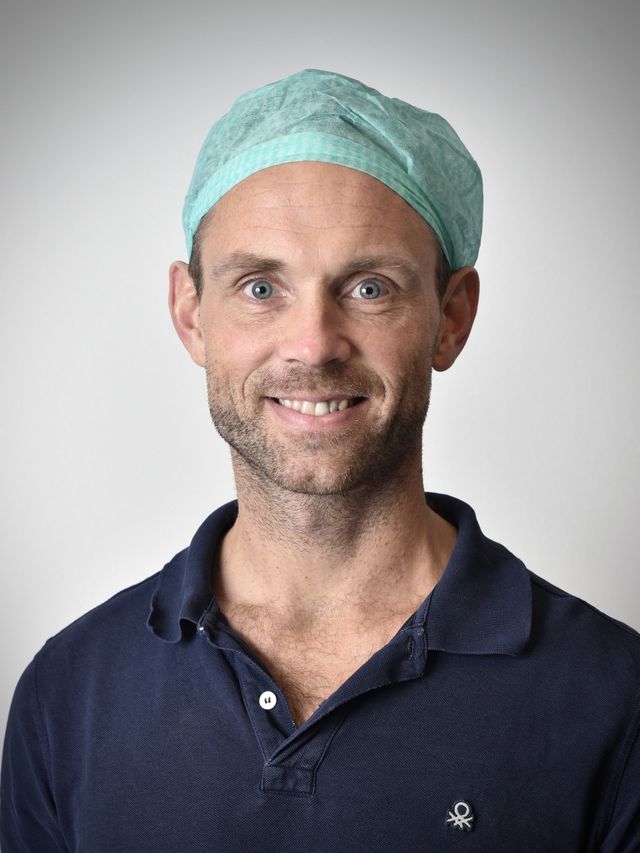
Specialist in anaesthesiology
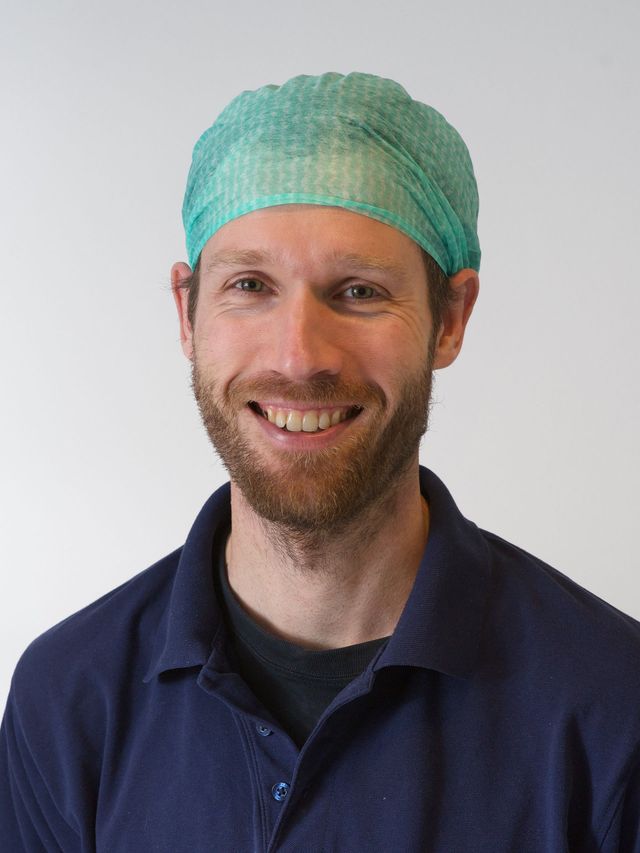
Specialist in anaesthesiology, DMSc, PhD
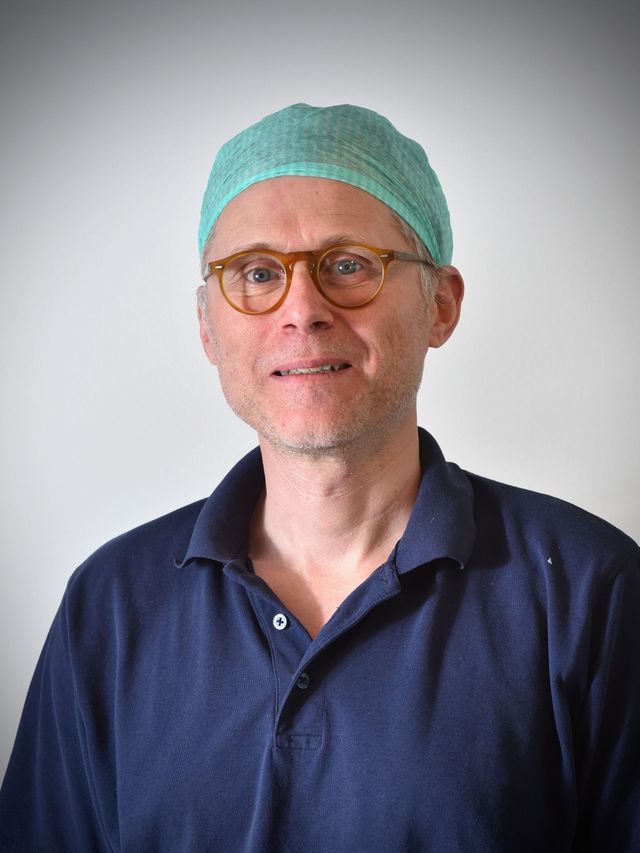
Specialist in anaesthesiology
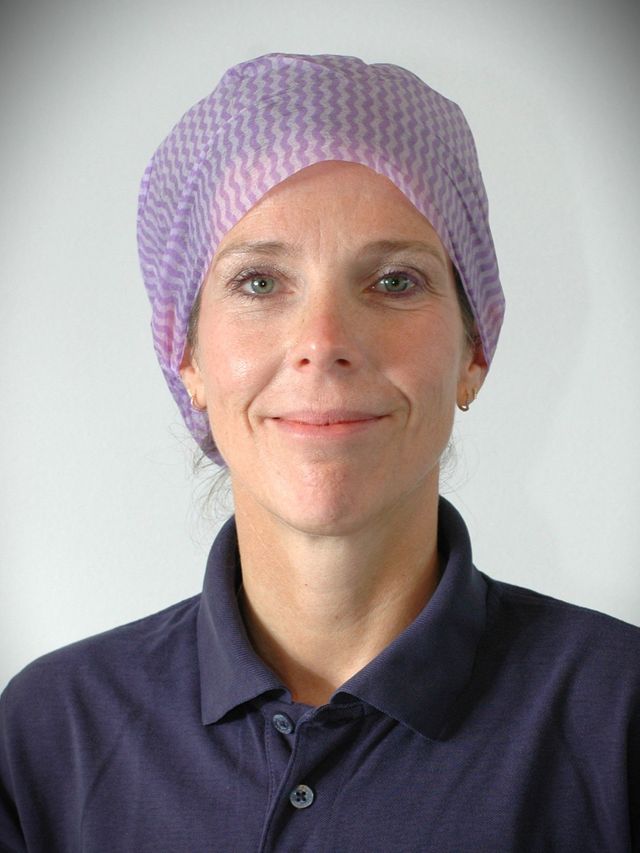
Specialist in anaesthesiology
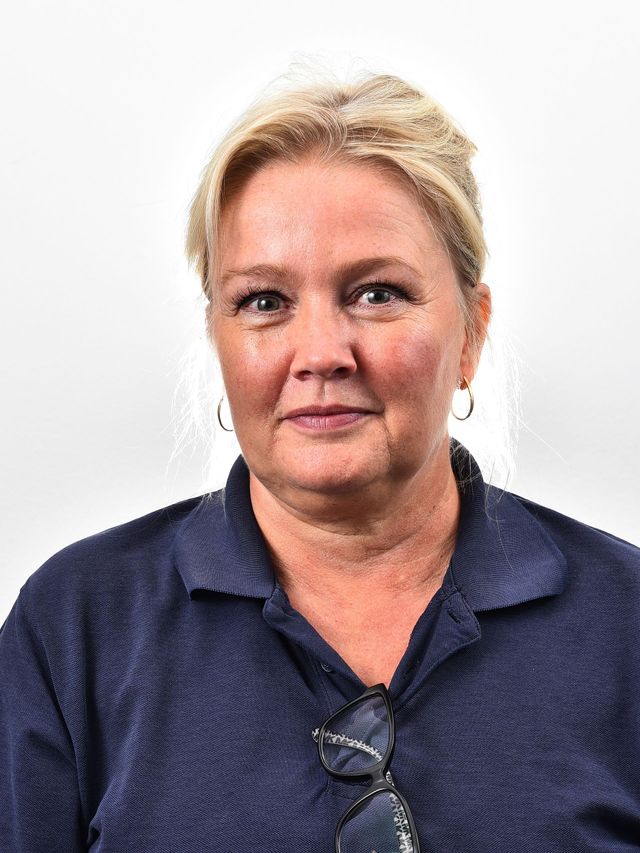
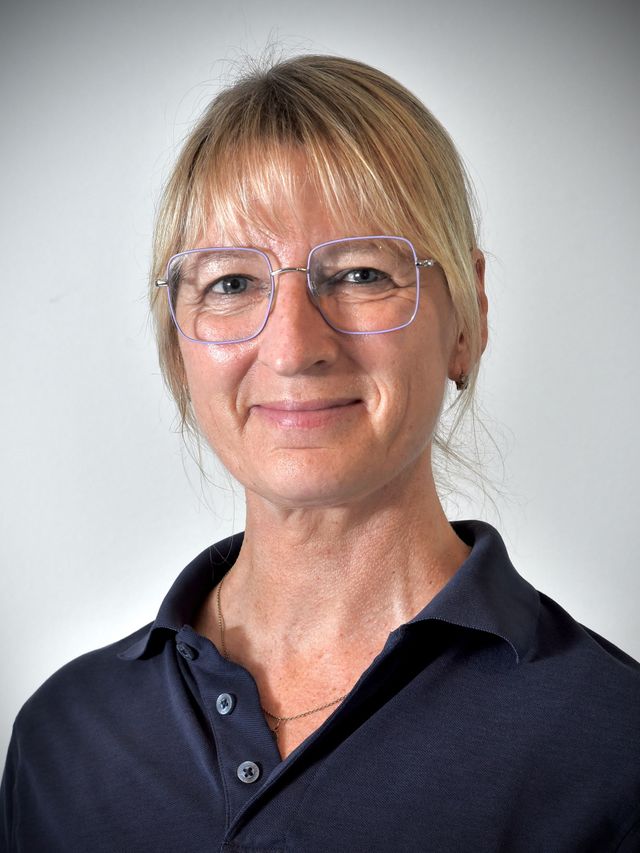

Specialist in anaesthesiology and diving medicine
Approved by the Danish Maritime Authority
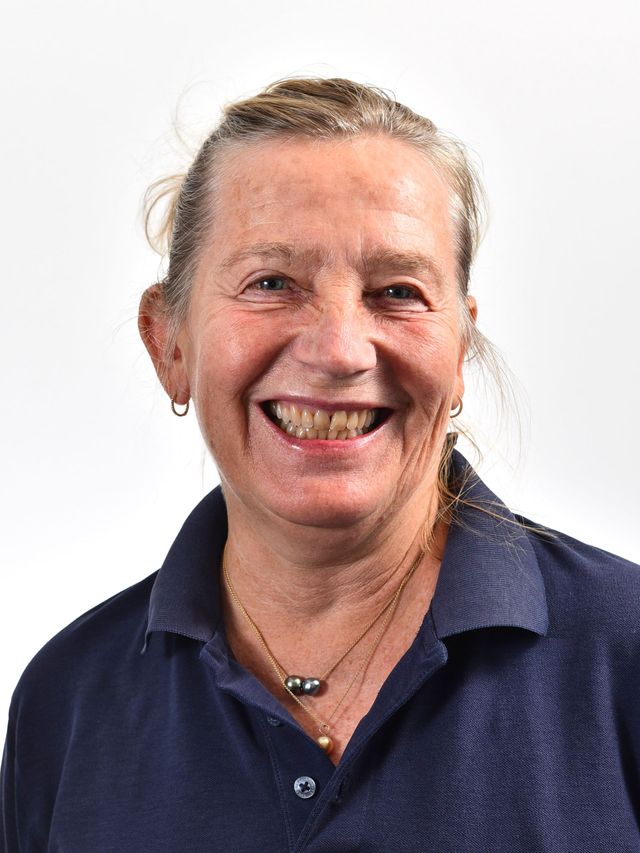
Specialist in anaesthesiology and diving medicine
Approved by the Danish Maritime Authority
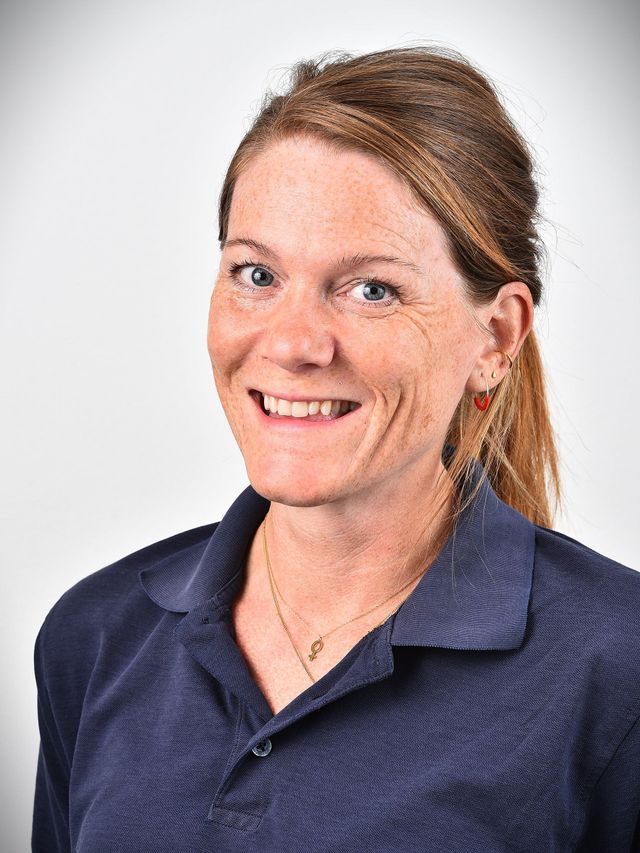
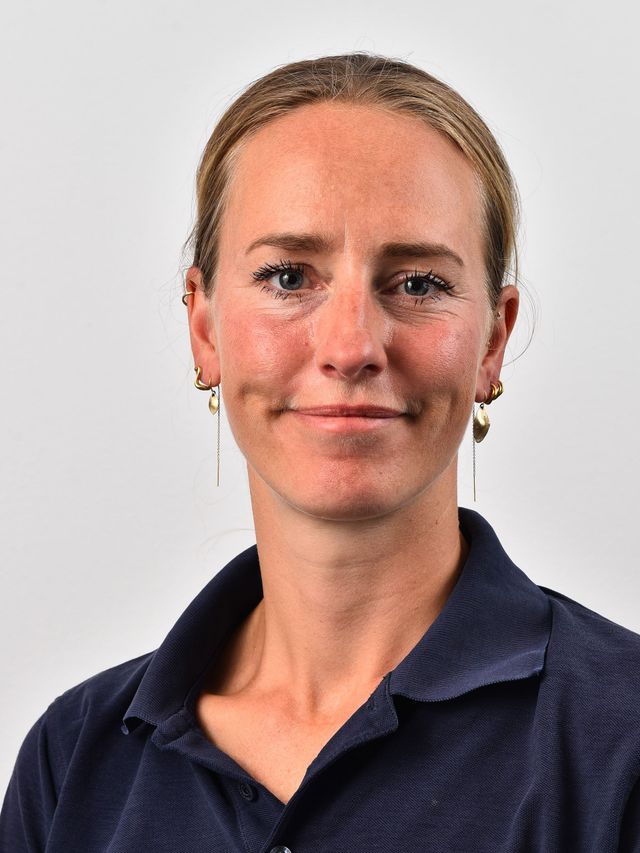


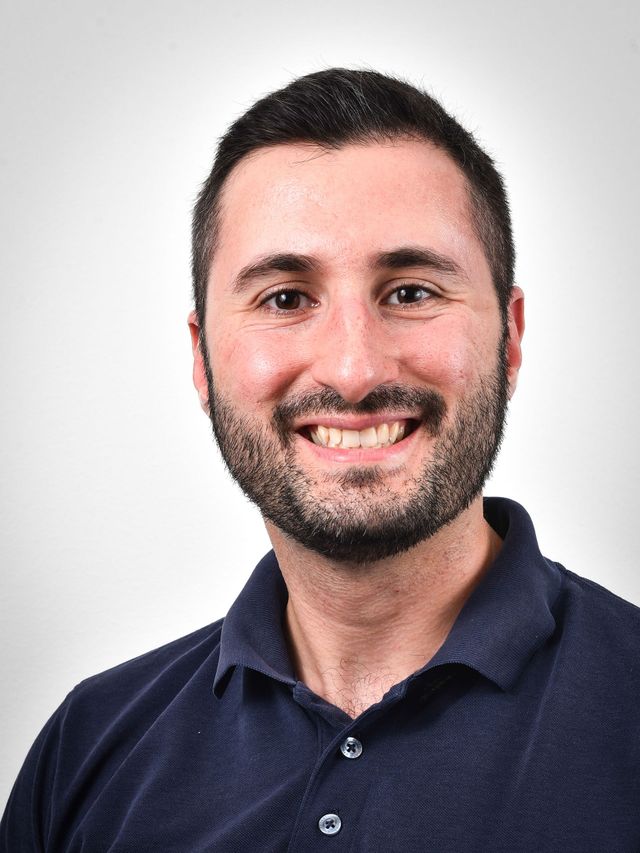


They are the people you meet first when you call or walk through the door – and the ones who look after you before and after your treatment.
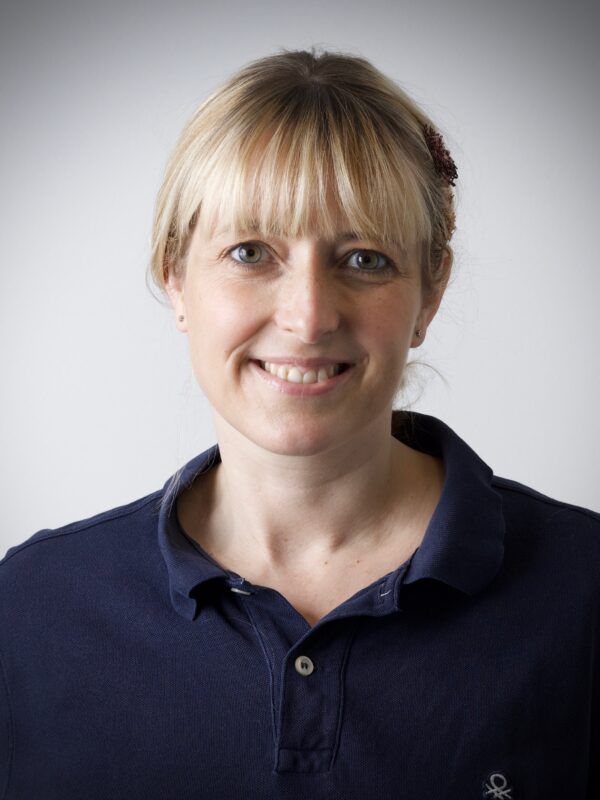
Nurse
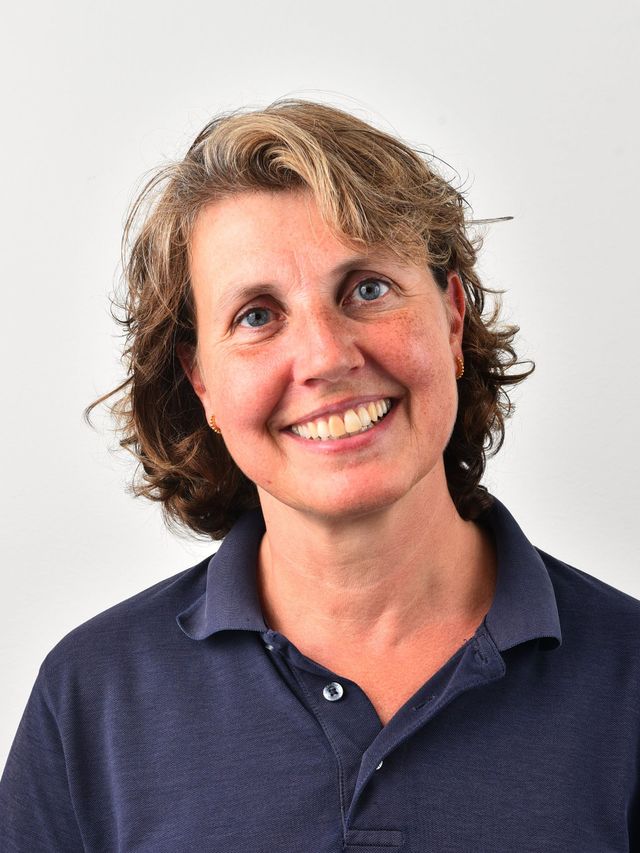
Nurse
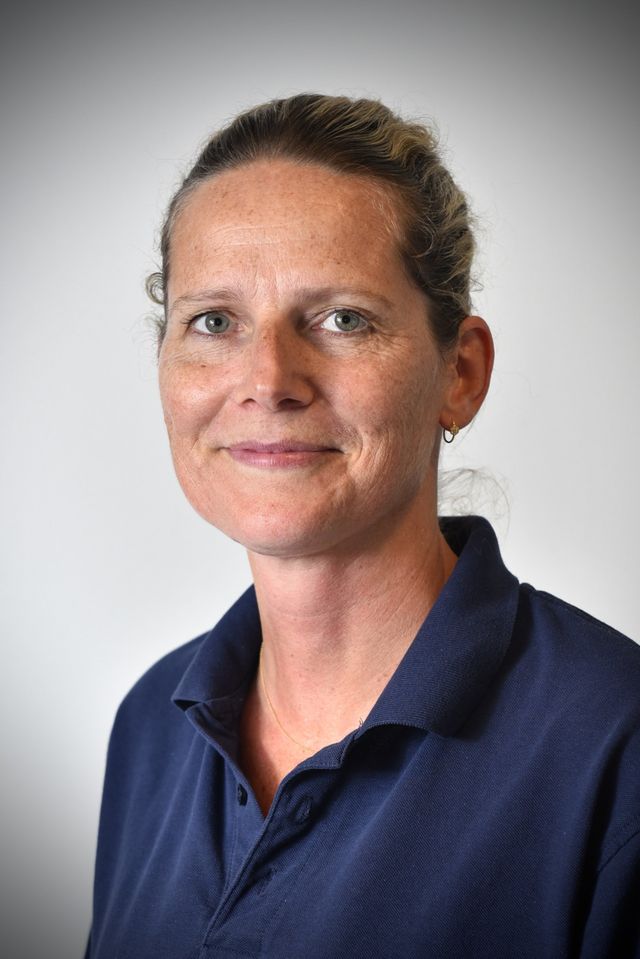
Nurse
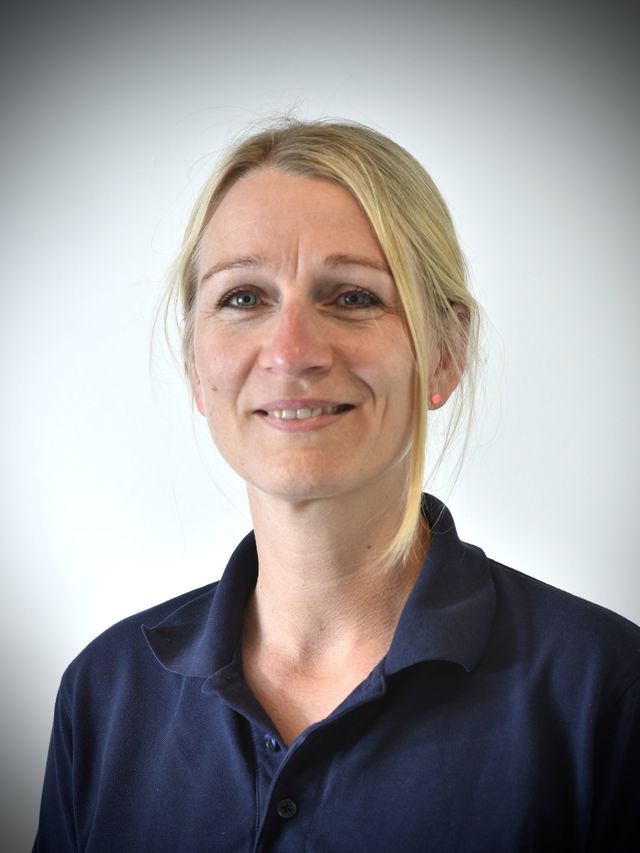
Nurse
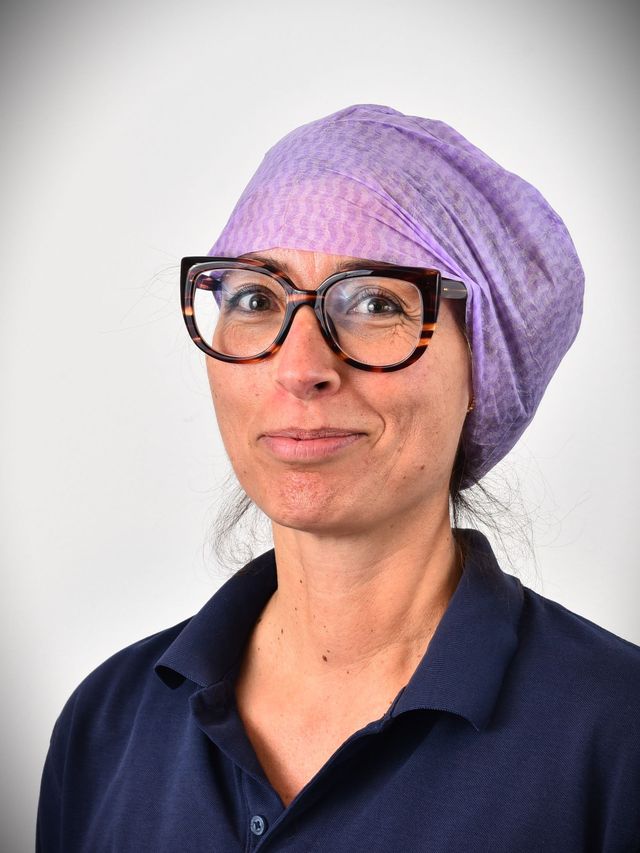
Nurse
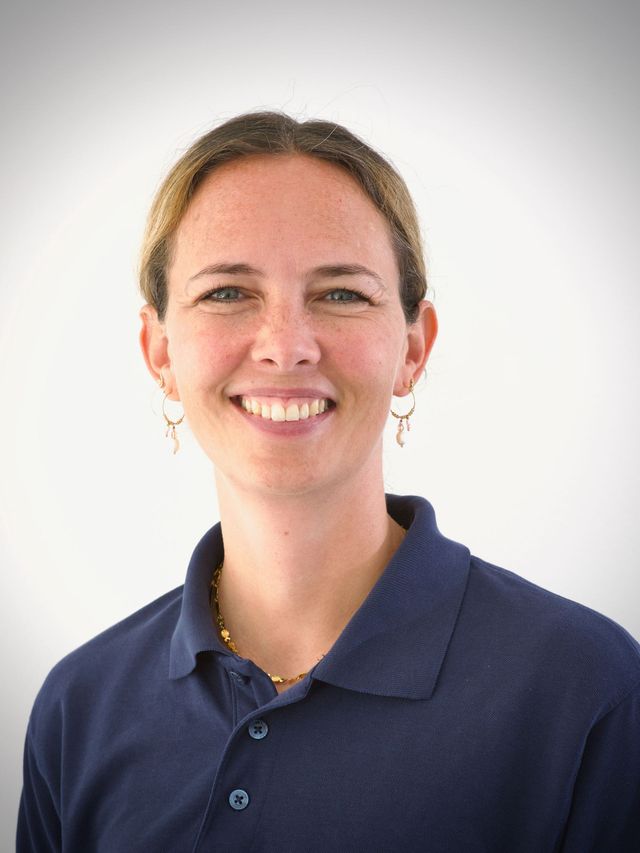
Nurse
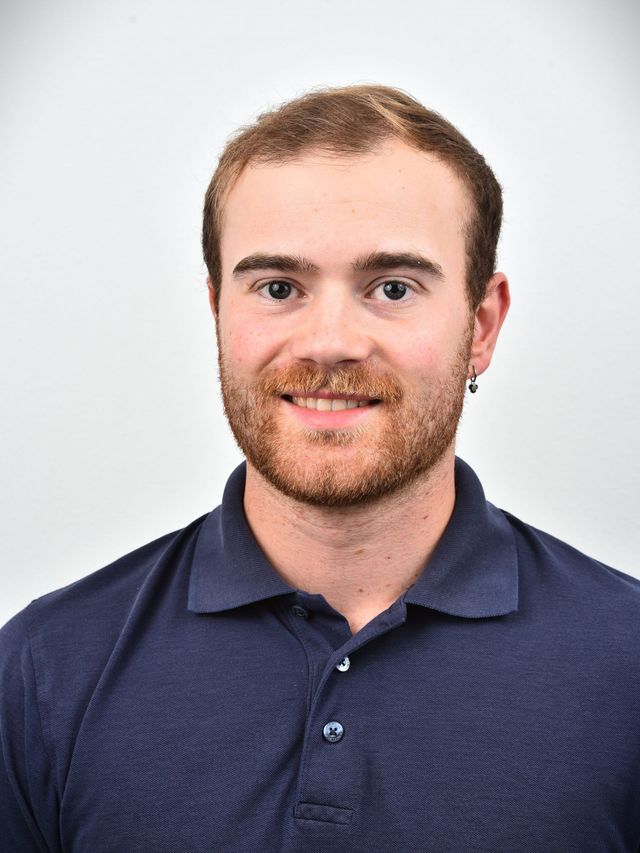
Clinical assistant
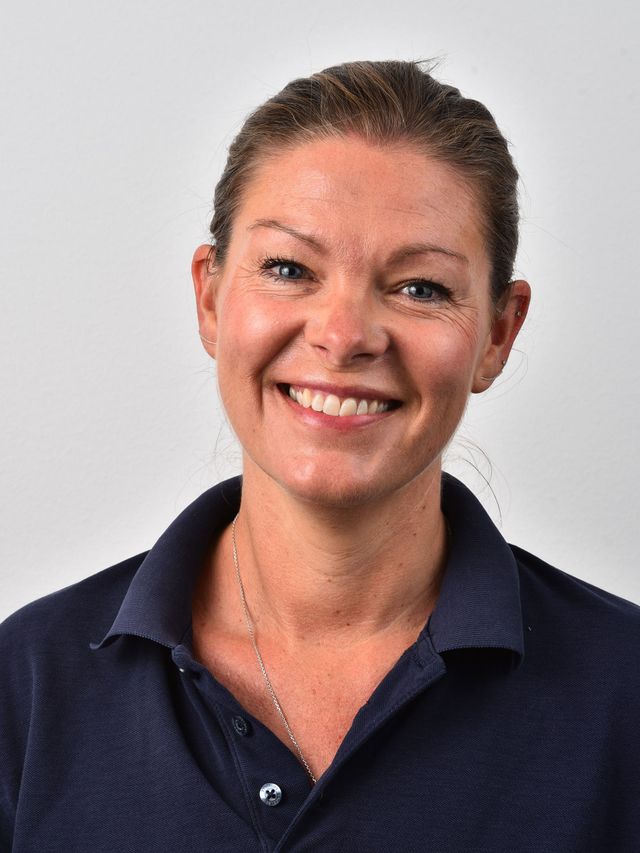
Clinical assistant
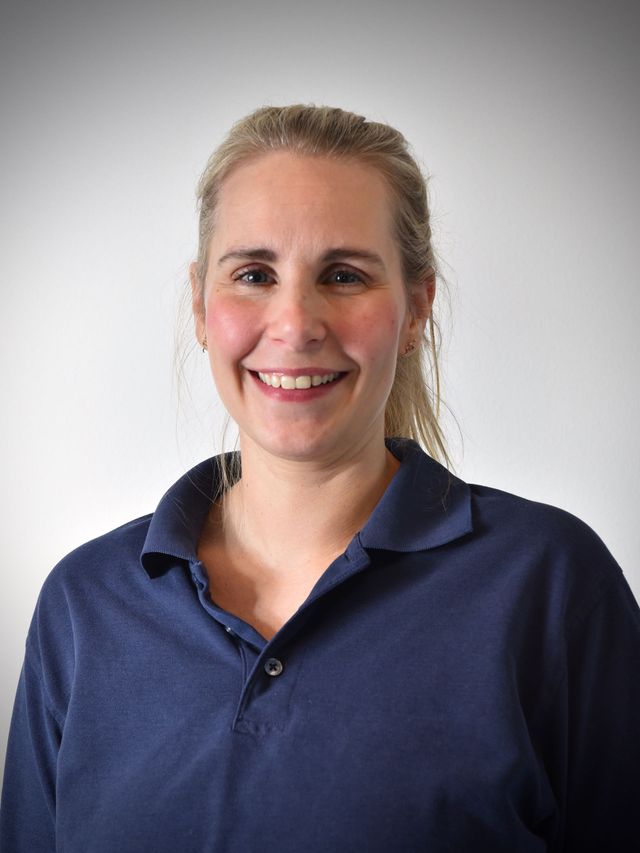
Clinical assistant
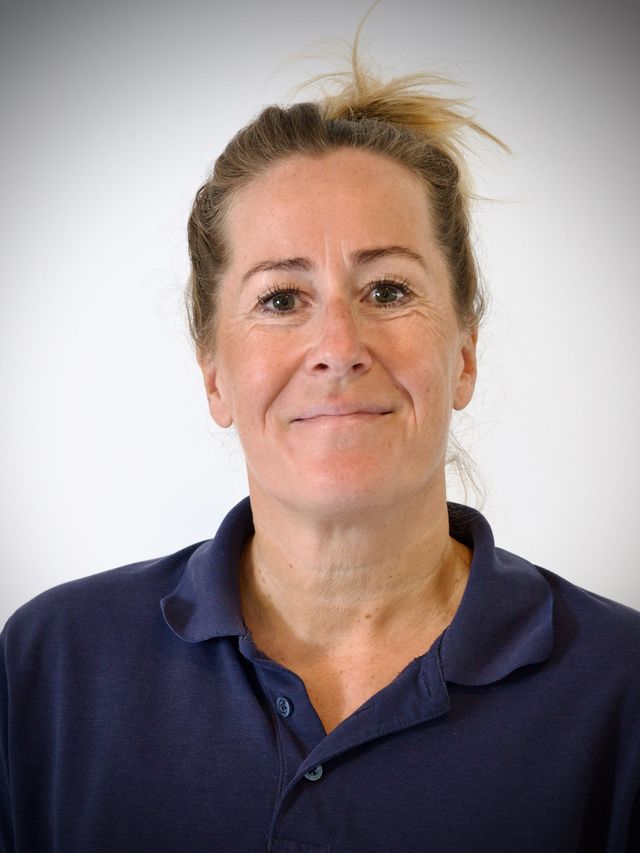
Reception and secretariat
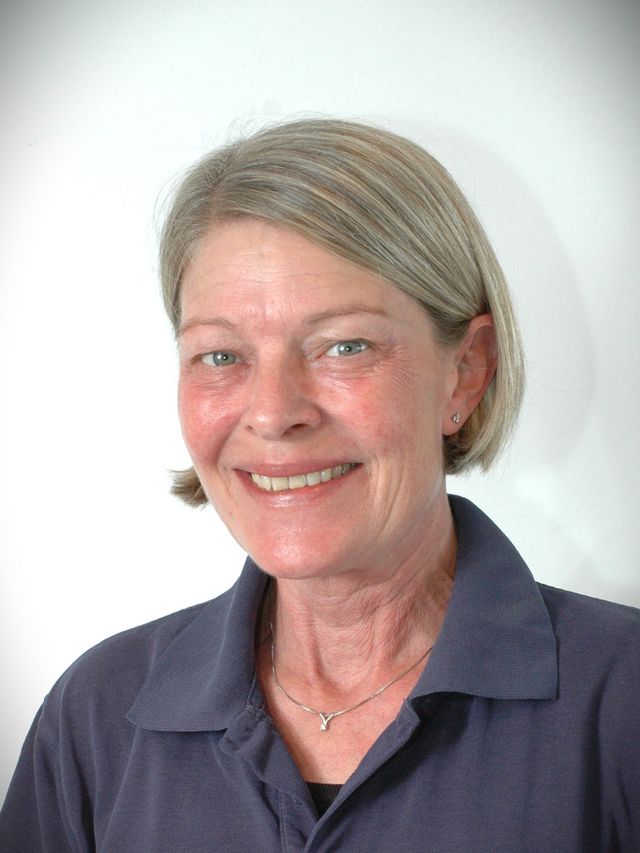
Reception and secretariat
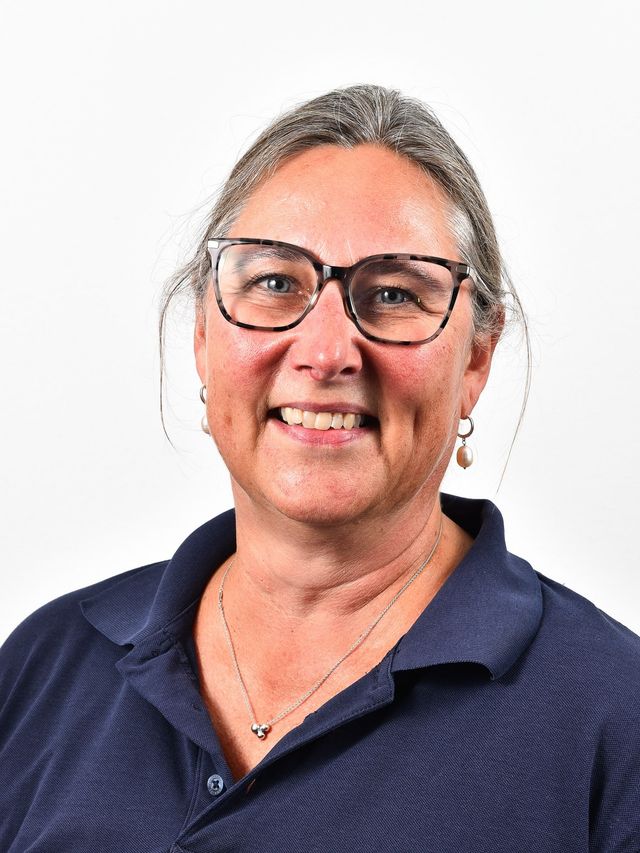
Reception and secretariat

Reception and secretariat

Reception and secretariat

Service assistant
No one found. Try another name or choose "All".
Would you like to book an appointment with one of our specialists?
Book onlineJægersborg Allé 4
2920 Charlottenlund
CVR: 45675637
Monday–Friday, 08:00–14:00
Outside telephone hours, appointments can be booked, rescheduled and cancelled online 24/7.
Main department in Charlottenlund and ear, nose and throat departments at several locations across Denmark.