

Management
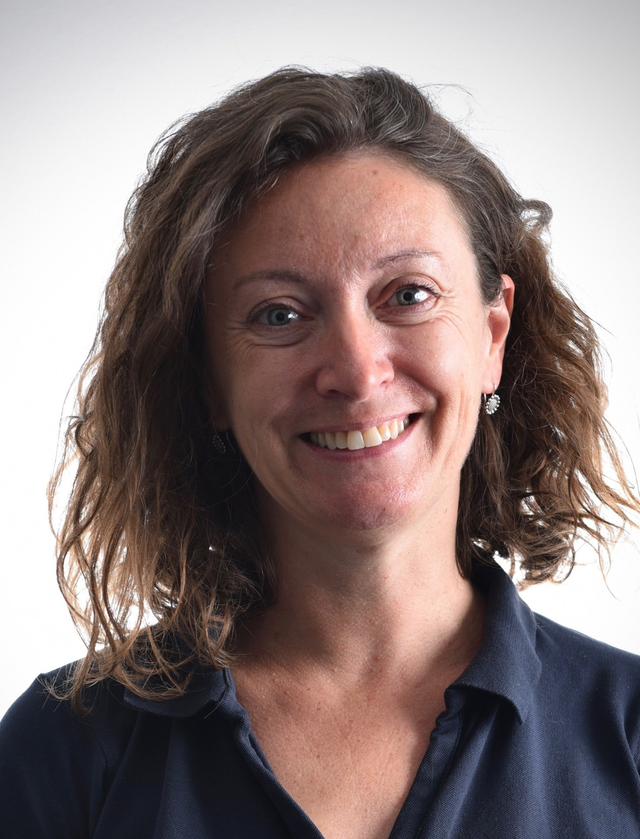
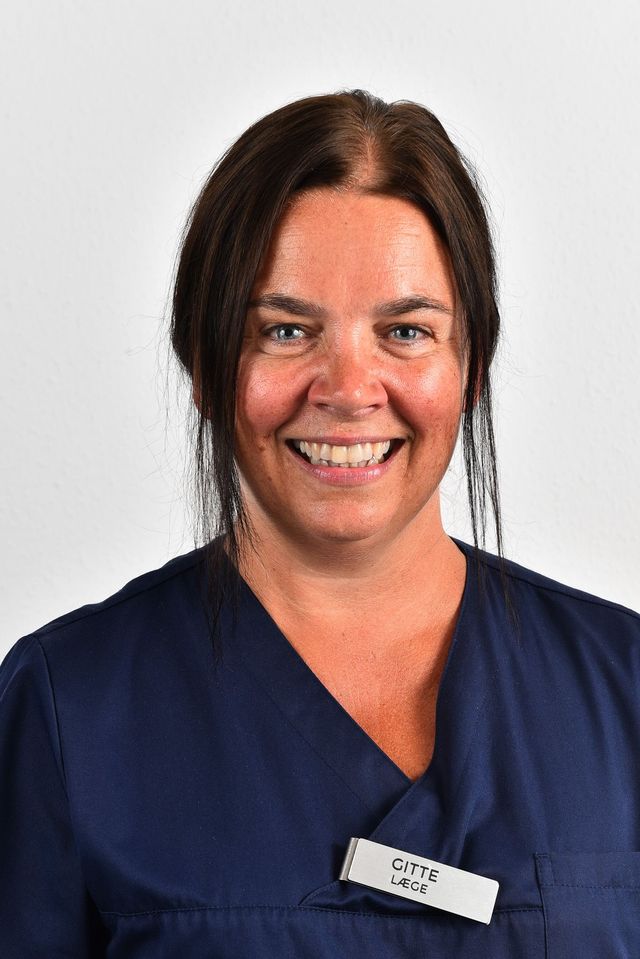
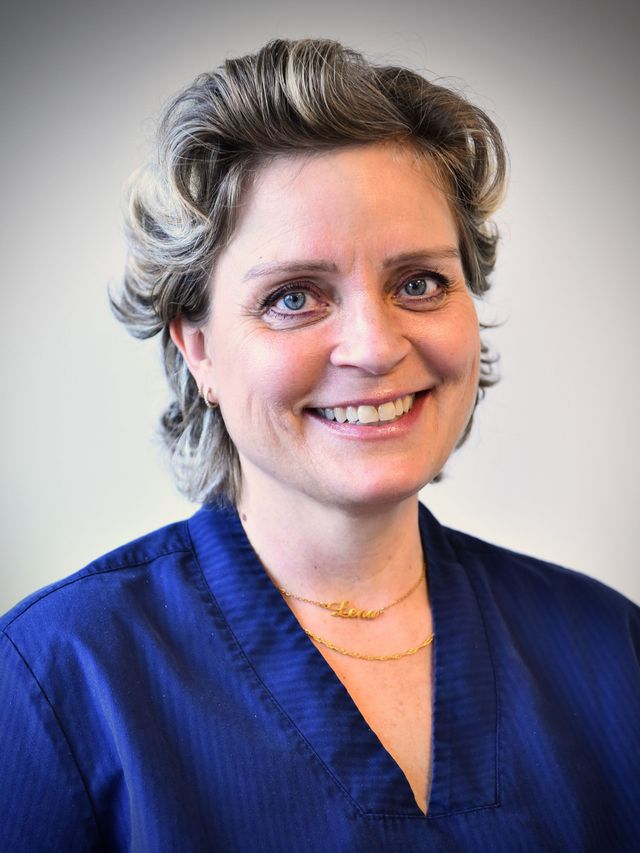
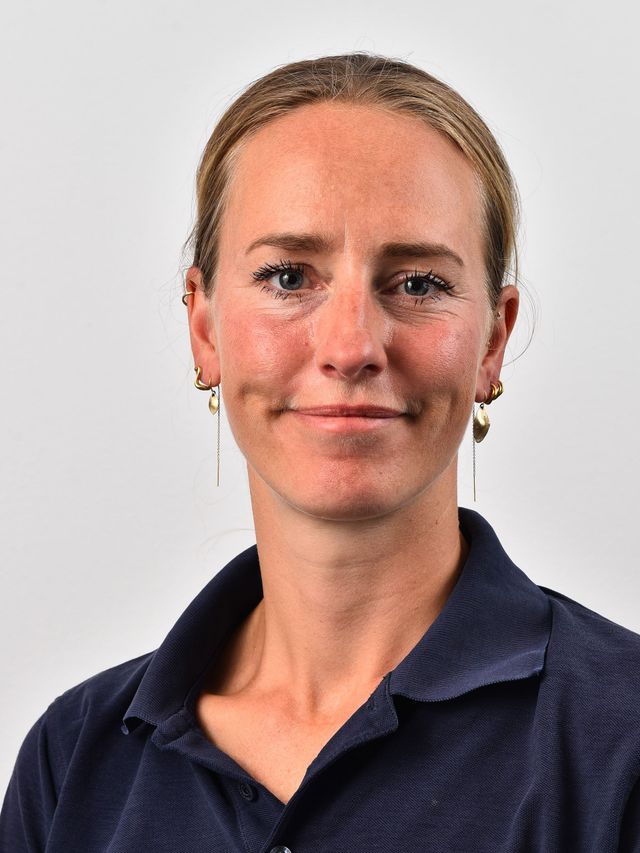
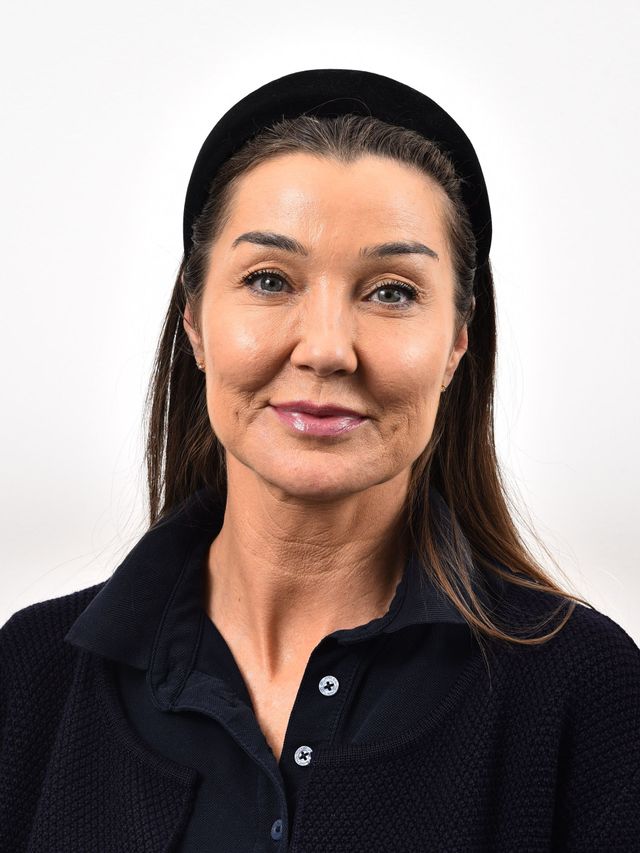
Erika Belard
Specialist physician and co-owner, CEO

Assessment and treatment of cysts, polyps, nodules and paralysed vocal cords.
Hoarseness is caused by changes to the vocal cords or by effects on the nerves that control them. Most people have been hoarse after a cold, but hoarseness lasting more than two weeks in an adult should be examined by an ear, nose and throat specialist. At Charlottenlund Privathospital, vocal cord disorders are assessed and treated by ENT doctors specialising in laryngeal and vocal cord surgery – from cysts and polyps to paralysed vocal cords.
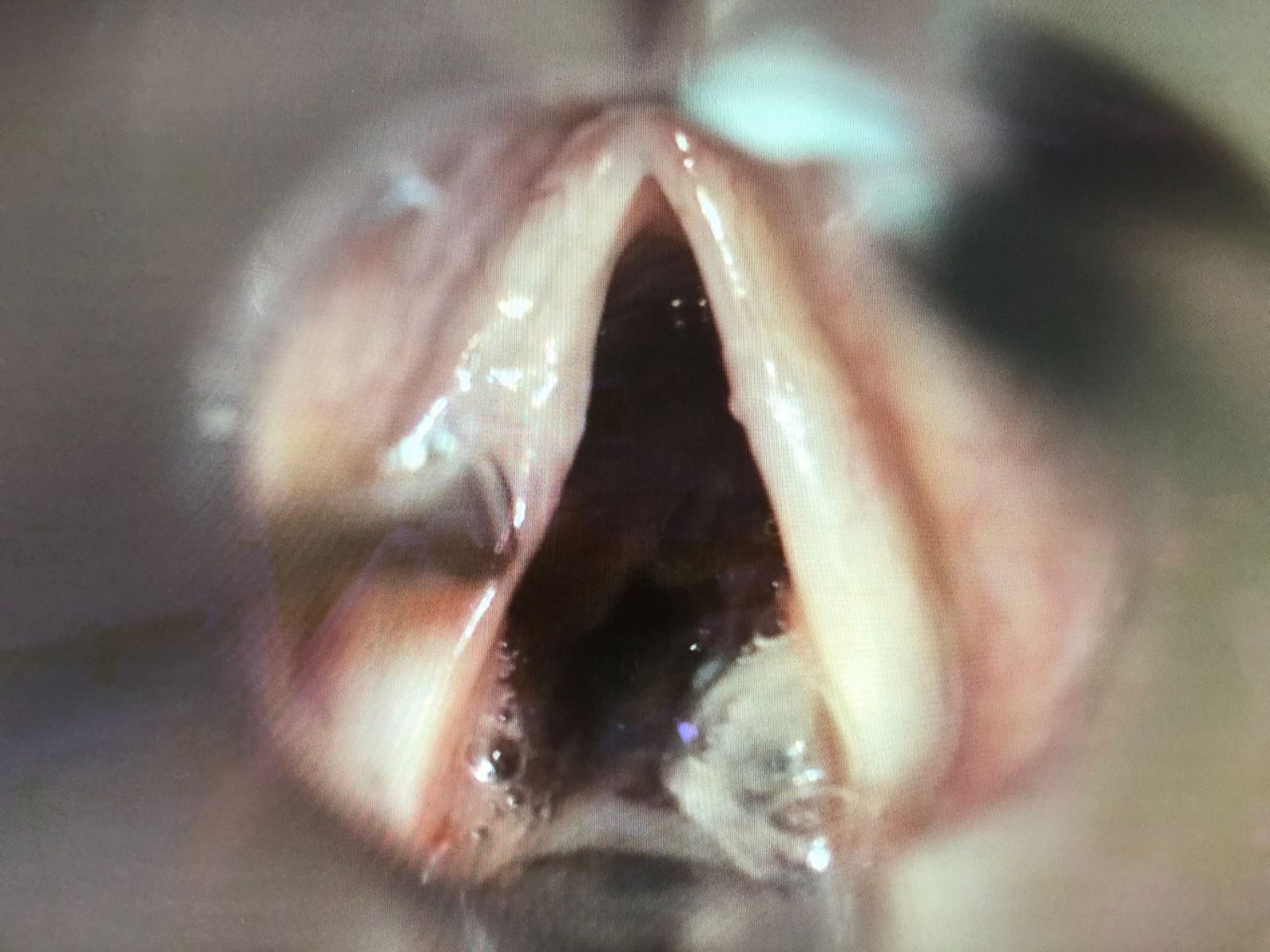
The vocal cords are examined with a thin endoscope passed through the nose or mouth, so the specialist can see the larynx and how the vocal cords move. The examination takes a few minutes and can usually be done without anaesthesia. The same endoscopic examination is also used for, for example, difficulty swallowing and burping.
Based on the examination and your medical history, the specialist assesses whether the hoarseness is caused by a benign change, a paralysis or inappropriate use of the voice – and whether surgery, voice therapy or further assessment is needed. If there is also a lump in the neck, it is examined as well.
Vocal cord cysts are fluid-filled blisters that form in the vocal cord itself. They can arise after overuse of the voice or an infection, but sometimes without any explanation. Polyps are soft, benign growths that often appear after heavy strain on the voice. Both cause persistent hoarseness and a voice that tires quickly.
Singer's nodules (vocal cord nodules) are small thickenings on the part of the vocal cords that vibrates the most. They develop after long-term overuse of the voice and cause hoarseness, a strained and tired voice and sometimes voice failure. It can be hard to reach high notes or keep the voice steady during long periods of speaking.
A vocal cord can become paralysed after a viral infection, as a complication of neck surgery – for example on the thyroid gland – or in connection with cancer. The voice becomes weak and breathy, you may run out of breath when talking, and food or drink can more easily go down the wrong way.
Once the cause has been established, treatment can begin. In an injection (injection laryngoplasty), a filler is injected into the paralysed vocal cord, bringing it closer to the midline so that it can close tightly against the healthy vocal cord. The aim is a stronger and clearer voice, less breathlessness when talking and fewer episodes of things going down the wrong way. The effect lasts from a few months to around a year or more, depending on the filler (Biomolecules 2021).

Cysts, polyps and other benign changes on the vocal cords are removed in a minor operation through the mouth under general anaesthetic (microlaryngoscopy). There is no external incision on the neck, and you go home the same day. Voice therapy before and after the operation helps the voice recover and reduces the risk of the changes coming back.
Singer's nodules are treated first and foremost with voice therapy, which changes the way of using the voice that caused the thickenings. Voice therapy can often make surgery unnecessary for nodules (White 2019). Surgery is only considered if this does not help.
For the voice to recover, and to avoid relapse, it is important to learn to use the voice correctly. This is done with a speech and language therapist, who teaches techniques for better voice use and voice protection. There is no speech therapist at Charlottenlund Privathospital, but the specialists refer – typically to the public communication centres – after surgical or medical treatment has been completed.
Singers, actors, teachers, journalists, lawyers and others who use their voice at work are particularly vulnerable to voice problems. The examination and advice are tailored to the individual voice and its demands – from strain injuries and voice fatigue to more complex vocal cord disorders.
Vocal cord disorders in adults are assessed and treated by specialists in ear, nose and throat diseases. Operations are performed under general anaesthetic, and you go home the same day. See also the ear, nose and throat department and ear diseases and surgery.
As a self-paying patient you do not need a referral, and you can book online. Prices are shown in the price list. Assessment and treatment can also be covered by private health insurance, which usually requires prior approval, or take place under the extended free choice of hospital.
If cancer is suspected, the assessment can start at Charlottenlund Privathospital, while treatment takes place in a cancer pathway at a public hospital.
Answers to questions about hoarseness and vocal cord disorders.
Hoarseness lasting more than two weeks in an adult without an obvious explanation such as a cold should be examined by an ear, nose and throat specialist. This applies especially if you smoke or are over 40.
Cysts are fluid-filled blisters in the vocal cord, polyps are soft, benign growths, and singer's nodules are small thickenings after prolonged overuse of the voice. All can cause hoarseness and a tired voice.
Vocal cord cysts are usually treated with a minor operation through the mouth under general anaesthetic (microlaryngoscopy). Voice therapy before and after the operation helps the voice recover.
Yes, often. Singer's nodules are first treated with voice therapy with a speech therapist. Surgery is only considered if voice therapy does not help.
Once the cause has been established, a filler can be injected into the paralysed vocal cord to bring it closer to the midline. This usually gives a stronger voice and less breathlessness when talking. The effect lasts from a few months to around a year, depending on the filler.
Yes. Vocal cord operations are performed under general anaesthetic, and you normally go home the same day. The treatment is offered to adults only.
Other pages about the throat:
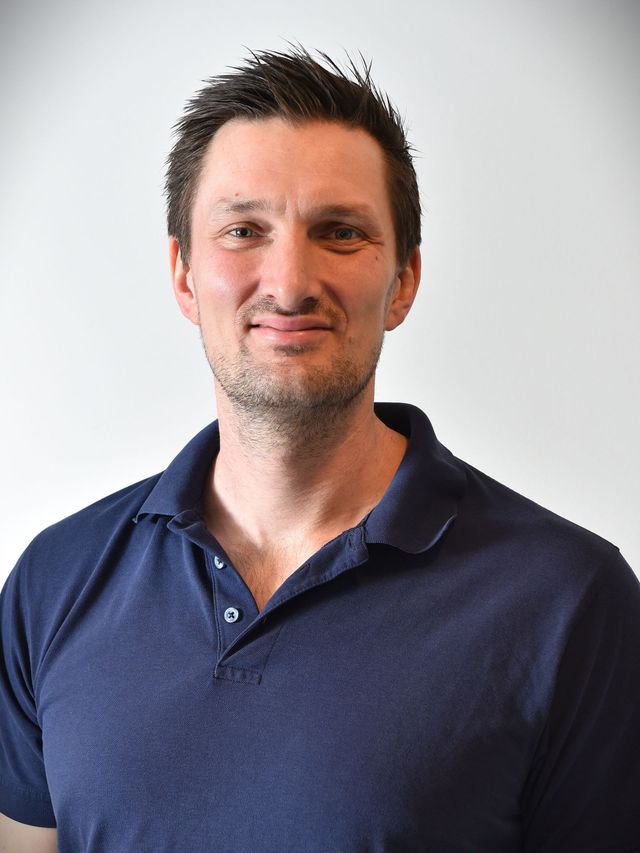
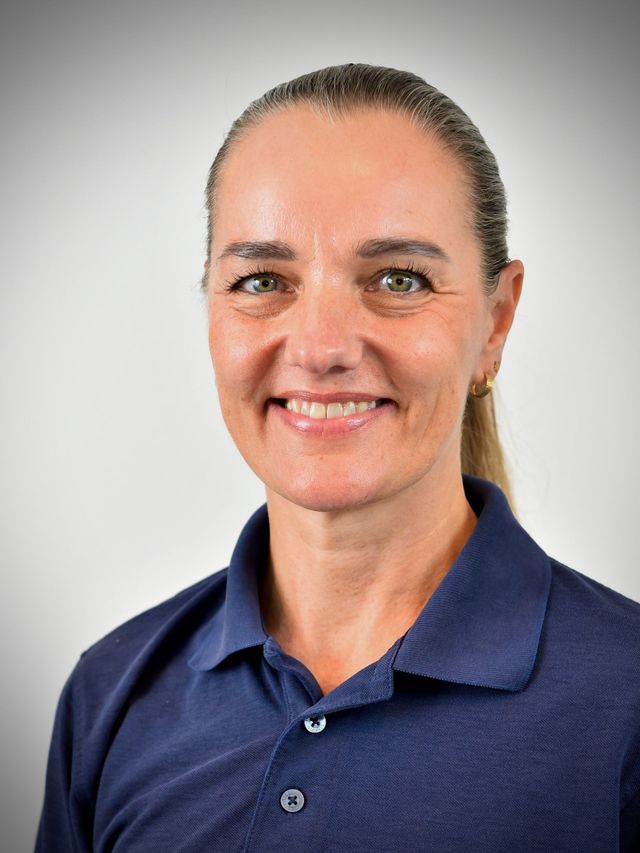
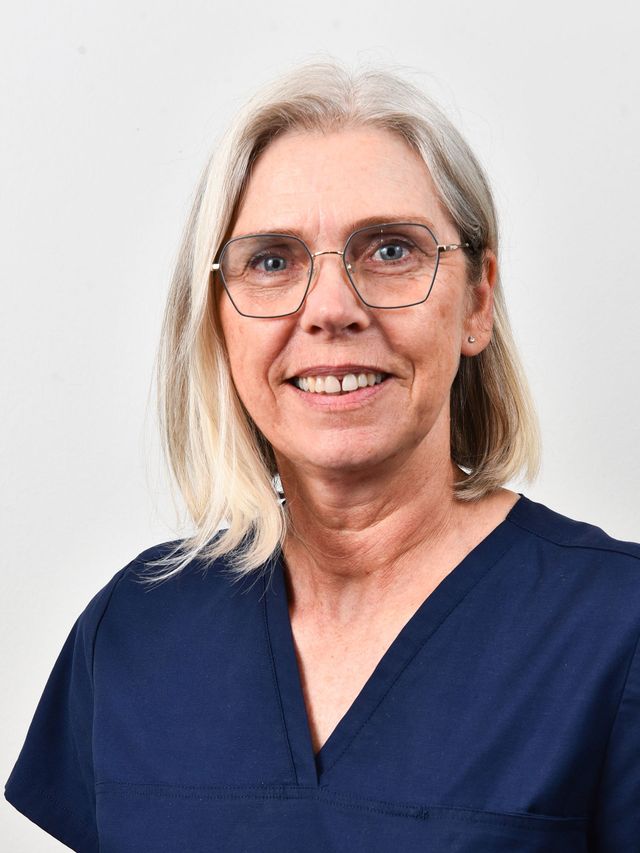
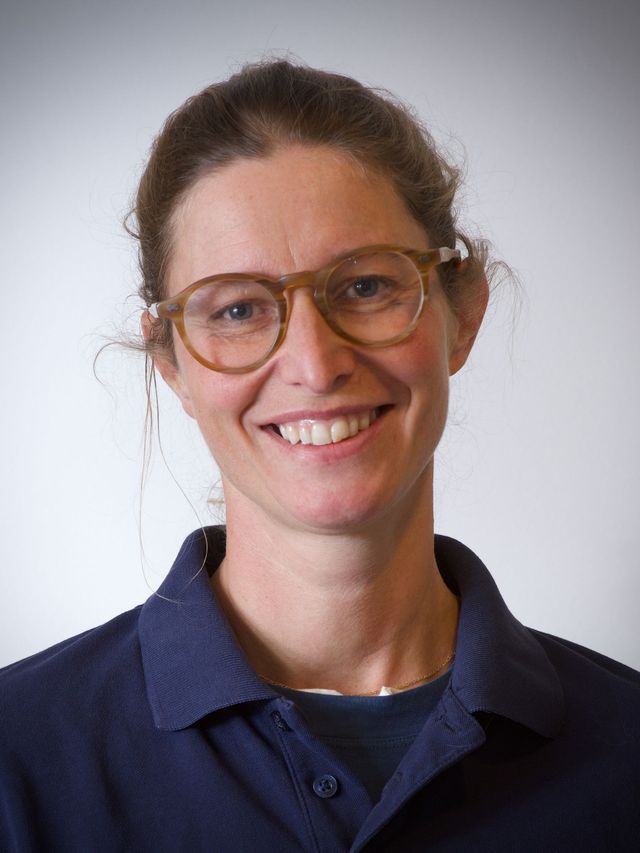
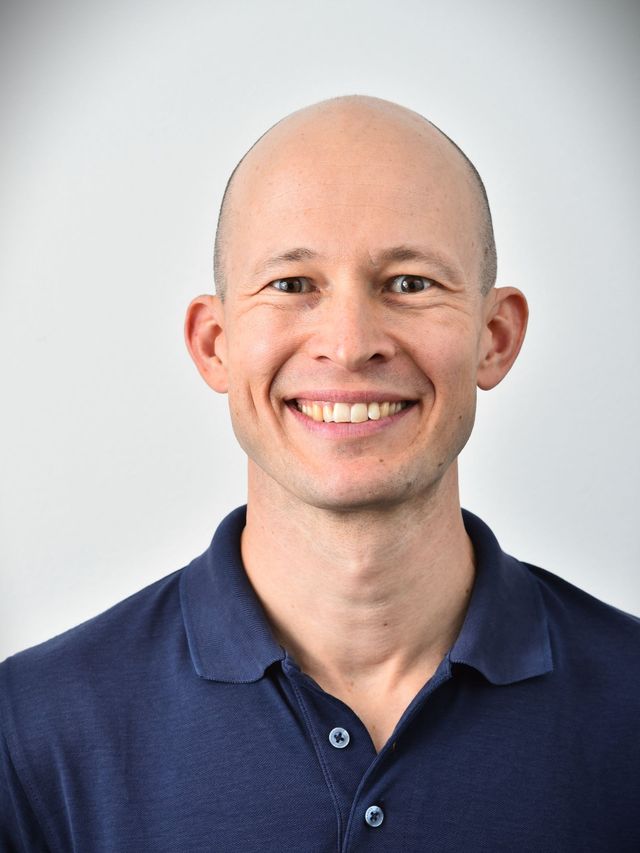
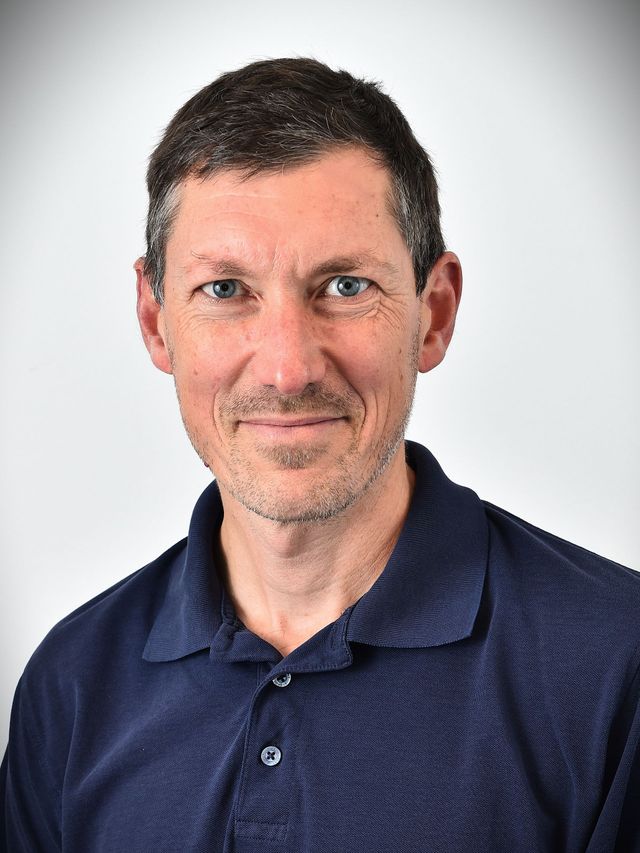
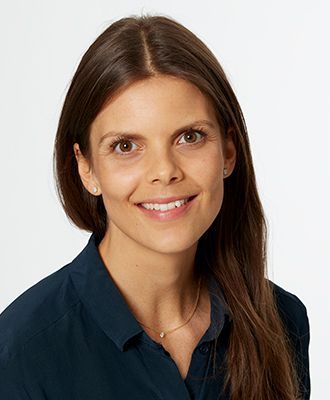
→ Swallowing and burping problems (R-CPD) – when you cannot burp → Lump in the neck – examination and surgery → Tonsillectomy – repeated sore throats → ENT operations – all operationsCharlottenlund Privathospital is owned and run by three specialist physicians: Erika Belard, Jacob Fisker and Teit Mantoni. Jacob Fisker is medical director. Here you will find our ear, nose and throat (ENT) specialists in Charlottenlund and at our clinics around Denmark – and in Charlottenlund also specialists in paediatric surgery, dermatology, diving medicine, gynaecology, cardiology, paediatrics, psychology and rheumatology.
Specialist physician and co-owner, CEO

Specialist physician, co-owner and medical director
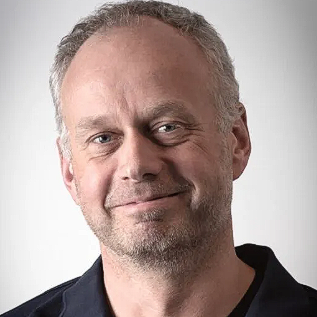
Specialist physician and co-owner
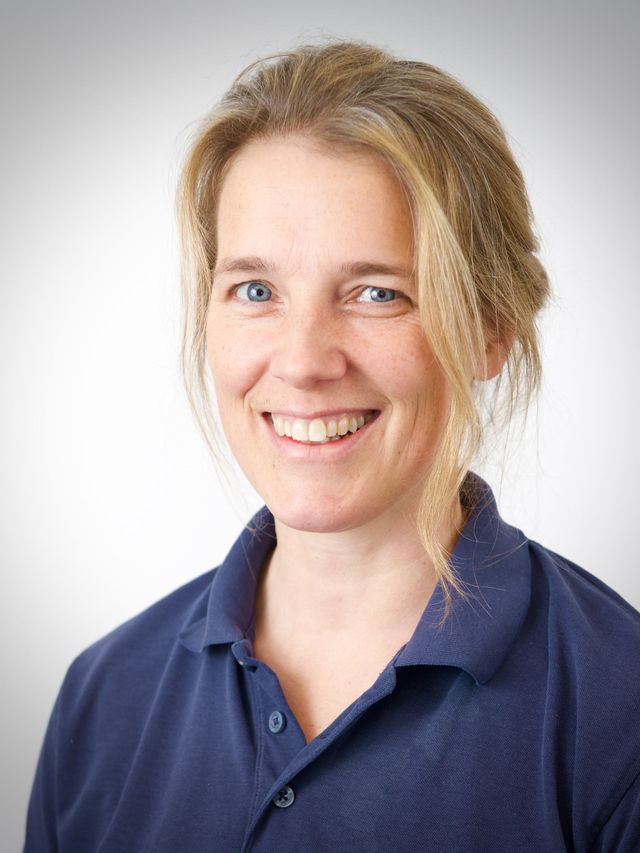



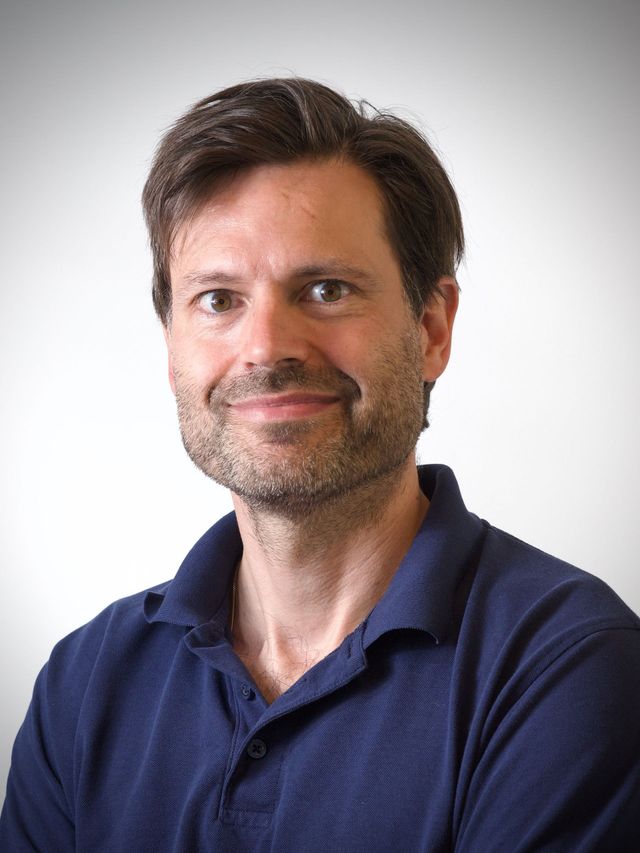

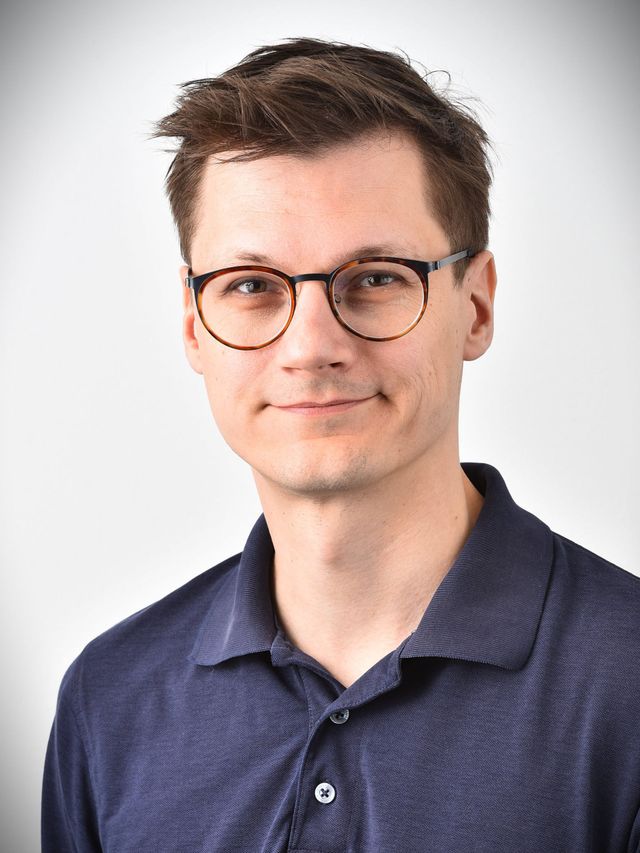
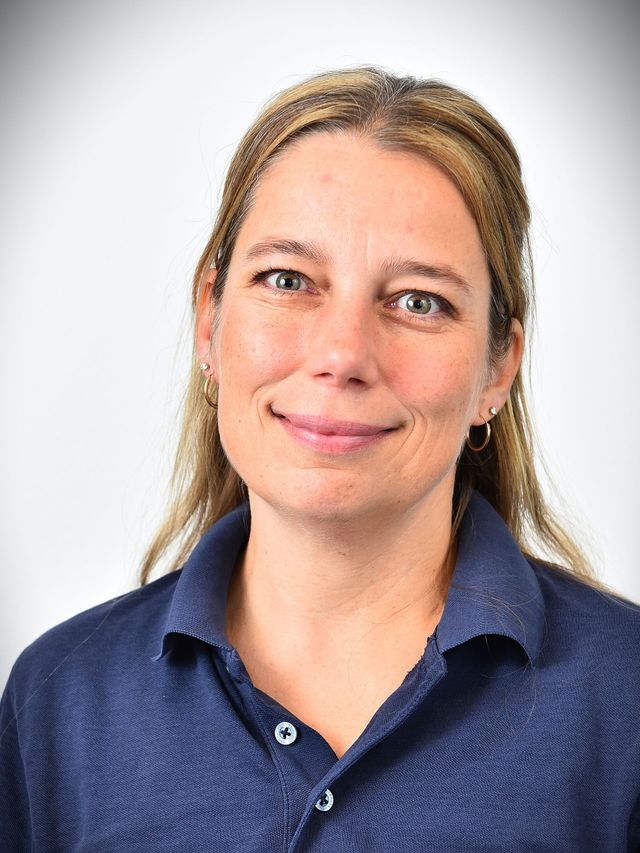
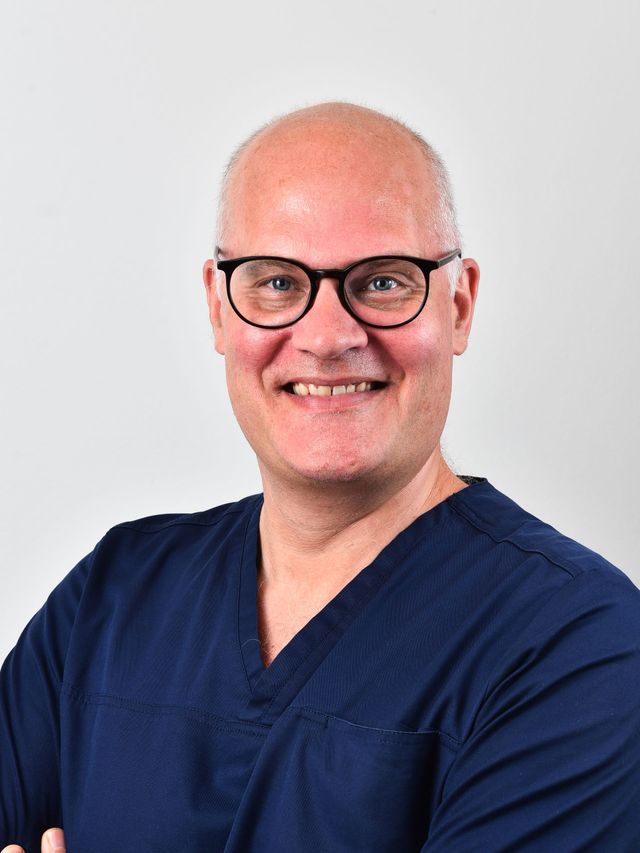
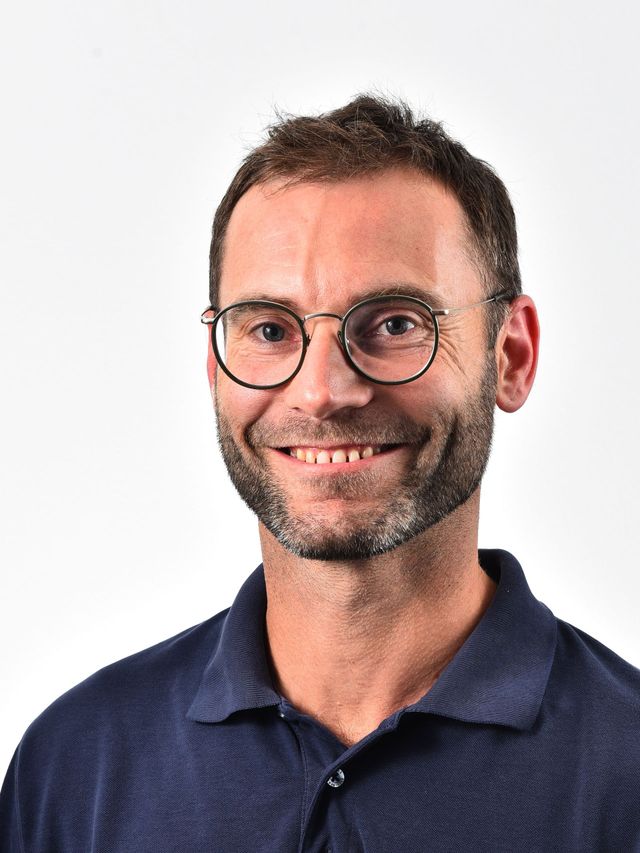
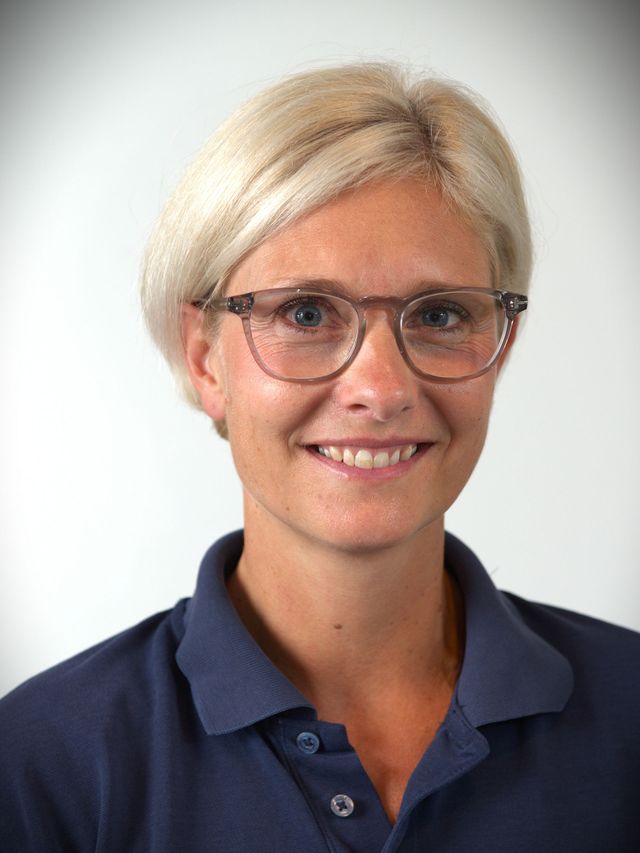
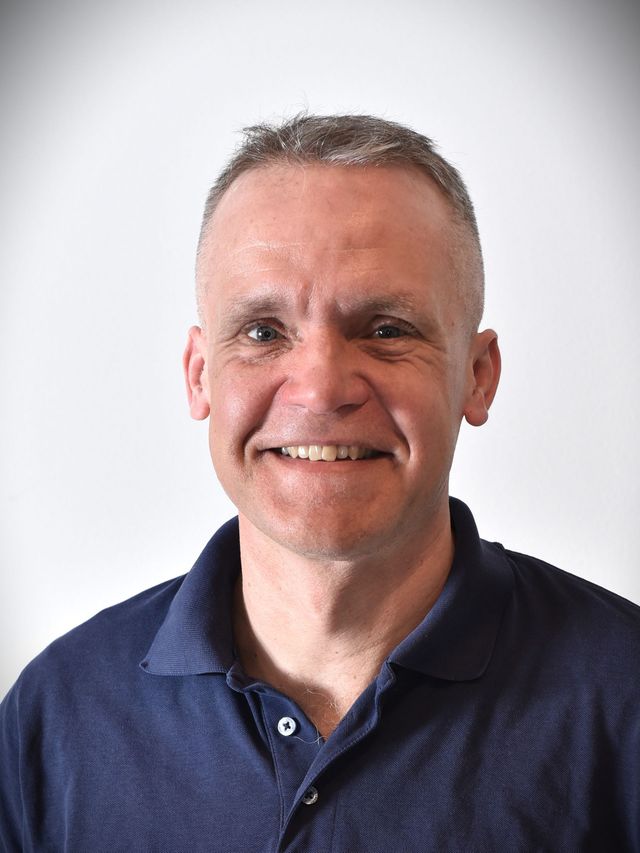
Specialist in anaesthesiology
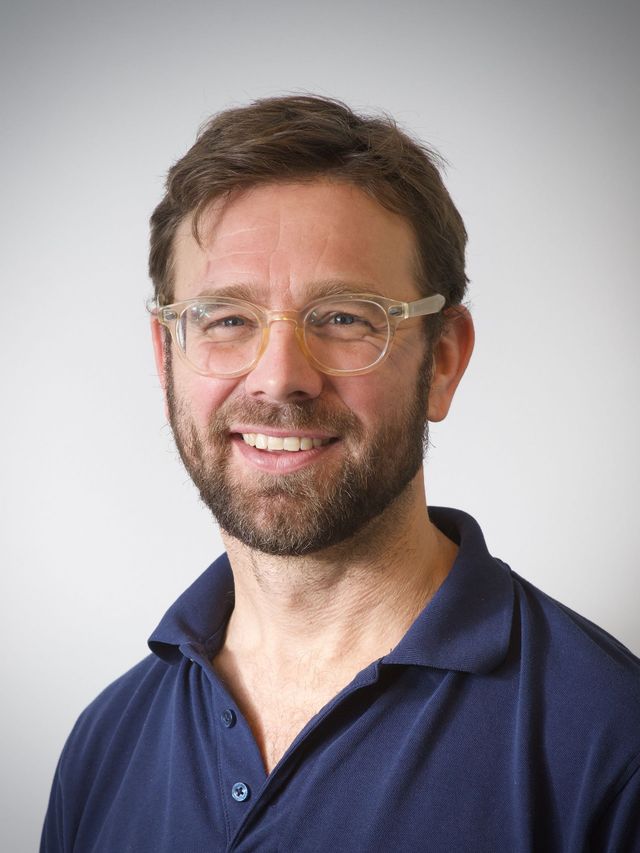
Specialist in anaesthesiology
Specialist in anaesthesiology
Specialist in anaesthesiology, DMSc, PhD
Specialist in anaesthesiology
Specialist in anaesthesiology
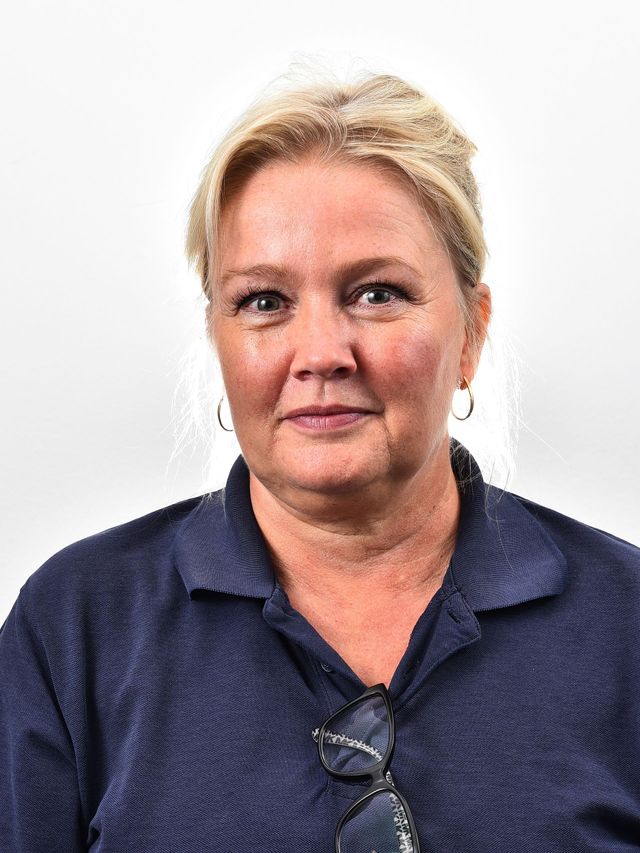
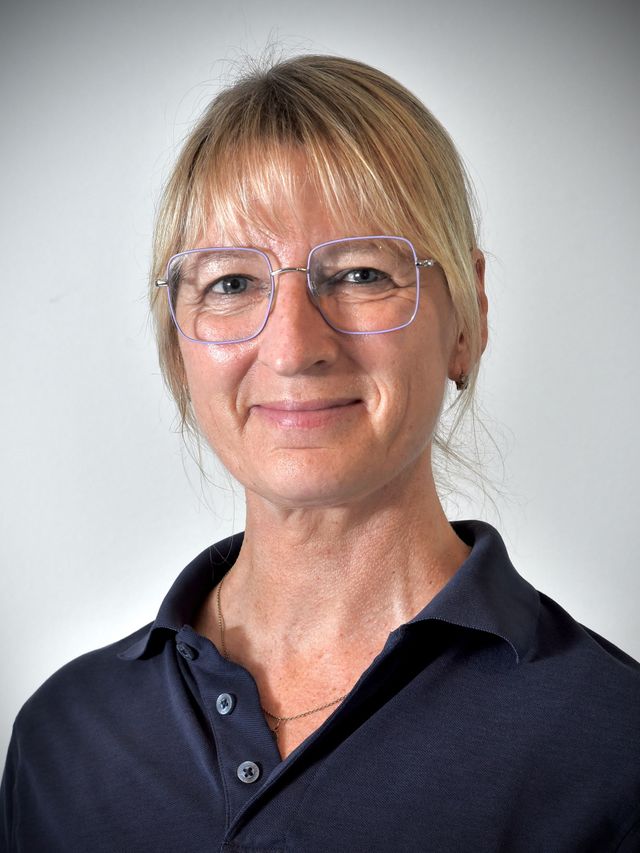

Specialist in anaesthesiology and diving medicine
Approved by the Danish Maritime Authority
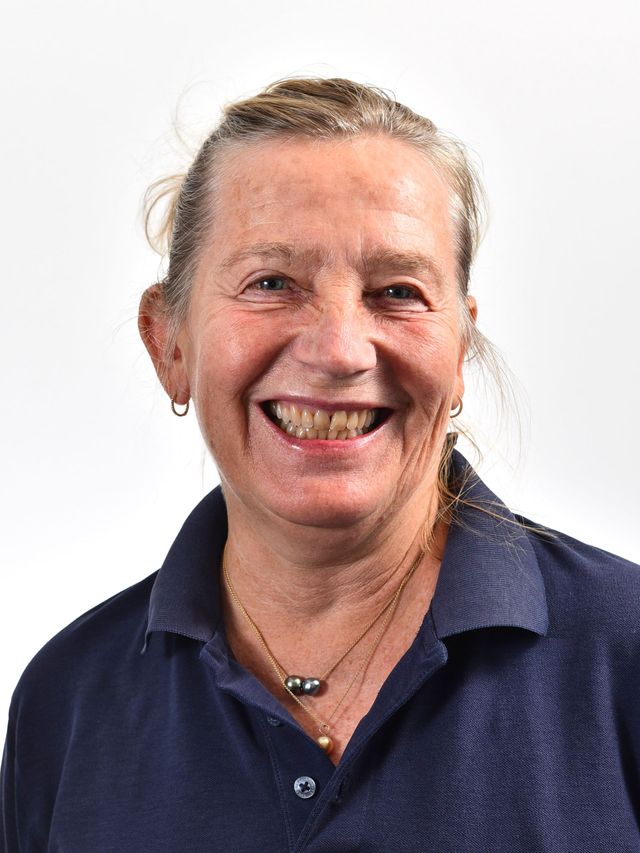
Specialist in anaesthesiology and diving medicine
Approved by the Danish Maritime Authority
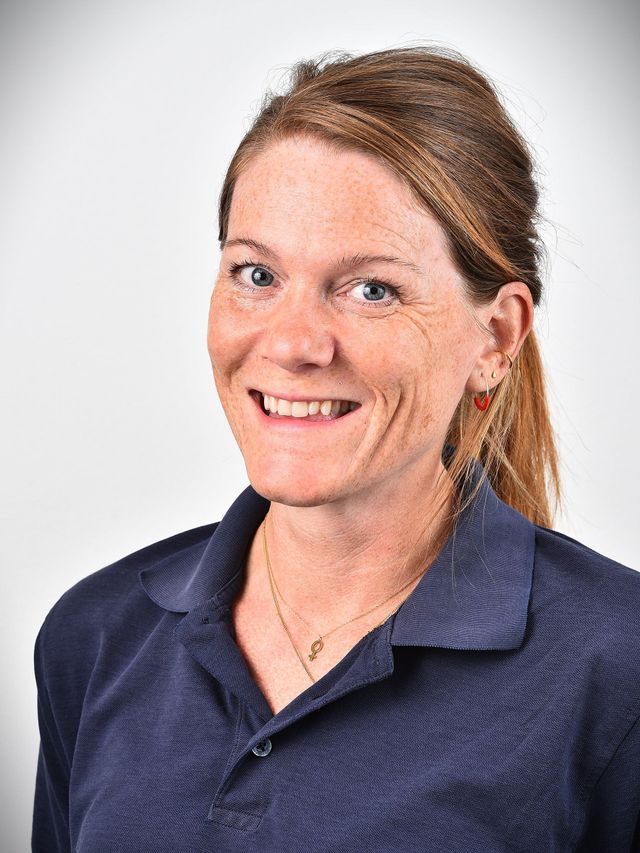





They are the people you meet first when you call or walk through the door – and the ones who look after you before and after your treatment.
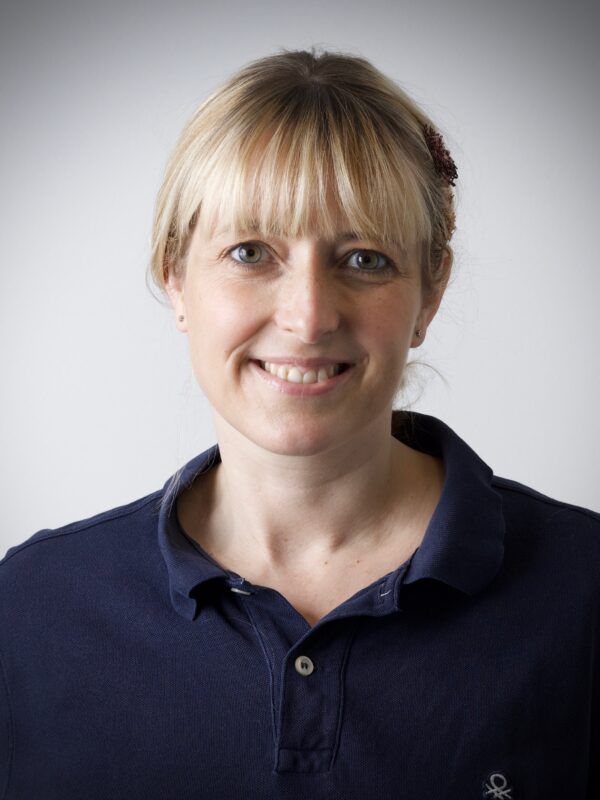
Nurse
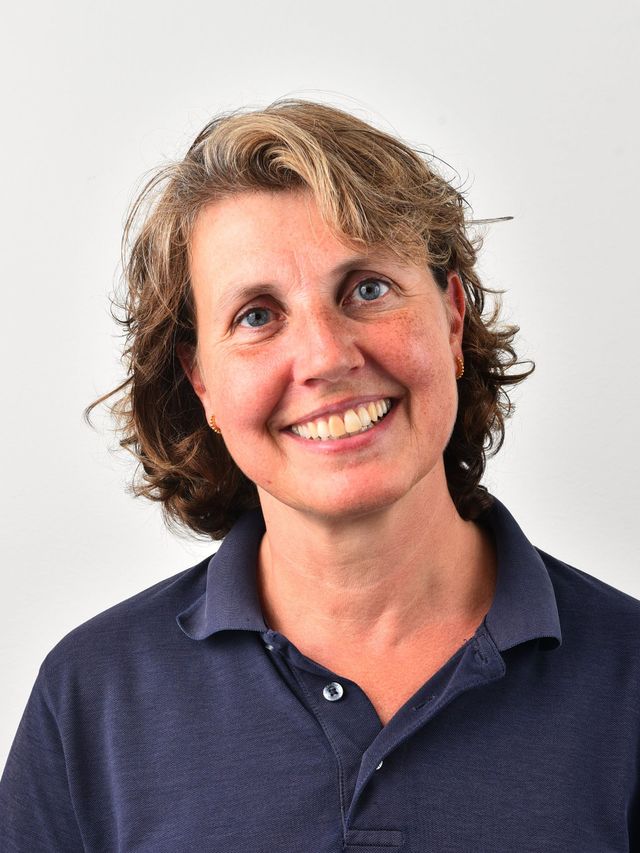
Nurse
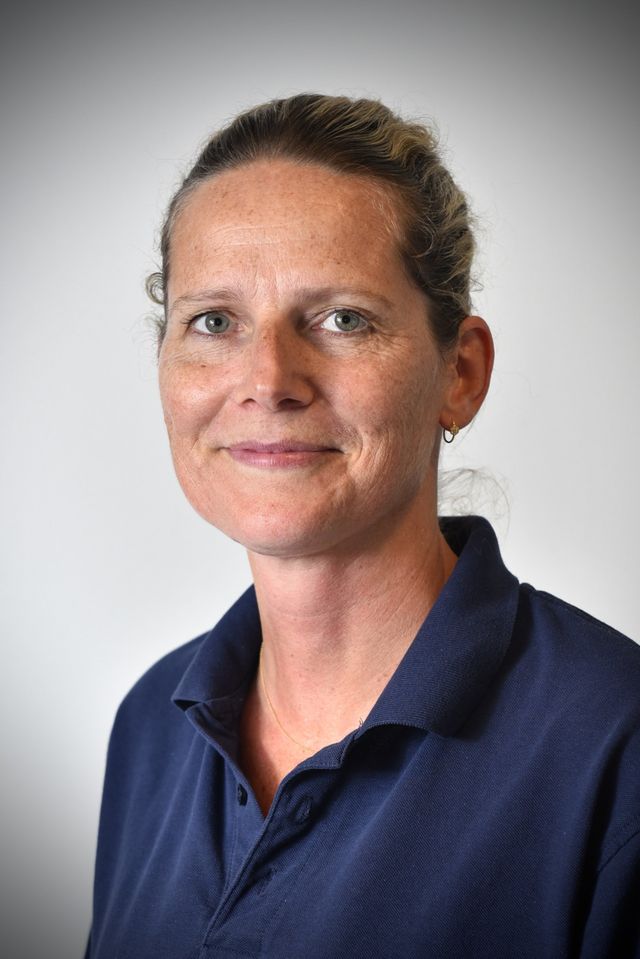
Nurse
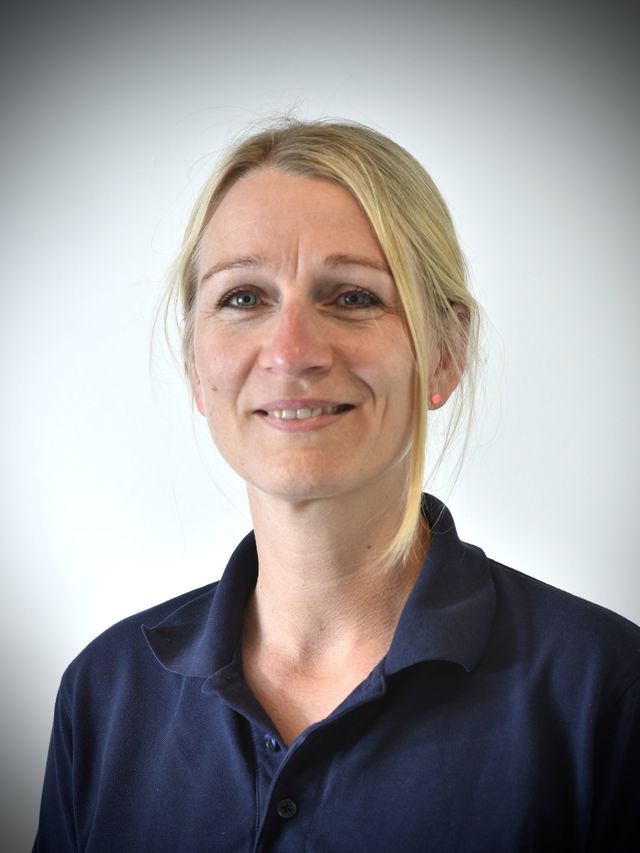
Nurse
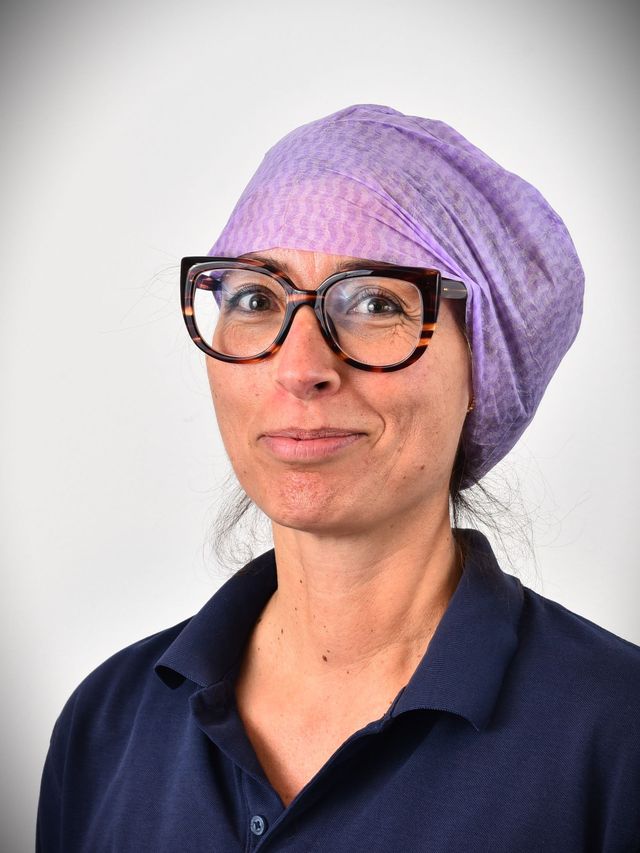
Nurse
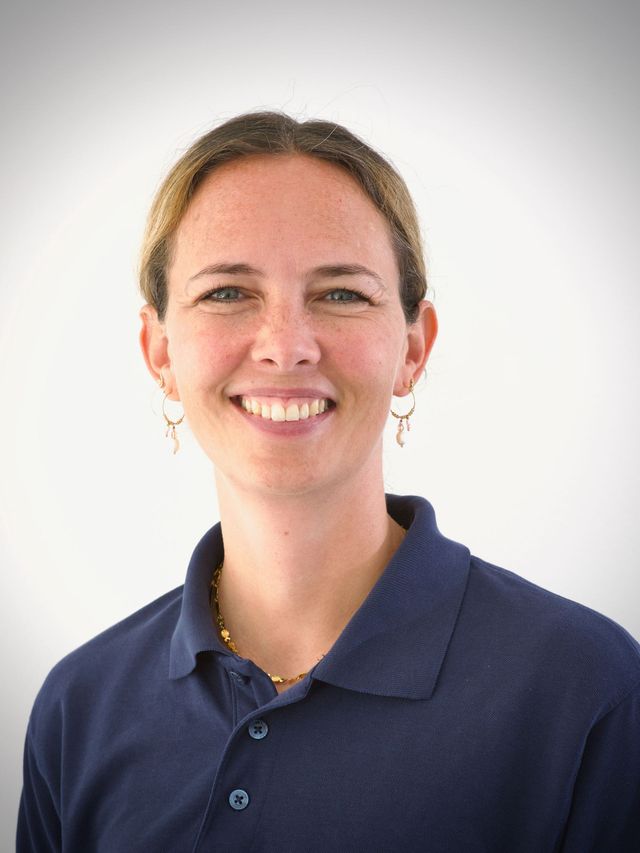
Nurse
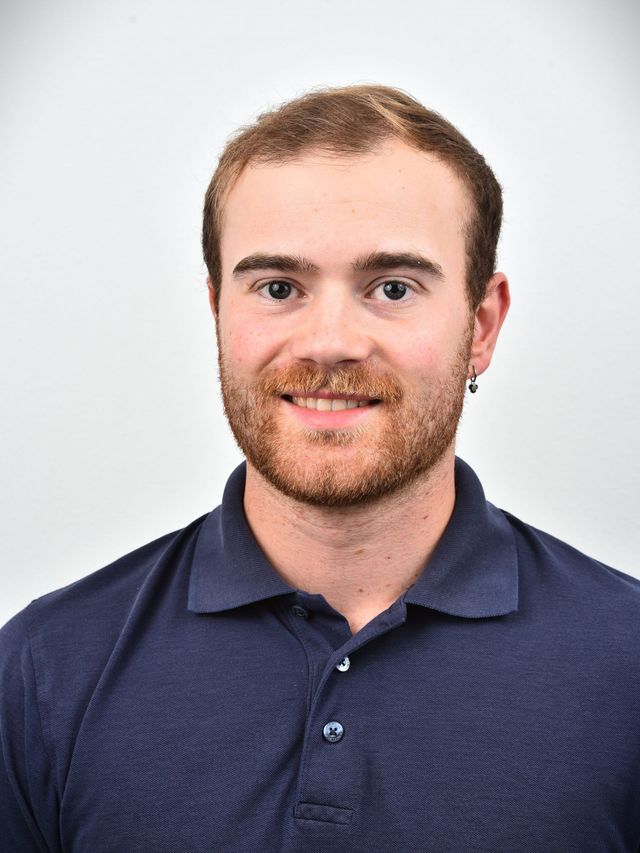
Clinical assistant
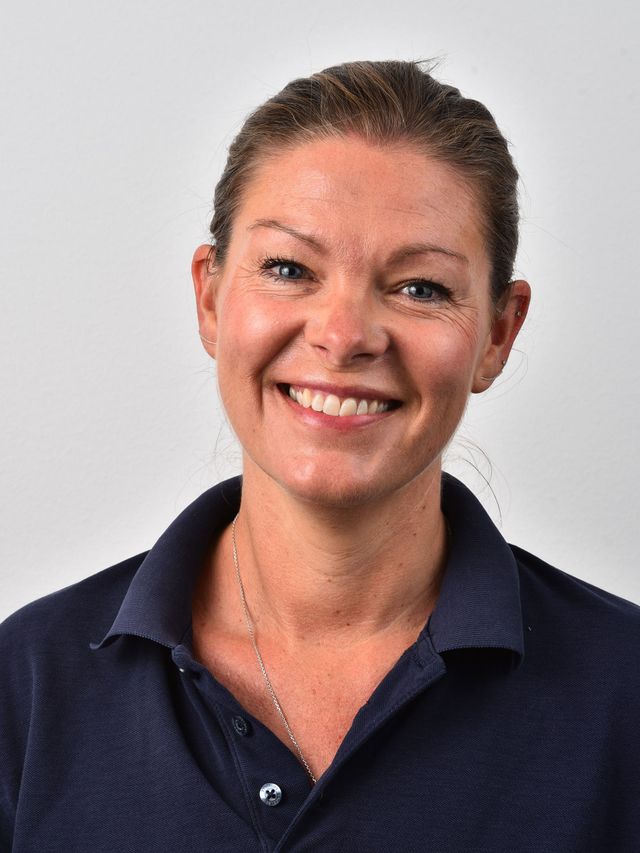
Clinical assistant
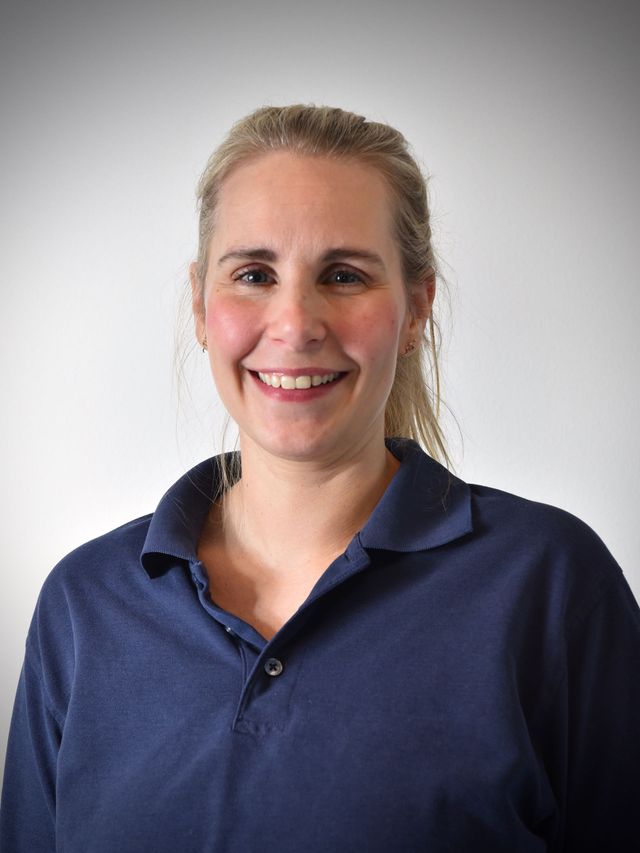
Clinical assistant
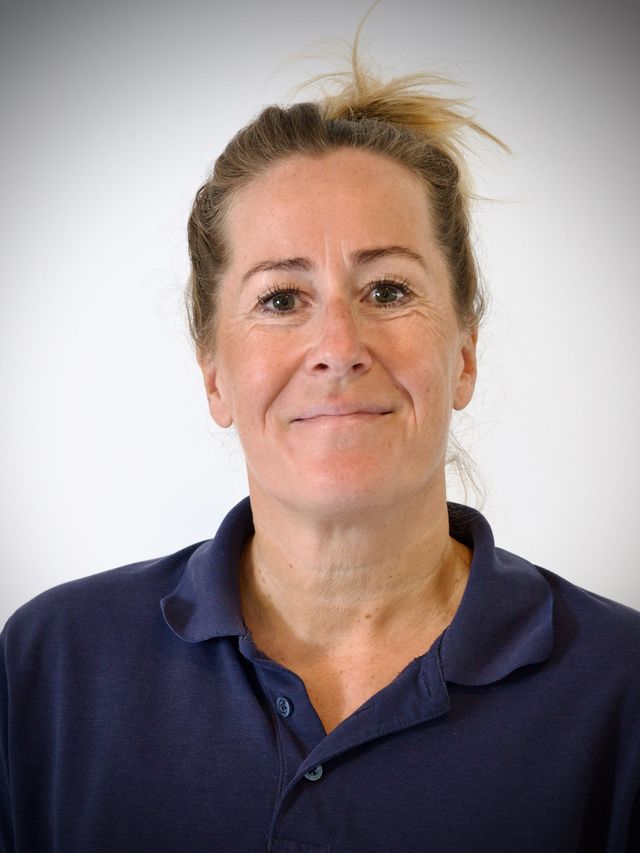
Reception and secretariat
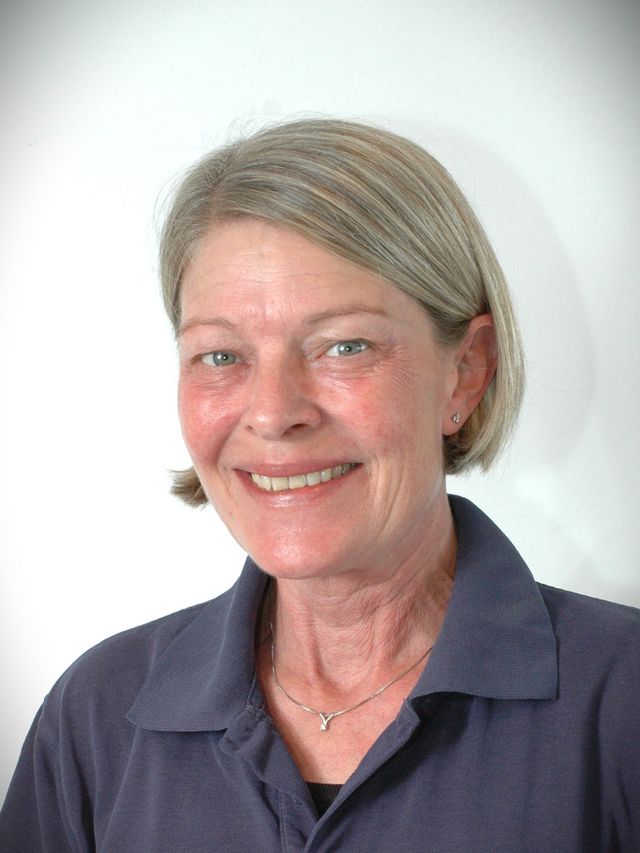
Reception and secretariat
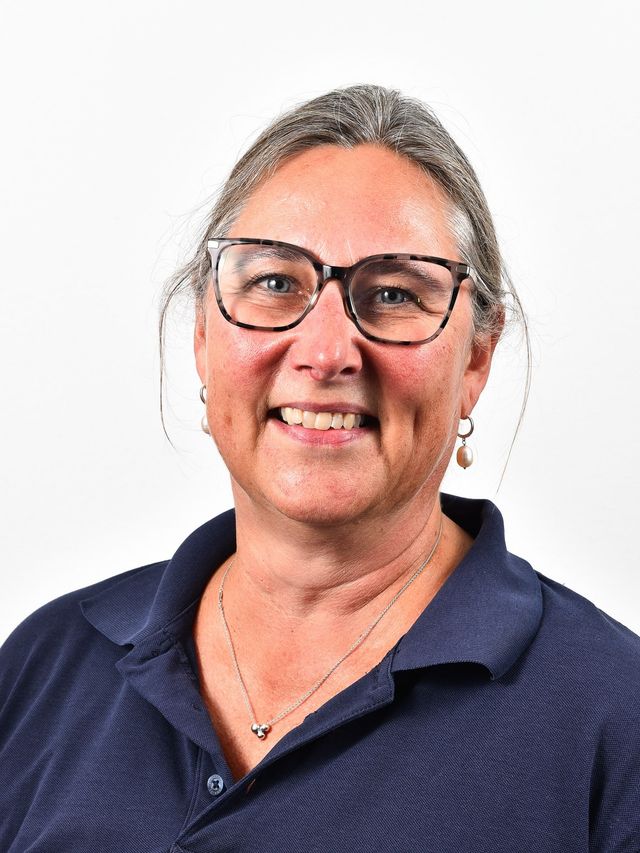
Reception and secretariat
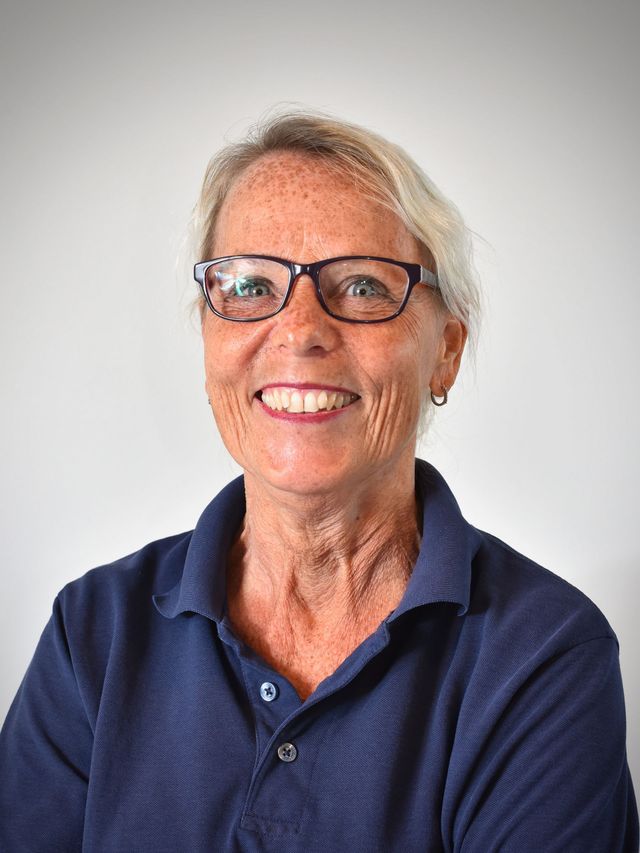
Reception and secretariat
Reception and secretariat

Service assistant
No one found. Try another name or choose "All".
Would you like to book an appointment with one of our specialists?
Book onlineJægersborg Allé 4
2920 Charlottenlund
CVR: 45675637
Monday–Friday, 08:00–14:00
Outside telephone hours, appointments can be booked, rescheduled and cancelled online 24/7.
Main department in Charlottenlund and ear, nose and throat departments at several locations across Denmark.