

Management
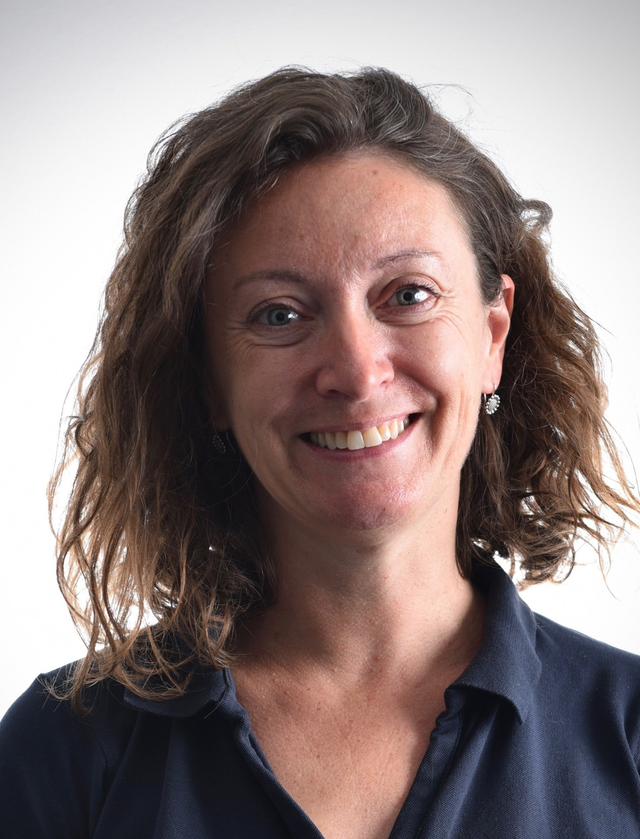
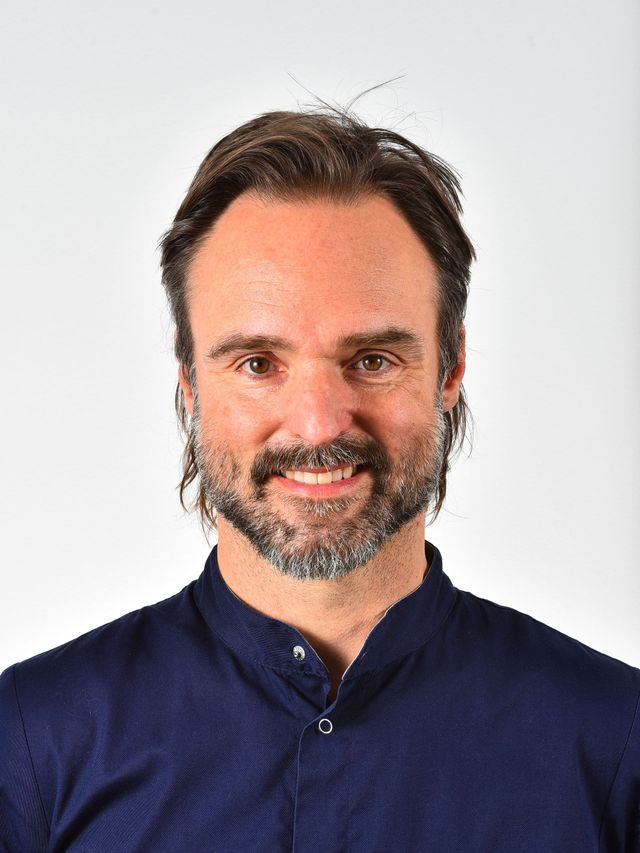
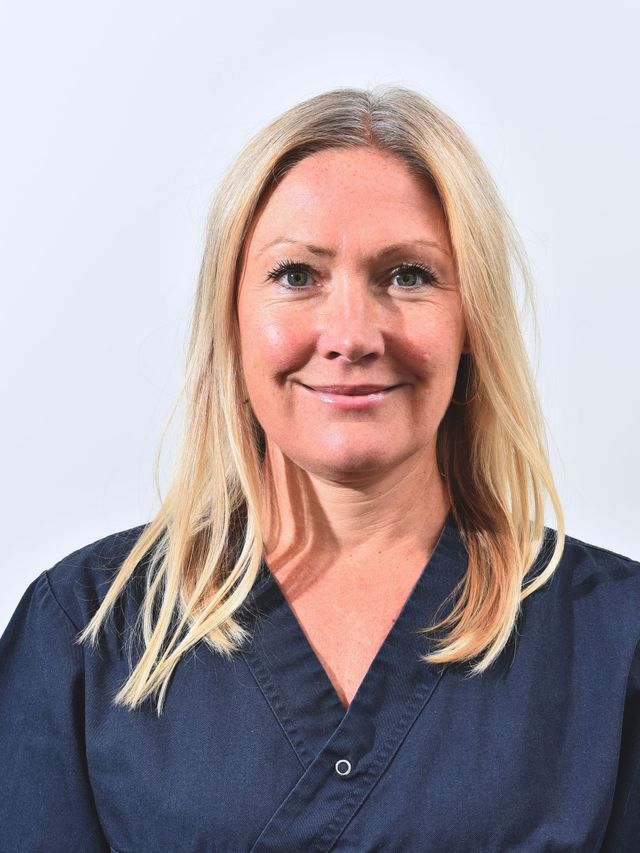
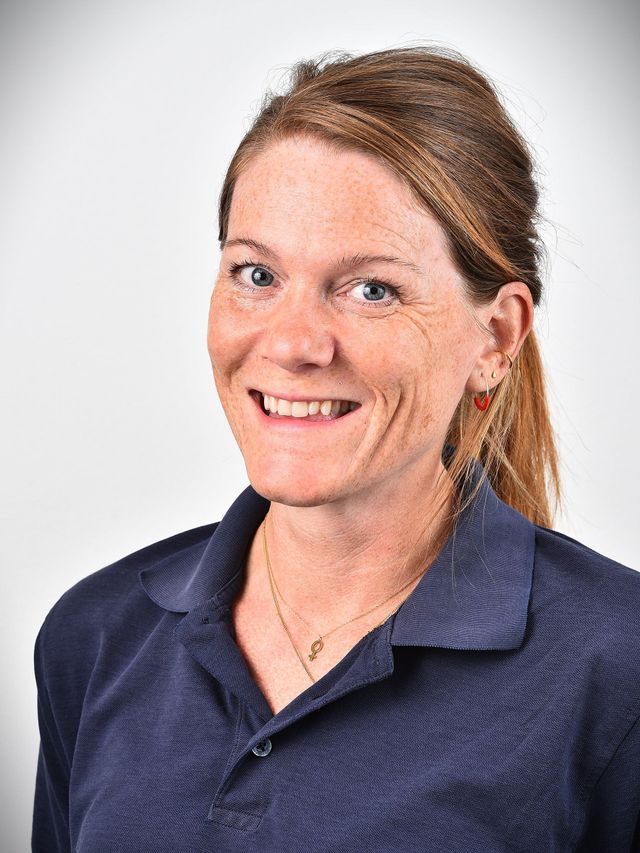
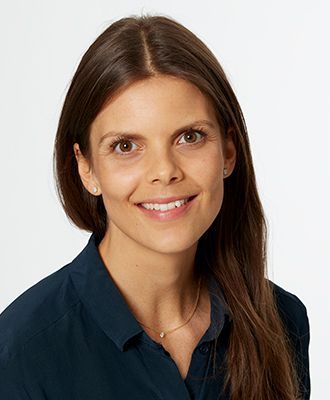
Erika Belard
Specialist physician and co-owner, CEO

Examination, treatment and surgery of the ears by ear, nose and throat specialists.
At Charlottenlund Privathospital, children and adults with ear diseases are examined and treated by specialists in ear, nose and throat diseases – from ear pain, earwax and middle ear infection to tinnitus, reduced hearing and surgery on the eardrum and middle ear. The ears are examined through an otoscope or ear microscope, and a pressure test and hearing test can be done on site when needed. As a self-paying patient you do not need a referral.
Overview of the ear conditions most often examined and treated:
Many ear problems clear up on their own, but severe or persistent ear pain, discharge from the ear, reduced hearing, tinnitus or a blocked feeling in the ear should be examined by a specialist. You do not need a referral to see an ear, nose and throat specialist.
Children with repeated middle ear infections, fluid behind the eardrum or reduced hearing are also examined – see tonsils and adenoids and grommets.
The examination starts with a conversation about your symptoms. The ears are then examined through an otoscope or ear microscope. A pressure test (tympanometry) is often done – especially in children – showing whether there is negative pressure or fluid behind the eardrum and whether the eardrum moves normally.
A hearing test is not done routinely, but when it is needed – for example with reduced hearing, tinnitus or long-lasting fluid behind the eardrum. Earwax and discharge can be removed with suction under the microscope at the same visit, after which the specialist advises on the treatment needed.
With a cold, the Eustachian tube can close, causing negative pressure and, in the longer term, fluid in the middle ear. This is treated with observation or by inserting grommets. If adults find it difficult to equalise, the Eustachian tube can in some cases be widened with a small balloon.
A hole in the eardrum can occur after a hard blow, an infection or previous surgery. Many holes caused by a blow close on their own. A hole that does not close can be repaired with an operation under general anaesthesia (myringoplasty), in which the hole is covered so the eardrum can heal.
In cholesteatoma, dead skin cells from the eardrum grow into the middle ear and can cause hearing loss, infection and discharge. It is removed in an operation under general anaesthetic. A lump in the ear canal (exostosis) can cause infection and build-up of earwax and is treated by cleaning the ear and removing the lump.
Children and adults with ear diseases are examined and treated by specialists in ear, nose and throat diseases. As a self-paying patient you do not need a referral, and you can book online. Prices are shown in the price list.
Examination and treatment can also be covered by private health insurance, which usually requires prior approval, and a number of operations can be carried out under the extended free choice of hospital. The ears are examined in Charlottenlund and at the hospital's other departments, including on Zealand and Falster.
Answers to questions about ear diseases and ear surgery.
No. You do not need a referral to see a specialist in ear, nose and throat diseases. Self-paying patients can book online, while health insurers usually require prior approval.
Yes. Both children and adults are examined and treated by ear, nose and throat doctors at Charlottenlund Privathospital – for example for ear pain, middle ear infection, fluid behind the eardrum and reduced hearing.
The specialist examines the ears through an otoscope or ear microscope. A pressure test of the middle ear (tympanometry) is often done, especially in children, while a hearing test is done when needed. Earwax and discharge can be removed at the same visit.
For fluid in the middle ear that does not go away, and for repeated middle ear infections. The grommet ensures that the middle ear is ventilated.
Yes. Many holes caused by a blow close on their own. A hole that does not close can be repaired with an operation under general anaesthesia (myringoplasty).
Cholesteatoma is a condition in which dead skin cells from the eardrum grow into the middle ear. It can cause hearing loss, infection and discharge and is removed by an operation under general anaesthesia.
Other ear, nose and throat areas:
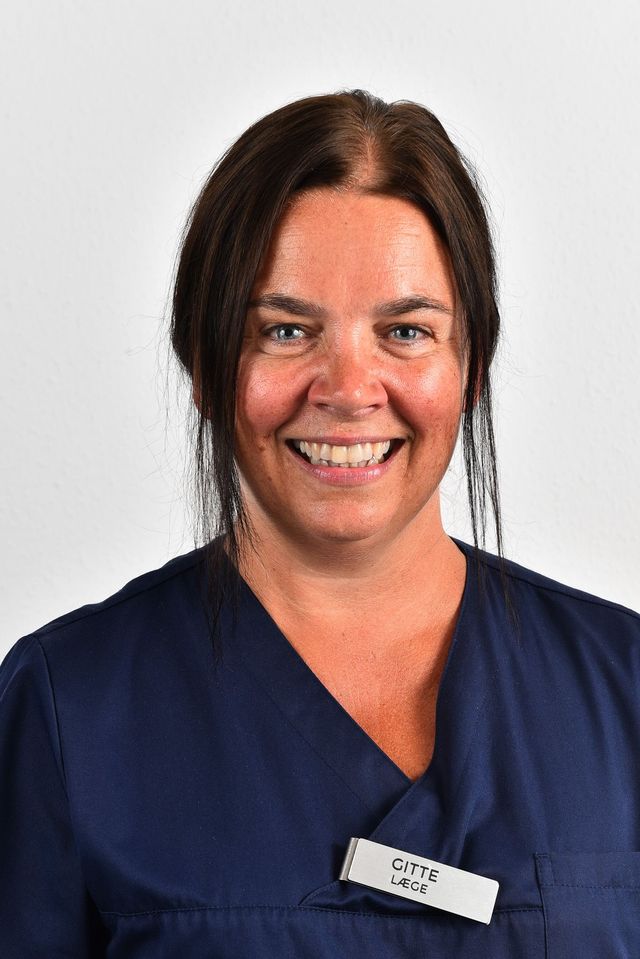
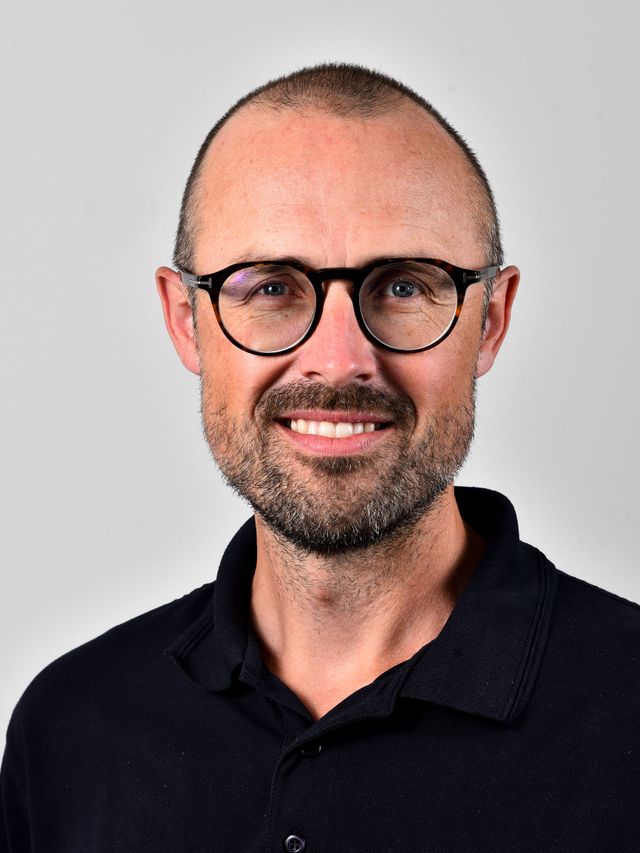
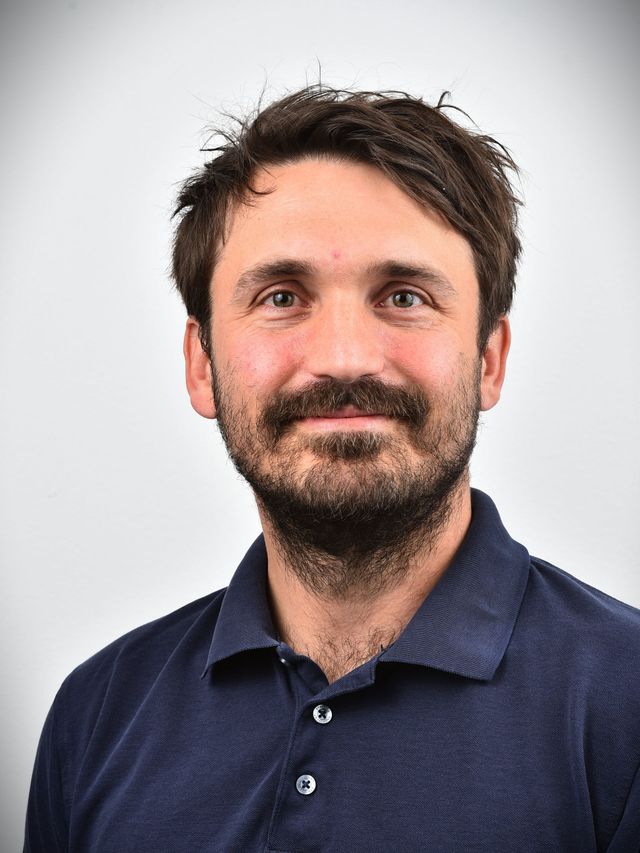
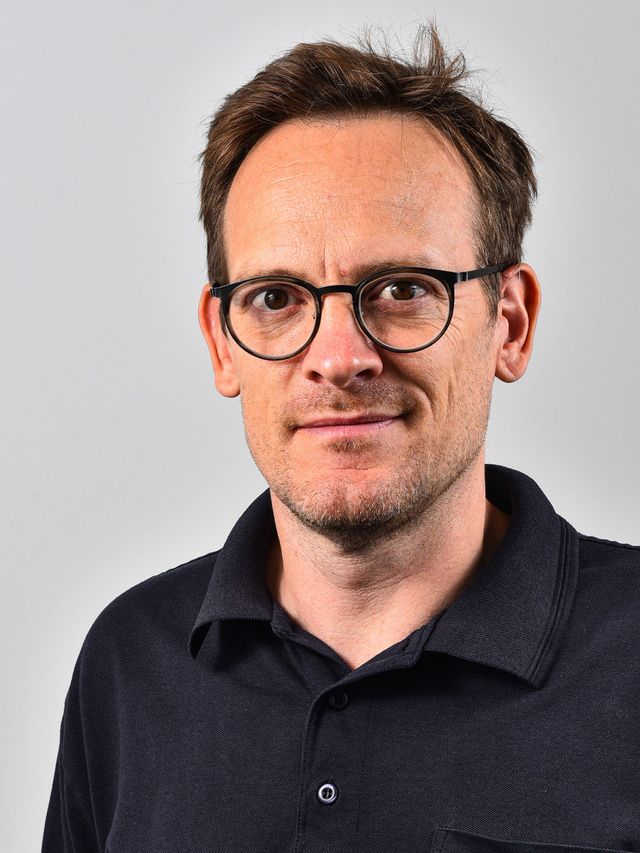
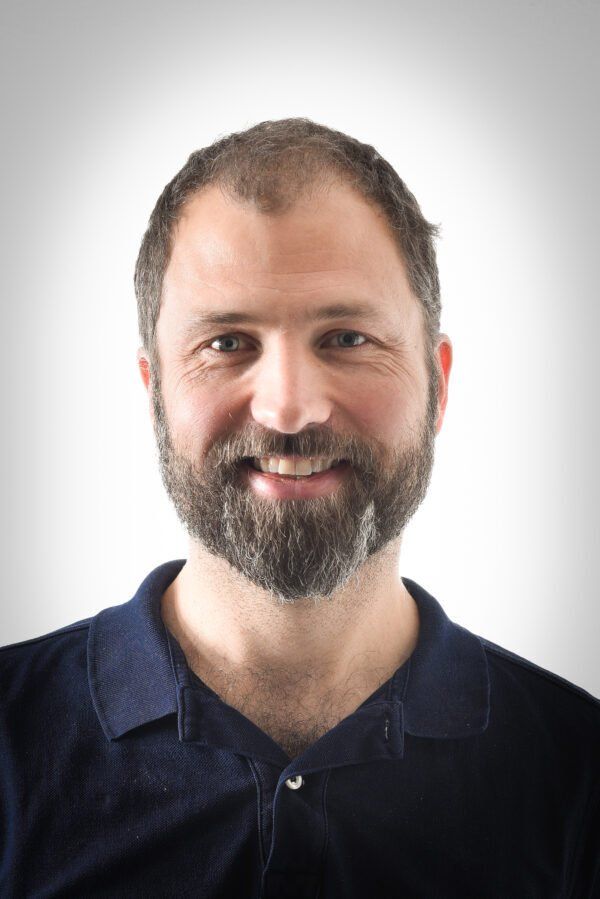
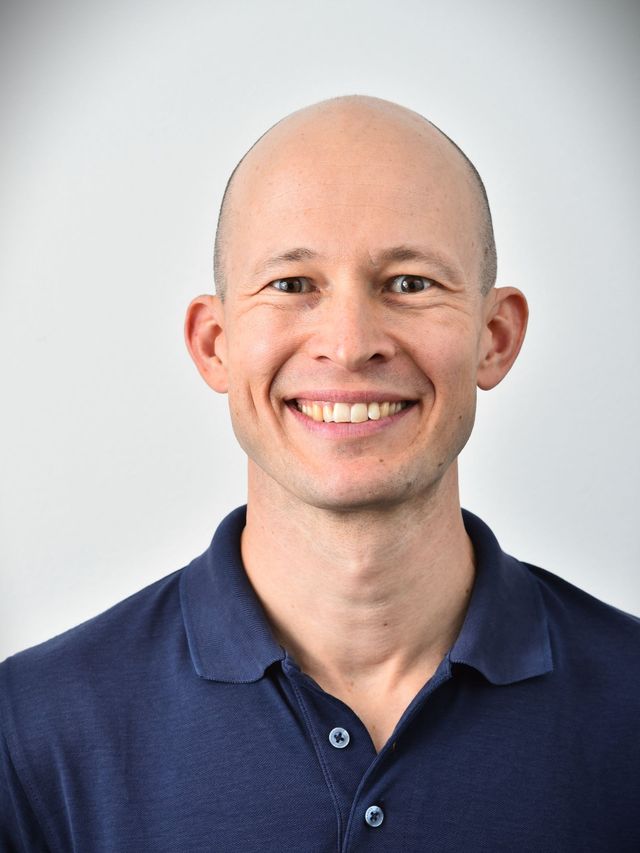
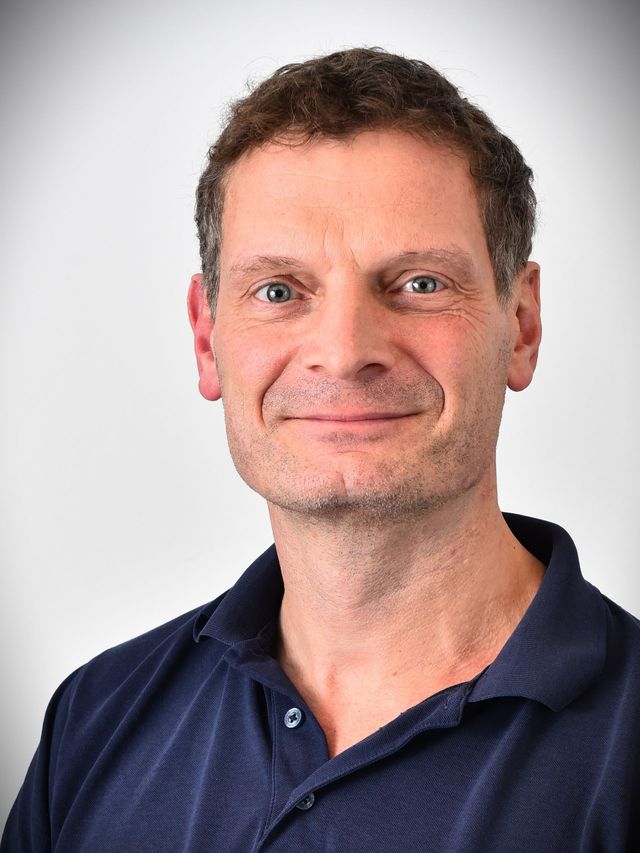
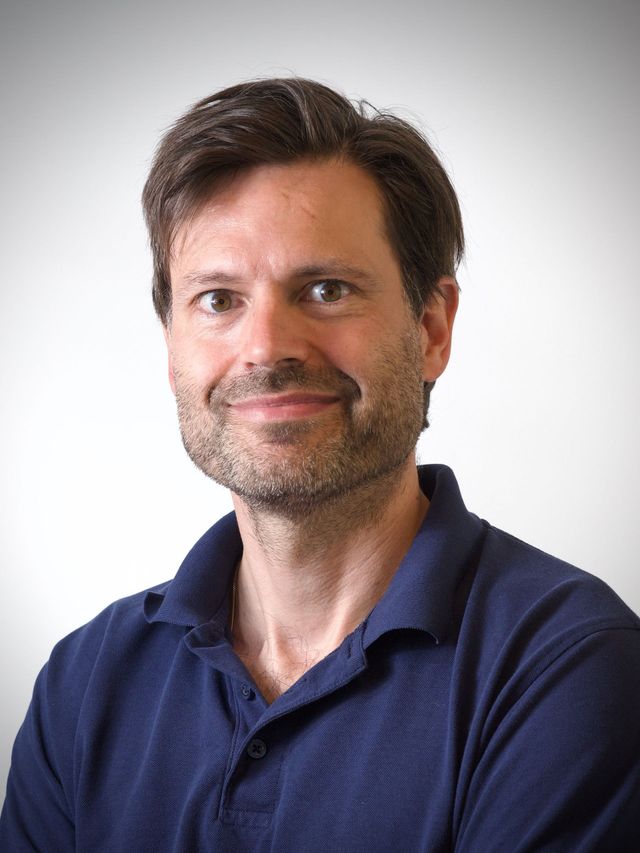
→ Ear, nose and throat – all ENT areas → ENT operations – all operations → Dizziness – examination and treatment → Hearing aids – the hearing clinicCharlottenlund Privathospital is owned and run by three specialist physicians: Erika Belard, Jacob Fisker and Teit Mantoni. Jacob Fisker is medical director. Here you will find our ear, nose and throat (ENT) specialists in Charlottenlund and at our clinics around Denmark – and in Charlottenlund also specialists in paediatric surgery, dermatology, diving medicine, gynaecology, cardiology, paediatrics, psychology and rheumatology.
Specialist physician and co-owner, CEO
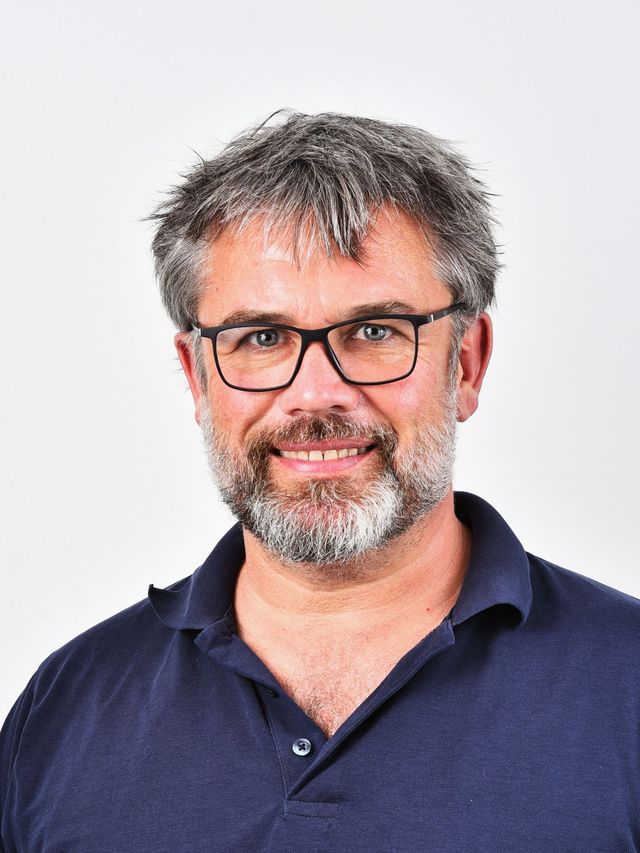
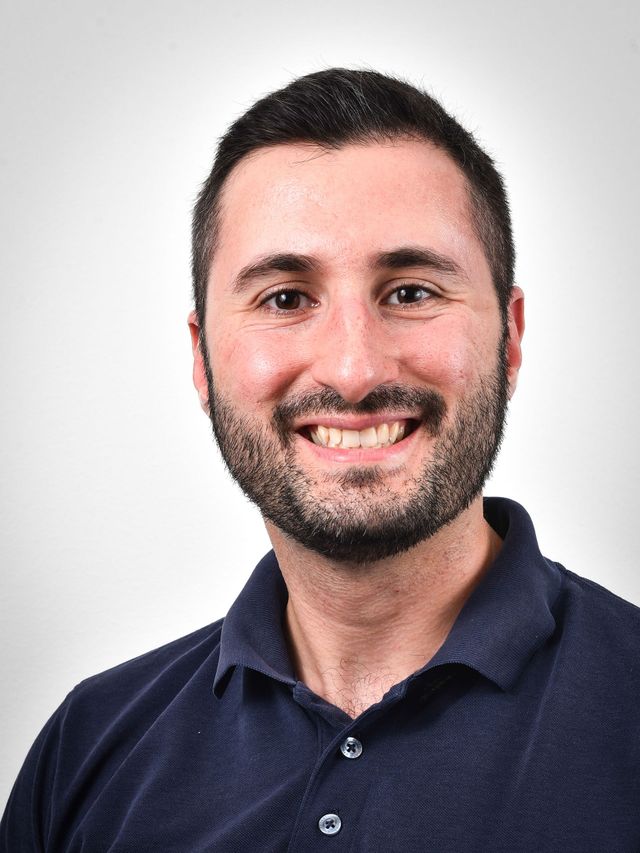
Specialist physician, co-owner and medical director
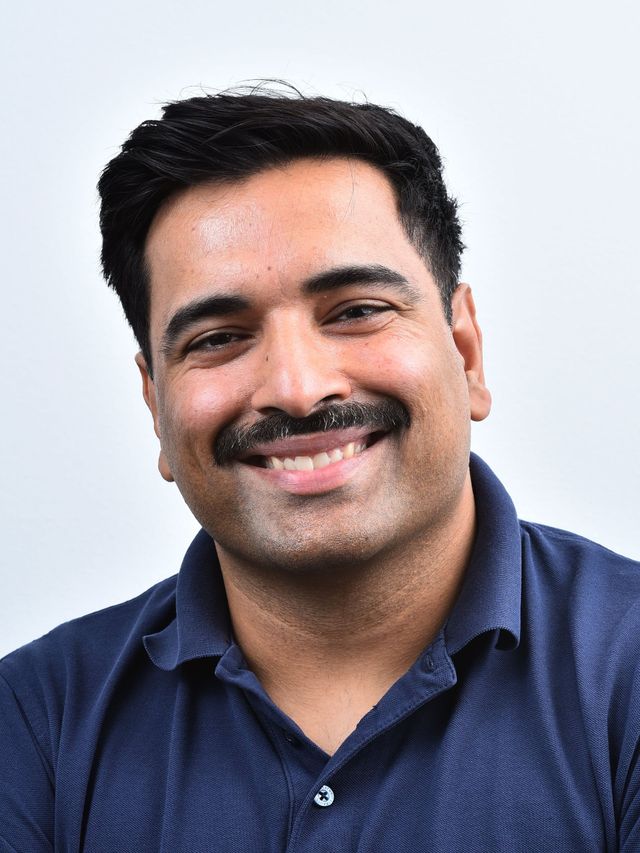
Specialist physician and co-owner
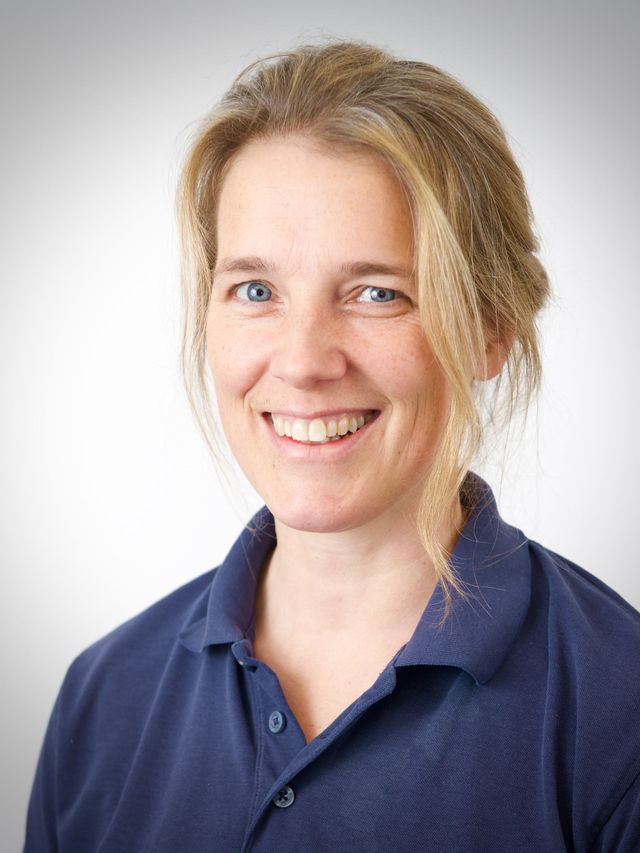
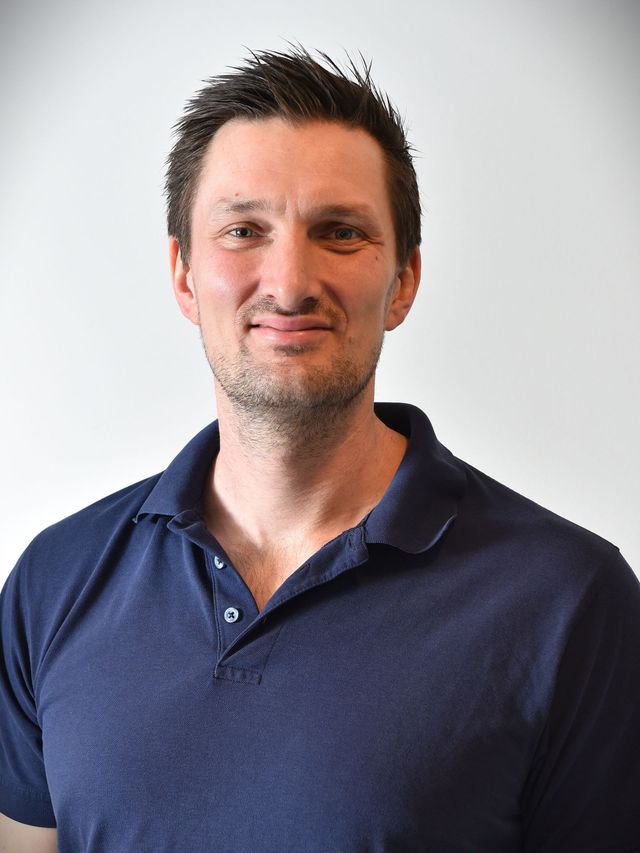
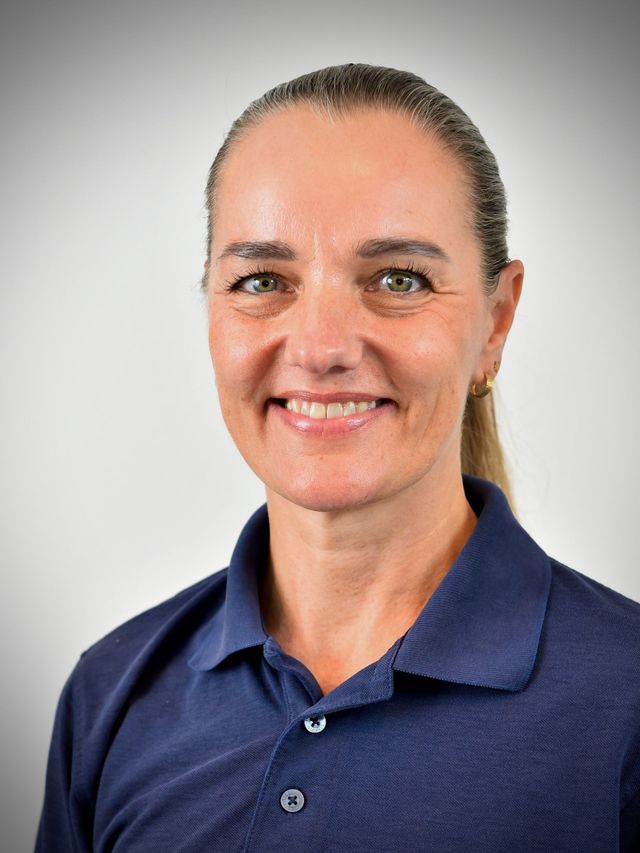
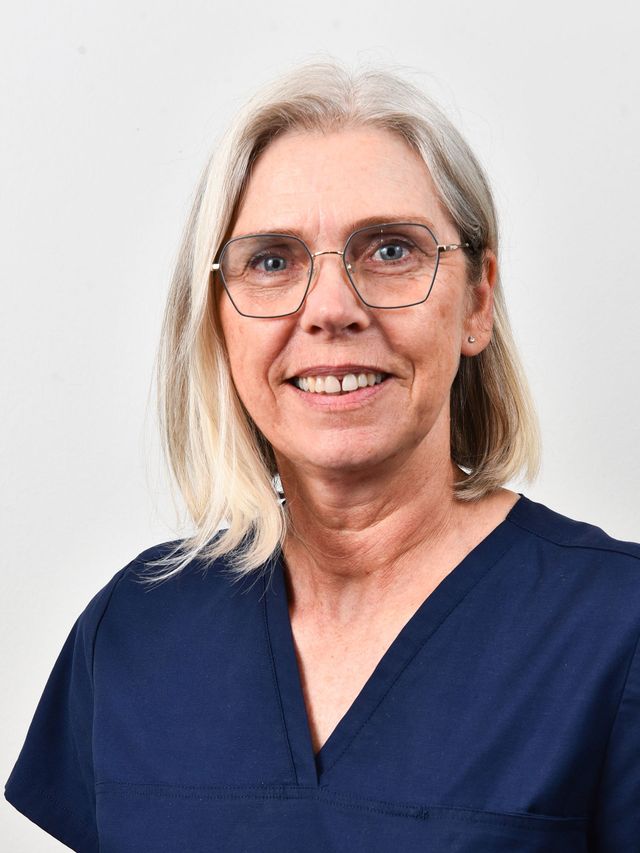
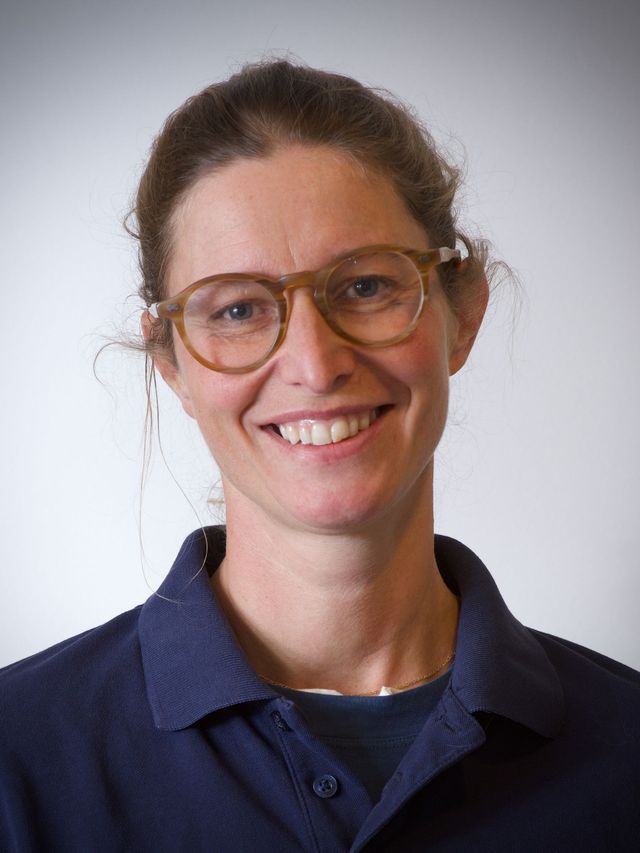
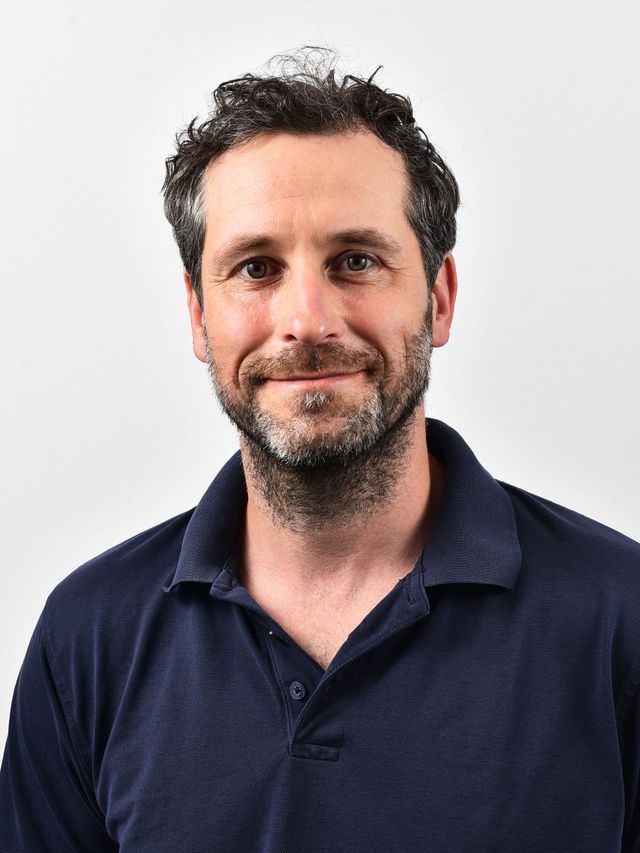
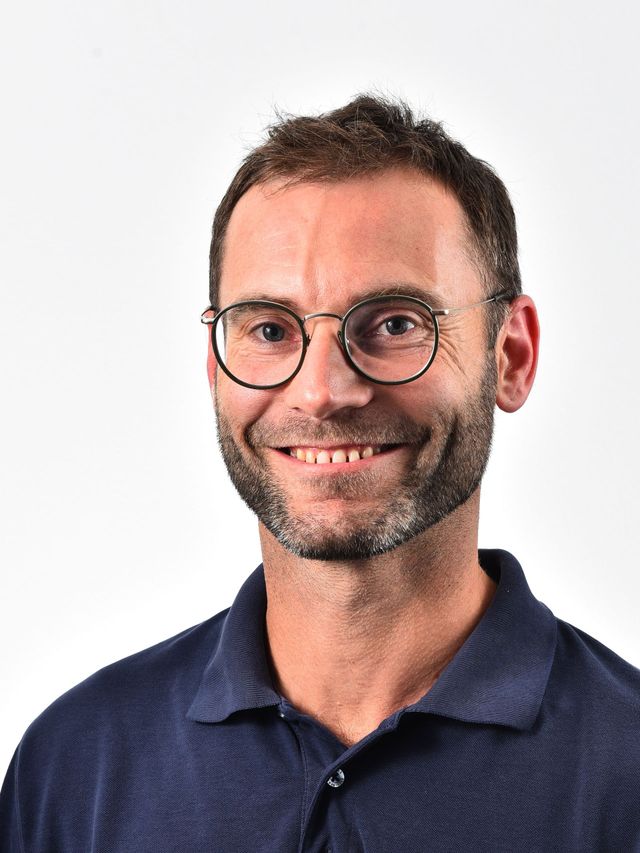
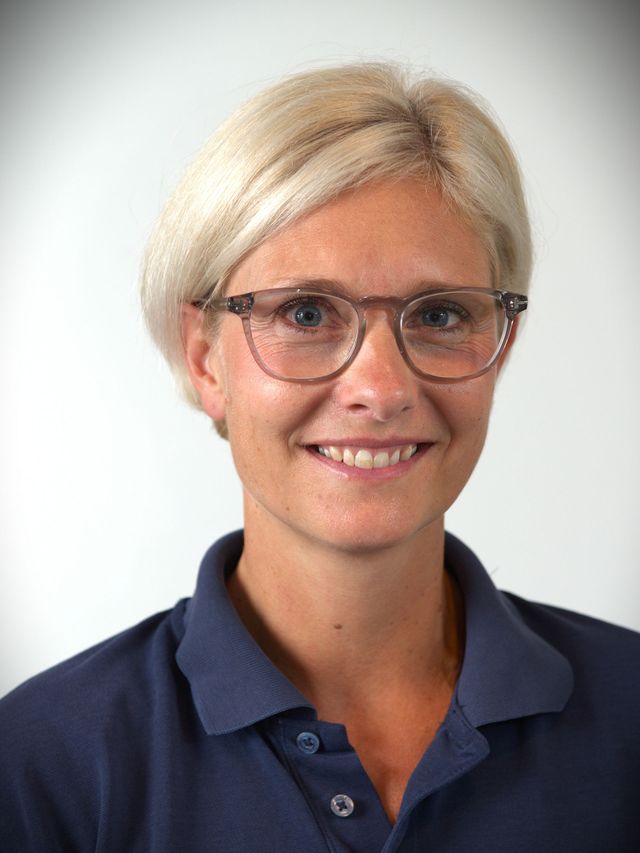
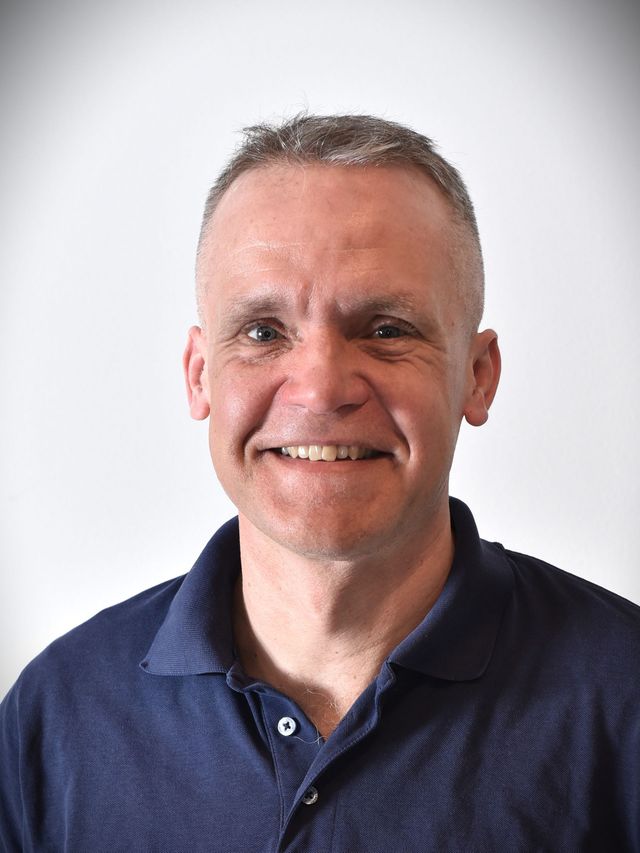
Specialist in anaesthesiology
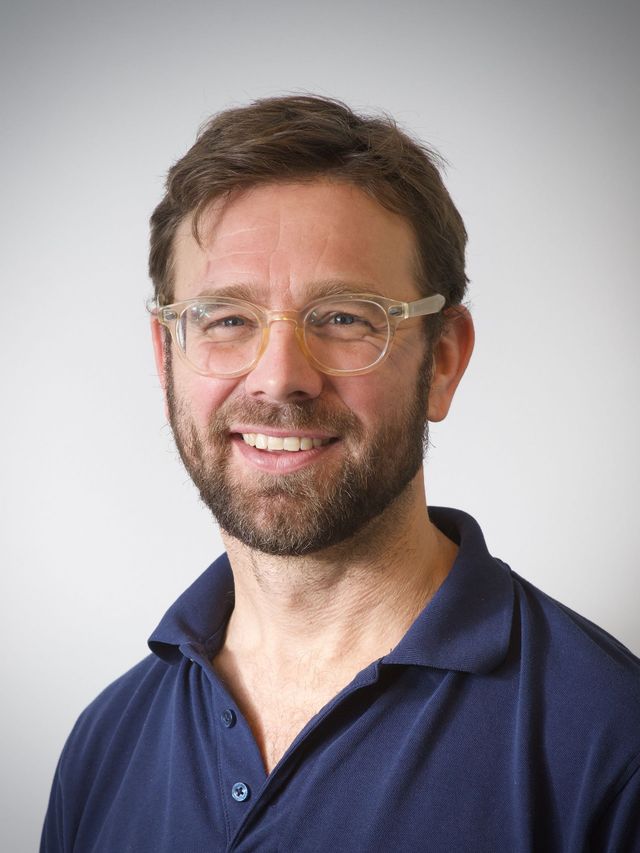
Specialist in anaesthesiology
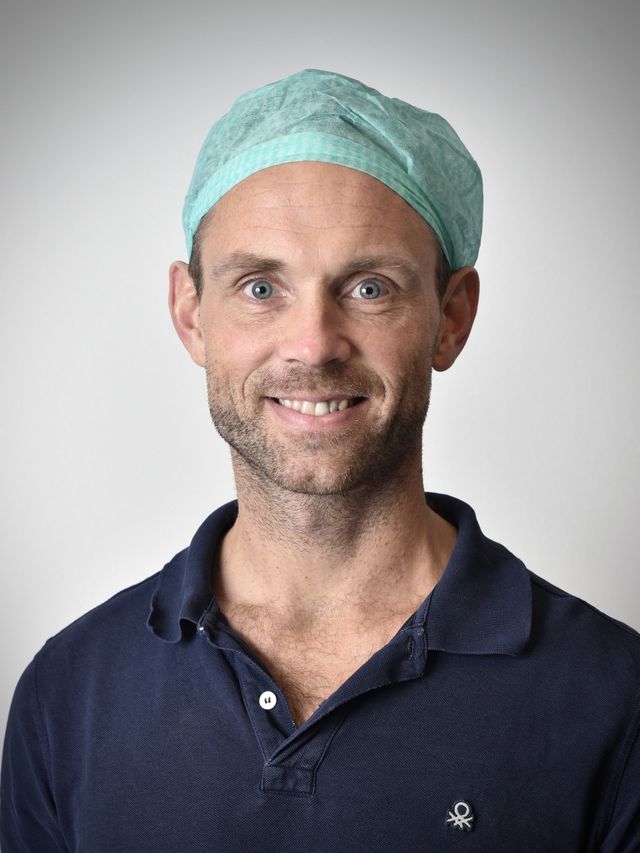
Specialist in anaesthesiology
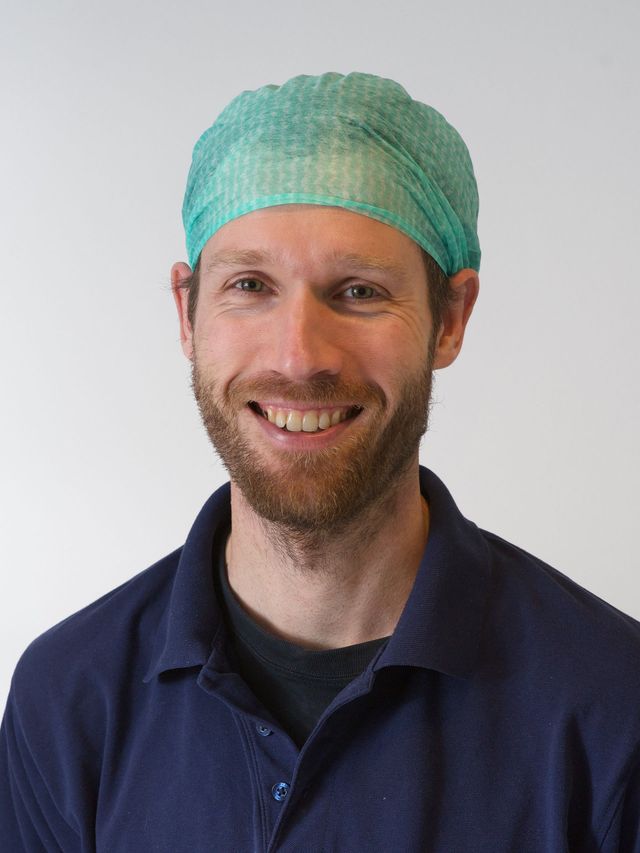
Specialist in anaesthesiology, DMSc, PhD
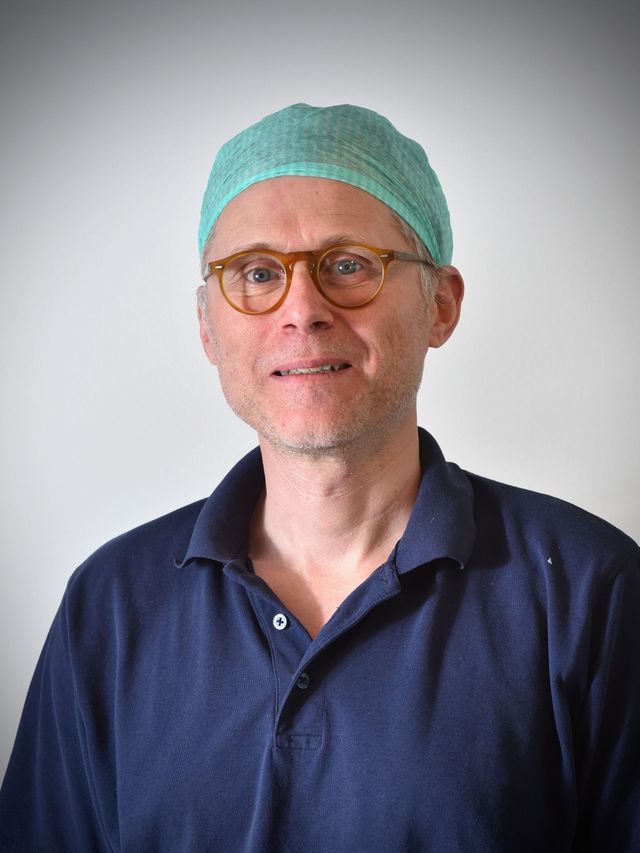
Specialist in anaesthesiology
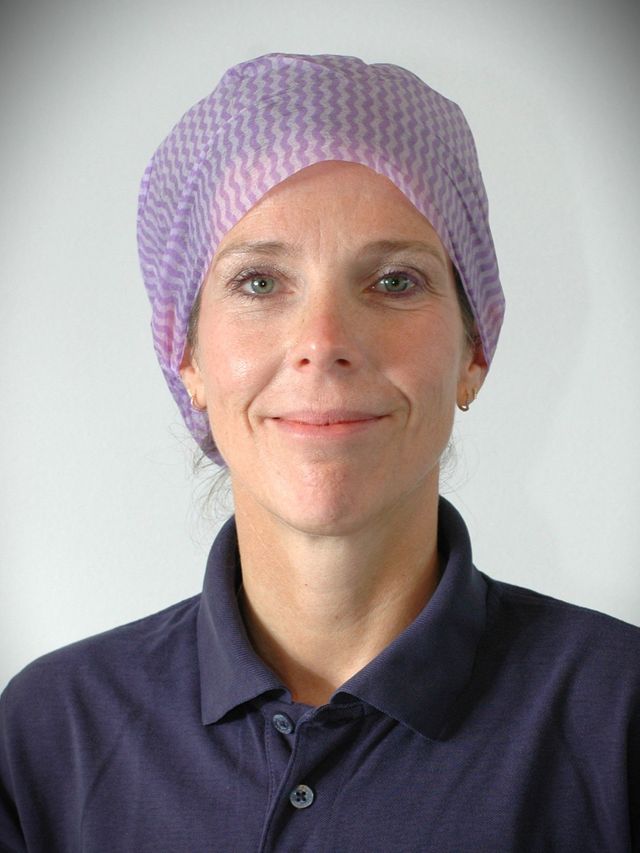
Specialist in anaesthesiology
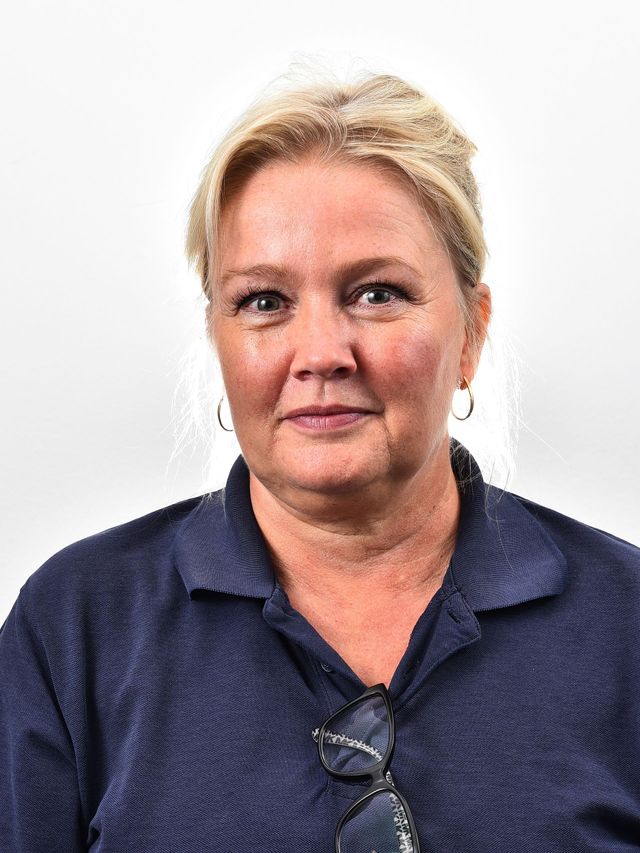
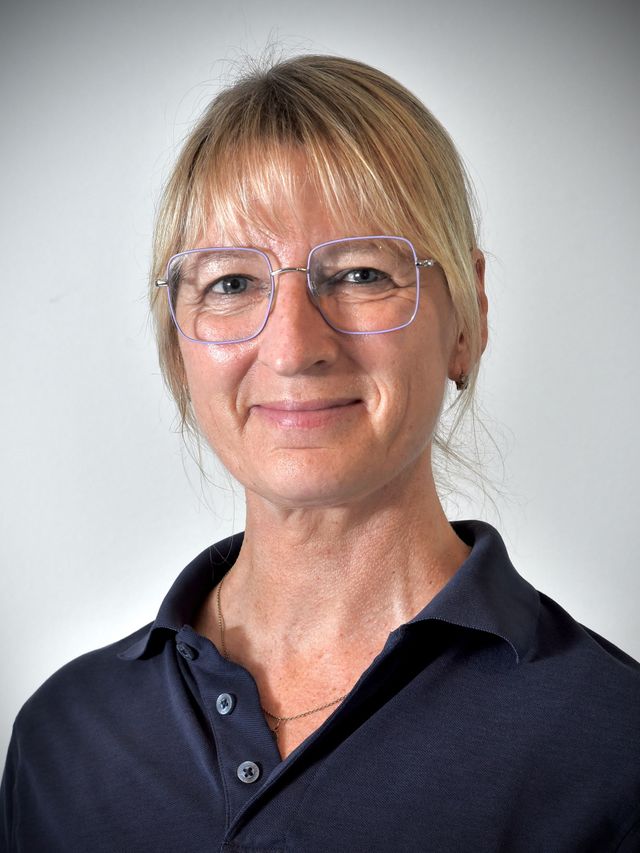
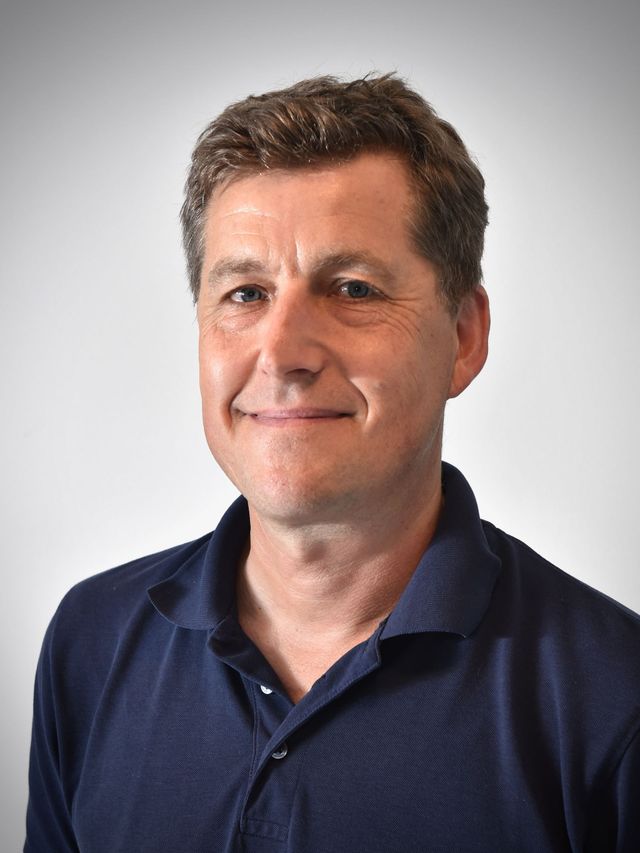
Specialist in anaesthesiology and diving medicine
Approved by the Danish Maritime Authority
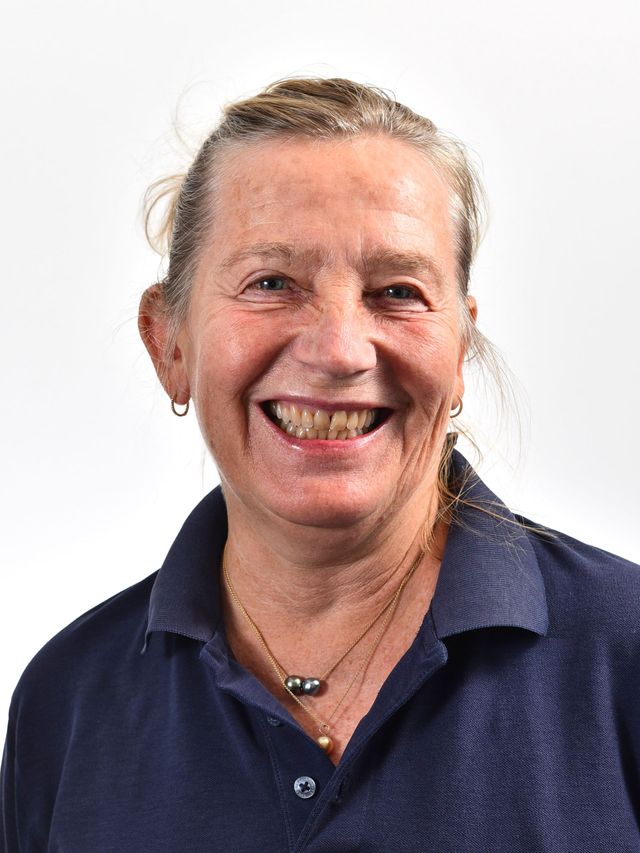
Specialist in anaesthesiology and diving medicine
Approved by the Danish Maritime Authority

They are the people you meet first when you call or walk through the door – and the ones who look after you before and after your treatment.
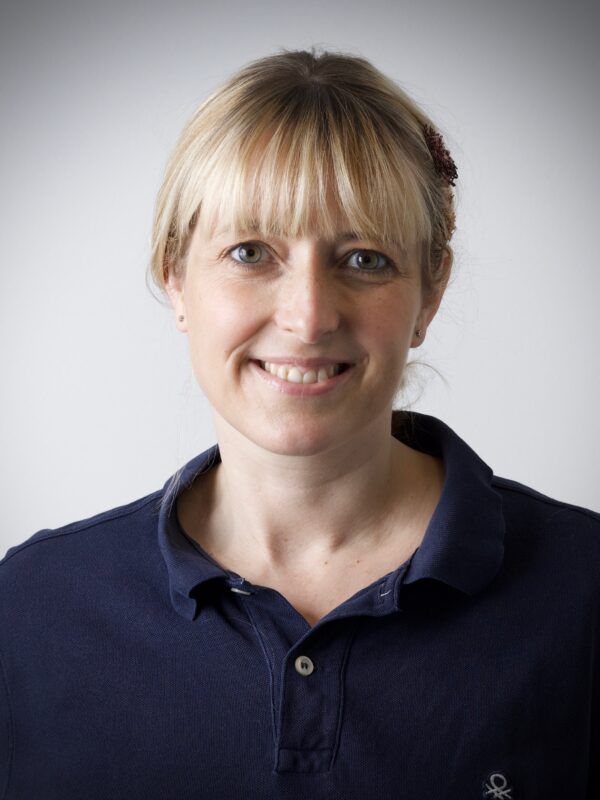
Nurse
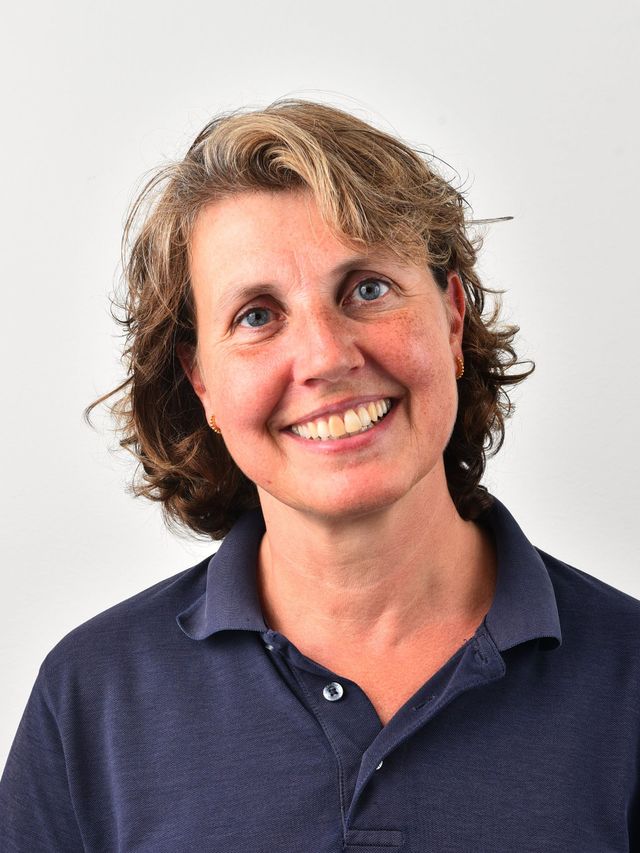
Nurse
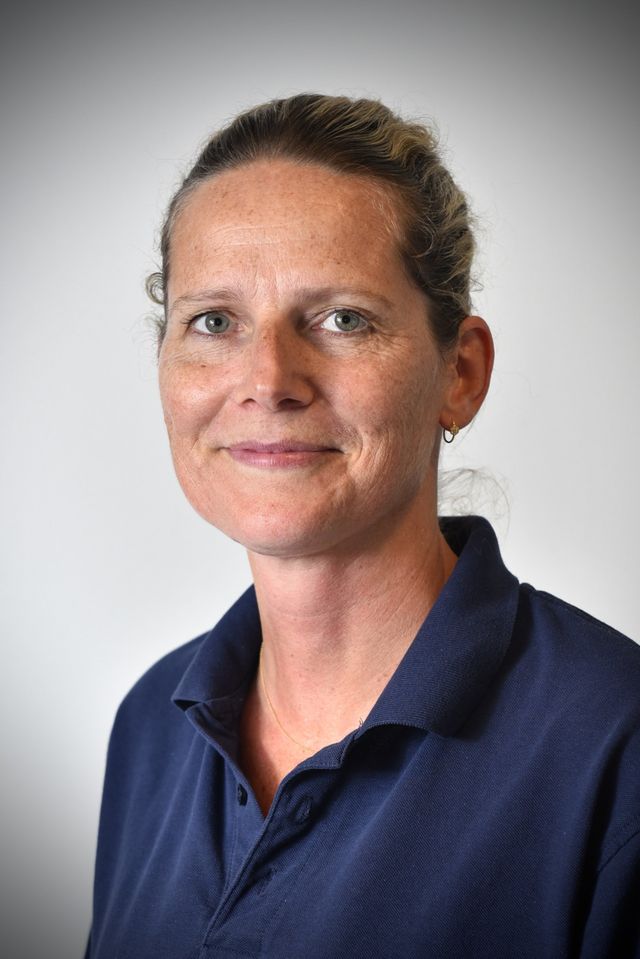
Nurse
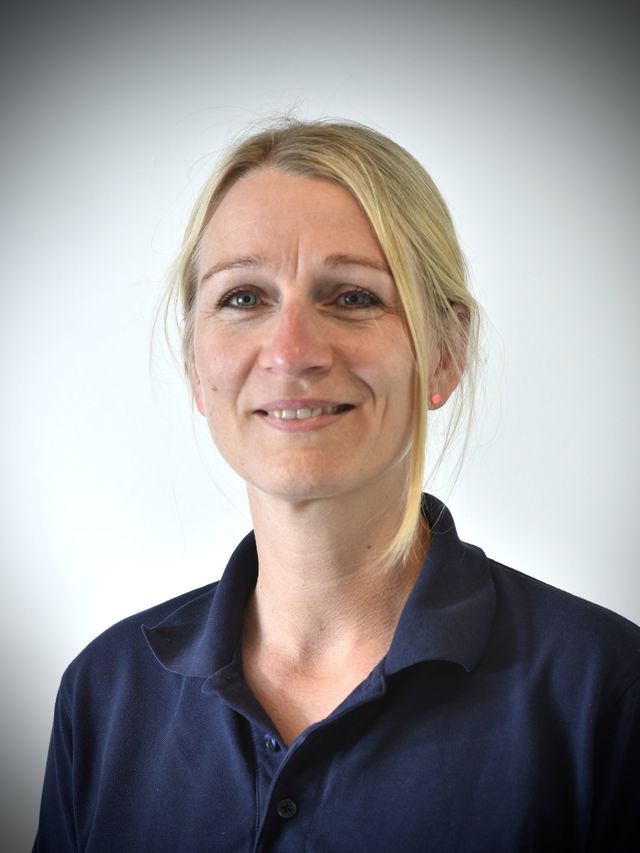
Nurse
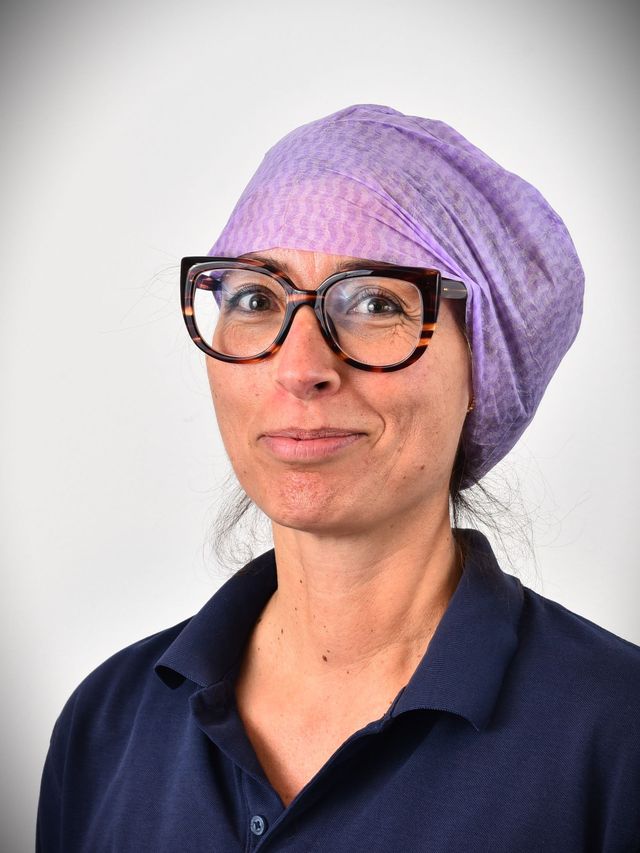
Nurse
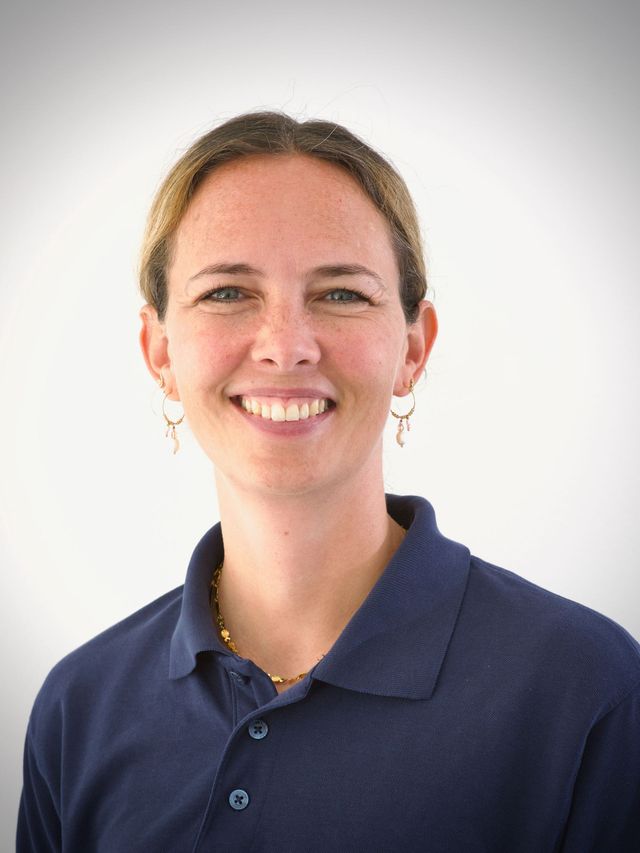
Nurse
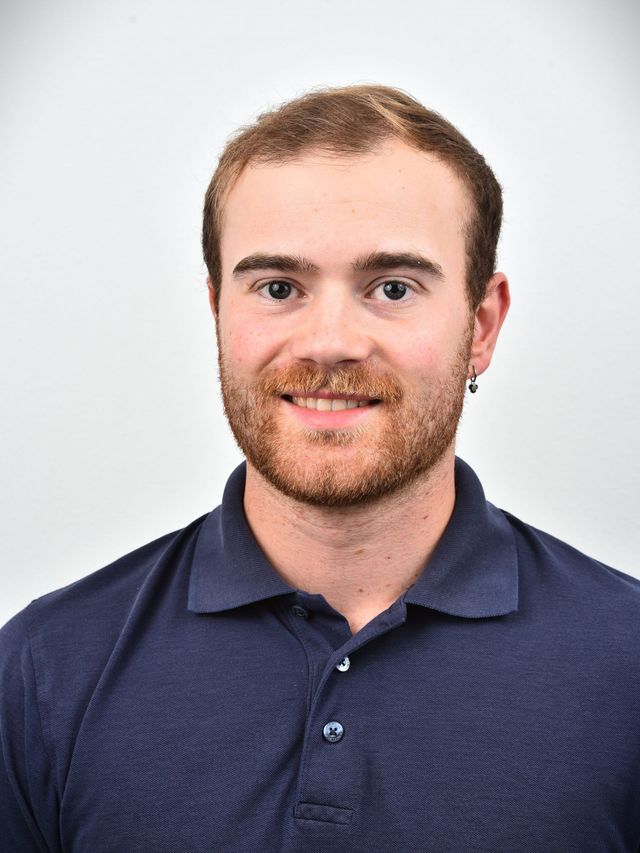
Clinical assistant
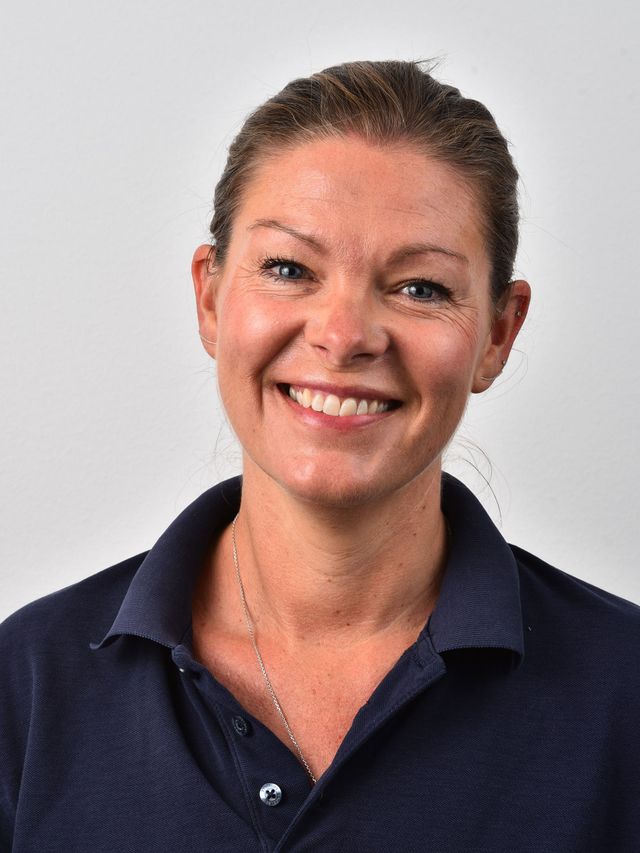
Clinical assistant
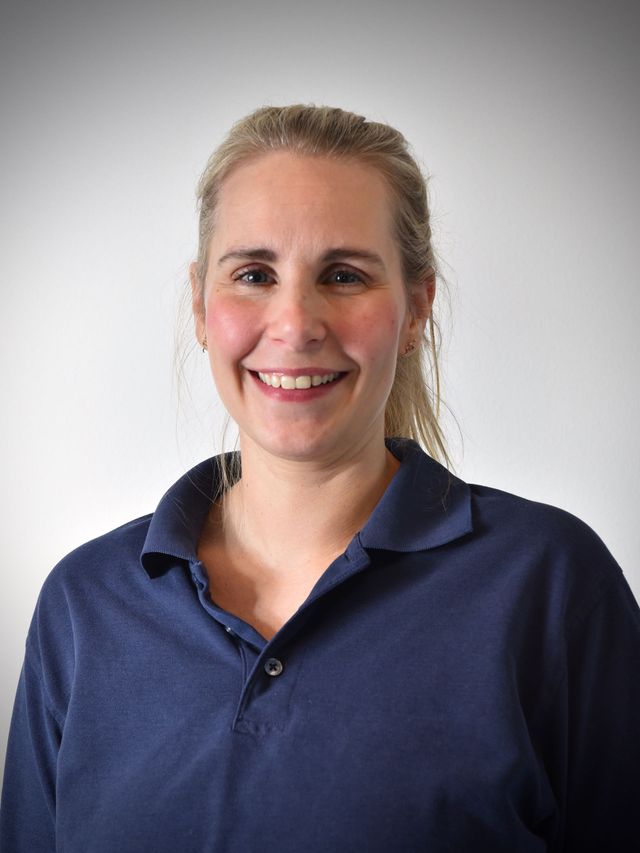
Clinical assistant
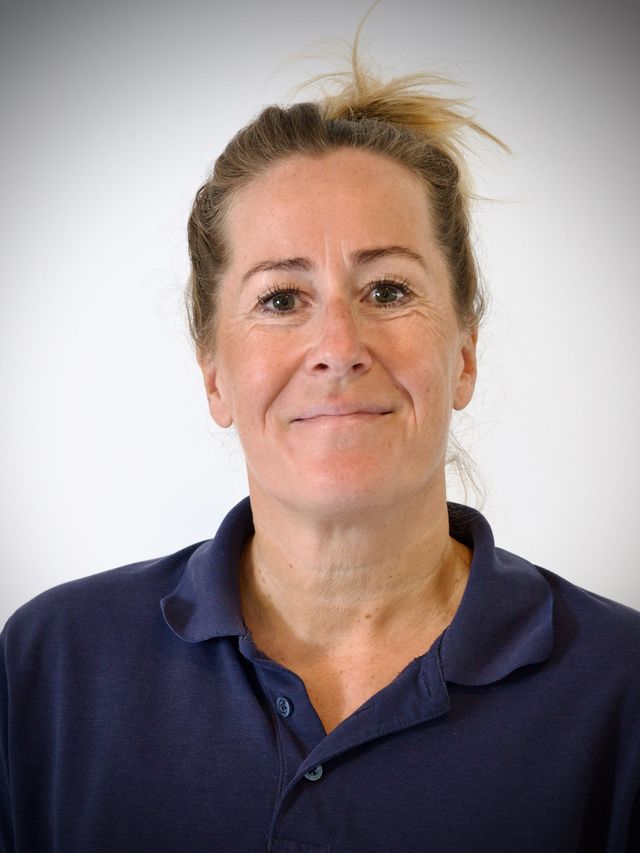
Reception and secretariat
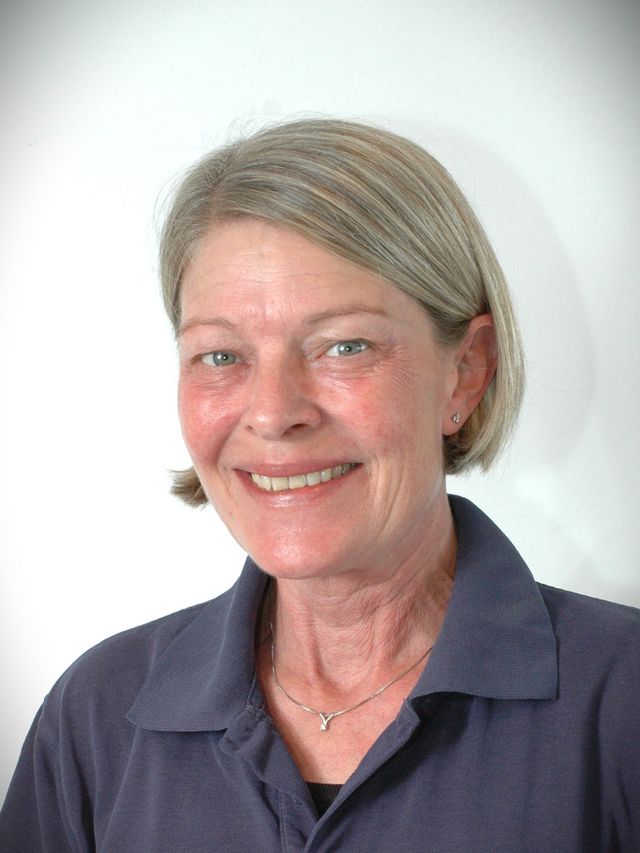
Reception and secretariat
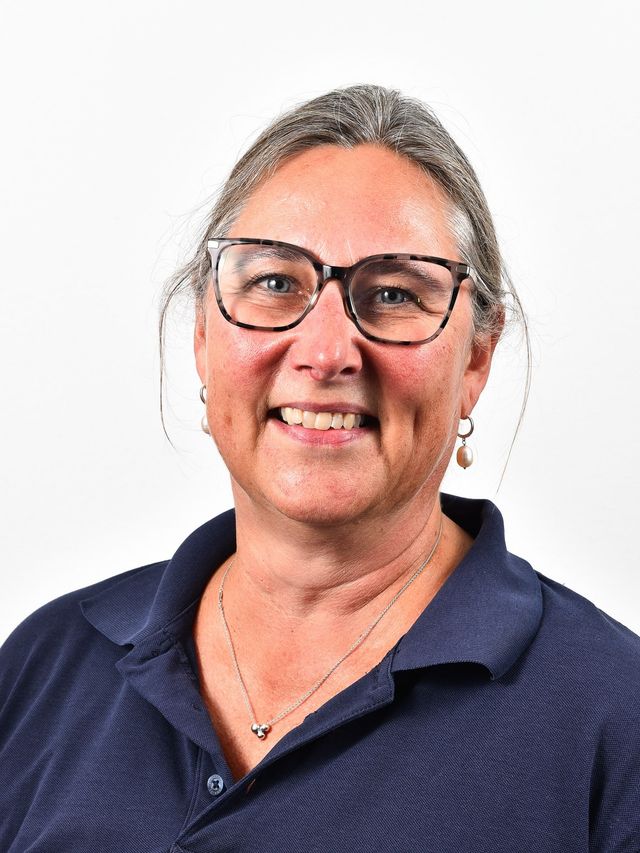
Reception and secretariat
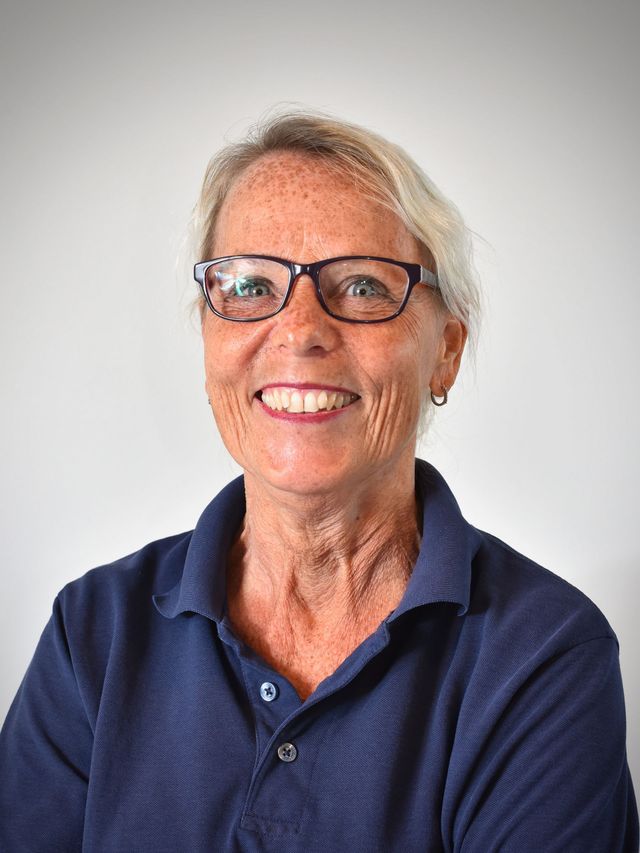
Reception and secretariat
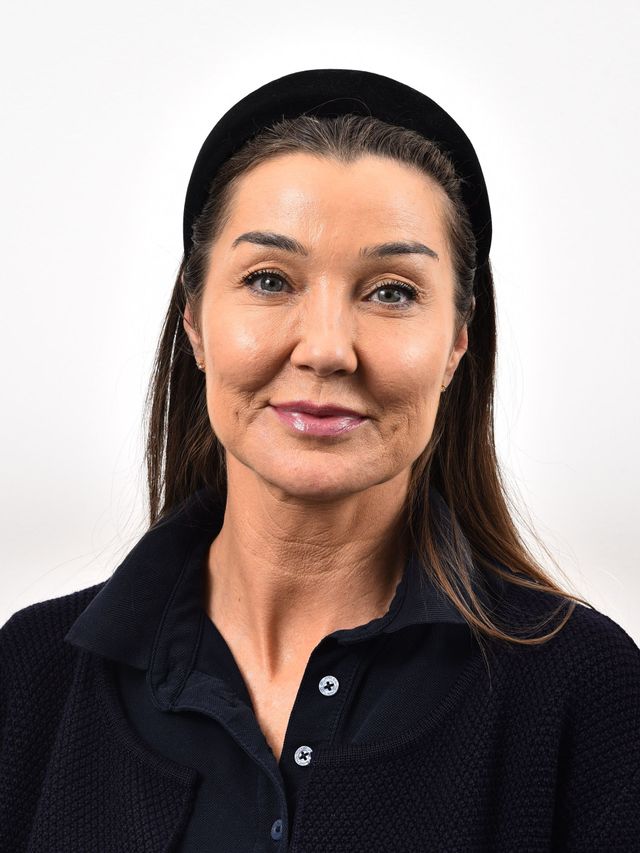
Reception and secretariat
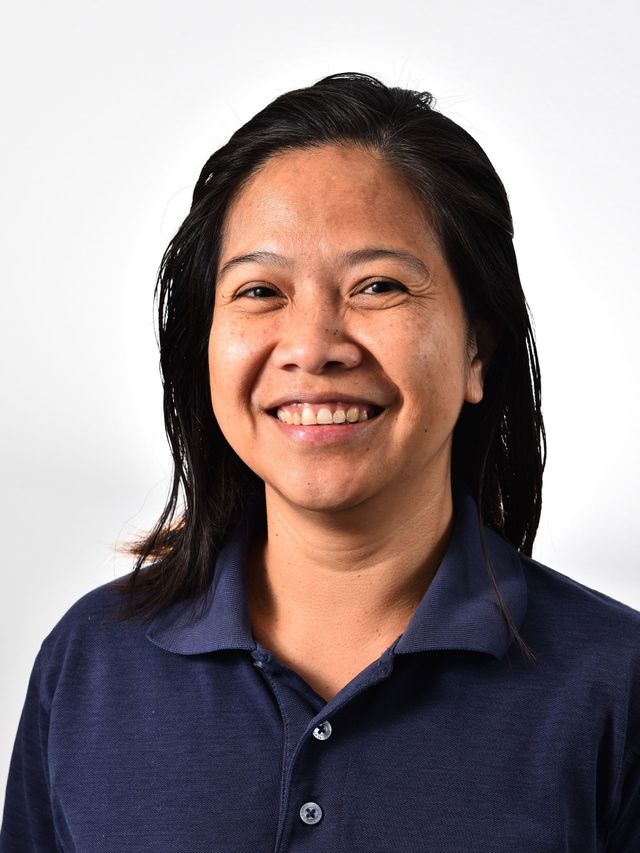
Service assistant
No one found. Try another name or choose "All".
Would you like to book an appointment with one of our specialists?
Book onlineJægersborg Allé 4
2920 Charlottenlund
CVR: 45675637
Monday–Friday, 08:00–14:00
Outside telephone hours, appointments can be booked, rescheduled and cancelled online 24/7.
Main department in Charlottenlund and ear, nose and throat departments at several locations across Denmark.