

Management
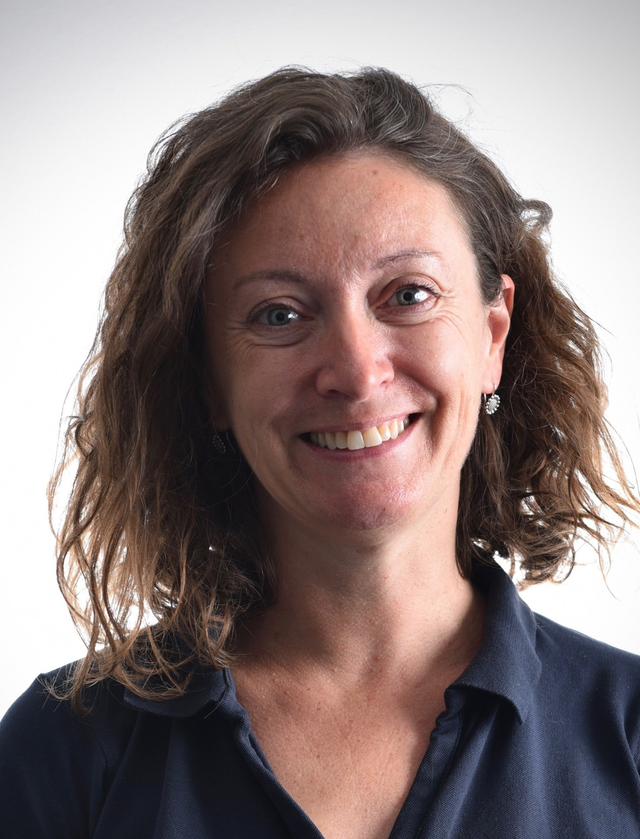
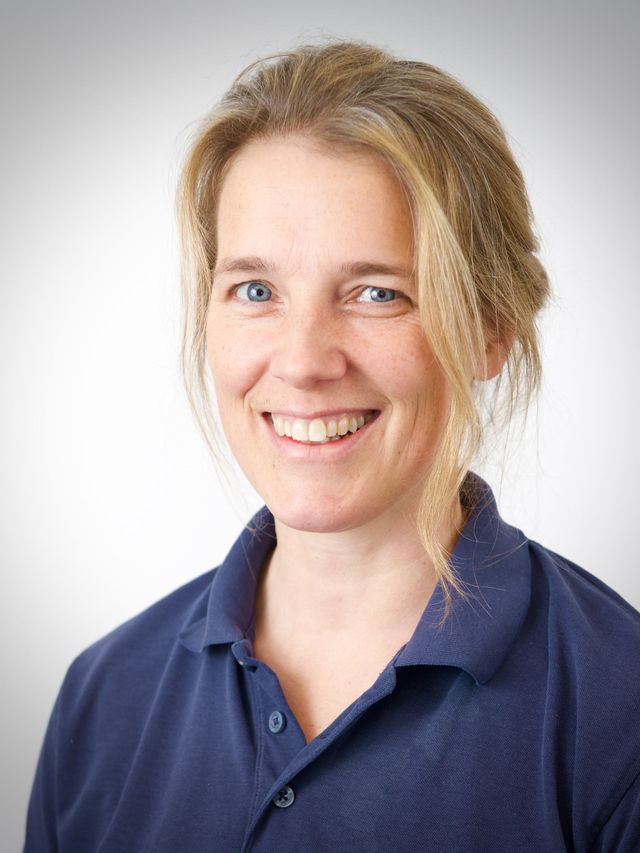
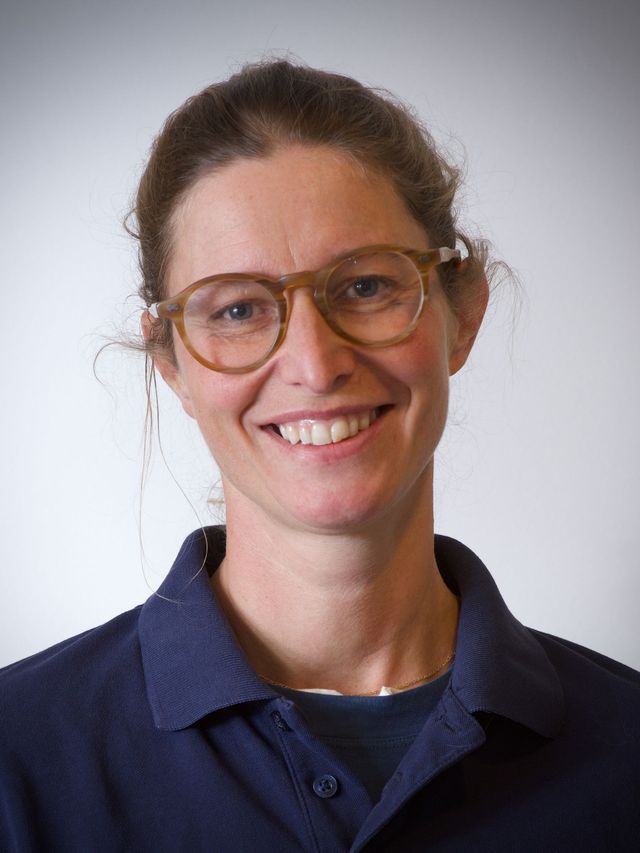
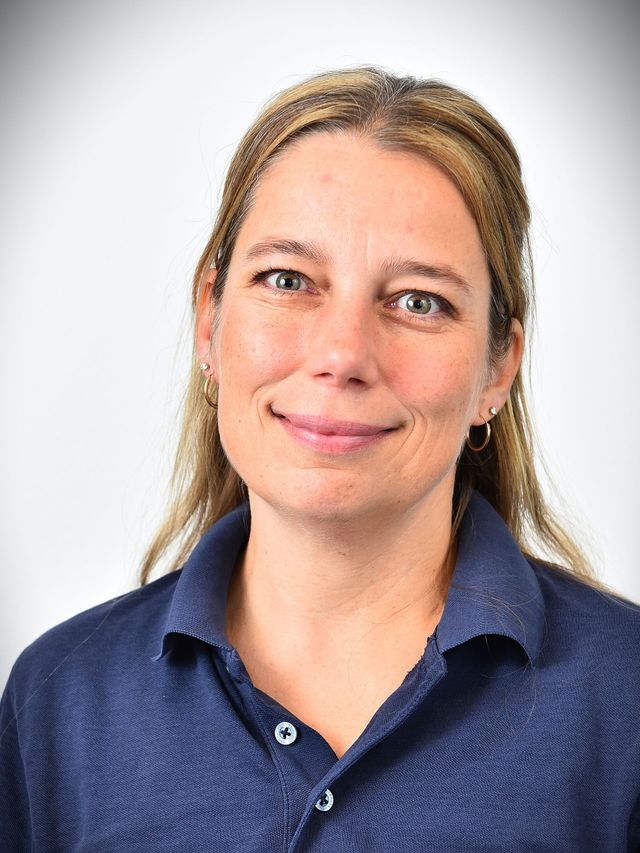
Erika Belard
Specialist physician and co-owner, CEO

Mapping of concentration, memory and other cognitive functions with standardised tests – for adults, young people and children in Charlottenlund.
At Charlottenlund Privathospital, adults, young people and children can have a psychological assessment with a clinical psychologist. The assessment is based on an interview and standardised tests such as WAIS-IV (ages 16–90) and WISC-V (ages 6–16) and ends with feedback and a written description. No referral is needed if you pay yourself.
A psychological assessment is a systematic mapping of cognitive functions – such as verbal comprehension, reasoning, working memory and speed – and often also of emotional aspects. It is based on an interview, standardised tests and questionnaires, and the results are compared with norms for people of the same age.
The aim is to get a more precise picture of strengths and difficulties than an interview alone can give – as a basis for choosing school, education, work or further treatment.

An assessment can make sense when you or your child experience difficulties that have not been explained: problems with concentration and memory, school or work demanding a disproportionate effort, or doubt about what level teaching and tasks should be at.
It can also be part of a psychological assessment when ADHD is suspected, or when you want to know your cognitive strengths before choosing an education or job. For children, a WISC test is often used, which can also provide a basis for working with the school.
WAIS-IV is used for adults aged 16 to 90. The test consists of 10 core and 5 supplementary subtests, combined into four indexes: verbal comprehension, perceptual reasoning, working memory and processing speed. It usually takes 60–80 minutes.
WISC-V is used for children and young people aged 6 to 16 and, in addition to an overall score, gives five primary indexes, including verbal comprehension, reasoning and working memory. Testing time is 45–80 minutes depending on age and number of subtests. Read more about WISC tests for children and young people.

A neuropsychological assessment is a thorough mapping of, for example, memory, concentration, spatial perception, language and problem-solving. According to the Danish National Dementia Research Centre, it is used especially when there is doubt about whether there is cognitive impairment and what is causing it.
With the psychologist, the assessment consists of an interview and standardised tests such as WAIS-IV or WISC-V. The result is brought together in a written description, which can be passed on to your GP or a psychiatrist, who assesses whether a diagnosis should be made or medication given. If a brain injury or neurological disease is suspected, your GP is the right place to start.
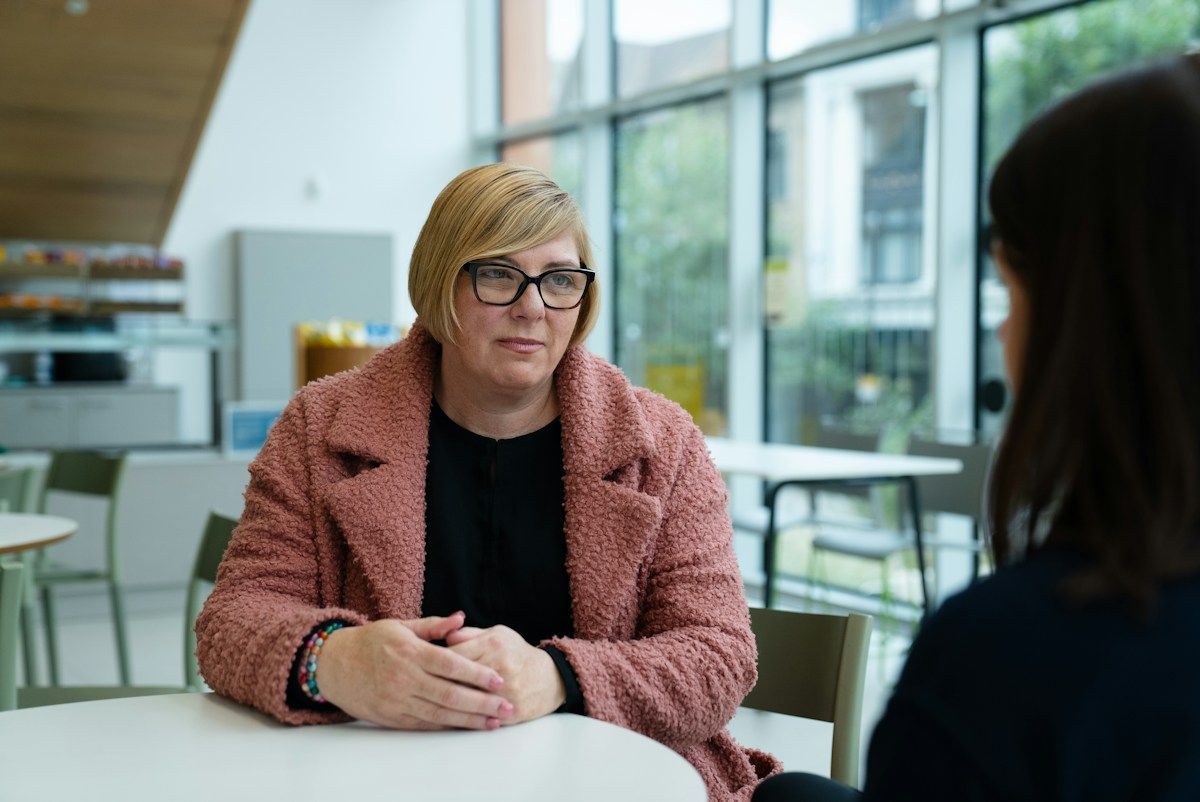
The process starts with an interview in which the psychologist hears about your background, schooling or work and what has prompted the assessment. Based on the question at hand, the appropriate tests and questionnaires are chosen.
The testing itself takes place at a table with the psychologist and alternates between verbal tasks, figures and timed tasks. It is an advantage to come well rested. The process ends with a session about the results and a written description, which you can share yourself with, for example, your GP or school.
If you pay yourself, no referral is needed, and you can book online. Prices are shown in the price list. Many health insurance policies cover sessions with a psychologist in full or in part – it depends on the individual policy and agreement. The insurer usually has to approve the treatment in advance and typically sends the approval directly to the hospital, which then settles the bill with the insurer.
Charlottenlund Privathospital does not see patients under the Danish public health insurance scheme, so the subsidy available with a GP referral cannot be used here.
The assessment is carried out by Sarah Østergaard Kokholm, clinical psychologist. She is trained in cognitive therapy, certified in metacognitive therapy (MCT-I) and a certified Cool Kids therapist, and works with adults, young people and children. Sessions take place in Charlottenlund or online via video.
WAIS-IV is used for adults aged 16 to 90, while WISC-V is used for children and young people aged 6 to 16. Both map cognitive functions and compare the results with norms for people of the same age.
The test itself usually takes 45–80 minutes. In addition there is an initial interview and a feedback session, so the whole process spans several visits.
A psychological assessment can describe cognitive strengths and difficulties and point to possible explanations. Diagnoses such as ADHD and autism are made by a specialist in psychiatry or child and adolescent psychiatry.
A thorough assessment of, for example, memory, concentration, language and problem-solving using standardised tests. The result can be passed on to your GP or a psychiatrist, who assesses whether a diagnosis should be made or medication given.
You cannot practise your way to a more accurate result, and that is not the point either. The best thing is to come well rested, having eaten, and to bring glasses if you use them.
No referral is needed if you pay yourself. If you have health insurance, the insurer may cover the cost in full or in part – it depends on the individual policy and agreement. The insurer usually has to approve the treatment in advance.
Assessments and courses often linked to a psychological test.
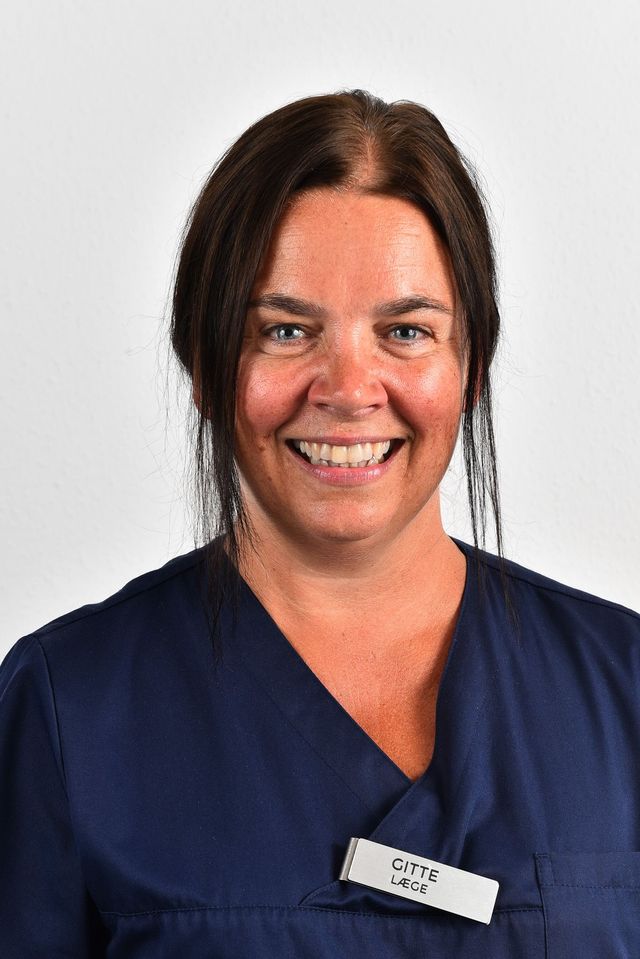
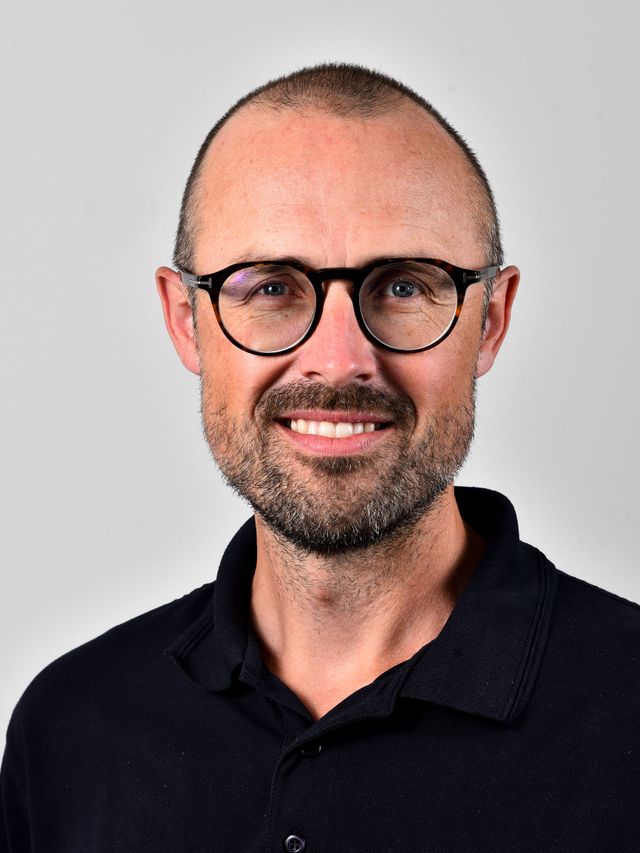
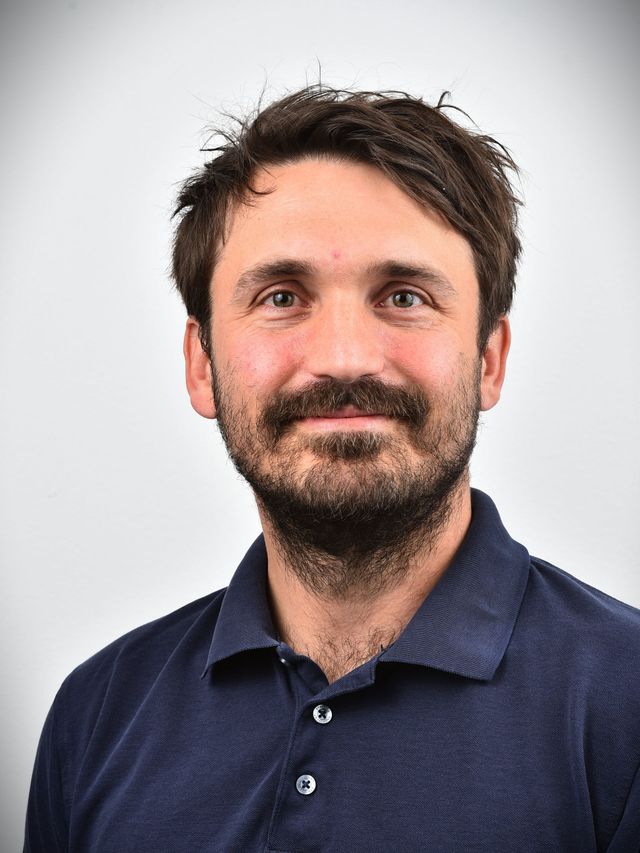
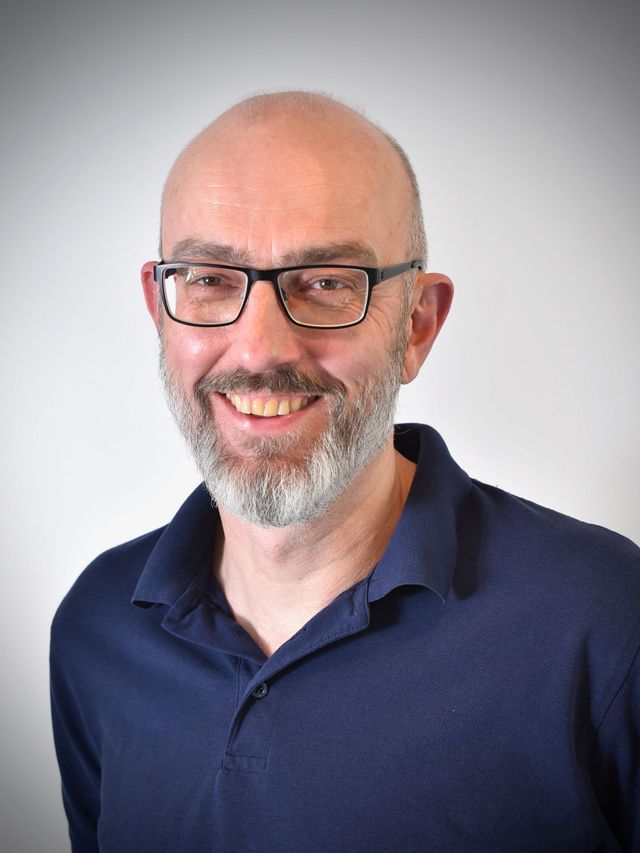
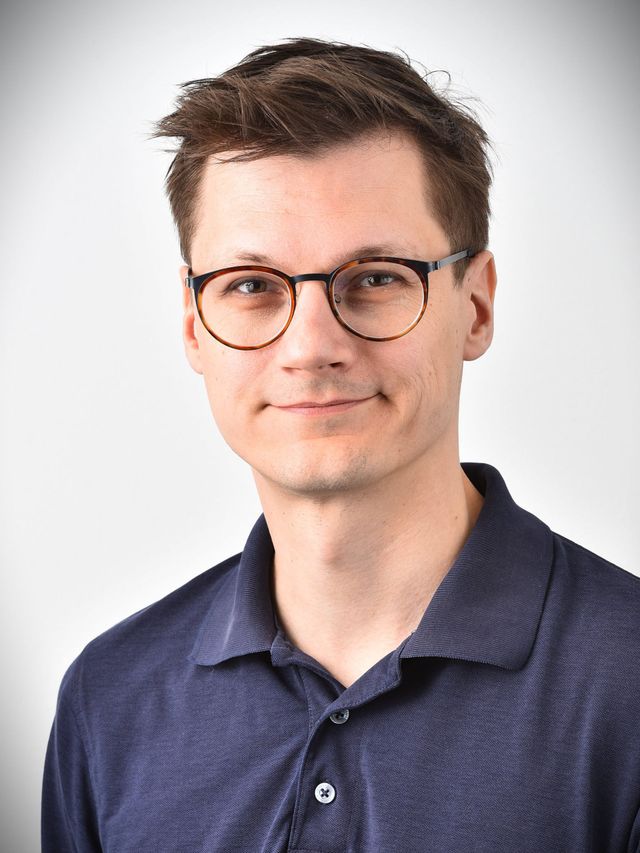
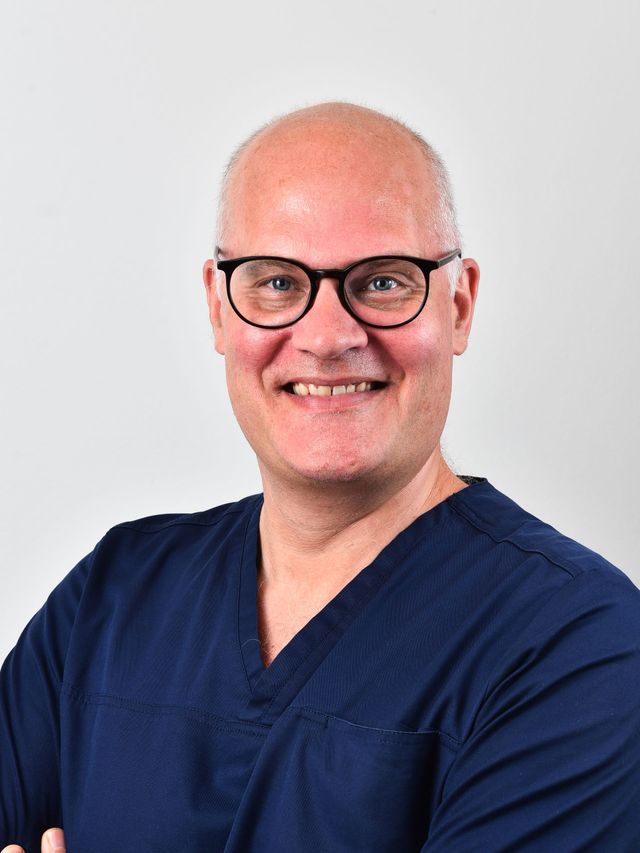
Charlottenlund Privathospital is owned and run by three specialist physicians: Erika Belard, Jacob Fisker and Teit Mantoni. Jacob Fisker is medical director. Here you will find our ear, nose and throat (ENT) specialists in Charlottenlund and at our clinics around Denmark – and in Charlottenlund also specialists in paediatric surgery, dermatology, diving medicine, gynaecology, cardiology, paediatrics, psychology and rheumatology.
Specialist physician and co-owner, CEO

Specialist physician, co-owner and medical director
Specialist physician and co-owner

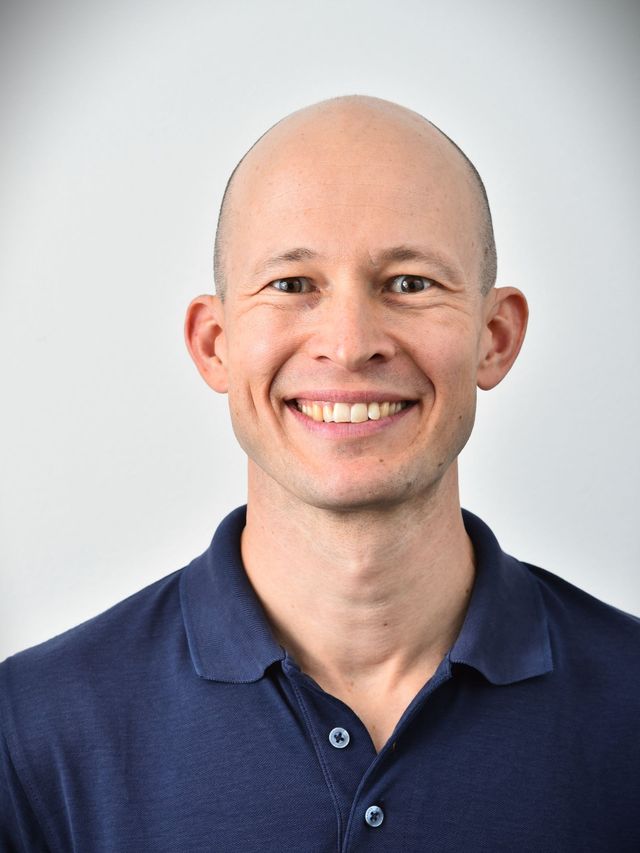
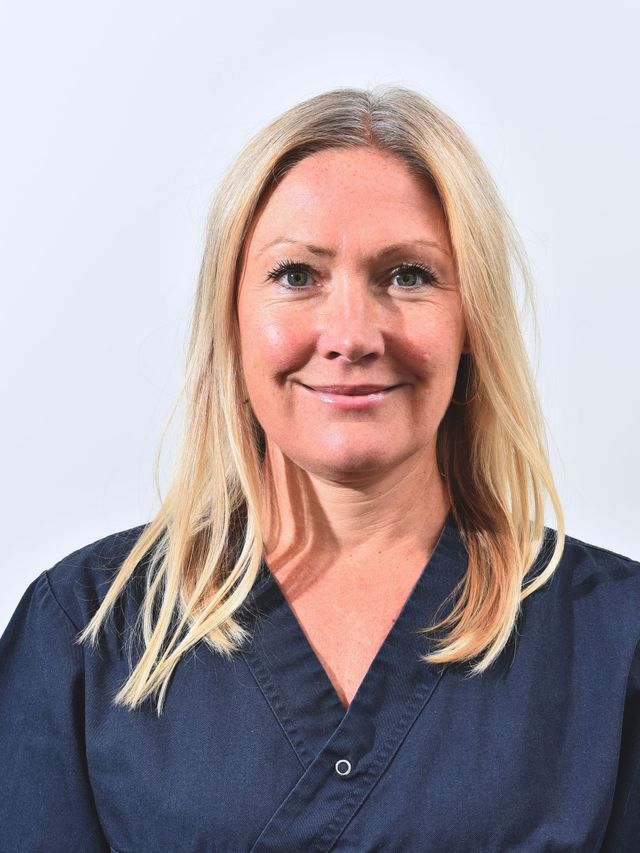
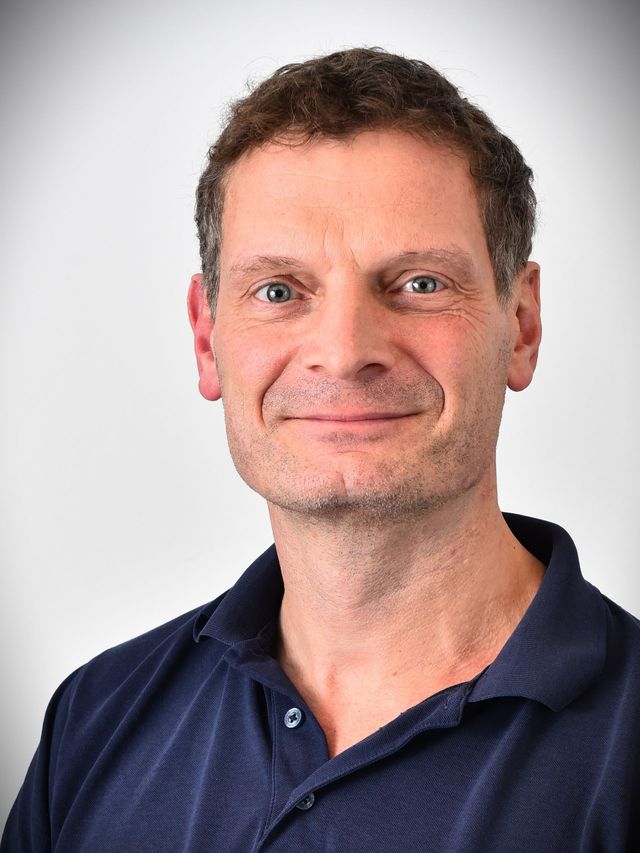
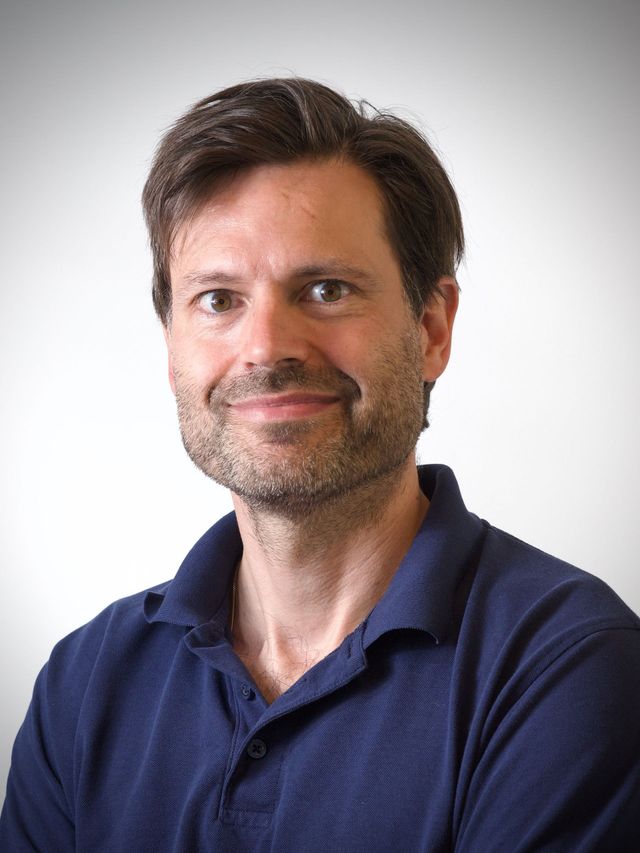
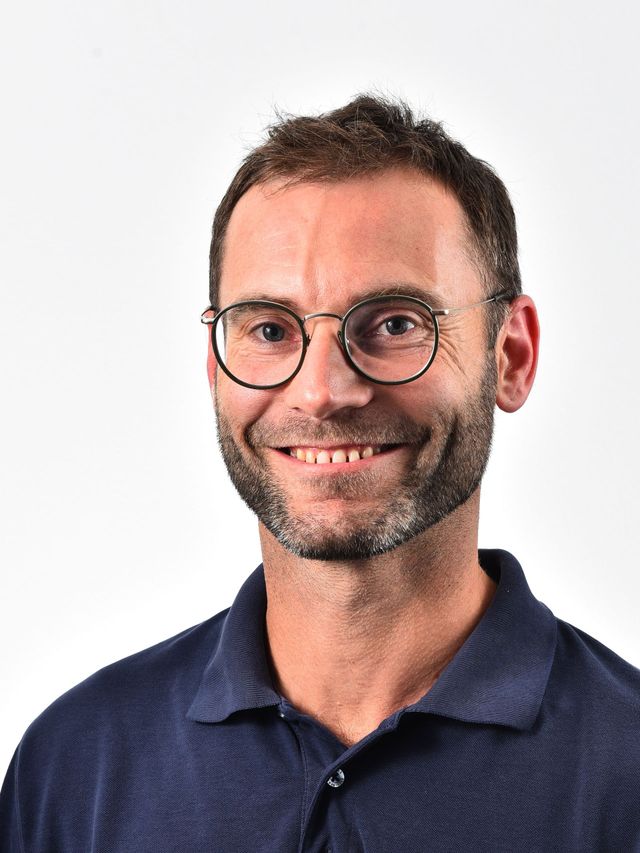
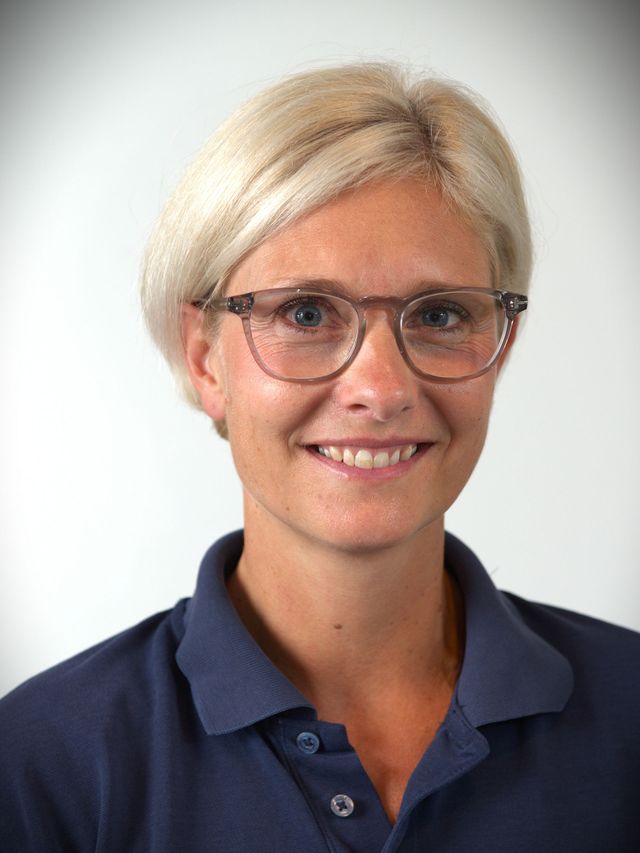
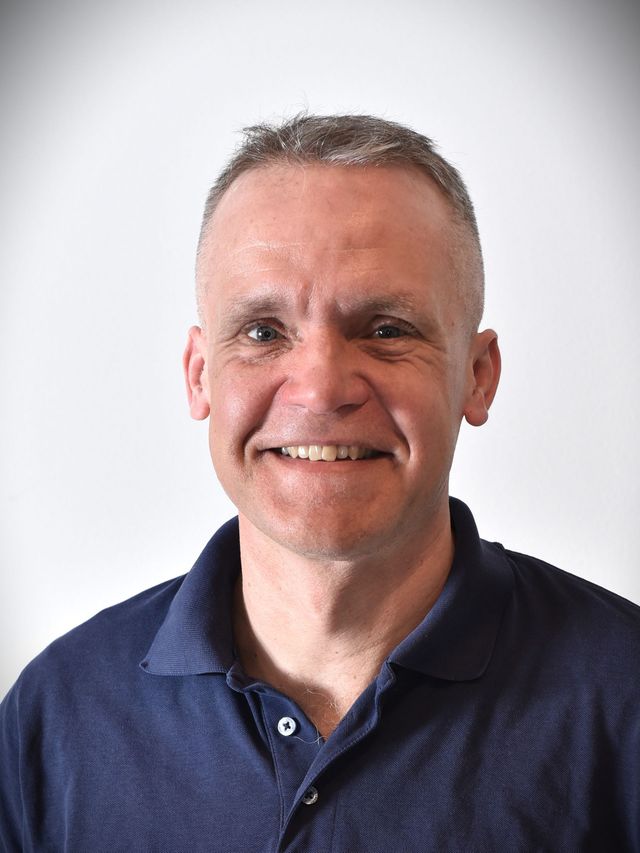
Specialist in anaesthesiology
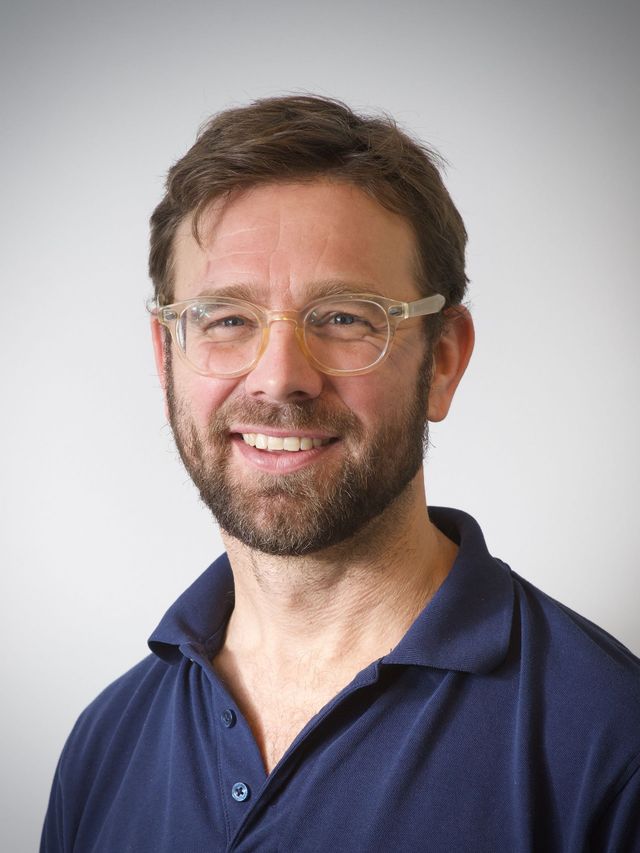
Specialist in anaesthesiology
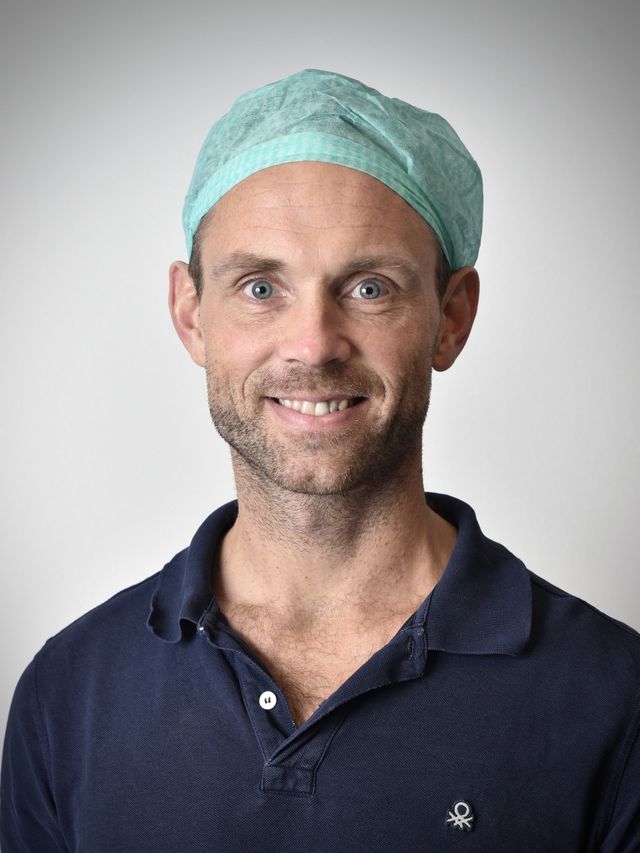
Specialist in anaesthesiology
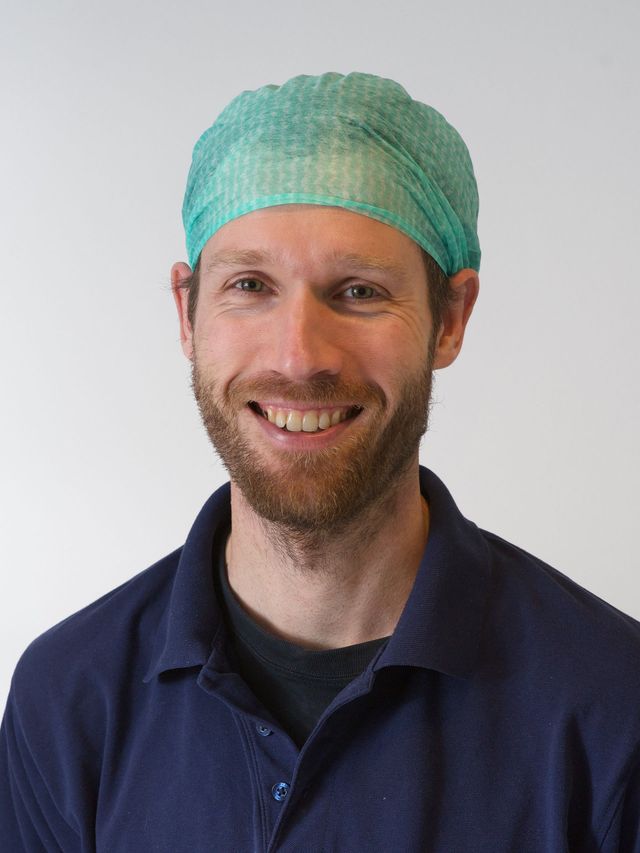
Specialist in anaesthesiology, DMSc, PhD
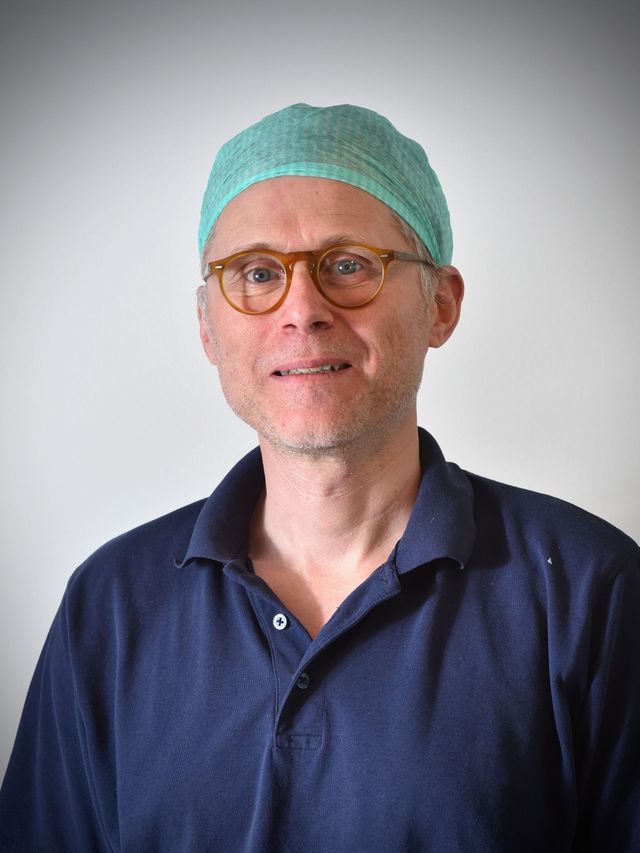
Specialist in anaesthesiology
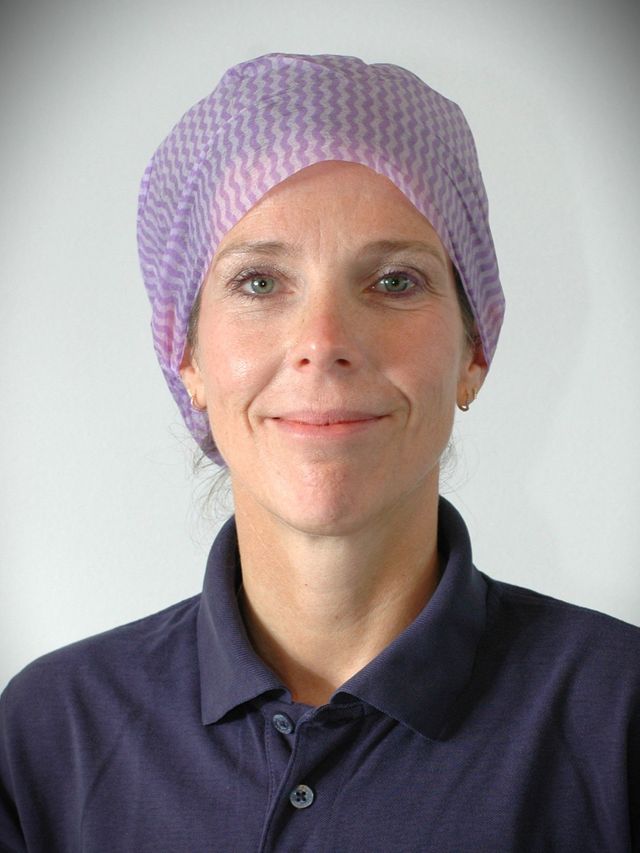
Specialist in anaesthesiology
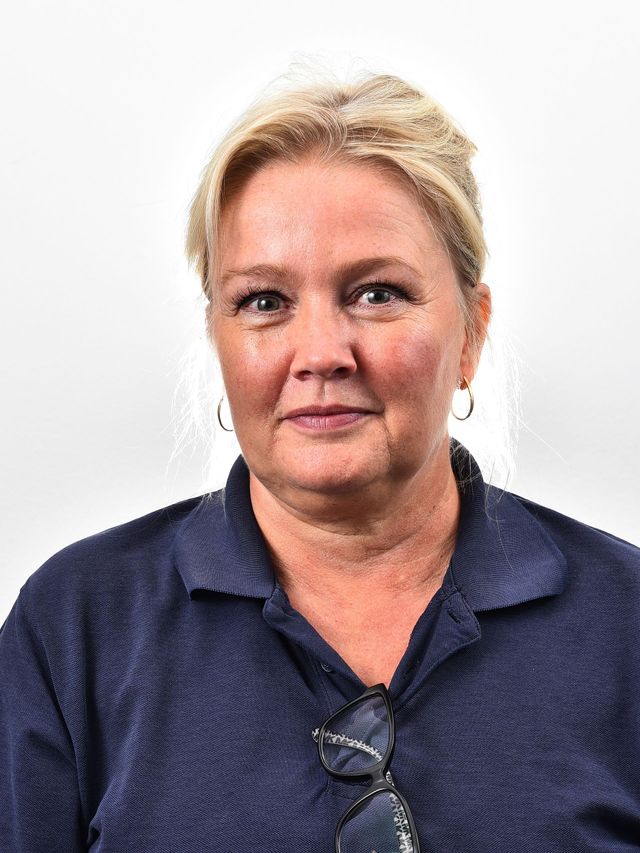
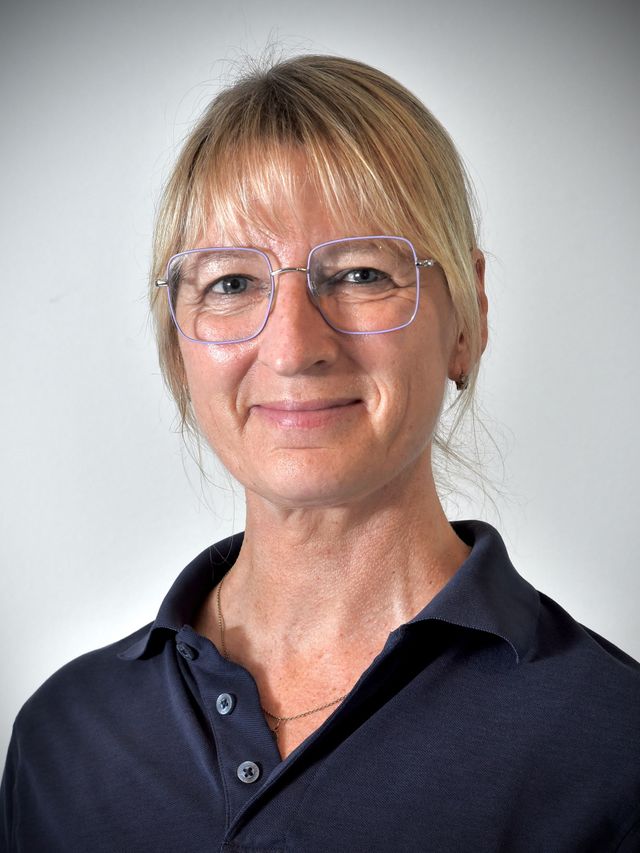
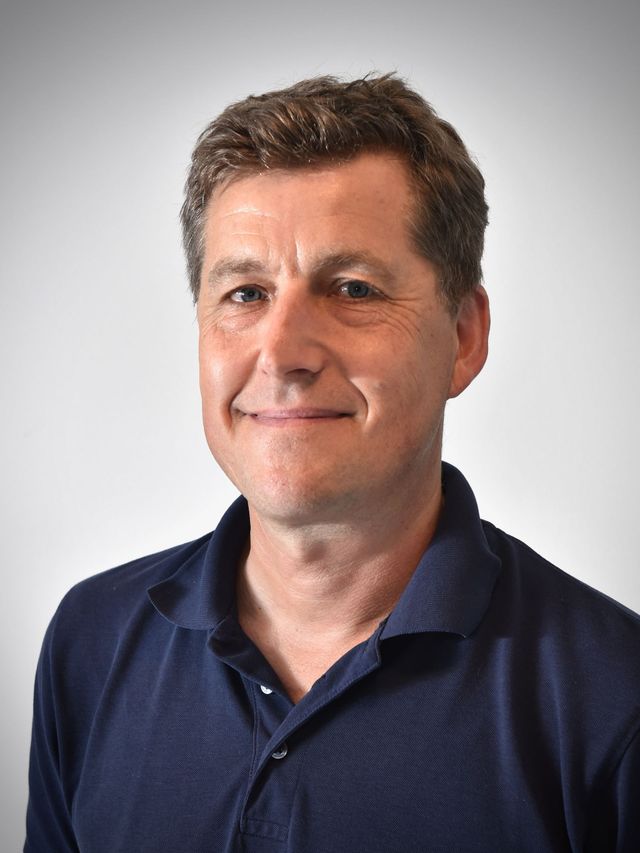
Specialist in anaesthesiology and diving medicine
Approved by the Danish Maritime Authority
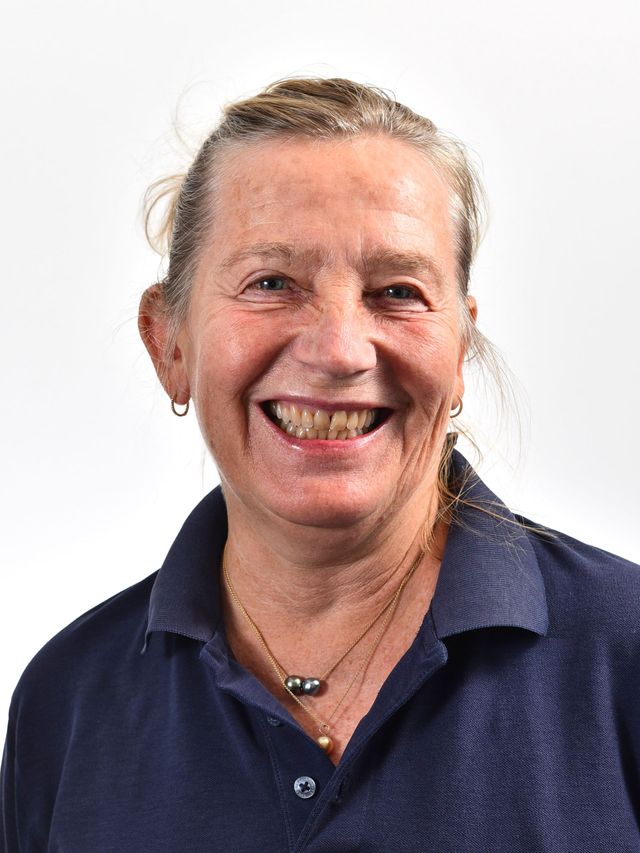
Specialist in anaesthesiology and diving medicine
Approved by the Danish Maritime Authority
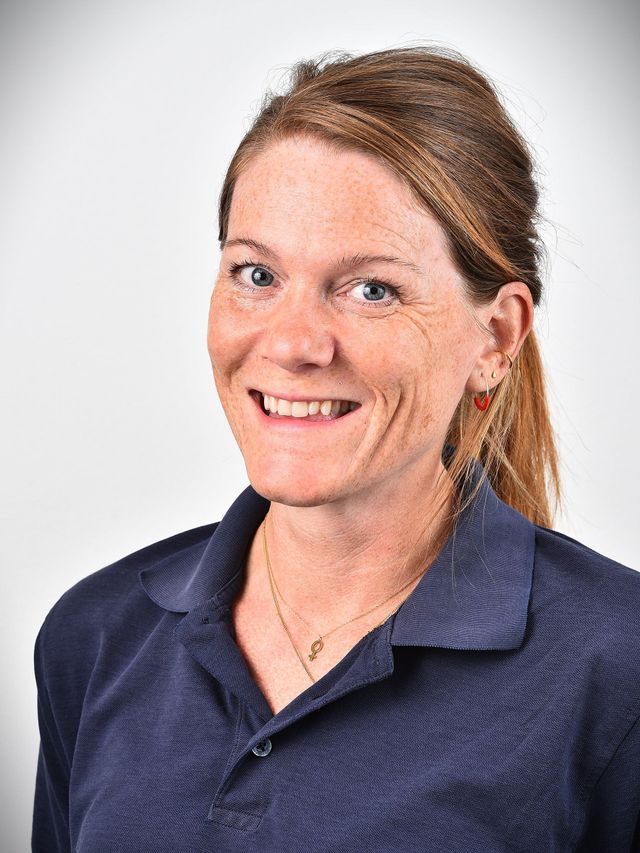
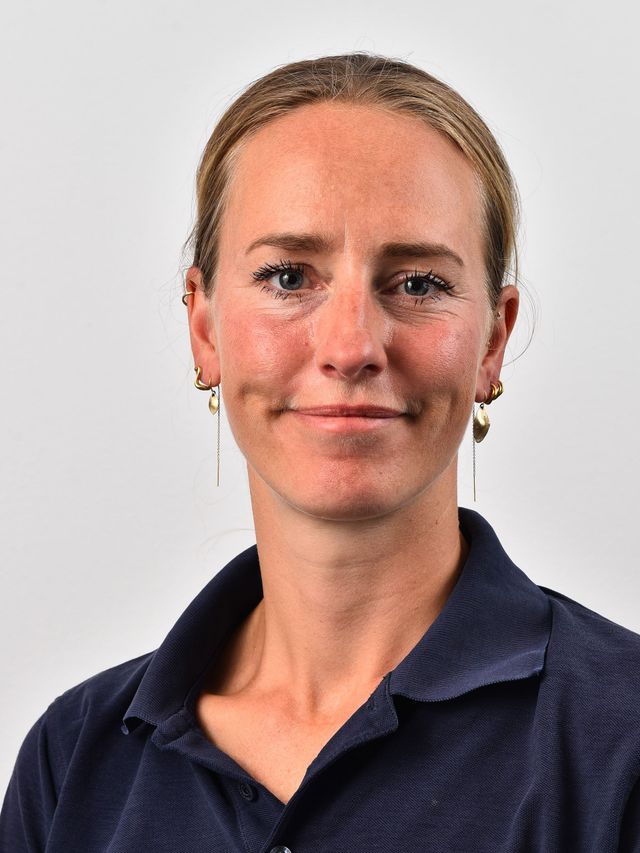

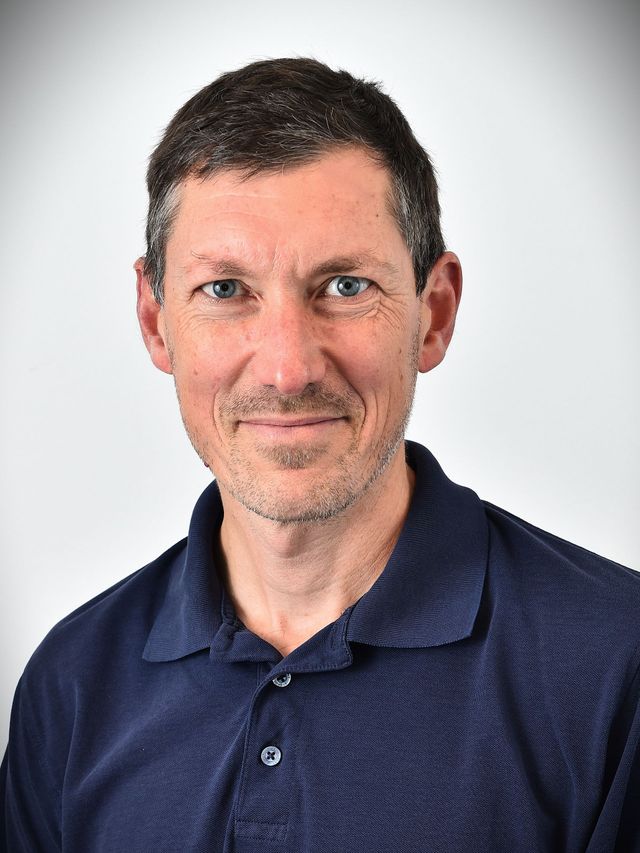
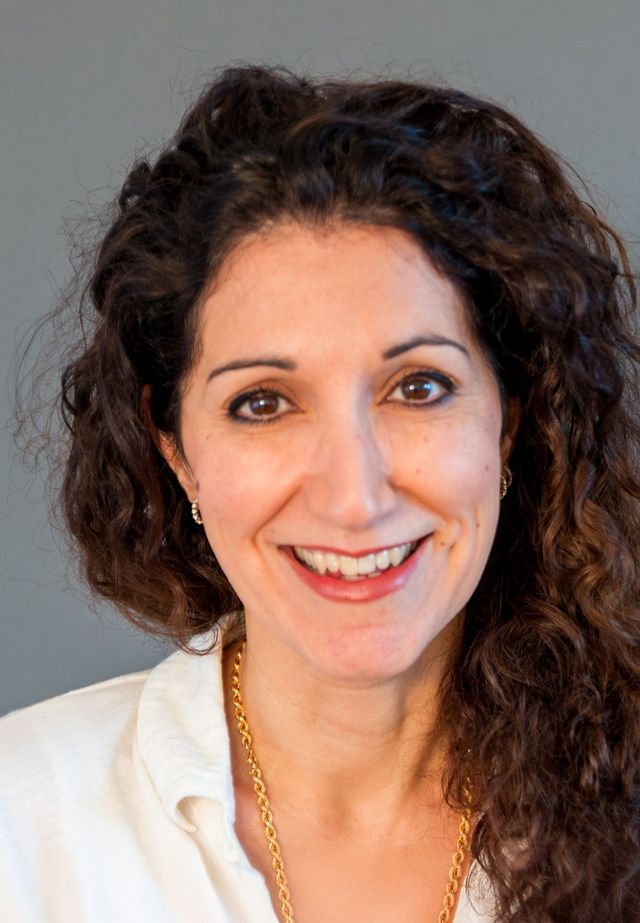
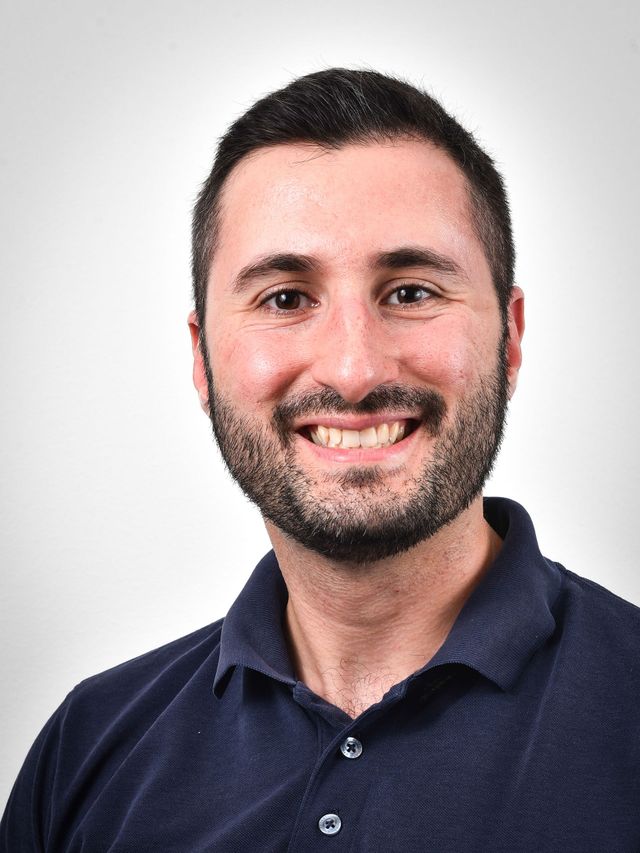


They are the people you meet first when you call or walk through the door – and the ones who look after you before and after your treatment.
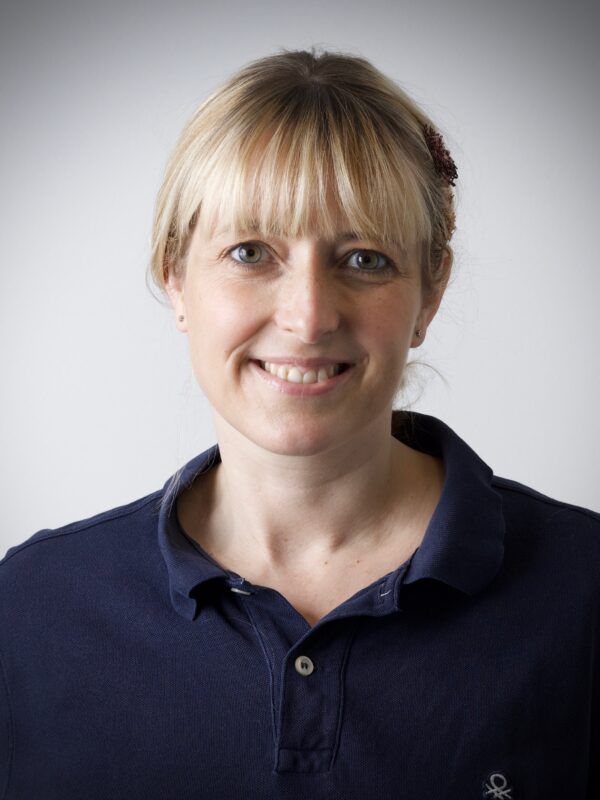
Nurse
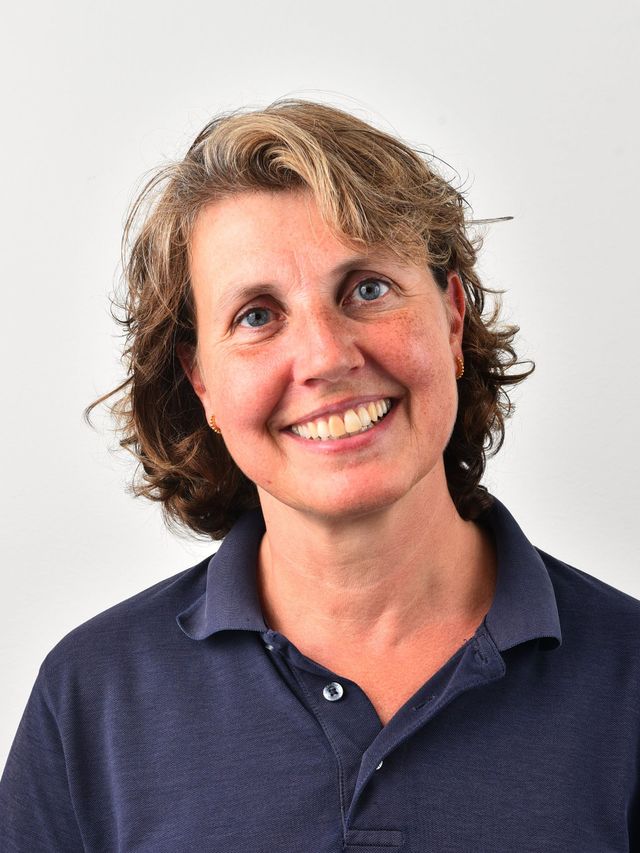
Nurse
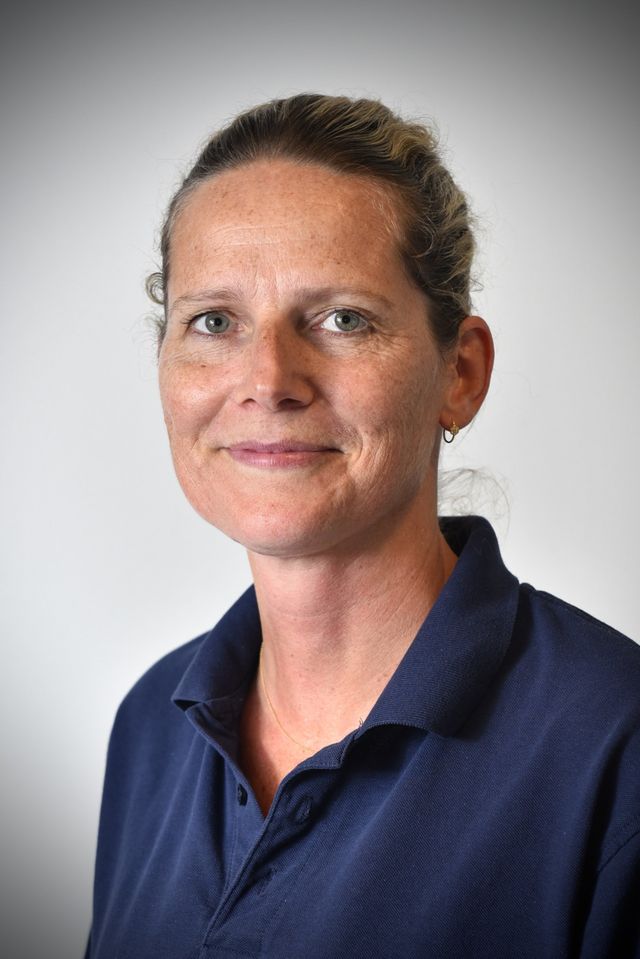
Nurse
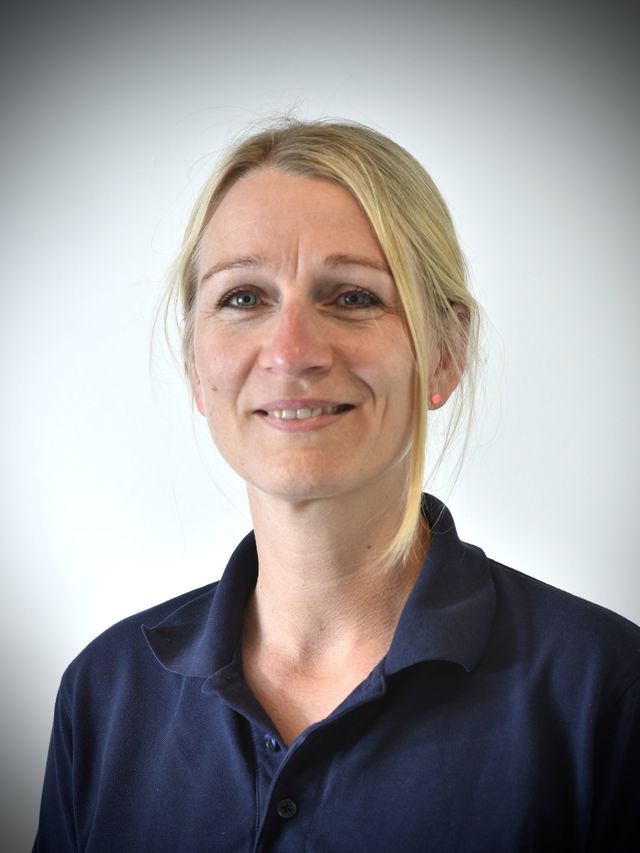
Nurse
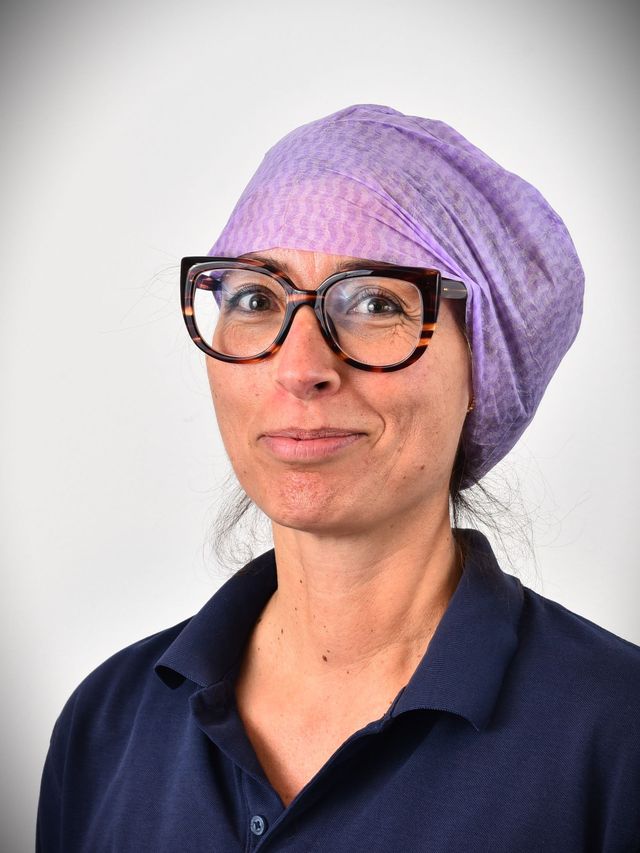
Nurse
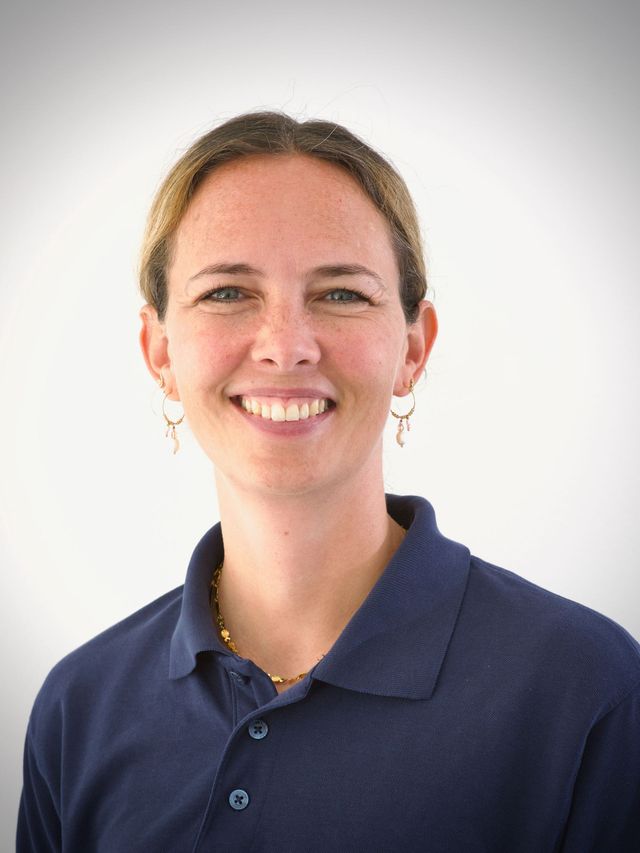
Nurse
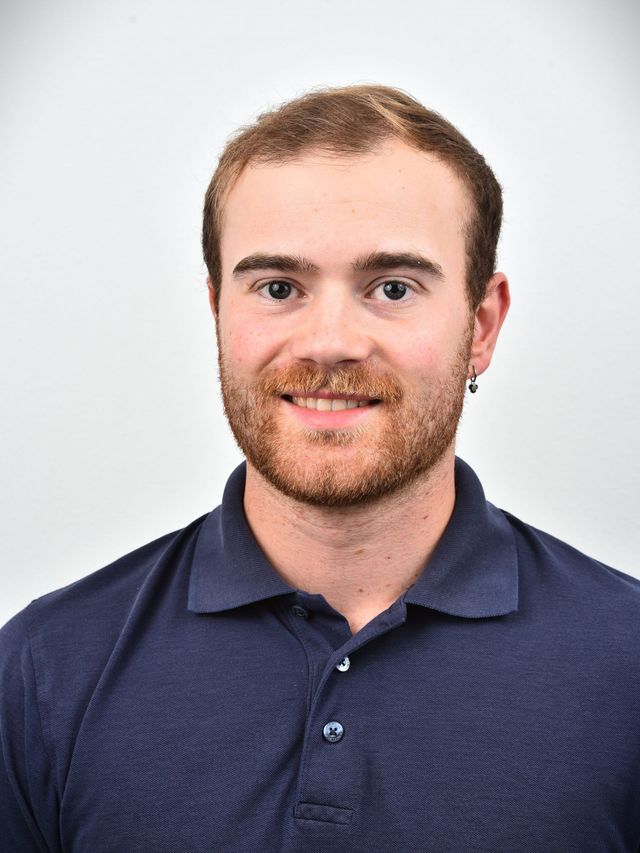
Clinical assistant
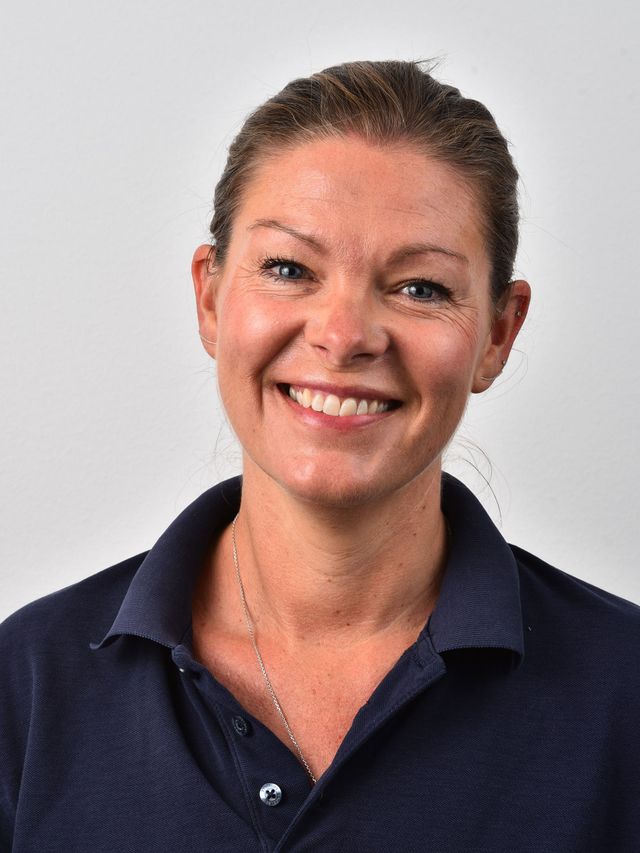
Clinical assistant
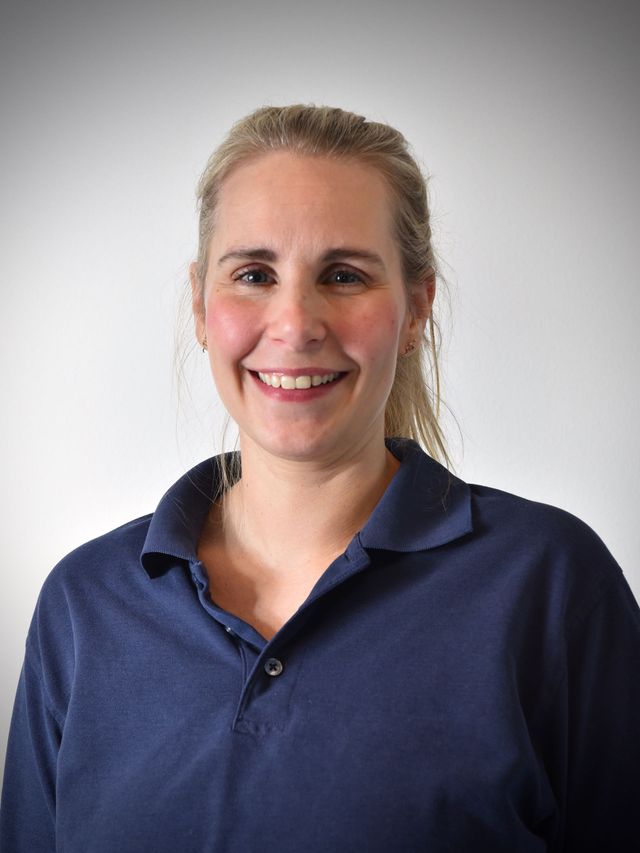
Clinical assistant
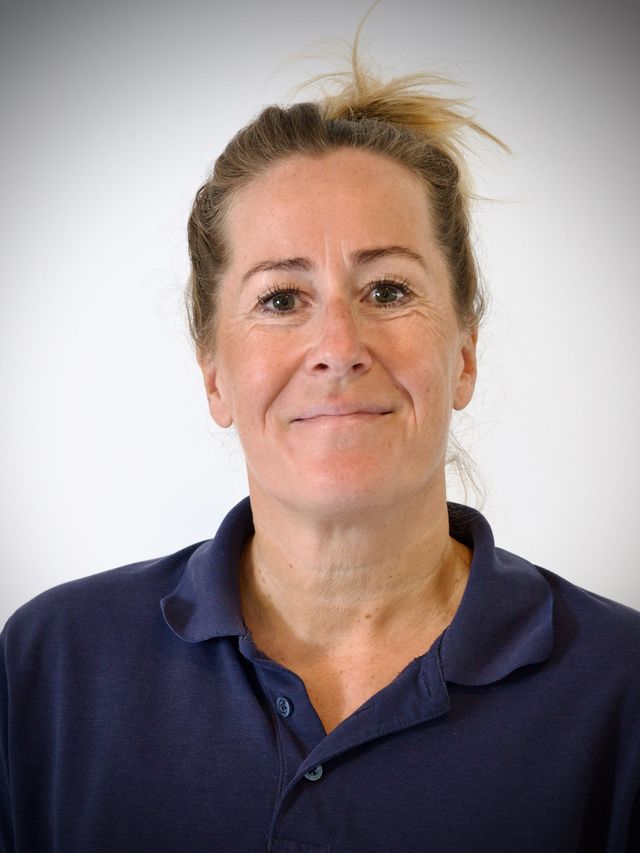
Reception and secretariat
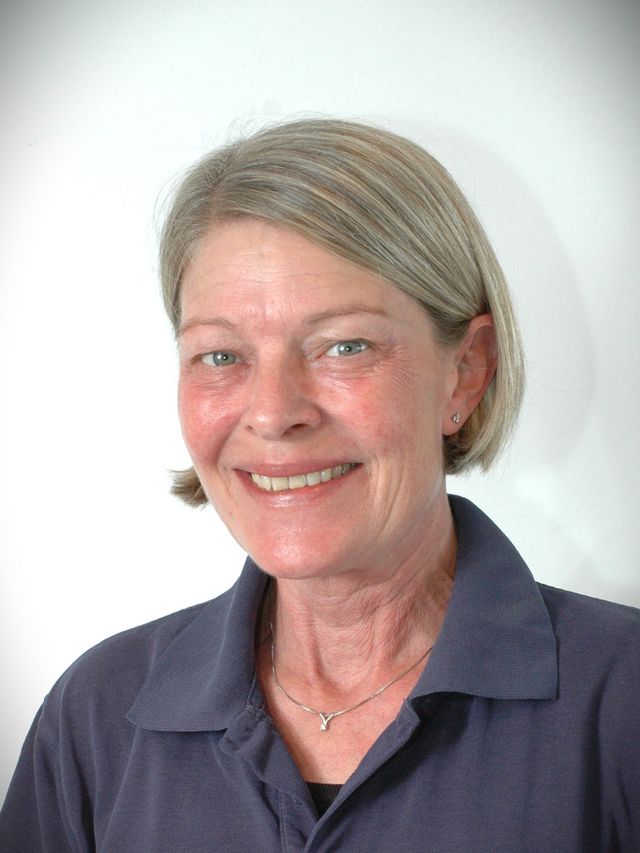
Reception and secretariat
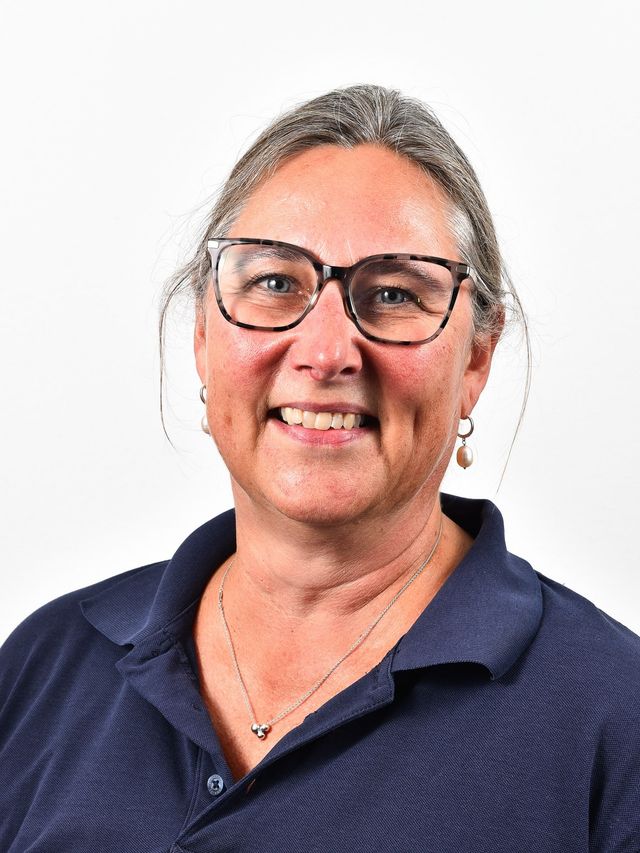
Reception and secretariat
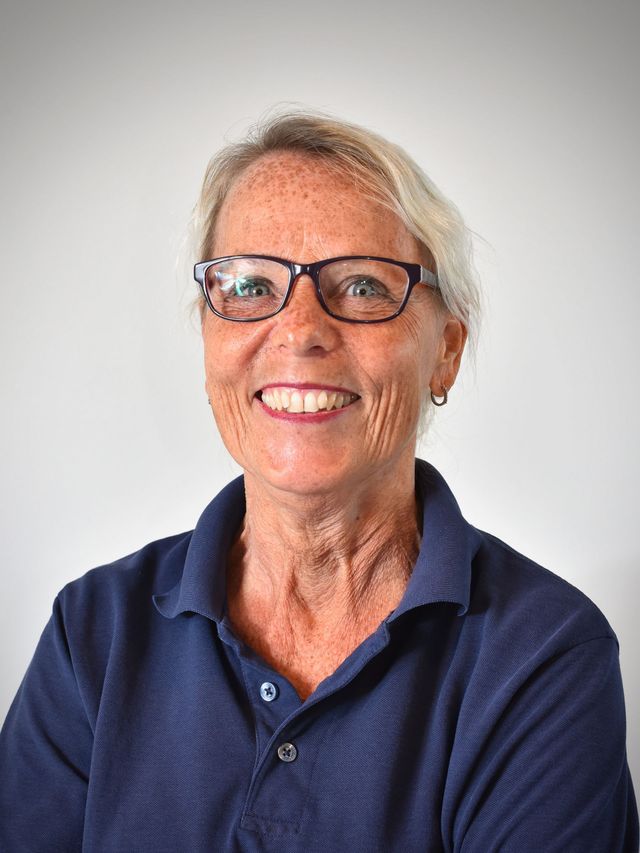
Reception and secretariat
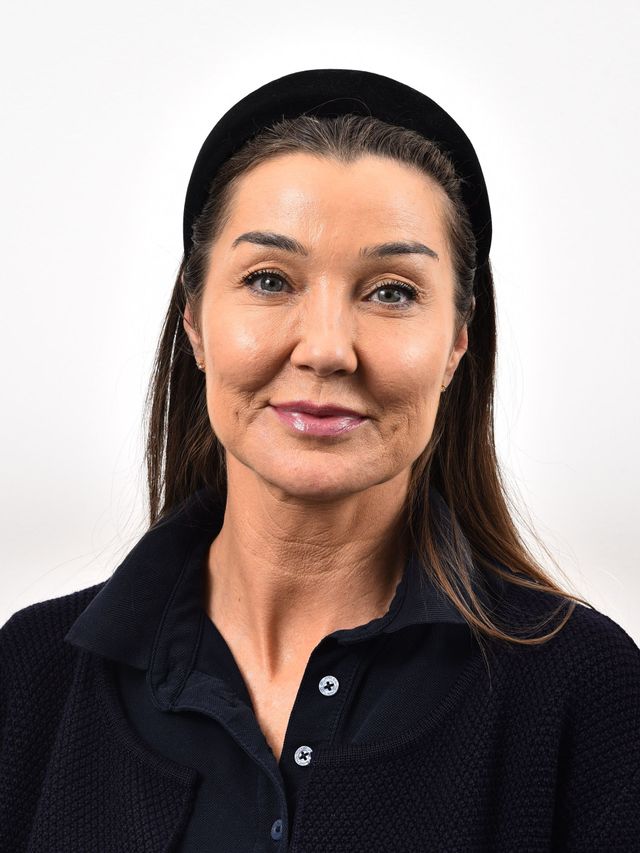
Reception and secretariat
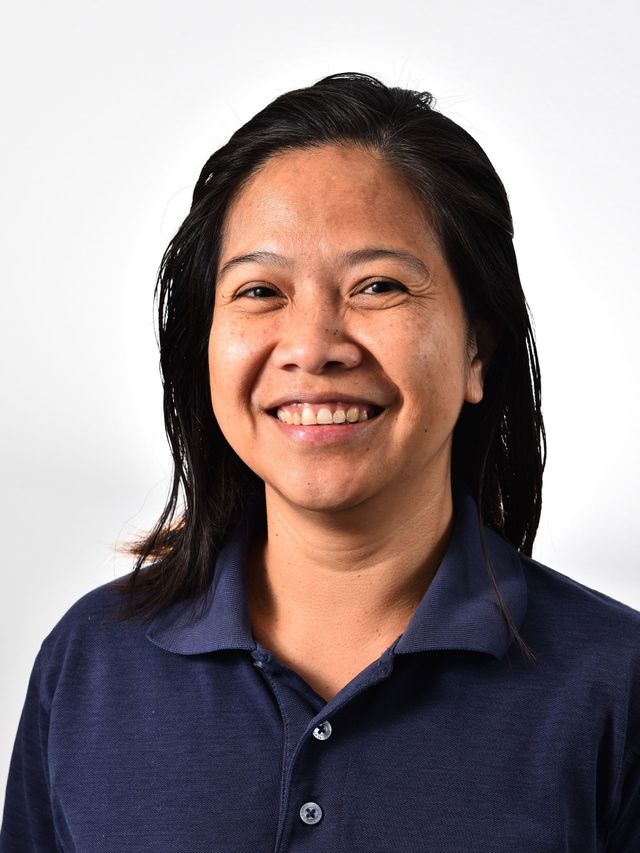
Service assistant
No one found. Try another name or choose "All".
Would you like to book an appointment with one of our specialists?
Book onlineJægersborg Allé 4
2920 Charlottenlund
CVR: 45675637
Monday–Friday, 08:00–14:00
Outside telephone hours, appointments can be booked, rescheduled and cancelled online 24/7.
Main department in Charlottenlund and ear, nose and throat departments at several locations across Denmark.