

Management
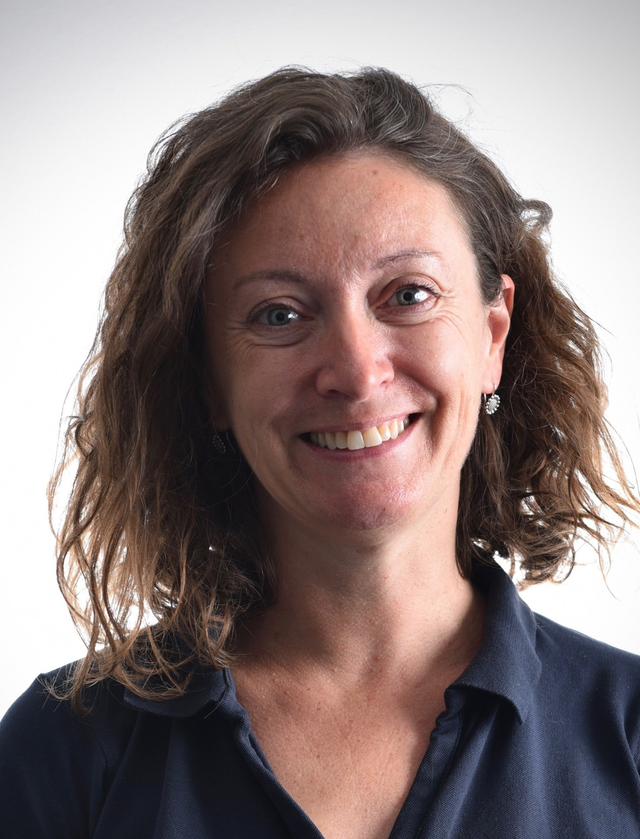
Erika Belard
Specialist physician and co-owner, CEO

When thoughts and avoidance keep the problem going. Treatment of anxiety, OCD, depression and insomnia with a clinical psychologist in Charlottenlund – individually and online.
At Charlottenlund Privathospital, adults, young people and children can have cognitive behavioural therapy (CBT) with a clinical psychologist. The method is also called cognitive therapy and is used especially for anxiety, panic attacks, social anxiety, OCD, depression and long-term insomnia. In treatment, you examine the thoughts and habits that keep the problem going and try out new ways of acting between sessions. Treatment takes place individually in Charlottenlund or online, and no referral is needed if you pay yourself.
The starting point is that a problem like anxiety rarely consists of the feeling alone. It is kept going by thoughts about what might happen and by what you do to avoid it – for example staying at home, checking several times or seeking reassurance. In the short term this brings relief, but it also means you never get to test whether what you fear actually happens.
In treatment, you and the psychologist map out which thoughts and actions keep this particular problem going. Then they are tested in practice: does the thought hold up when it is tested? What happens if you stay in the situation instead of leaving? The method combines cognitive therapy and behavioural therapy, and exposure is the best-known of the behavioural techniques.
For social anxiety, panic disorder, generalised anxiety and agoraphobia in adults, the Danish Health Authority recommends considering cognitive behavioural therapy as the first choice rather than medication alone. For OCD, the Danish Health Authority's recommendations are based on cognitive behavioural therapy with exposure. In moderate to severe depression, cognitive behavioural therapy can be given together with medication, and the Danish Health Authority's guideline found no difference in effect between cognitive behavioural therapy and short-term psychodynamic therapy.
What matters is therefore not only the diagnosis, but what keeps the problem going. If it is mainly avoidance, checking and fear of particular situations, cognitive behavioural therapy is usually the obvious choice. If it is mostly worry and rumination, metacognitive therapy may suit better. In severe depression, where everyday life no longer holds together, your GP or a psychiatrist must be involved in the assessment.

Exposure means seeking out, step by step, what the anxiety is about – a crowded train carriage, a speech at work or a door handle that feels dirty. You agree in advance how difficult it should be, and you stay in the situation until you have experienced what actually happens. The psychologist does not push anyone into something that has not been agreed.
In OCD this is called exposure with response prevention: you expose yourself to what triggers the obsessive thought and refrain from washing, checking or correcting. In panic disorder and social anxiety it is often about dropping the safety behaviour you have got used to, for example always sitting by the exit. In the Danish Health Authority's guideline on anxiety in children and young people, 23 of the 25 studies were based on cognitive behavioural therapy, and all the courses studied included exposure.
Both methods are structured treatments with tasks between sessions, but they ask different questions about the same thought. In cognitive behavioral therapy, you examine whether the thought holds up and test it in real life. In metacognitive therapy, you do not discuss the content of the thought, but the time and attention it receives. A meta-analysis of 25 studies found the strongest evidence for metacognitive therapy for anxiety and depression.
Both methods are offered at Charlottenlund Privathospital, and the psychologist assesses which is best suited to the problem during the first session.
Cognitive behavioural therapy for insomnia (CBT-I) is a special version of the method. It works with the habits and thoughts that keep insomnia going – for example going to bed early to catch up on sleep, or lying awake calculating how few hours are left. Typical elements are fixed bedtimes, less time in bed for a period and getting up when you cannot sleep.
A meta-analysis of 87 randomised trials found an effect on both the severity of insomnia and the time it takes to fall asleep. Courses with at least four face-to-face sessions worked better than self-help. How insomnia is treated by the psychologist is described on a separate page. If you snore loudly or are very tired during the day despite enough sleep, it may be sleep apnoea, which is assessed by the hospital's ear, nose and throat specialists.

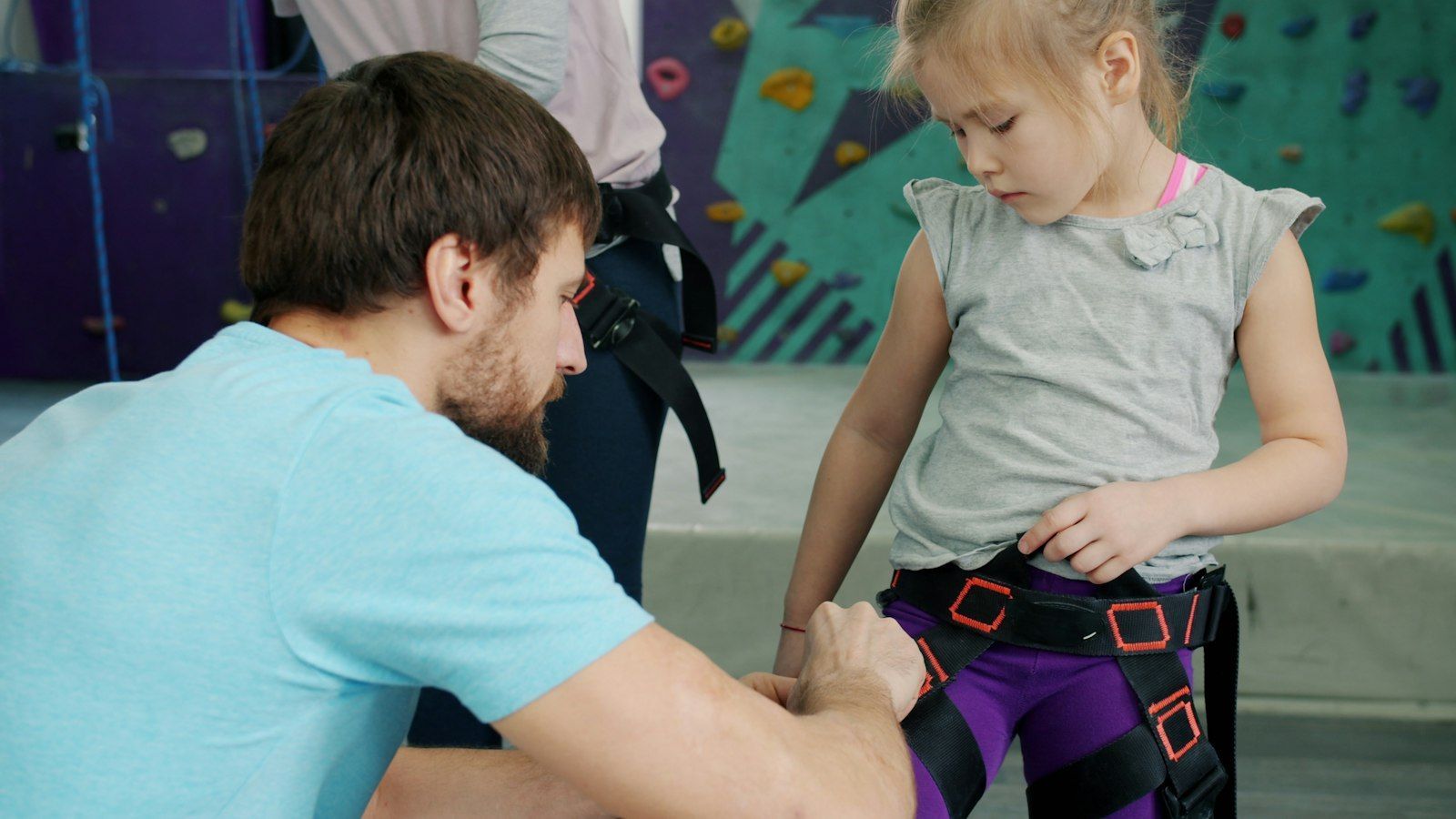
For children and young people with anxiety, the Danish Health Authority recommends cognitive behavioural treatment programmes. The Cool Kids and Chilled programmes are based on the method and developed for children and young people with anxiety. The psychologist at Charlottenlund Privathospital is a certified Cool Kids therapist, and the programmes are offered both in groups and individually.
The parents are an active part of the course. With younger children, the parents learn the tools themselves so they can support the child in practising at home, while teenagers more often have sessions alone. In OCD in children and young people, the parents are always involved, because the family has often, without meaning to, become part of the rituals.
It depends on the problem and how long it has been going on. For anxiety disorders, the Danish Health Authority recommends a course of at least 12 weeks with regular follow-up, and the course can take place individually or online. Along the way, you follow up on whether it is working – if things are not moving, the plan is changed.
Much of the work happens between sessions, because it is in everyday life that the anxiety or insomnia shows itself – and that is where new experiences can be made.
If you pay yourself, no referral is needed, and you can book online. Prices for sessions with the psychologist are shown in the price list. Many health insurance policies cover sessions with a psychologist in full or in part – it depends on the individual policy and agreement. The insurer usually has to approve the treatment in advance and typically sends the approval directly to the hospital, which then settles the bill with the insurer.
Charlottenlund Privathospital does not see patients under the Danish public health insurance scheme, so the subsidy available with a GP referral cannot be used here. Read more about psychological treatment at Charlottenlund Privathospital.
Cognitive behavioural therapy is provided by Sarah Østergaard Kokholm, clinical psychologist. She is trained in cognitive therapy, certified in metacognitive therapy (MCT-I) and a certified Cool Kids therapist, and she works with adults, young people and children. Sessions take place in Charlottenlund, close to Hellerup, Gentofte and Copenhagen, or online via video.
Today, the two names are used for more or less the same thing. Cognitive behavioural therapy combines the work with thoughts from cognitive therapy with exercises from behavioural therapy, such as exposure. Many psychologists simply say cognitive therapy.
The cognitive diamond is a model showing how thoughts, feelings, physical reactions and actions affect each other in a particular situation. It is used in cognitive behavioural therapy to map out what keeps a problem going.
The method has been thoroughly researched, but it does not work for everyone, and it requires practice between sessions. For depression, the Danish Health Authority has found no difference in effect between cognitive behavioural therapy and short-term psychodynamic therapy. The choice of method is therefore adapted to the problem and the person.
Cognitive behavioural therapy is mainly provided by psychologists and psychiatrists trained in the method. The title cognitive therapist is not protected in Denmark, so it can be a good idea to check the practitioner's authorisation in the Danish Patient Safety Authority's register.
Yes. Sessions can take place via video, and the Danish Health Authority considers that internet-based and regular cognitive behavioural therapy for anxiety can both be offered according to the patient's preference. For more complex courses, it can be an advantage to meet in person.
Prices for sessions with the psychologist are shown in the hospital's price list. No referral is needed if you pay yourself. If you have health insurance, the insurer may cover the cost in full or in part – it depends on the individual policy and agreement.
Three places to go next, depending on what the problem is about.
Charlottenlund Privathospital is owned and run by three specialist physicians: Erika Belard, Jacob Fisker and Teit Mantoni. Jacob Fisker is medical director. Here you will find our ear, nose and throat (ENT) specialists in Charlottenlund and at our clinics around Denmark – and in Charlottenlund also specialists in paediatric surgery, dermatology, diving medicine, gynaecology, cardiology, paediatrics, psychology and rheumatology.
Specialist physician and co-owner, CEO
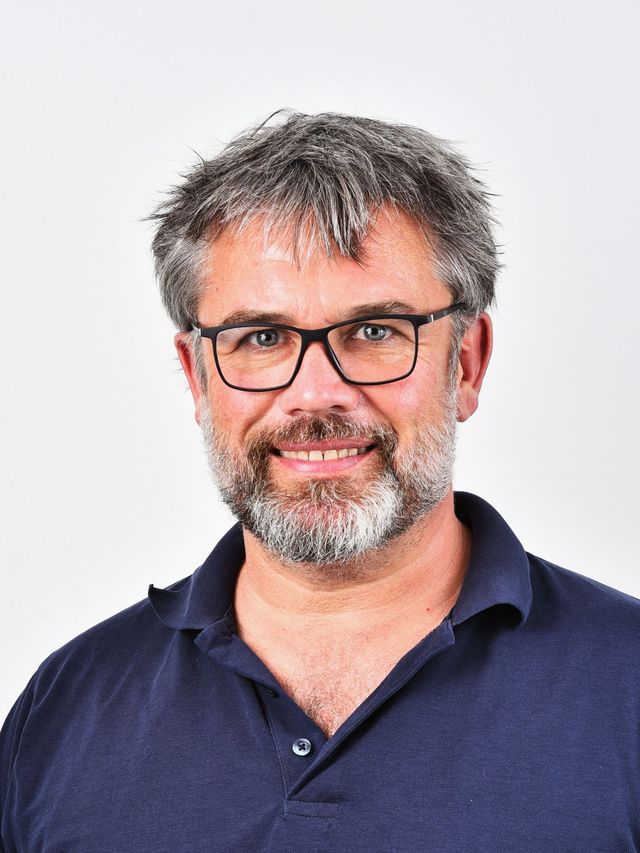
Specialist physician, co-owner and medical director
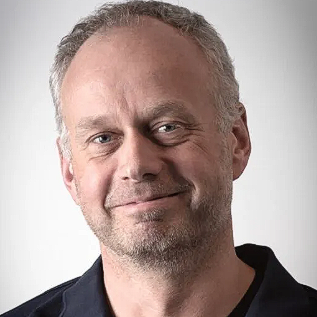
Specialist physician and co-owner
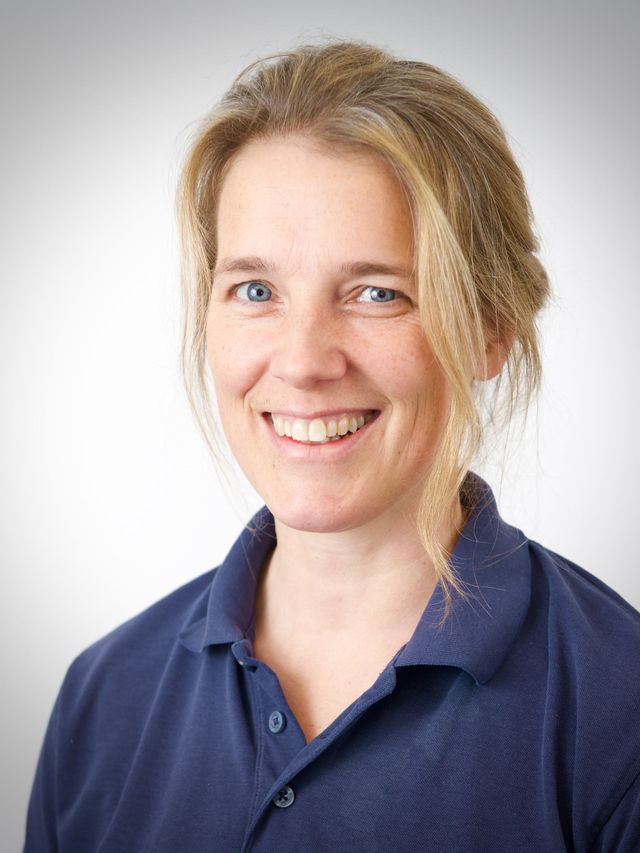
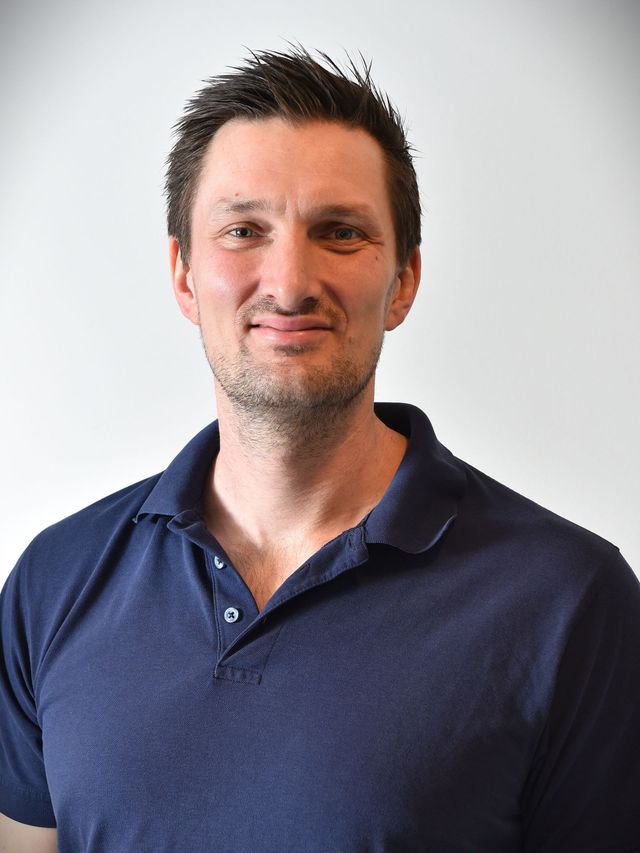
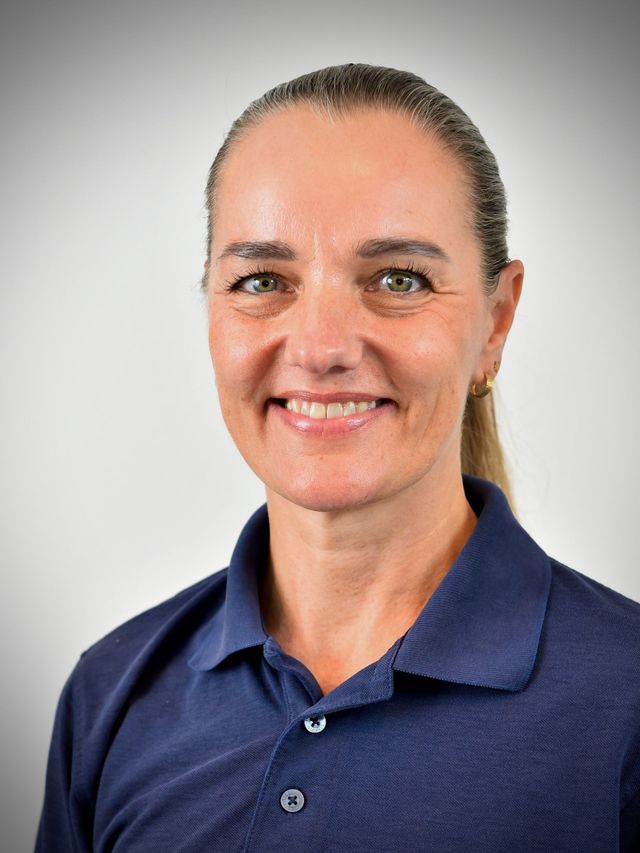
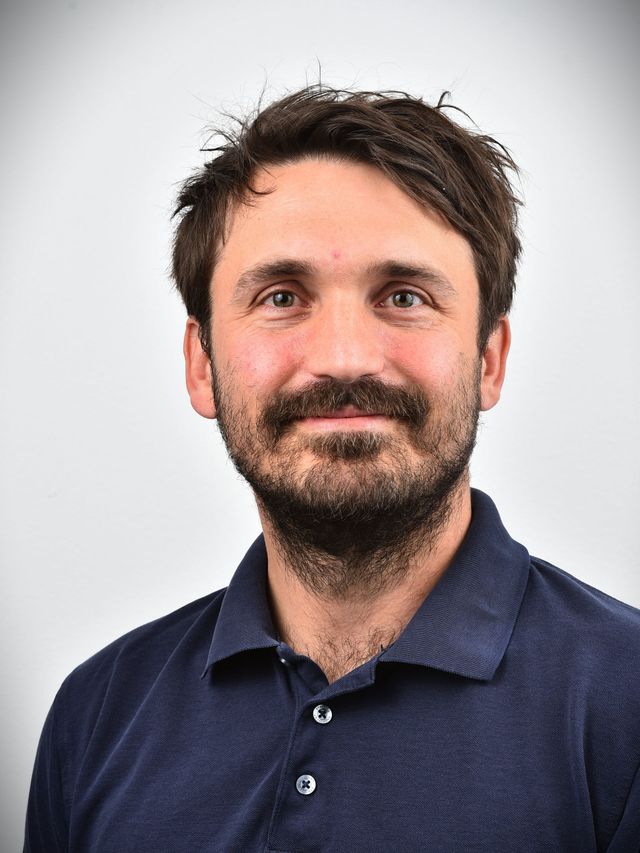
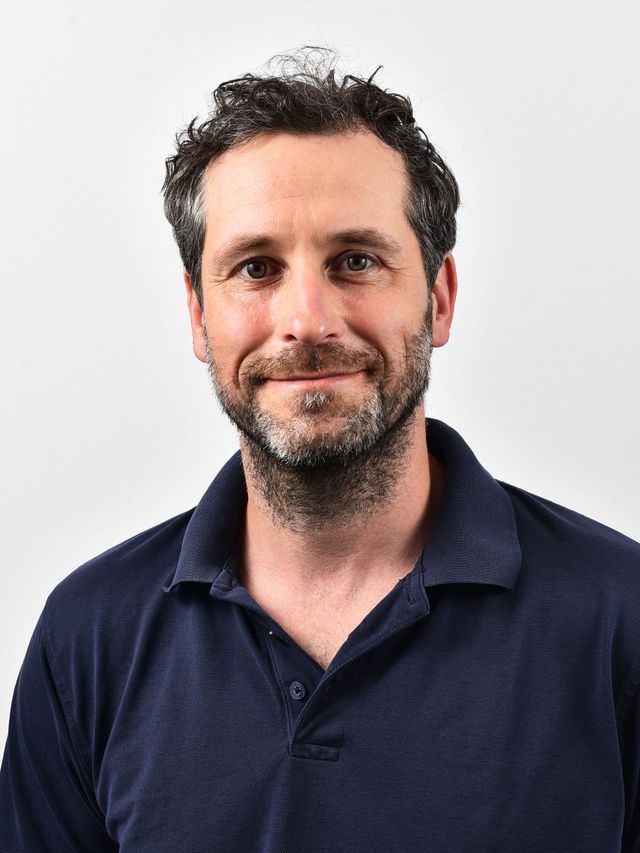
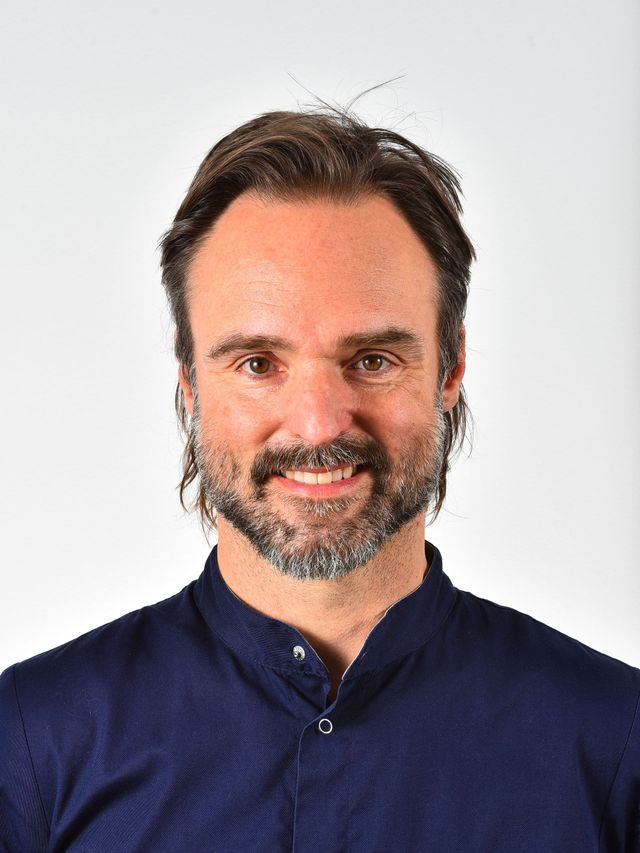
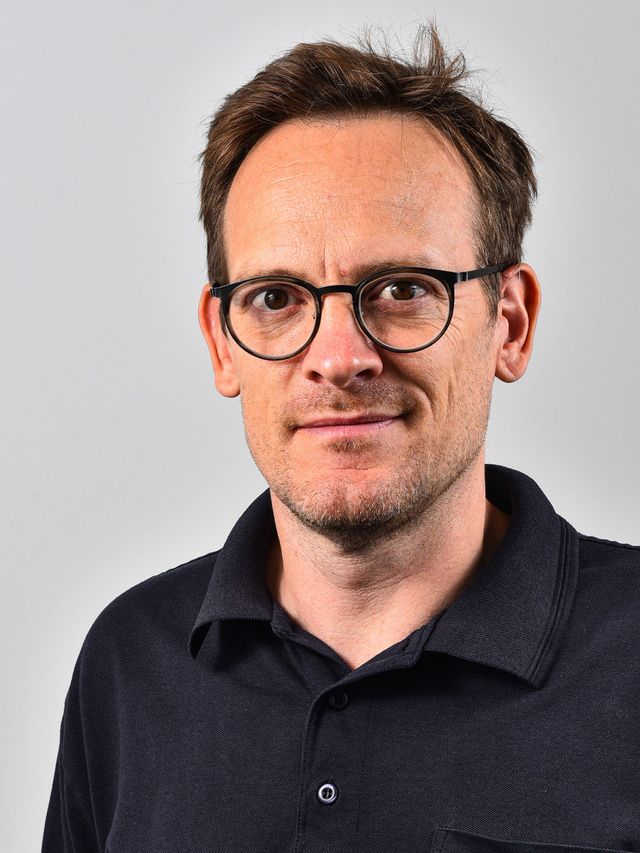
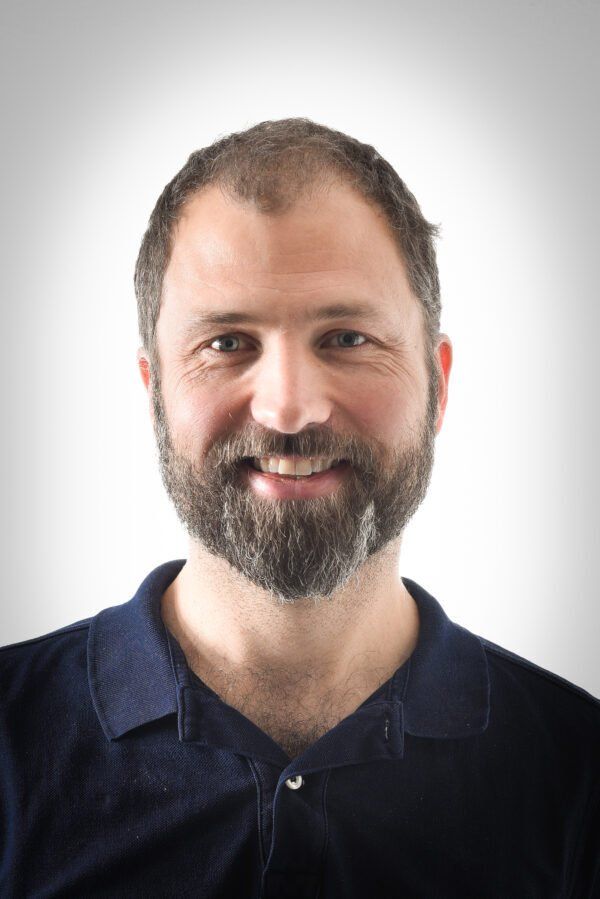
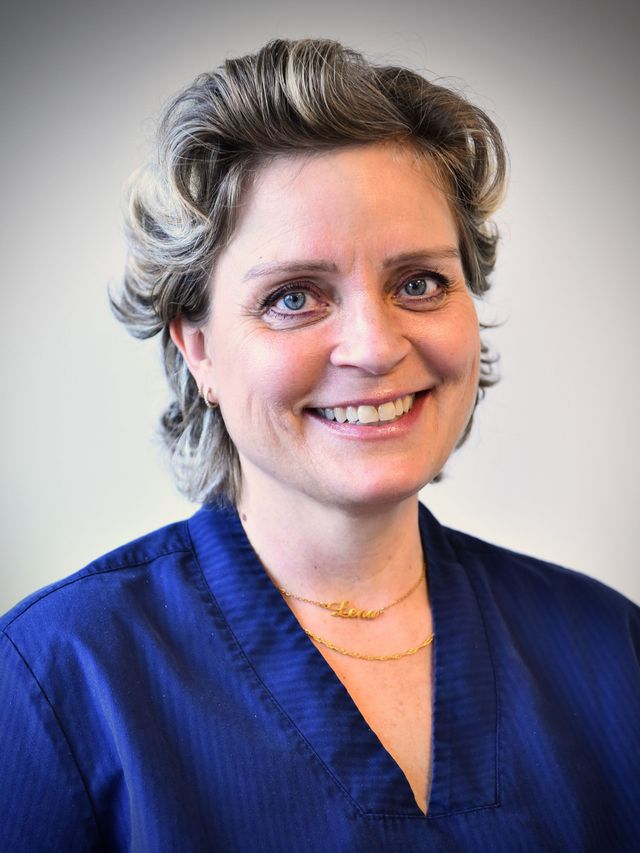

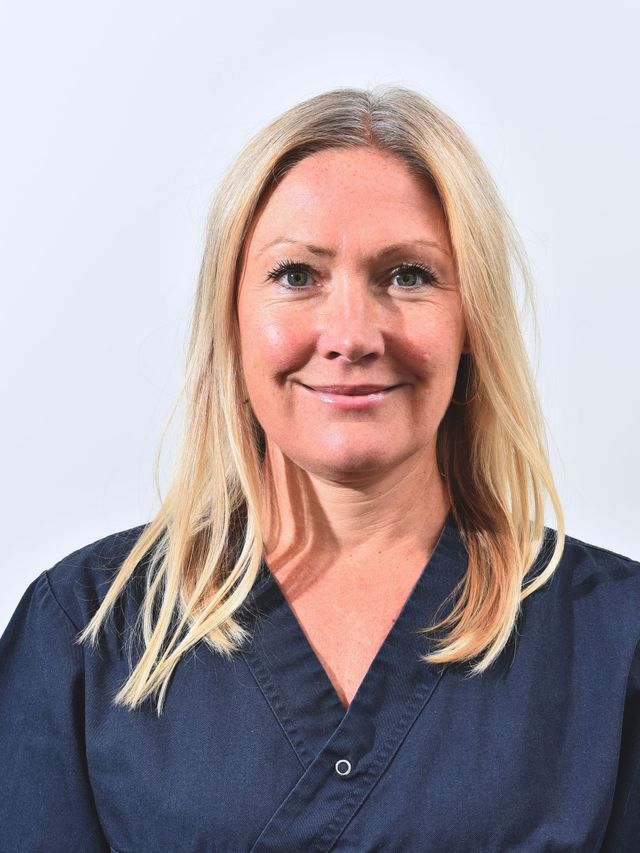
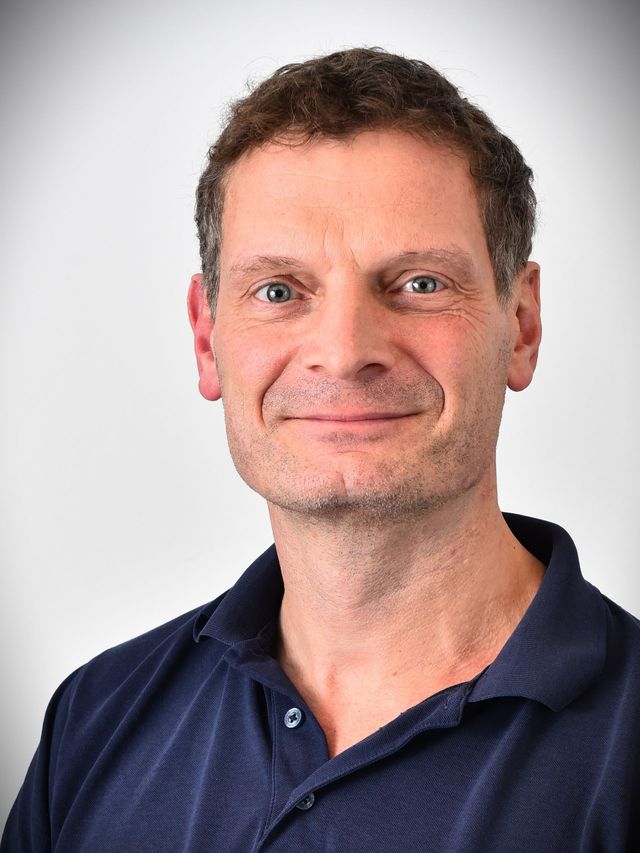
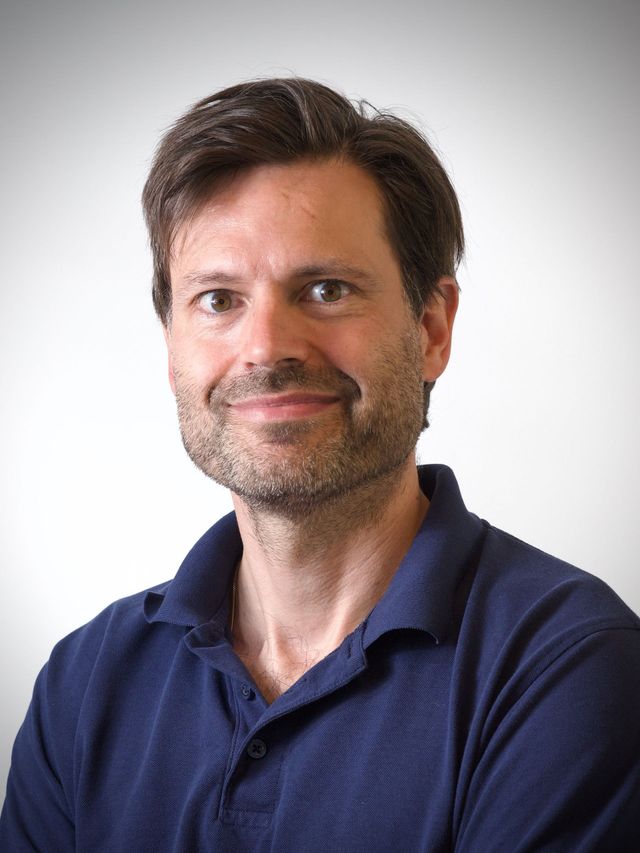
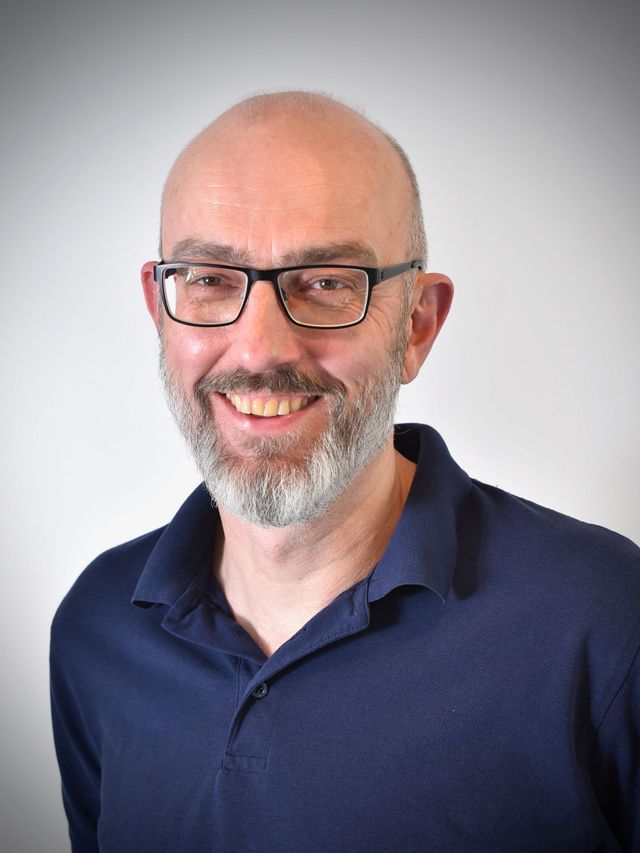
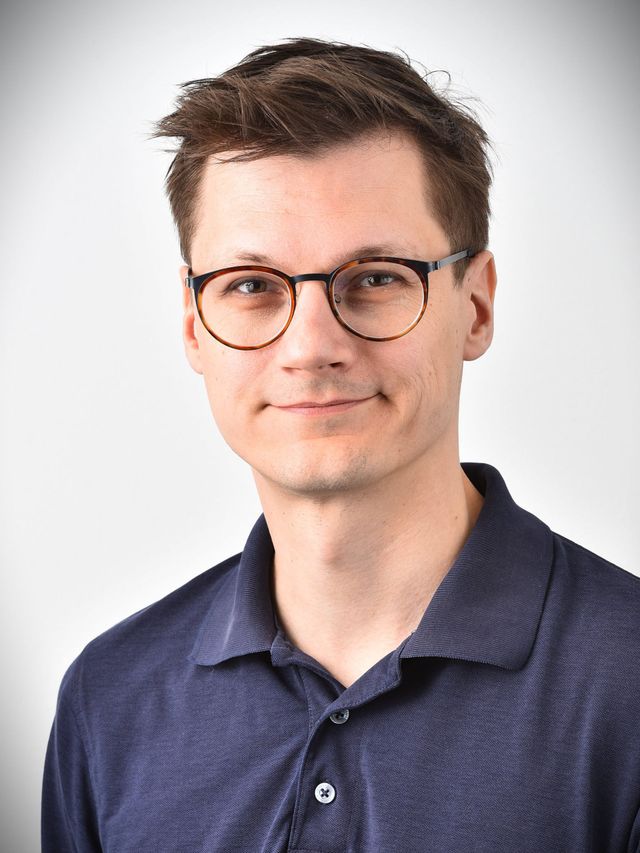
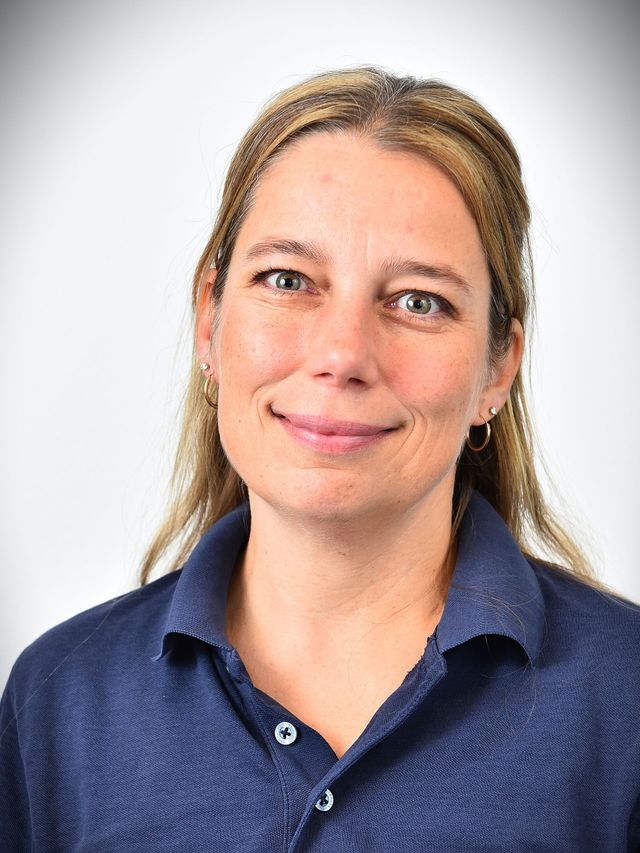
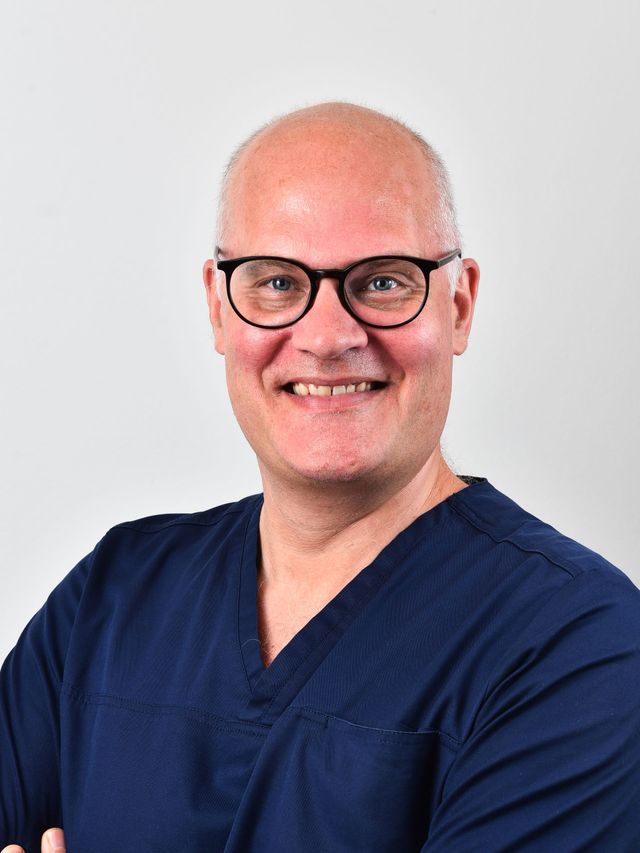
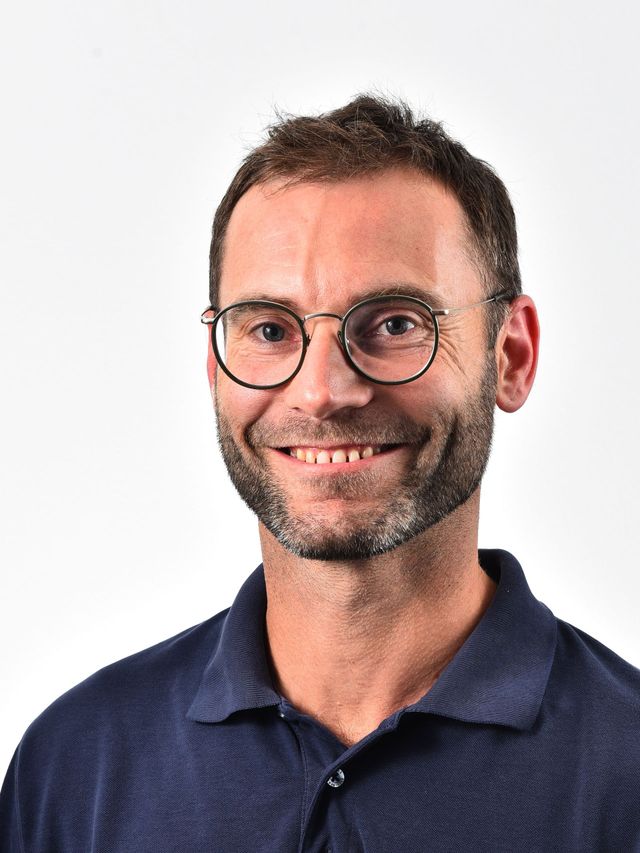
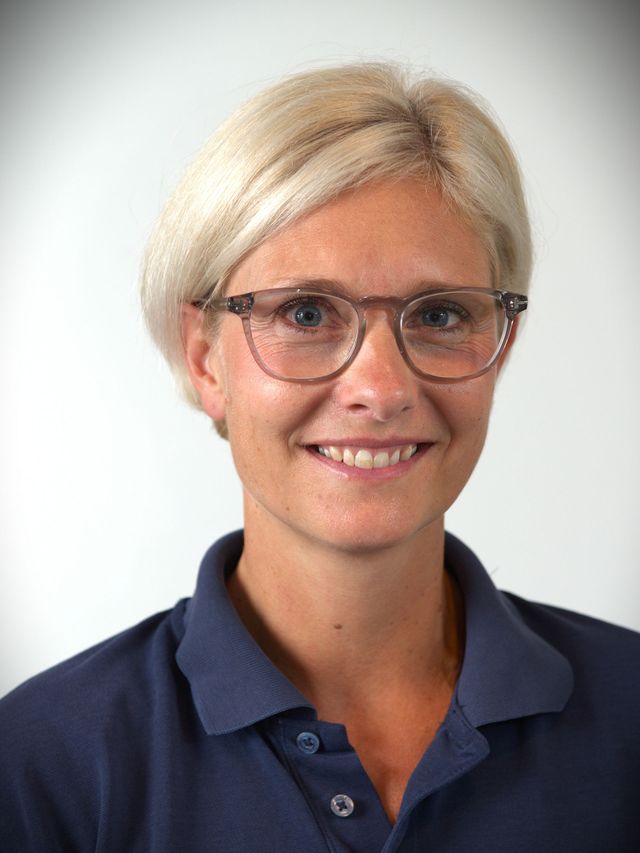
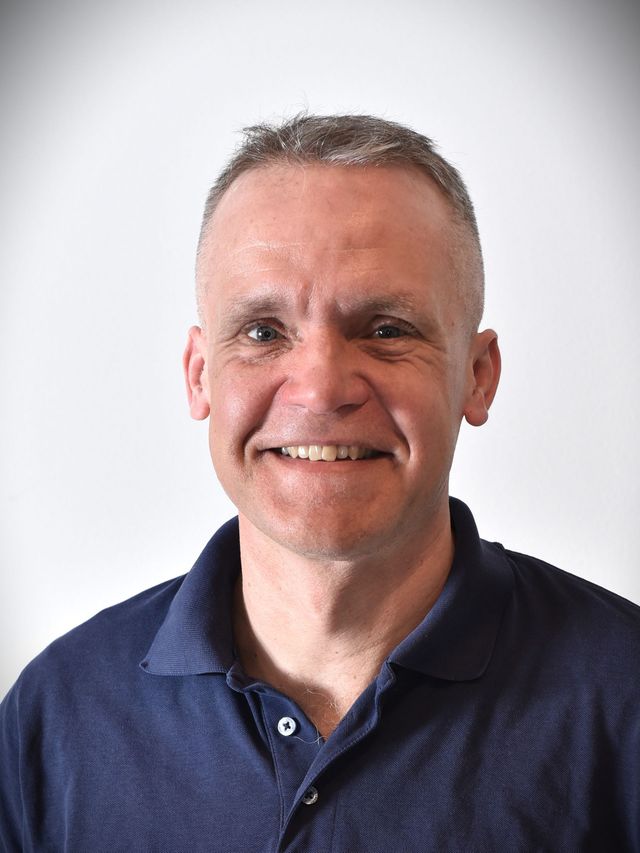
Specialist in anaesthesiology

Specialist in anaesthesiology
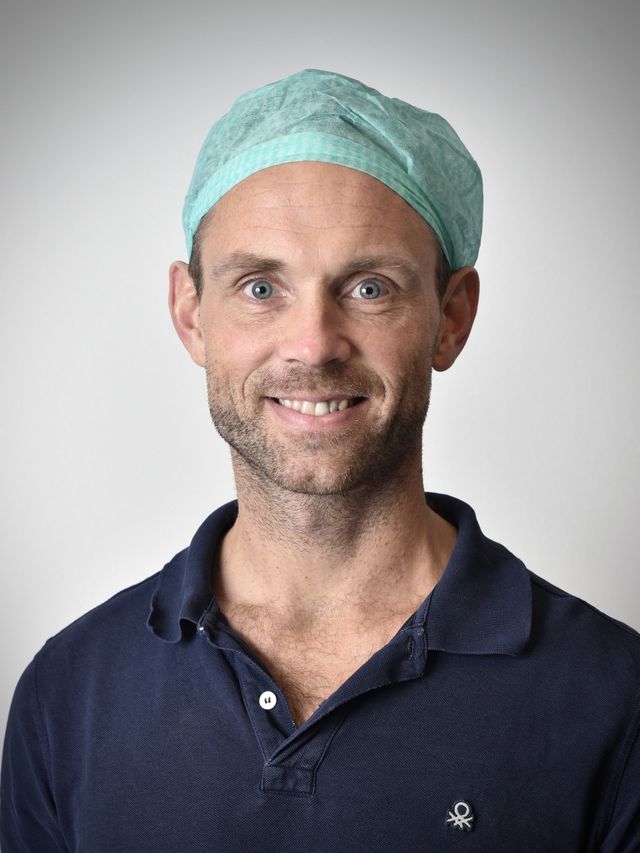
Specialist in anaesthesiology
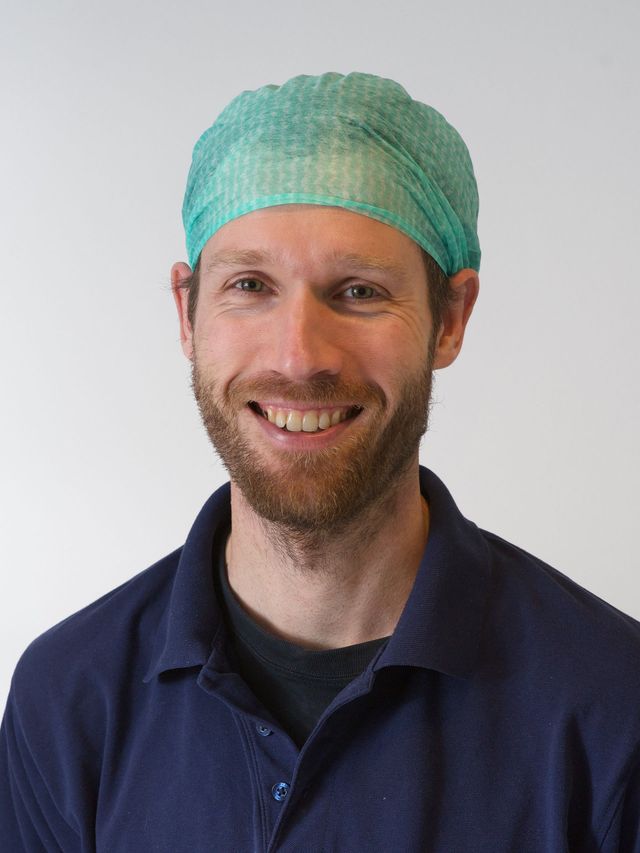
Specialist in anaesthesiology, DMSc, PhD
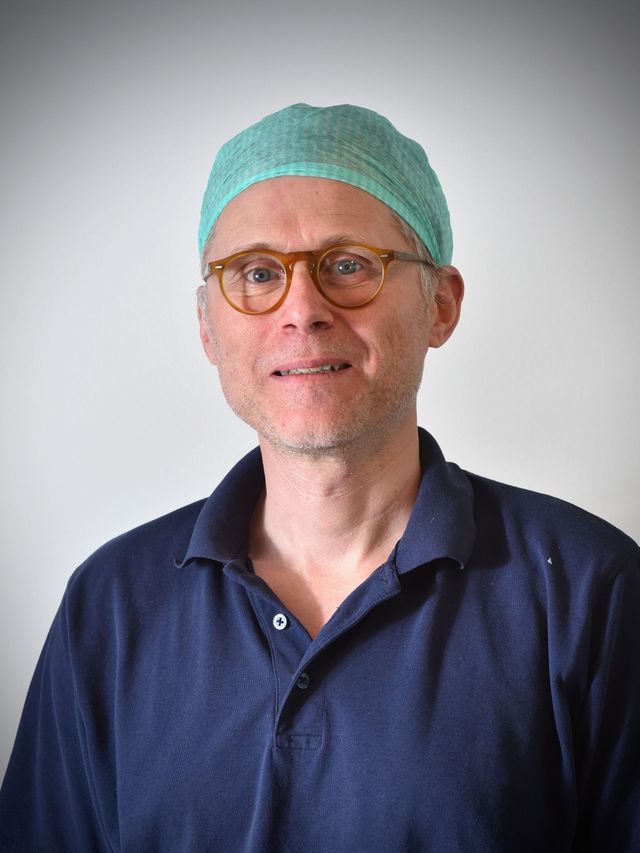
Specialist in anaesthesiology
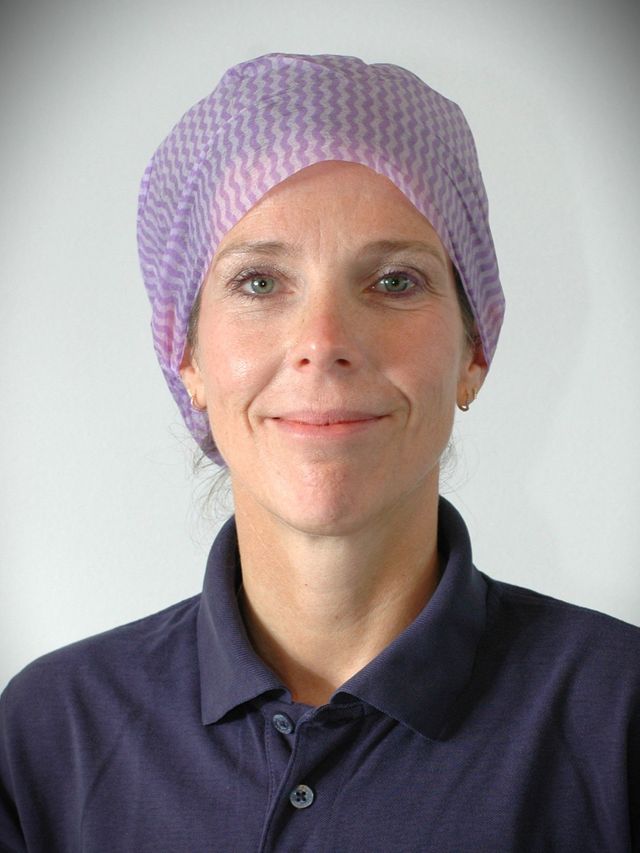
Specialist in anaesthesiology
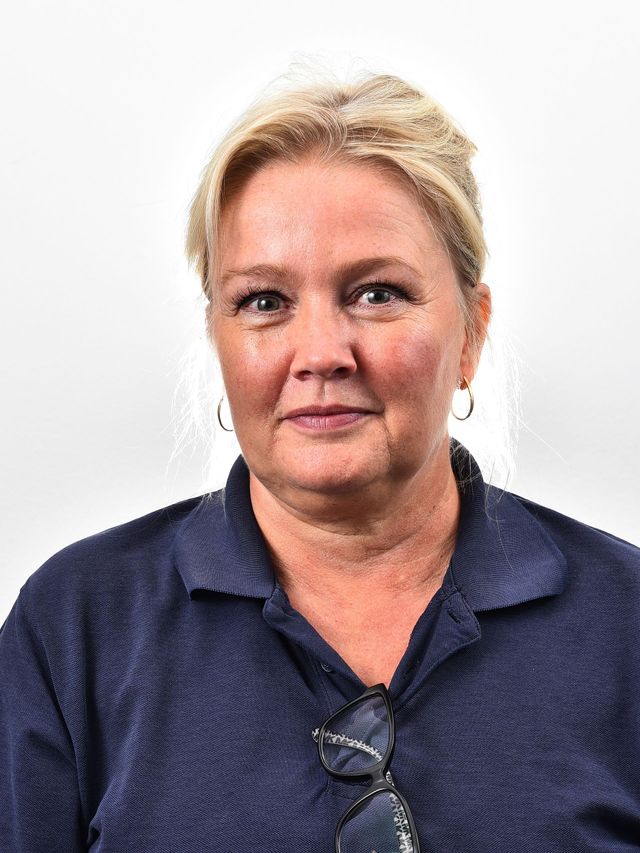
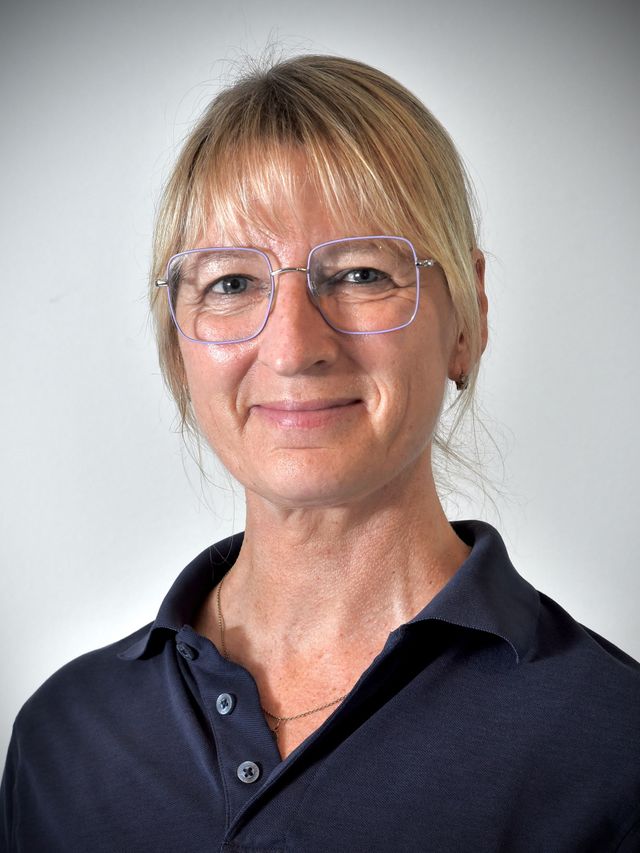
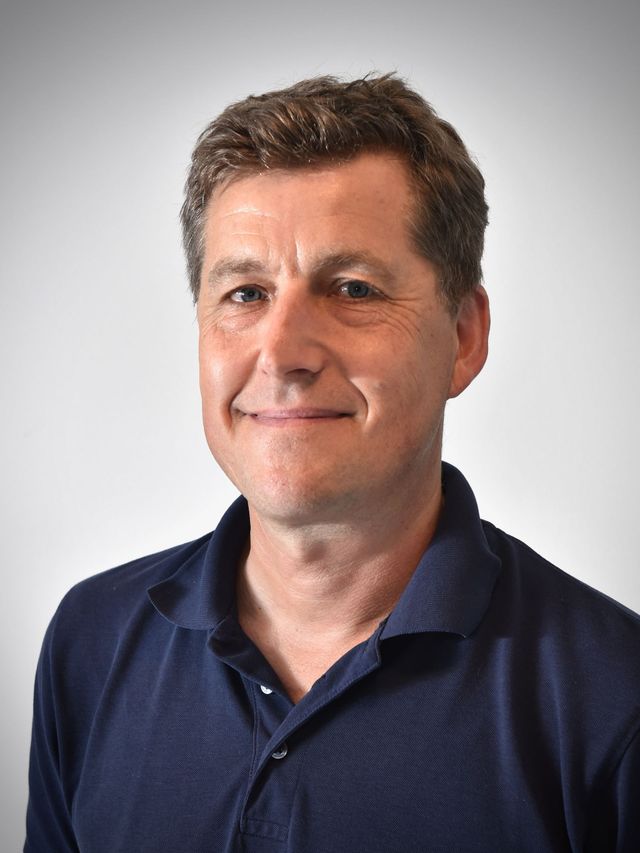
Specialist in anaesthesiology and diving medicine
Approved by the Danish Maritime Authority
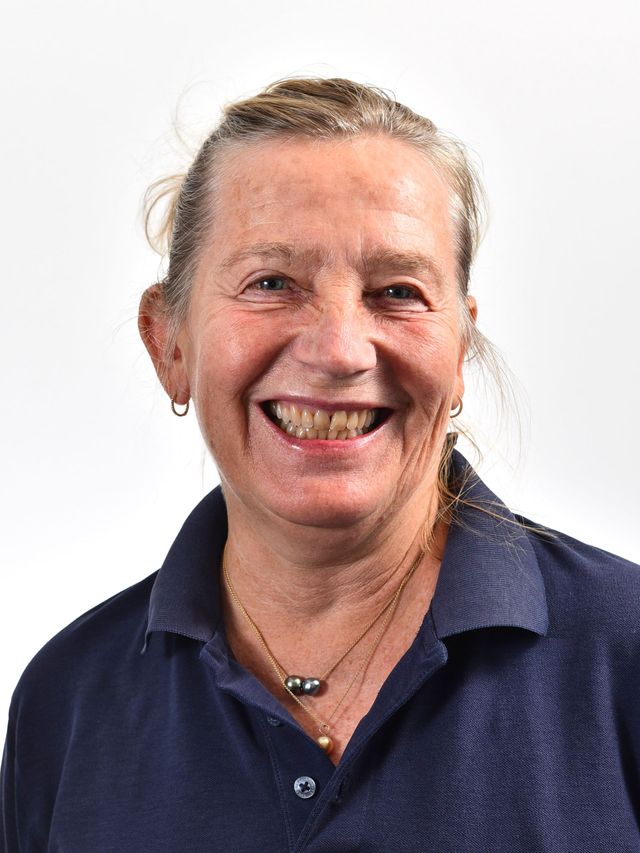
Specialist in anaesthesiology and diving medicine
Approved by the Danish Maritime Authority
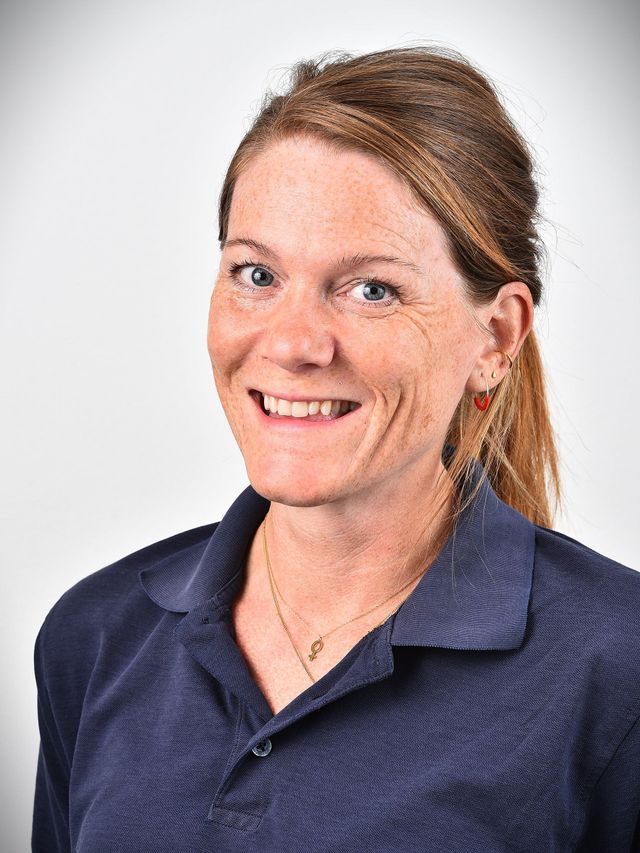
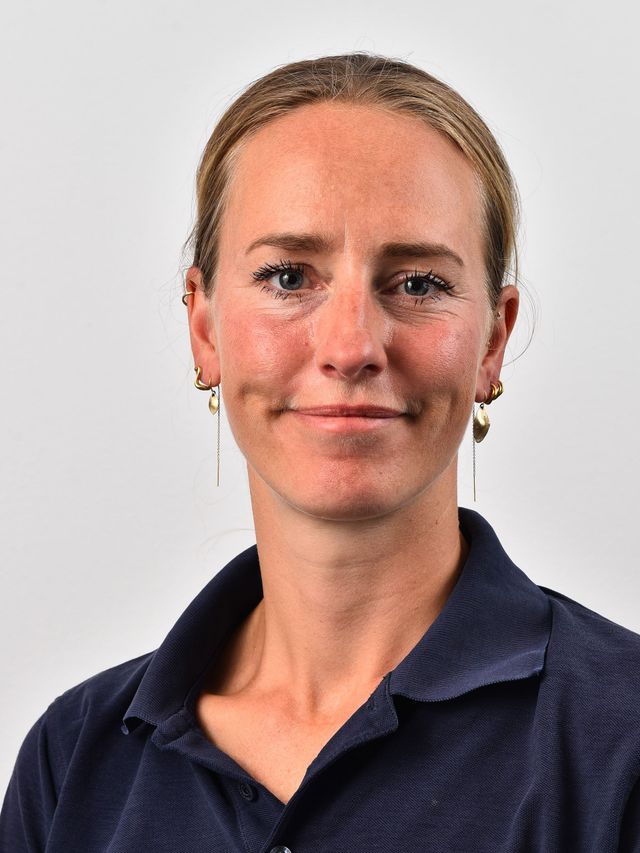


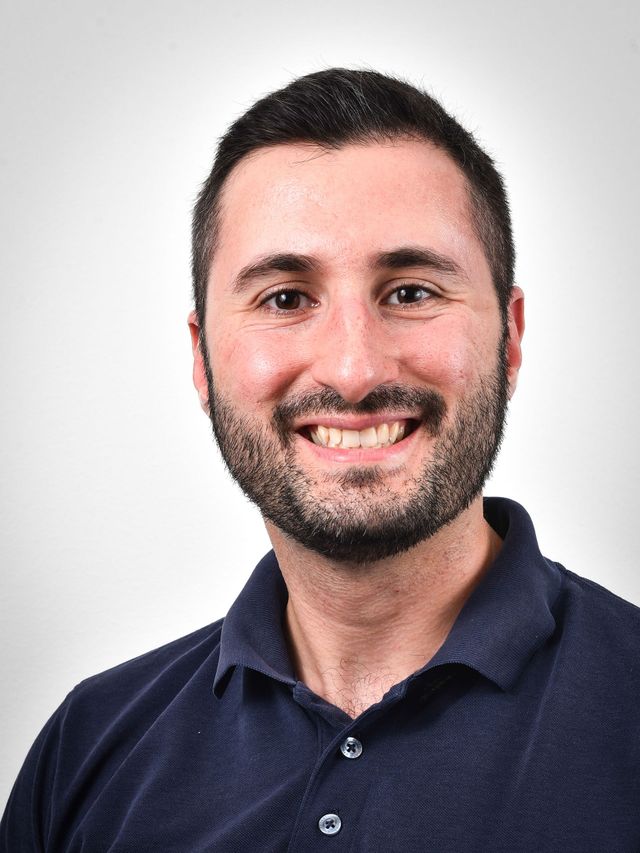

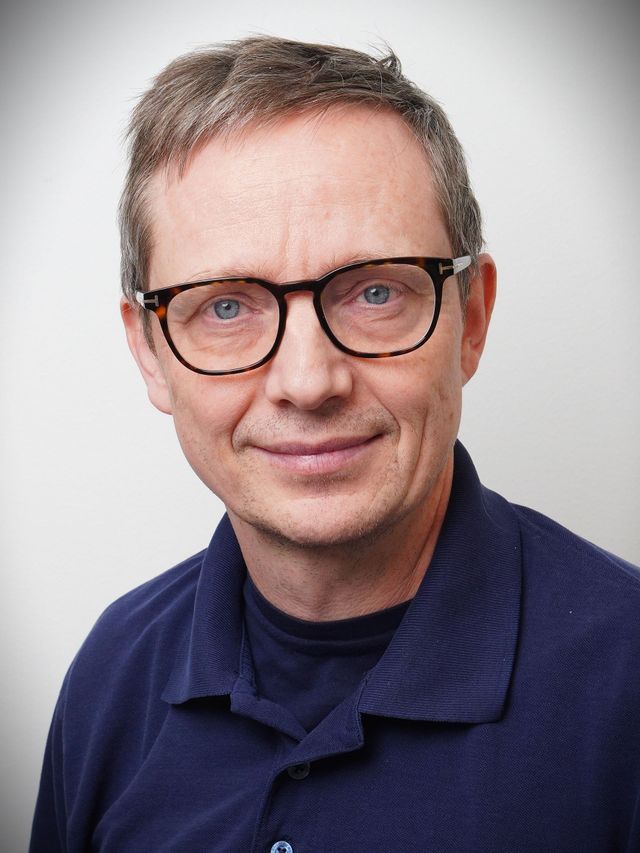
They are the people you meet first when you call or walk through the door – and the ones who look after you before and after your treatment.
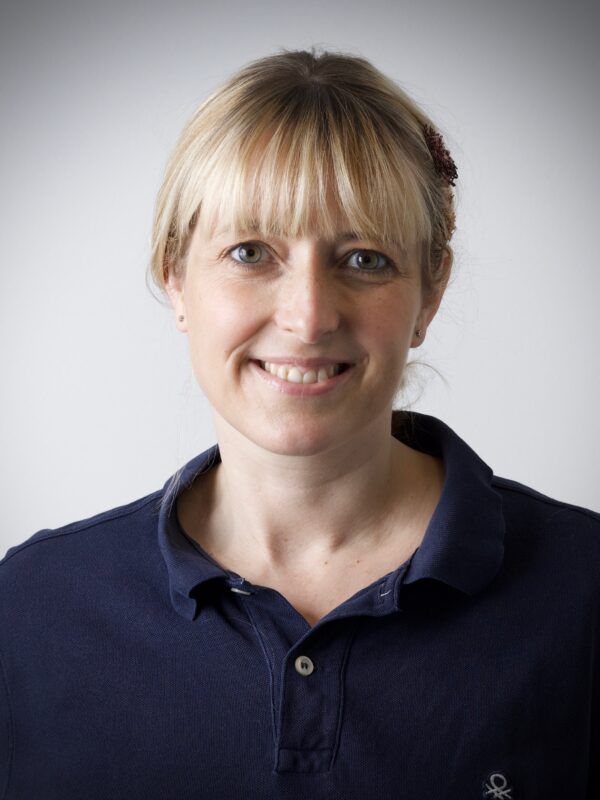
Nurse
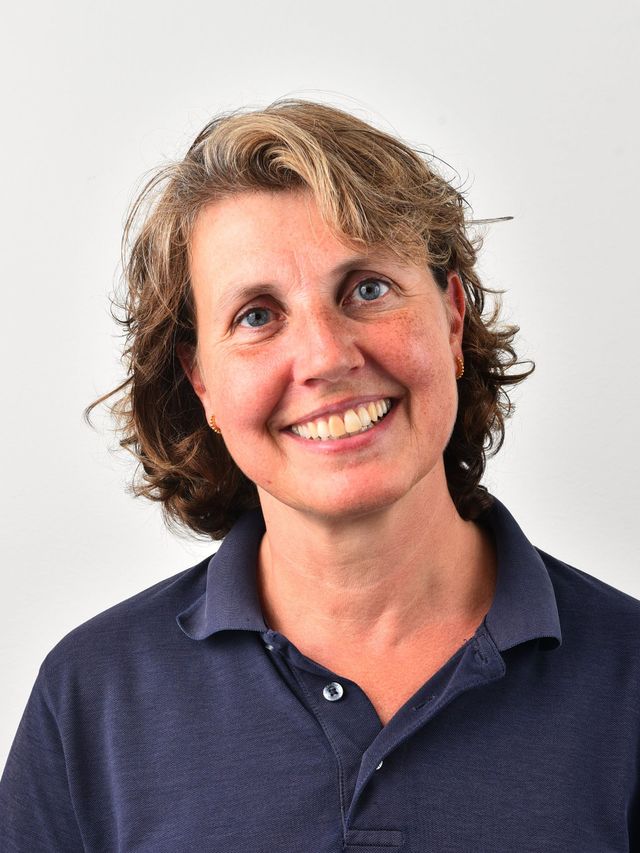
Nurse
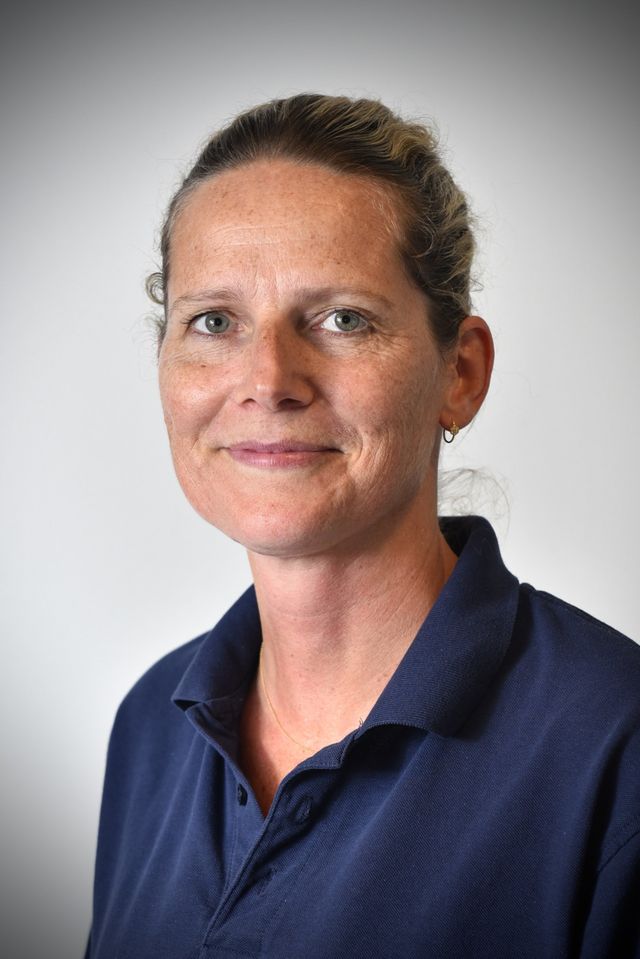
Nurse
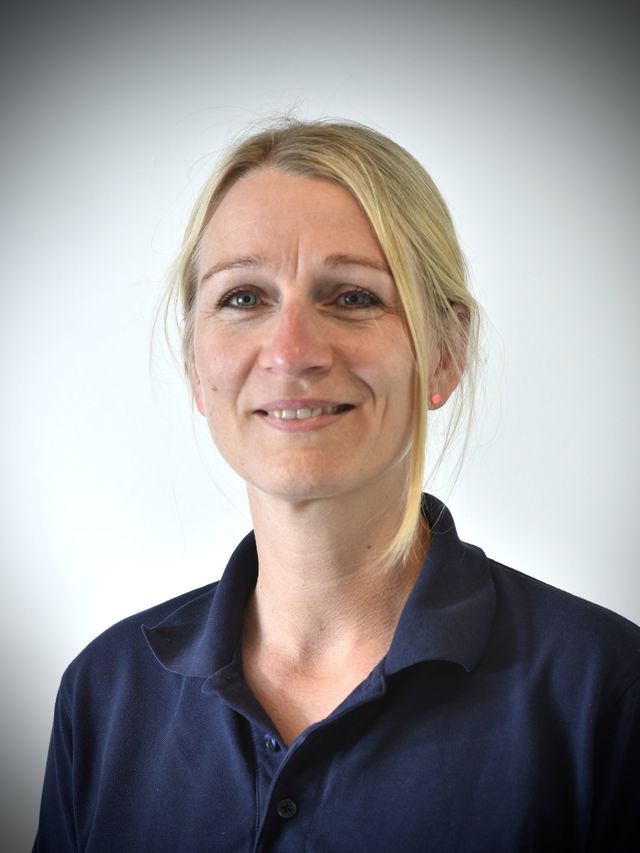
Nurse
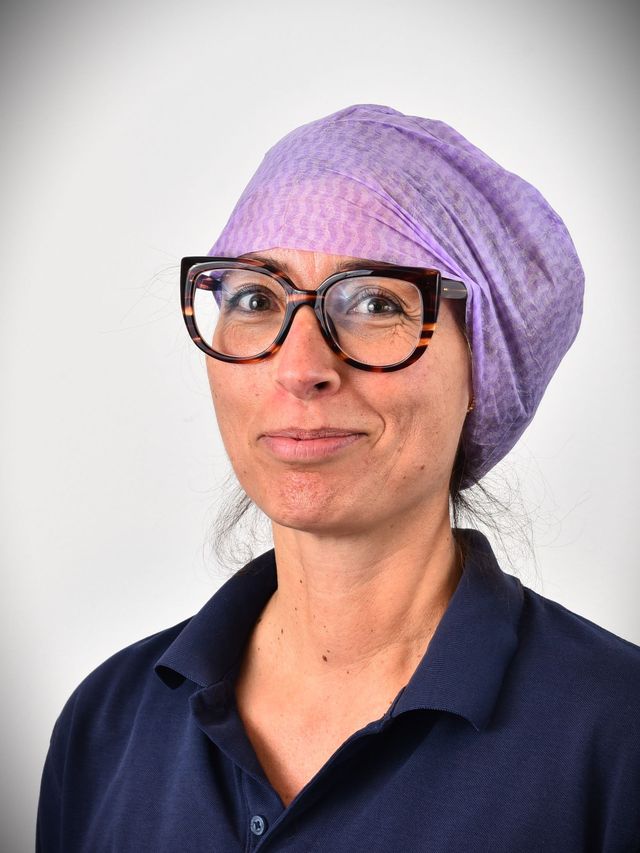
Nurse
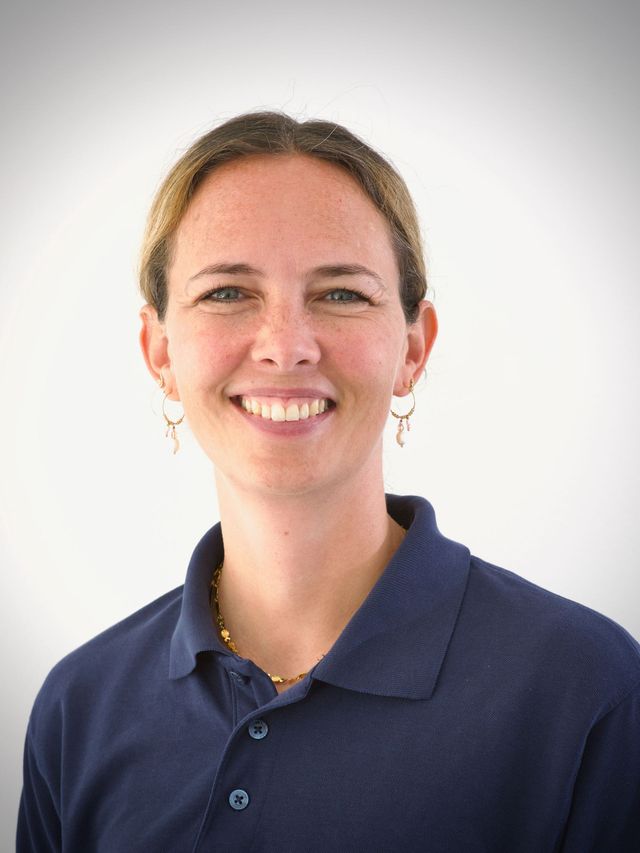
Nurse
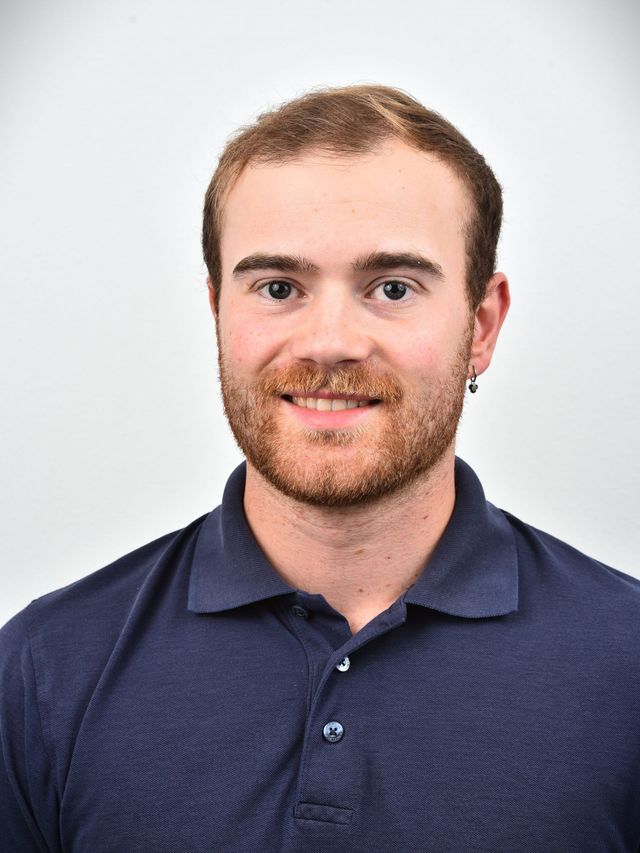
Clinical assistant
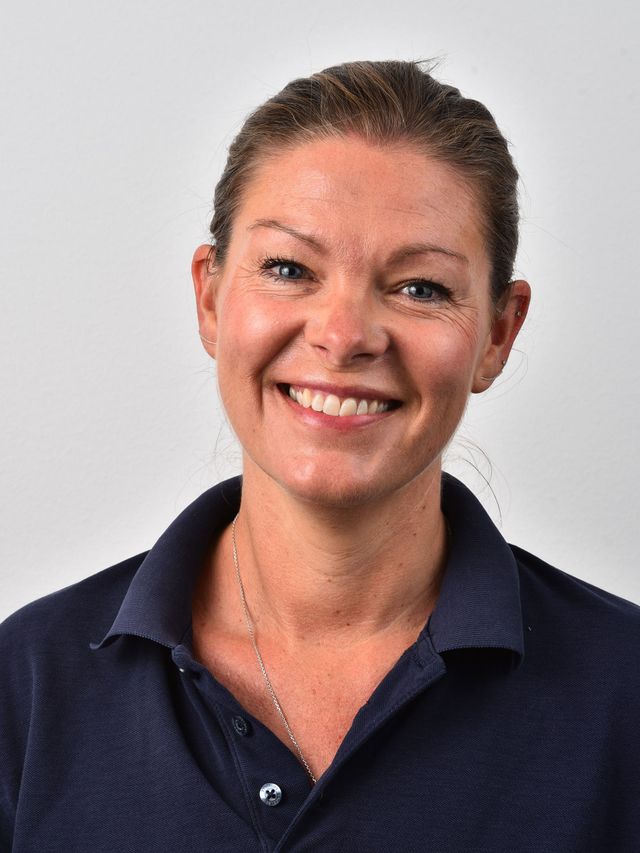
Clinical assistant
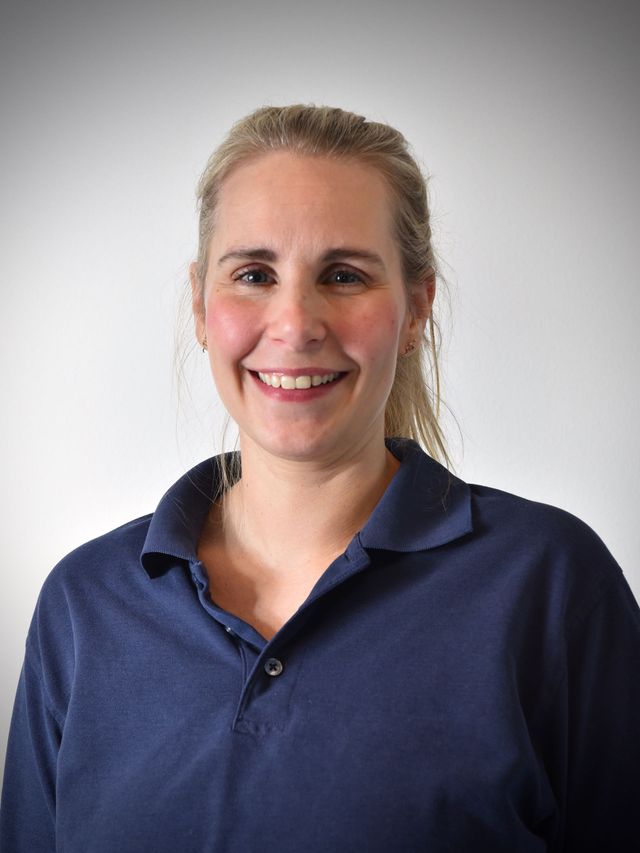
Clinical assistant
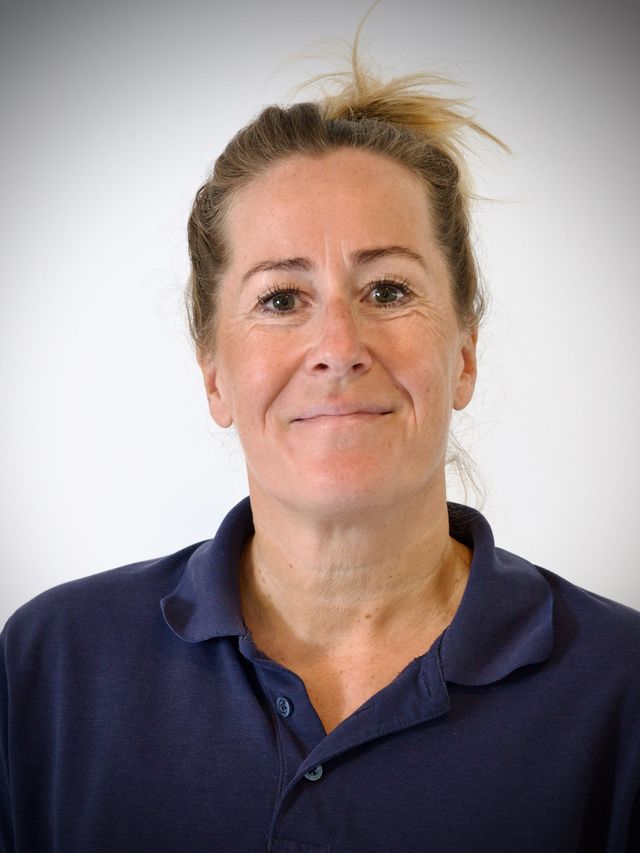
Reception and secretariat
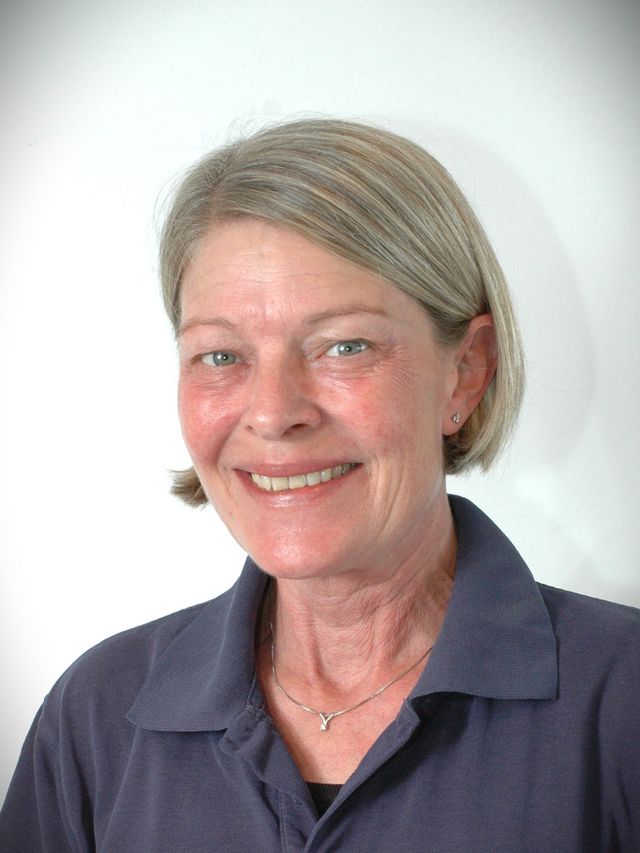
Reception and secretariat
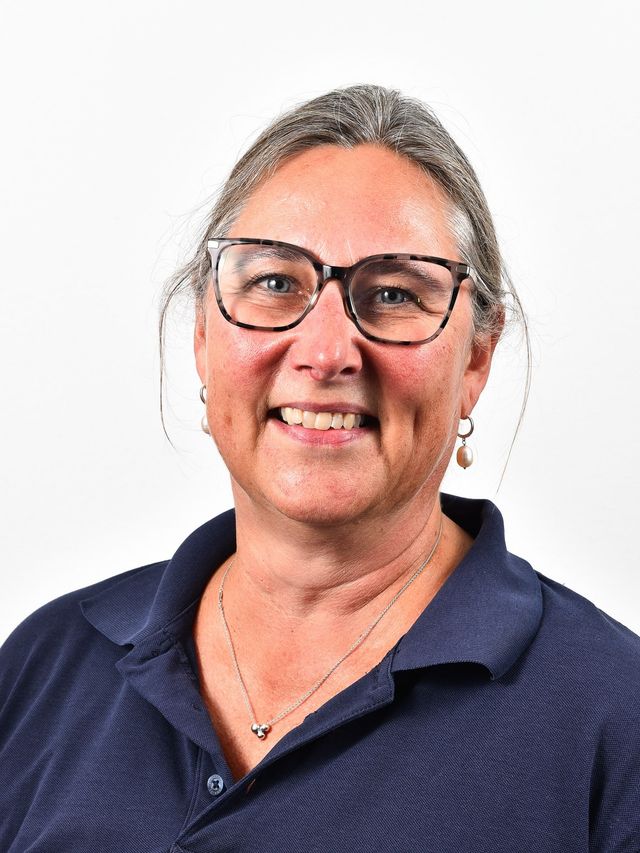
Reception and secretariat
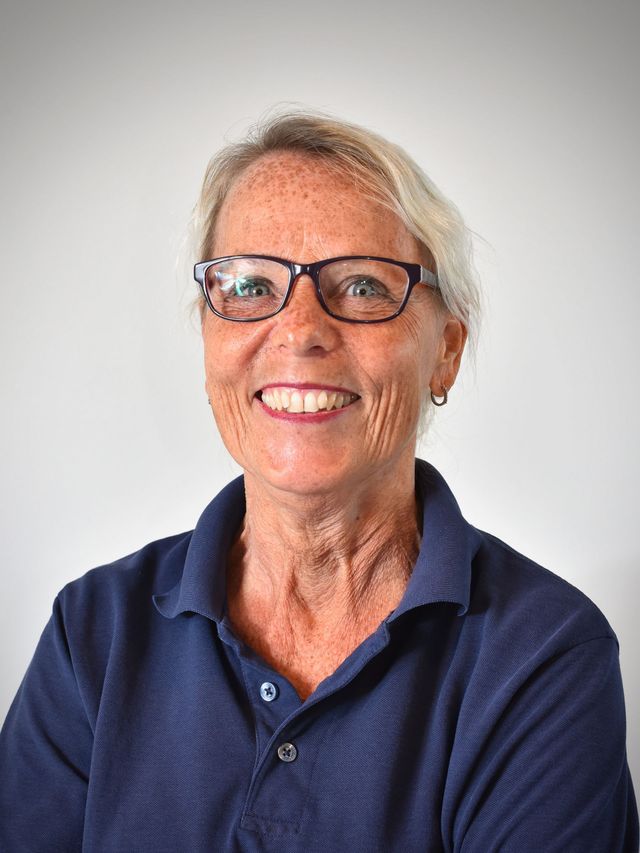
Reception and secretariat
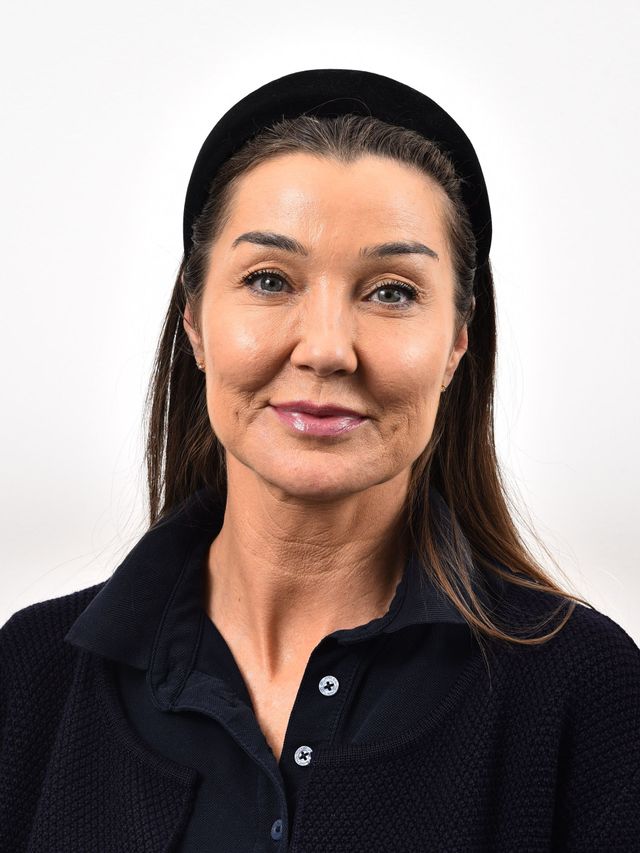
Reception and secretariat
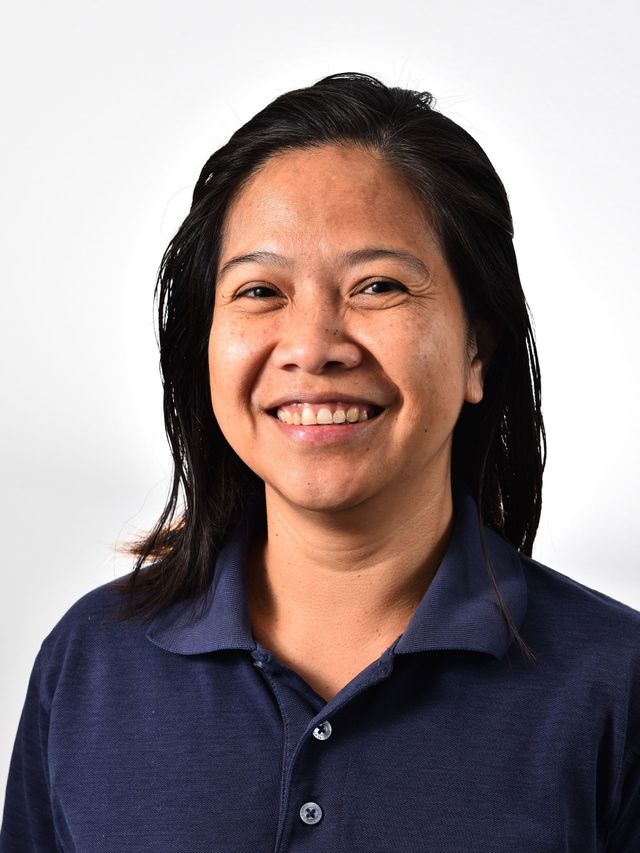
Service assistant
No one found. Try another name or choose "All".
Would you like to book an appointment with one of our specialists?
Book onlineJægersborg Allé 4
2920 Charlottenlund
CVR: 45675637
Monday–Friday, 08:00–14:00
Outside telephone hours, appointments can be booked, rescheduled and cancelled online 24/7.
Main department in Charlottenlund and ear, nose and throat departments at several locations across Denmark.