

Management
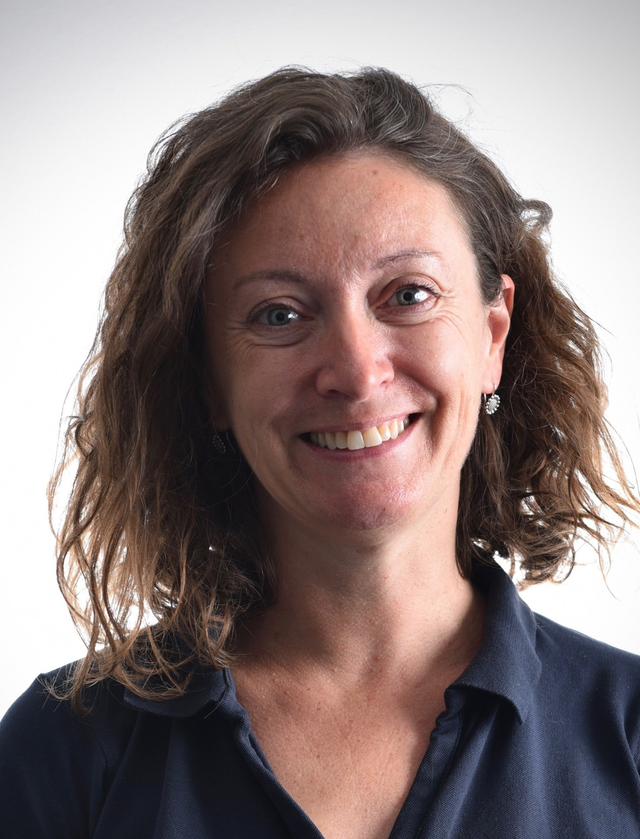
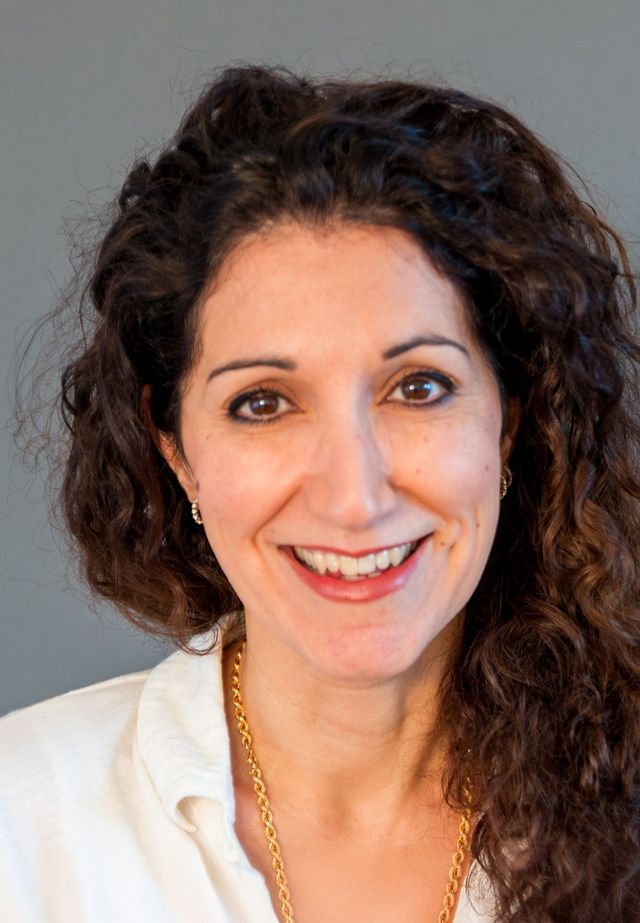
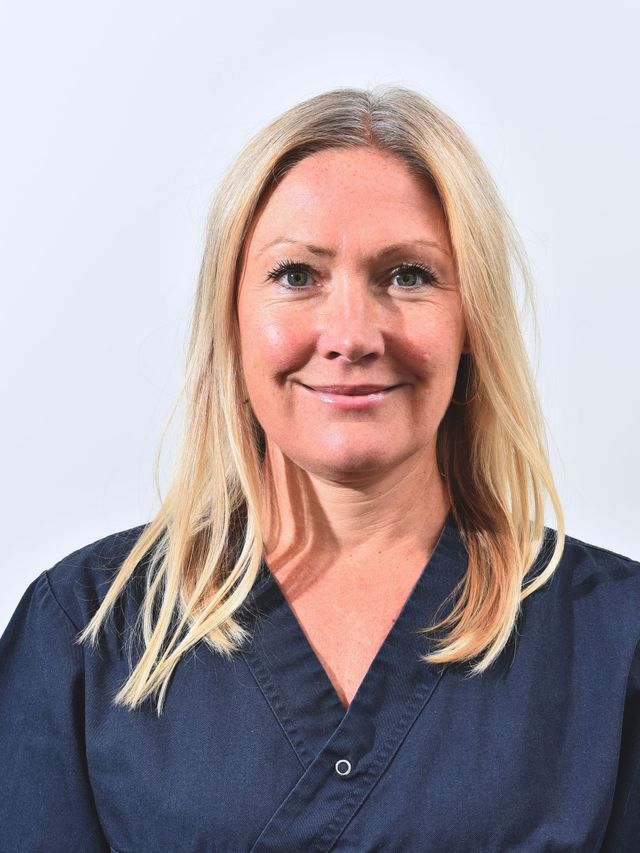
Erika Belard
Specialist physician and co-owner, CEO

When stools are hard, infrequent or painful – and how the vicious circle is broken.
Constipation in children means that the stools are hard, infrequent or painful to pass. It is very common: according to the Danish Paediatric Society, around 20% of children aged 4 to 18 have had constipation at some point, and in about 95% there is no underlying disease – this is called functional constipation. At Charlottenlund Privathospital, children with persistent constipation, soiling or tummy ache can be examined by a specialist in paediatrics.
Most symptoms are related to the stools being hard, lumpy or too infrequent. Children may have tummy ache, less appetite and seem out of sorts, especially before going to the toilet. Many deliberately tense the pelvic floor and buttocks to hold back the stools.
A sign many overlook is soiling or loose stools that suddenly appear in the underwear. This can mean that the rectum is full of hard stools and that loose stool is leaking past. There is wide normal variation: most children over one year have a bowel movement once or twice a day, but every second or third day can be normal if the stools are soft. Breastfed infants can have anything from several bowel movements a day to one a week.
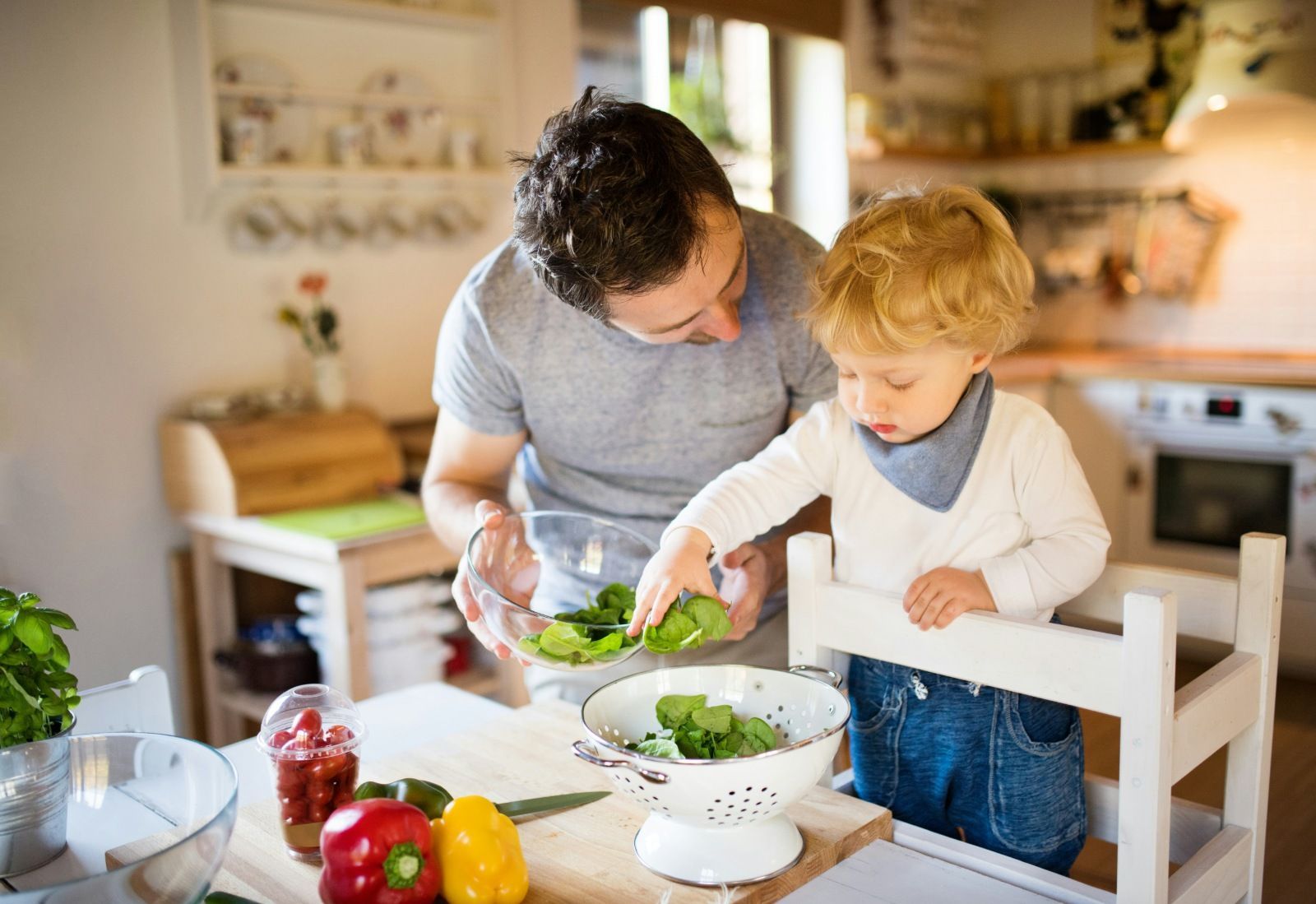
The most common cause is that the child has had a hard or painful bowel movement and then starts holding back stools to avoid the pain. This makes the stools even harder the next time – and a vicious circle is set in motion.
Other contributing factors can be too little fibre and fluid, changes in diet – for example the switch from breast milk to formula or solid food – fever and illness and, in older children, changing toilet habits when starting school or nursery. In around 5% there is another underlying disease. This often shows early and is harder to bring under control with ordinary advice.
The diagnosis is mainly based on a conversation about the child's bowel habits, symptoms and duration and an examination of the tummy. In the vast majority of cases this is enough, and blood tests or imaging are not necessary.
If the symptoms do not fit the typical picture, or if treatment does not work as expected, the paediatrician can take blood tests, for example for thyroid function and coeliac disease. Constipation is also one of the most common causes of tummy ache in children and can be linked to bedwetting and urinary tract infections.
Mild and short-lived cases often resolve on their own or with simple changes in diet and habits. More persistent constipation requires structured treatment over a longer period, because the vicious circle of holding back is otherwise hard to break.
In milder cases, more fibre – wholegrains, vegetables and fruit – and enough water may be sufficient. For older children, regular toilet habits, where the child sits on the toilet at the same times every day without time pressure, often make a big difference.
If diet and habits are not enough, the doctor assesses whether a laxative that softens the stools is needed. Treatment should be agreed with a doctor, because it often needs to continue for a long time to break the holding-back pattern completely.
Treatment can extend over several months, and it is common for the constipation to return in periods. The most important thing is that the child regains confidence that going to the toilet does not hurt – and that treatment is not stopped too early.
At Charlottenlund Privathospital, children with constipation are assessed by a specialist in paediatrics. The assessment is based on the conversation about bowel habits and symptoms, and treatment is planned with a focus on diet, toilet habits and, if necessary, stool-softening medicine – adapted to the child's age and the family's everyday life.
Constipation in infants can in rare cases be linked to milk allergy, which the paediatrician can also assess. See also the overview of the paediatrician's areas.
No referral is needed for self-paying patients, and appointments can be booked online. Prices are shown in the price list.
Many health insurance policies cover an assessment by a paediatrician, but the insurers usually require a referral from the family doctor and prior approval. Most insurers send the approval directly to the hospital, and the bill is settled with the insurer. Charlottenlund Privathospital does not accept patients through the Danish public health insurance scheme.
Appointments take place in the hospital's children's unit at Hans Edvard Teglers Vej 9 in Charlottenlund – see map and addresses.
Answers to questions parents often ask about constipation in children.
There is wide normal variation. Many children have a bowel movement once or twice a day, but some only every second or third day without problems, as long as the stools are soft and pass without difficulty.
Typical signs are hard, lumpy stools, pain when going to the toilet, tummy ache, reduced appetite and the child avoiding the toilet. Some children also have soiling accidents.
Increase fibre in the diet with vegetables, fruit and wholegrains, make sure the child drinks enough water and help with regular toilet times without time pressure.
Often because the child has had a painful bowel movement and is afraid it will hurt again. This creates a vicious circle in which the stools become harder the longer they are held back.
It can be a sign of constipation, where loose stool leaks past a build-up of hard stool in the bowel. It should be assessed by a doctor.
Treatment can take several months, and the constipation can return in periods. A good result often requires a continued focus on diet, habits and possibly medicine.
Other pages about tummy problems in children:
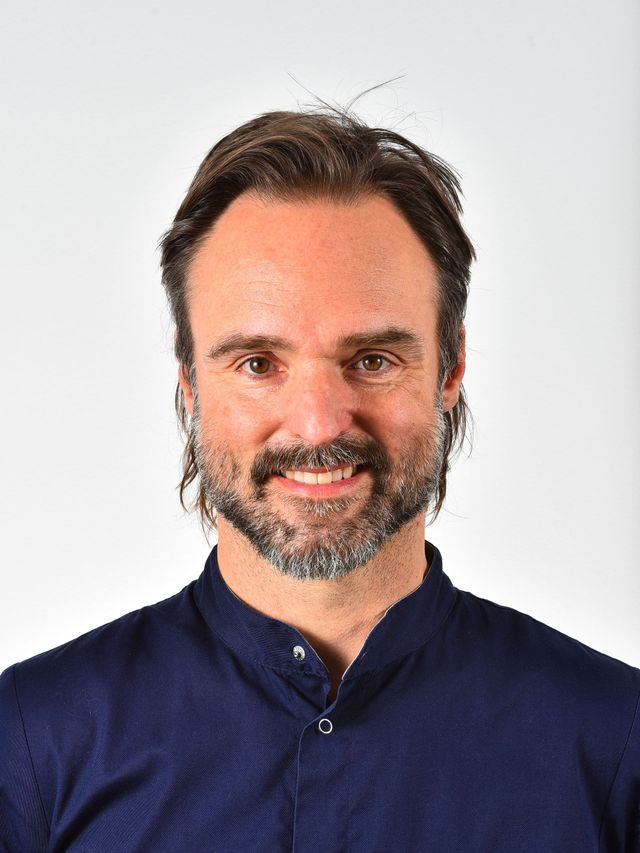
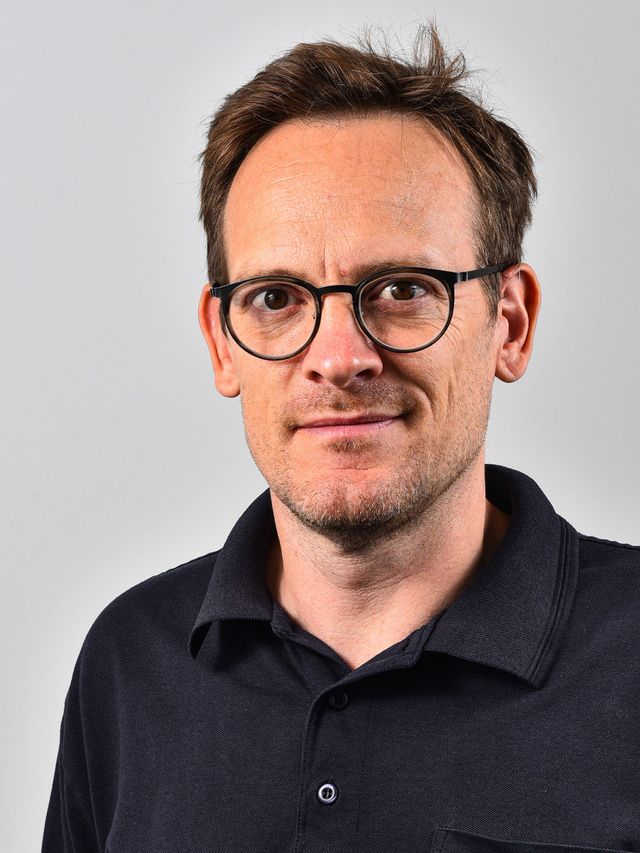
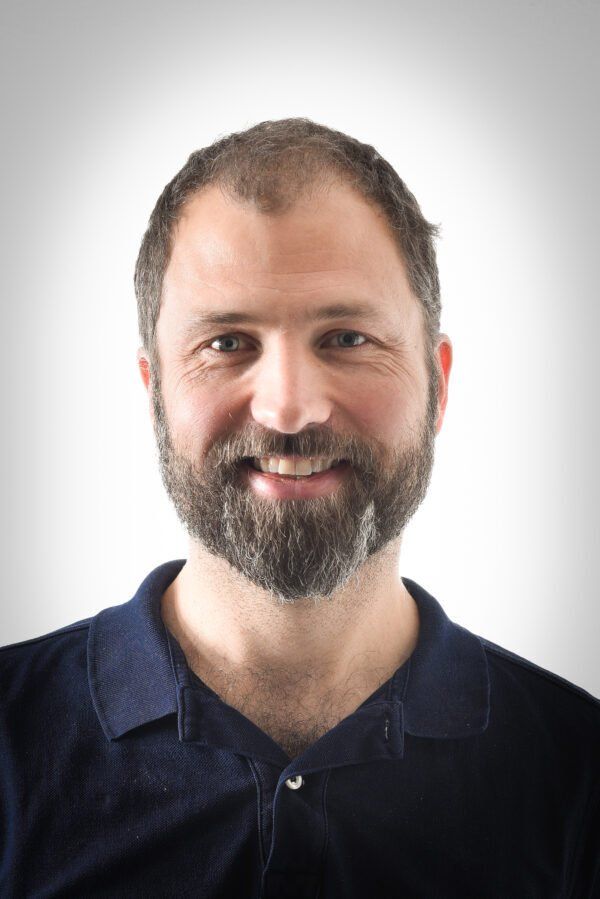
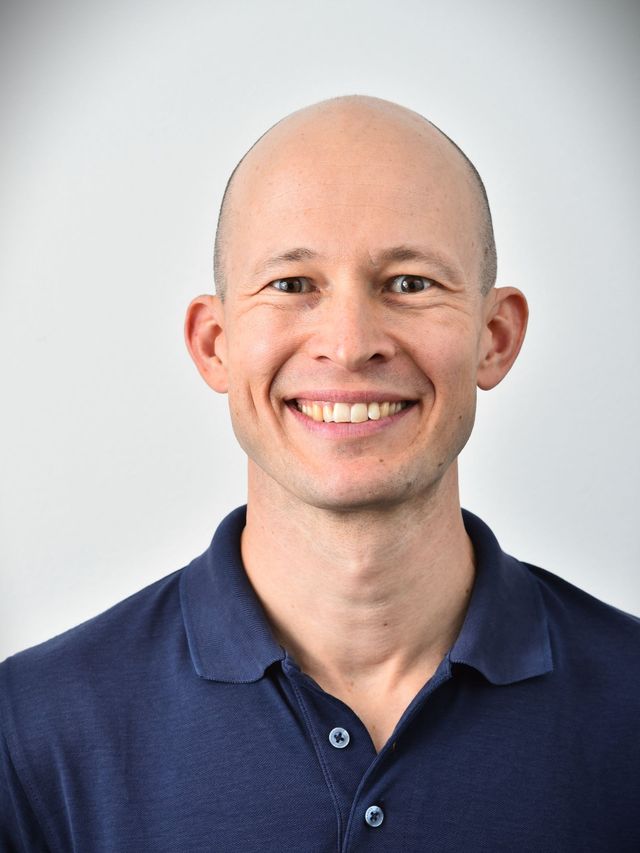
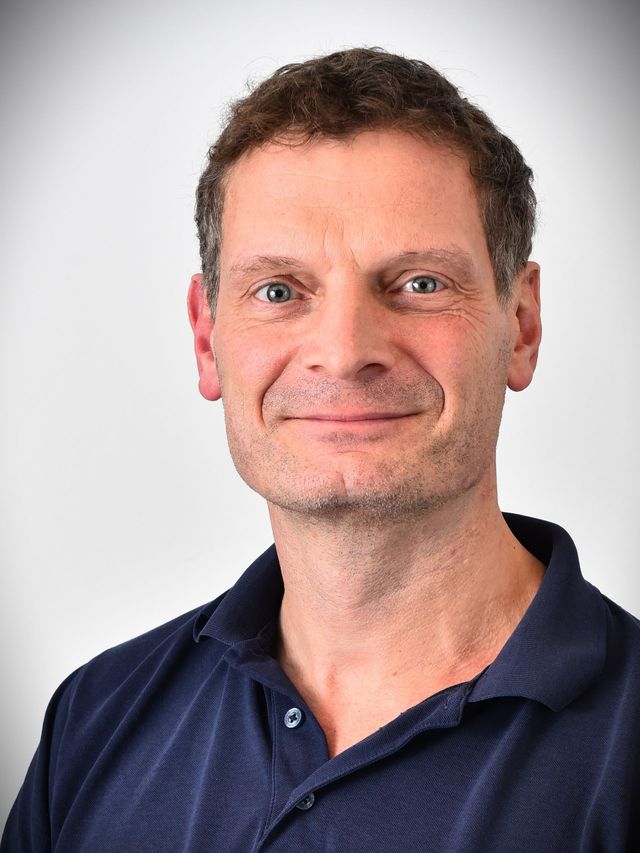
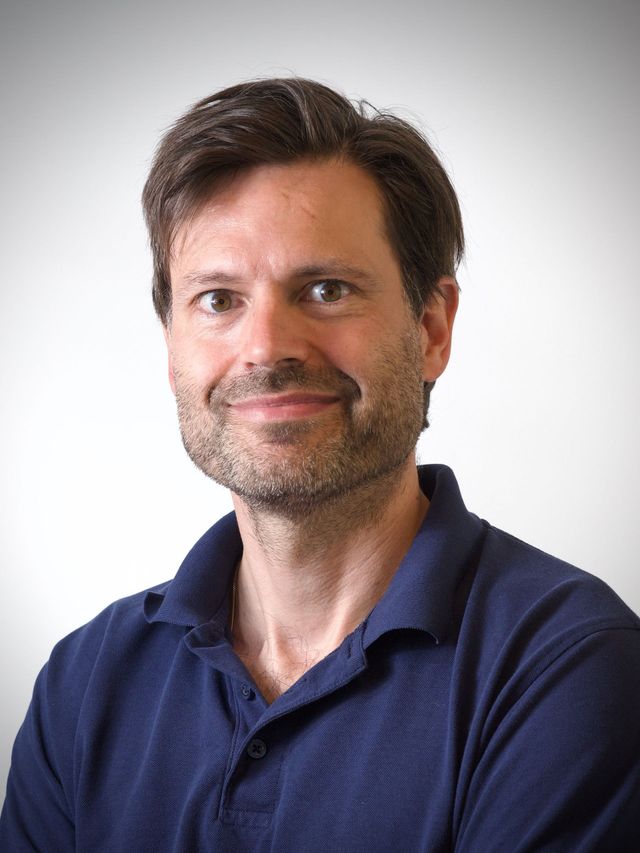
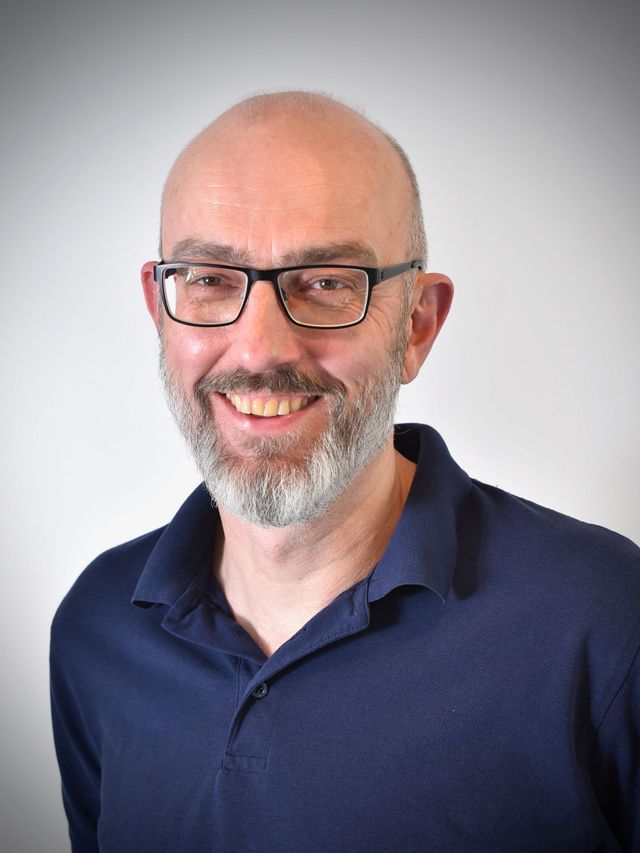
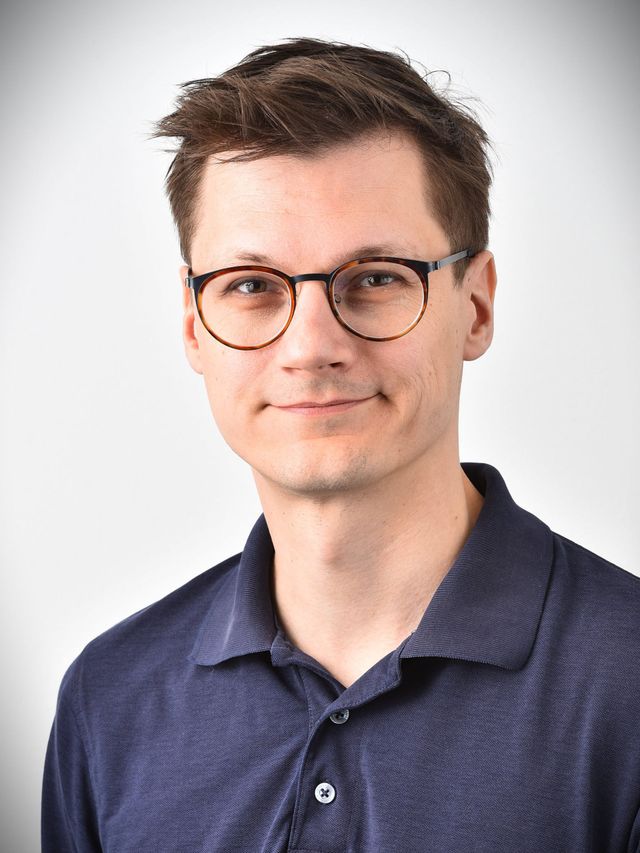
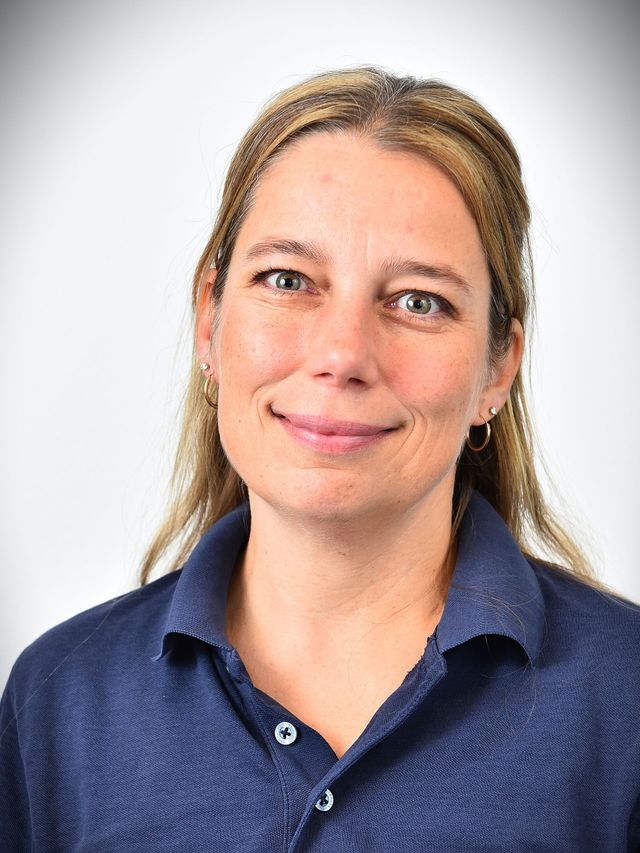
Charlottenlund Privathospital is owned and run by three specialist physicians: Erika Belard, Jacob Fisker and Teit Mantoni. Jacob Fisker is medical director. Here you will find our ear, nose and throat (ENT) specialists in Charlottenlund and at our clinics around Denmark – and in Charlottenlund also specialists in paediatric surgery, dermatology, diving medicine, gynaecology, cardiology, paediatrics, psychology and rheumatology.
Specialist physician and co-owner, CEO
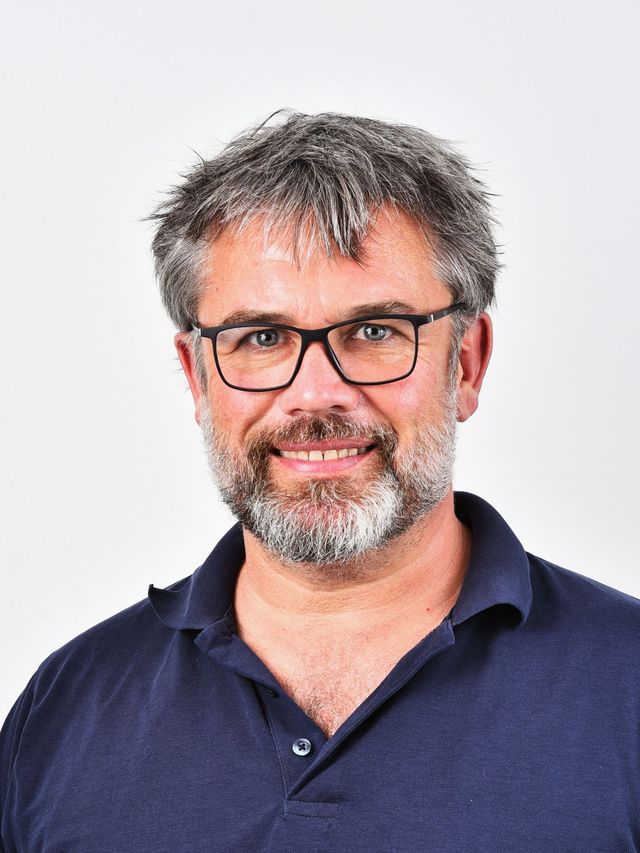
Specialist physician, co-owner and medical director
Specialist physician and co-owner
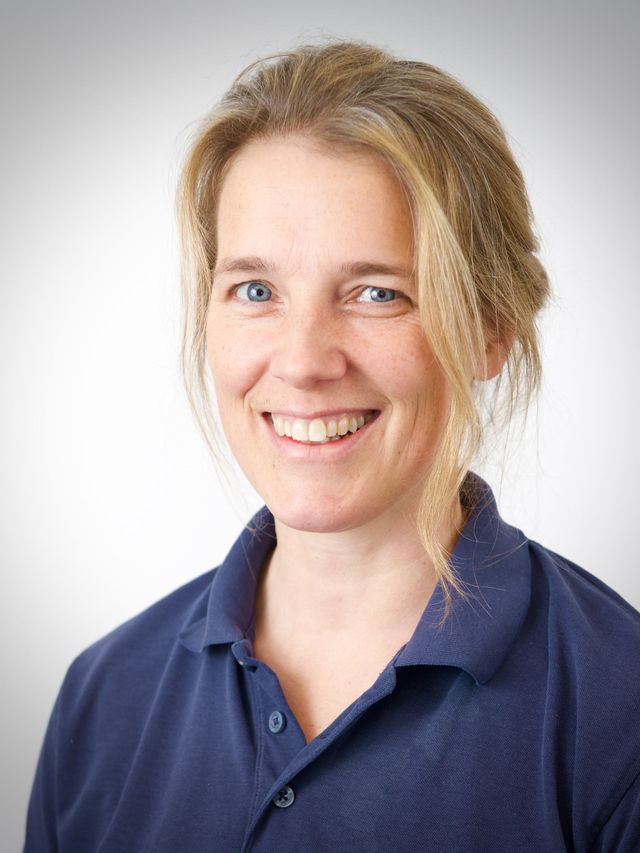
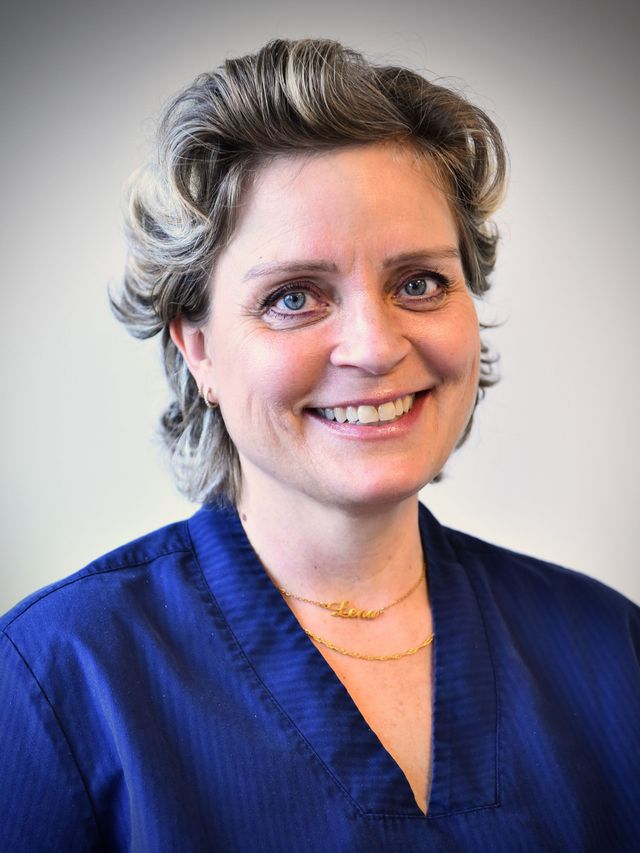
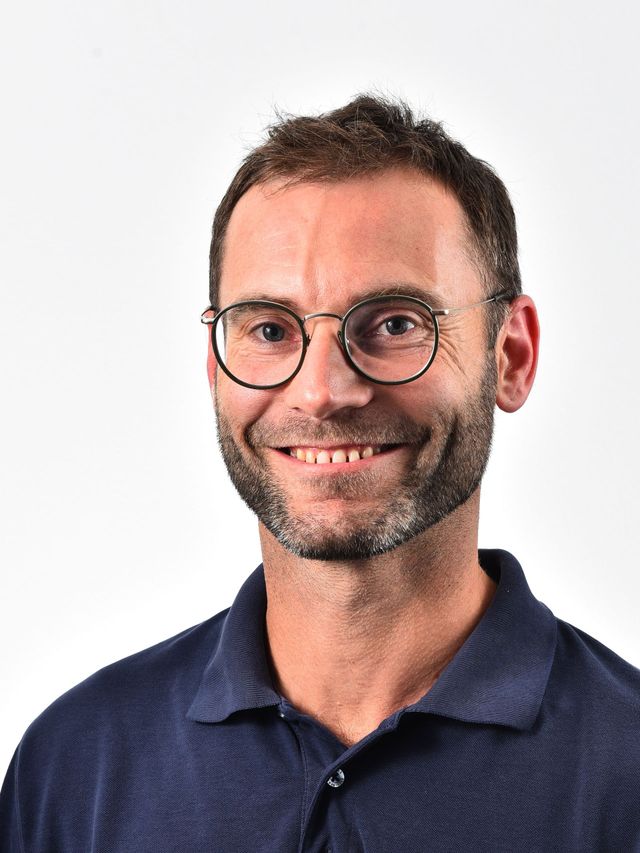
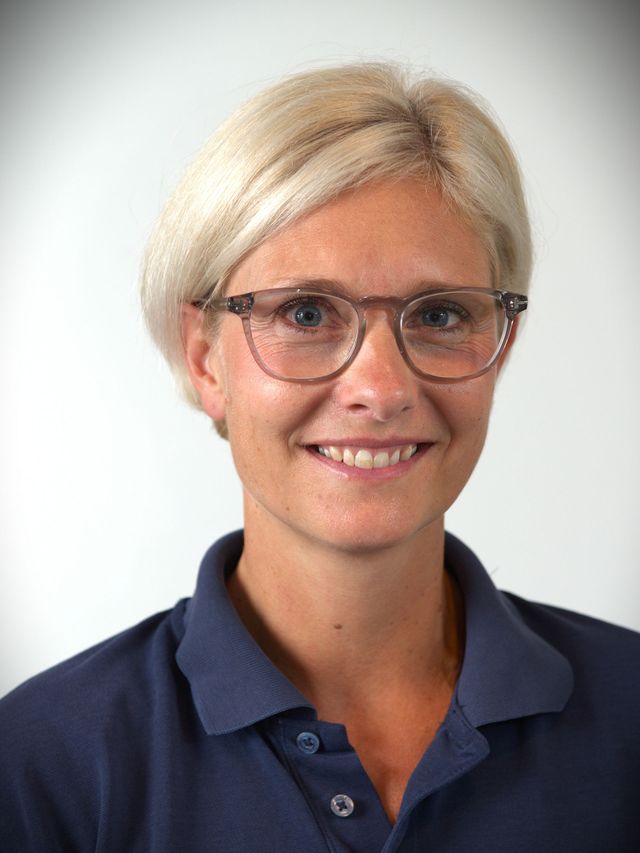
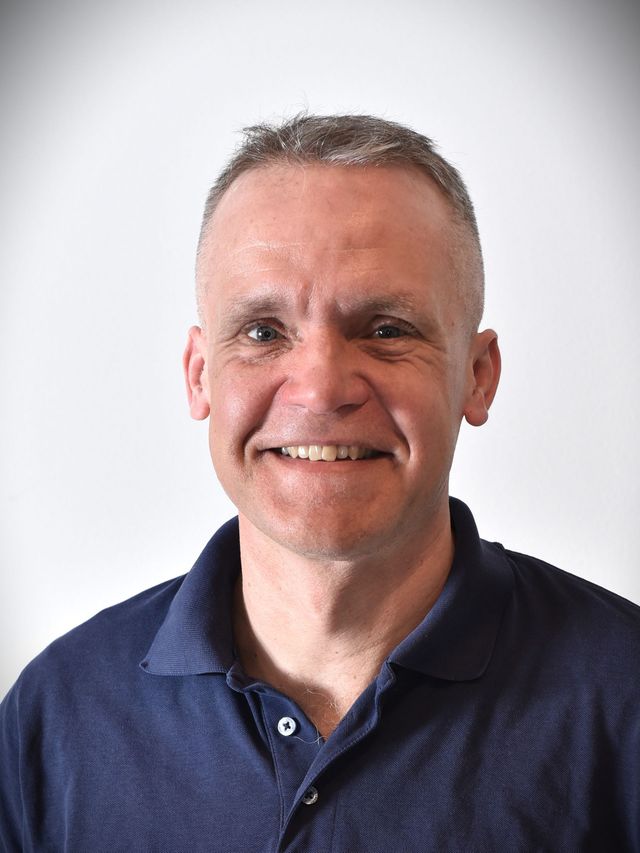
Specialist in anaesthesiology
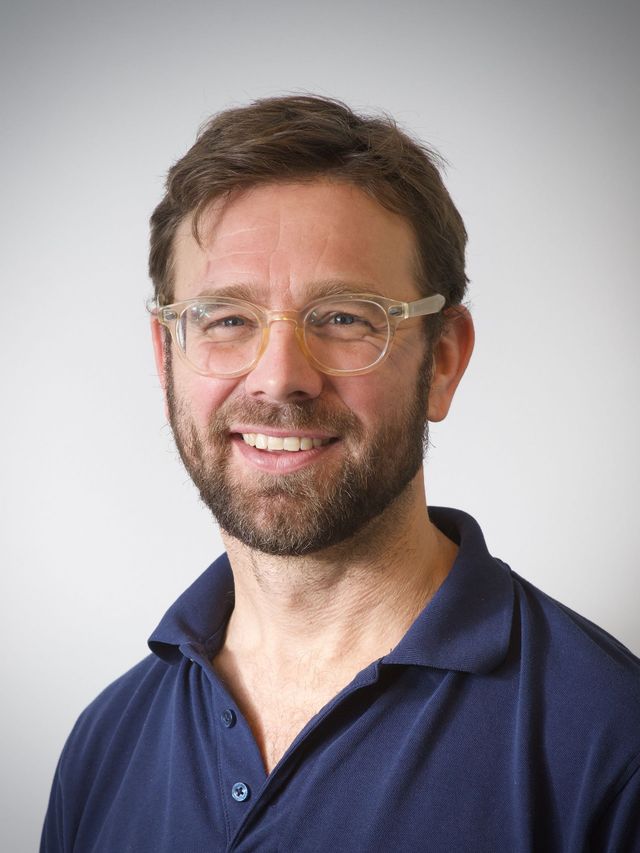
Specialist in anaesthesiology
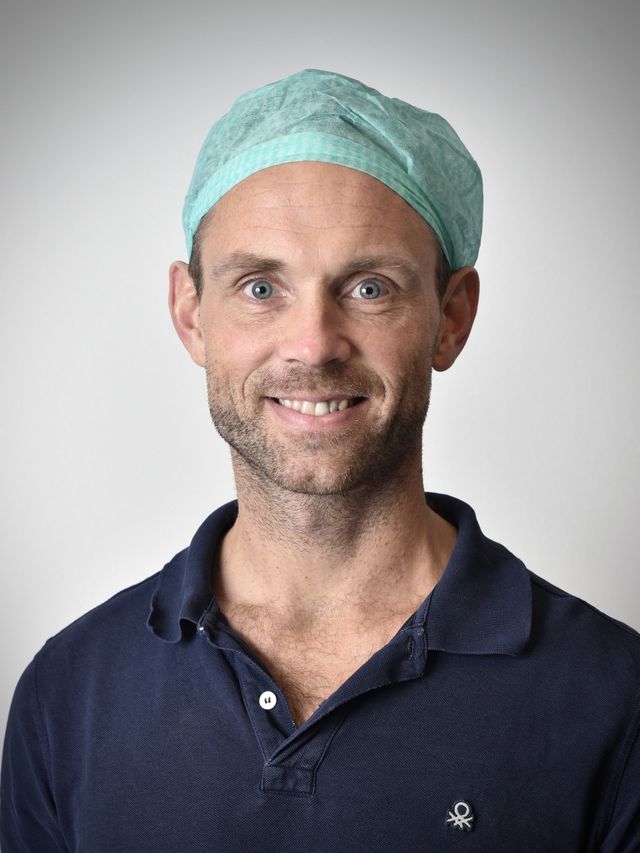
Specialist in anaesthesiology
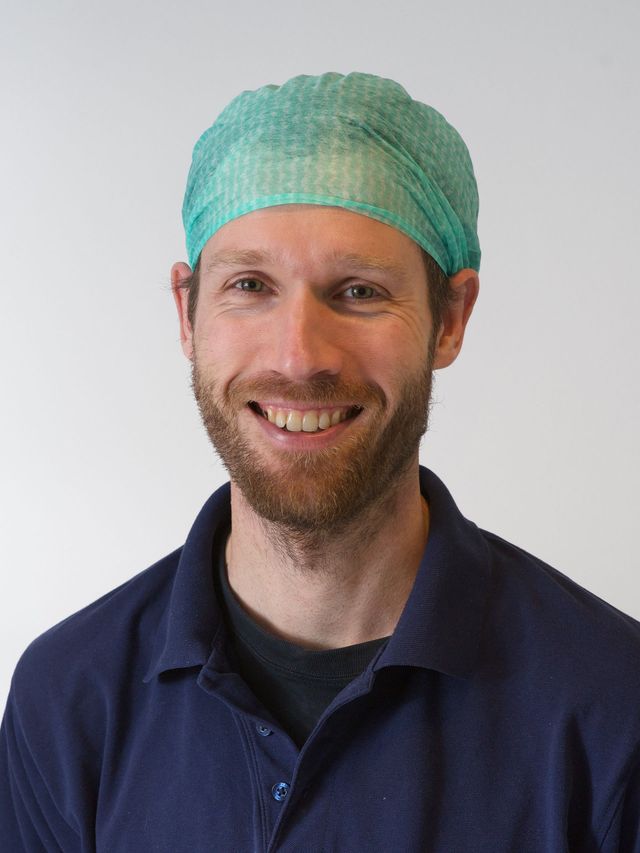
Specialist in anaesthesiology, DMSc, PhD
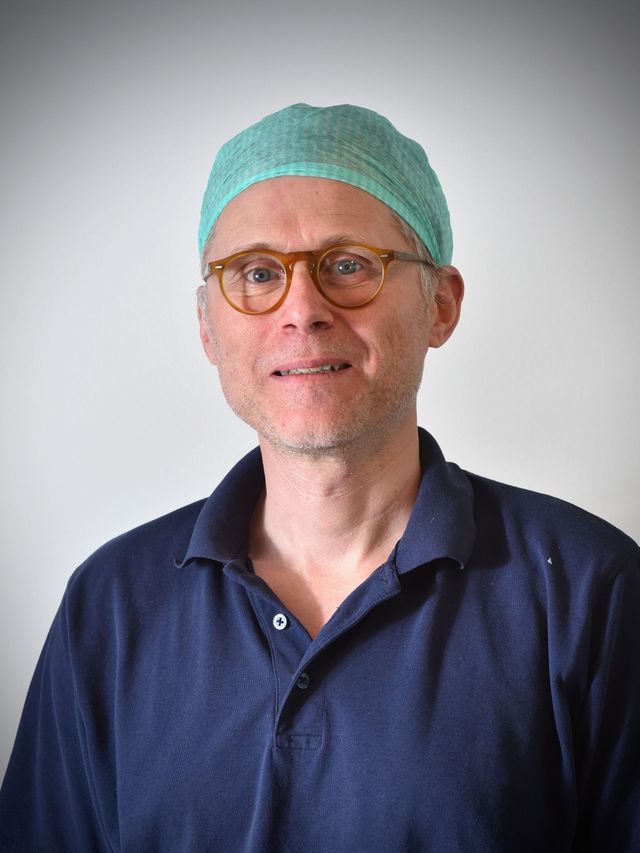
Specialist in anaesthesiology
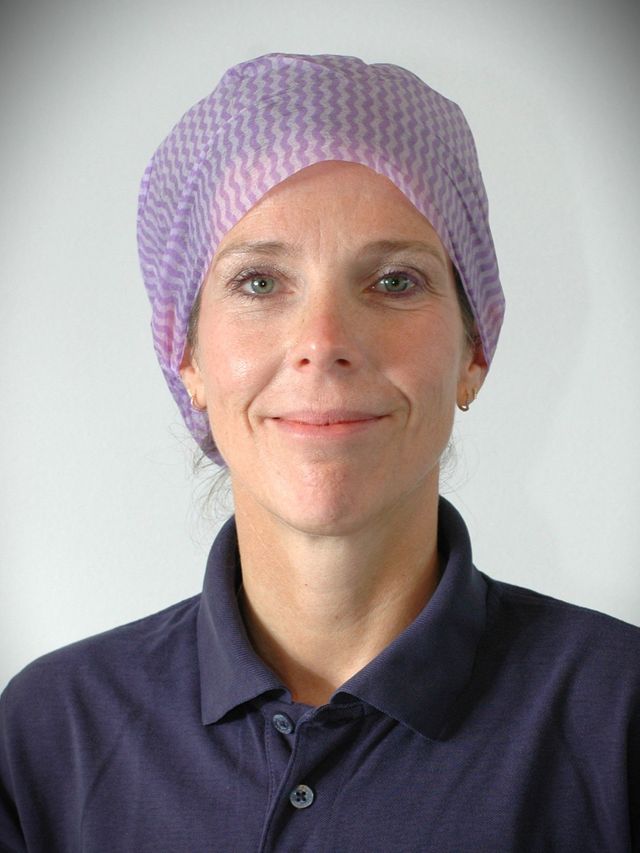
Specialist in anaesthesiology
Specialist in anaesthesiology and diving medicine
Approved by the Danish Maritime Authority
Specialist in anaesthesiology and diving medicine
Approved by the Danish Maritime Authority
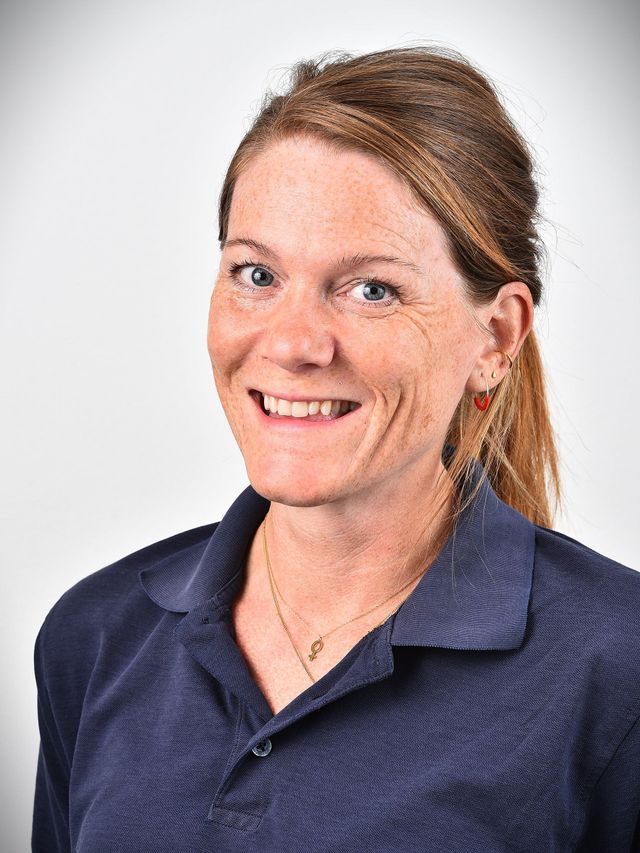
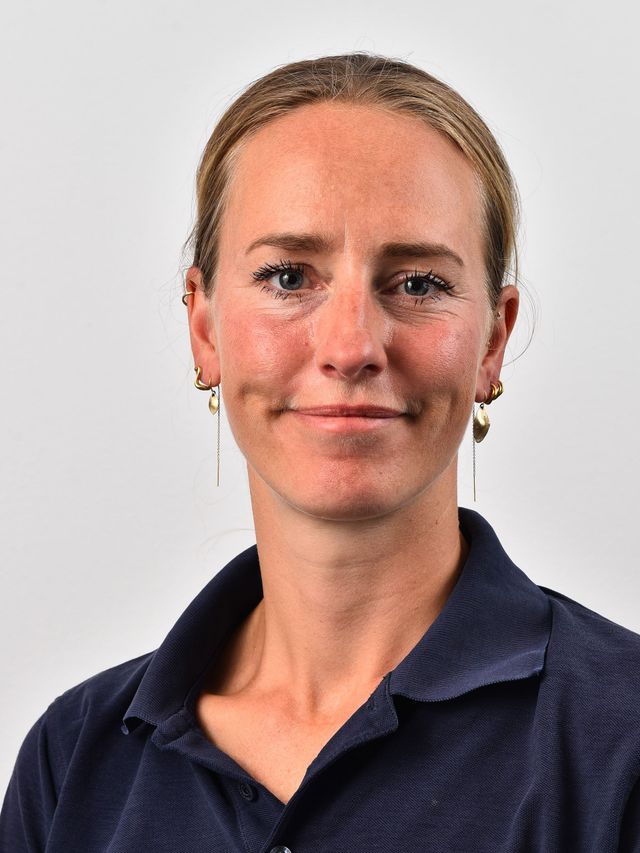

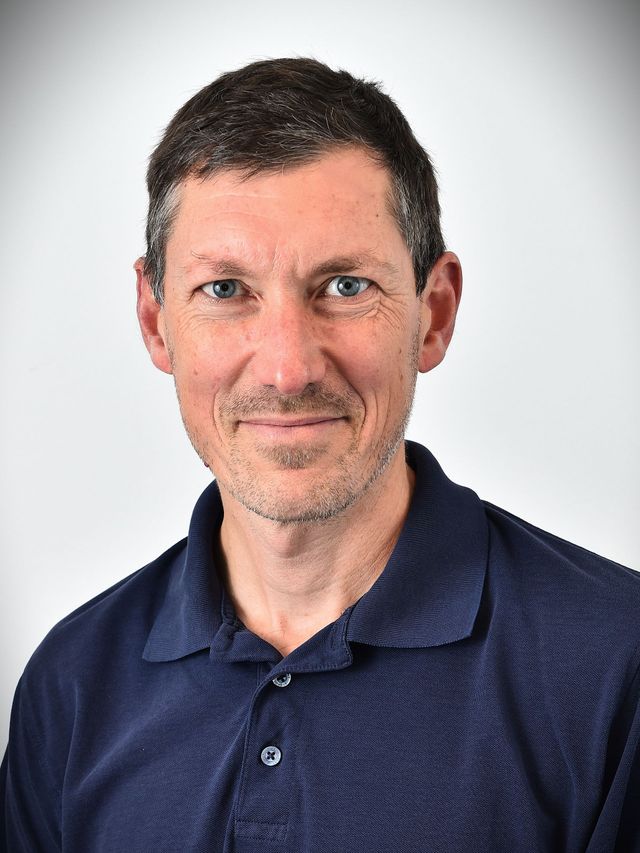
They are the people you meet first when you call or walk through the door – and the ones who look after you before and after your treatment.
Nurse
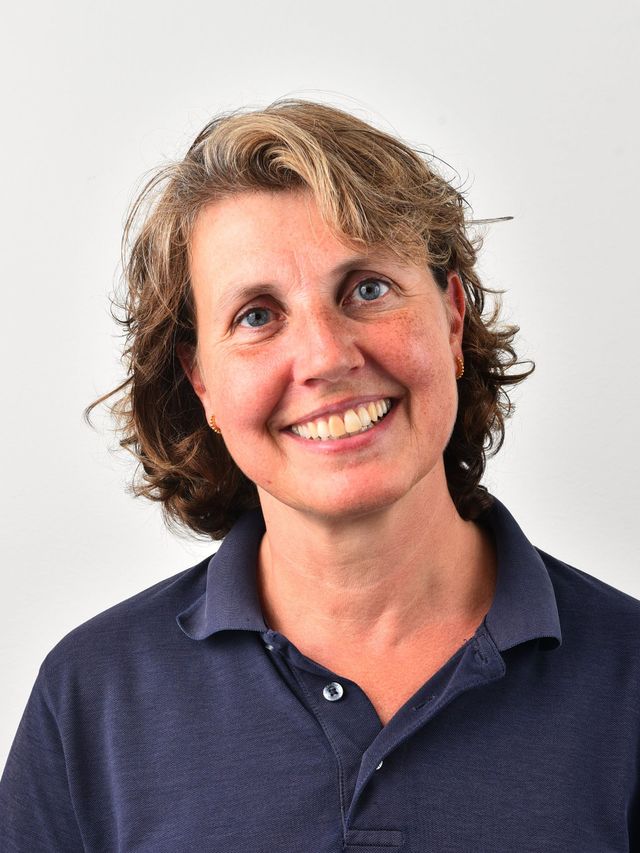
Nurse
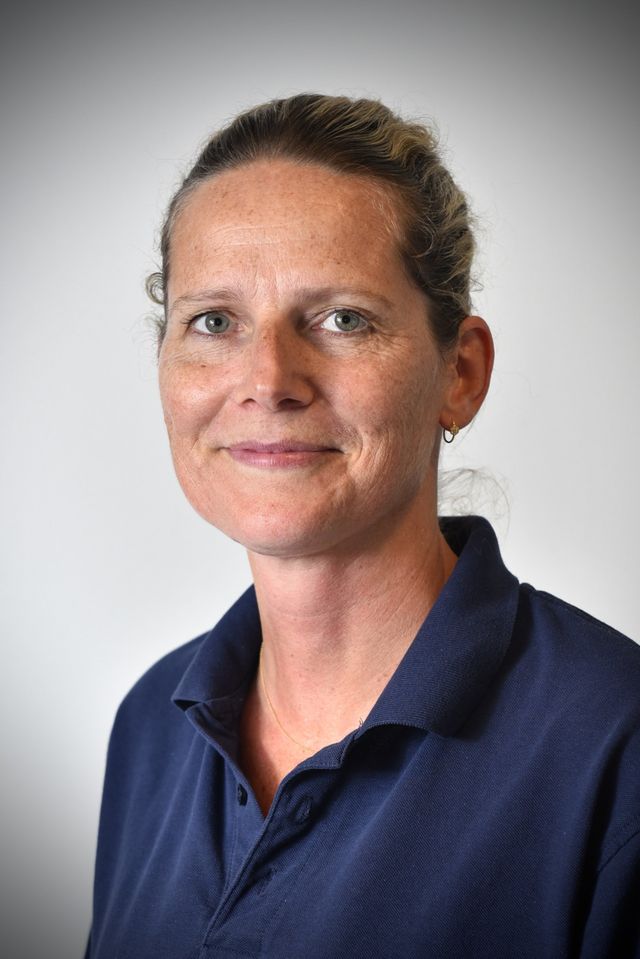
Nurse
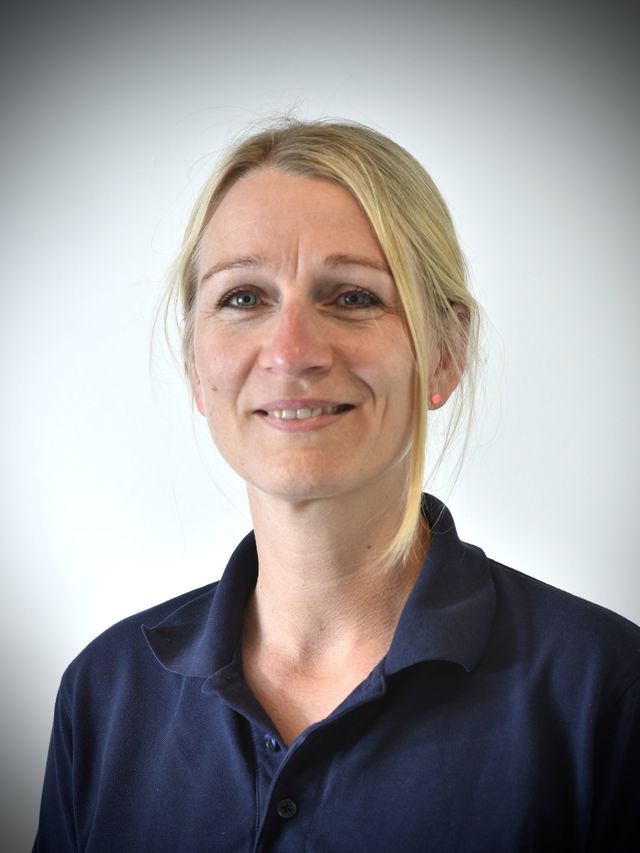
Nurse
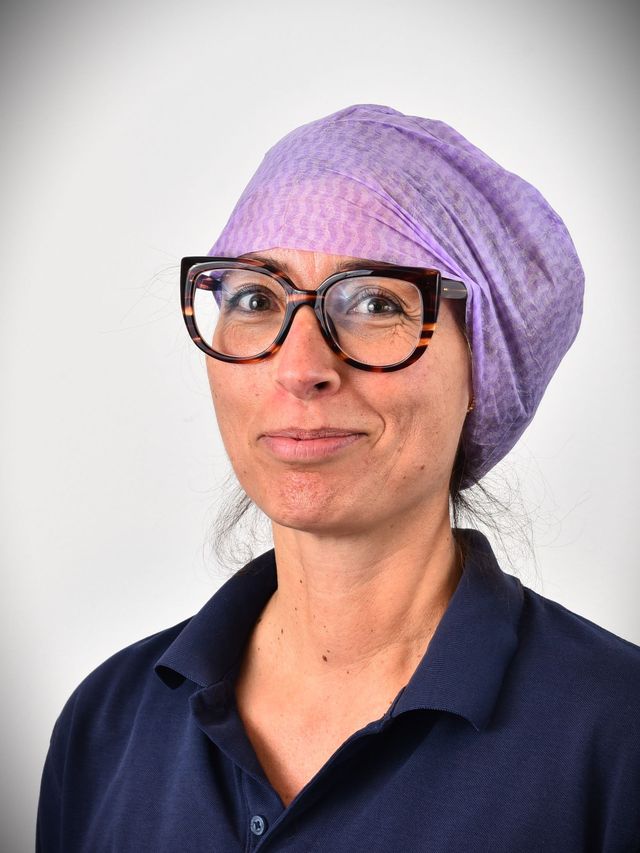
Nurse
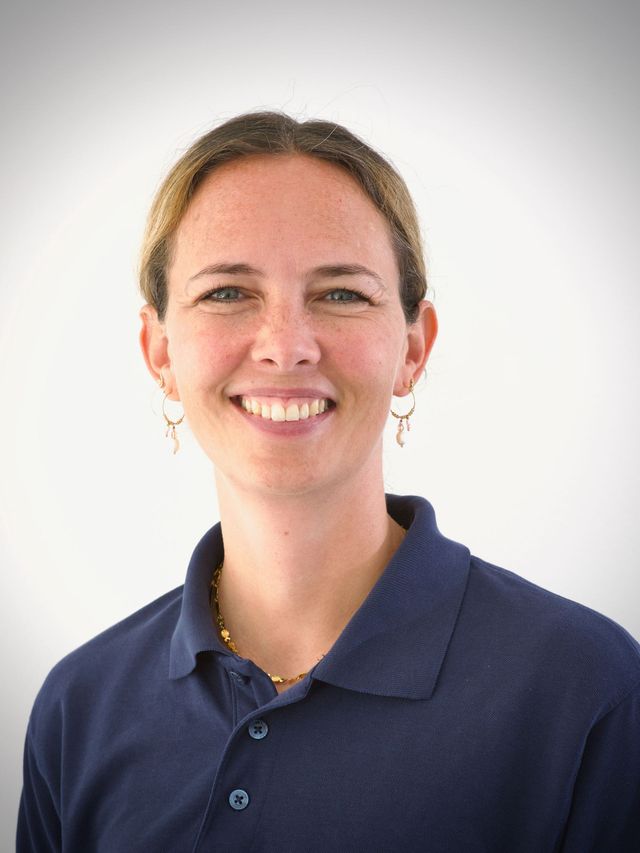
Nurse
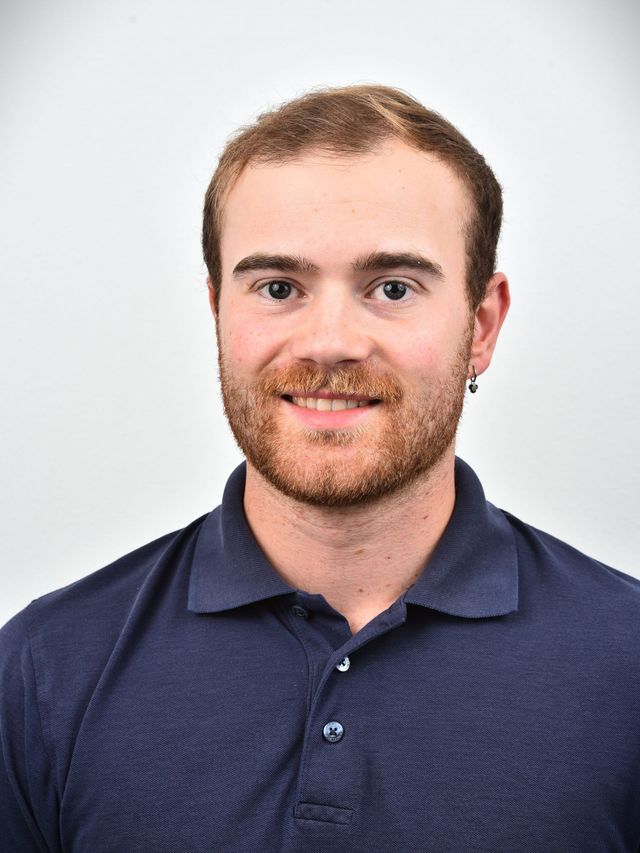
Clinical assistant
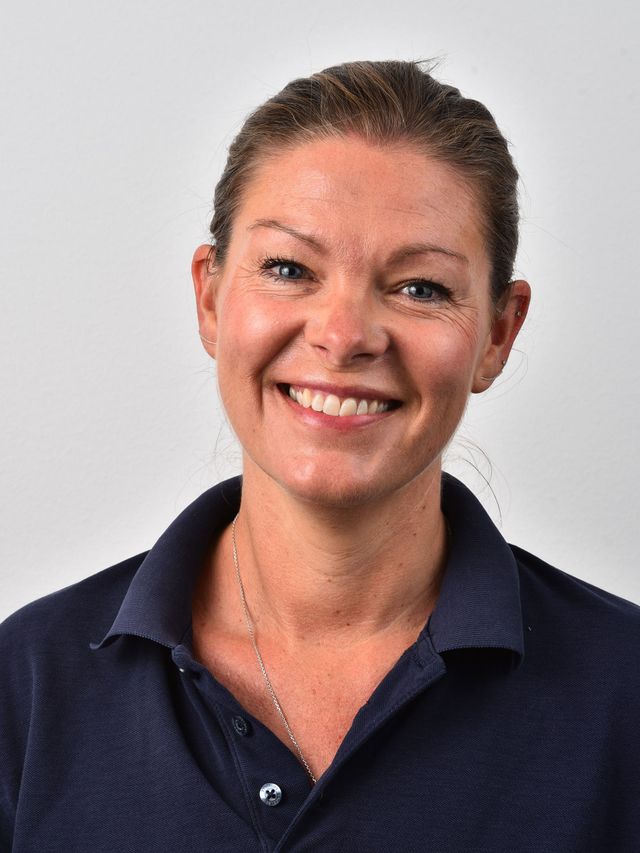
Clinical assistant
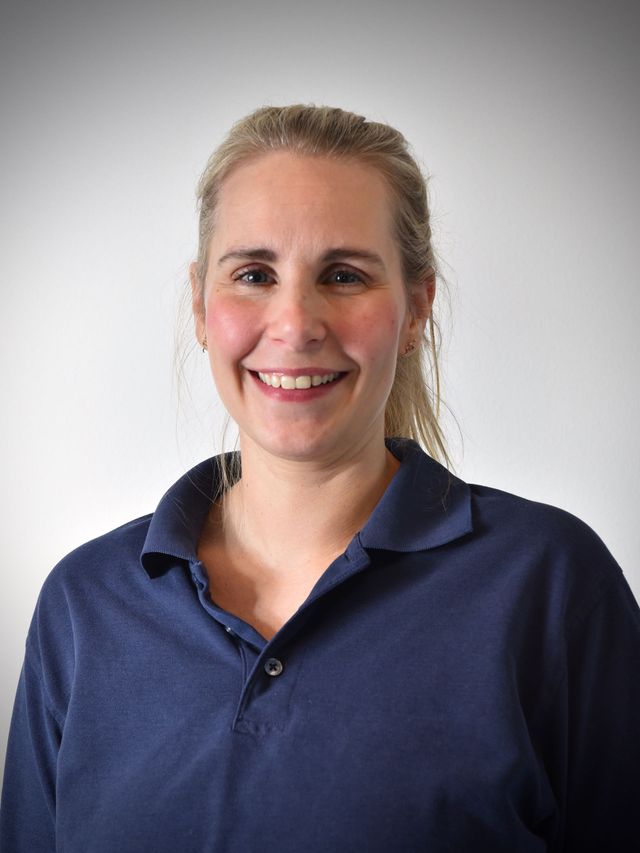
Clinical assistant
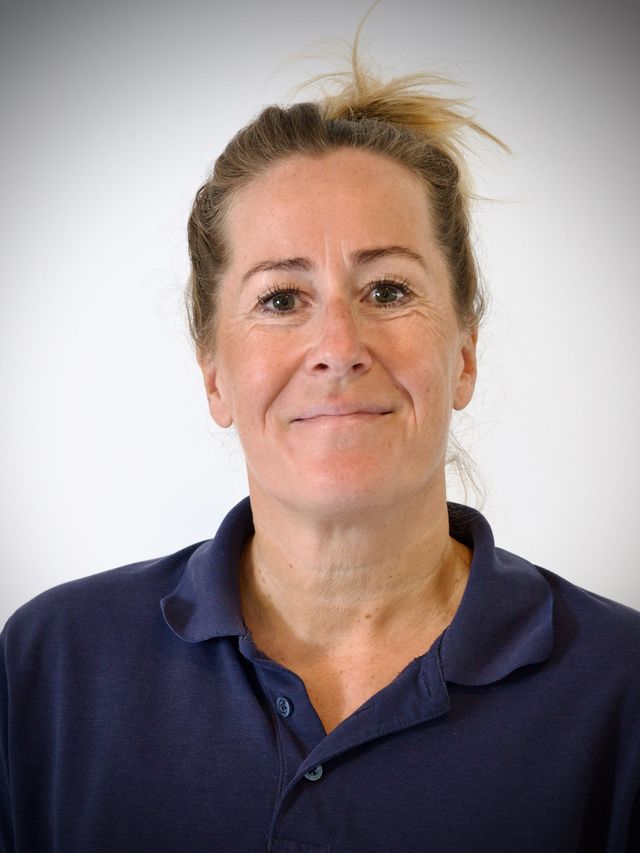
Reception and secretariat
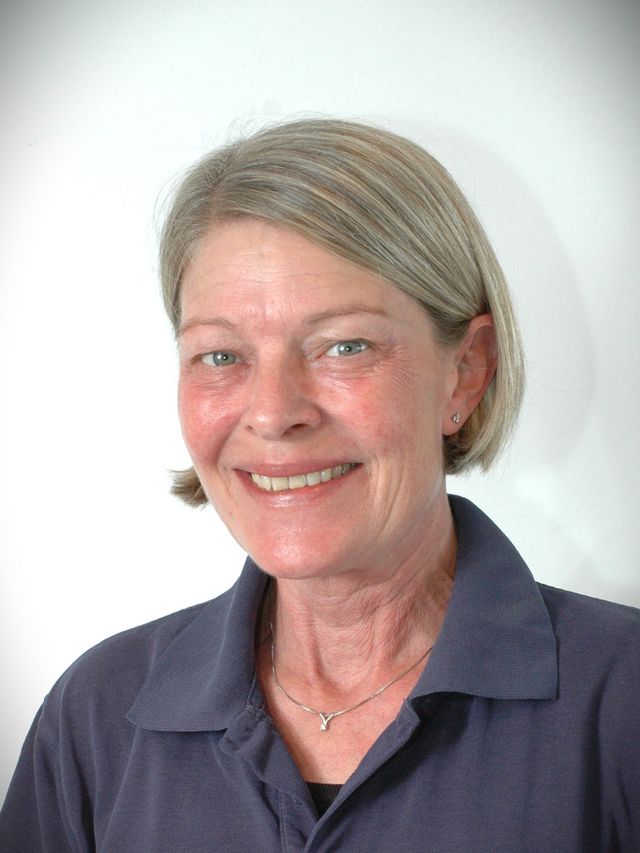
Reception and secretariat
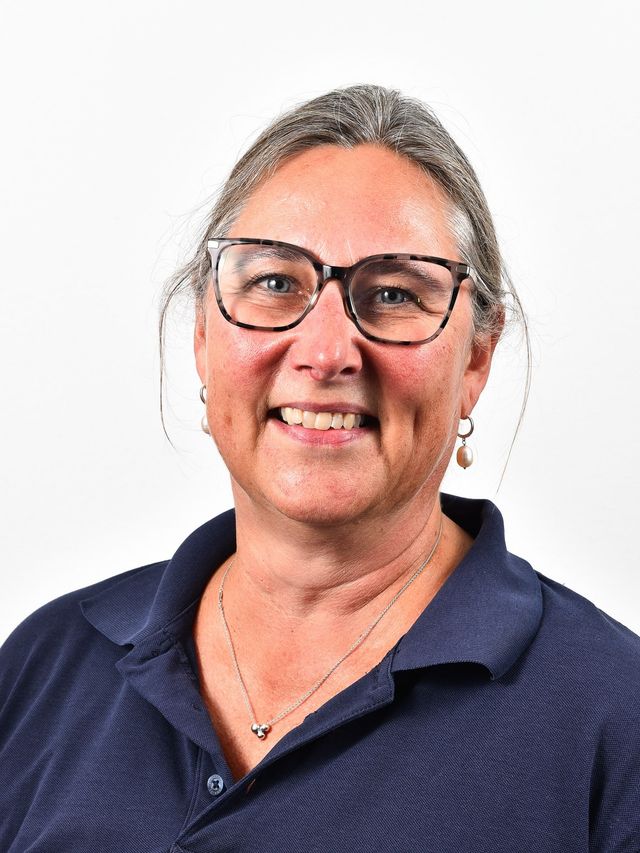
Reception and secretariat
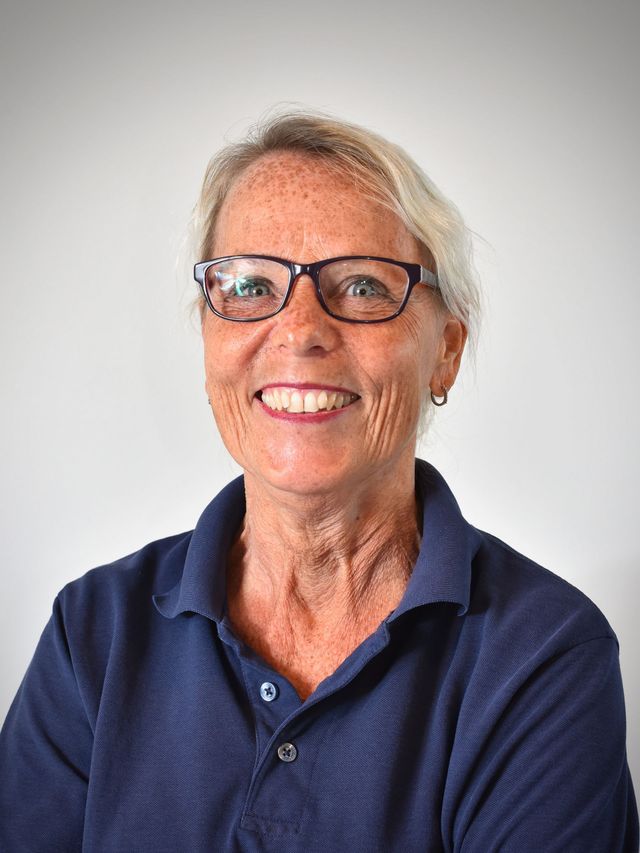
Reception and secretariat
Reception and secretariat
Service assistant
No one found. Try another name or choose "All".
Would you like to book an appointment with one of our specialists?
Book onlineJægersborg Allé 4
2920 Charlottenlund
CVR: 45675637
Monday–Friday, 08:00–14:00
Outside telephone hours, appointments can be booked, rescheduled and cancelled online 24/7.
Main department in Charlottenlund and ear, nose and throat departments at several locations across Denmark.