

Management
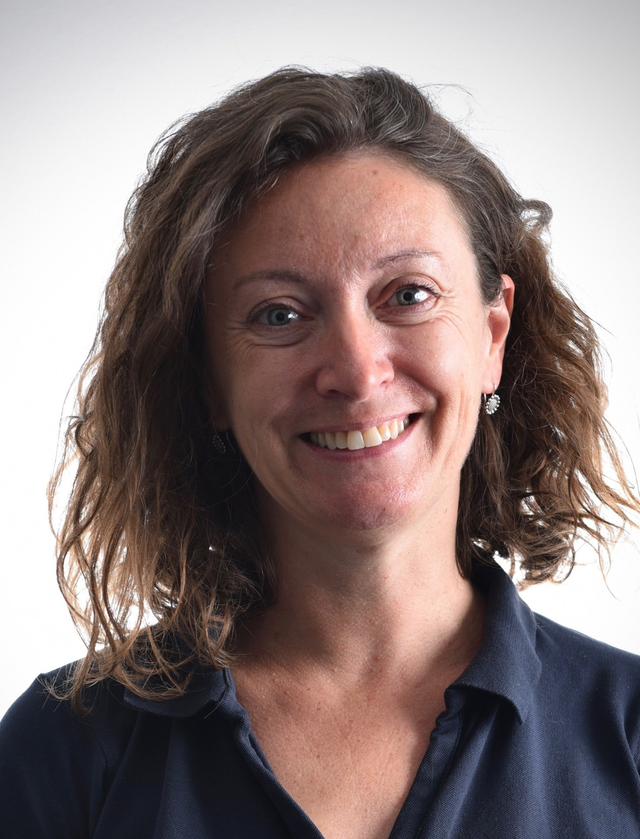
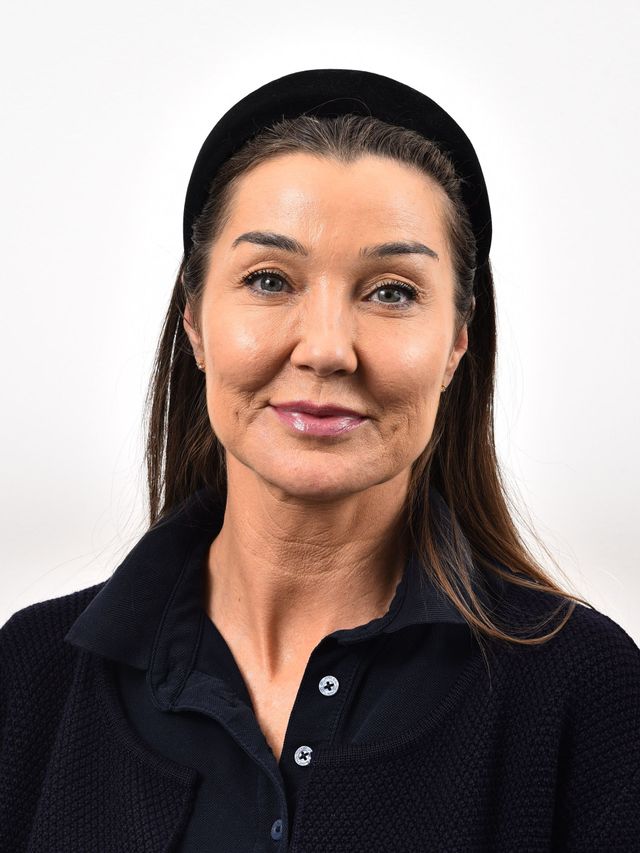
Erika Belard
Specialist physician and co-owner, CEO

Tummy ache and loose stools after milk – and how it differs from milk allergy.
Lactose intolerance (lactose malabsorption) means that the small intestine produces too little of the enzyme lactase to break down milk sugar (lactose). It typically causes tummy ache, wind and loose stools after dairy products, but is not dangerous and can usually be managed through diet. The inherited form is rarely seen before the age of 3, and lactose intolerance should not be confused with milk allergy. At Charlottenlund Privathospital, children with tummy problems after milk can be examined by a specialist in paediatrics.
The symptoms can overlap, but they are two different conditions. In lactose intolerance, it is the body's inability to break down milk sugar that causes tummy problems. In milk allergy the immune system reacts to the proteins in milk, which can cause a rash, eczema or, in rare cases, a more pronounced allergic reaction.
Milk allergy most often occurs in very young children, and most grow out of it before school age. If a child has symptoms from infancy – for example a rash or blood in the stools – milk allergy or cow's milk protein intolerance is therefore more likely than lactose intolerance.

Symptoms occur when the child has had more lactose than it can tolerate. The most common are tummy ache and rumbling, bloating and wind, and loose or frequent, sour-smelling stools. Younger children may be generally unwell or irritable.
Symptoms typically appear from 30 minutes to a couple of hours after dairy products, but can take up to 6 hours. This makes it hard to link the symptoms to the food. Some children get constipation instead of loose stools, and some become tired and listless from the discomfort – so lactose intolerance is not always easy to spot.
The inherited form is rare in young children. In children of Northern European background, lactase activity is normally high enough to break down lactose at least until around the age of 4, and according to Ugeskrift for Læger, 3–8% of adults in Scandinavia have primary lactose intolerance. In parts of Asia, Africa and Southern Europe, reduced lactase activity with age is the norm.
If a young child of Northern European background has frequent tummy symptoms, it is therefore often relevant to investigate other causes – for example constipation, coeliac disease or functional tummy ache – before concluding that it is lactose intolerance.
The assessment starts with a thorough conversation about the pattern and duration of the symptoms, diet and wellbeing. The paediatrician often first investigates whether the symptoms may have other explanations, because several conditions in children give a similar picture.
Blood tests can be taken on site, and the doctor assesses which test makes sense for the individual child based on age, background and symptoms. The result is always seen in the context of the child's other symptoms and development.

Lactose intolerance cannot be cured, but in most cases the symptoms can be kept down with simple adjustments to the diet. For many children it is about finding the amount of lactose the child can tolerate – not about removing all milk. Hard cheeses and butter contain only a little lactose, and lactose-free milk, yoghurt and cream are easy alternatives in everyday life.
Dairy products are an important source of calcium, vitamin D and protein, so an unnecessarily strict diet can affect the child's nutrition. It is therefore important to get a correct assessment before the child is put on a lactose-free diet. In secondary lactose intolerance after a stomach infection, the symptoms typically disappear on their own within a few weeks.

It depends on the type. Secondary lactose intolerance after a stomach infection usually resolves on its own once the bowel has recovered – typically within 3–4 weeks. Primary lactose intolerance is lifelong, but many can tolerate more or less lactose depending on the amount and how it is spread over the day.
The primary form has a hereditary component, so the risk may be higher if close family members have the condition. The secondary form after a bowel infection is not hereditary.
No referral is needed for self-paying patients, and appointments can be booked online. Prices are shown in the price list.
Many health insurance policies cover an assessment by a paediatrician, but the insurers usually require a referral from the family doctor and prior approval. Most insurers send the approval directly to the hospital, and the bill is settled with the insurer. Charlottenlund Privathospital does not accept patients through the Danish public health insurance scheme.
Appointments take place in the hospital's children's unit at Hans Edvard Teglers Vej 9 in Charlottenlund – see map and addresses.
Answers to questions parents often ask about lactose intolerance in children.
Lactose intolerance means that the child's body produces too little of the enzyme lactase to break down milk sugar (lactose). It typically causes tummy ache, bloating and loose stools after dairy products, but is not dangerous.
Lactose intolerance is due to a lack of the enzyme lactase and mainly causes tummy symptoms. Milk allergy is a reaction of the immune system to the proteins in milk and can also cause a rash or eczema. The two conditions are assessed and managed differently.
The inherited (primary) form rarely starts before the age of 3. Symptoms in very young children are therefore more often due to other conditions, which should be examined by a doctor.
Yes. Loose stools are the most typical, but some children get constipation in connection with lactose intolerance.
Secondary lactose intolerance after a stomach infection often resolves on its own within 3–4 weeks. Primary lactose intolerance is lifelong, but the symptoms can usually be kept down through diet.
It varies from child to child. Many can tolerate smaller amounts of lactose, for example in butter or hard cheeses, while larger amounts of milk cause symptoms. A doctor or dietitian can help find the right amount.
Other pages about the tummy and diet in children:
→ Food allergy in children – milk allergy and other foods → Coeliac disease in children – gluten intolerance and blood test → Tummy ache in children – causes and warning signs → Private paediatrician – all the paediatrician's areasCharlottenlund Privathospital is owned and run by three specialist physicians: Erika Belard, Jacob Fisker and Teit Mantoni. Jacob Fisker is medical director. Here you will find our ear, nose and throat (ENT) specialists in Charlottenlund and at our clinics around Denmark – and in Charlottenlund also specialists in paediatric surgery, dermatology, diving medicine, gynaecology, cardiology, paediatrics, psychology and rheumatology.
Specialist physician and co-owner, CEO

Specialist physician, co-owner and medical director

Specialist physician and co-owner
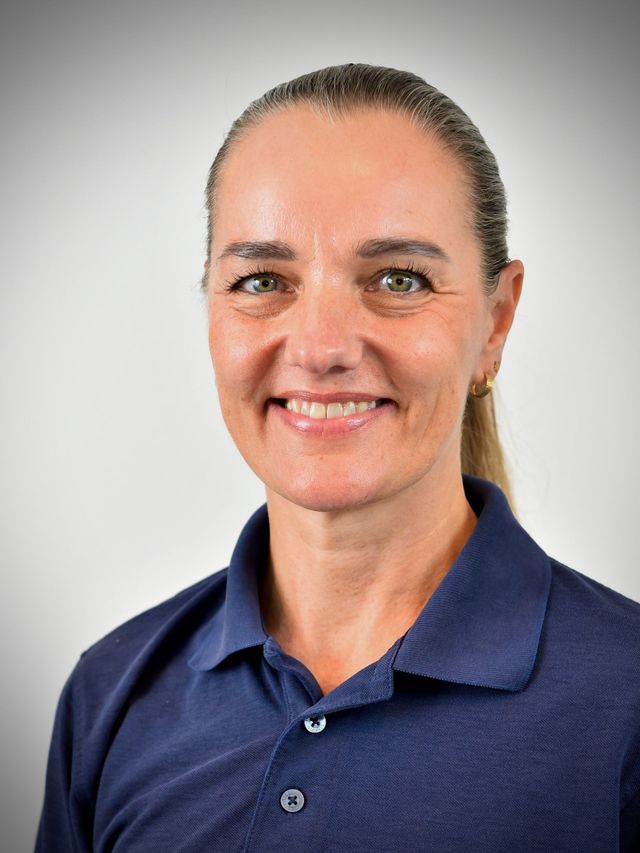
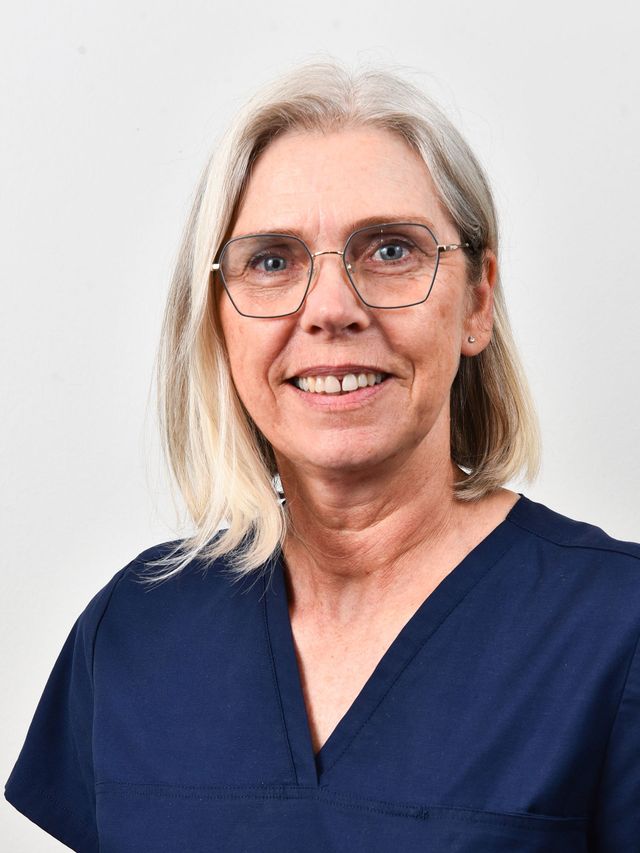
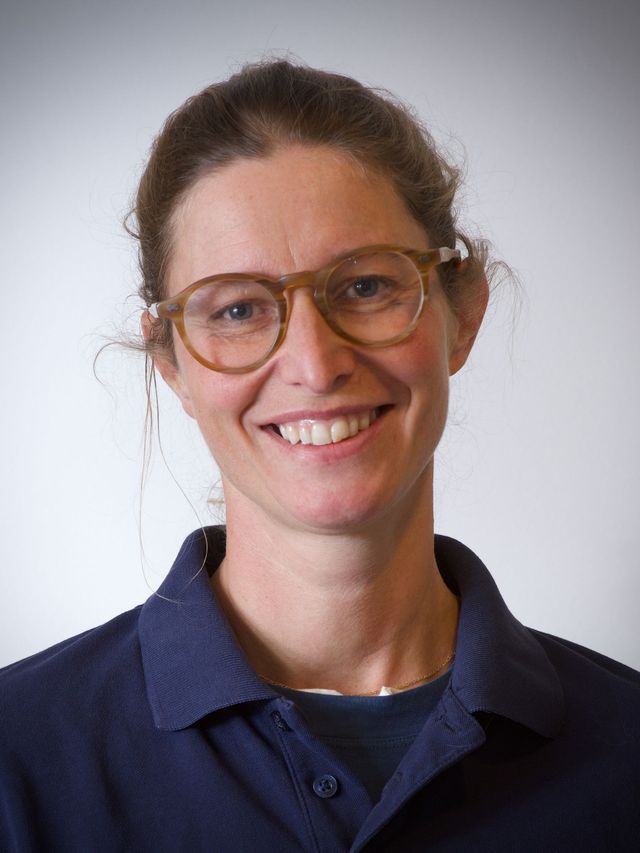
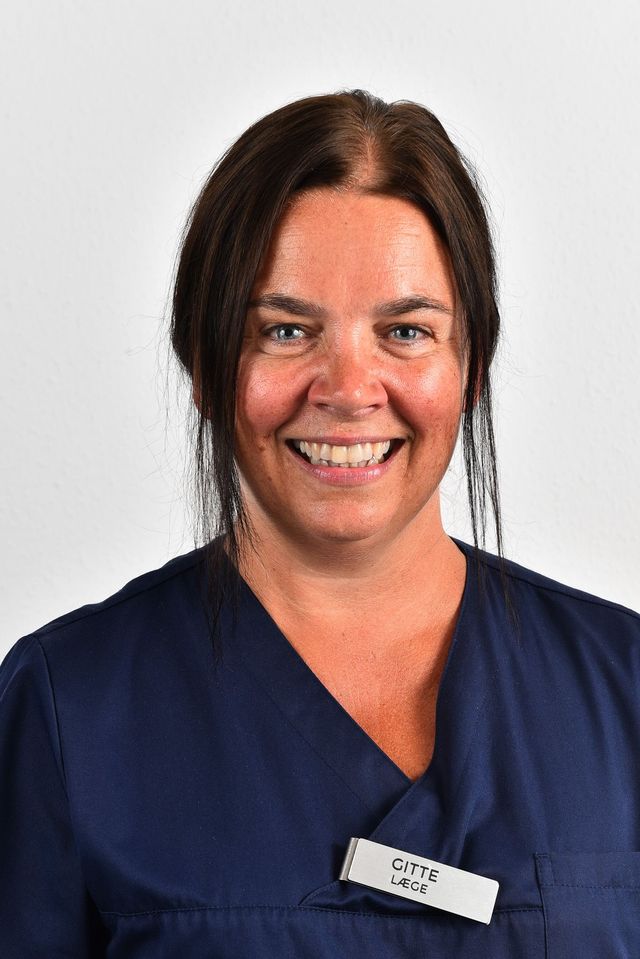

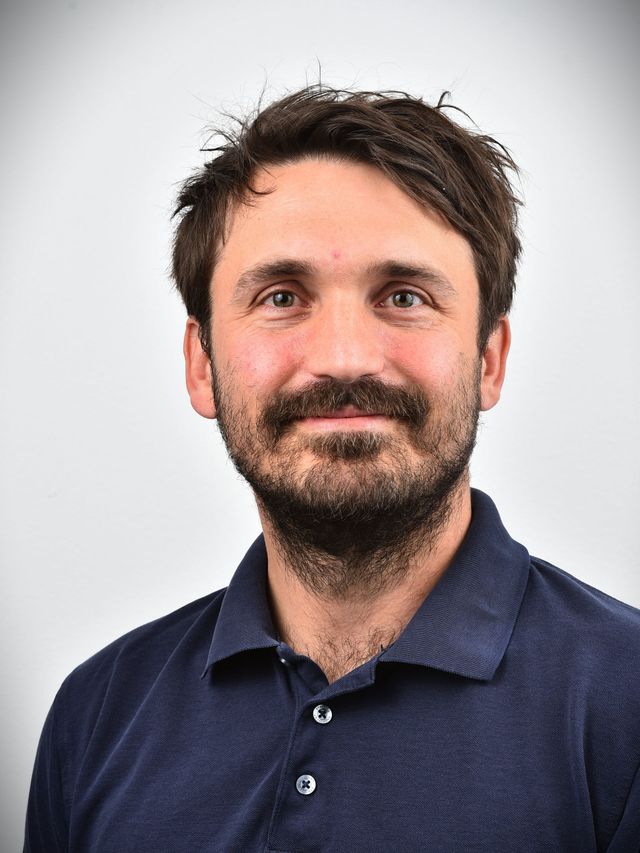

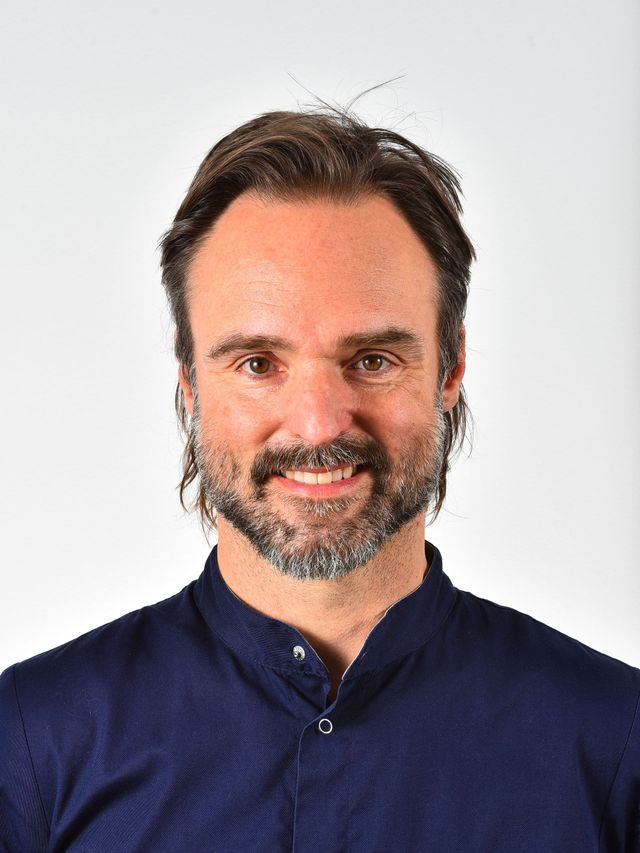


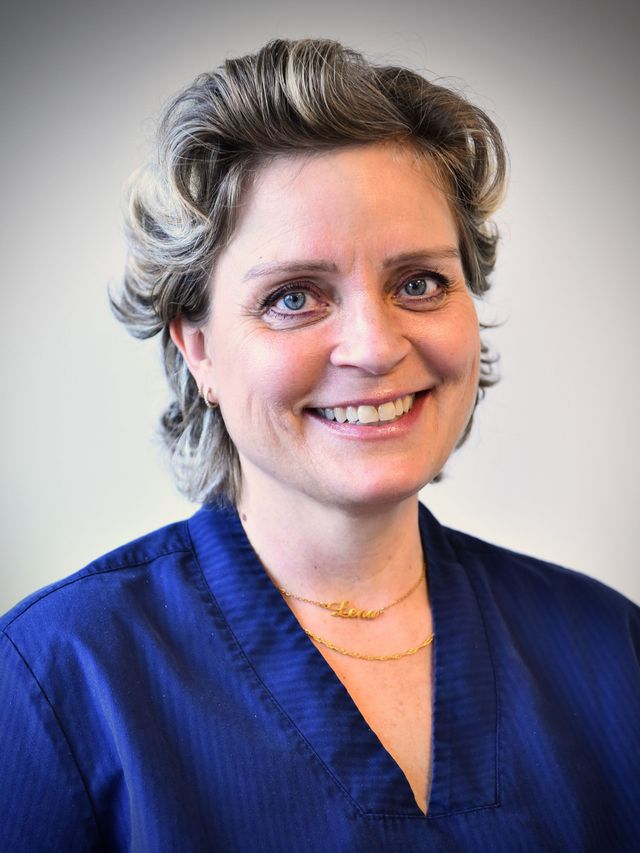

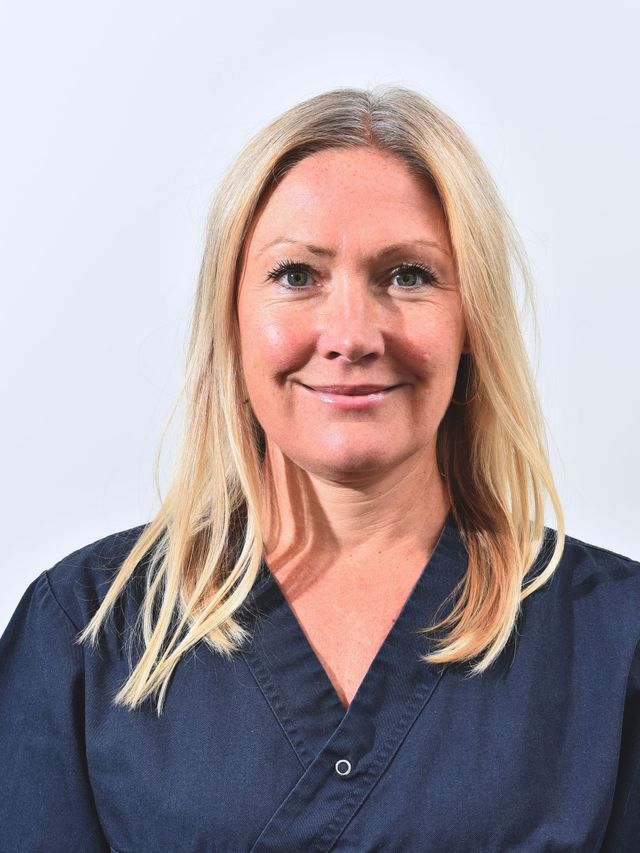







Specialist in anaesthesiology

Specialist in anaesthesiology
Specialist in anaesthesiology
Specialist in anaesthesiology, DMSc, PhD
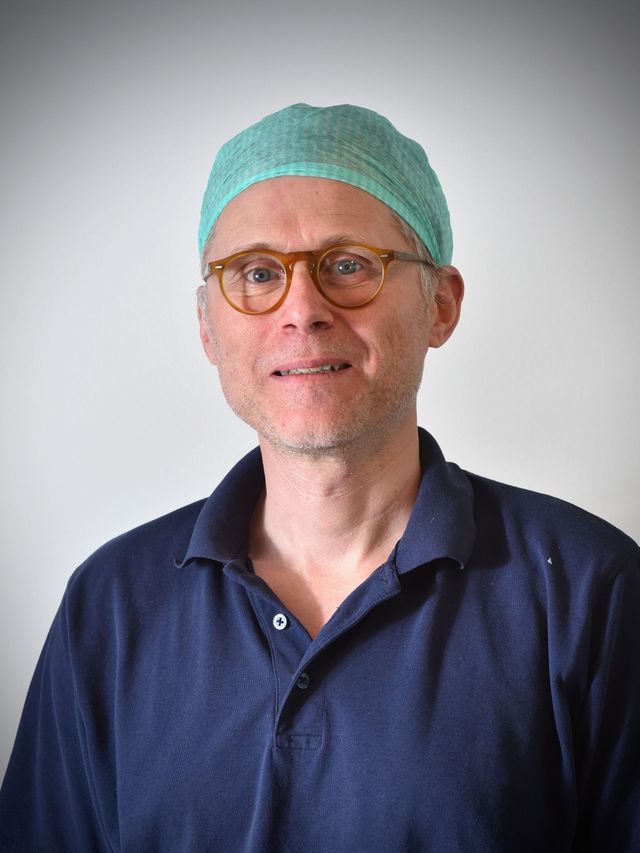
Specialist in anaesthesiology
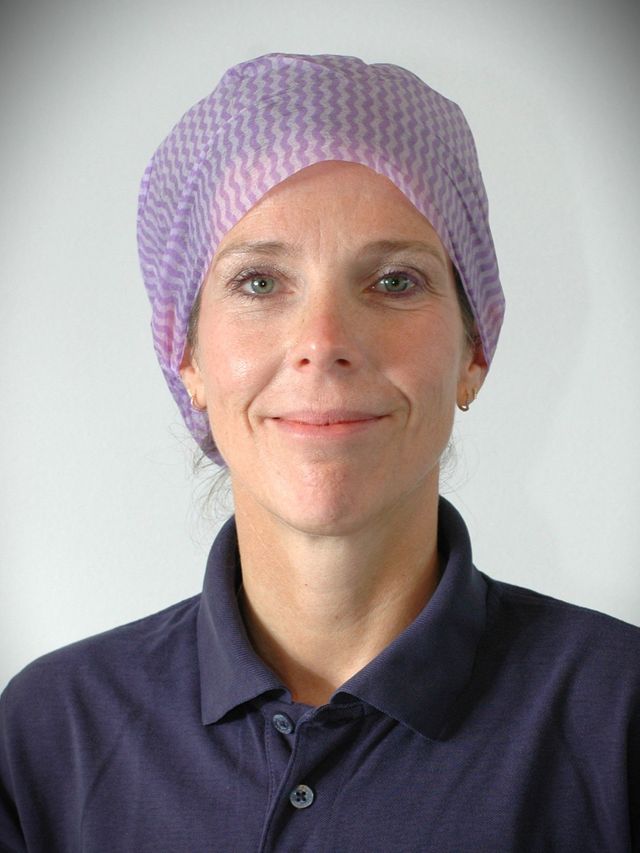
Specialist in anaesthesiology
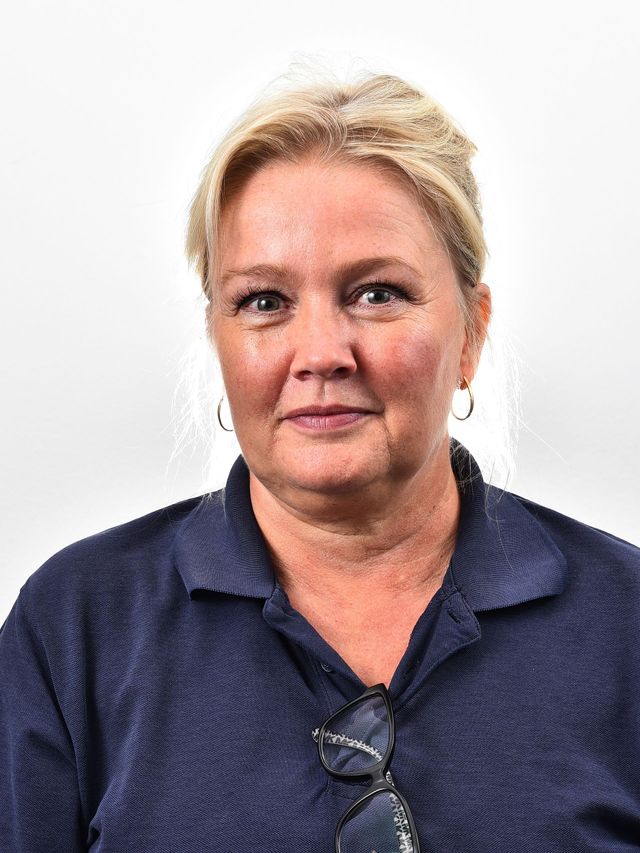
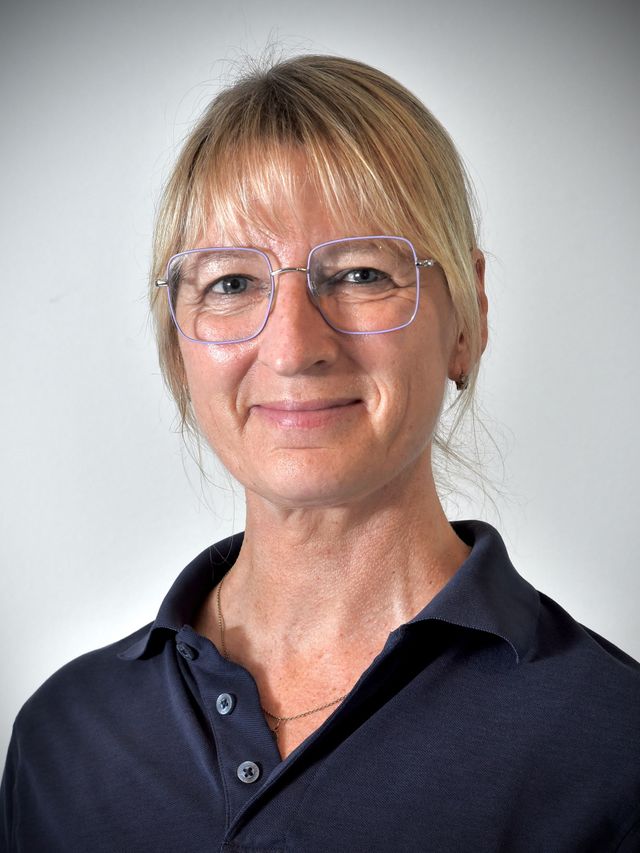

Specialist in anaesthesiology and diving medicine
Approved by the Danish Maritime Authority
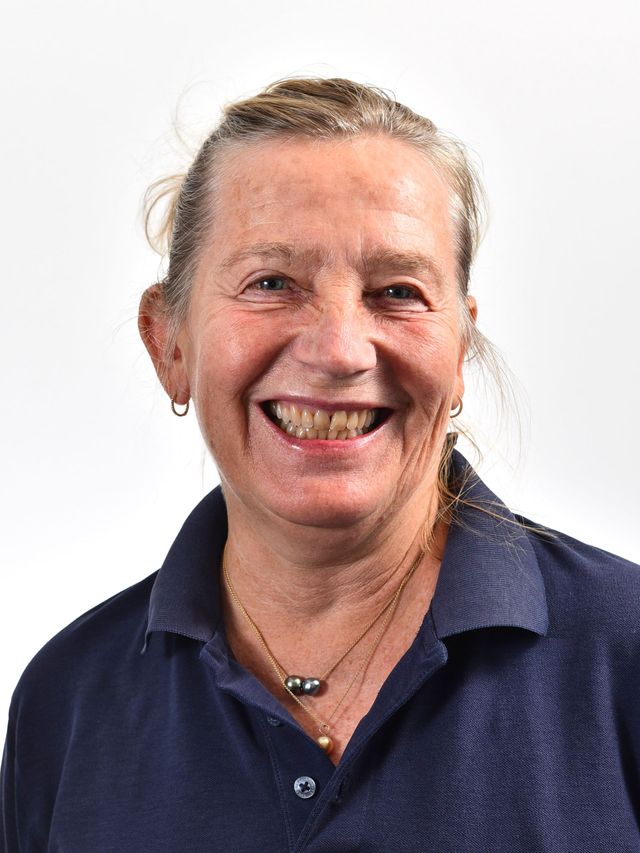
Specialist in anaesthesiology and diving medicine
Approved by the Danish Maritime Authority
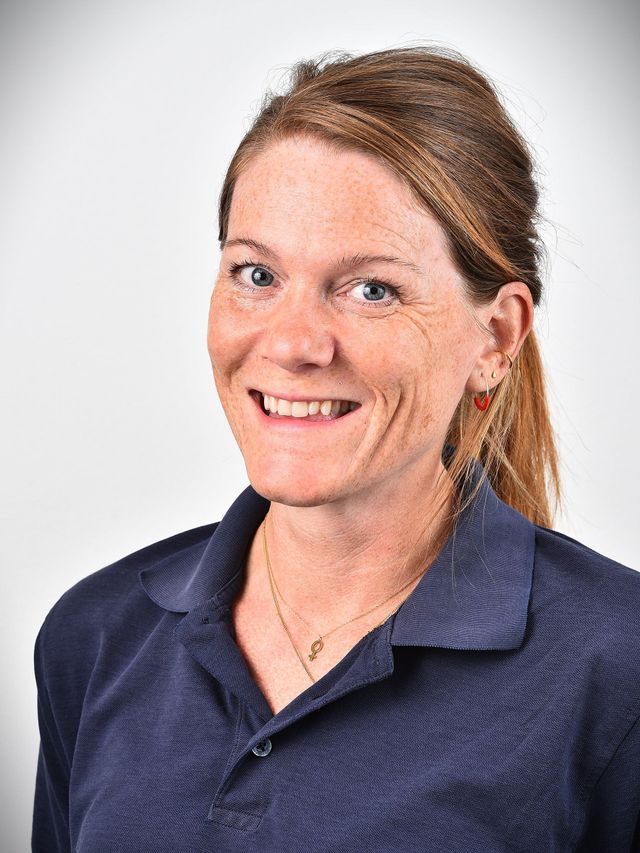
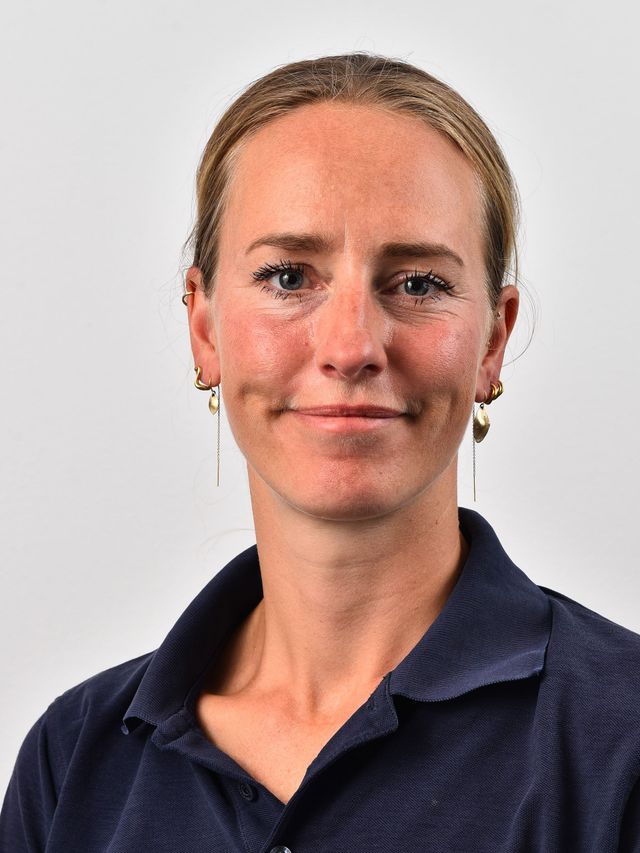





They are the people you meet first when you call or walk through the door – and the ones who look after you before and after your treatment.
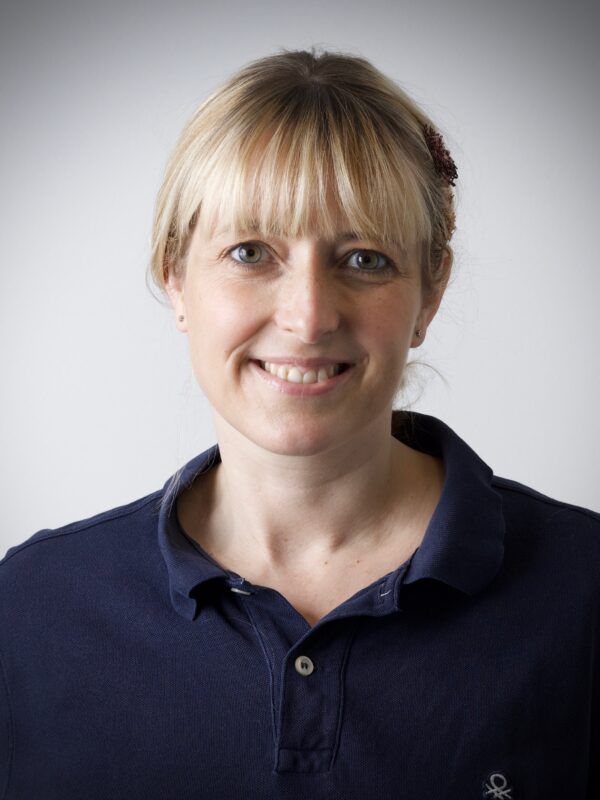
Nurse
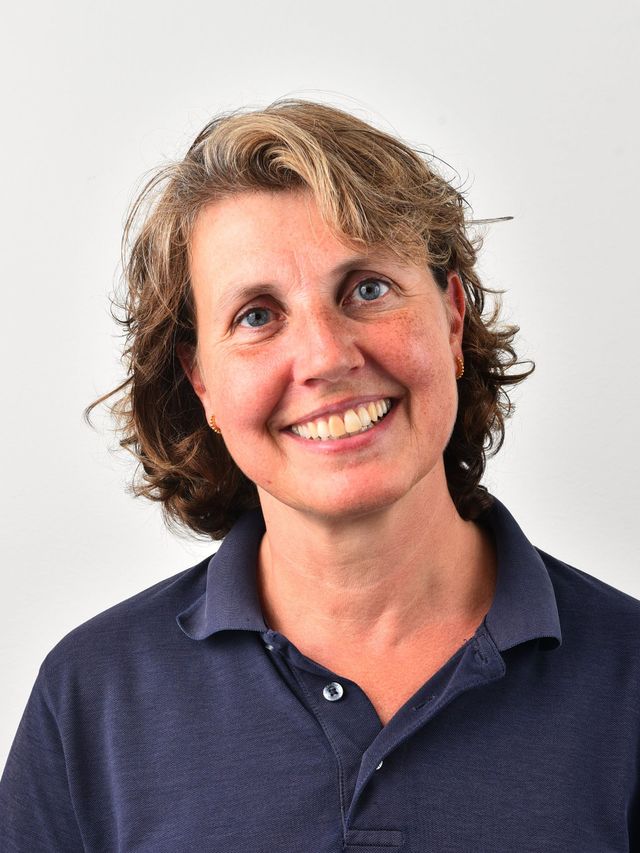
Nurse
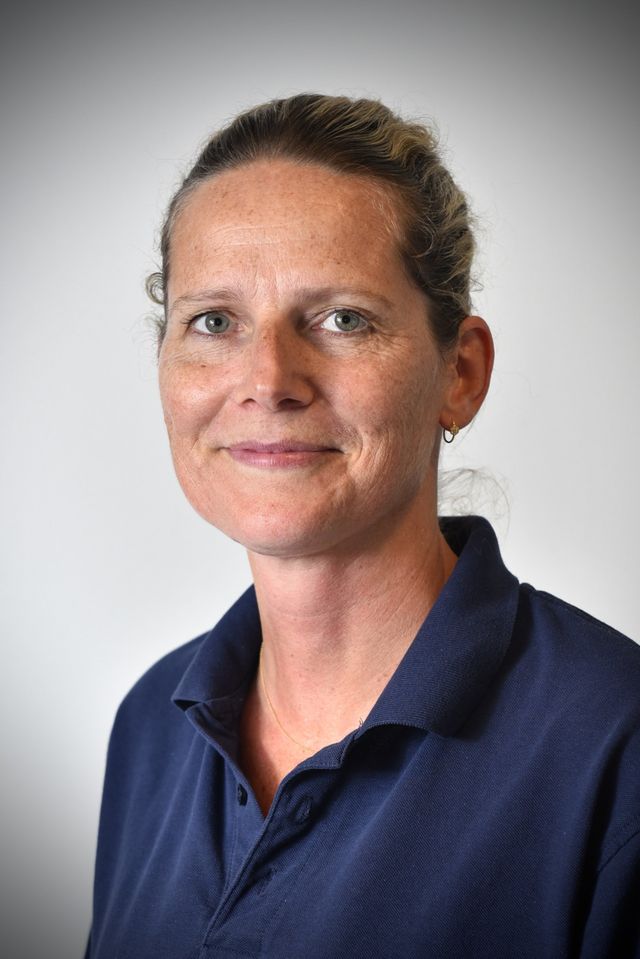
Nurse
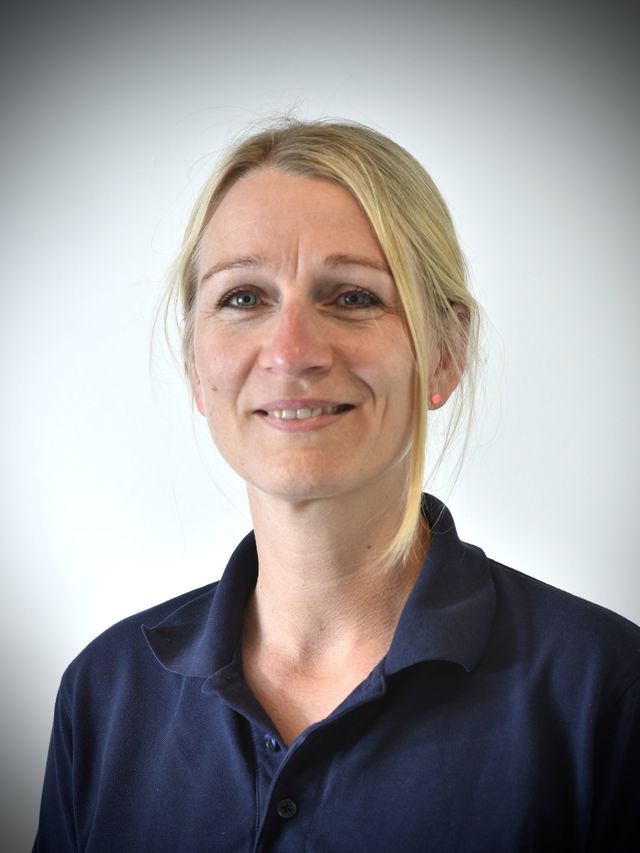
Nurse
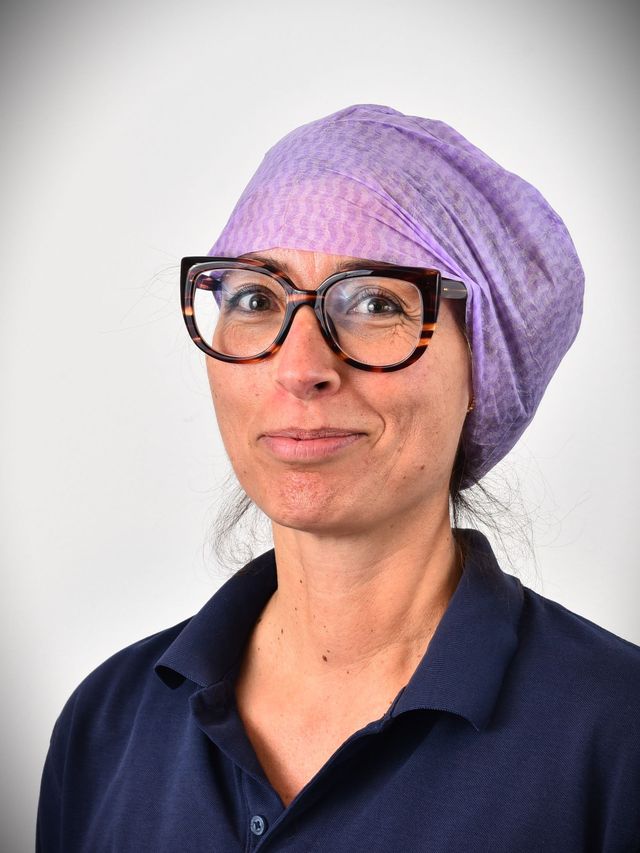
Nurse
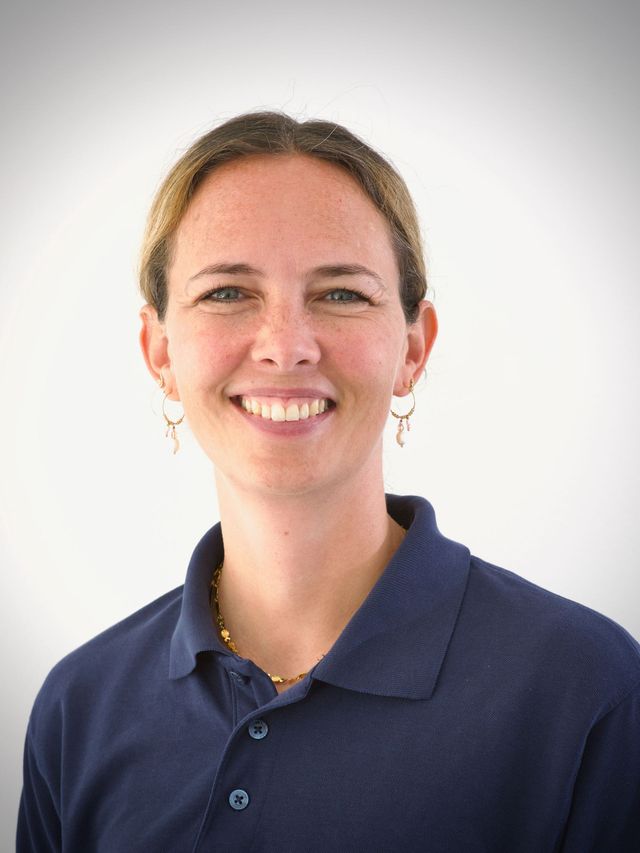
Nurse

Clinical assistant
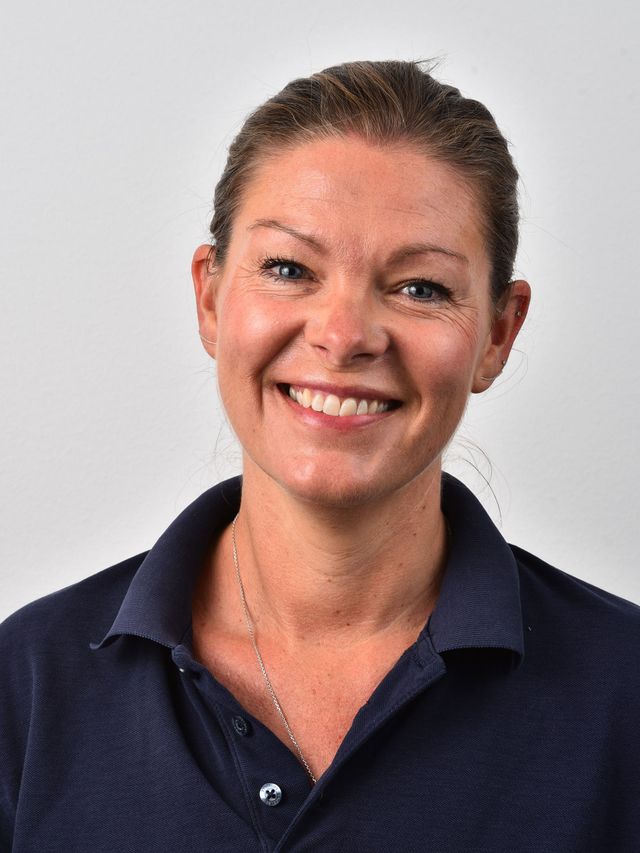
Clinical assistant
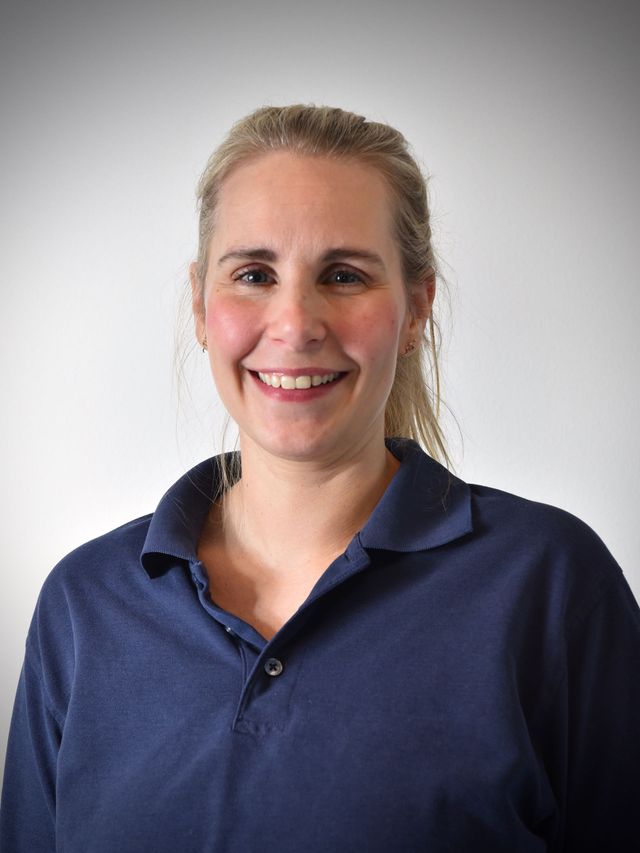
Clinical assistant
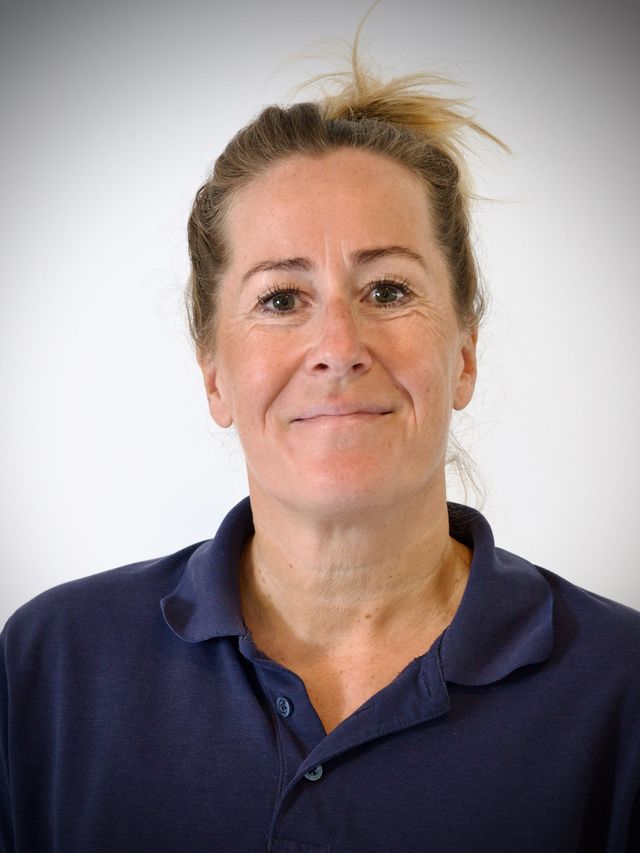
Reception and secretariat
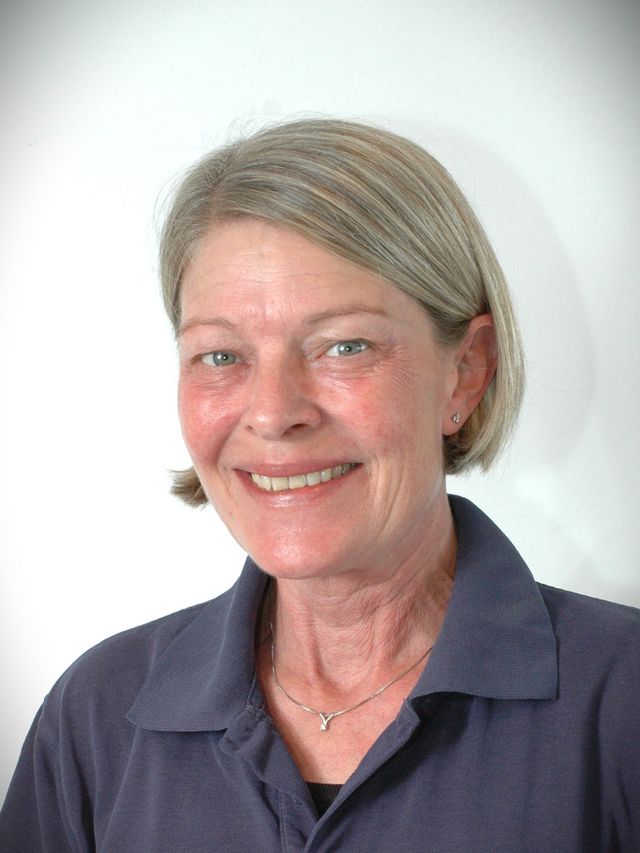
Reception and secretariat
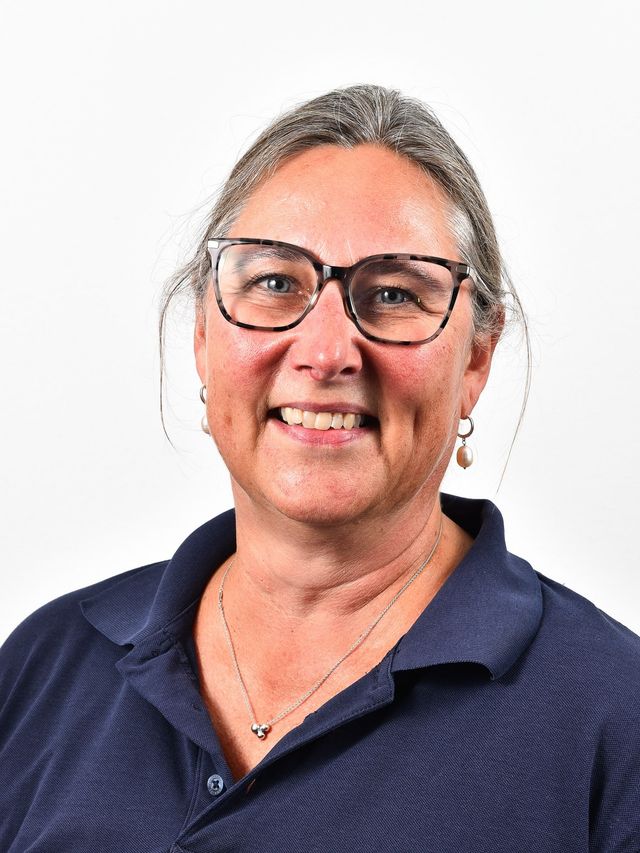
Reception and secretariat
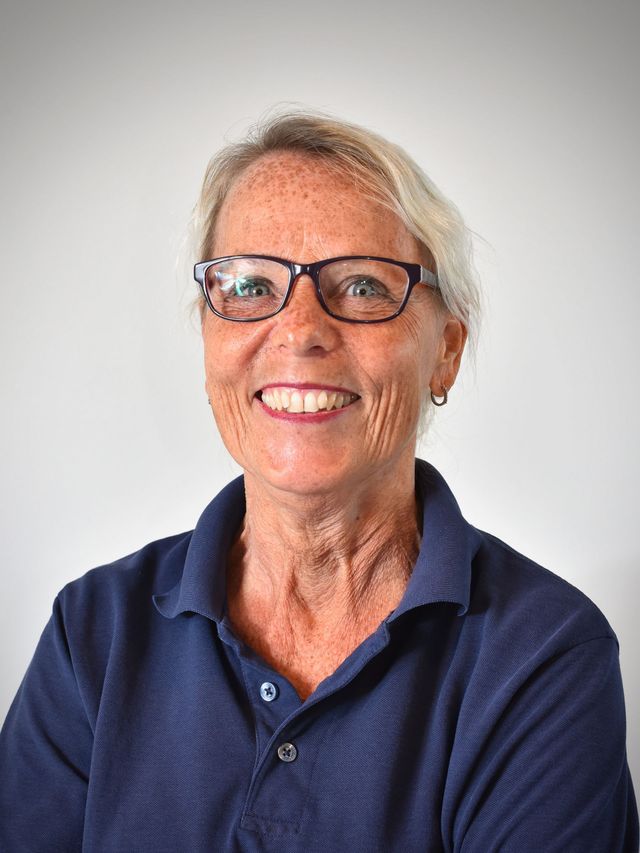
Reception and secretariat
Reception and secretariat

Service assistant
No one found. Try another name or choose "All".
Would you like to book an appointment with one of our specialists?
Book onlineJægersborg Allé 4
2920 Charlottenlund
CVR: 45675637
Monday–Friday, 08:00–14:00
Outside telephone hours, appointments can be booked, rescheduled and cancelled online 24/7.
Main department in Charlottenlund and ear, nose and throat departments at several locations across Denmark.