

Management
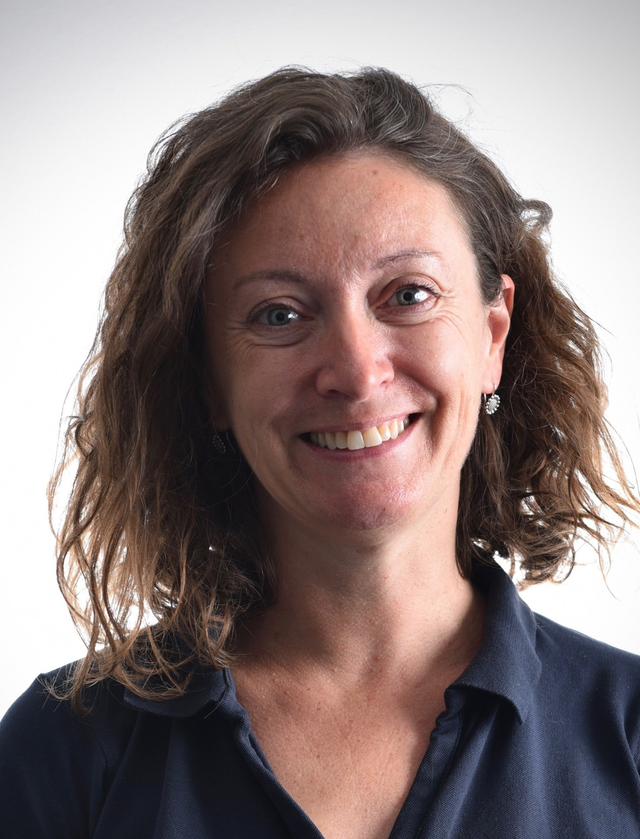
Erika Belard
Specialist physician and co-owner, CEO

Gluten intolerance in children – signs, blood test and gluten-free diet.
Coeliac disease (gluten intolerance) is a chronic autoimmune disease in which gluten from wheat, rye and barley damages the lining of the small intestine, so the body does not absorb nutrients properly. In children it can show as poor thriving, reduced growth, tummy ache and diarrhoea – but many have only mild or no signs. According to the Danish Health Authority, up to 1% of the population has coeliac disease, and only about half have been diagnosed. At Charlottenlund Privathospital, children can be assessed for coeliac disease by a specialist in paediatrics, and the blood test is taken on site.
"Gluten allergy" is a popular term that in most cases refers to coeliac disease – it is not a medical diagnosis. Coeliac disease is an autoimmune disease in which the immune system attacks the lining of the bowel when the child eats gluten.
Children can also have food allergy (for example wheat allergy) and food intolerance, which can cause many of the same symptoms but have a different background and treatment. A doctor clarifies which condition it is. Coeliac disease is neither contagious nor a dietary habit, but a lifelong condition.

The symptoms vary a lot and often depend on age. Infants and young children typically have poor thriving, difficulty gaining weight or weight loss and loose, frequent and foul-smelling stools. They may seem irritable and have a bloated, distended tummy.
In older children it is especially reduced growth in height that raises suspicion – often together with tummy ache, wind and tiredness. Iron deficiency without another explanation is also a common finding. Some children have no symptoms at all, and coeliac disease is discovered through a blood test taken for another reason, or because the child is not following the growth curve.
Yes. Reduced growth in height and poor thriving are some of the most common signs of coeliac disease in children, because the bowel does not absorb nutrients properly. If a child is not following the expected growth curve without another explanation, coeliac disease is among the conditions investigated with a blood test.
Coeliac disease occurs when the immune system reacts abnormally to gluten and damages the bowel's finger-like projections (villi), which absorb nutrients. The disease is strongly hereditary: almost everyone with coeliac disease has the tissue types HLA-DQ2 or HLA-DQ8. According to the Danish Health Authority, first-degree relatives of a person with coeliac disease have about a 10% risk of also having the disease.
Suspected coeliac disease is first clarified with a blood test measuring antibodies against transglutaminase (TG2) together with total IgA. The antibodies are raised in the vast majority of children with active coeliac disease. The blood test can be taken at Charlottenlund Privathospital.
If the blood test suggests coeliac disease, the paediatrician assesses the next steps. A tissue sample from the small intestine taken during an endoscopy (gastroscopy) is rarely needed – only if the child does not improve on a gluten-free diet. If relevant, the child is referred to a department that performs the examination in children. It is important that the child eats an ordinary gluten-containing diet until the assessment is complete – otherwise the blood test can be normal even though the child has coeliac disease.

Coeliac disease cannot be cured, but it is treated very effectively with a lifelong, completely gluten-free diet. When gluten is removed entirely, the lining of the bowel heals, and in the vast majority of children appetite, weight and growth get back on track. The diet excludes wheat, rye and barley, while most children can tolerate certified gluten-free oats. Some children initially need supplements of iron or other minerals.
No. Coeliac disease is lifelong, but with a consistent gluten-free diet children can grow and develop normally and live without symptoms. Even small amounts of gluten can damage the bowel again over time. Untreated coeliac disease can cause iron, calcium and vitamin deficiency and affect growth, so early diagnosis and regular follow-up are important.

At Charlottenlund Privathospital, children with suspected coeliac disease are assessed by a specialist in paediatrics. The assessment is based on the child's symptoms and growth and includes blood tests – a tissue sample from the small intestine is only rarely needed.
Coeliac disease can also lie behind constipation and recurrent tummy ache. See also the overview of the paediatrician's areas.
No referral is needed for self-paying patients, and appointments can be booked online. Prices are shown in the price list.
Many health insurance policies cover an assessment by a paediatrician, but the insurers usually require a referral from the family doctor and prior approval. Most insurers send the approval directly to the hospital, and the bill is settled with the insurer. Charlottenlund Privathospital does not accept patients through the Danish public health insurance scheme.
Appointments take place in the hospital's children's unit at Hans Edvard Teglers Vej 9 in Charlottenlund – see map and addresses.
Answers to questions parents often ask about coeliac disease in children.
Coeliac disease is a chronic autoimmune disease in which gluten damages the lining of the small intestine, so the body does not absorb nutrients properly. In children it can cause poor thriving, reduced growth or tummy symptoms, and the disease is treated with a lifelong gluten-free diet.
"Gluten allergy" is a popular term that usually means coeliac disease. However, coeliac disease is not an allergy but an autoimmune disease, and it must be distinguished from food allergy and food intolerance.
In young children often poor thriving, problems gaining weight, a bloated tummy and loose, foul-smelling stools. In older children reduced growth, tummy ache and tiredness. Many have only mild or no symptoms.
With a blood test measuring antibodies against transglutaminase. If it suggests coeliac disease, the doctor assesses the next steps. A tissue sample from the small intestine is rarely needed – only if the child does not improve on a gluten-free diet.
Yes. Almost everyone with coeliac disease has the tissue types HLA-DQ2 or HLA-DQ8, and first-degree relatives have about a 10% risk of also having the disease.
No, coeliac disease is lifelong. With a consistent gluten-free diet, children with coeliac disease can grow and develop normally and live without symptoms.
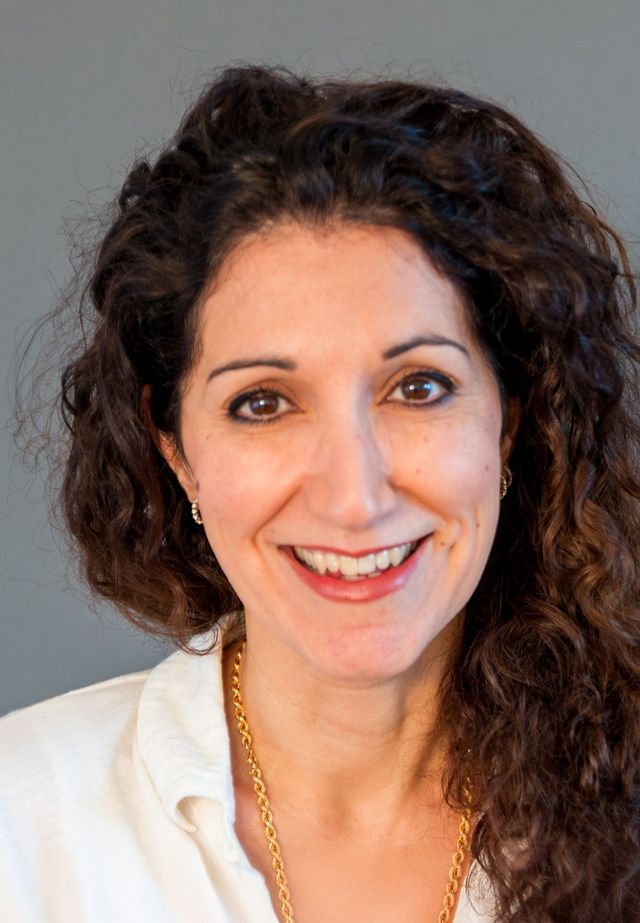
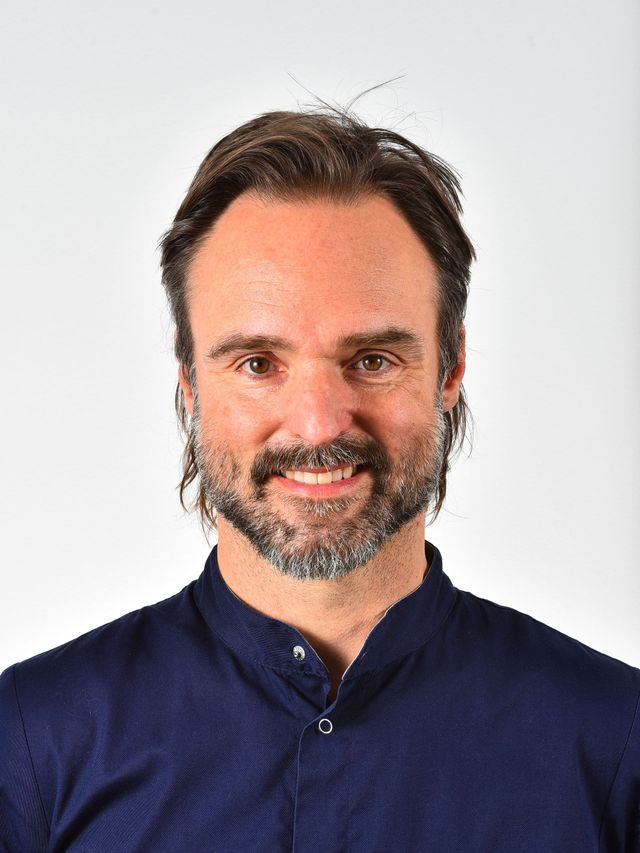
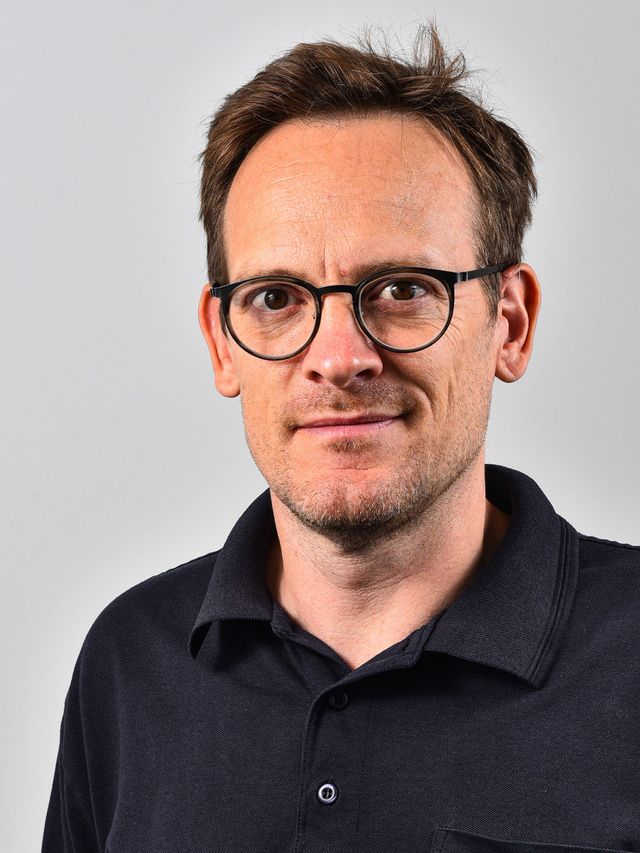
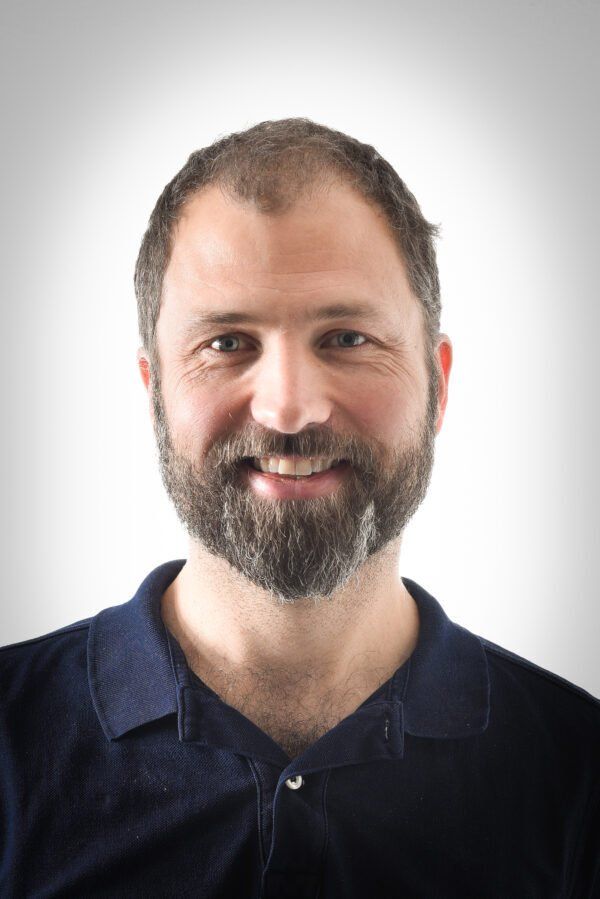
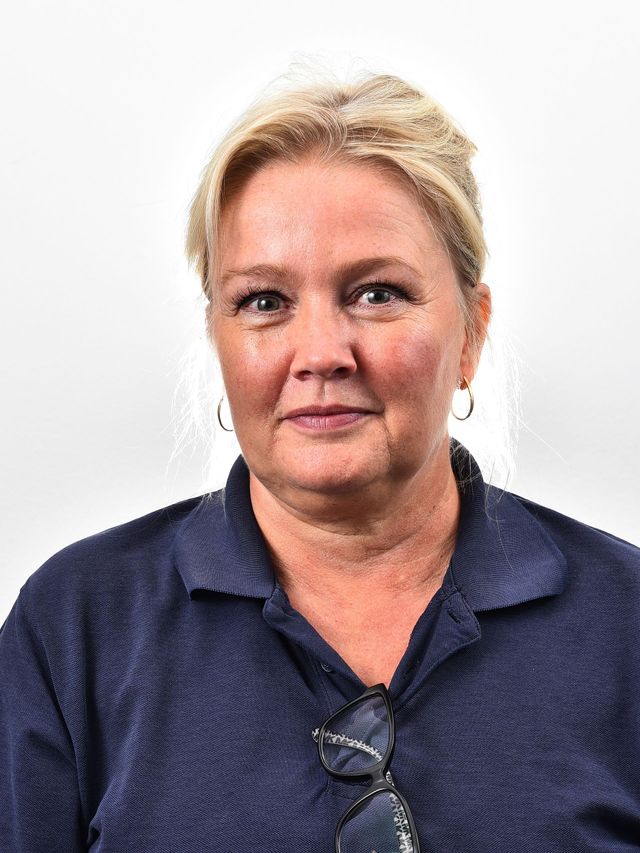
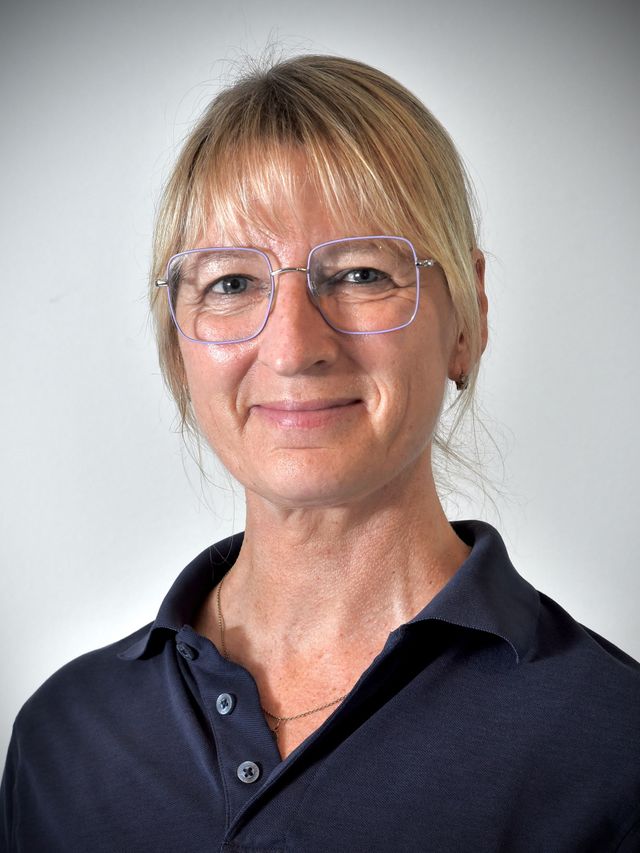
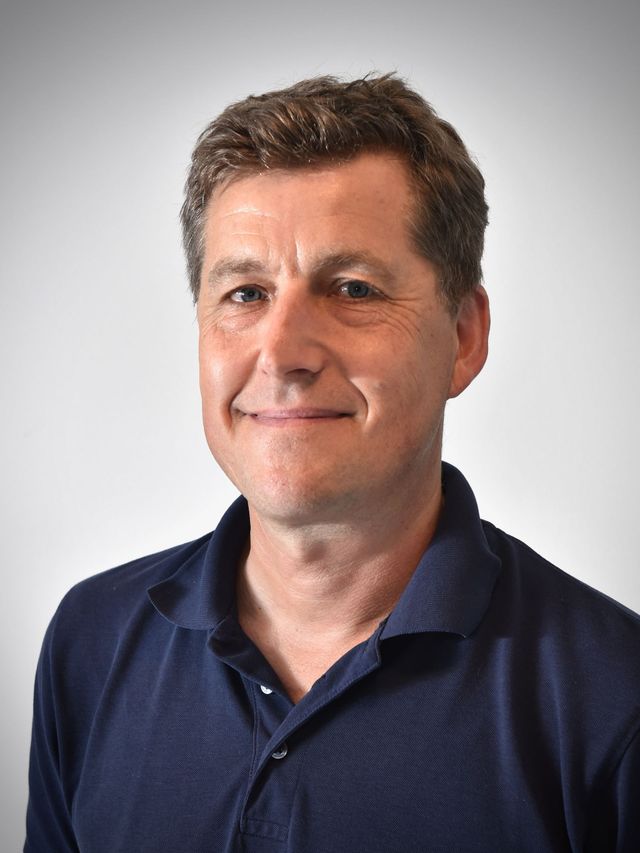
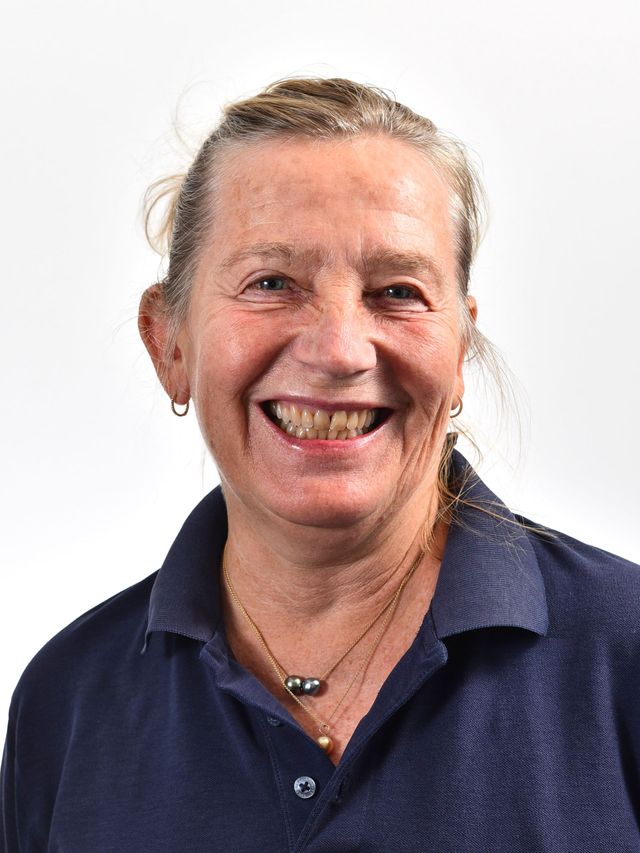
Charlottenlund Privathospital is owned and run by three specialist physicians: Erika Belard, Jacob Fisker and Teit Mantoni. Jacob Fisker is medical director. Here you will find our ear, nose and throat (ENT) specialists in Charlottenlund and at our clinics around Denmark – and in Charlottenlund also specialists in paediatric surgery, dermatology, diving medicine, gynaecology, cardiology, paediatrics, psychology and rheumatology.
Specialist physician and co-owner, CEO

Specialist physician, co-owner and medical director
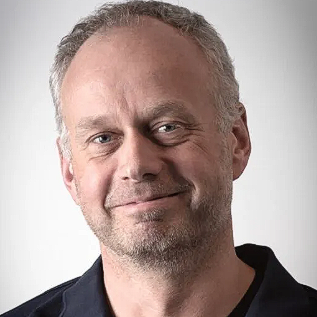
Specialist physician and co-owner
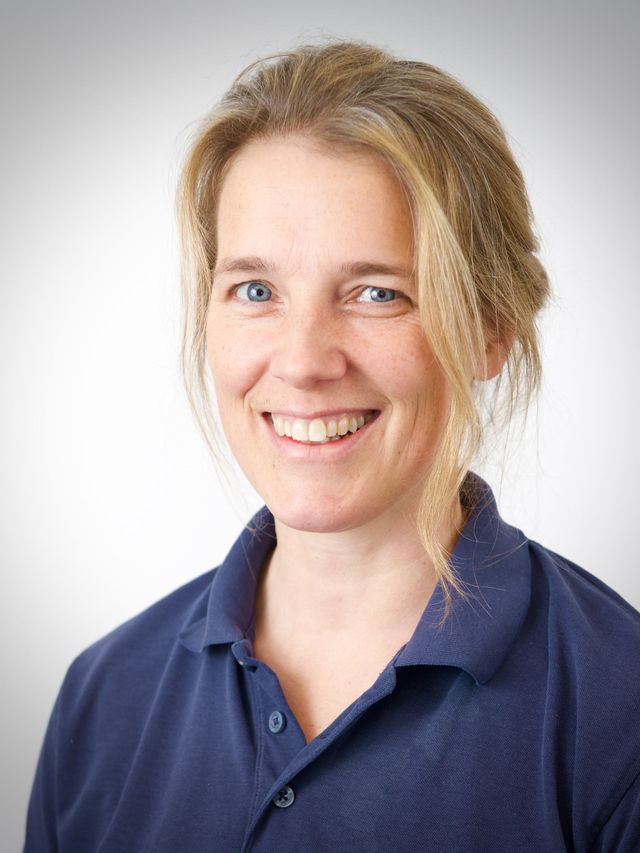
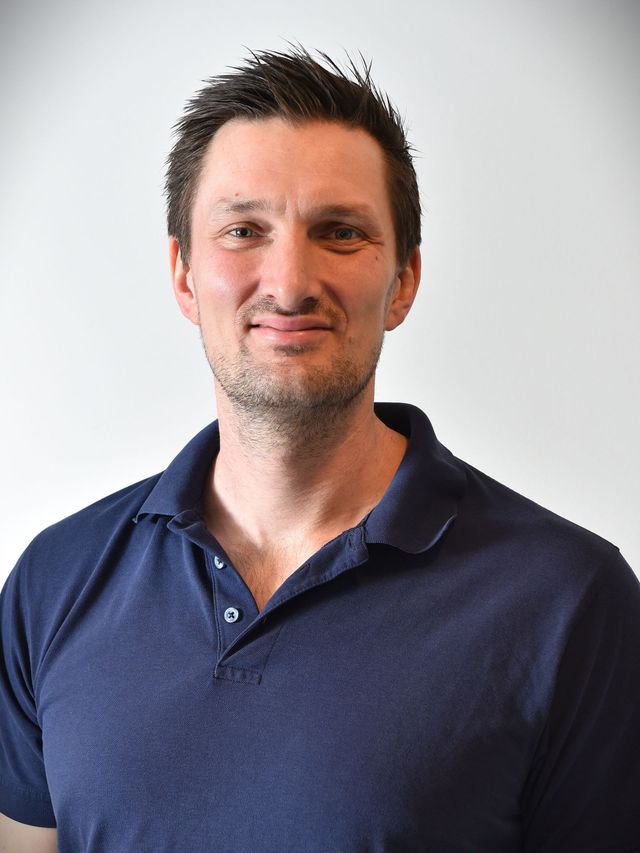
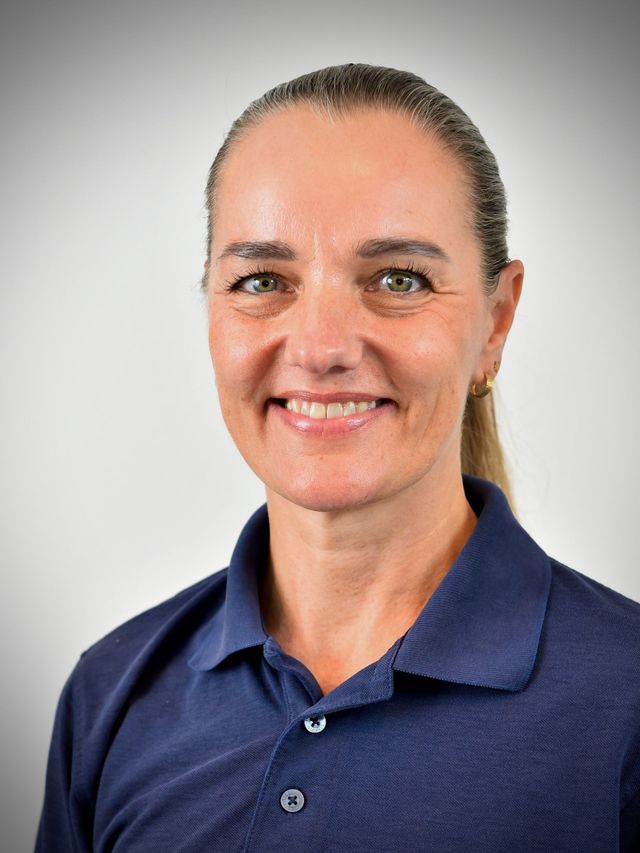
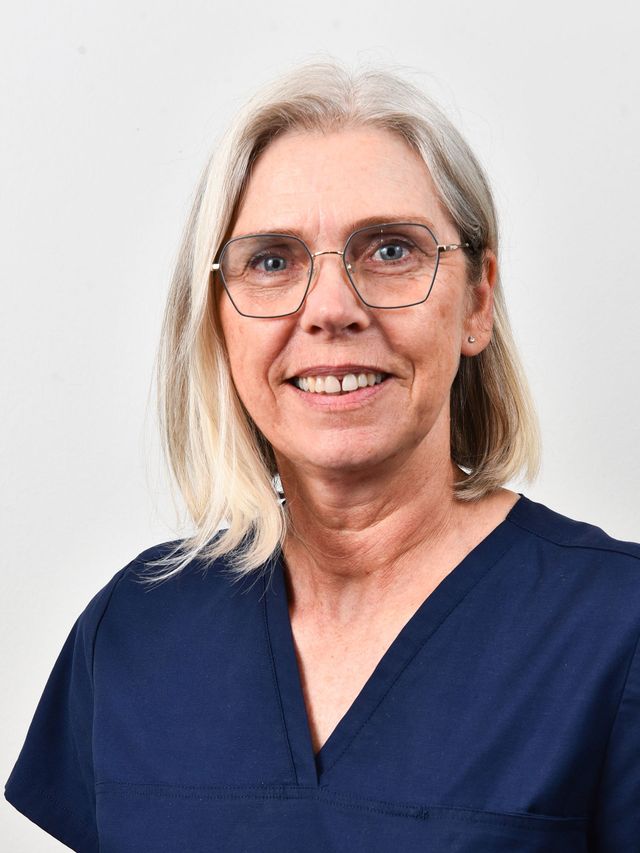
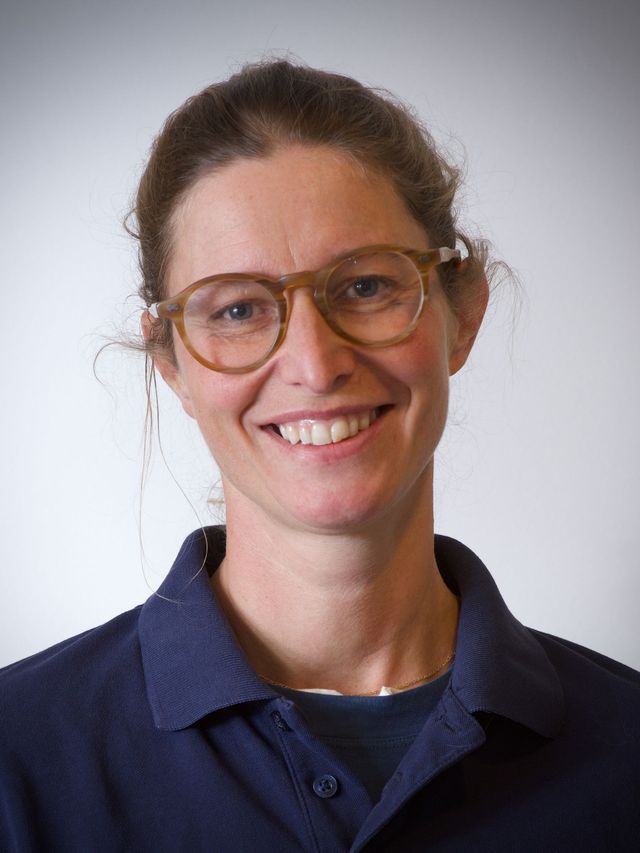
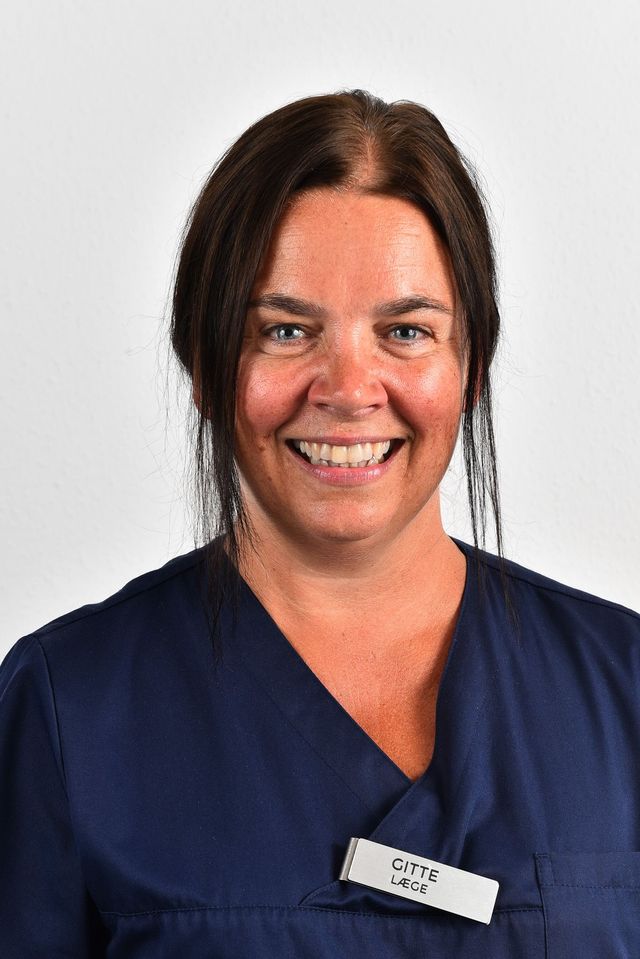
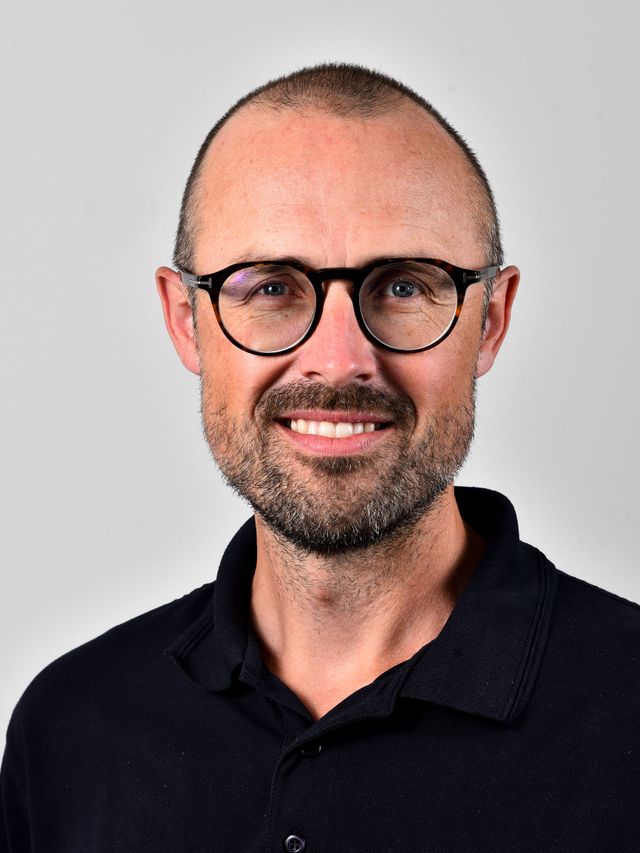
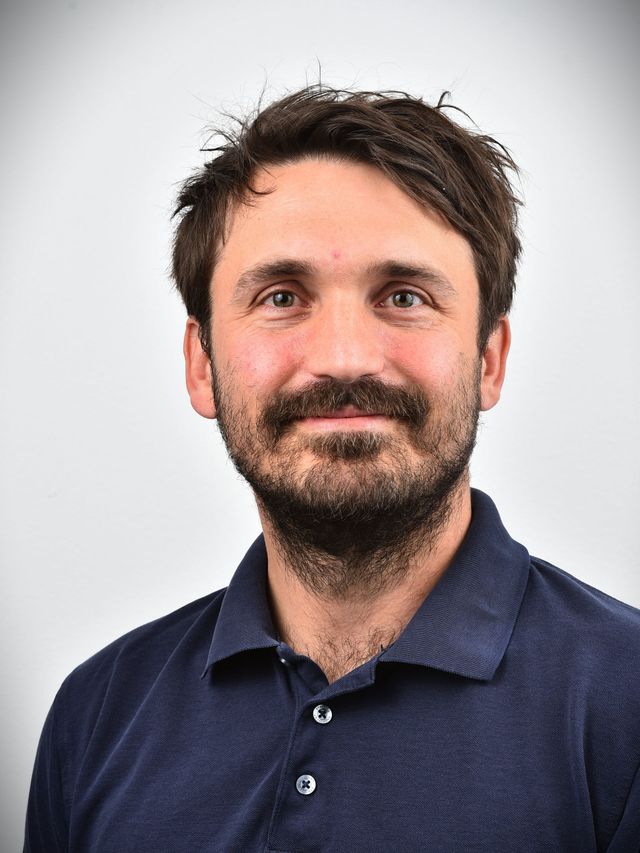
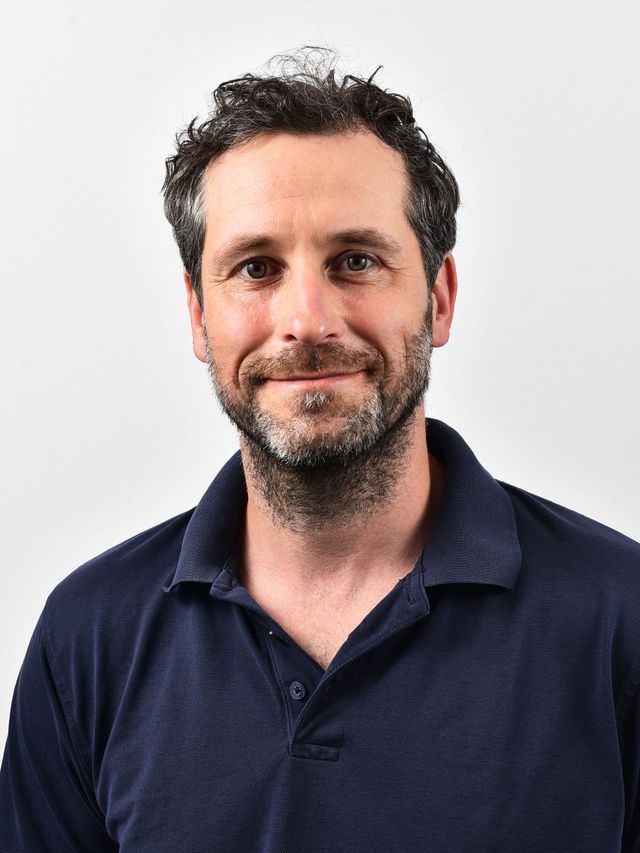
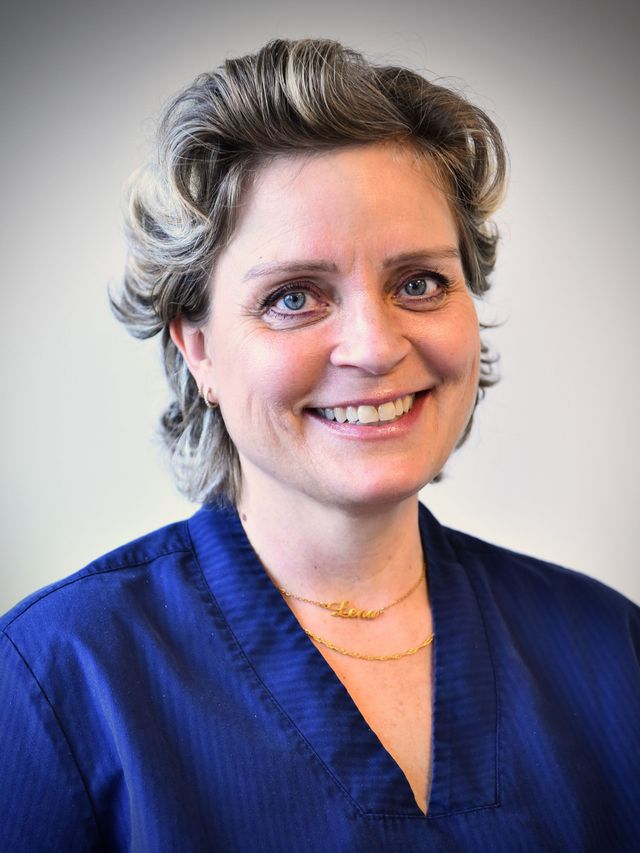
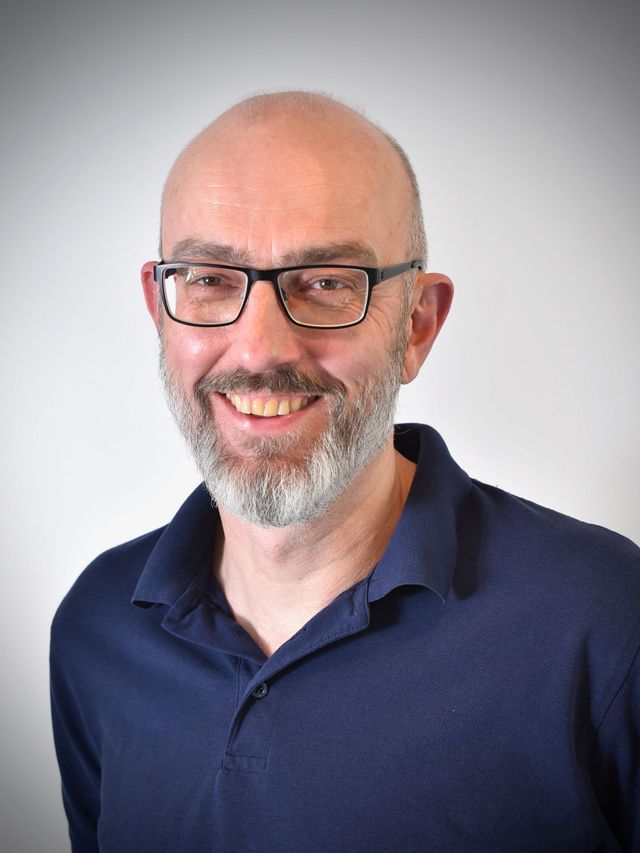
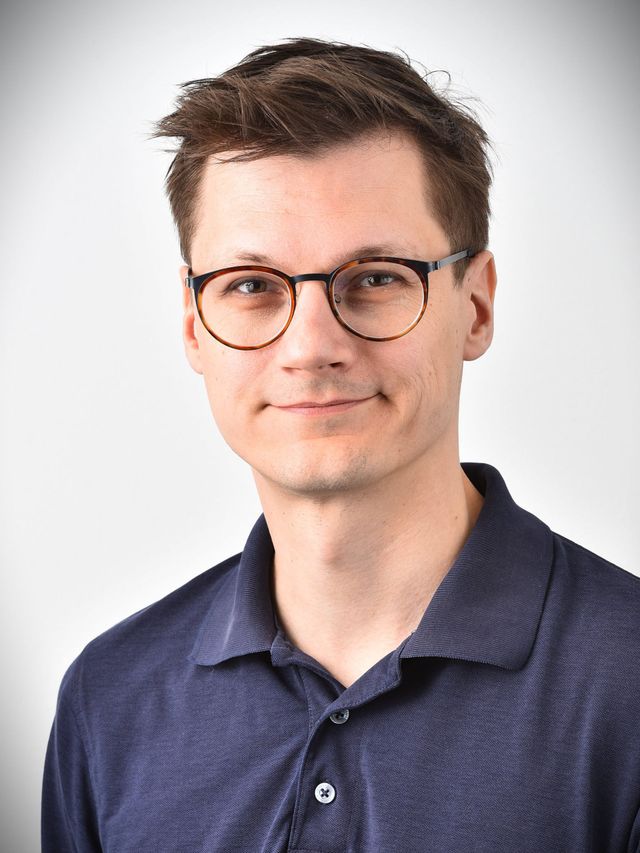
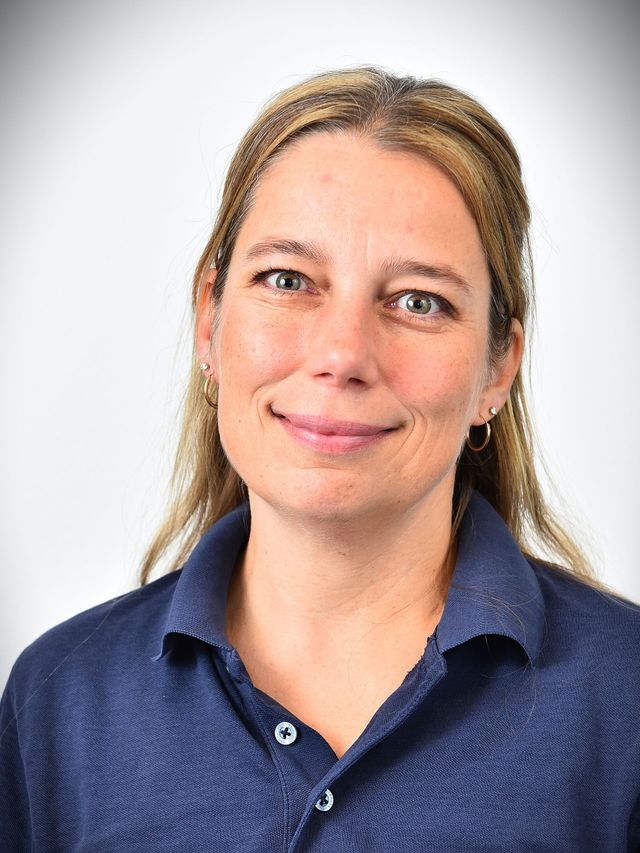
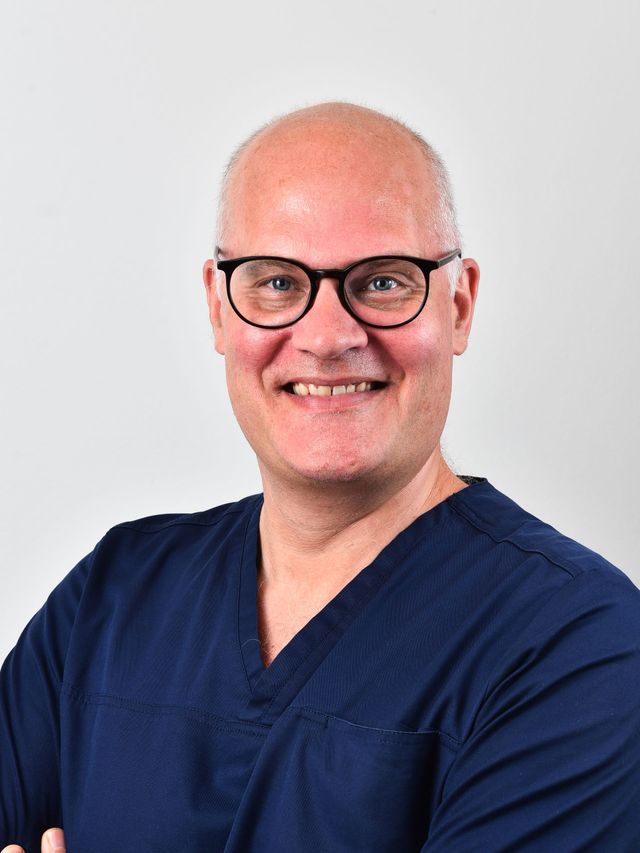
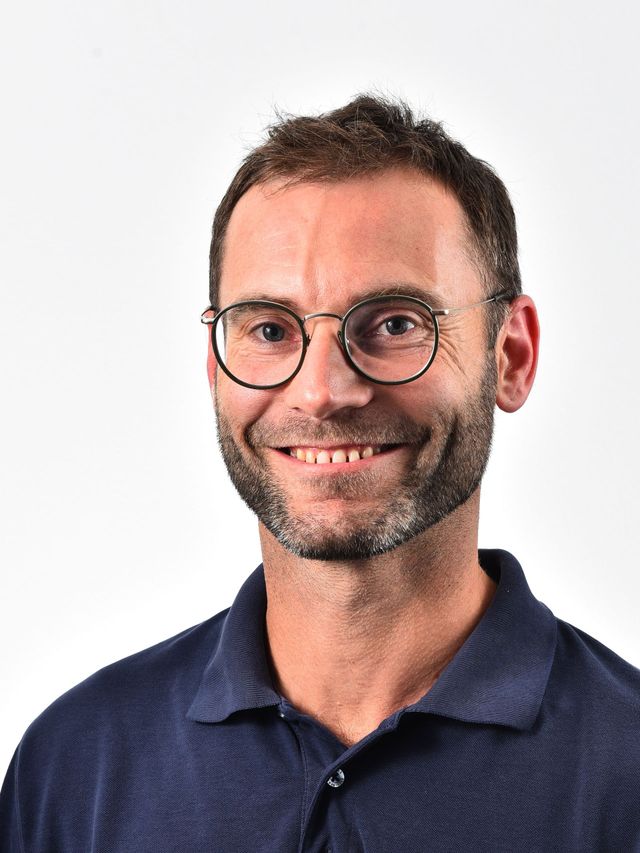
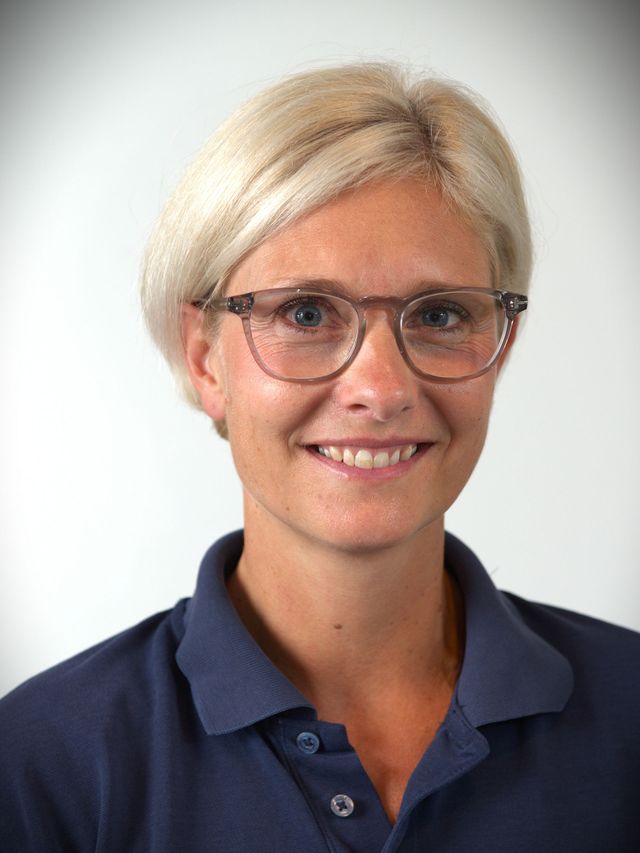
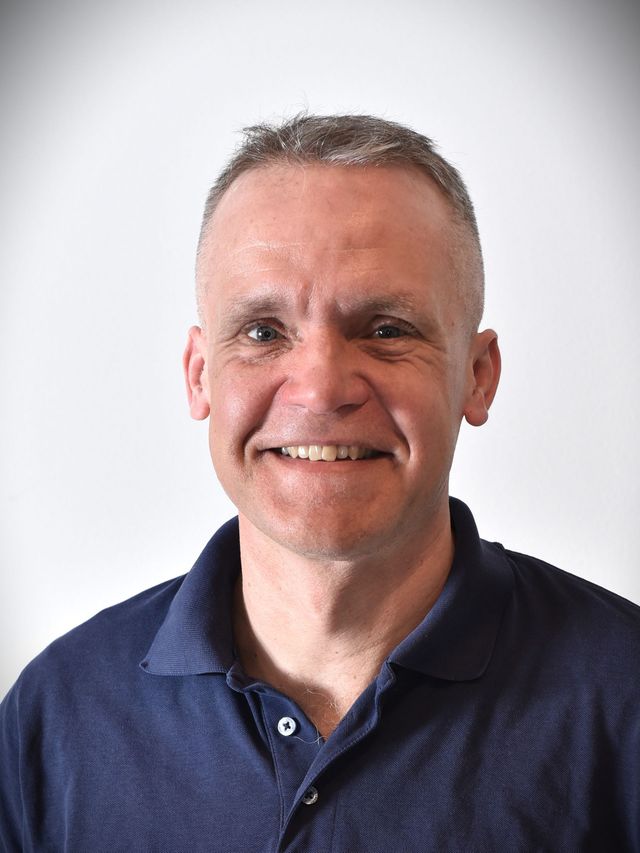
Specialist in anaesthesiology
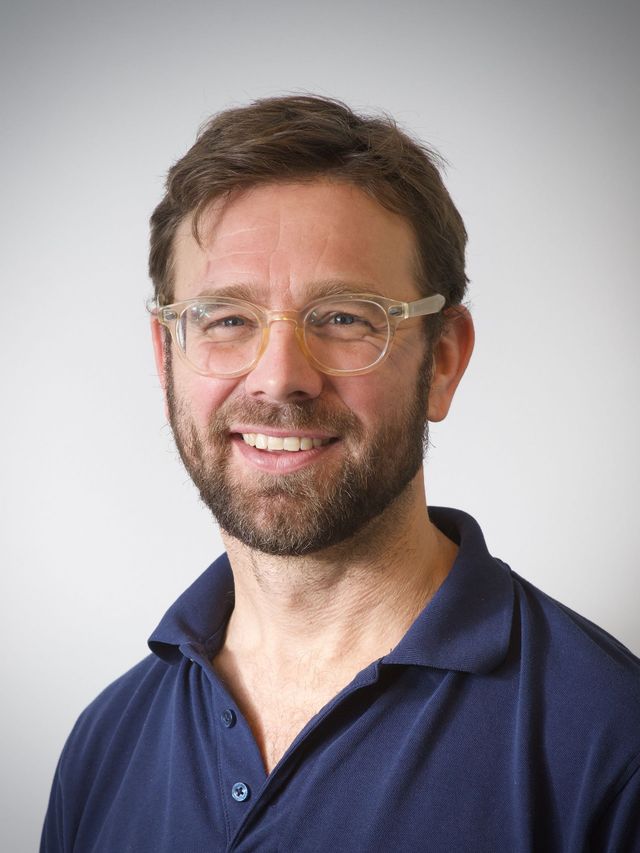
Specialist in anaesthesiology
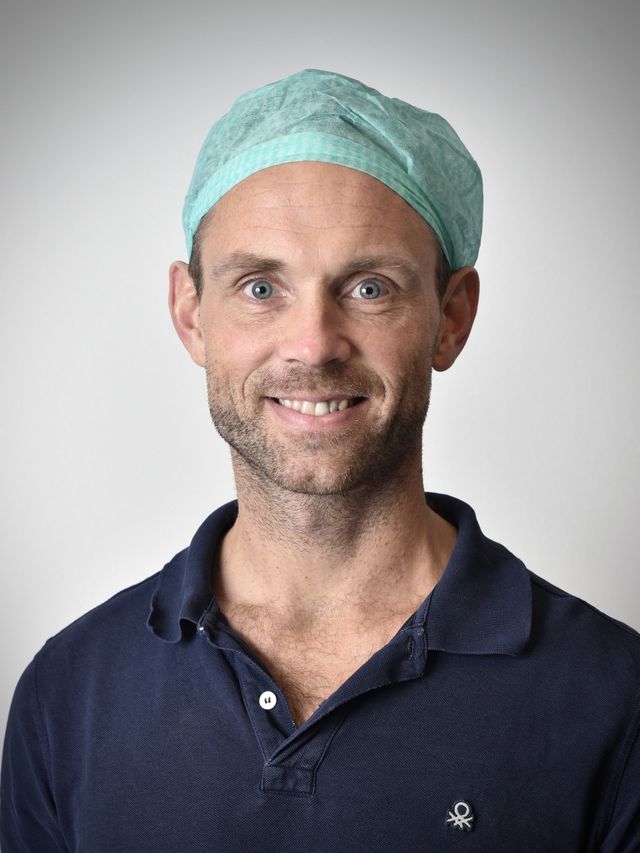
Specialist in anaesthesiology
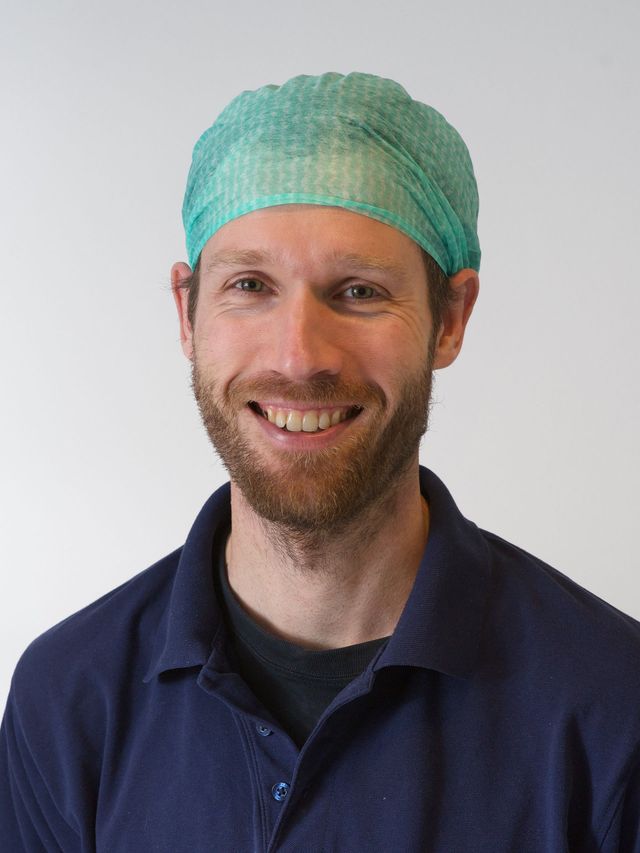
Specialist in anaesthesiology, DMSc, PhD
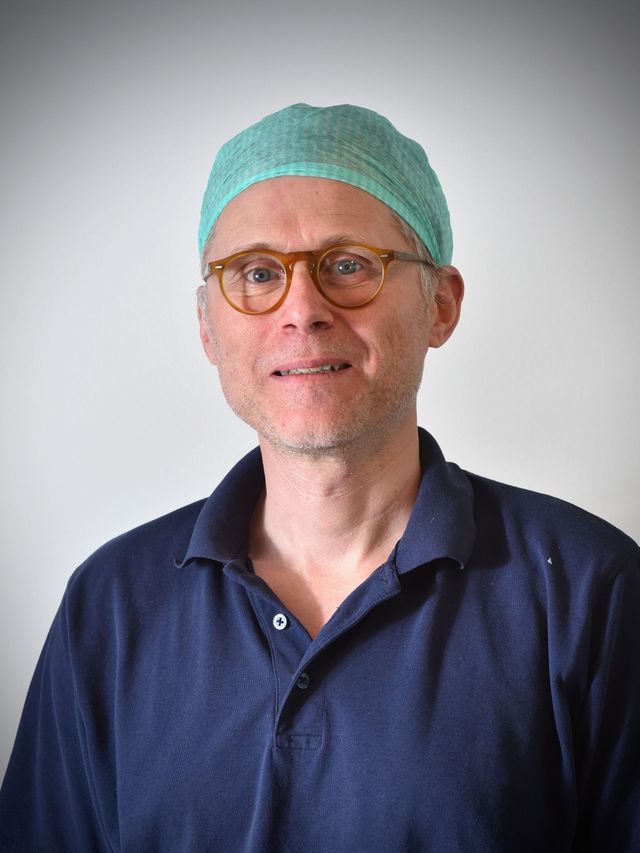
Specialist in anaesthesiology
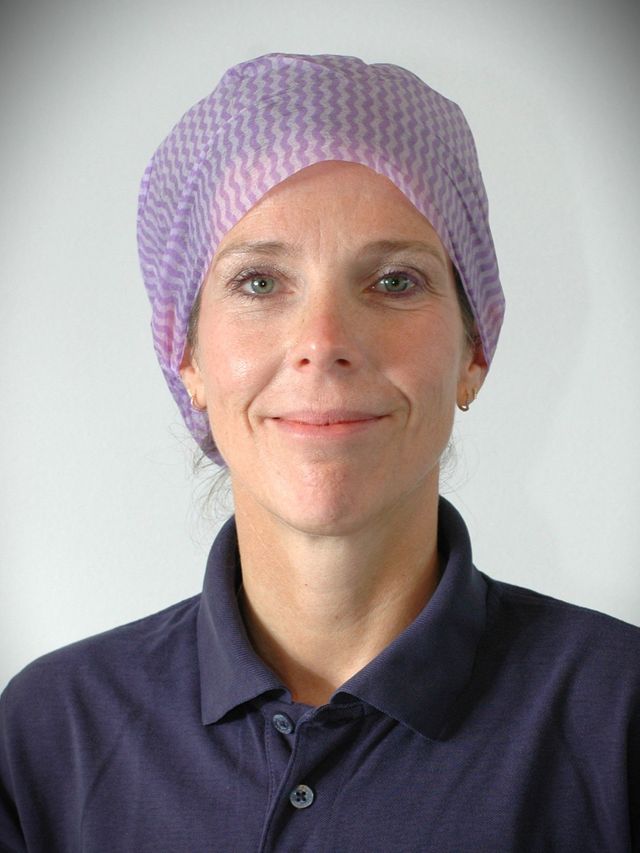
Specialist in anaesthesiology
Specialist in anaesthesiology and diving medicine
Approved by the Danish Maritime Authority
Specialist in anaesthesiology and diving medicine
Approved by the Danish Maritime Authority
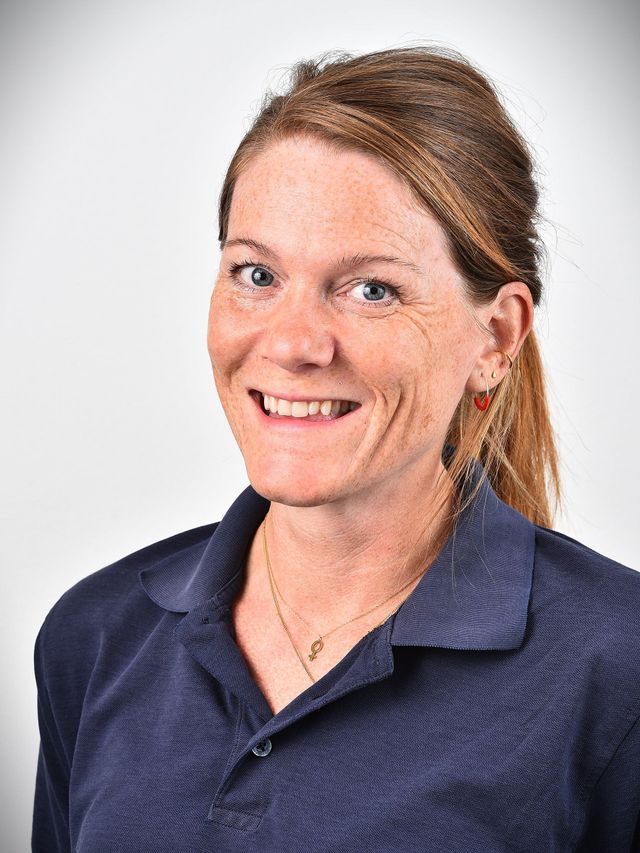
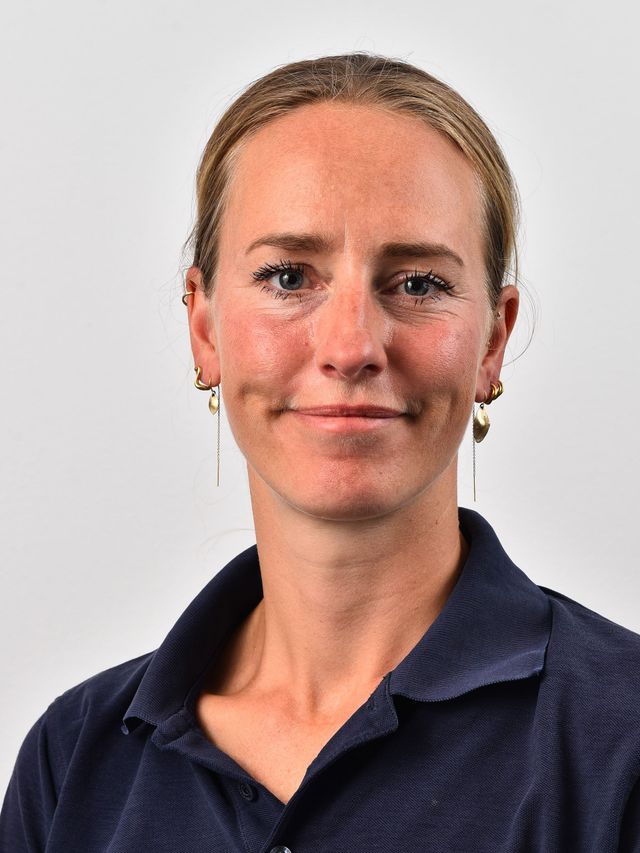

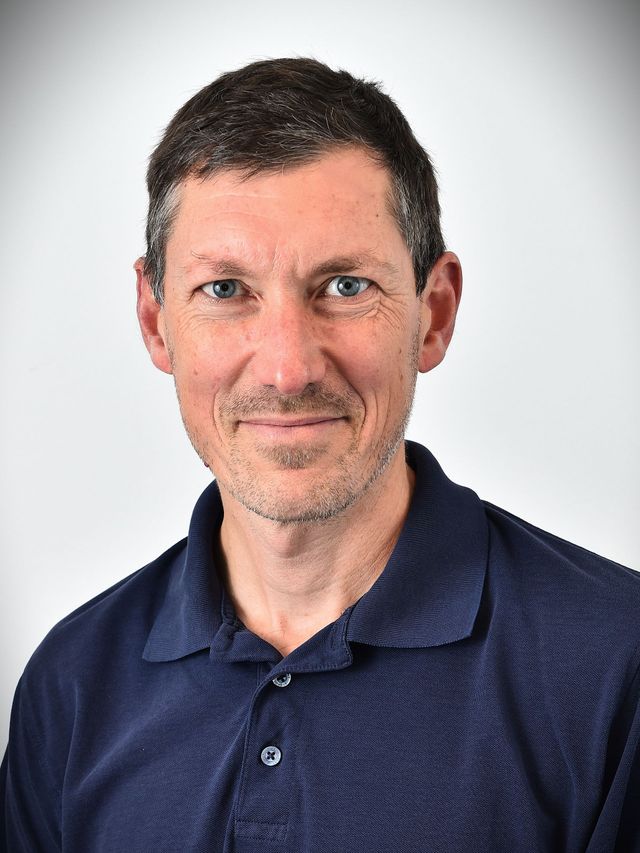
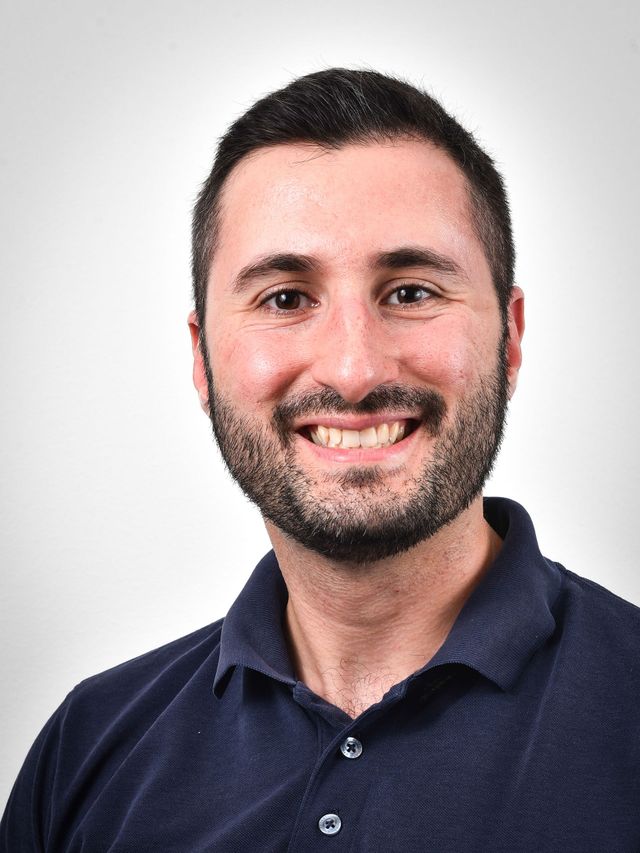


They are the people you meet first when you call or walk through the door – and the ones who look after you before and after your treatment.
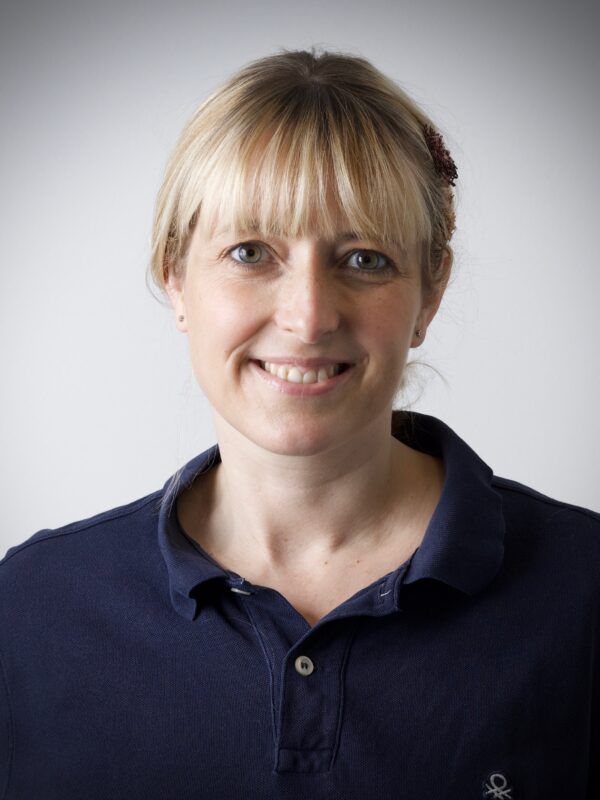
Nurse
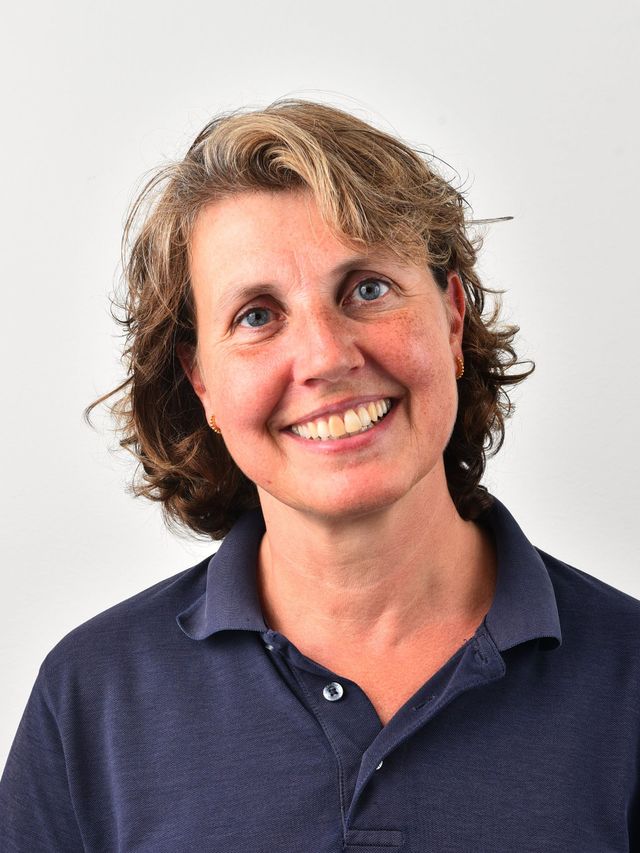
Nurse
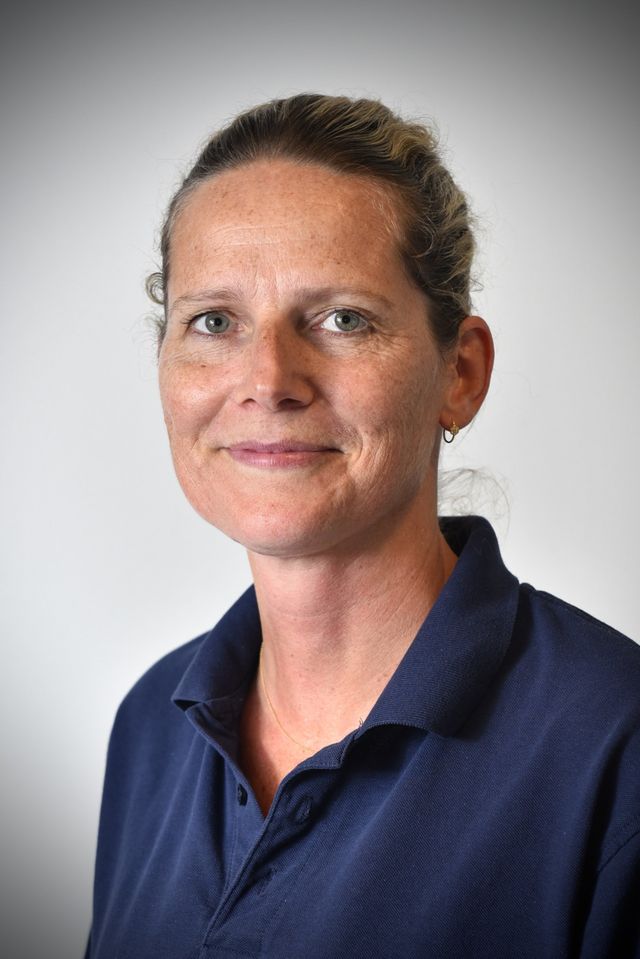
Nurse
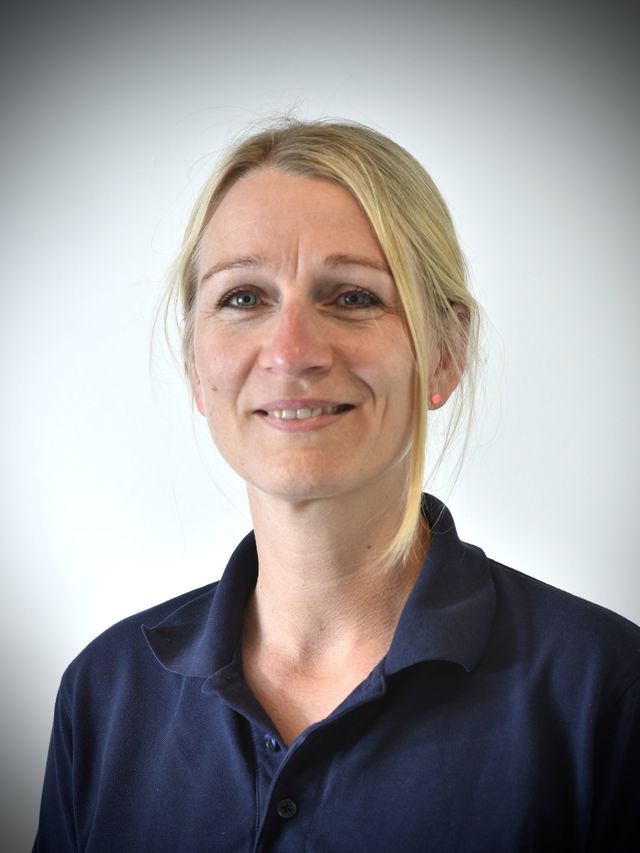
Nurse
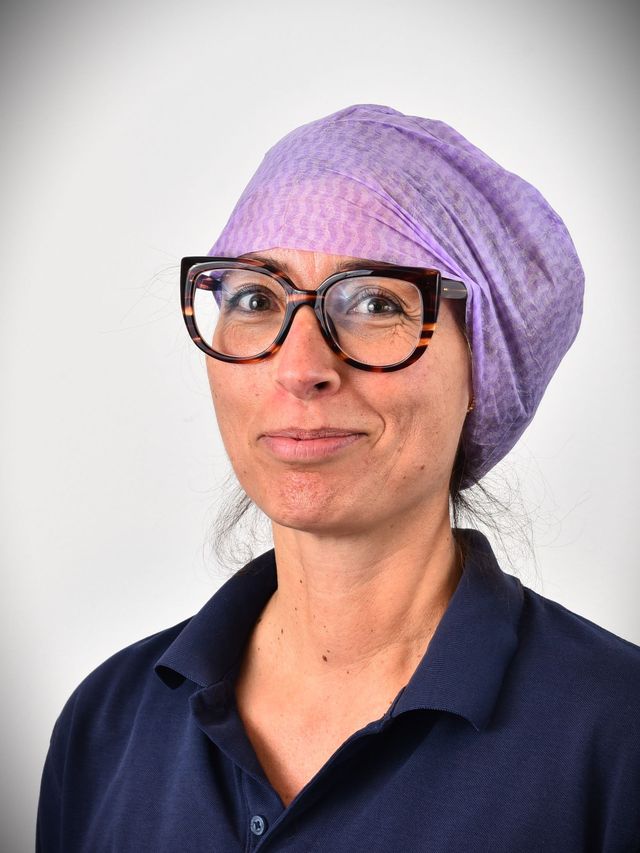
Nurse
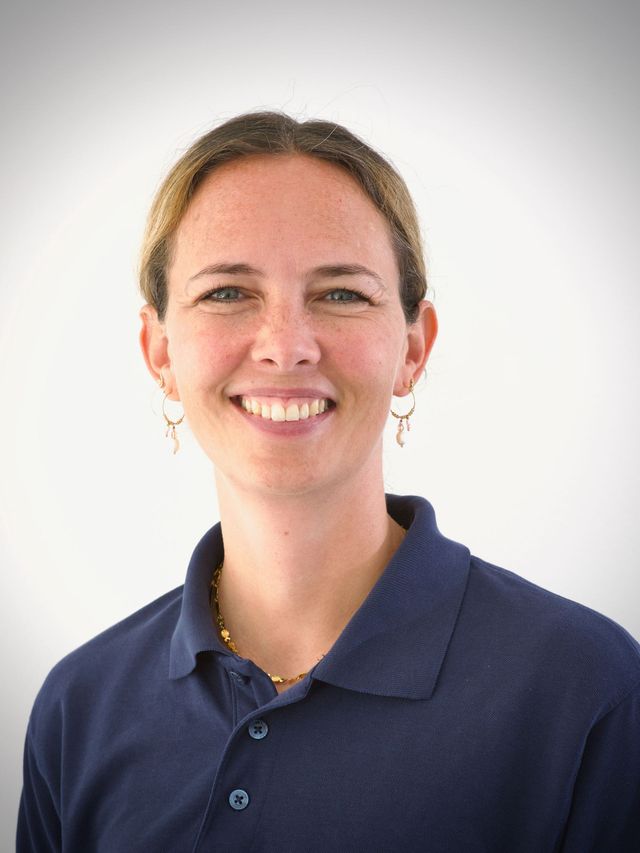
Nurse
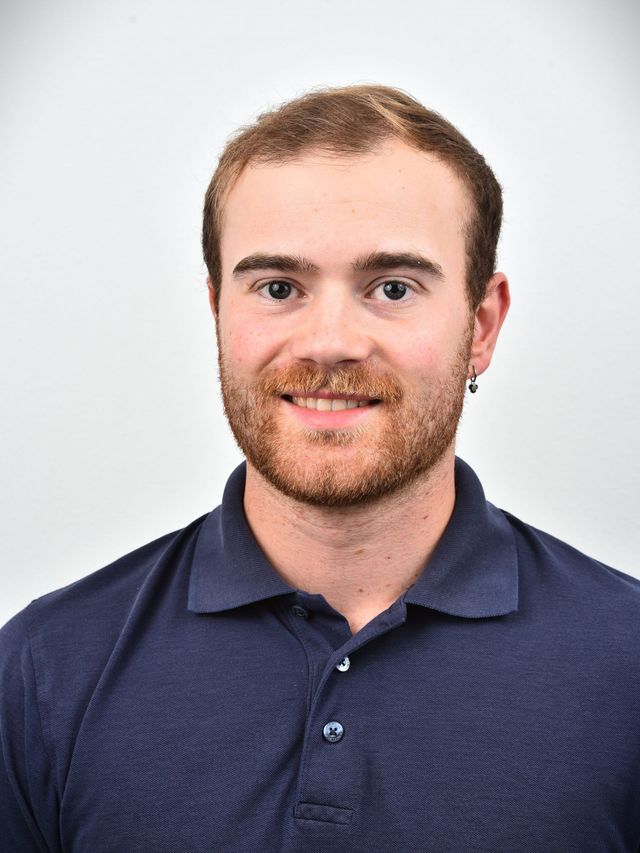
Clinical assistant
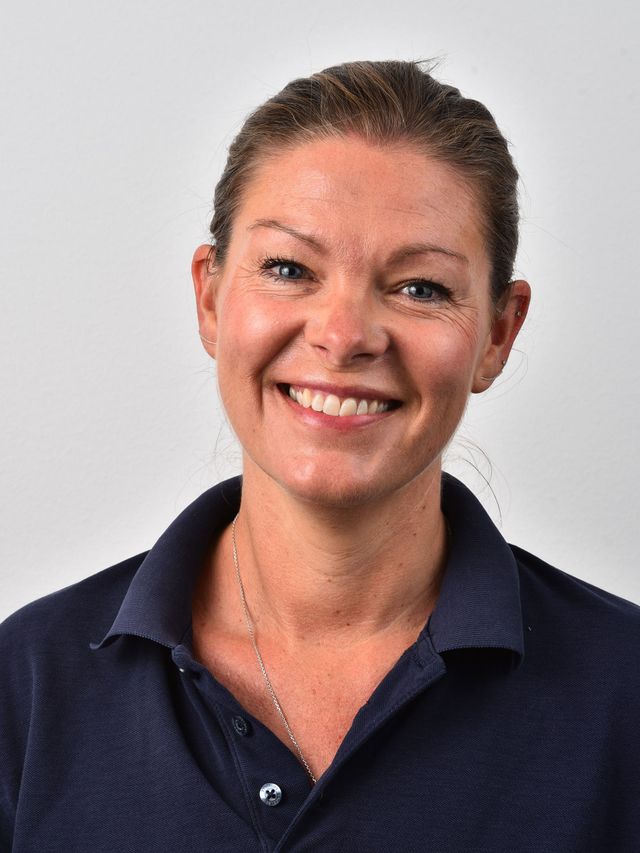
Clinical assistant
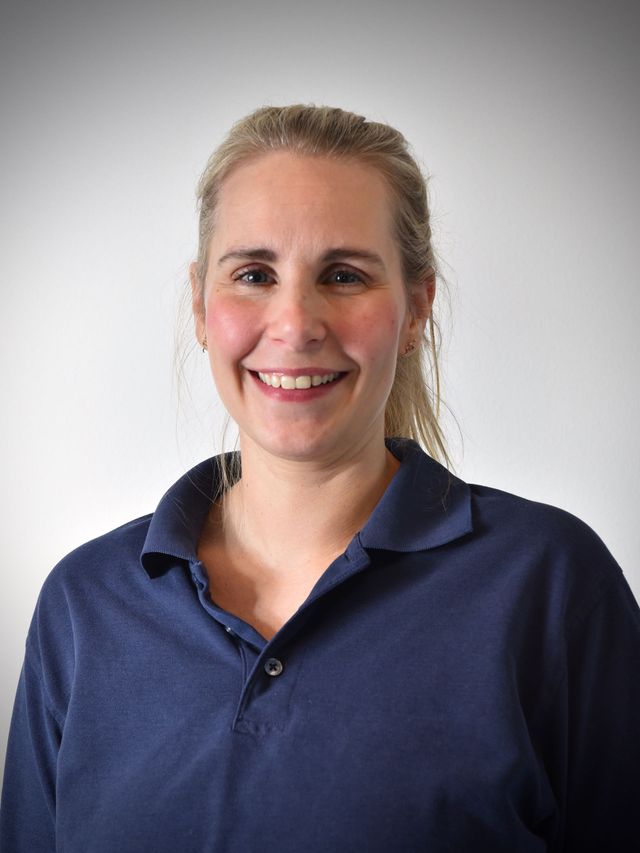
Clinical assistant
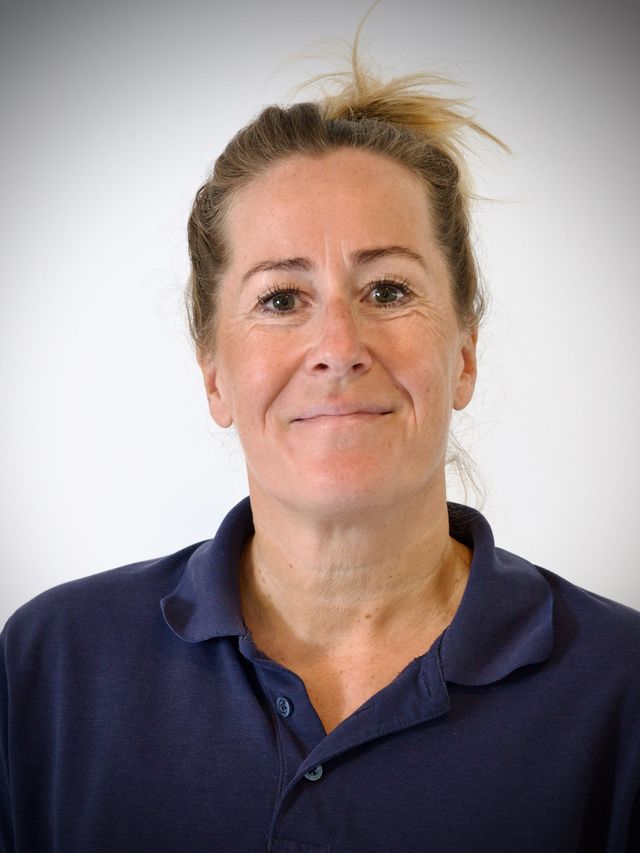
Reception and secretariat
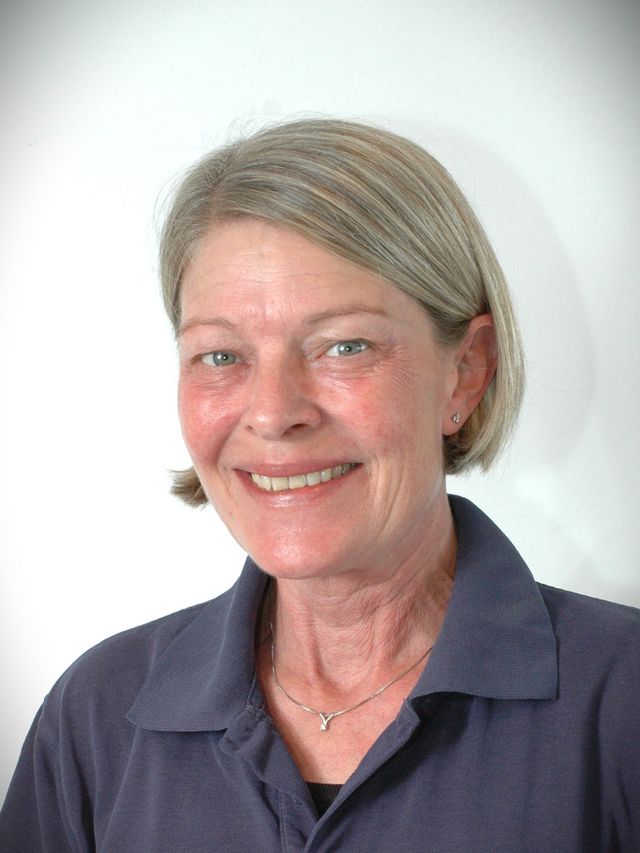
Reception and secretariat
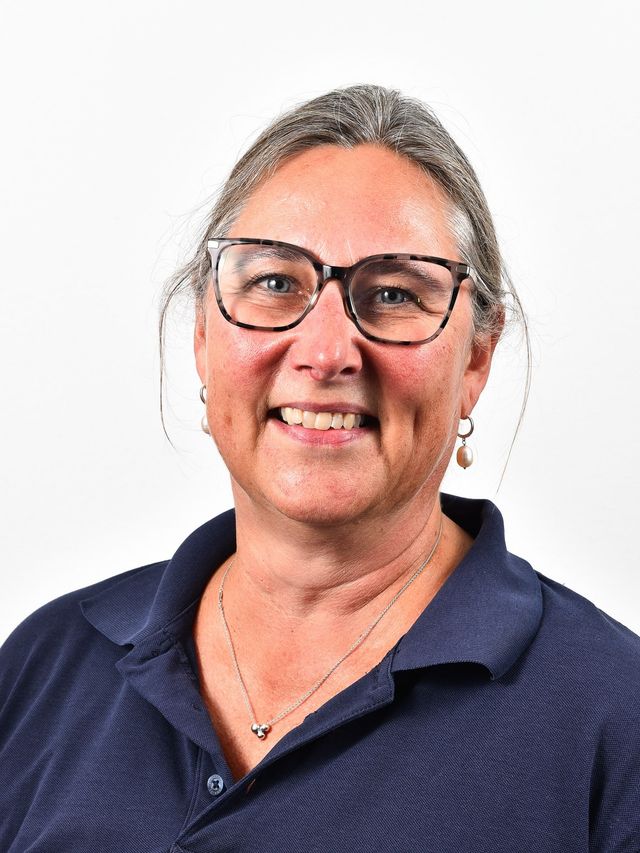
Reception and secretariat
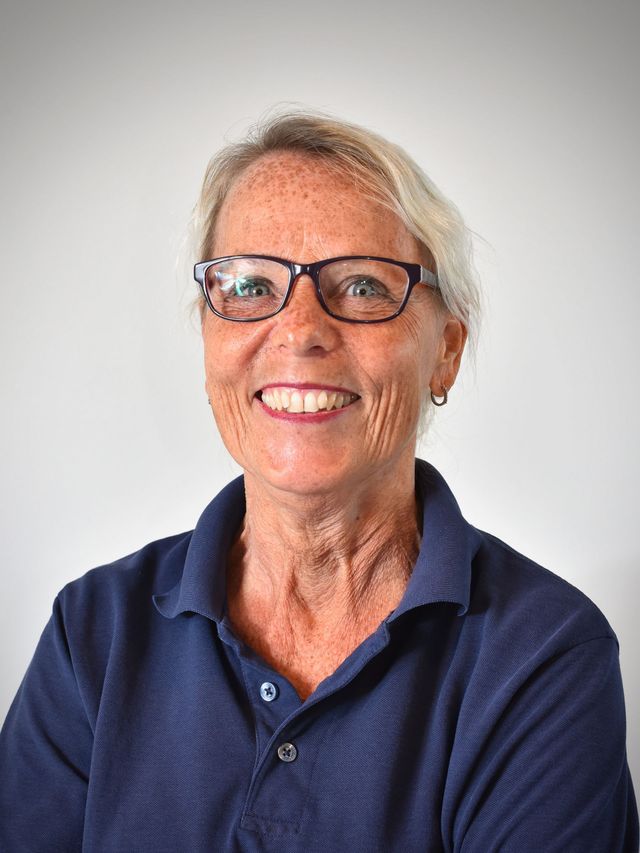
Reception and secretariat
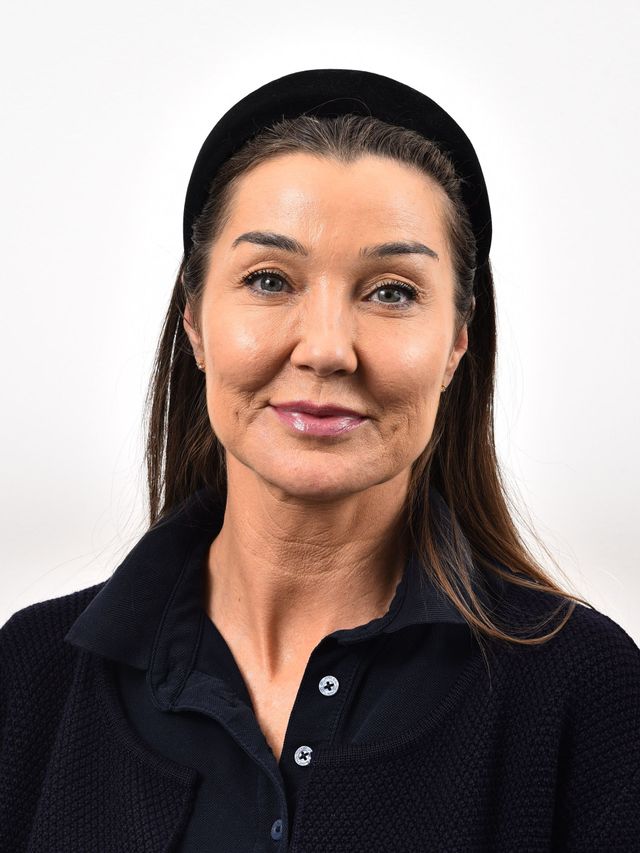
Reception and secretariat
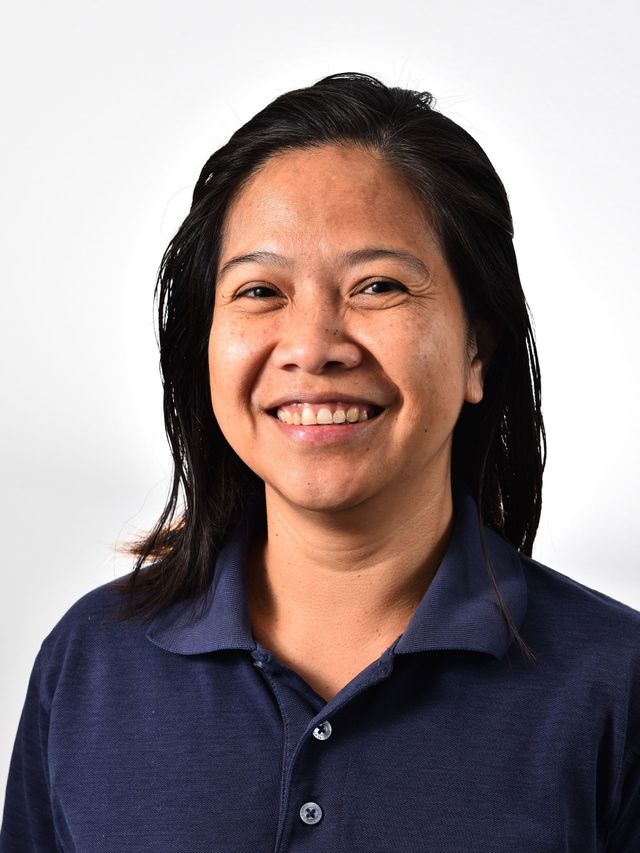
Service assistant
No one found. Try another name or choose "All".
Would you like to book an appointment with one of our specialists?
Book onlineJægersborg Allé 4
2920 Charlottenlund
CVR: 45675637
Monday–Friday, 08:00–14:00
Outside telephone hours, appointments can be booked, rescheduled and cancelled online 24/7.
Main department in Charlottenlund and ear, nose and throat departments at several locations across Denmark.