

Management
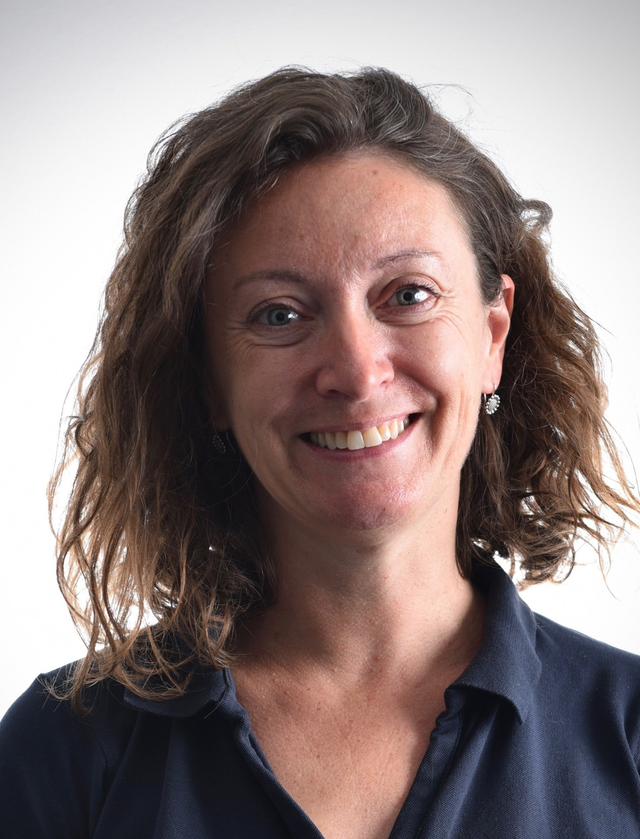
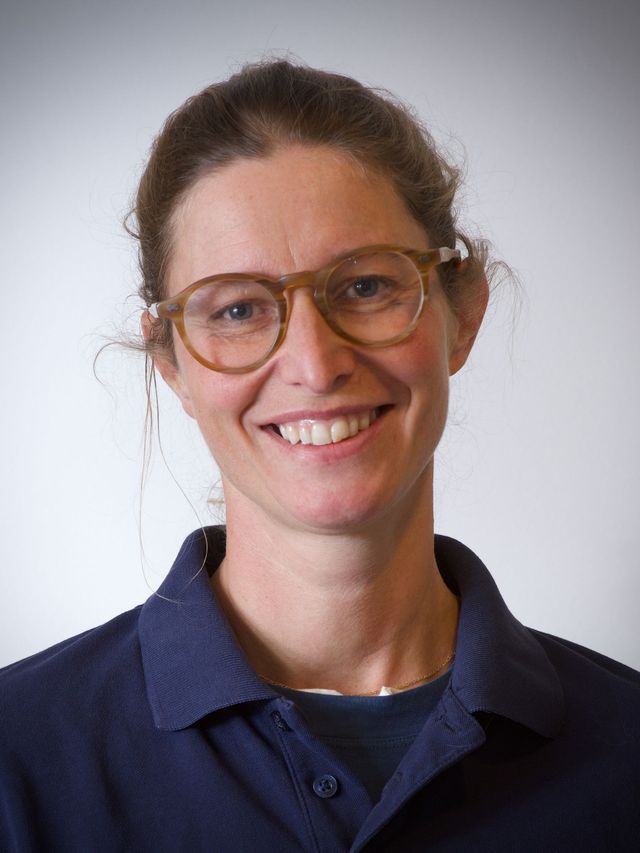
Erika Belard
Specialist physician and co-owner, CEO

Help from a psychologist for mothers, fathers and co-parents after a birth.
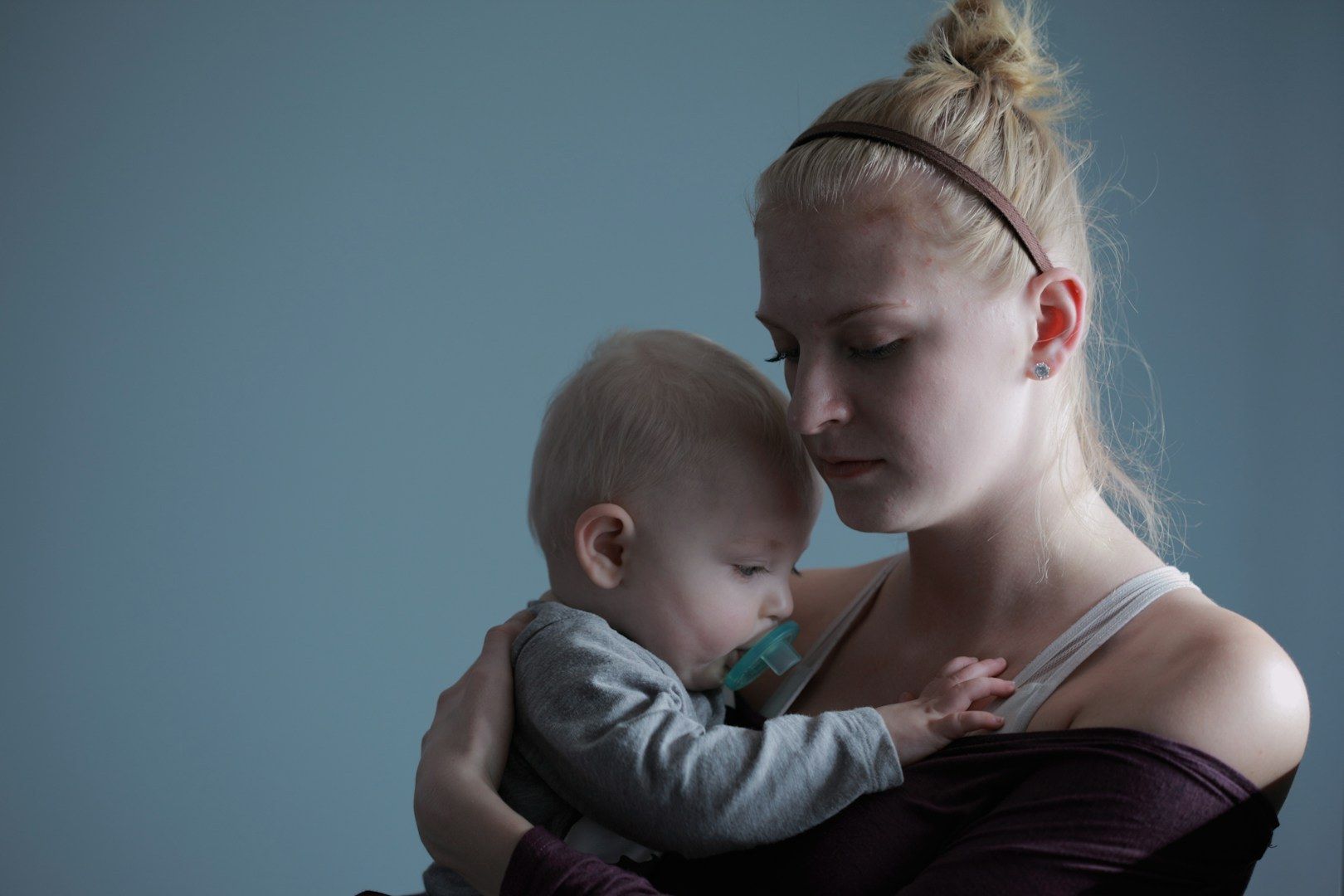
Postnatal depression can affect mothers, fathers and co-parents – during pregnancy and in the baby's first year. It is a recognised condition that can be treated. The psychologist at Charlottenlund Privathospital offers sessions in Charlottenlund or online – no referral needed if you pay yourself.
Many parents find that their emotions are all over the place in the time after a birth. It is normal to feel tired, emotional and unsure. But when the low mood does not pass and the joy disappears, it may be postnatal depression.
According to the Danish Health Authority, postnatal depression covers depression during pregnancy and in the baby's first year – in both the mother and the father or partner. "Postnatal reaction" is often used as an umbrella term for the psychological reactions after a birth, from mild and passing to actual depression.
The signs are similar to those of other depression, but often also concern the baby and the parental role:
If the signs have lasted more than two weeks, you should seek help. The health visitor and your GP can also help assess it.
Fathers and co-parents can also get postnatal depression. A meta-analysis of 43 studies found signs of depression in around 10% of fathers from pregnancy to the baby's first year – most often 3–6 months after the birth. In fathers, it is often linked to being overloaded, for example when the partner is also struggling.
Postnatal depression does not always show as sadness. It can also show as irritability, restlessness or withdrawal – in both men and women. The psychologist talks with mothers, fathers and co-parents – alone or together.

Talking treatment is a central part of treatment. A meta-analysis of randomised trials found that psychological treatment – including cognitive behavioural therapy – reduces symptoms of depression in the period around a birth.
The sessions work with the thoughts and expectations that take up space – for example about being a good enough parent – with sleep and everyday life, and with getting help from your network. If worry and rumination take up a lot of space, metacognitive techniques can be included. In severe depression, the psychologist works together with your GP.
The first session is about how you are feeling, how the birth and the time since have been and what you need. A plan is then agreed. Your partner can take part if you wish – and if the strain on the relationship is significant, couples therapy may be an option.
If it is hard to get out of the house with a small baby, sessions can take place online via video.

If you pay yourself, no referral is needed, and you can book online. Prices are shown in the price list.
Many health insurance policies cover sessions with a psychologist in full or in part – it depends on the individual policy and agreement. The insurer usually has to approve the treatment in advance and typically sends the approval directly to the hospital, which then settles the bill with the insurer.
Charlottenlund Privathospital does not see patients under the Danish public health insurance scheme, so the subsidy available with a GP referral cannot be used here.
Sessions are with Sarah Østergaard Kokholm, clinical psychologist. She is trained in cognitive therapy, certified in metacognitive therapy (MCT-I) and a certified Cool Kids therapist, and works with adults, young people and children. Sessions take place in Charlottenlund or online via video.
Baby blues comes in the first days after the birth and passes by itself. Postnatal depression lasts – typically more than two weeks – and affects mood, energy and joy so much that treatment is needed.
Yes. Fathers and co-parents can also get postnatal depression. It does not always show as sadness, but can also cause irritability, withdrawal or restlessness.
If low mood has lasted more than two weeks, if the joy has gone, or if you find it hard to cope with everyday life. If you have thoughts of harming yourself or the baby, seek help immediately – call 112.
Yes. The Danish Health Authority's definition includes depression during pregnancy, and symptoms can begin before the baby is born.
If you pay yourself, no referral is needed, and you can book online. If you have health insurance, the insurer may cover the sessions in full or in part – it depends on the individual policy and agreement. The insurer usually has to approve the treatment in advance.
Yes. Many new parents choose sessions via video so they do not have to find childcare or bring a small baby.
The time after a birth can affect body, mind and relationship.
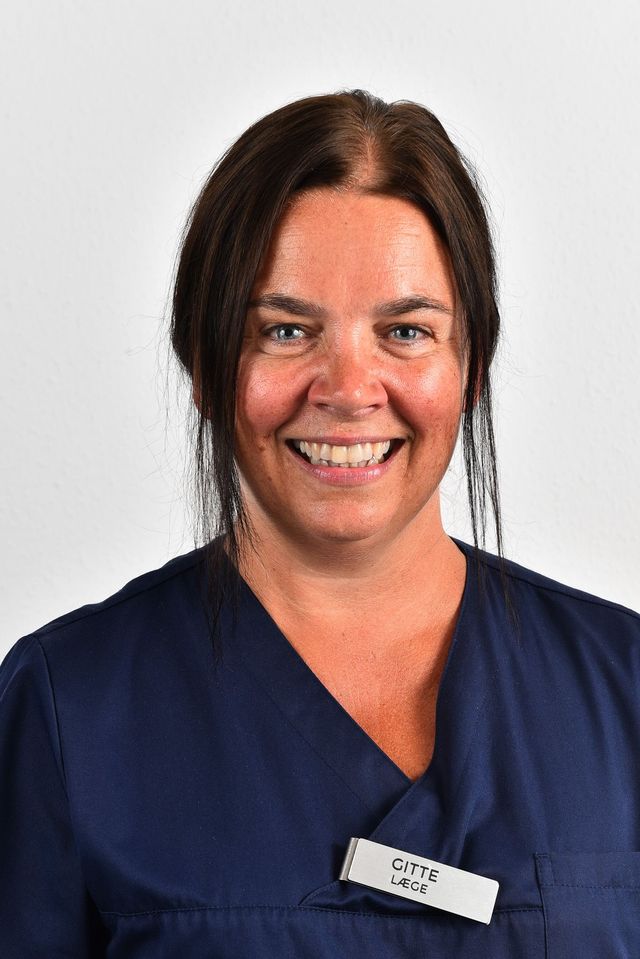
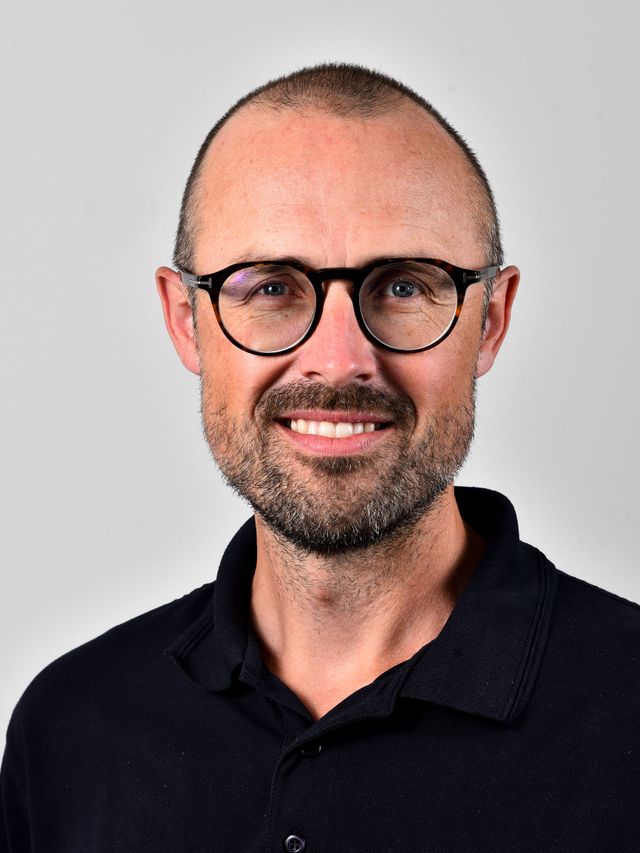
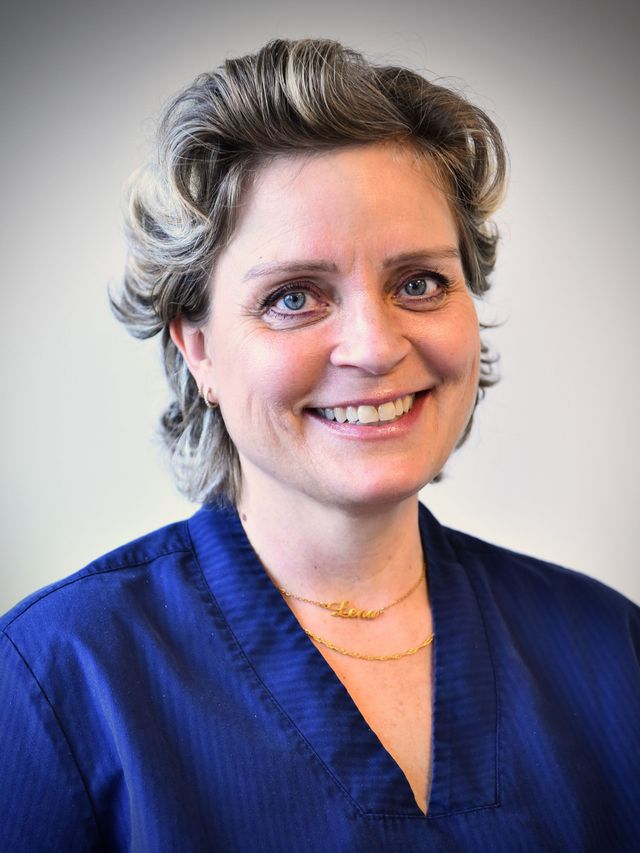
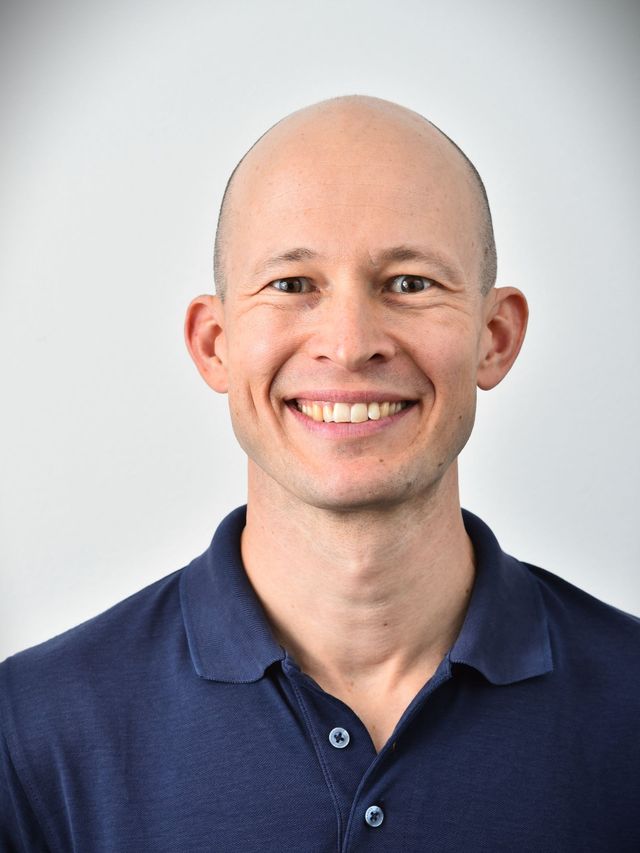
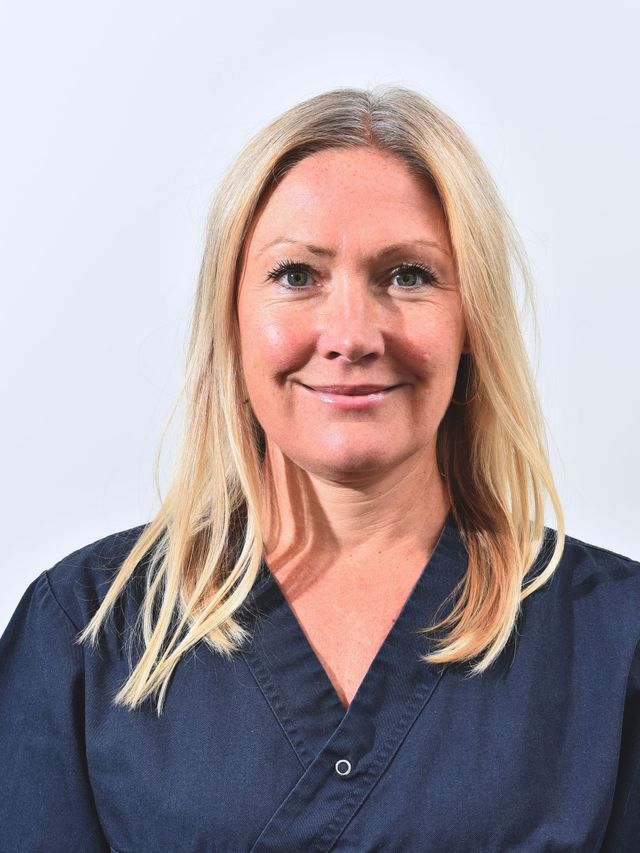
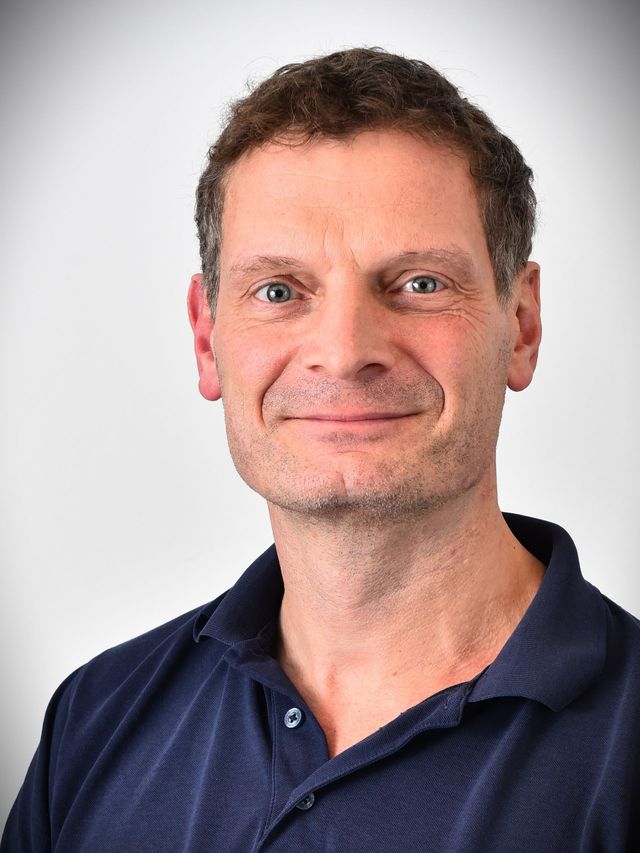
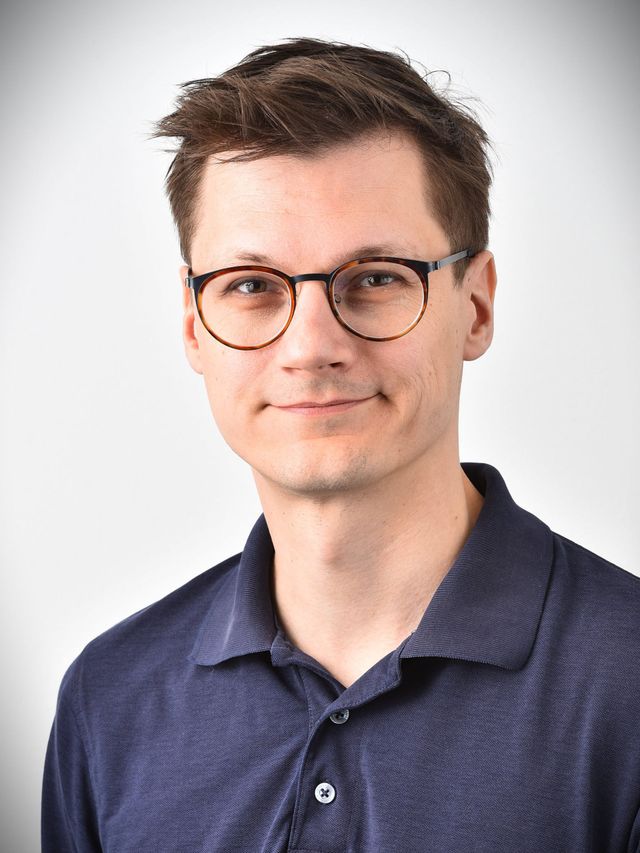
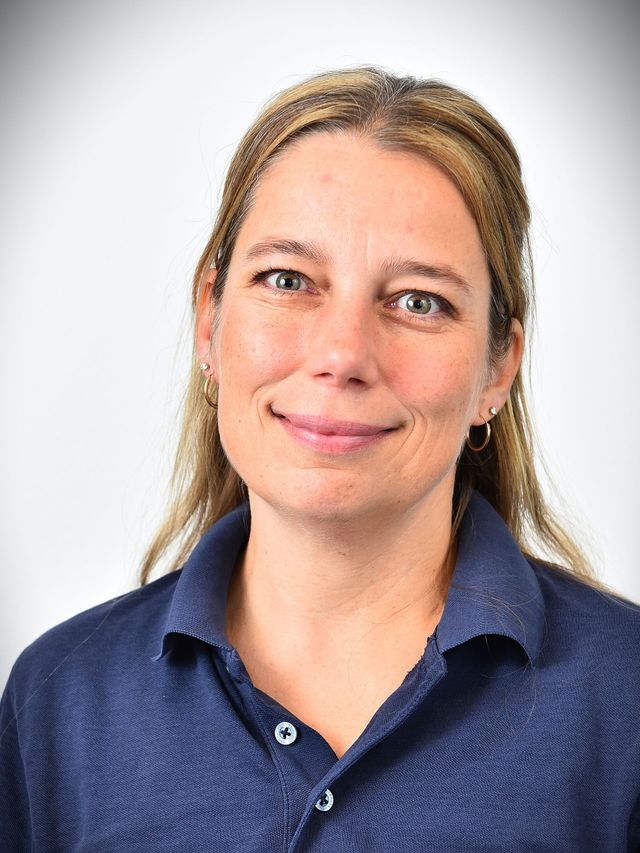
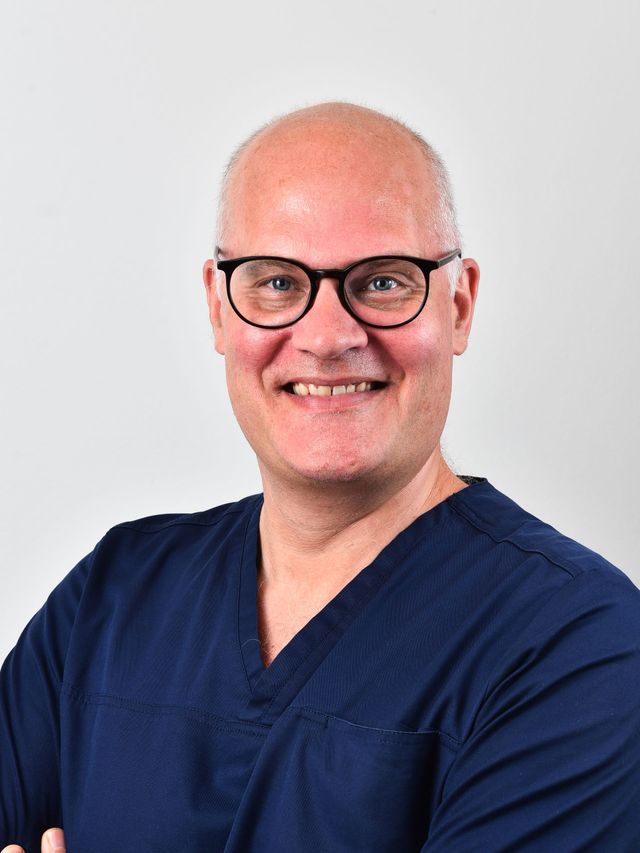
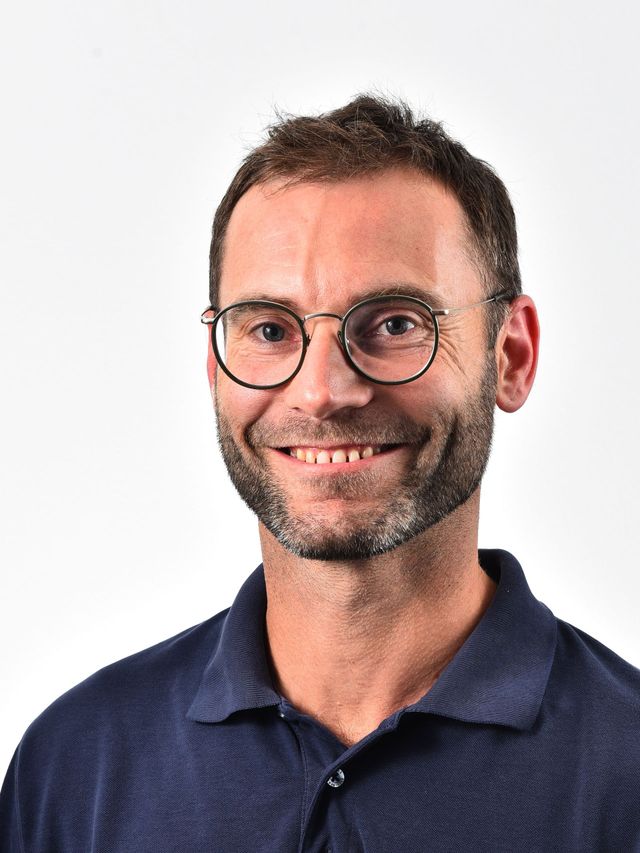
Charlottenlund Privathospital is owned and run by three specialist physicians: Erika Belard, Jacob Fisker and Teit Mantoni. Jacob Fisker is medical director. Here you will find our ear, nose and throat (ENT) specialists in Charlottenlund and at our clinics around Denmark – and in Charlottenlund also specialists in paediatric surgery, dermatology, diving medicine, gynaecology, cardiology, paediatrics, psychology and rheumatology.
Specialist physician and co-owner, CEO

Specialist physician, co-owner and medical director
Specialist physician and co-owner
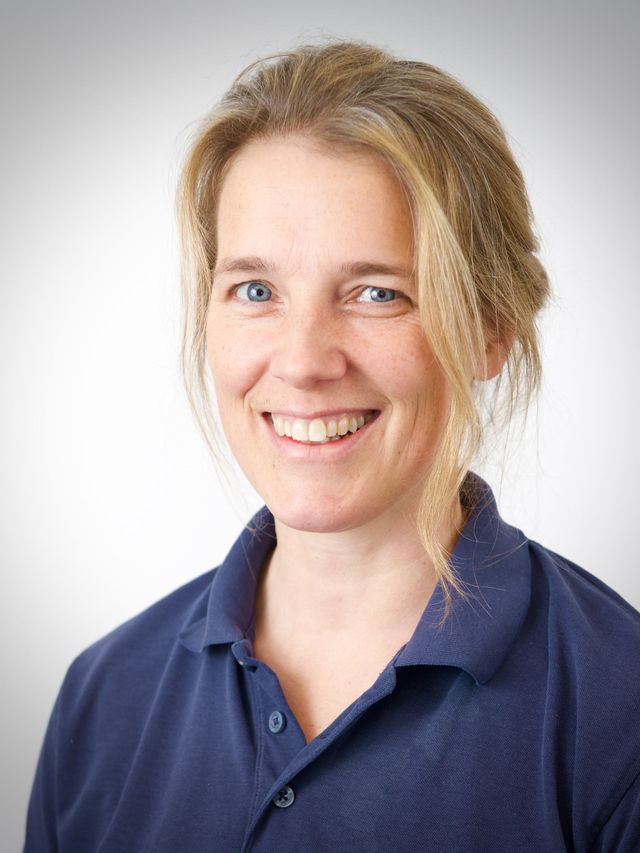
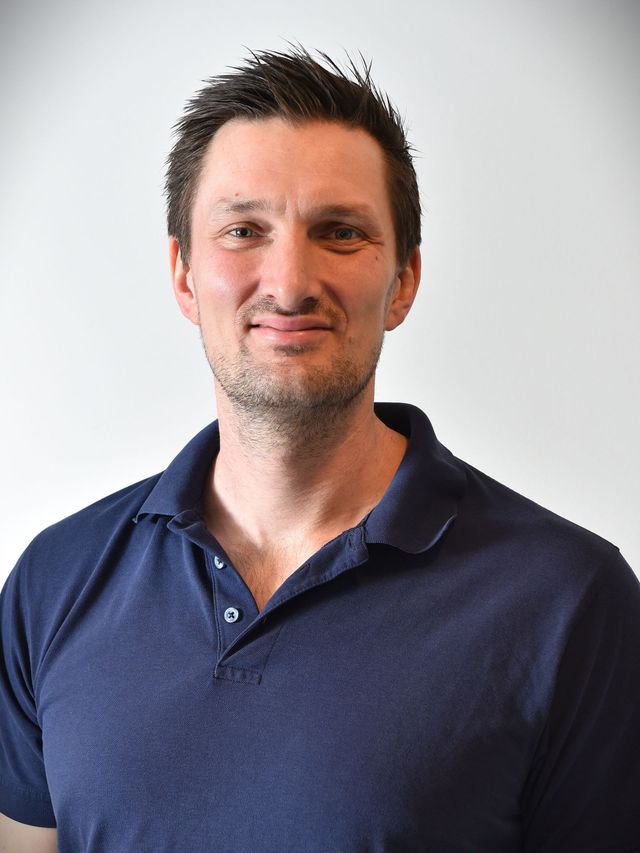
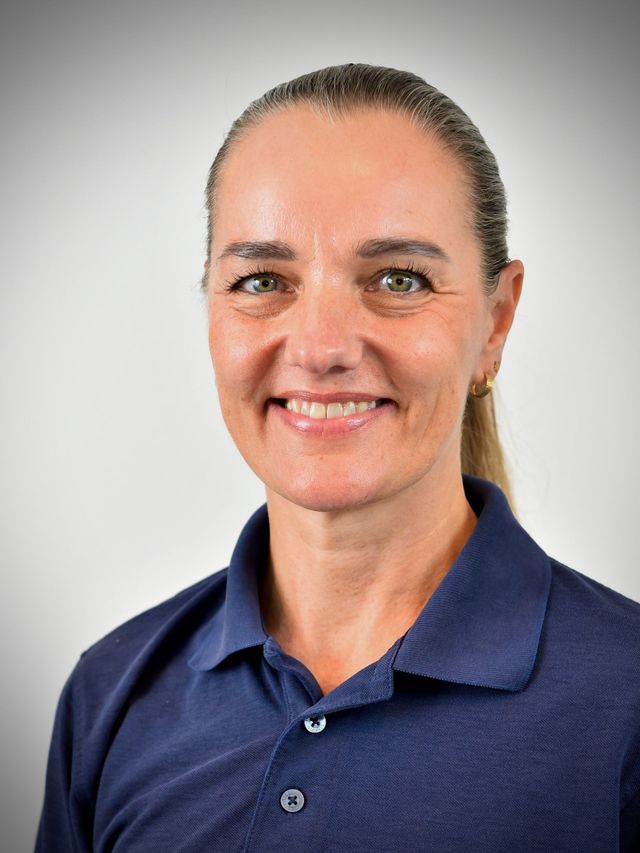
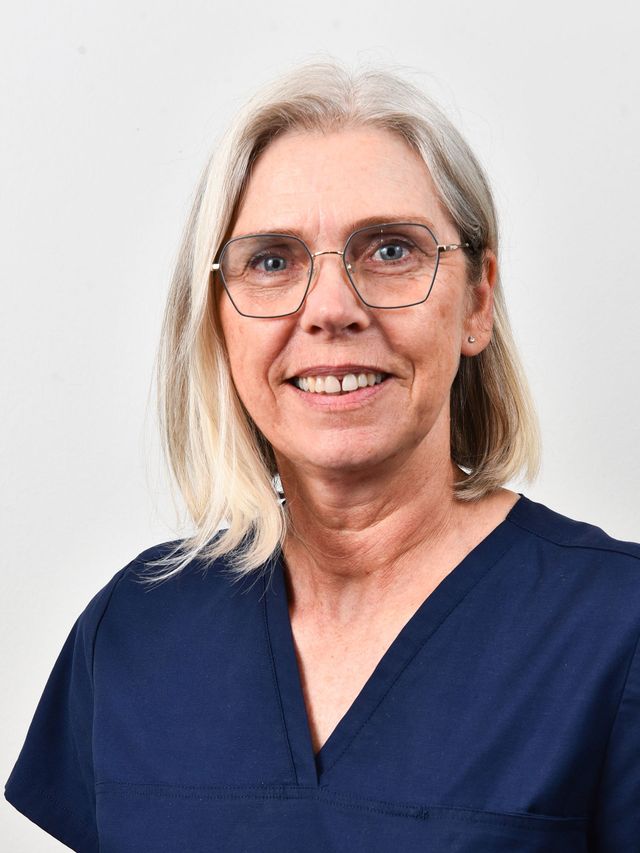
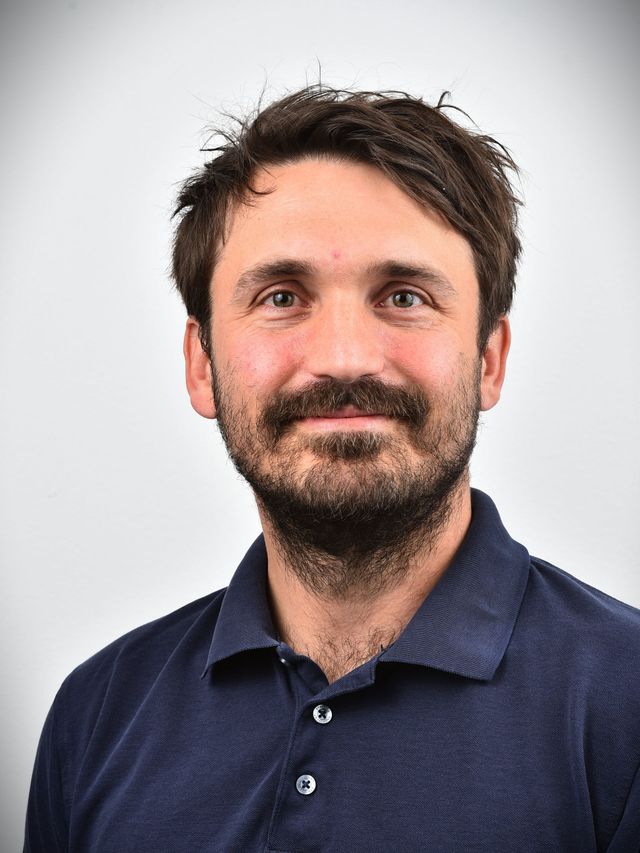


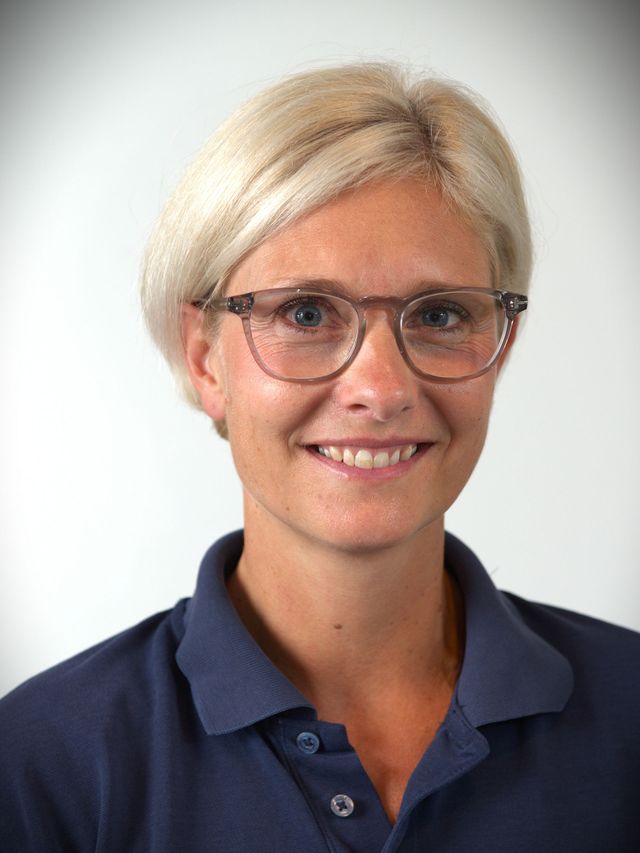
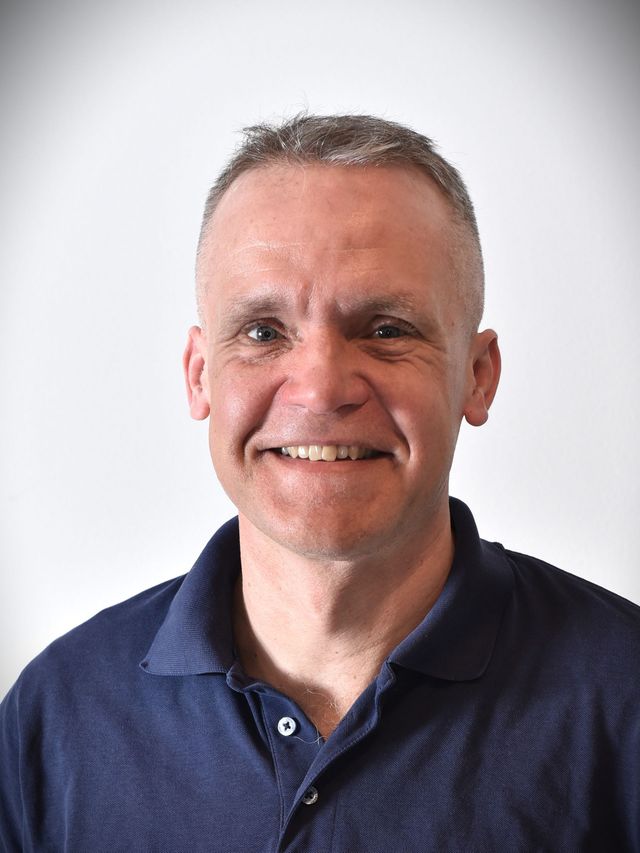
Specialist in anaesthesiology

Specialist in anaesthesiology
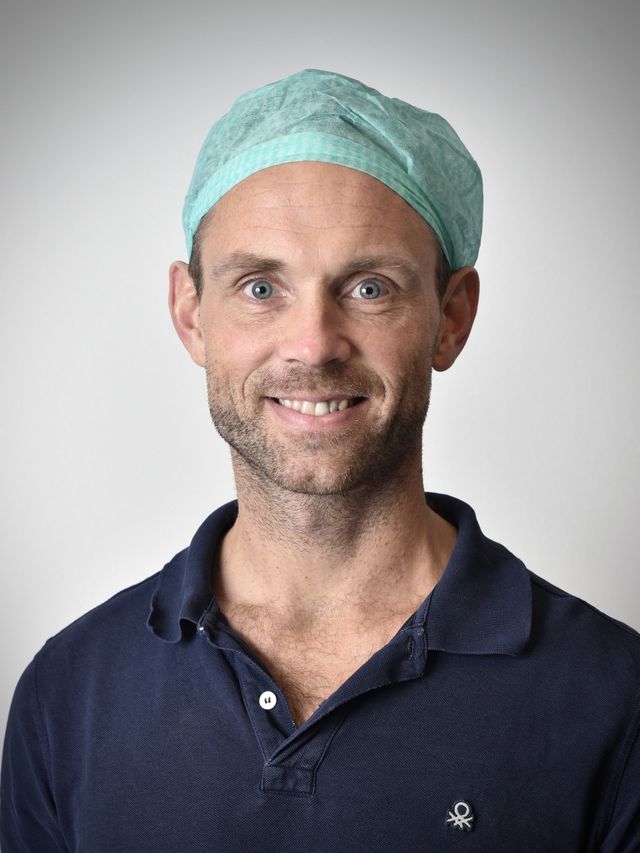
Specialist in anaesthesiology
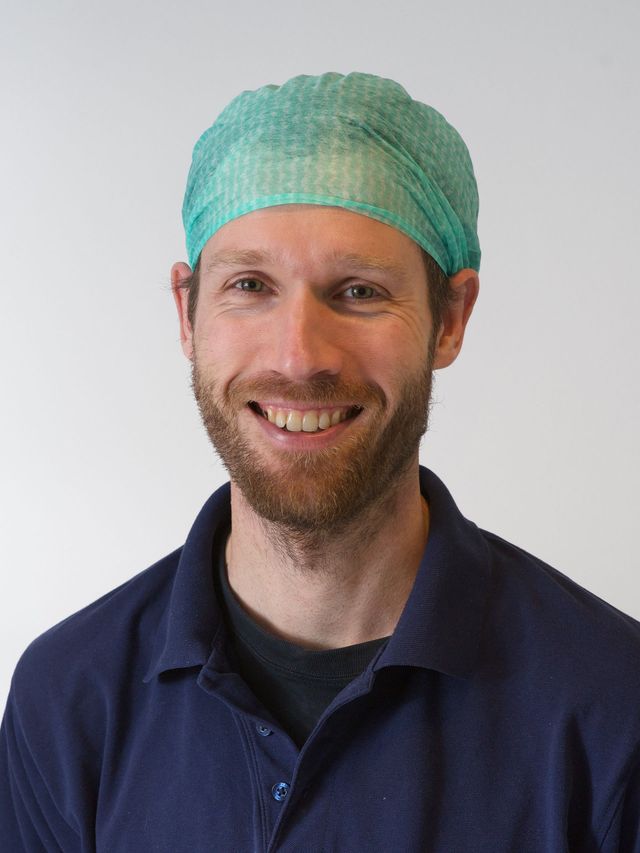
Specialist in anaesthesiology, DMSc, PhD
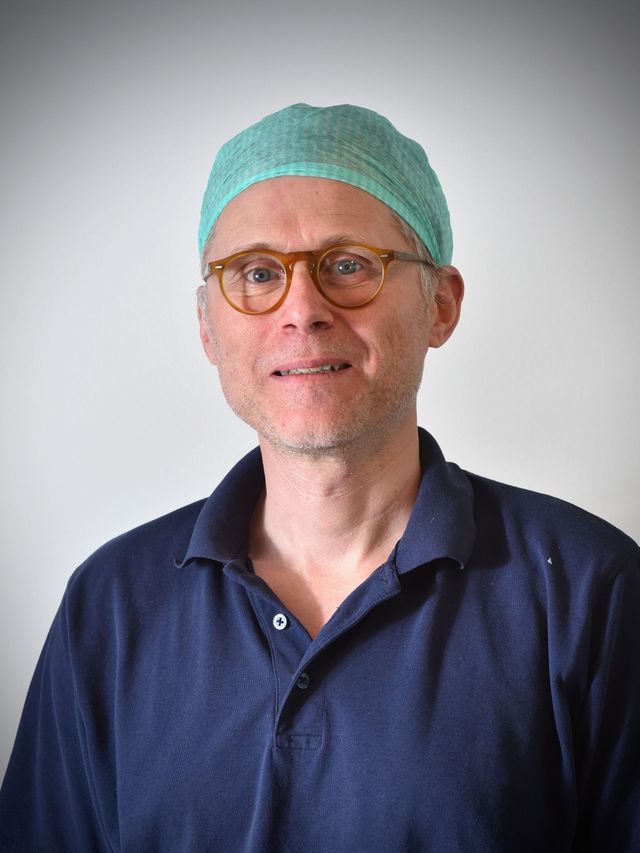
Specialist in anaesthesiology
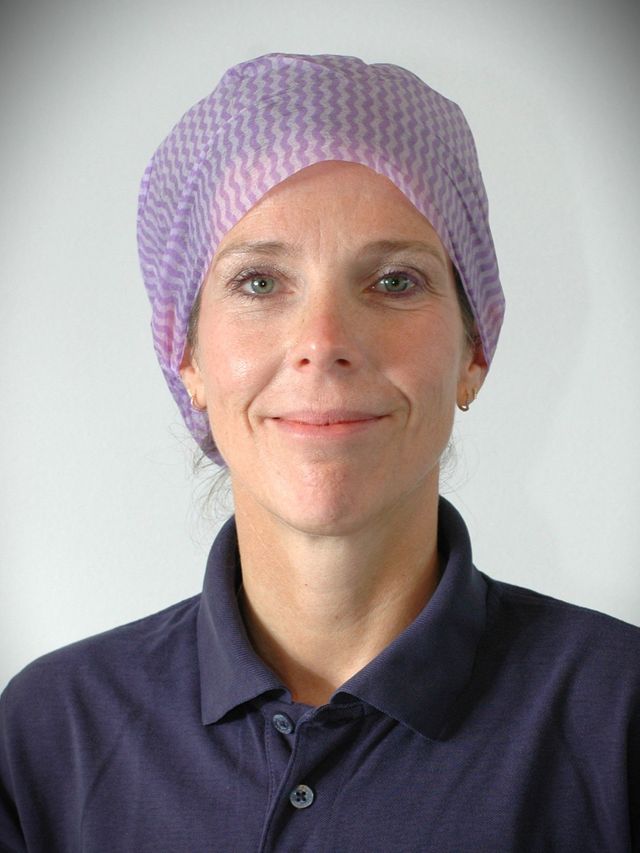
Specialist in anaesthesiology
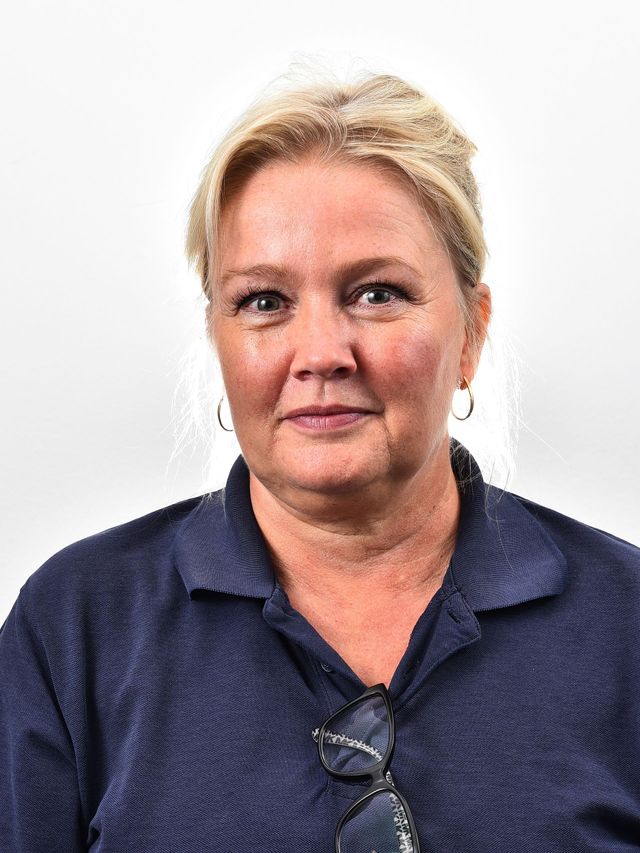
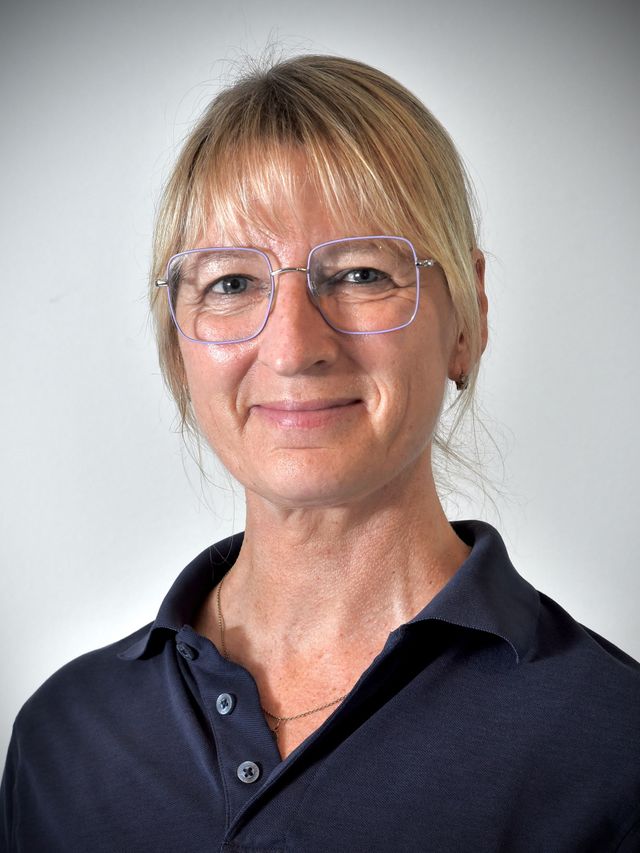
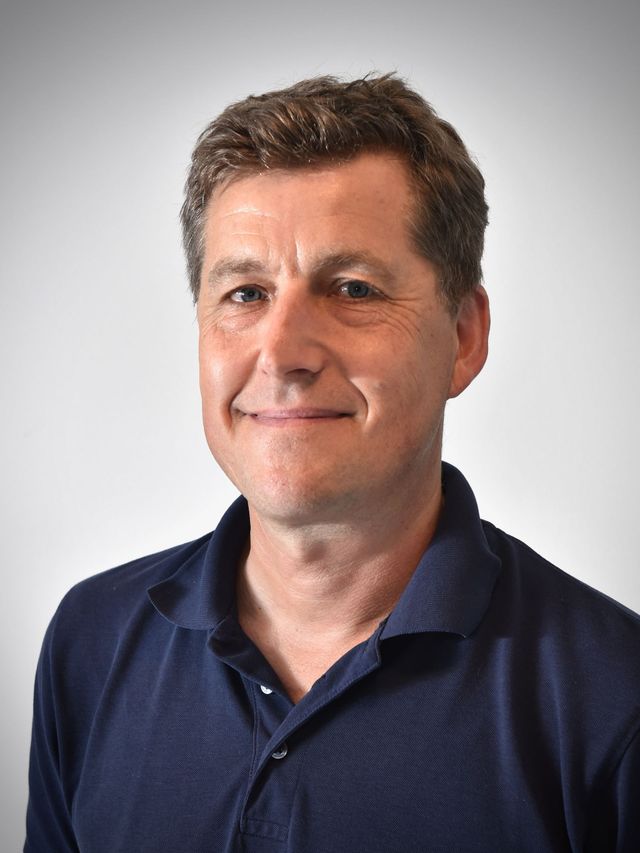
Specialist in anaesthesiology and diving medicine
Approved by the Danish Maritime Authority
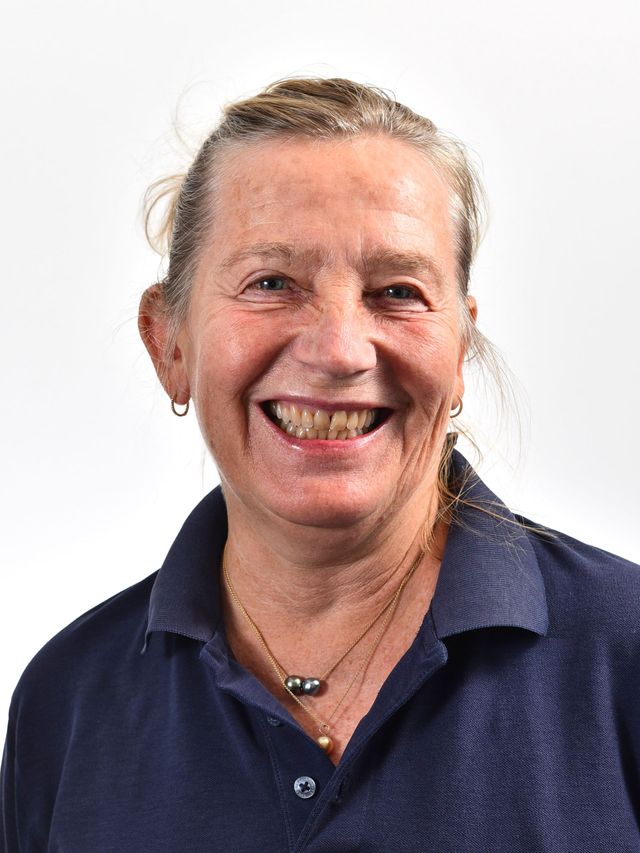
Specialist in anaesthesiology and diving medicine
Approved by the Danish Maritime Authority
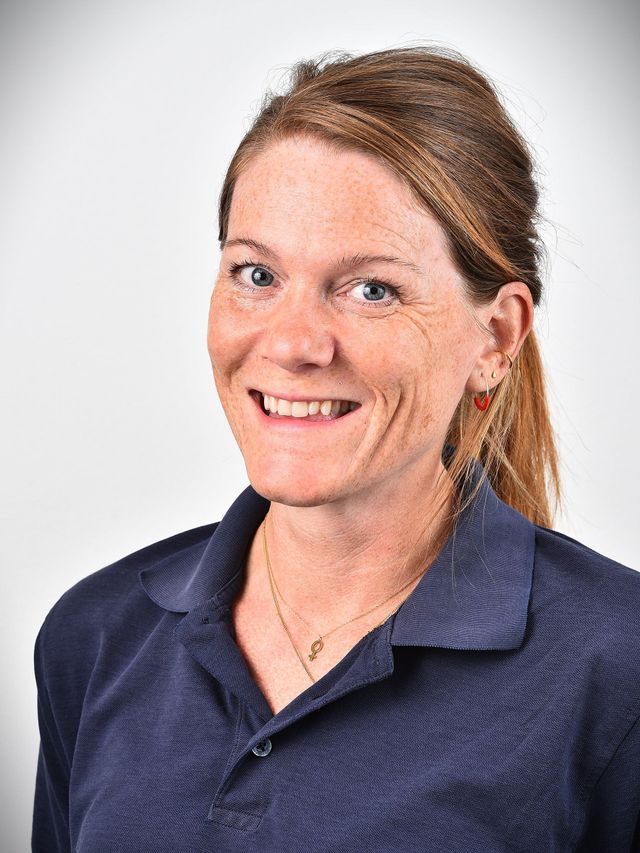
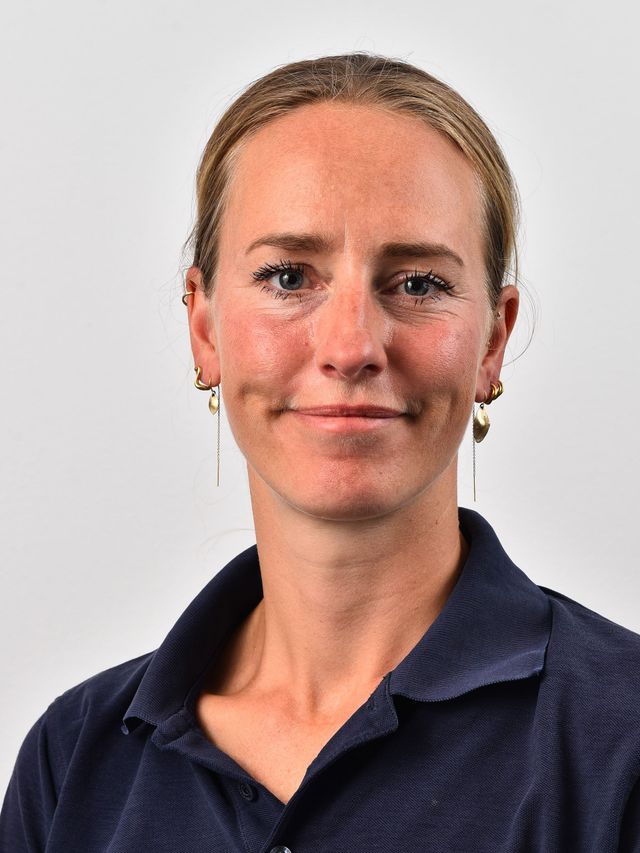


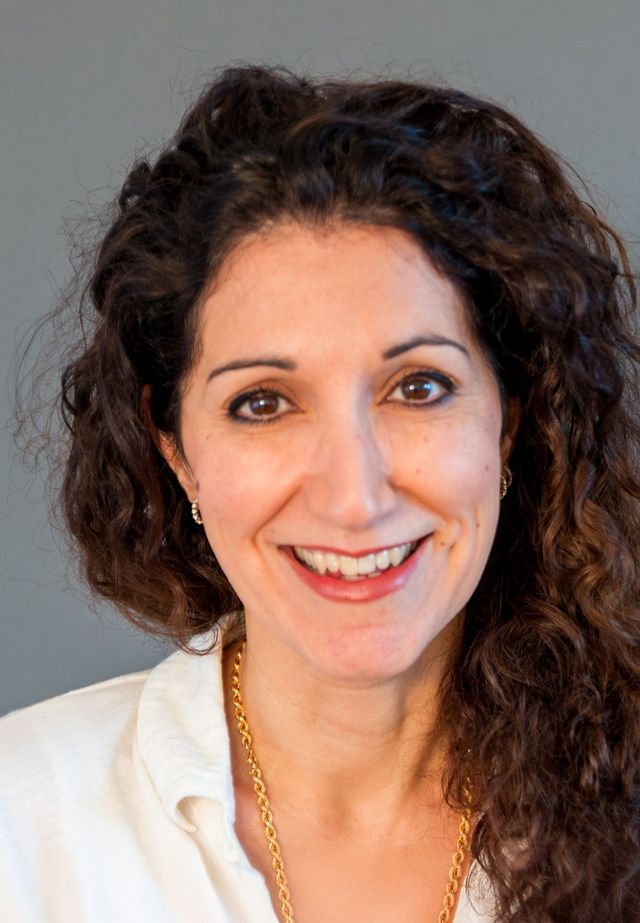
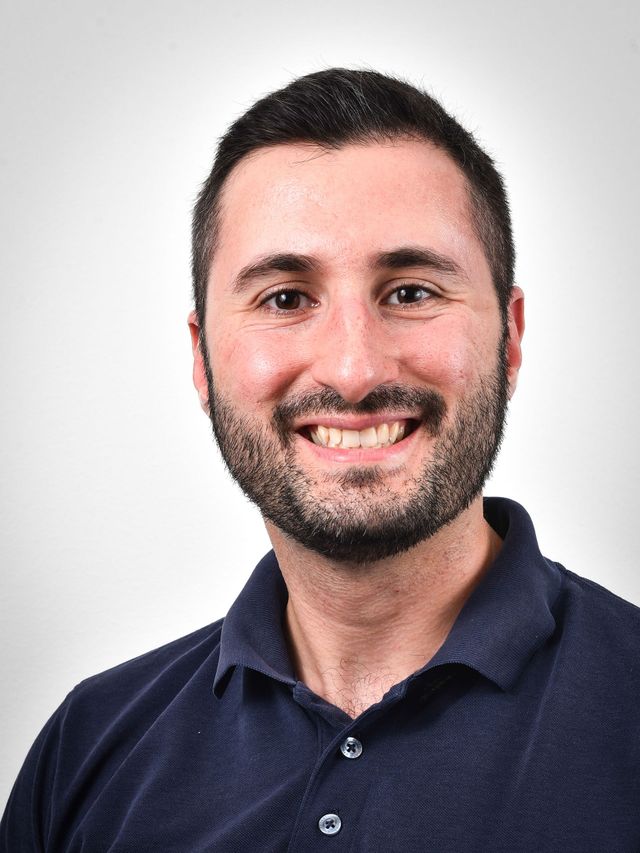


They are the people you meet first when you call or walk through the door – and the ones who look after you before and after your treatment.
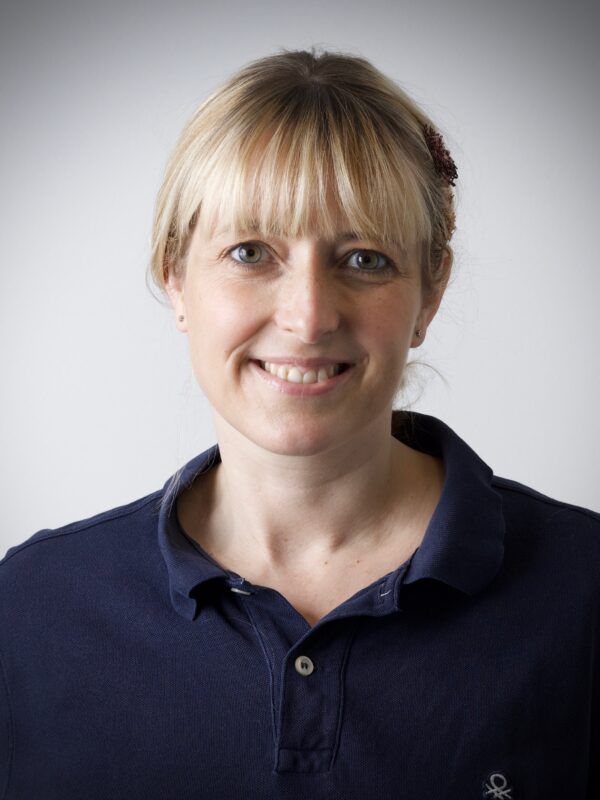
Nurse
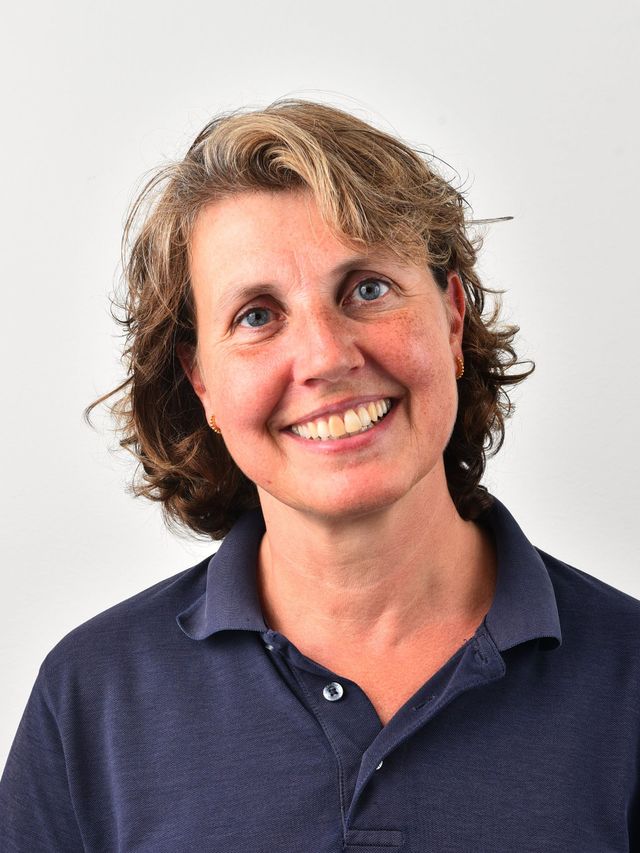
Nurse
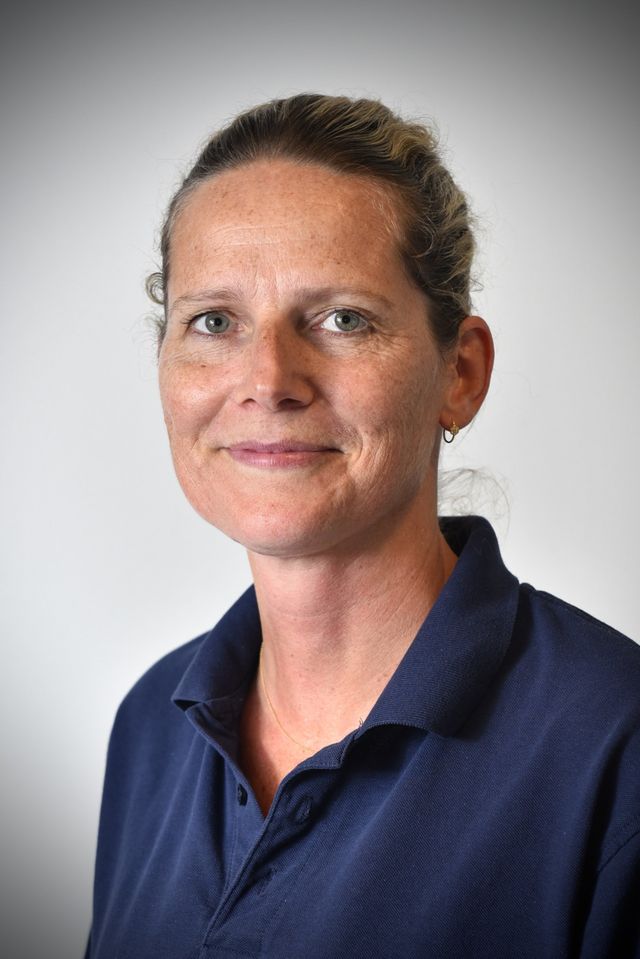
Nurse
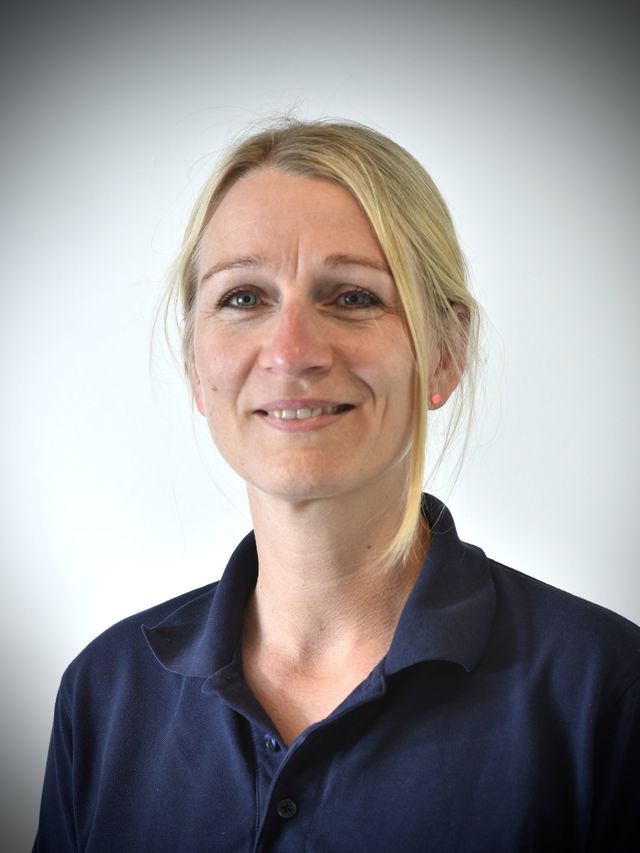
Nurse
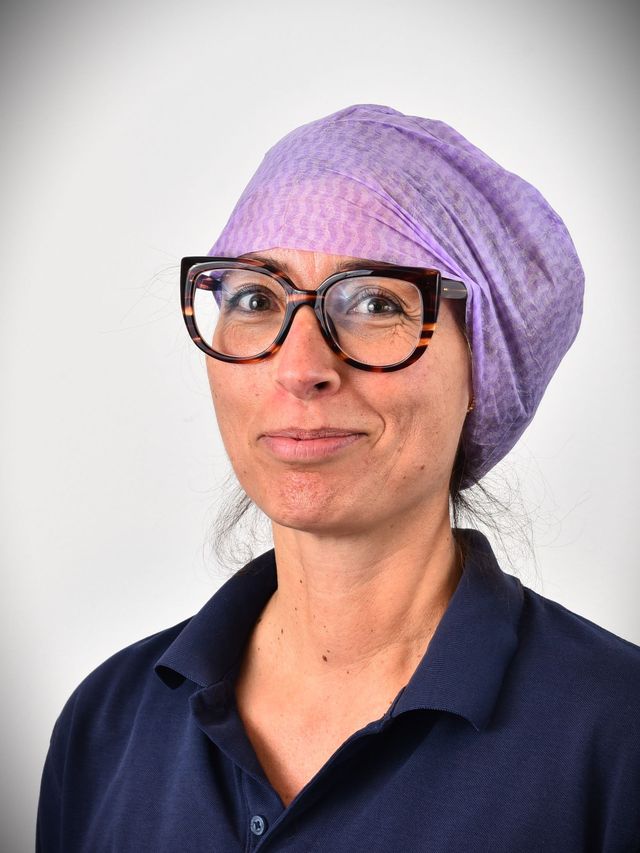
Nurse
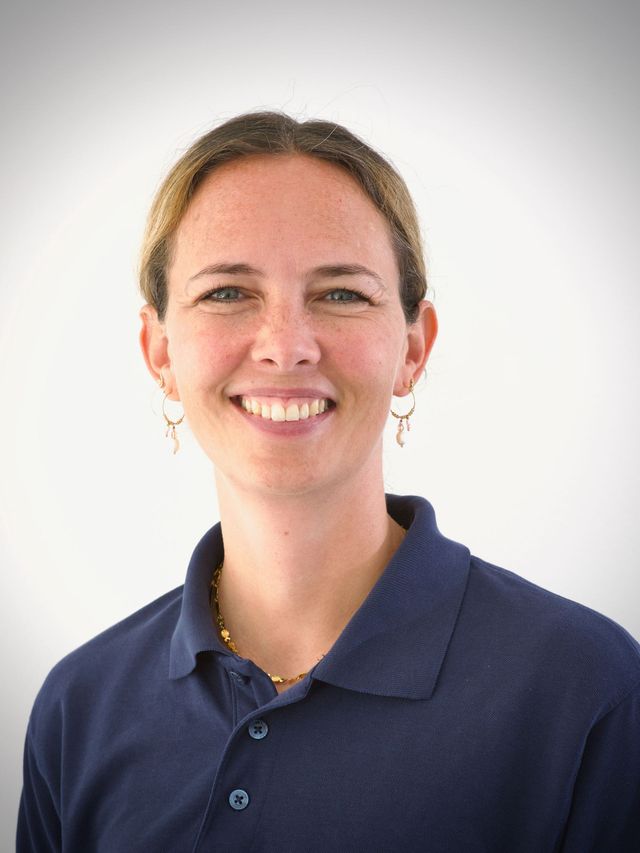
Nurse
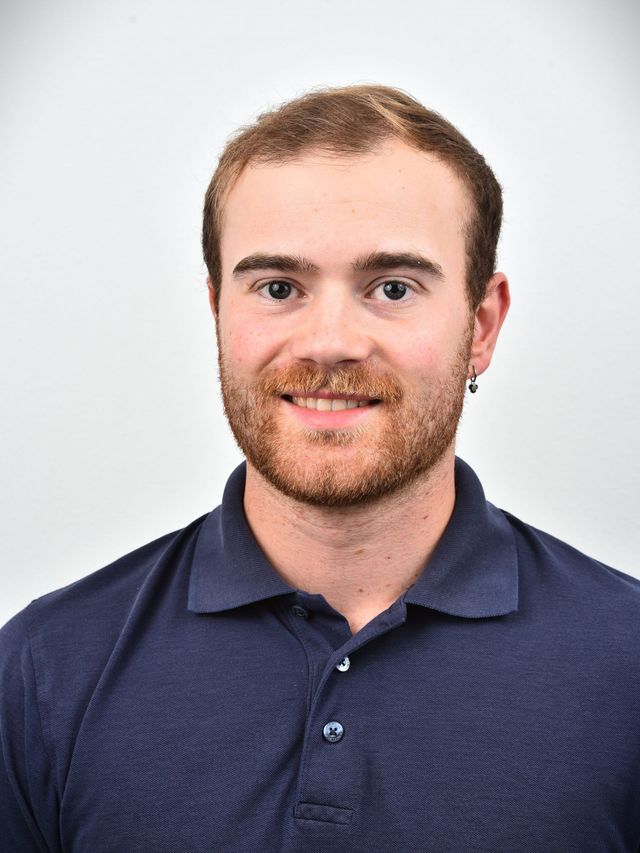
Clinical assistant
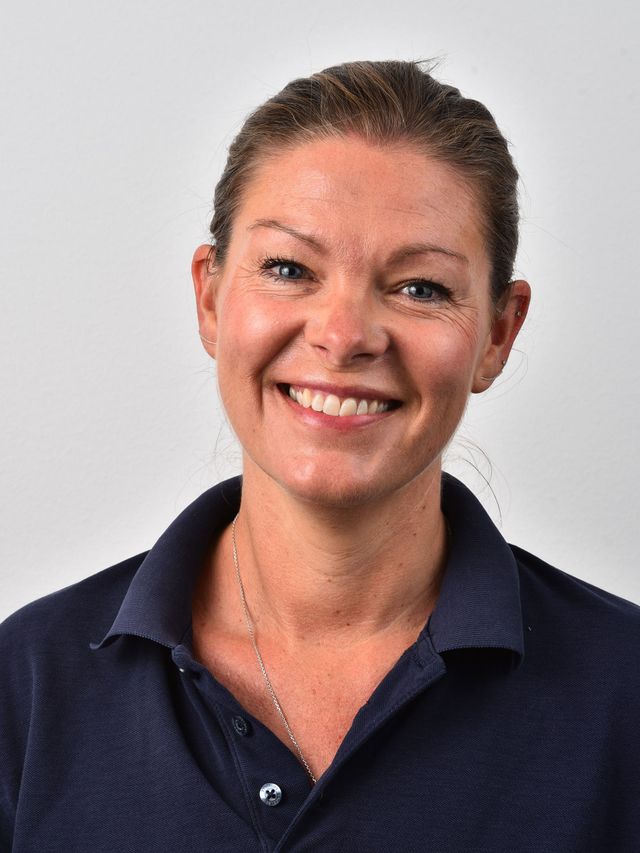
Clinical assistant
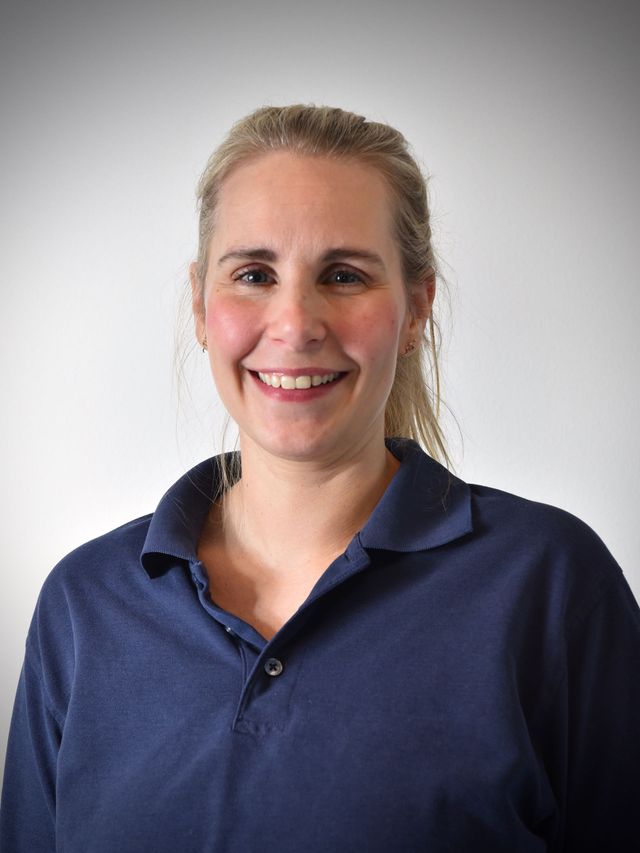
Clinical assistant
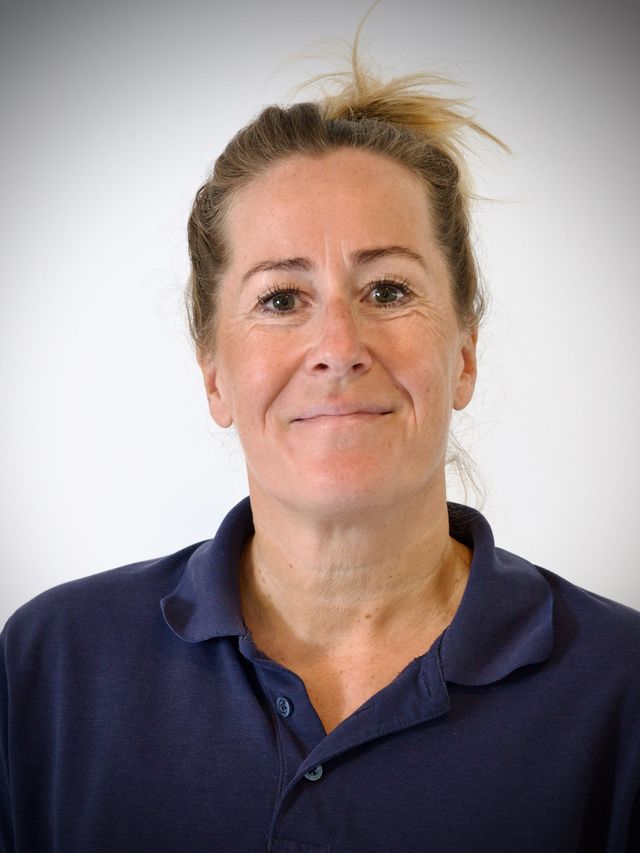
Reception and secretariat
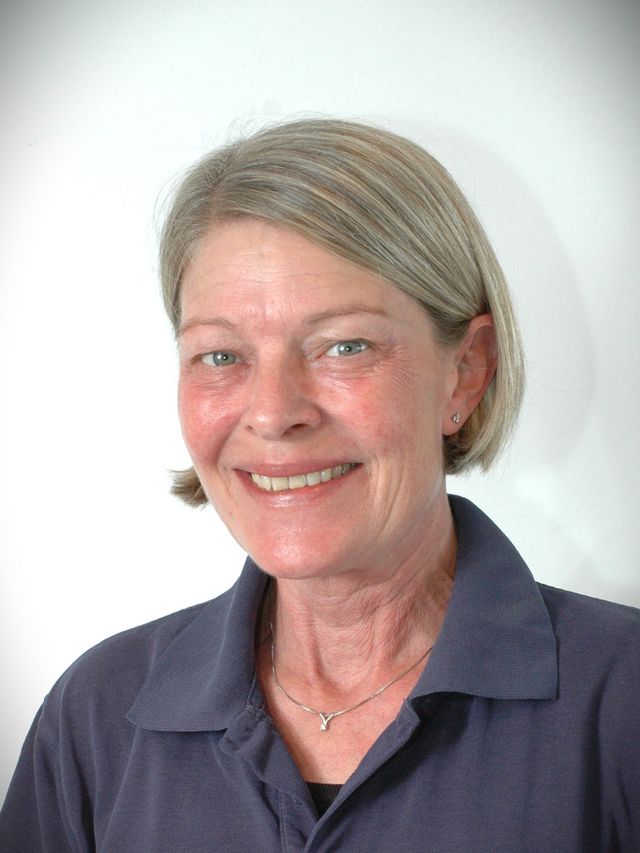
Reception and secretariat
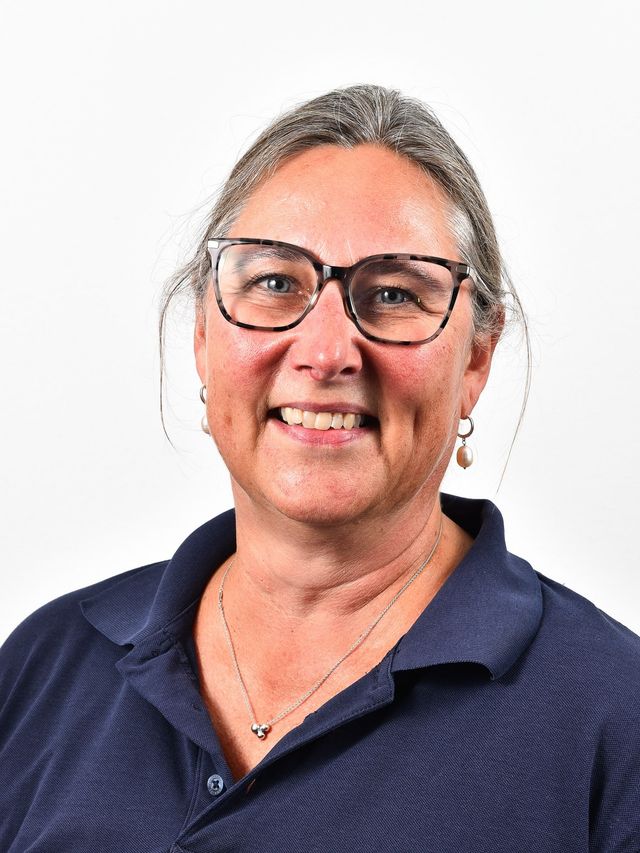
Reception and secretariat
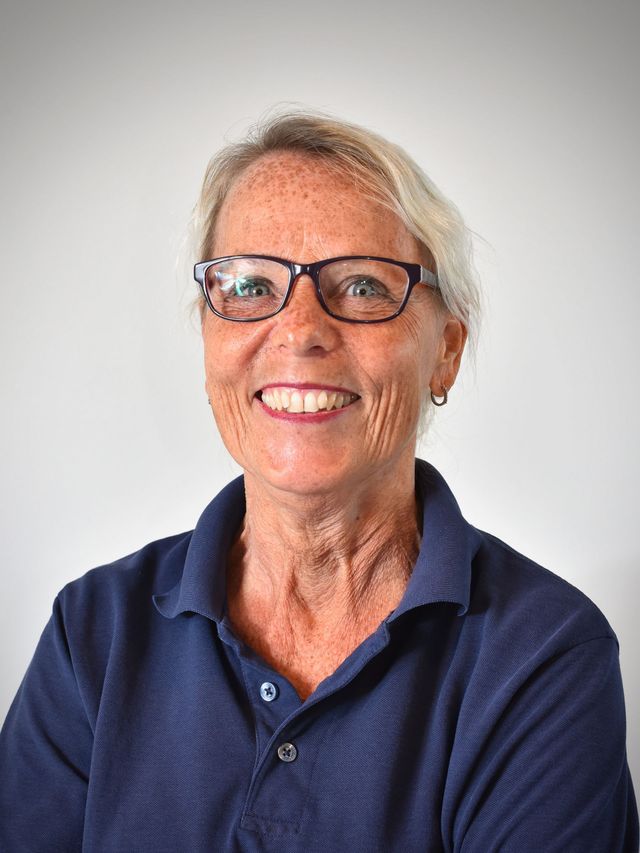
Reception and secretariat
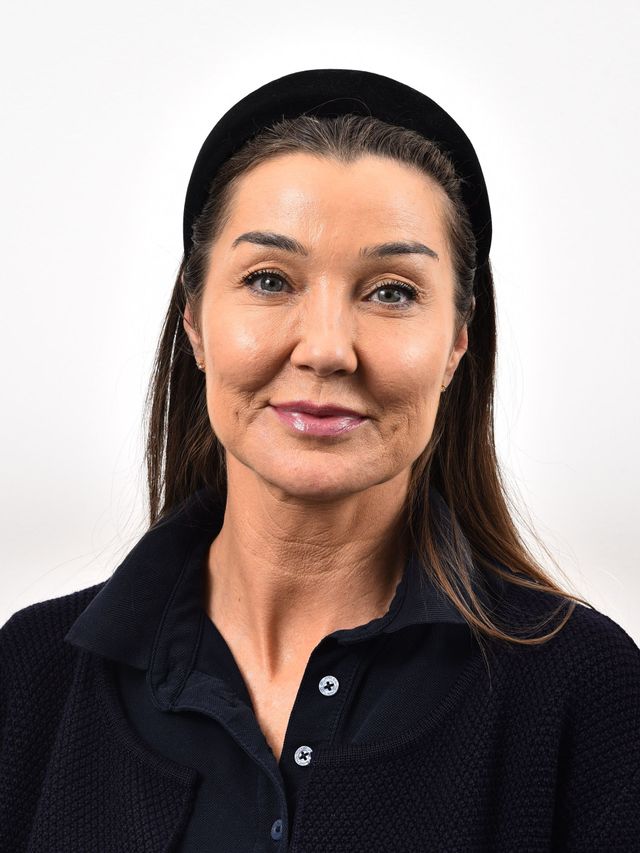
Reception and secretariat
Service assistant
No one found. Try another name or choose "All".
Would you like to book an appointment with one of our specialists?
Book onlineJægersborg Allé 4
2920 Charlottenlund
CVR: 45675637
Monday–Friday, 08:00–14:00
Outside telephone hours, appointments can be booked, rescheduled and cancelled online 24/7.
Main department in Charlottenlund and ear, nose and throat departments at several locations across Denmark.