

Management
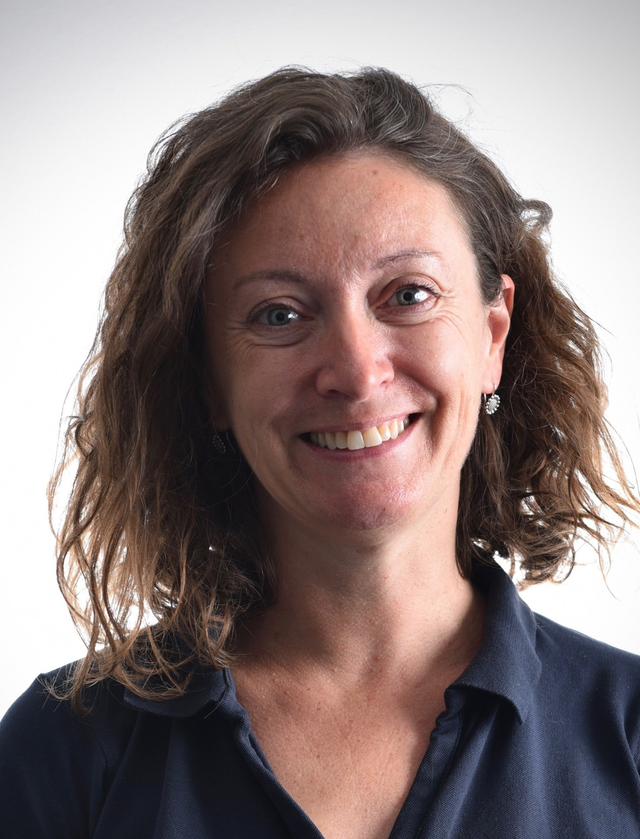
Erika Belard
Specialist physician and co-owner, CEO

Spitting up, regurgitation and silent reflux – when it is normal, and when it should be investigated.
Reflux (gastro-oesophageal reflux) means that stomach contents flow back up into the oesophagus. In infants it is because the sphincter muscle between the oesophagus and the stomach is not yet mature, and around half of all babies under 3 months spit up daily. Most grow out of it by 12–18 months. At Charlottenlund Privathospital, babies and older children with reflux, silent reflux or suspected reflux disease can be examined by a specialist in paediatrics.
Reflux in babies is when stomach contents and stomach acid flow back up into the oesophagus after a feed, because the sphincter muscle cannot yet keep the food down. The condition is very common and typically peaks around 4 months of age, after which it gradually decreases. A child with reflux who thrives and gains weight well is often called a "happy spitter" and rarely needs treatment beyond everyday adjustments.
In classic reflux the stomach contents come all the way up, and the baby visibly spits up. In silent reflux the stomach contents only rise into the oesophagus or throat and are swallowed again. There is no visible spitting up, but the stomach acid can still irritate the lining and cause discomfort. A baby with silent reflux can seem very unsettled and tearful, especially during and after feeds, and the cause is easily overlooked.

The most common signs are frequent or forceful spitting up and regurgitation after feeds, restlessness, crying or clear signs of pain during or after feeds, and the baby arching the back strongly. Many have repeated swallowing movements, grunting or smacking sounds, a sour smell from the mouth, restless sleep with frequent waking, or coughing and wheezing in connection with feeds.
In silent reflux many of the signs are present without visible spitting up, which makes it harder to link the restlessness to reflux. Reflux is also one of the most common causes of restless sleep in infants – see sleep problems in children.
Reflux is not only seen in infants. In older children the symptoms resemble those in adults: heartburn, a sour taste in the mouth, difficulty swallowing, recurrent cough, hoarseness and tummy ache that gets worse after meals. In a child aged 2, 6 or 7, reflux may for example show as acid regurgitation or a persistent sore throat and requires medical assessment.
Reflux typically peaks around 4 months of age. Most children grow out of it as the sphincter muscle matures and the child sits up more and starts eating solid food. In the vast majority, reflux decreases markedly after 6 months and has gone by 12–18 months. If it continues into the toddler years, it should be investigated further.
In mild to moderate reflux, practical measures can relieve the symptoms considerably. The baby can be held upright for 20–30 minutes after each feed, and shorter but more frequent feeds reduce the pressure on the immature sphincter. Burping breaks during the feed help, so that air does not push the food back up.
It also helps to raise the head end of the cot slightly and to avoid tight nappies and clothes that press on the tummy, as well as vigorous activity right after feeds. These measures do not cure reflux, but can make the episodes fewer and milder.

Ordinary reflux usually does not need treatment. However, certain signs may point to reflux disease (GERD), a more pronounced form that requires medical assessment and possibly treatment: the child does not gain enough weight or loses weight, consistently refuses to eat, has persistent crying with clear signs of pain, vomits greenish or blood-stained material, or has breathing problems, a persistent cough or wheezing.
The diagnosis is mainly based on a thorough conversation about symptoms, feeds, wellbeing and weight gain and a general examination of the child. Most children do not need further tests. In physiological reflux in a happy spitter, everyday adjustments are usually enough. In reflux disease with pain and poor thriving, medical treatment, changes in diet or – very rarely – surgery may be considered after an individual assessment. If milk protein may play a role, this is described under food allergy in children.

At Charlottenlund Privathospital the child is examined by a specialist in paediatrics. Based on the conversation and the examination, it is clarified whether the child has ordinary reflux, silent reflux or reflux disease, and a plan is made for the next steps. If the child also has sleep problems or frequent respiratory infections, the hospital's ear, nose and throat specialists can be involved in the same course of care.
If the baby cries most in the evening without spitting up, it may also be colic. See also the overview of the paediatrician's areas.
No referral is needed for self-paying patients, and appointments can be booked online. Prices are shown in the price list.
Many health insurance policies cover an assessment by a paediatrician, but the insurers usually require a referral from the family doctor and prior approval. Most insurers send the approval directly to the hospital, and the bill is settled with the insurer. Charlottenlund Privathospital does not accept patients through the Danish public health insurance scheme.
Appointments take place in the hospital's children's unit at Hans Edvard Teglers Vej 9 in Charlottenlund – see map and addresses.

Answers to questions parents often ask about reflux in children and babies.
Reflux in babies is when stomach contents and stomach acid flow back up into the oesophagus after a feed. It is due to an immature sphincter muscle between the oesophagus and the stomach and is very common – around half of all babies under 3 months spit up daily.
Silent reflux is reflux in which the stomach contents rise into the oesophagus or throat and are swallowed again without visible spitting up. The stomach acid can irritate the oesophagus and cause restlessness and crying – especially during and after feeds.
Reflux typically peaks around 4 months of age. In most babies it decreases markedly after 6 months and has gone by 12–18 months.
Holding the baby upright for 20–30 minutes after feeds, giving shorter and more frequent feeds, taking burping breaks, raising the head end of the cot slightly and avoiding tight nappies and clothes that press on the tummy.
Ordinary reflux (GER) is harmless and temporary. Reflux disease (GERD) causes persistent symptoms such as poor weight gain, pain, refusal to eat or breathing problems and requires medical assessment.
Yes. In older children the symptoms resemble those in adults – heartburn, a sour taste in the mouth, difficulty swallowing, recurrent cough or tummy ache that gets worse after meals.
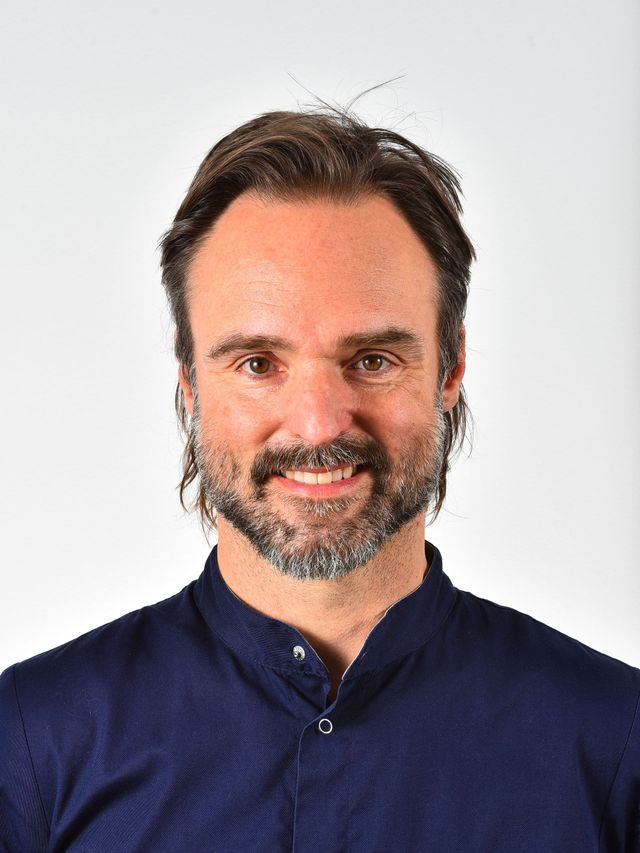
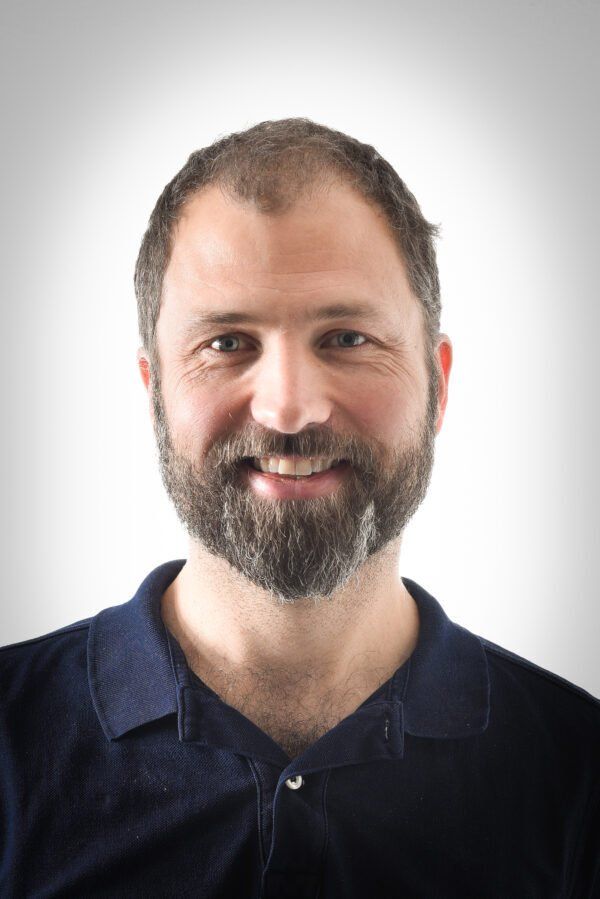
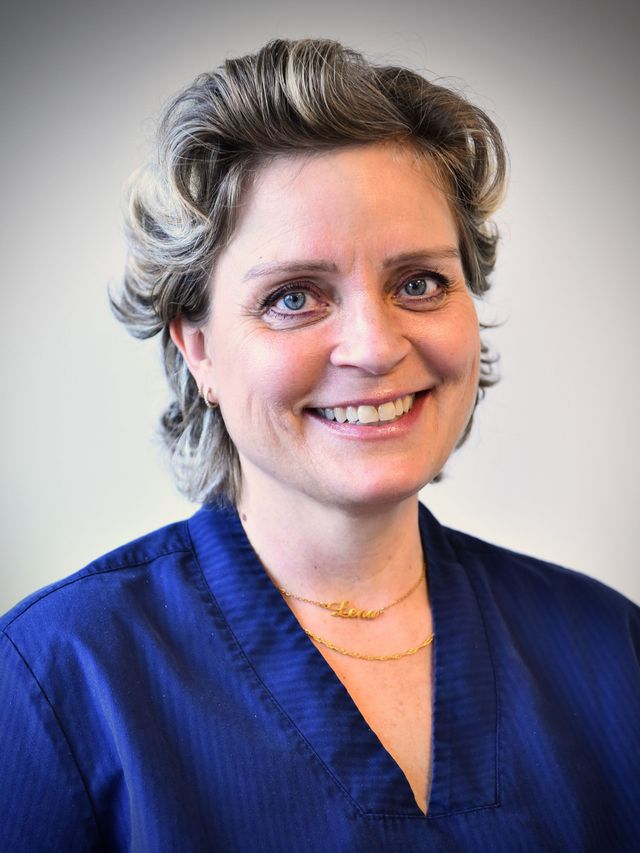
Charlottenlund Privathospital is owned and run by three specialist physicians: Erika Belard, Jacob Fisker and Teit Mantoni. Jacob Fisker is medical director. Here you will find our ear, nose and throat (ENT) specialists in Charlottenlund and at our clinics around Denmark – and in Charlottenlund also specialists in paediatric surgery, dermatology, diving medicine, gynaecology, cardiology, paediatrics, psychology and rheumatology.
Specialist physician and co-owner, CEO

Specialist physician, co-owner and medical director

Specialist physician and co-owner
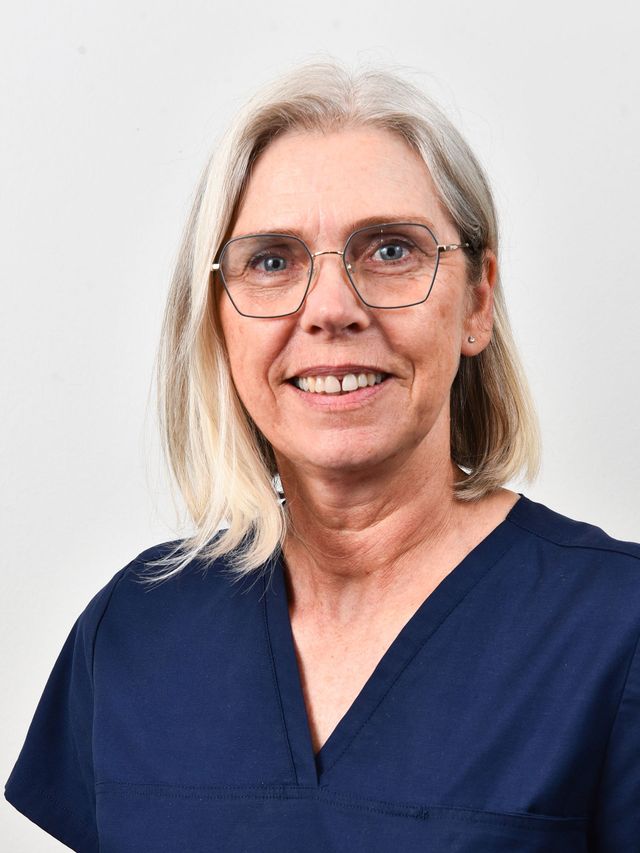
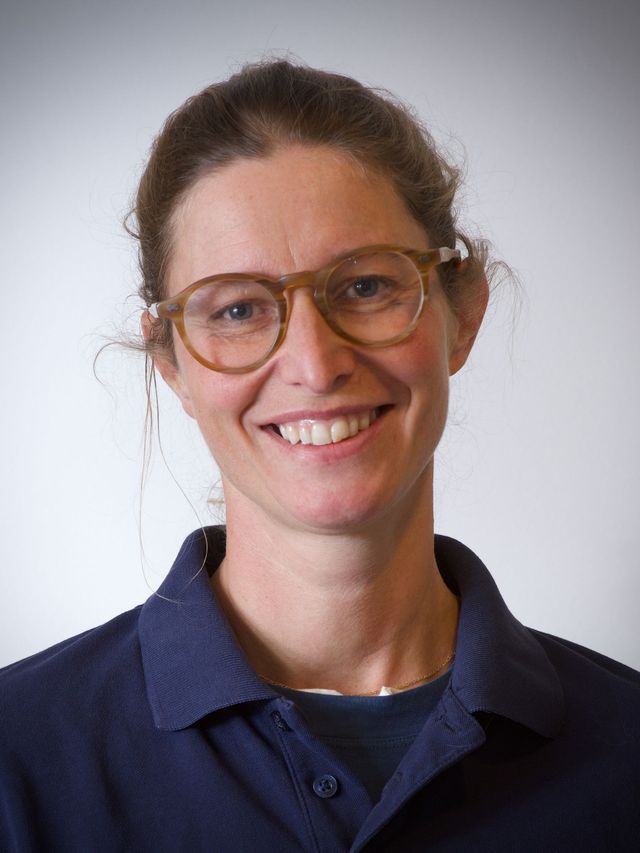
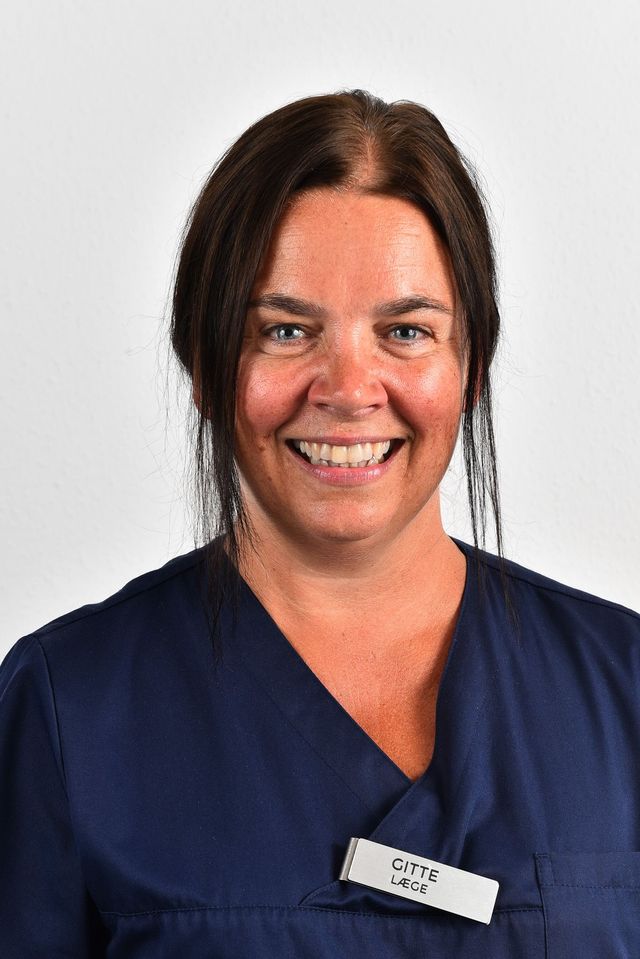

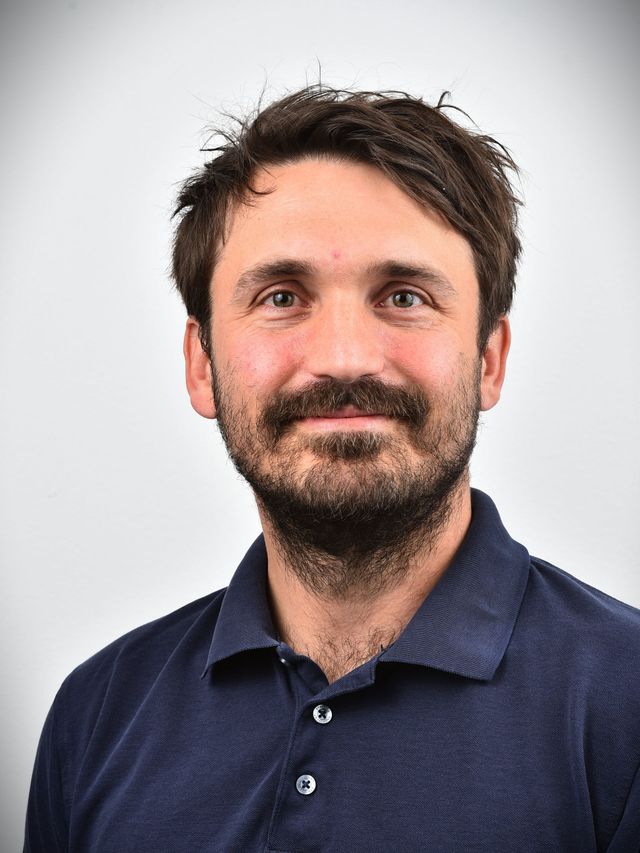



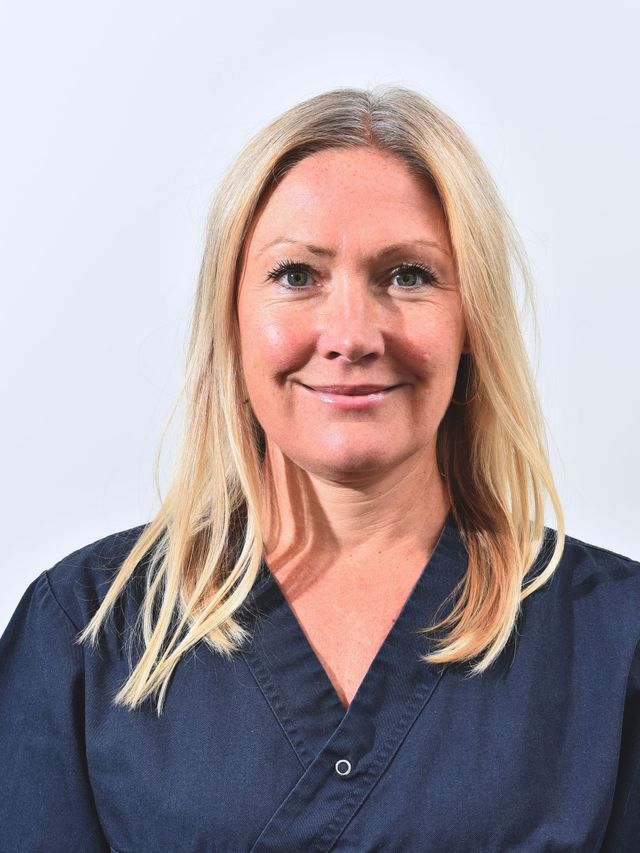





Specialist in anaesthesiology

Specialist in anaesthesiology
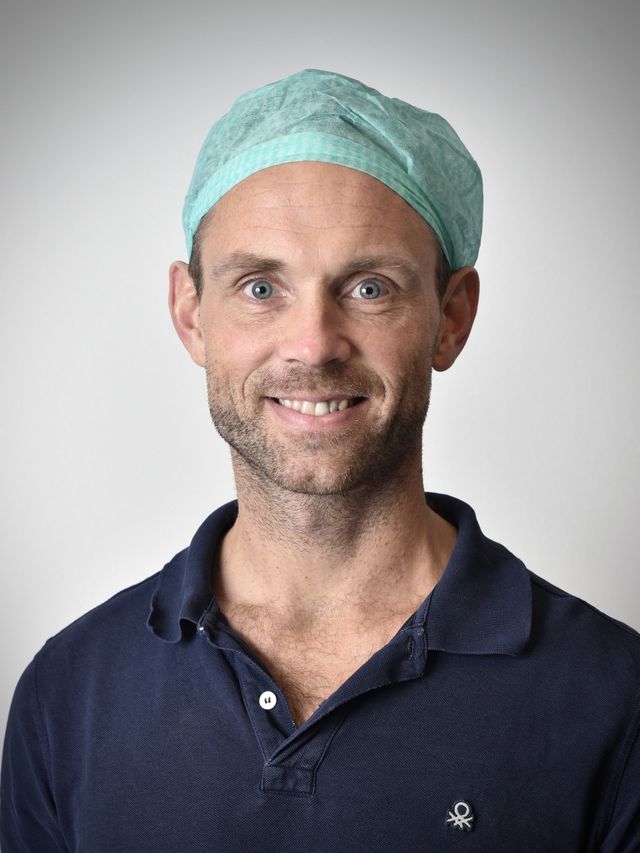
Specialist in anaesthesiology
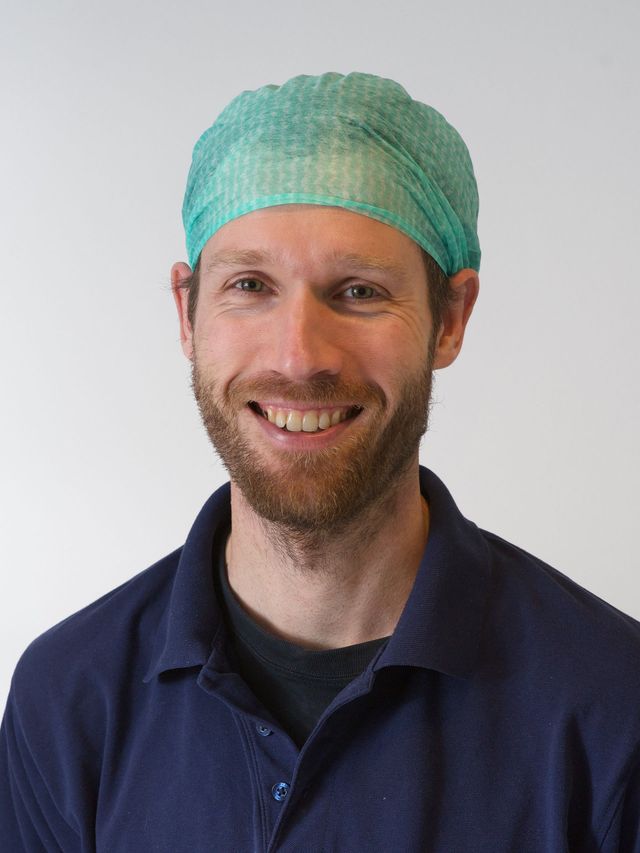
Specialist in anaesthesiology, DMSc, PhD
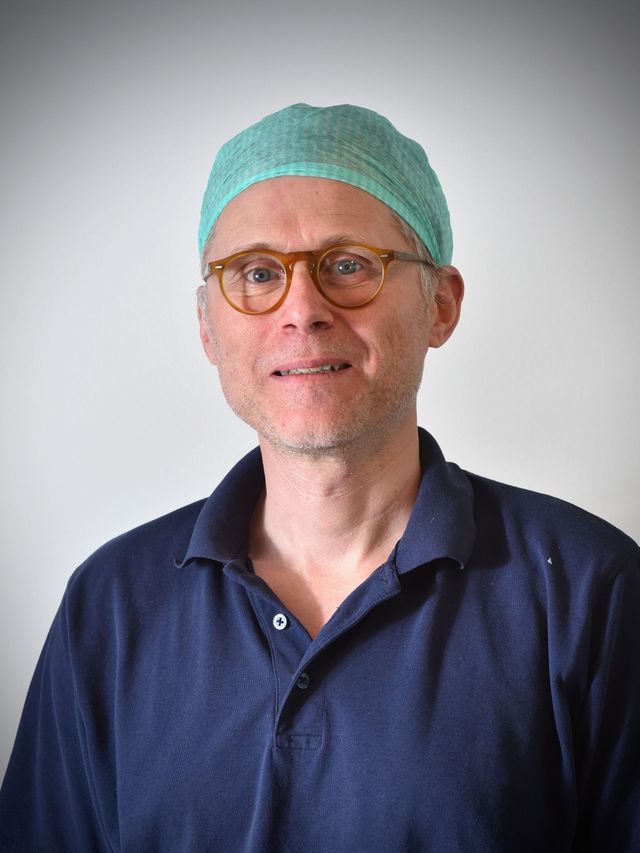
Specialist in anaesthesiology
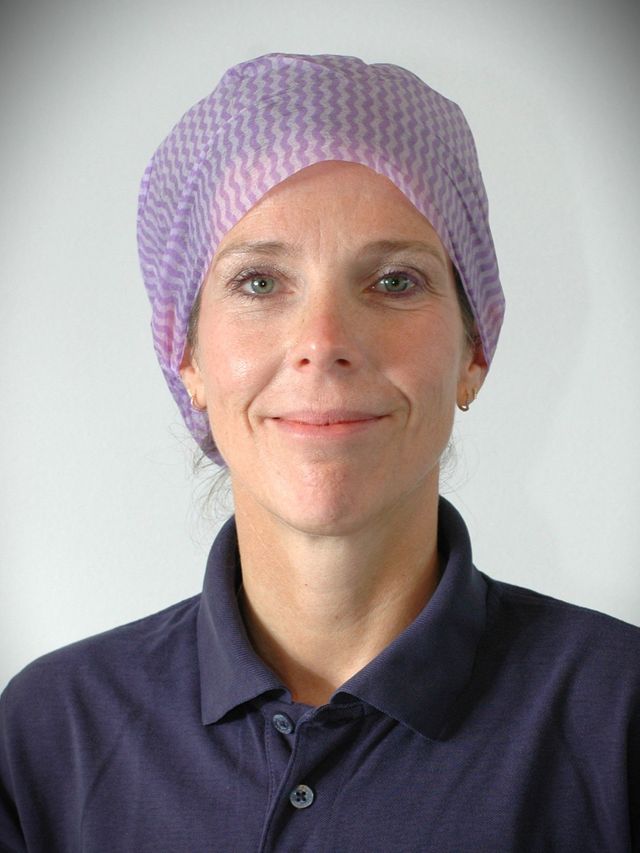
Specialist in anaesthesiology
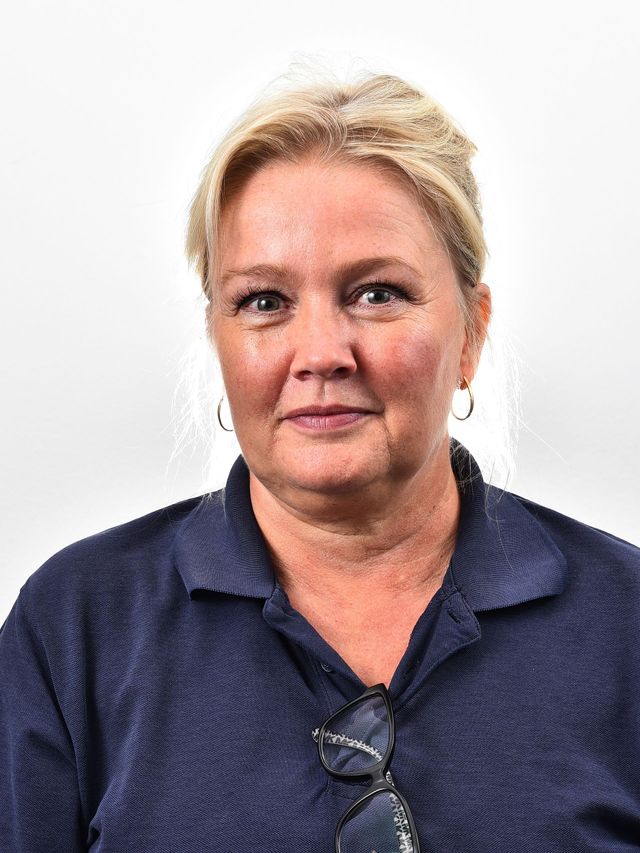
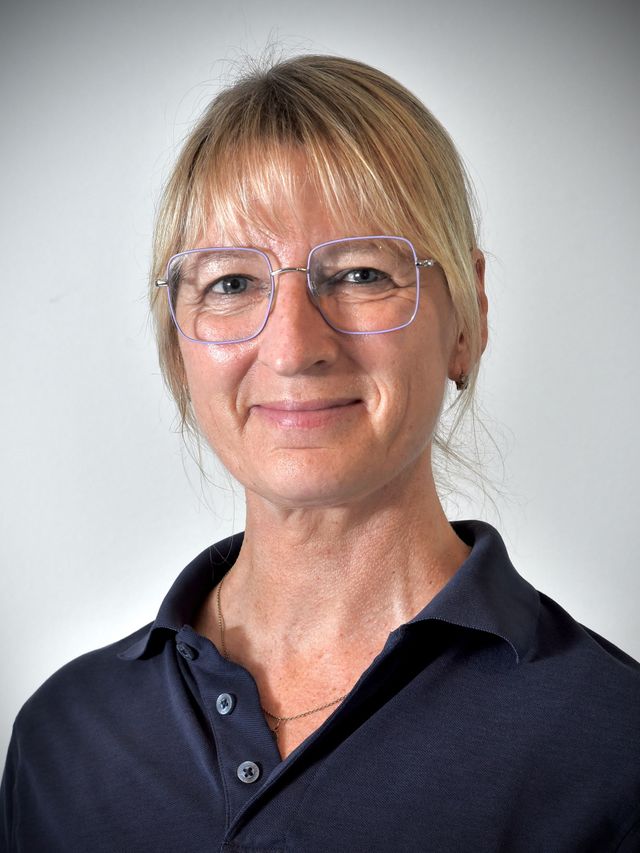

Specialist in anaesthesiology and diving medicine
Approved by the Danish Maritime Authority
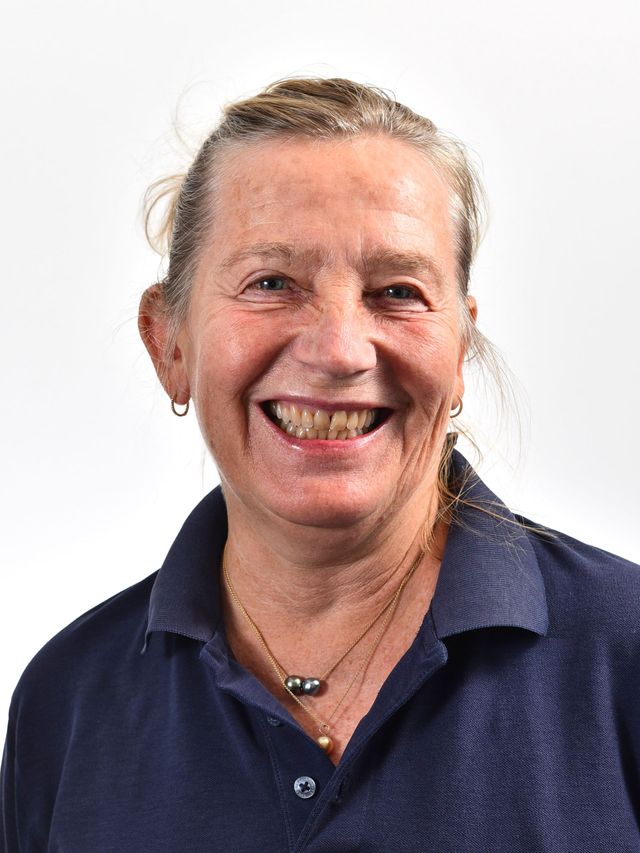
Specialist in anaesthesiology and diving medicine
Approved by the Danish Maritime Authority
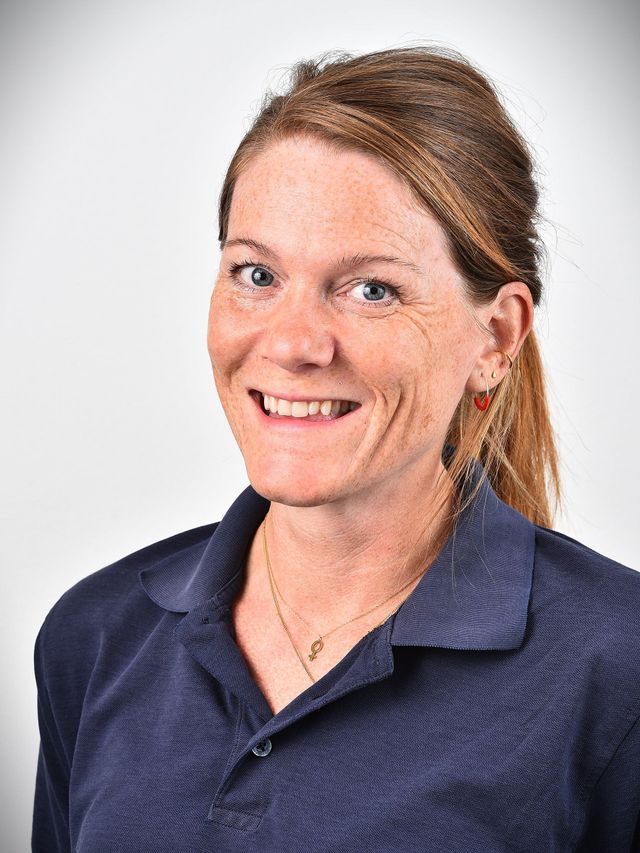
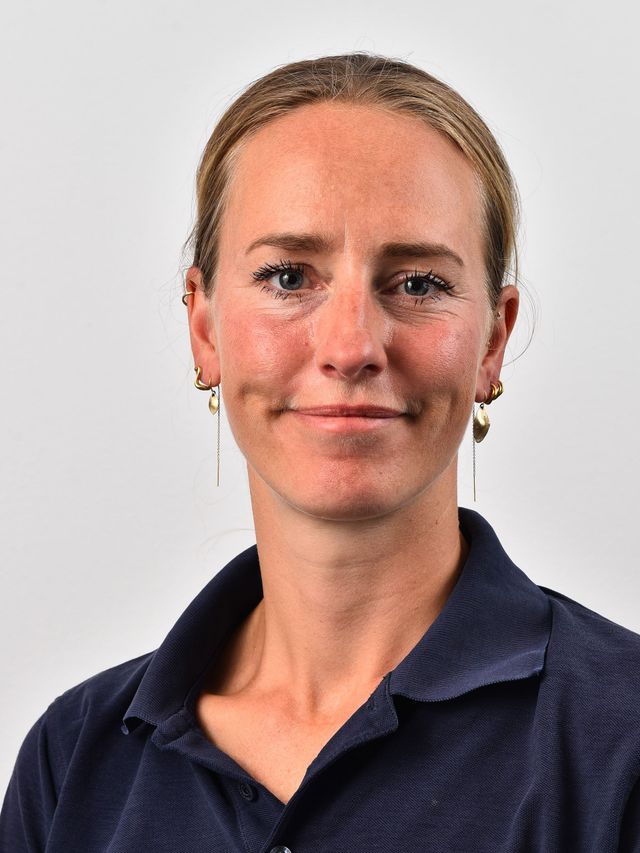






They are the people you meet first when you call or walk through the door – and the ones who look after you before and after your treatment.
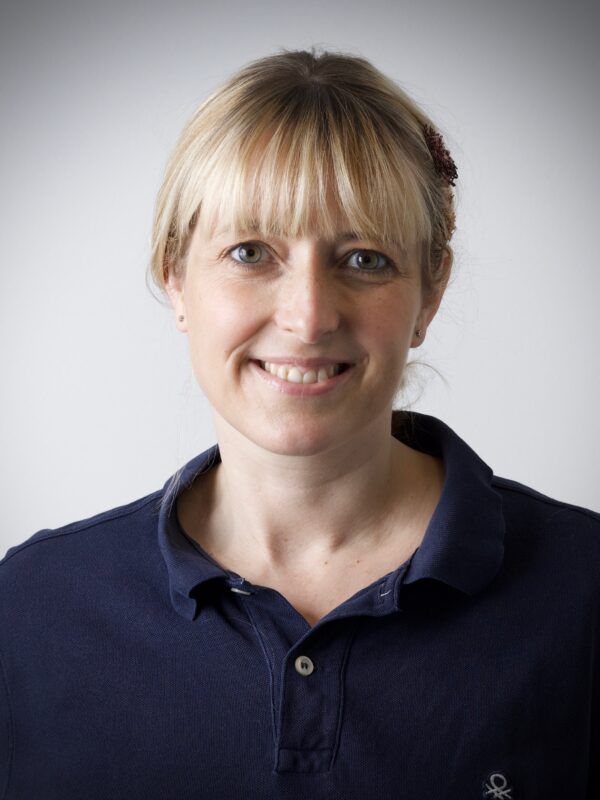
Nurse
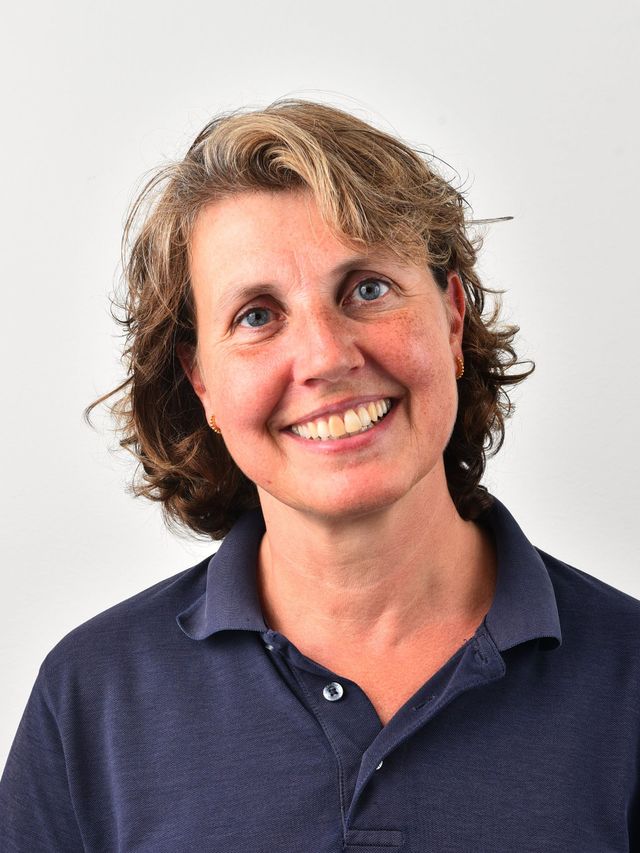
Nurse
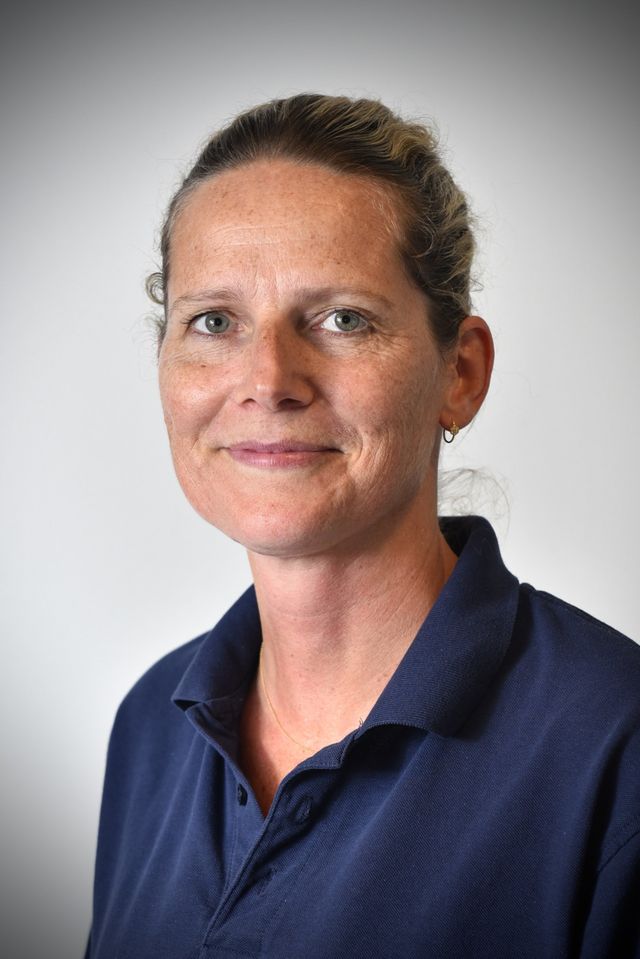
Nurse
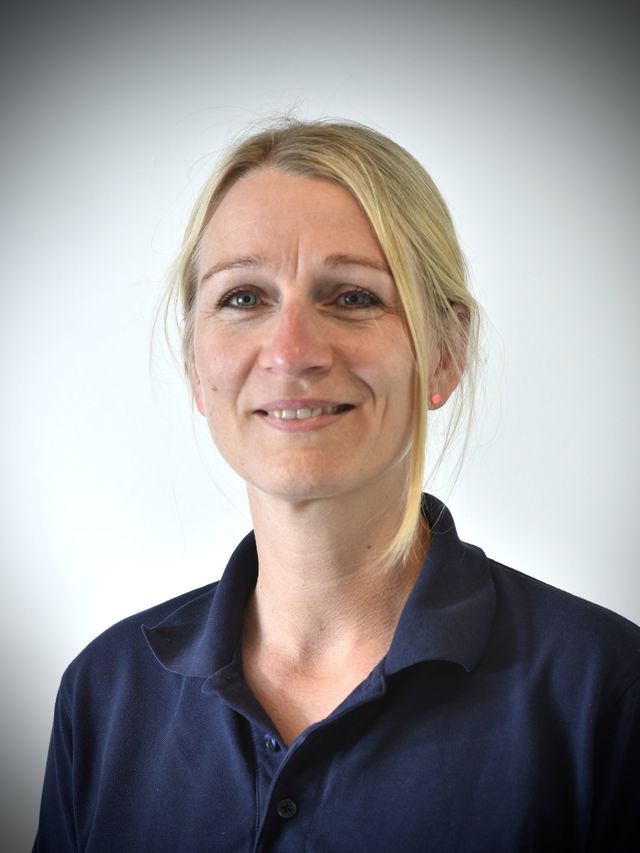
Nurse
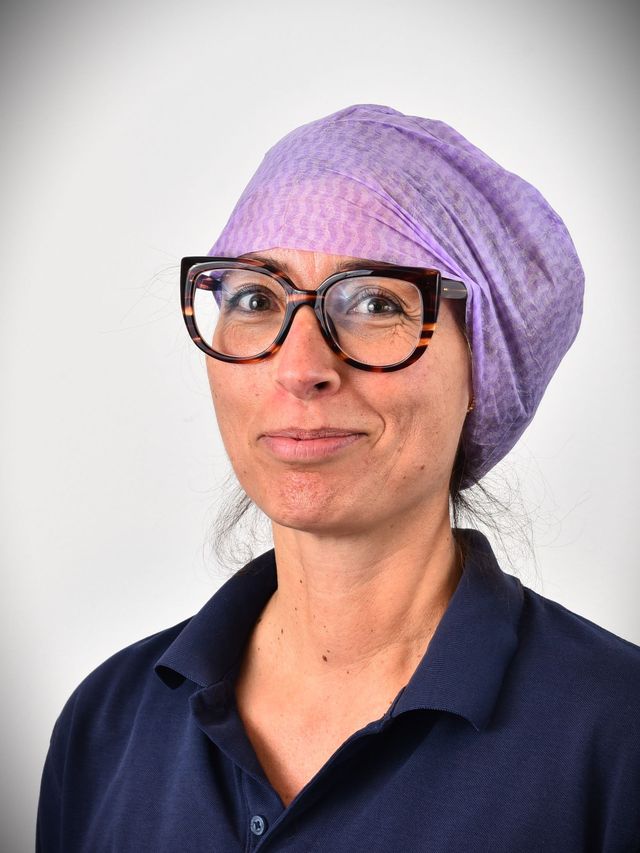
Nurse
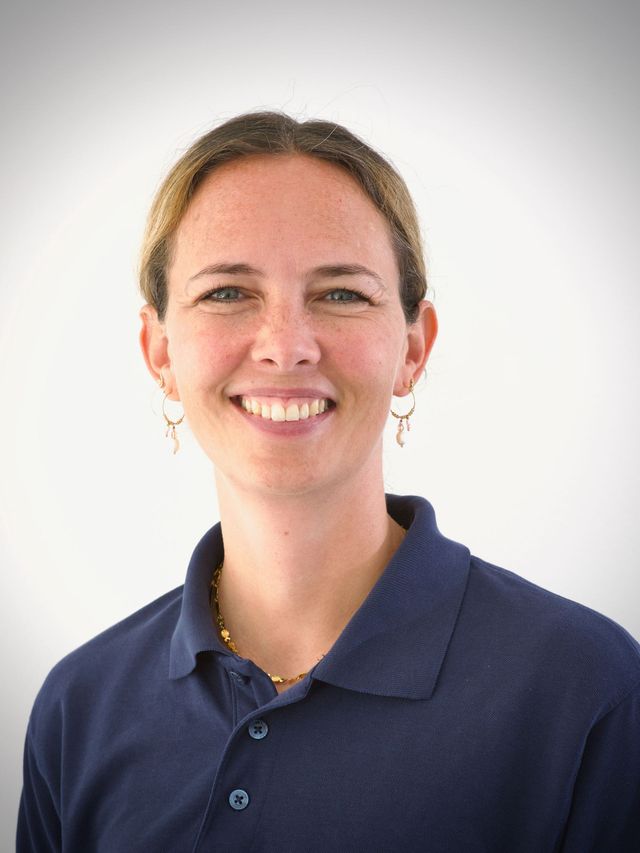
Nurse

Clinical assistant
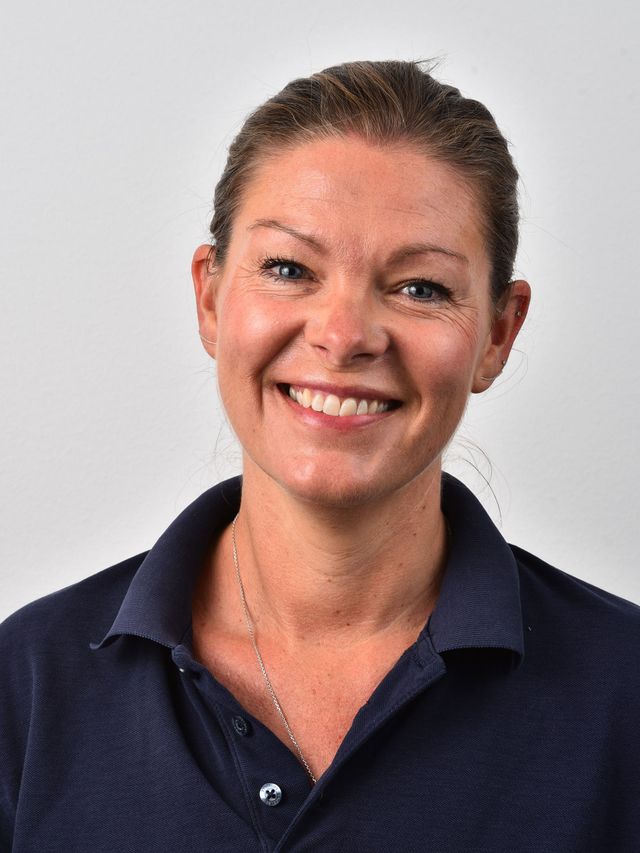
Clinical assistant
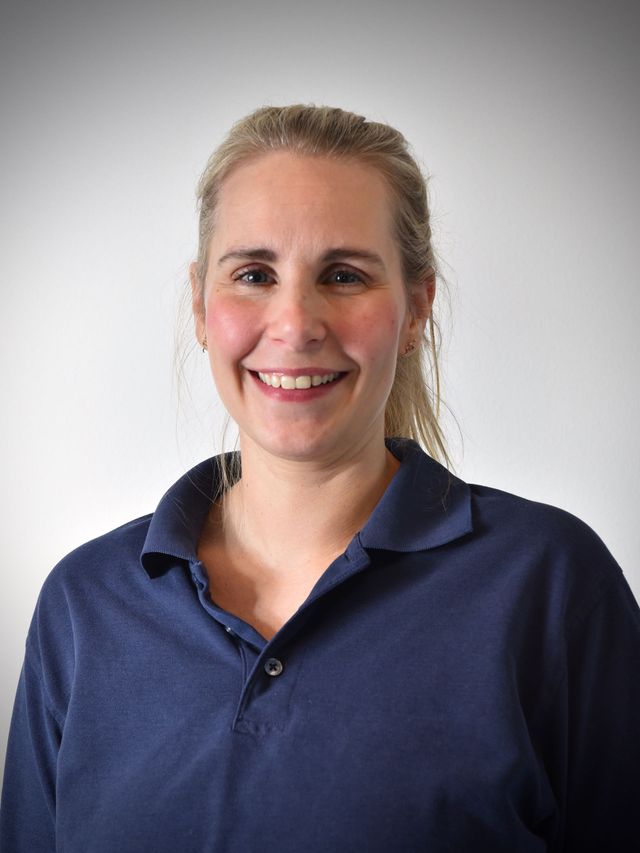
Clinical assistant
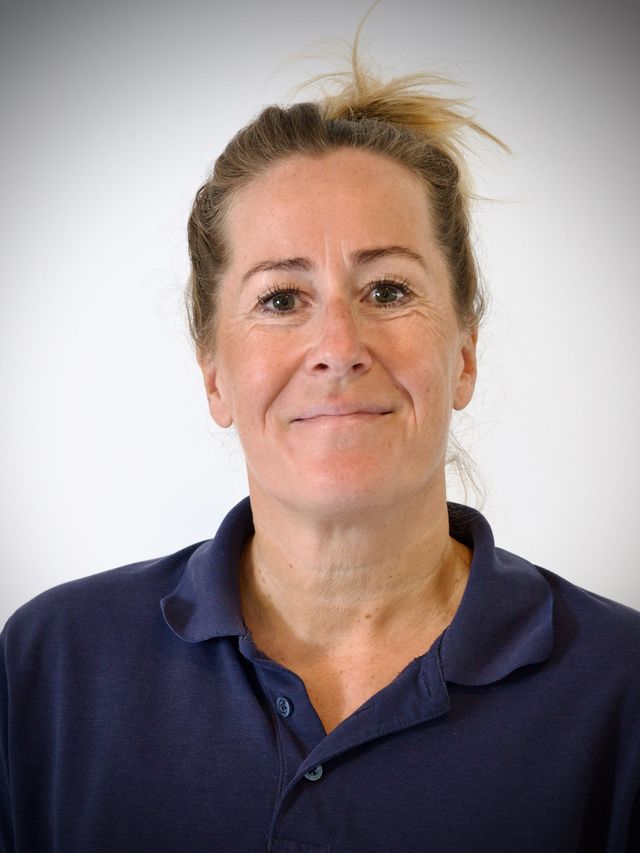
Reception and secretariat
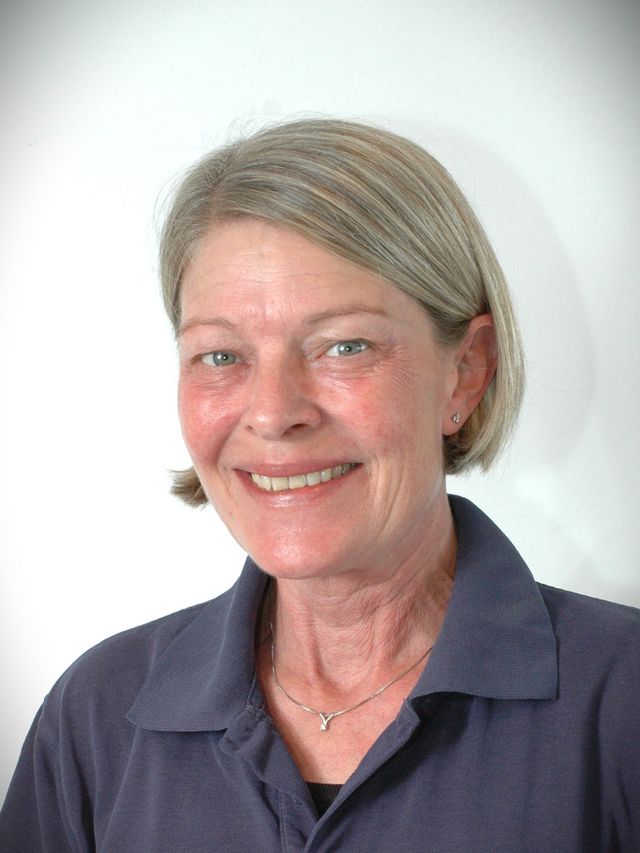
Reception and secretariat
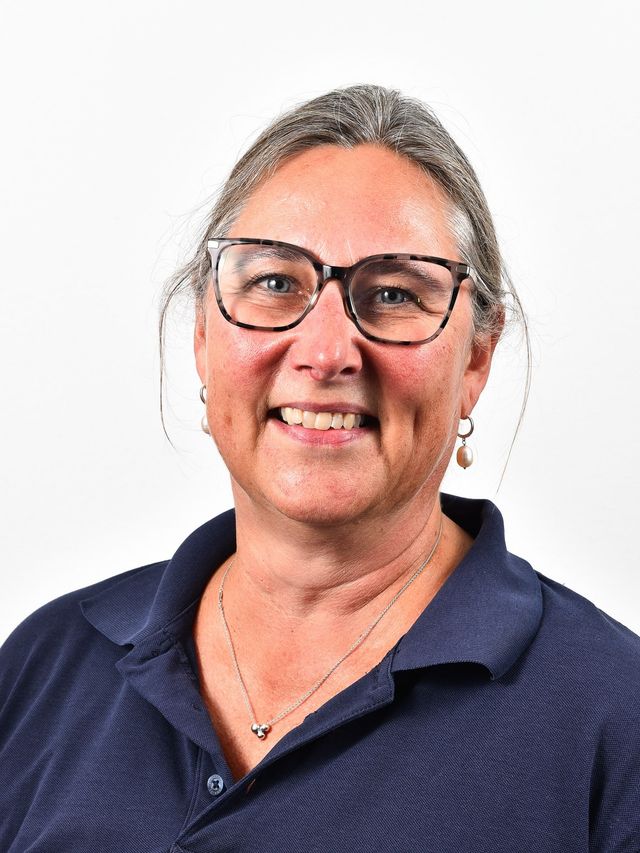
Reception and secretariat
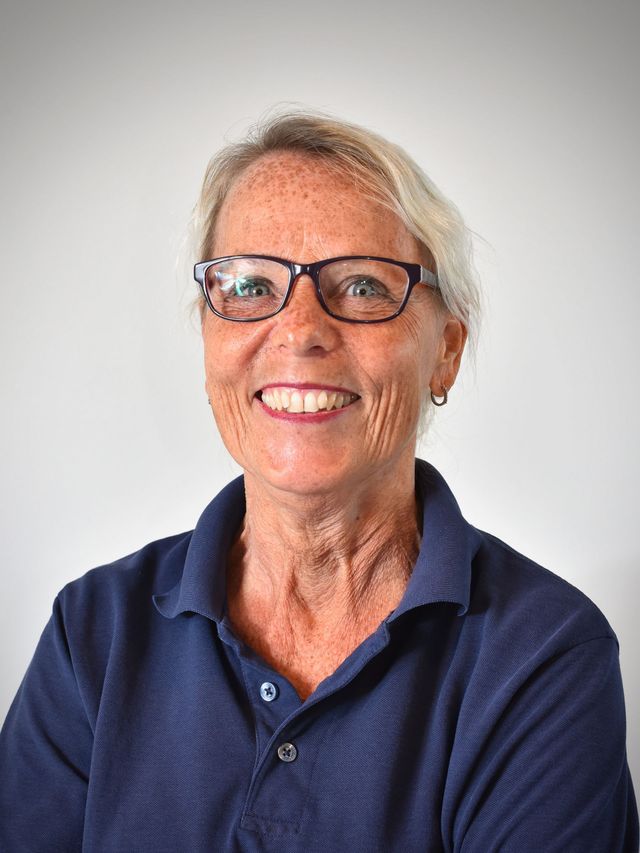
Reception and secretariat
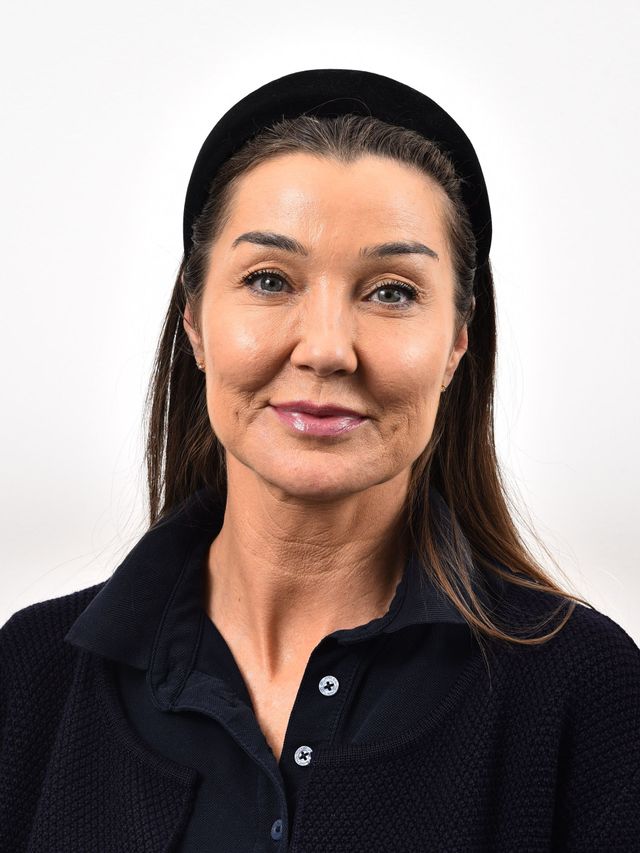
Reception and secretariat

Service assistant
No one found. Try another name or choose "All".
Would you like to book an appointment with one of our specialists?
Book onlineJægersborg Allé 4
2920 Charlottenlund
CVR: 45675637
Monday–Friday, 08:00–14:00
Outside telephone hours, appointments can be booked, rescheduled and cancelled online 24/7.
Main department in Charlottenlund and ear, nose and throat departments at several locations across Denmark.