

Management
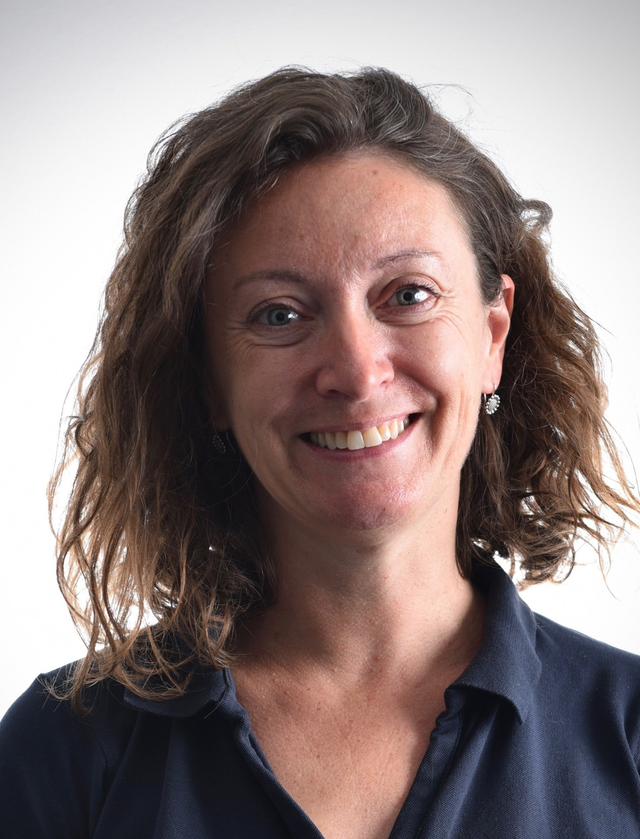
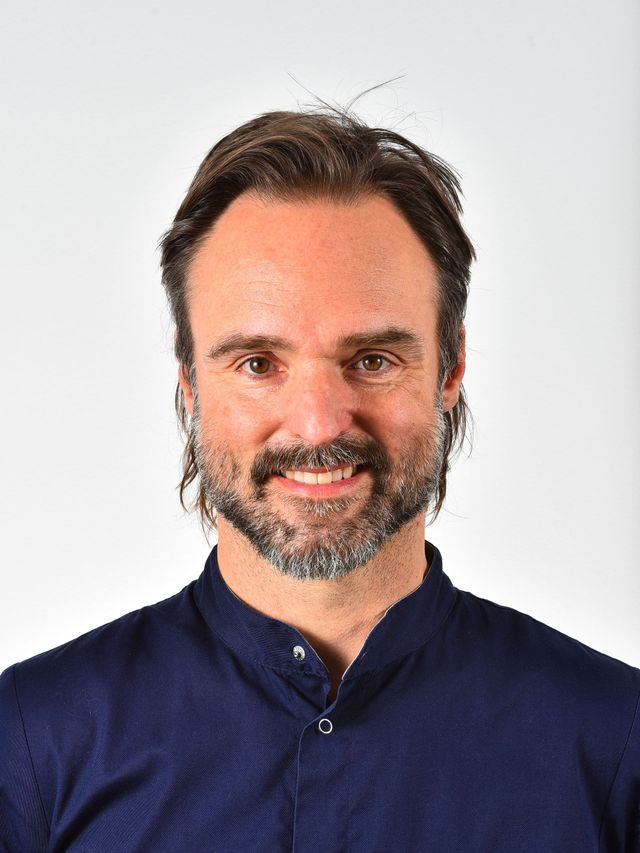
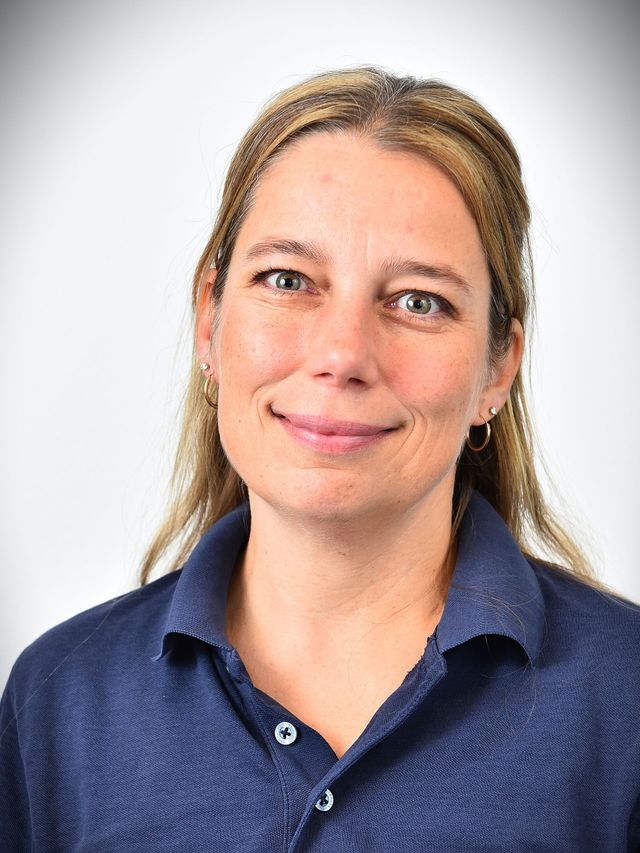
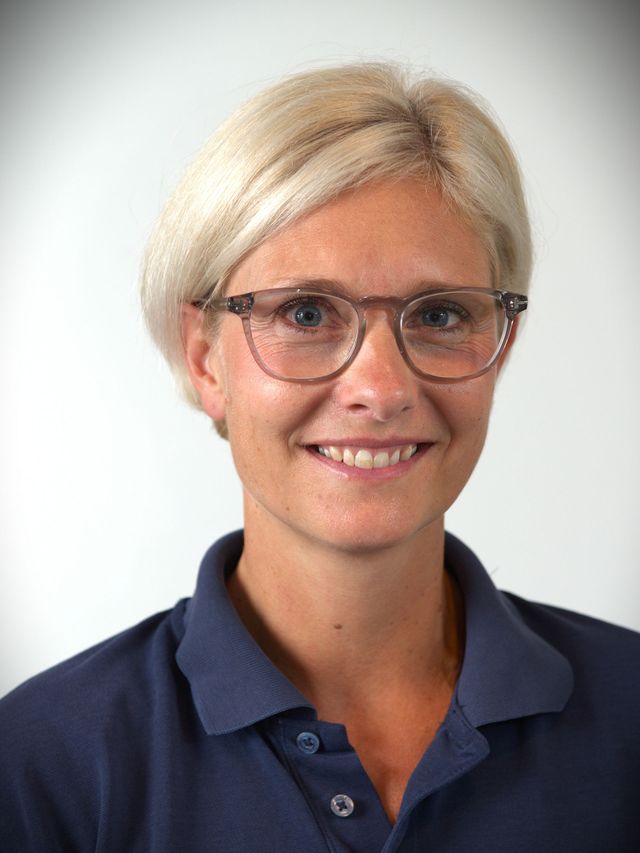
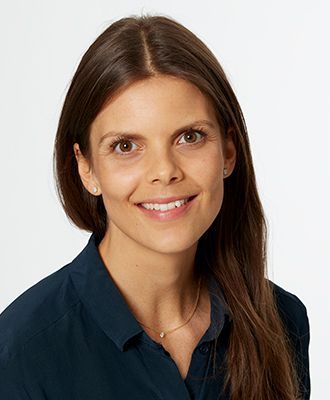
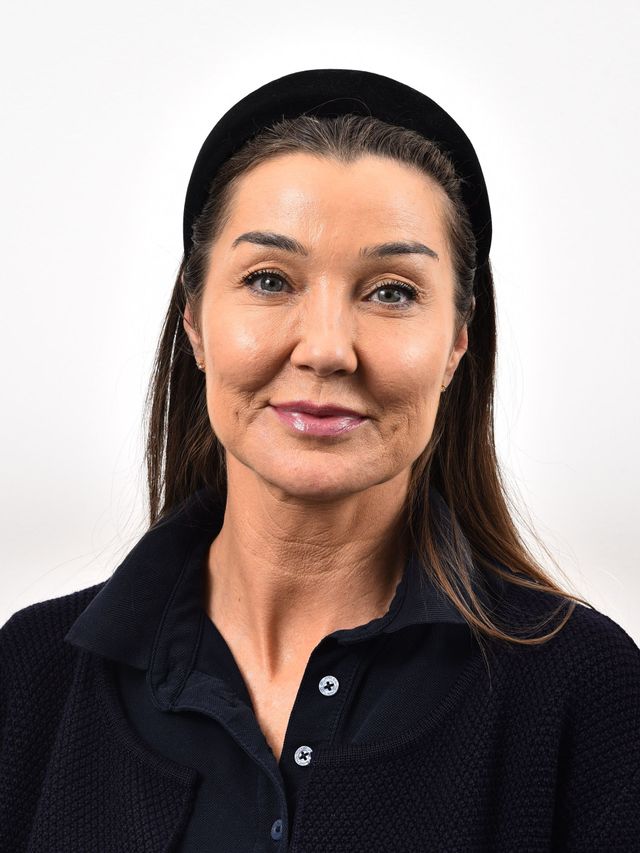
Erika Belard
Specialist physician and co-owner, CEO

Brief, intense dizziness when you move your head – examination and treatment.
Loose ear crystals (BPPV – benign paroxysmal positional vertigo) occur when tiny calcium crystals in the inner ear come loose and end up in the semicircular canals of the balance organ, which normally contain only fluid. When the head is moved in a particular way, this triggers a brief, violent attack of dizziness that lasts seconds. Once the diagnosis has been made, the condition can usually be treated with simple manoeuvres. At Charlottenlund Privathospital, all ear, nose and throat doctors examine and treat loose ear crystals.
The dizziness caused by loose ear crystals is unlike other types of dizziness. The attacks come suddenly and violently – but not out of the blue. They are triggered by a specific movement, for example lying down, turning over in bed, getting up or looking up. If you keep your head still it is fairly manageable, but when the crystals move in the inner ear, a strong spinning dizziness starts, lasting seconds before it settles.
Many people feel nauseous during the attacks. If the dizziness is constant, or comes without moving the head, there may be another cause – for example vestibular neuritis or Ménière's disease. Read more about dizziness.

Loose ear crystals can occur after a blow to the head, with age or after other inner ear conditions – but often there is no obvious cause. The condition is benign, and in some people the symptoms go away on their own, while others need treatment.
The specialist places your head in specific positions and watches your eye movements. This shows which canal the crystals are in. Each ear has three semicircular canals, and in 60–90% of cases it is the posterior canal that is affected (Ugeskr Læger 2025). Knowing exactly which canal is affected is important, both to choose the right treatment and to be able to repeat it if the first treatment is not fully effective.
As soon as the specialist has established which canal is affected, the treatment is carried out – usually at the same appointment. For crystals in the posterior canal, the Epley or Semont manoeuvre is typically used, and for crystals in the horizontal canal, for example a so-called BBQ roll. The manoeuvres move the crystals out of the canal so that the dizziness goes away.
The treatments themselves are simple, but it is crucial that the right canal is treated. One Epley manoeuvre helps about 8 in 10, and if it is repeated up to three times at the same visit, about 9 in 10 (Ugeskr Læger 2025). More than one treatment may therefore be needed.
Even after successful treatment, loose ear crystals often return – in about 1 in 4 within six months and in about half within five years. If the dizziness comes back, the treatment can be repeated.
Source: Hanberg P, Hougaard DD. Ugeskr Læger 2025 (in Danish)
There are many videos online about treating loose ear crystals. Doing the exercises before being examined by a specialist is not recommended, because each canal needs its own treatment. The wrong exercises can make it harder to make the right diagnosis and give the right treatment afterwards. After the examination, the specialist can show you whether and how you can do exercises at home.
A treatment chair (for example a TRV chair) is only used in special cases – for example crystals that do not move with the usual manoeuvres, severe neck problems, or if you cannot lie on an ordinary examination couch. The vast majority can be treated without a chair. If the specialist finds that treatment in a chair is needed, you are referred.
All ear, nose and throat specialists at Charlottenlund Privathospital examine dizziness and treat loose ear crystals. As a self-paying patient you do not need a referral, and you can book online. Prices are shown in the price list. The examination can also be covered by private health insurance, which usually requires prior approval.
Loose ear crystals are examined and treated in Charlottenlund and at the hospital's other departments, including on Zealand and Falster. Dizziness can also be linked to tinnitus and reduced hearing – these are examined at the same time.
Answers to questions about loose ear crystals (BPPV).
Brief, intense attacks of spinning dizziness triggered by certain head movements – for example lying down, turning over in bed or looking up. The attacks last seconds and are often accompanied by nausea.
If you have signs of loose ear crystals, you can be examined and treated by an ear, nose and throat specialist. All ENT specialists at Charlottenlund Privathospital examine dizziness and can treat loose ear crystals, usually at the same visit.
With manoeuvres that move the crystals out of the canal: typically the Epley or Semont manoeuvre for crystals in the posterior canal and, for example, a BBQ roll for crystals in the horizontal canal. Treatment is usually given at the same appointment as the examination.
It is not recommended before you have been examined by a specialist. Each canal needs its own treatment, and the wrong exercises can make the correct diagnosis and treatment more difficult.
A treatment chair that can be used for crystals that are stuck, serious neck problems, or if you cannot lie on an ordinary couch. Most people are treated without a chair, but you will be referred onwards if needed.
Yes. Loose ear crystals often return, even after successful treatment – in about 1 in 4 within six months. The treatment can then be repeated.
Other pages about dizziness:
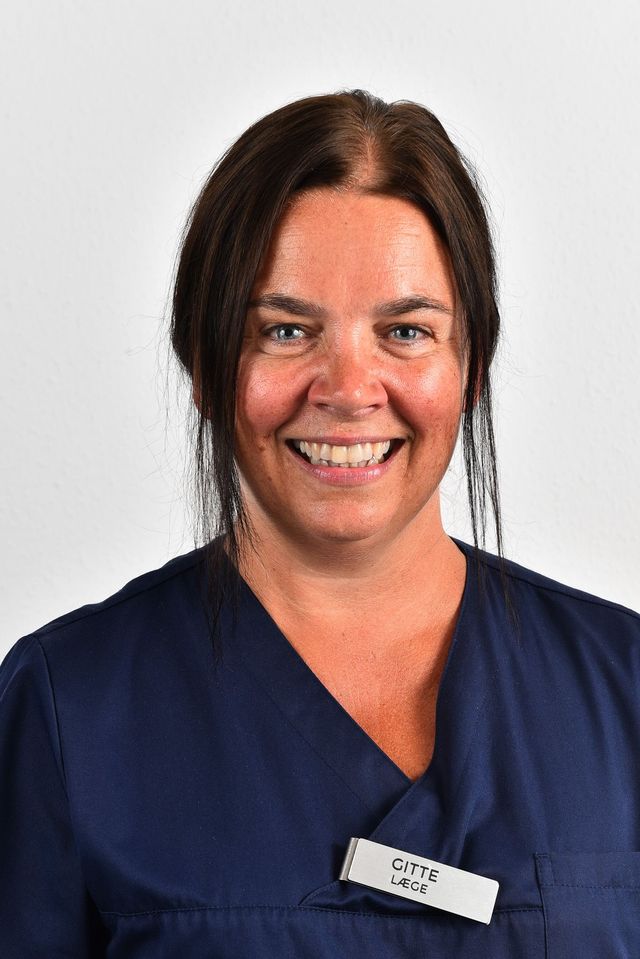
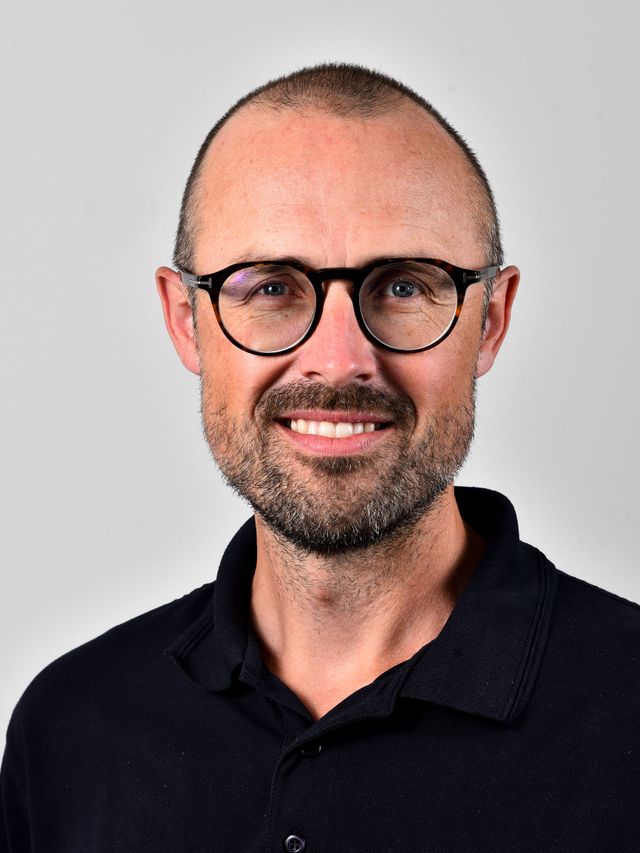
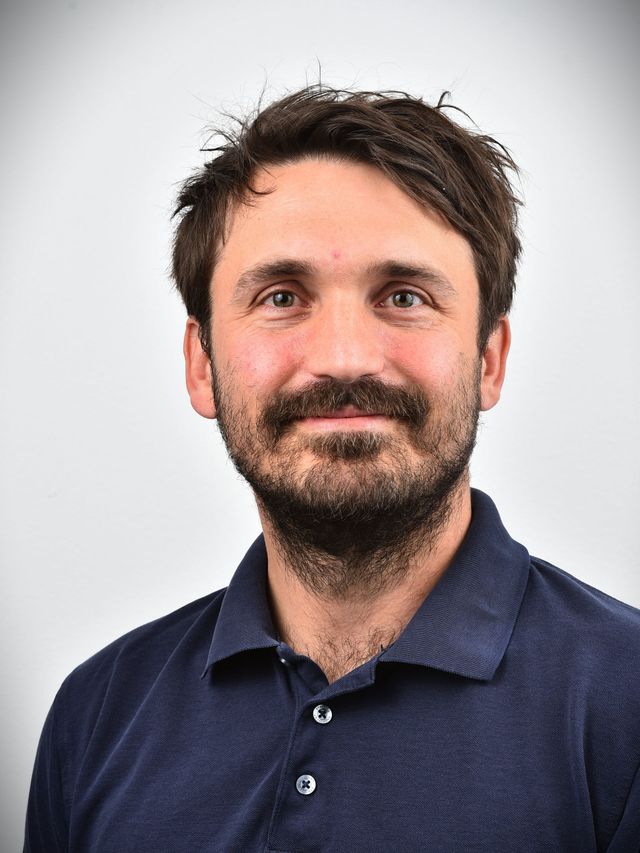
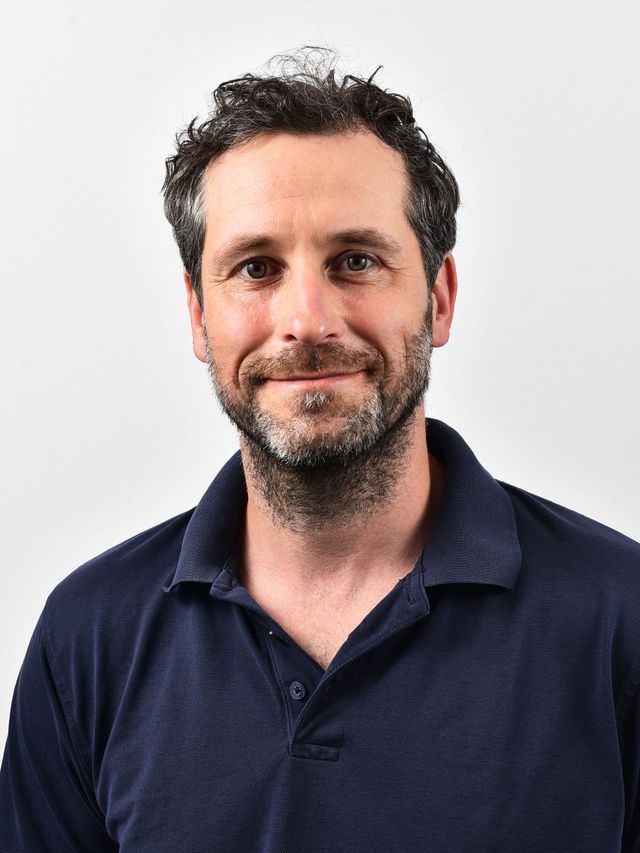
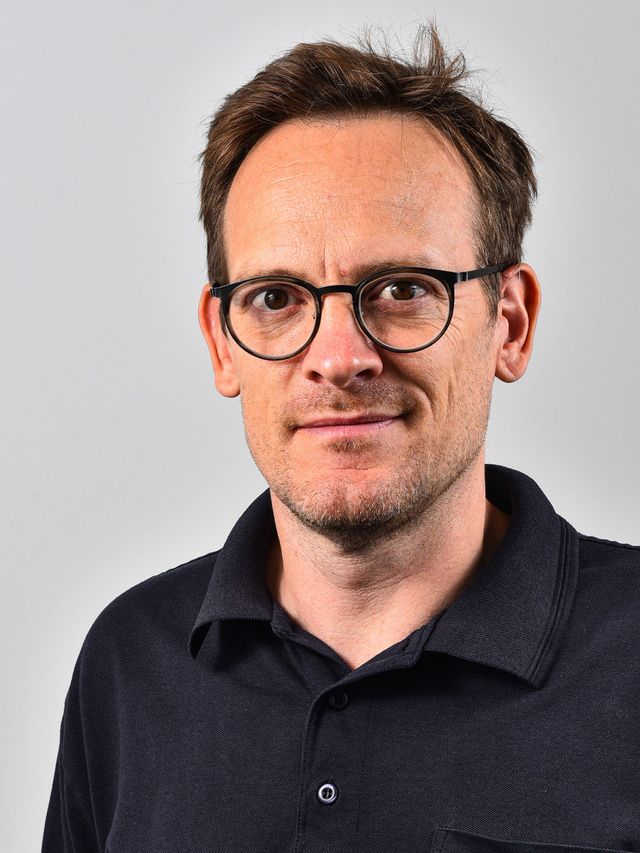
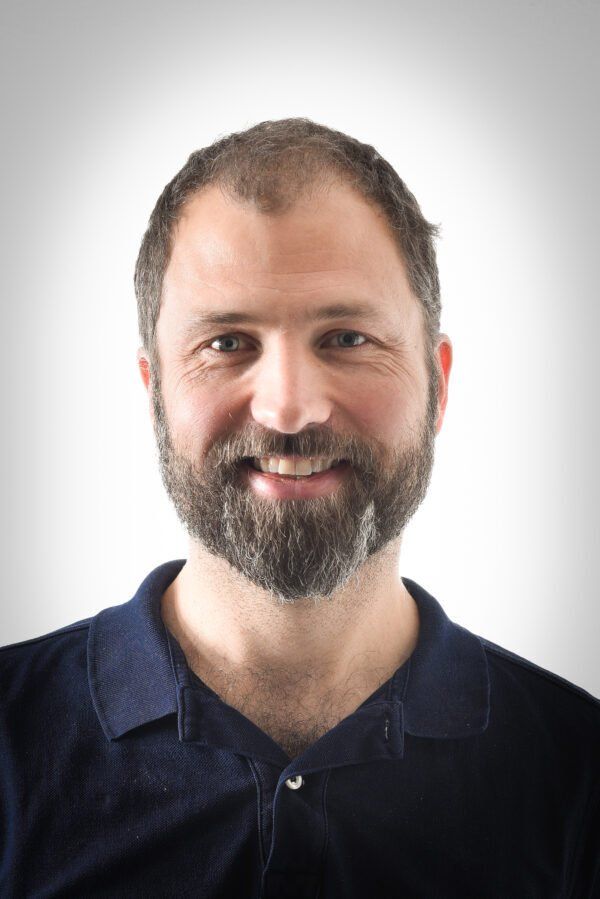
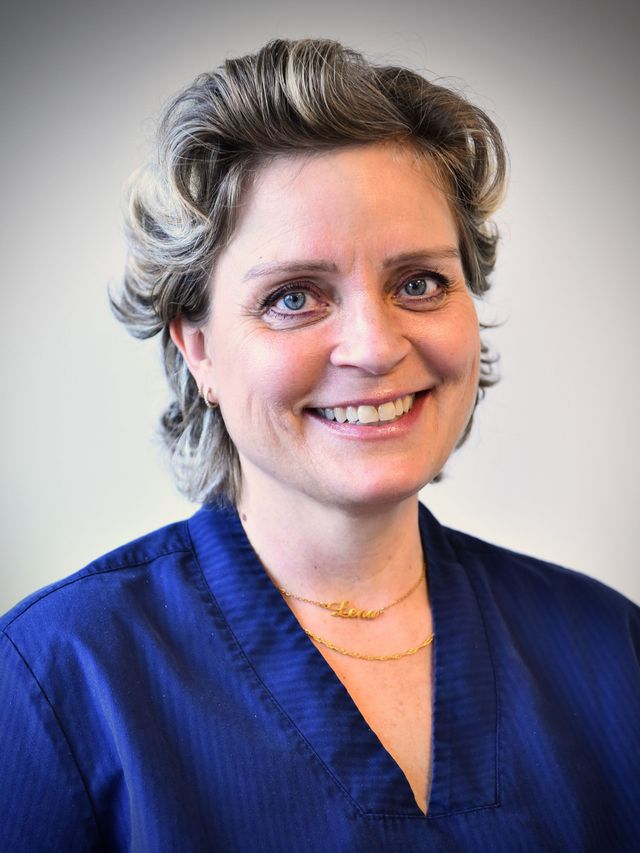
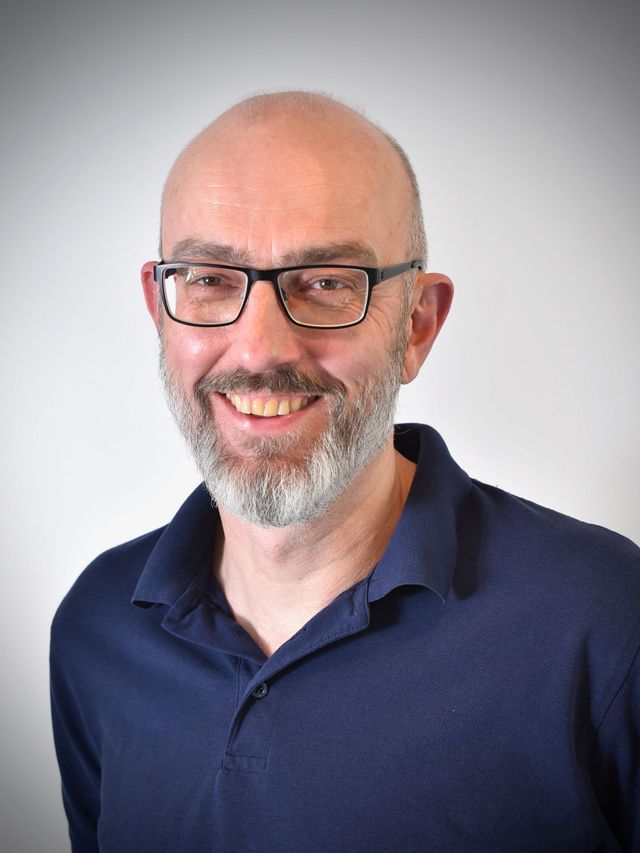
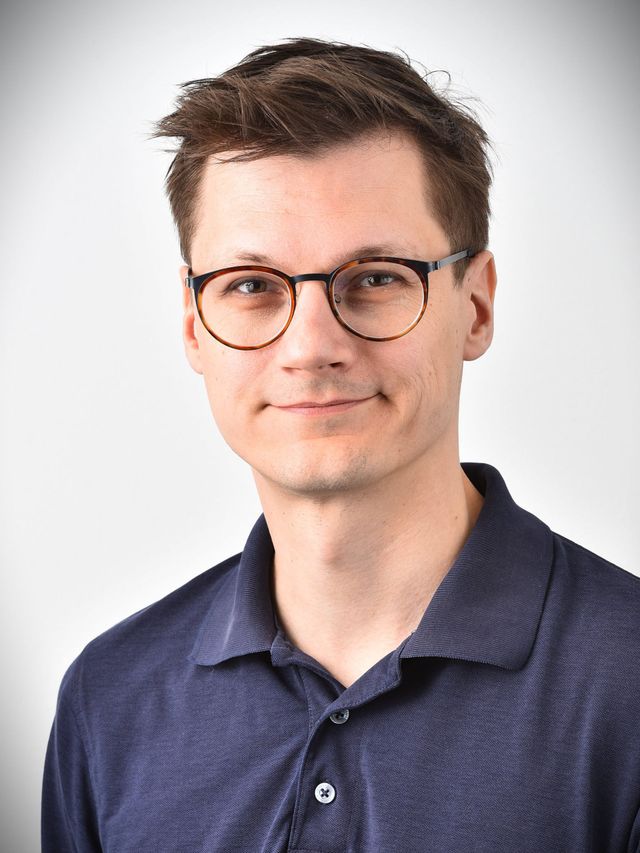
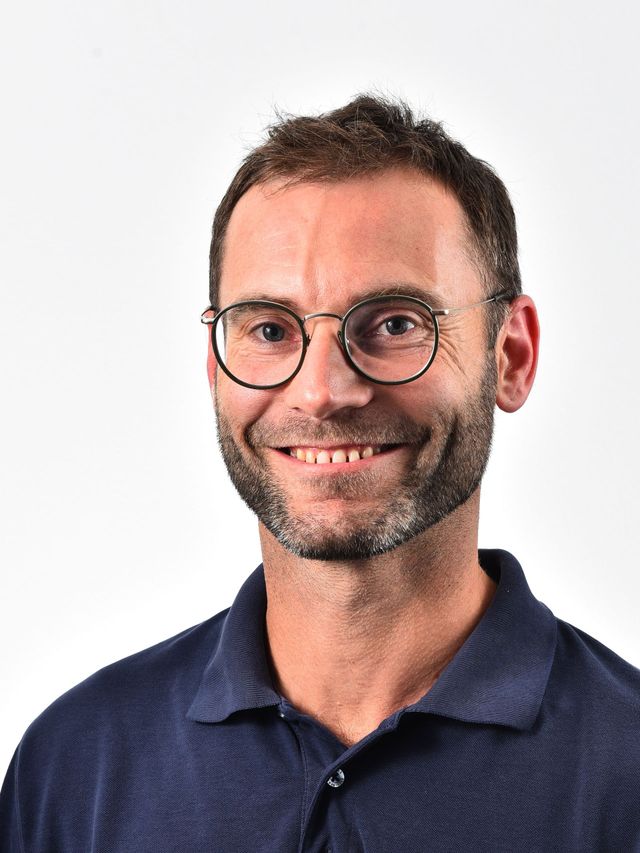
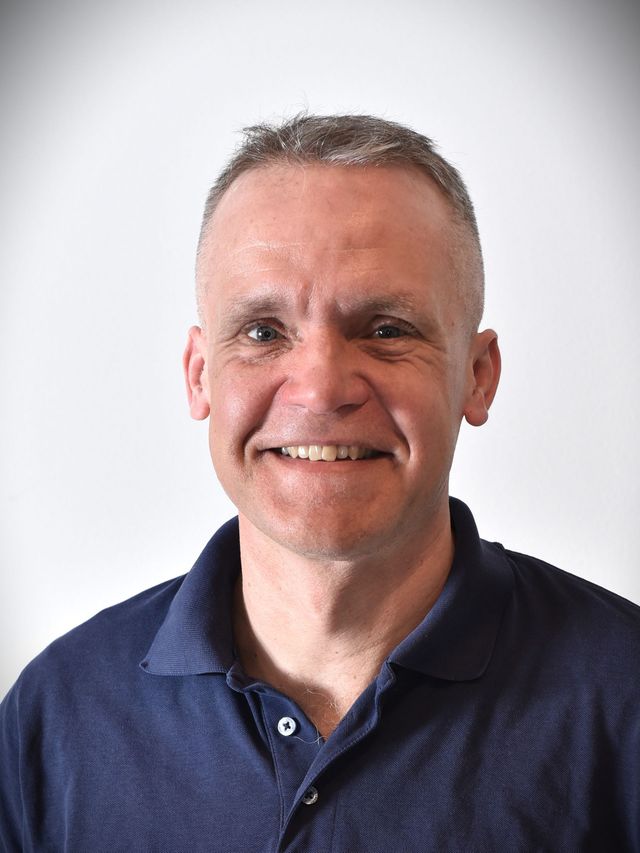
→ Dizziness – examination and treatment → Vestibular neuritis – sudden, persistent dizziness → Ménière's disease – dizziness, tinnitus and reduced hearing → Tinnitus – ringing and buzzing in the earsCharlottenlund Privathospital is owned and run by three specialist physicians: Erika Belard, Jacob Fisker and Teit Mantoni. Jacob Fisker is medical director. Here you will find our ear, nose and throat (ENT) specialists in Charlottenlund and at our clinics around Denmark – and in Charlottenlund also specialists in paediatric surgery, dermatology, diving medicine, gynaecology, cardiology, paediatrics, psychology and rheumatology.
Specialist physician and co-owner, CEO
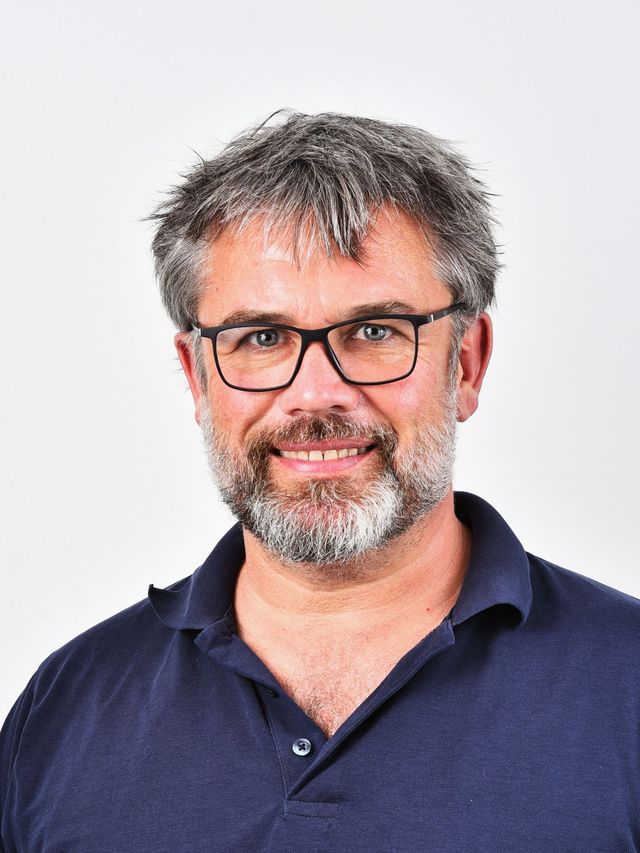
Specialist physician, co-owner and medical director
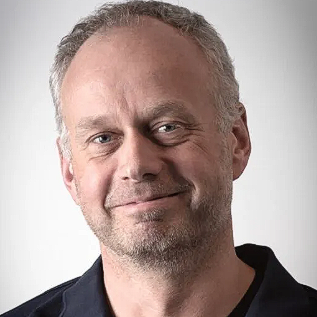
Specialist physician and co-owner
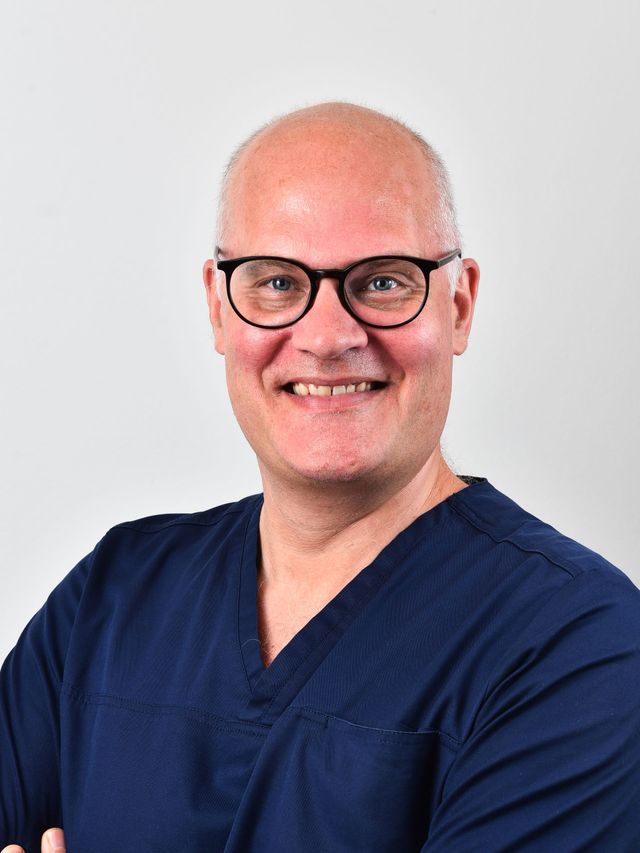
Specialist in anaesthesiology
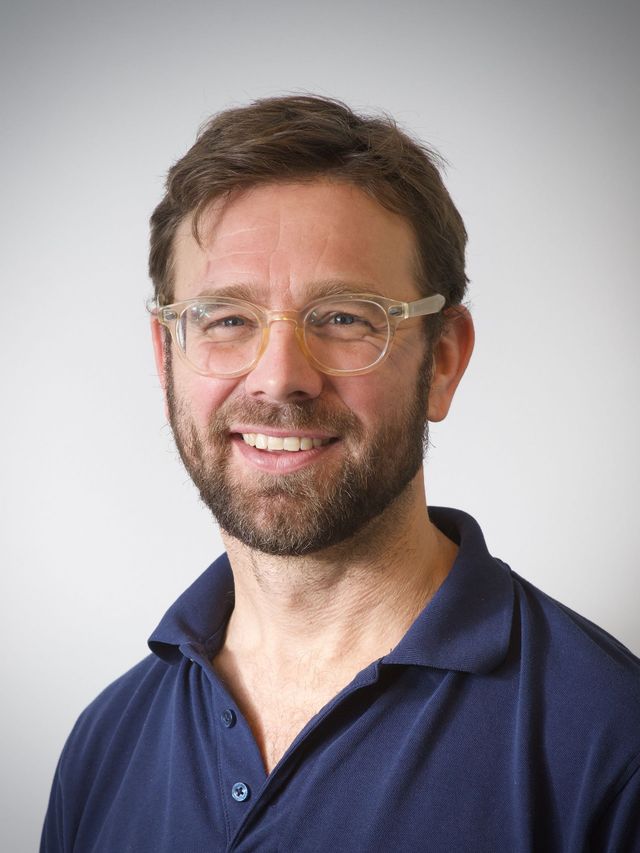
Specialist in anaesthesiology
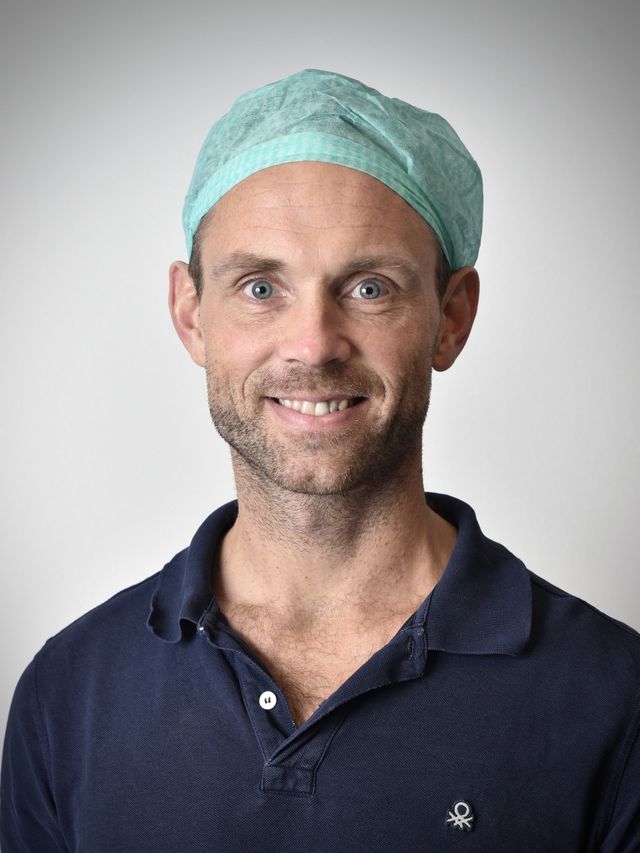
Specialist in anaesthesiology
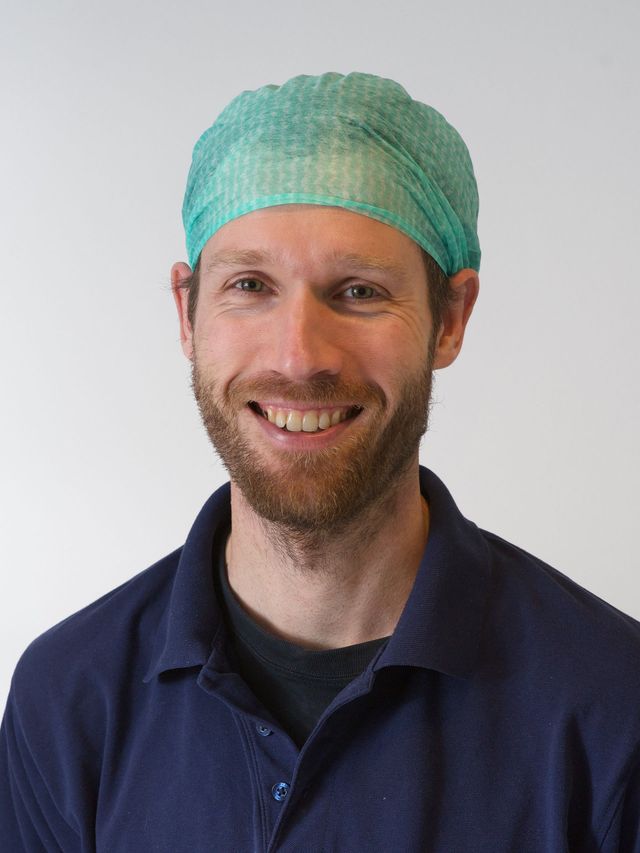
Specialist in anaesthesiology, DMSc, PhD
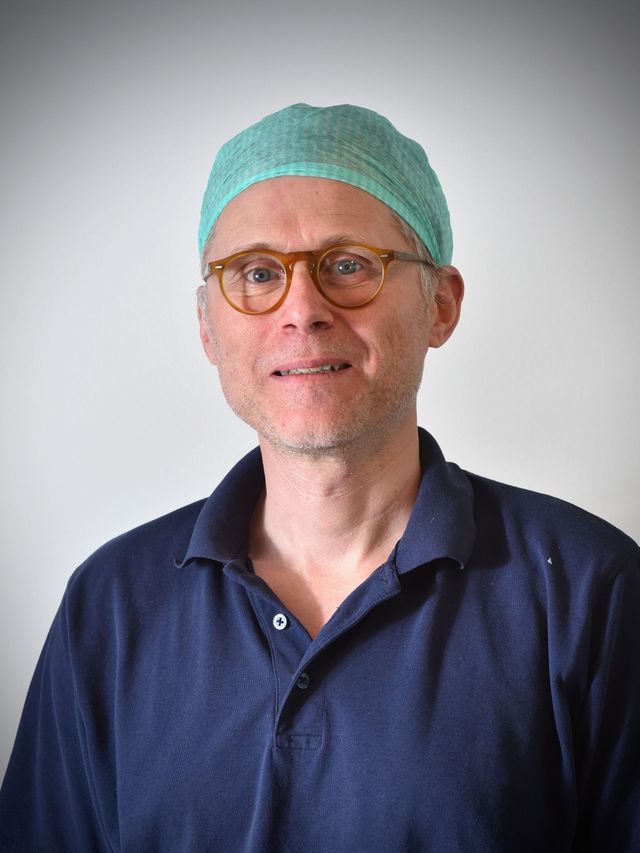
Specialist in anaesthesiology
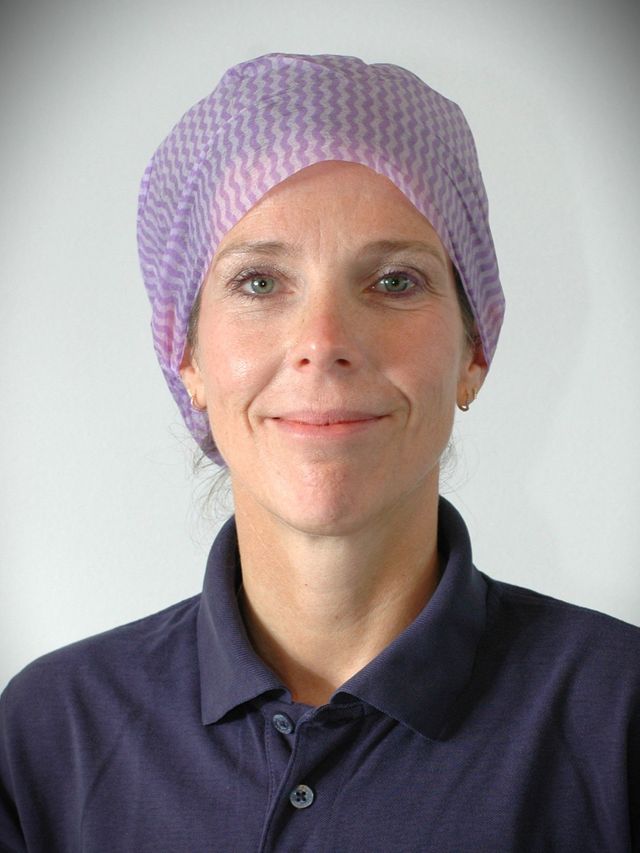
Specialist in anaesthesiology
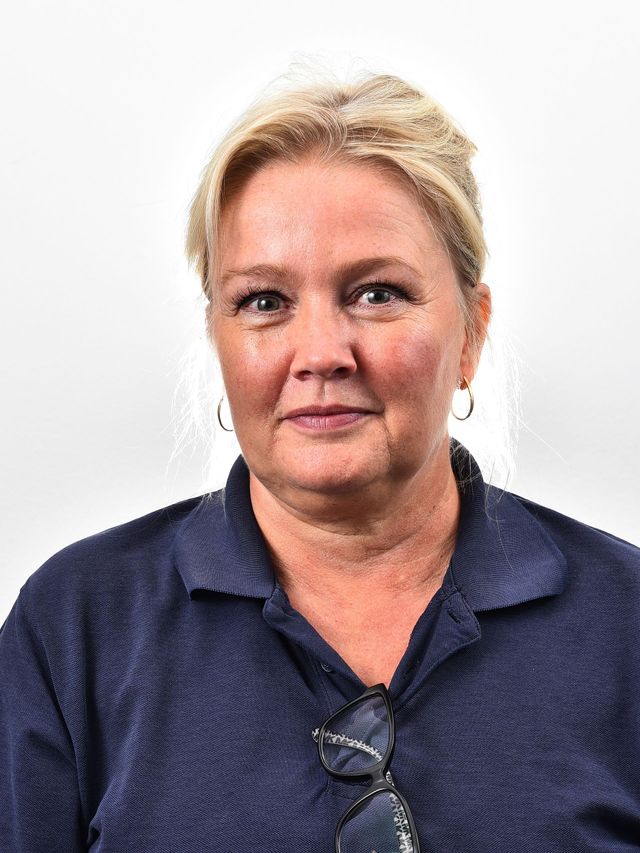
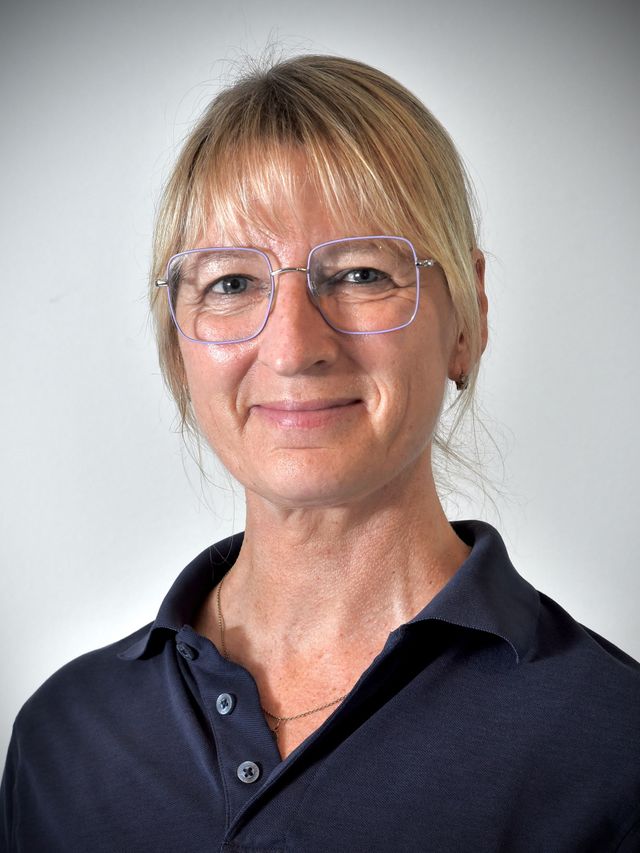
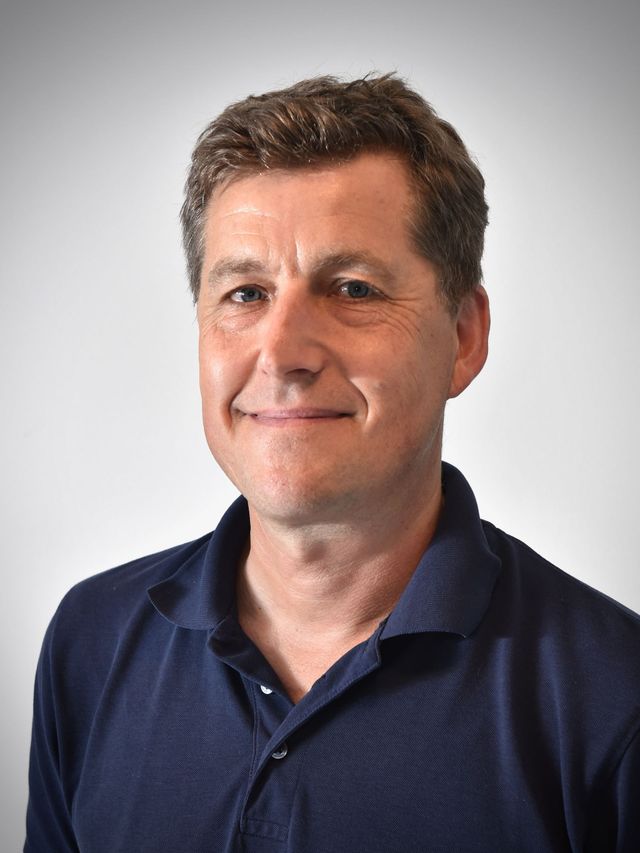
Specialist in anaesthesiology and diving medicine
Approved by the Danish Maritime Authority
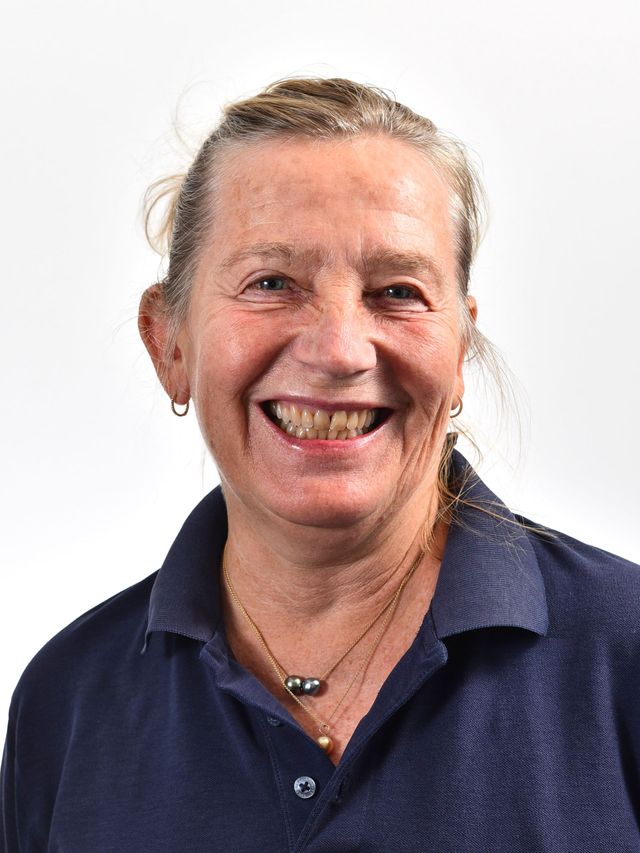
Specialist in anaesthesiology and diving medicine
Approved by the Danish Maritime Authority
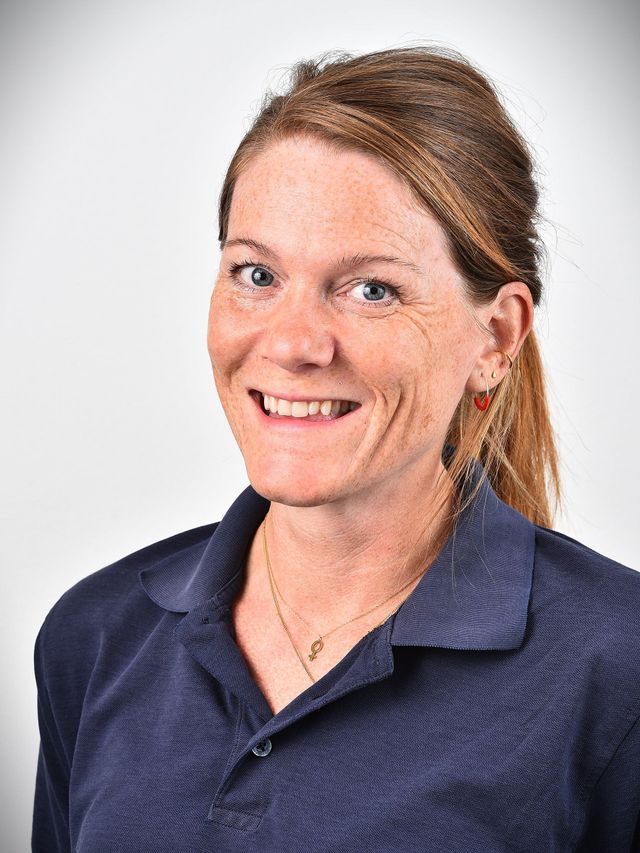
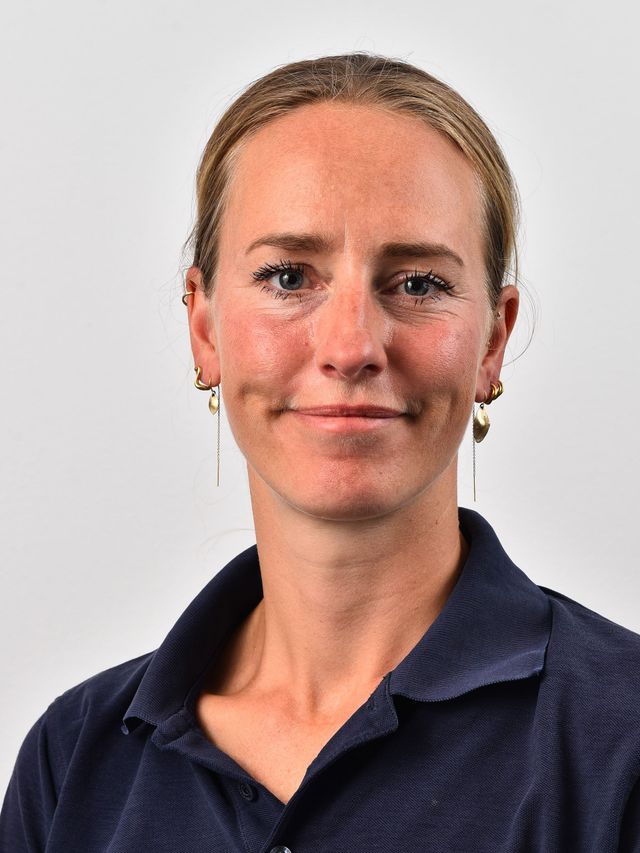

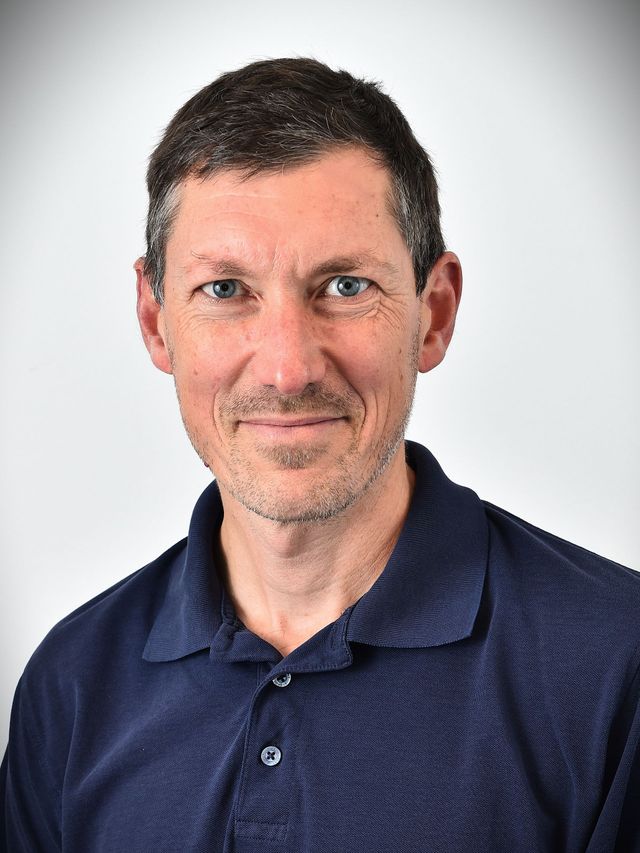
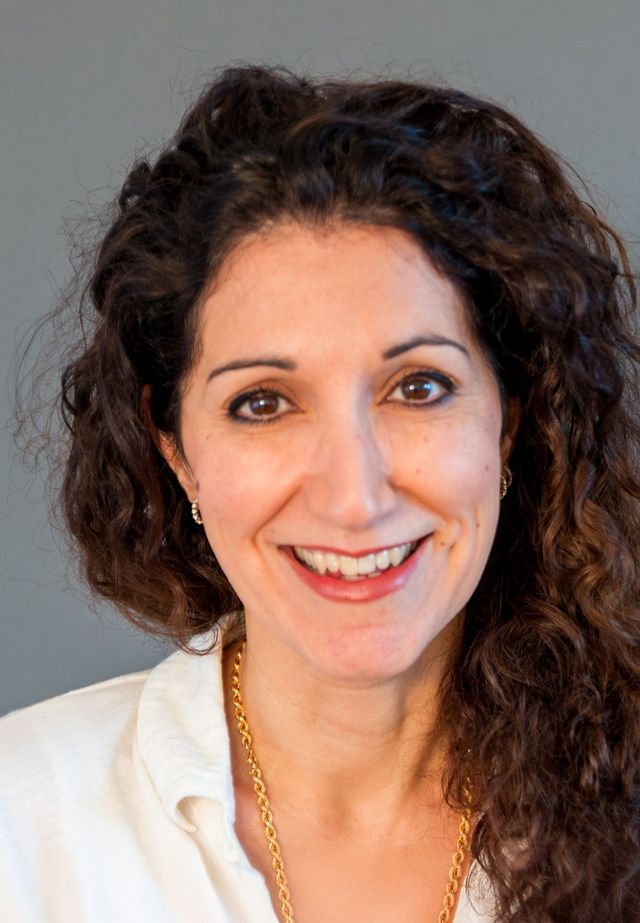

They are the people you meet first when you call or walk through the door – and the ones who look after you before and after your treatment.
Nurse
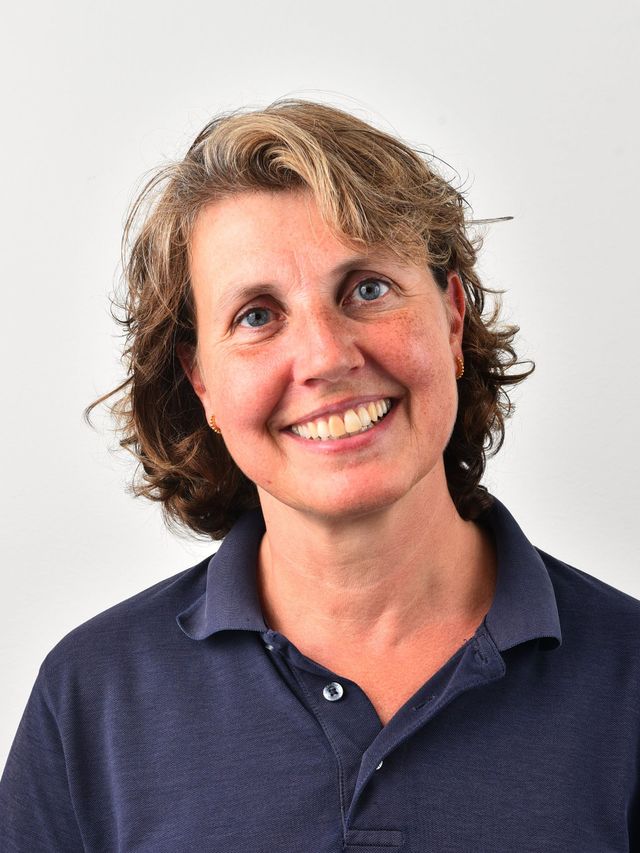
Nurse
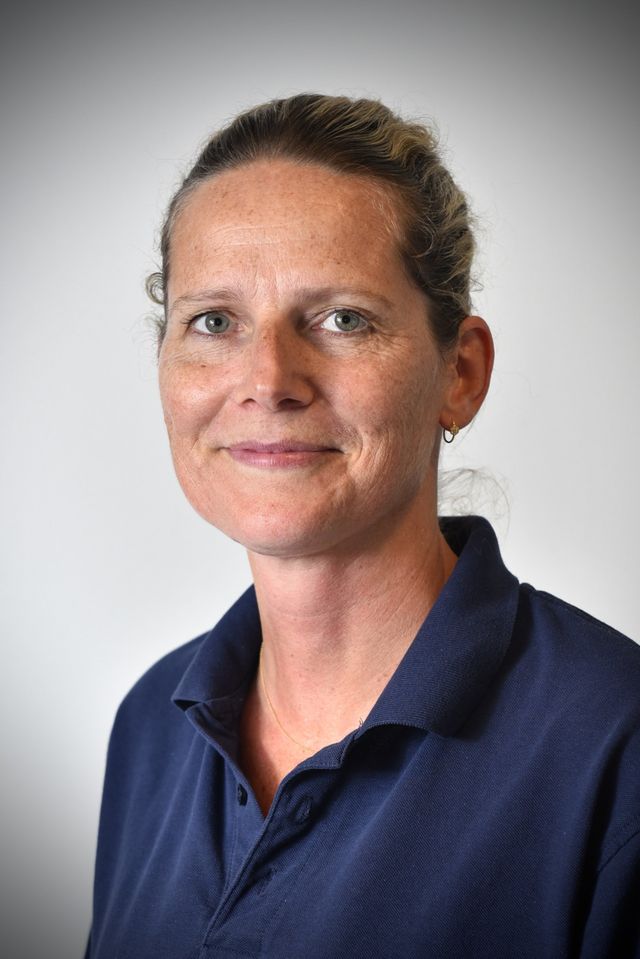
Nurse
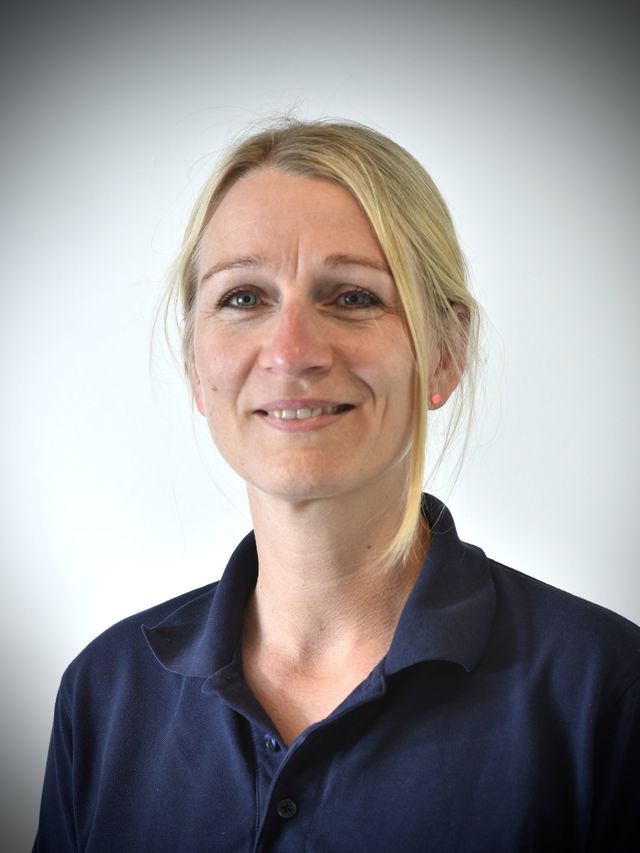
Nurse
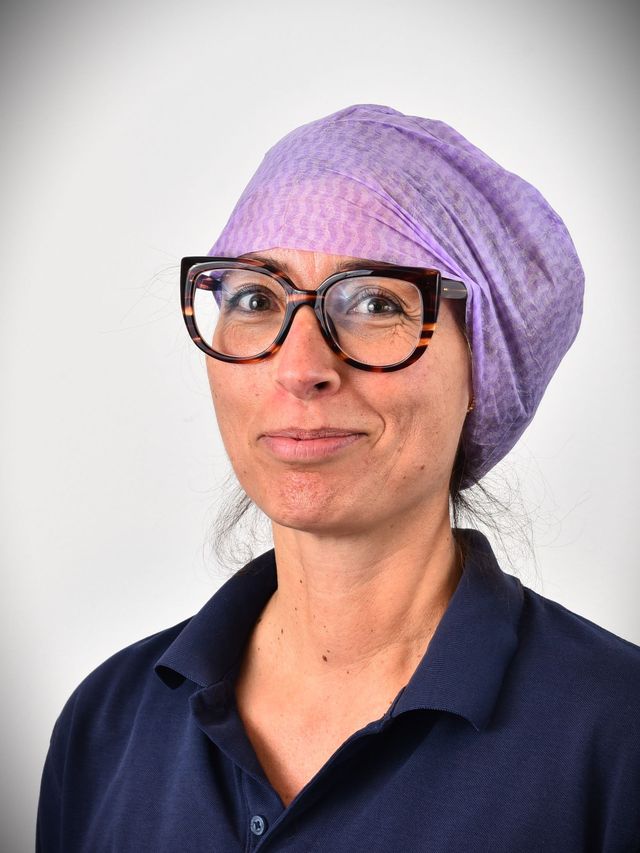
Nurse
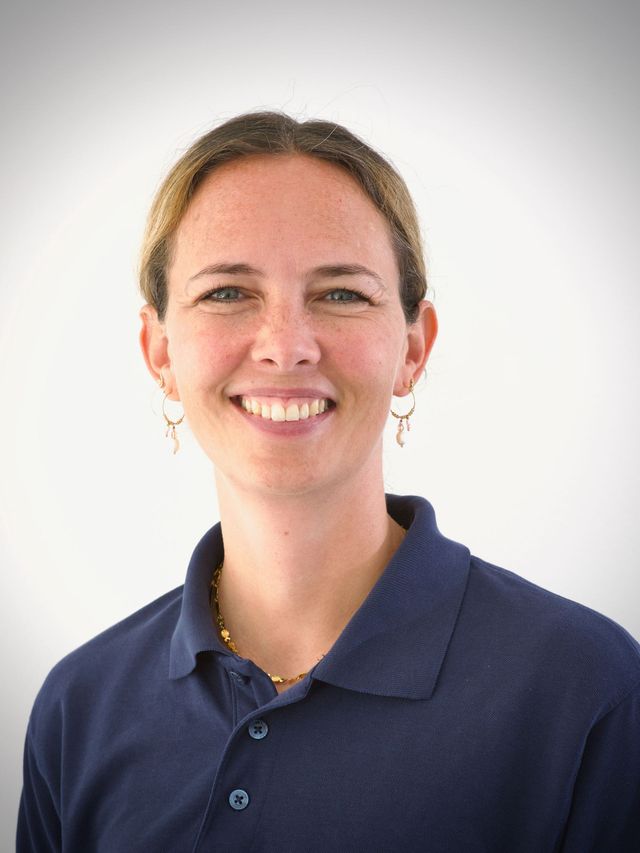
Nurse
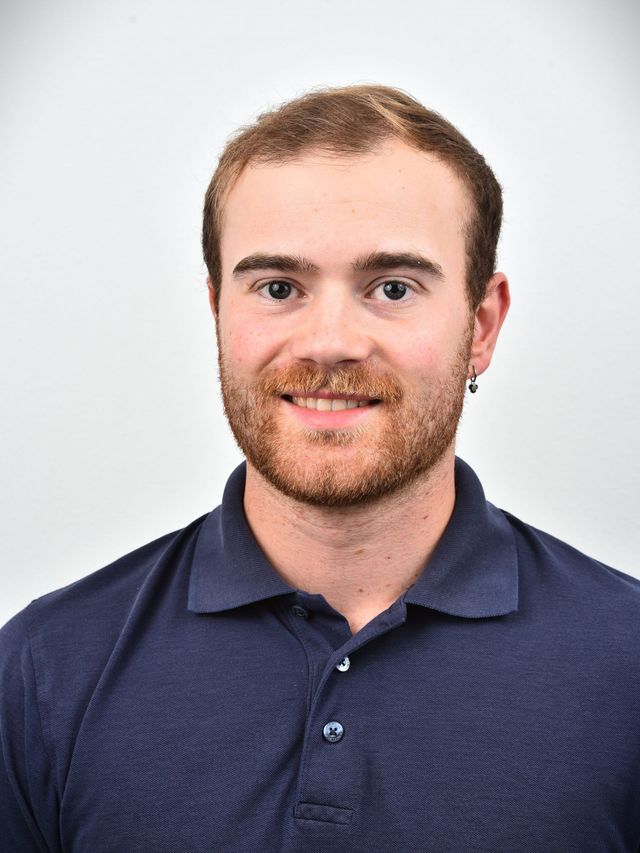
Clinical assistant
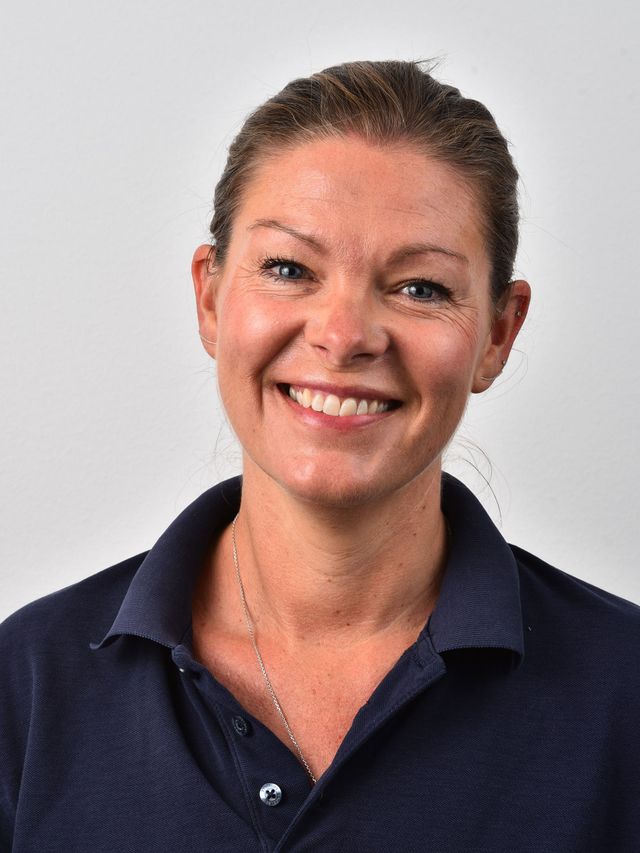
Clinical assistant
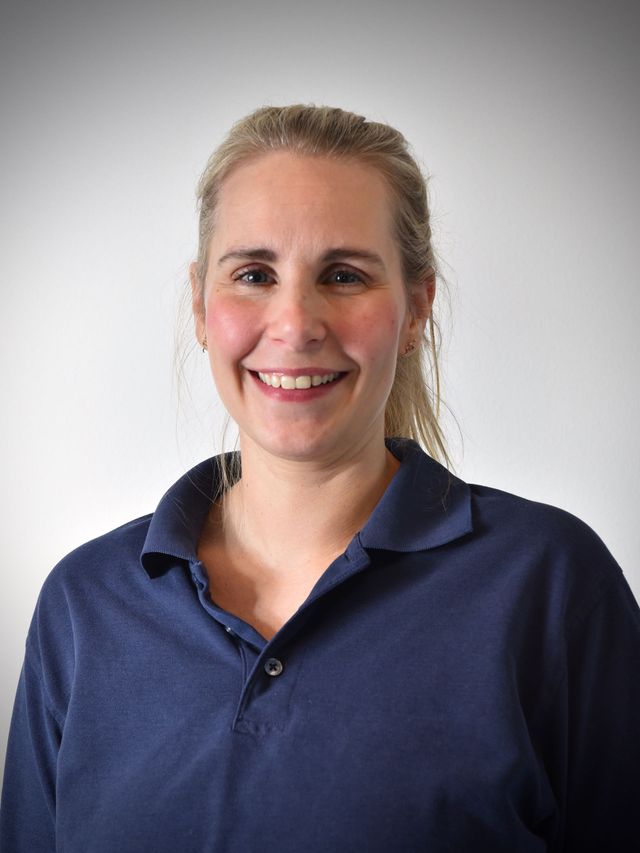
Clinical assistant
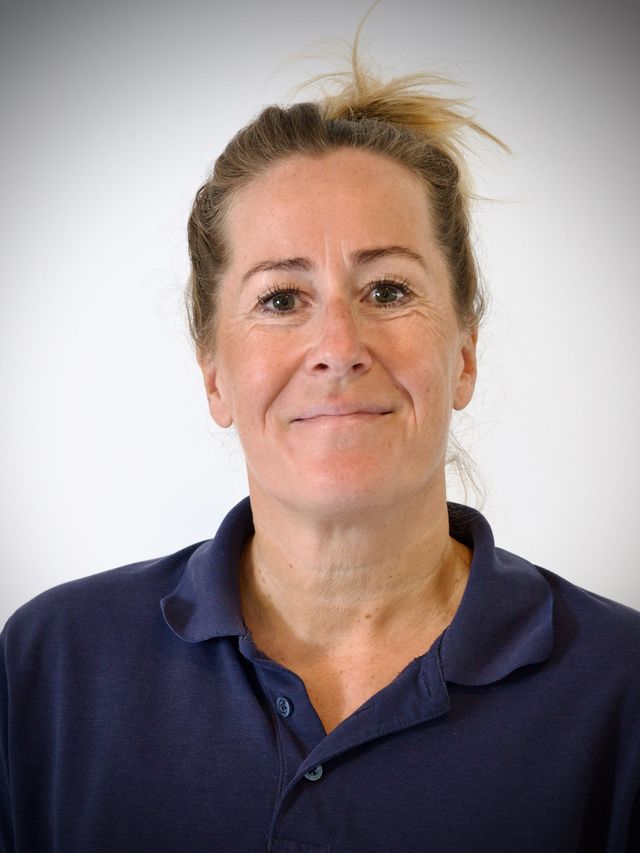
Reception and secretariat
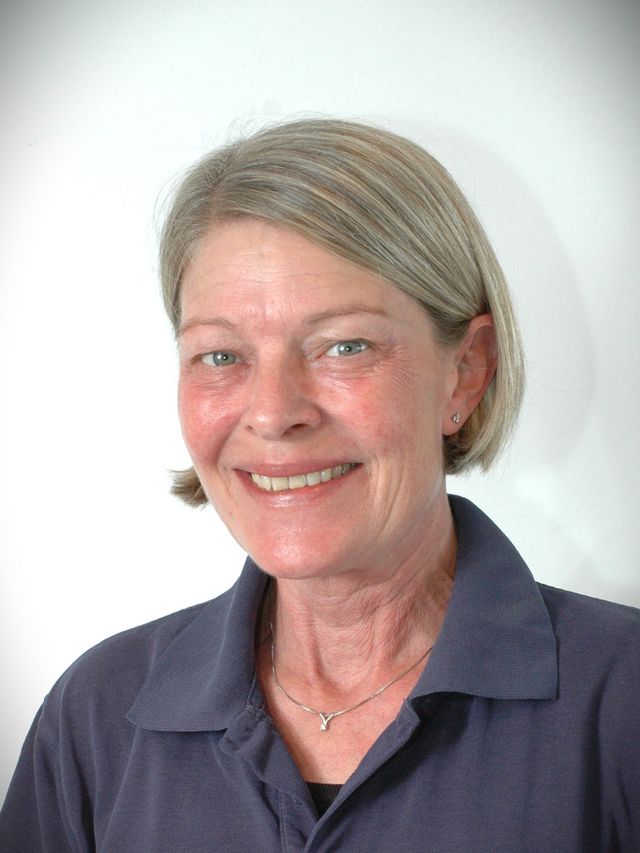
Reception and secretariat
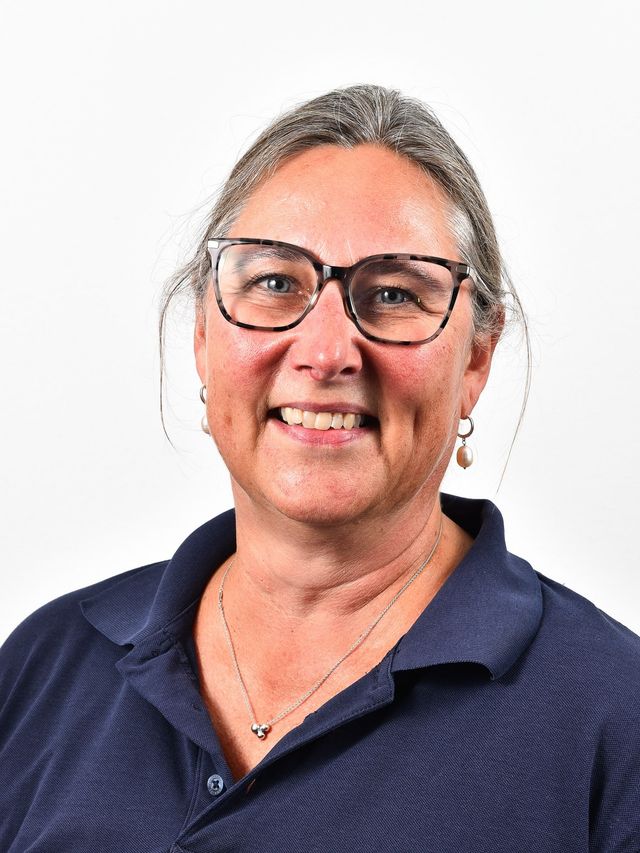
Reception and secretariat
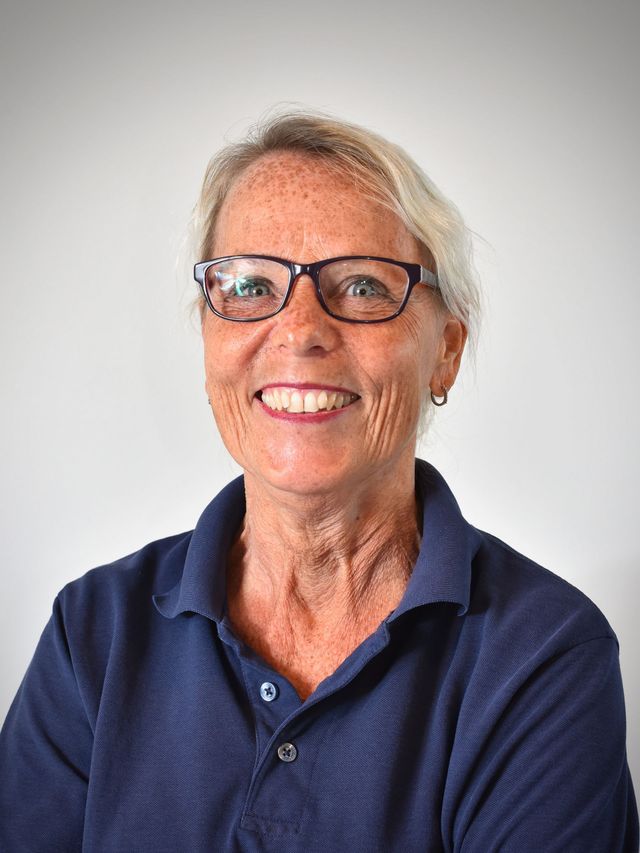
Reception and secretariat
Reception and secretariat

Service assistant
No one found. Try another name or choose "All".
Would you like to book an appointment with one of our specialists?
Book onlineJægersborg Allé 4
2920 Charlottenlund
CVR: 45675637
Monday–Friday, 08:00–14:00
Outside telephone hours, appointments can be booked, rescheduled and cancelled online 24/7.
Main department in Charlottenlund and ear, nose and throat departments at several locations across Denmark.