

Management
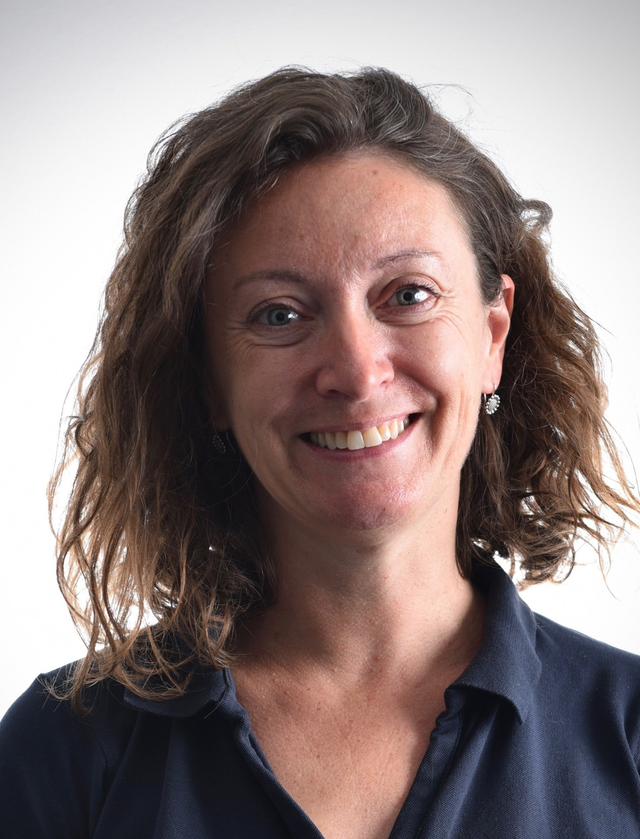
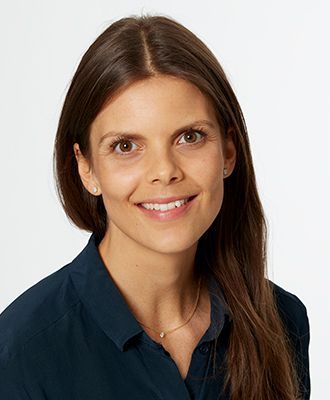
Erika Belard
Specialist physician and co-owner, CEO

Daytime wetting, frequent urges and difficulty emptying the bladder – causes, assessment and treatment.
Bladder problems in children can show as daytime wetting, frequent or sudden urges, difficulty emptying the bladder or bedwetting at night. The problems are most often caused by functional factors such as immature bladder control, an overactive bladder or constipation – less often by disease. At Charlottenlund Private Hospital, children with persistent bladder problems are assessed, and treatment is tailored to each child.
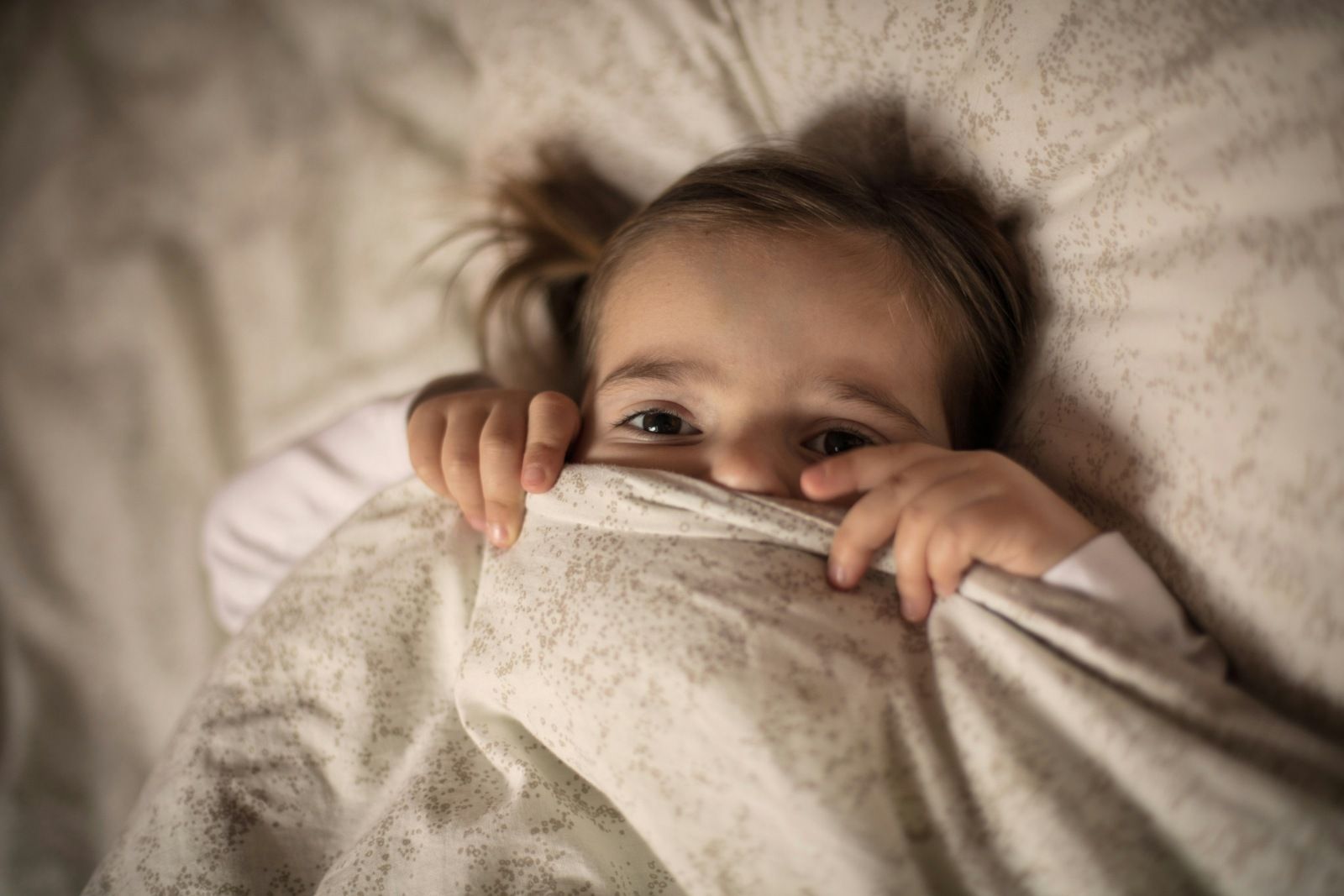
Wetting at night is called bedwetting (enuresis) and is common in younger children – read more about bedwetting in children. Wetting while awake is called daytime incontinence. It is less common but often more distressing for the child, and it may be caused by an overactive bladder, by the child putting off going to the toilet, or by the bladder not emptying fully.
A full rectum can press on the bladder and disturb how it works, so the child passes urine often, has sudden urges or does not empty the bladder fully. According to the European guidelines on paediatric urology, up to 64% of children with constipation also have bladder symptoms. Conversely, a Danish review found that about 18% of children referred for urge incontinence also had constipation or soiling (Ugeskrift for Læger 2005, in Danish).
Bowel habits are therefore always discussed, and treating constipation in children is often an important part of treating bladder problems.
Most children gain daytime bladder control at around 3–4 years of age, and accidents become less frequent with age. In a large British study, 15.5% of children had daytime accidents at 4½ years, compared with 4.9% at 9½ years (Swithinbank et al. 2010).
The child should be assessed if bladder problems continue after the age of 5–6, or if the child has daytime symptoms. Repeated urinary tract infections, pain when passing urine or affected well-being are also reasons to have the child examined – if there is fever, a paediatrician should see the child. Daytime wetting can affect self-esteem, and for some children a child psychologist can help (Joinson et al. 2006).
The assessment begins with a thorough conversation about symptoms, drinking habits, toilet habits and bowel movements. A fluid and bladder diary kept over a few days shows how often the child passes urine and how much the bladder can hold.
At Charlottenlund Private Hospital, the strength of the urine stream can be measured (uroflowmetry) and an ultrasound scan of the bladder can be carried out as needed to see whether it empties fully. Findings that suggest another condition, such as a malformation or a nerve disorder, require further investigation.


Treatment depends on the cause. The first step is almost always urotherapy – teaching the child and parents how the bladder works, regular toilet visits, drinking evenly through the day and a good sitting position on the toilet. Both the International Children’s Continence Society (ICCS) and a European recommendation from 2020 point to urotherapy as the basic treatment, with medication added only if it is not enough.
Parents can support the child by reminding them about toilet visits, avoiding scolding and praising good habits. Most children improve over time.
Children with persistent bladder problems are assessed by Susanne Reinhardt, specialist in paediatric surgery, at the main department in Charlottenlund. Self-paying patients do not need a referral – see the price list – and children may be covered by their parents’ health insurance.
The hospital also examines and treats a tight foreskin and hydrocele in children.
Answers to questions about bladder problems in children.
Bedwetting is common in children under 5–6 and is often part of normal development. Daytime wetting should be assessed.
If the problems continue after the age of 5–6, or if the child has daytime symptoms, pain, urinary tract infections or affected well-being.
Yes. Constipation can press on the bladder and disturb its function.
An alarm with a sensor that detects moisture and wakes the child when urination begins. It is used for bedwetting.
With a conversation, a fluid and bladder diary and, as needed, ultrasound, uroflowmetry and measurement of residual urine.
Not for self-paying patients. With health insurance it depends on the insurance company.
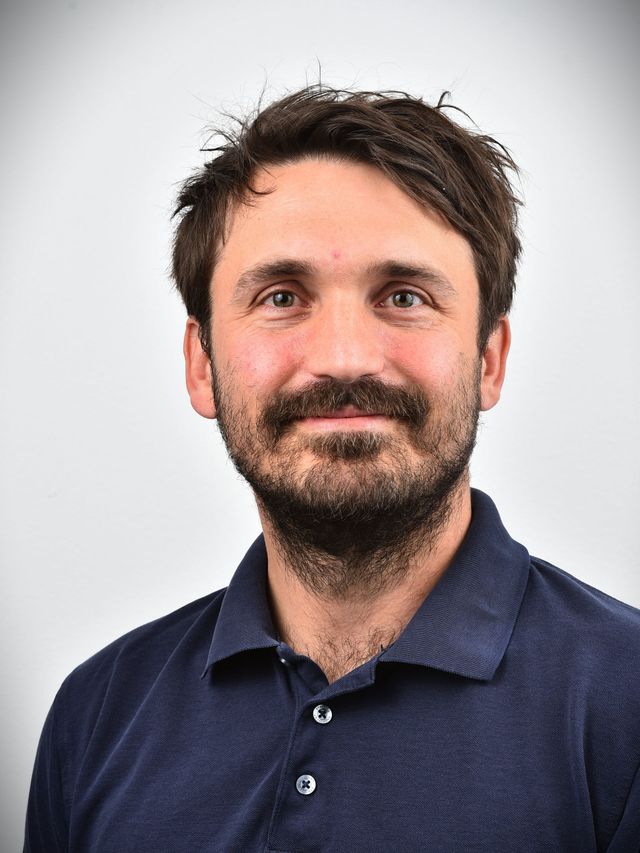
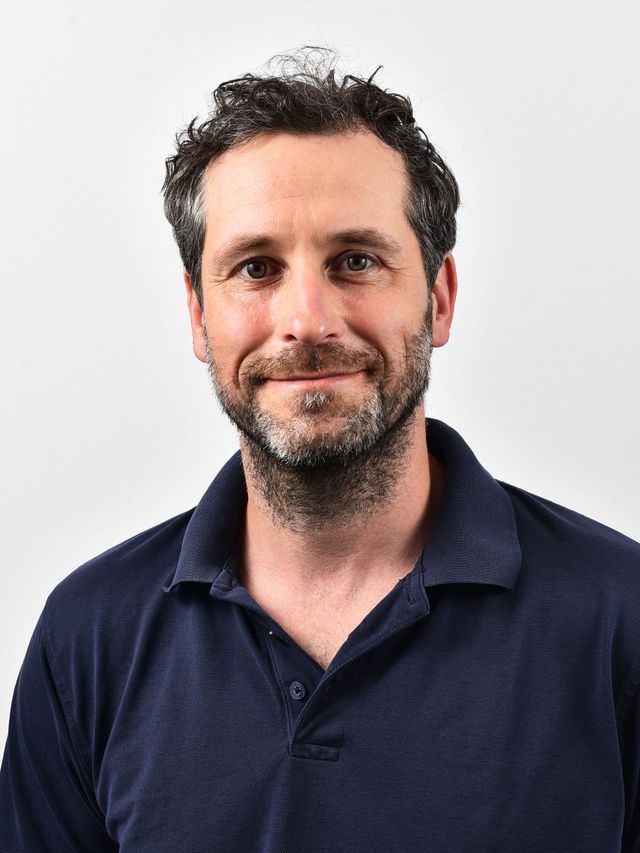
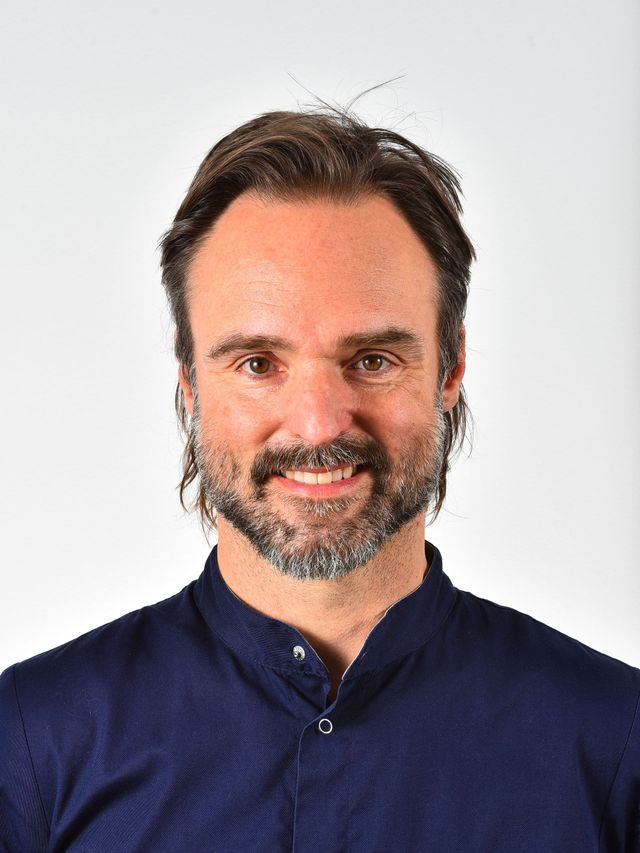
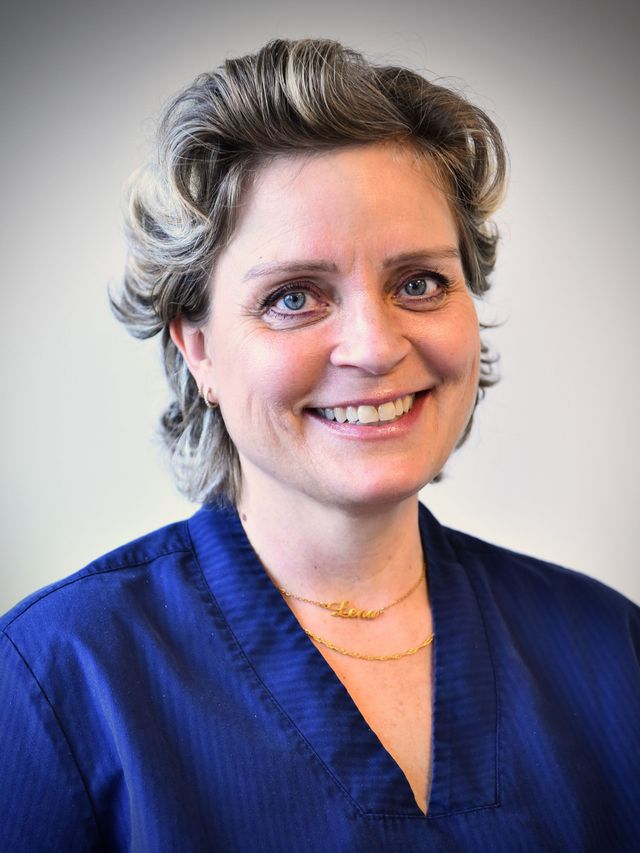
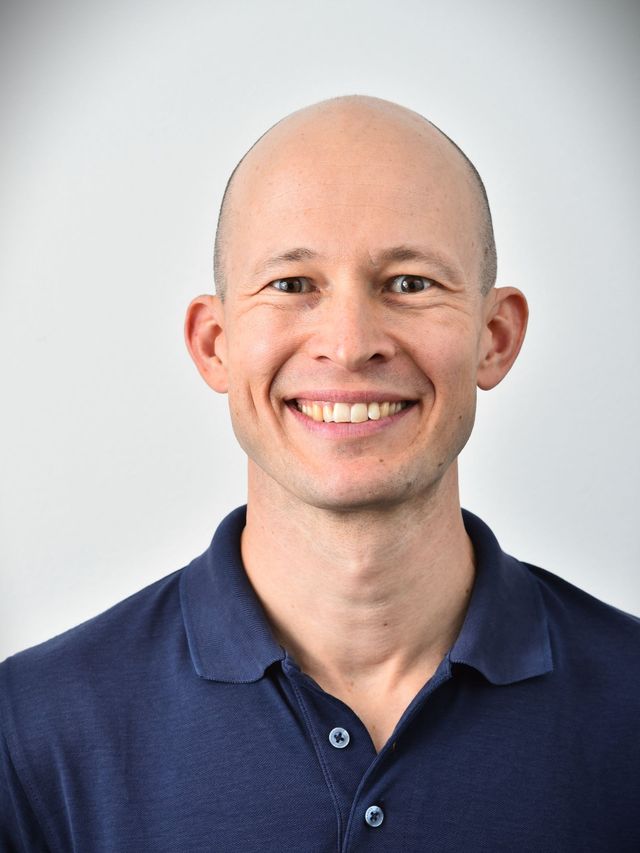
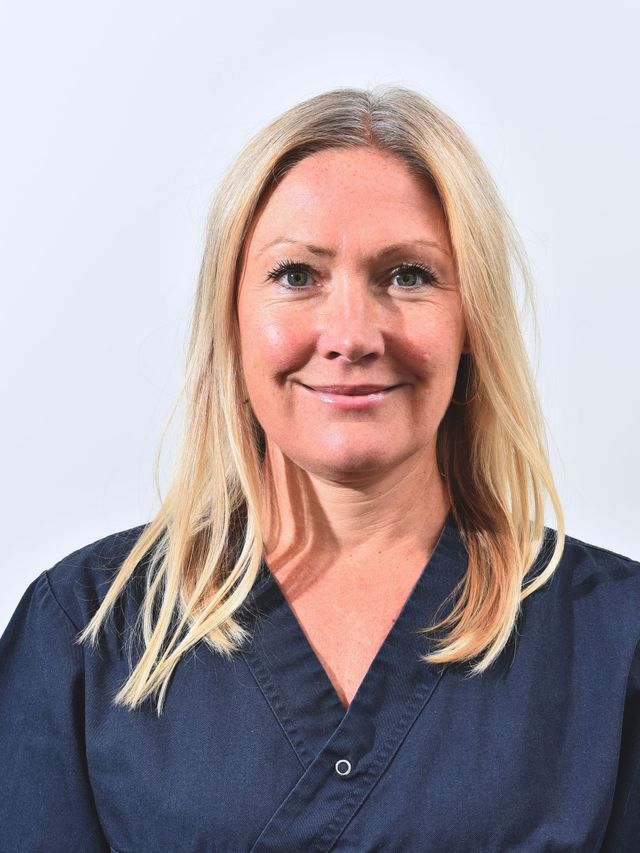
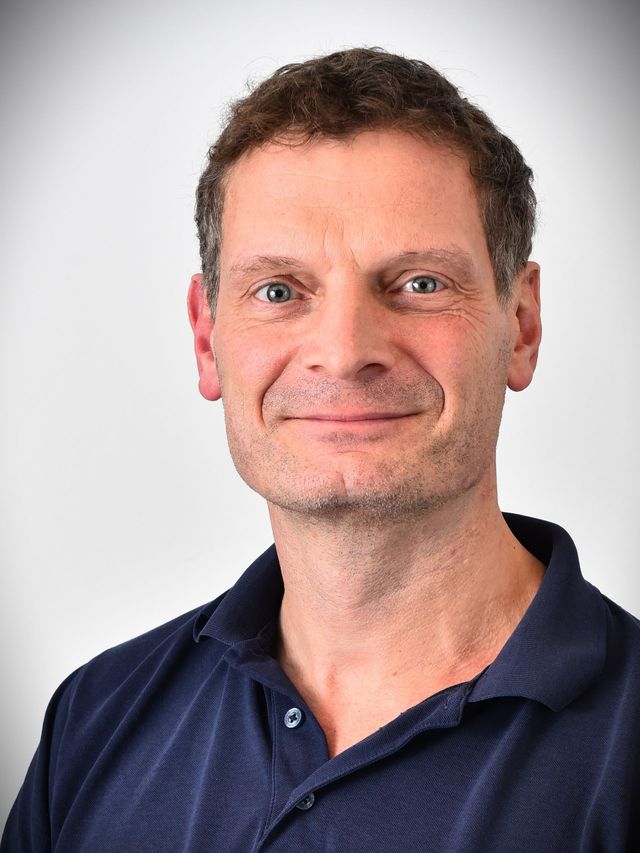
Charlottenlund Privathospital is owned and run by three specialist physicians: Erika Belard, Jacob Fisker and Teit Mantoni. Jacob Fisker is medical director. Here you will find our ear, nose and throat (ENT) specialists in Charlottenlund and at our clinics around Denmark – and in Charlottenlund also specialists in paediatric surgery, dermatology, diving medicine, gynaecology, cardiology, paediatrics, psychology and rheumatology.
Specialist physician and co-owner, CEO
Specialist physician, co-owner and medical director
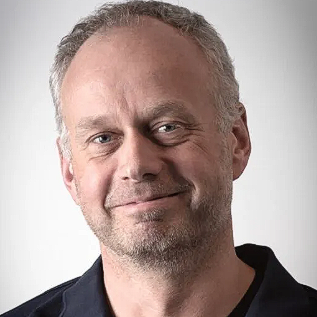
Specialist physician and co-owner
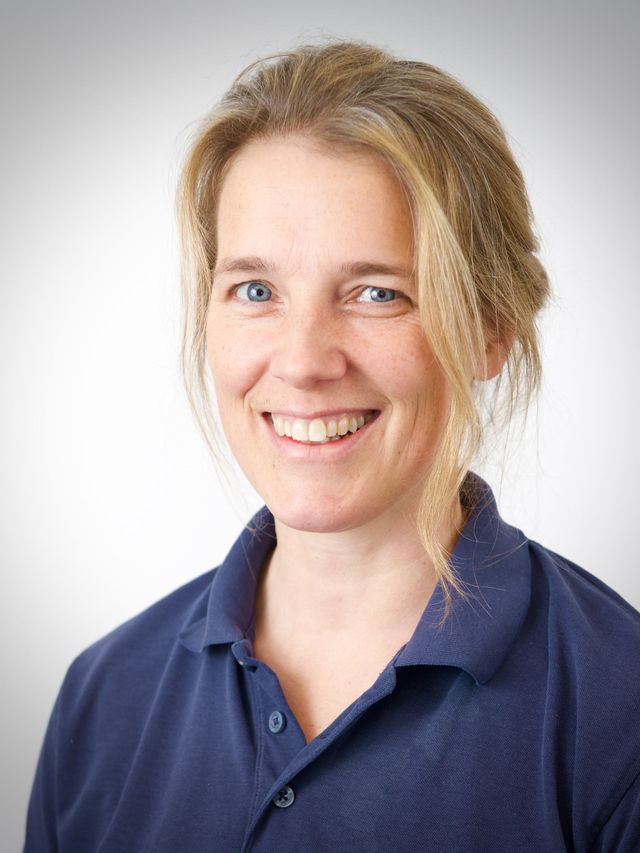
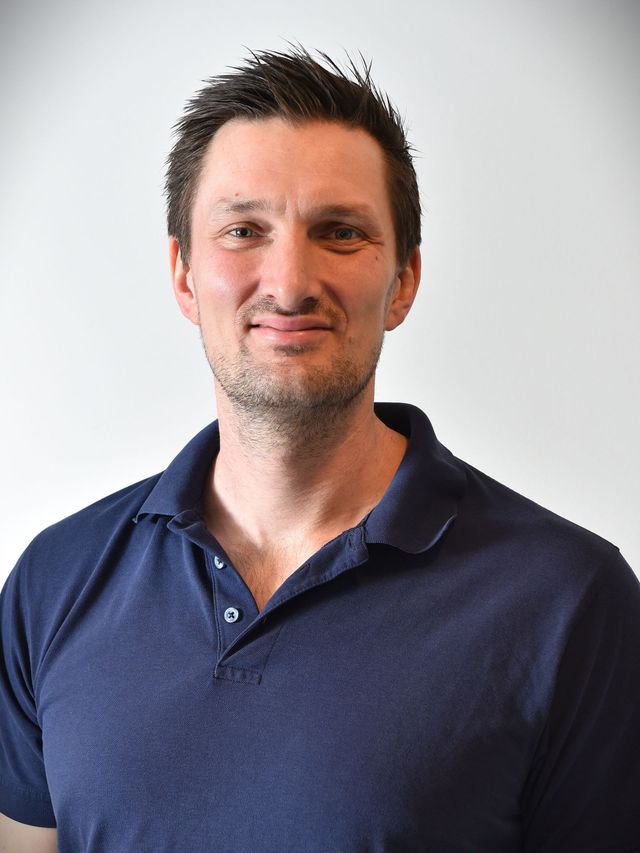
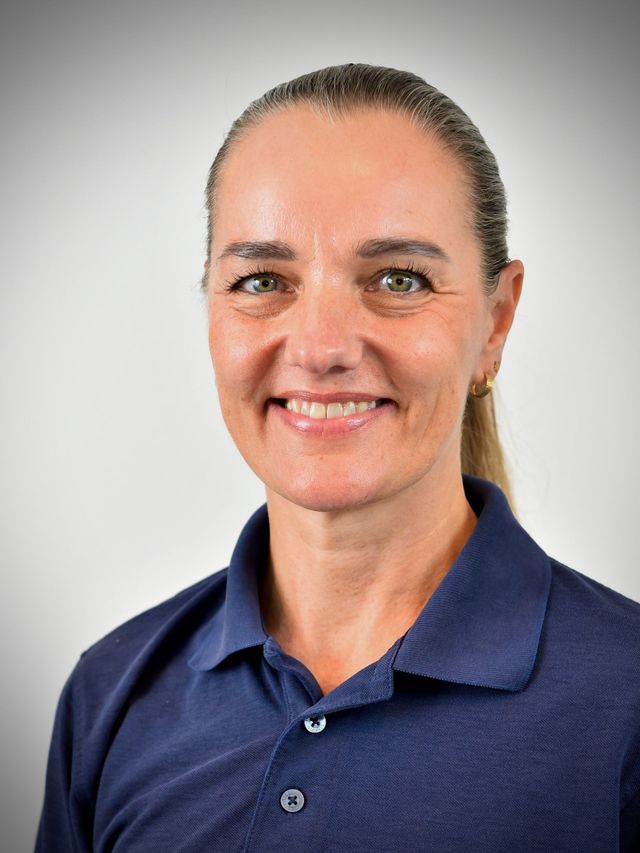
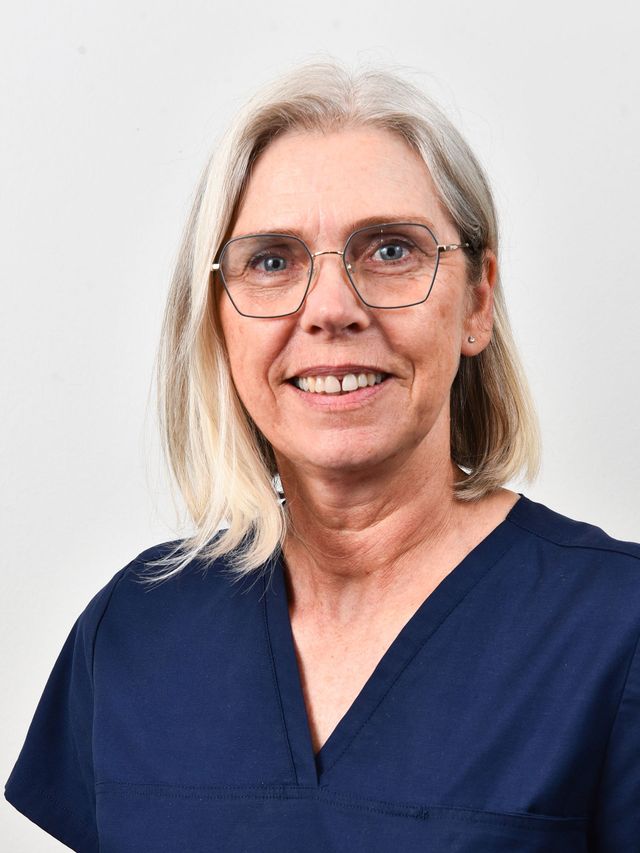
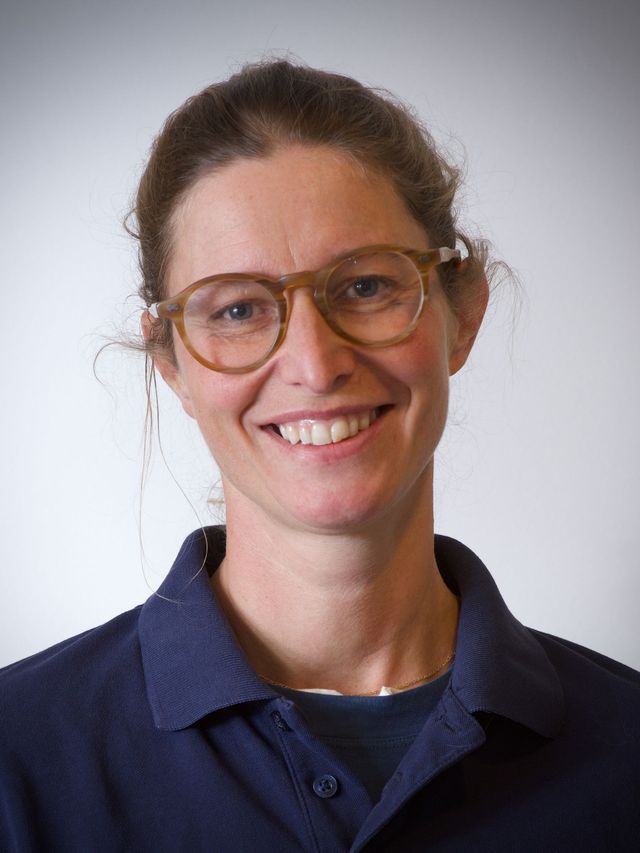
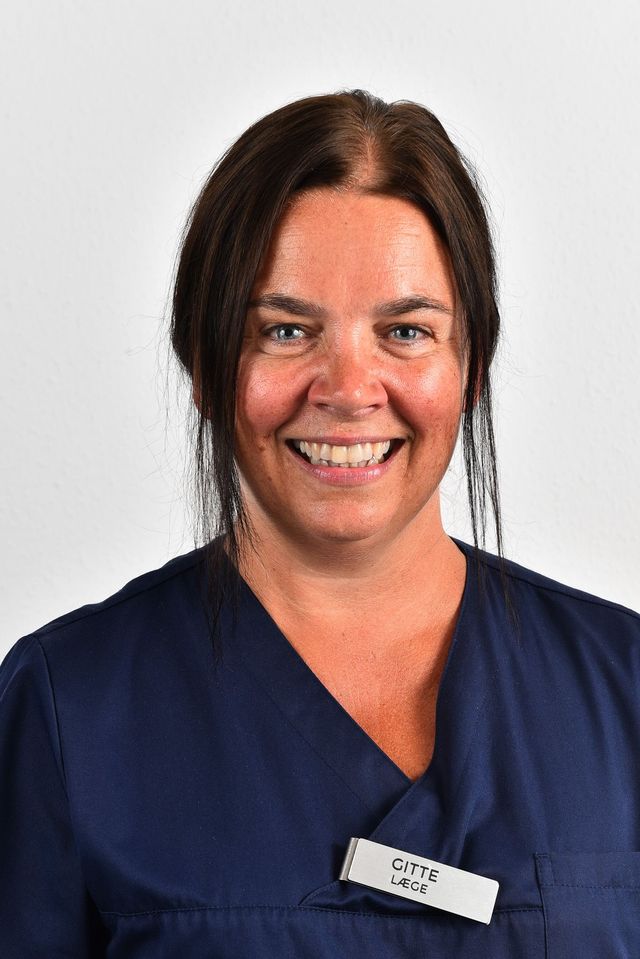
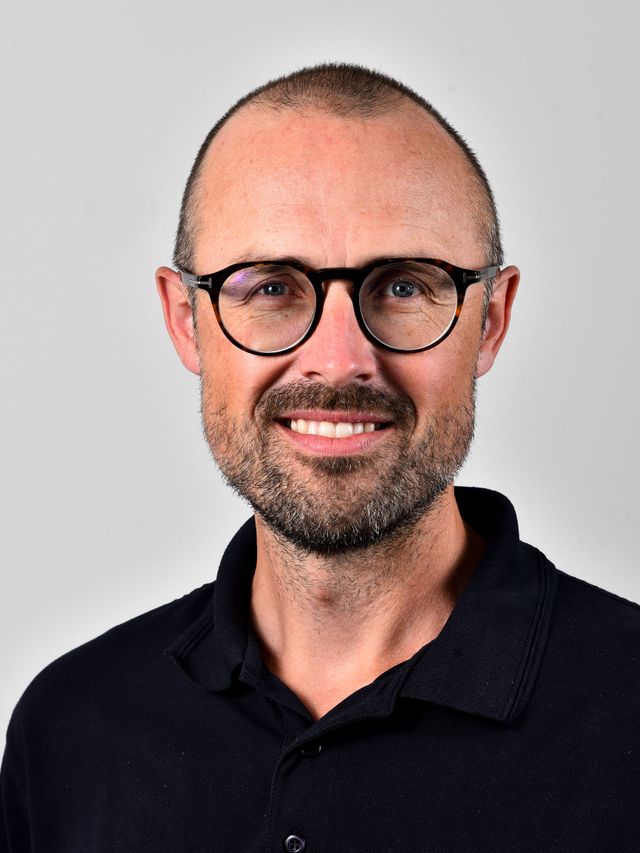

Specialist in anaesthesiology
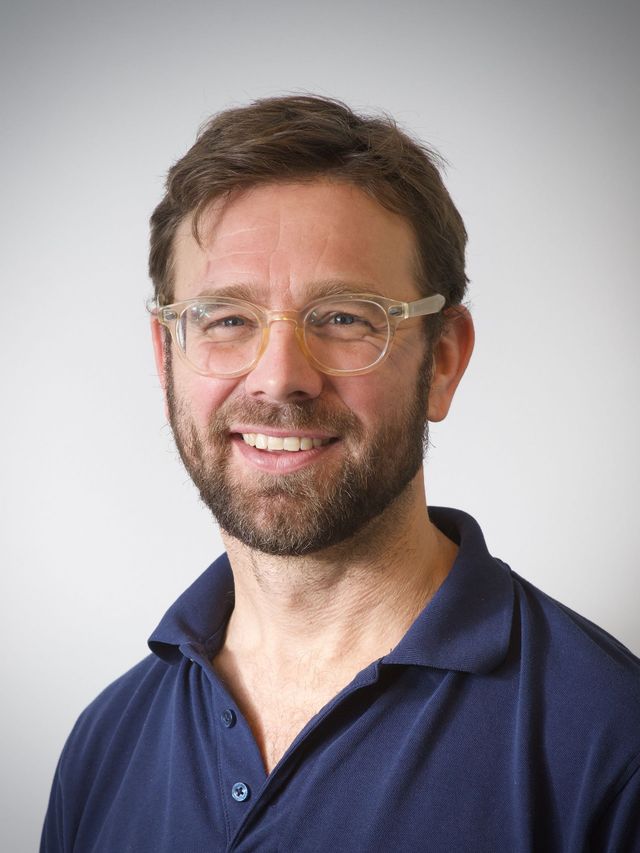
Specialist in anaesthesiology
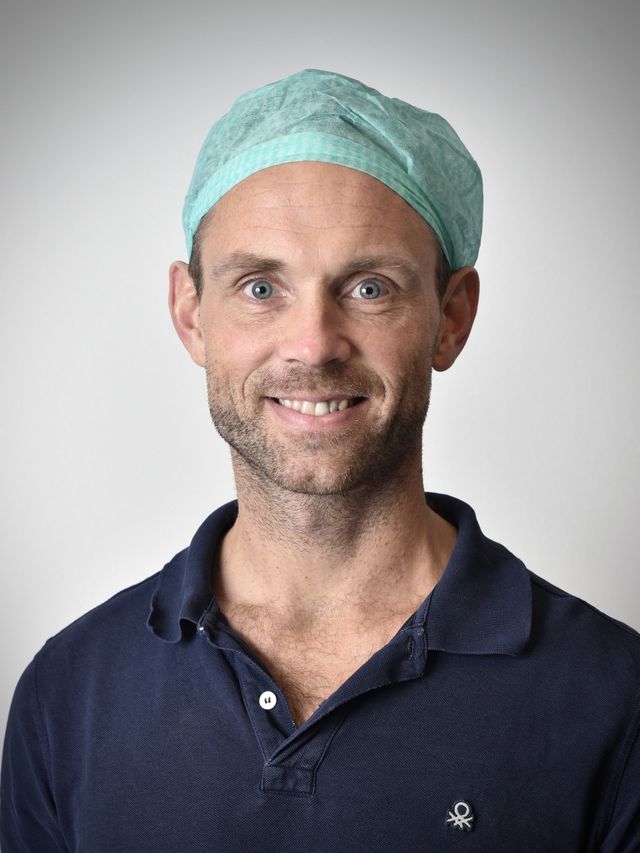
Specialist in anaesthesiology
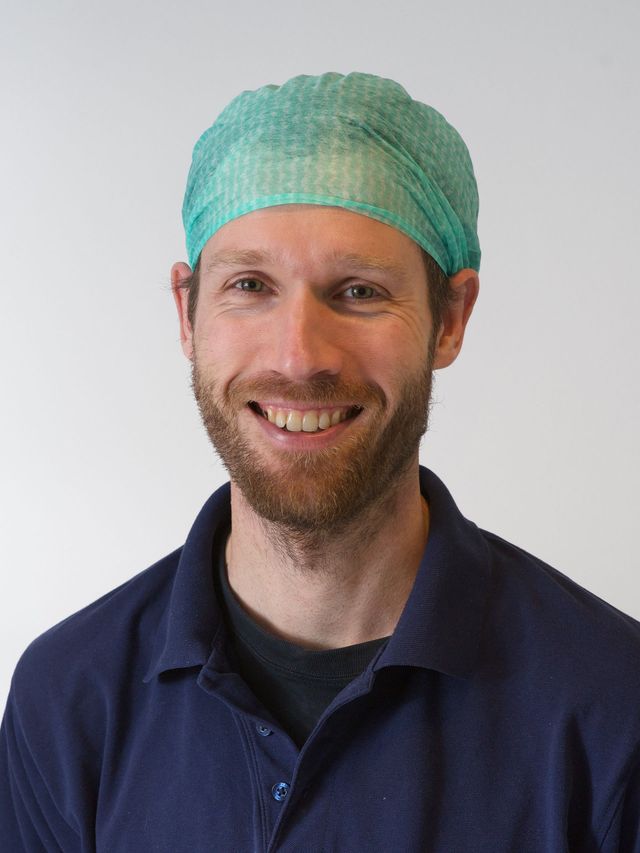
Specialist in anaesthesiology, DMSc, PhD
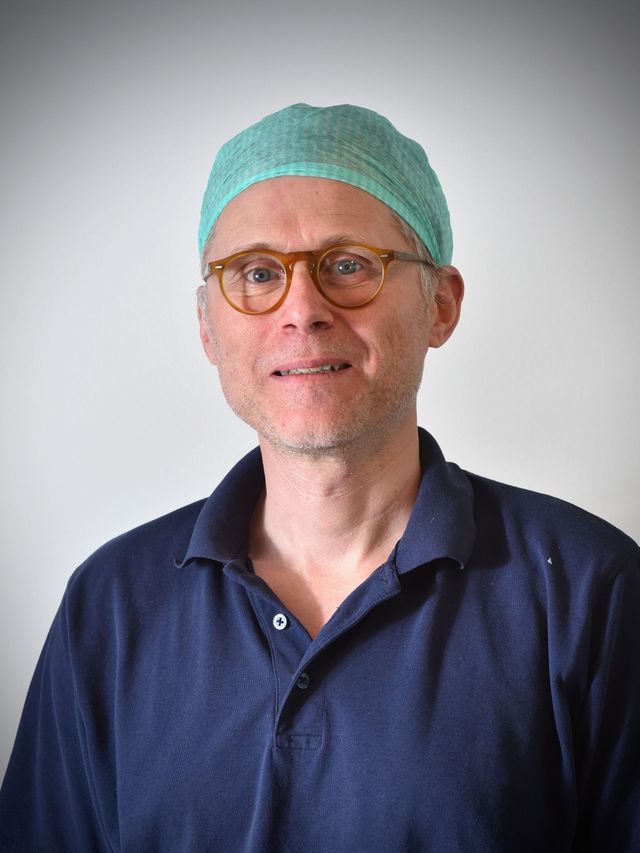
Specialist in anaesthesiology
Specialist in anaesthesiology
Specialist in anaesthesiology and diving medicine
Approved by the Danish Maritime Authority
Specialist in anaesthesiology and diving medicine
Approved by the Danish Maritime Authority
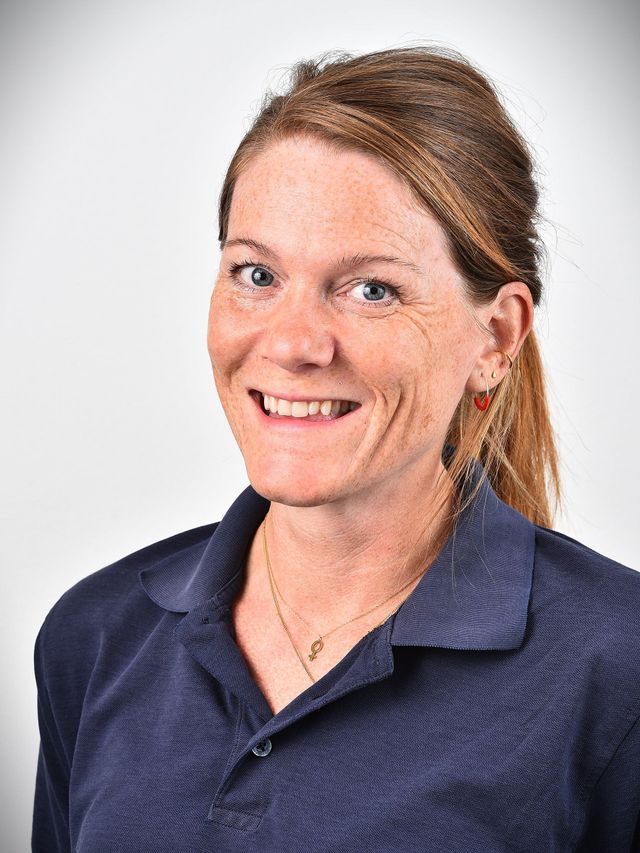
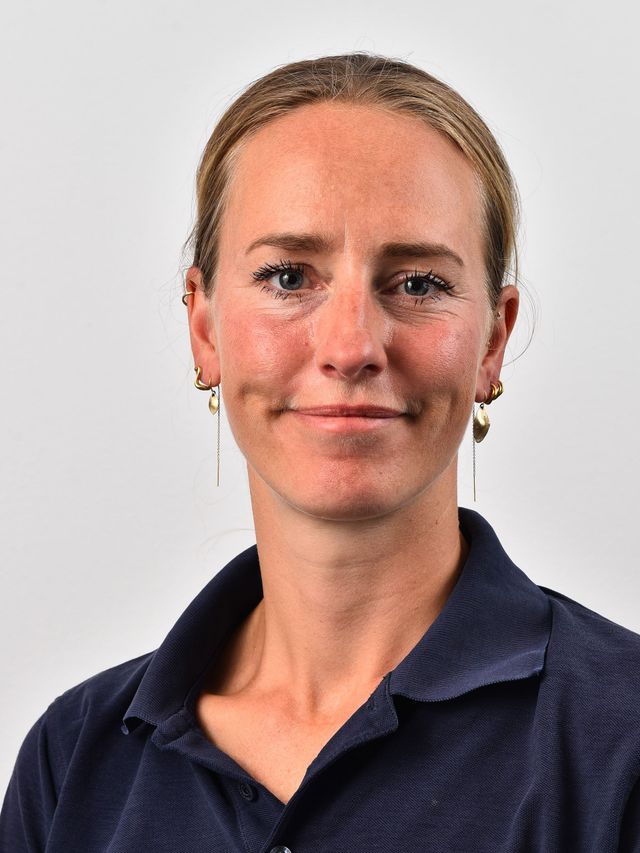

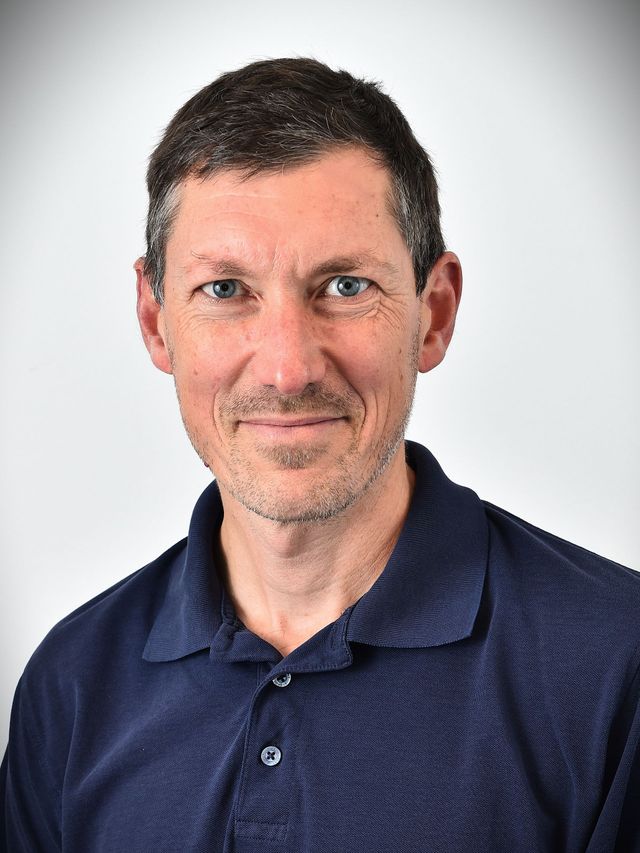
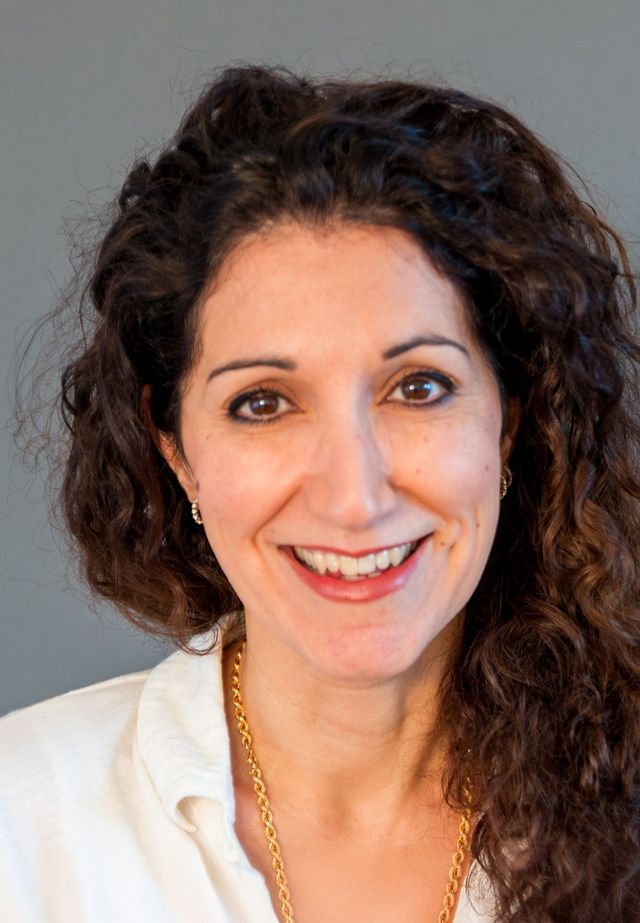
They are the people you meet first when you call or walk through the door – and the ones who look after you before and after your treatment.
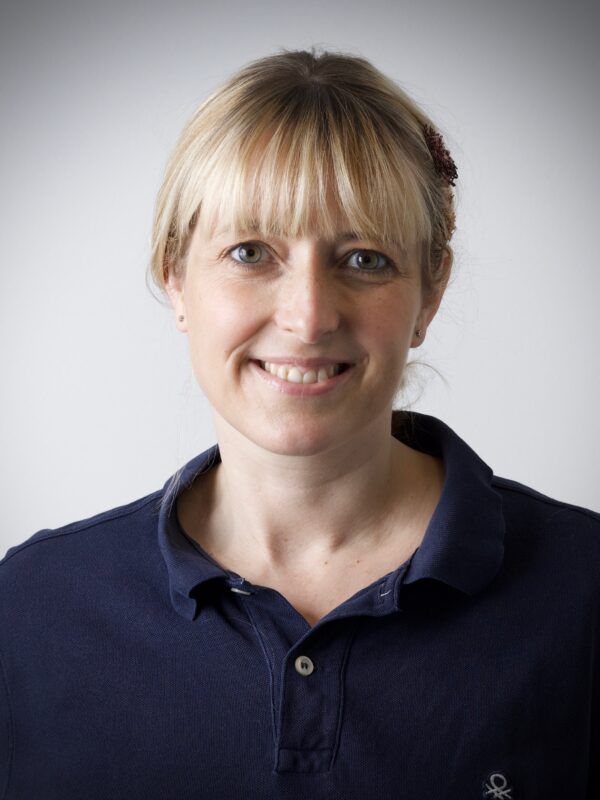
Nurse
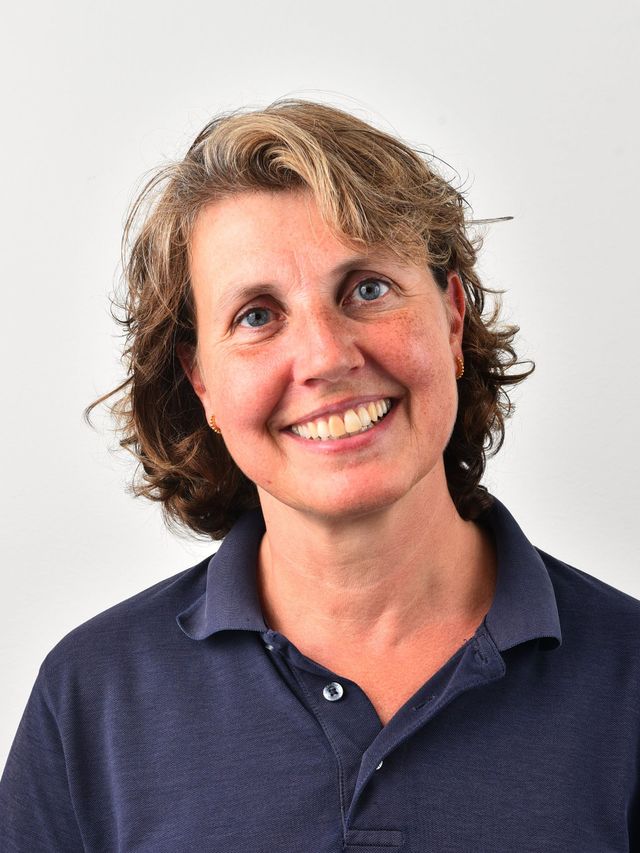
Nurse
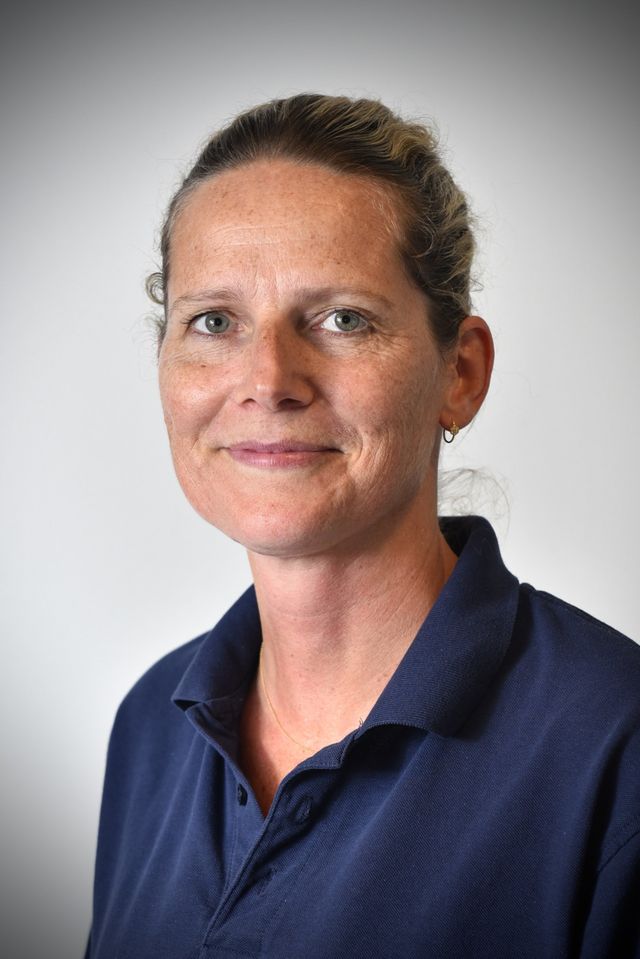
Nurse
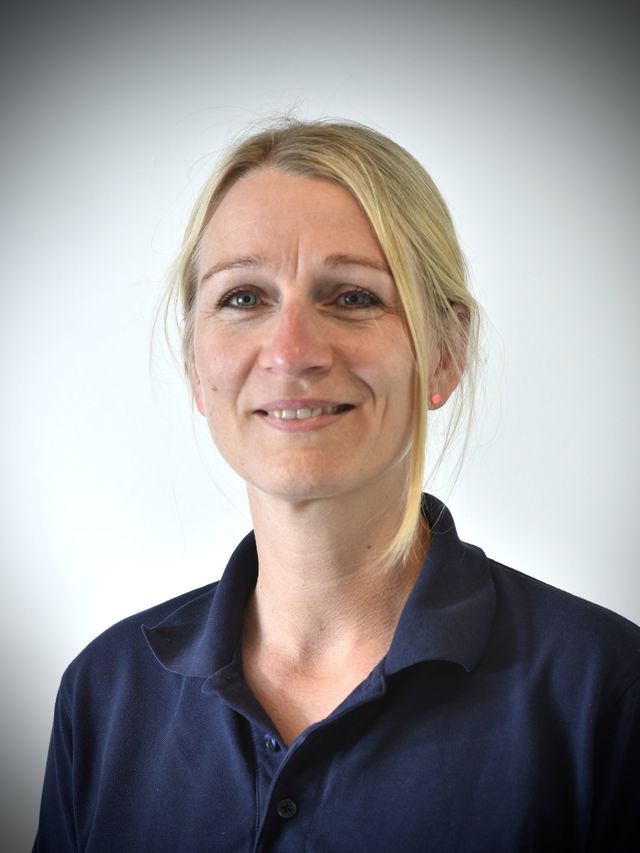
Nurse
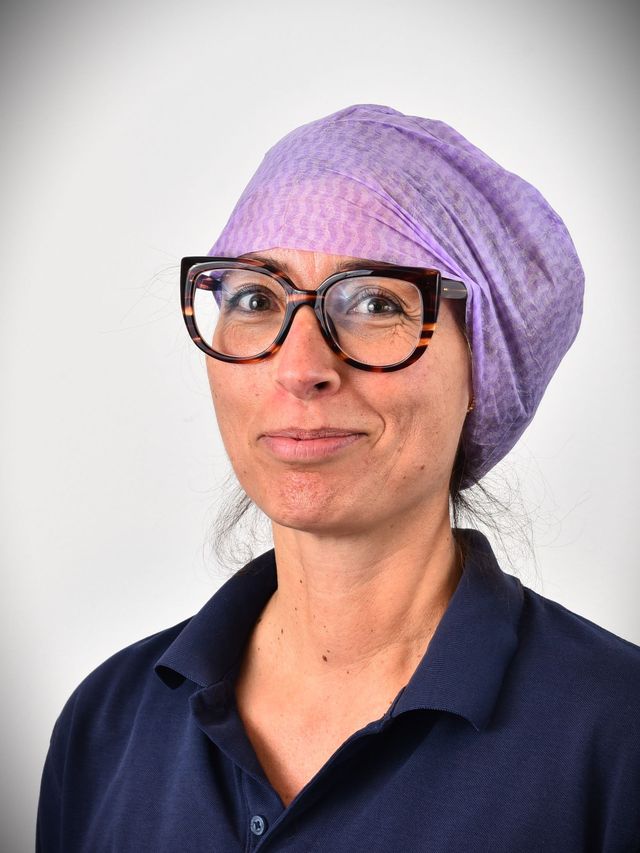
Nurse
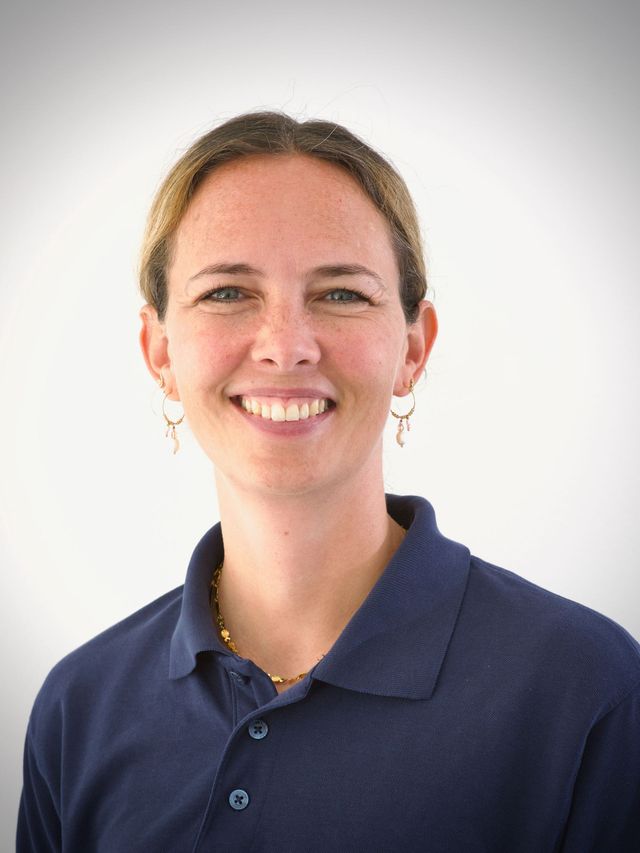
Nurse
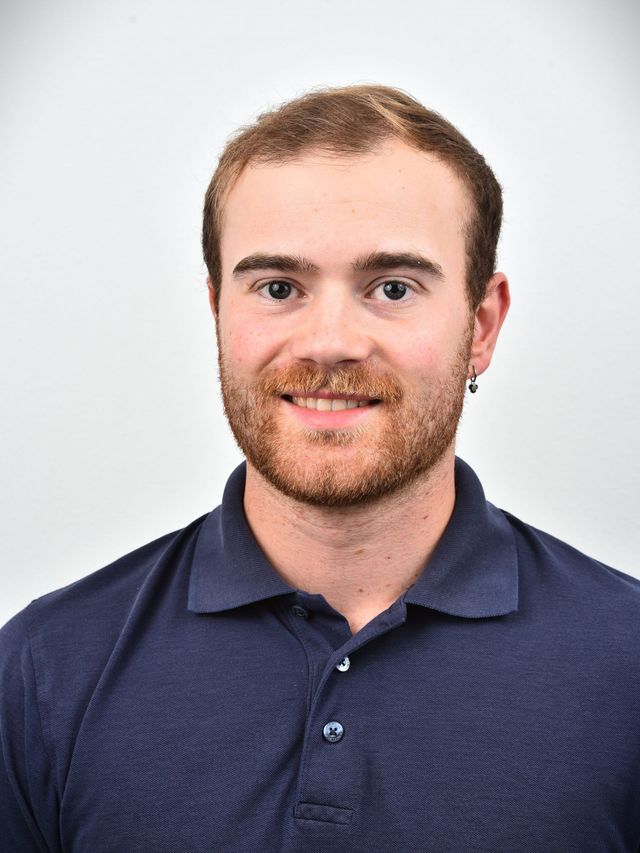
Clinical assistant
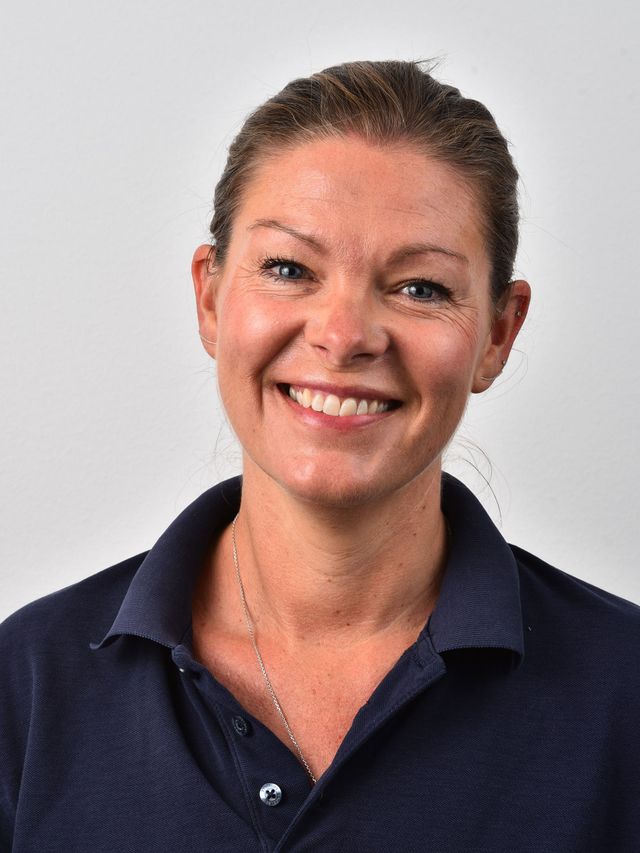
Clinical assistant
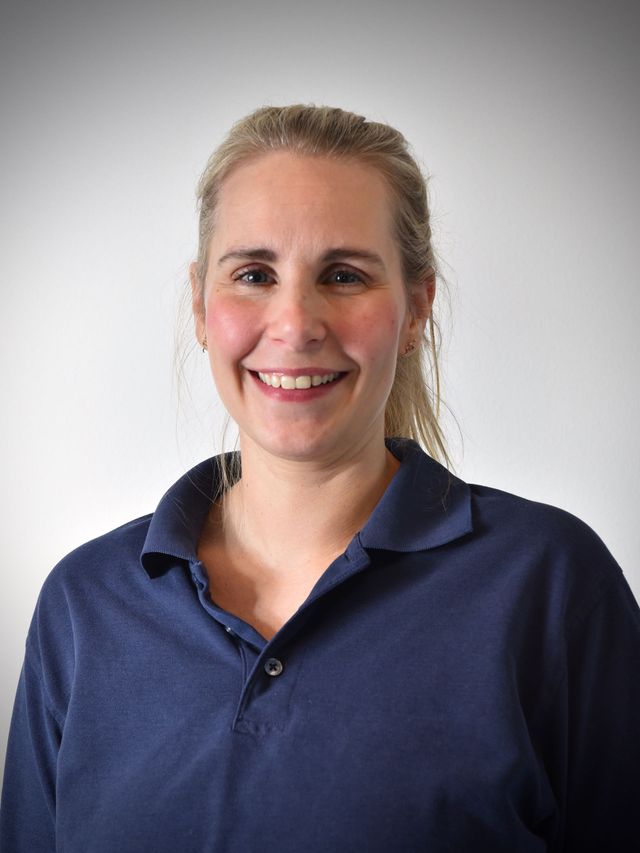
Clinical assistant
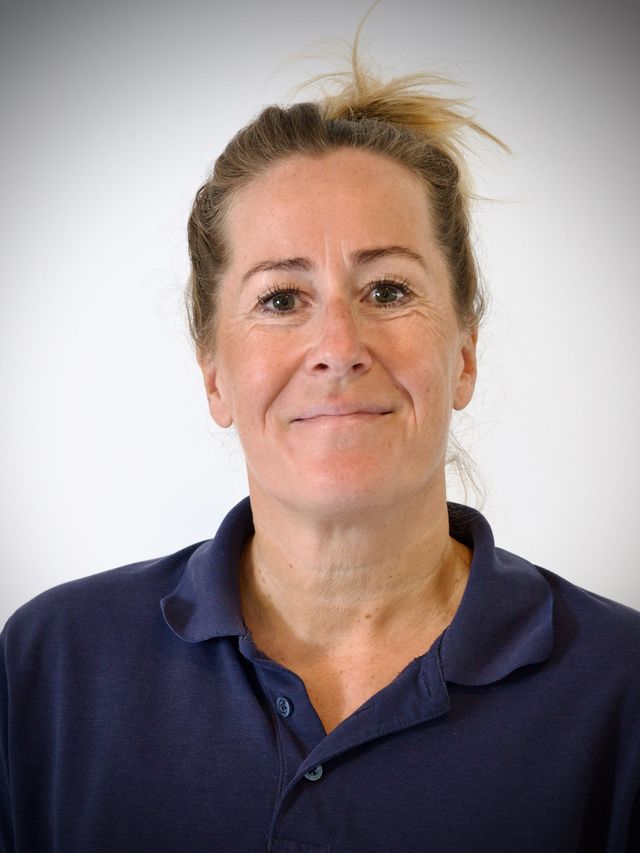
Reception and secretariat
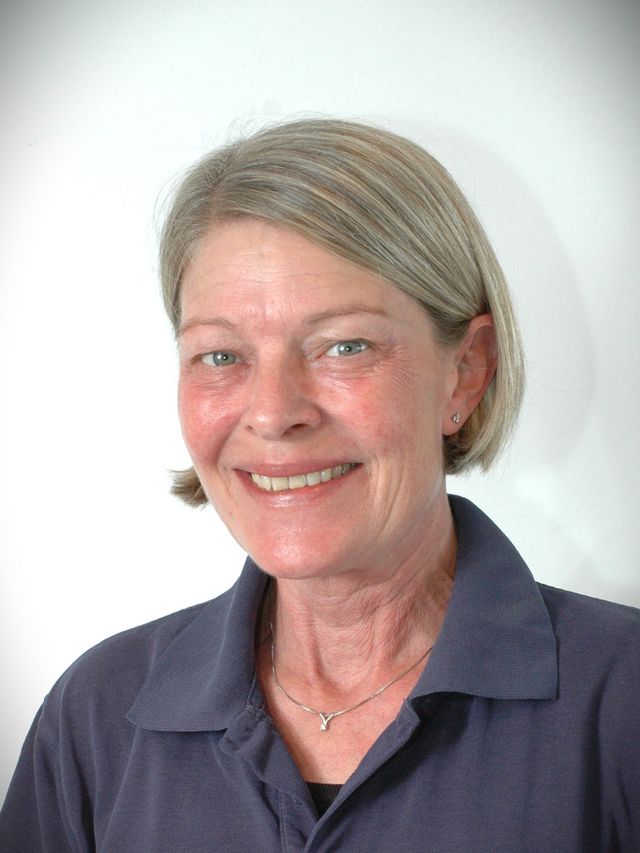
Reception and secretariat
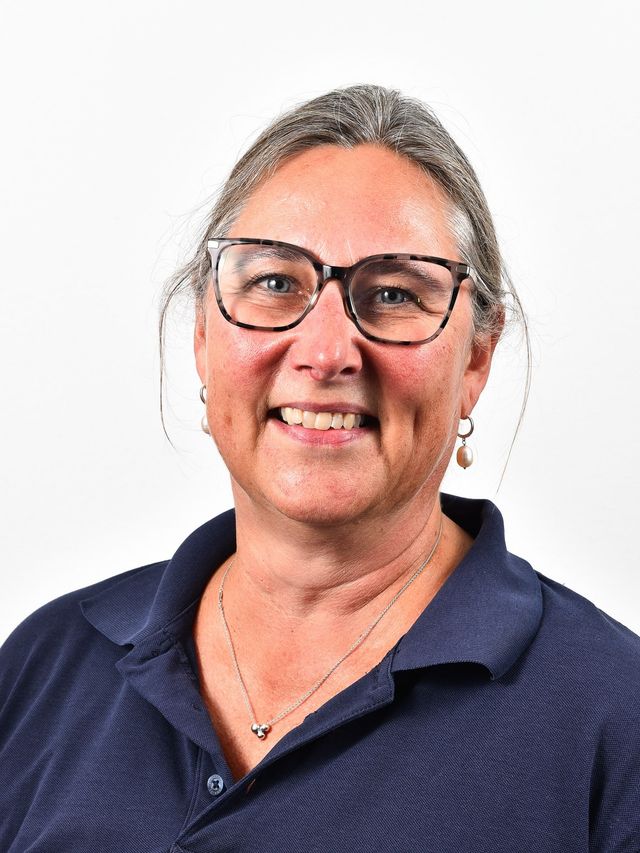
Reception and secretariat
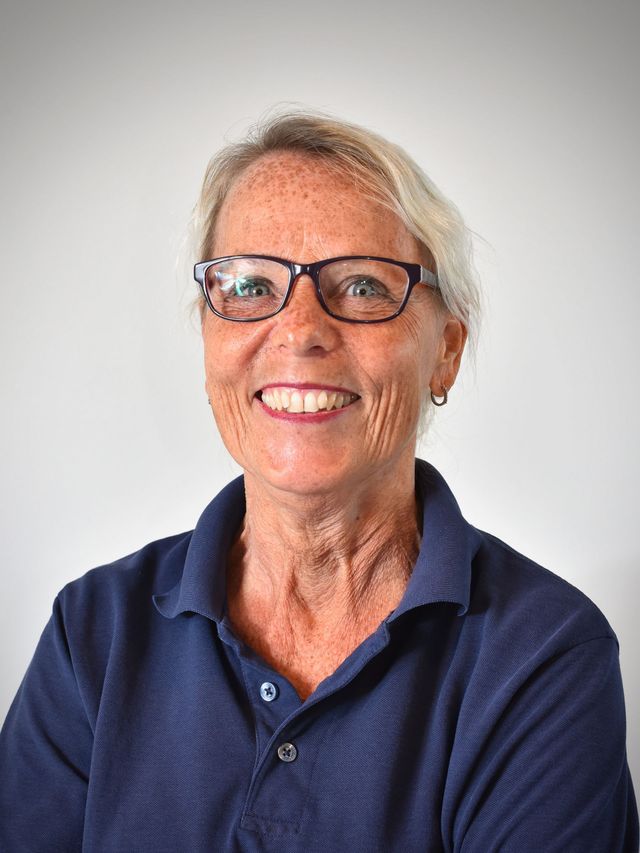
Reception and secretariat
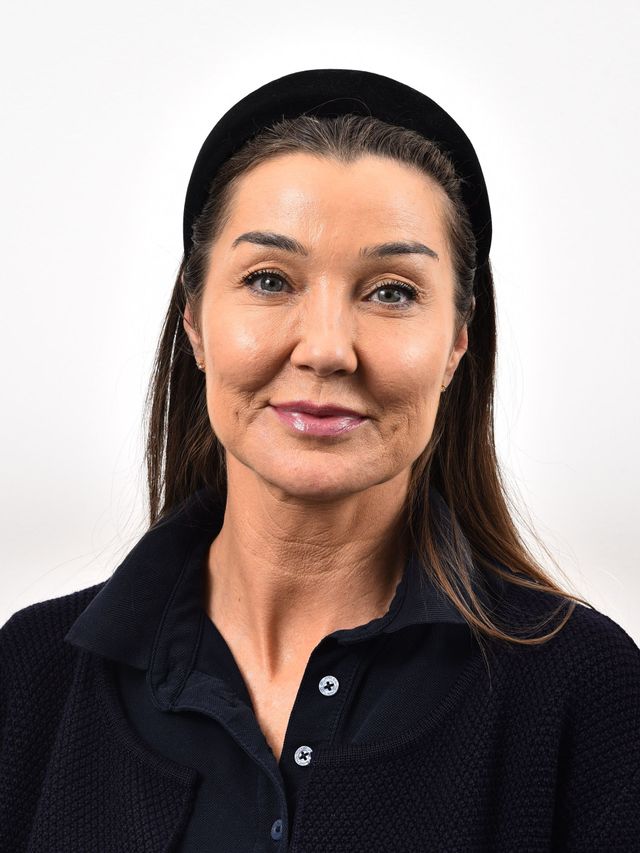
Reception and secretariat
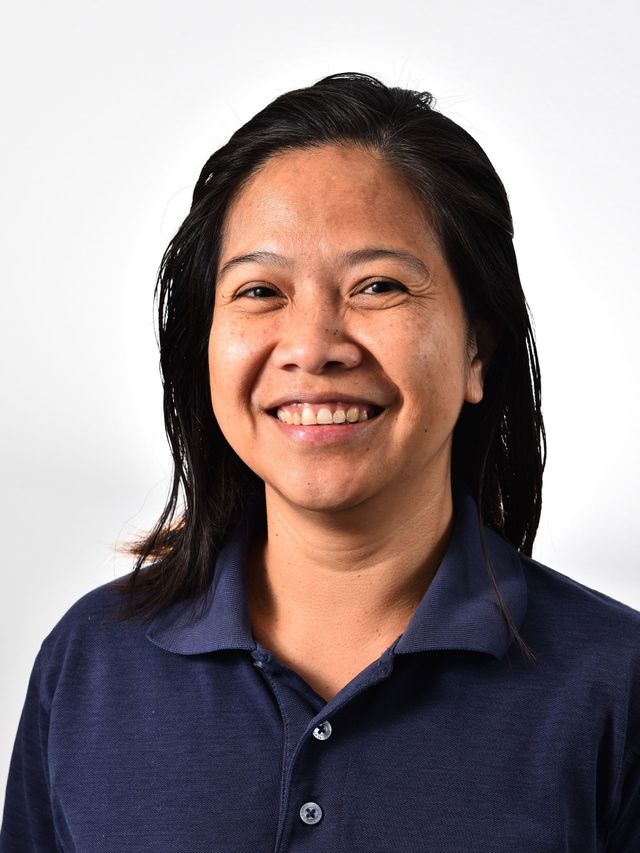
Service assistant
No one found. Try another name or choose "All".
Would you like to book an appointment with one of our specialists?
Book onlineJægersborg Allé 4
2920 Charlottenlund
CVR: 45675637
Monday–Friday, 08:00–14:00
Outside telephone hours, appointments can be booked, rescheduled and cancelled online 24/7.
Main department in Charlottenlund and ear, nose and throat departments at several locations across Denmark.