


Management
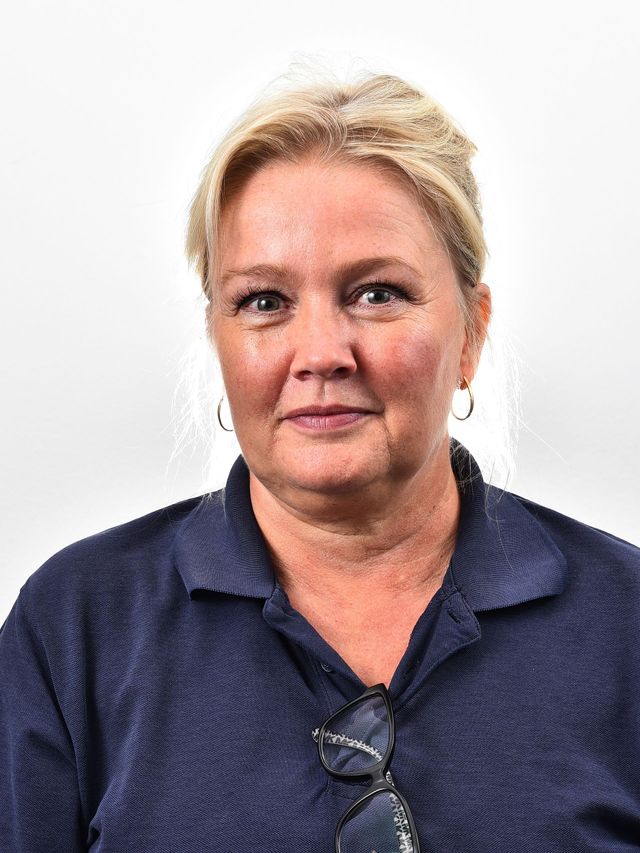
Erika Belard
Specialist physician and co-owner, CEO

Swelling of the scrotum in baby boys – when it goes away on its own, and when surgery is needed.
A hydrocele is a collection of fluid in the membranes around the testicle, causing a soft swelling of the scrotum. It is common in baby boys and occurs because the connection between the abdomen and the scrotum has not fully closed. A hydrocele is usually harmless and painless and often disappears on its own. In young children it is therefore usual to wait until after the age of one before surgery is considered.

In a communicating hydrocele, the connection to the abdomen is still open, so fluid can flow back and forth. The swelling therefore varies in size during the day and is often smallest in the morning. In a non-communicating hydrocele, the fluid is trapped in the scrotum.
Most hydroceles disappear on their own. According to the European guidelines on paediatric urology, about 92% resolve before the age of 1, compared with only 43% of those still present after the age of 3. The first year is therefore usually awaited before surgery is considered.
If bowel slides down through the open connection, it is an inguinal hernia. It occurs in about 1.5% of boys and more often in those born prematurely (care pathway for hernia in children, Capital Region of Denmark, in Danish). An inguinal hernia does not disappear on its own, and the bowel can become trapped: in a systematic review this happened in 7% of children waiting for surgery and in 11% of those born prematurely (Olesen et al. 2019). Inguinal hernia repair is the most common operation in children (European guideline 2022).
The child should be examined if the swelling has not disappeared after the first year, if it grows or causes discomfort, or if an inguinal hernia is suspected. If a hydrocele first appears later in childhood, it may also resolve on its own, and a wait of around six months is common.
The diagnosis is made by examining the scrotum and groin. If in doubt, an ultrasound scan (in Danish) can distinguish a hydrocele from an inguinal hernia and other conditions. If the child also has a fever or seems generally unwell, a paediatrician should assess it too.
If the hydrocele does not disappear, it can be operated on through a small incision in the groin. During the operation the connection to the abdomen is closed and the fluid is removed. The procedure is carried out as day surgery under general anaesthesia – read more about anaesthesia – and the child can go home the same day.
After the operation there may be slight swelling and discomfort for a short period, but most children are quickly back to their usual activities. For the equivalent operation for inguinal hernia, the risk of the hernia returning and of the testicle shrinking is around 1% each (Olesen et al. 2019).


No, a common hydrocele in children does not damage the testicle, and there is no evidence that it affects fertility later (European guidelines on paediatric urology). If the swelling is large, persistent or unusual, the child should still be examined to rule out other conditions, such as an undescended testicle.
Examination and surgery are carried out by Susanne Reinhardt, specialist in paediatric surgery, at the main department in Charlottenlund. Children can have surgery from the age of 6 months. Self-paying patients do not need a referral – see the price list – and children may be covered by their parents’ health insurance.
The hospital also examines and treats a tight foreskin and bladder problems – see all paediatric surgical conditions.
Answers to questions about hydrocele in children.
No, usually not. A hydrocele is harmless and often disappears on its own in the first year.
A soft, painless swelling of the scrotum that may vary in size during the day.
If the swelling has not disappeared after the age of one, grows or causes problems. If there is also an inguinal hernia, surgery is more often needed.
In a hydrocele there is fluid around the testicle. In an inguinal hernia, bowel slides down through an opening from the abdomen.
The connection to the abdomen is closed and the fluid is removed. It is day surgery under general anaesthesia.
Not for self-paying patients. With health insurance it depends on the insurance company.
Charlottenlund Privathospital is owned and run by three specialist physicians: Erika Belard, Jacob Fisker and Teit Mantoni. Jacob Fisker is medical director. Here you will find our ear, nose and throat (ENT) specialists in Charlottenlund and at our clinics around Denmark – and in Charlottenlund also specialists in paediatric surgery, dermatology, diving medicine, gynaecology, cardiology, paediatrics, psychology and rheumatology.
Specialist physician and co-owner, CEO

Specialist physician, co-owner and medical director

Specialist physician and co-owner






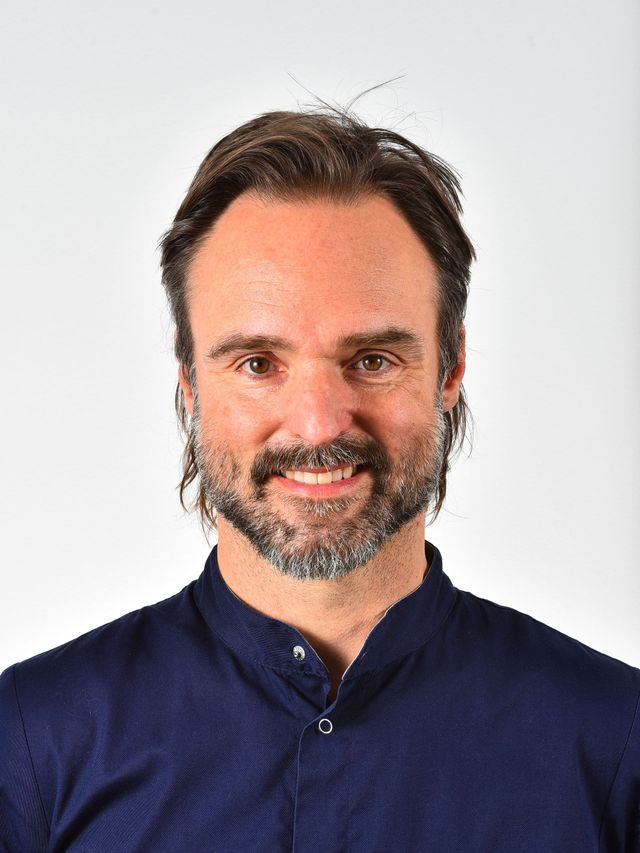

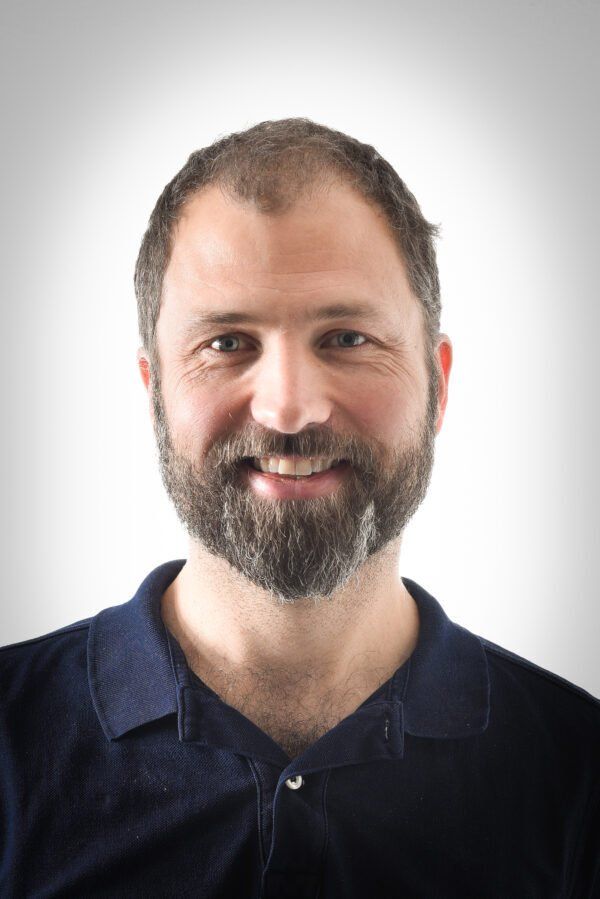












Specialist in anaesthesiology

Specialist in anaesthesiology
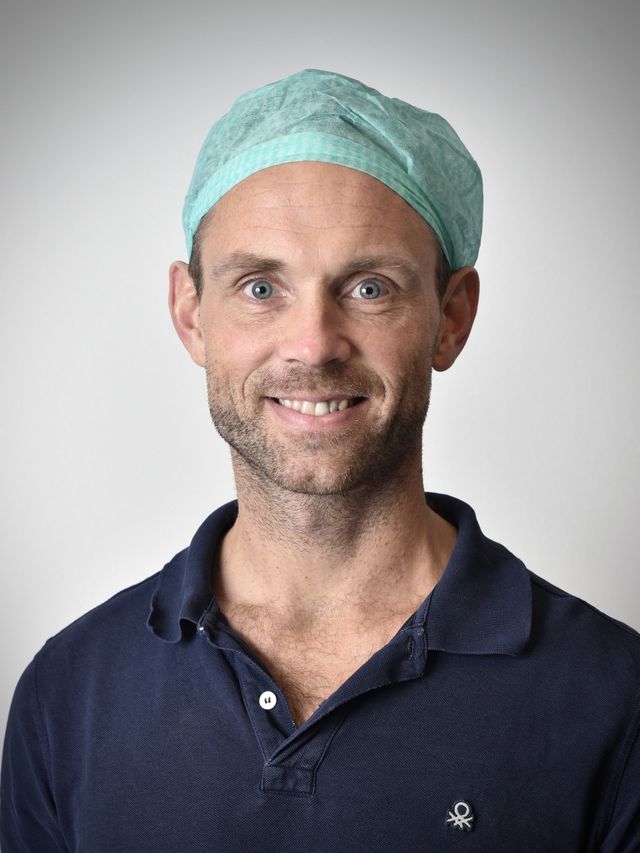
Specialist in anaesthesiology
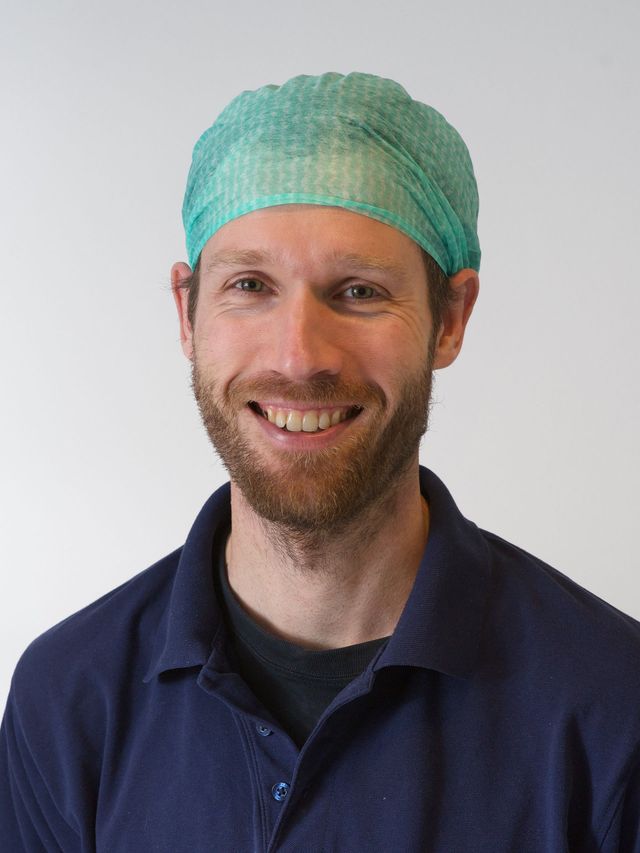
Specialist in anaesthesiology, DMSc, PhD

Specialist in anaesthesiology
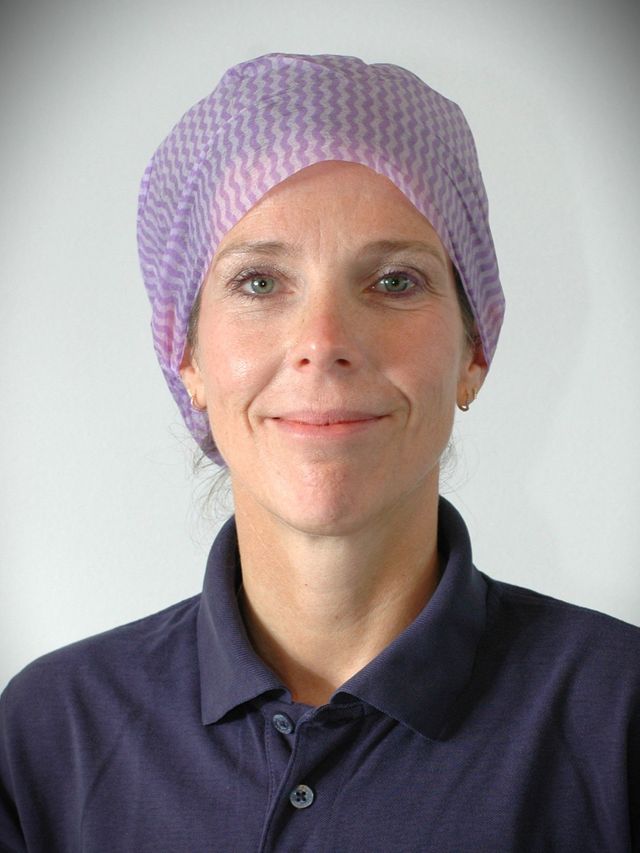
Specialist in anaesthesiology
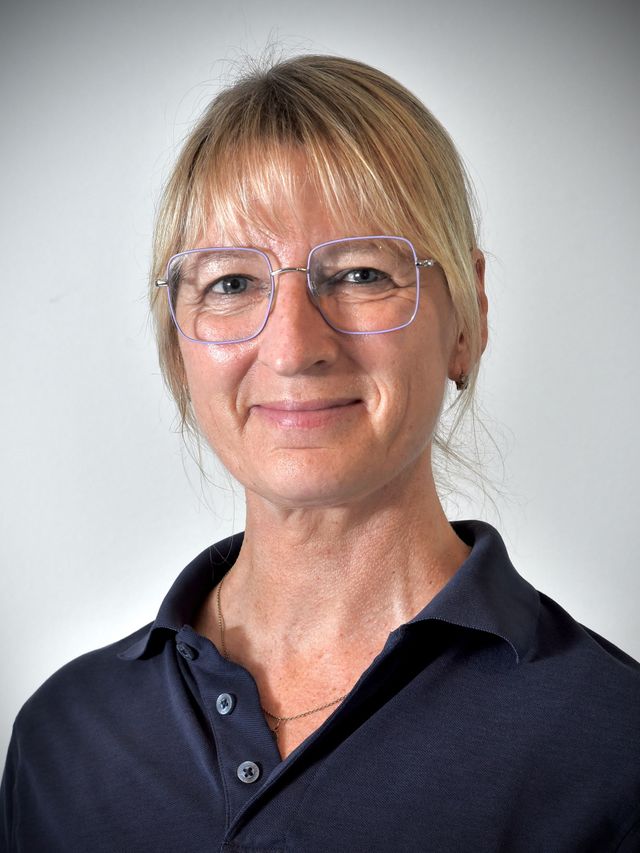

Specialist in anaesthesiology and diving medicine
Approved by the Danish Maritime Authority
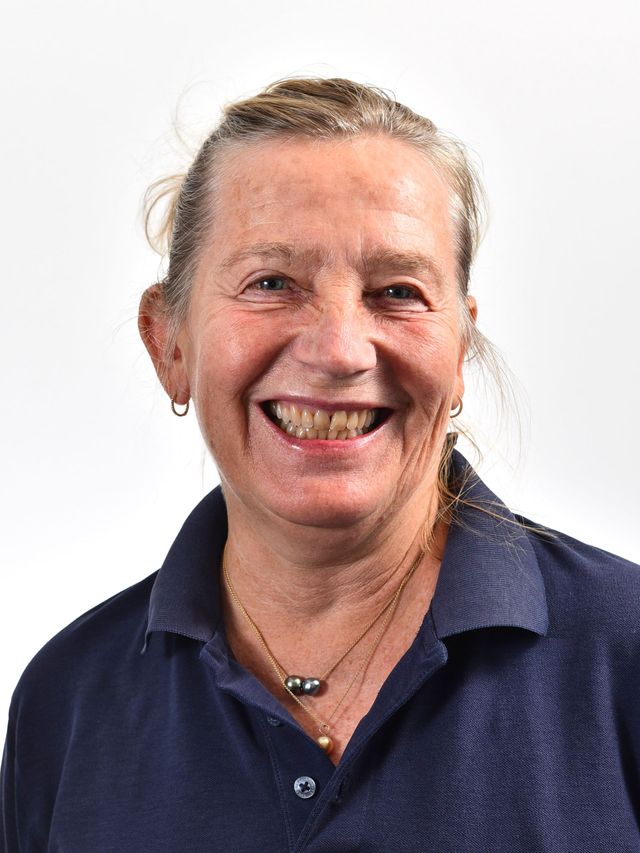
Specialist in anaesthesiology and diving medicine
Approved by the Danish Maritime Authority
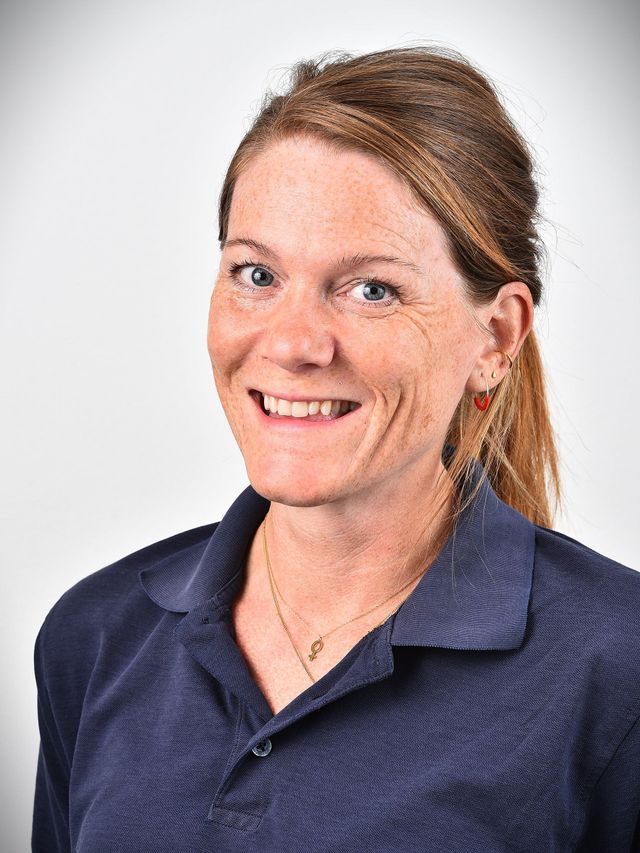
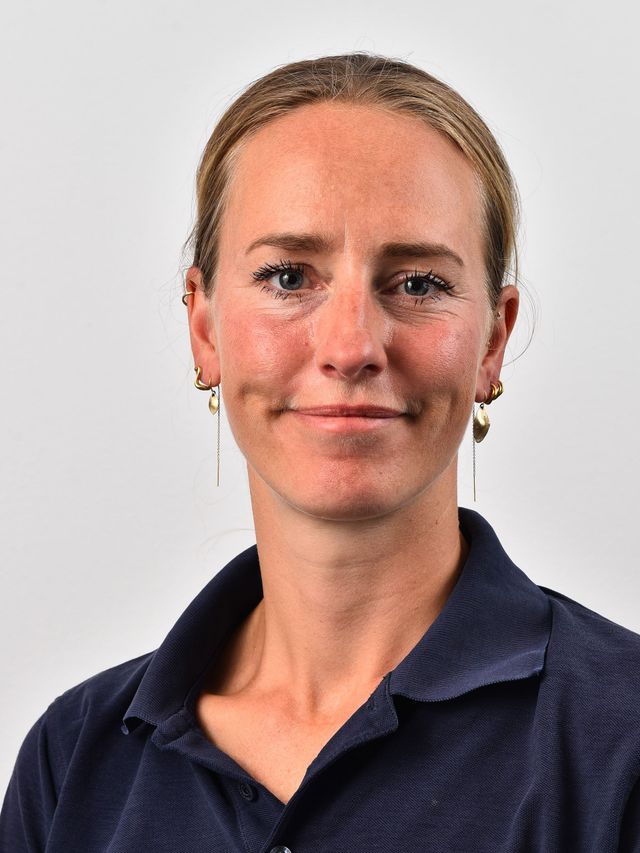







They are the people you meet first when you call or walk through the door – and the ones who look after you before and after your treatment.
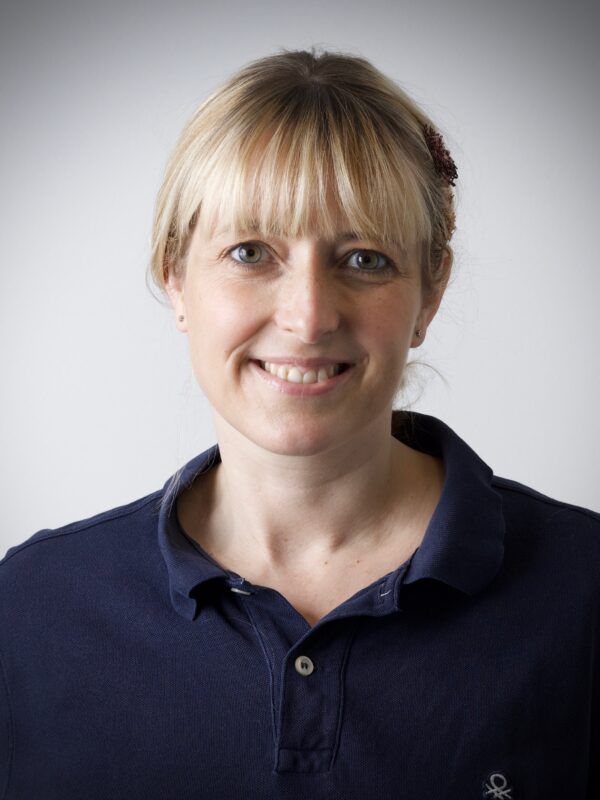
Nurse

Nurse
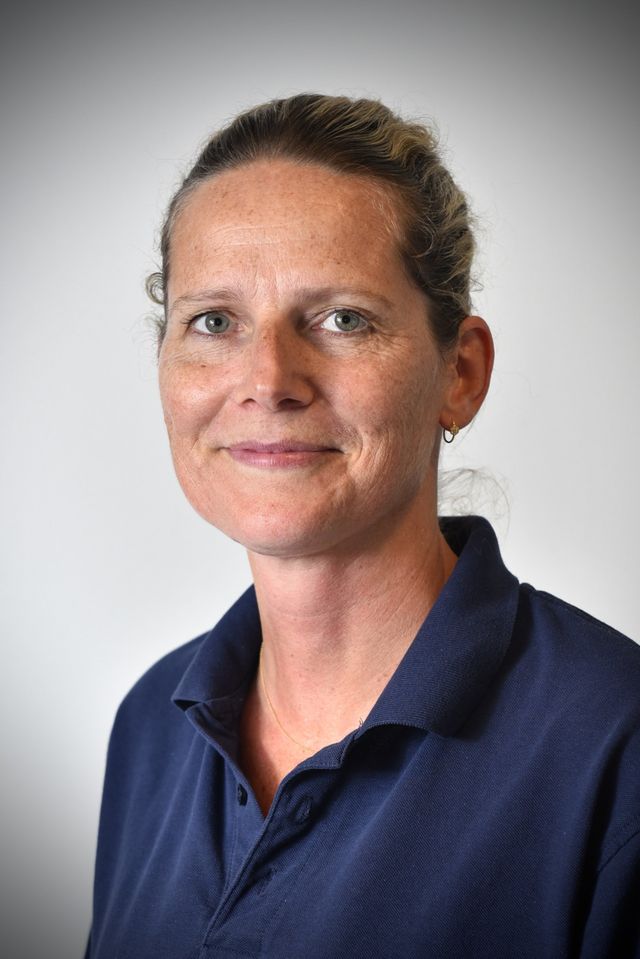
Nurse
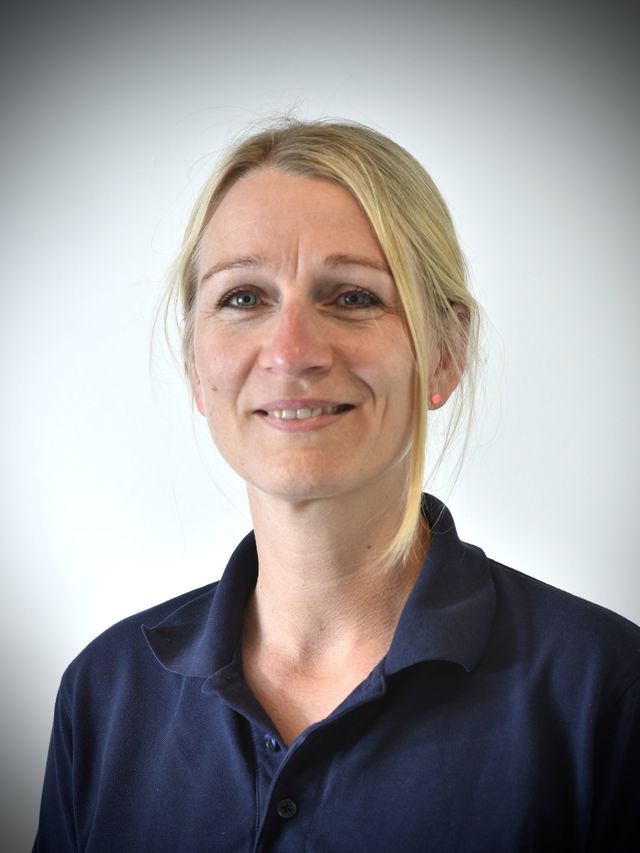
Nurse
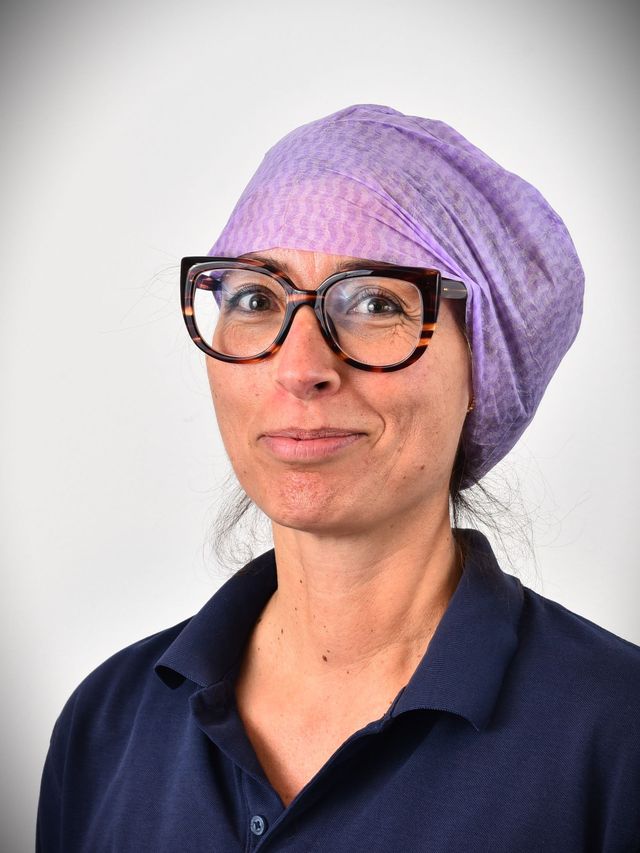
Nurse

Nurse
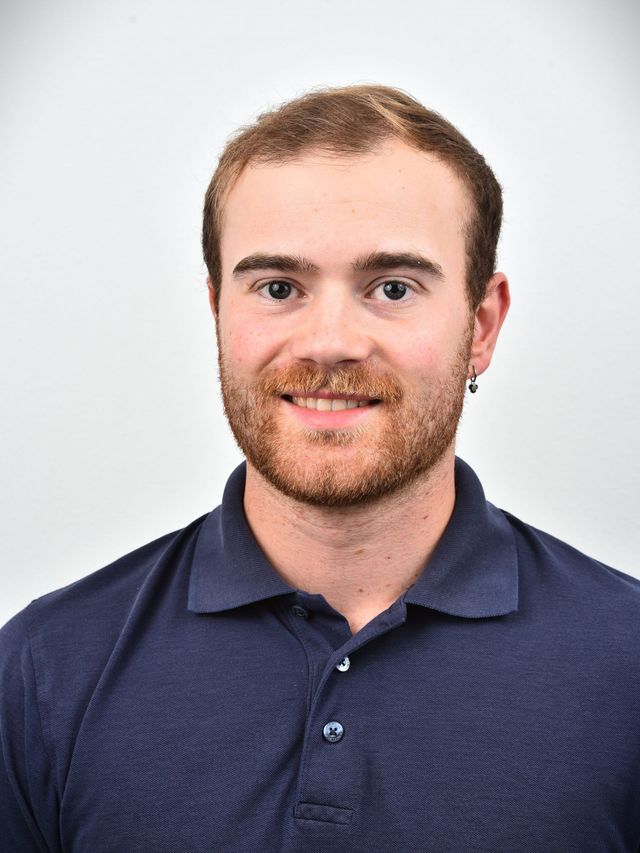
Clinical assistant
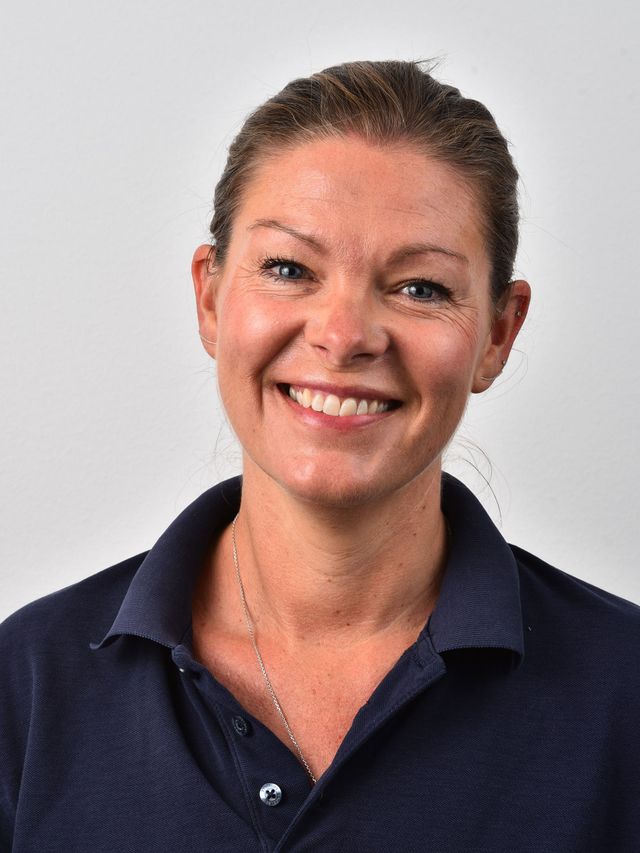
Clinical assistant
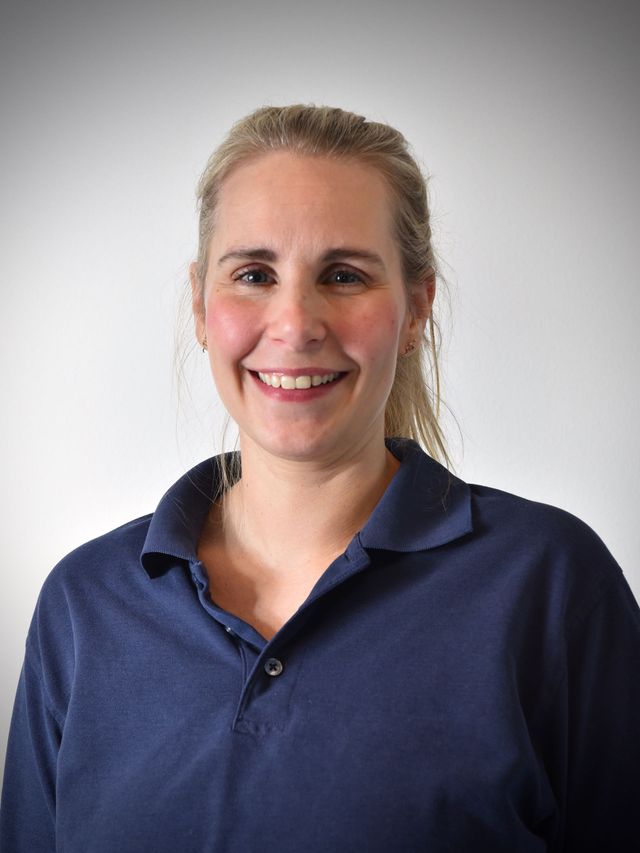
Clinical assistant
Reception and secretariat

Reception and secretariat

Reception and secretariat

Reception and secretariat

Reception and secretariat

Service assistant
No one found. Try another name or choose "All".
Would you like to book an appointment with one of our specialists?
Book onlineJægersborg Allé 4
2920 Charlottenlund
CVR: 45675637
Monday–Friday, 08:00–14:00
Outside telephone hours, appointments can be booked, rescheduled and cancelled online 24/7.
Main department in Charlottenlund and ear, nose and throat departments at several locations across Denmark.