

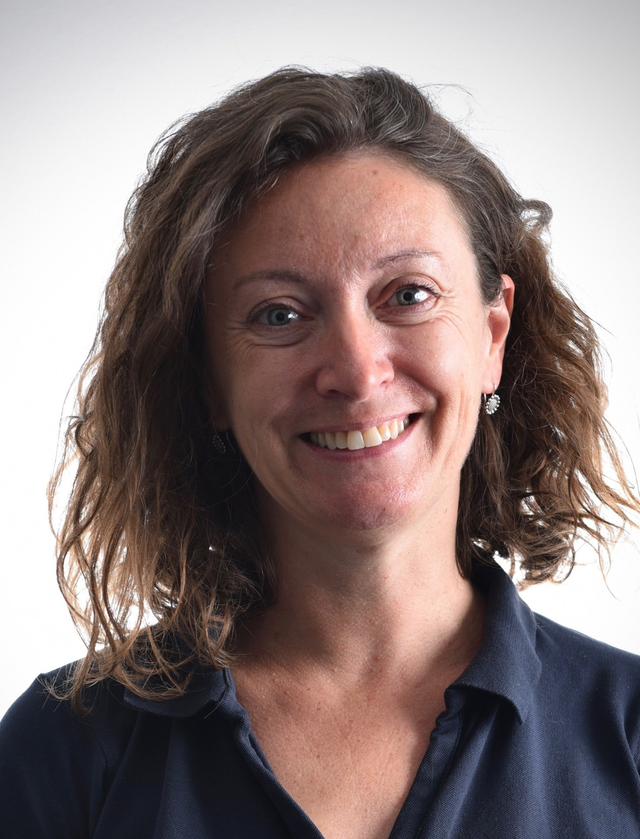
Management
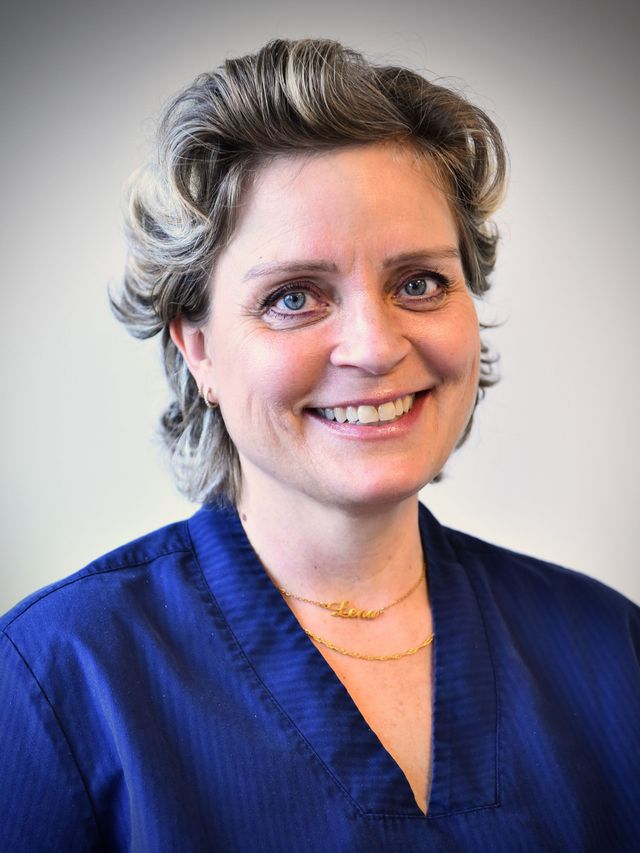
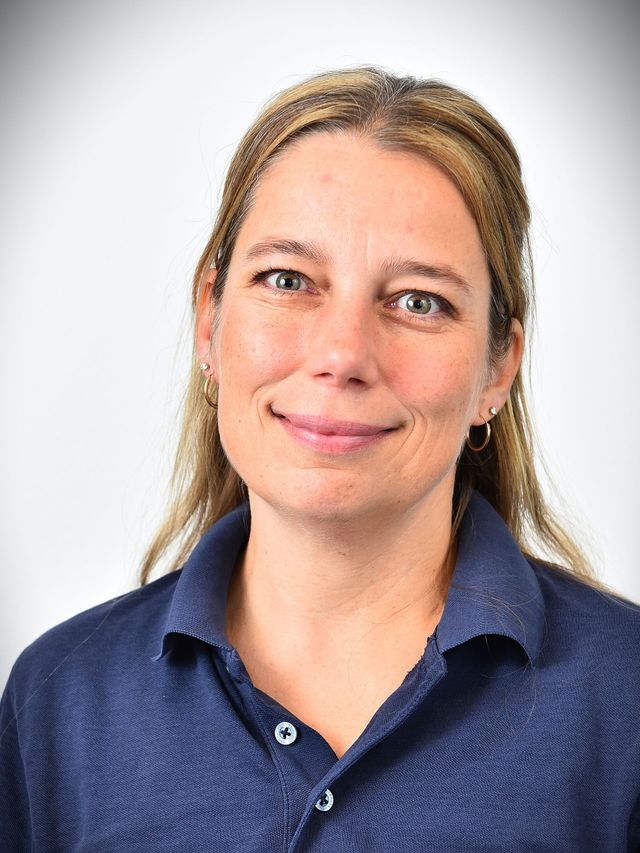
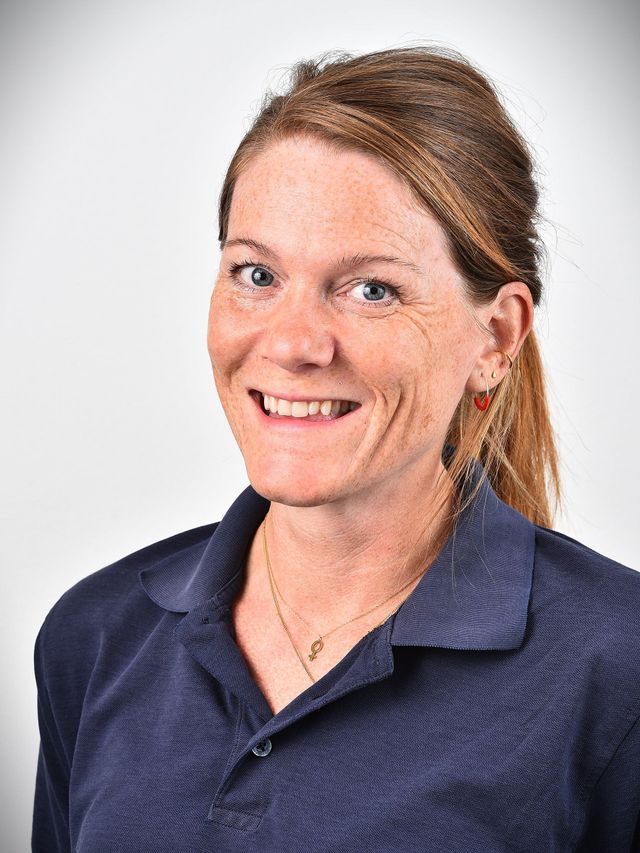
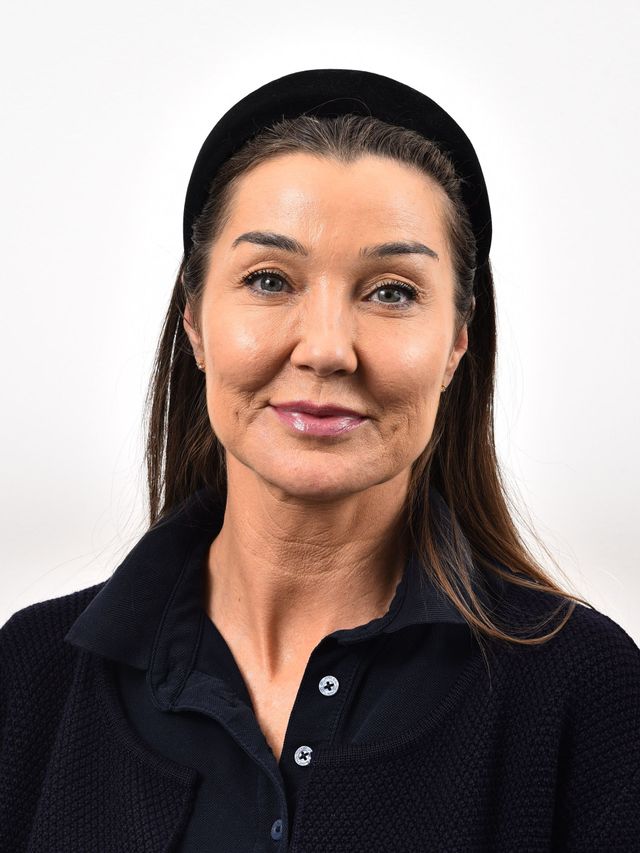
Erika Belard
Specialist physician and co-owner, CEO

When a tight foreskin is normal, and when it should be treated with cream or surgery.
Phimosis means that the foreskin cannot be pulled back over the head of the penis. In newborns and young boys this is completely normal, and the foreskin gradually becomes more mobile during childhood – in the vast majority it is fully retractable before puberty. Treatment is only considered if the foreskin causes problems such as pain, infection or difficulty passing urine.

In most newborn boys the foreskin is attached to the head of the penis, and it gradually loosens during childhood. In a classic Danish study of schoolboys, 8% had phimosis at around the age of 8, compared with only about 1.5% of 17-year-olds (Øster 1968). This normal (physiological) phimosis needs no treatment as long as it causes no problems.
Pathological phimosis is usually caused by scarring after infection or small tears, and it does not resolve on its own. The foreskin should therefore never be forced back – the tears can heal with scar tissue that makes the foreskin even tighter.
Phimosis often causes no symptoms. In some children the foreskin balloons when they pass urine, and the stream may be thin. Others have pain, redness and swelling or repeated infections of the foreskin and the head of the penis.
The child should be examined in case of pain, repeated infections, difficulty passing urine or a whitish, tight ring of scar tissue in the foreskin. Fever or repeated urinary tract infections should be assessed by a paediatrician, and daytime wetting can have other causes – see bladder problems in children.
If the child has symptoms, treatment usually starts with a steroid cream. It is applied to the tight part of the foreskin for four to eight weeks while the foreskin is gently pulled back a little. According to the European guidelines on paediatric urology, the treatment works in more than 80% of cases, but the phimosis can return in up to 17%. A 2024 Cochrane review confirms that the cream increases the chance that the foreskin can be fully retracted.
A whitish, stiff ring of scar tissue may be a sign of lichen sclerosus – a skin condition in which the cream works less well. An assessment by a dermatologist may be relevant, and surgery is often needed.


In a preputioplasty the tight band is released with small incisions so the foreskin becomes wide enough but is kept. In a circumcision the foreskin is removed completely; this is often the safest option when there is extensive scarring. Both are minor procedures but not without risk: in a Danish paediatric surgical series of 315 boys, 5.1% had a significant complication after circumcision, such as bleeding or the need for further surgery (Thorup et al. 2013). The choice is made together with the parents after the examination.
The operation is carried out as day surgery under general anaesthesia – read more about anaesthesia – and the child can go home the same day. Afterwards there may be slight tenderness and swelling, which usually subsides within a few days, and the parents receive advice on care afterwards.
Examination and surgery are carried out by Susanne Reinhardt, specialist in paediatric surgery, at the main department in Charlottenlund. Children can have surgery from the age of 6 months. Self-paying patients do not need a referral – see the price list – and children may be covered by their parents’ health insurance.
The hospital also examines and treats undescended testicles and hydrocele – see all paediatric surgical conditions.
Answers to questions about phimosis in children.
Yes, in young boys it is normal. The foreskin gradually becomes more mobile, and in the vast majority it is fully retractable before puberty.
If it causes problems such as pain, repeated infections, difficulty passing urine or scar tissue in the foreskin.
Usually first with a steroid cream. If it does not help, surgery may be considered.
No. The foreskin should not be forced back, as this can cause small tears and scar tissue.
As day surgery under general anaesthesia. The foreskin is widened by a foreskin plasty, or a circumcision is performed. The child can go home the same day.
Not for self-paying patients. With health insurance it depends on the insurance company.
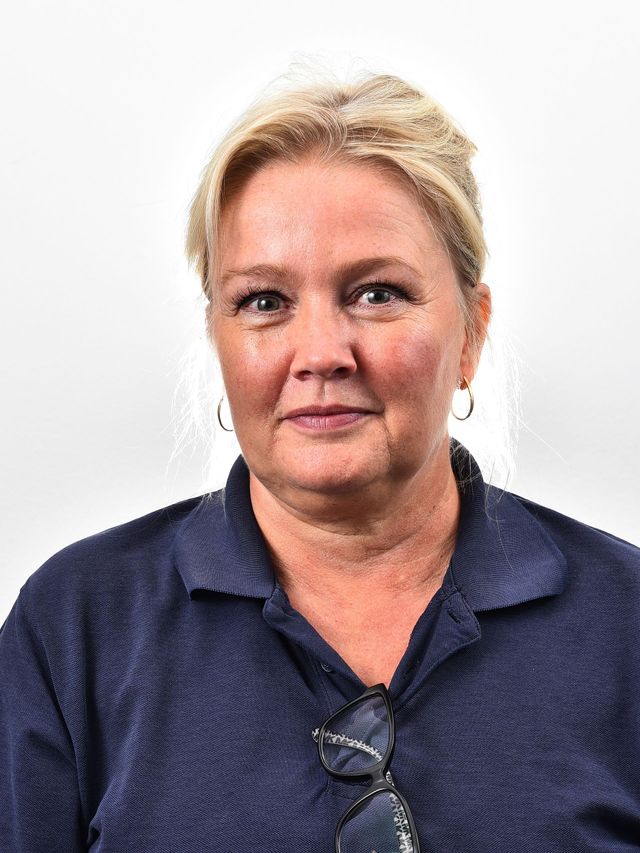
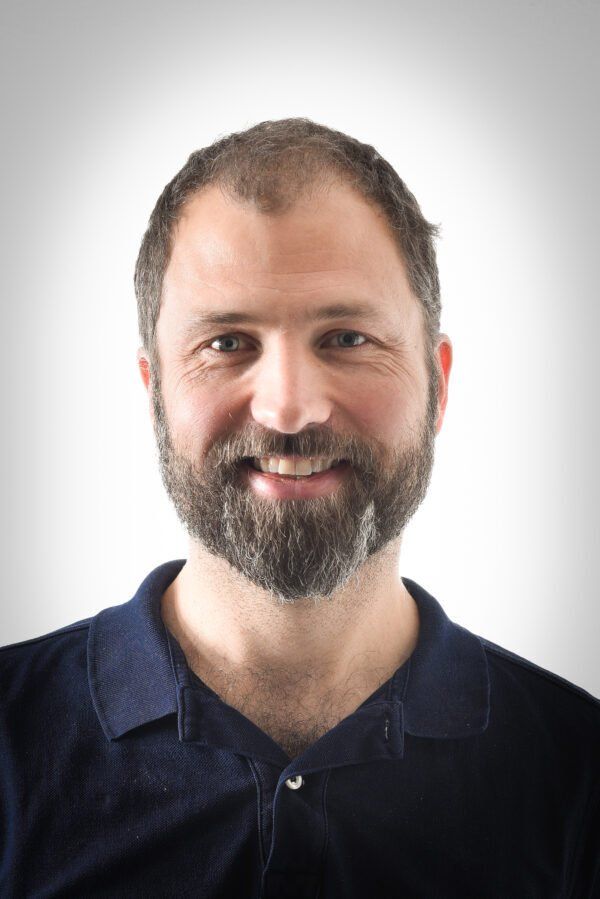
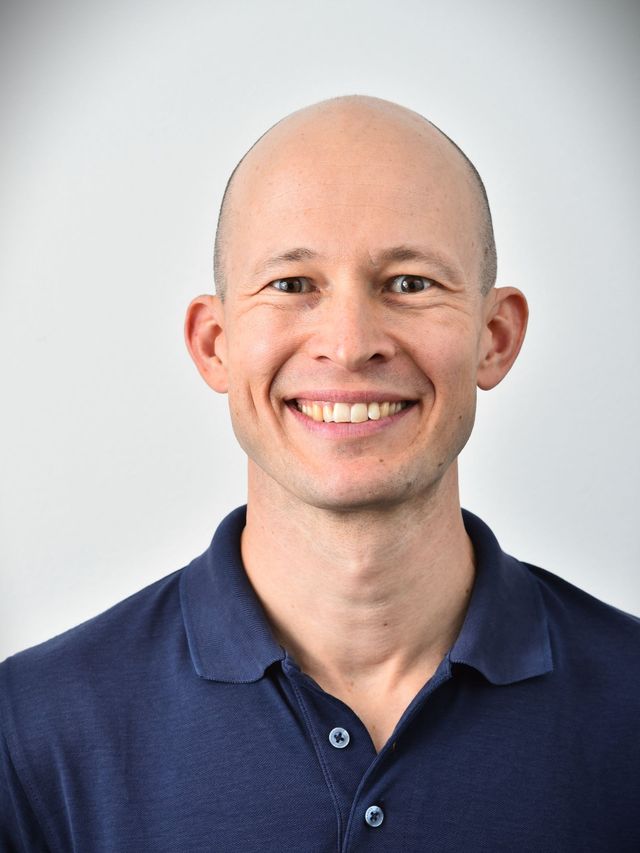
Charlottenlund Privathospital is owned and run by three specialist physicians: Erika Belard, Jacob Fisker and Teit Mantoni. Jacob Fisker is medical director. Here you will find our ear, nose and throat (ENT) specialists in Charlottenlund and at our clinics around Denmark – and in Charlottenlund also specialists in paediatric surgery, dermatology, diving medicine, gynaecology, cardiology, paediatrics, psychology and rheumatology.
Specialist physician and co-owner, CEO

Specialist physician, co-owner and medical director

Specialist physician and co-owner
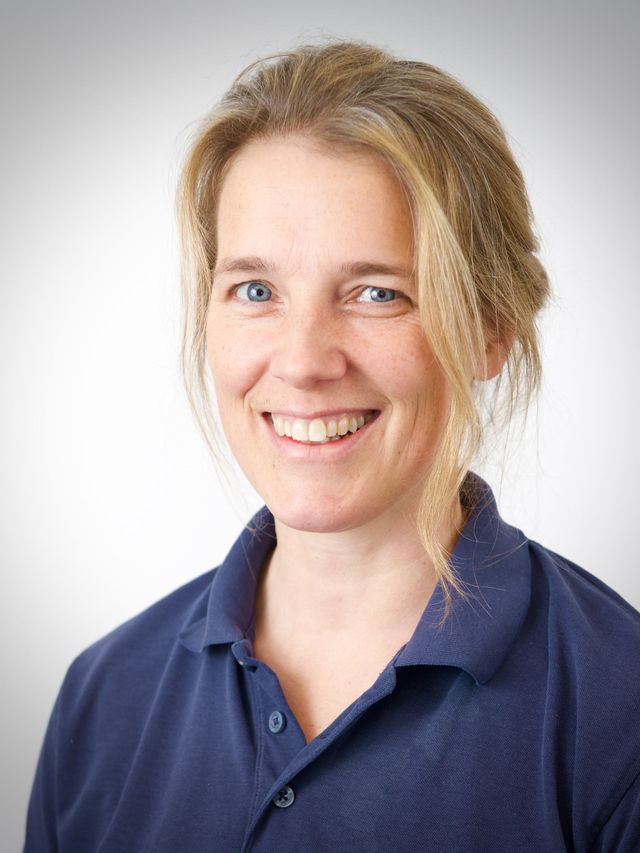
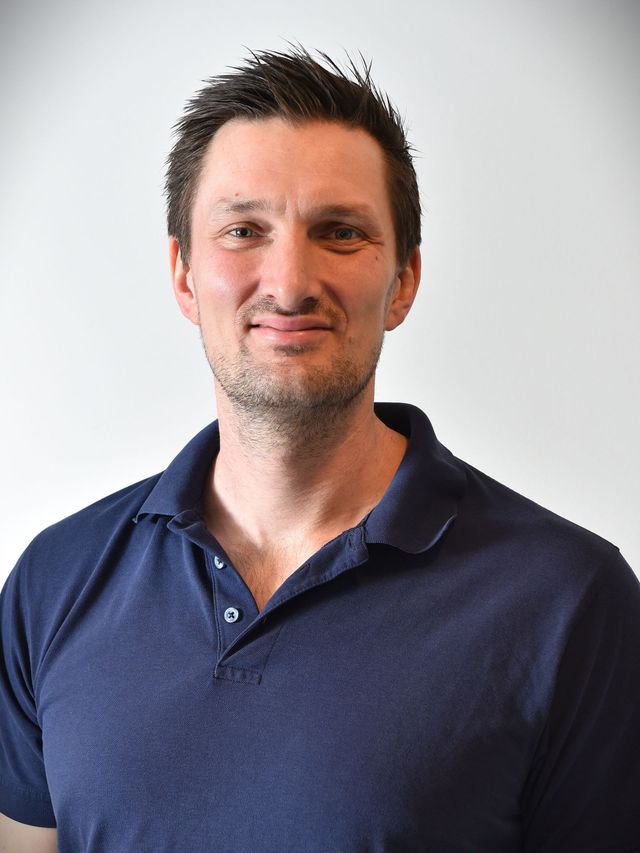

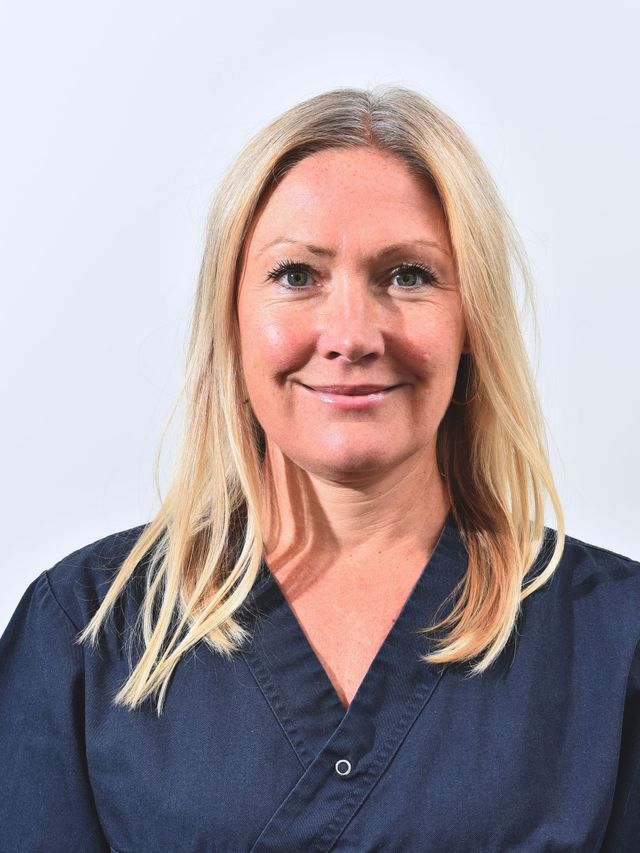
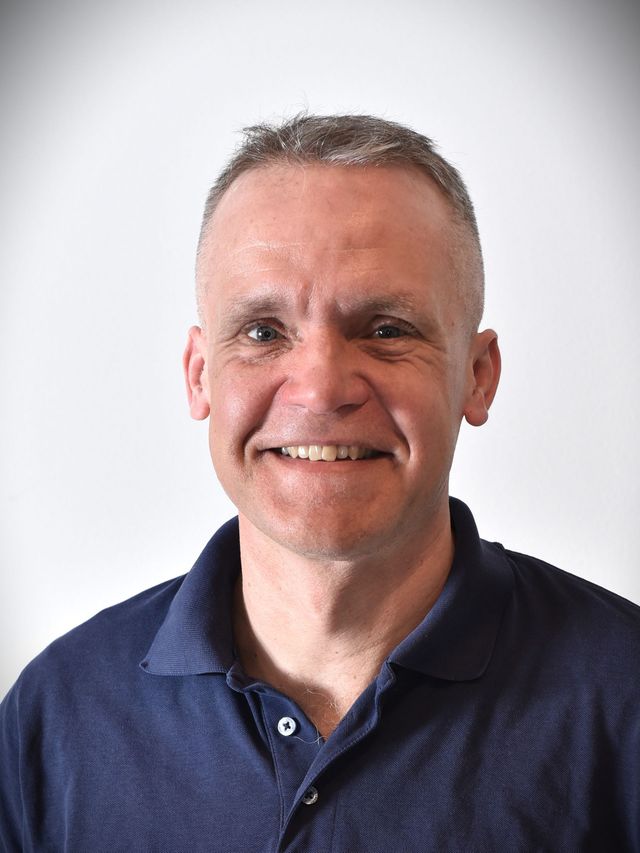
Specialist in anaesthesiology

Specialist in anaesthesiology
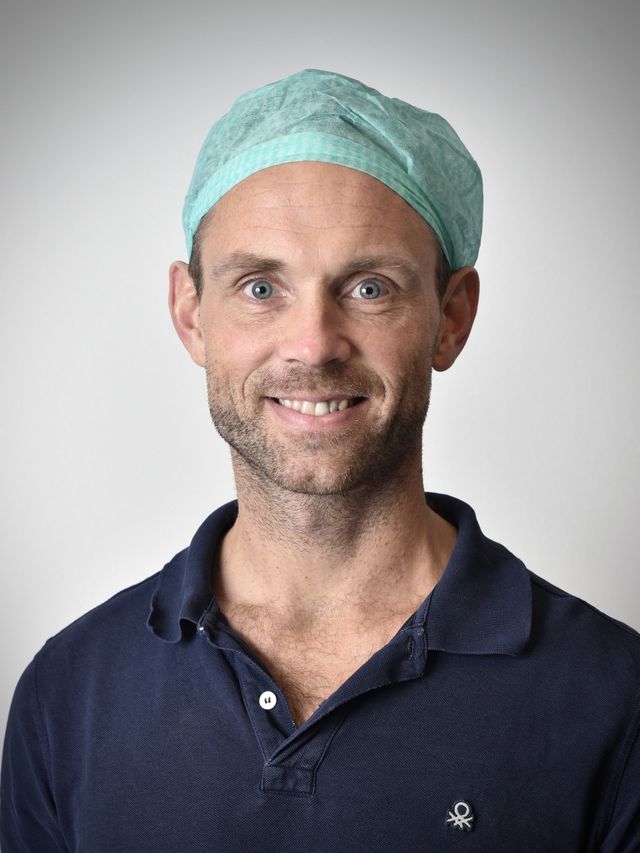
Specialist in anaesthesiology
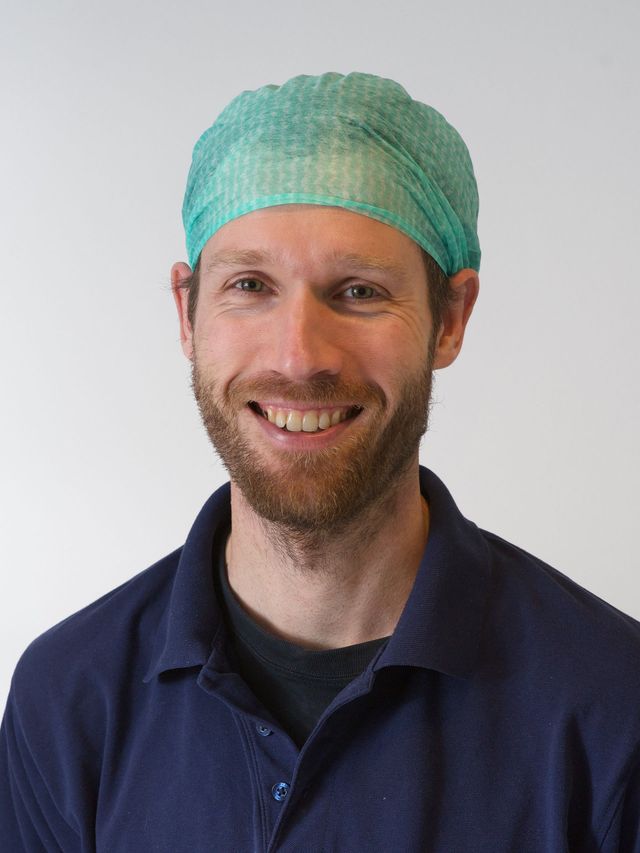
Specialist in anaesthesiology, DMSc, PhD
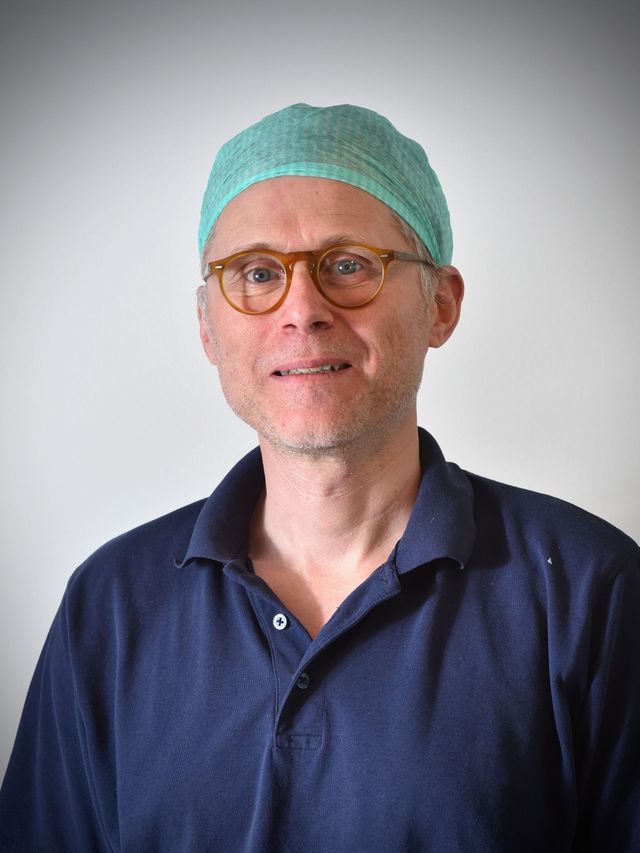
Specialist in anaesthesiology
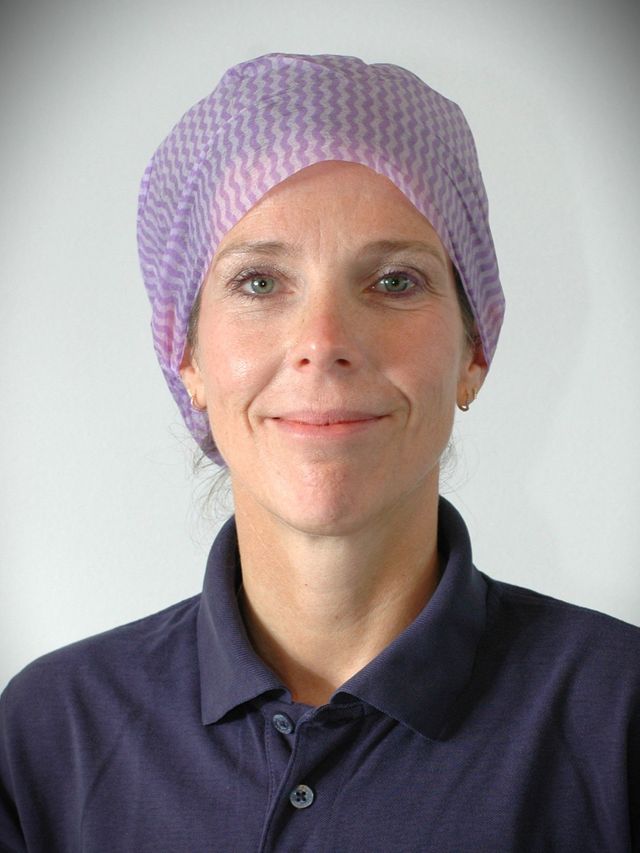
Specialist in anaesthesiology
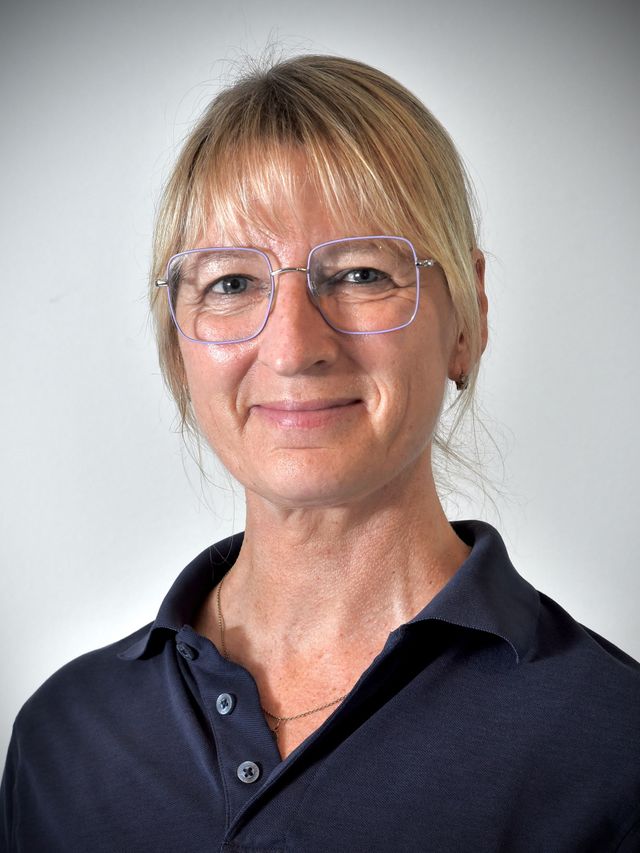
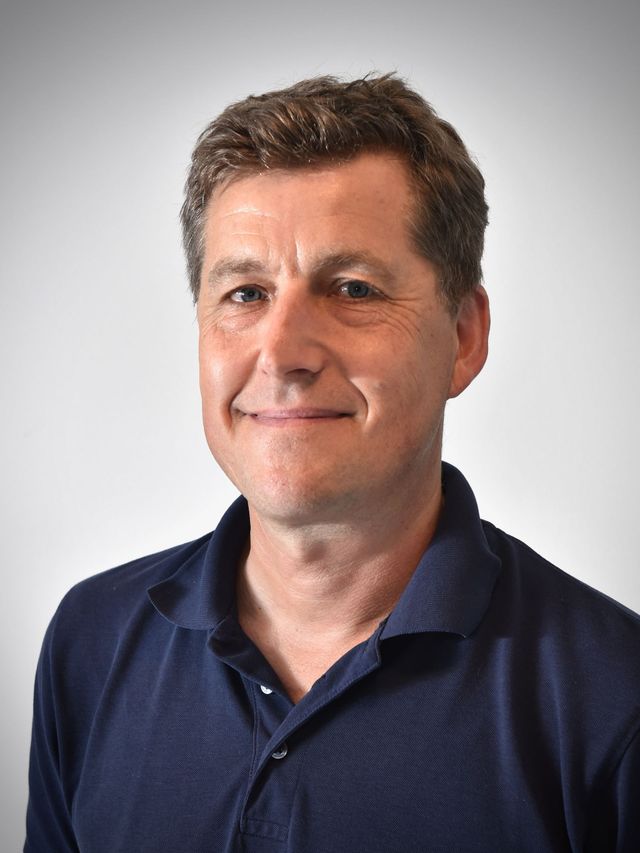
Specialist in anaesthesiology and diving medicine
Approved by the Danish Maritime Authority
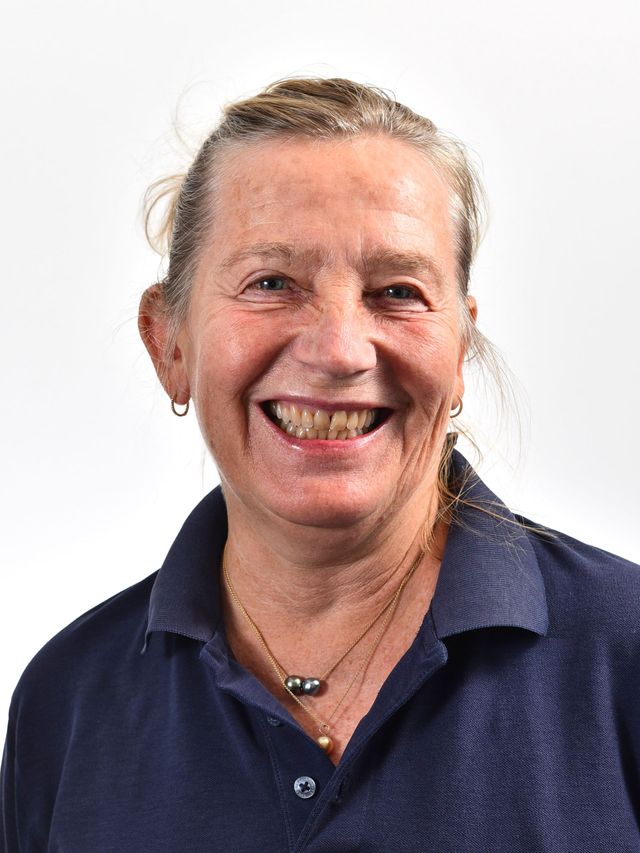
Specialist in anaesthesiology and diving medicine
Approved by the Danish Maritime Authority
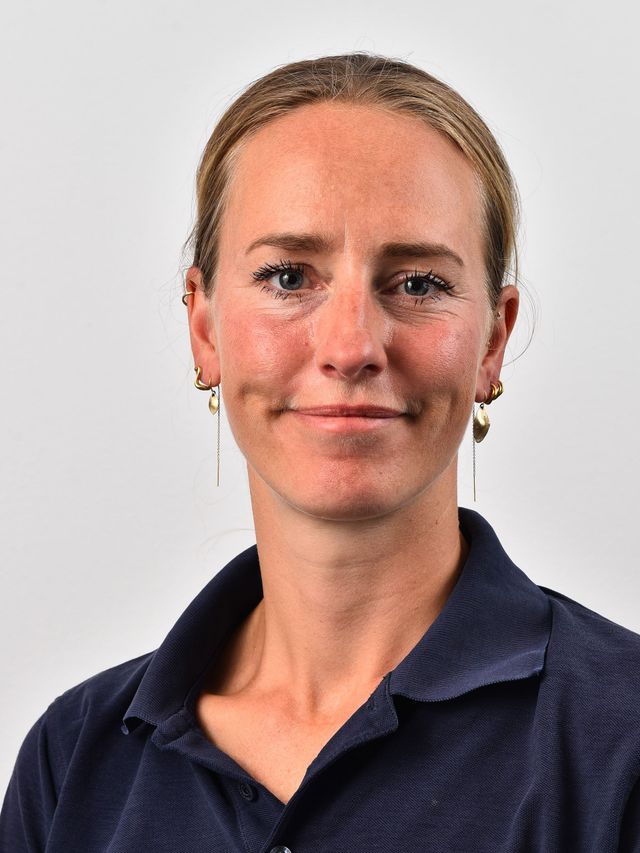

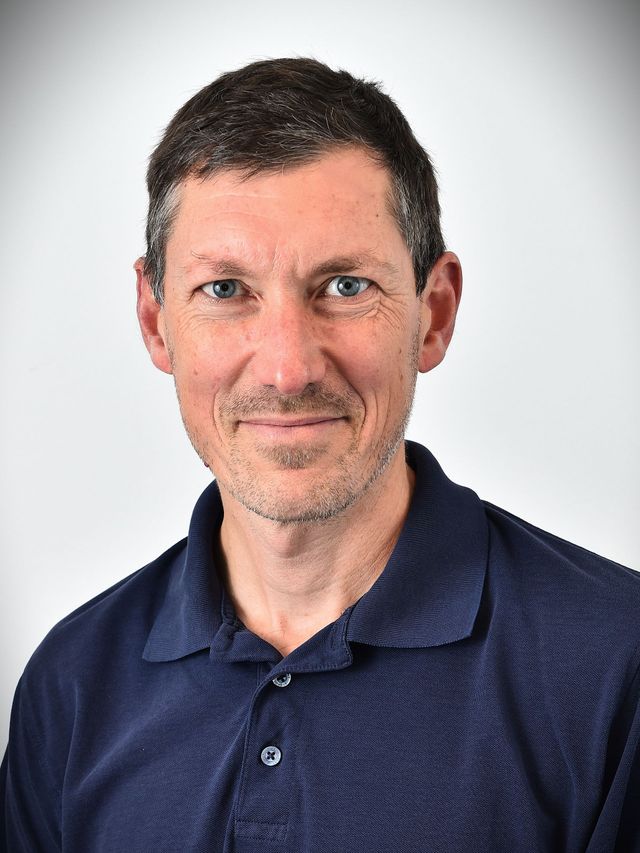
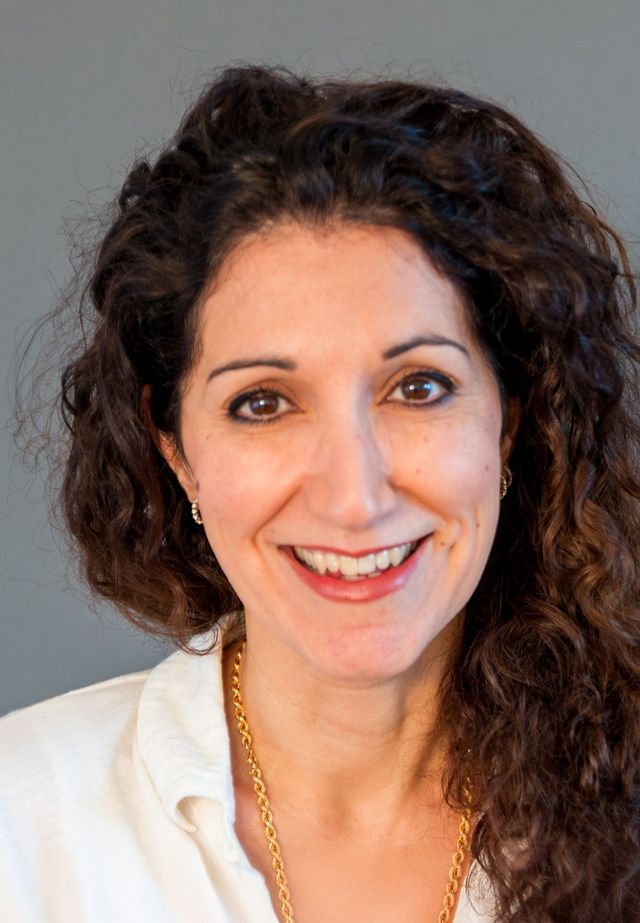

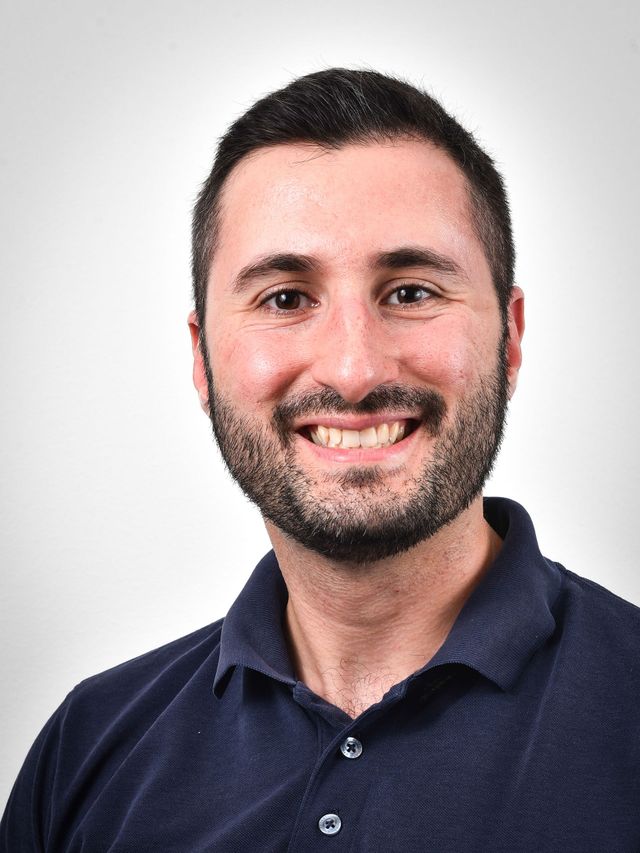


They are the people you meet first when you call or walk through the door – and the ones who look after you before and after your treatment.
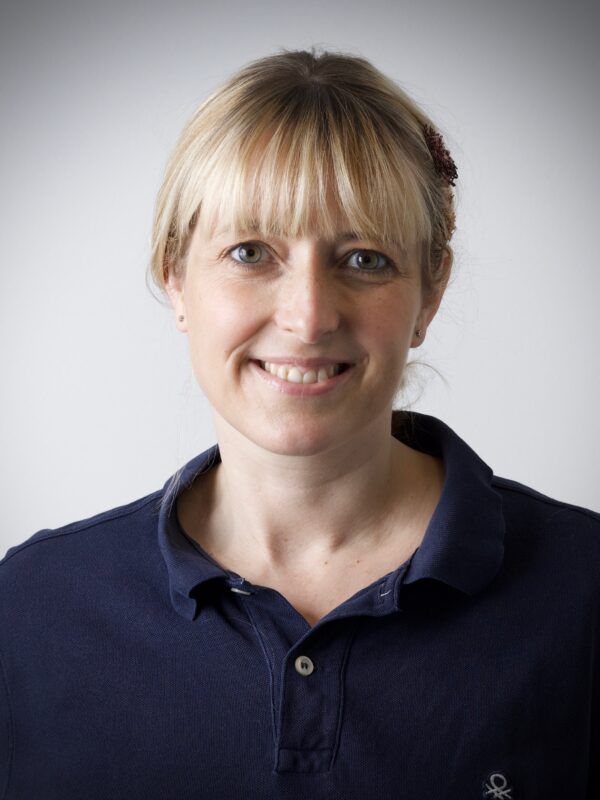
Nurse
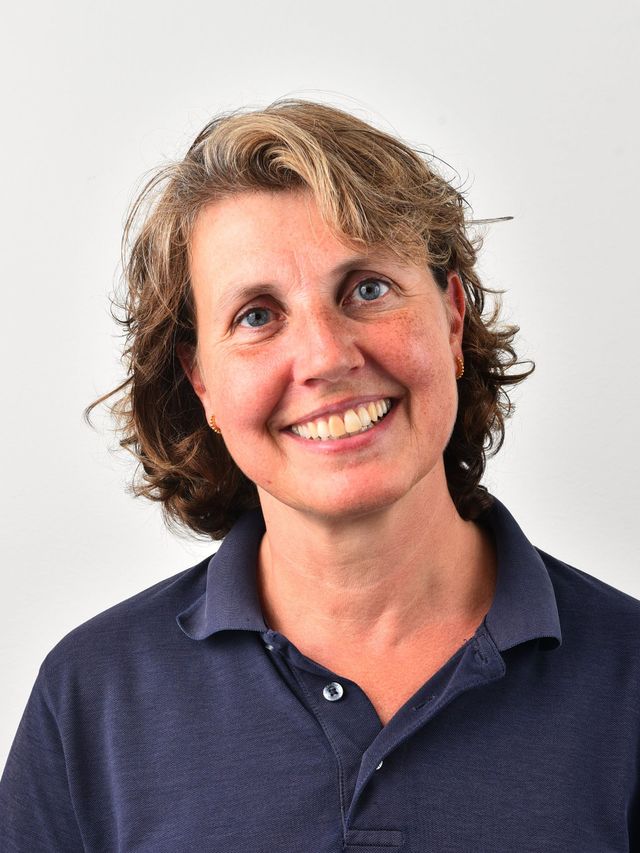
Nurse
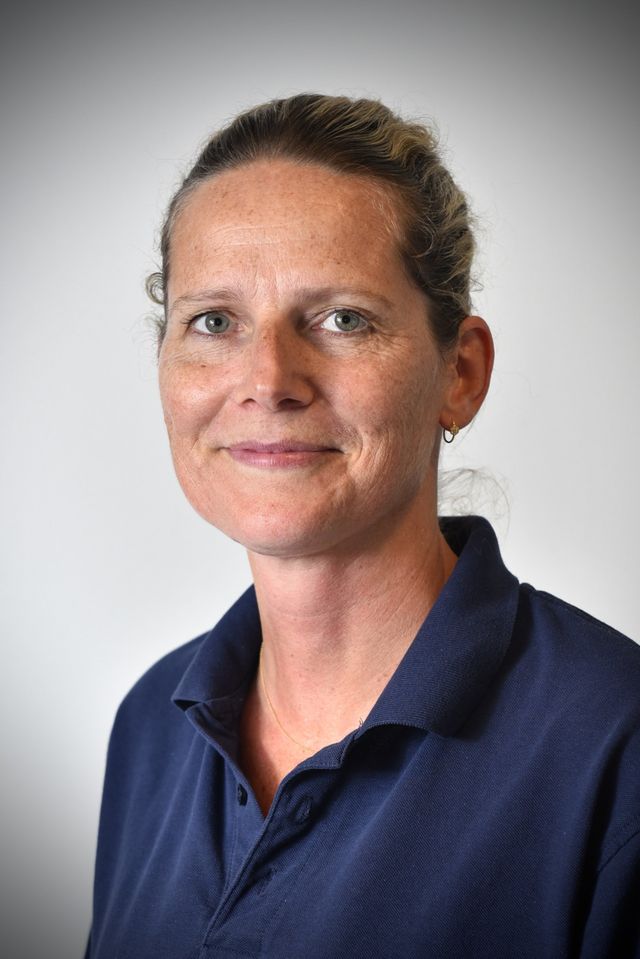
Nurse
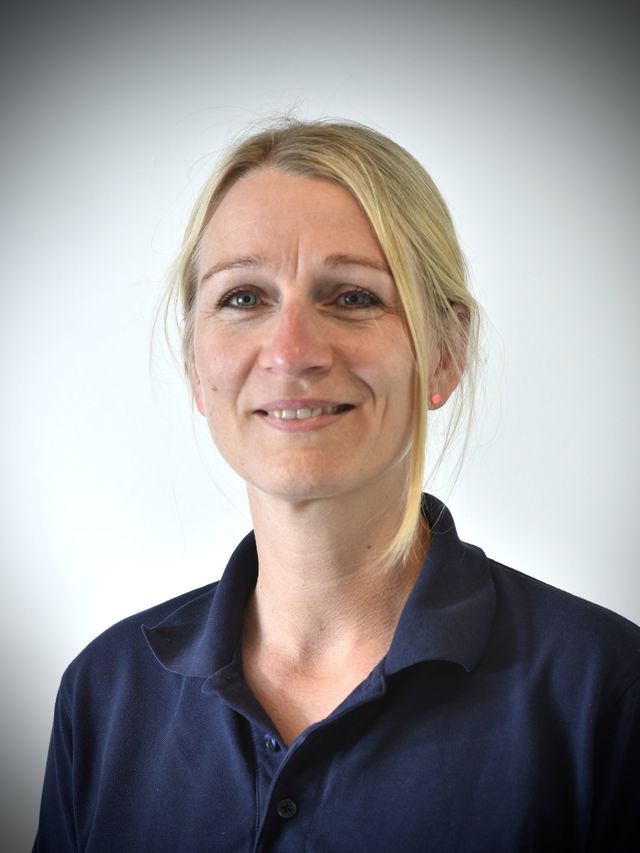
Nurse
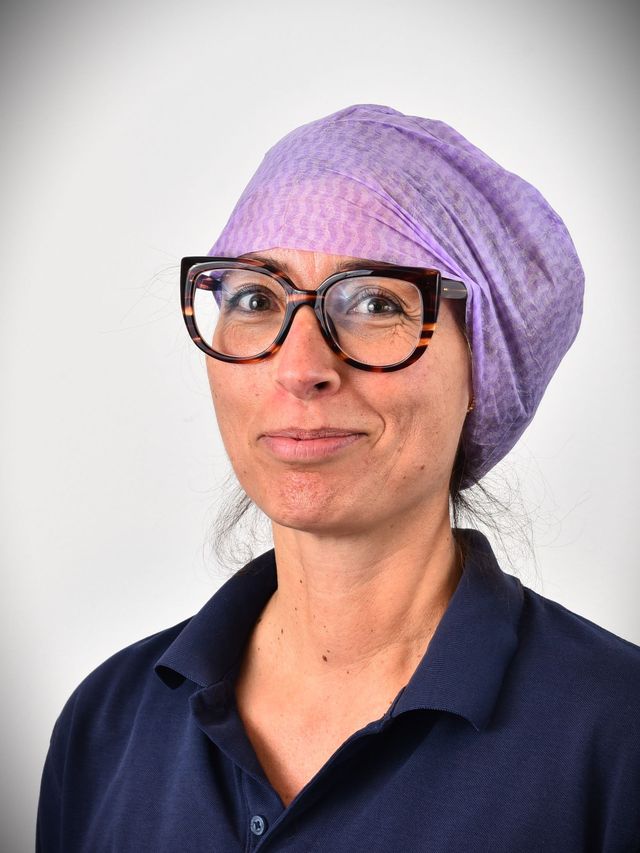
Nurse
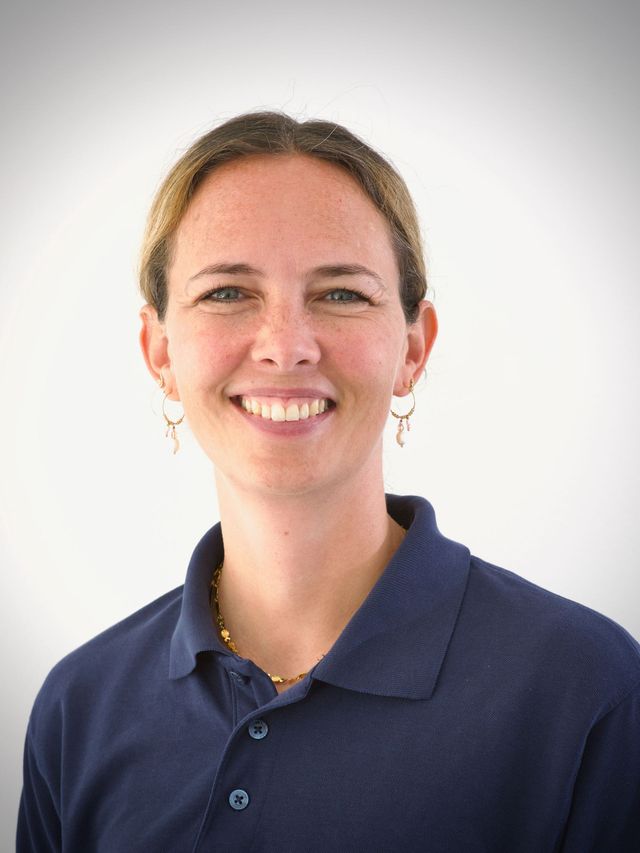
Nurse
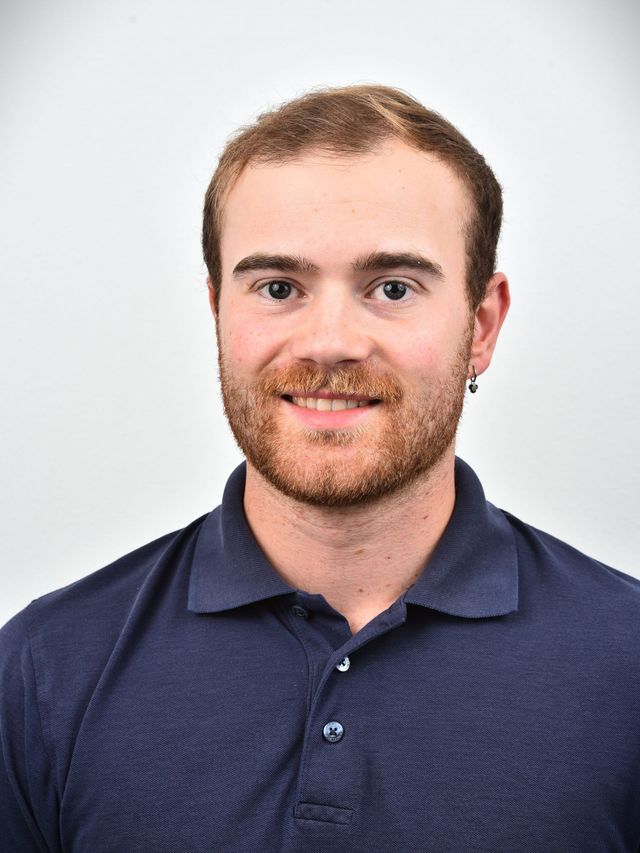
Clinical assistant
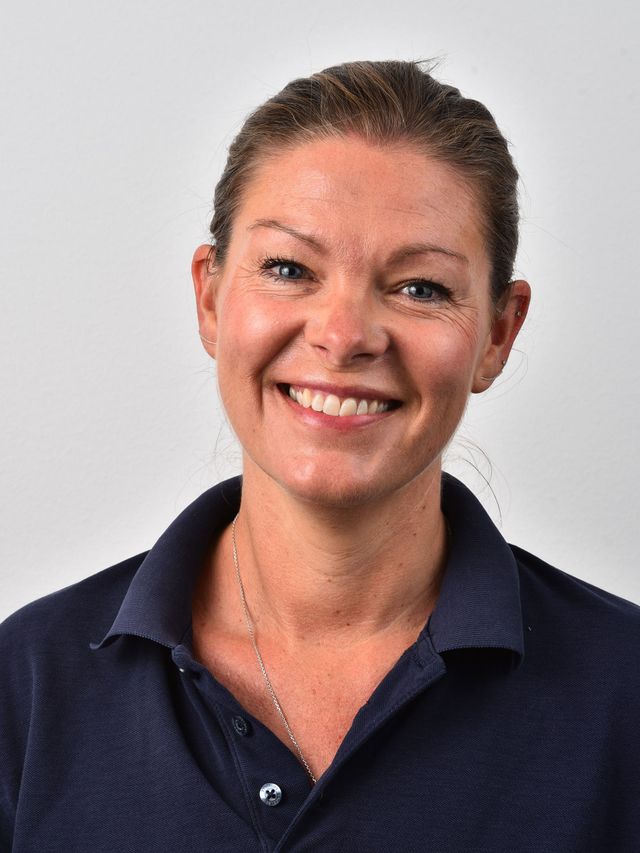
Clinical assistant
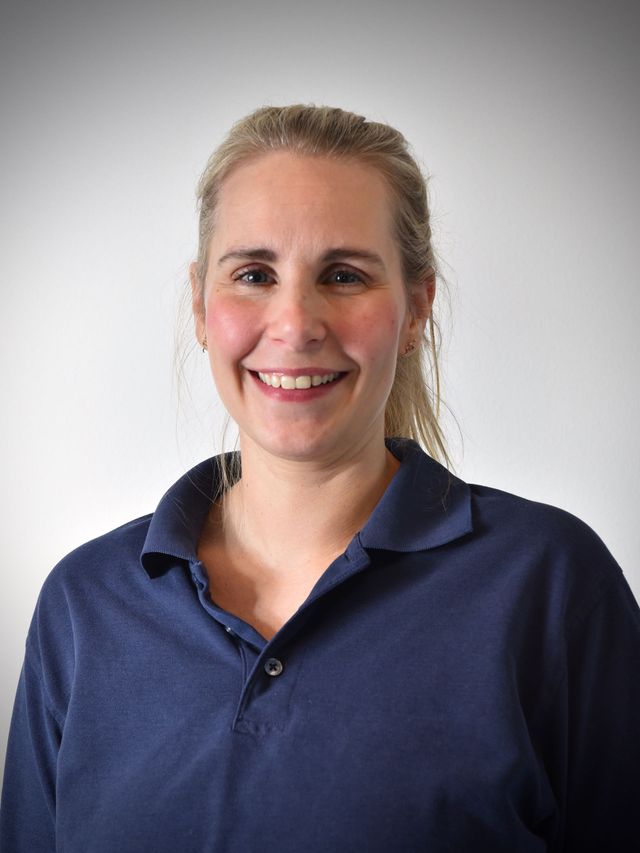
Clinical assistant
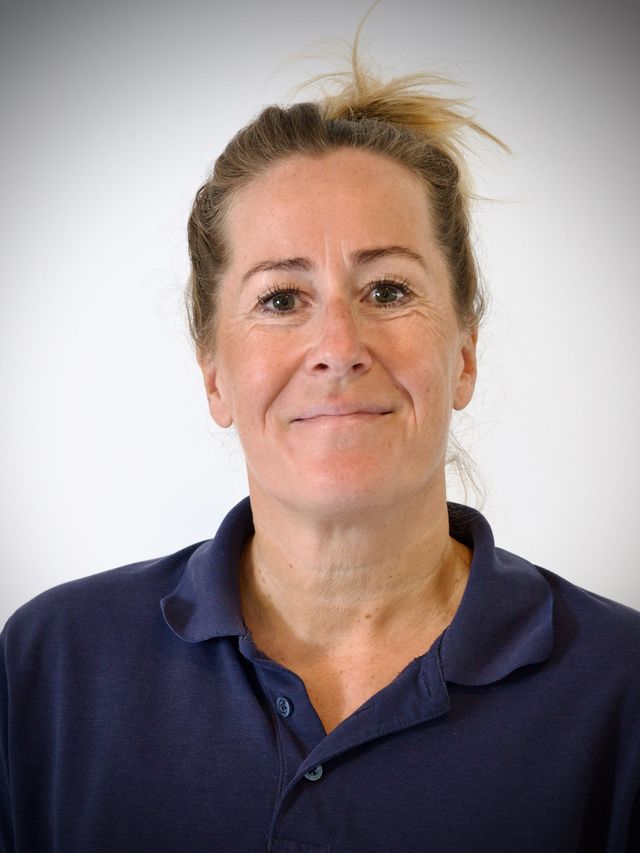
Reception and secretariat

Reception and secretariat
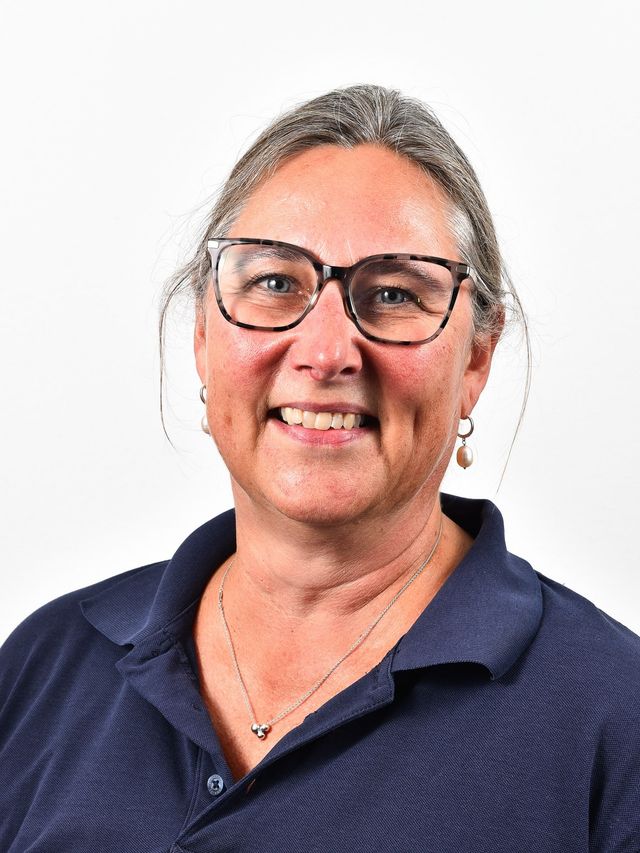
Reception and secretariat

Reception and secretariat
Reception and secretariat

Service assistant
No one found. Try another name or choose "All".
Would you like to book an appointment with one of our specialists?
Book onlineJægersborg Allé 4
2920 Charlottenlund
CVR: 45675637
Monday–Friday, 08:00–14:00
Outside telephone hours, appointments can be booked, rescheduled and cancelled online 24/7.
Main department in Charlottenlund and ear, nose and throat departments at several locations across Denmark.