


Management
Erika Belard
Specialist physician and co-owner, CEO

When an otherwise healthy baby cries inconsolably for hours – especially in the evening.
Infantile colic is periods of long, inconsolable crying in a baby who is otherwise healthy and gaining weight normally. Colic typically starts in the 2nd–4th week of life, peaks around 6 weeks and has passed in the vast majority by 3–4 months of age. The condition is harmless but can be hard on the whole family. At Charlottenlund Privathospital the baby can be examined by a specialist in paediatrics if the parents are unsure whether the crying is due to colic or something else.
Infantile colic is a term for frequent, long crying periods in an infant who is otherwise healthy, thriving and gaining weight normally. The classic definition is crying for at least 3 hours a day, at least 3 days a week for at least 3 weeks, described in Ugeskrift for Læger among others.
Colic is not a disease but a description of a pattern. The cause is not fully understood, and there is no treatment with documented effect on colic itself. This does not mean that parents can do nothing – or that the baby should not be examined if there is any doubt.
The frequency depends on how colic is defined. According to Ugeskrift for Læger, 5–30% of all infants get colic. When parents themselves think their child has colic, only around one in three actually meets the strict criteria – many babies who cry a lot in the evening are within the range of normal infant crying.

Colic typically shows as long periods of intense, inconsolable crying – often in the late afternoon or evening. The baby draws the legs up towards the tummy, tenses the body or curls up, goes red in the face and has a tense tummy. The baby can be hard to comfort, even with feeding, carrying and other familiar soothing methods.
An important feature is that between episodes the baby is usually calm, feeds and sleeps normally and gains weight. It is precisely the combination of intense crying in periods and an otherwise thriving baby that distinguishes colic from conditions in which the baby is unwell all the time or not thriving.
Infantile colic typically begins in the 2nd–4th week of life. Symptoms often peak around 6 weeks of age, when most babies – with or without colic – cry the most. After that the episodes gradually decrease: in around 60% the main symptoms have gone by 3 months, and in 80–90% by 4 months. In virtually all babies the colic has stopped by around 5 months.
The exact cause is not known, and there is probably no single explanation that applies to all babies. An immature digestive system, air in the tummy from breastfeeding or bottle-feeding, and the fact that late afternoon and evening is when all infants cry the most are mentioned as possible contributing factors. Colic is not caused by anything the parents have done wrong.
Although there is no treatment with documented effect on colic itself, several things can help comfort the baby during the difficult periods: carrying the baby close to the body, for example in a baby carrier, with calm movement and rhythm, a warm bath or a warm hand on the tummy, tummy massage with gentle movements and good burping breaks during and after feeds.
A calm environment with dimmed light and low sound in the evening helps many babies. Different methods work differently from child to child, so it may take some trial and error to find what works best.

In most babies with colic there is no link to particular foods, and colic is not the same as milk allergy or lactose intolerance. If the baby also has other symptoms – for example a rash, vomiting, poor weight gain or blood in the stools – there may be another cause that should be investigated.
It is always a doctor or health visitor who assesses whether the diet should be looked into. Neither the baby nor a breastfeeding mother should be put on a strict diet without this assessment. If the baby spits up a lot or seems unsettled during and after feeds, it may also be reflux.

Having a baby who cries inconsolably for several hours every day can be very stressful. Many parents become worried, exhausted and feel helpless. It is common to need support during this period – and it is important to know that parents are not doing anything wrong, even if the baby keeps crying.
Frequent contact with the health visitor can be a great help – both to confirm that the baby is thriving and to get some relief. If it becomes too much, it is perfectly fine to put the baby down safely in the cot and take a break for a few minutes.
Most babies with colic do not need a medical examination, but it is always relevant to have the baby assessed if in doubt. This applies if the baby is not gaining weight normally or not thriving, or if the parents are very affected by the crying. Fever, vomiting, blood in the stools, drowsiness or crying that changes in character require urgent contact with a doctor.
At Charlottenlund Privathospital the baby can be examined by a specialist in paediatrics. The assessment is based on the baby's crying pattern, sleep, feeding and weight gain, and the aim is to clarify whether the symptoms fit ordinary, harmless colic – or whether something else should be looked into. See also tummy ache in children and the overview of the paediatrician's areas.
No referral is needed for self-paying patients, and appointments can be booked online. Prices are shown in the price list.
Many health insurance policies cover an assessment by a paediatrician, but the insurers usually require a referral from the family doctor and prior approval. Most insurers send the approval directly to the hospital, and the bill is settled with the insurer. Charlottenlund Privathospital does not accept patients through the Danish public health insurance scheme.
Appointments take place in the hospital's children's unit at Hans Edvard Teglers Vej 9 in Charlottenlund – see map and addresses.

Answers to common questions parents ask about colic in babies.
Infantile colic is long periods of inconsolable crying in an otherwise healthy and thriving baby, often in the evening and without a clear medical explanation. It is harmless and usually disappears on its own by 3–4 months of age.
Infantile colic typically begins in the 2nd–4th week of life and peaks around 6 weeks of age.
In around 60% the symptoms have gone by 3 months of age, in 80–90% by 4 months, and in virtually all babies it has stopped by 5 months.
No. Colic describes crying and restlessness in an otherwise healthy baby, whereas milk allergy is a reaction to the proteins in milk and often causes other symptoms such as a rash, vomiting or blood in the stools. If the baby has such symptoms, a doctor should assess it.
Carrying the baby close to the body, warmth, gentle tummy massage, good burping breaks and a calm environment in the evening can relieve the symptoms, although there is no treatment with documented effect on colic itself.
If the baby is not thriving or gaining weight, has a fever, is vomiting, has blood in the stools, seems drowsy, or if the crying suddenly changes in character. Blood in the stools should always be assessed urgently.
Other pages about infants and tummy problems:
→ Reflux in children and babies – spitting up, regurgitation and silent reflux → Food allergy in children – milk allergy and other foods → Tongue-tie – when breastfeeding is difficult → Private paediatrician – all the paediatrician's areasCharlottenlund Privathospital is owned and run by three specialist physicians: Erika Belard, Jacob Fisker and Teit Mantoni. Jacob Fisker is medical director. Here you will find our ear, nose and throat (ENT) specialists in Charlottenlund and at our clinics around Denmark – and in Charlottenlund also specialists in paediatric surgery, dermatology, diving medicine, gynaecology, cardiology, paediatrics, psychology and rheumatology.
Specialist physician and co-owner, CEO

Specialist physician, co-owner and medical director

Specialist physician and co-owner


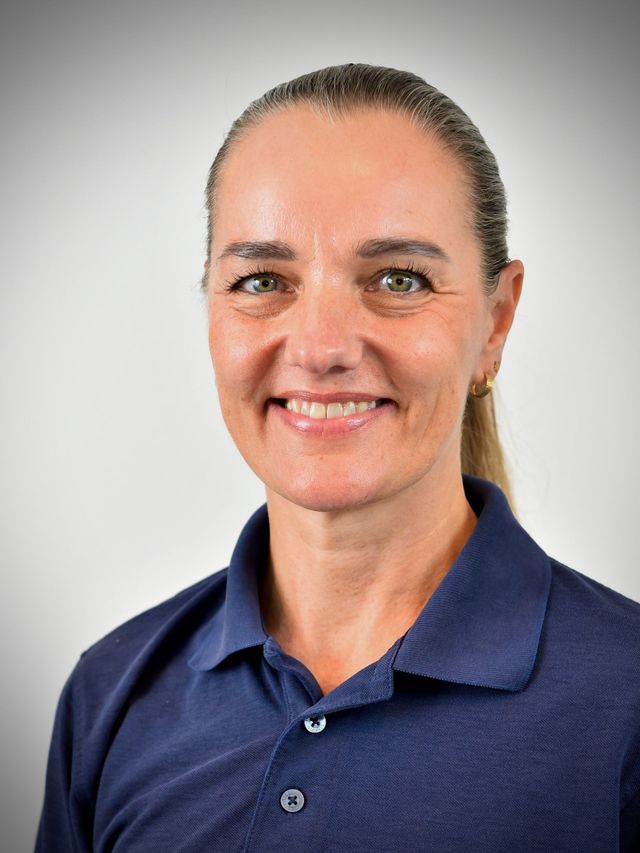





















Specialist in anaesthesiology

Specialist in anaesthesiology

Specialist in anaesthesiology

Specialist in anaesthesiology, DMSc, PhD

Specialist in anaesthesiology

Specialist in anaesthesiology



Specialist in anaesthesiology and diving medicine
Approved by the Danish Maritime Authority
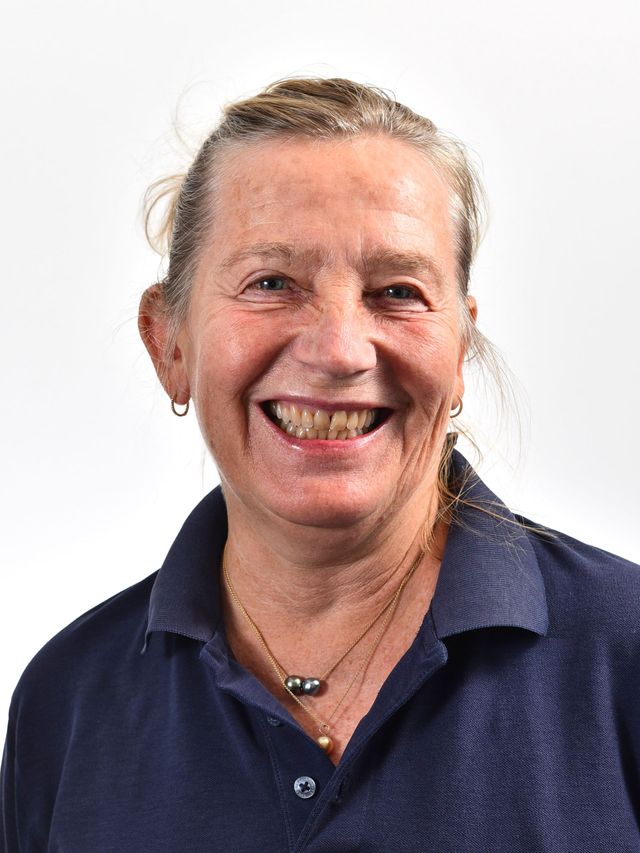
Specialist in anaesthesiology and diving medicine
Approved by the Danish Maritime Authority

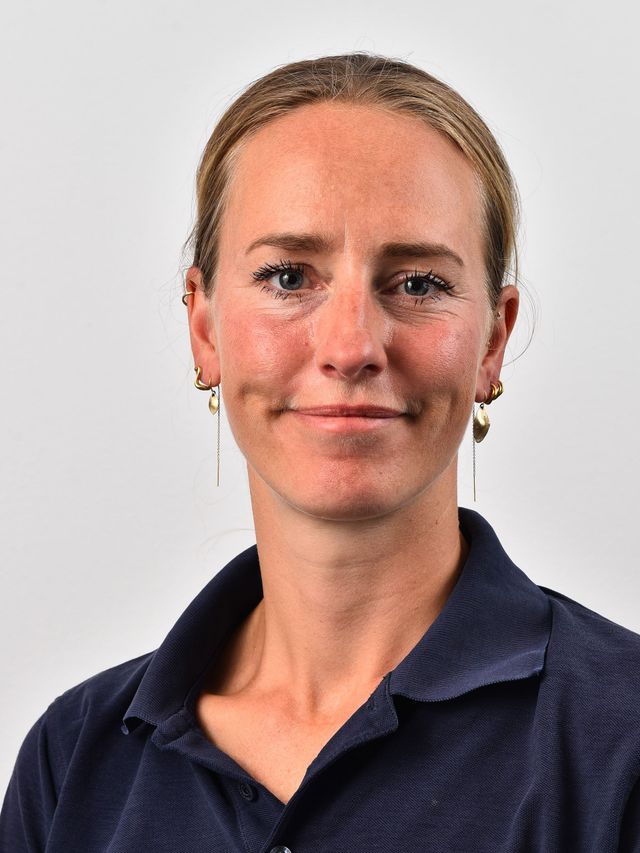






They are the people you meet first when you call or walk through the door – and the ones who look after you before and after your treatment.

Nurse

Nurse
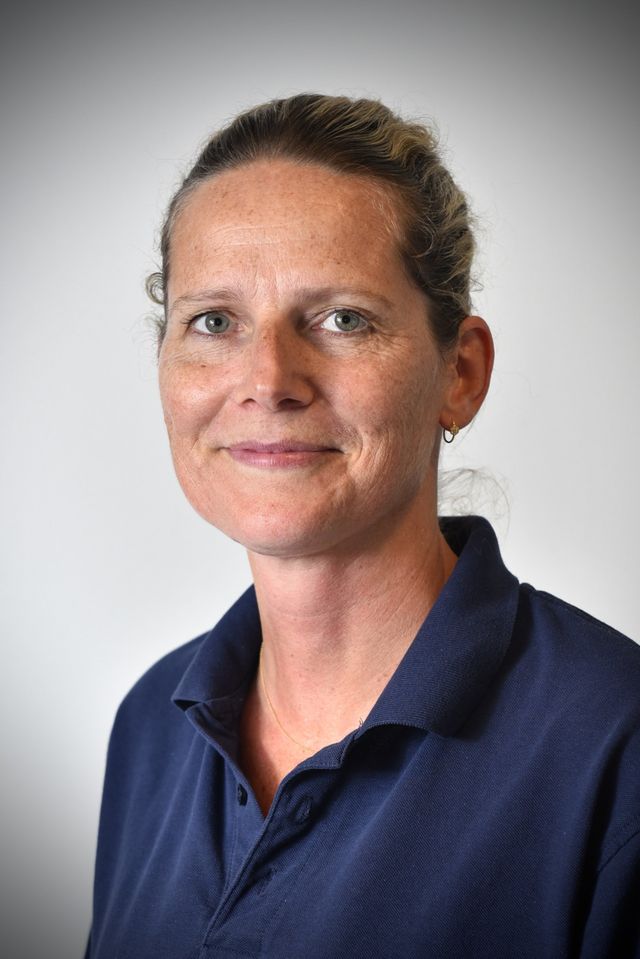
Nurse

Nurse
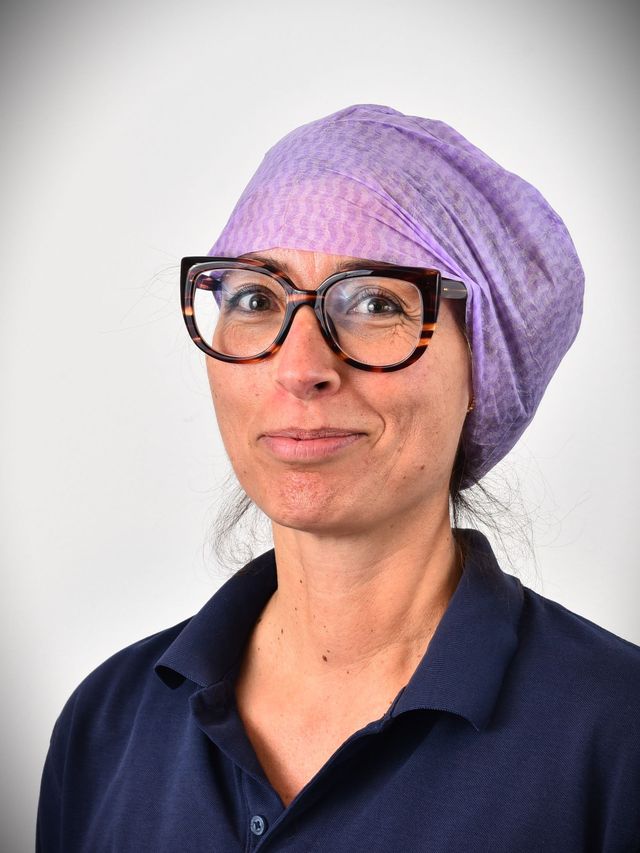
Nurse

Nurse

Clinical assistant

Clinical assistant

Clinical assistant
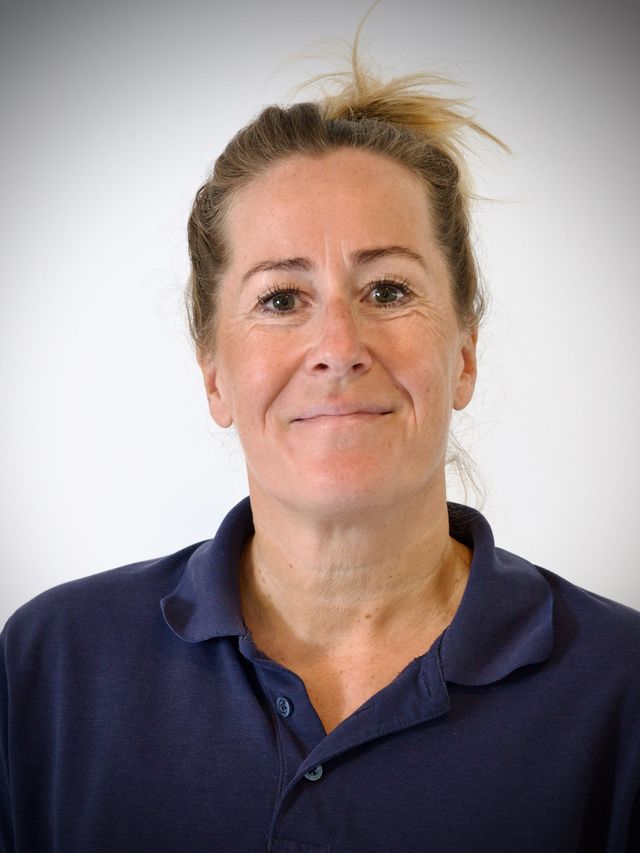
Reception and secretariat

Reception and secretariat

Reception and secretariat

Reception and secretariat

Reception and secretariat

Service assistant
No one found. Try another name or choose "All".
Would you like to book an appointment with one of our specialists?
Book onlineJægersborg Allé 4
2920 Charlottenlund
CVR: 45675637
Monday–Friday, 08:00–14:00
Outside telephone hours, appointments can be booked, rescheduled and cancelled online 24/7.
Main department in Charlottenlund and ear, nose and throat departments at several locations across Denmark.