

Management
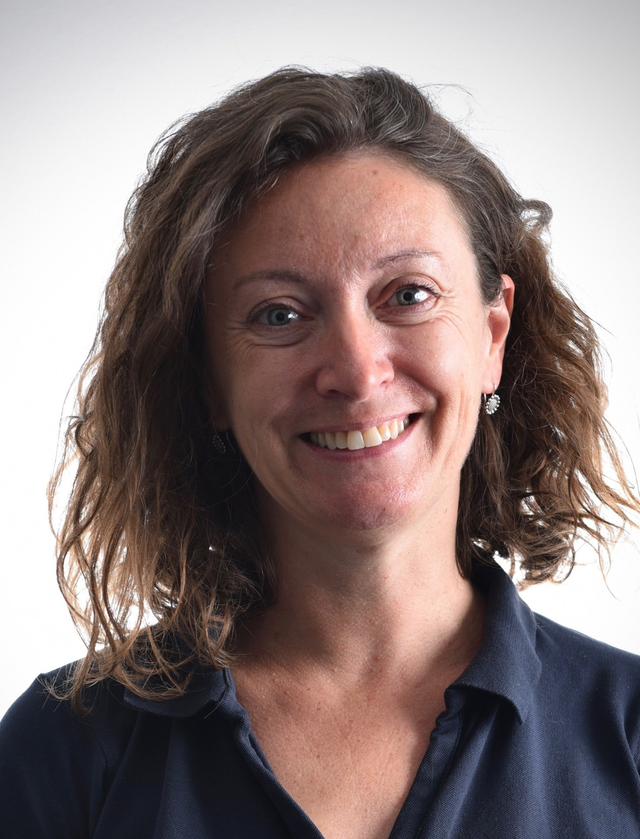
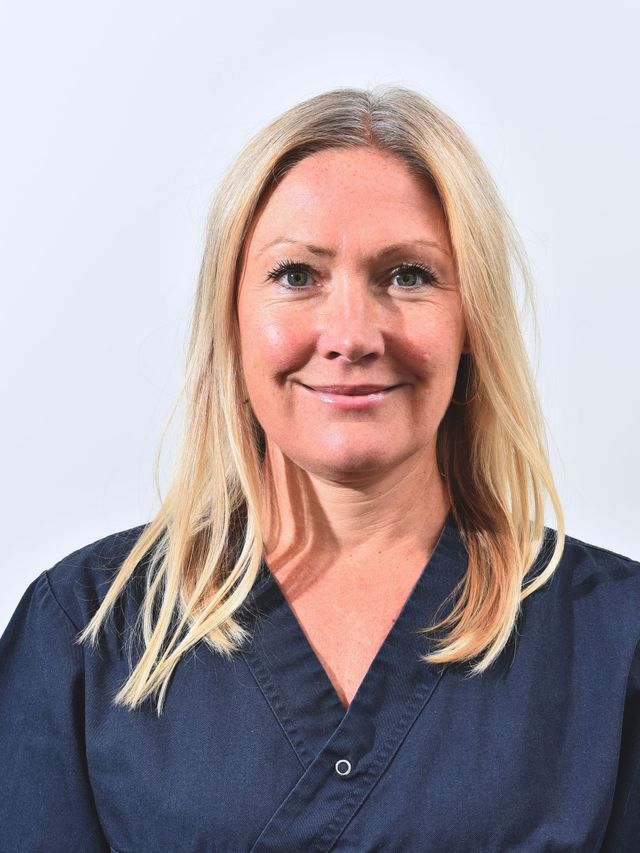
Erika Belard
Specialist physician and co-owner, CEO

Milk allergy, egg, nuts and other foods – signs, testing and everyday life.
Food allergy in children is a reaction of the immune system, which produces antibodies (IgE) against proteins in certain foods. It is most common in the first years of life: according to the Danish Paediatric Society, 6–8% of children develop food allergy, and the most common triggers in young children are cow's milk (milk allergy) and egg. Many grow out of it during childhood. At Charlottenlund Privathospital, children can be assessed for food allergy by a specialist in paediatrics with a consultation, skin prick test and specific IgE blood test.
Symptoms typically appear shortly after the child has eaten the food – often within minutes to an hour. The most common reactions are seen on the skin as a rash, hives or worsening of eczema. Other frequent symptoms are itching and swelling around the mouth, vomiting, tummy ache or diarrhoea, and some children get a cough or tightness in the chest.
Most reactions are mild and pass on their own. In rare cases food allergy can trigger a serious reaction (anaphylaxis), in which several organs are affected at the same time, for example with swelling of the throat or tongue, breathing difficulties or sudden floppiness.

Cow's milk allergy is the most common food allergy in infants. Around 2–3% of all children develop milk allergy, and almost all cases arise in the first year of life. The signs vary: a rash, vomiting or loose stools, blood in the stools, restlessness or worsening of eczema. In breastfed infants, symptoms can in rare cases arise via milk protein in the mother's diet.
Most grow out of milk allergy during the first years of life – around 90% tolerate milk again by the age of 3. Milk allergy is different from lactose intolerance, in which it is the milk sugar the body has difficulty breaking down.
The two often cause similar symptoms but have different backgrounds. In food allergy the immune system produces antibodies against proteins in the food. In food intolerance the body has difficulty processing a food without the immune system being involved. Symptoms of intolerance usually appear later, are often milder and require a larger amount of the food.
It can be difficult to tell from the symptoms alone whether it is allergy or intolerance – or for example coeliac disease. A medical assessment is therefore important before the diet is changed.
The assessment is based on a thorough conversation about the symptoms, when they occur and which foods are involved. The conversation determines which tests make sense.
Skin prick tests and blood tests measuring specific IgE antibodies can show whether the child is sensitised to particular foods. Both can be done at Charlottenlund Privathospital. However, the tests cannot stand alone: a positive result shows sensitisation, but not necessarily that the child gets symptoms from the food. The result is therefore always assessed together with the child's symptoms.

The central treatment is to avoid the food the child reacts to. A correct diagnosis is therefore important so that the diet is not restricted unnecessarily. Children at risk of serious reactions can be prescribed an adrenaline pen, and parents and, for example, staff at nursery or school are instructed in how to use it. Antihistamines can dampen mild symptoms such as itching but do not replace avoiding the food.
Yes, allergy to milk and egg in particular often disappears during childhood, while allergy to peanuts, nuts and shellfish is more often persistent. Whether the child tolerates a food again should be assessed together with a doctor and not tried out at home, because the reaction may be different from before.

Yes. Children with childhood eczema have an increased risk of food allergy, and in some a food can contribute to worsening the eczema. Many children with food allergy later develop hay fever or asthma.
Hay fever and allergy to house dust mites and animals are also examined by the paediatrician – see allergy and allergy immunotherapy.
No referral is needed for self-paying patients, and appointments can be booked online. Prices are shown in the price list.
Many health insurance policies cover an assessment by a paediatrician, but the insurers usually require a referral from the family doctor and prior approval. Most insurers send the approval directly to the hospital, and the bill is settled with the insurer. Charlottenlund Privathospital does not accept patients through the Danish public health insurance scheme.
Appointments take place in the hospital's children's unit at Hans Edvard Teglers Vej 9 in Charlottenlund – see map and addresses.
Answers to questions parents often ask about food allergy in children.
A rash, hives, itching around the mouth, vomiting and tummy ache. The symptoms typically appear shortly after the child has eaten the triggering food.
A rash, vomiting, loose stools or blood in the stools, restlessness and worsening of eczema. Milk allergy almost always arises in the first year of life, and most children grow out of it before the age of 3.
The assessment starts with a conversation about symptoms and diet. Skin prick tests and a specific IgE blood test may then be included. The results are always assessed together with the child's symptoms.
Yes, allergy to milk and egg in particular often disappears during childhood. Around 90% of children with milk allergy tolerate milk again by the age of 3. Allergy to nuts and shellfish is more often persistent.
No. A positive test shows that the child is sensitised, but not necessarily that it gets symptoms from the food. The result must be seen in the context of the child's symptoms.
In case of swelling of the throat, breathing difficulties or floppiness, call 112. If the child has an adrenaline pen, it is used immediately.
Other pages about allergy and the tummy in children:
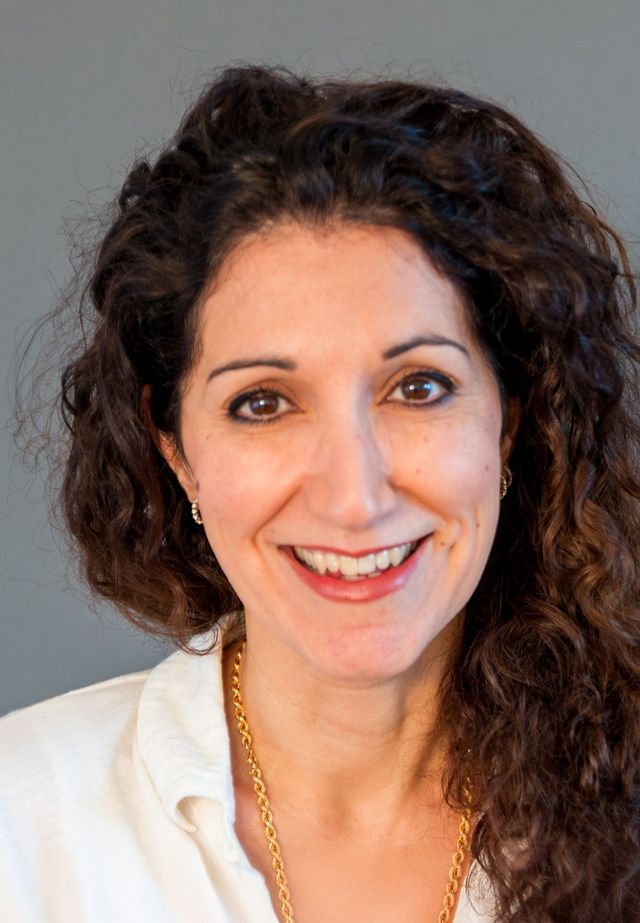
Charlottenlund Privathospital is owned and run by three specialist physicians: Erika Belard, Jacob Fisker and Teit Mantoni. Jacob Fisker is medical director. Here you will find our ear, nose and throat (ENT) specialists in Charlottenlund and at our clinics around Denmark – and in Charlottenlund also specialists in paediatric surgery, dermatology, diving medicine, gynaecology, cardiology, paediatrics, psychology and rheumatology.
Specialist physician and co-owner, CEO

Specialist physician, co-owner and medical director

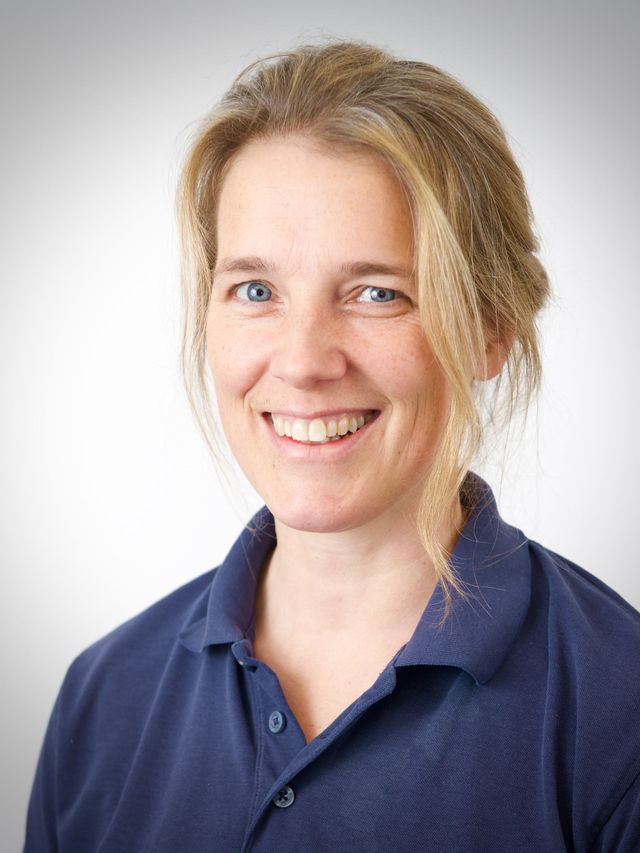
Specialist physician and co-owner
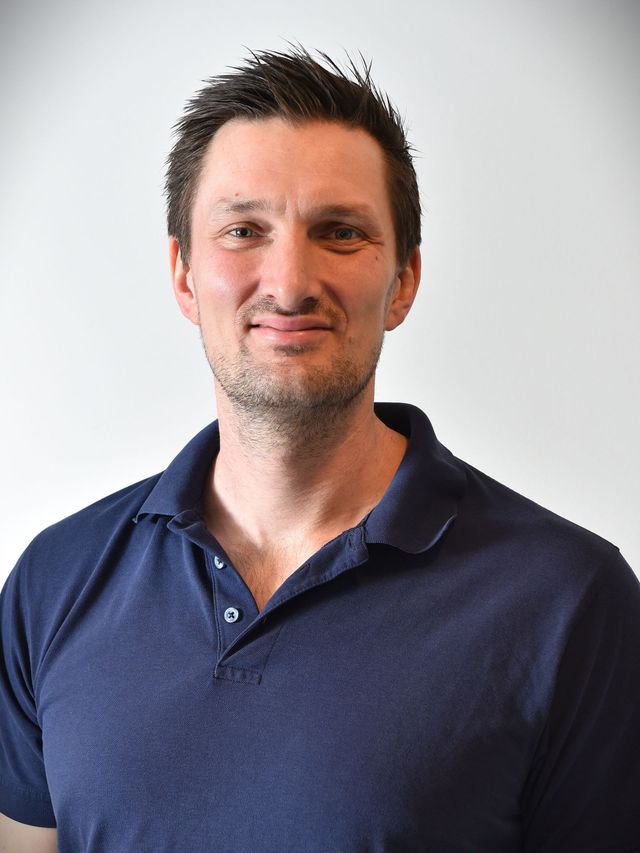
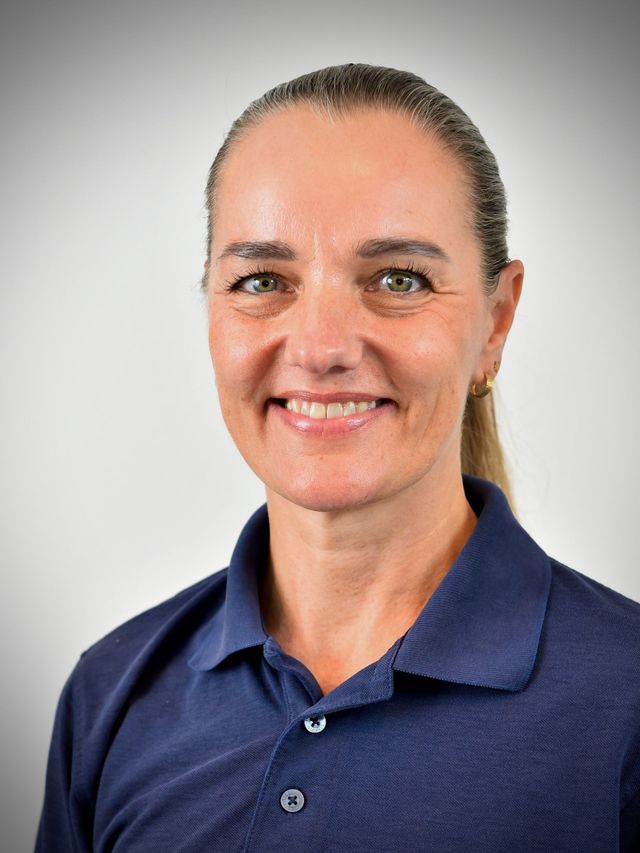
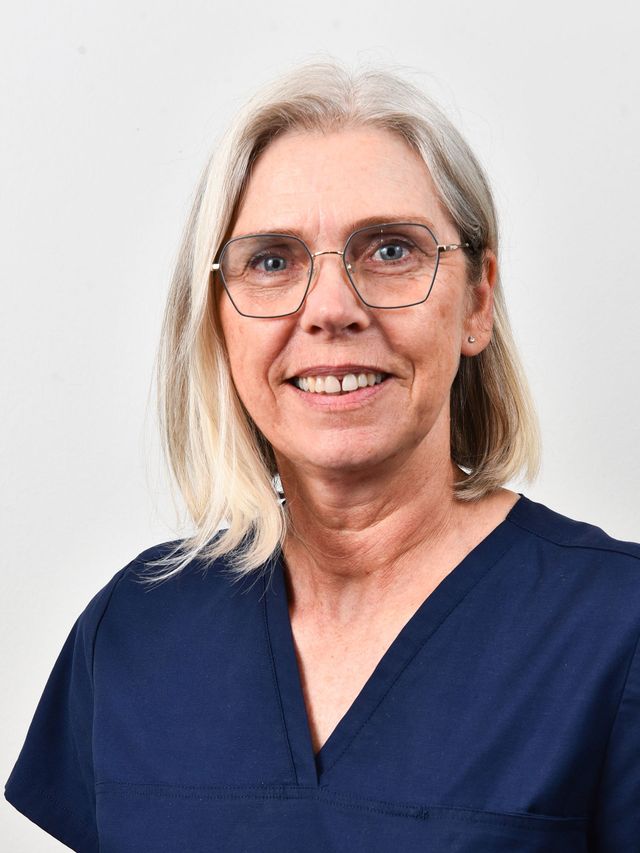
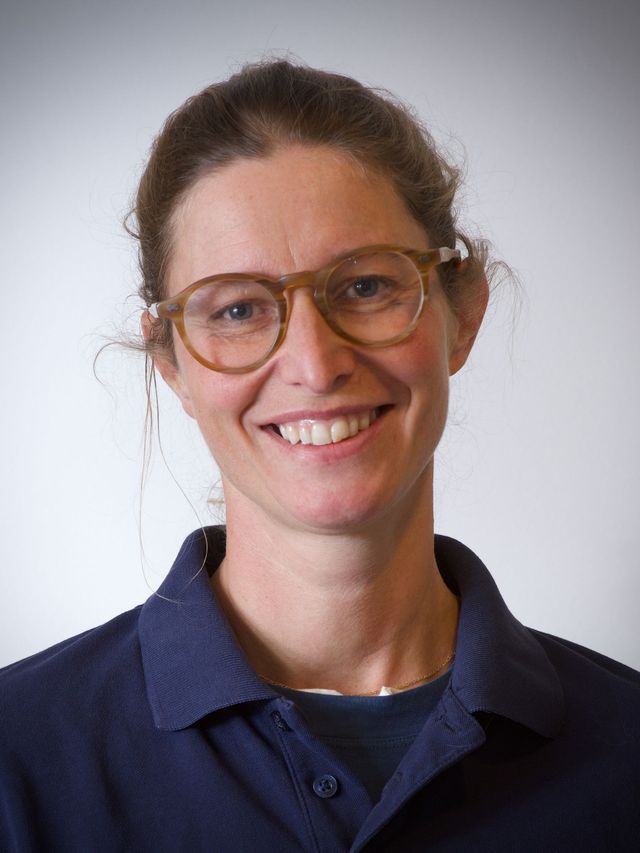
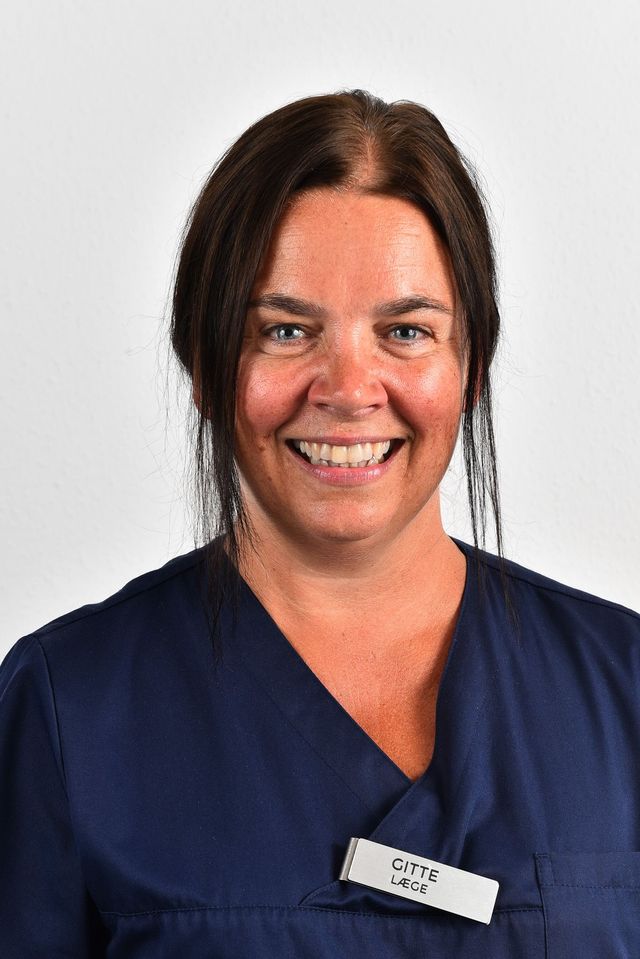







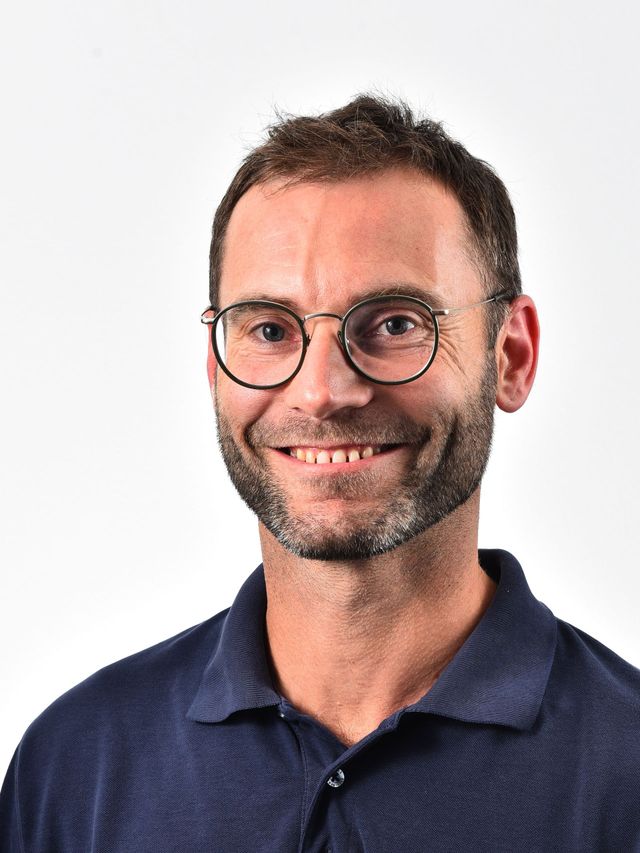
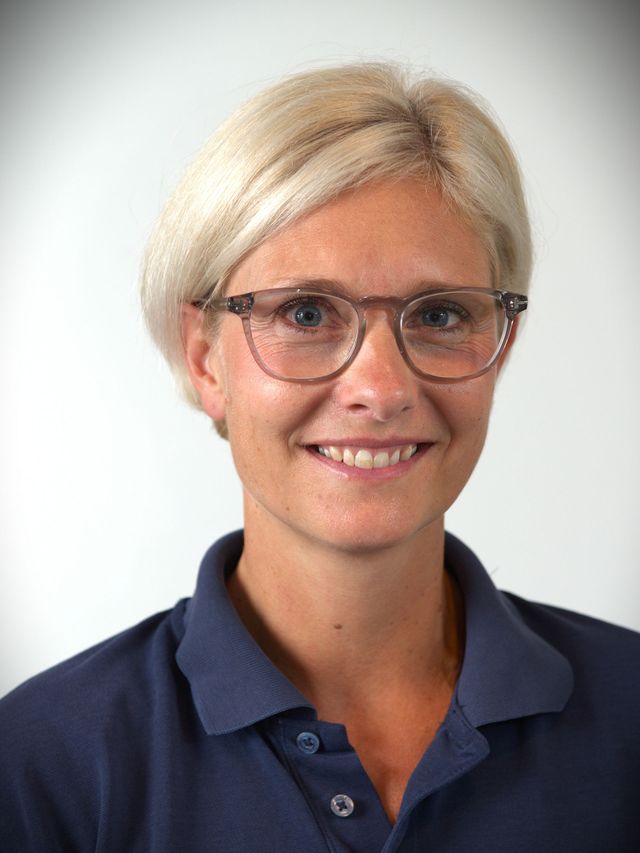

Specialist in anaesthesiology

Specialist in anaesthesiology
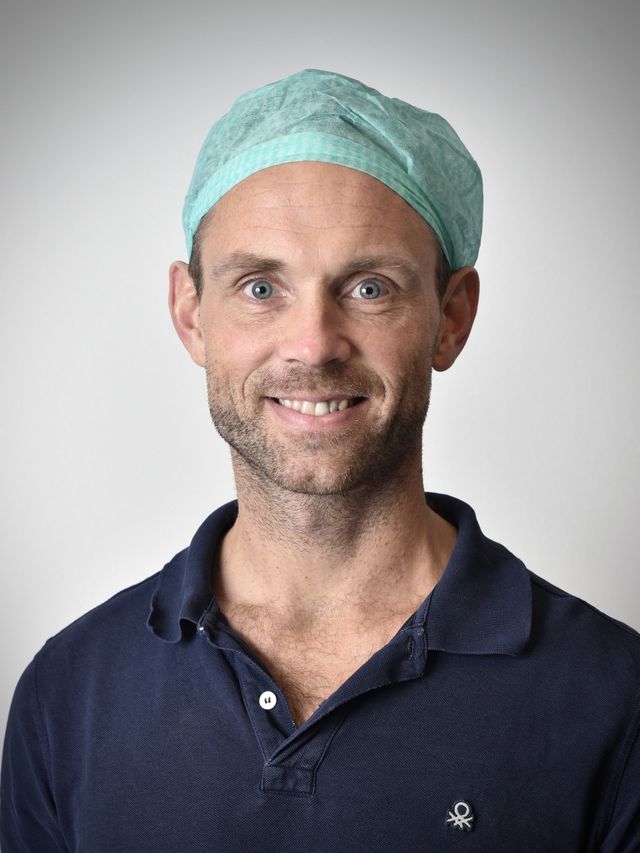
Specialist in anaesthesiology
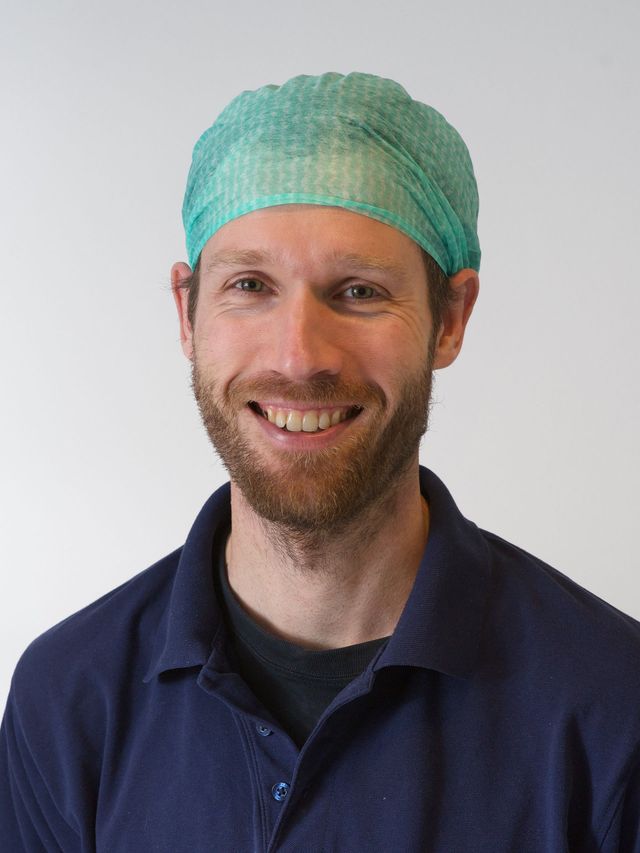
Specialist in anaesthesiology, DMSc, PhD
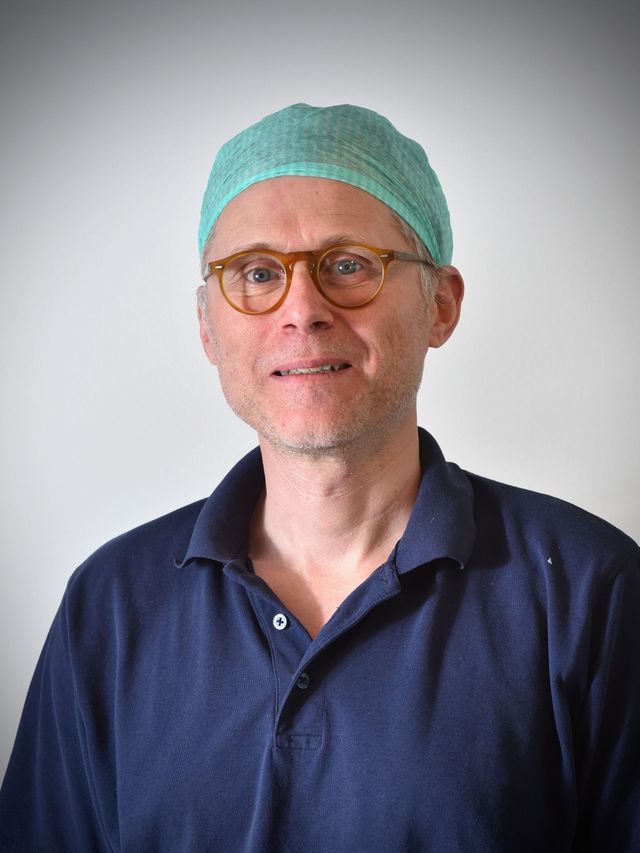
Specialist in anaesthesiology
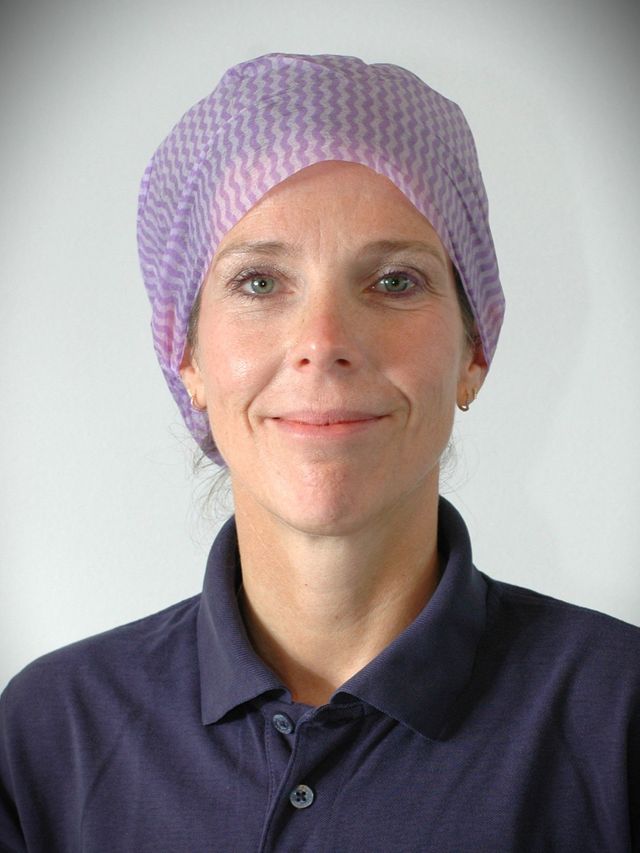
Specialist in anaesthesiology
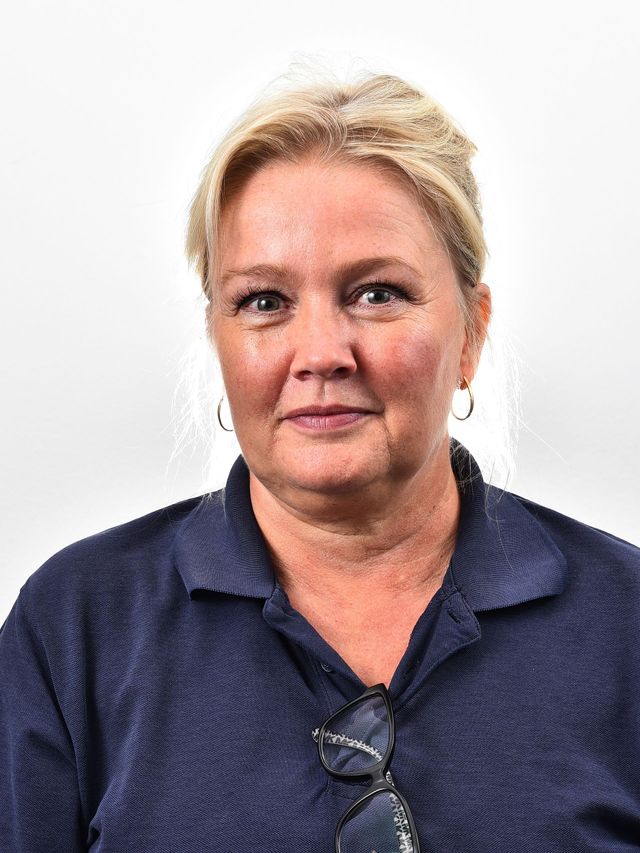
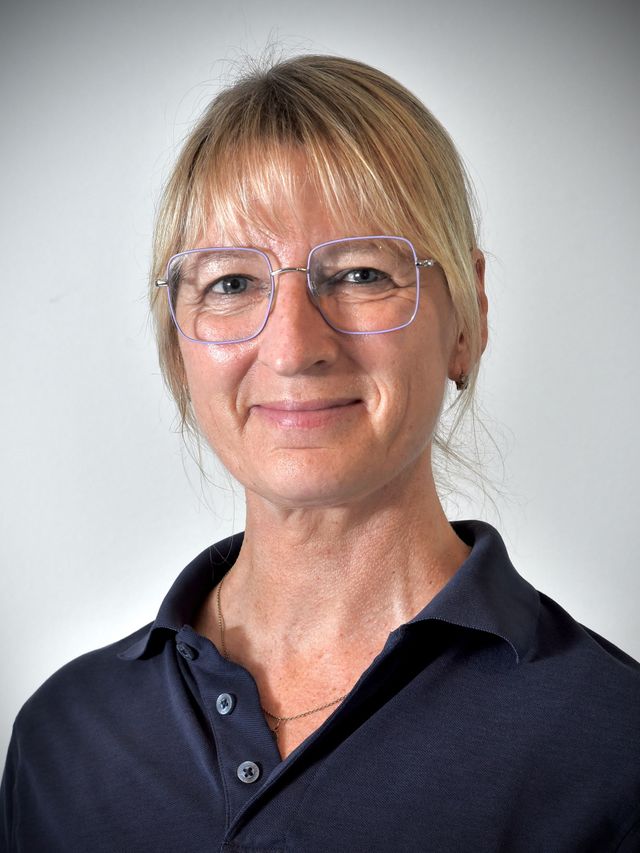

Specialist in anaesthesiology and diving medicine
Approved by the Danish Maritime Authority
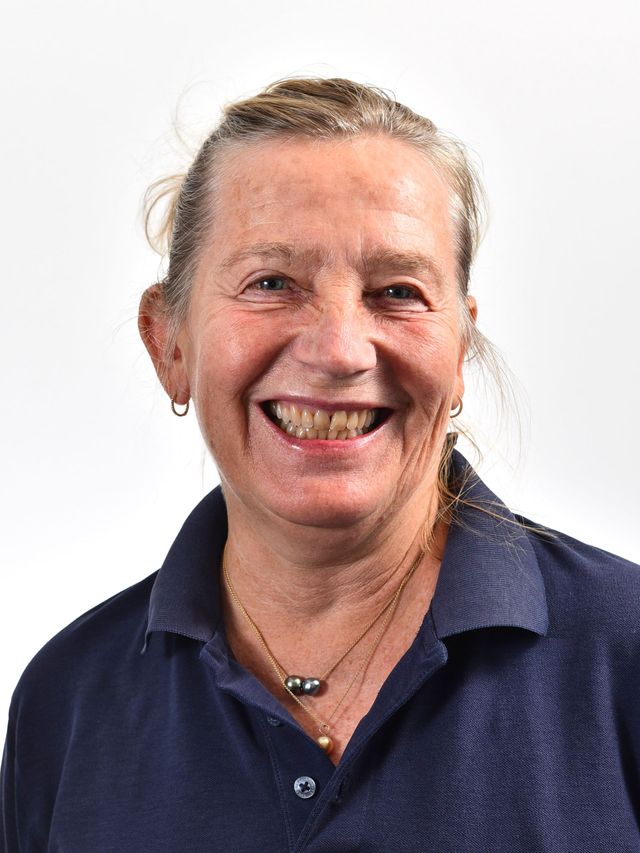
Specialist in anaesthesiology and diving medicine
Approved by the Danish Maritime Authority
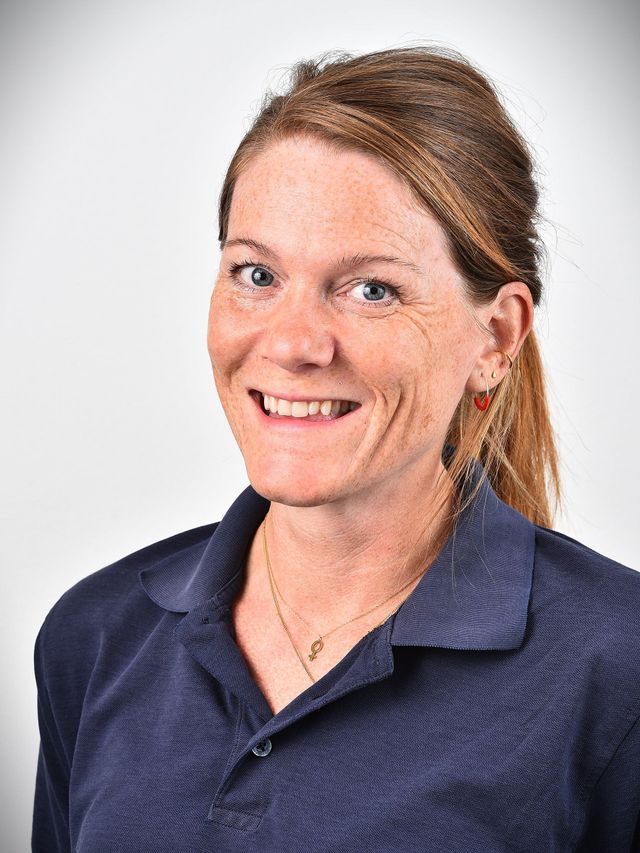
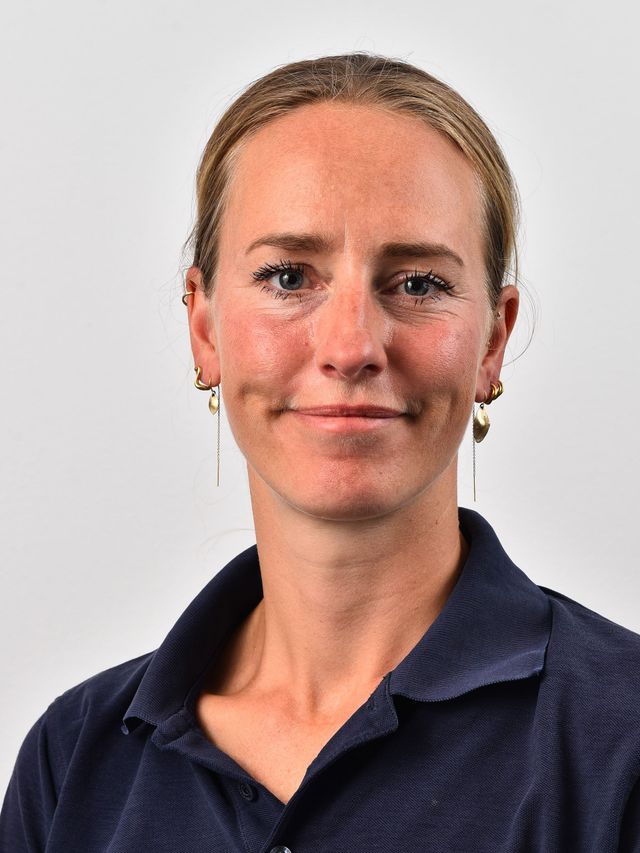


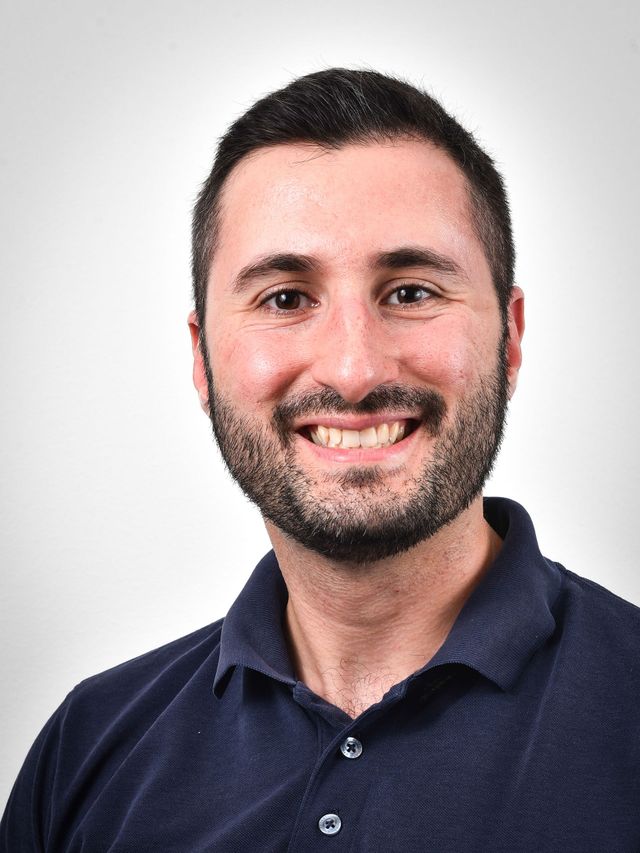


They are the people you meet first when you call or walk through the door – and the ones who look after you before and after your treatment.
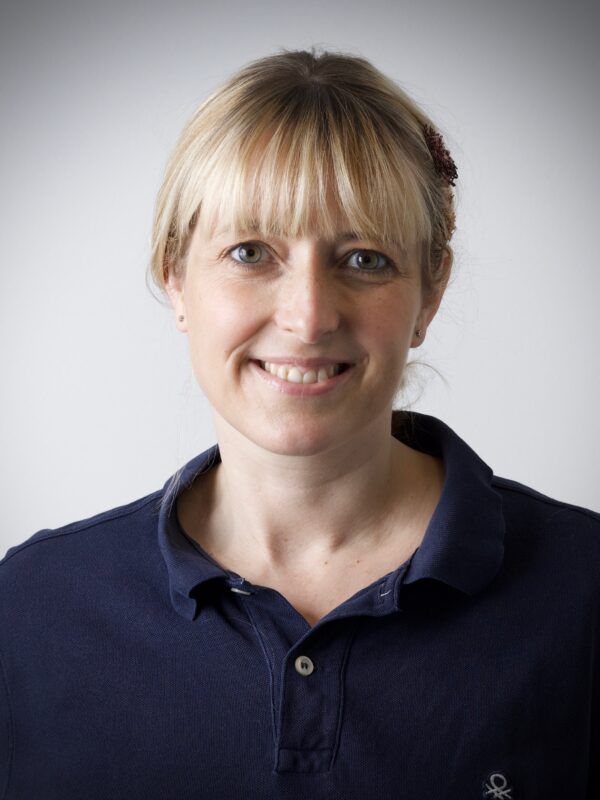
Nurse
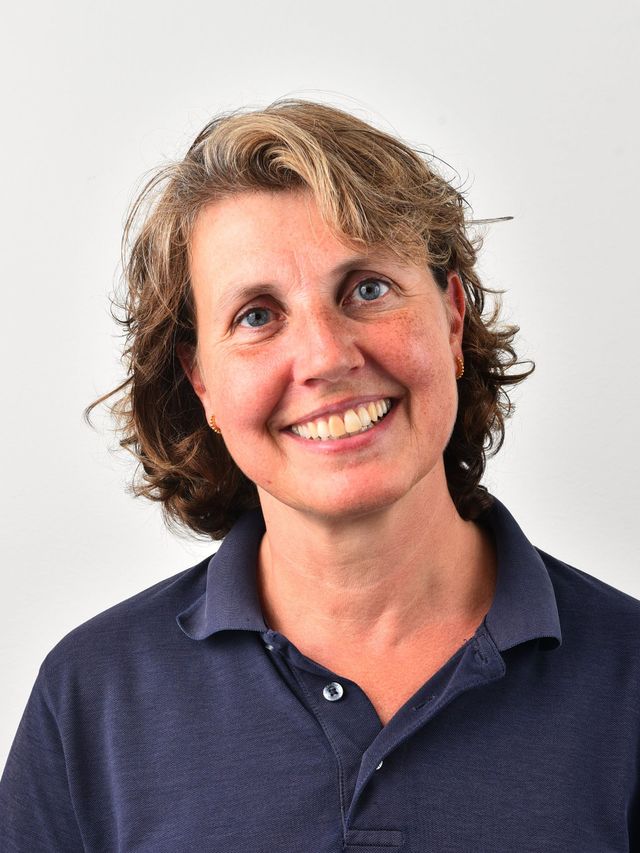
Nurse
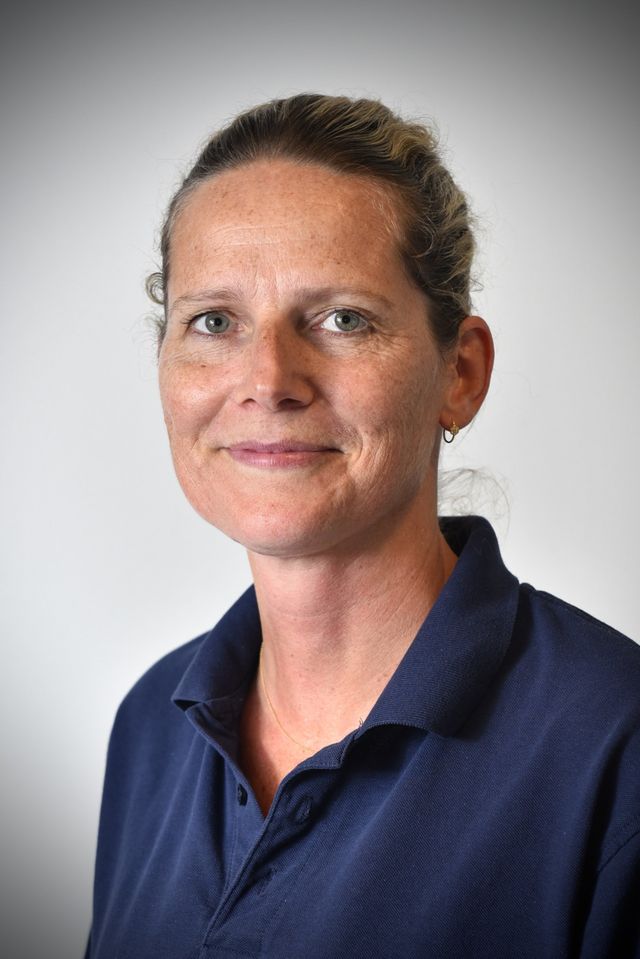
Nurse
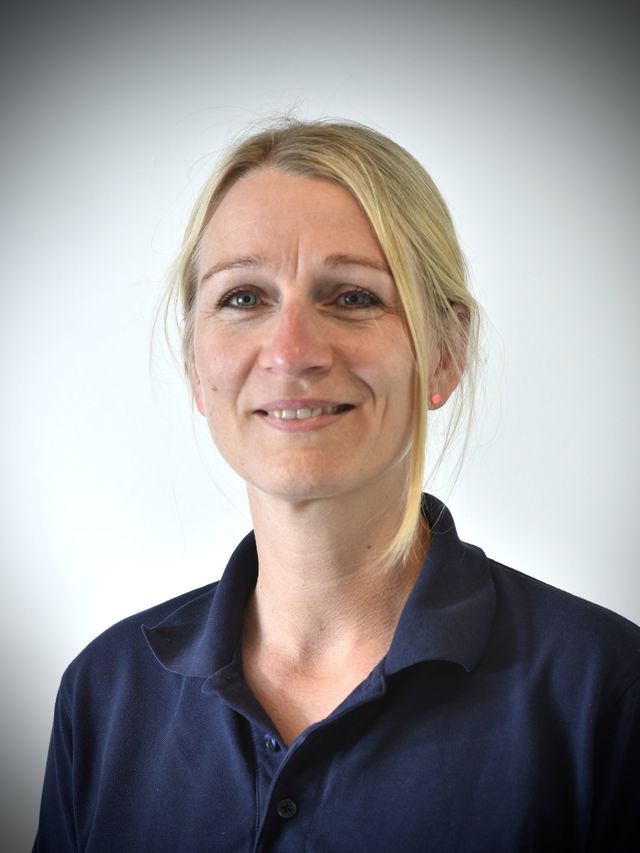
Nurse
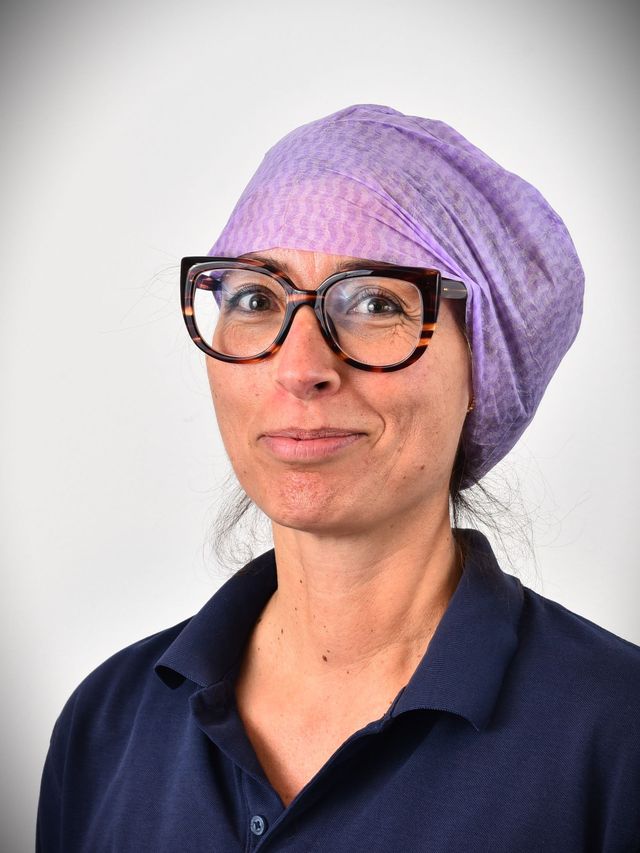
Nurse
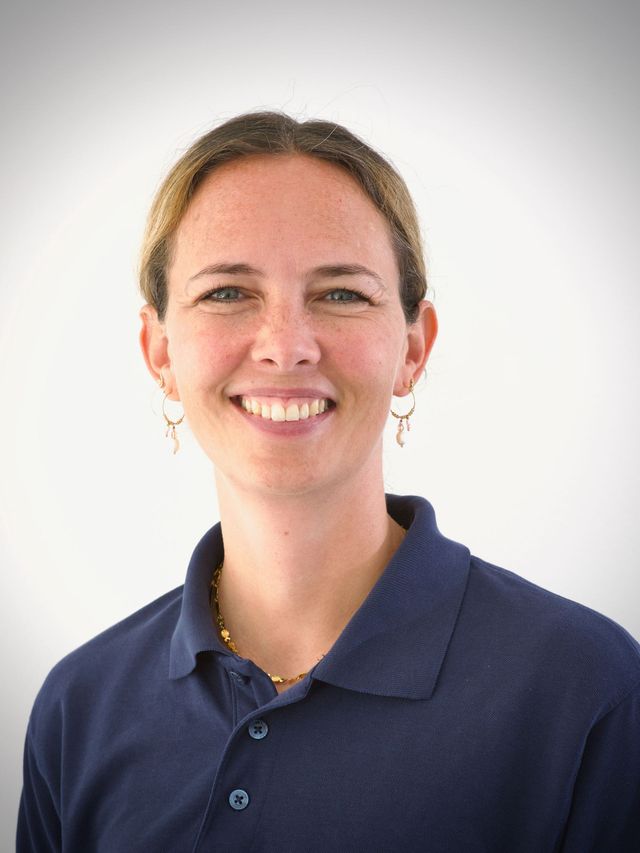
Nurse

Clinical assistant
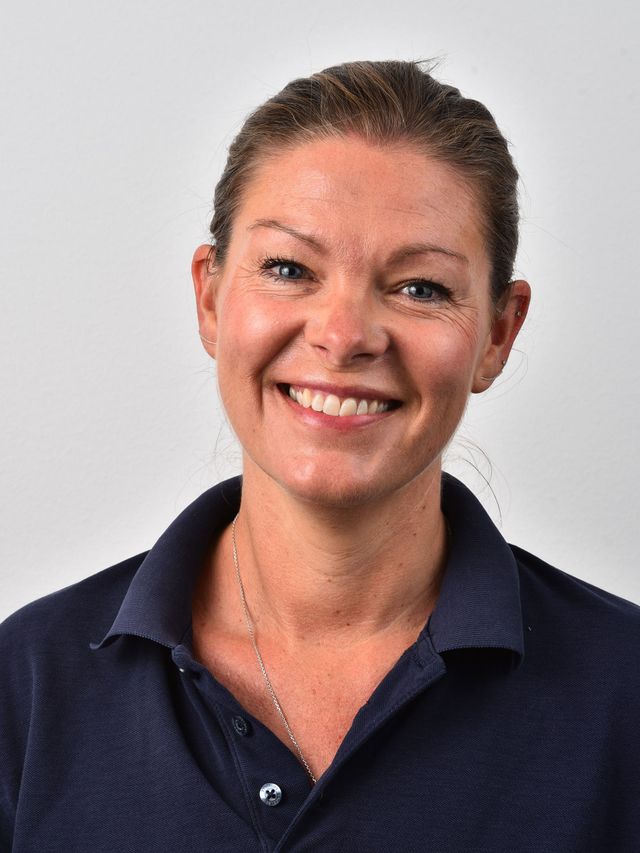
Clinical assistant
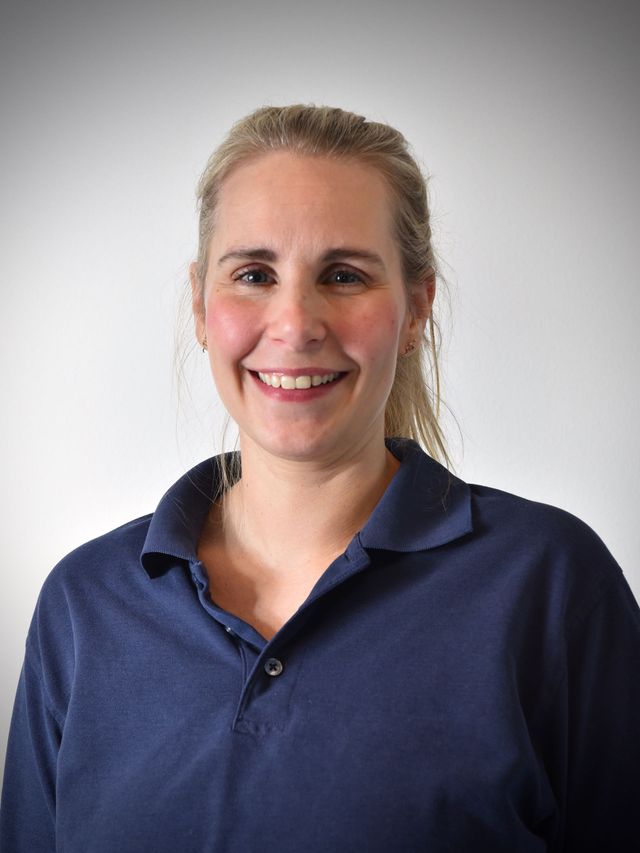
Clinical assistant
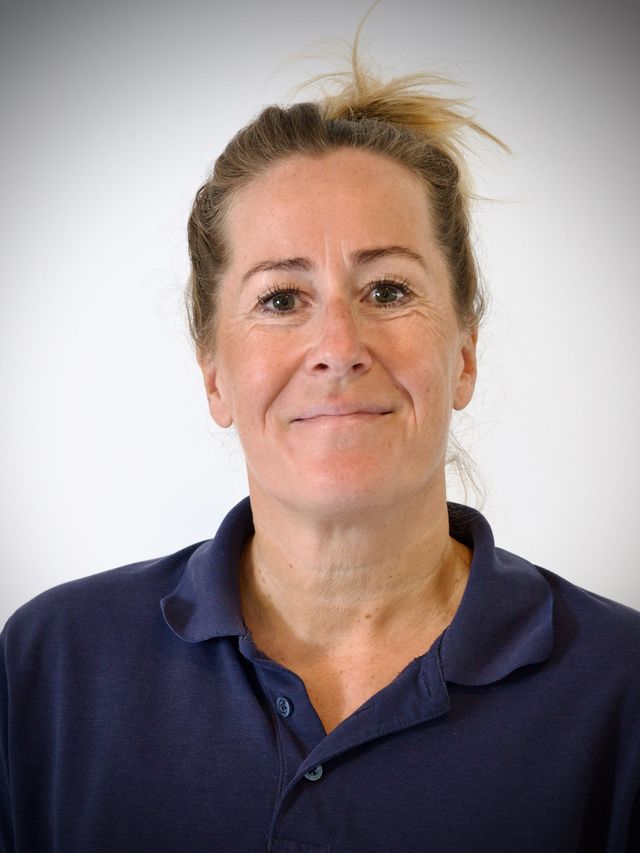
Reception and secretariat
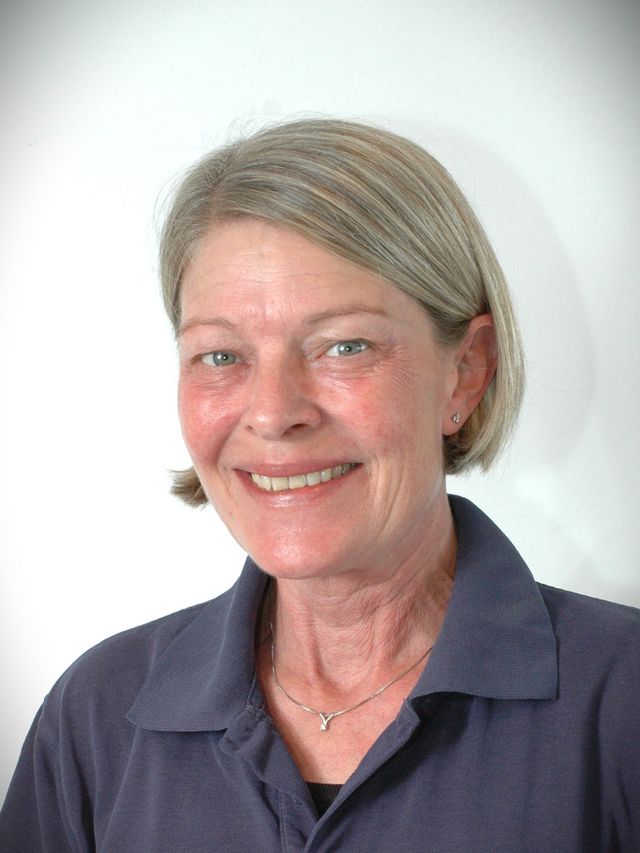
Reception and secretariat
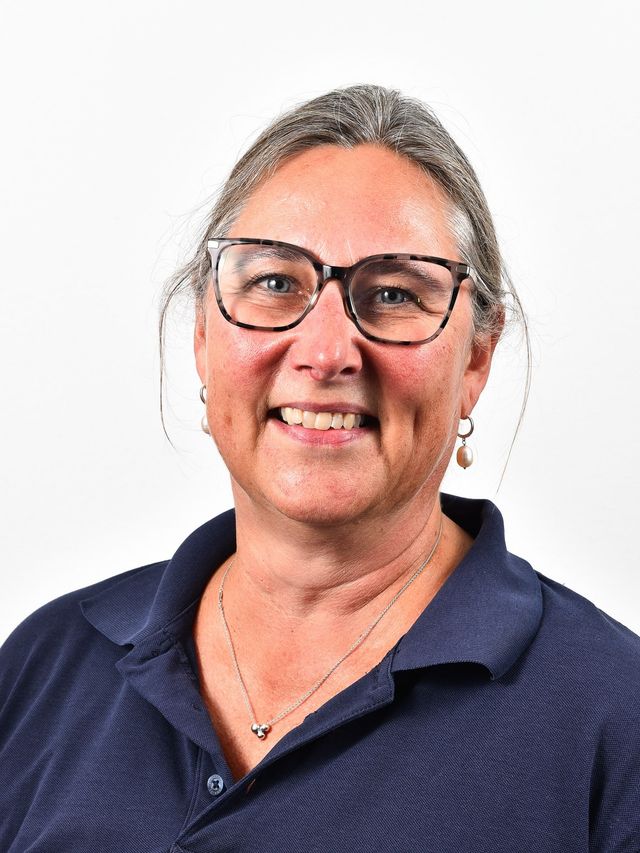
Reception and secretariat
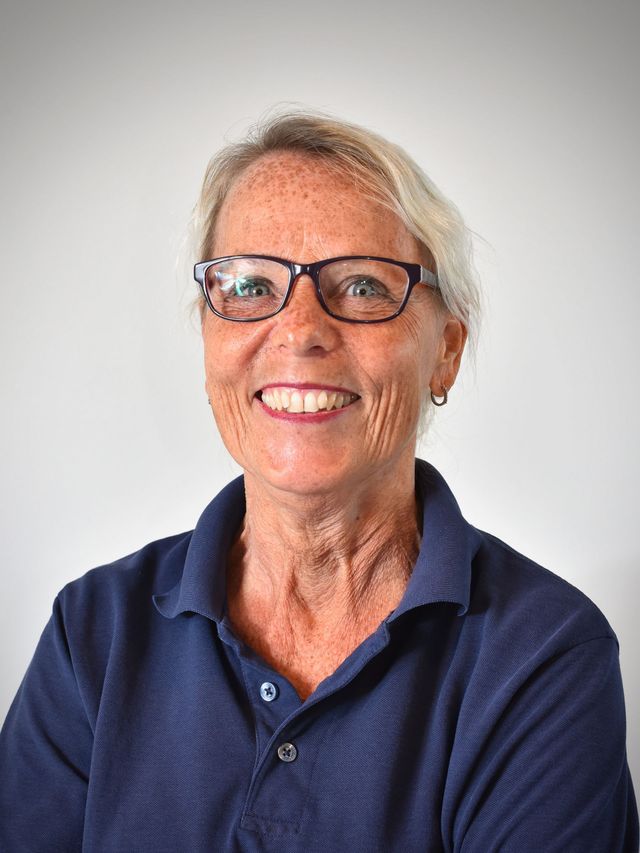
Reception and secretariat
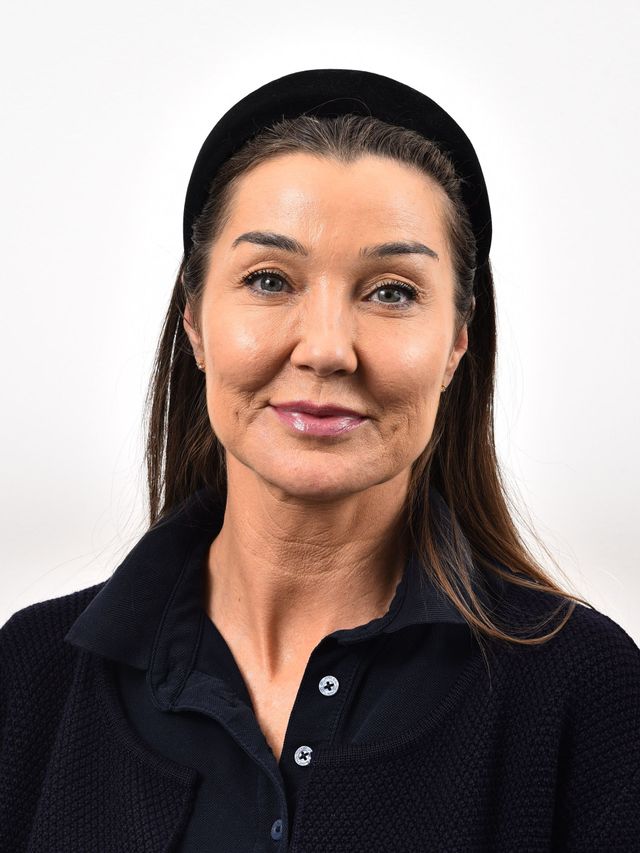
Reception and secretariat
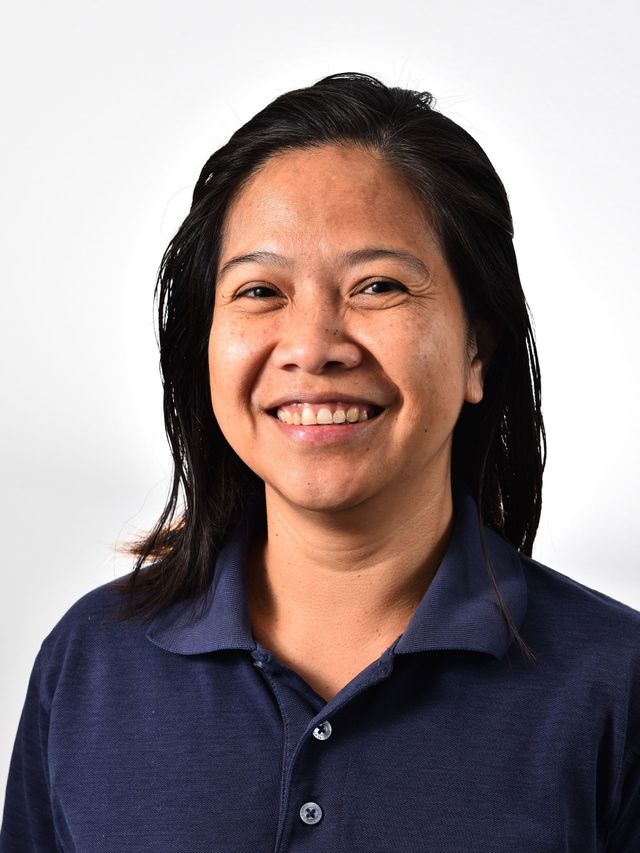
Service assistant
No one found. Try another name or choose "All".
Would you like to book an appointment with one of our specialists?
Book onlineJægersborg Allé 4
2920 Charlottenlund
CVR: 45675637
Monday–Friday, 08:00–14:00
Outside telephone hours, appointments can be booked, rescheduled and cancelled online 24/7.
Main department in Charlottenlund and ear, nose and throat departments at several locations across Denmark.