


Management
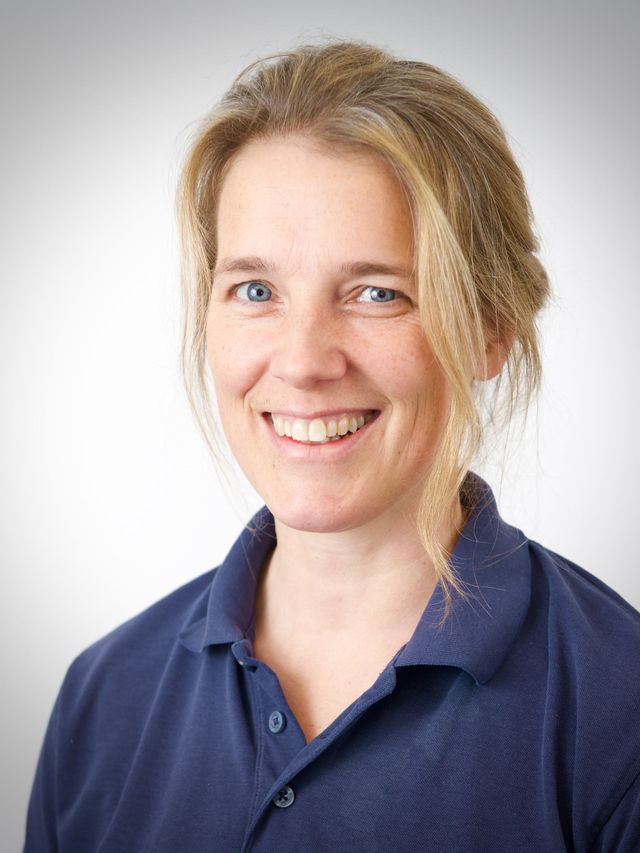
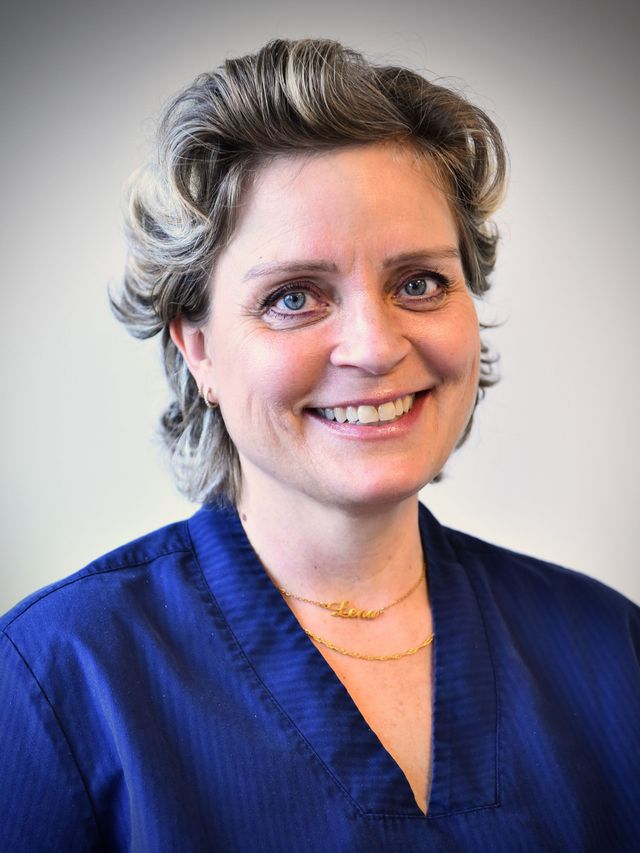
Erika Belard
Specialist physician and co-owner, CEO

Causes, examination and treatment by an ear, nose and throat specialist.
Ear pain is usually caused by infection of the middle ear or the outer ear canal. The pain can be very severe – for some as intense as a dental abscess – and affects both children and adults. Severe ear pain is a sign that something is wrong and should lead to a medical consultation. At Charlottenlund Privathospital, ear pain is examined and treated by specialists in ear, nose and throat diseases who examine the ear through an otoscope or ear microscope.
Pain in and around the ear is usually caused by an infection – either in the middle ear behind the eardrum or in the outer ear canal. Other causes include earwax, a foreign body in the ear canal, pressure changes when flying and diving, or pain radiating from the jaw joint, teeth or throat – for example after a tonsillectomy.
In acute middle ear infection, pus collects behind the eardrum. The eardrum bulges outwards and moves less, and the pressure causes severe pain. In an infection of the outer ear canal, the skin swells so that the canal narrows, and simply touching the ear hurts.

The specialist examines the ear through an otoscope or ear microscope. This shows whether the pain is caused by a middle ear infection, an infection of the ear canal, earwax, a foreign body or something else entirely, and whether there is discharge that needs to be cleaned out.
A pressure test (tympanometry) is often added, especially in children. It shows whether there is air, negative pressure or fluid behind the eardrum, and whether the eardrum moves normally. The test is quick and does not require the child to take part.
A hearing test is not done routinely for ear pain, but may be relevant – for example if hearing is reduced, or if there has been fluid behind the eardrum for some time. You do not need a referral to see an ear, nose and throat specialist.
Acute middle ear infection (acute otitis media) is an infection of the middle ear in which pus forms behind the eardrum. It often comes with a cold and is most common in young children, but adults can also get it. In most cases it clears up on its own, and in children over 6 months it is often possible to wait a few days with pain relief before antibiotics are considered (Ugeskr Læger 2025). Adults with acute middle ear infection, however, are always treated with antibiotics.
Otitis externa is an infection of the skin of the outer ear canal. It is seen especially in summer and after swimming in a pool or the sea, where moisture and bacteria can cause infection. The skin swells, the ear canal closes, and the pain can be very severe. Treatment is first and foremost cleaning of the ear canal and ear drops (Ugeskr Læger 2024).
After the examination, the specialist explains what is causing the pain and which treatment is needed. Treatment depends on the cause and varies from patient to patient.
For a middle ear infection, treatment may consist of pain relief and in some cases antibiotics. For repeated middle ear infections or long-lasting fluid behind the eardrum, grommets may be an option. If there has been discharge from the ear for a long time, the specialist checks for a hole in the eardrum or cholesteatoma.
For an infection of the ear canal, the canal is cleaned under the microscope, and a wick with medication may be placed in the ear canal if it is very swollen. The hospital has an operating theatre and anaesthesia, so procedures can be carried out under both local and general anaesthetic.

In young children, the Eustachian tube is shorter and more horizontal than in adults, which makes it easier for a cold to spread to the middle ear. Ear pain in young children is therefore very often caused by a middle ear infection, and the risk increases if the child has had it several times before. Much ear pain clears up on its own, but severe pain, pain lasting more than a couple of days, fever or discharge from the ear should be examined.
If a child has middle ear infections again and again, or fluid behind the eardrum for a long time, it may be relevant to look at chronic middle ear infection and enlarged adenoids.
Both children and adults with ear pain are examined and treated by specialists in ear, nose and throat diseases. As a self-paying patient you do not need a referral, and you can book online. Prices are shown in the price list.
The examination can also be covered by private health insurance, which usually requires prior approval from the insurer. Some treatments can also be carried out under the extended free choice of hospital.
Ear pain is examined by ear, nose and throat specialists in Charlottenlund and at the hospital's other departments, including on Zealand and Falster.
Answers to questions about ear pain in children and adults.
Ear pain is usually caused by infection of the middle ear or the outer ear canal. Other causes include earwax, a foreign body, pressure changes when flying, or pain radiating from the jaw, teeth or throat.
In a middle ear infection, the infection lies behind the eardrum and causes pressure and severe pain. In an ear canal infection (otitis externa), the skin of the ear canal is swollen and tender, and it usually hurts to touch the ear. It is often seen in summer after swimming.
No. The ear is examined through an otoscope or ear microscope, and especially in children a pressure test (tympanometry) is often added. A hearing test is not routine, but may be relevant, for example if hearing is reduced or if there has been fluid behind the eardrum for some time.
No. You do not need a referral to see a specialist in ear, nose and throat diseases. Self-paying patients can book online, while health insurers usually require prior approval.
In case of severe pain, pain lasting more than 1–2 days, fever, discharge from the ear, reduced hearing or swelling behind the ear. Ear pain that keeps coming back should also be examined.
Yes. Both children and adults with ear pain are examined and treated by ear, nose and throat specialists at Charlottenlund Privathospital.
Other pages about the ears:
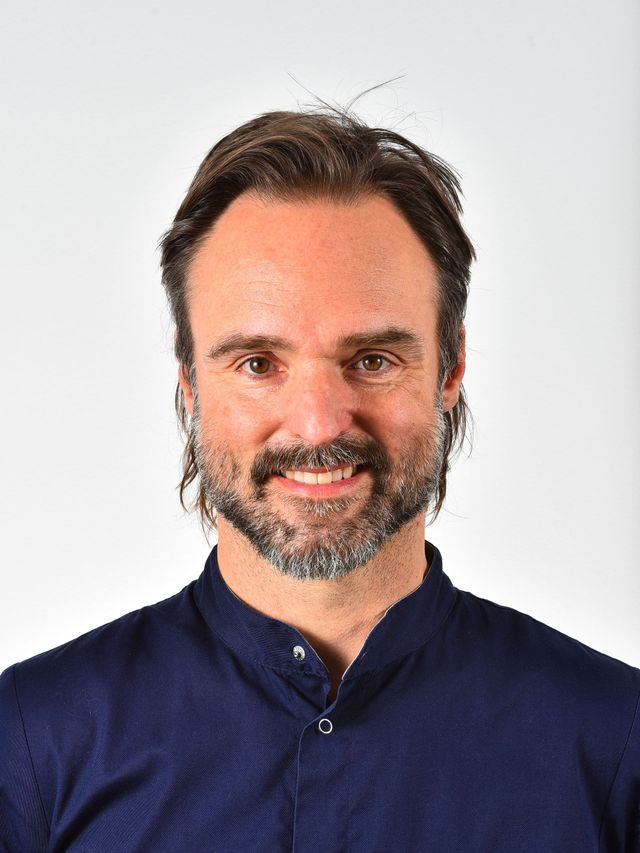
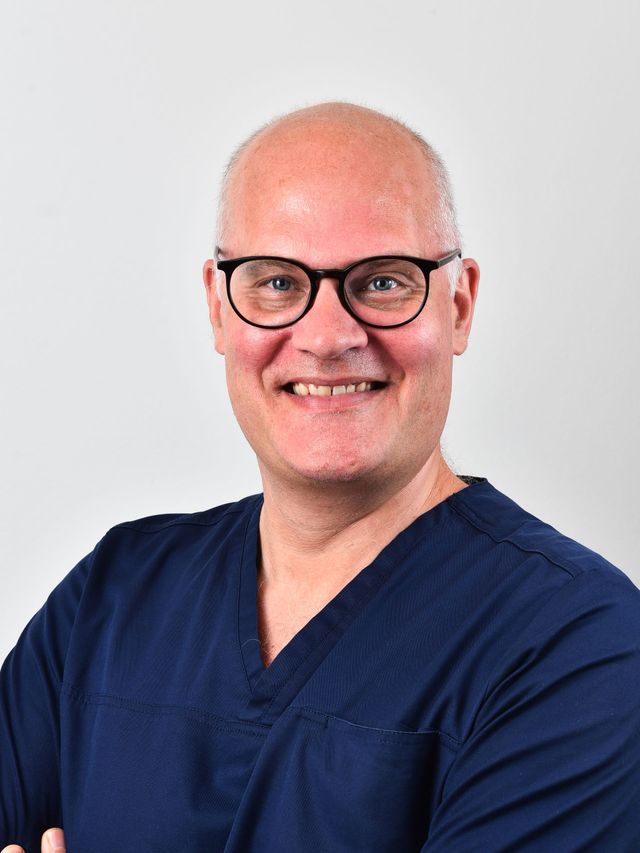
→ Chronic middle ear infection – fluid behind the eardrum → Grommets (ear tubes) – for repeated middle ear infections → Eustachian tube balloon dilation – ear pain when flying and diving → Ear diseases and ear surgery – all ear treatmentsCharlottenlund Privathospital is owned and run by three specialist physicians: Erika Belard, Jacob Fisker and Teit Mantoni. Jacob Fisker is medical director. Here you will find our ear, nose and throat (ENT) specialists in Charlottenlund and at our clinics around Denmark – and in Charlottenlund also specialists in paediatric surgery, dermatology, diving medicine, gynaecology, cardiology, paediatrics, psychology and rheumatology.
Specialist physician and co-owner, CEO

Specialist physician, co-owner and medical director

Specialist physician and co-owner
















Specialist in anaesthesiology

Specialist in anaesthesiology
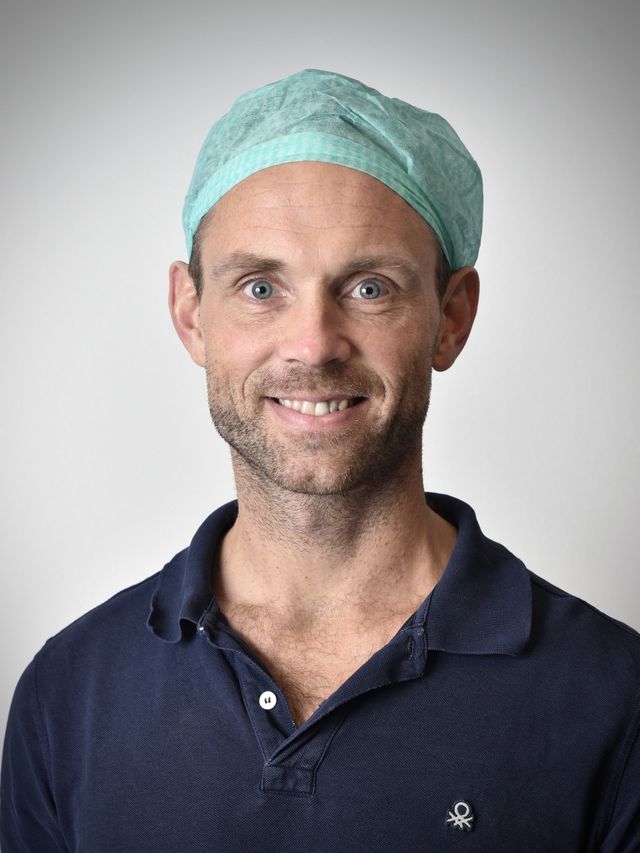
Specialist in anaesthesiology
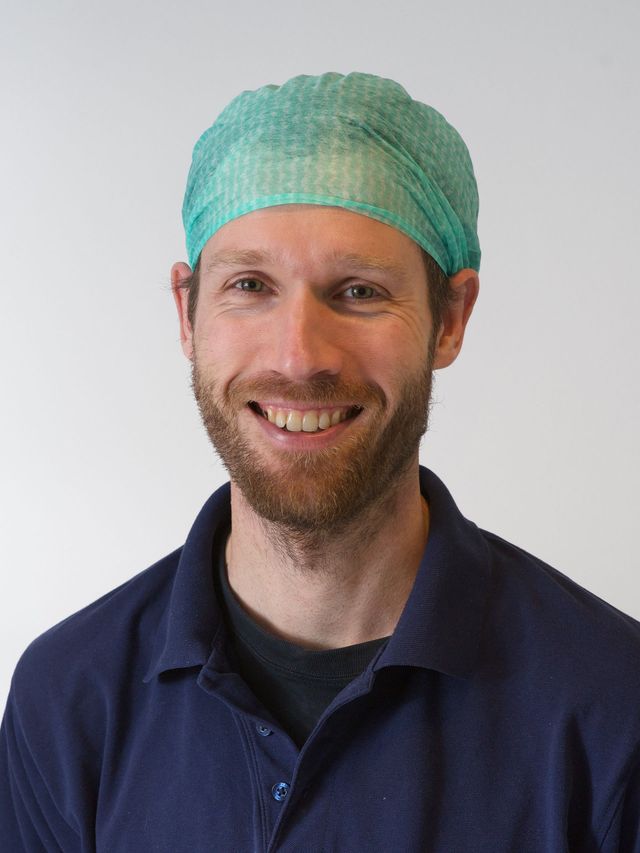
Specialist in anaesthesiology, DMSc, PhD
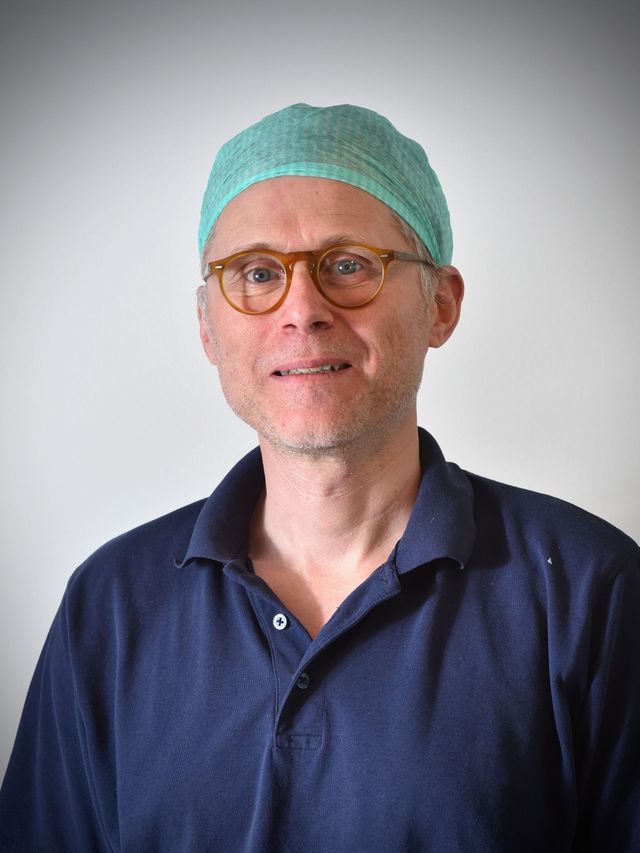
Specialist in anaesthesiology
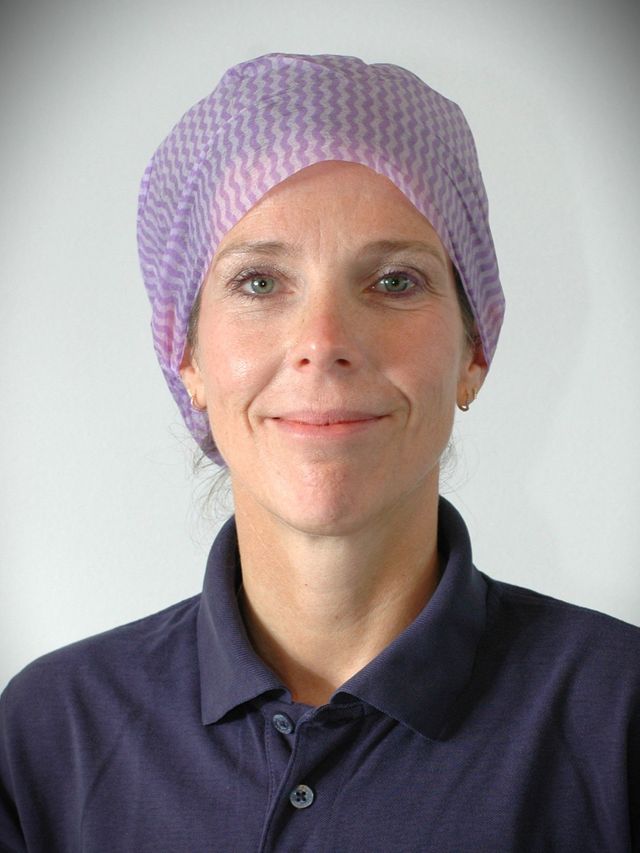
Specialist in anaesthesiology
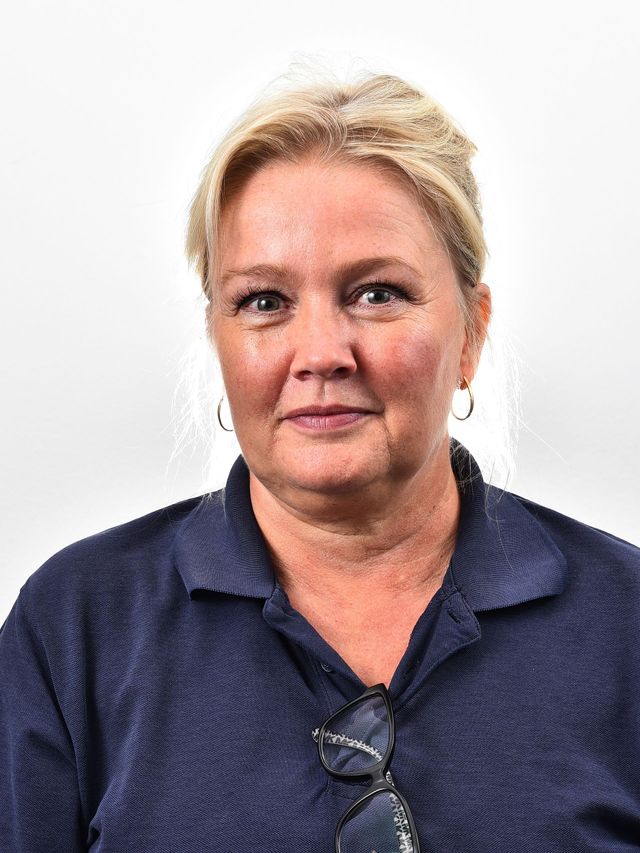
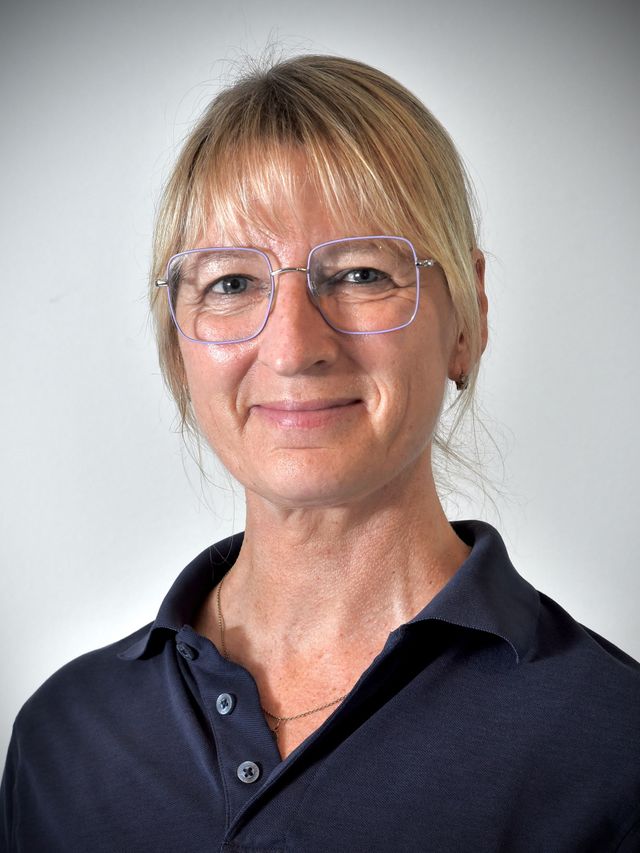

Specialist in anaesthesiology and diving medicine
Approved by the Danish Maritime Authority

Specialist in anaesthesiology and diving medicine
Approved by the Danish Maritime Authority
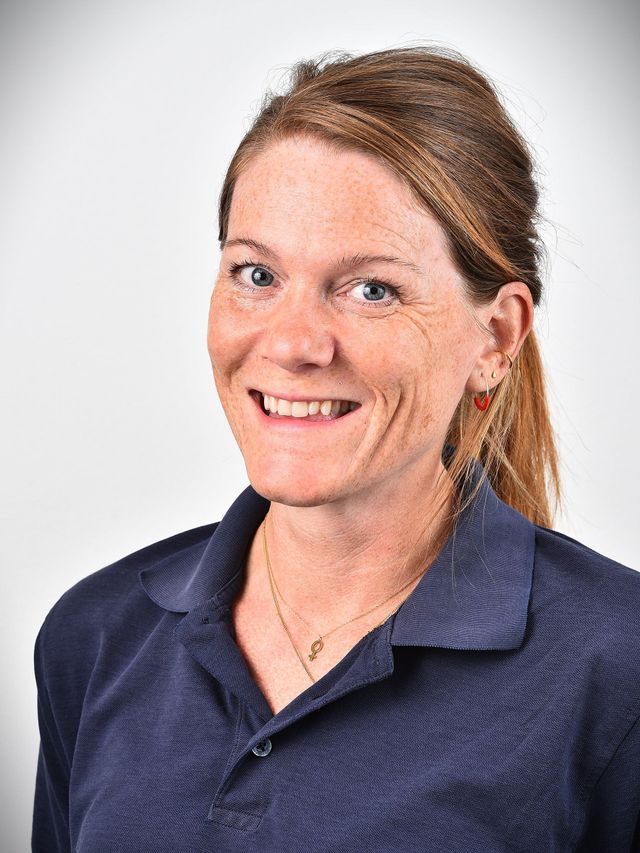
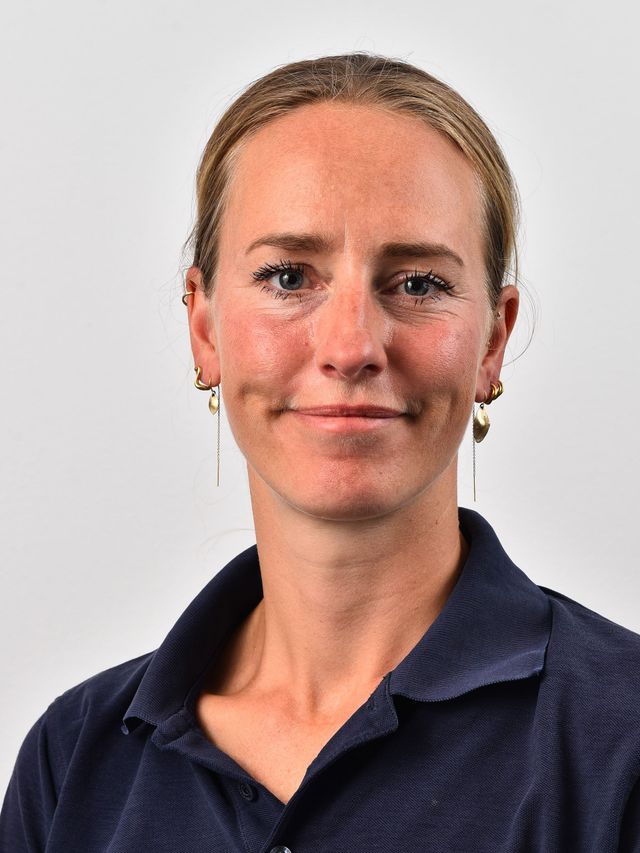







They are the people you meet first when you call or walk through the door – and the ones who look after you before and after your treatment.

Nurse

Nurse
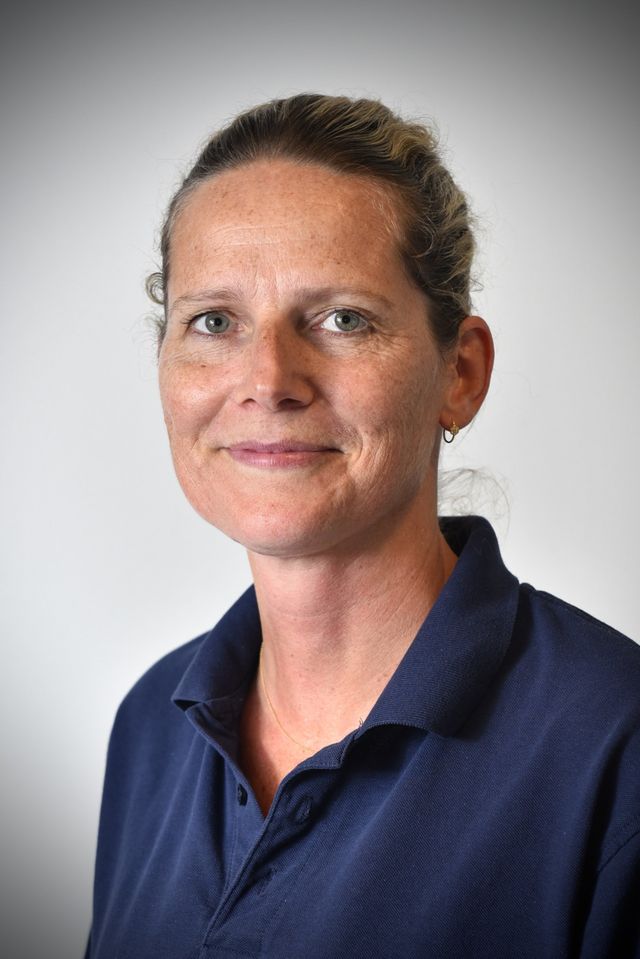
Nurse
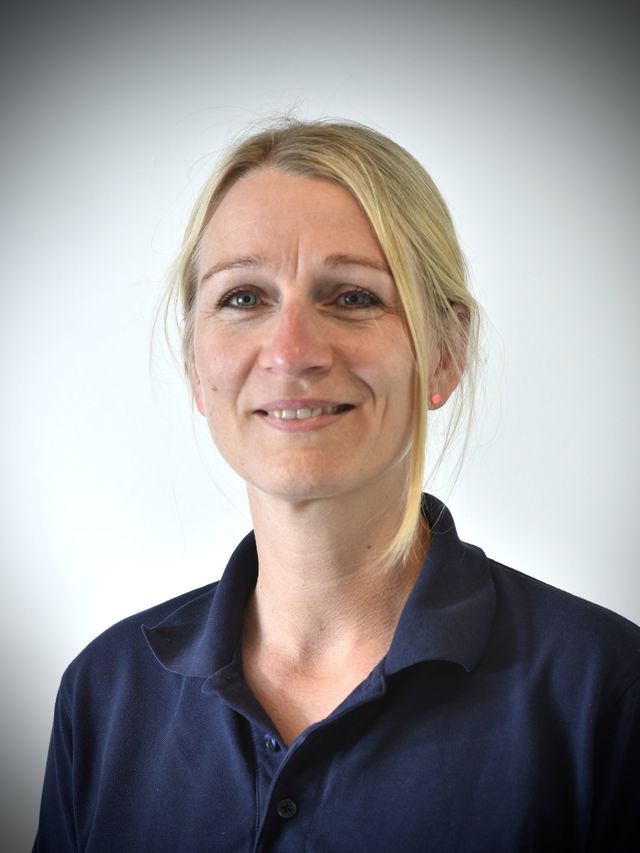
Nurse
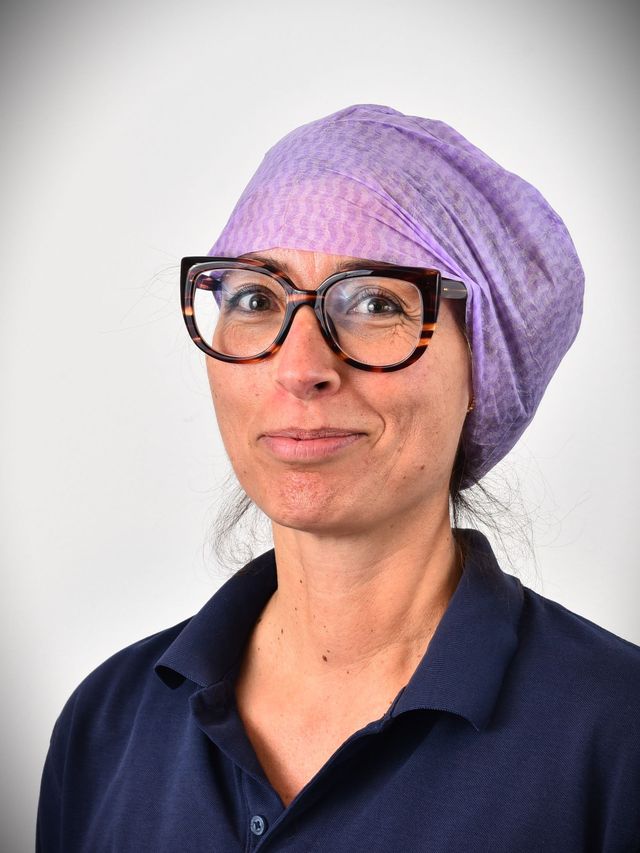
Nurse

Nurse

Clinical assistant

Clinical assistant

Clinical assistant
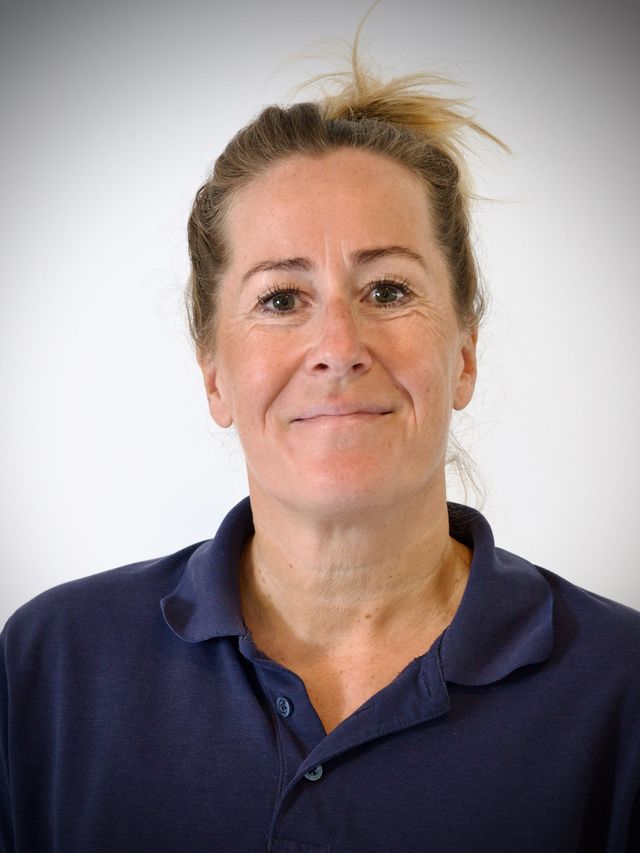
Reception and secretariat

Reception and secretariat

Reception and secretariat

Reception and secretariat

Reception and secretariat

Service assistant
No one found. Try another name or choose "All".
Would you like to book an appointment with one of our specialists?
Book onlineJægersborg Allé 4
2920 Charlottenlund
CVR: 45675637
Monday–Friday, 08:00–14:00
Outside telephone hours, appointments can be booked, rescheduled and cancelled online 24/7.
Main department in Charlottenlund and ear, nose and throat departments at several locations across Denmark.