

Management
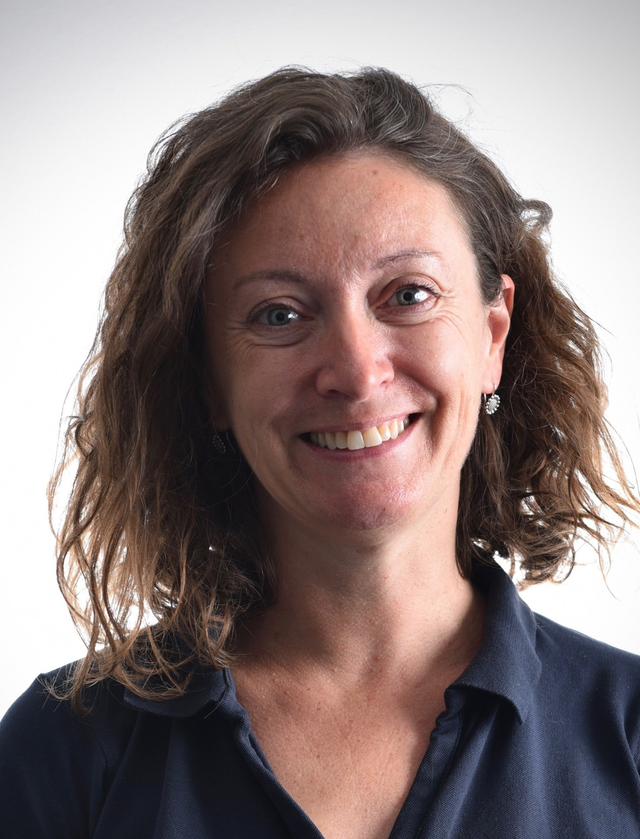
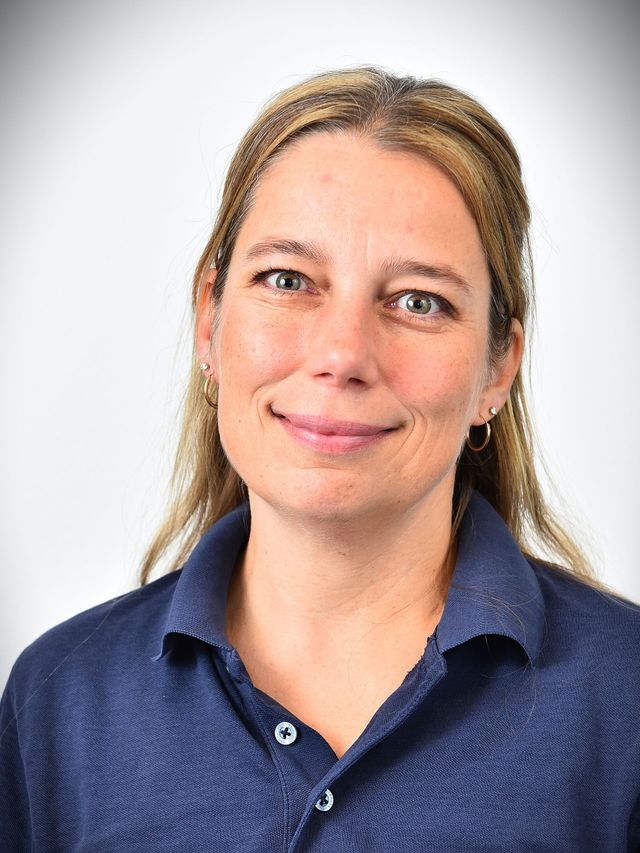
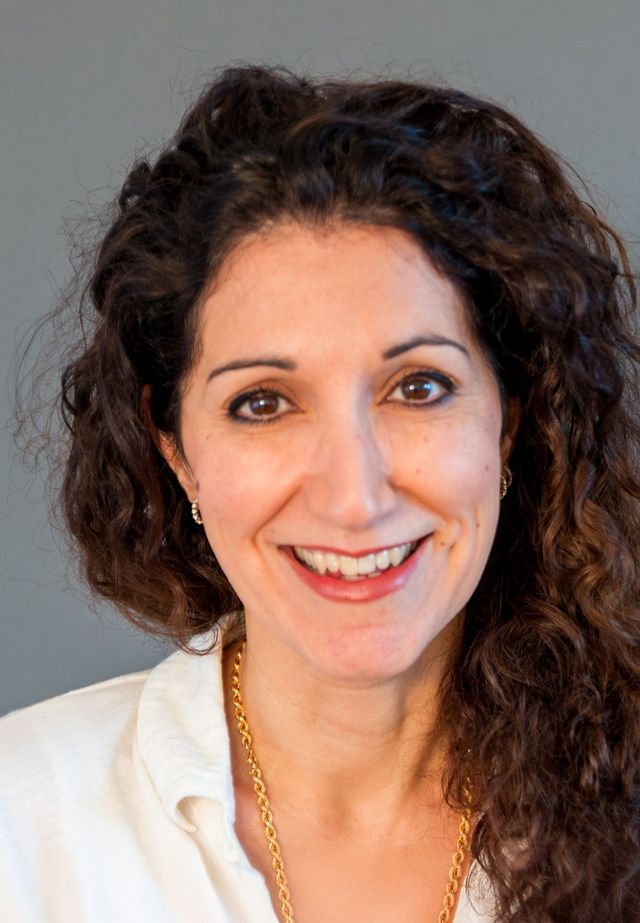
Erika Belard
Specialist physician and co-owner, CEO

When the ears cannot equalise pressure – for example when diving or flying.
The Eustachian tube connects the middle ear with the back of the nose and equalises the pressure in the ear. If the tube does not work, you cannot equalise – for example when diving or when a plane is landing – causing pain, a blocked sensation and reduced hearing. In adults, the tube can be widened with a small balloon passed up through the nose. The procedure is called balloon dilation of the Eustachian tube and is performed at Charlottenlund Privathospital under general anaesthetic by specialists in ear, nose and throat diseases.

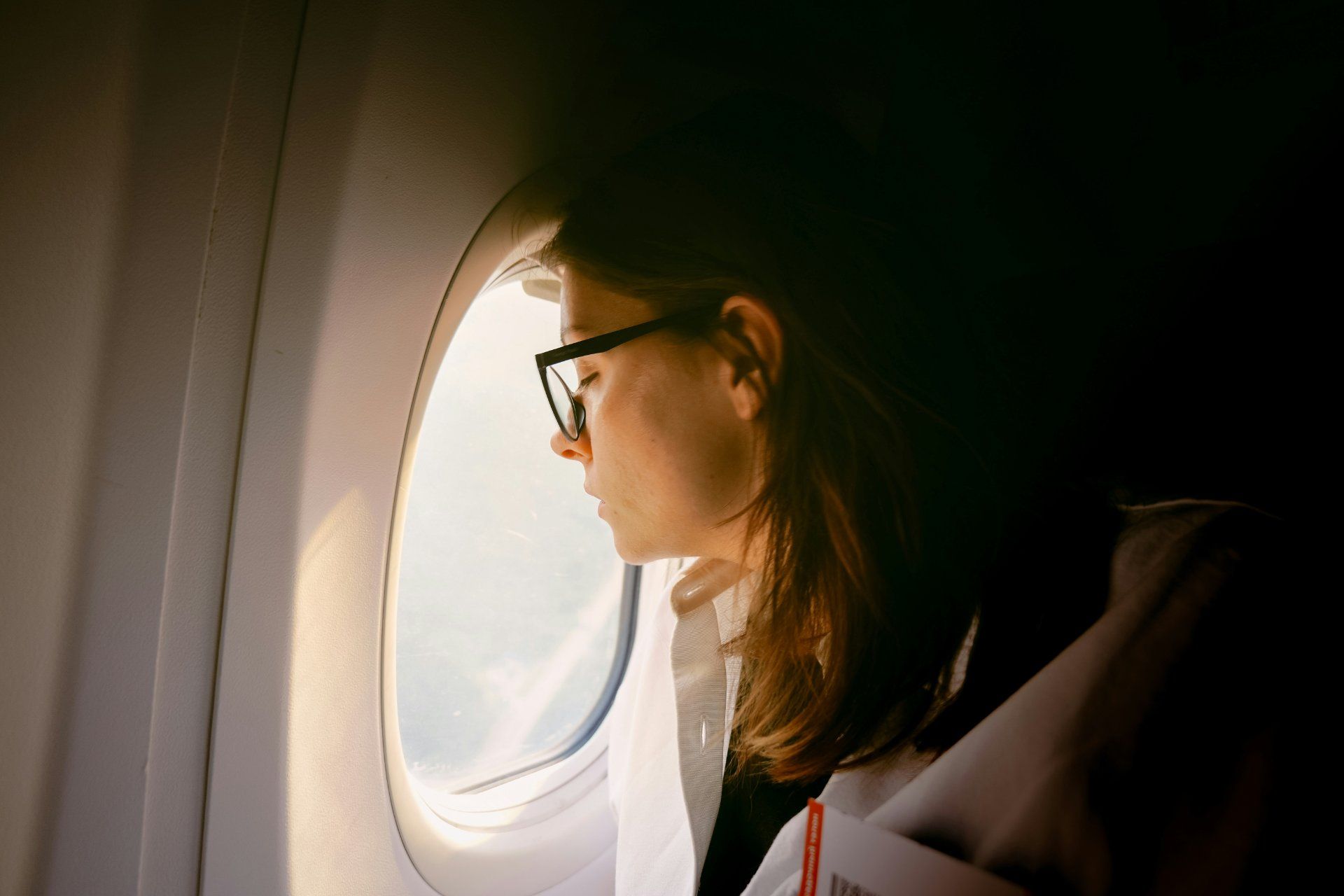
The middle ear is a small air-filled space behind the eardrum. When the surrounding pressure changes quickly, the Eustachian tube has to open so that the pressure on each side of the eardrum is equal. During a dive, the pressure rises within the first few metres below the surface, and divers have to equalise again and again on the way down. On a plane, cabin pressure falls as the aircraft climbs and rises again during the descent – which is usually when it hurts.
Most people can equalise by swallowing, yawning or pinching their nose and blowing gently with their mouth closed (the Valsalva manoeuvre). If it does not work, the eardrum is stretched, which can cause pain, fluid and small bleeds in the middle ear – a pressure injury. For some people, the symptoms last several days after a dive or a flight. Read more about ear pain.
The Eustachian tube is a narrow channel, about 3.5 cm long, running from the middle ear to the back of the nose. It is closed most of the time but opens briefly when you swallow, yawn or talk. Air can then pass into the middle ear and the pressure is equalised. The tube also drains mucus from the middle ear down into the throat.
If the tube is blocked, you feel pressure or a blocked sensation in the ear, reduced hearing and your own voice sounds distant or distorted. Many people think the ear canal is blocked by earwax because it feels similar. If the blockage lasts a long time, negative pressure and fluid build up in the middle ear, which can develop into chronic middle ear infection.
The problem often starts in childhood and can continue into adult life. In others it appears later, for example with allergy or a blocked nose, where the lining is swollen. The opposite can also happen: a tube that stays open all the time causes a booming sensation and an echo of your own voice and breathing. This is not treated with balloon dilation.
The procedure is done through the nose using a thin endoscope. The specialist guides a small balloon to the opening of the Eustachian tube at the back of the nose and into the soft, cartilaginous part of the tube. The balloon is inflated and held for about 2 minutes to widen the tube, then deflated and removed. There are no incisions, and the procedure takes about 30 minutes.
Charlottenlund Privathospital has deliberately chosen to perform balloon dilation only under general anaesthetic. The procedure is painful even when the lining of the nose is numbed with local anaesthetic. You also need to lie completely still for the balloon to be placed precisely in the tube – which is difficult to achieve under local anaesthetic. Movement during the procedure can lead to a poorer result.
Around 3 in 4 people benefit and can equalise again, so that diving and flying become possible without pain. In a Danish randomised trial, 9 of 13 treated patients benefited (Krogshede et al. 2022), and a 2025 systematic review found improvement in between about 30% and 80%, depending on how the effect was measured (Healthcare 2025). In some people the effect is not sufficient after the first treatment, and the procedure may need to be repeated.
Balloon dilation is offered to adults who have been unable to equalise for a long time and where nasal spray and equalisation exercises have not helped enough. Children are not offered balloon dilation at Charlottenlund Privathospital.
At the initial consultation, the specialist assesses whether the tube is blocked or, on the contrary, stays open – the latter is not treated with a balloon. The examination may also reveal another cause of the symptoms, such as fluid behind the eardrum, where grommets may be a solution, or a hole in the eardrum.
After balloon dilation, you need to equalise to keep the tube open. After an operation to close a hole in the eardrum (tympanoplasty), however, you must avoid equalising and must not blow your nose, so that the new eardrum can heal. The two procedures are therefore never done in the same operation. Read about closing a hole in the eardrum.
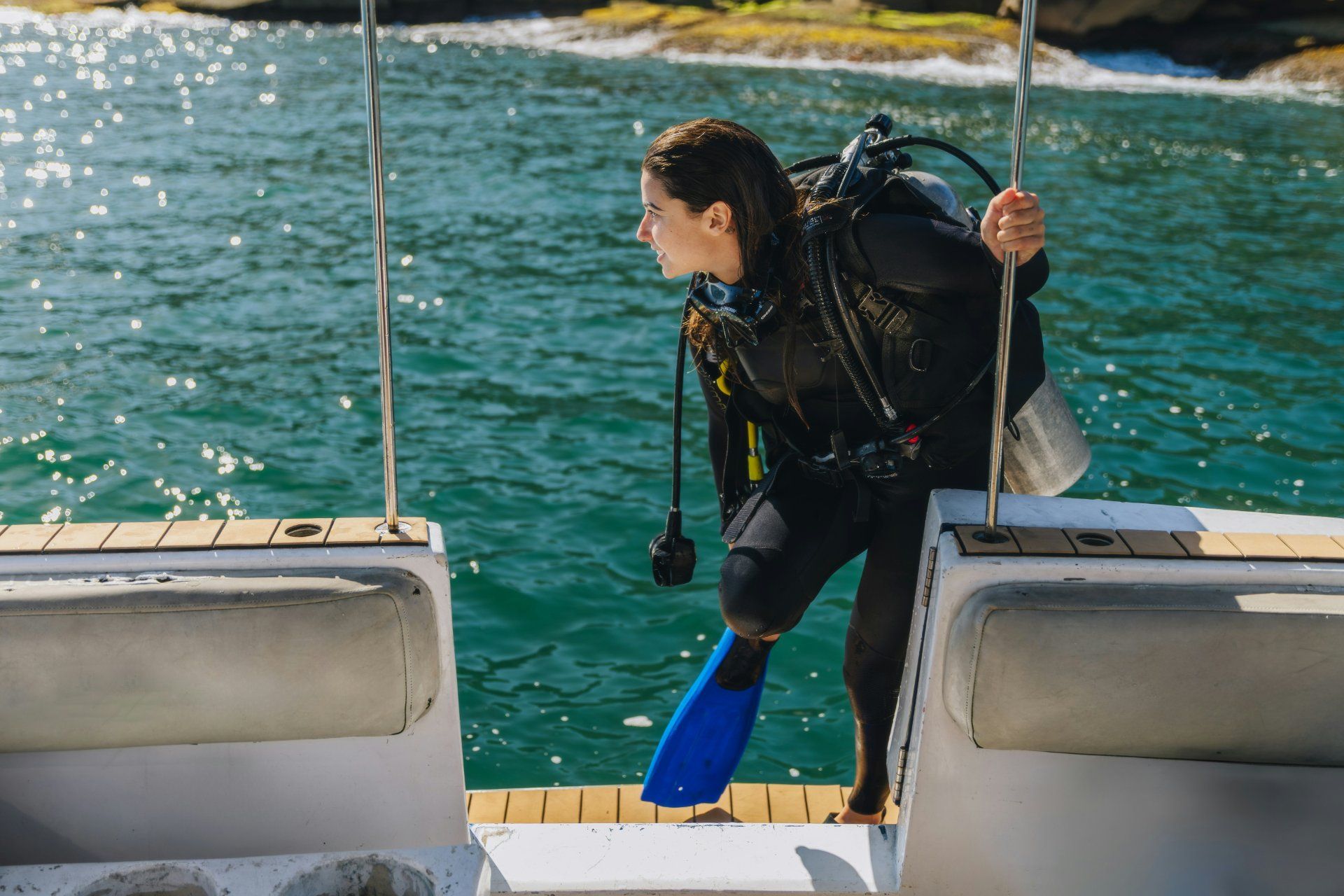
Divers are the largest group having balloon dilation at Charlottenlund Privathospital, but pilots, cabin crew and frequent flyers also come for help. After successful treatment, many are able to dive again or fly without pain. In an American study of military divers and aviators, 12 of 13 were able to return to duty after the procedure (Labanc et al. 2020).
When you can dive again is assessed at the follow-up about 2 months after the procedure. Charlottenlund Privathospital also offers diving medicine, where divers can get a diving medical certificate, and aviation medicine for pilots and cabin crew.
Before the operation, you use a prescription steroid nasal spray for 2 weeks to calm the lining of the nose. It is a good idea to have ordinary over-the-counter painkillers at hand, as some people have mild pain for the first few days.
After the operation, you are given preventive antibiotics for a week, a decongestant nasal spray for a week and a steroid nasal spray for 2 months. Tenderness and pressure in the ears are common at first.
For the first 2 days after the operation, you should not equalise. After that, you should equalise every day until the follow-up about 2 months later – it helps keep the tube open, and your own effort affects the result.
Balloon dilation is performed by specialists in ear, nose and throat diseases and always under general anaesthetic. The procedure is offered to adults only. As a self-paying patient, you do not need a referral for the initial consultation, and you can book online. Prices are shown in the price list.
The procedure may in some cases be covered by private health insurance. Balloon dilation is no longer covered by the extended free choice of hospital for residents of the Capital Region of Denmark. Residents of the other regions who have been referred to a public hospital with a waiting time can in many cases be treated at Charlottenlund Privathospital at no cost – talk to the patient advisor at the hospital about the options.
Answers to questions about Eustachian tube dysfunction and balloon dilation.
A blocked or booming feeling in the ears can be caused by the Eustachian tube being wide open (patulous Eustachian tube) or closed, creating negative pressure in the middle ear. The specialist measures the pressure in the middle ear and can then see what is causing the symptoms. If they are caused by negative pressure that does not equalise when you swallow, balloon dilation may be an option.
When the plane descends, the cabin pressure rises, and the Eustachian tube has to open for the pressure in the middle ear to be equalised. If the tube does not work, pain occurs, and fluid and small bleeds in the eardrum may develop. In the worst case, the eardrum can burst.
Many who previously could not equalise are able to start or continue diving after successful balloon dilation. This is assessed at the follow-up after about two months.
For the first 2 days after balloon dilation, you should not equalise. After that, you should equalise every day until the follow-up about 2 months later. The tube is swollen at first, so it may take a while before it works.
The procedure is painful despite local anaesthetic, and you need to lie completely still for the balloon to be placed precisely. Charlottenlund Privathospital has therefore chosen to perform balloon dilation only under general anaesthetic. This gives the best conditions for a good result.
Residents of the Capital Region of Denmark cannot have balloon dilation through the extended free choice of hospital. Residents of the other regions can ask the patient advisor at the hospital they have been referred to for an onward referral to Charlottenlund Privathospital at no cost.
Other pages about the ears:
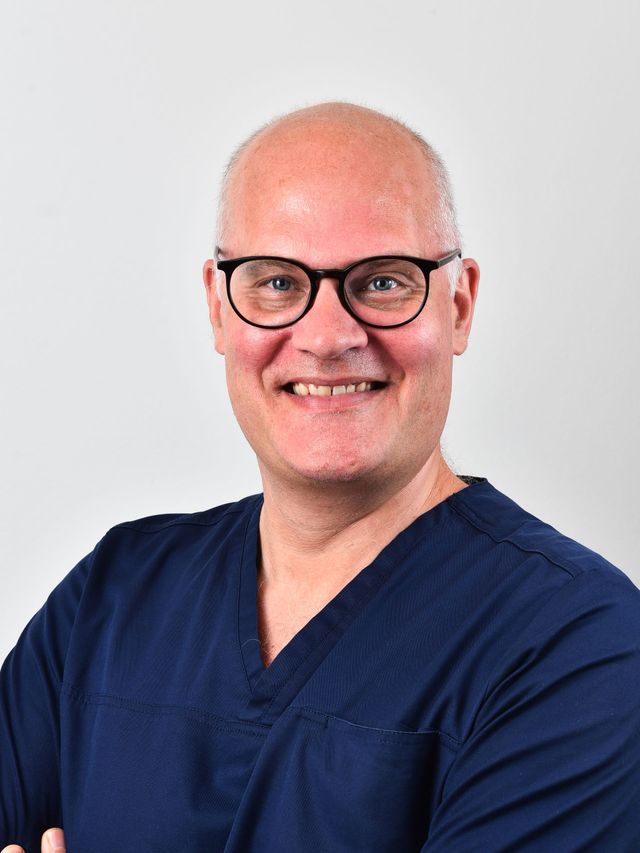
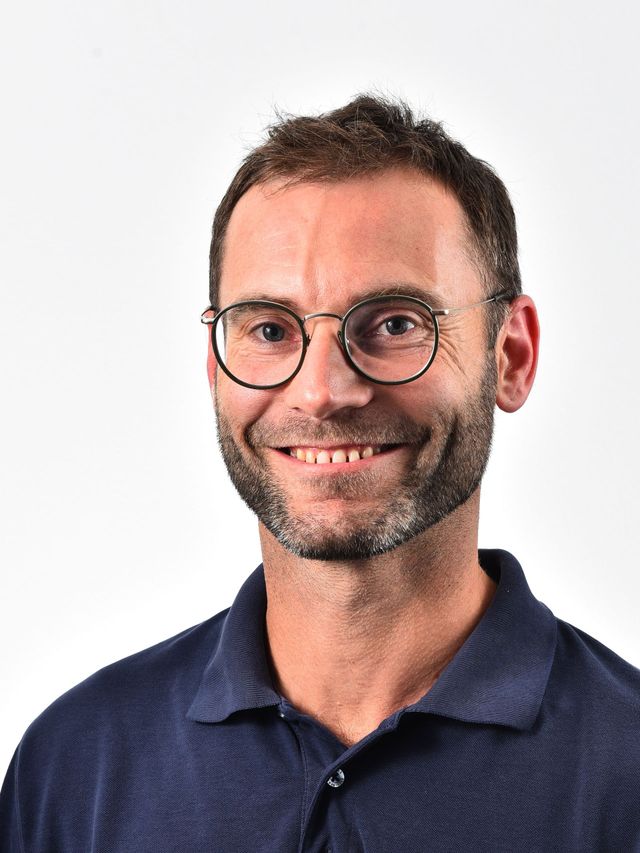
→ Ear pain – causes and treatment → Chronic middle ear infection – fluid behind the eardrum → Grommets (ear tubes) – when the middle ear is not ventilated → Diving medicine – examination of diversCharlottenlund Privathospital is owned and run by three specialist physicians: Erika Belard, Jacob Fisker and Teit Mantoni. Jacob Fisker is medical director. Here you will find our ear, nose and throat (ENT) specialists in Charlottenlund and at our clinics around Denmark – and in Charlottenlund also specialists in paediatric surgery, dermatology, diving medicine, gynaecology, cardiology, paediatrics, psychology and rheumatology.
Specialist physician and co-owner, CEO
Specialist physician, co-owner and medical director
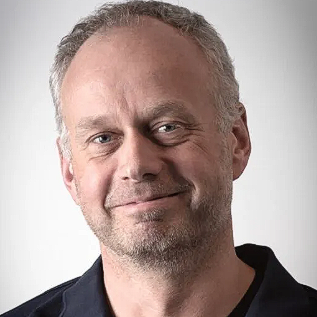
Specialist physician and co-owner
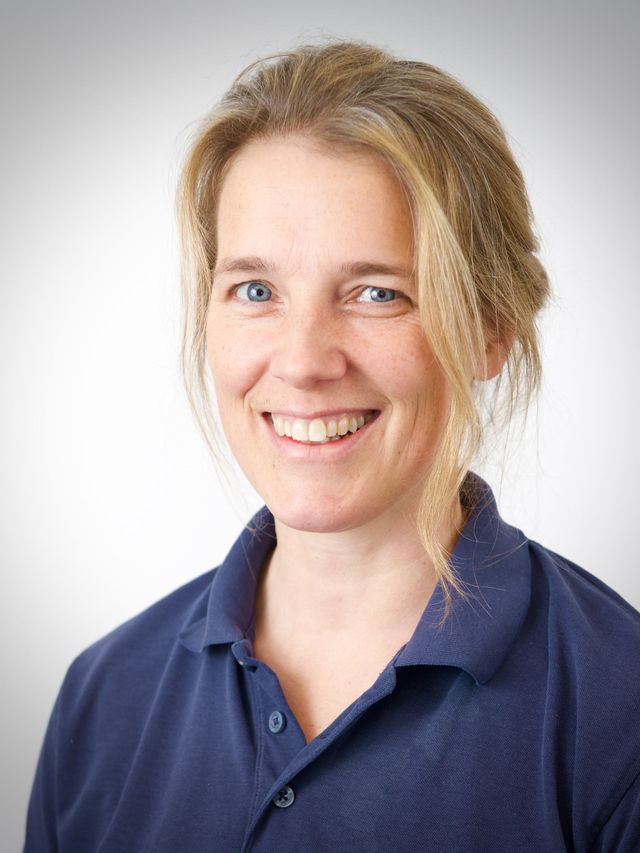
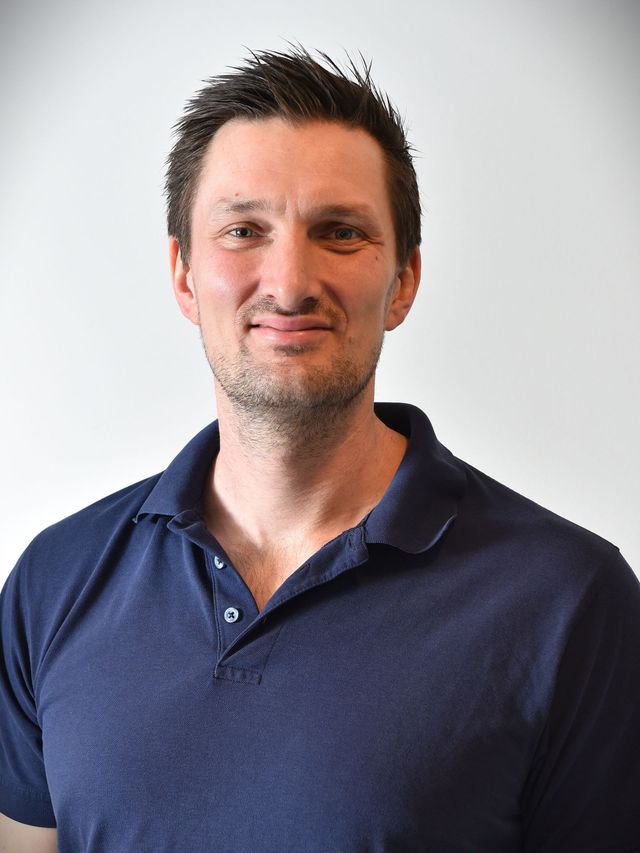
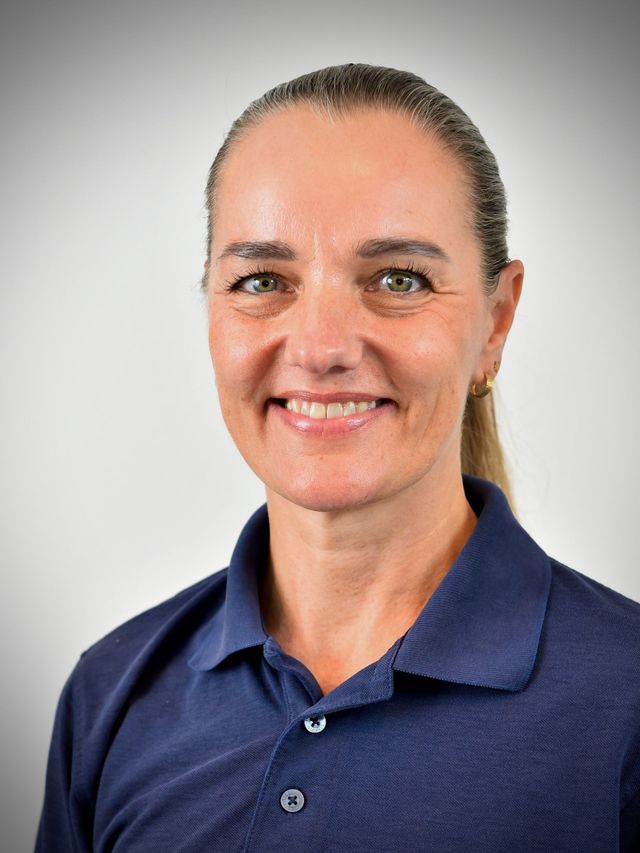
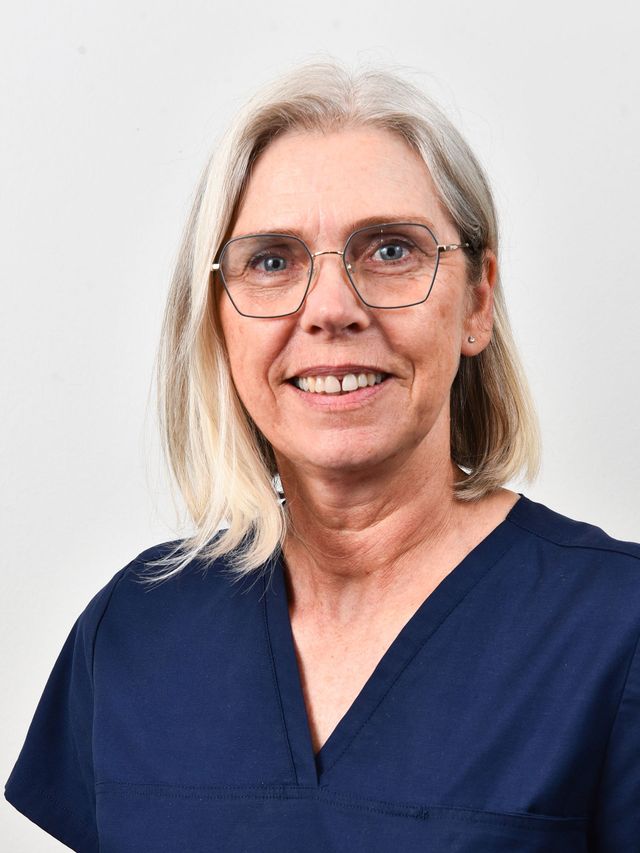
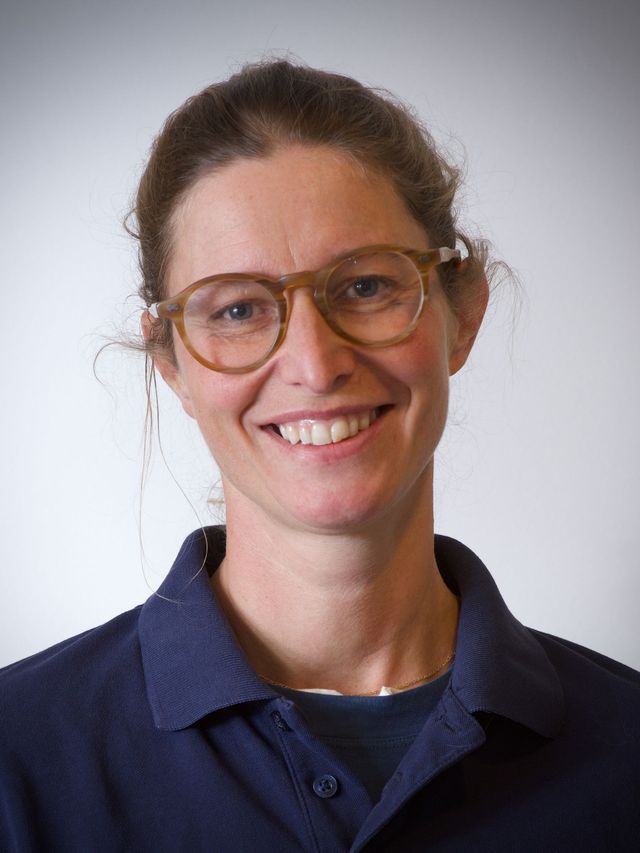
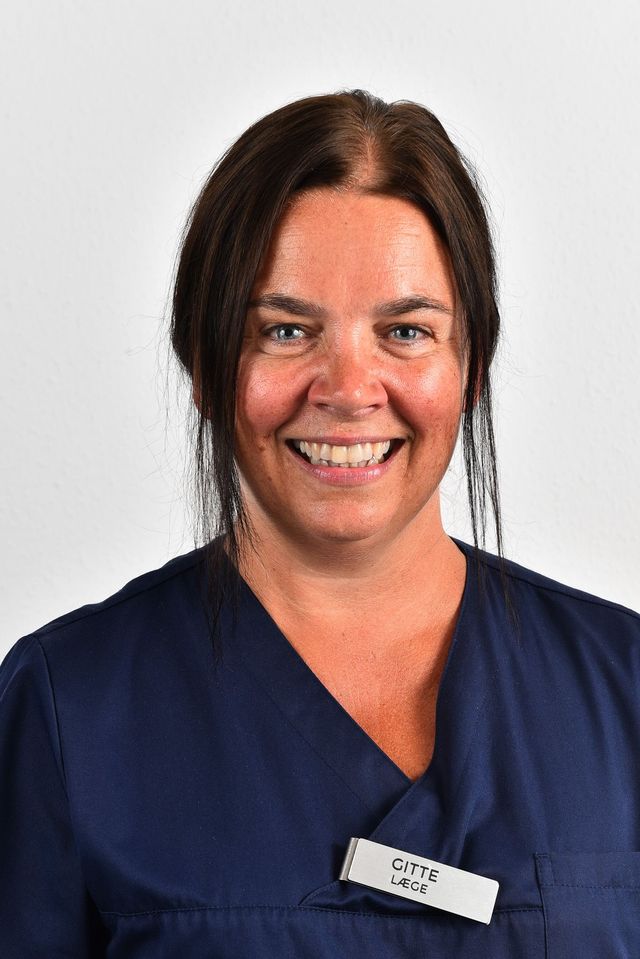
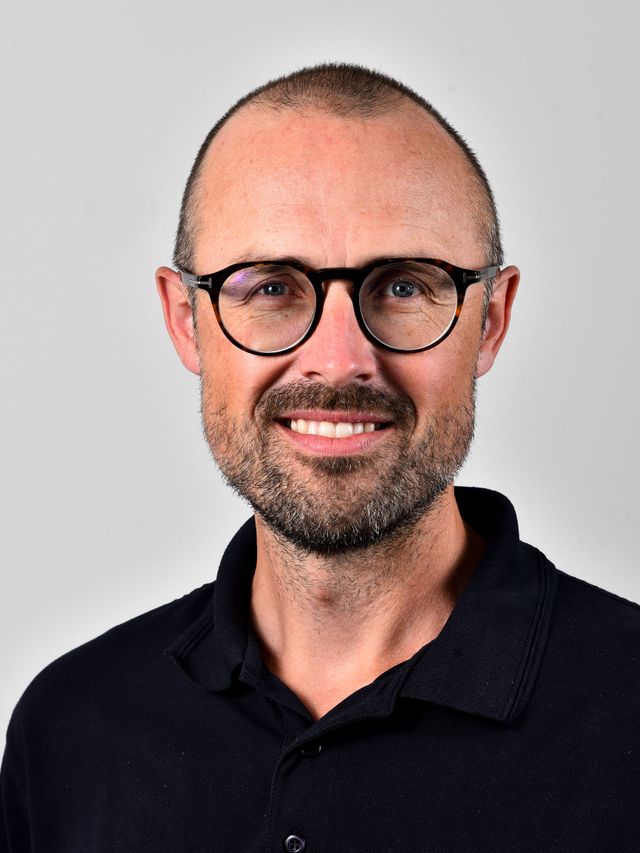
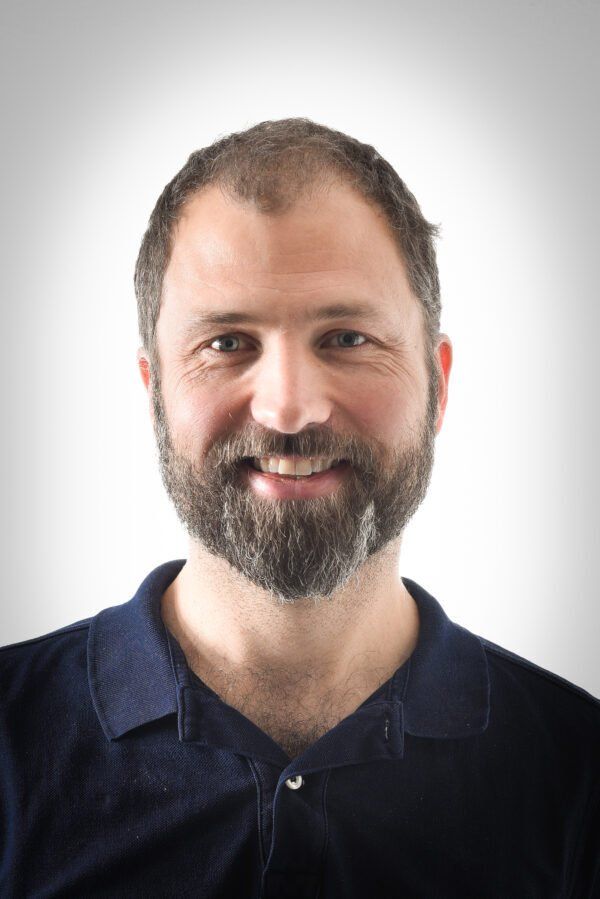
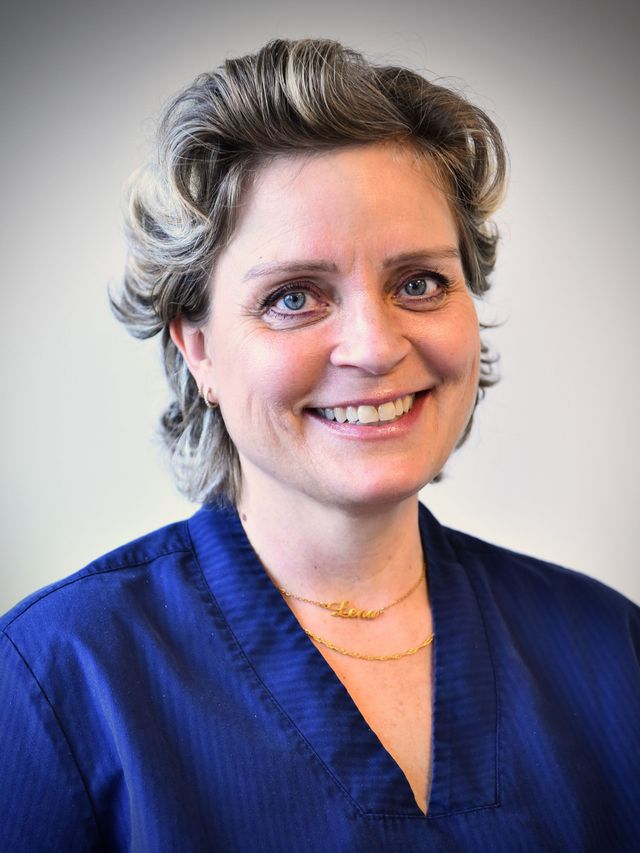
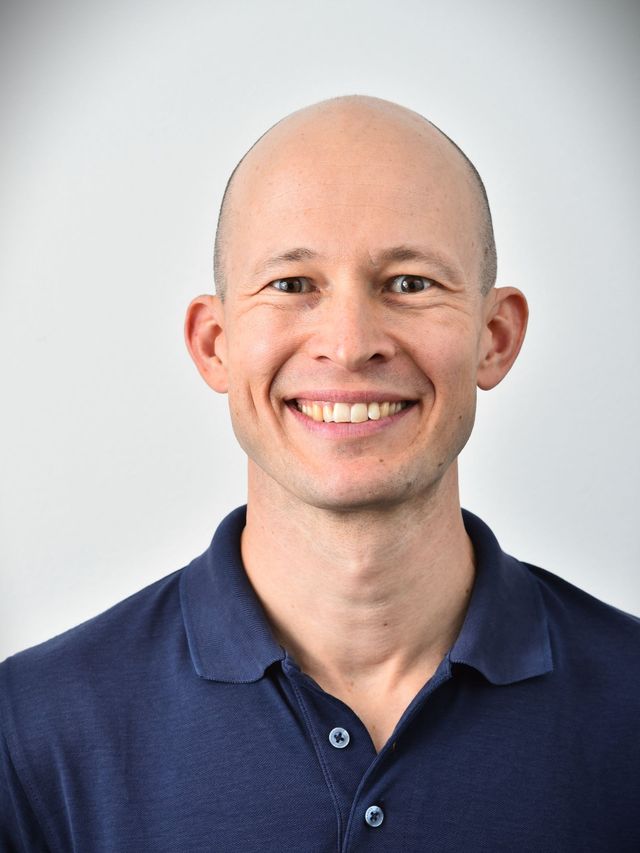
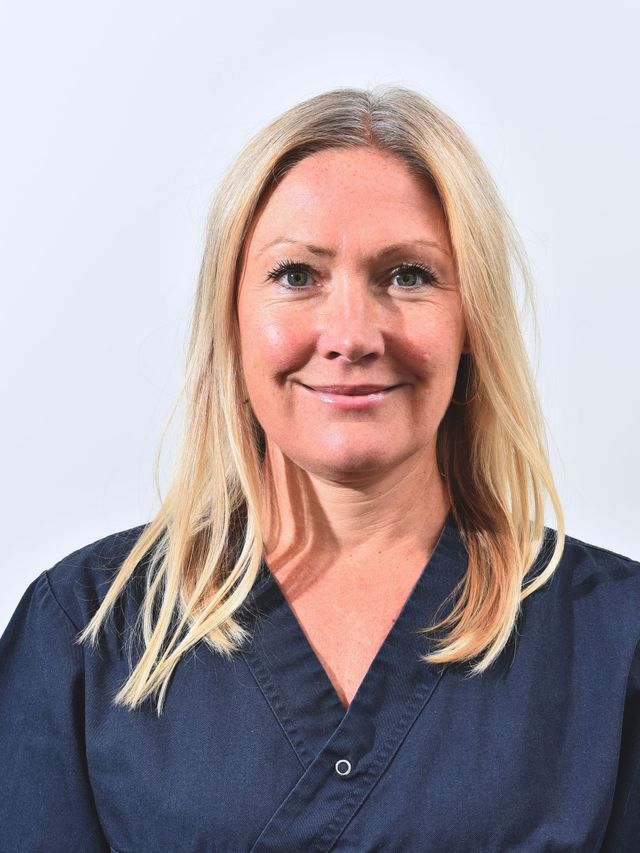
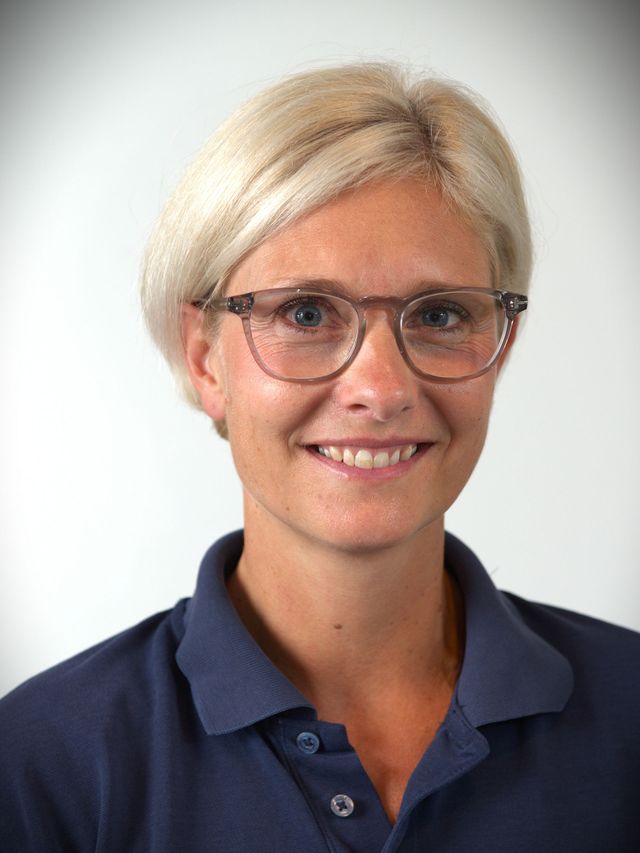
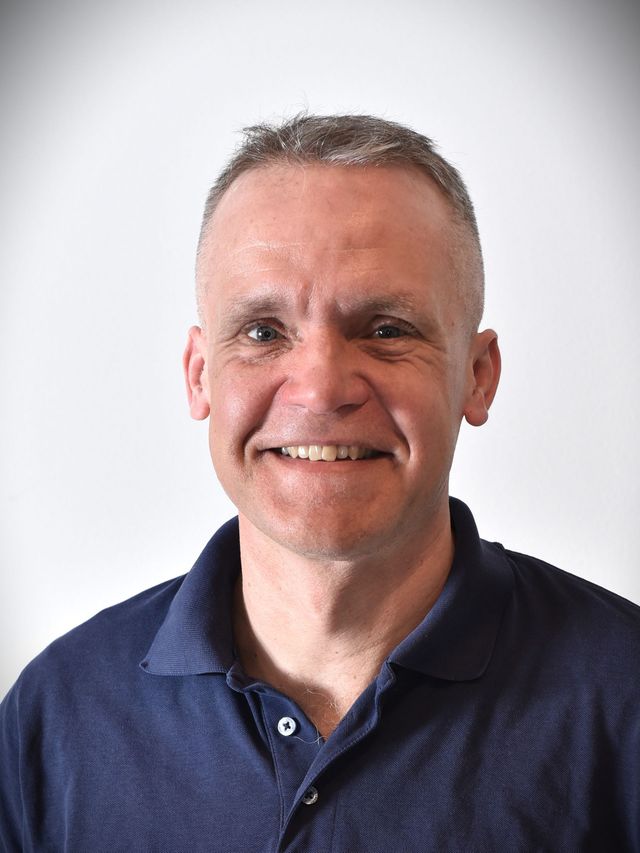
Specialist in anaesthesiology
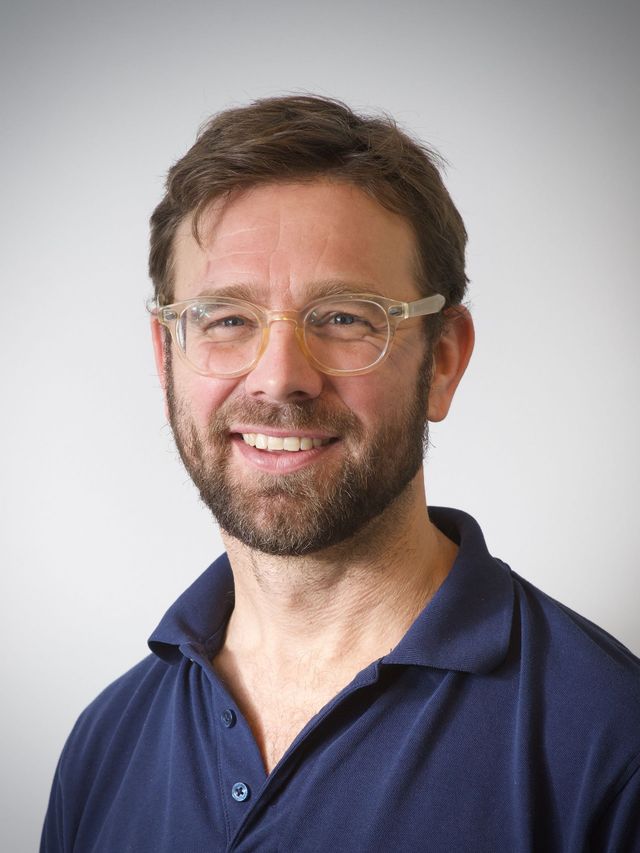
Specialist in anaesthesiology
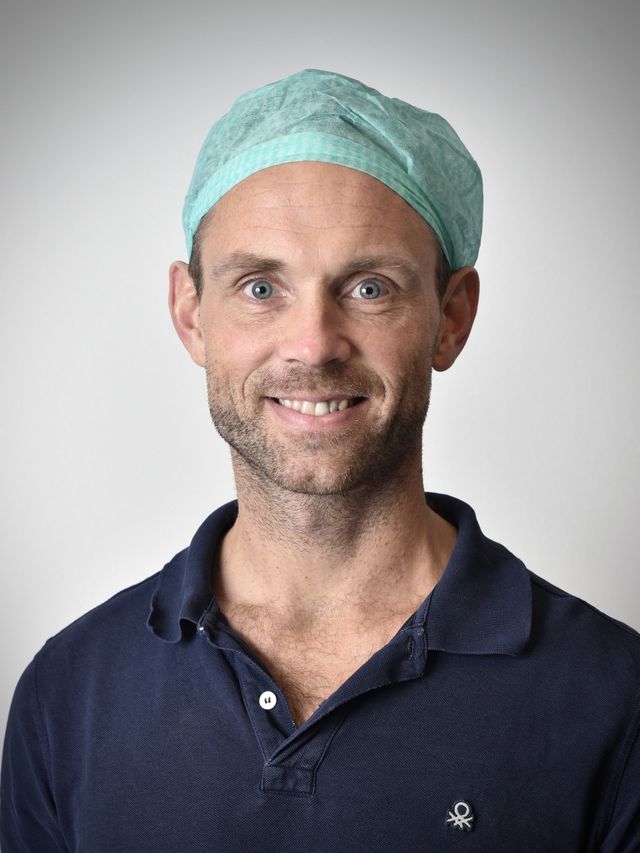
Specialist in anaesthesiology
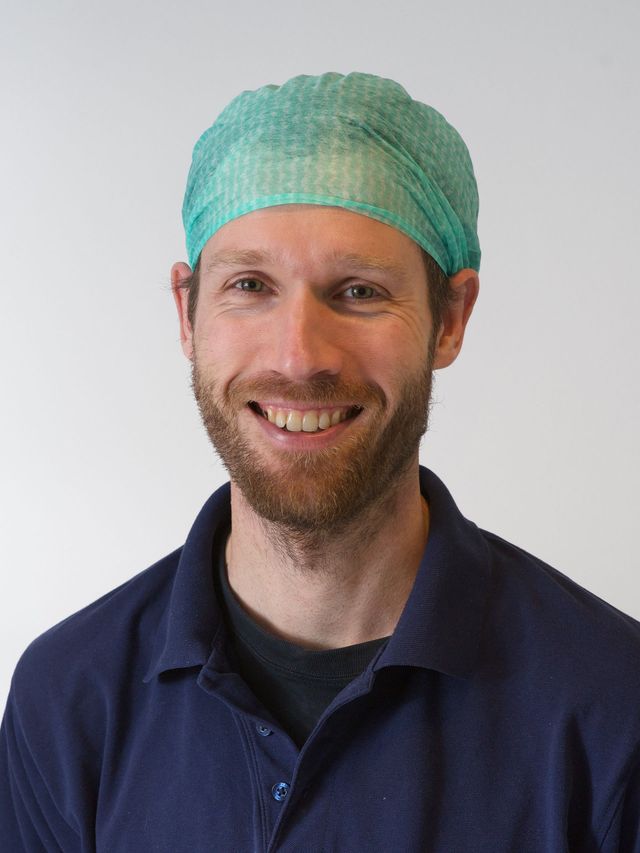
Specialist in anaesthesiology, DMSc, PhD
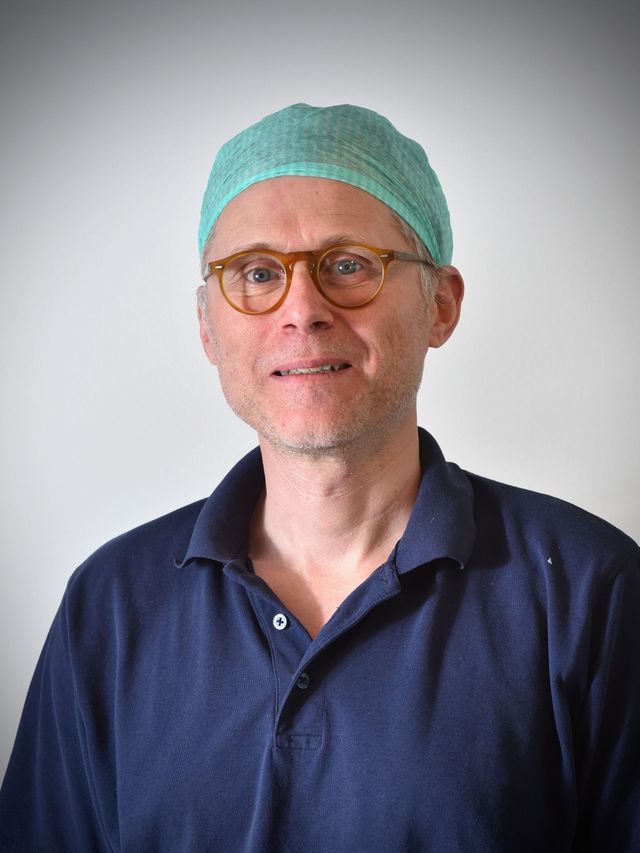
Specialist in anaesthesiology
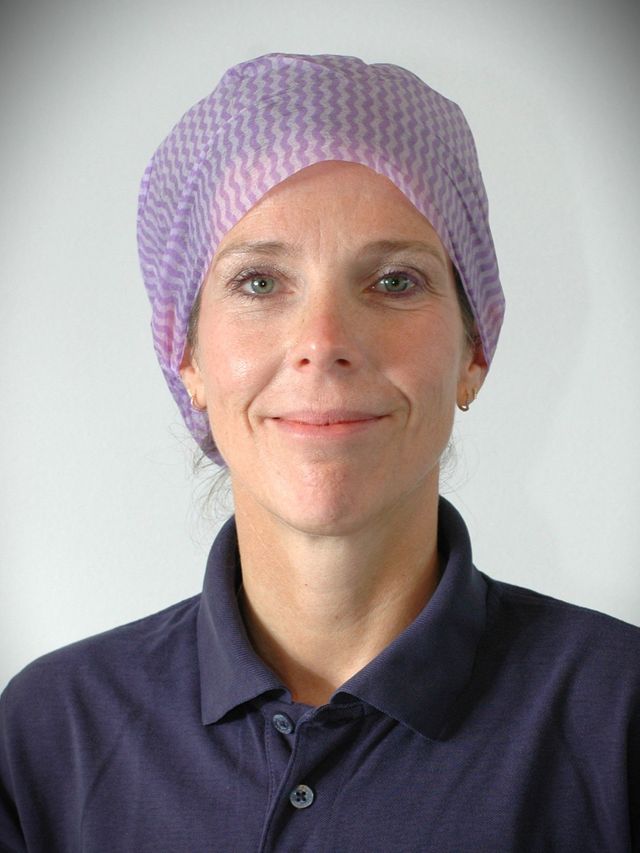
Specialist in anaesthesiology
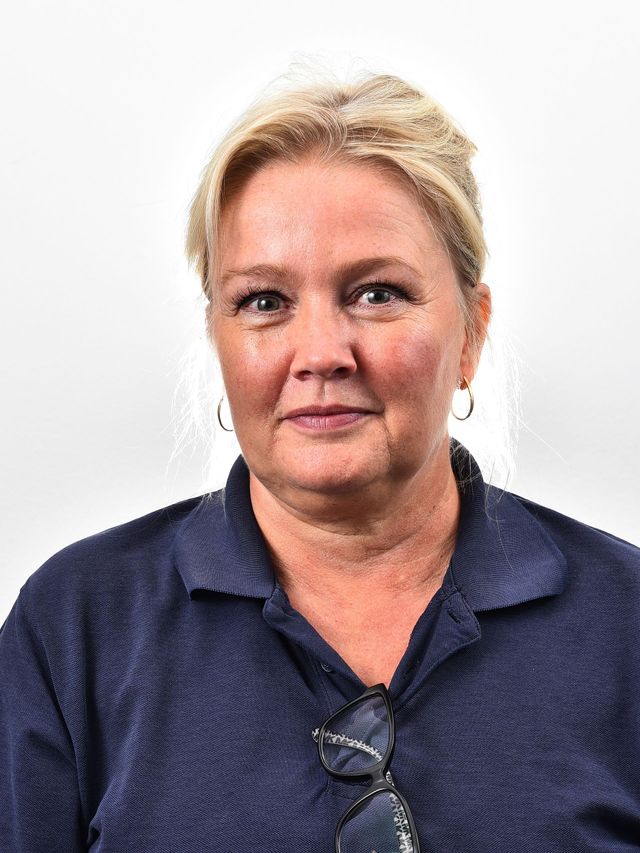
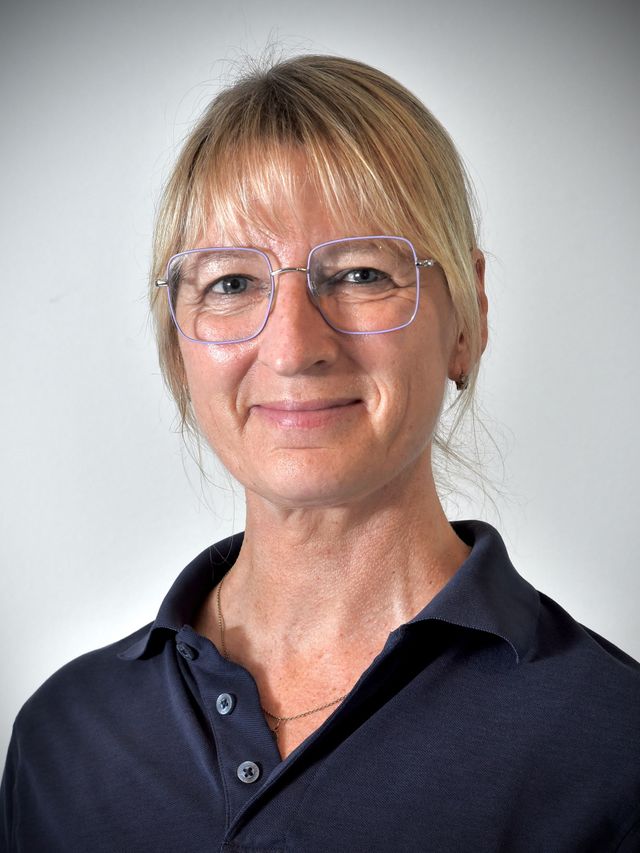
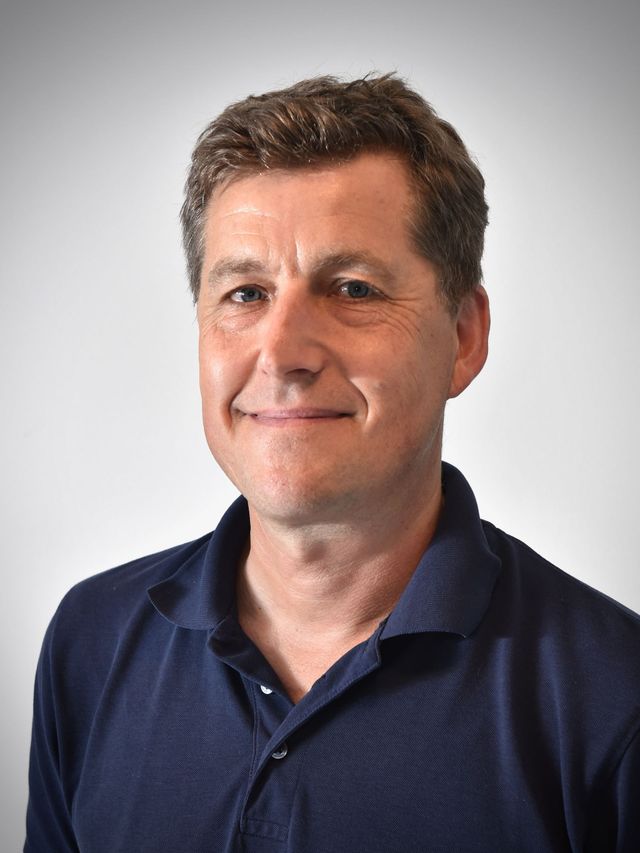
Specialist in anaesthesiology and diving medicine
Approved by the Danish Maritime Authority
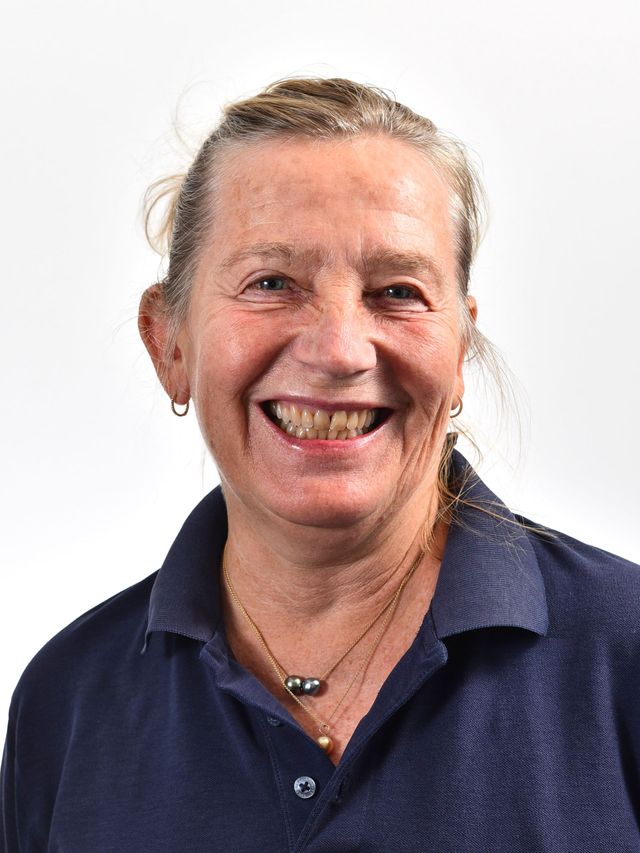
Specialist in anaesthesiology and diving medicine
Approved by the Danish Maritime Authority
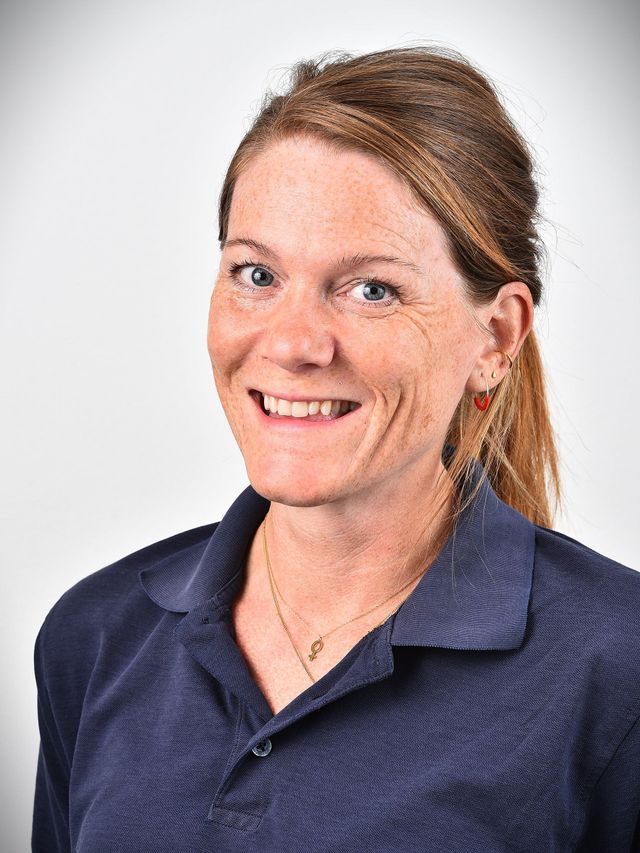
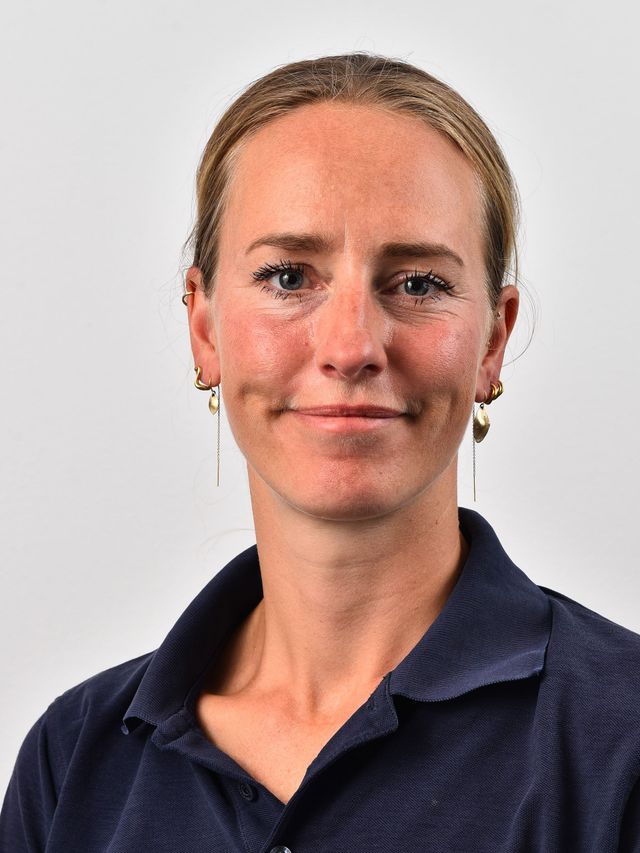

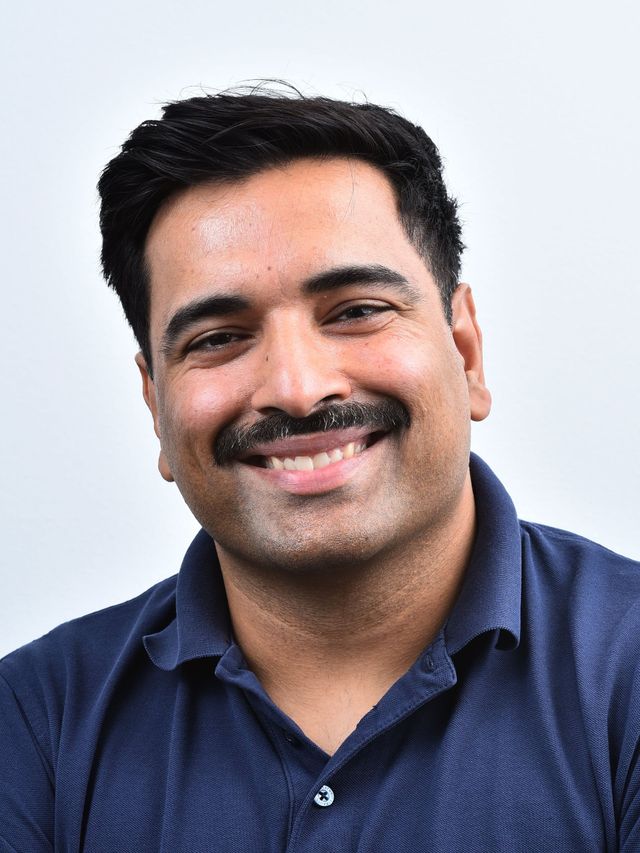
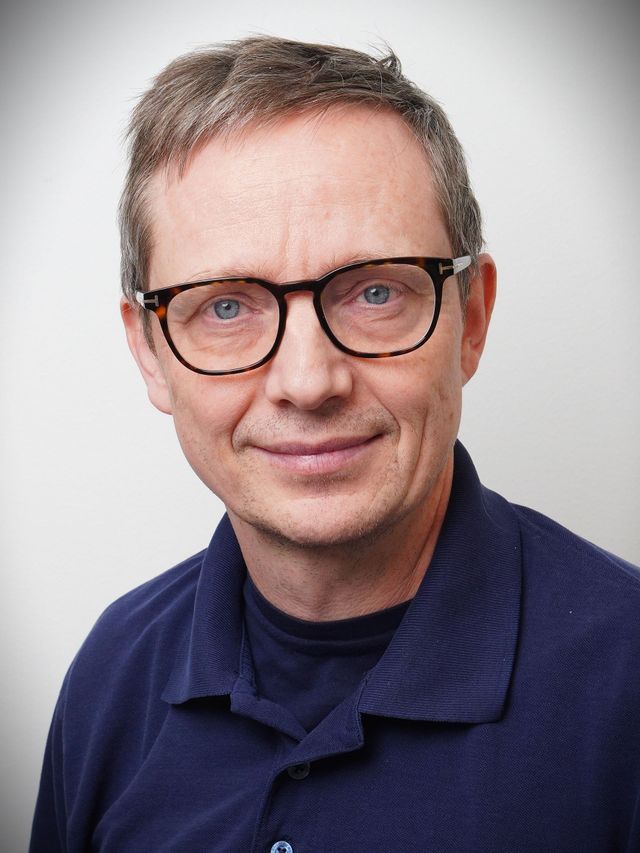
They are the people you meet first when you call or walk through the door – and the ones who look after you before and after your treatment.
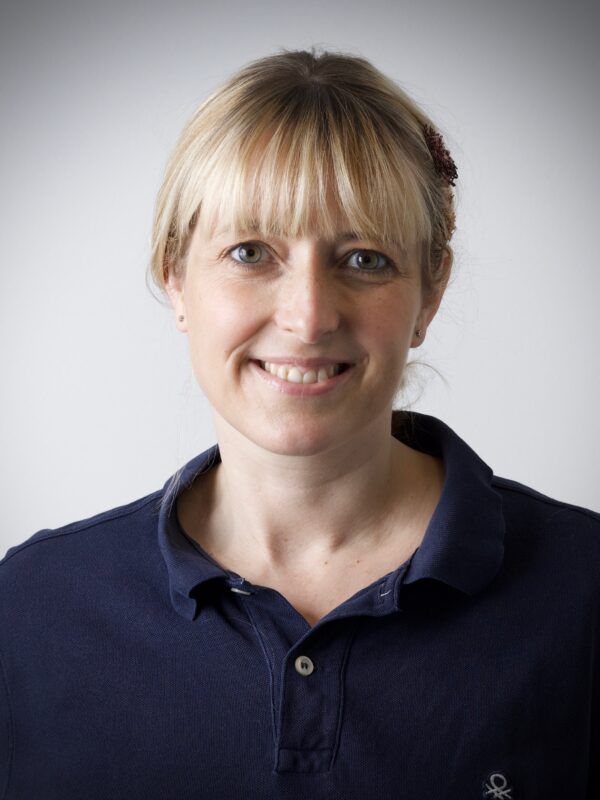
Nurse
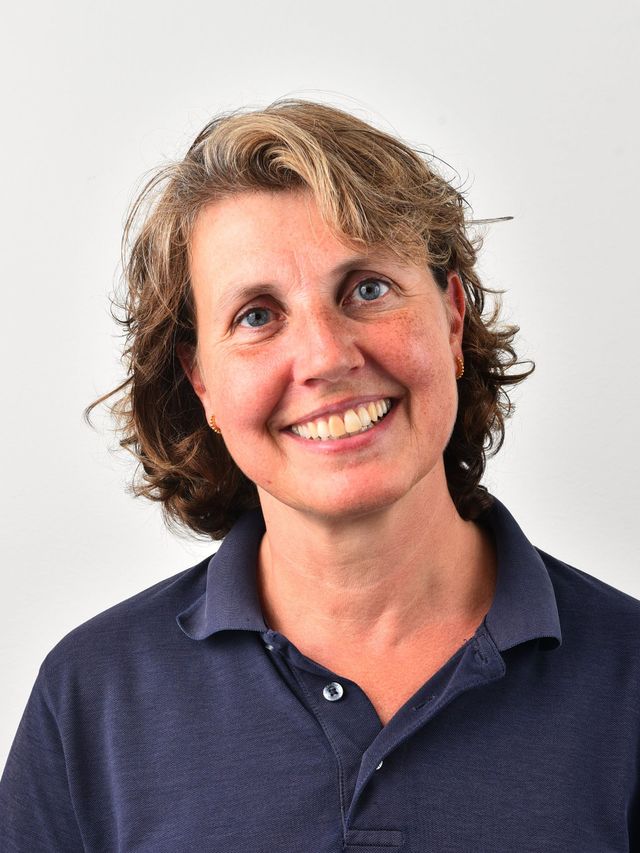
Nurse
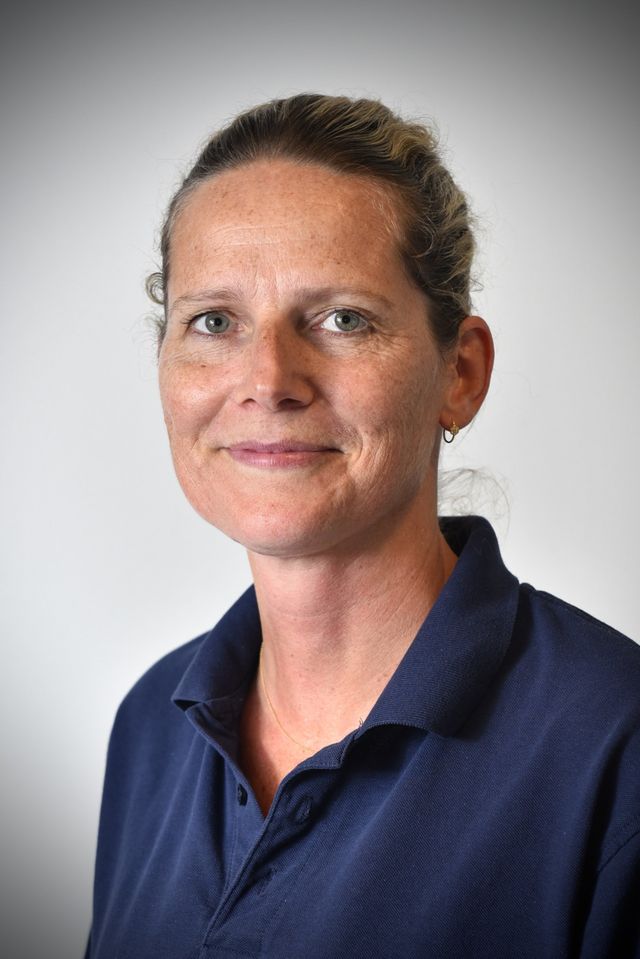
Nurse
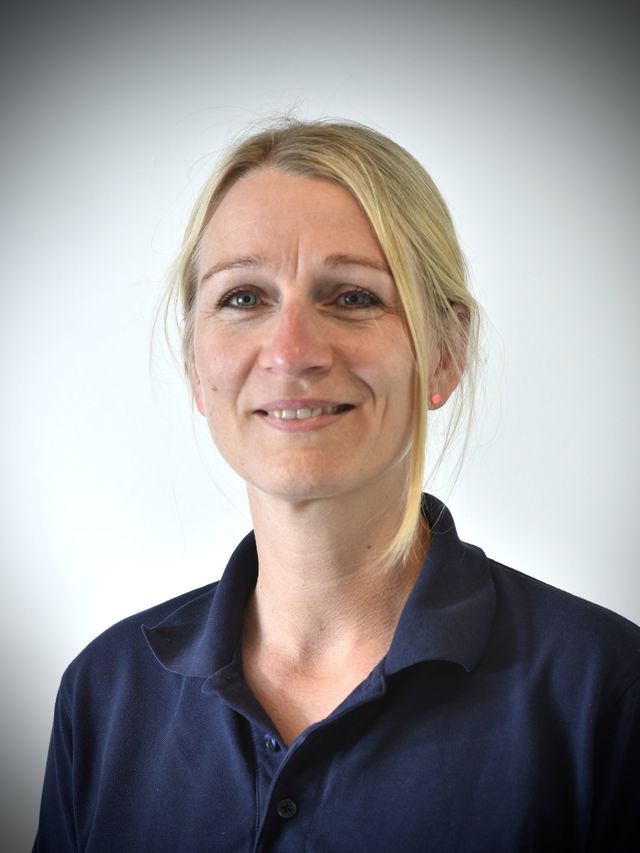
Nurse
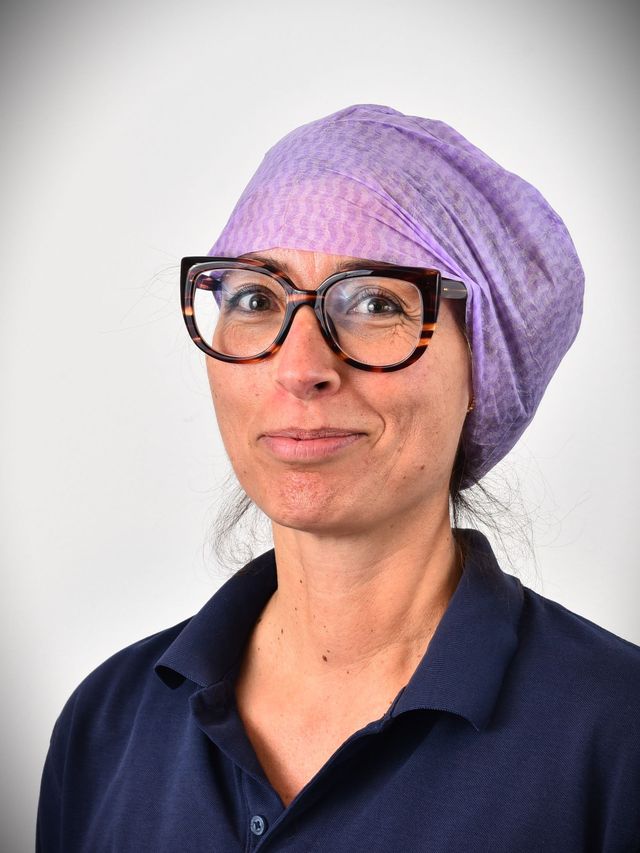
Nurse
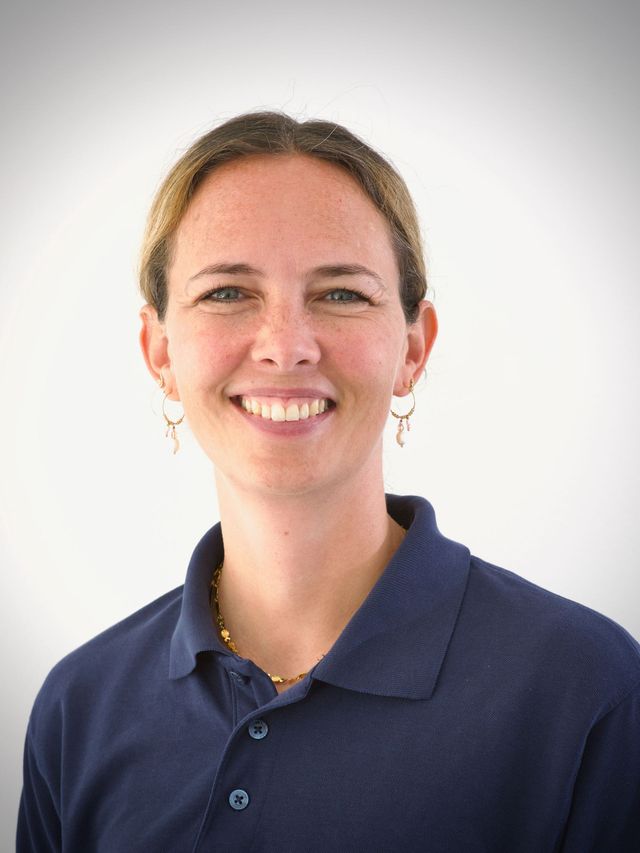
Nurse
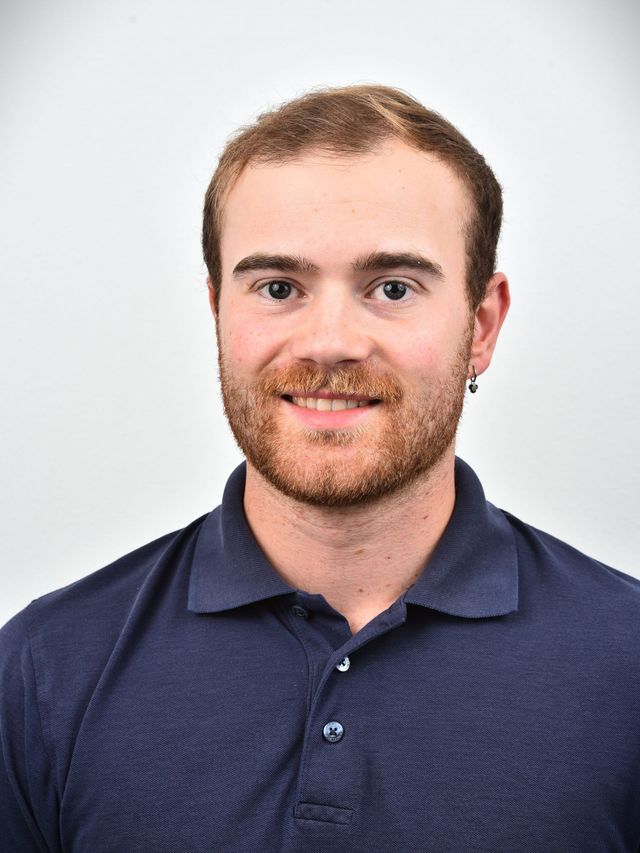
Clinical assistant
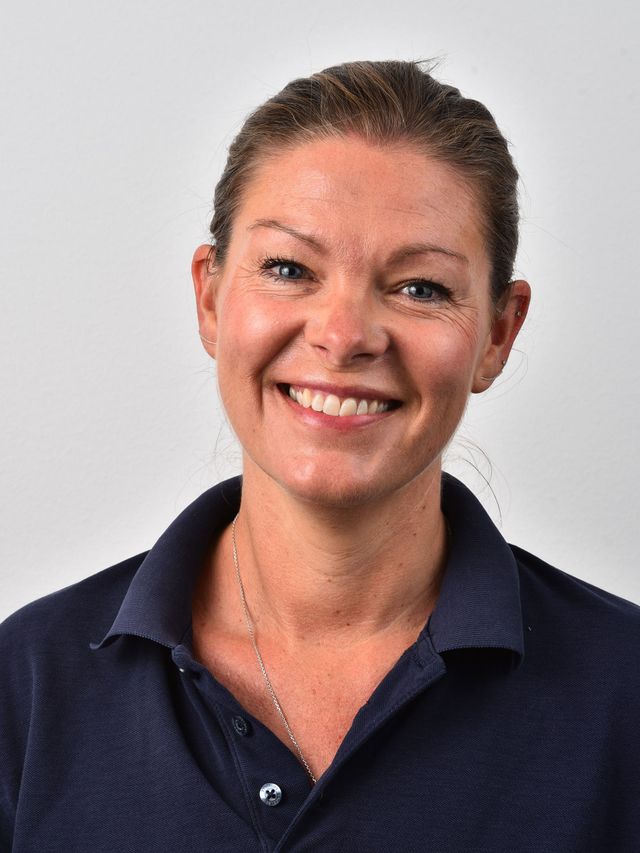
Clinical assistant
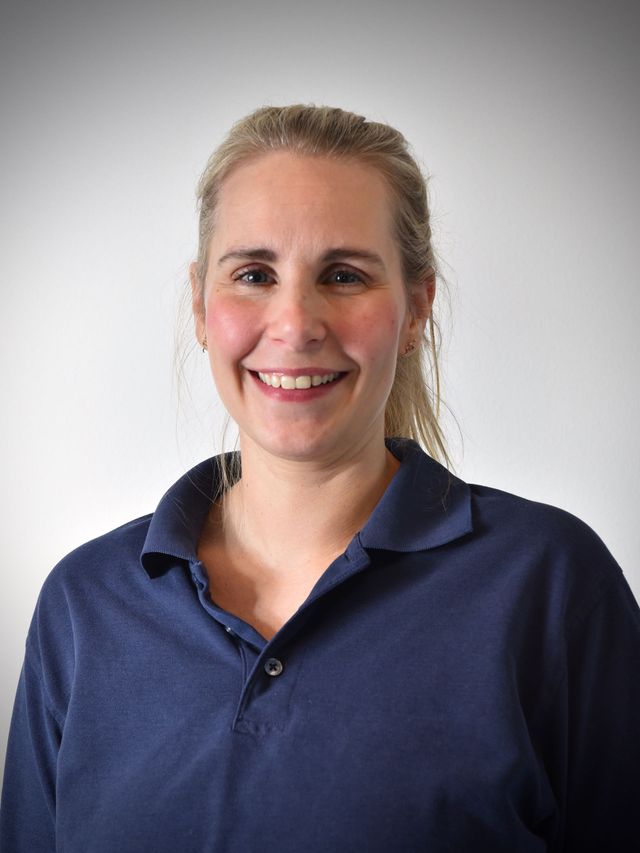
Clinical assistant
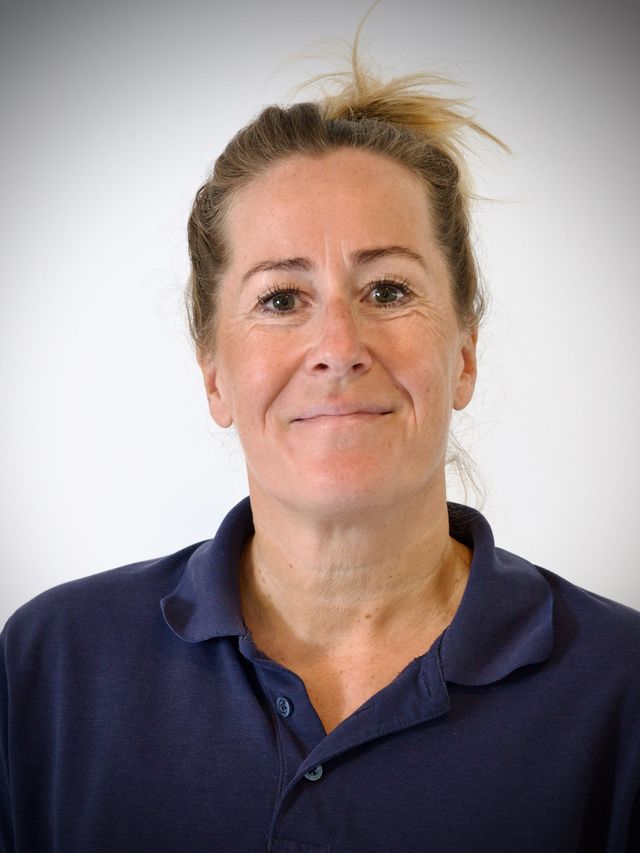
Reception and secretariat
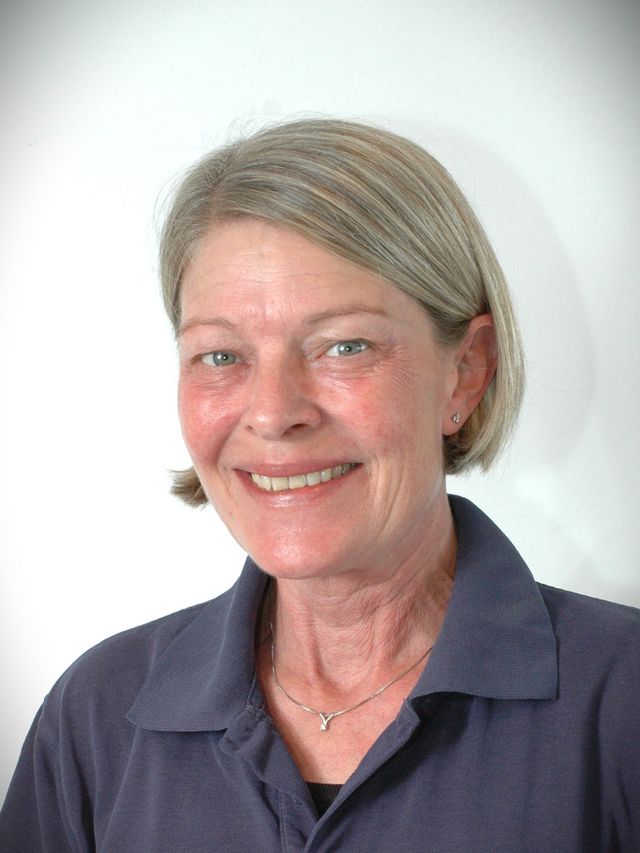
Reception and secretariat
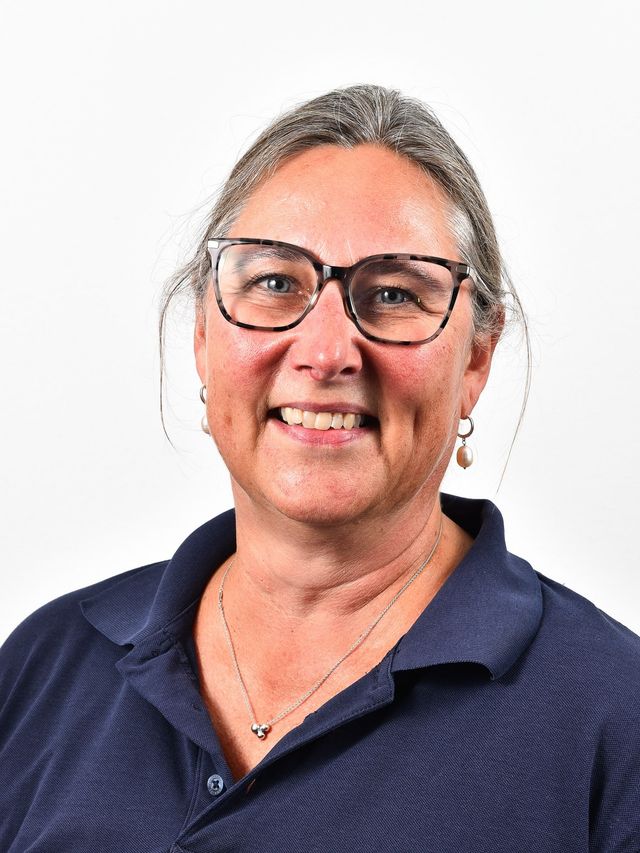
Reception and secretariat
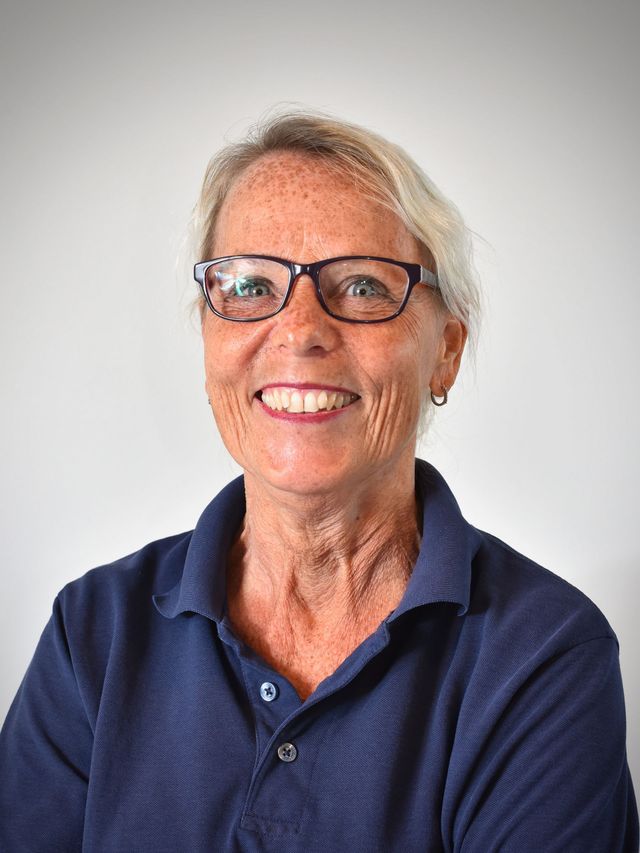
Reception and secretariat
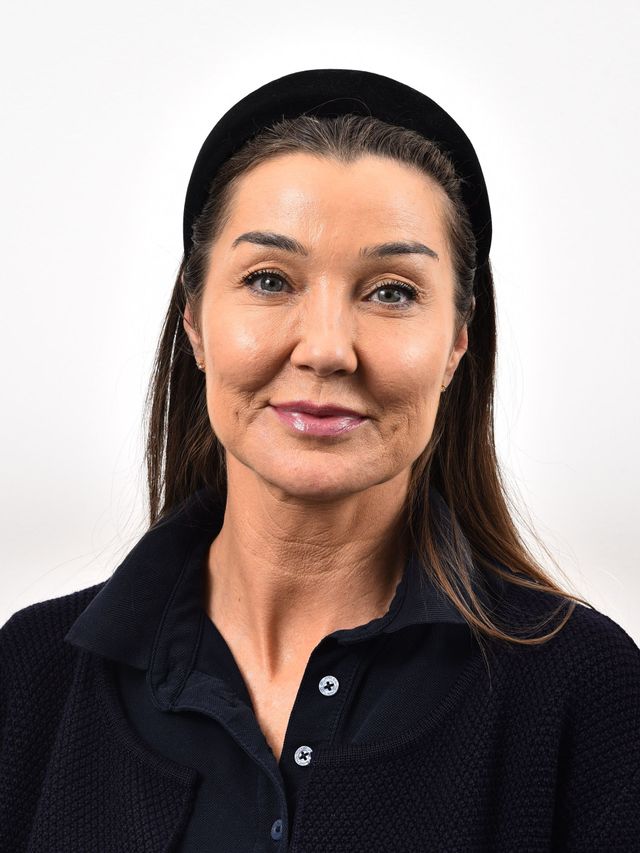
Reception and secretariat

Service assistant
No one found. Try another name or choose "All".
Would you like to book an appointment with one of our specialists?
Book onlineJægersborg Allé 4
2920 Charlottenlund
CVR: 45675637
Monday–Friday, 08:00–14:00
Outside telephone hours, appointments can be booked, rescheduled and cancelled online 24/7.
Main department in Charlottenlund and ear, nose and throat departments at several locations across Denmark.