

Management
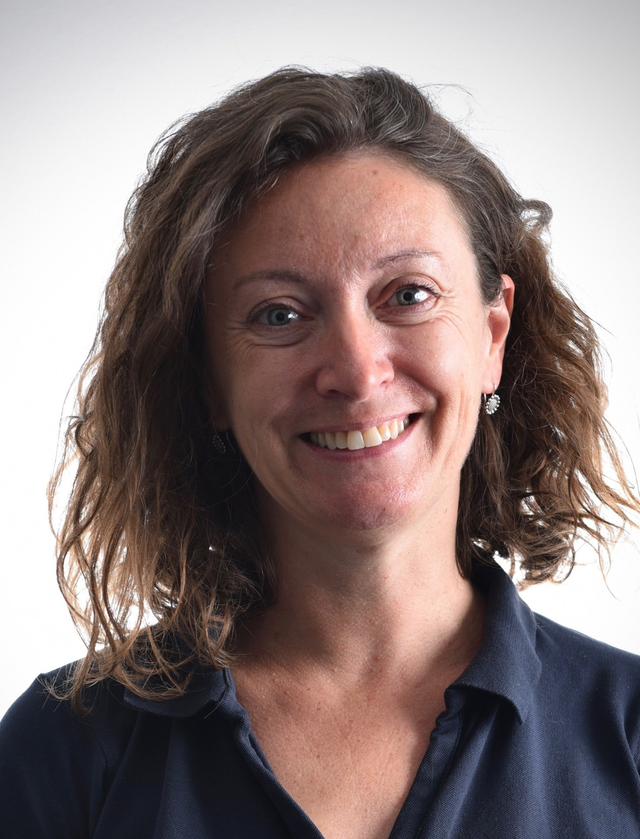
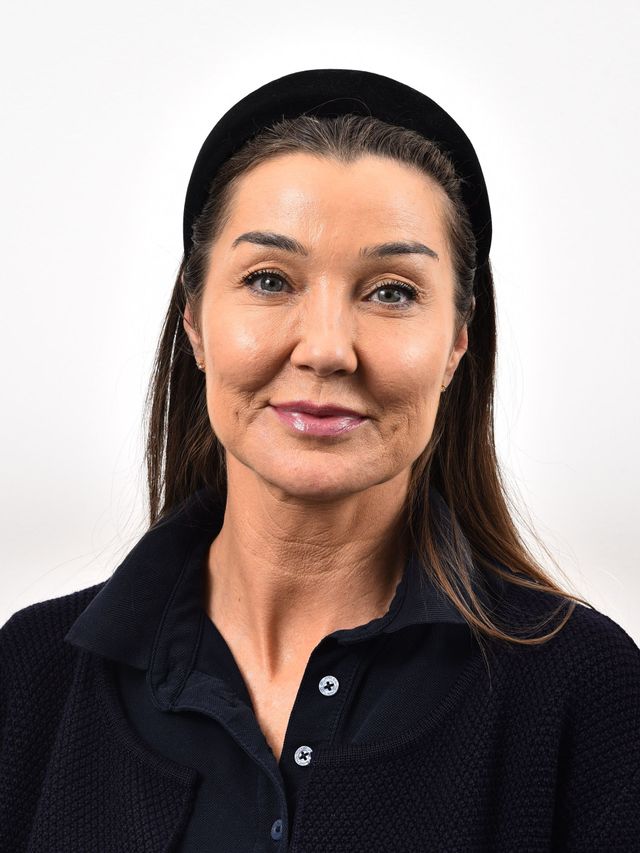
Erika Belard
Specialist physician and co-owner, CEO

When one or both testicles have not come down into the scrotum – examination and surgery (orchidopexy).
An undescended testicle (retentio testis, cryptorchidism) means that one or both testicles have not come down into the scrotum. The condition causes no symptoms and is usually found at routine child health checks. Many testicles descend on their own during the first months of life, but if the testicle has not come down by 6 months of age, surgery is recommended at 6–12 months. The operation is called orchidopexy and is carried out at Charlottenlund Private Hospital as day surgery under general anaesthesia.

Before birth, the testicles form inside the abdomen and then move down into the scrotum. In some boys this descent stops, so the testicle remains in the groin or higher up. The condition is more common in boys born prematurely and is usually found at routine child health checks with the family doctor or a paediatrician.
The diagnosis is made by a careful examination in which the doctor feels for the testicle in the scrotum and groin. Ultrasound is not recommended routinely, because it cannot reliably show whether a testicle is present (European guidelines on paediatric urology). The examination is carried out by a specialist in paediatric surgery.
Some testicles have reached the scrotum but now and then move up into the groin – so-called retractile testicles. They are not operated on but should be checked every year until puberty, because up to one in three can move up permanently. In a warm bath the testicles are usually fully down, so it is a good time to check. If the testicle cannot be felt at all, the child is referred for further assessment at a paediatric surgical hospital department, where the abdomen is often examined with keyhole surgery.
The testicles need the lower temperature in the scrotum to develop normally. A testicle that remains in the groin or abdomen may have a reduced ability to produce sperm. Both the Nordic consensus and the European guidelines therefore recommend surgery at 6–12 months of age and at the latest by 18 months.
An undescended testicle is also linked to an increased risk of testicular cancer later in life, although the overall risk is low. In a Swedish study of almost 17,000 men who had surgery, the risk was 2.2 times higher than in the general population when surgery took place before the age of 13, compared with 5.4 times after later surgery (Pettersson et al. 2007). When the testicle lies in the scrotum, it is also easier to check for changes.
The operation is carried out as day surgery under general anaesthesia – read more about anaesthesia. The surgeon locates the testicle, frees it and brings it down into the scrotum, where it is fixed in place. The child can usually go home the same day.
According to a Nordic review, the operation is anatomically successful in about 95% of cases, and the risk of complications is around 1% (Ritzén 2008). In a more recent series of 662 operated testicles, 6% needed a second operation because the testicle had moved up again (Pediatric Surgery International 2024). After the operation there may be slight tenderness and swelling, but most children are quickly back to their usual activities.


The child should be examined if one or both testicles cannot be felt in the scrotum, or if a testicle that has previously been in the scrotum can no longer be found. A soft swelling in the scrotum or groin may be due to a hydrocele and should also be assessed.
Examination and surgery are carried out by Susanne Reinhardt, specialist in paediatric surgery, at the main department in Charlottenlund. Children can have surgery from the age of 6 months. Self-paying patients do not need a referral – see the price list – and children may be covered by their parents’ health insurance.
The hospital also examines and treats a tight foreskin and bladder problems – see all paediatric surgical conditions.
Answers to questions about undescended testicle in children.
A condition in which one or both testicles have not come down into the scrotum. It is also called cryptorchidism.
Surgery is recommended at 6–12 months of age. If the testicle has not come down by 6 months, the child should be examined with a view to surgery.
Yes, many testicles descend on their own in the first months of life. After 6 months of age this is rare.
The operation in which the testicle is brought down into the scrotum and fixed in place. It is carried out under general anaesthesia as day surgery.
It can, especially if both testicles are affected and the condition is not treated in time. Surgery at 6–12 months of age gives the best chance of normal development.
Yes, in most cases. The operation is day surgery.
Charlottenlund Privathospital is owned and run by three specialist physicians: Erika Belard, Jacob Fisker and Teit Mantoni. Jacob Fisker is medical director. Here you will find our ear, nose and throat (ENT) specialists in Charlottenlund and at our clinics around Denmark – and in Charlottenlund also specialists in paediatric surgery, dermatology, diving medicine, gynaecology, cardiology, paediatrics, psychology and rheumatology.
Specialist physician and co-owner, CEO

Specialist physician, co-owner and medical director

Specialist physician and co-owner
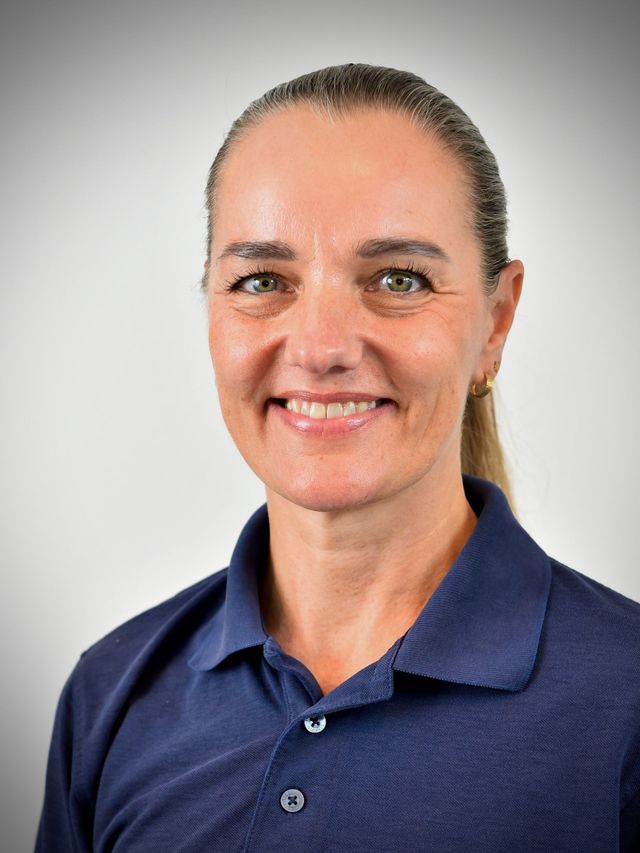
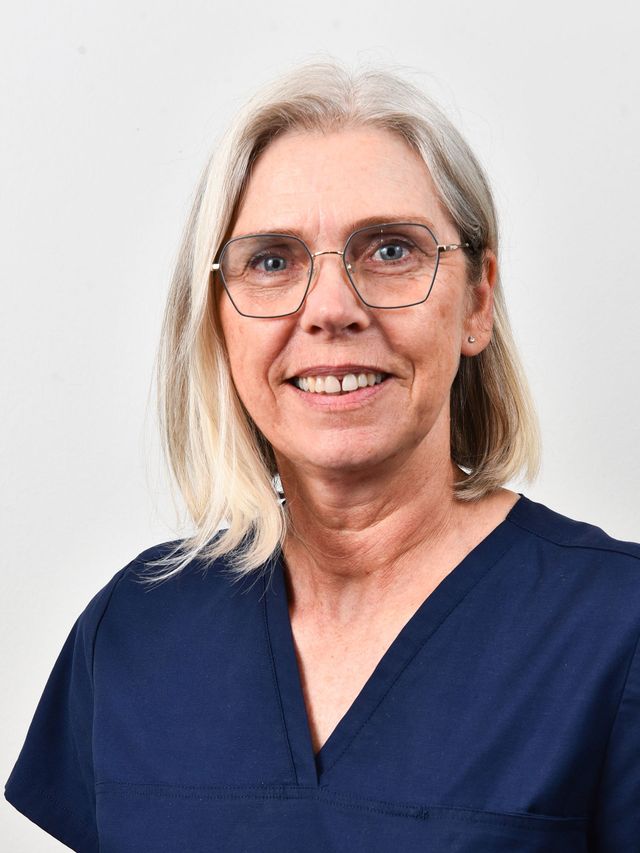
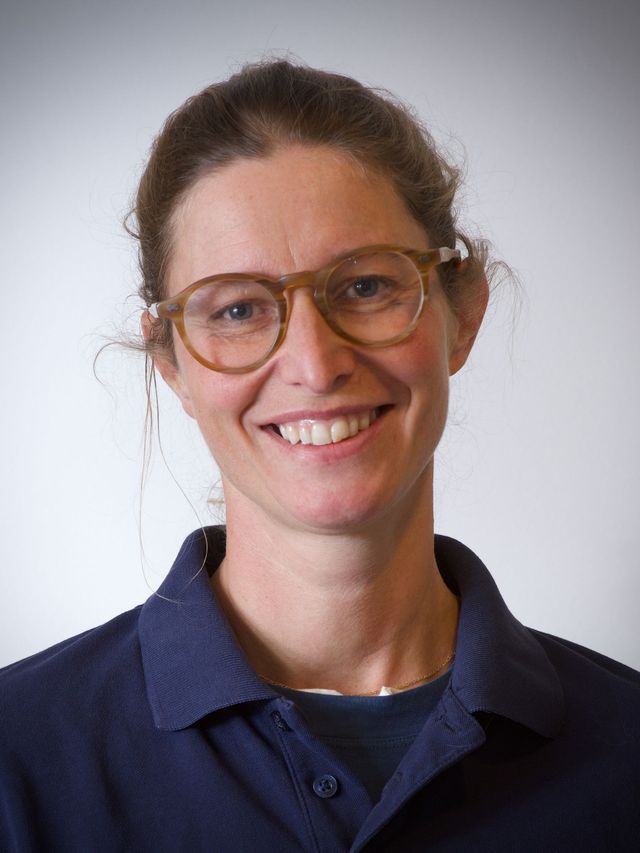
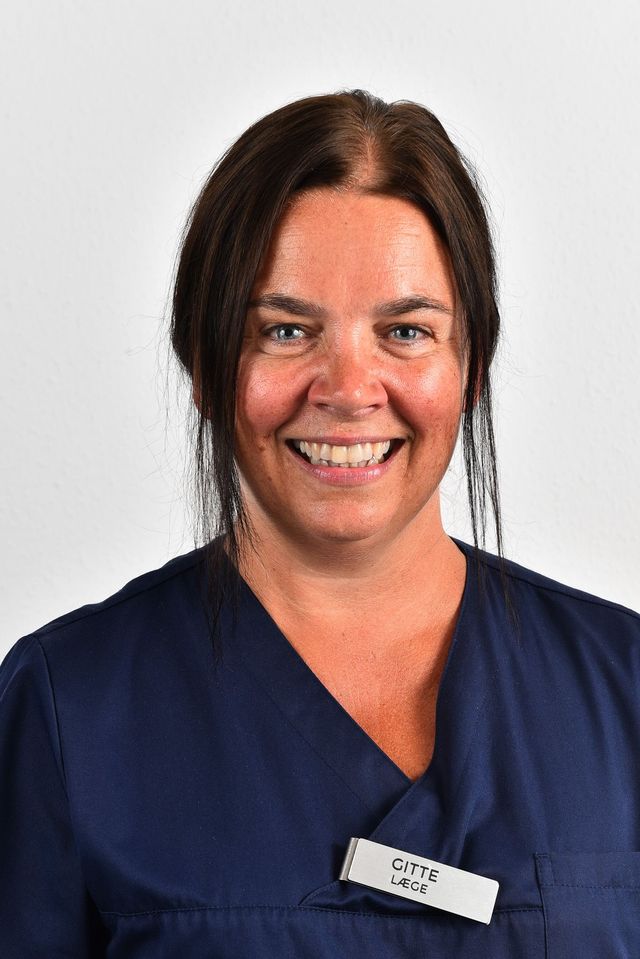

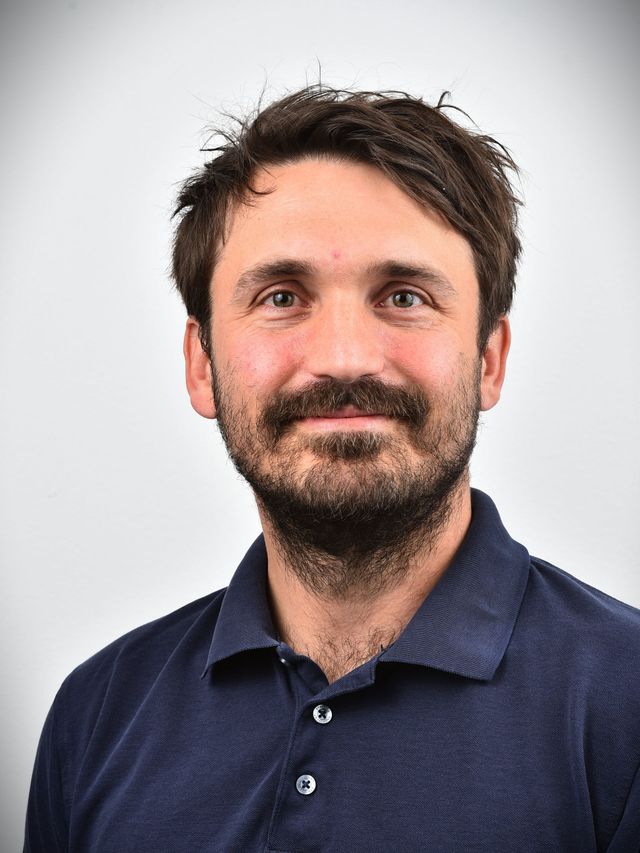

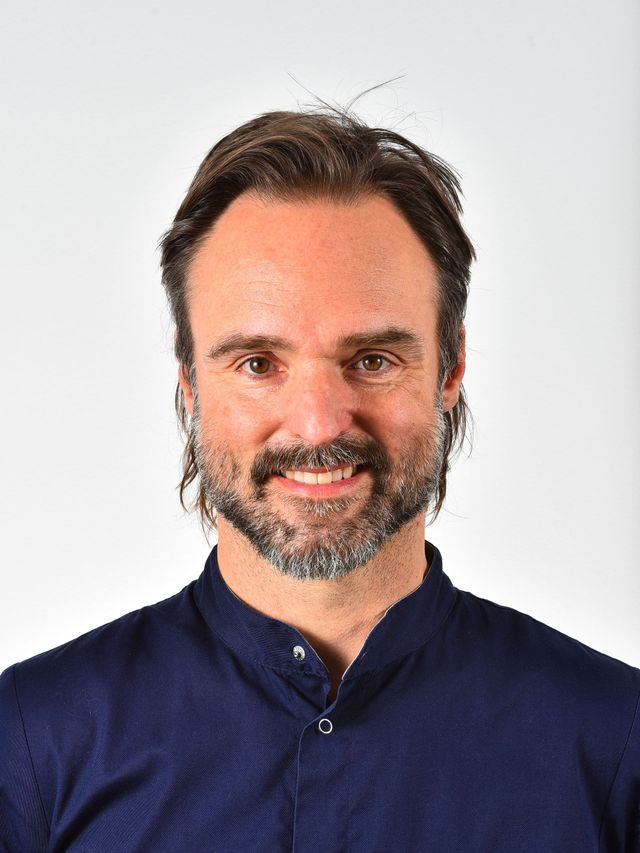

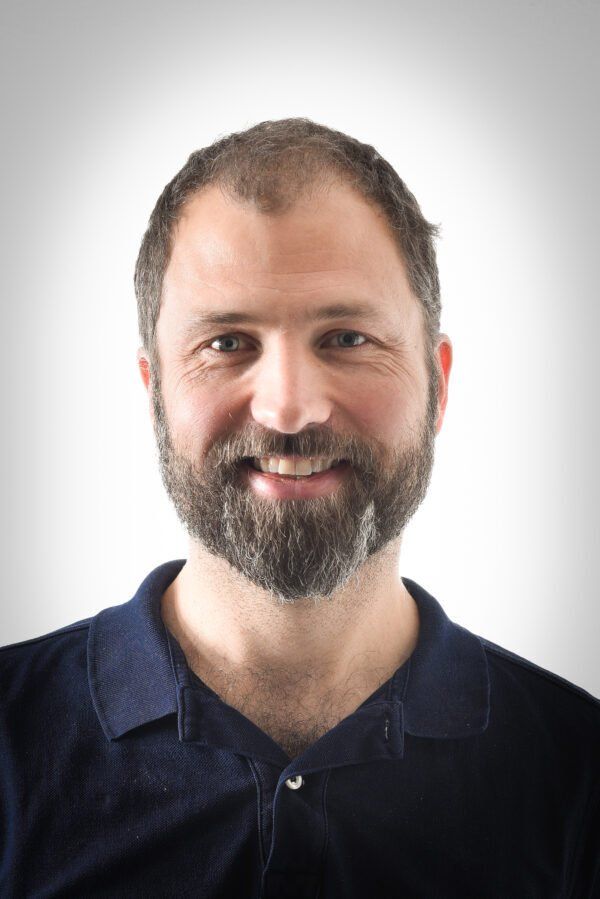
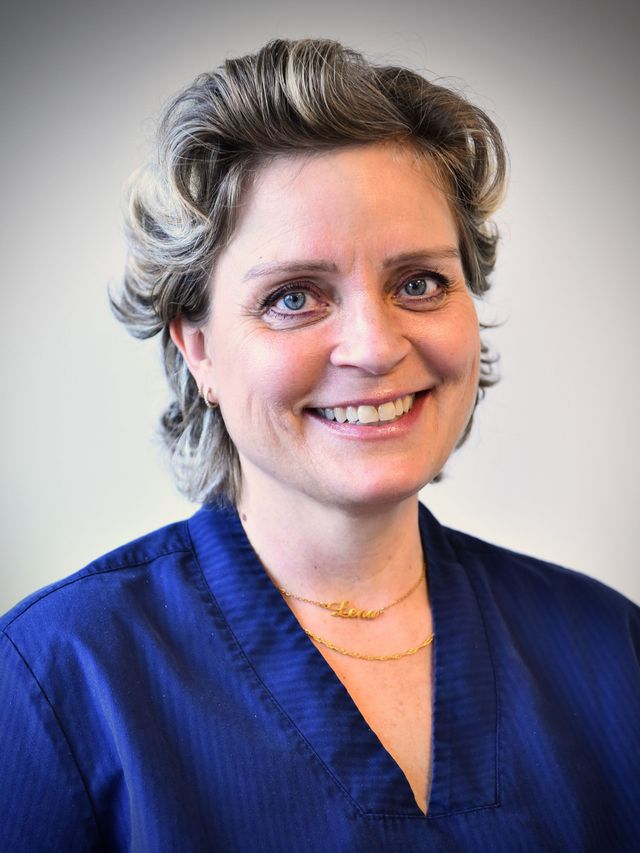

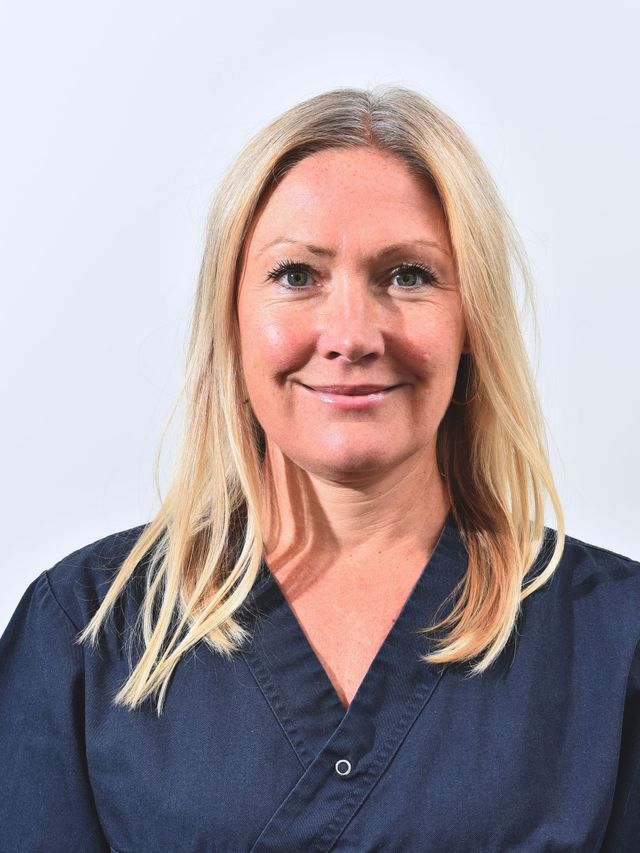
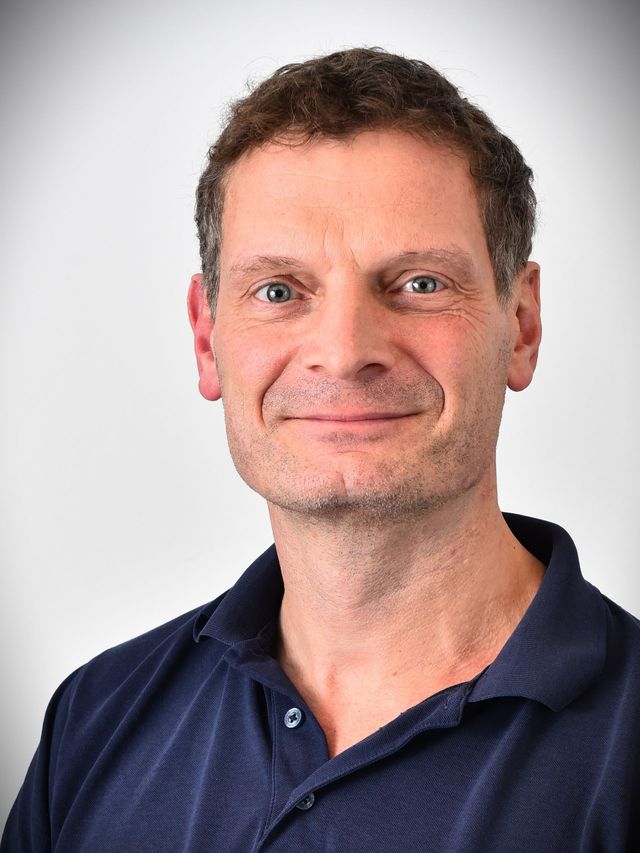



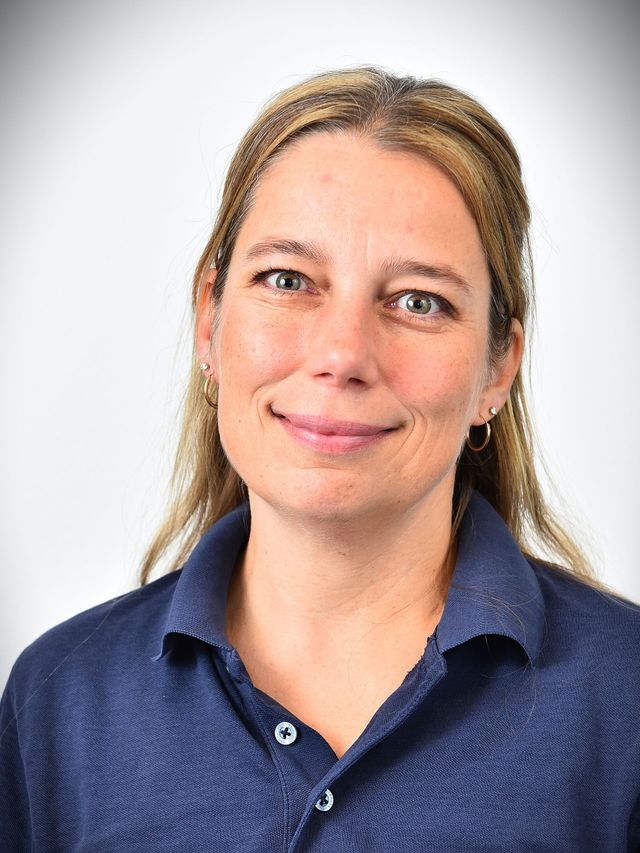
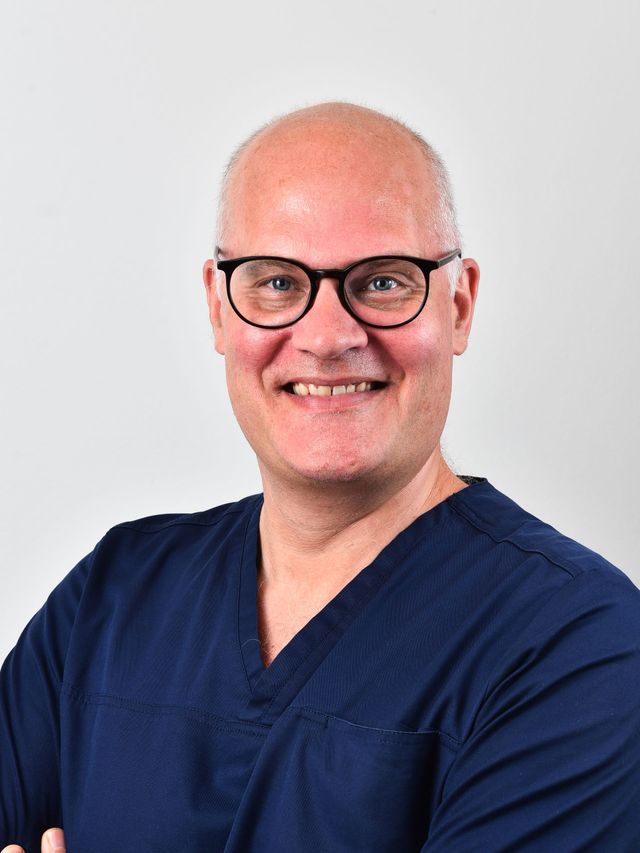
Specialist in anaesthesiology

Specialist in anaesthesiology
Specialist in anaesthesiology
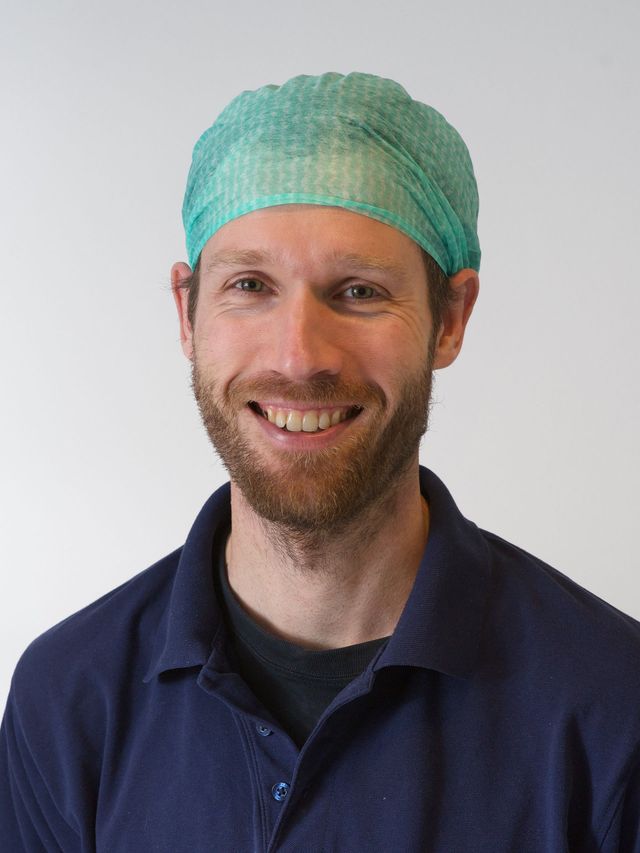
Specialist in anaesthesiology, DMSc, PhD
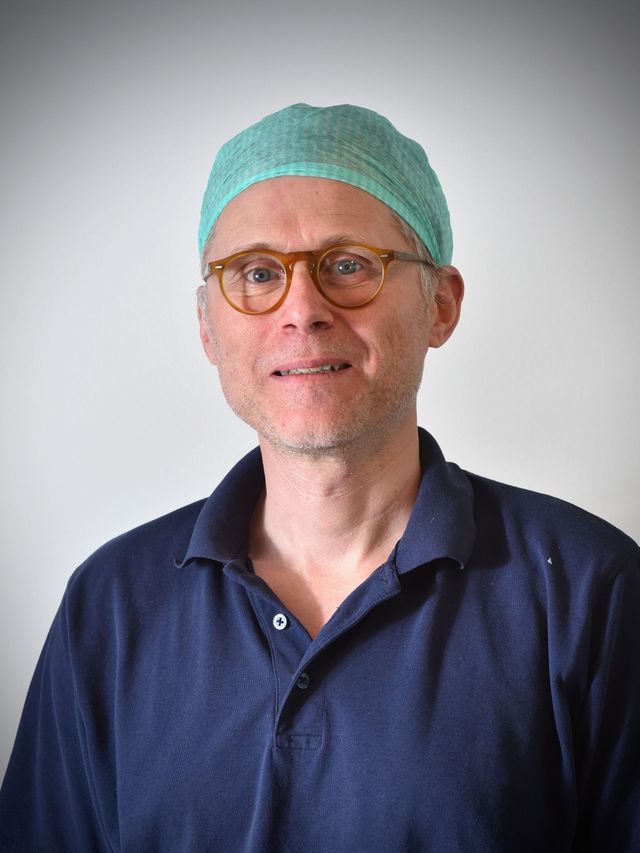
Specialist in anaesthesiology
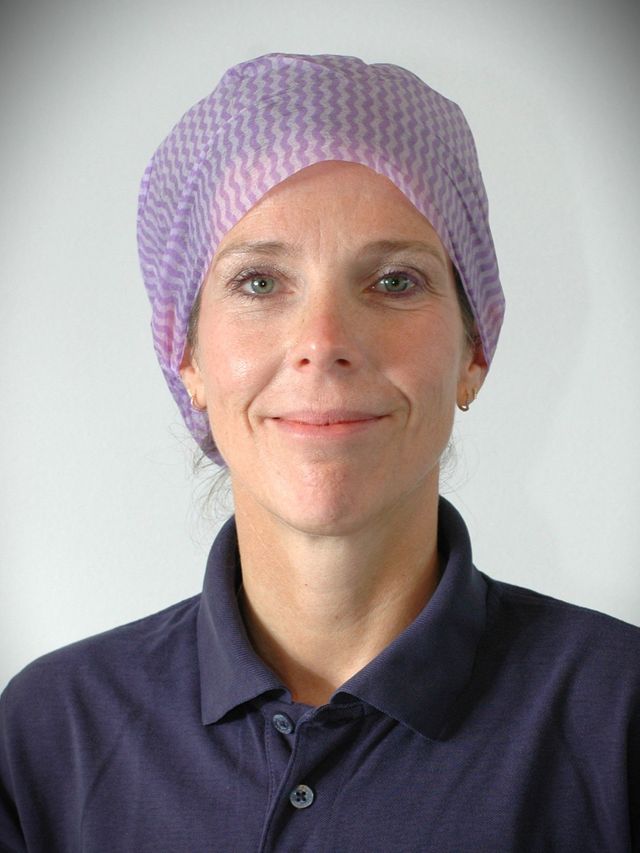
Specialist in anaesthesiology
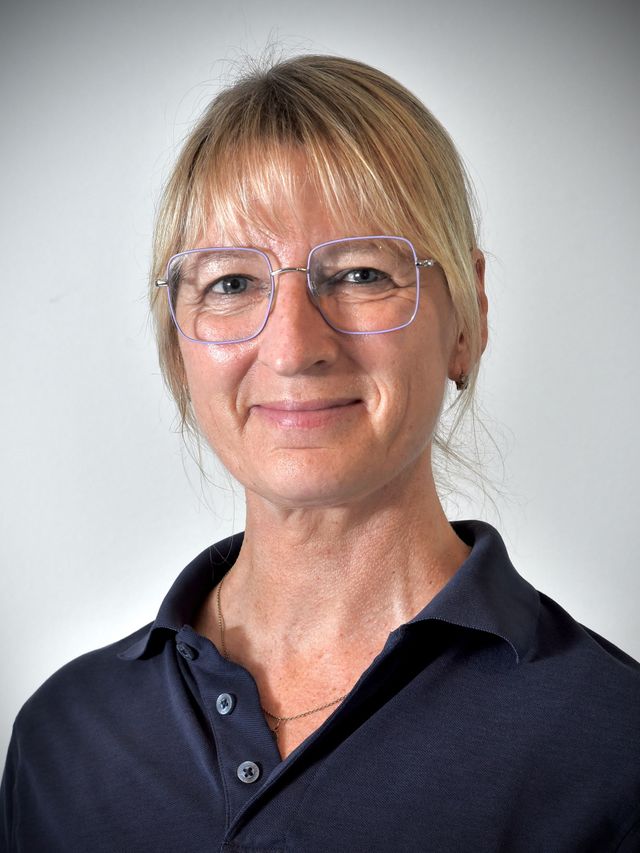

Specialist in anaesthesiology and diving medicine
Approved by the Danish Maritime Authority
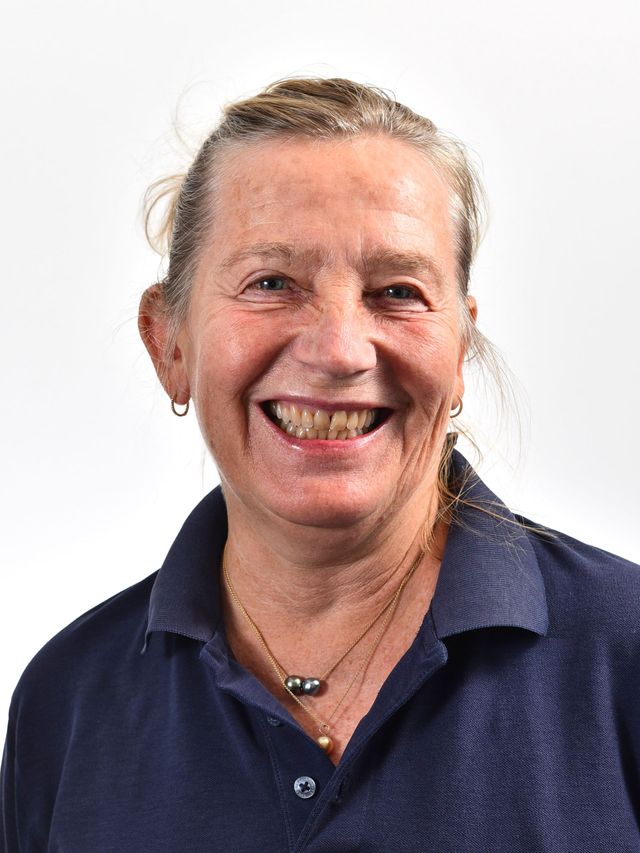
Specialist in anaesthesiology and diving medicine
Approved by the Danish Maritime Authority
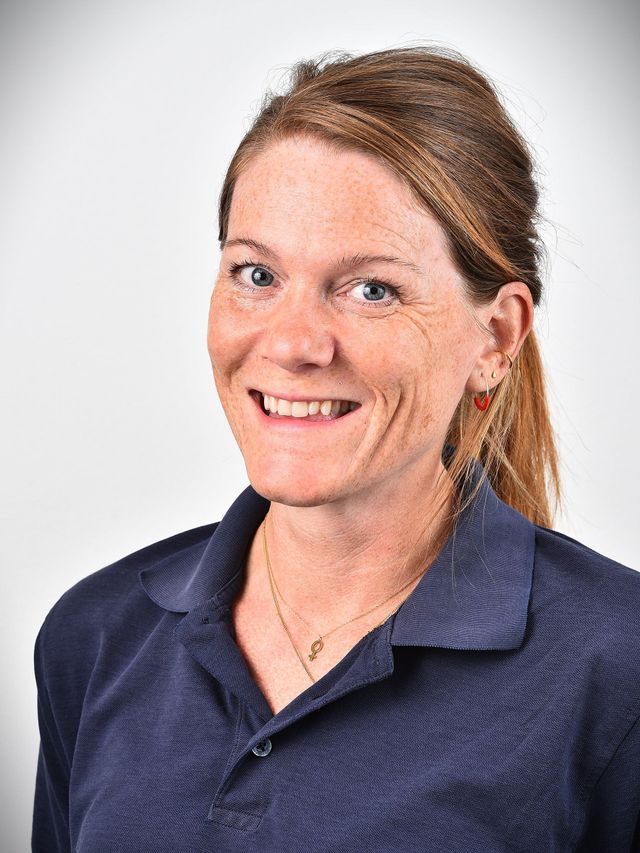
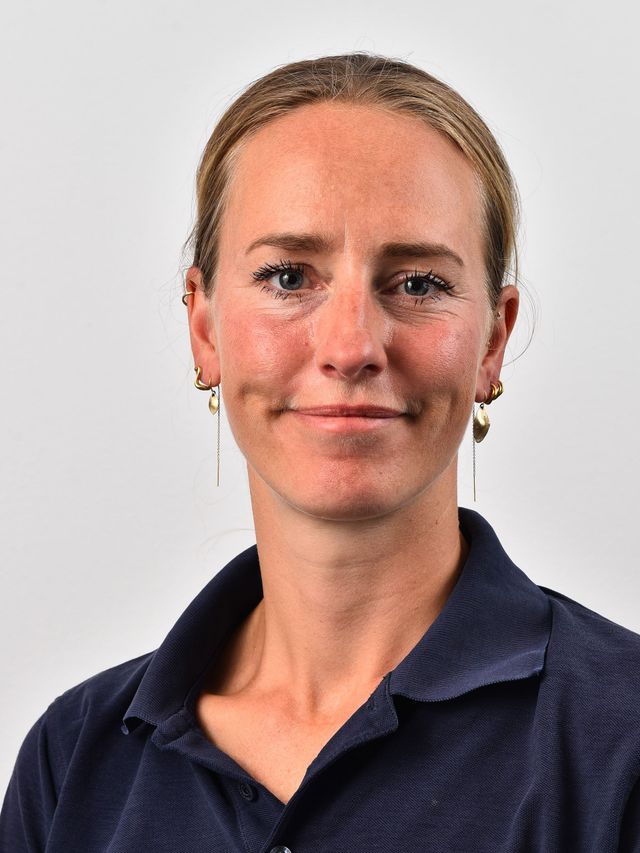




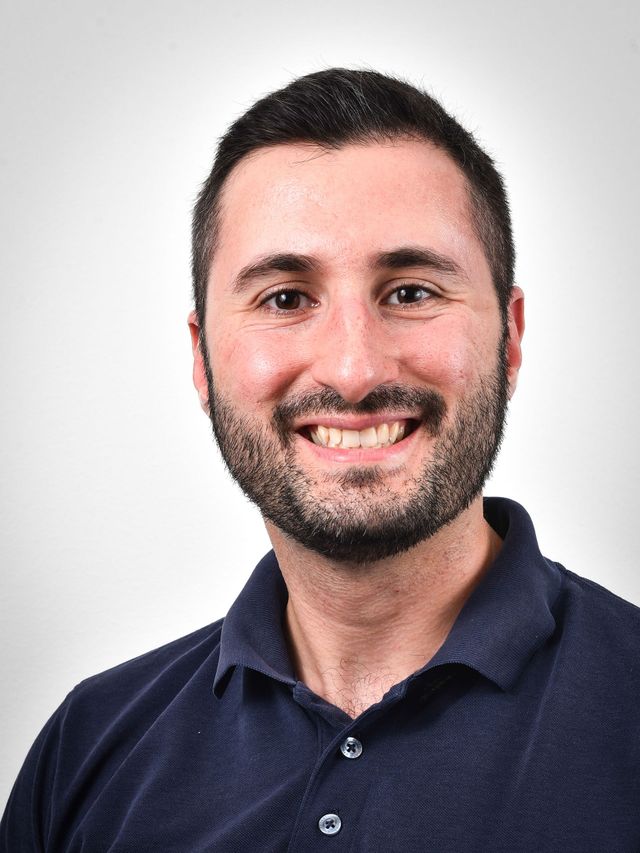


They are the people you meet first when you call or walk through the door – and the ones who look after you before and after your treatment.
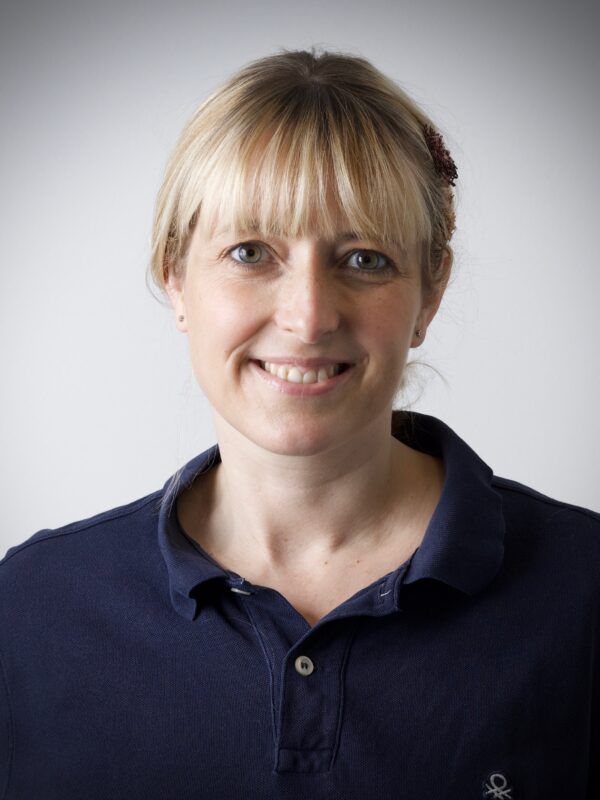
Nurse
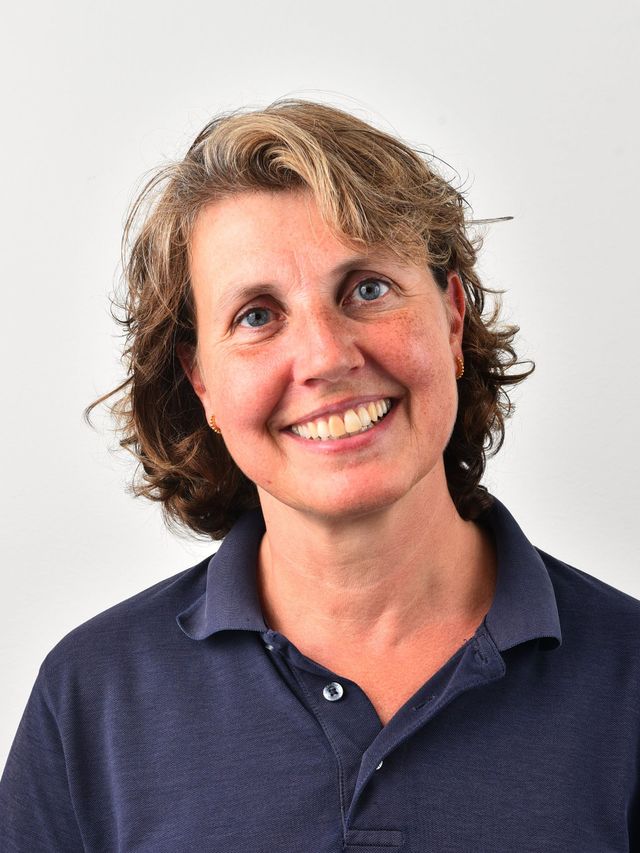
Nurse
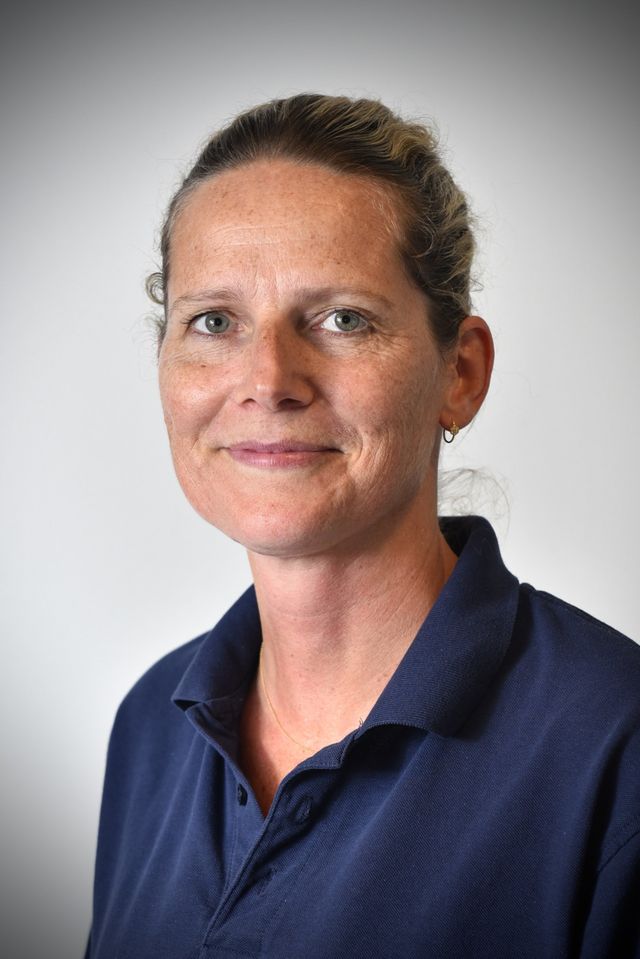
Nurse
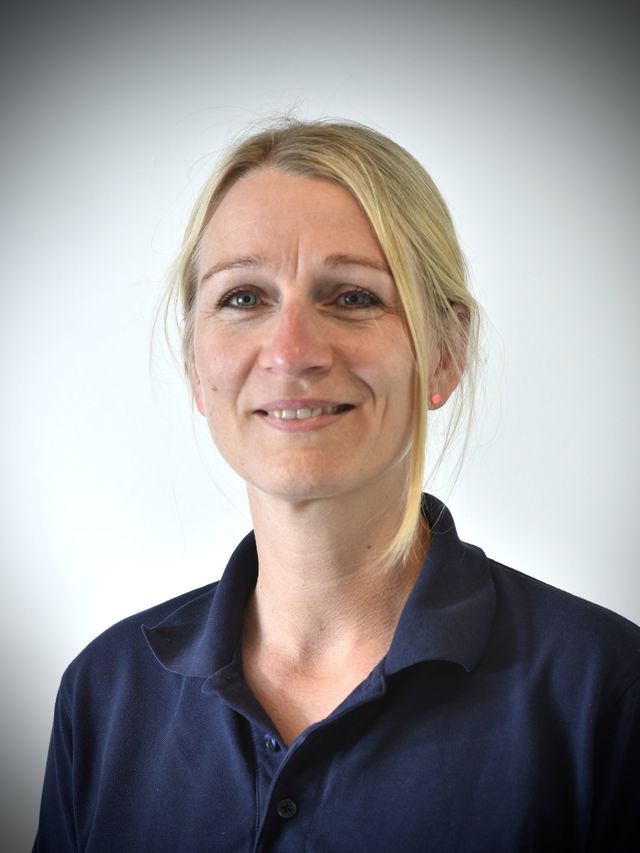
Nurse
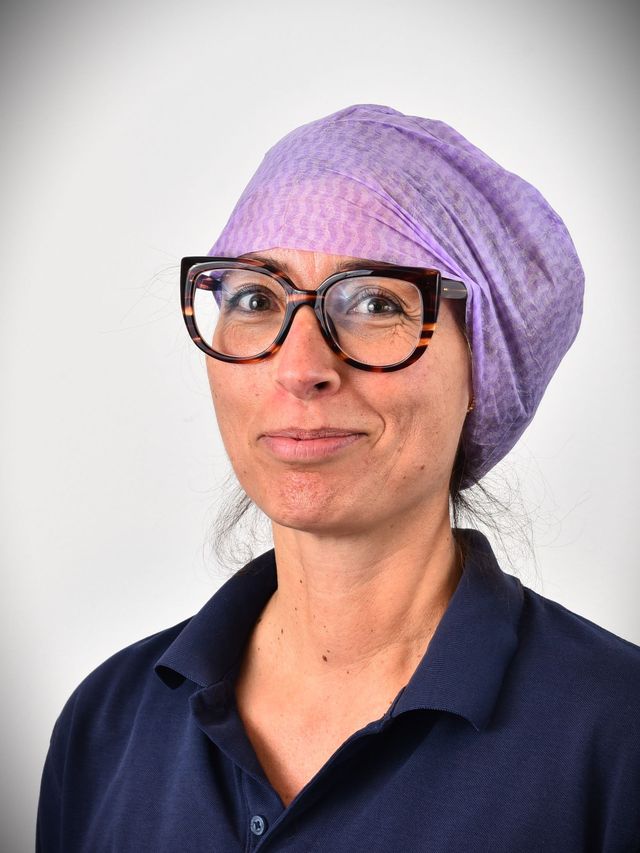
Nurse
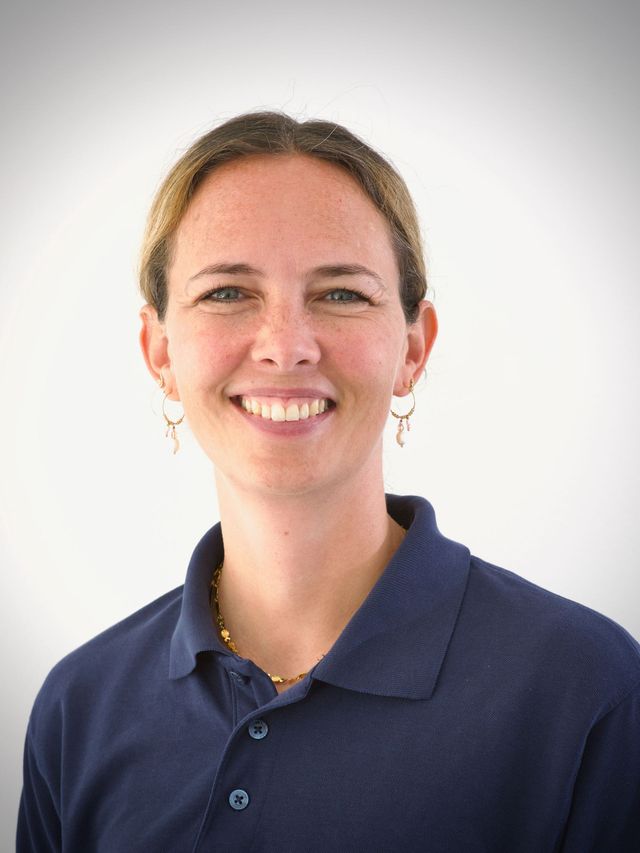
Nurse
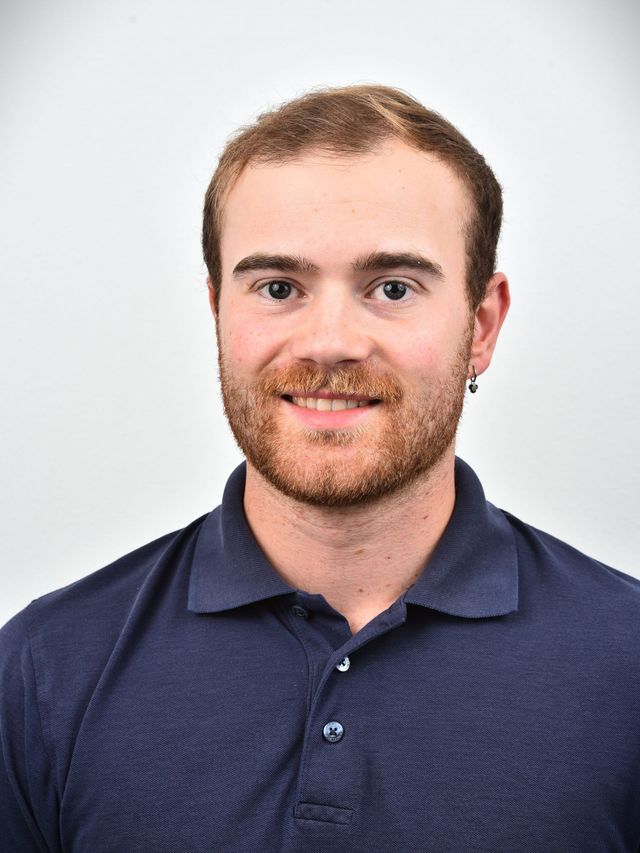
Clinical assistant
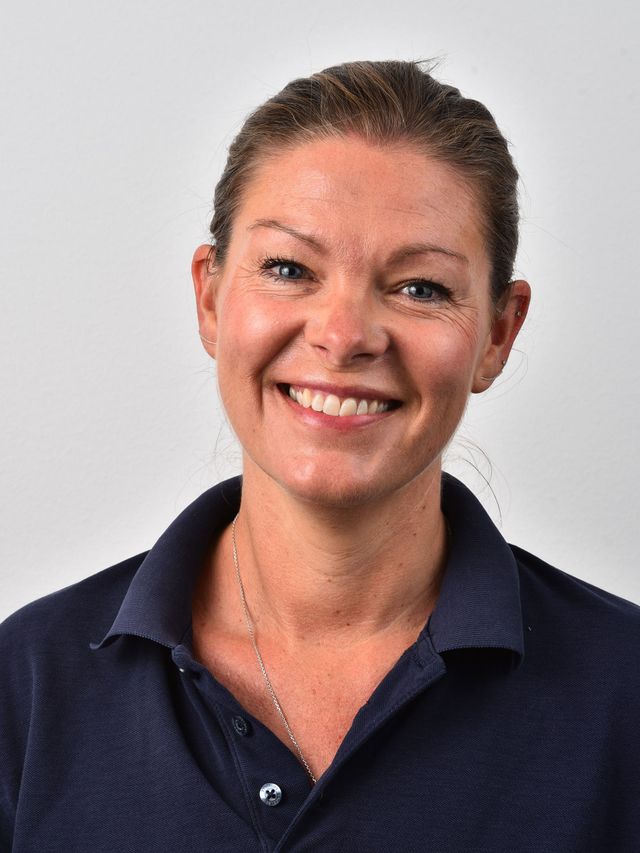
Clinical assistant
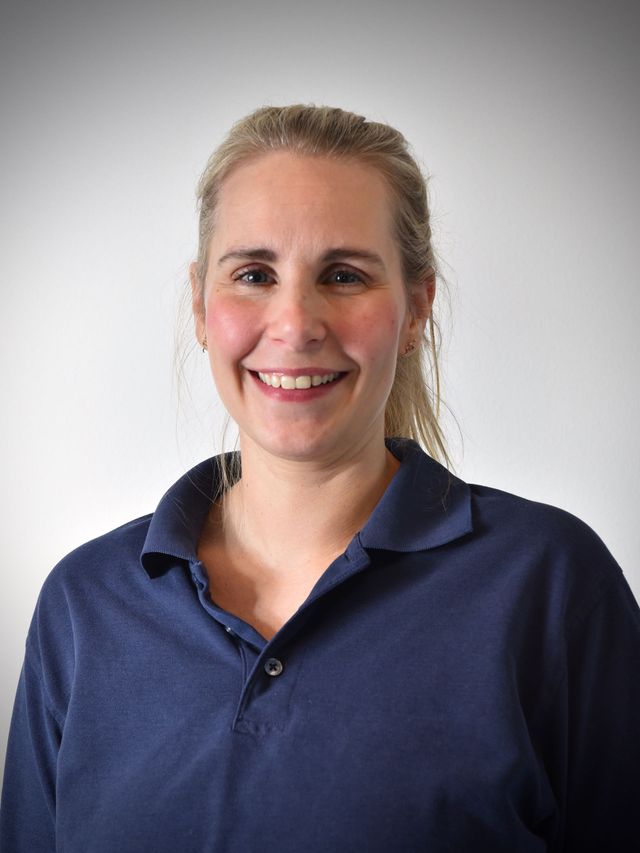
Clinical assistant
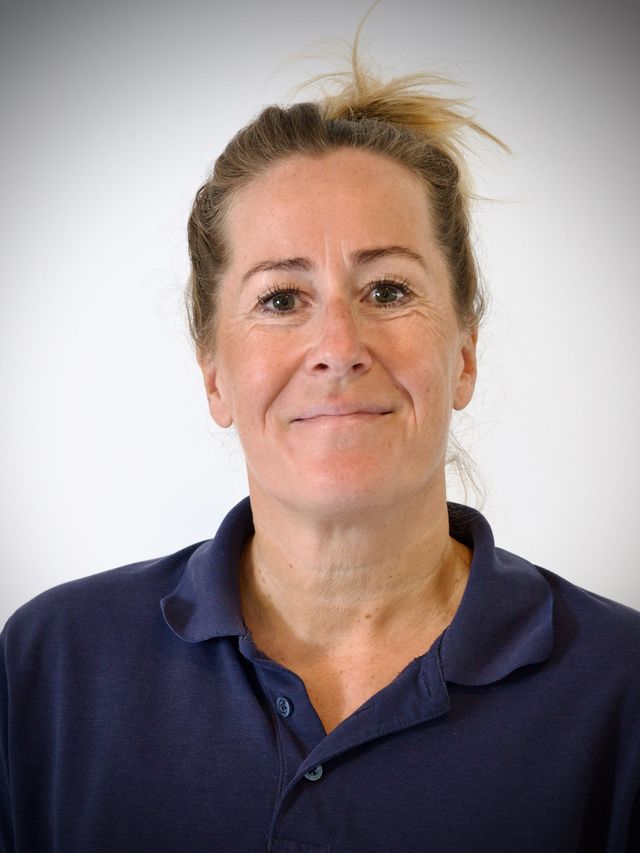
Reception and secretariat

Reception and secretariat
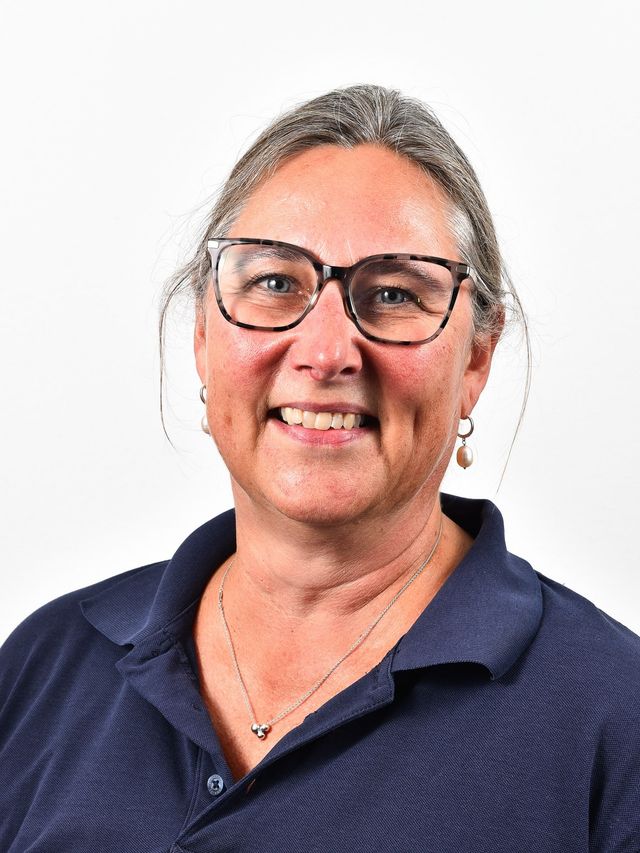
Reception and secretariat
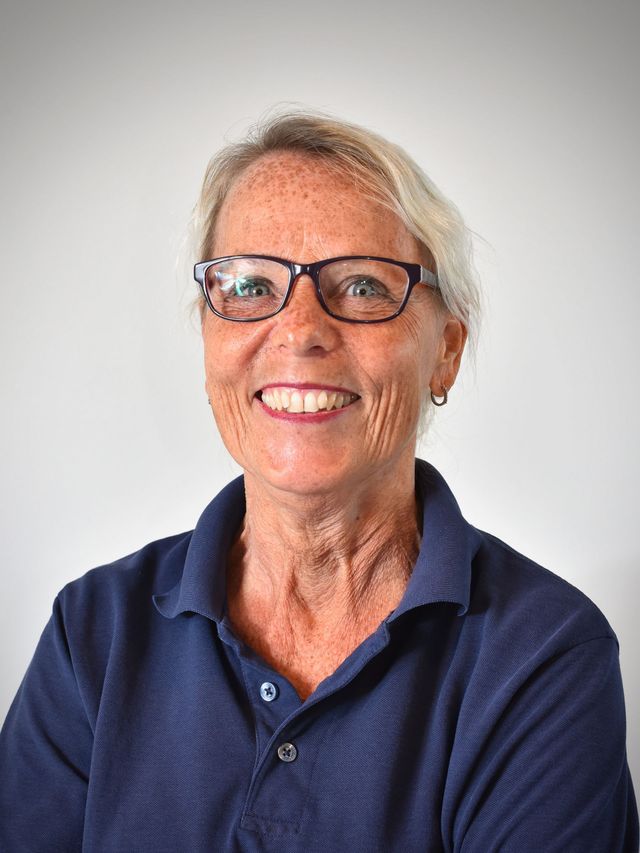
Reception and secretariat
Reception and secretariat

Service assistant
No one found. Try another name or choose "All".
Would you like to book an appointment with one of our specialists?
Book onlineJægersborg Allé 4
2920 Charlottenlund
CVR: 45675637
Monday–Friday, 08:00–14:00
Outside telephone hours, appointments can be booked, rescheduled and cancelled online 24/7.
Main department in Charlottenlund and ear, nose and throat departments at several locations across Denmark.