

Management
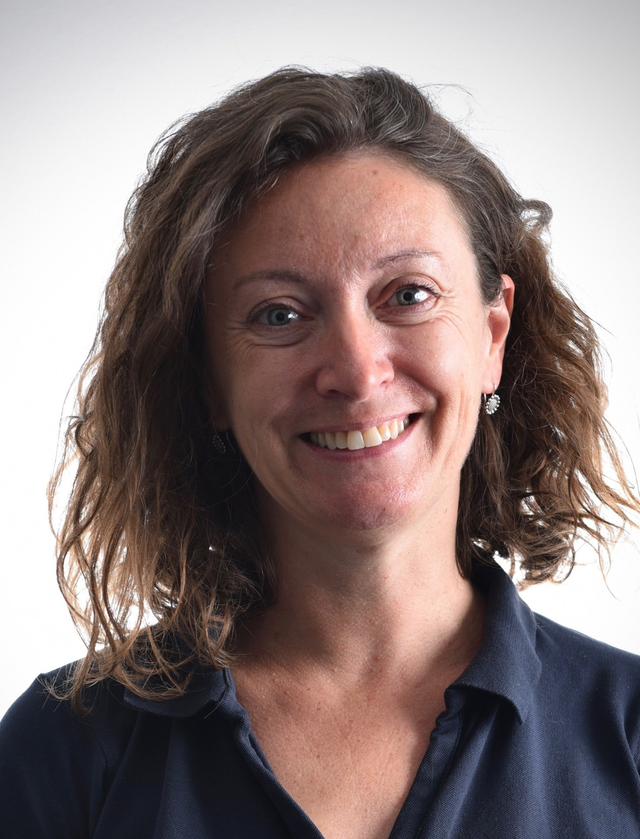
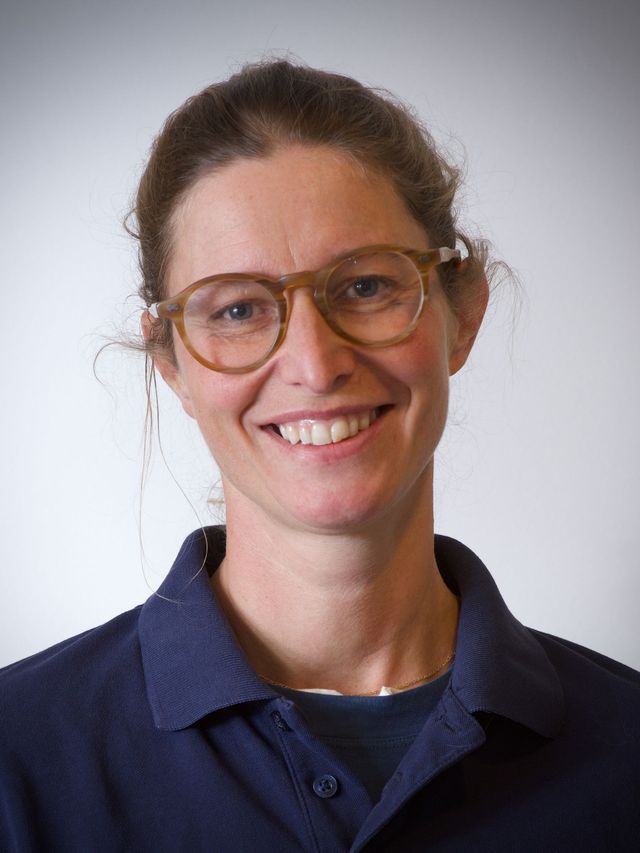
Erika Belard
Specialist physician and co-owner, CEO

Cough, wheezing and shortness of breath during play – assessment with lung function testing.
Asthma in children is a long-term inflammation of the airways that causes recurrent cough, wheezing or whistling breathing and shortness of breath – often at night, with colds or during play and sport. Asthma is the most common chronic disease in children, and around one in ten school-age children has asthma. Well-treated asthma gives most children an active and normal everyday life. At Charlottenlund Privathospital, children can be assessed for asthma by a specialist in paediatrics with lung function testing, FeNO measurement, an exercise test and allergy tests.
The symptoms vary from child to child and change with age. In the youngest children cough and wheezing dominate, while older children and teenagers more often describe tightness in the chest and shortness of breath during physical activity. Recurrent cough – especially at night or early in the morning – is one of the most common signs, and many children with asthma cough considerably longer than others with colds.
An important signal is if the child avoids physical activity, quickly gets out of breath or cannot keep up with peers during play and sport.

In asthma the airways are chronically inflamed and react too strongly to various influences. The cause is a combination of hereditary predisposition and environment. Children whose parents have asthma, allergy or eczema have an increased risk, and many children with asthma also have hay fever or childhood eczema.
The most common triggers are respiratory infections, pollen, house dust mites, animal dander, tobacco smoke and cold air. Physical exertion is a particularly common trigger in school-age children and can be the only symptom – this is called exercise-induced asthma.
The assessment is based on the medical history, an examination and lung function testing. In children under 6 the diagnosis is mainly clinical, because lung function testing is difficult to carry out reliably. Here the diagnosis is often confirmed by seeing whether the child improves with asthma medicine. From around the age of 4, nitric oxide (NO) in the exhaled breath can also be measured – a so-called FeNO test. The child breathes out slowly and evenly into a small device, and the measurement shows whether there is allergic inflammation in the airways.
In older children and teenagers, lung function testing (spirometry) is central: the child blows out as fast and as much air as possible, and the measurement shows whether the airways are narrowed. If symptoms mainly occur during play and sport, an exercise test can also be done: the child runs for a few minutes on a treadmill, and lung function is measured before and after to see whether the airways narrow during exertion. The tests are painless. If allergy is a possible trigger, a skin prick test or specific IgE blood test is added – see also allergy and allergy immunotherapy.
Treatment is adapted to severity and age. The aim is good symptom control, fewer flare-ups and that the child can take part in play and sport. There are two types of medicine: preventive treatment, typically inhaled corticosteroids taken daily that reduce the inflammation over time, and reliever medicine, a fast-acting bronchodilator used when symptoms occur.
Inhaler technique is crucial for the effect. The youngest children use a nebuliser or spacer, while older children gradually learn to use the inhaler directly. In allergy-triggered asthma it is important to reduce contact with whatever the child reacts to.

Yes. Most children with well-treated asthma can do sport on an equal footing with others. In exercise-induced asthma, medicine before training can help, and teachers and coaches should know about the child's asthma.
Many children get considerably better during school age and puberty, and in some the symptoms apparently disappear completely, while others get them again as adults. Treatment is adjusted continuously, and many can step down in periods with few symptoms – always in consultation with the doctor.
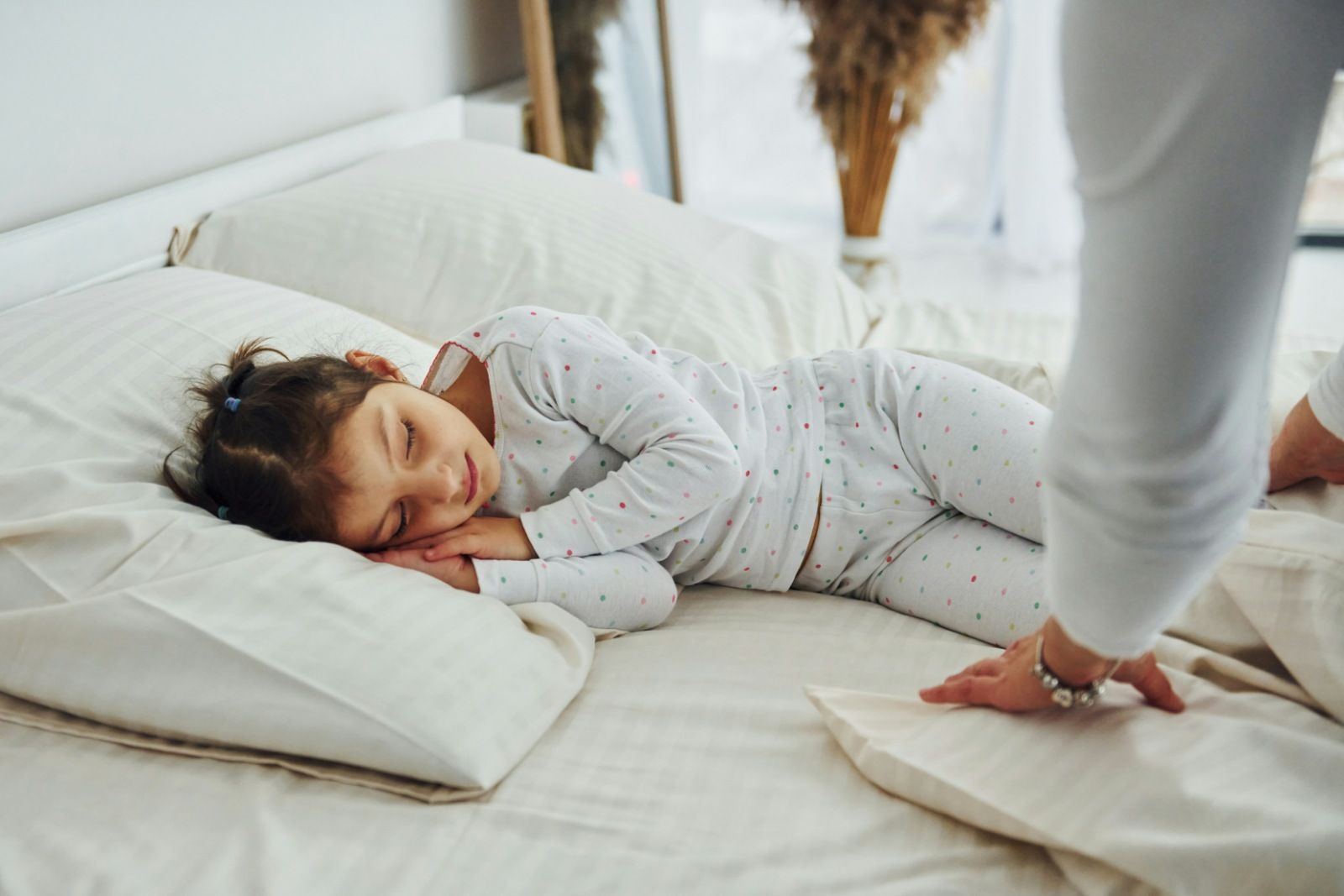
Night-time cough is a typical sign of asthma, because the airways are more sensitive at night and early in the morning. However, coughing at night can also be due to a cold, reflux or enlarged adenoids and tonsils that cause snoring and restless sleep – see sleep problems in children.
If the cough lasts more than a couple of weeks or keeps coming back, the child should be examined so that the cause can be clarified.
At Charlottenlund Privathospital, children with suspected or known asthma are assessed by a specialist in paediatrics. The assessment is based on symptoms and medical history and is supplemented with lung function testing, FeNO measurement, an exercise test on a treadmill and allergy tests as needed. If the child also has allergy or eczema, the course can be planned across specialties. See also the paediatrician's area.
No referral is needed for self-paying patients, and appointments can be booked online. Prices are shown in the price list.
Many health insurance policies cover an assessment by a paediatrician, but the insurers usually require a referral from the family doctor and prior approval. Most insurers send the approval directly to the hospital, and the bill is settled with the insurer. Charlottenlund Privathospital does not accept patients through the Danish public health insurance scheme.
Appointments take place in the hospital's children's unit at Hans Edvard Teglers Vej 9 in Charlottenlund – see map and addresses.
Answers to questions parents often ask about asthma in children.
Many children get considerably better during school age and puberty, and in some the symptoms apparently disappear completely. Others get them again as adults. Treatment continues as long as there are symptoms.
Well-treated asthma is not dangerous, and most children live a normal life. Poorly controlled asthma can affect sleep, wellbeing and activity and in rare cases cause severe attacks.
Asthma in which the symptoms mainly occur with physical activity – cough, wheezing or shortness of breath during or shortly after play and sport. It is common in school-age children and can be treated.
In children under 6 the diagnosis is mainly clinical and based on the medical history and examination. It is often confirmed by seeing whether the child improves with asthma medicine.
A lung function test that shows how fast and how much air the child can blow out. It is painless, takes a few minutes and is used in children from around 6 years.
Yes. Allergy to house dust mites, pollen and animal dander is a common trigger, and many children with asthma also have hay fever or eczema. Allergy testing is therefore often part of the assessment.
Other pages about allergy and the airways in children:
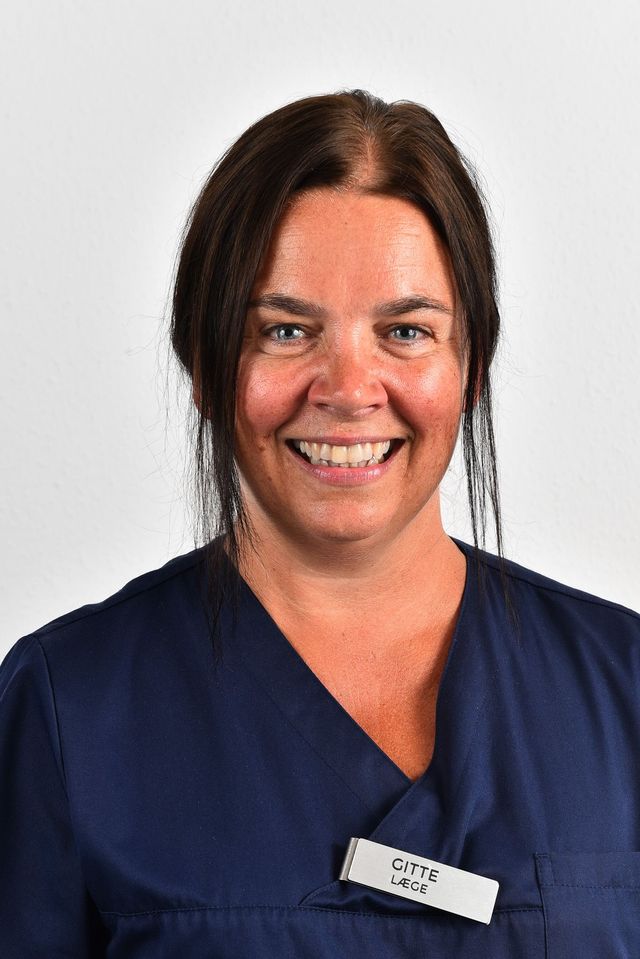
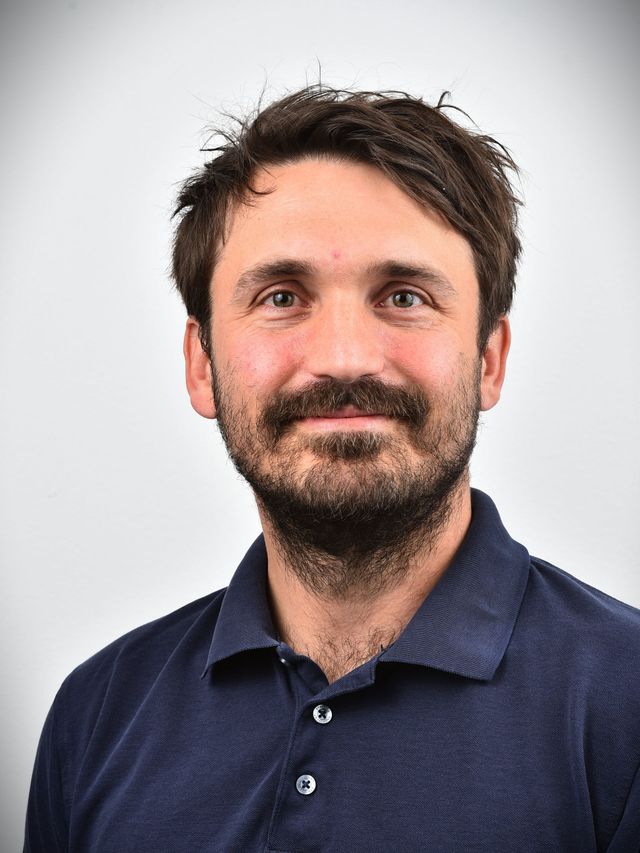
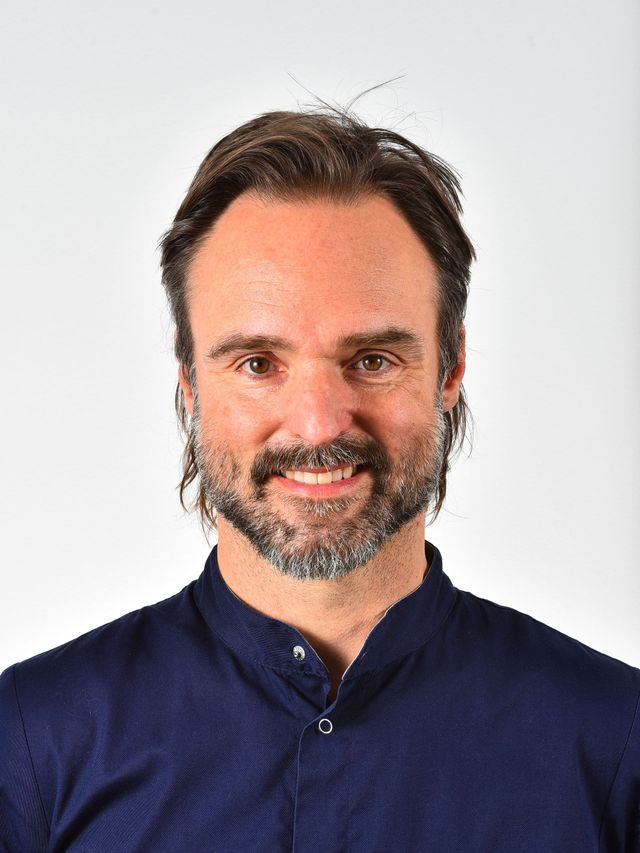
→ Allergy and allergy immunotherapy – skin prick test, hay fever and immunotherapy from age 5 → Food allergy in children – milk, egg and nuts → Childhood eczema – dry, itchy skin → Private paediatrician – all the paediatrician's areasCharlottenlund Privathospital is owned and run by three specialist physicians: Erika Belard, Jacob Fisker and Teit Mantoni. Jacob Fisker is medical director. Here you will find our ear, nose and throat (ENT) specialists in Charlottenlund and at our clinics around Denmark – and in Charlottenlund also specialists in paediatric surgery, dermatology, diving medicine, gynaecology, cardiology, paediatrics, psychology and rheumatology.
Specialist physician and co-owner, CEO

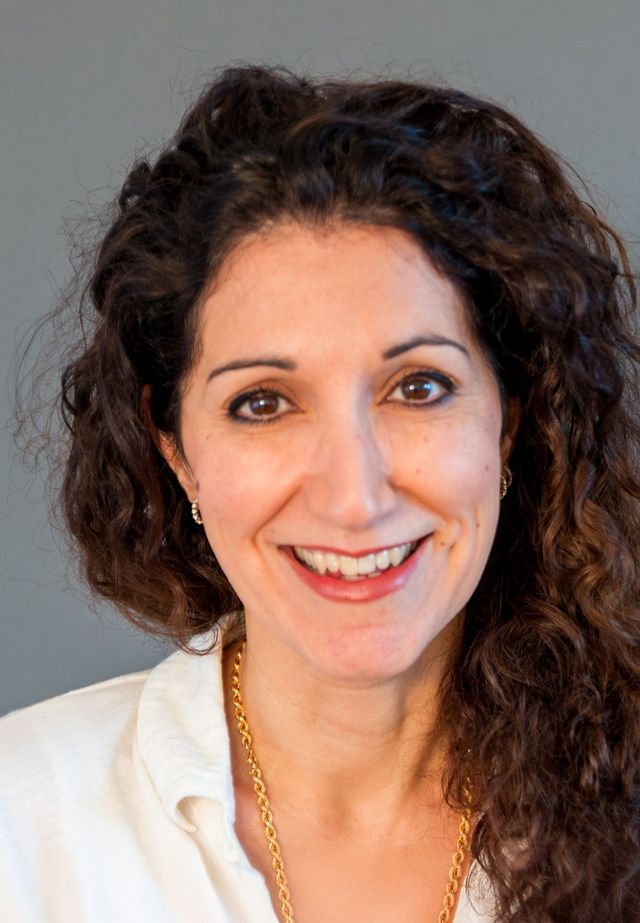
Specialist physician, co-owner and medical director
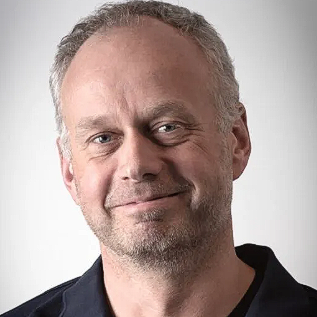
Specialist physician and co-owner
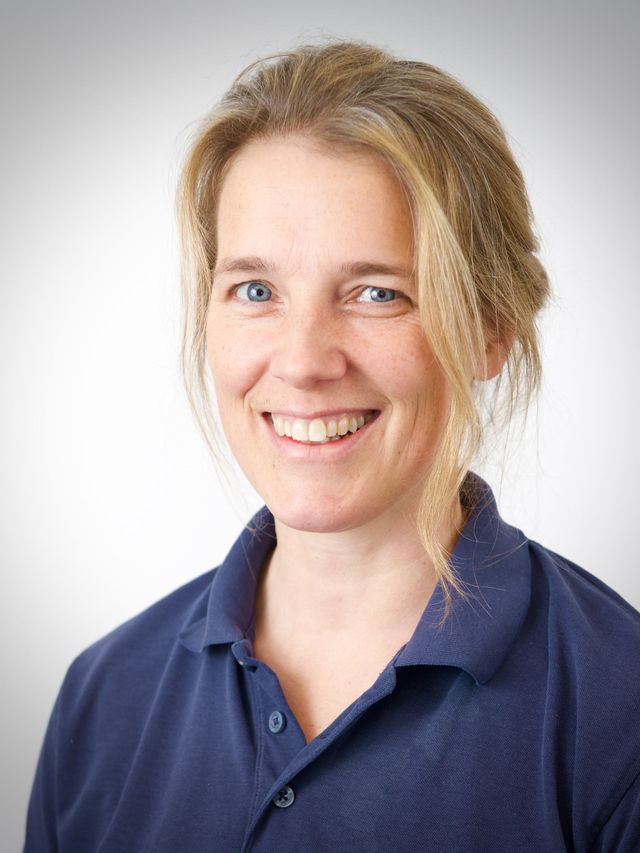
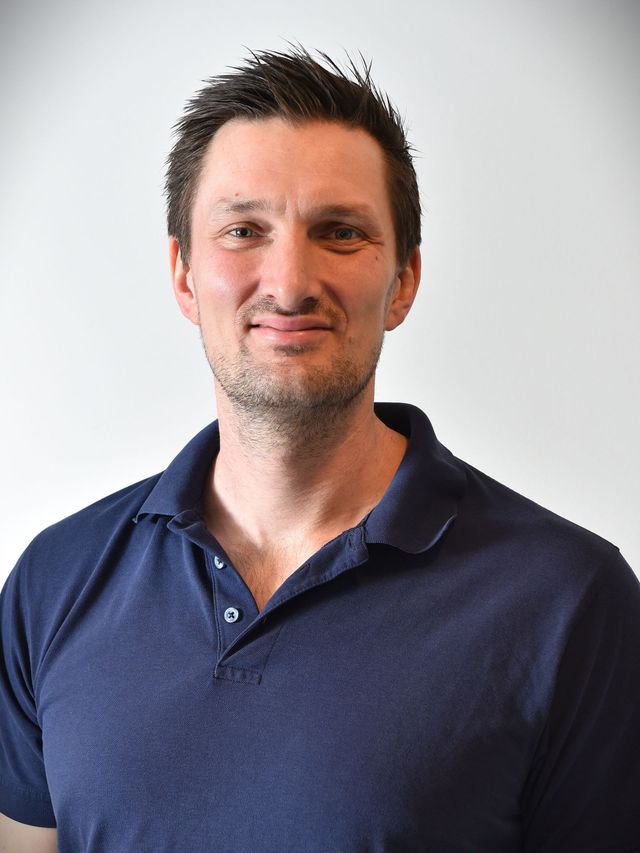
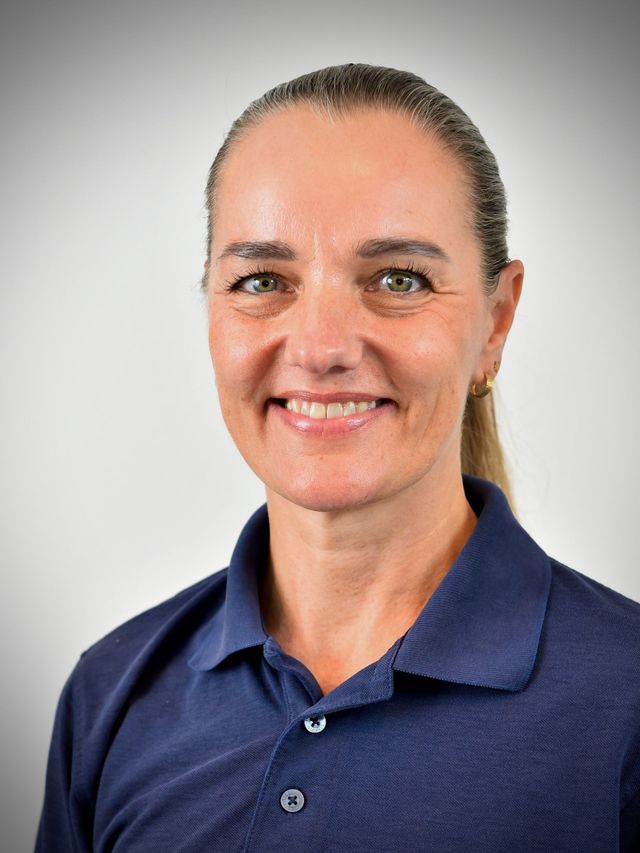
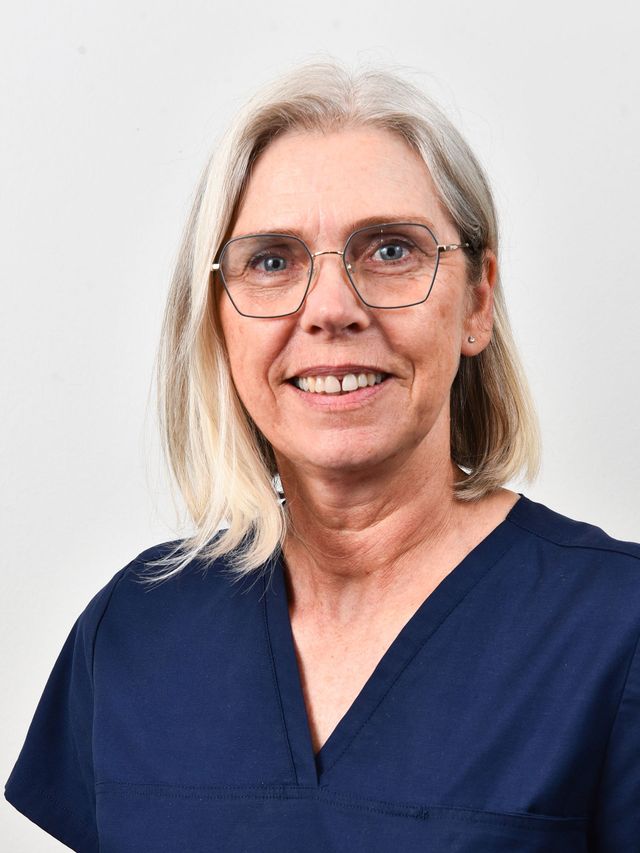



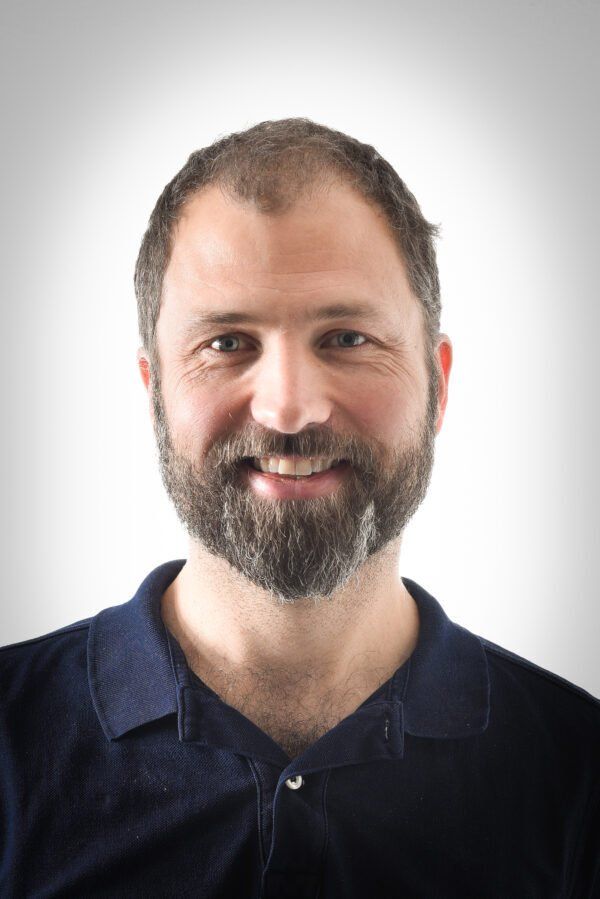
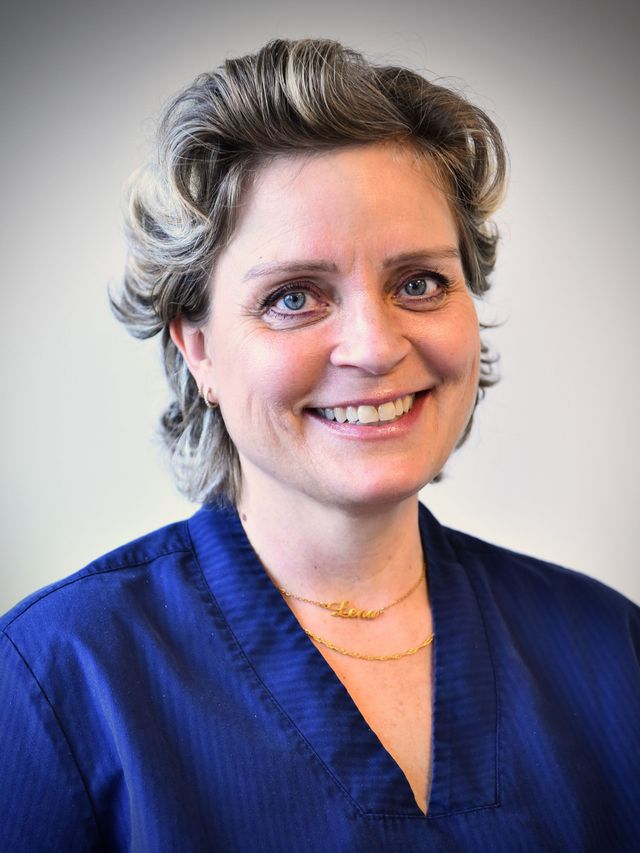
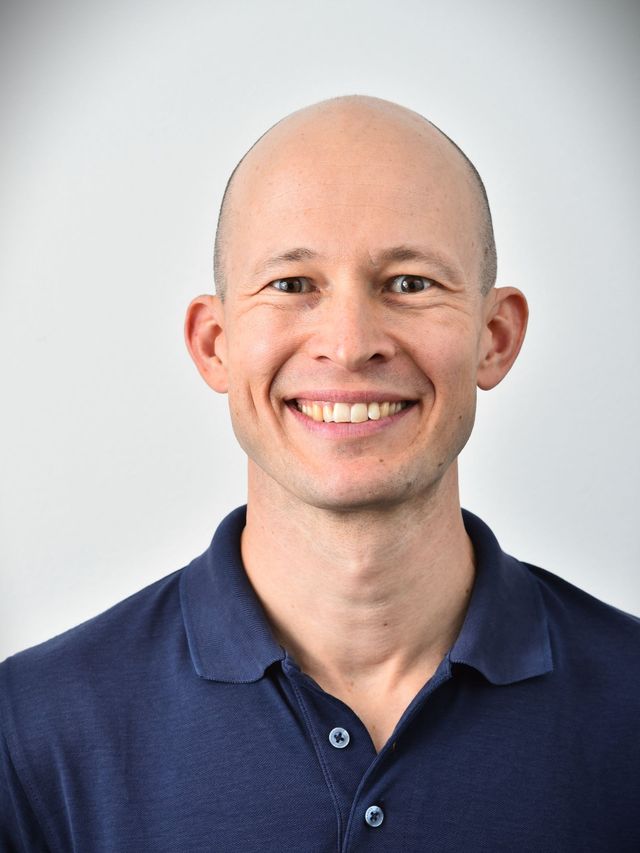
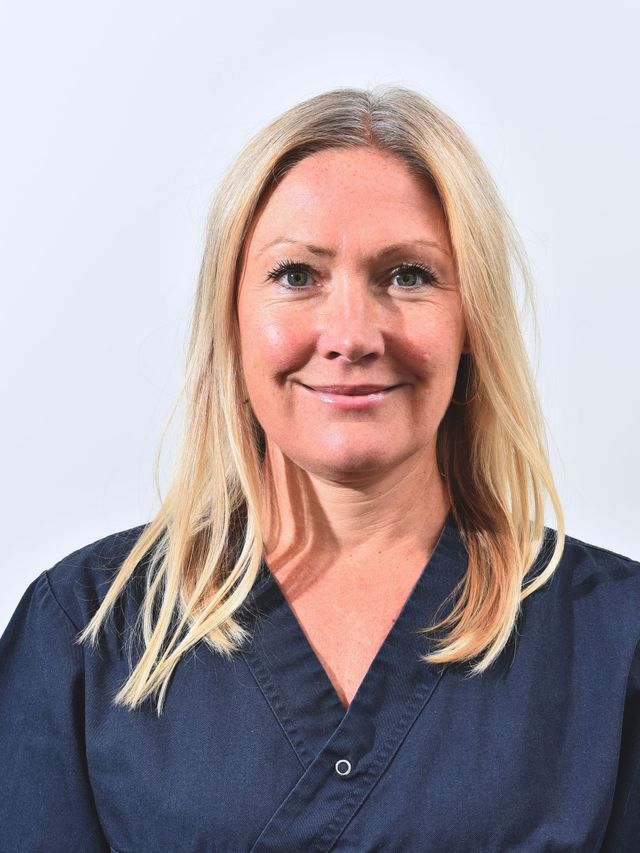
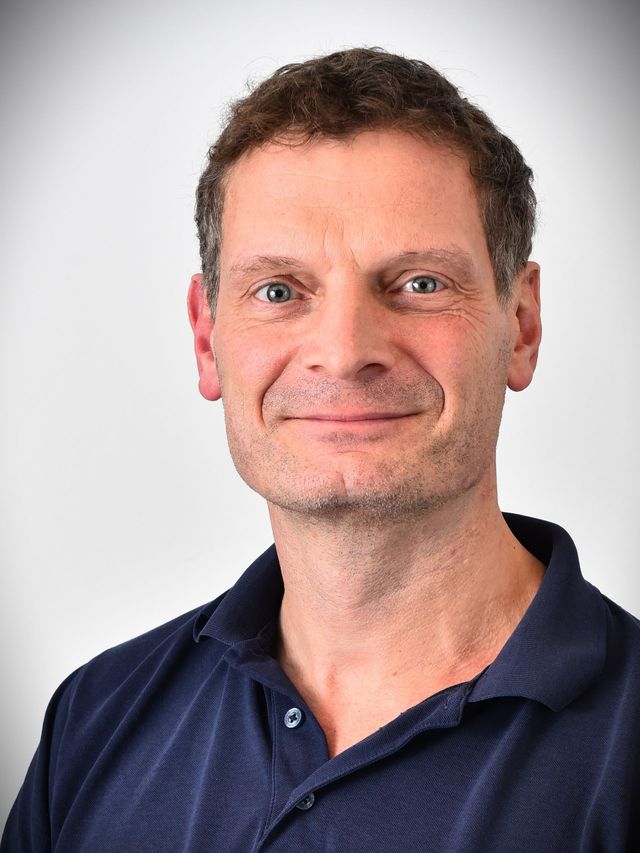
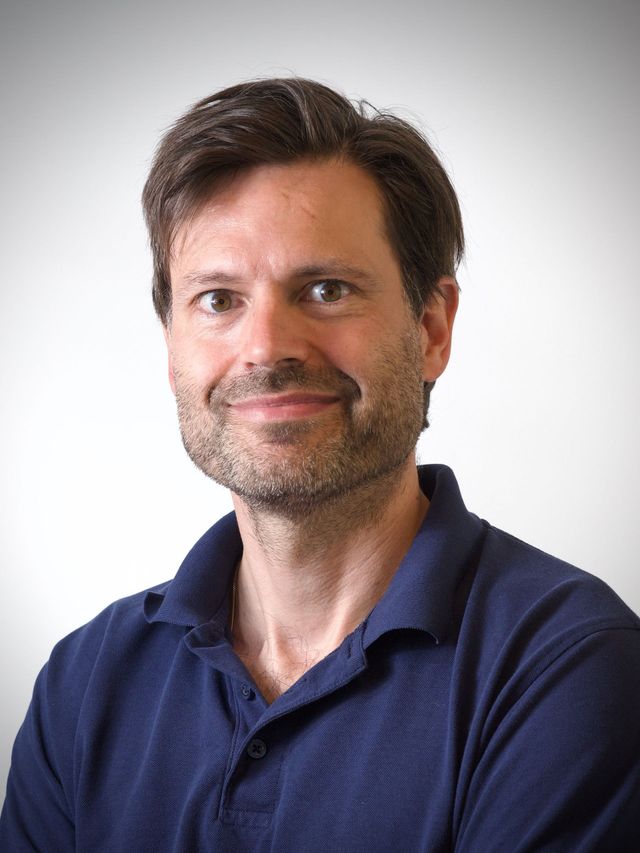

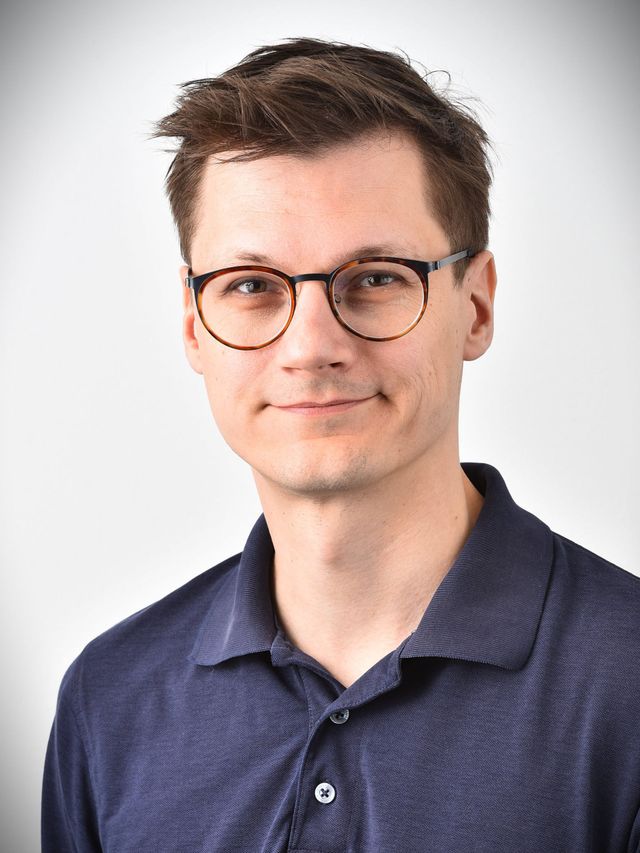
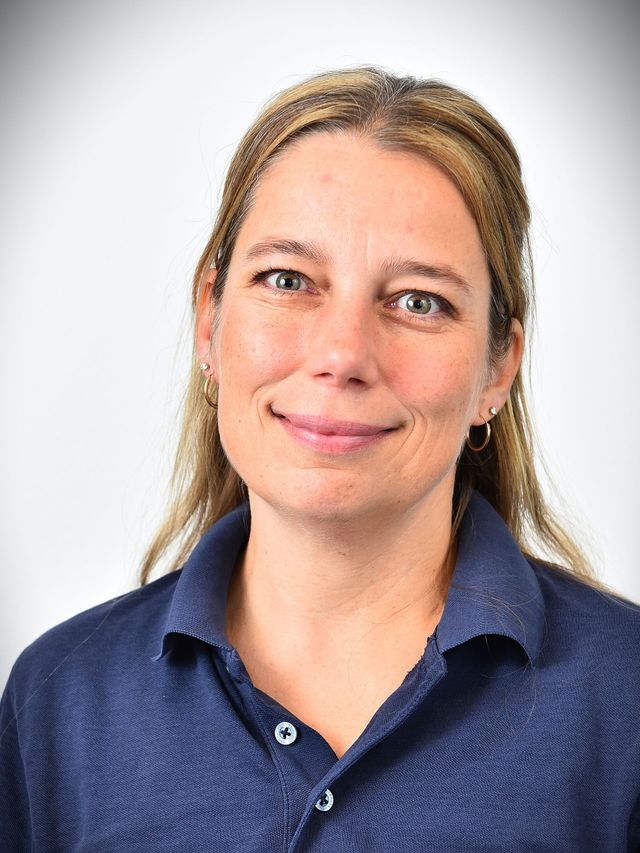
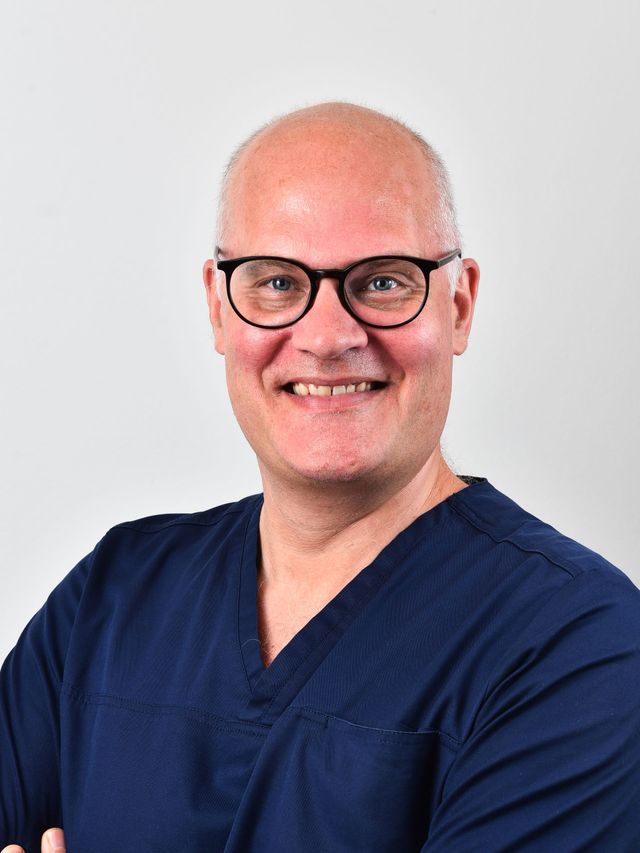
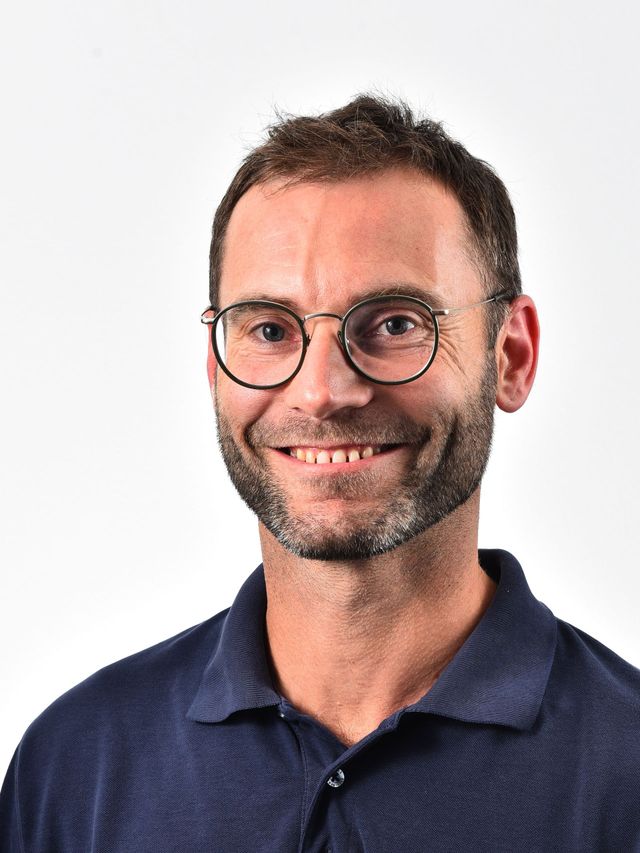
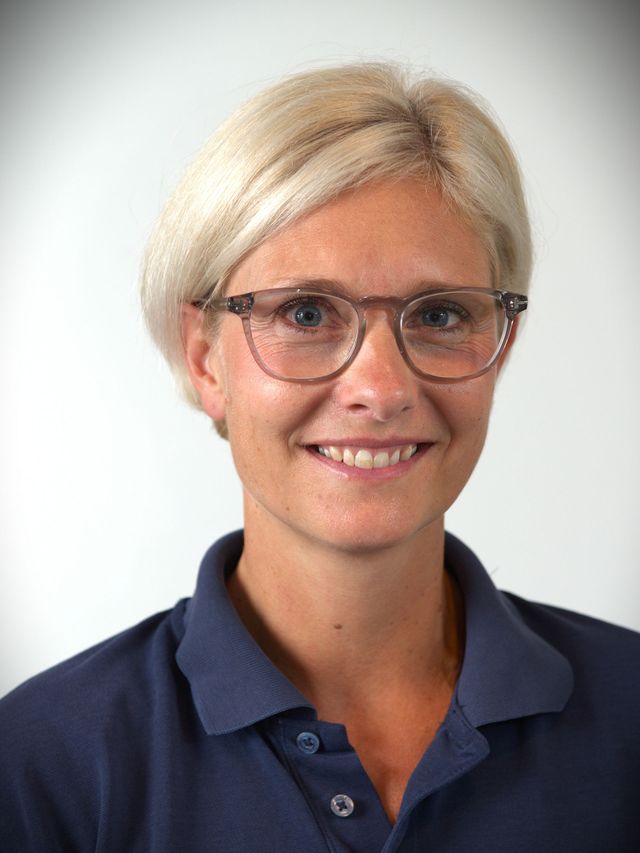
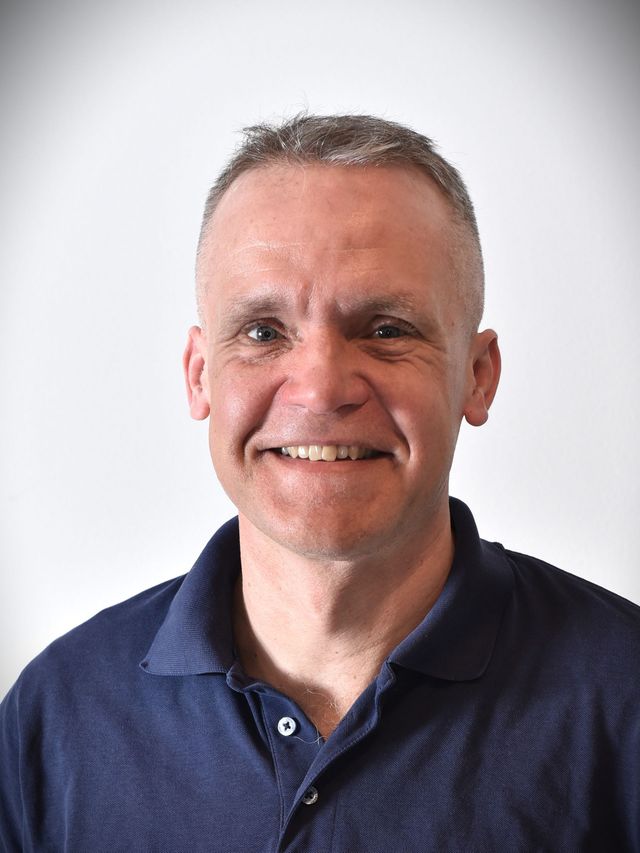
Specialist in anaesthesiology
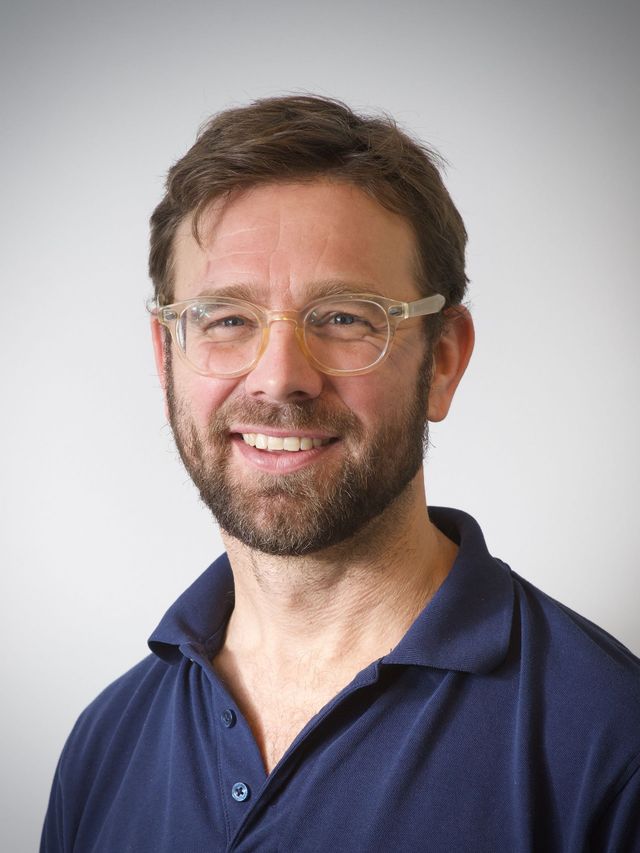
Specialist in anaesthesiology
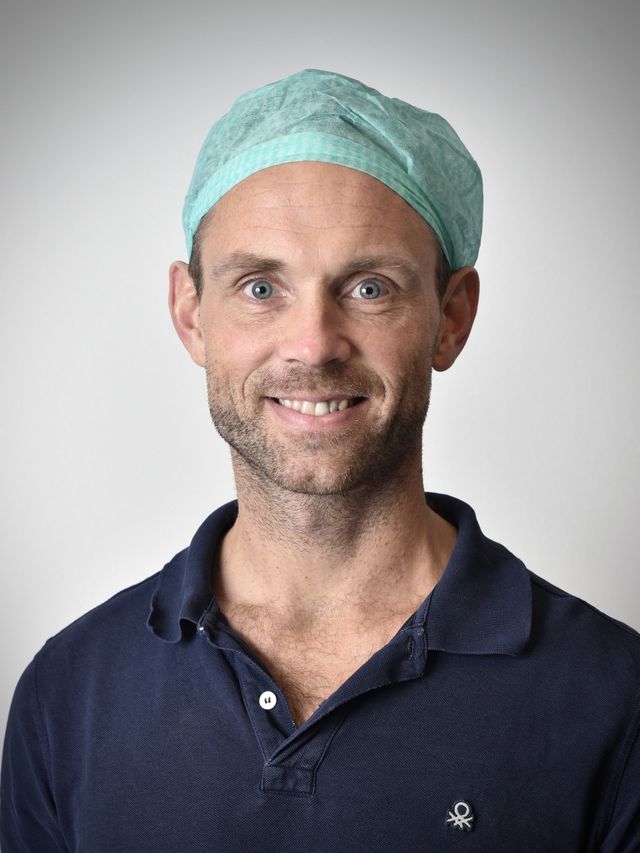
Specialist in anaesthesiology
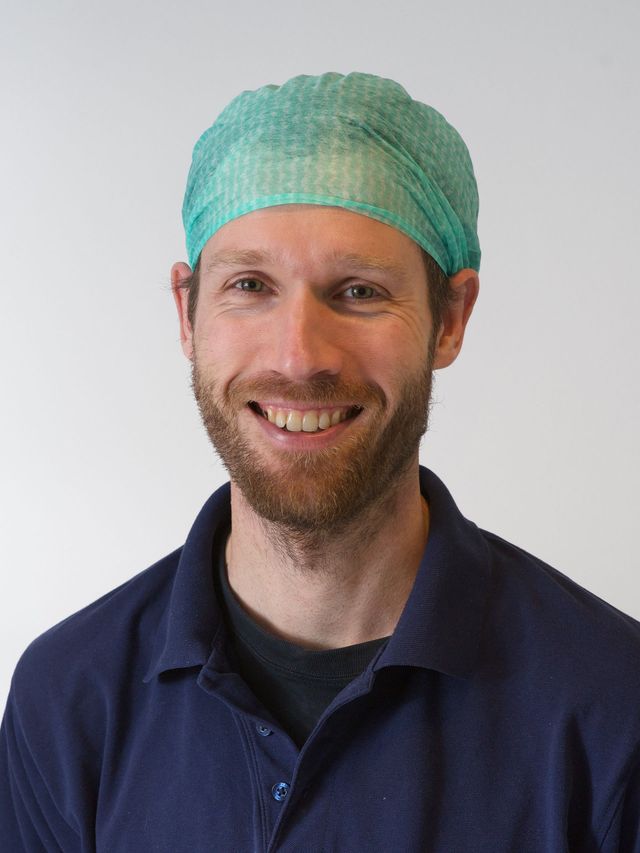
Specialist in anaesthesiology, DMSc, PhD
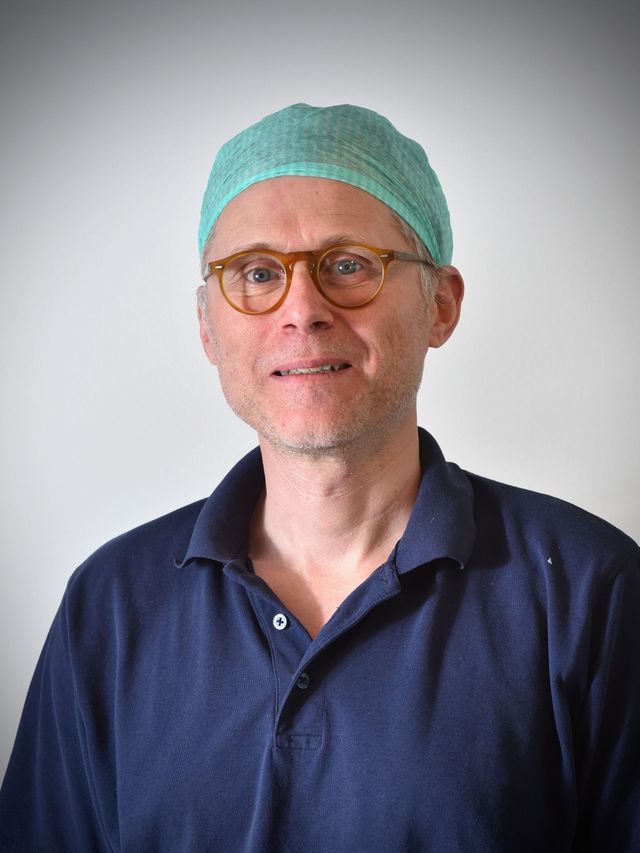
Specialist in anaesthesiology
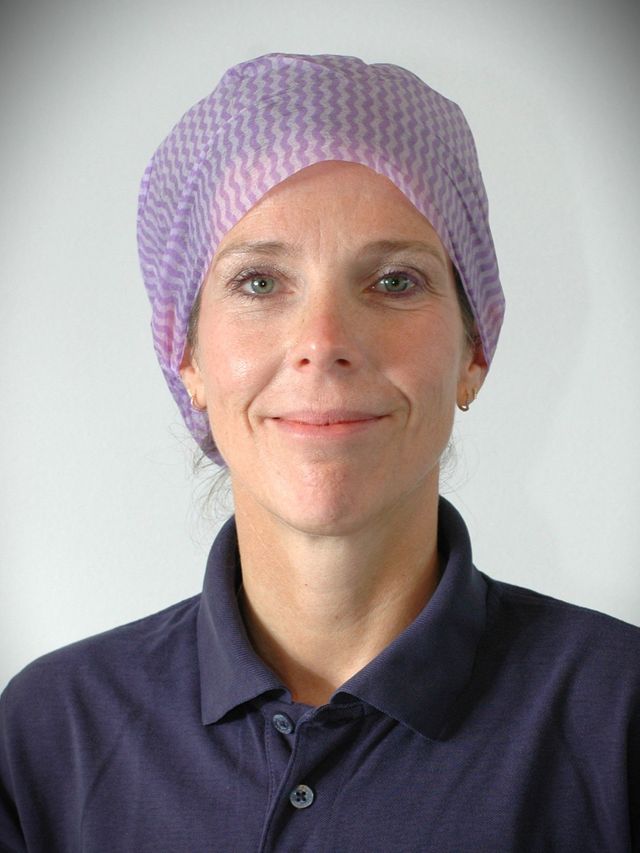
Specialist in anaesthesiology
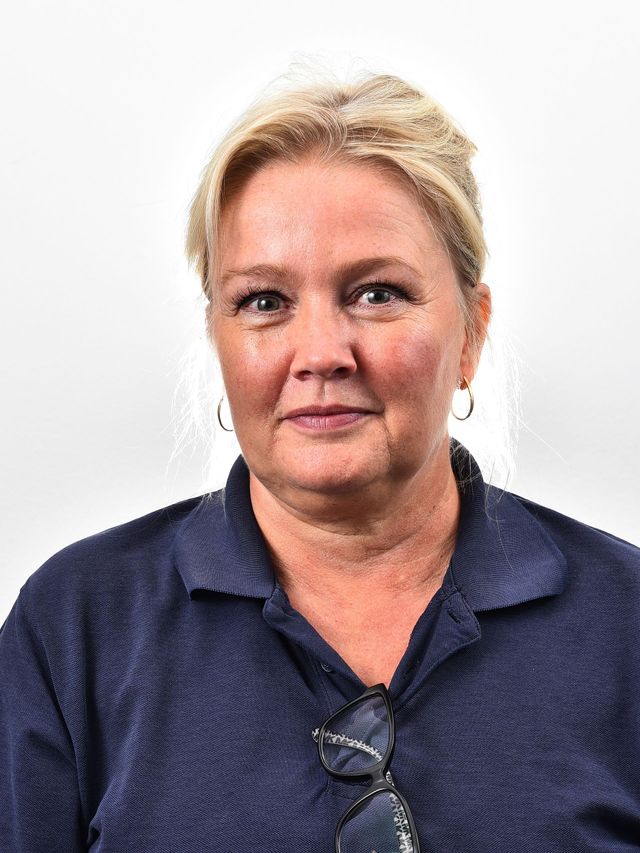
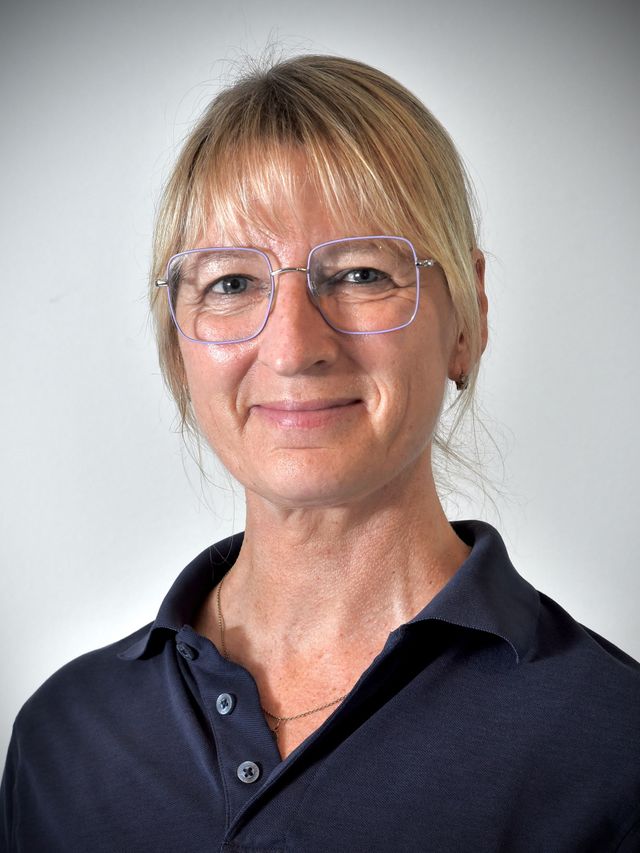
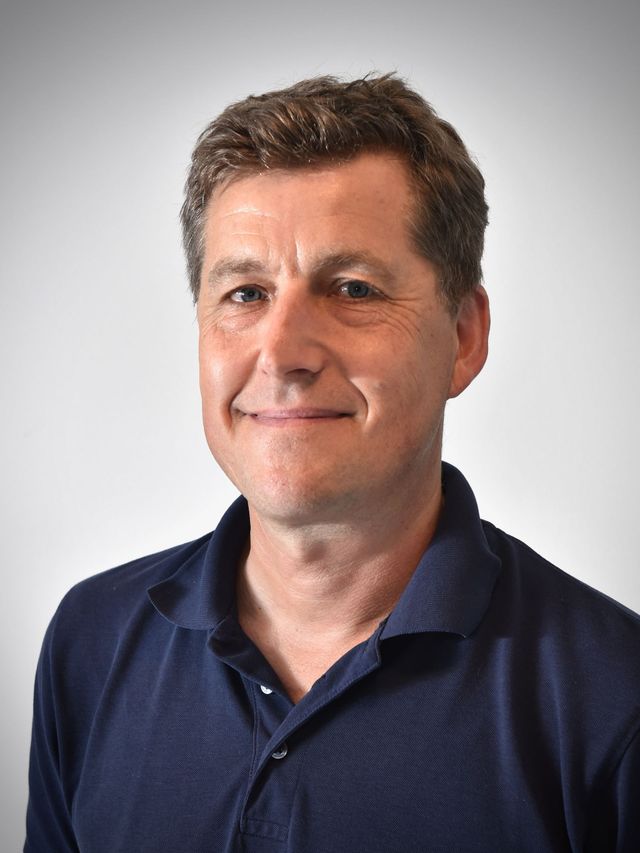
Specialist in anaesthesiology and diving medicine
Approved by the Danish Maritime Authority
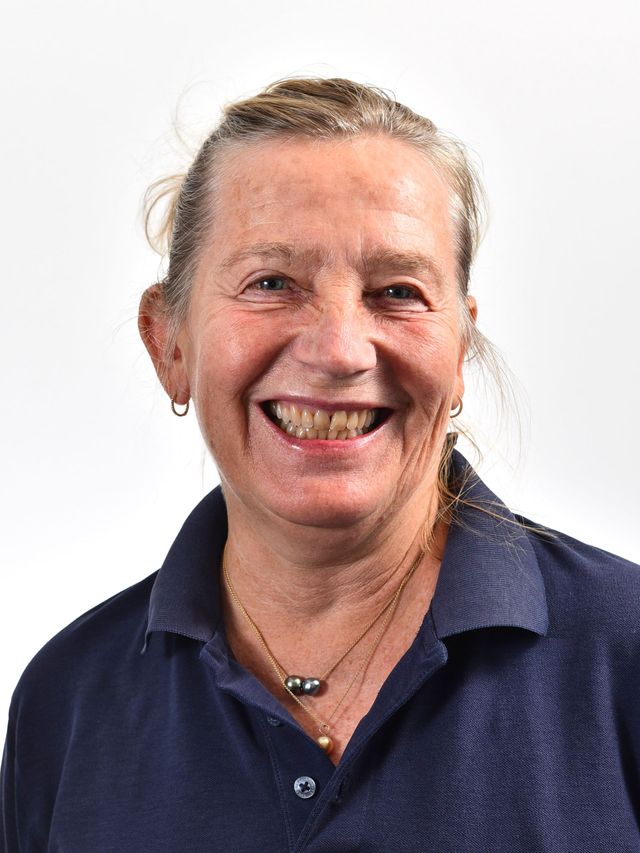
Specialist in anaesthesiology and diving medicine
Approved by the Danish Maritime Authority
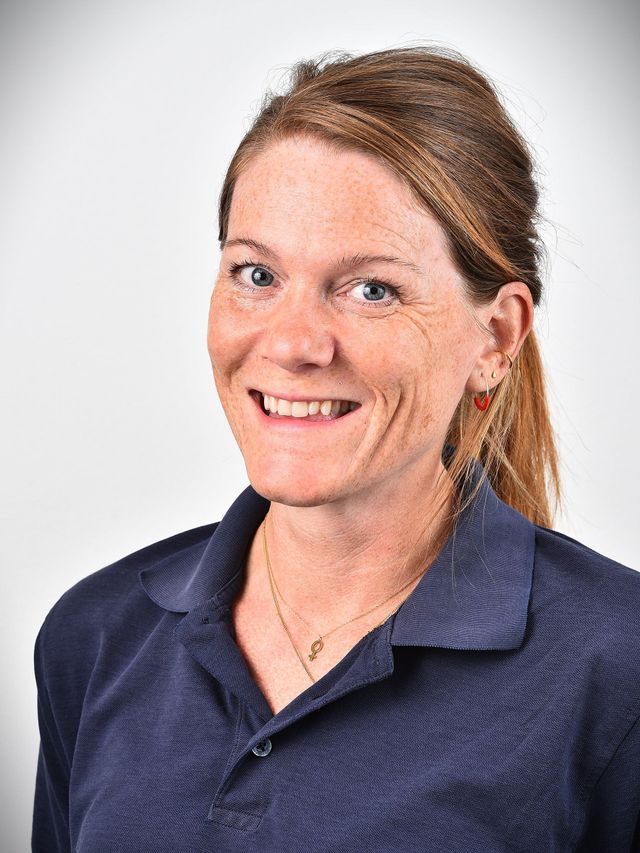
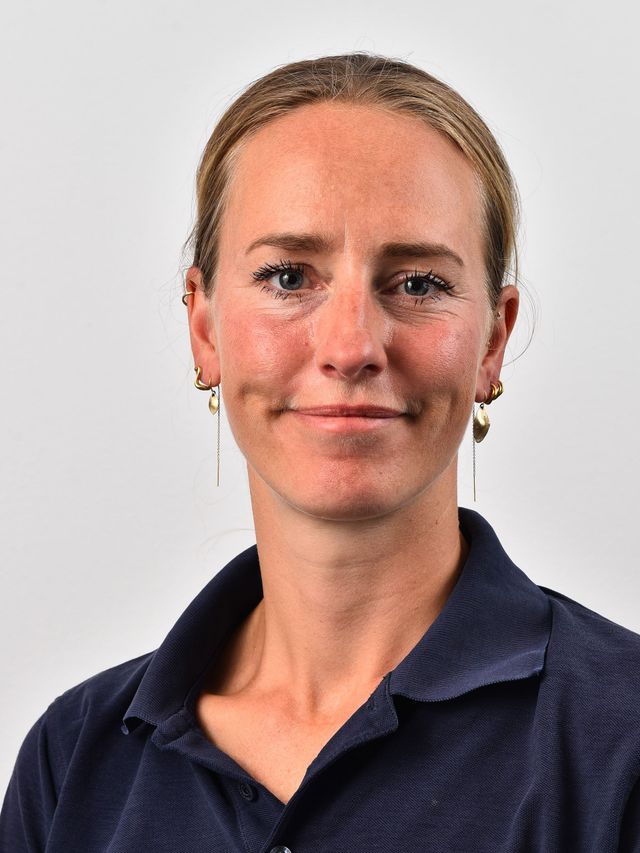

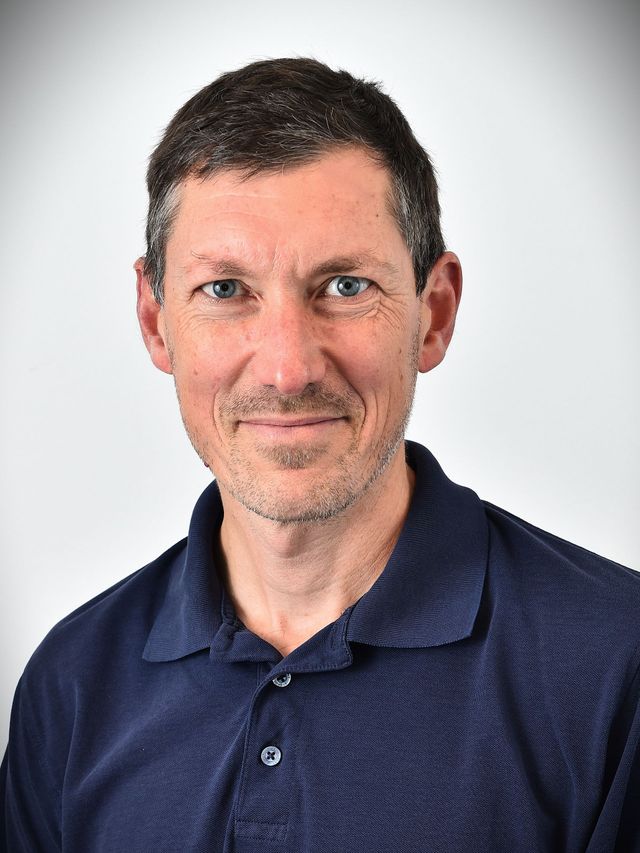
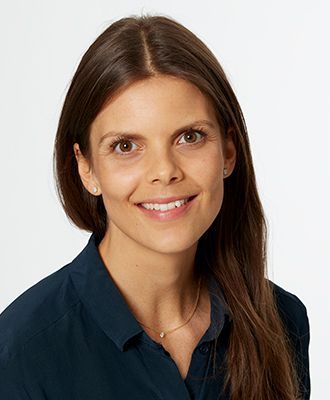



They are the people you meet first when you call or walk through the door – and the ones who look after you before and after your treatment.
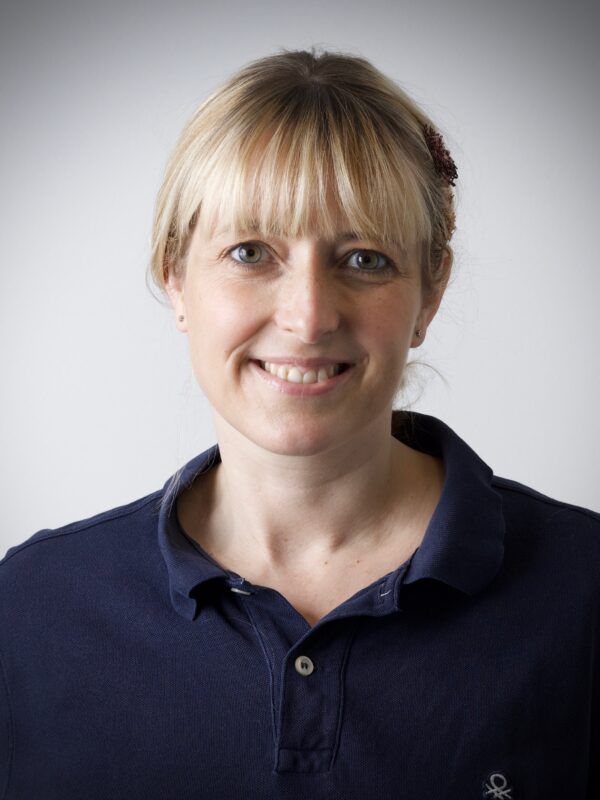
Nurse
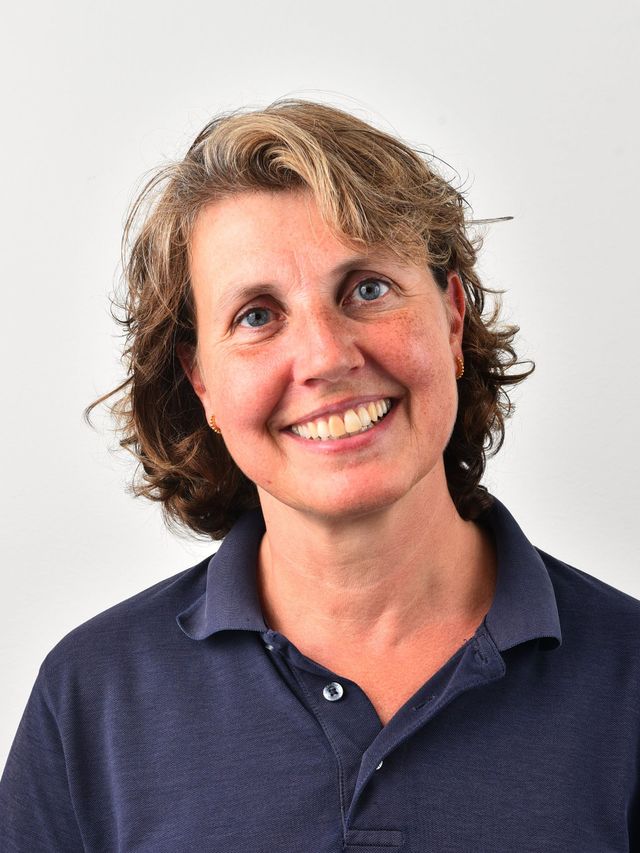
Nurse
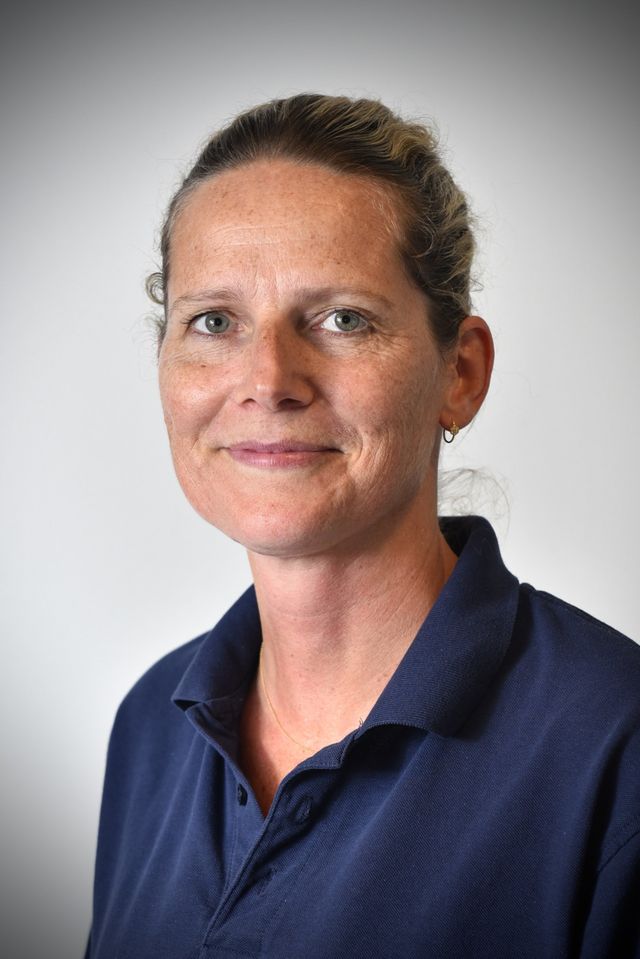
Nurse
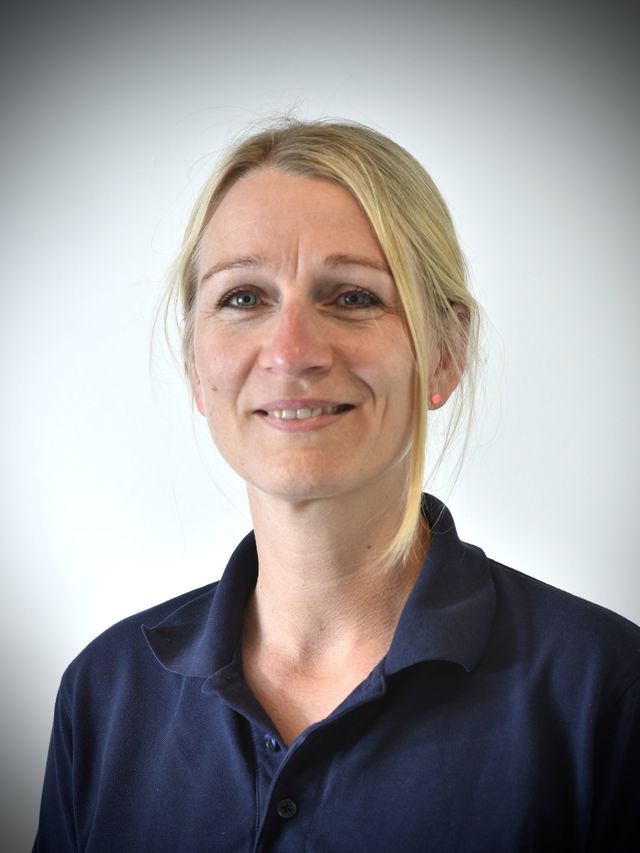
Nurse
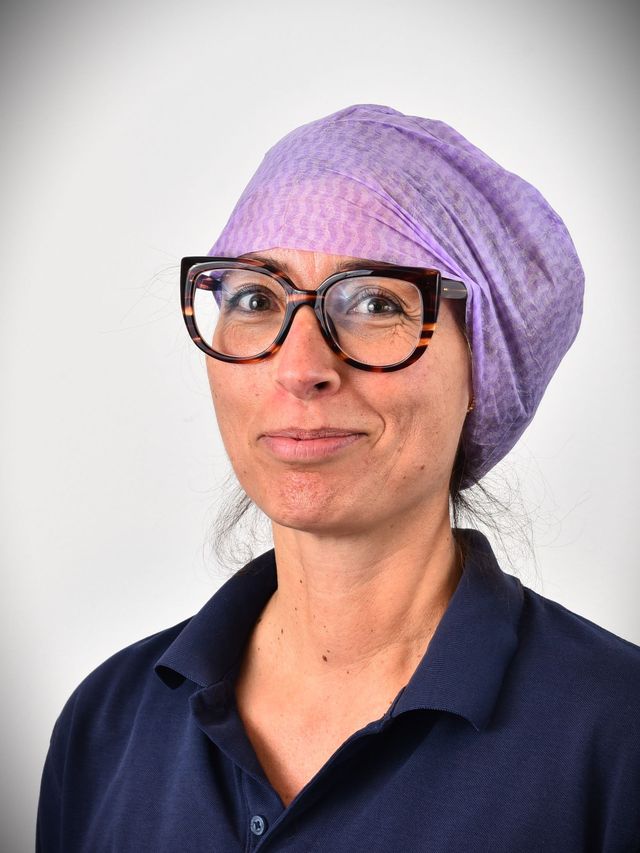
Nurse
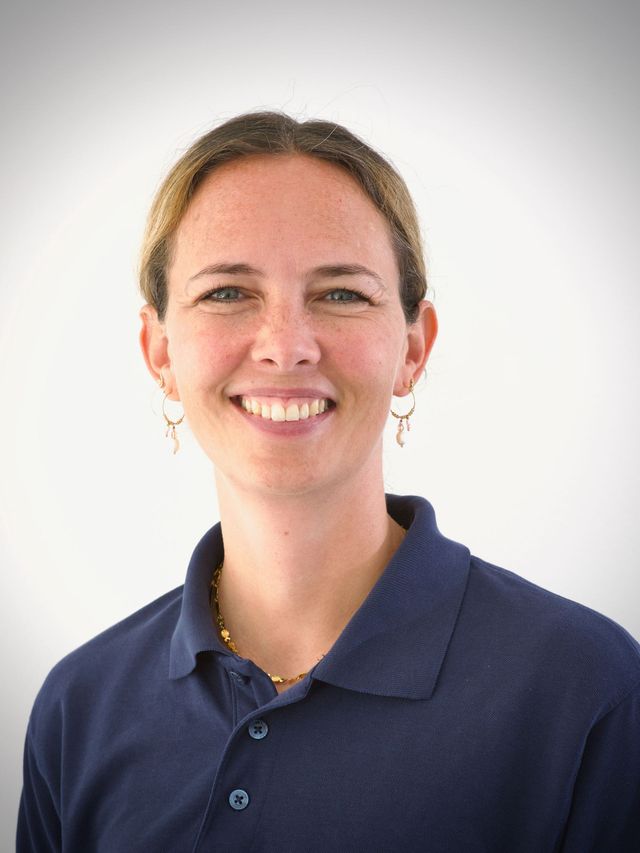
Nurse
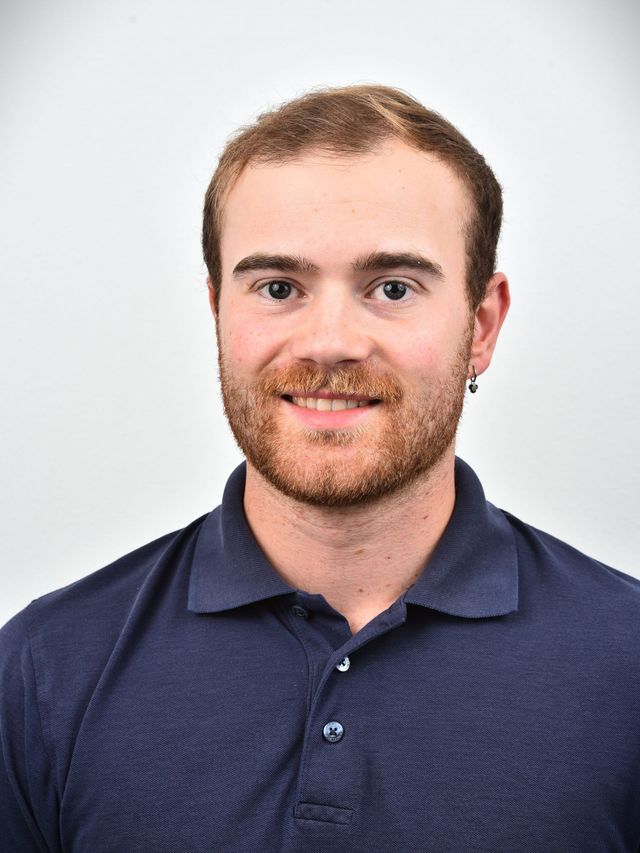
Clinical assistant
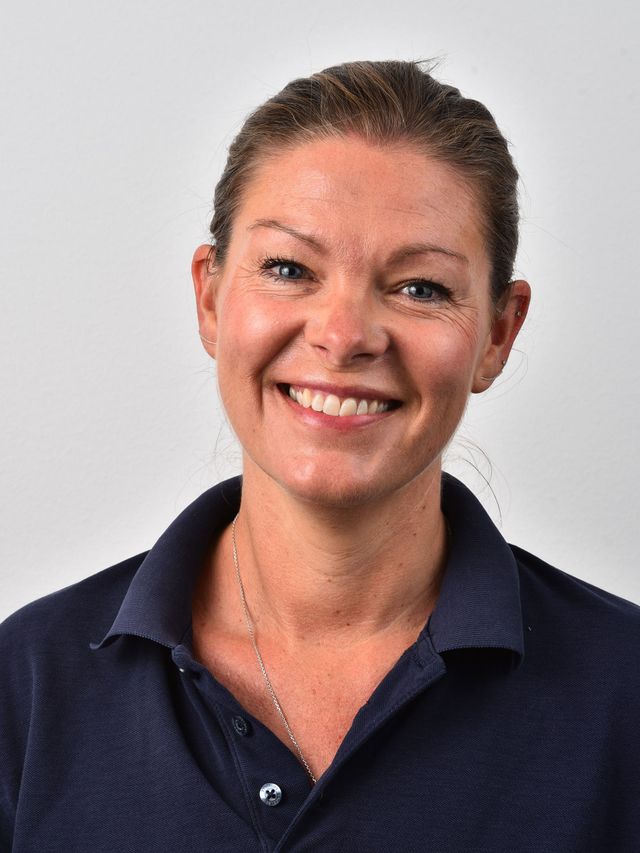
Clinical assistant
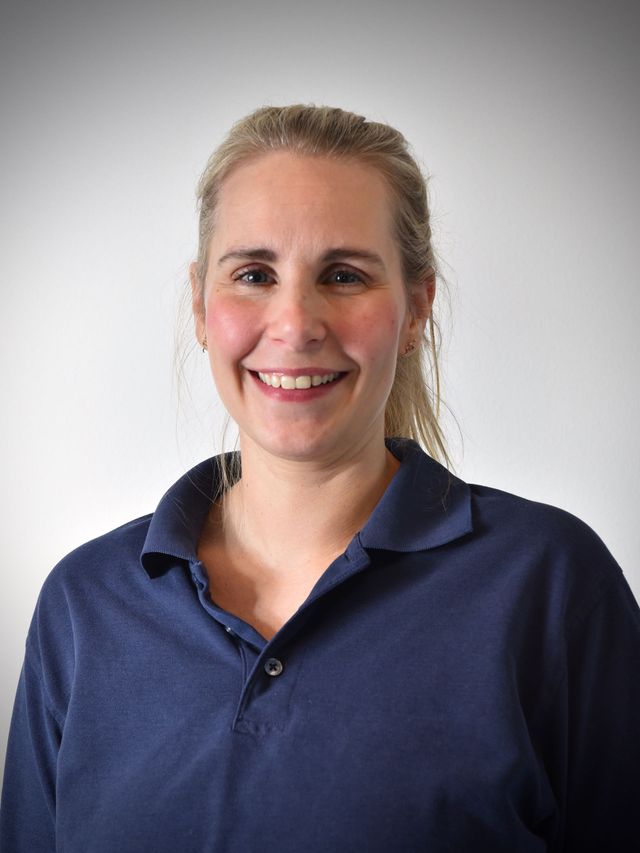
Clinical assistant
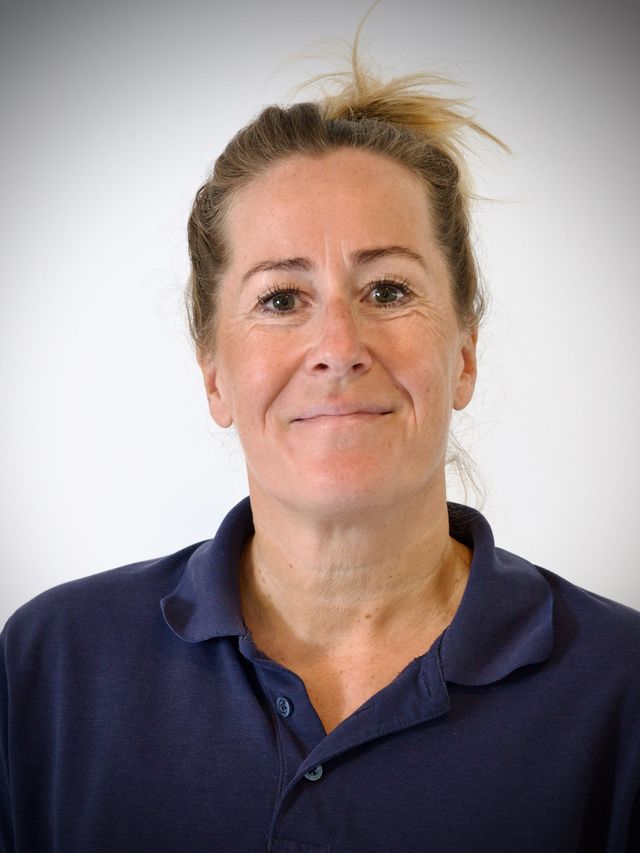
Reception and secretariat
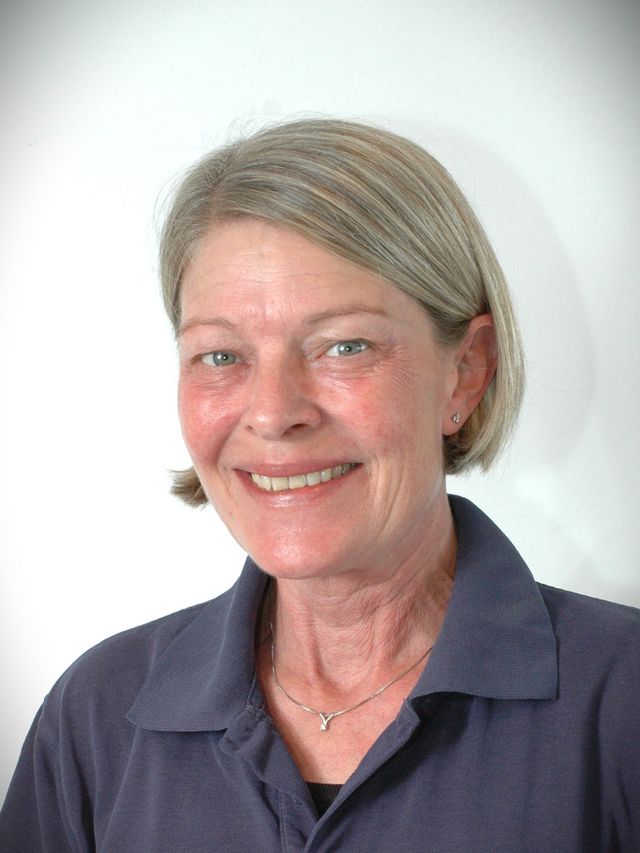
Reception and secretariat
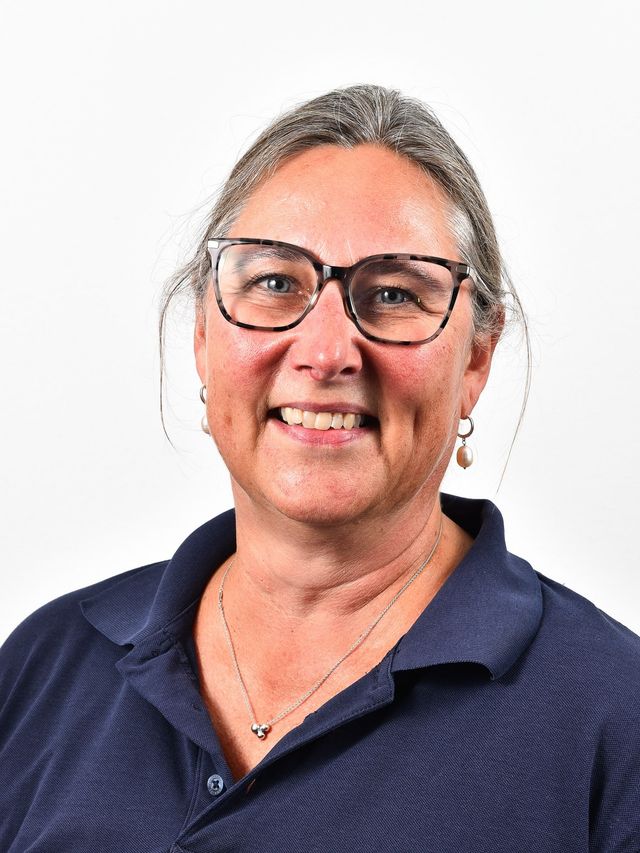
Reception and secretariat
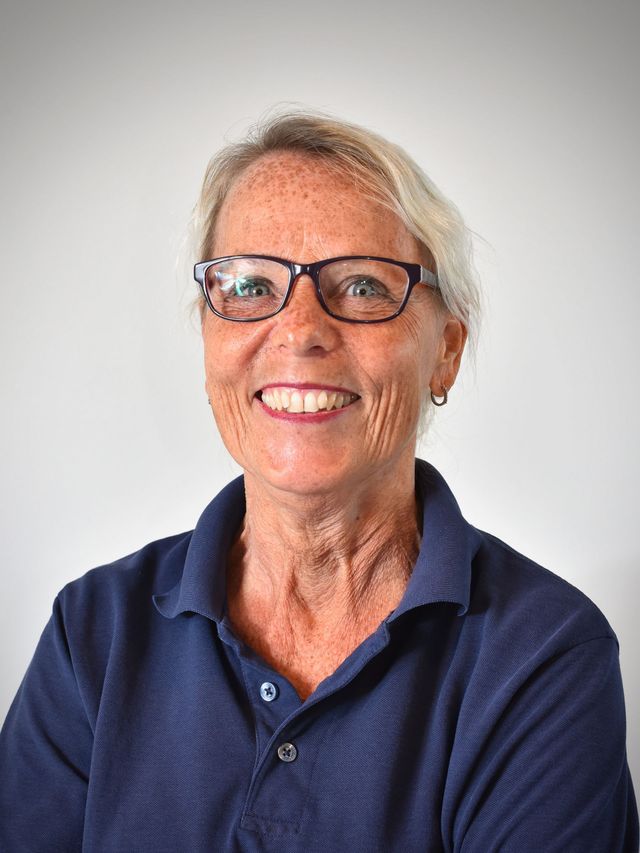
Reception and secretariat
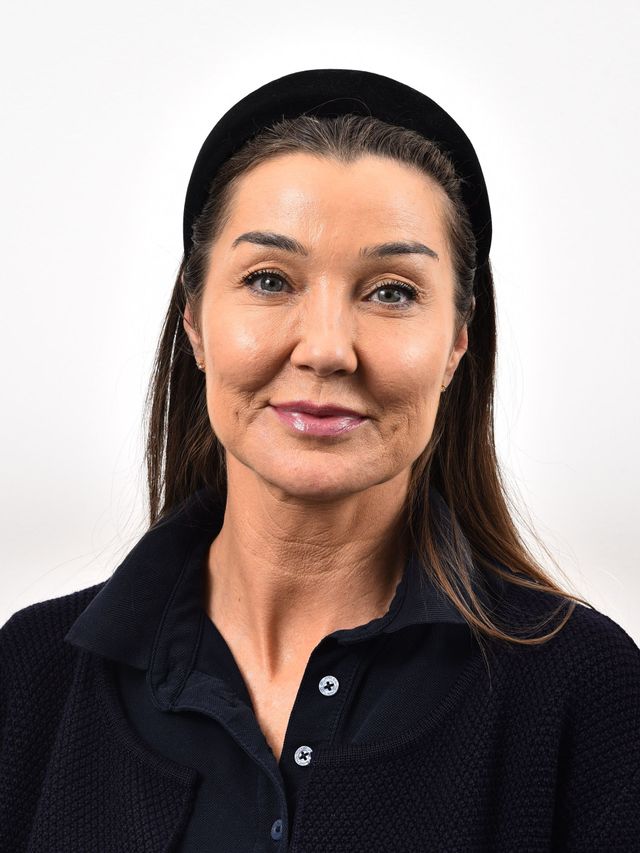
Reception and secretariat

Service assistant
No one found. Try another name or choose "All".
Would you like to book an appointment with one of our specialists?
Book onlineJægersborg Allé 4
2920 Charlottenlund
CVR: 45675637
Monday–Friday, 08:00–14:00
Outside telephone hours, appointments can be booked, rescheduled and cancelled online 24/7.
Main department in Charlottenlund and ear, nose and throat departments at several locations across Denmark.