


Surgery for a deviated nasal septum (Septoplasty)
With surgery for a deviated nasal septum, you will quickly get better air in your nose.
At Charlottenlund Privathospital, some of Denmark's most experienced surgeons are ready to perform surgery for a deviated nasal septum with no waiting times. We have extensive experience with septoplasty and have dedicated many years to mastering this specialized field. Every surgeon performing this procedure at our hospital has completed hundreds of these operations. This deep expertise ensures that our patient safety, care, and clinical results are of the absolute highest standard. The treatment is also frequently covered by private health insurance.
How Do You Know If You Need Septoplasty?
A deviated nasal septum typically causes persistent, long-term nasal congestion that is often unilateral (affecting only one side). Over time, this blockage can also contribute to:
- Chronic headaches and facial pressure
- A reduced sense of smell
- Frequent, recurring sinus infections
If you recognize these symptoms, surgery to straighten the nasal septum (septoplasty) can be an highly effective, life-changing solution.
Note: While a septoplasty is one of the most common nasal surgeries performed on its own, it can also be combined with larger sinus operations if needed.
How the Procedure is Performed
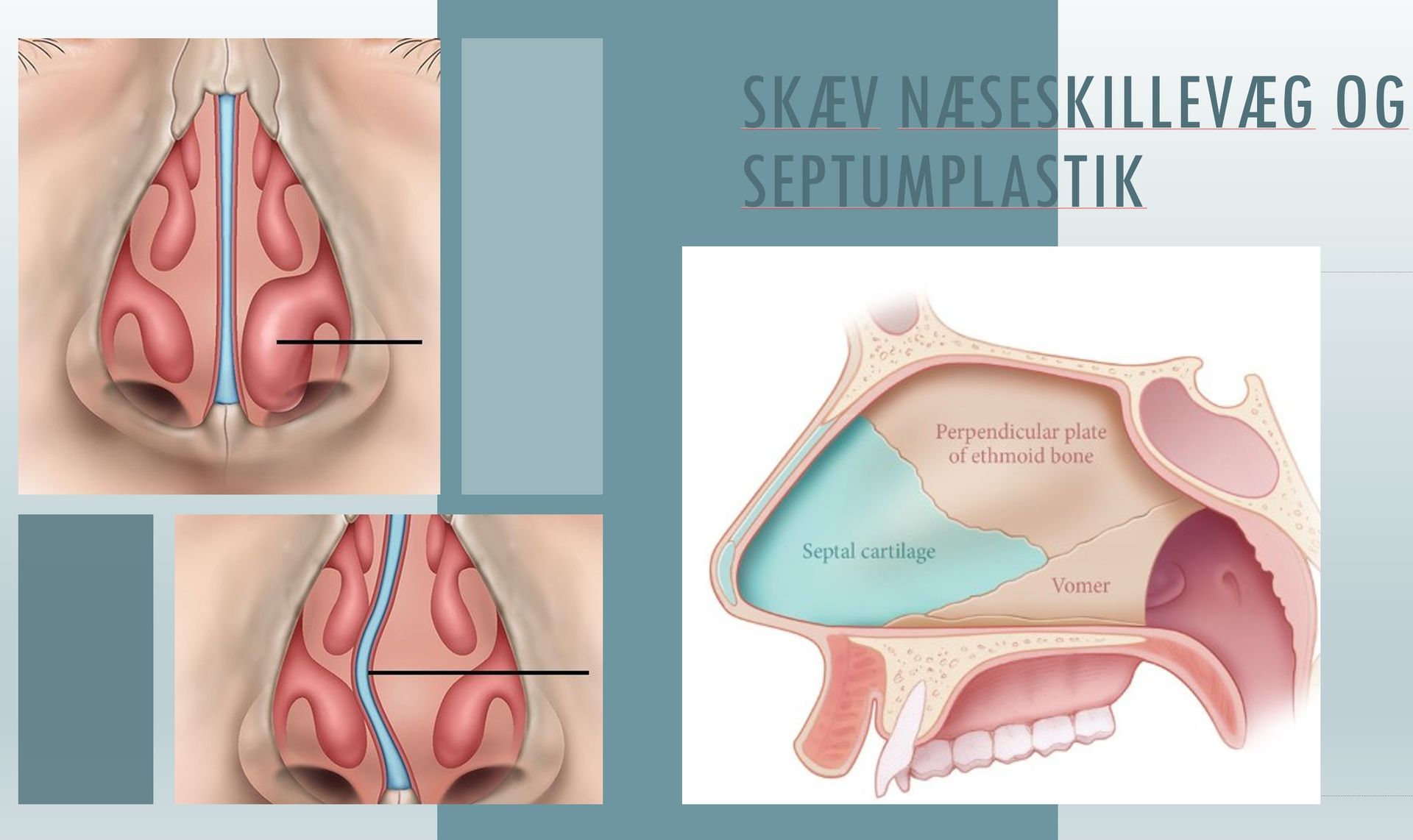
A septoplasty is an operation where the nasal septum—the internal wall made of cartilage and bone—is carefully reshaped and straightened.
Often, a deviation occurs because the septum outgrew its space during development, causing it to buckle or bend to one side. During the procedure, the surgeon gently adjusts and repositions the cartilage and bone so it sits straight inside the nose, fully reopening the airways. At Charlottenlund Privathospital, the surgery is always performed under general anesthesia and typically takes between 60 to 90 minutes.
Aftercare and Healing — What to Expect
Following your surgery, you will stay in our recovery ward for a short observation period, after which you will be able to return home the same day.
Most patients experience only mild discomfort in the first few days. To keep the newly straightened septum securely in place during the initial healing phase, the surgeon will often place soft, flexible silicone splints inside your nose. These are completely temporary and will be removed during your follow-up.
Most people can comfortably resume their normal daily activities within 4 to 7 days. On the day of your surgery, our specialists will provide you with thorough, step-by-step instructions regarding your personalized aftercare and pain management.
Book a Consultation
Are you experiencing the frustrating symptoms of a deviated nasal septum? Book an appointment with our specialists today for a professional, thorough assessment. We are dedicated to providing you with safe, secure, and expert care.
📞 Contact us today — we are ready to help.
Preliminary examination
Once you have been diagnosed with a deviated nasal septum and are scheduled for surgery, you will undergo a preliminary examination. The preliminary examination takes place at our private hospital in Charlottenlund, where the doctor examines your nose and sinuses with a short endoscopic examination and possibly a review of the CT scan of your sinuses.
During the preliminary examination, the surgeon determines what is needed and whether a septoplasty will be the solution. In very rare cases, the surgeon will recommend a completely different operation, such as a correction of the external nose instead of a correction of the nasal septum. In such cases, there will of course be a dialogue about this and a thorough explanation of what options there are for treatment.
Surgery
Surgery for a deviated nasal septum (septoplasty) is performed under general anesthesia and takes approximately 1 hour. The surgery may take longer if surgery is also required for nasal polyps or sinuses.
The surgery does not leave any visible scars or any visible changes to the appearance of the nose. Everything is done through the nostrils.
Once the surgery is over, the surgeon will typically leave some silicone sheets in the nose for 10 days while healing occurs.
After surgery, a short sick leave may be required, but most people are ready to go to work within a week.
Stig writes the following on TrustPilot after surgery in 2024:
"Should have had polyps removed and a nasal septum corrected. It was Jakob who operated on me - no pain and a super good result. Both before and after the operation, the nurses were incredibly nice. My wife is also very happy because I no longer snore."
Read also about:
Surgery for chronic sinusitis (CAS FESS)
Surgery of the nasal concha (Conchotomy)
Surgery for frequent nosebleeds
You can also read more about treating chronic sinusitis at sundhed.dk.
Frequently Asked Questions
What is a deviated nasal septum?
The nasal septum divides the nose into two halves that are ideally equal in size. However, almost all people have a greater or lesser deviation of the nasal septum. It can therefore be said that 80% of all people have a deviated nasal septum - and this is therefore completely normal.
In some cases, however, the deviation of the nasal septum causes some problems that the owner of the nasal septum has difficulty living with. This can be due to the air passage being changed and causing dryness and crusting, and while some people are completely unaware that they have a deviated nasal septum - others are terribly bothered by this. If you have problems with a deviated nasal septum, surgery will most likely be able to alleviate these symptoms - but if you have no symptoms of your deviated nasal septum, you should of course not have surgery. Your surgeon will guide you thoroughly about this before any surgery.
How does a deviated nasal septum occur?
A deviated nasal septum can be congenital or can occur during life. Many patients believe they remember a trauma to the nose and would like to link the genes to this, but in reality, it is rarely a trauma that is the cause of the deviated nasal septum, but simply something we can observe without knowing whether it is a congenital condition, or something that has arisen and developed later in life.
Often, your health insurance will want to know whether a condition occurred after a trauma or perhaps congenital, as these conditions can affect how you are covered by your insurance.
However, we can never say for sure about the cause - because no one knows for sure whether the nasal septum was deviated from birth - or whether it became deviated in childhood or adulthood or after a football game in 9th grade....
Thus, you have to be pragmatic about the nasal septum - if it is crooked and bothersome, we can probably relieve the discomfort you are experiencing with surgery - but if it is not bothersome, then it should not be operated on, no matter how crooked it may be.
Why choose Charlottenlund Private Hospital?
Safe and caring treatment by the staff present with minimal risk.
Charlottenlund Private Hospital has extensive experience with septoplasty. We offer:
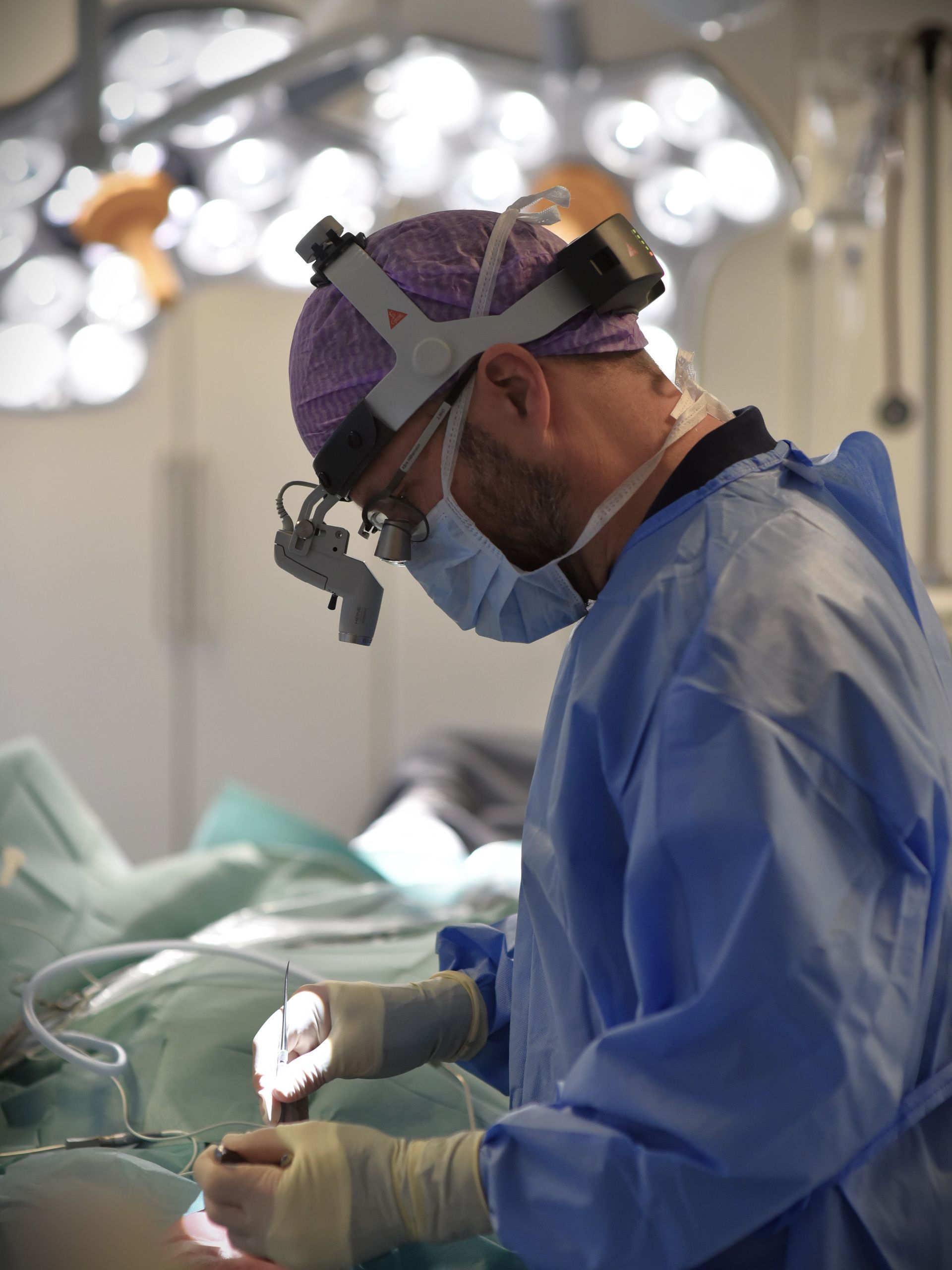
- Experienced specialists with a high number of performed procedures. All surgeons have performed over five hundred independent procedures. The operation is performed only by surgeons who use magnifying glasses and special light sources that ensure unsurpassed insight and overview for the surgeon.
- Modern facilities and the latest equipment for optimal patient experience.
Book an appointment for treatment of a deviated nasal septum (septoplasty)
If you believe you suffer from a deviated nasal septum and would like to be treated with us, please feel free to contact us. Our secretaries are ready to help and answer any questions you may have, as well as to find time for a preliminary examination and surgery.